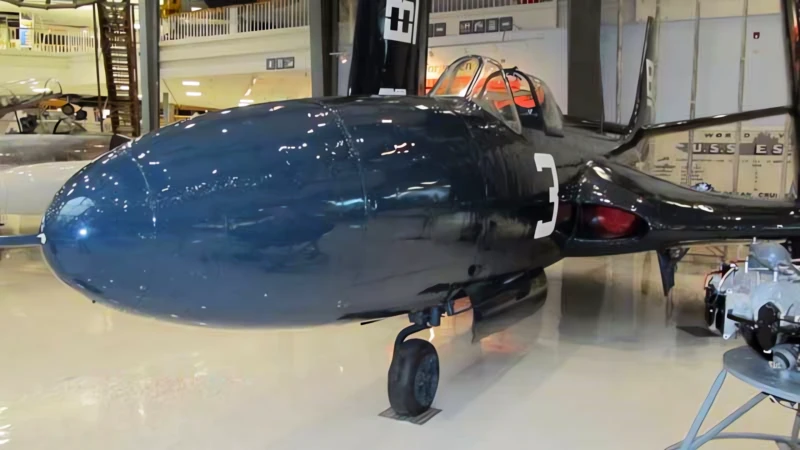
McDonnell FH Phantom |
|
|---|---|
| 国 | 米国 |
| 役割 | 艦上戦闘機 |
| 初飛行 | 1945年1月26日 |
| 構築 | 62 |
ザ マクドネルFHファントム ●第二次世界大戦中にアメリカ海軍のために設計され、初飛行した双発ジェット戦闘機でした。ファントムは、アメリカの空母に着陸した最初の純粋なジェット機であり、アメリカ海兵隊が配備した最初のジェット機でした。戦争の終結に伴い、わずか62機のFH-1が建設されましたが、キャリアベースのジェット戦闘機の実行可能性を証明するのに役立ちました。マクドネルの最初の成功した戦闘機として、朝鮮戦争の2つの最も重要な海軍ジェット戦闘機の一つであった後続のF2Hバンシーの開発につながった、それはまた、海軍航空機の重要なサプライヤーとしてマクドネルを確立します。マクドネルがマッハ2級マクドネル・ダグラスF-4ファントムIIで名前を取り戻すことを選んだとき、それはアメリカ空軍と米海軍によって採用されたベトナム戦争時代の最も汎用性と広く使用される西洋の戦闘機になるものを打ち上げました
ソース: ウィキペディアのマクドネル FH ファントム
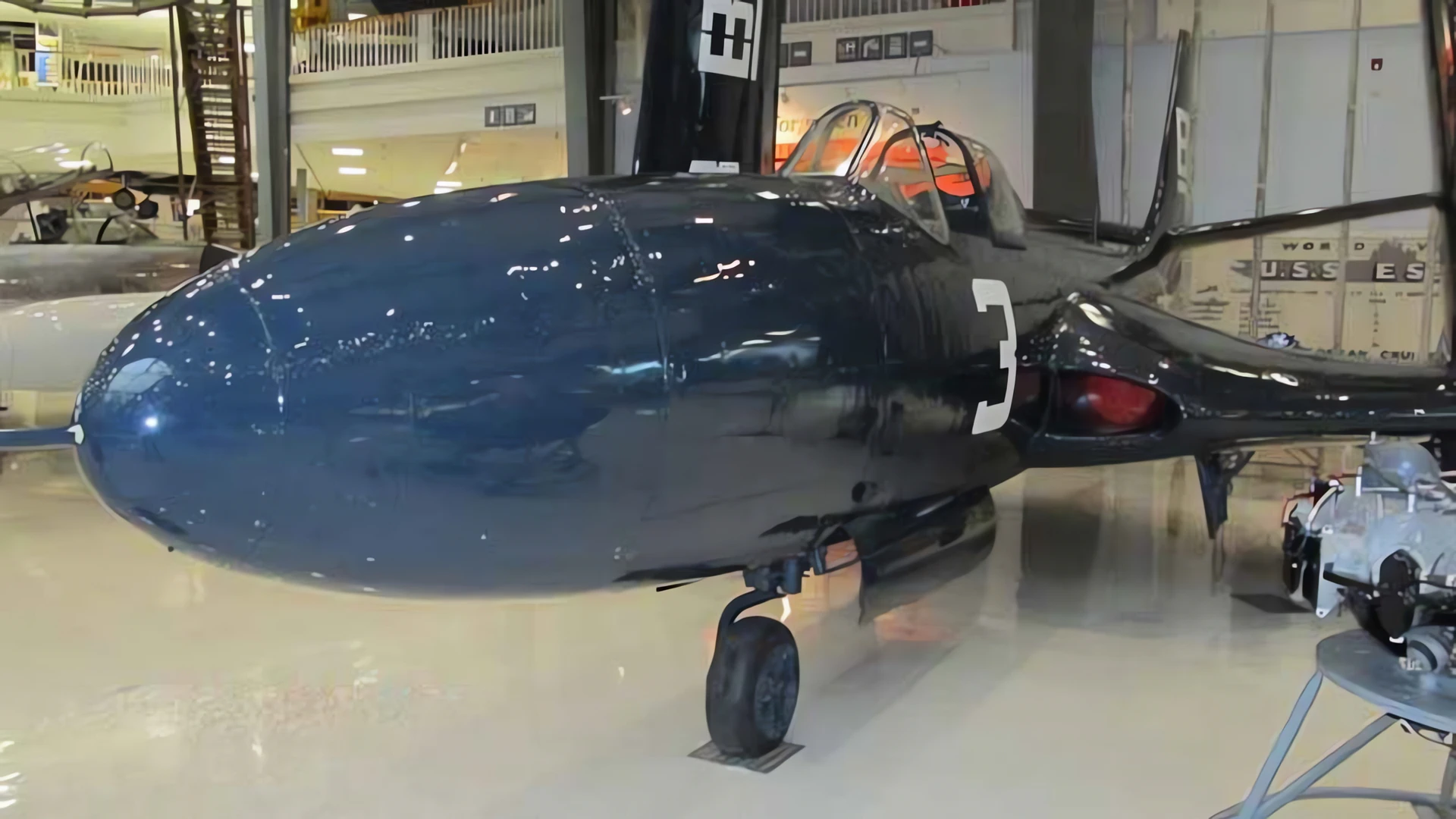
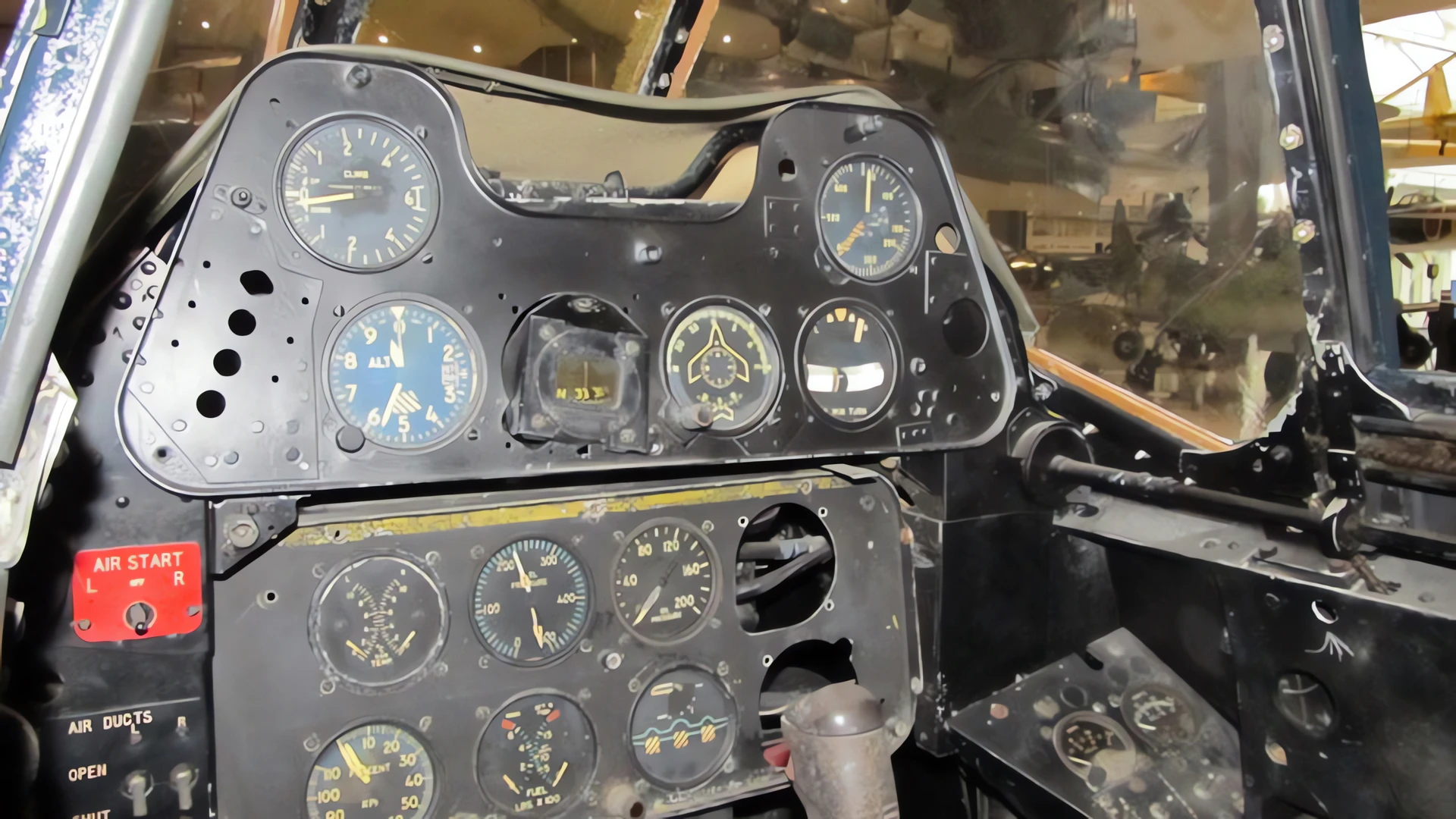
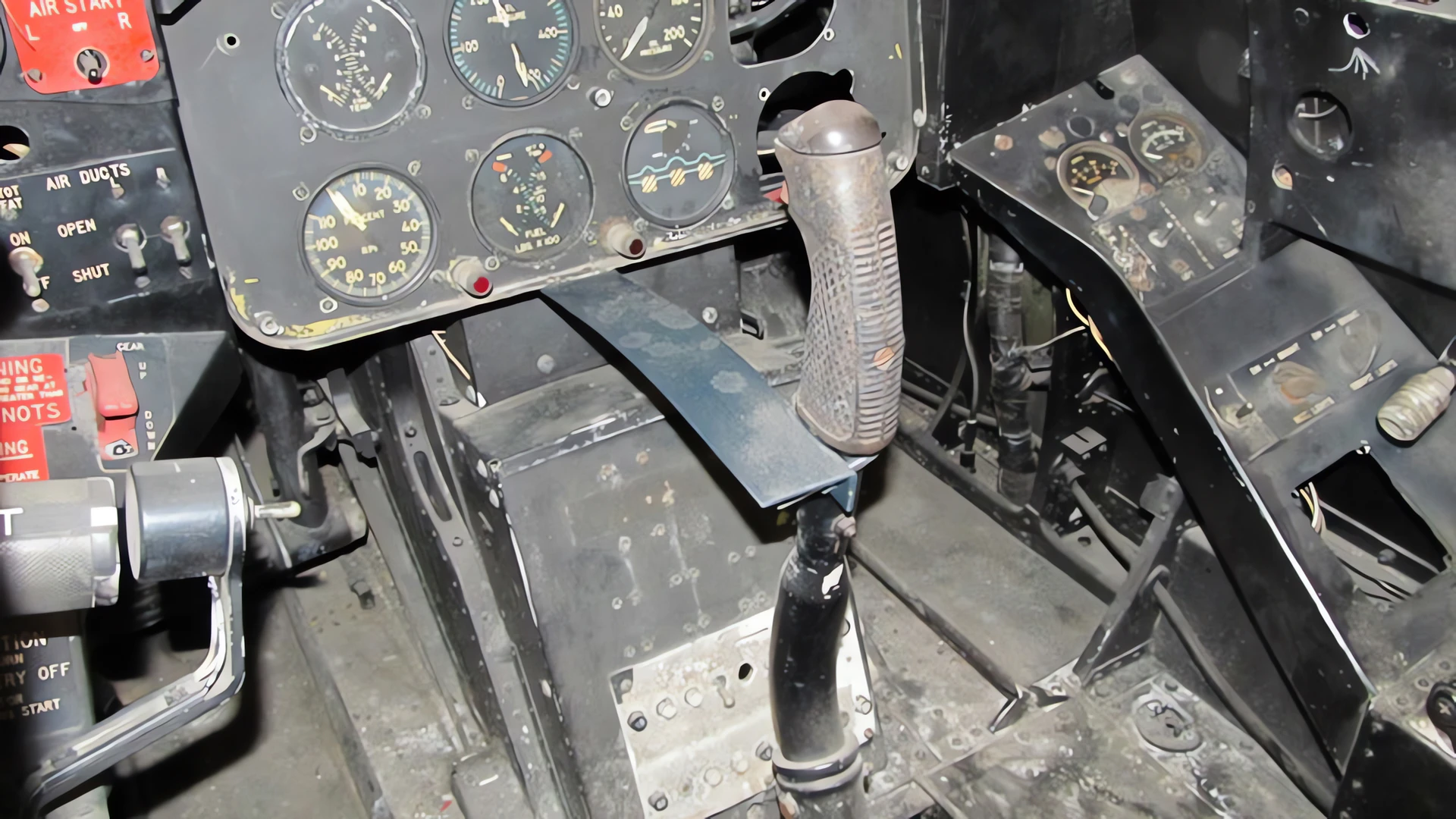
| McDonnell Douglas FH-1 Phantom Walk Around | |
|---|---|
| カメラマン | セス・ヘンドリックス |
| ローカライズ | 知りません |
| 写真 | 24 |
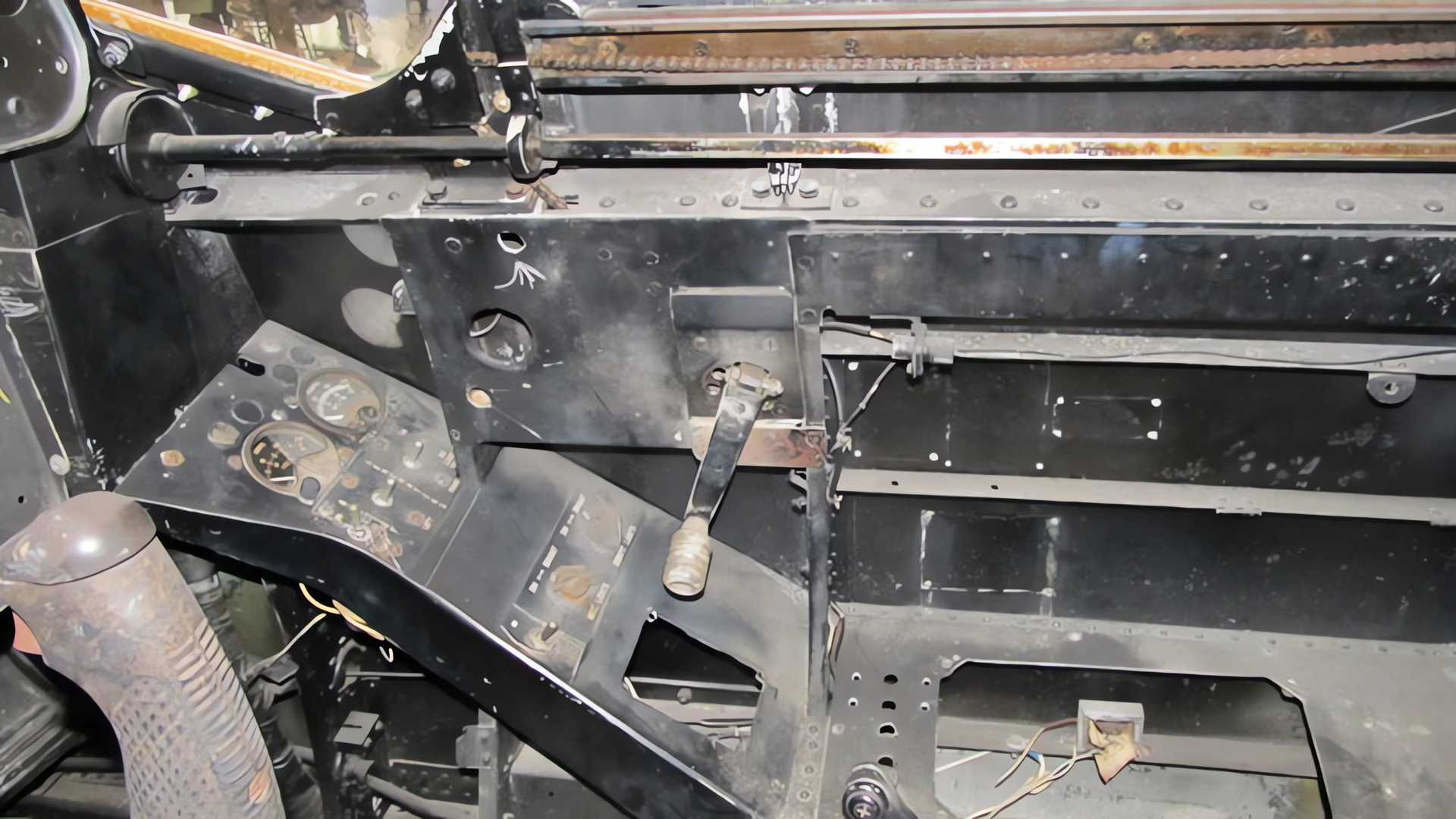
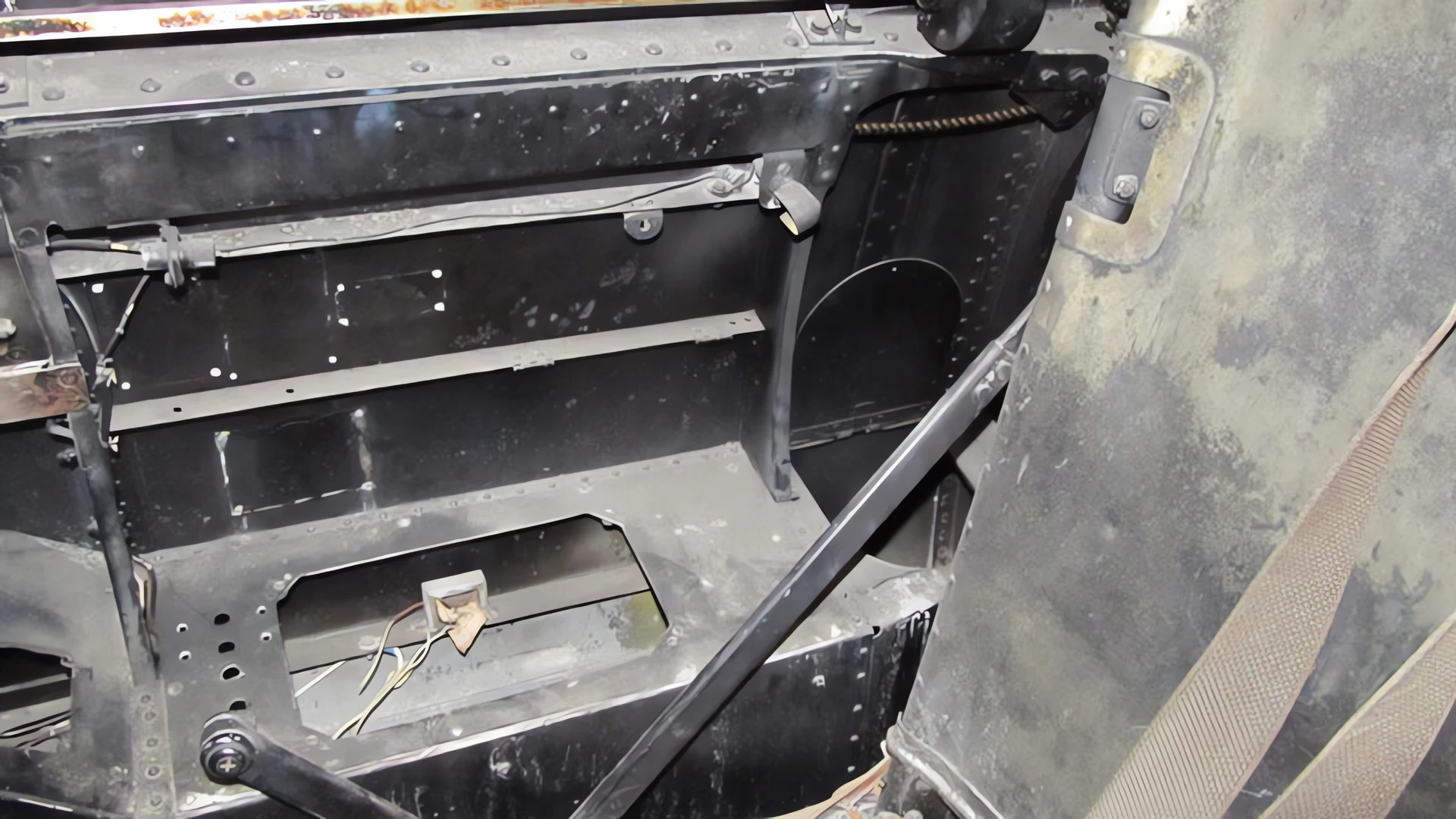
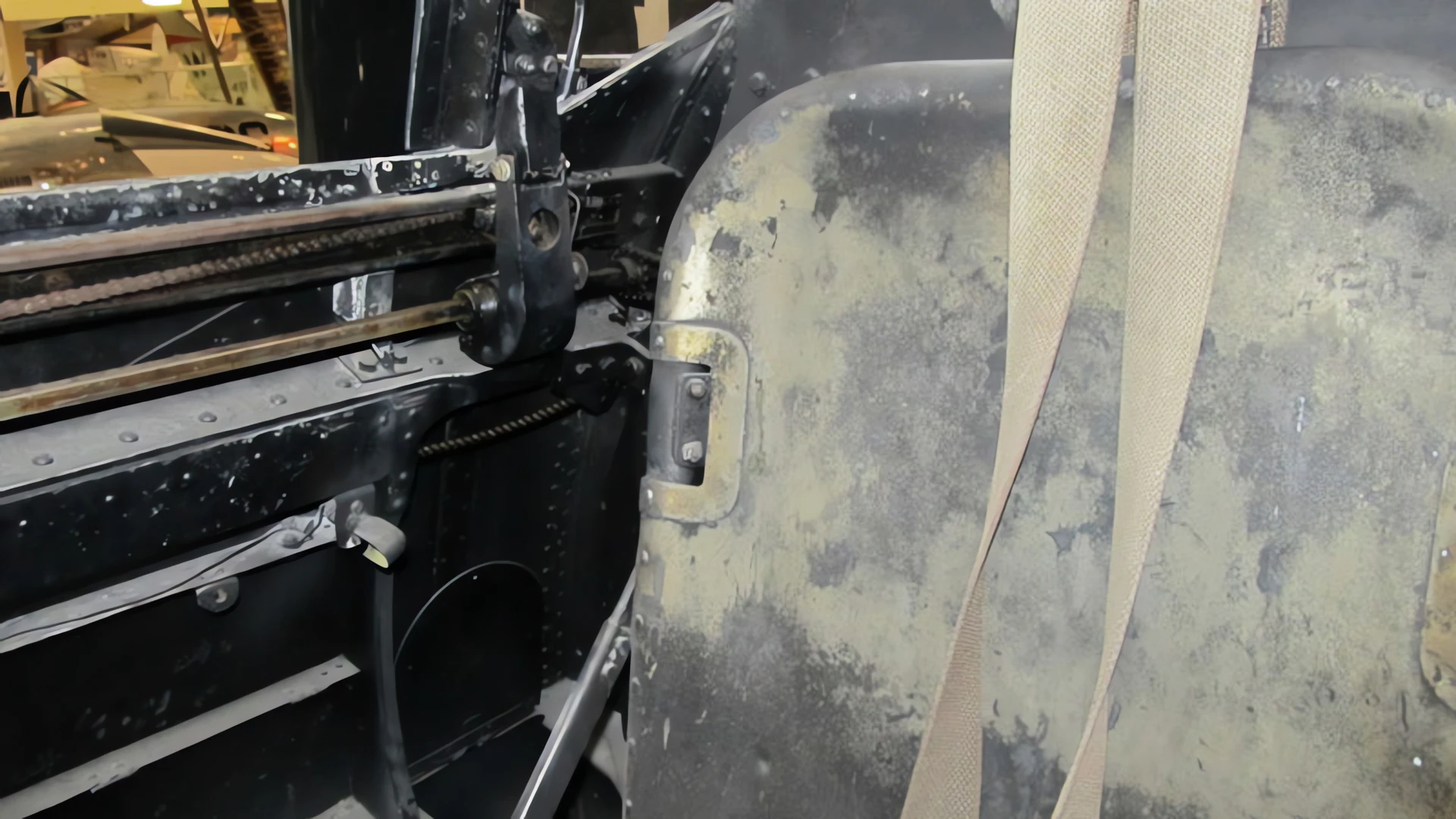
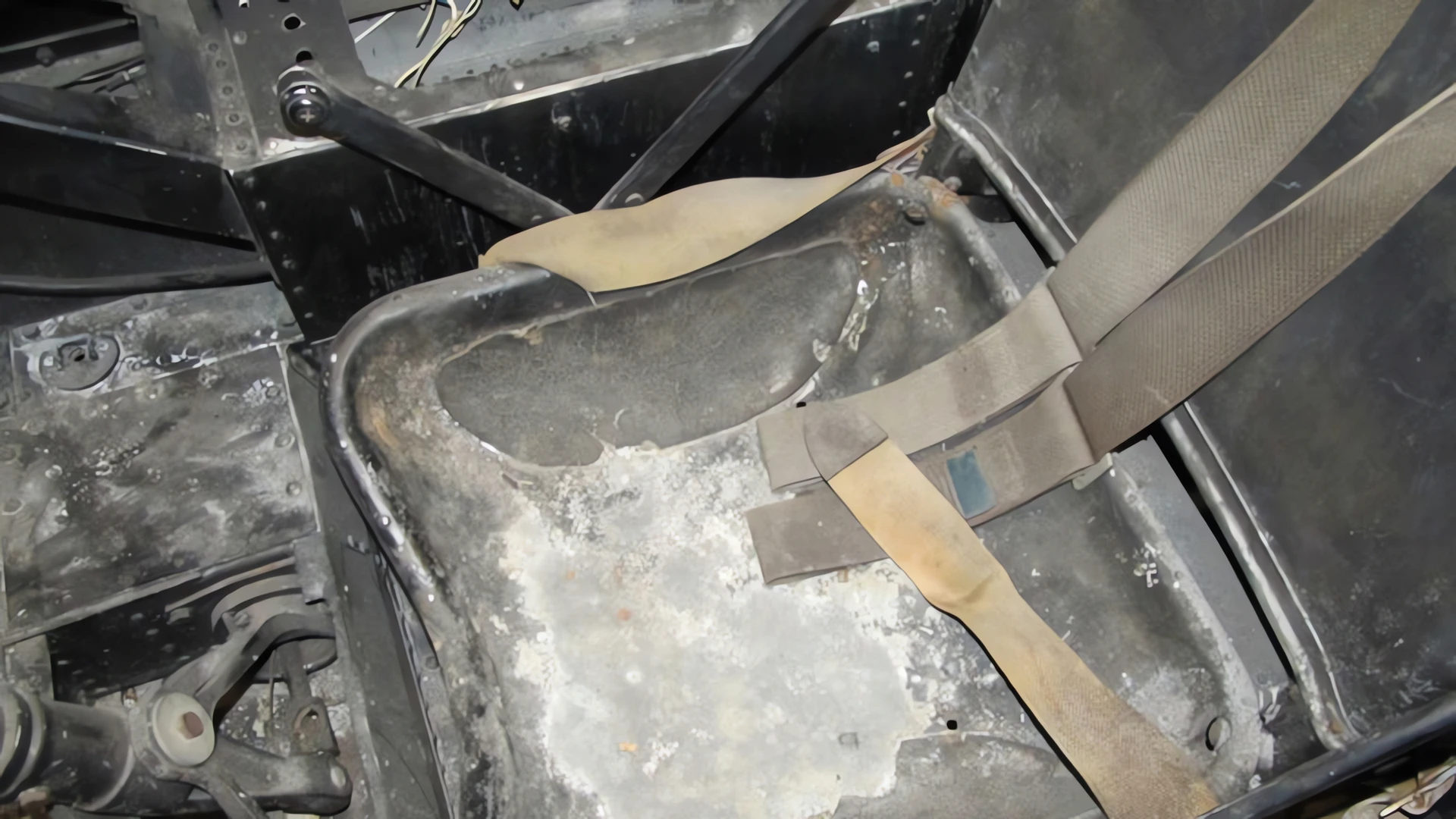
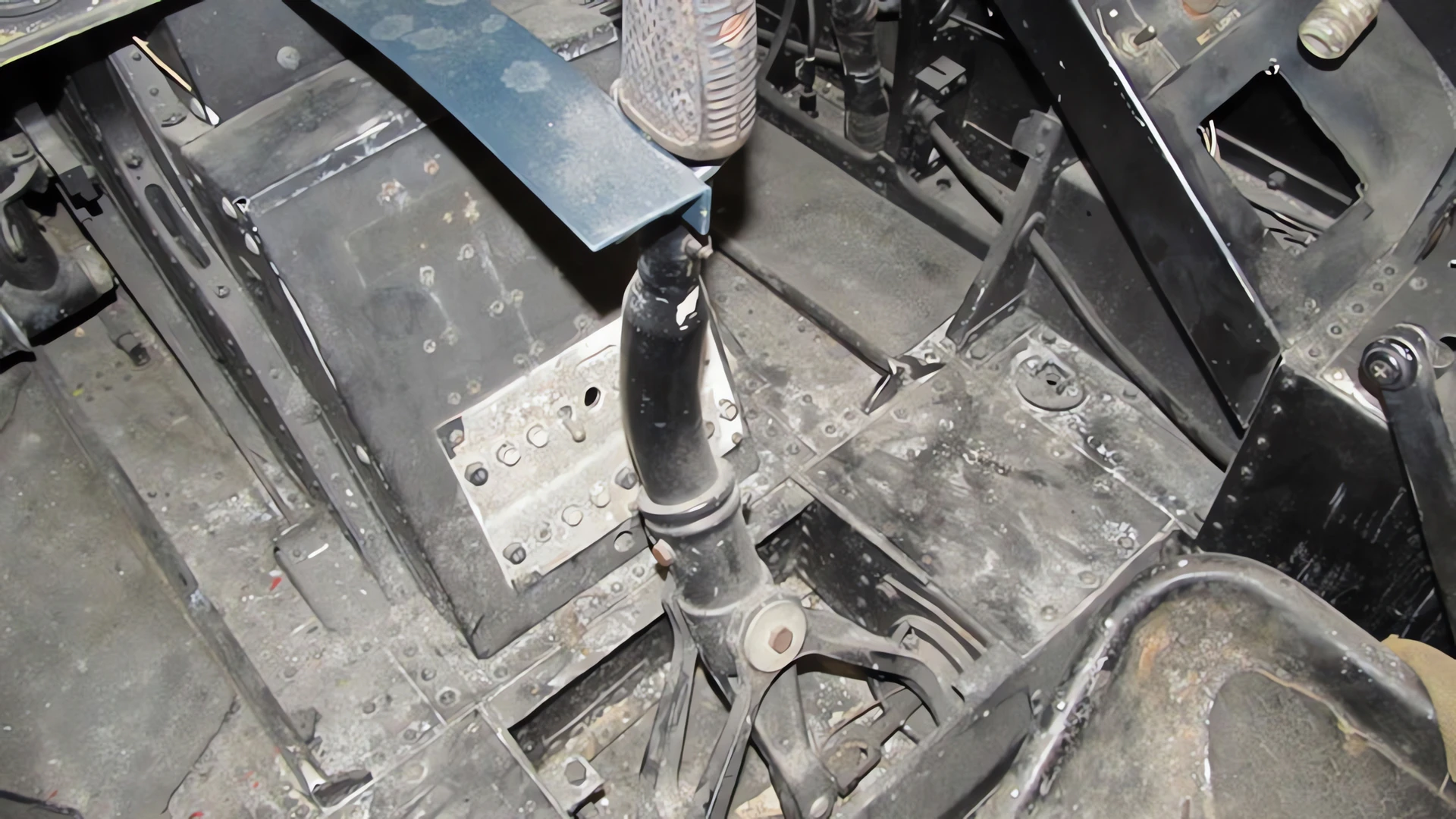
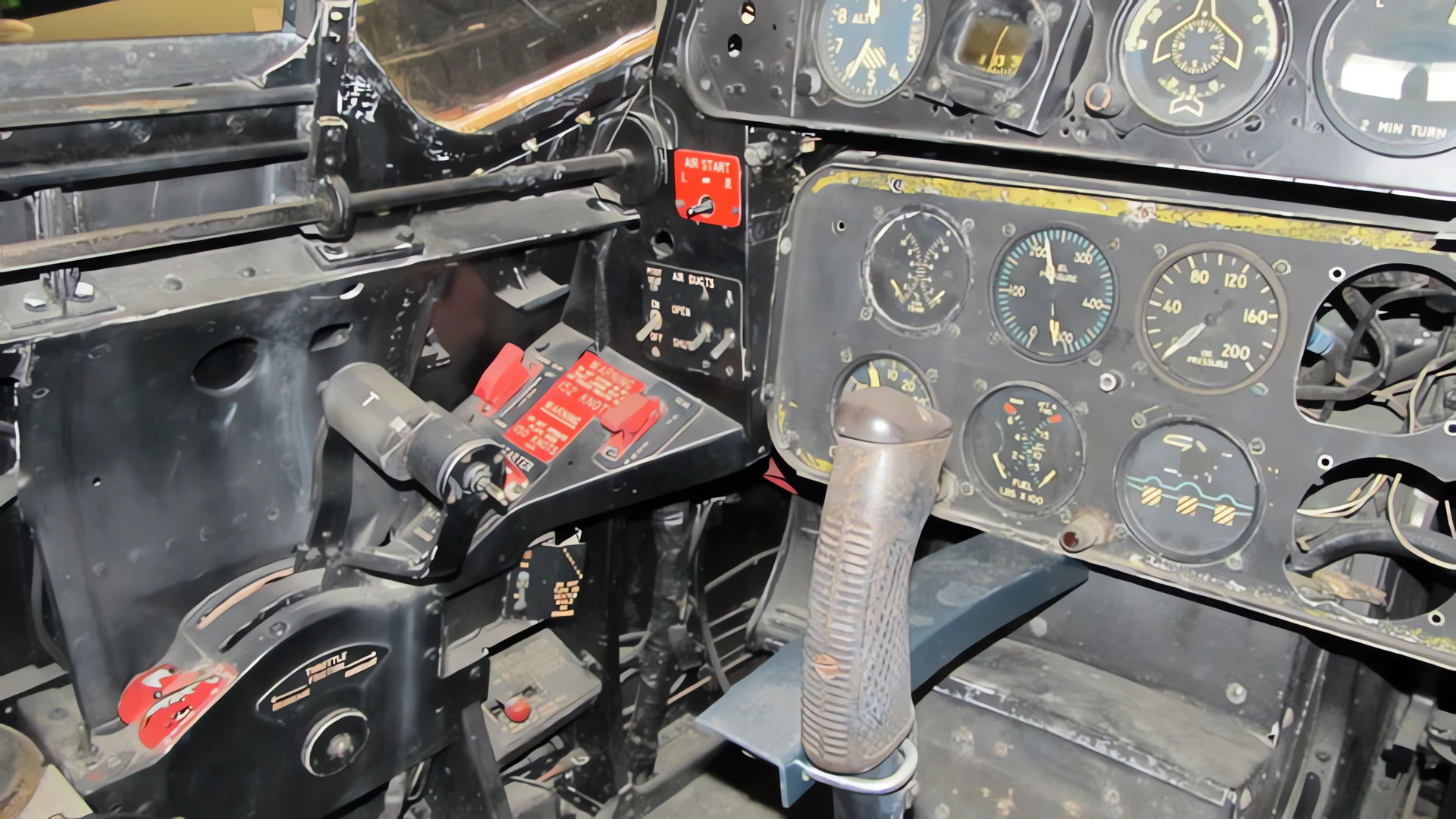

関連項目:


The Navy’s Jet Foundation
ザ McDonnell FH-1 Phantom (originally designated FD-1) was a twin-engine jet fighter that changed naval aviation forever. Developed in the closing years of WWII, it was designed to prove that pure-jet aircraft could successfully operate from carrier decks without the help of a piston engine. While its production run was small and its service life short, it provided the essential data that allowed the U.S. Navy to transition into the Jet Age, setting the stage for the more famous F2H Banshee and the legendary F-4 Phantom II.
| Attribute | Technical Specification (FH-1) |
|---|---|
| 役割 | Carrier-based Fighter |
| 乗組員 | 1 (Pilot) |
| First Flight | January 26, 1945 |
| パワープラント | 2 × Westinghouse J30-WE-20 turbojets |
| Thrust | 1,600 lbf (7.1 kN) per engine |
| 最高速度 | 479 mph (771 km/h) |
| Rate of Climb | 4,230 ft/min (1,289 m/min) |
| 武装 | 4 × .50 cal (12.7 mm) M2 Browning machine guns |
Clean Lines and Buried Engines
- Wing-Root Integration: To minimize frontal area and drag, McDonnell engineers “buried” the small Westinghouse turbojets into the wing roots. This gave the FH-1 a remarkably clean aerodynamic profile compared to the bulky engine pods seen on the German Me 262 or British Meteor.
- Straight-Wing Efficiency: At the time, swept wings were still experimental. The FH-1 used a thin, straight wing that provided excellent lift and predictable handling during the low-speed, high-stress environment of a carrier landing.
- Tricycle Landing Gear: One of the first naval aircraft to utilize a nosewheel, the FH-1 offered pilots a much better view of the carrier deck during landing compared to traditional “taildraggers.”
- Squared-Off Tail: The vertical stabilizer featured a distinctive squared-off top, a design element that became a signature of early McDonnell jet fighters.
A Brief but Historic Career
- A Historic Landing: On July 21, 1946, Commander James Davidson made the first-ever landing and takeoff by an all-jet aircraft from a U.S. carrier, the USS Franklin D. Roosevelt, using an FH-1.
- The “Phantom Knights”: Marine Fighter Squadron 122 (VMF-122) became the first Marine squadron to be equipped with jets when they received the FH-1 in 1947. They were famously known as the “Phantom Knights” and formed the first Marine jet aerobatic team.
- Rapid Obsolescence: Because engine technology was advancing at a breakneck pace, the FH-1 was underpowered by the time it reached full squadron strength. It was quickly replaced by its larger, more powerful successor, the F2H Banshee.
- Preservation: Only 62 Phantoms were built. Today, rare survivors can be found at the 国立航空宇宙博物館 と National Museum of Naval Aviation.
ビュー:2425
また、次の項目もご覧ください。
 マクドネルXF-85ゴブリン – 写真&動画
 ロッキードP-3オリオン – 写真&ビデオ
 McDonnell Douglas F/A-18 Hornnet – Photos & Video
 McDonnell F3H Demon – Photos & Video
 McDonnell F2H Banshee – Photos & Video
 McDonnell Douglas KC-10 Extender – Photos & Video
 McDonnell Douglas T-45 Goshawk – Photos & Video
 McDonnell F-101B Voodoo – Photos & Video
 フェアリーバトル - ウォークアラウンド
 ホーカーシーフューリー – 歩き回る