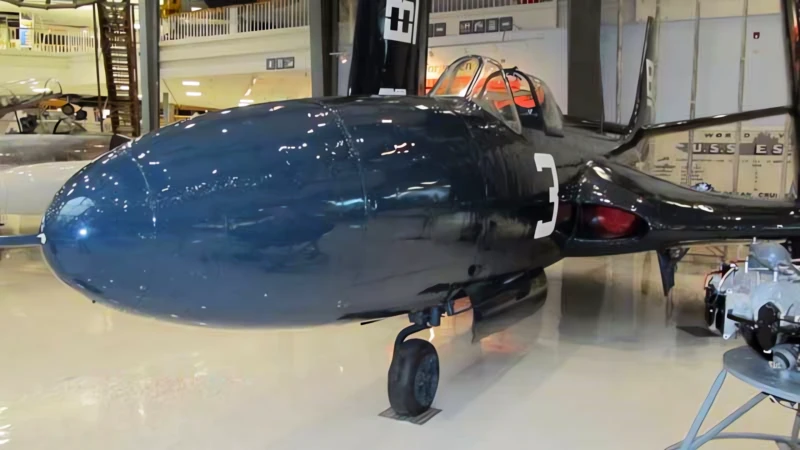
McDonnell FH Phantom |
|
|---|---|
| Χώρα | Ηπα |
| Ρόλο | Μαχητικά αεροσκάφη με βάση αεροπλανοφόρο |
| Πρώτη πτήση | 26 Ιανουαρίου 1945 |
| Χτισμένο | 62 |
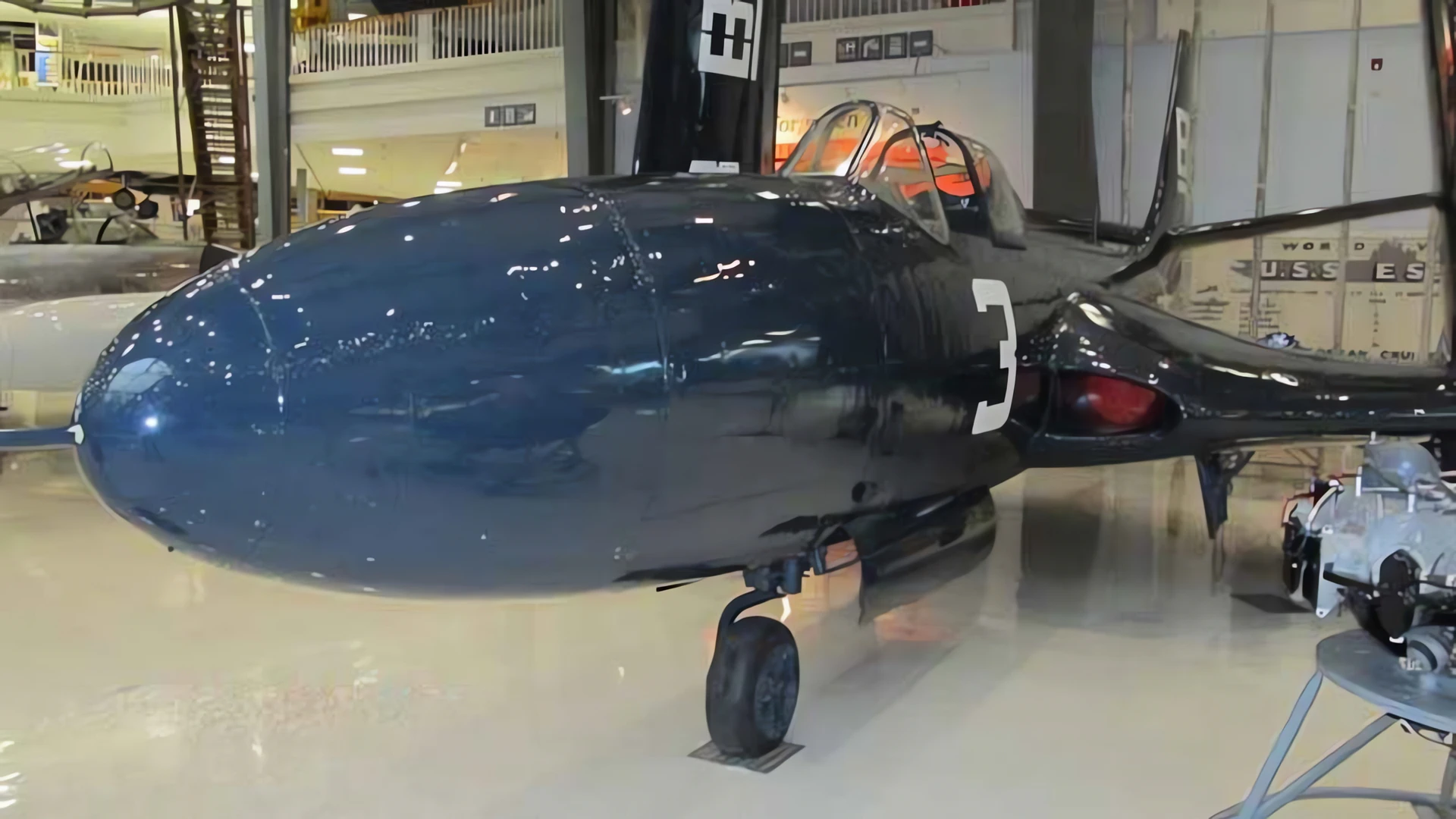
Teh McDonnell FH φάντασμα ήταν ένα δικινητήριο μαχητικό αεροσκάφος που σχεδιάστηκε και πέταξε για πρώτη φορά κατά τη διάρκεια του Β 'Παγκοσμίου Πολέμου για το Πολεμικό Ναυτικό των Ηνωμένων Πολιτειών. Το Phantom ήταν το πρώτο αμιγώς αεριωθούμενο αεροσκάφος που προσγειώθηκε σε αμερικανικό αεροπλανοφόρο και το πρώτο τζετ που αναπτύχθηκε από το Σώμα Πεζοναυτών των Ηνωμένων Πολιτειών. Αν και με το τέλος του πολέμου, κατασκευάστηκαν μόνο 62 FH-1, βοήθησε να αποδειχθεί η βιωσιμότητα των μαχητικών αεροπλανοφόρων. Ως το πρώτο επιτυχημένο μαχητικό της McDonnell, που οδήγησε στην ανάπτυξη του F2H Banshee, το οποίο ήταν ένα από τα δύο σημαντικότερα ναυτικά μαχητικά αεροσκάφη του πολέμου της Κορέας, θα καθιερώσει επίσης την McDonnell ως σημαντικό προμηθευτή αεροσκαφών του Ναυτικού. Όταν η McDonnell επέλεξε να επαναφέρει το όνομα με το McDonnell Douglas F-4 Phantom II κλάσης Mach 2, ξεκίνησε αυτό που θα γινόταν το πιο ευέλικτο και ευρέως χρησιμοποιούμενο δυτικό μαχητικό αεροσκάφος της εποχής του πολέμου του Βιετνάμ, που υιοθετήθηκε από την USAF και το Πολεμικό Ναυτικό των ΗΠΑ
Πηγή: McDonnell FH Phantom στη Wikipedia
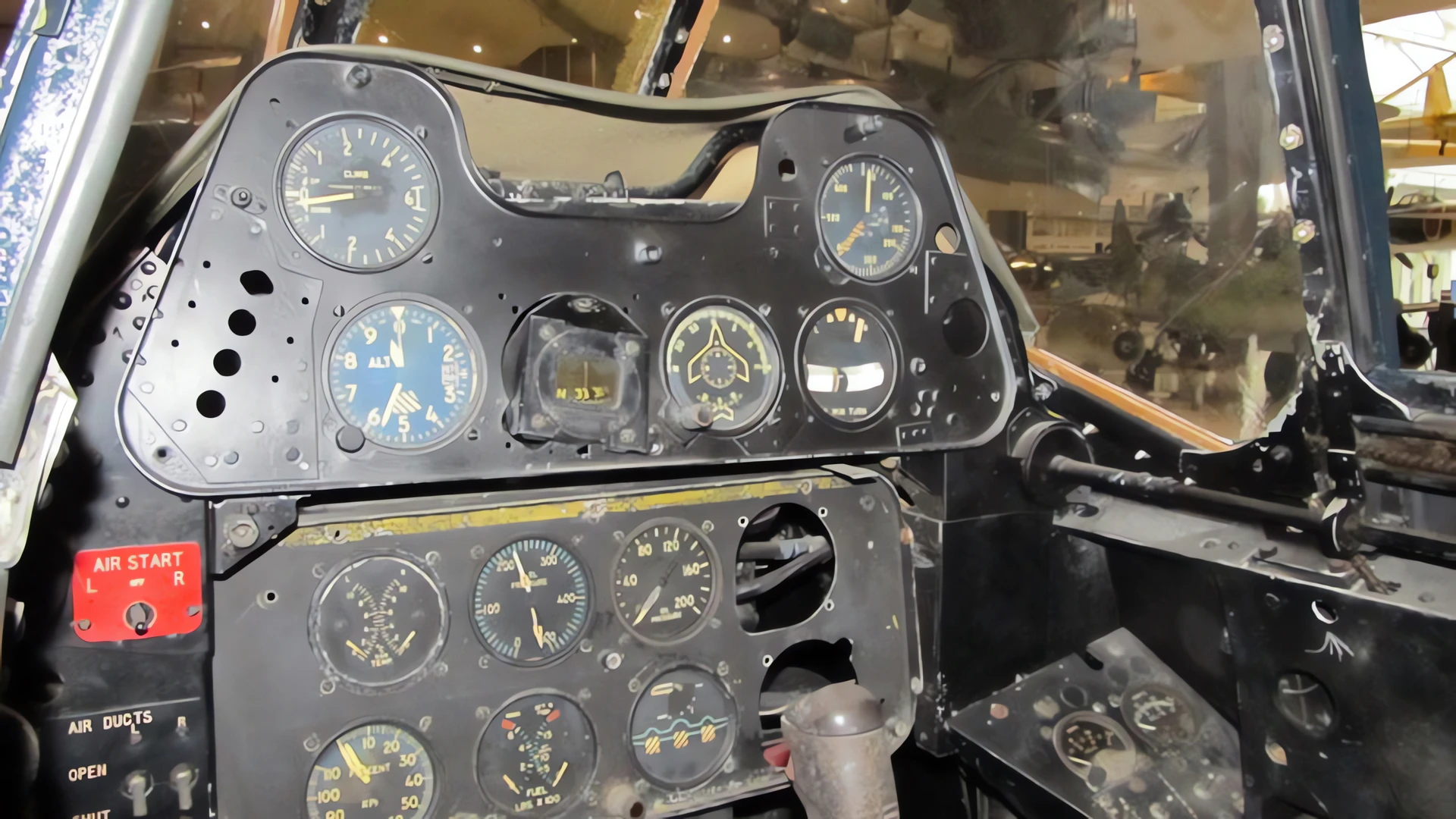
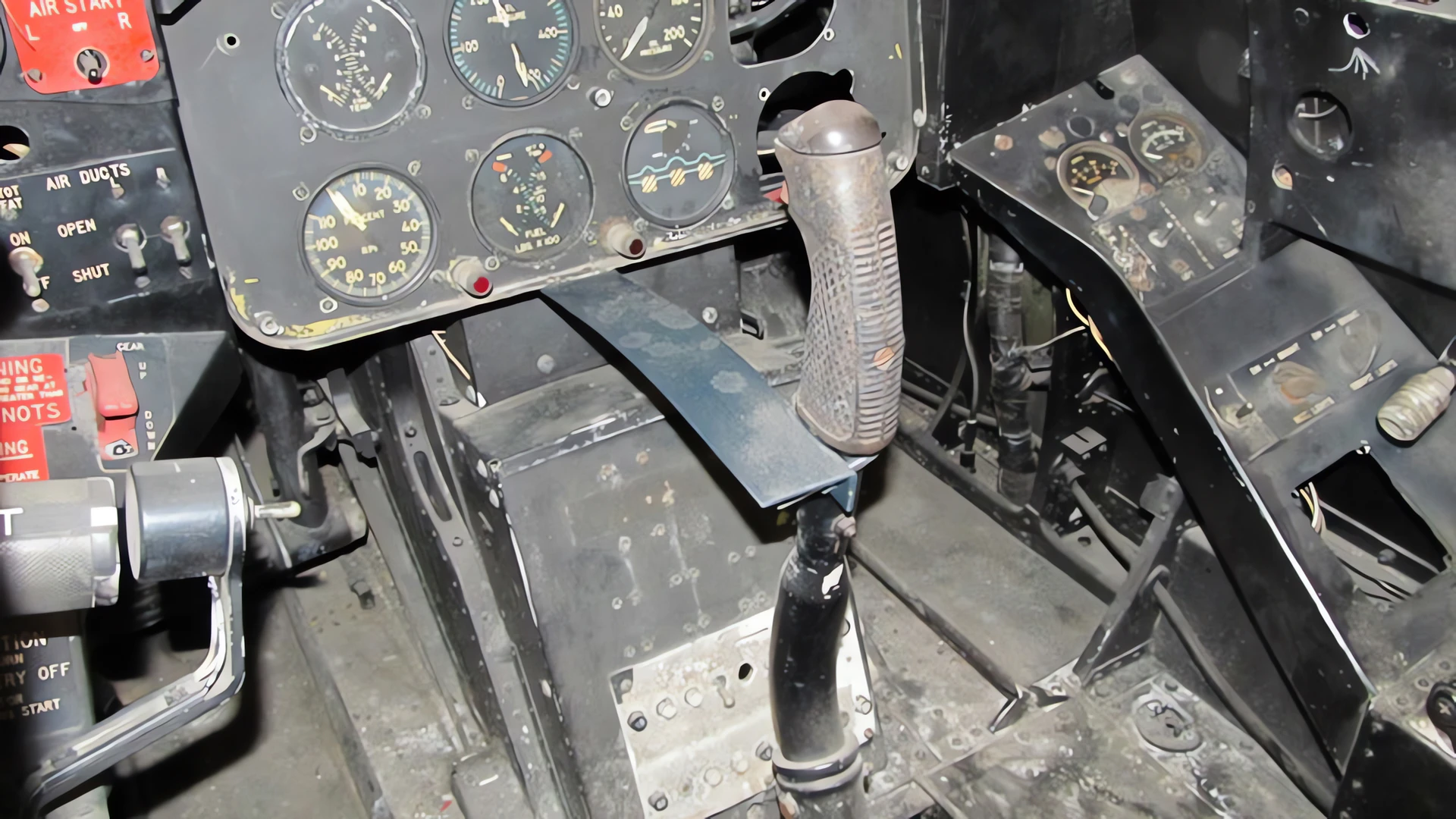
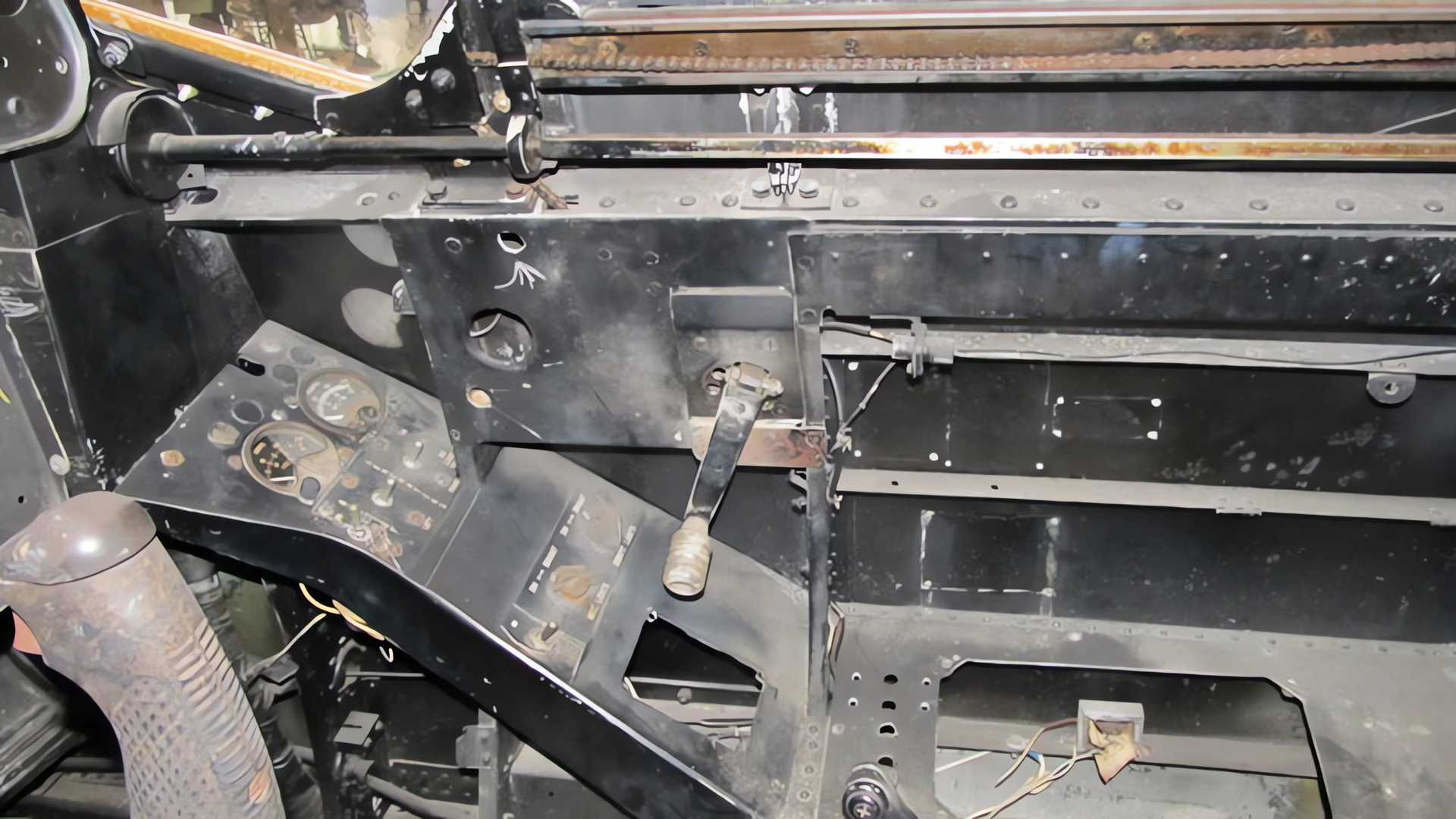
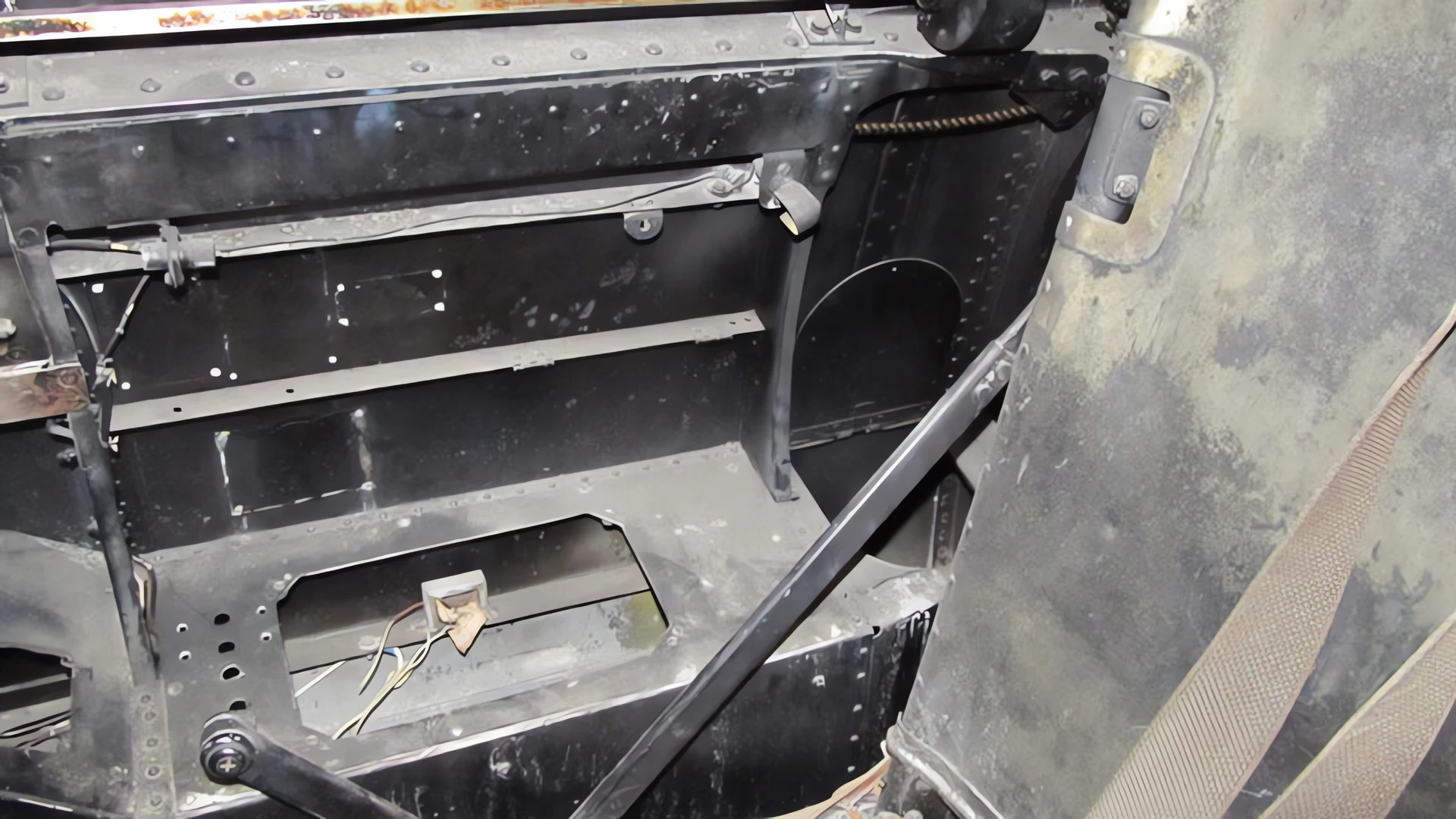
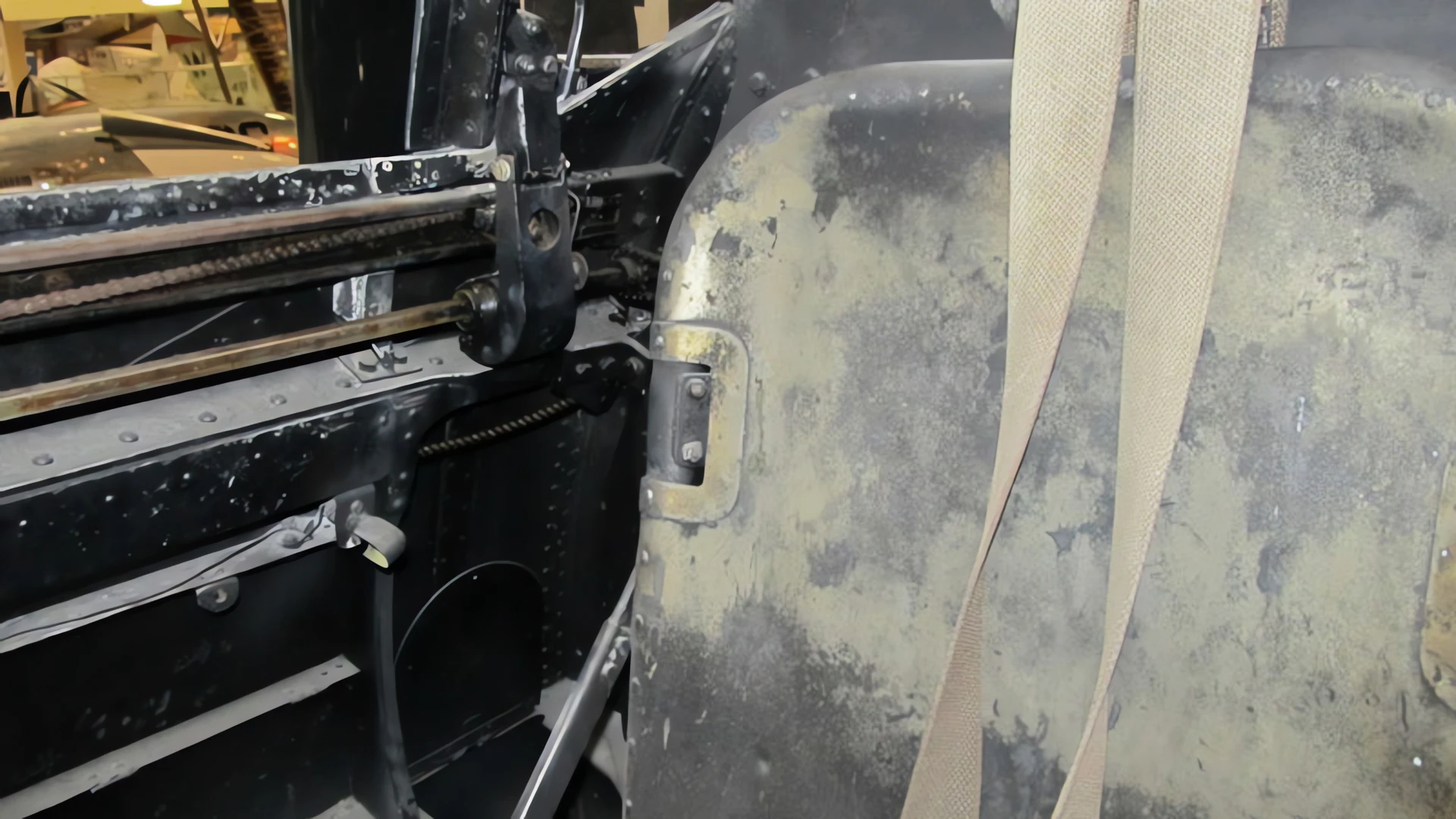
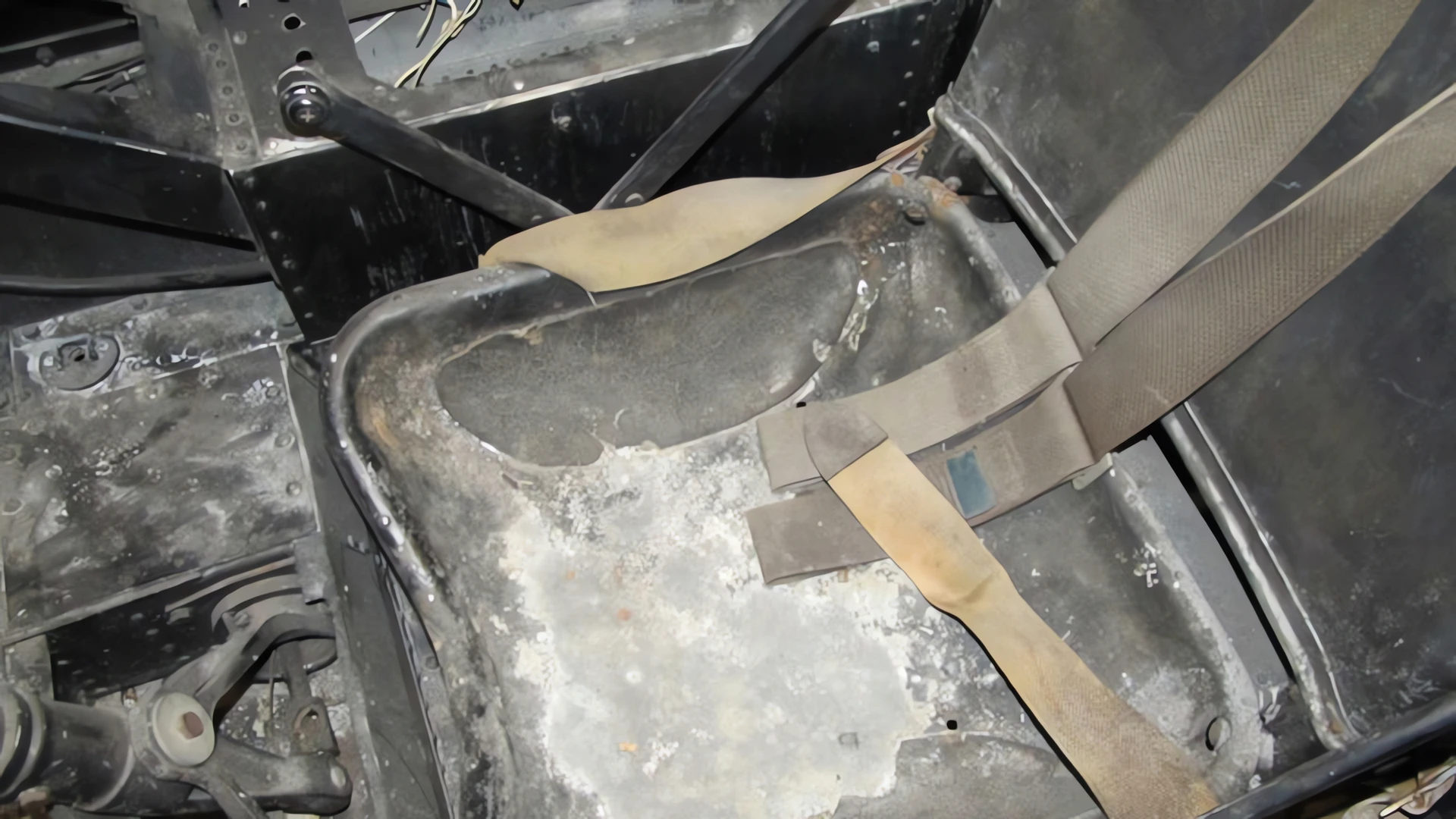
| McDonnell Douglas FH-1 Phantom Walk Around | |
|---|---|
| Φωτογράφος | Σίες Χέντρικς |
| Εντοπισμού | Αγνοώ |
| Φωτογραφίες | 24 |
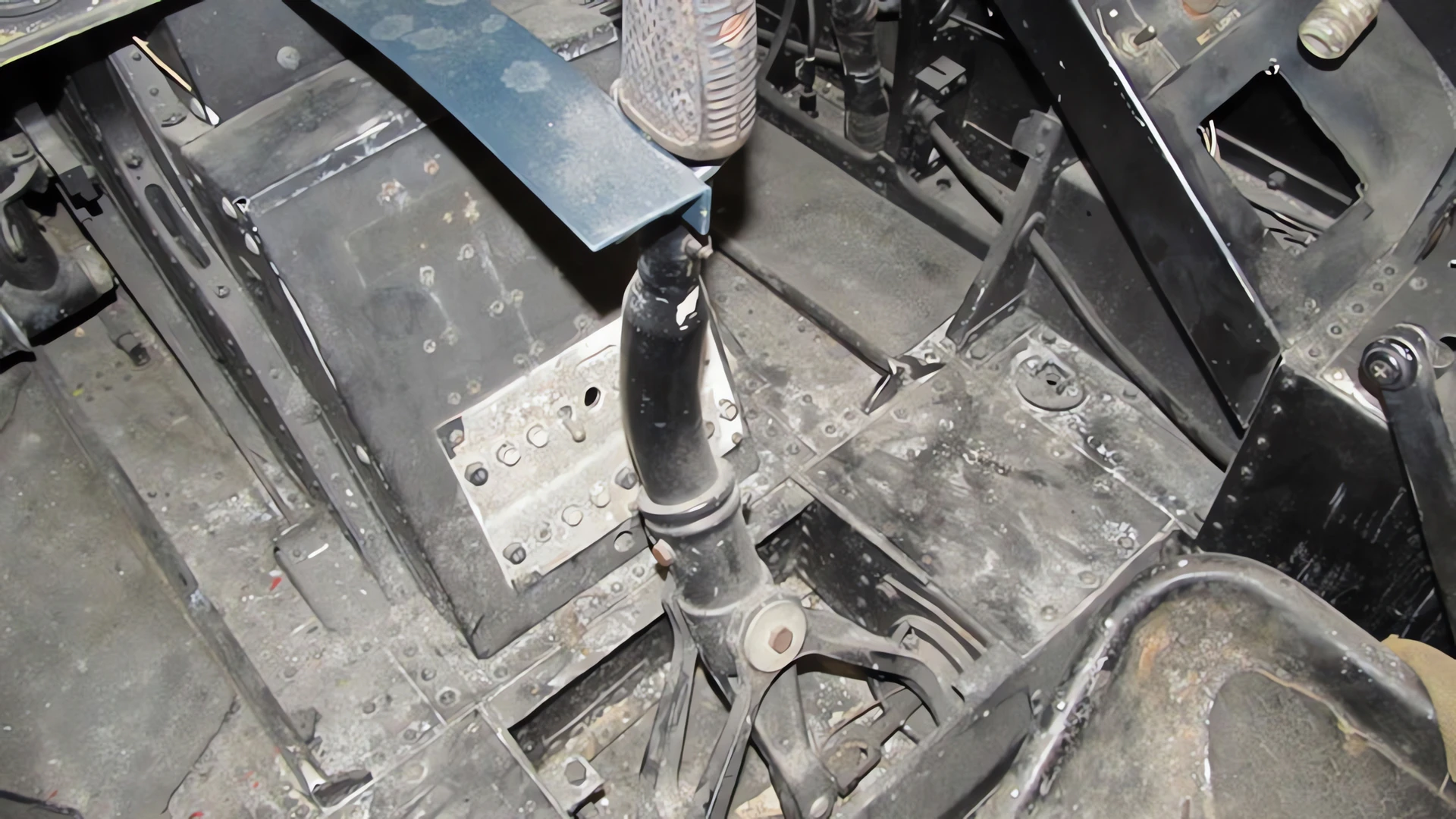
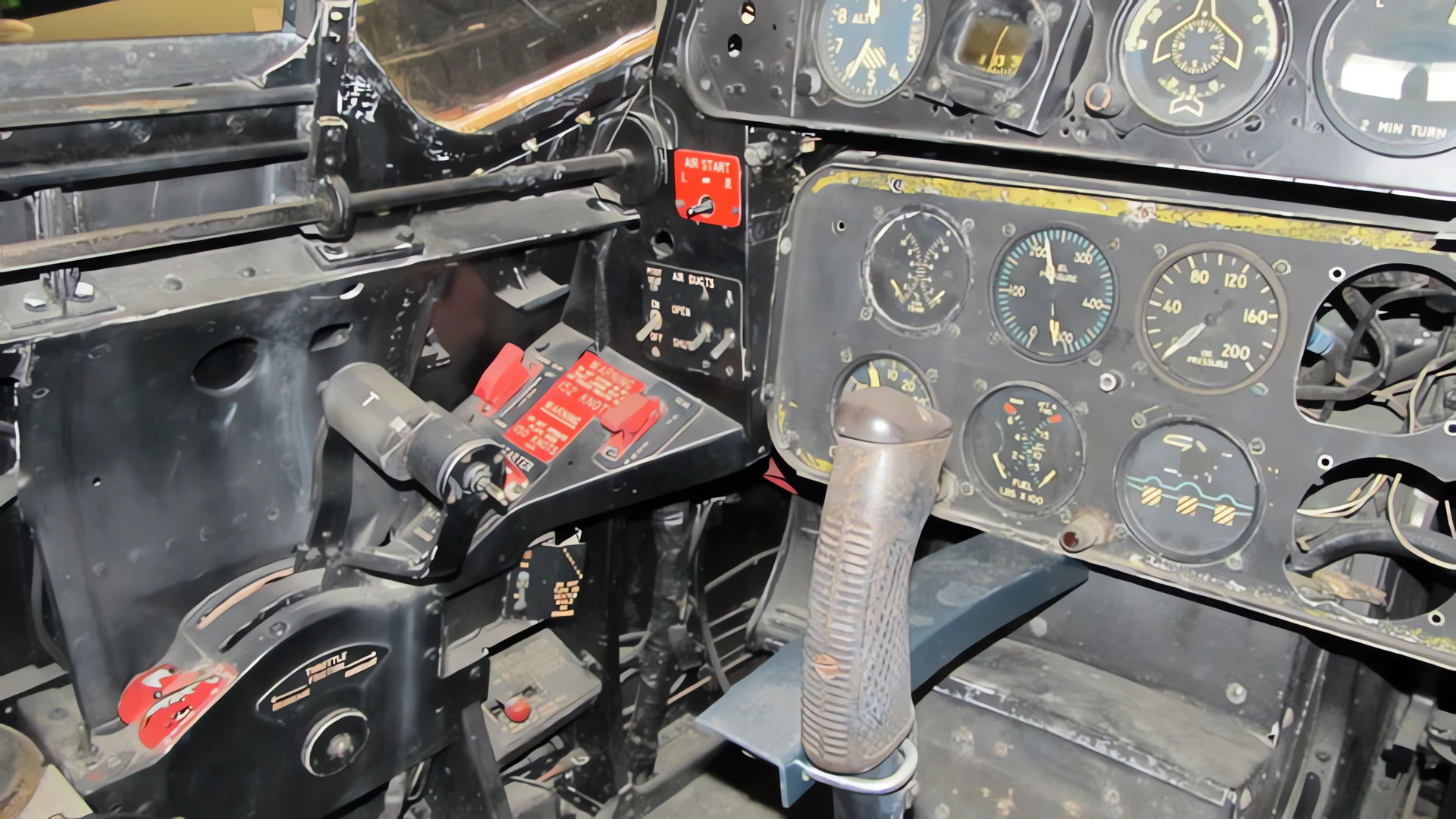

Δείτε επίσης:


The Navy’s Jet Foundation
Teh McDonnell FH-1 Phantom (originally designated FD-1) was a twin-engine jet fighter that changed naval aviation forever. Developed in the closing years of WWII, it was designed to prove that pure-jet aircraft could successfully operate from carrier decks without the help of a piston engine. While its production run was small and its service life short, it provided the essential data that allowed the U.S. Navy to transition into the Jet Age, setting the stage for the more famous F2H Banshee and the legendary F-4 Phantom II.
| Attribute | Technical Specification (FH-1) |
|---|---|
| Ρόλο | Carrier-based Fighter |
| Πλήρωμα | 1 (Pilot) |
| First Flight | January 26, 1945 |
| Πλάστης ισχύος | 2 × Westinghouse J30-WE-20 turbojets |
| Thrust | 1,600 lbf (7.1 kN) per engine |
| Maximum Speed | 479 mph (771 km/h) |
| Rate of Climb | 4,230 ft/min (1,289 m/min) |
| Οπλισμός | 4 × .50 cal (12.7 mm) M2 Browning machine guns |
Clean Lines and Buried Engines
- Wing-Root Integration: To minimize frontal area and drag, McDonnell engineers “buried” the small Westinghouse turbojets into the wing roots. This gave the FH-1 a remarkably clean aerodynamic profile compared to the bulky engine pods seen on the German Me 262 or British Meteor.
- Straight-Wing Efficiency: At the time, swept wings were still experimental. The FH-1 used a thin, straight wing that provided excellent lift and predictable handling during the low-speed, high-stress environment of a carrier landing.
- Tricycle Landing Gear: One of the first naval aircraft to utilize a nosewheel, the FH-1 offered pilots a much better view of the carrier deck during landing compared to traditional “taildraggers.”
- Squared-Off Tail: The vertical stabilizer featured a distinctive squared-off top, a design element that became a signature of early McDonnell jet fighters.
A Brief but Historic Career
- A Historic Landing: On July 21, 1946, Commander James Davidson made the first-ever landing and takeoff by an all-jet aircraft from a U.S. carrier, the USS Franklin D. Roosevelt, using an FH-1.
- The “Phantom Knights”: Marine Fighter Squadron 122 (VMF-122) became the first Marine squadron to be equipped with jets when they received the FH-1 in 1947. They were famously known as the “Phantom Knights” and formed the first Marine jet aerobatic team.
- Rapid Obsolescence: Because engine technology was advancing at a breakneck pace, the FH-1 was underpowered by the time it reached full squadron strength. It was quickly replaced by its larger, more powerful successor, the F2H Banshee.
- Preservation: Only 62 Phantoms were built. Today, rare survivors can be found at the Εθνικό Μουσείο Αέρος και Διαστήματος και η National Museum of Naval Aviation.
Θεάσεις : 2432
Μπορείτε επίσης να δείτε:
 McDonnell XF-85 Goblin – Φώτο & Βίντεο
 Lockheed P-3 Orion – Φώτο &; Βίντεο
 McDonnell Douglas F/A-18 Hornet – Φώτο & Βίντεο
 McDonnell F3H Demon – Φώτο &; Βίντεο
 McDonnell F2H Banshee – Φώτο & Βίντεο
 McDonnell Douglas KC-10 Extender – Φώτο & Βίντεο
 ΜακΝτόνελ Ντάγκλας T-45 Goshawk – Φωτογραφίες & Βίντεο
 McDonnell F-101B Voodoo – Φώτο & Βίντεο
 Μάχη νεράιδων - ΠερίπατοςAround
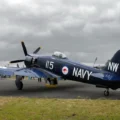 Hawker Θάλασσα Μανία - Περπατήστε γύρω