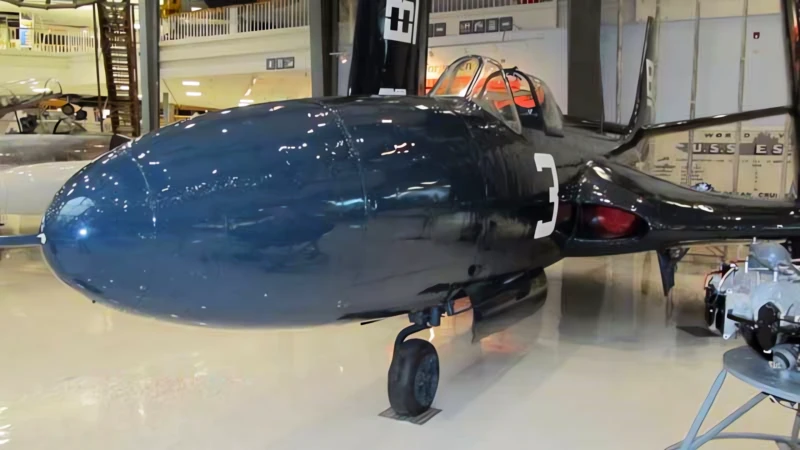
McDonnell FH Phantom |
|
|---|---|
| Страны | США |
| Роль | Истребители на базе авианосца |
| Первый полет | 26 января 1945 года |
| Построен | 62 |
Teh Макдоннелл FH Фантом — двухмоторный реактивный истребитель, разработанный и впервые летевший во время Второй мировой войны для ВМС США. Phantom был первым чисто реактивным самолетом, приземлився на американский авианосец, и первым самолетом, развернутым Корпусом морской пехоты США. Хотя с окончанием войны было построено всего 62 FH-1, это помогло доказать жизнеспособность реактивных истребителей на базе авианосцев. Как первый успешный истребитель Макдоннелла, приведший к разработке последующего F2H Banshee, который был одним из двух наиболее важных морских реактивных истребителей Корейской войны, он также создаст McDonnell в качестве важного поставщика военно-морских самолетов. Когда Макдоннелл решил вернуть имя с Mach 2-класса McDonnell Douglas F-4 Phantom II, он начал то, что станет самым универсальным и широко используемым западным боевым самолетом эпохи войны во Вьетнаме, принятых ВВС США и ВМС США
Источник: Макдоннелл FH Фантом на Википедии
| McDonnell Douglas FH-1 Phantom Walk Around | |
|---|---|
| Фотограф | Сес Хендрикс |
| Локализации | Неизвестная |
| Фотографии | 24 |
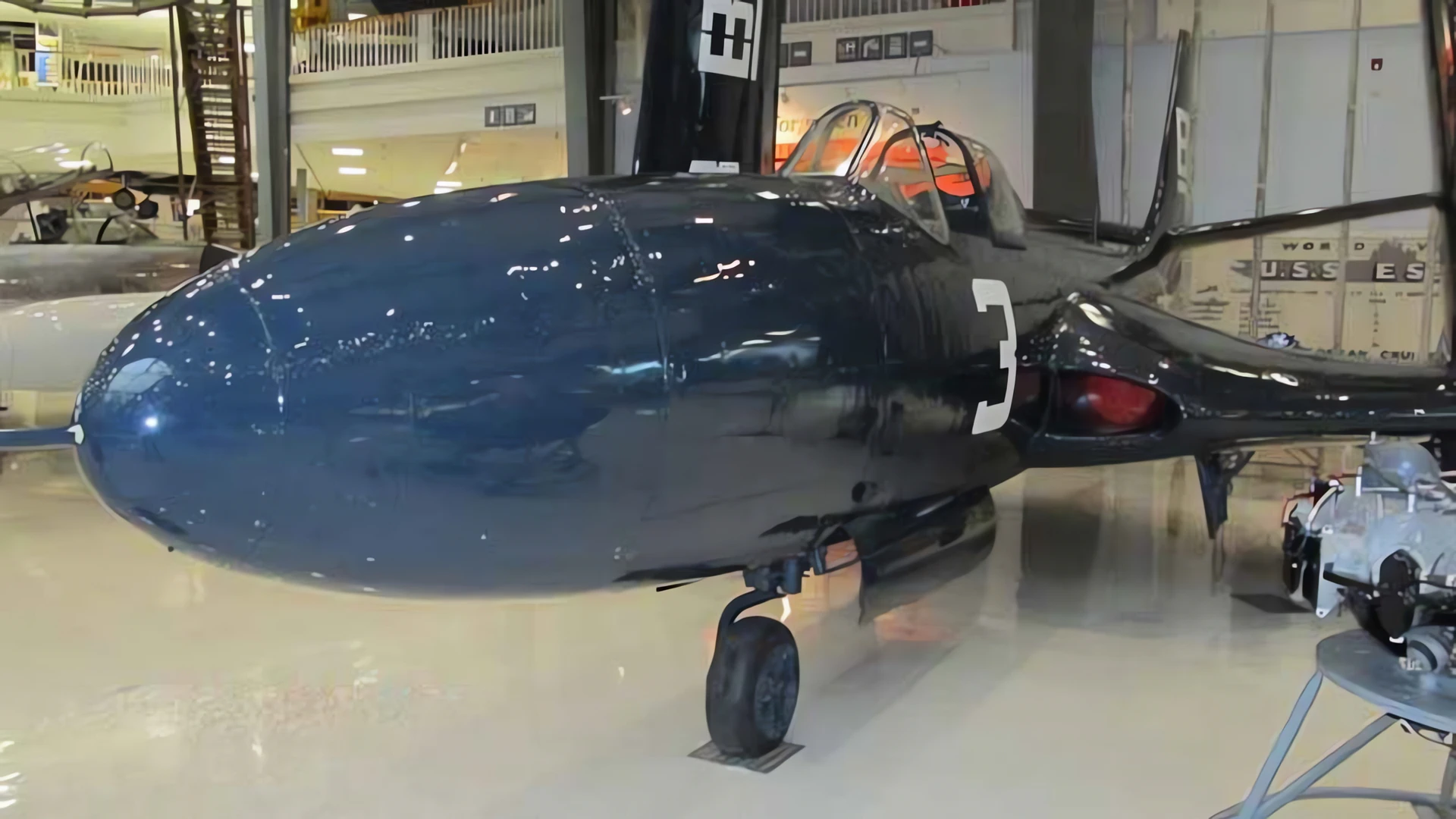
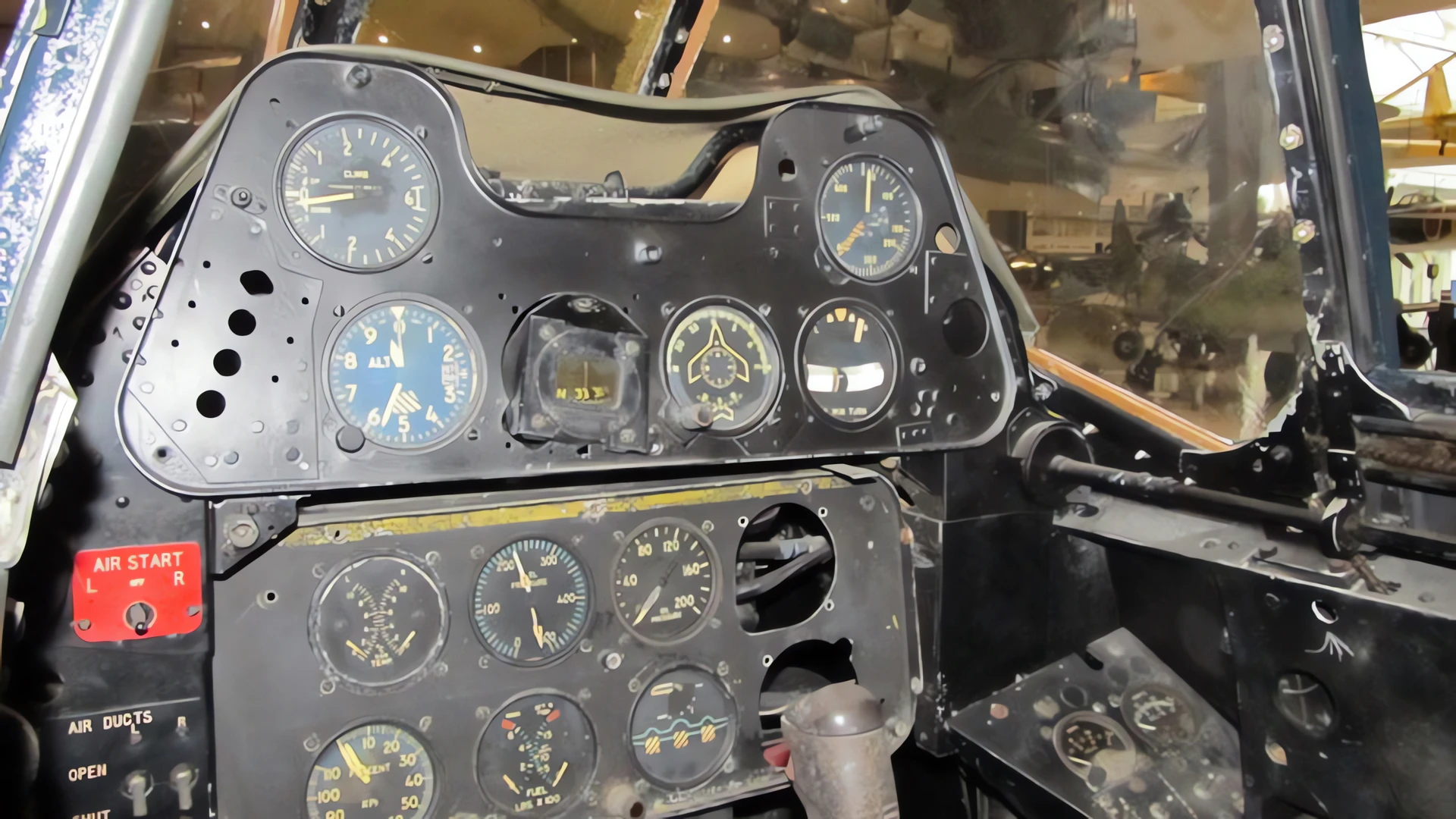
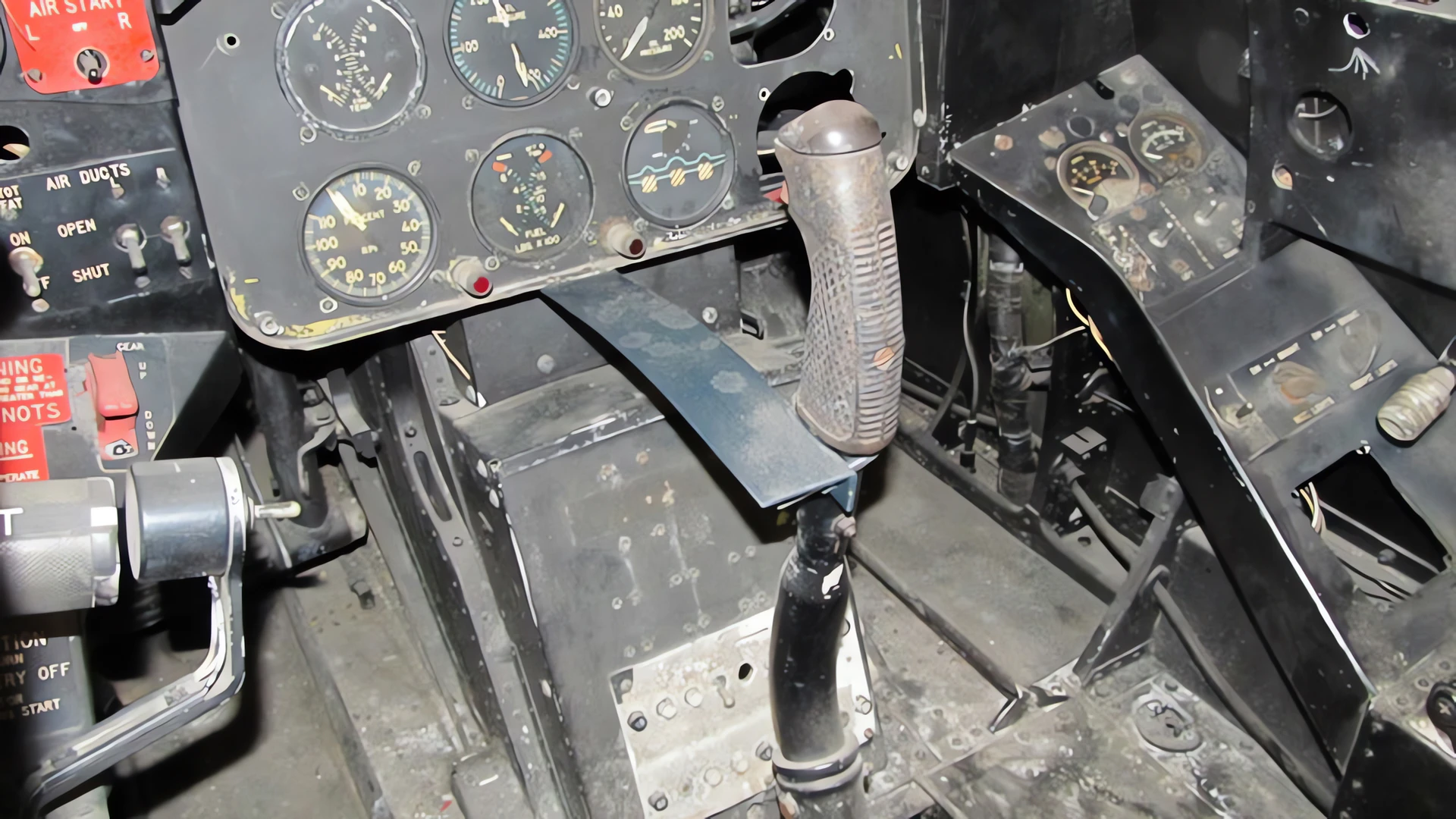
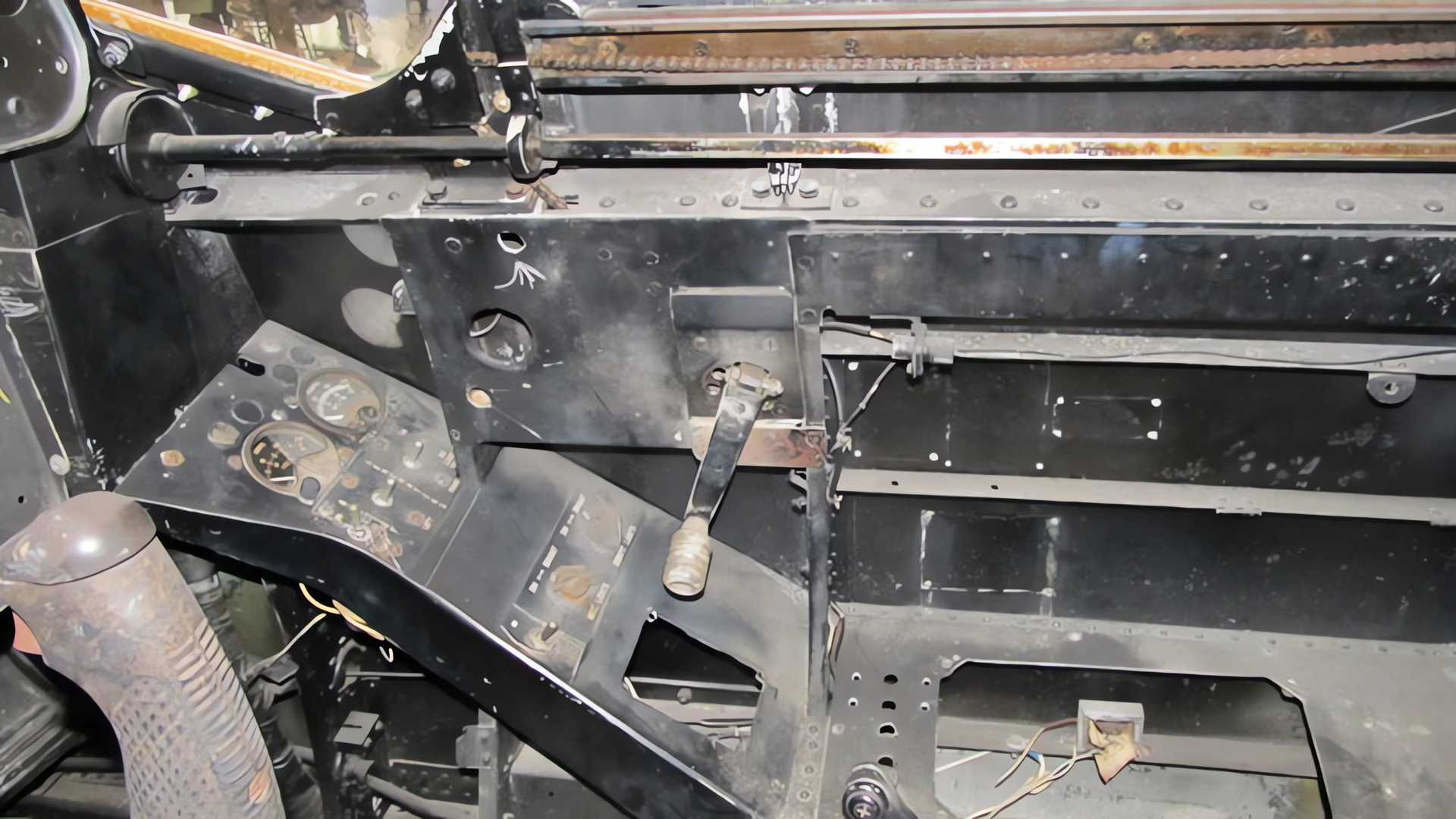
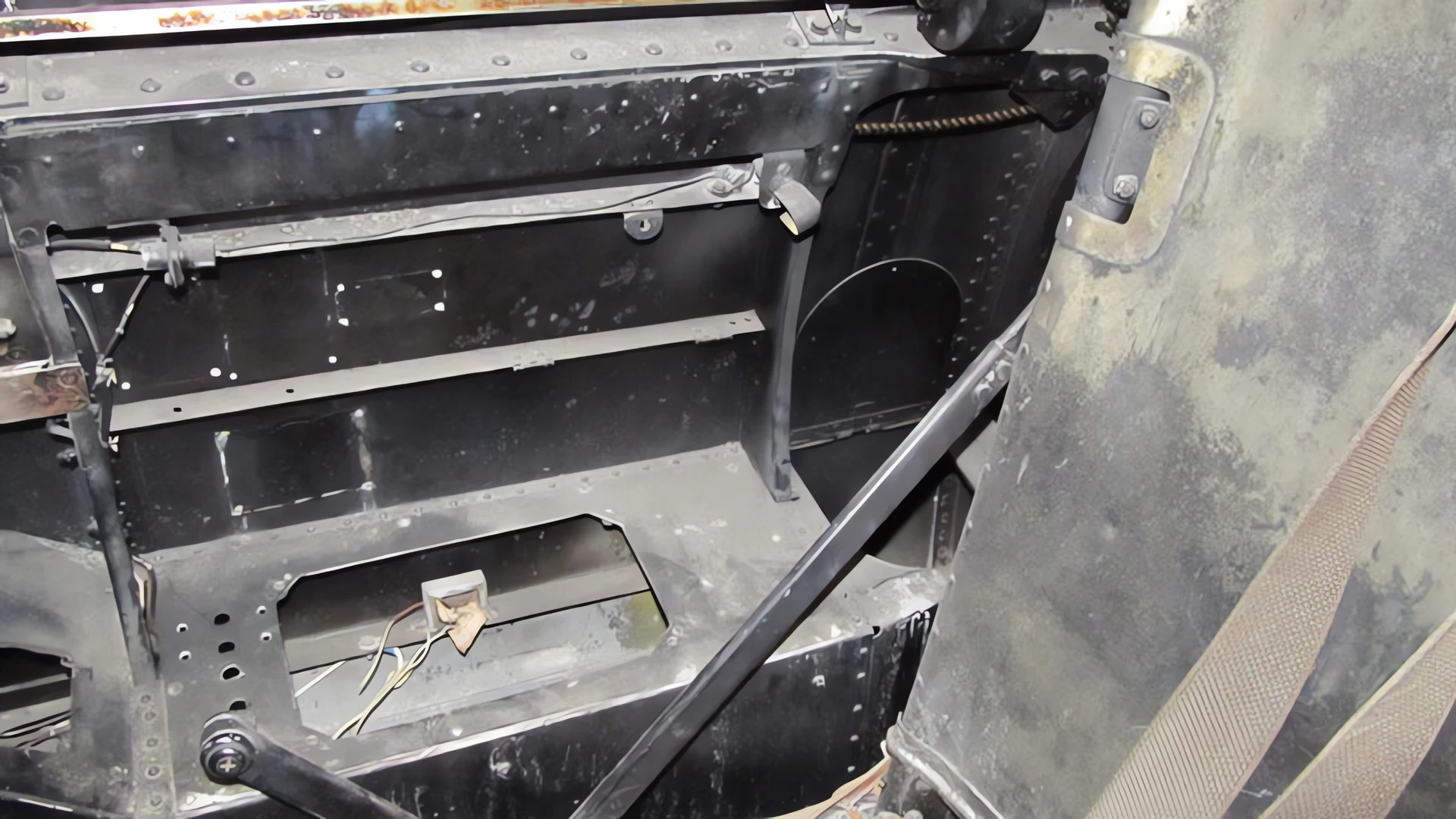
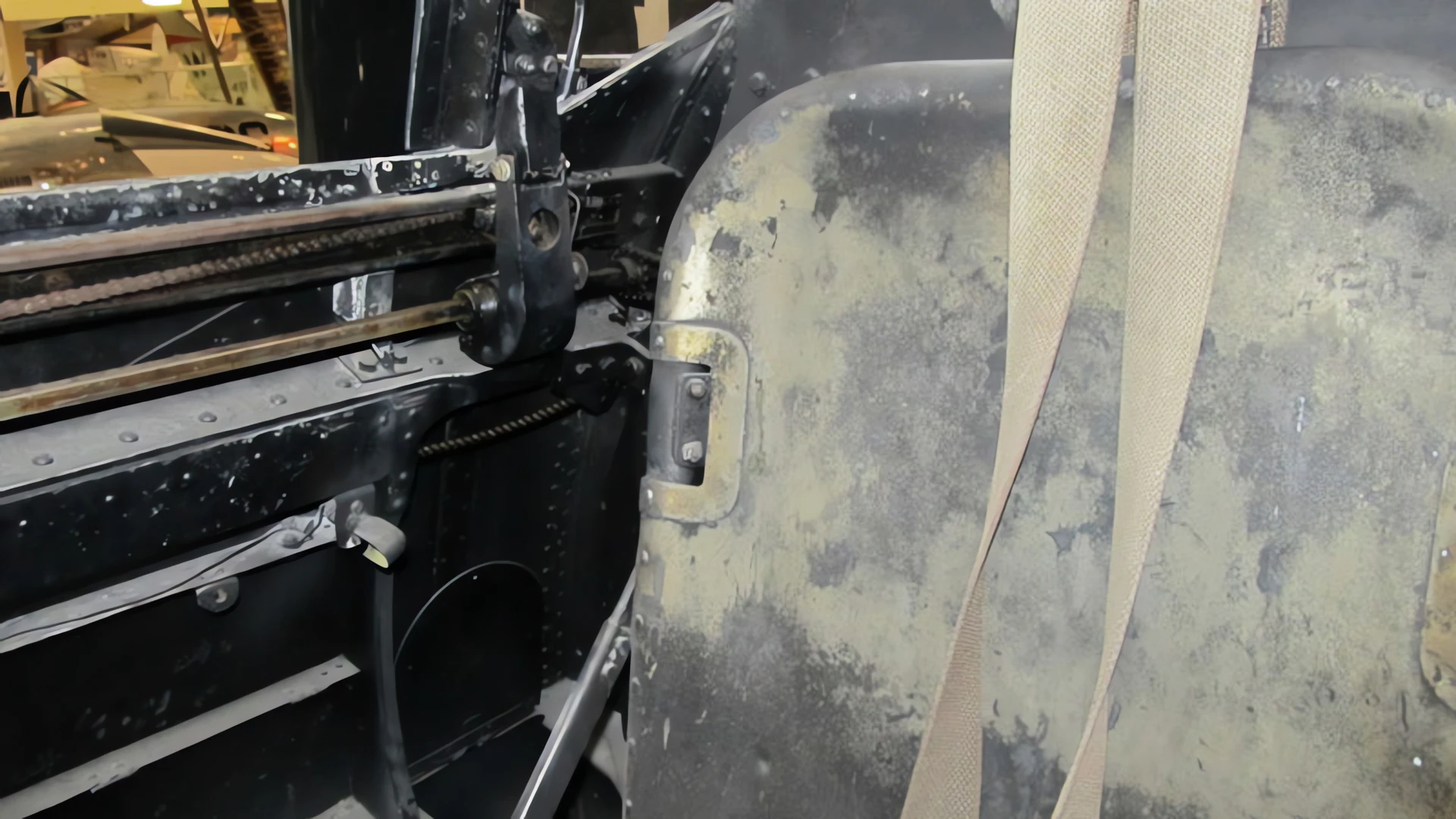
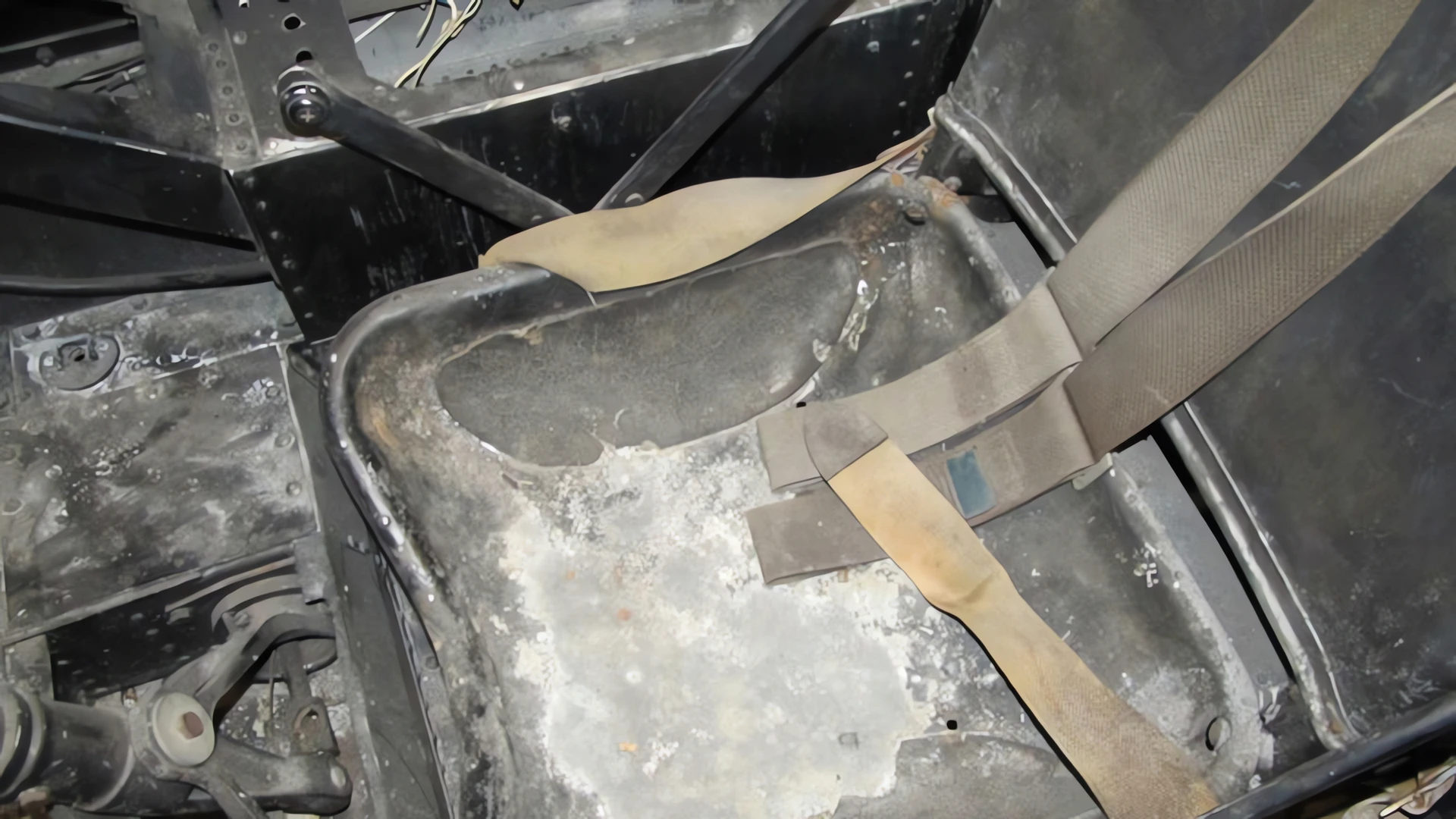
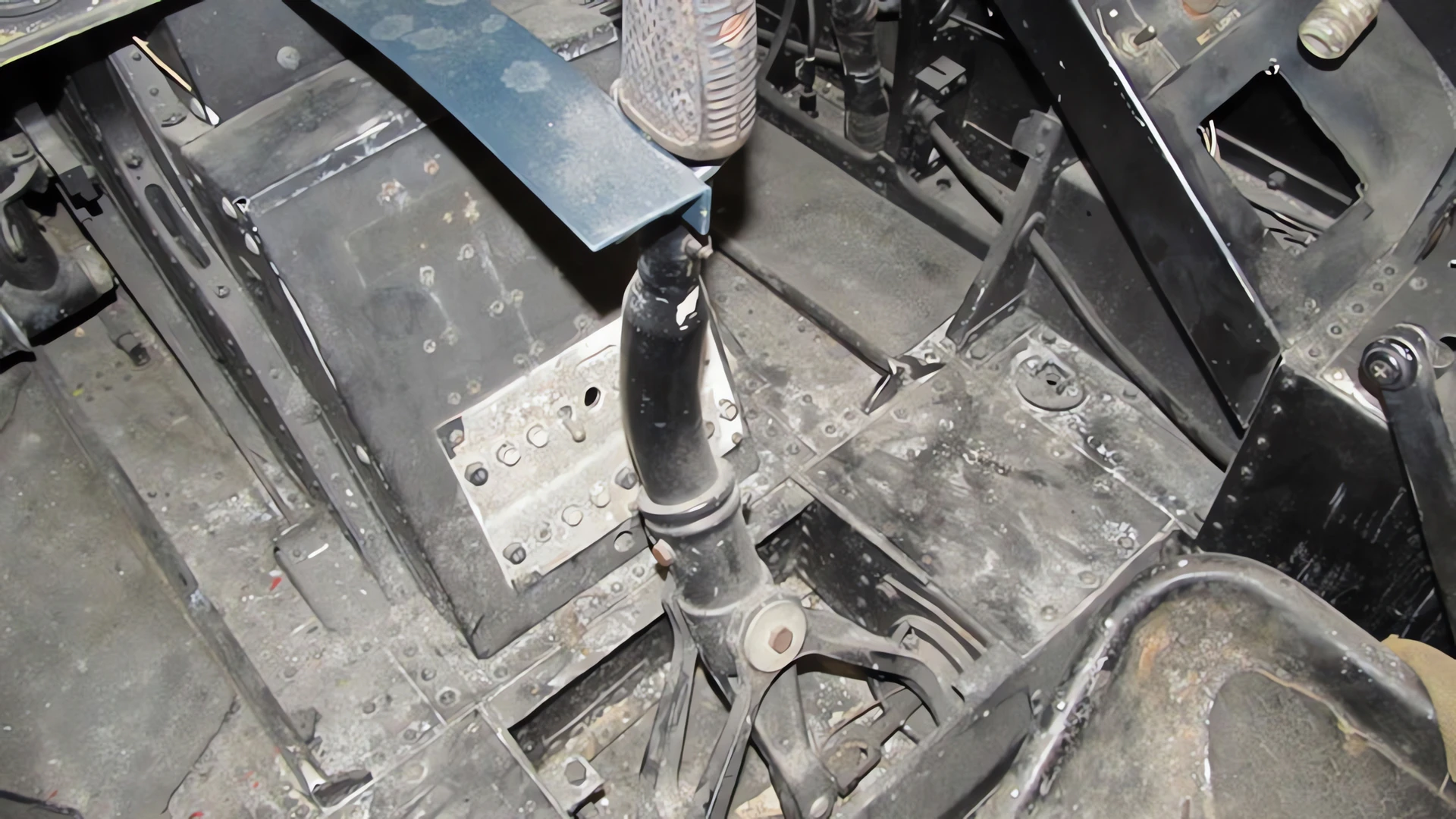
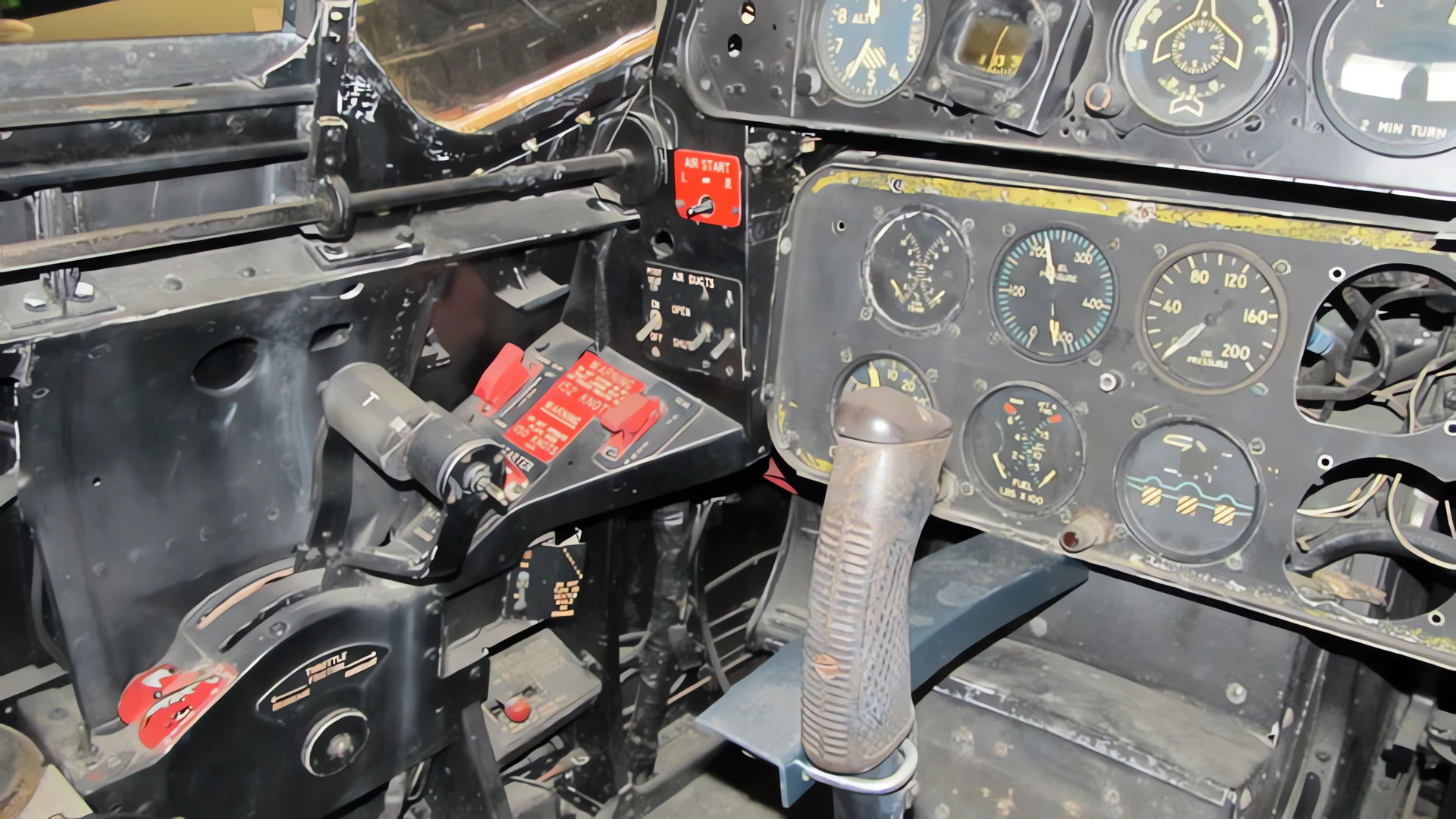

Читайте также:


The Navy’s Jet Foundation
Teh McDonnell FH-1 Phantom (originally designated FD-1) was a twin-engine jet fighter that changed naval aviation forever. Developed in the closing years of WWII, it was designed to prove that pure-jet aircraft could successfully operate from carrier decks without the help of a piston engine. While its production run was small and its service life short, it provided the essential data that allowed the U.S. Navy to transition into the Jet Age, setting the stage for the more famous F2H Banshee and the legendary F-4 Phantom II.
| Attribute | Technical Specification (FH-1) |
|---|---|
| Роль | Carrier-based Fighter |
| Экипажа | 1 (Pilot) |
| First Flight | January 26, 1945 |
| Силовая установка | 2 × Westinghouse J30-WE-20 turbojets |
| Thrust | 1,600 lbf (7.1 kN) per engine |
| Максимальная скорость | 479 mph (771 km/h) |
| Rate of Climb | 4,230 ft/min (1,289 m/min) |
| Вооружение | 4 × .50 cal (12.7 mm) M2 Browning machine guns |
Clean Lines and Buried Engines
- Wing-Root Integration: To minimize frontal area and drag, McDonnell engineers “buried” the small Westinghouse turbojets into the wing roots. This gave the FH-1 a remarkably clean aerodynamic profile compared to the bulky engine pods seen on the German Me 262 or British Meteor.
- Straight-Wing Efficiency: At the time, swept wings were still experimental. The FH-1 used a thin, straight wing that provided excellent lift and predictable handling during the low-speed, high-stress environment of a carrier landing.
- Tricycle Landing Gear: One of the first naval aircraft to utilize a nosewheel, the FH-1 offered pilots a much better view of the carrier deck during landing compared to traditional “taildraggers.”
- Squared-Off Tail: The vertical stabilizer featured a distinctive squared-off top, a design element that became a signature of early McDonnell jet fighters.
A Brief but Historic Career
- A Historic Landing: On July 21, 1946, Commander James Davidson made the first-ever landing and takeoff by an all-jet aircraft from a U.S. carrier, the USS Franklin D. Roosevelt, using an FH-1.
- The “Phantom Knights”: Marine Fighter Squadron 122 (VMF-122) became the first Marine squadron to be equipped with jets when they received the FH-1 in 1947. They were famously known as the “Phantom Knights” and formed the first Marine jet aerobatic team.
- Rapid Obsolescence: Because engine technology was advancing at a breakneck pace, the FH-1 was underpowered by the time it reached full squadron strength. It was quickly replaced by its larger, more powerful successor, the F2H Banshee.
- Preservation: Only 62 Phantoms were built. Today, rare survivors can be found at the Национальный музей авиации и космонавтики и National Museum of Naval Aviation.
Просмотры : 2423
Вы также можете увидеть:
 McDonnell XF-85 Гоблин – Фото и Видео
 Lockheed P-3 Orion – Фото и Видео
 McDonnell Douglas F/A-18 Hornet – Фото и Видео
 McDonnell F3H Demon — Фото и Видео
 McDonnell F2H Banshee — Фото и видео
 McDonnell Douglas KC-10 Extender – Фото и видео
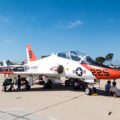 McDonnell Douglas T-45 Goshawk — Фото и видео
 McDonnell F-101B Voodoo – фото и видео
 Фэйри Битва - WalkAround
 Хоукер море ярости - Прогулка вокруг