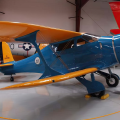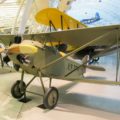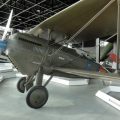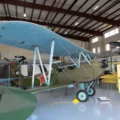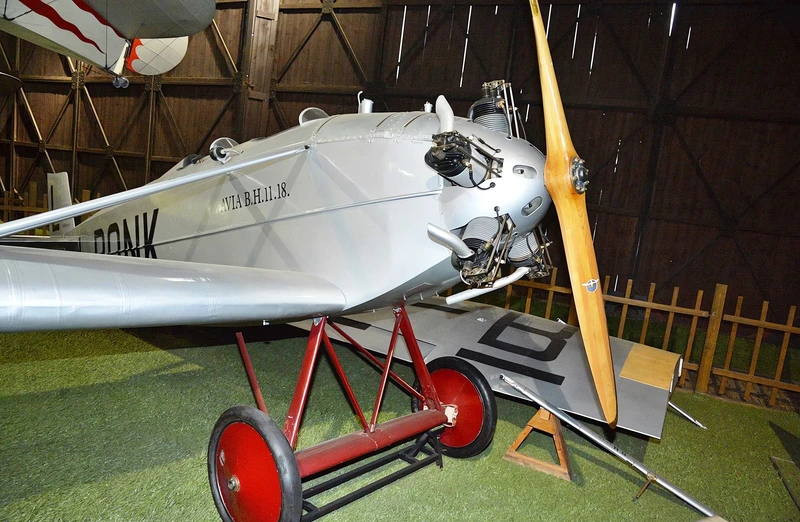
アビア BH-11 | |
|---|---|
| 国 | チェコスロバキア |
| 役割 | スポーツ飛行機 |
| 初飛行 | 1923 |
| 構築 | 20 |
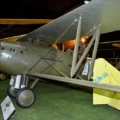
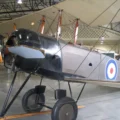
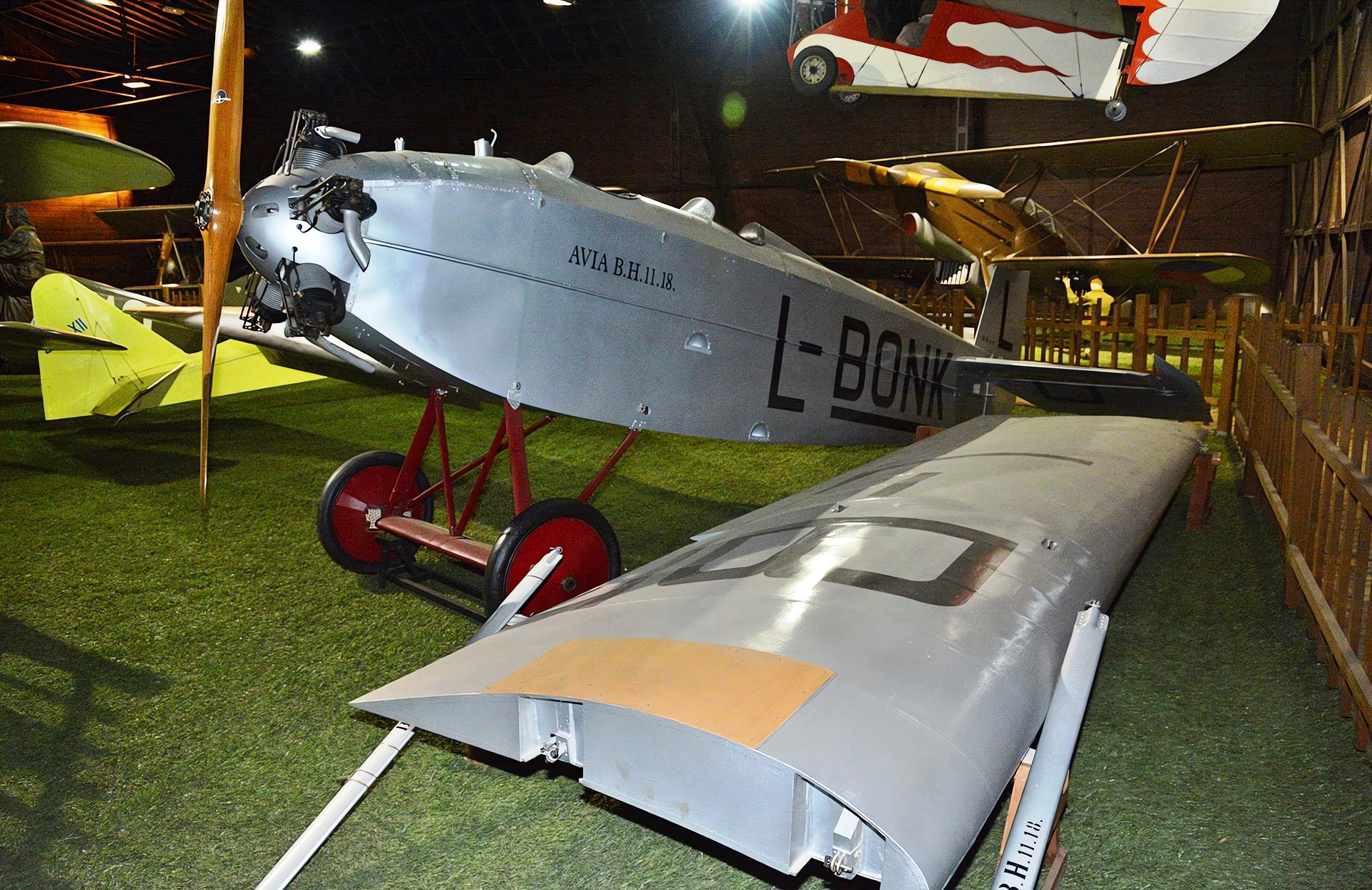
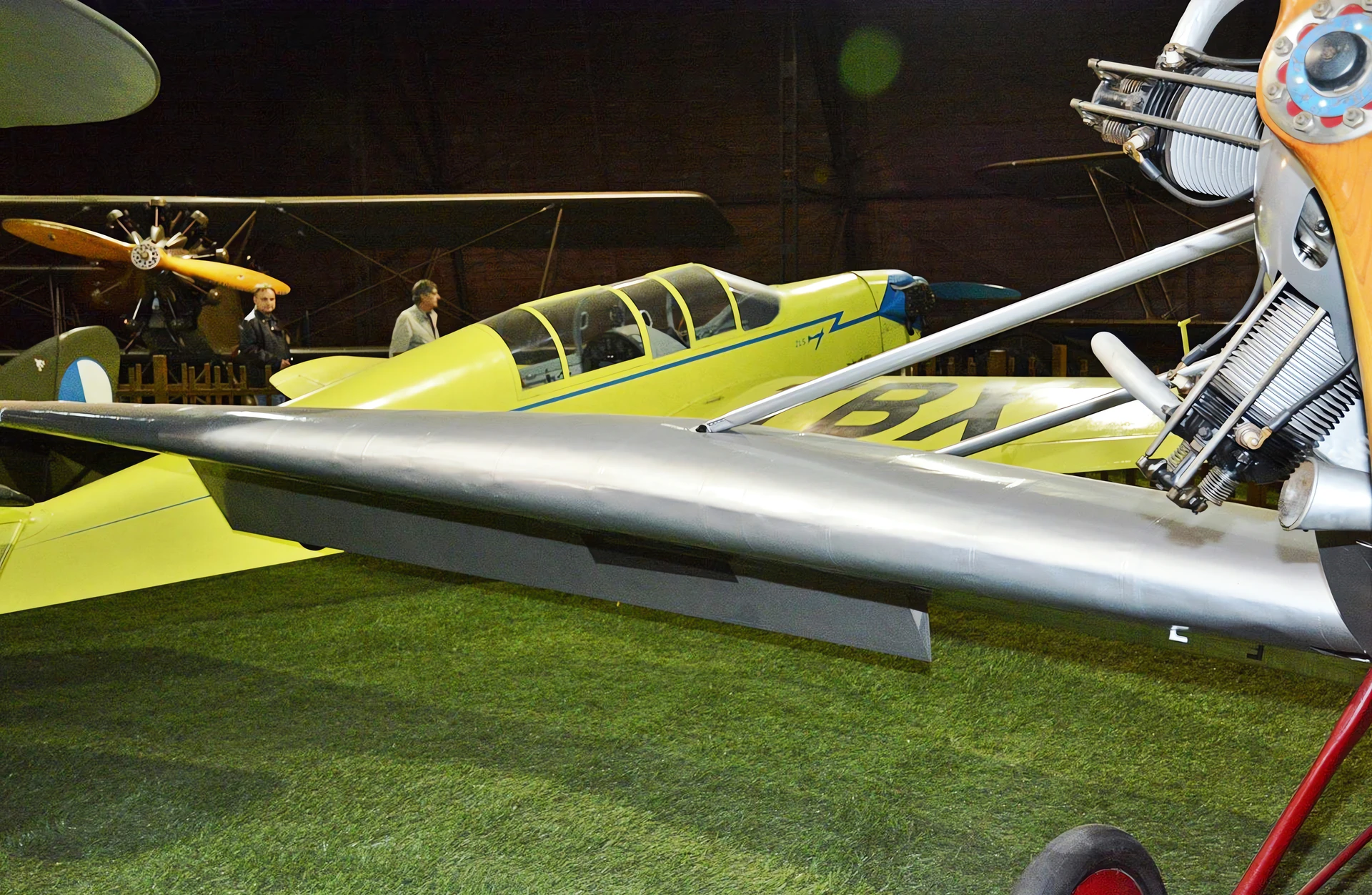
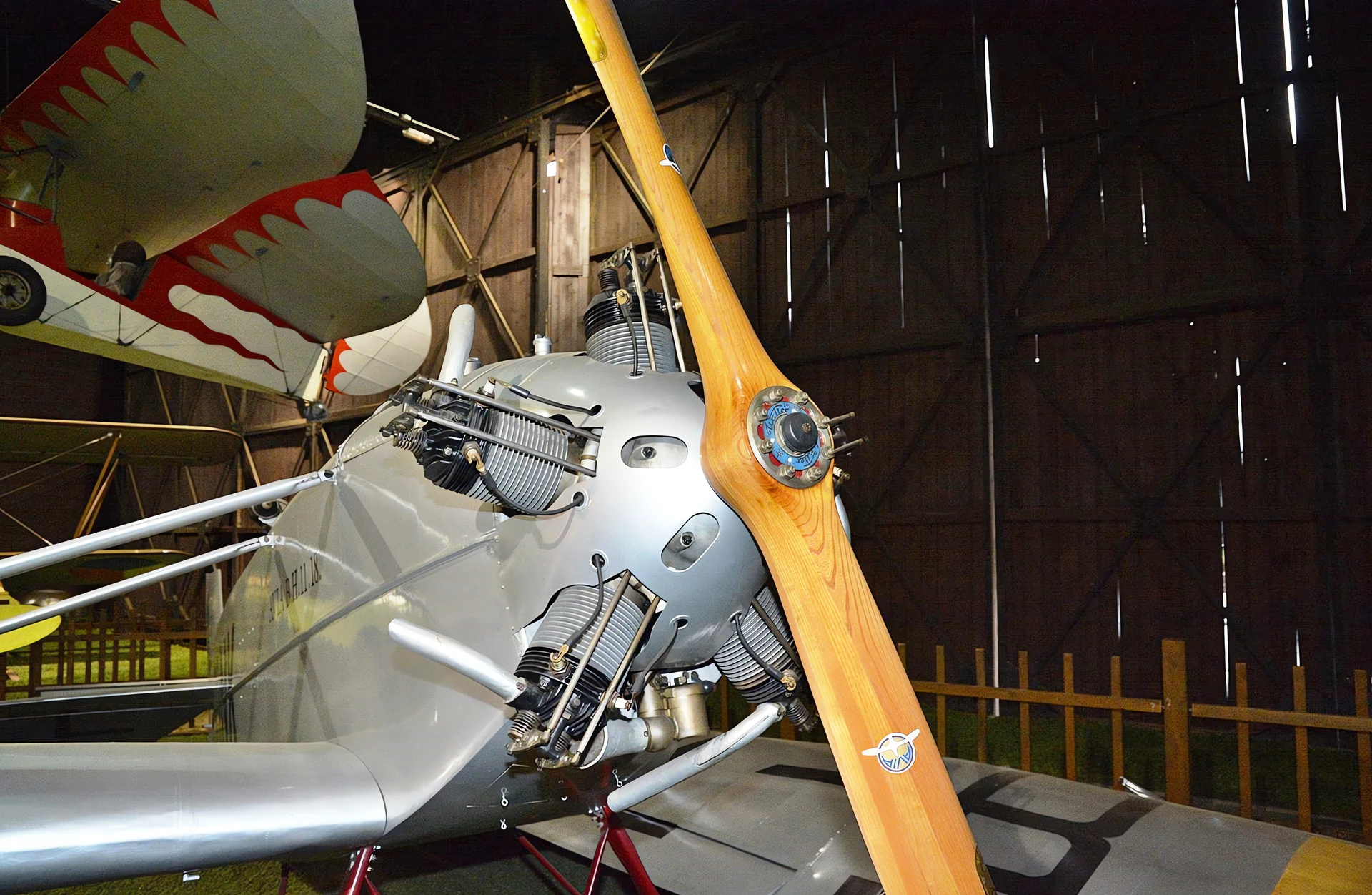
ザ アビア BH-11 was a two-seat sport aircraft built in Czechoslovakia in 1923, a further development of the Avia BH-9. The main changes in this version involved a redesign of the forward fuselage. 15 examples were ordered by the Czechoslovakian Army as trainers and general liaison aircraft, and operated under the military designation B.11. Six years after the BH-11 first flew, a new version was produced for the civil market as the BH-11B Antelope. This replaced the original Walter NZ 60 45 kW (60 hp) engine with a Walter Vega of 63 kW (85 hp) and was built in small numbers. As a further development, the BH-11C retained the original engine but the wingspan was increased by 1.4 m (4 ft 6 in).
ソース: ウィキペディアのアビアBH-11
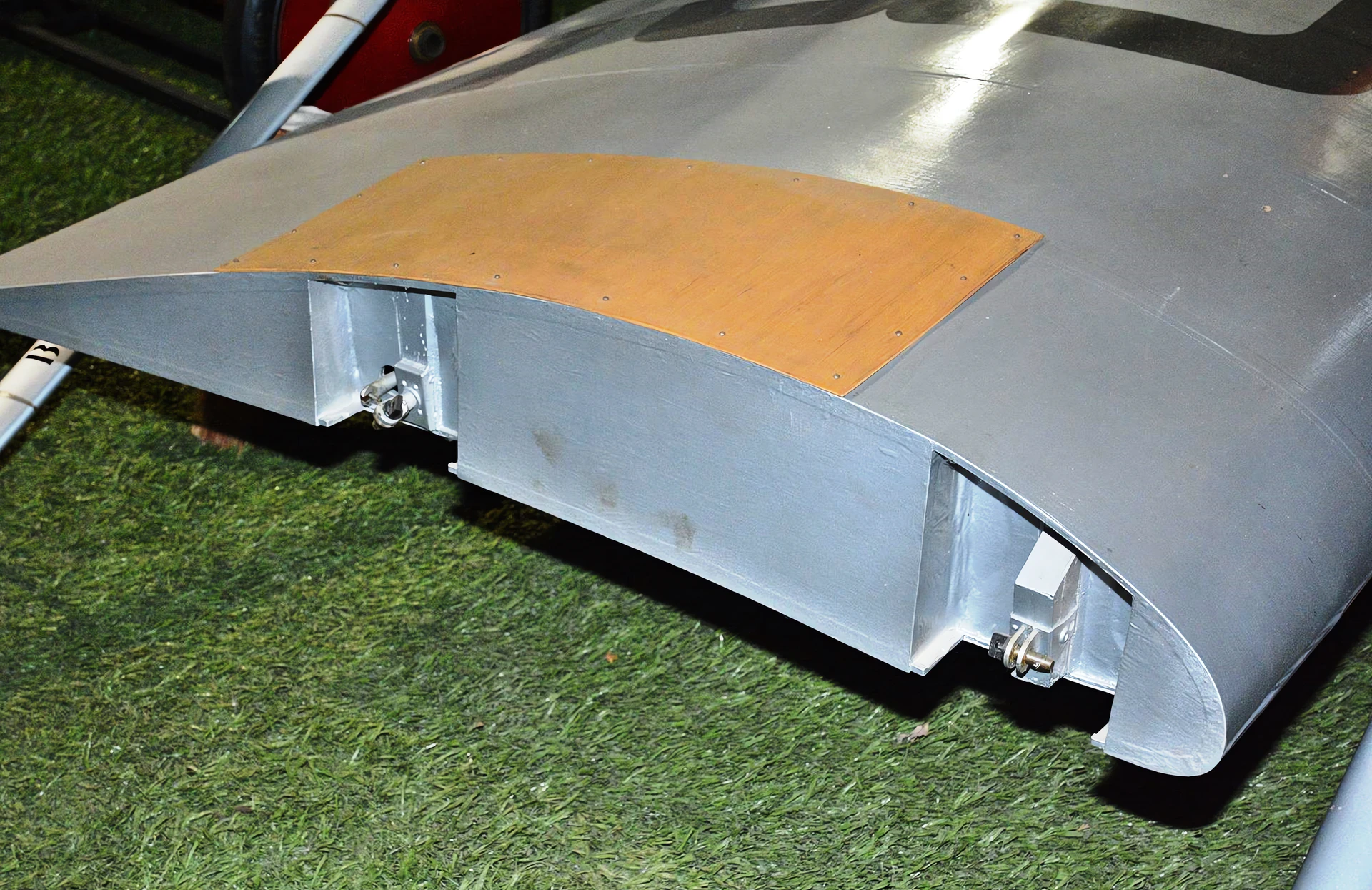
| Avia BH-11C Walk Around | |
|---|---|
| カメラマン | Pavel Senk |
| ローカライズ | 知りません |
| 写真 | 56 |
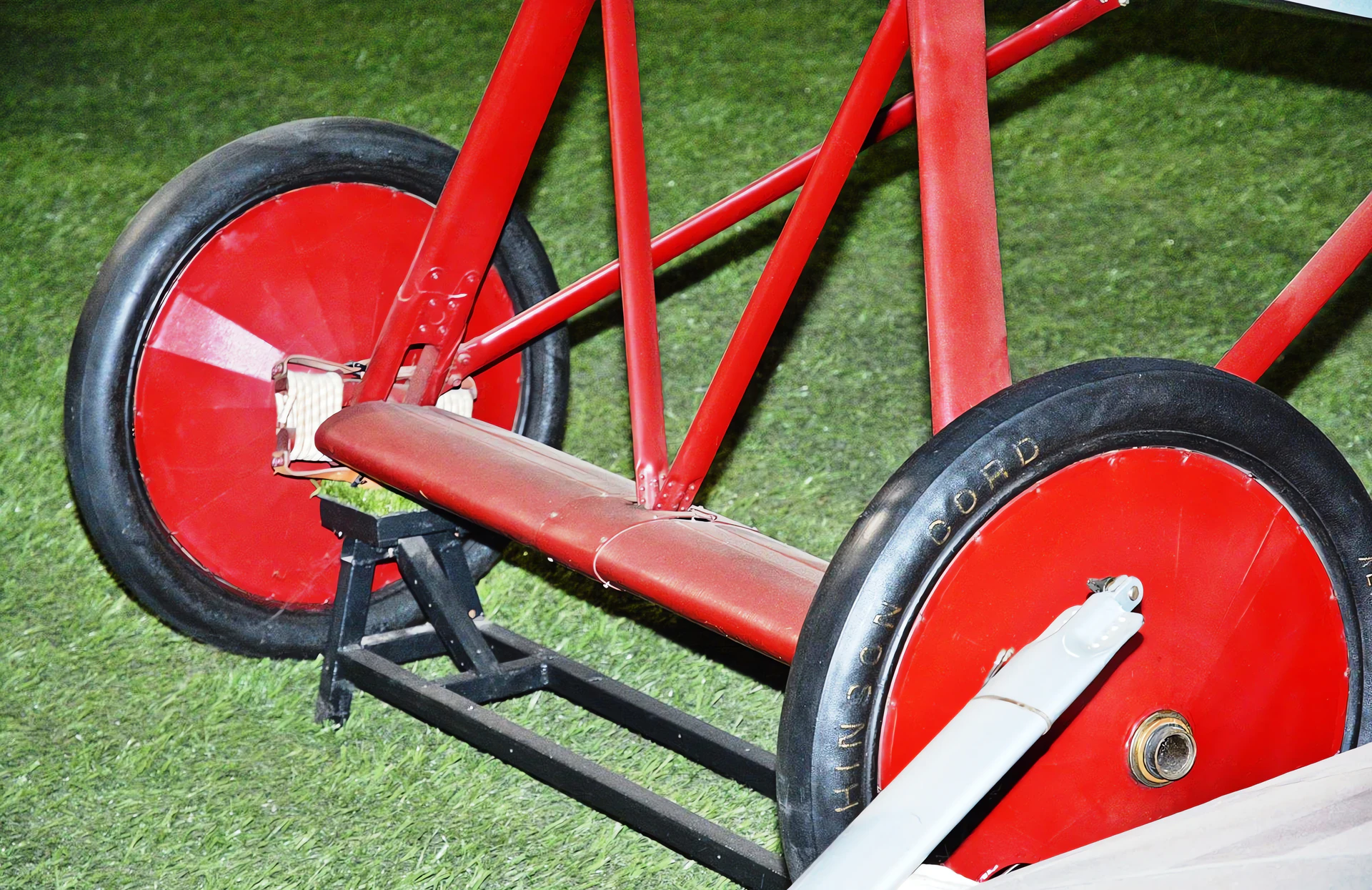
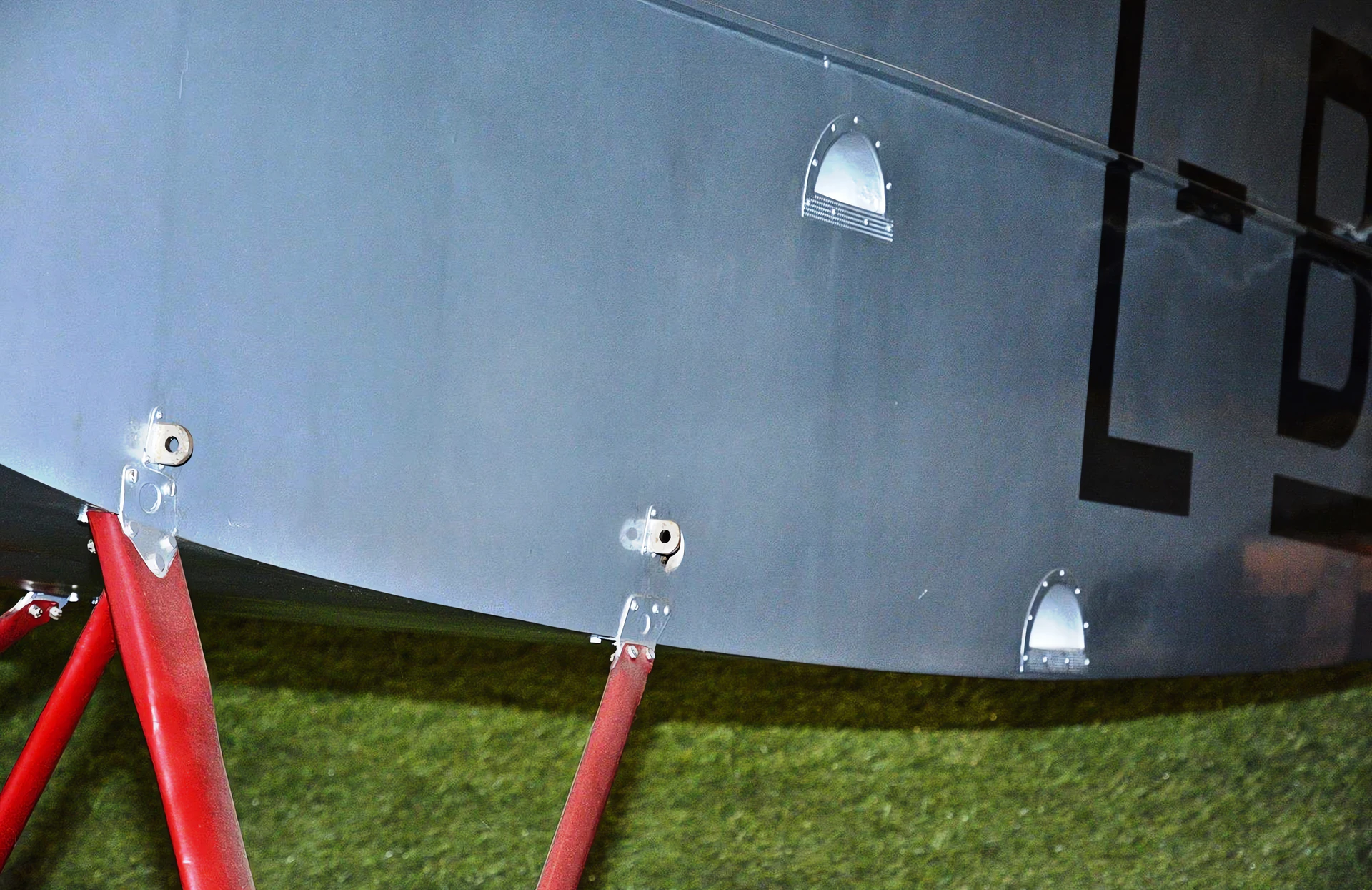
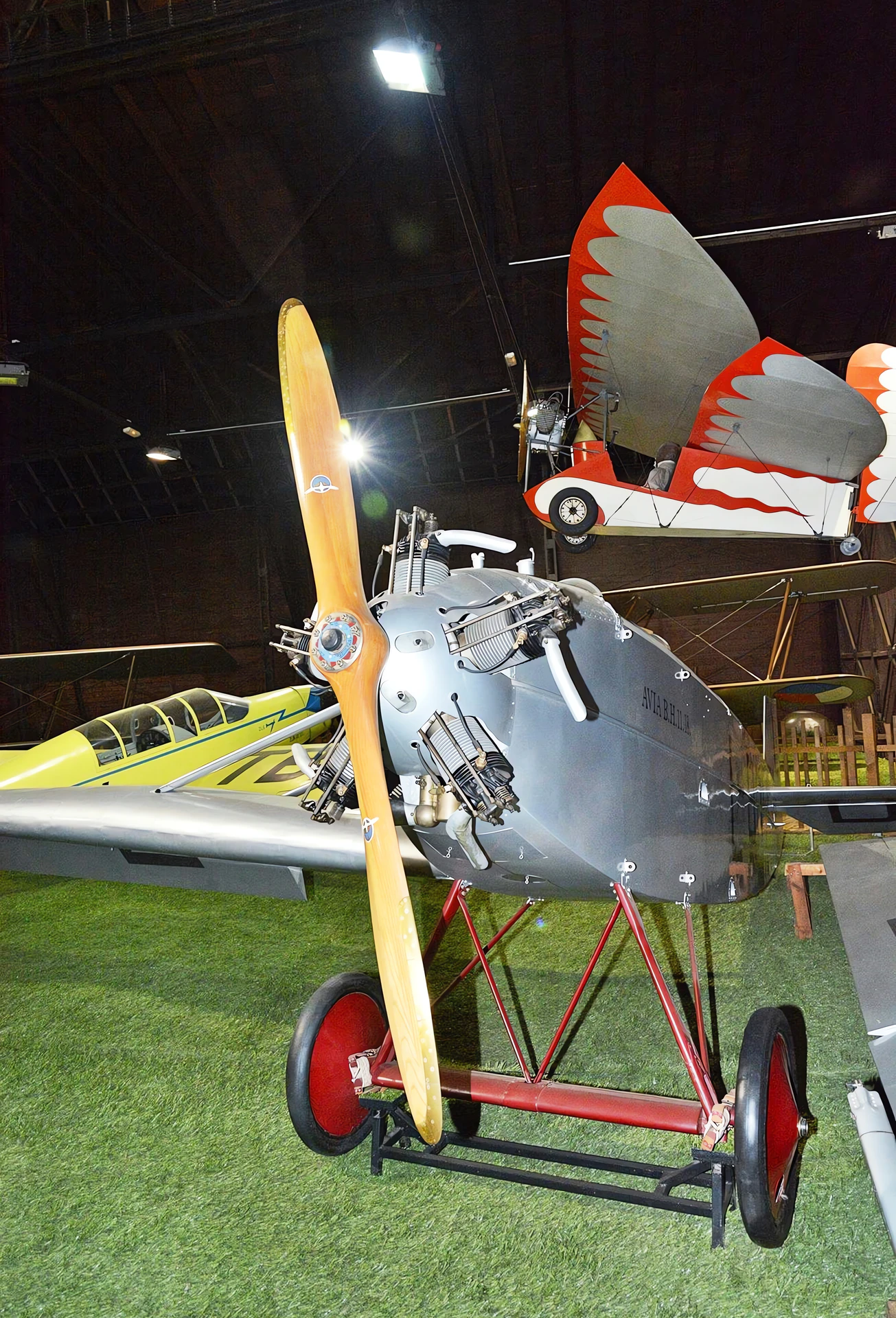
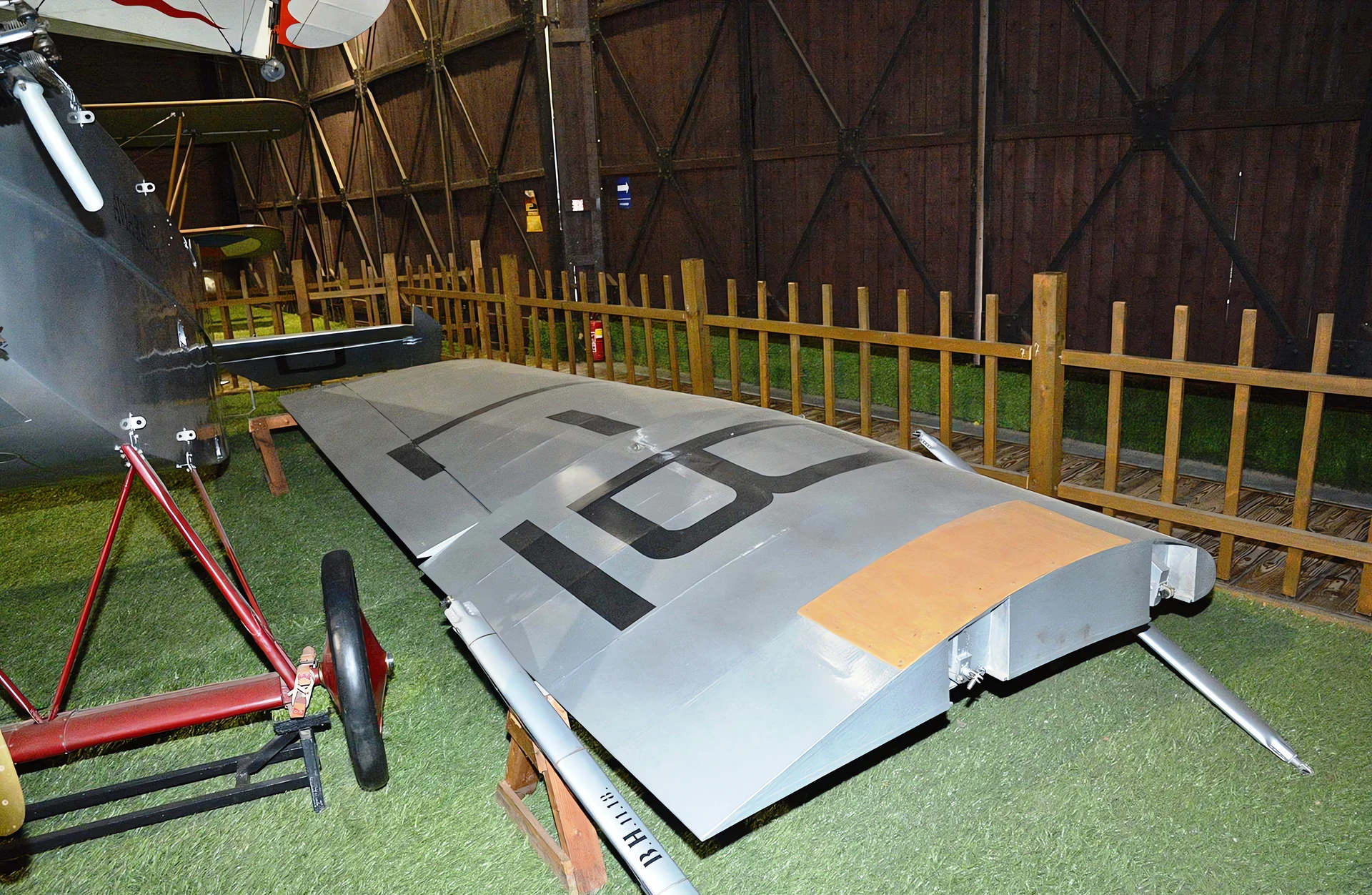


関連項目:


General Characteristics
The Avia BH-11 was a Czechoslovakian two-seat, low-wing braced monoplane designed by Pavel Beneš and Miroslav Hajn, making its first flight in 1923. It was a successful development of the earlier BH-9 and was primarily intended for the civil sports and touring market. Due to its proven reliability, good flight characteristics, and numerous victories in international air races (like the Coppa d’Italia), it was adopted by the Czechoslovak Air Force for use as a trainer and liaison aircraft (designated B.11).
| Property | Typical Value (Standard BH-11) |
|---|---|
| 役割 | Sports / Trainer / Liaison Aircraft |
| メーカー | Avia – tovarna letadel (Czechoslovakia) |
| First Flight | 1923 |
| 乗組員 | 2 (Pilot and Passenger/Student) |
| 長さ | 6.64 m (21 ft 9 in) |
| Wingspan (Trainer) | 9.72 m (31 ft 11 in) |
| Wing Area | 13.6 m² (146 sq ft) |
| Max Takeoff Weight | 610 kg (1,345 lb) |
Design and Powerplant
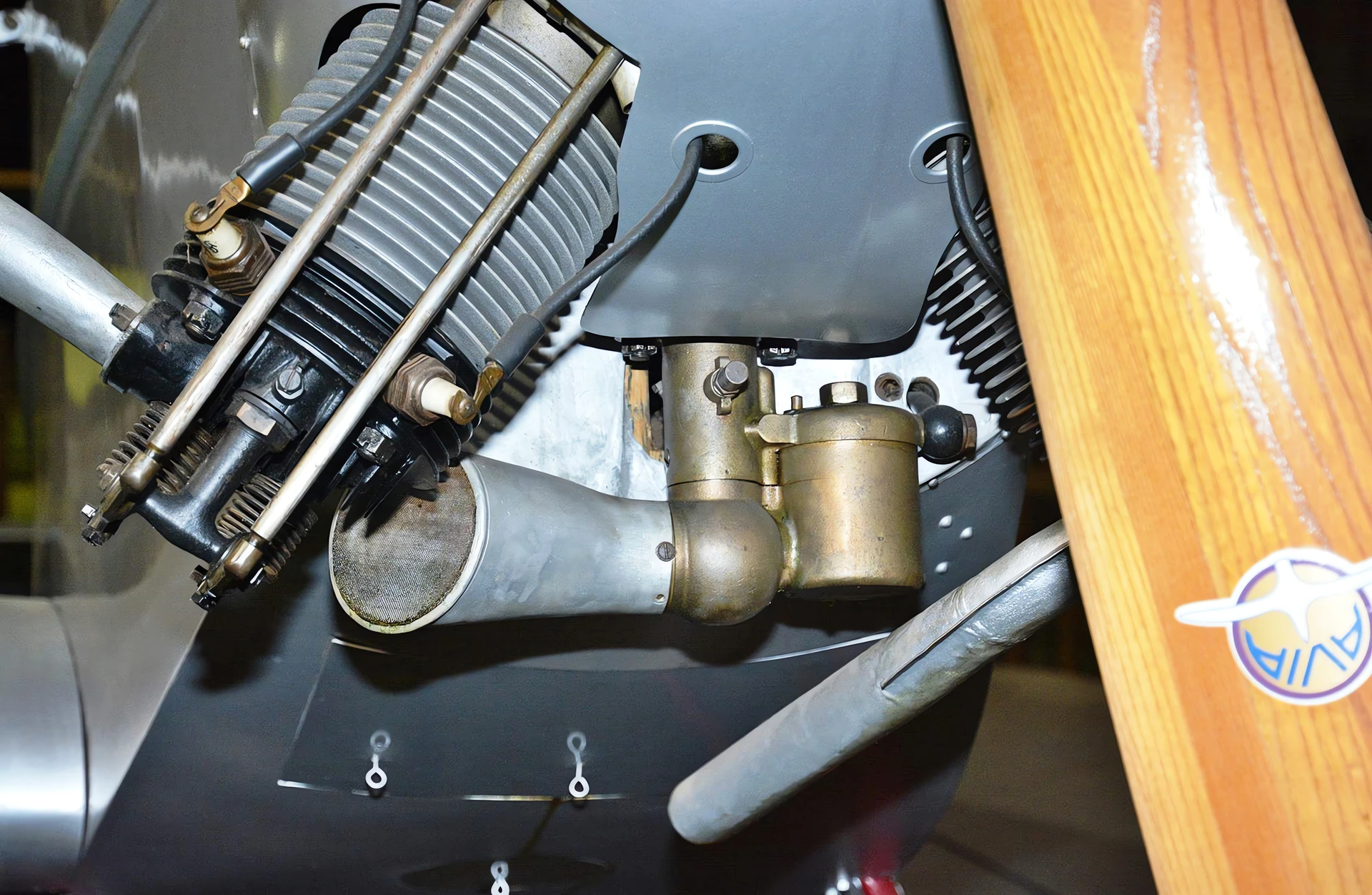
- Engine: One Walter NZ 60 five-cylinder air-cooled radial piston engine.
- Power Output: 45 kW (60 hp).
- Propeller: Two-bladed fixed-pitch wooden propeller.
- Construction: The aircraft featured a low-wing monoplane configuration with mixed construction, having a wooden fuselage (mostly plywood covered) and wooden wings (fabric-covered with plywood leading edges).
- Fuselage: Had a four-longeron wooden structure, tapering to a vertical edge at the rear. The pilot and passenger were seated in tandem in open cockpits.
- バリアント:
- BH-11B Antelope: Featured a more powerful Walter Vega (63 kW/85 hp) engine for improved performance.
- BH-11C: A sports version with an increased wingspan (10.2 m) that achieved international racing success.
Performance and Service
- Maximum Speed: Up to 160 km/h (99 mph, 86 knots).
- Stall Speed: 75 km/h (47 mph, 40 knots).
- Service Ceiling: 3,300 m (10,800 ft).
- Range: Approximately 650 km (400 mi, 350 nmi).
- Notable Achievements: BH-11 variants were successful in several major international air races in the mid-1920s, including winning the Coppa d’Italia and setting a long-distance world record of 2,011 km (1,250 mi) in a straight line from Prague to Omsk.
- Military Use: Approximately 15 examples were ordered by the Czechoslovak Army and were used for training pilots and courier duties.
ビュー : 1066