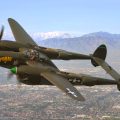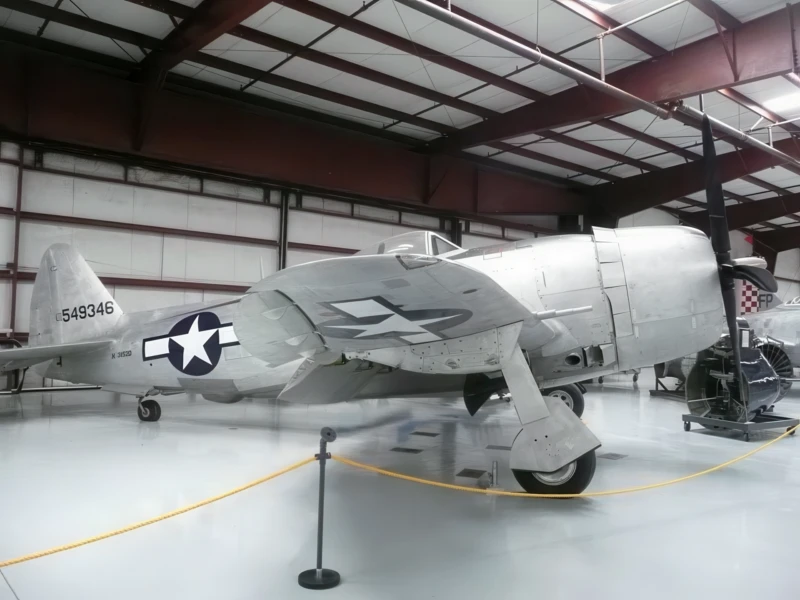
P-47Dサンダーボルト | |
|---|---|
| 国 | 米国 |
| 役割 | 戦闘 爆撃機 |
| 初飛行 | 1941年5月6日 |
| 構築 | 15636 |
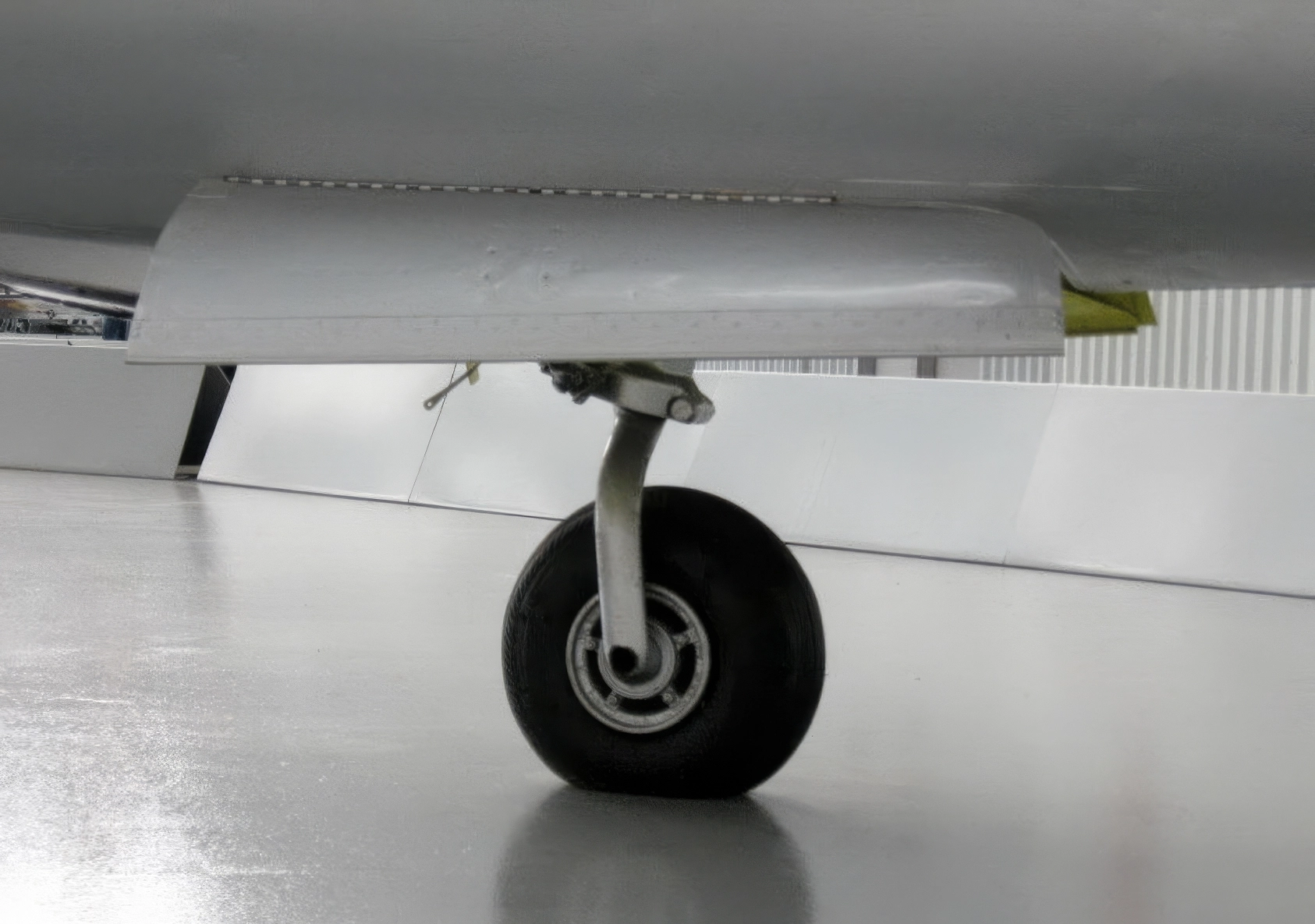
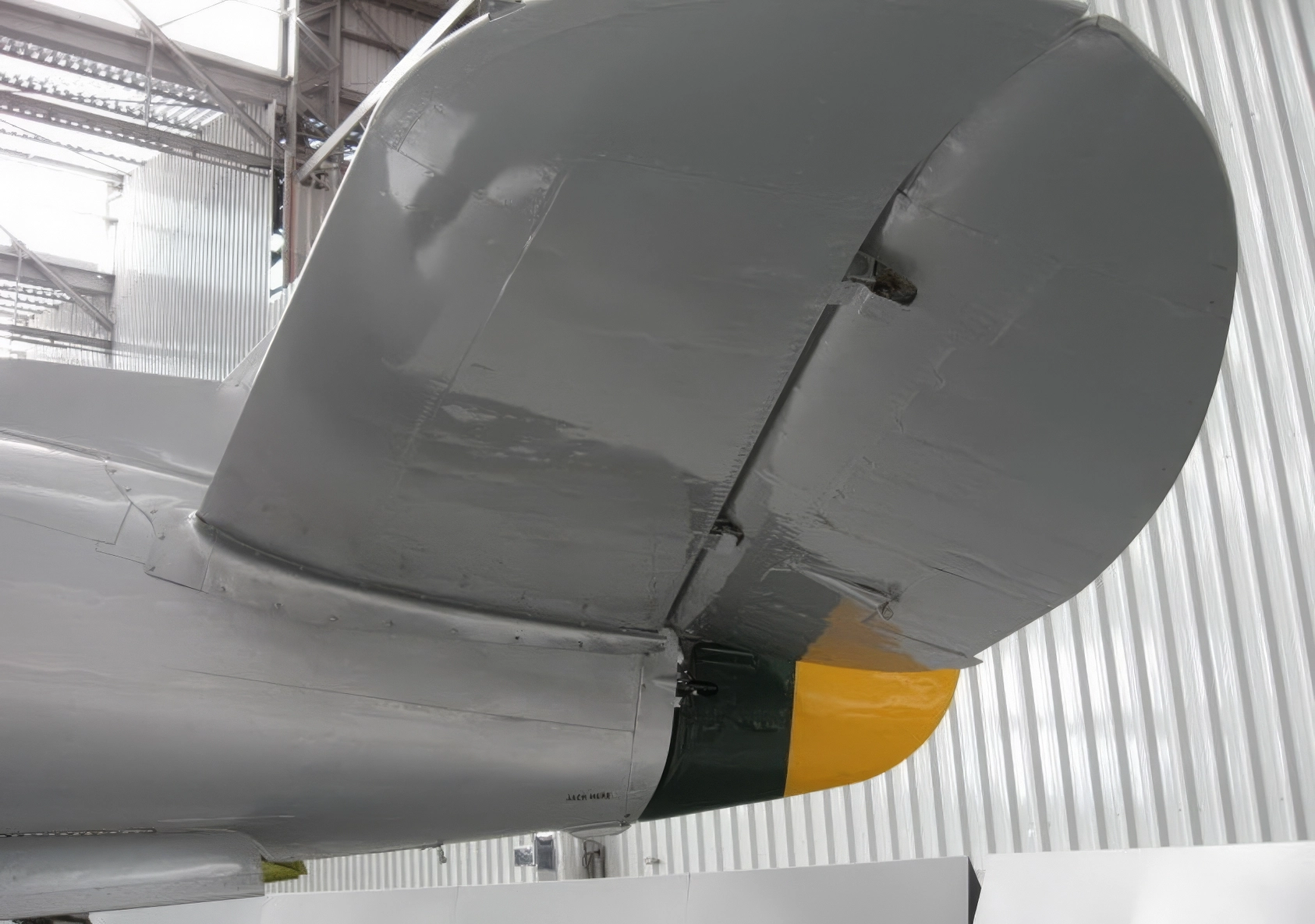
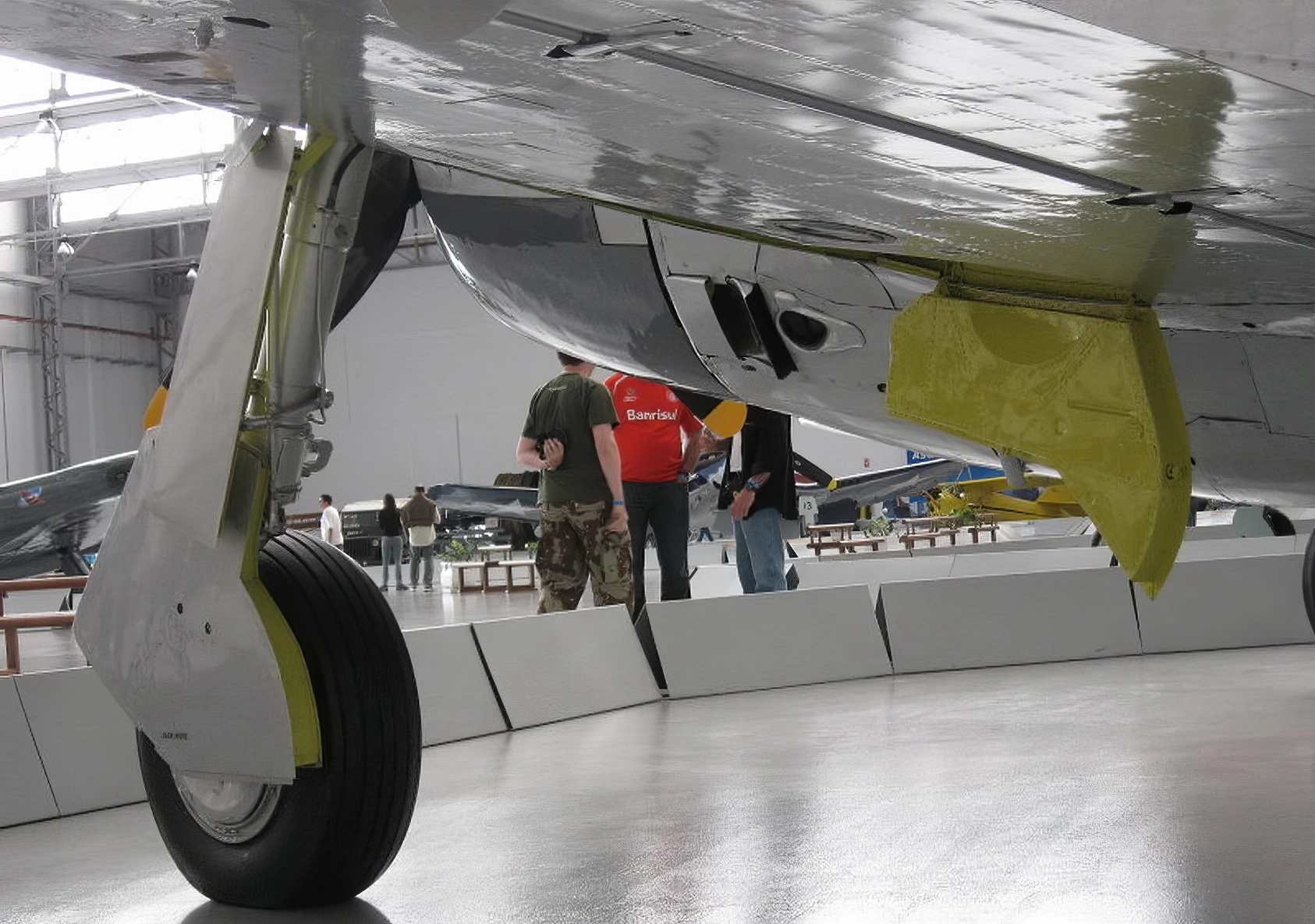
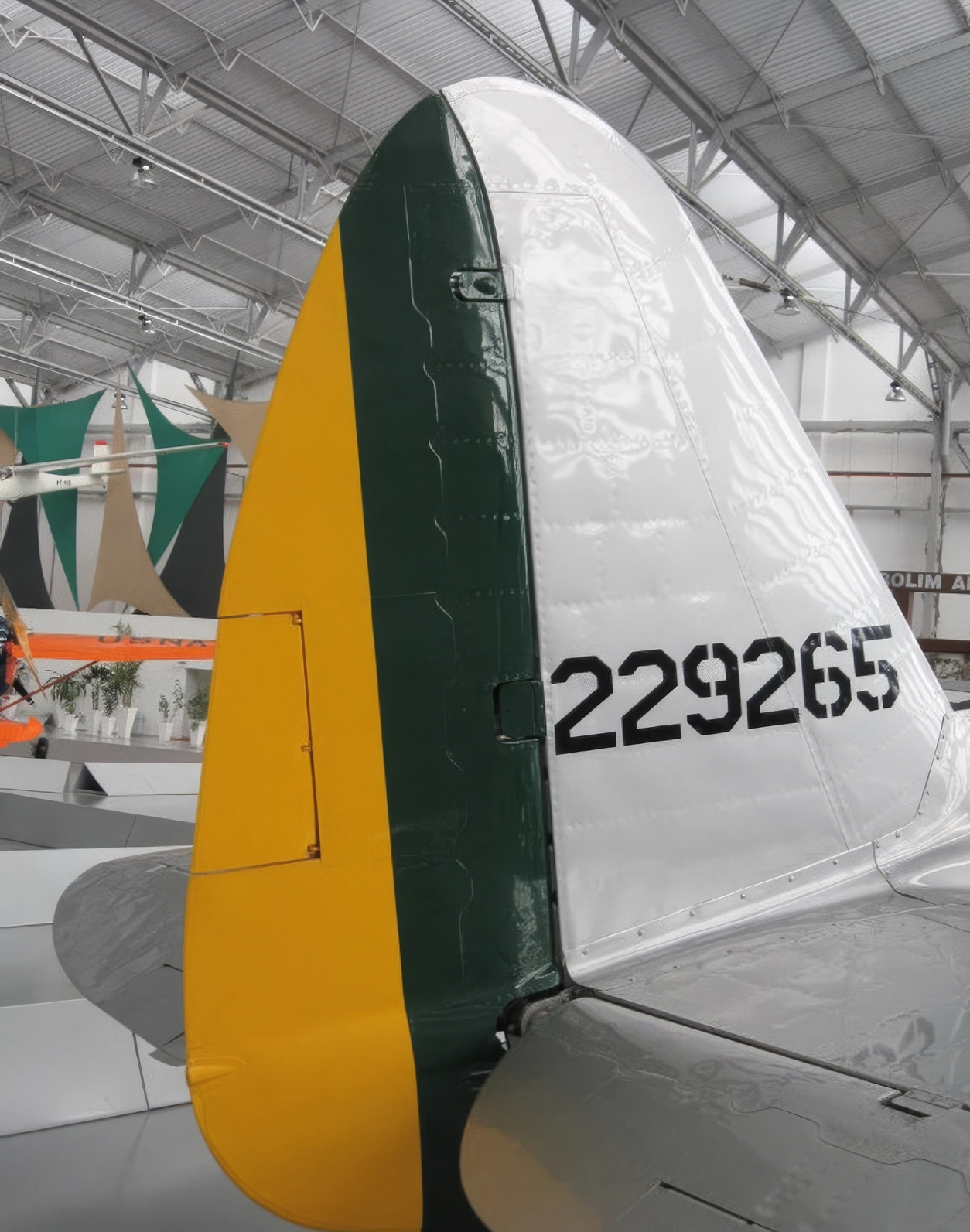
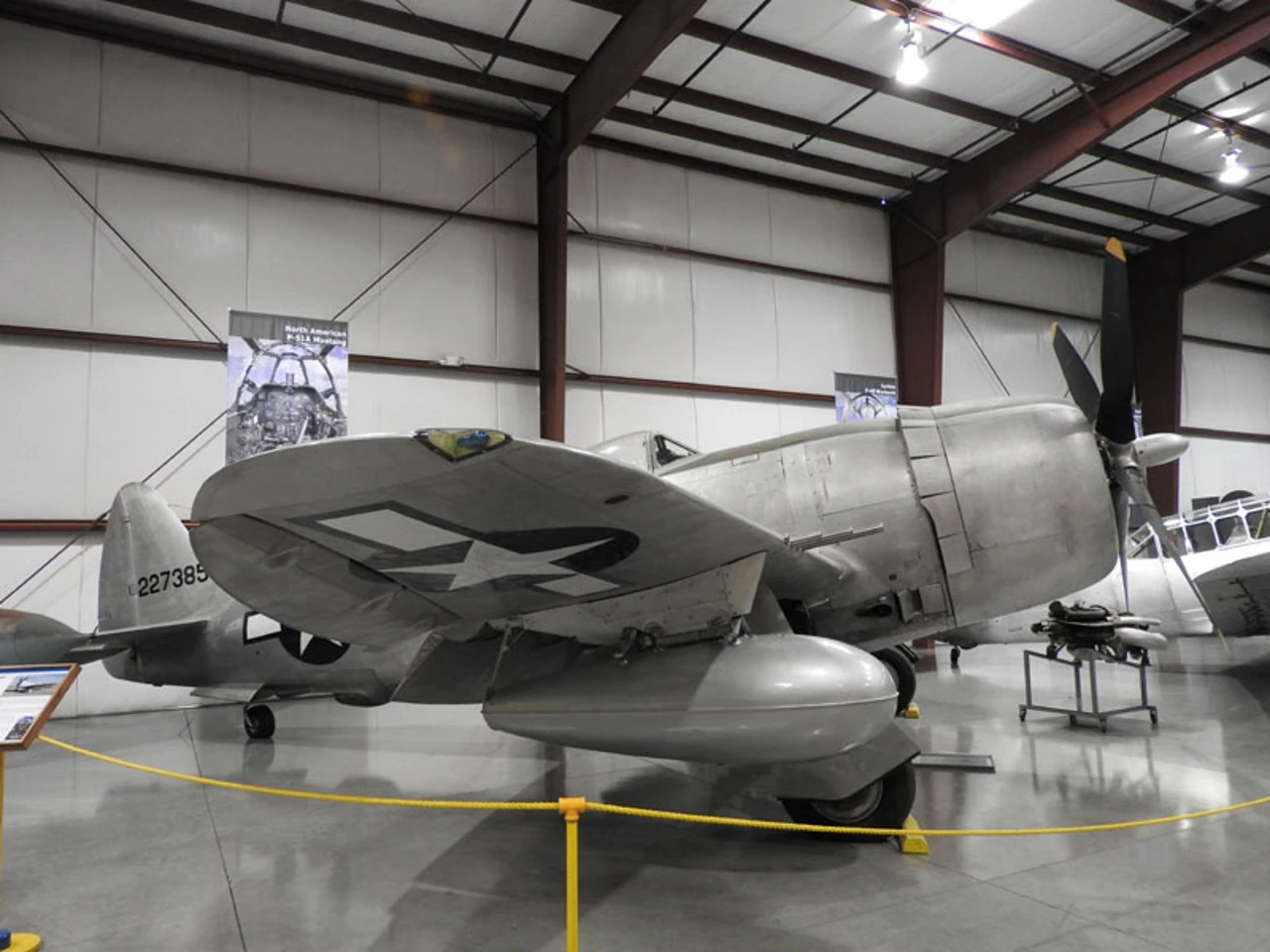
ザ 共和国 P-47 サンダーボルト ●1941年から1945年にかけてアメリカが生産した第二次世界大戦時代の戦闘機でした。その主な軍備は8.50口径の機関銃であり、戦闘爆撃機の地上攻撃の役割では、5インチのロケットまたは2,500ポンド(1,103 kg)の爆弾負荷を運ぶことができました。完全にロードされると、P-47は最大8トンの重量を量り、戦争の最も重い戦闘機の一つとなりました。P-47は、2つのアメリカ海軍/アメリカ海兵隊の戦闘機、グラマンF6FヘルキャットとヴォートF4Uコルセアによって使用された強力なプラット&ホイットニーR-2800ダブルワスプエンジンを中心に設計されました。サンダーボルトは、ヨーロッパと太平洋の両方の劇場で高高度空対空戦闘と地上攻撃で短距離から中距離の護衛戦闘機として有効でした。
| P-47D Thunderbolt | |
|---|---|
| カメラマン | 知りません |
| ローカライズ | 知りません |
| 写真 | 22 |
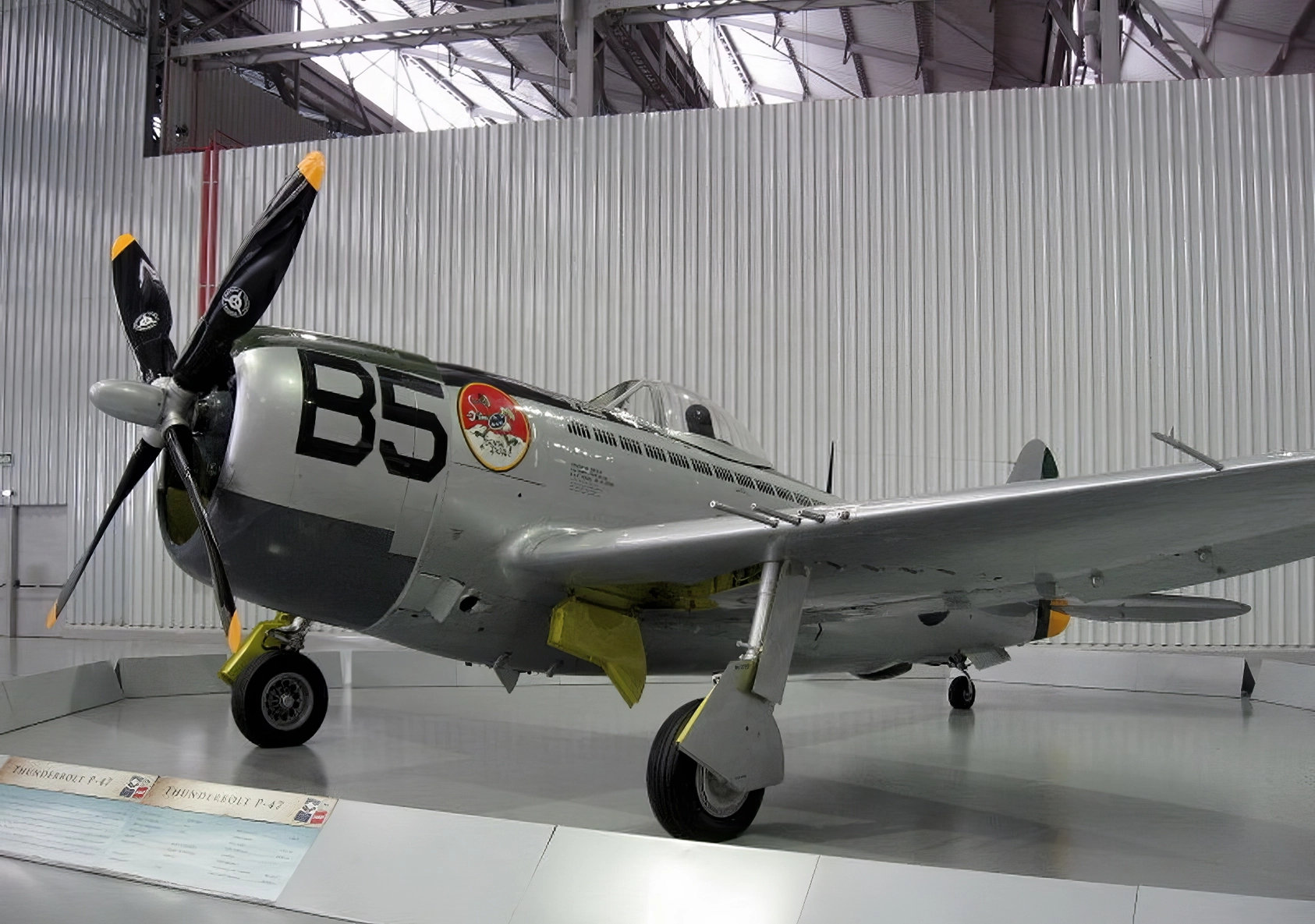

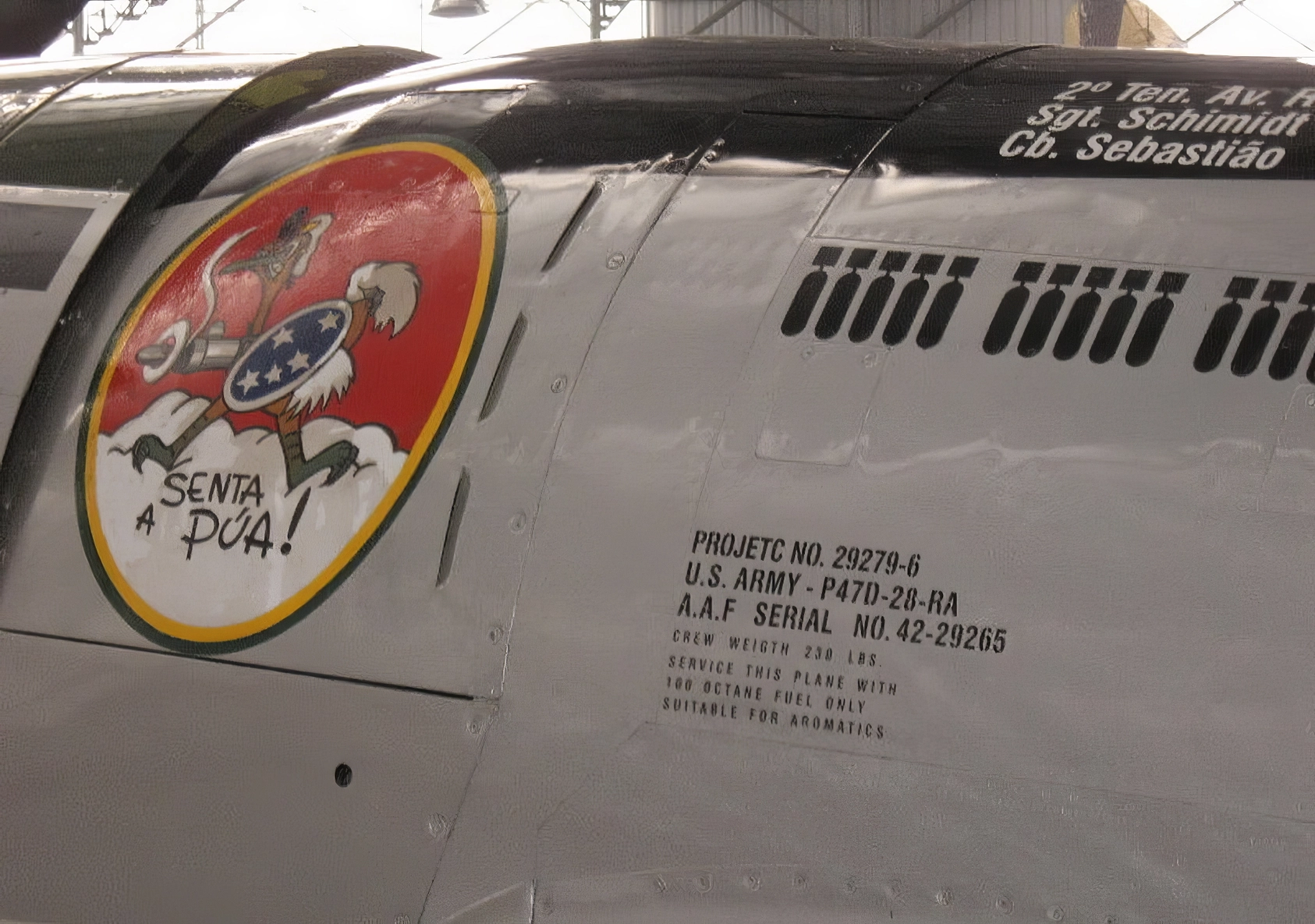

| P-47D Thunderbolt | |
|---|---|
| カメラマン | セス・ヘンドリックス |
| ローカライズ | 知りません |
| 写真 | 98 |
| Republic YP-47M Thunderbolt Walk Around | |
|---|---|
| カメラマン | セス・ヘンドリックス |
| ローカライズ | 知りません |
| 写真 | 31 |
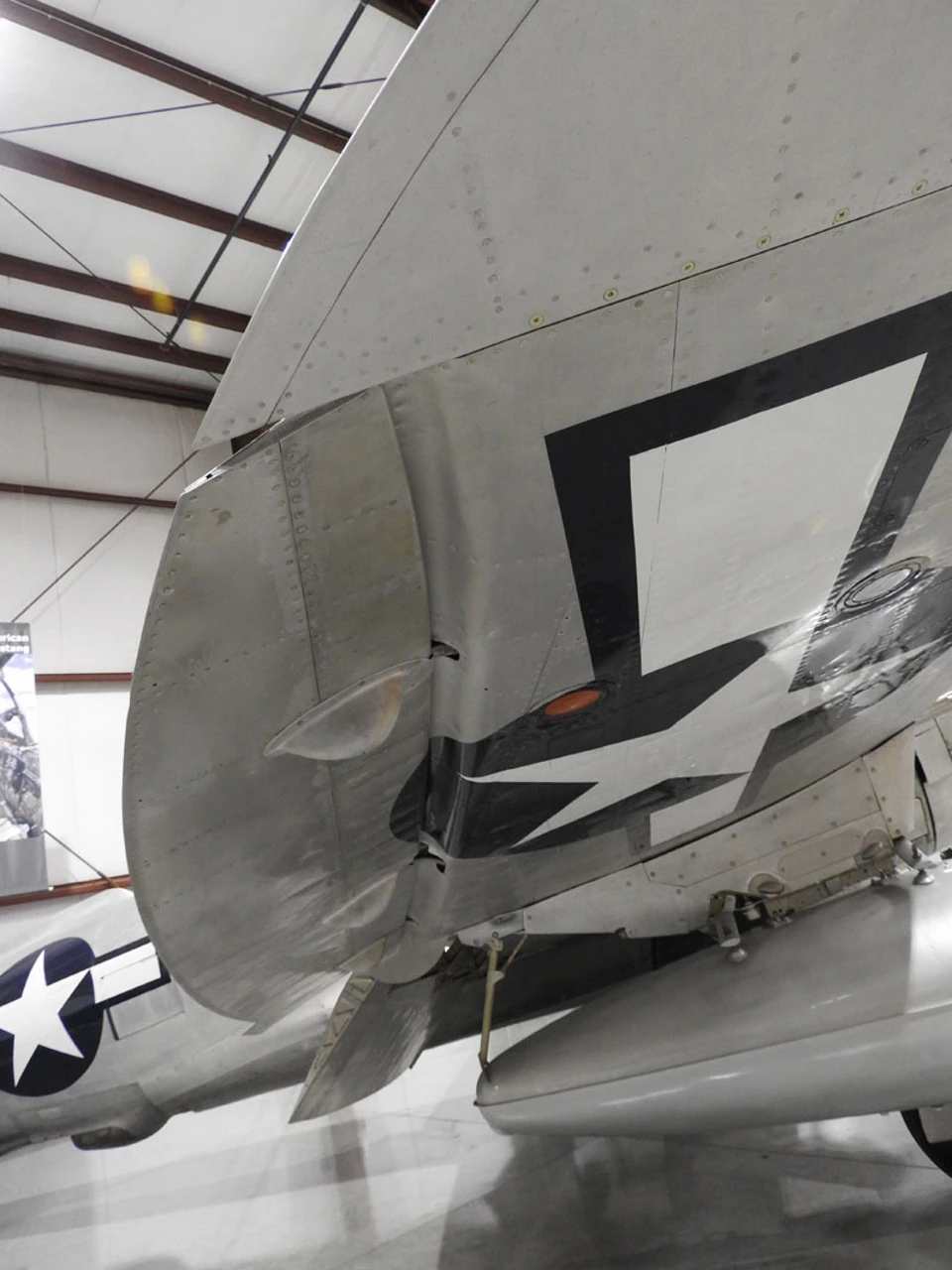
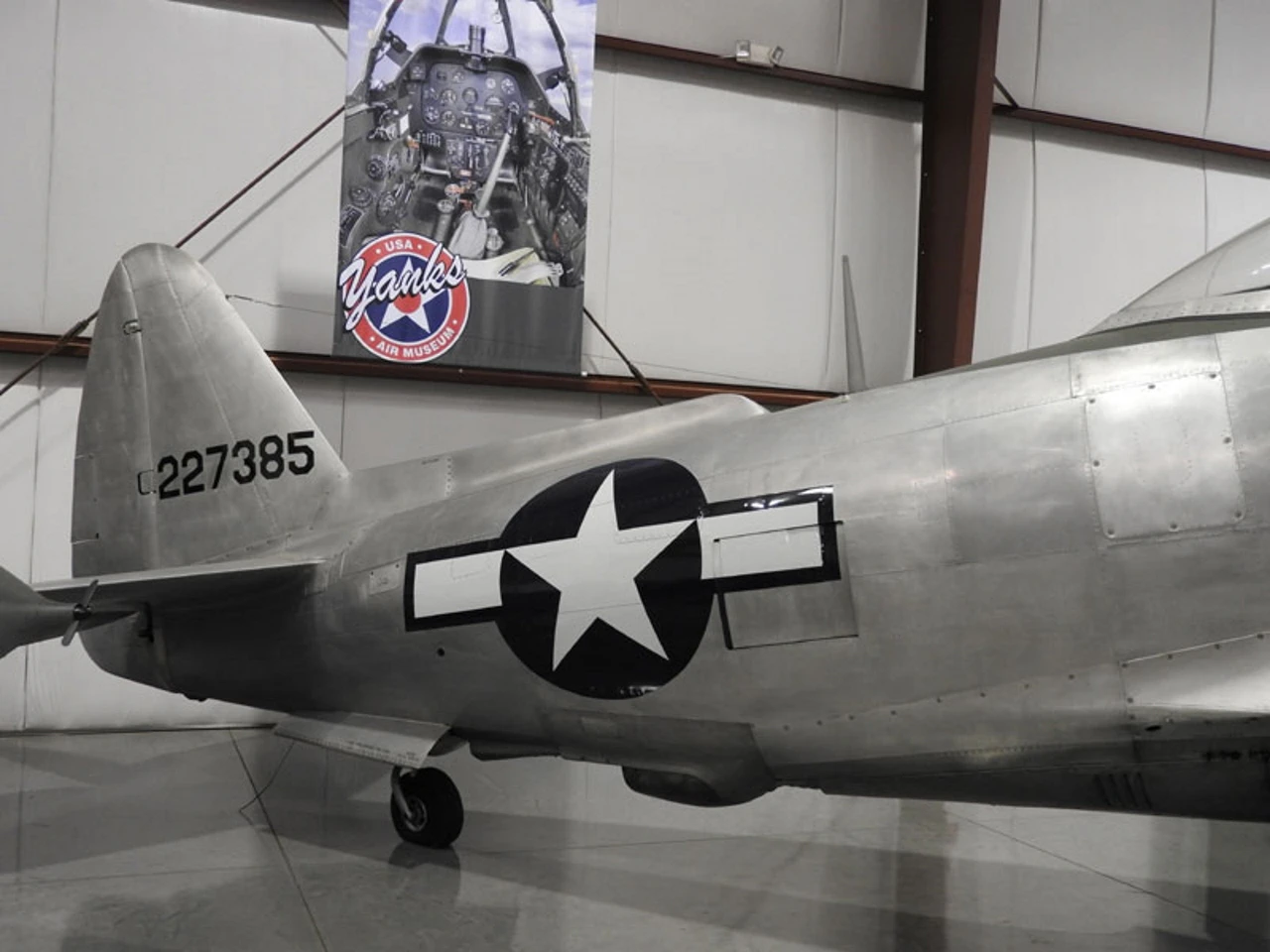
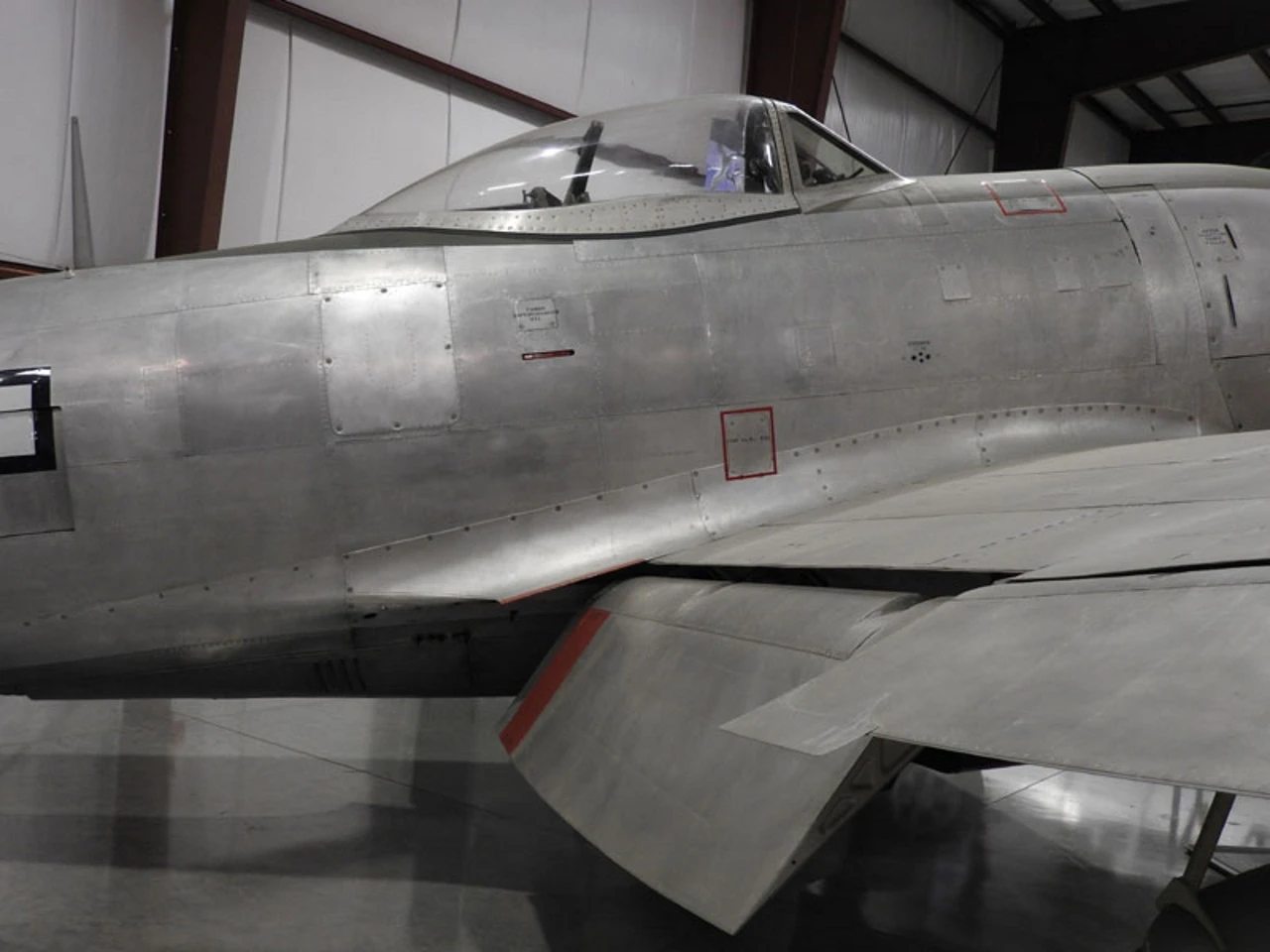
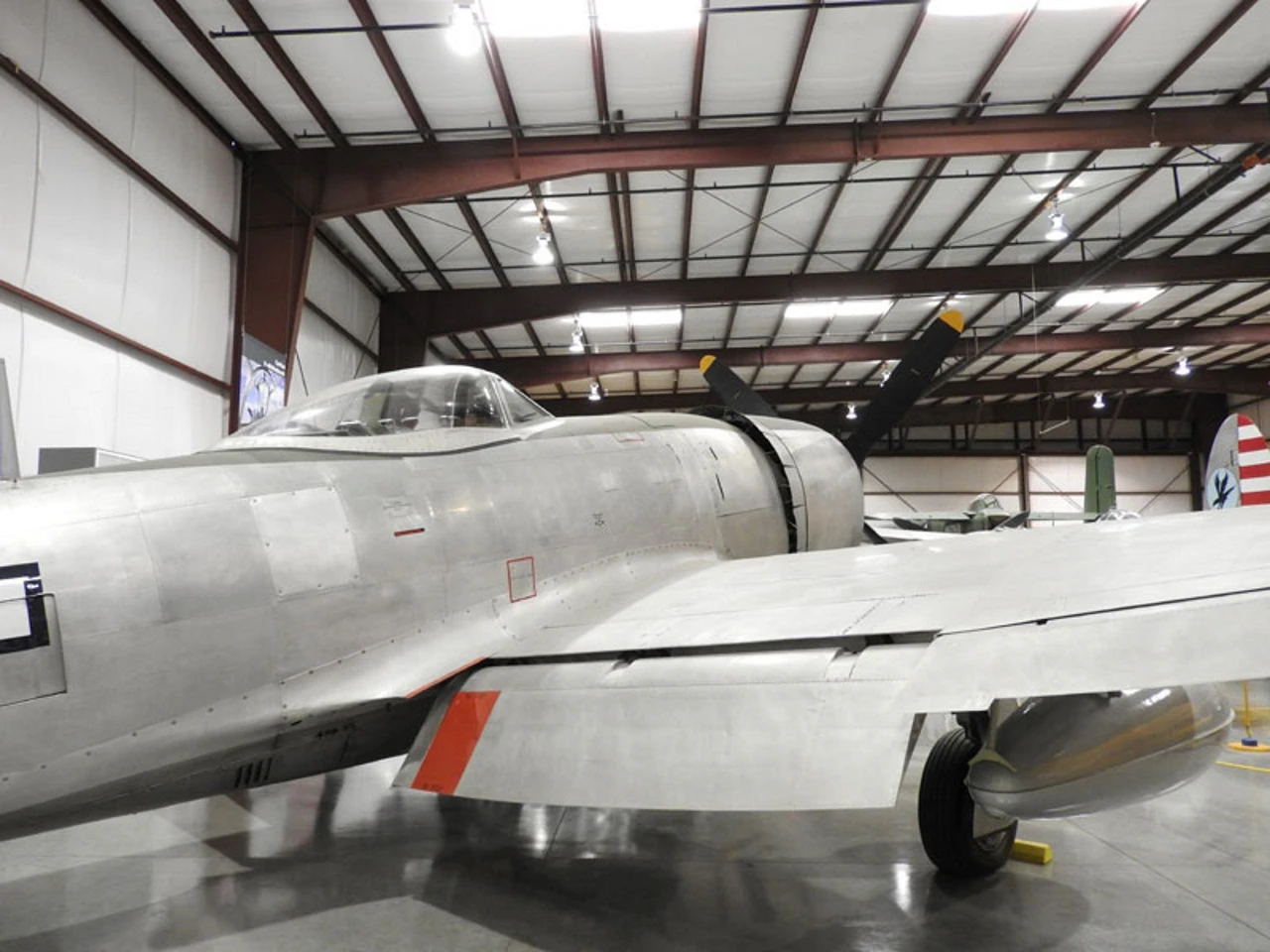
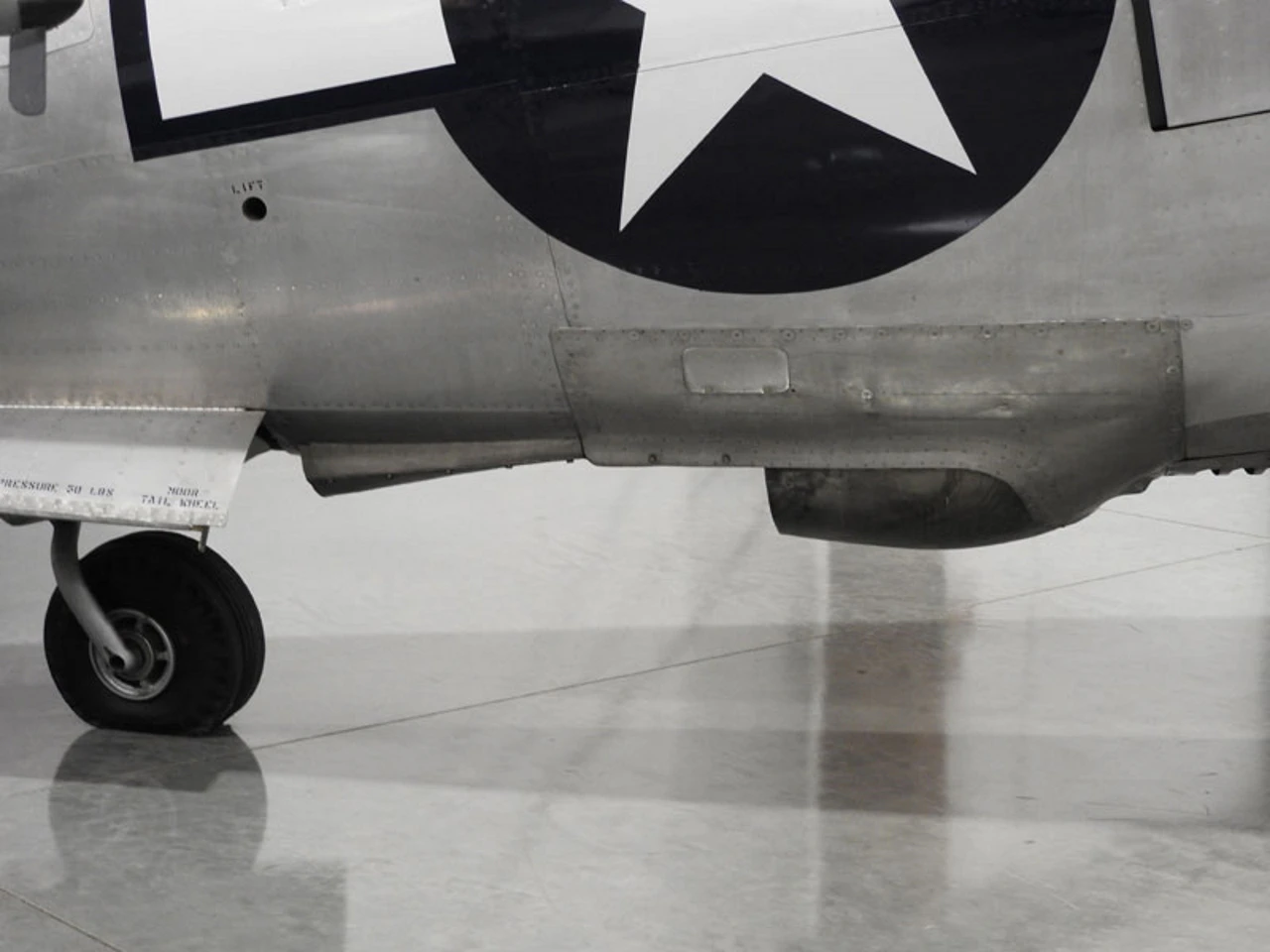
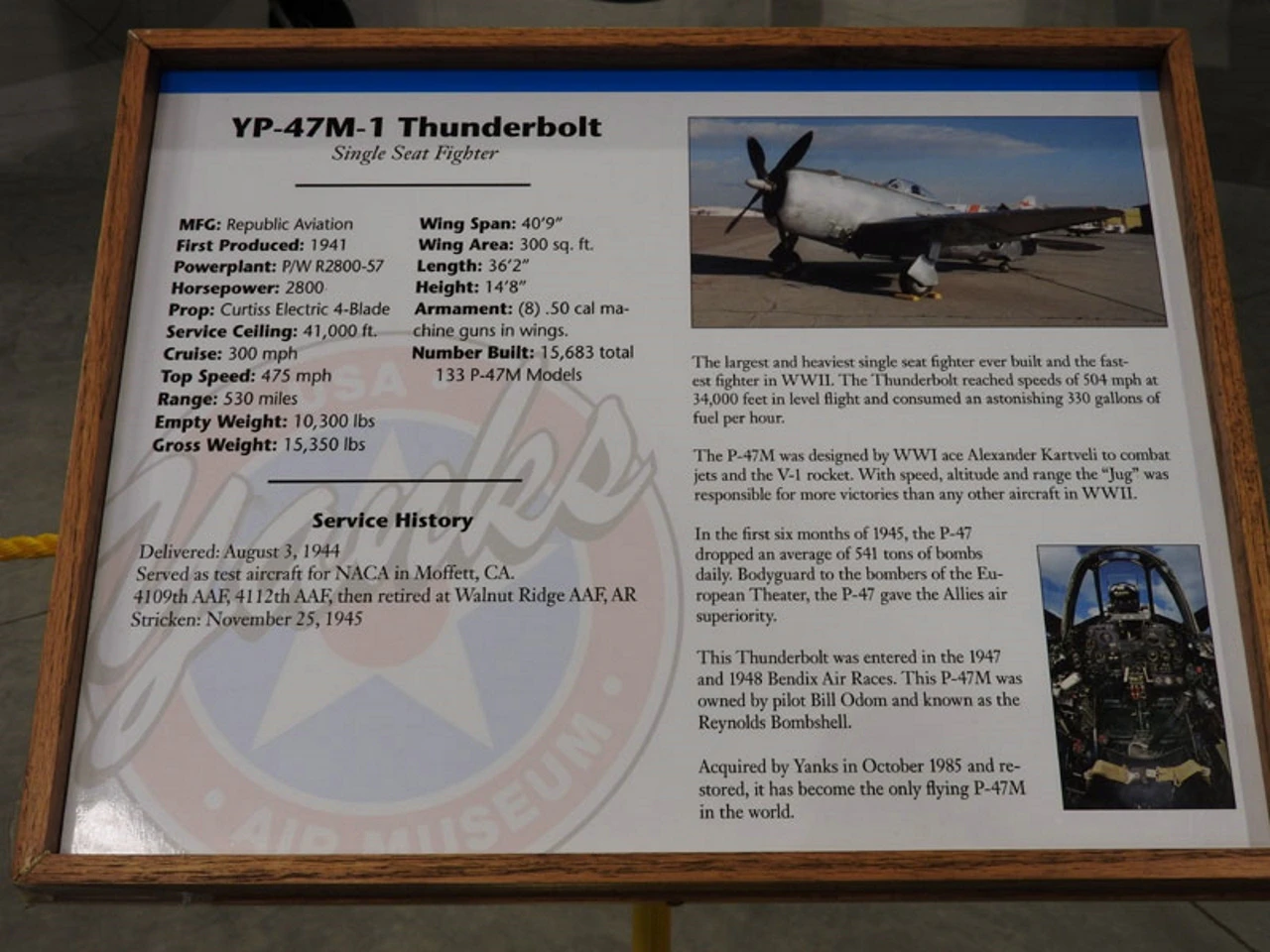
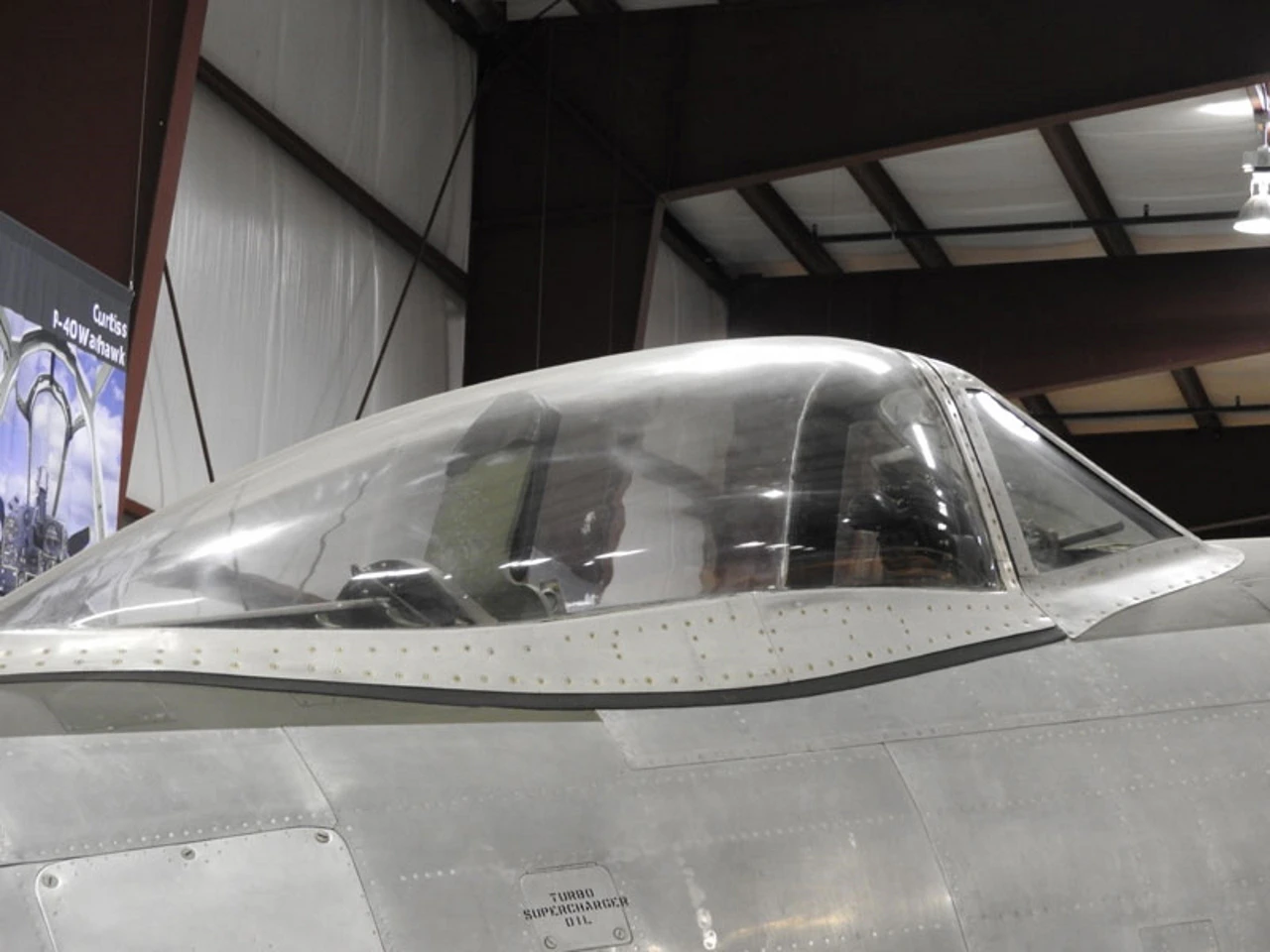
| Republic P-47D-30-RE Thunderbolt Walk Around | |
|---|---|
| カメラマン | ウラジーミル・ヤクボフ |
| ローカライズ | 知りません |
| 写真 | 98 |
関連項目:


| P-47D Block 35 Walk Around | |
|---|---|
| カメラマン | デビッド・アウンスト |
| ローカライズ | 知りません |
| 写真 | 49 |
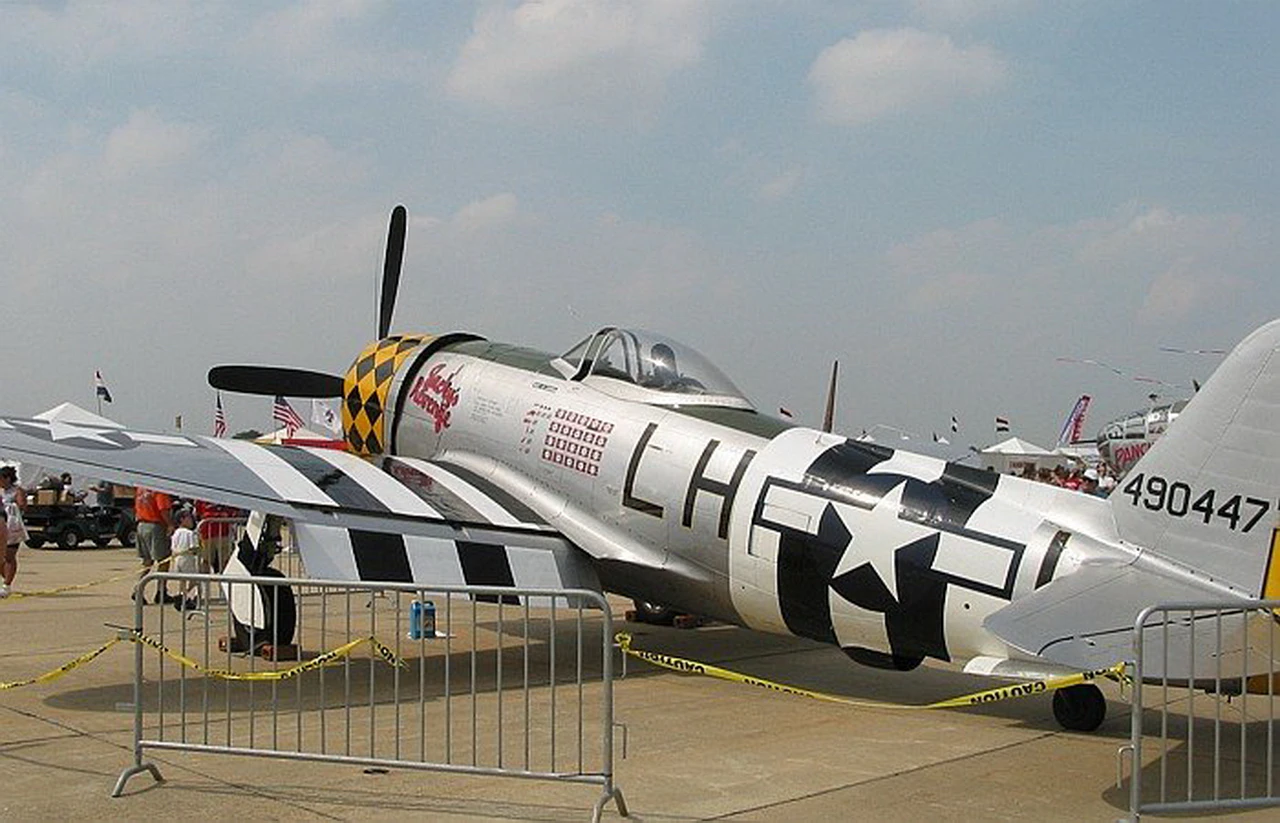
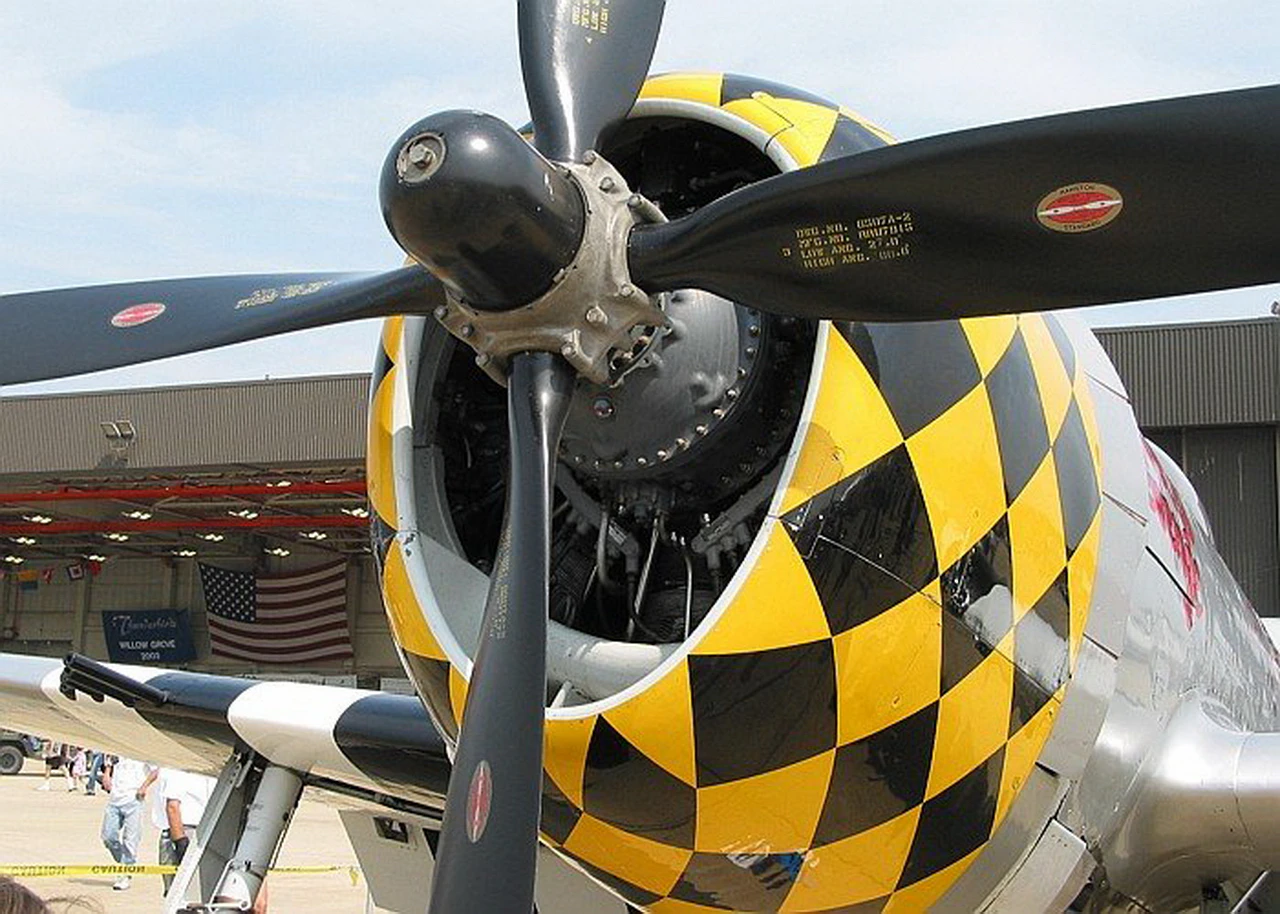
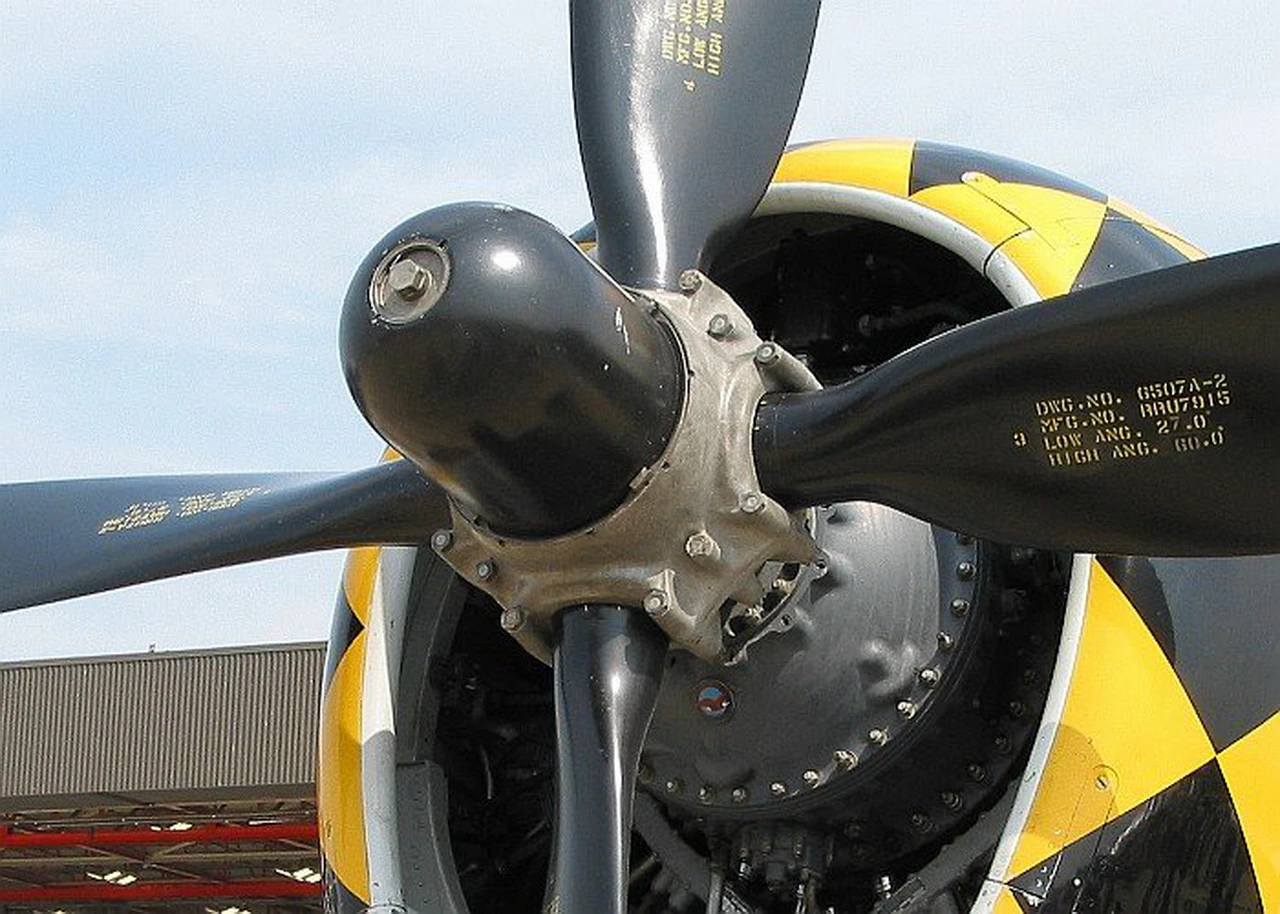
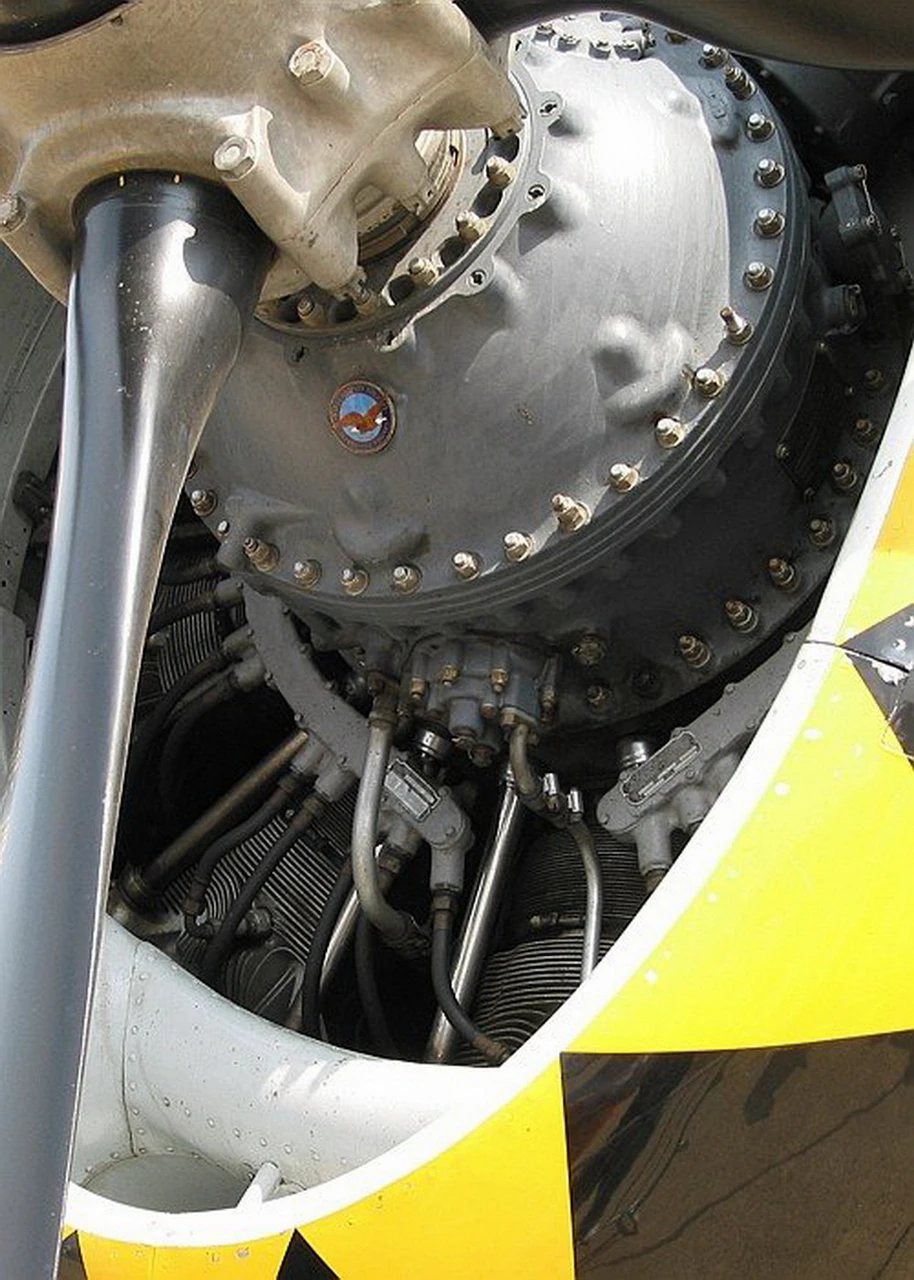
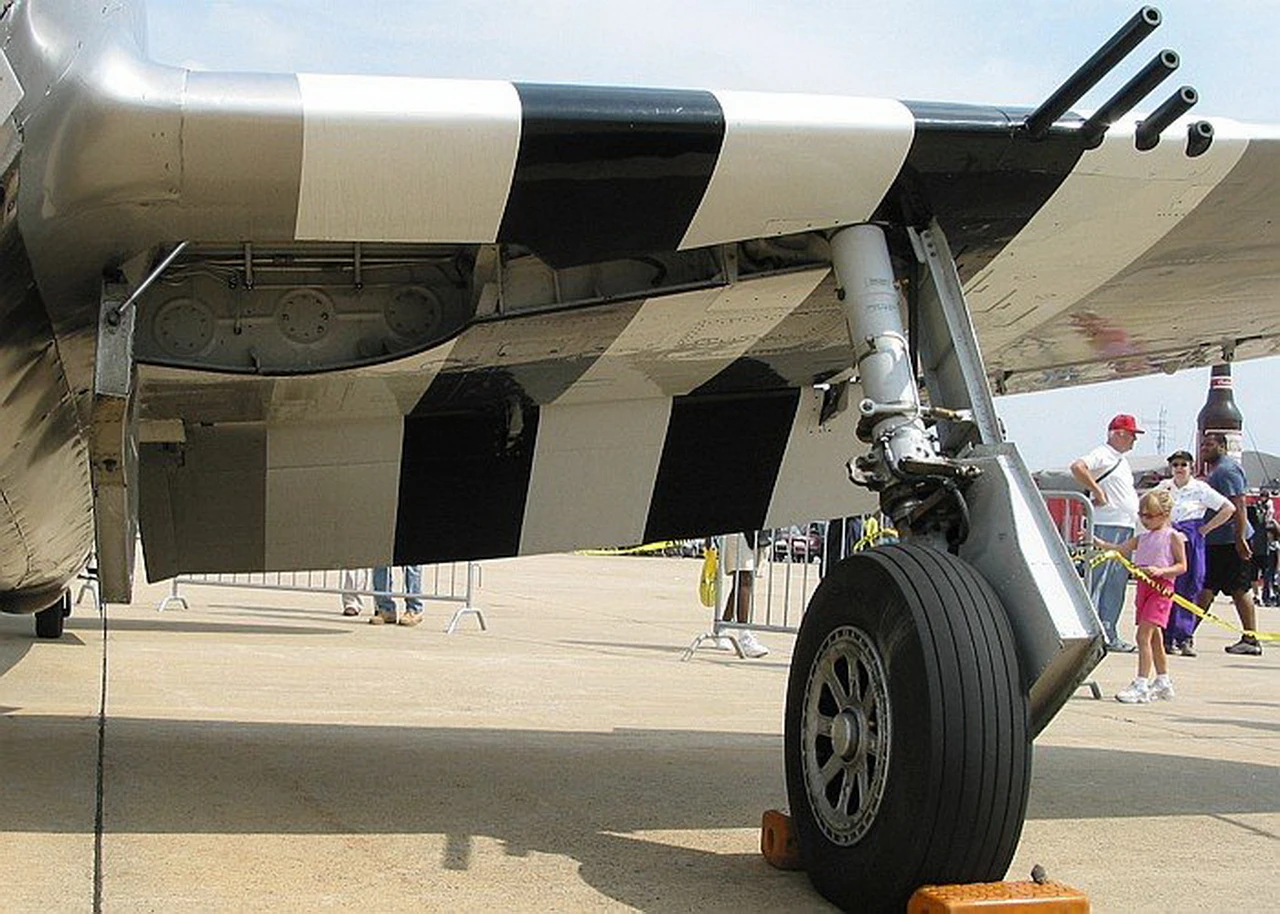
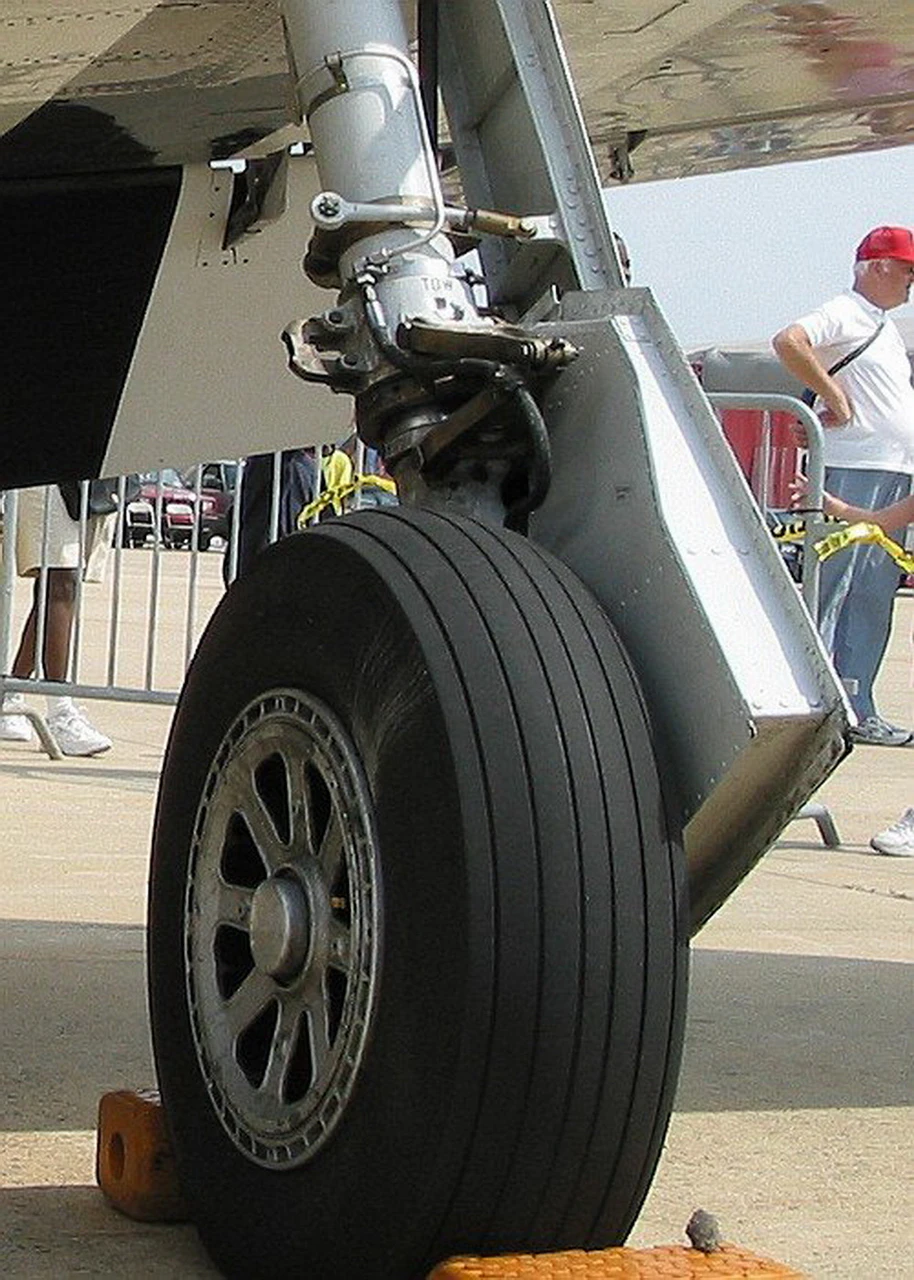
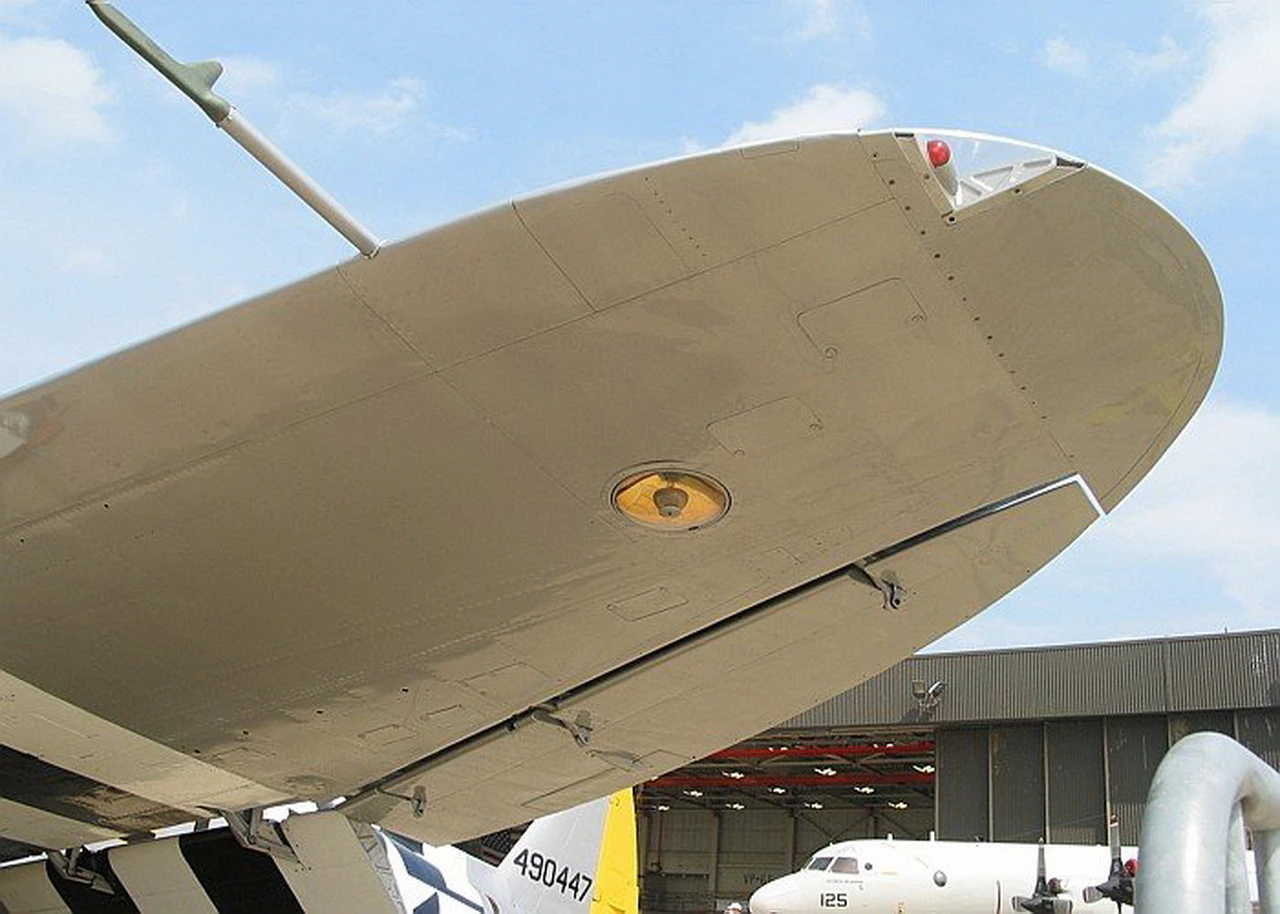
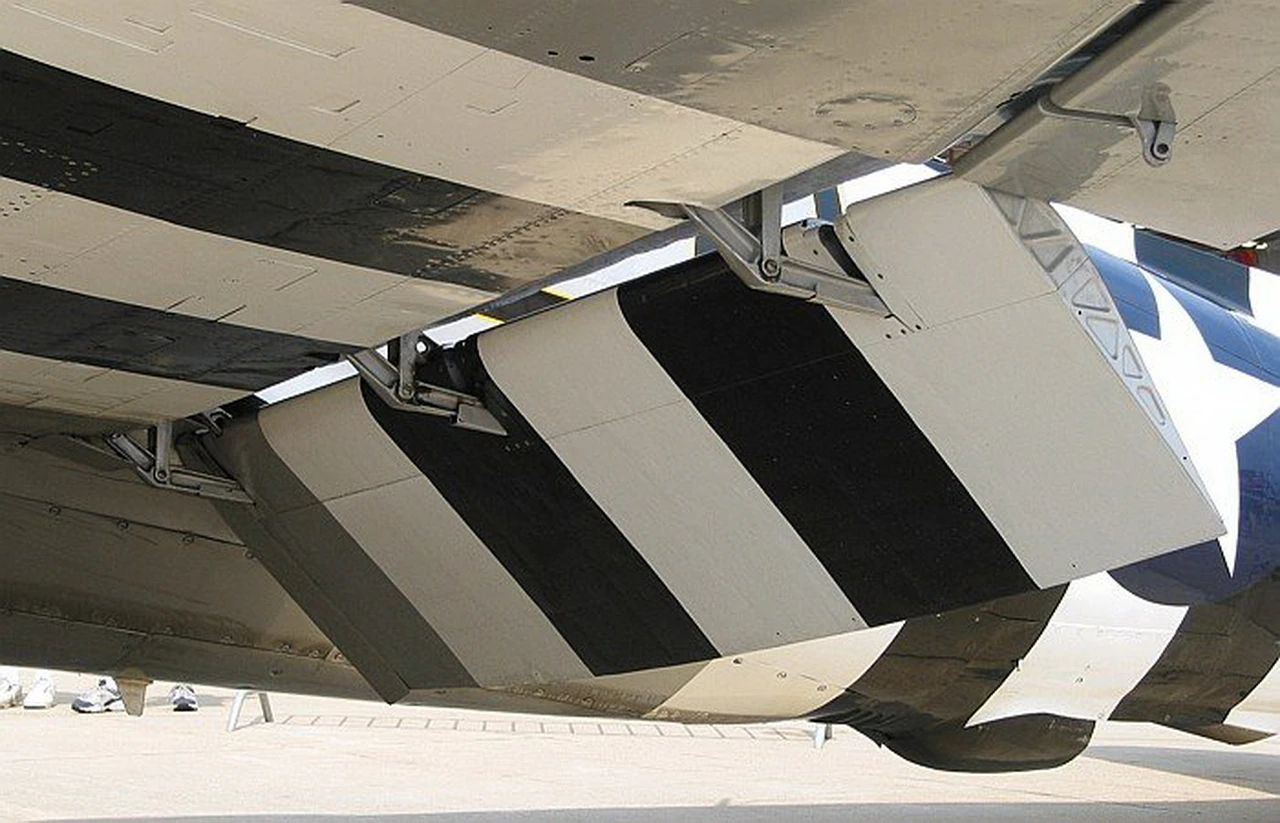
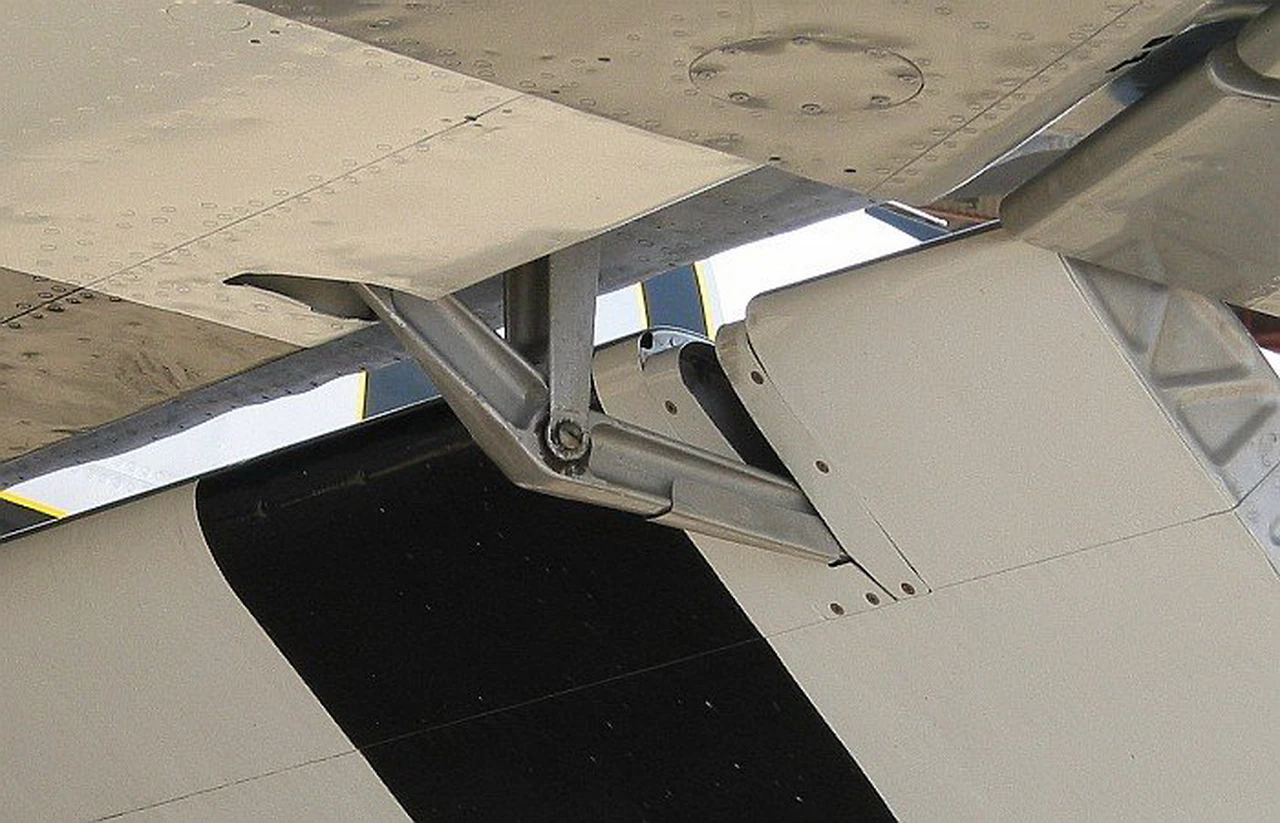
| Republic P-47D Thunderbolt Walk Around | |
|---|---|
| カメラマン | ビル・マロニー |
| ローカライズ | ニューイングランド航空博物館 |
| 写真 | 27 |
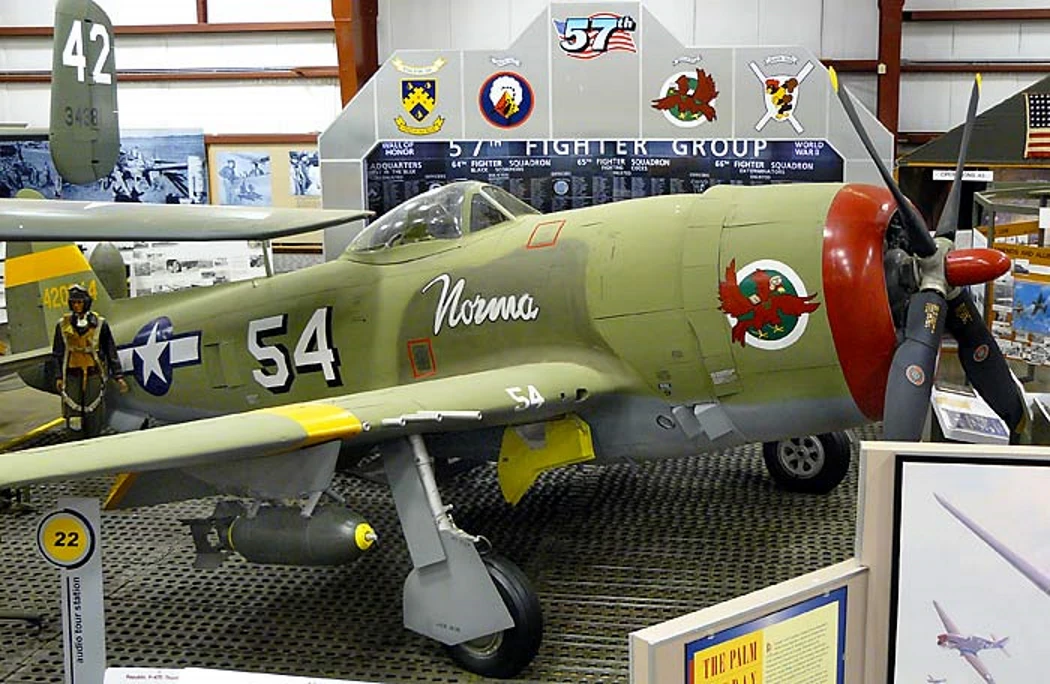
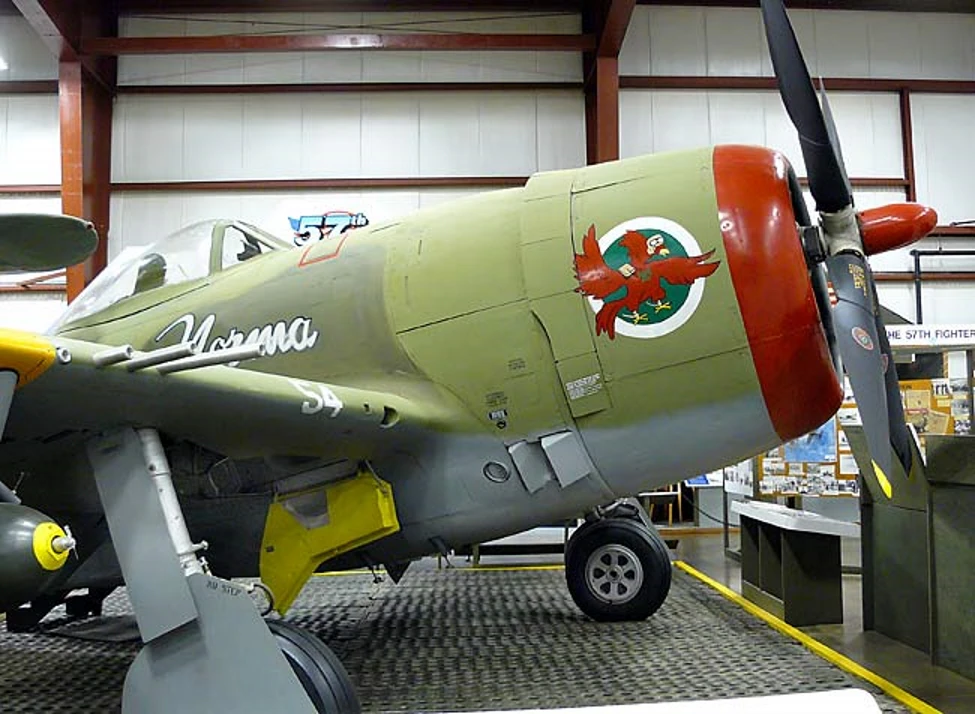
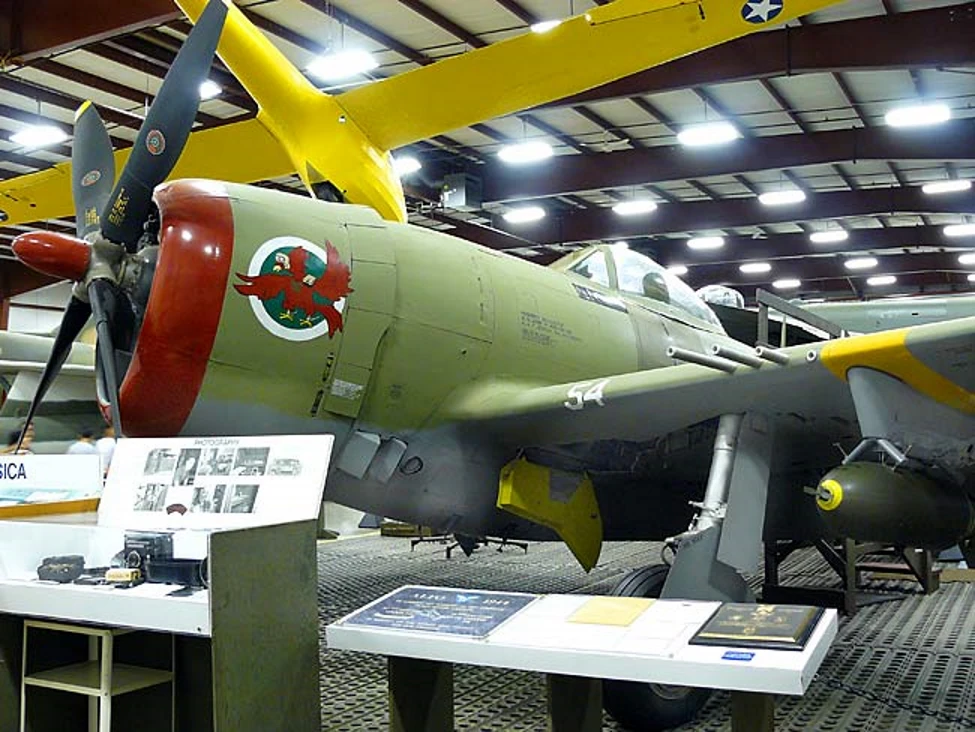
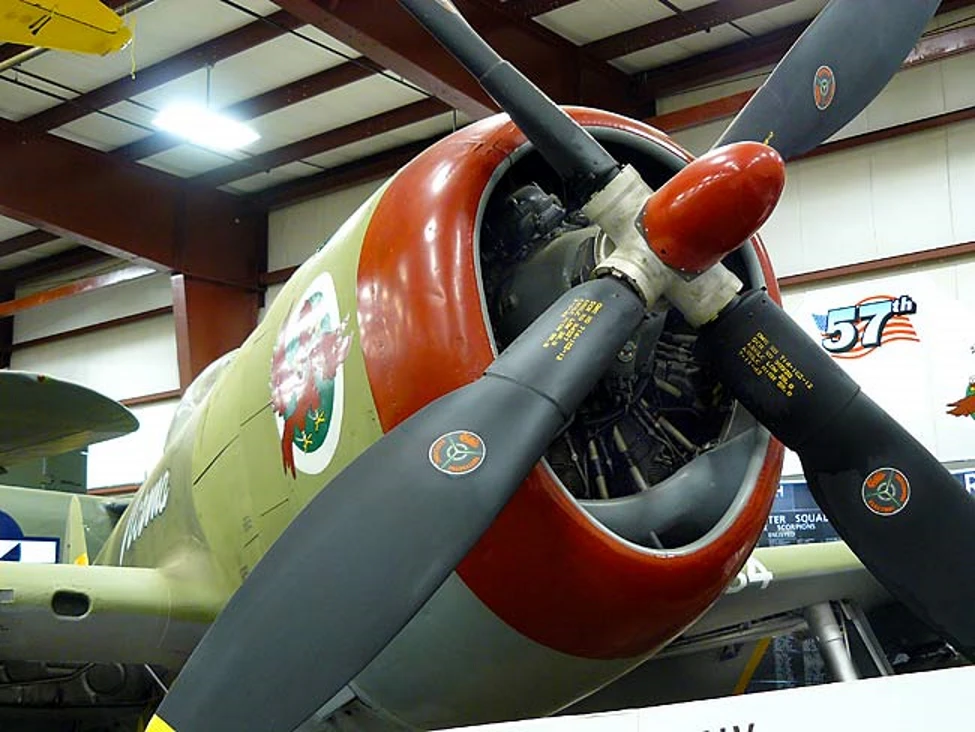
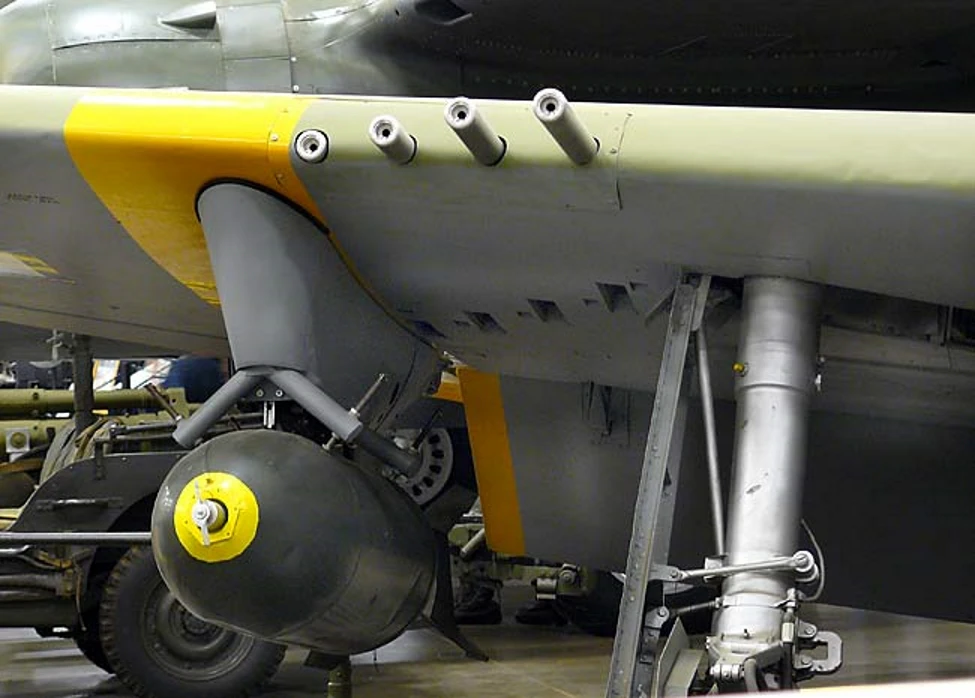
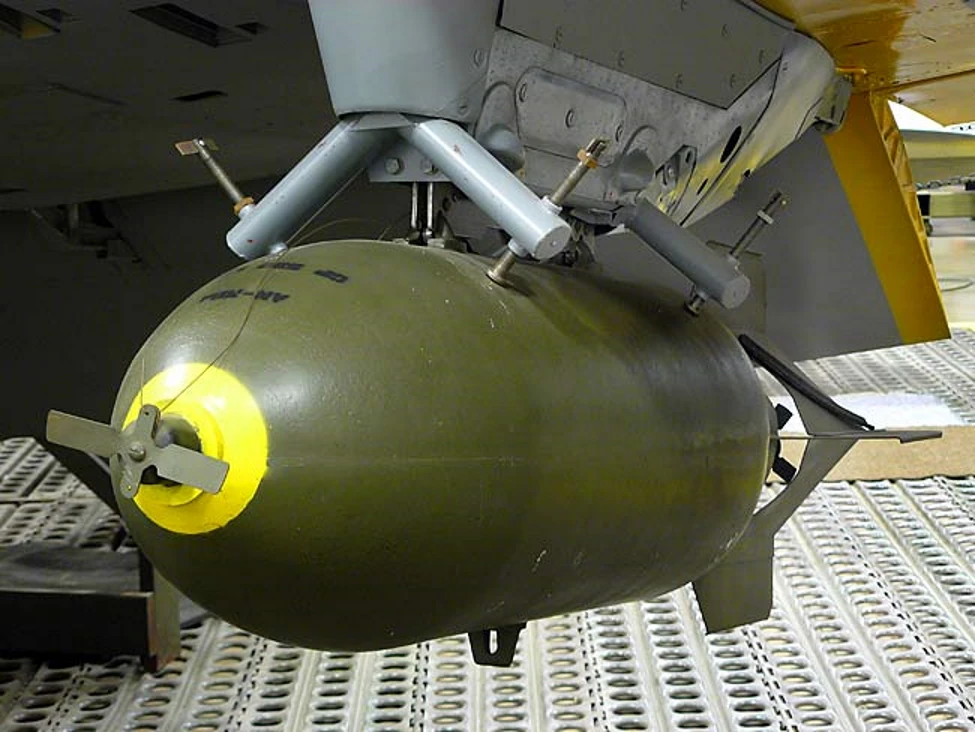
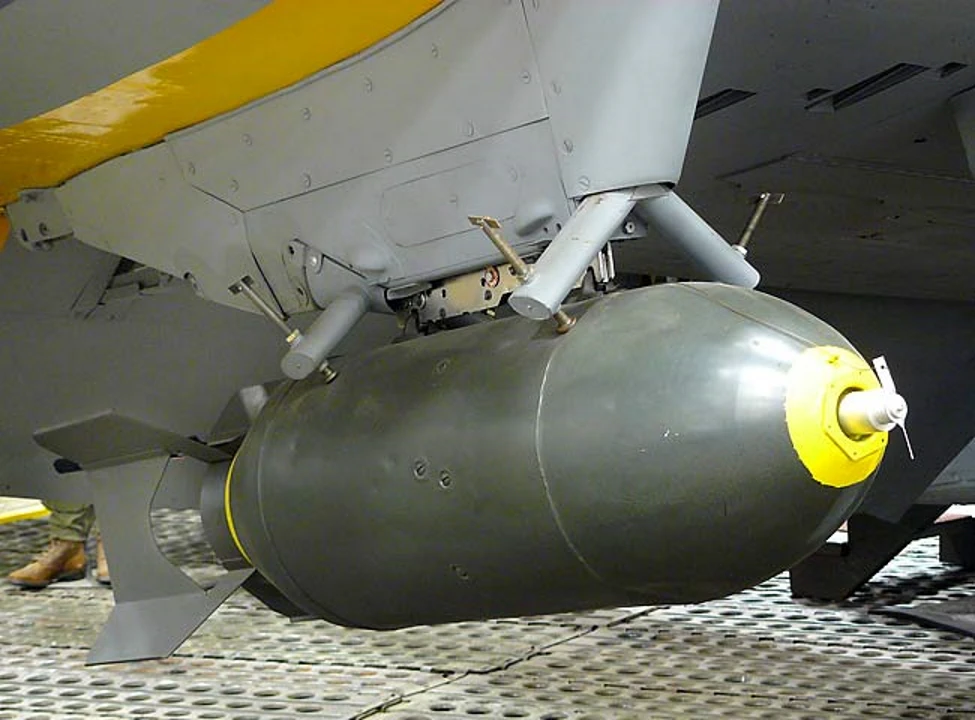
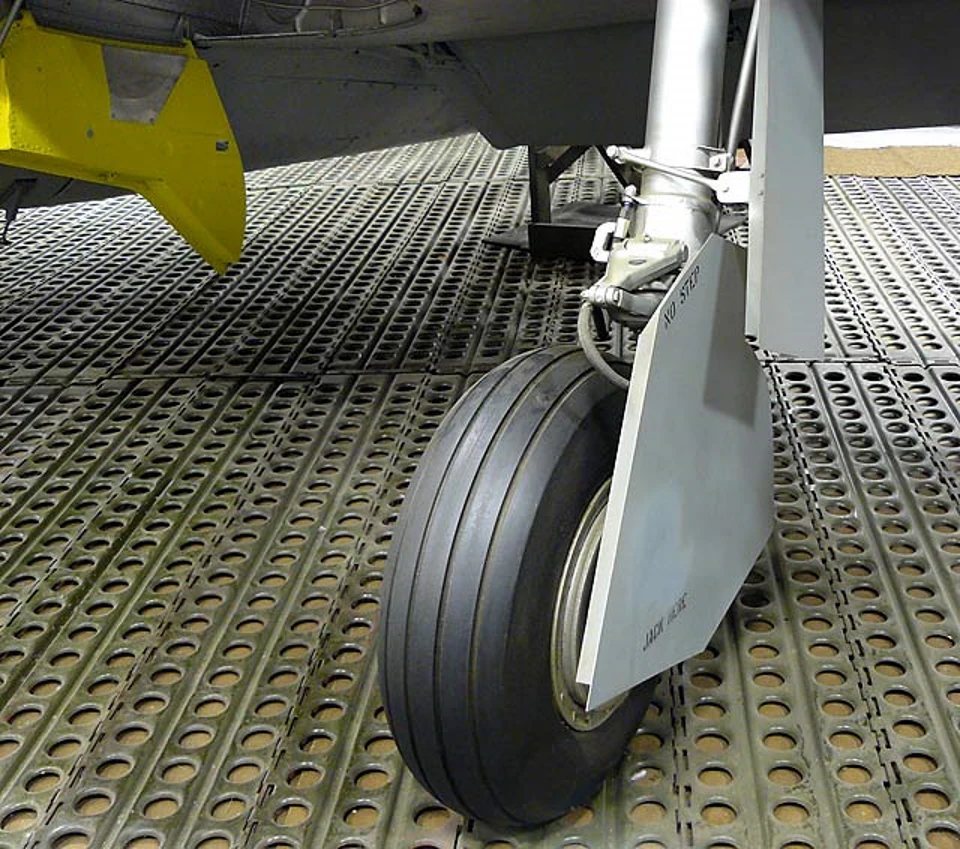
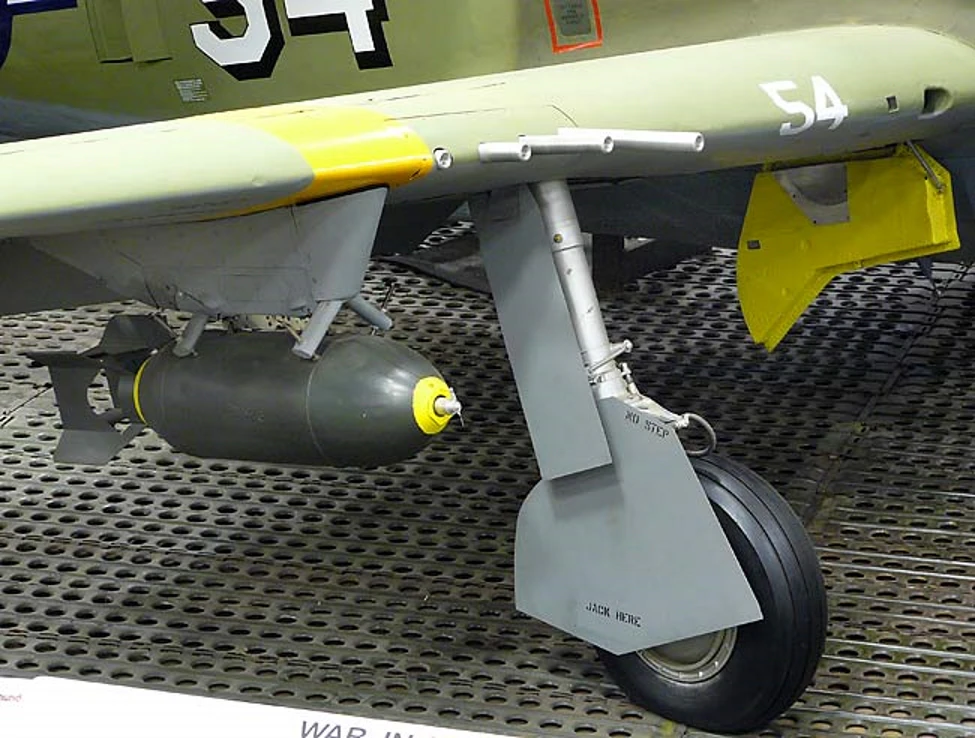
| Republic P-47D Thunderbolt Walk Around | |
|---|---|
| カメラマン | Vladimir Yakubov |
| ローカライズ | パーム スプリングス エア ミュージアム |
| 写真 | 143 |
A Heavyweight Legend
ザ P-47Dサンダーボルト was the most-produced version of the largest and heaviest single-engine fighter of World War II. Affectionately nicknamed “The Jug” (short for Juggernaut), it was built around the massive Double Wasp engine and a complex turbo-supercharging system. While it lacked the graceful lines of the Mustang, the P-47D was a monster of durability and firepower. It could survive incredible battle damage that would disintegrate other aircraft, making it the premier ground-attack platform and high-altitude escort of the European Theater.
| Attribute | Technical Specification (P-47D-25) |
|---|---|
| 役割 | Fighter / Fighter-Bomber |
| 乗組員 | 1 (Pilot) |
| First Flight (P-47) | May 6, 1941 |
| パワープラント | 1 × Pratt & Whitney R-2800-59 Double Wasp radial |
| Horsepower | 2,535 hp (with water injection) |
| 最高速度 | 433 mph (697 km/h) at 30,000 ft |
| 武装 | 8 × .50 cal (12.7 mm) M2 Browning machine guns |
| ペイロード | Up to 2,500 lbs (1,134 kg) of bombs or 10 rockets |
Design Highlights: The Turbine and the Bubble
- Turbo-Supercharger System: The secret to the P-47’s high-altitude performance was the massive turbocharger located in the 育てる of the fuselage. Exhaust gases were piped all the way back to the tail to spin a turbine, which then sent compressed air back to the engine.
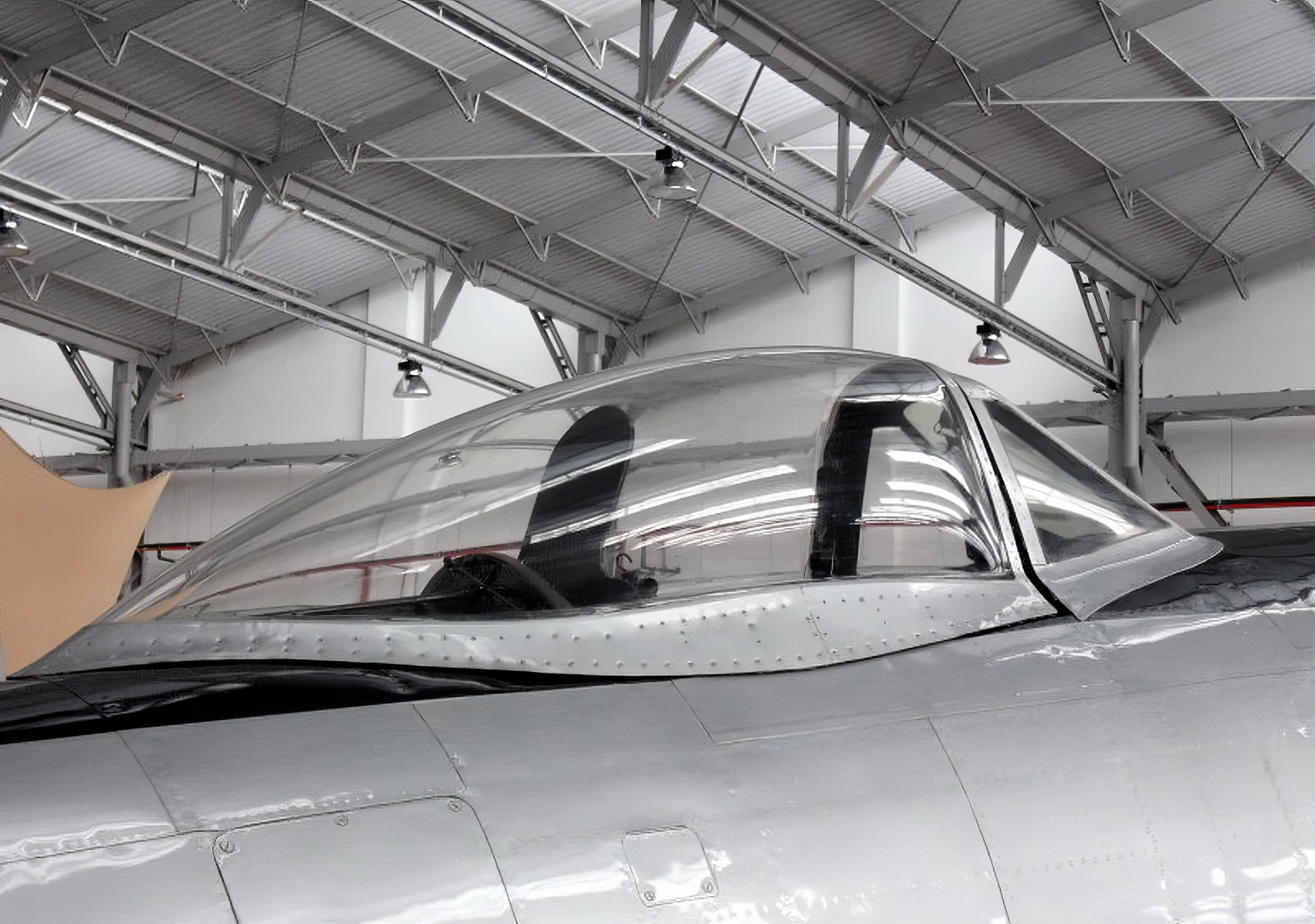
- The “Bubble” Canopy: Early “Razorback” P-47Ds had a high fairing behind the pilot. Starting with the D-25 variant, Republic introduced a teardrop-shaped bubble canopy, giving pilots 360-degree visibility—a vital advantage in dogfights.
- Eight Machine Guns: Unlike the Mustang or Spitfire, the P-47 carried a staggering eight .50 caliber machine guns. This massive volume of fire was capable of shredding locomotives, tiger tanks, and enemy aircraft alike.
- Paddle-Blade Propeller: To translate the engine’s massive torque into thrust, late D-models used wide “paddle-blade” propellers, which significantly improved the aircraft’s rate of climb.
“The Jug” in Action
- Unrivaled Ruggedness: The P-47 was legendary for its ability to take hits. Stories abound of pilots returning with entire cylinders blown off their engines or large sections of wings missing, yet the “Jug” kept flying.
- The Diving Specialist: Weighing nearly 15,000 lbs fully loaded, the P-47 could out-dive any aircraft in the world. Pilots used this weight to engage in “boom and zoom” tactics, diving through enemy formations and using their momentum to climb back to safety.
- Zemke’s Wolfpack: The 56th Fighter Group, led by Hubert “Hub” Zemke, became one of the highest-scoring units of the war exclusively flying the P-47. They proved that in the hands of a skilled pilot, the heavy Jug could outmaneuver the Bf 109 and Fw 190.
- Ground Attack Terror: In the months following D-Day, P-47s became the “flying artillery” of the Allied advance. They destroyed thousands of German tanks, trucks, and trains, effectively paralyzing the Wehrmacht’s movement during daylight hours.
ビュー : 17946