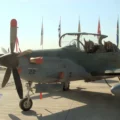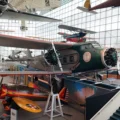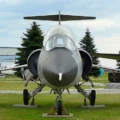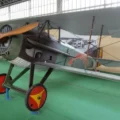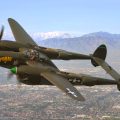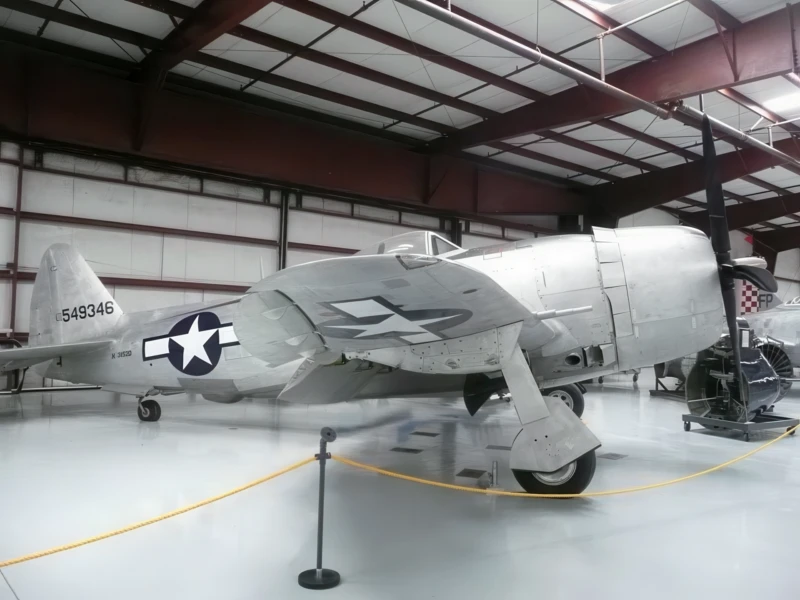
P-47D 썬더 볼트 | |
|---|---|
| 국가 | 미국 |
| 역할 | 전투기 폭격기 |
| 첫 비행 | 1941년 5월 6일 |
| 내장 | 15636 |
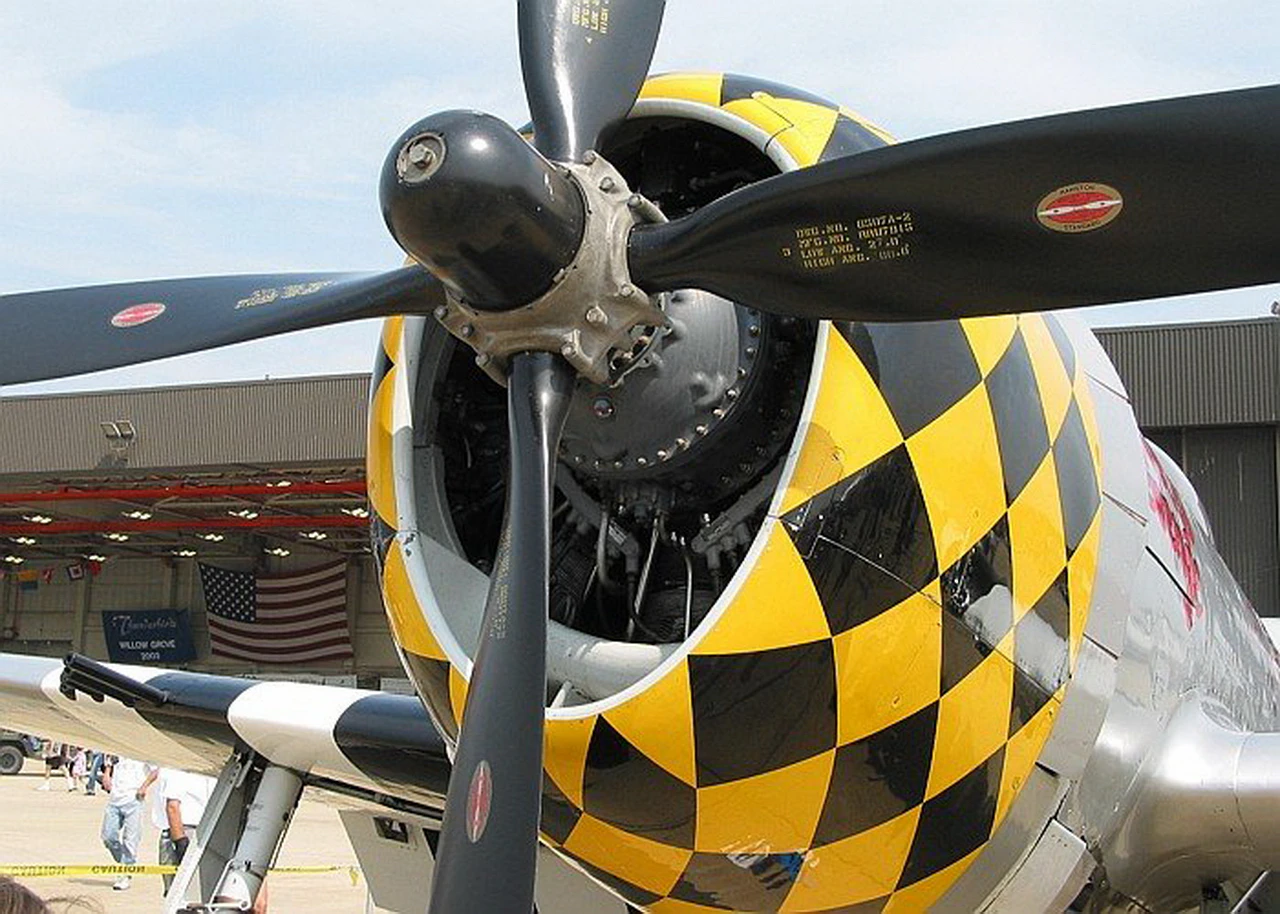
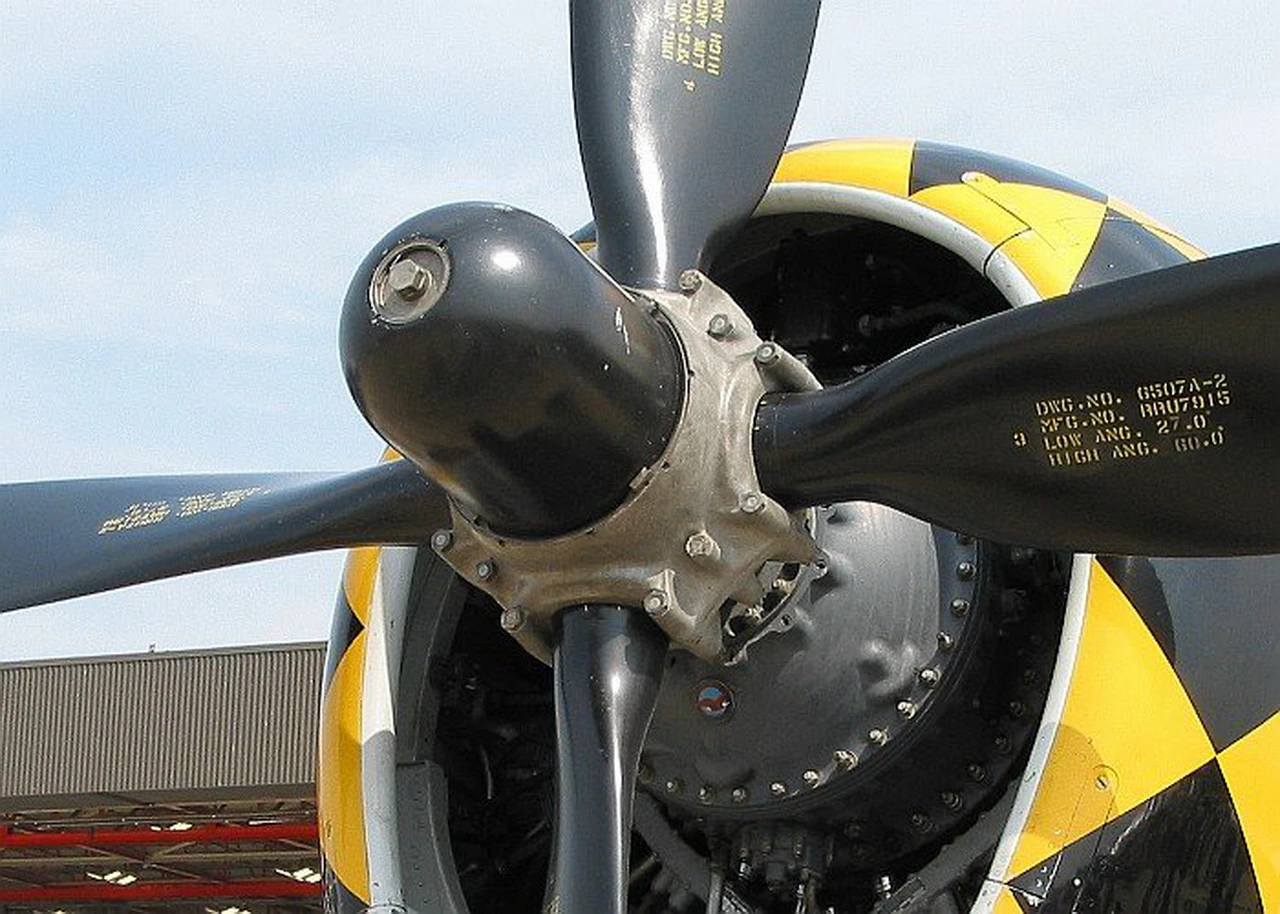
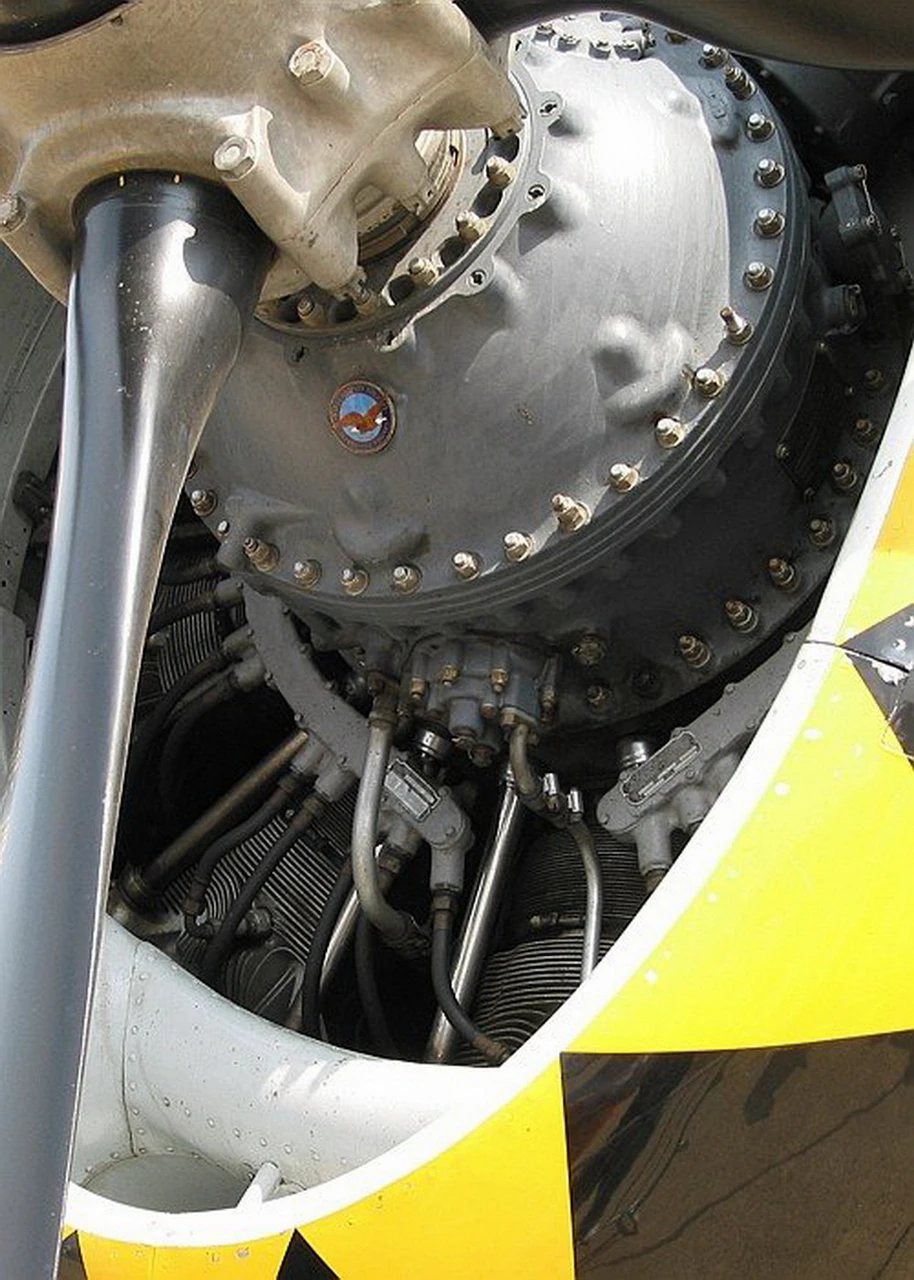
Tthe 공화국 P-47 썬더볼트 1941 년부터 1945 년까지 미국이 생산 한 제 2 차 세계 대전 시대의 전투기였습니다. 주요 무장은 8.50 구경의 기관총이었고 전투기 폭격기 지상 공격 역할에서는 5 인치 로켓 또는 2,500 파운드 (1,103 kg)의 폭탄 하중을 운반 할 수있었습니다. 완전히 적재되었을 때, P-47의 무게는 최대 8톤에 달했고, 전쟁에서 가장 무거운 전투기 중 하나가 되었다. P-47은 강력한 프랫 앤 휘트니 R-2800 더블 와스프 엔진을 중심으로 설계되었으며, 두 명의 미 해군/미 해병대 전투기, 그루먼 F6F 헬캣 및 Vought F4U 해적단에서도 사용되었습니다. Thunderbolt는 유럽과 태평양 극장 모두에서 고고도 공대공 전투와 지상 공격에서 단거리 및 중거리 호위 전투기로 효과적이었습니다.
소스: 위키백과에 P-47D 썬더볼트
| P-47D Thunderbolt | |
|---|---|
| 사진 작가 | Unknow |
| 로컬라이제이션 | Unknow |
| 사진 | 22 |
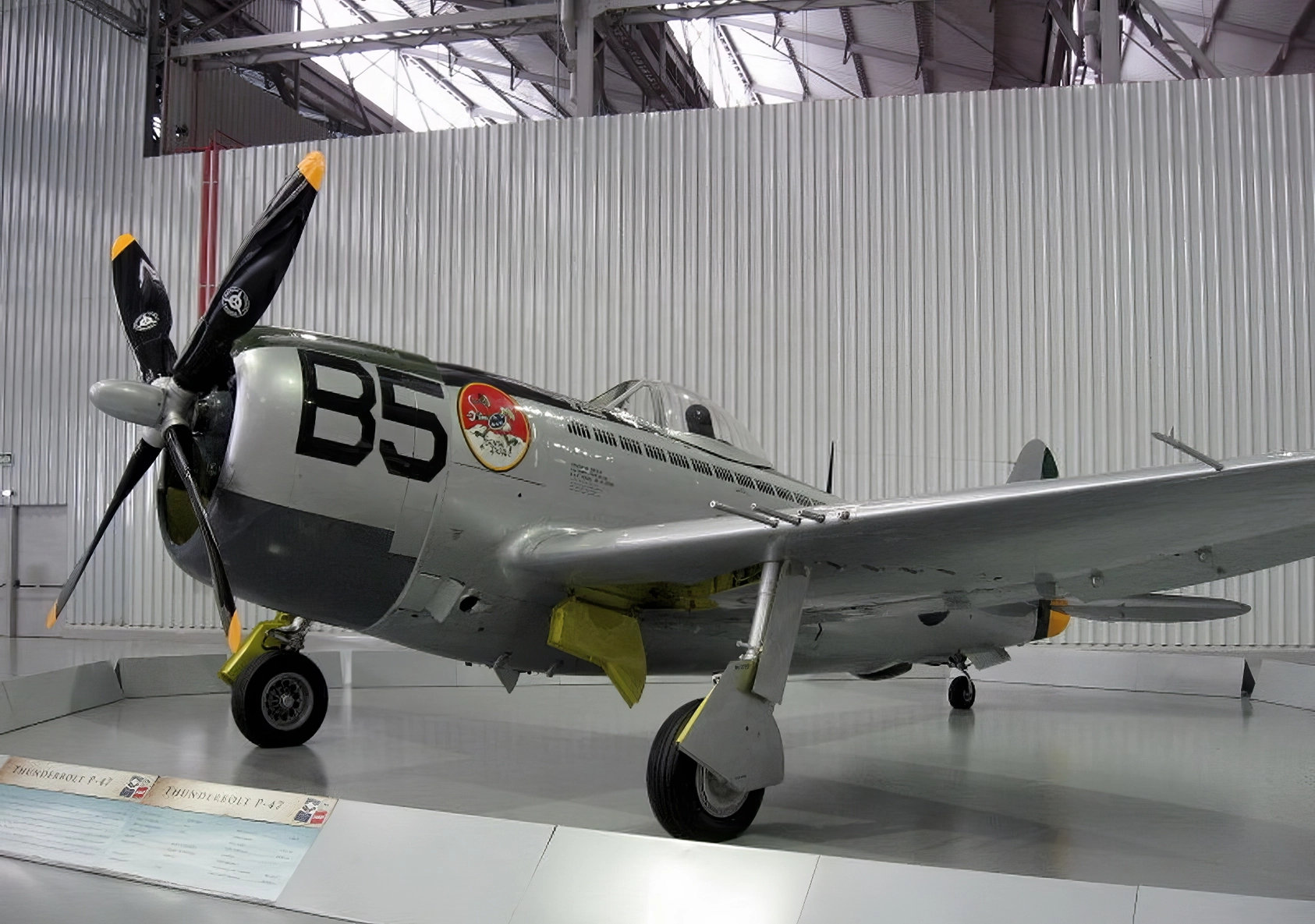

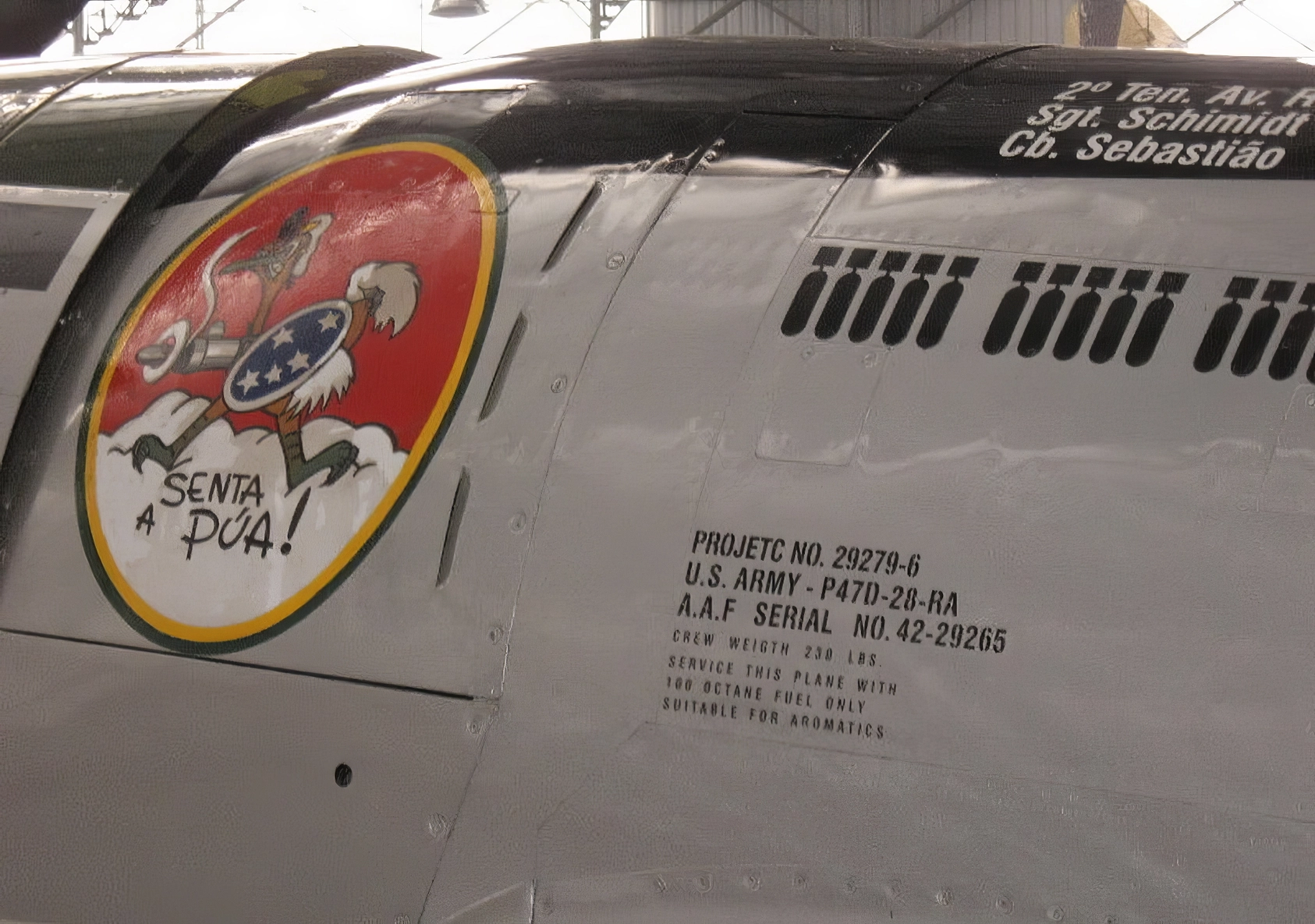
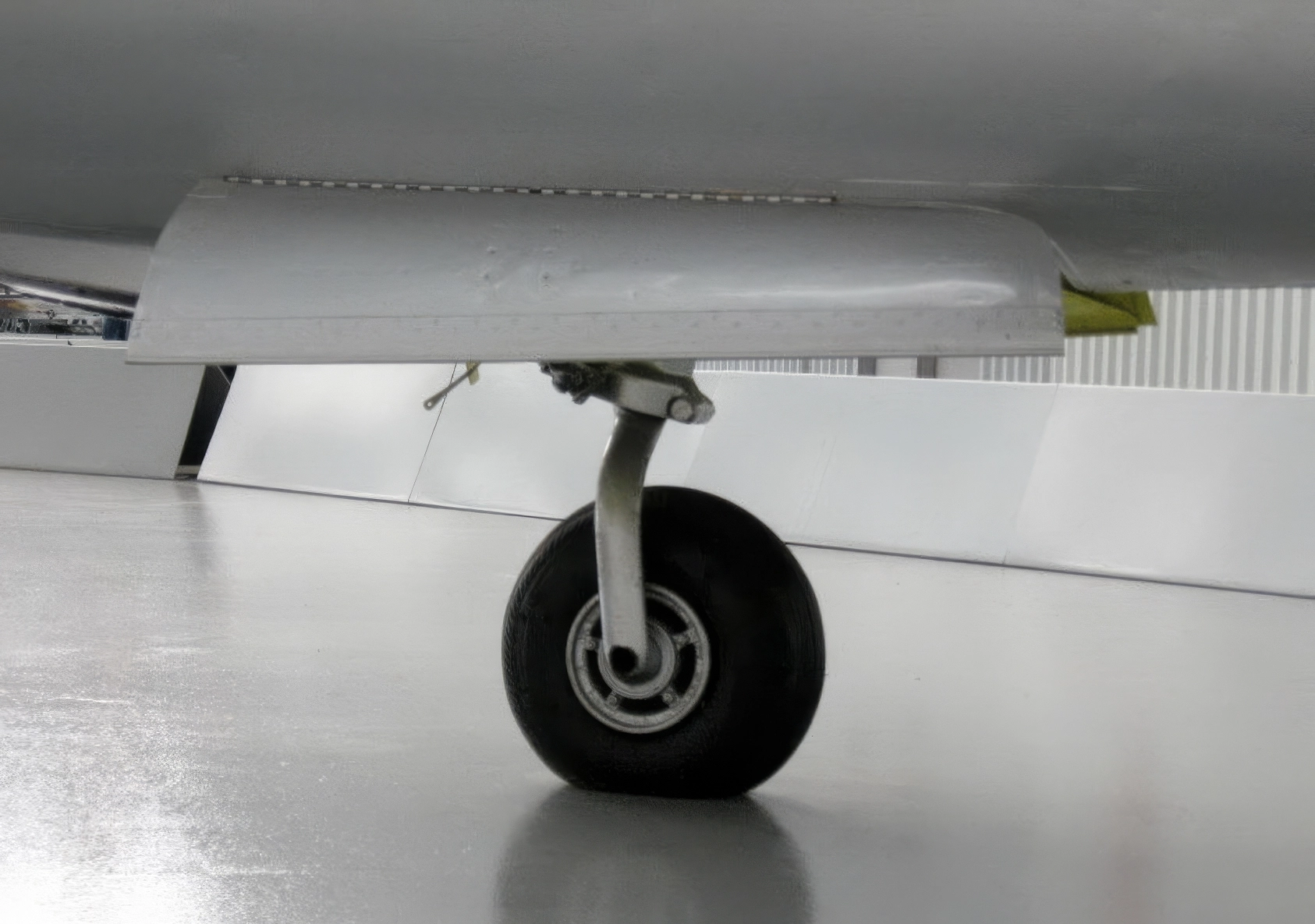
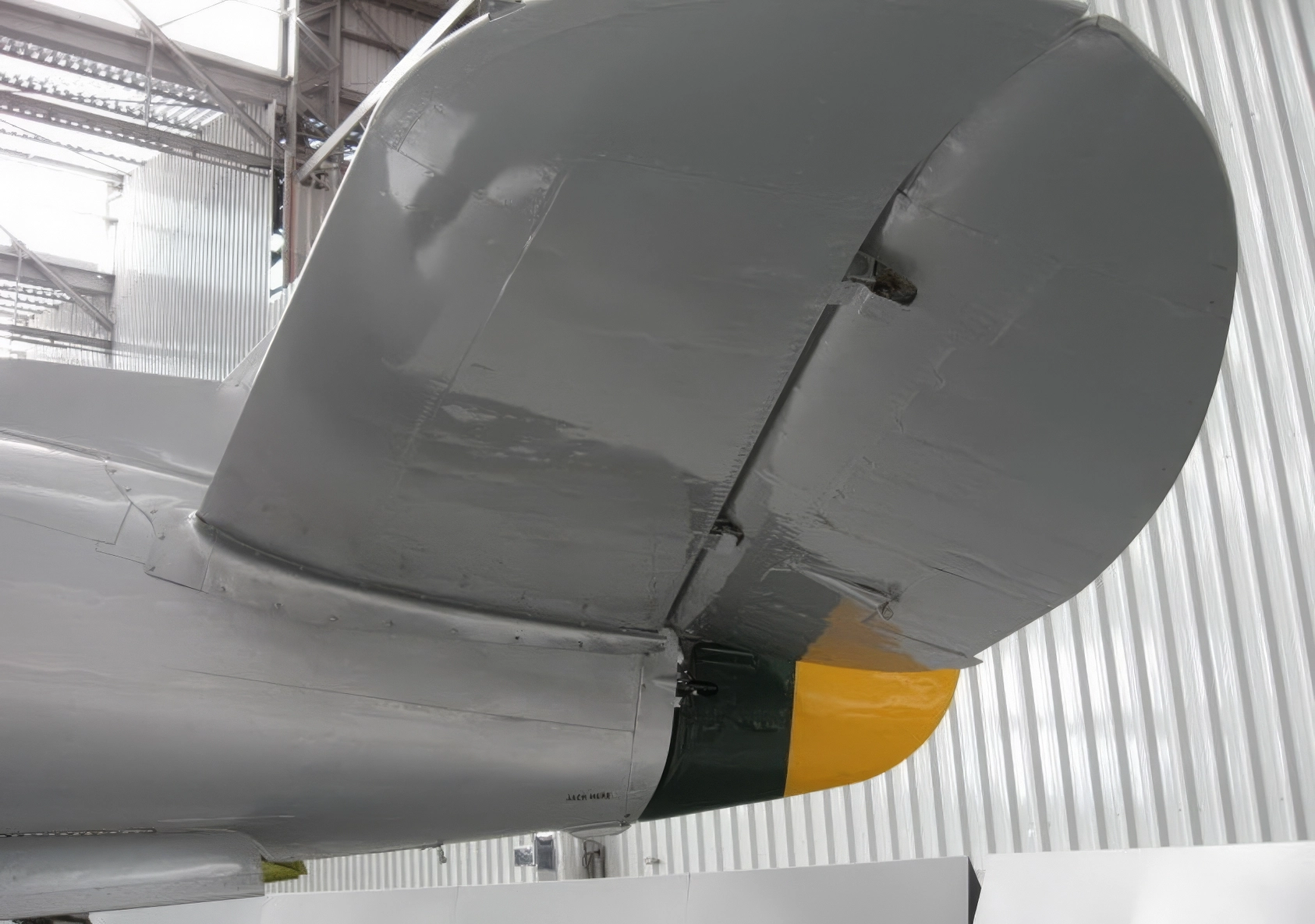
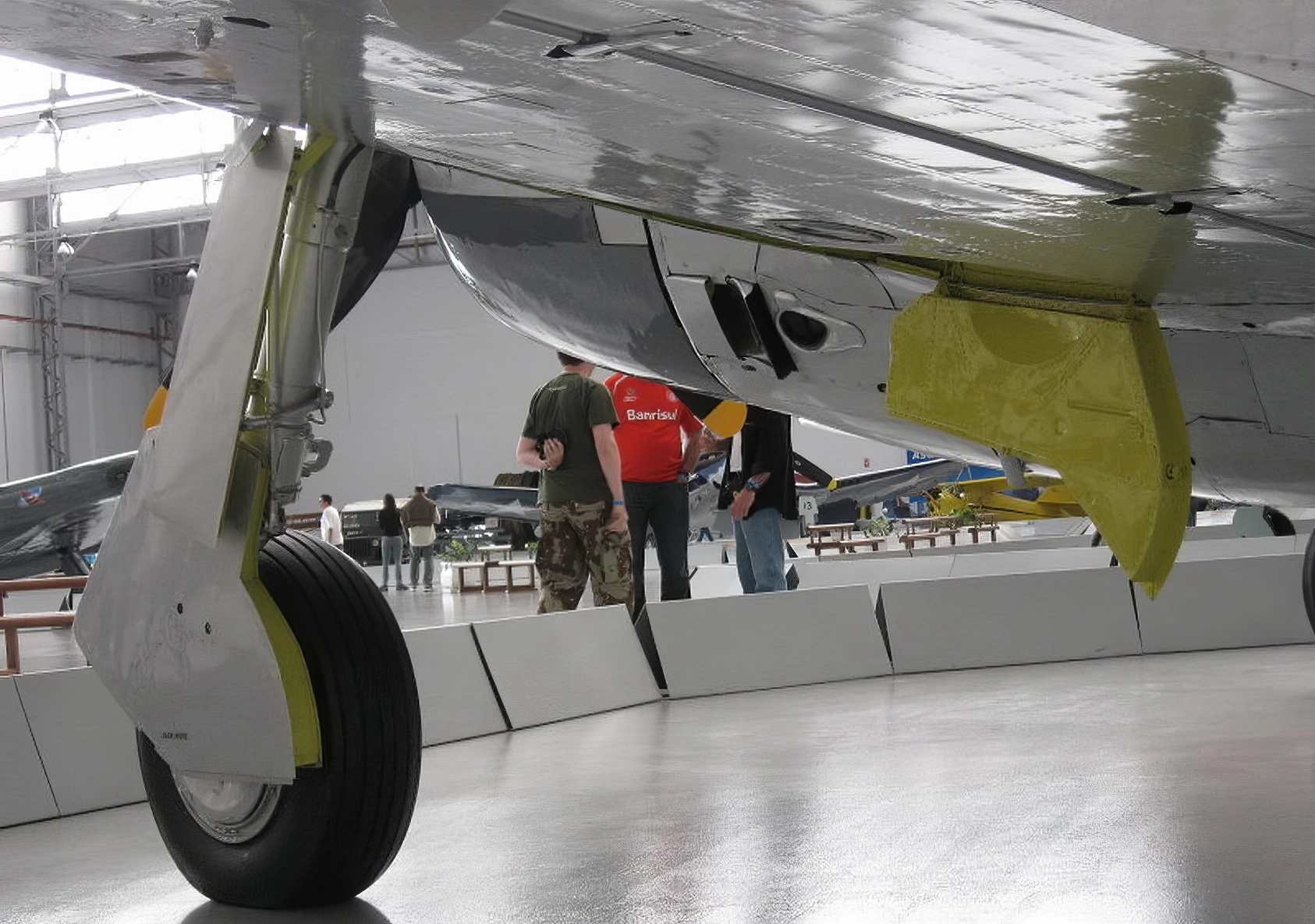
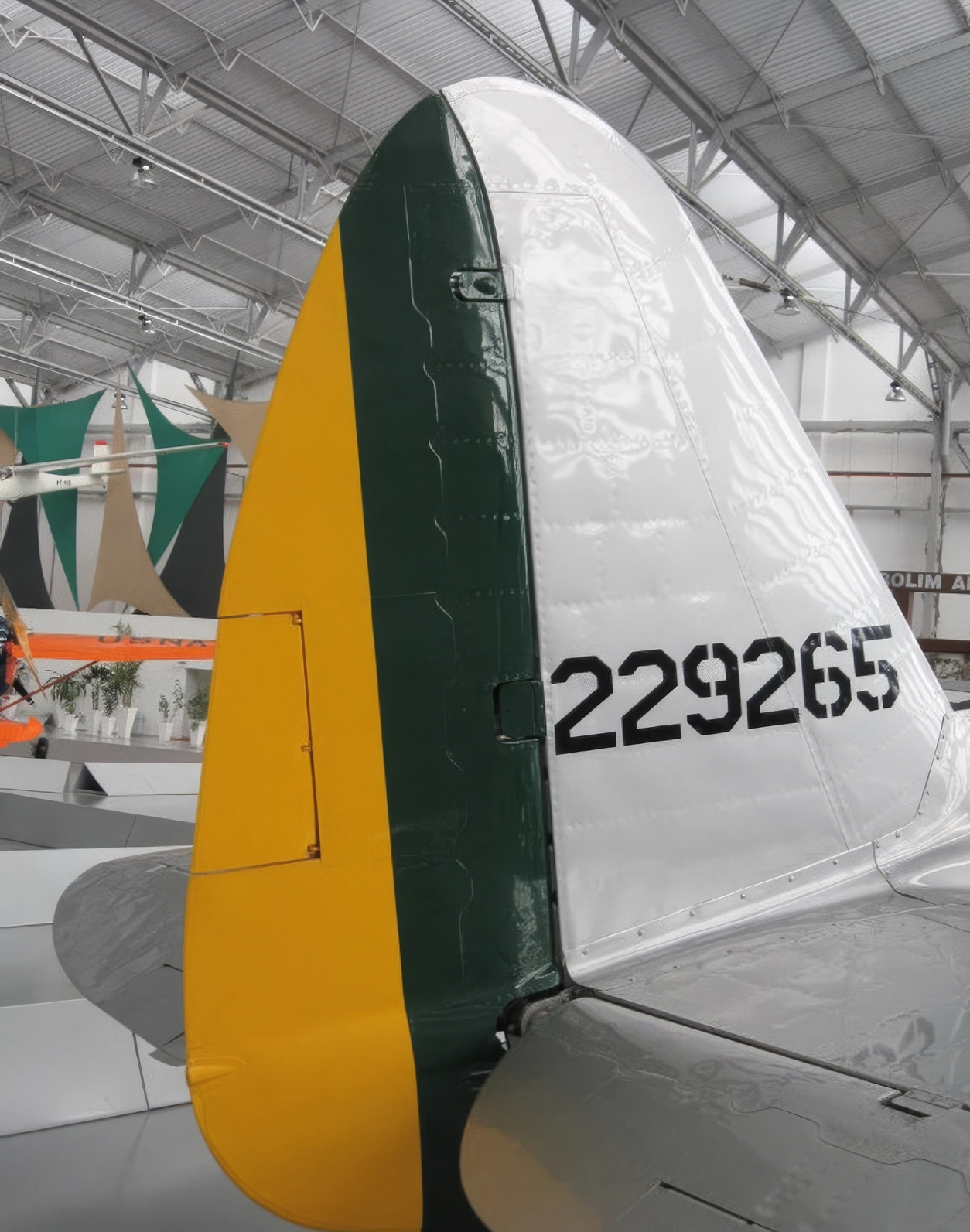
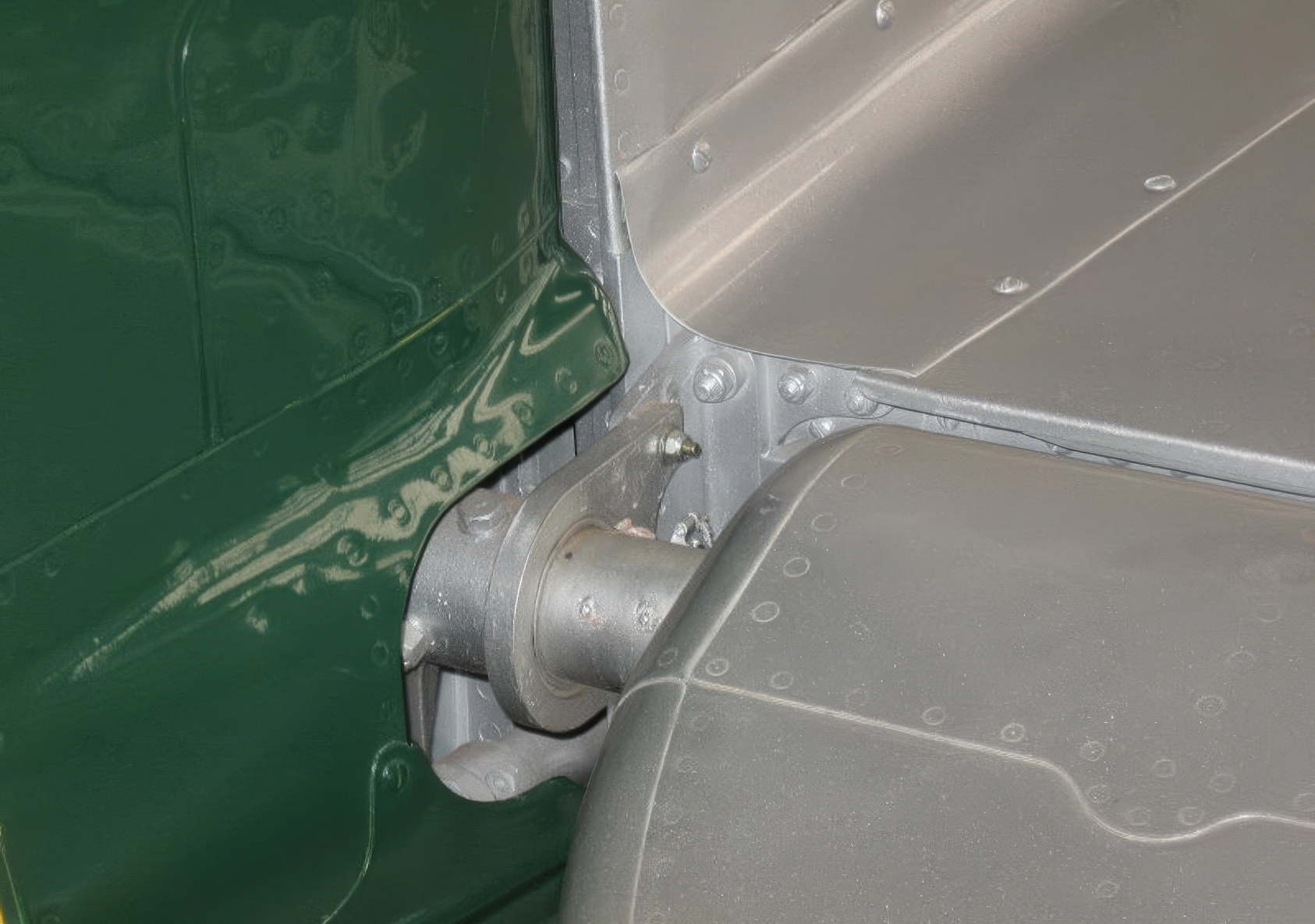
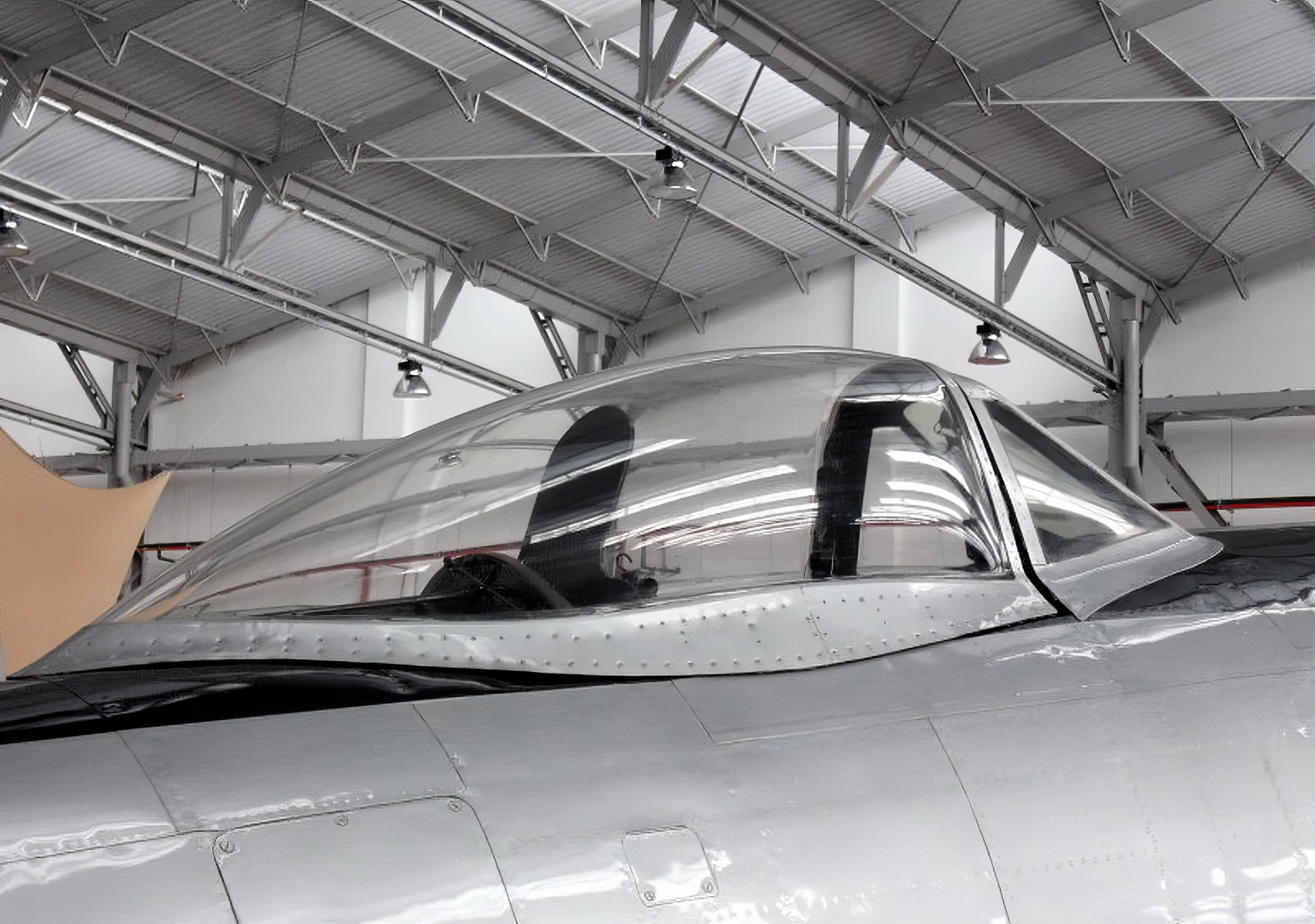

| P-47D Thunderbolt | |
|---|---|
| 사진 작가 | 시스 헨드릭스 |
| 로컬라이제이션 | Unknow |
| 사진 | 98 |
| Republic YP-47M Thunderbolt Walk Around | |
|---|---|
| 사진 작가 | 시스 헨드릭스 |
| 로컬라이제이션 | Unknow |
| 사진 | 31 |
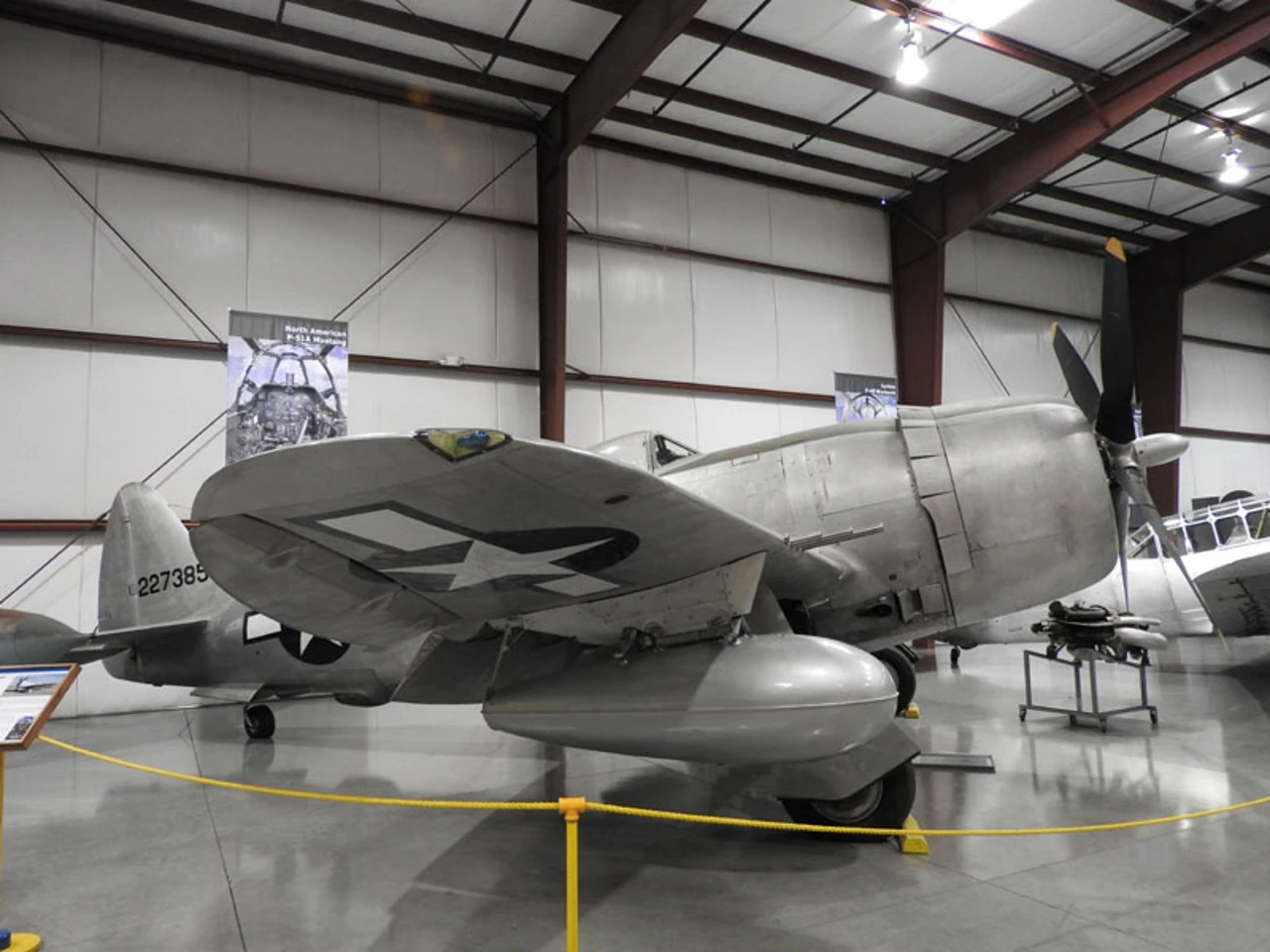
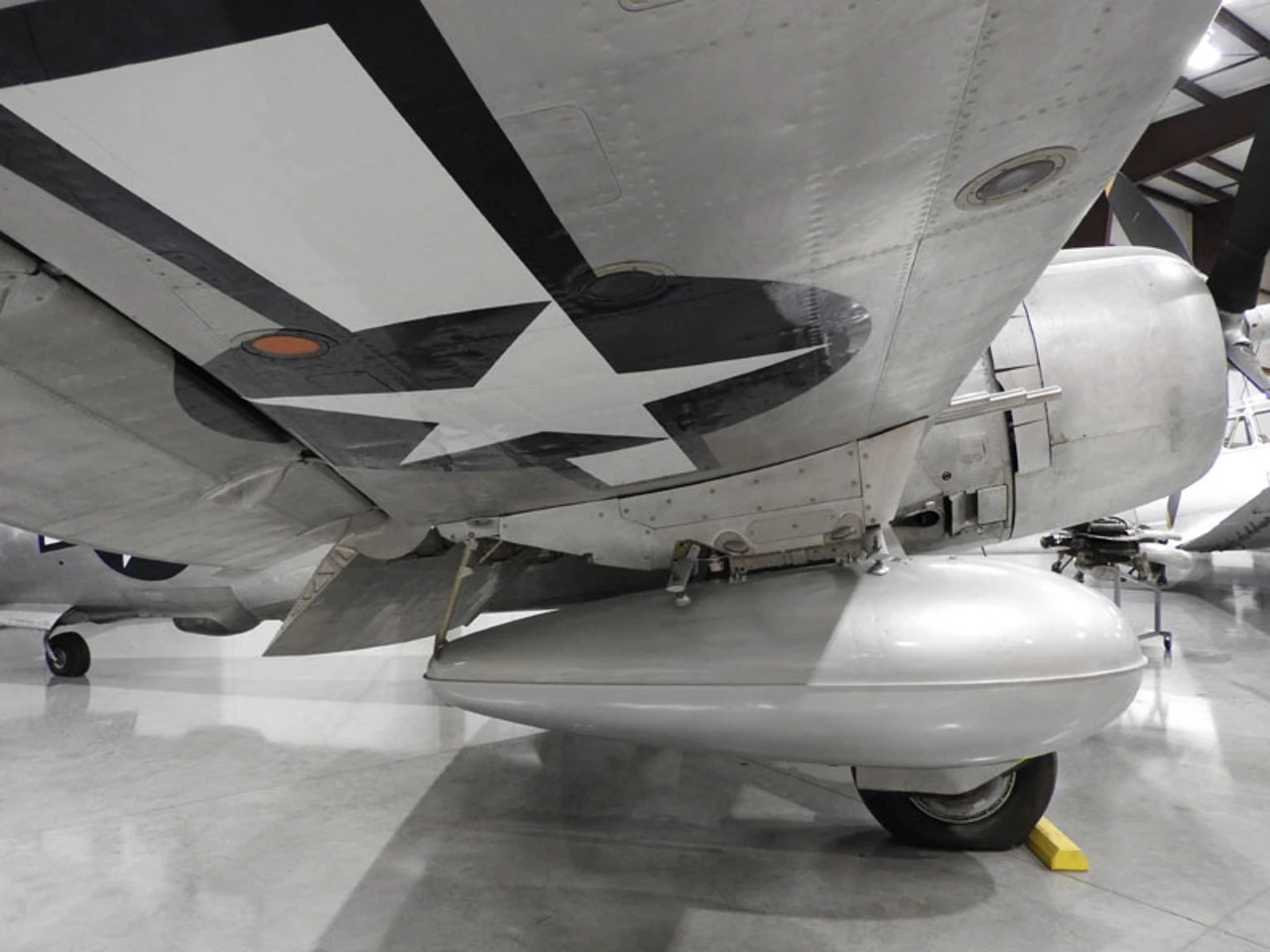
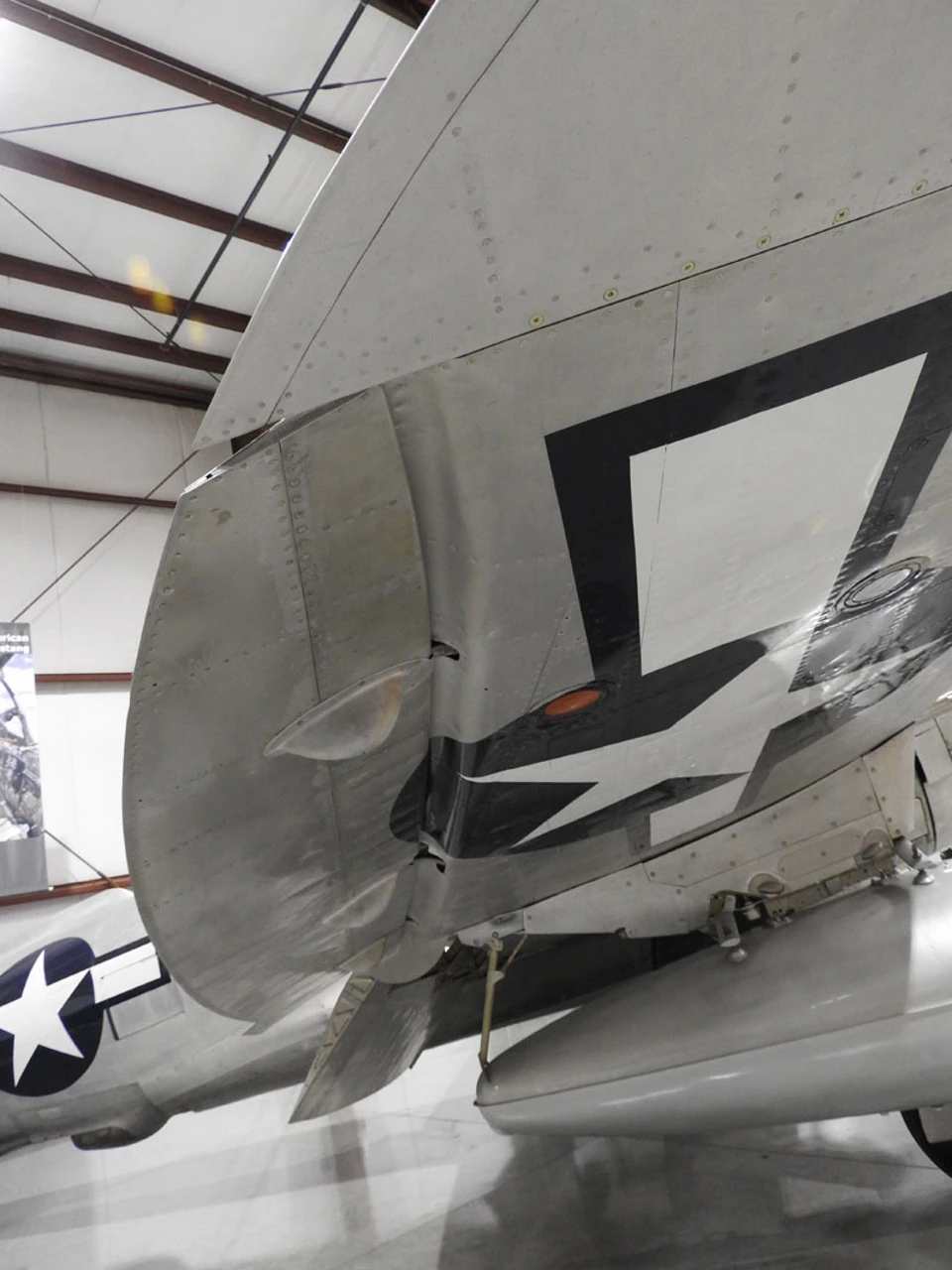
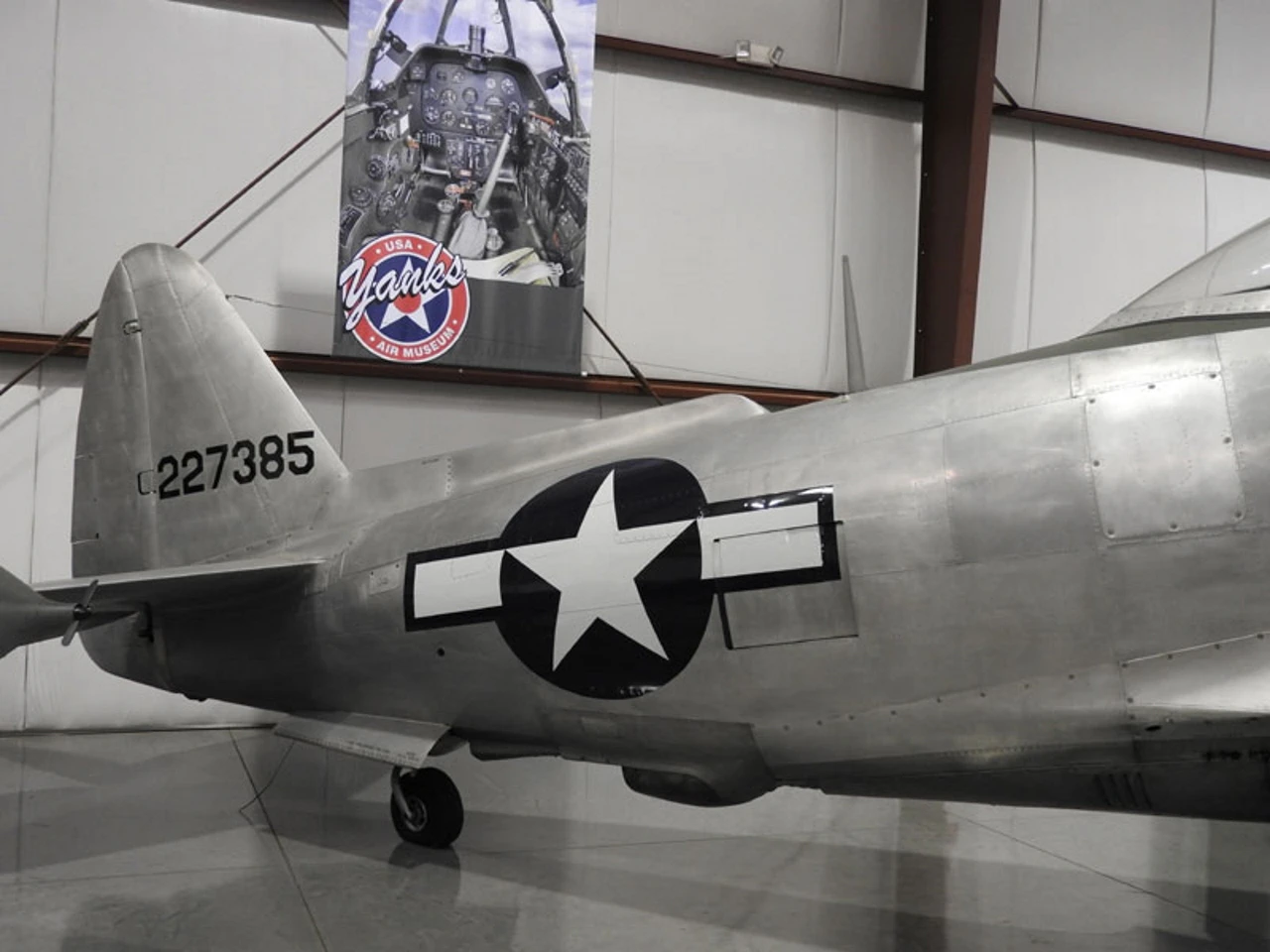
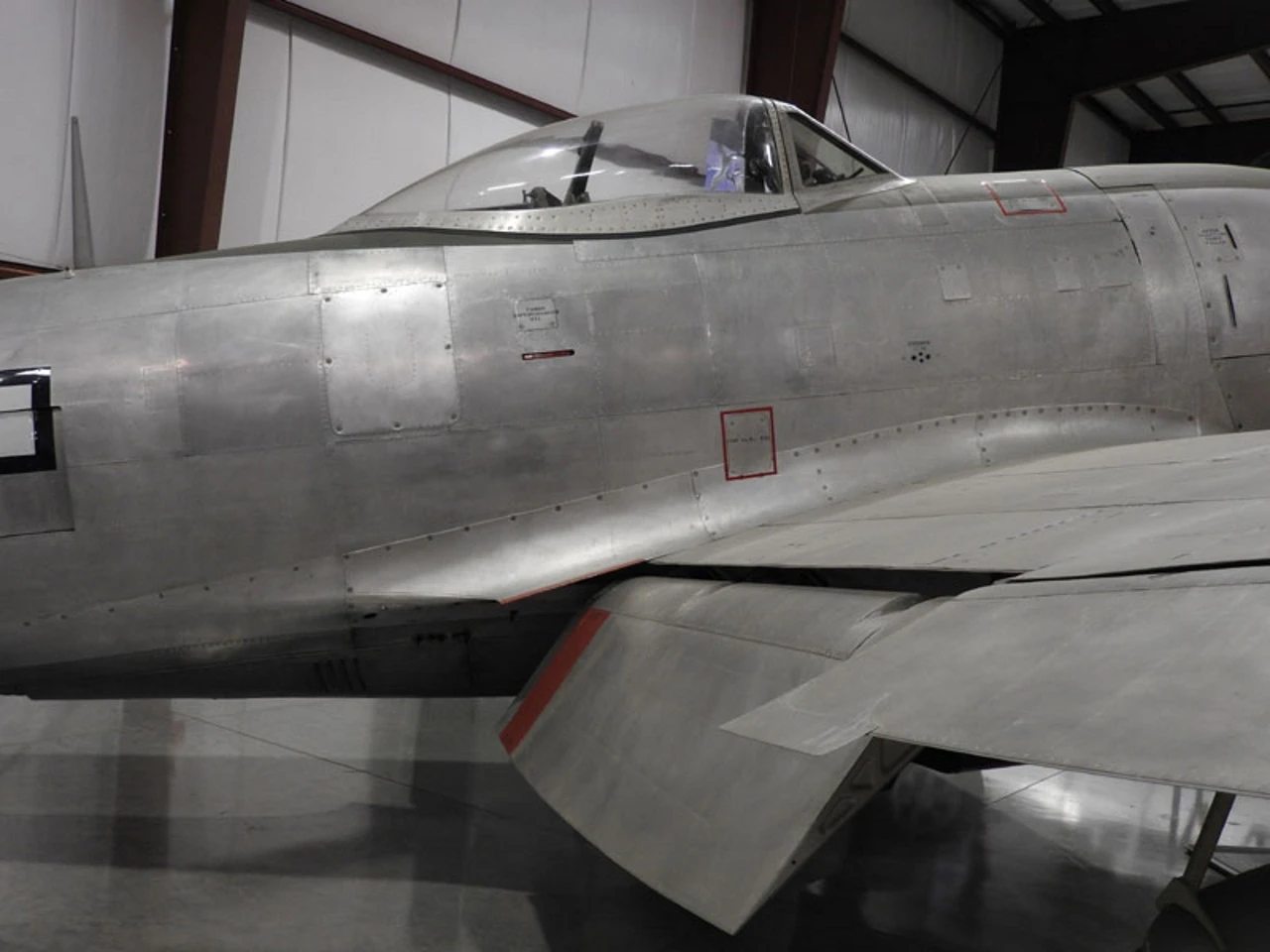
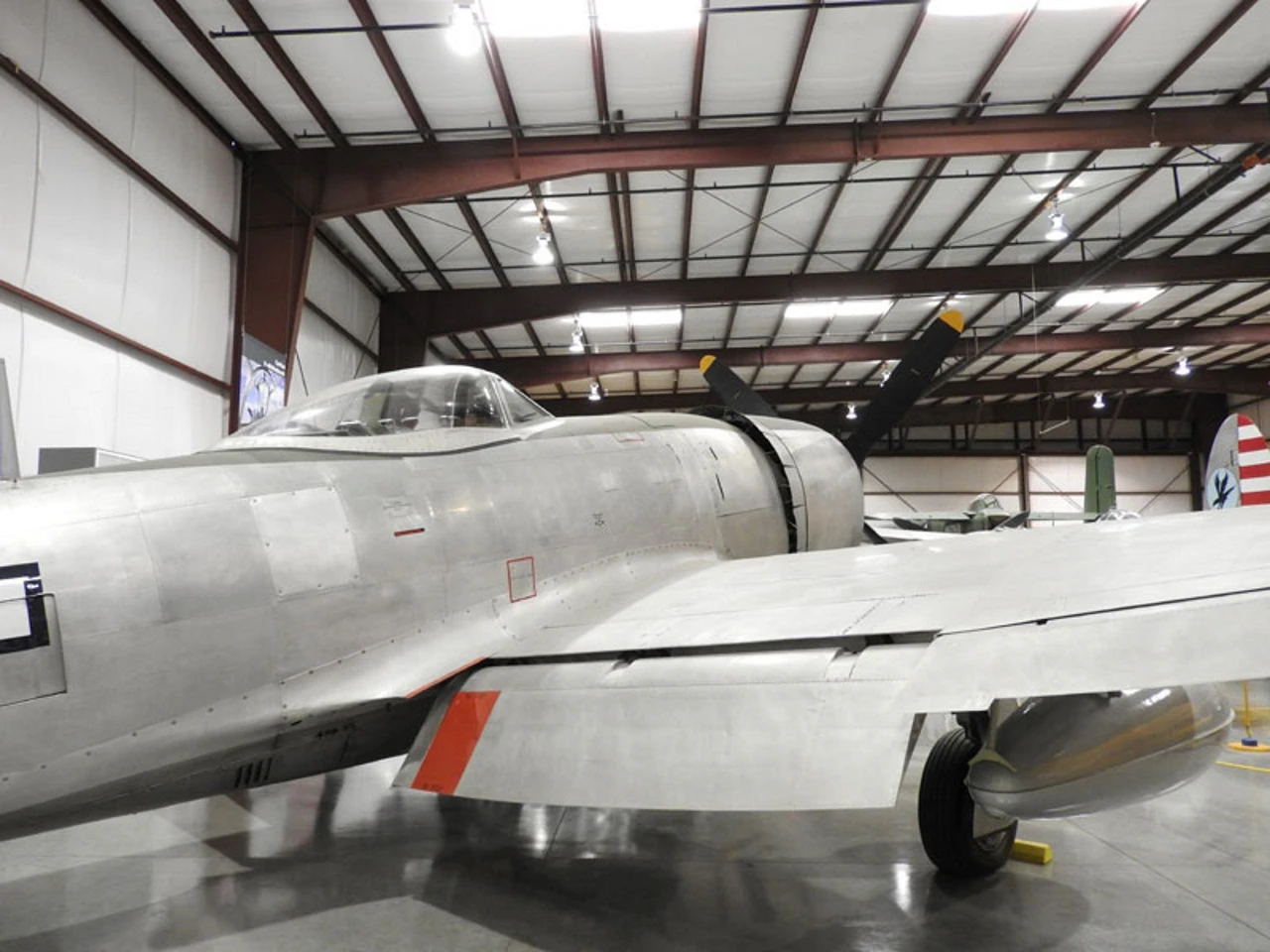
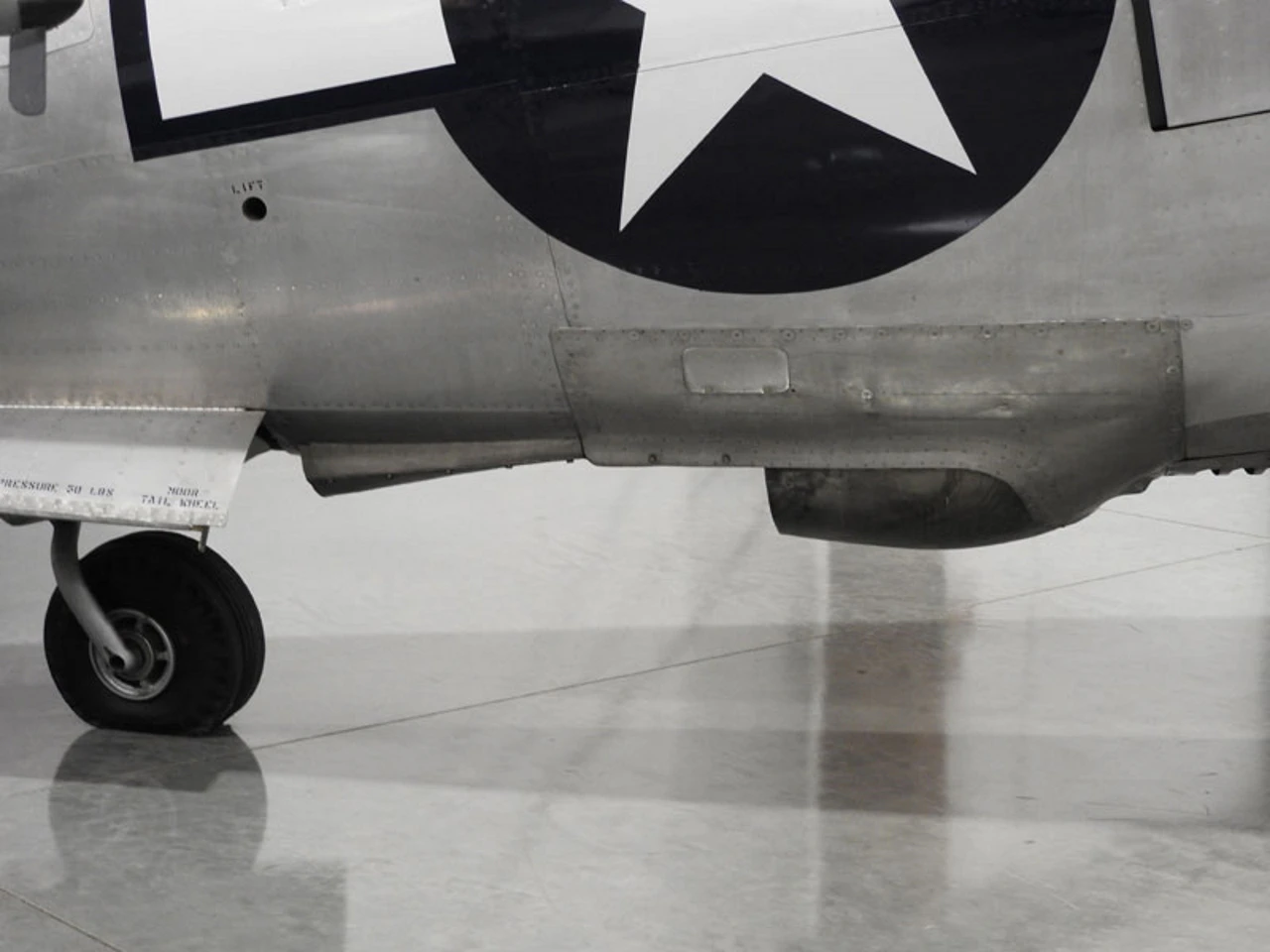
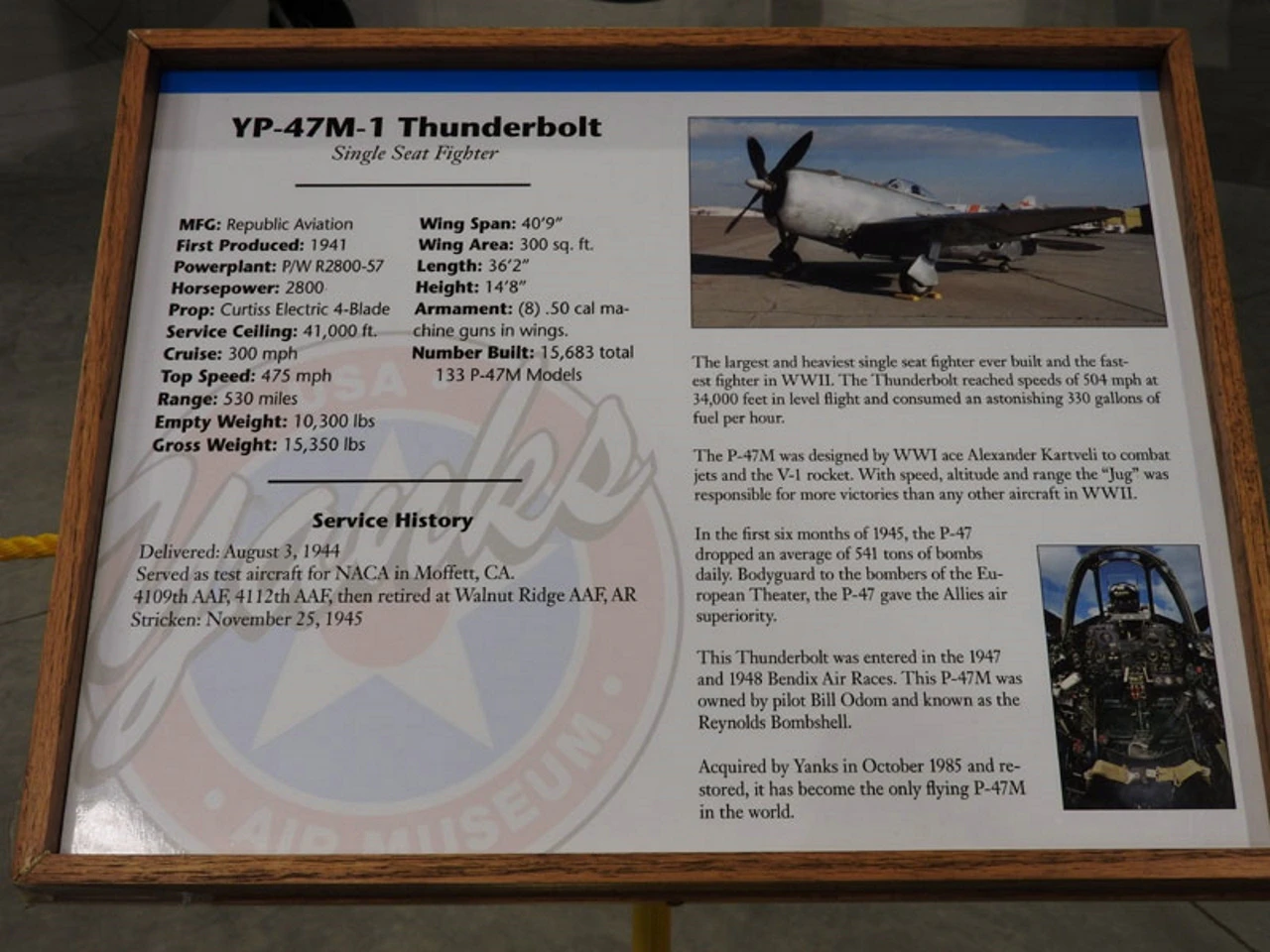
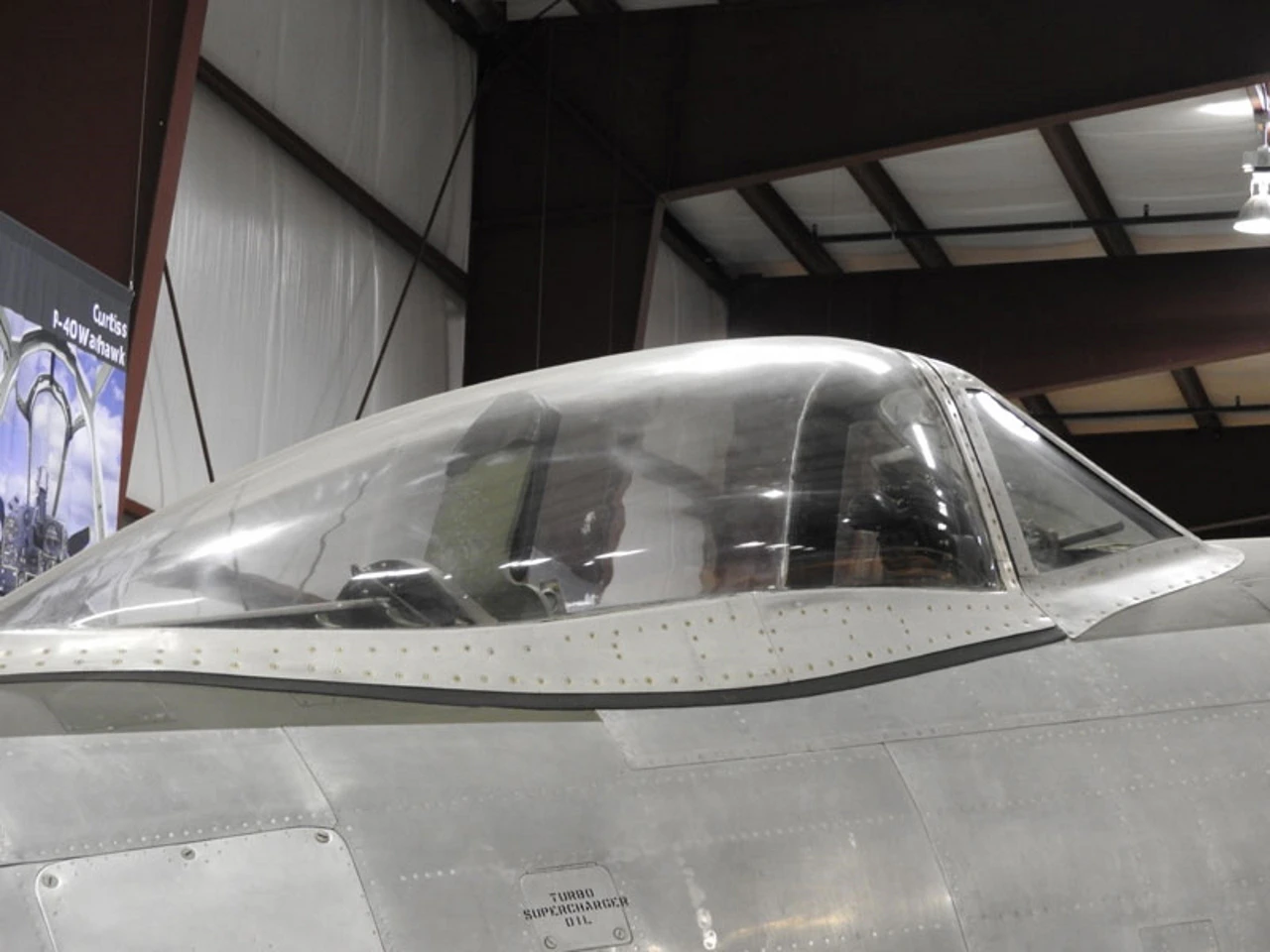
| Republic P-47D-30-RE Thunderbolt Walk Around | |
|---|---|
| 사진 작가 | 블라디미르 야쿠보프 |
| 로컬라이제이션 | Unknow |
| 사진 | 98 |
참고 항목:


| P-47D Block 35 Walk Around | |
|---|---|
| 사진 작가 | 데이비드 아웅스트 |
| 로컬라이제이션 | Unknow |
| 사진 | 49 |
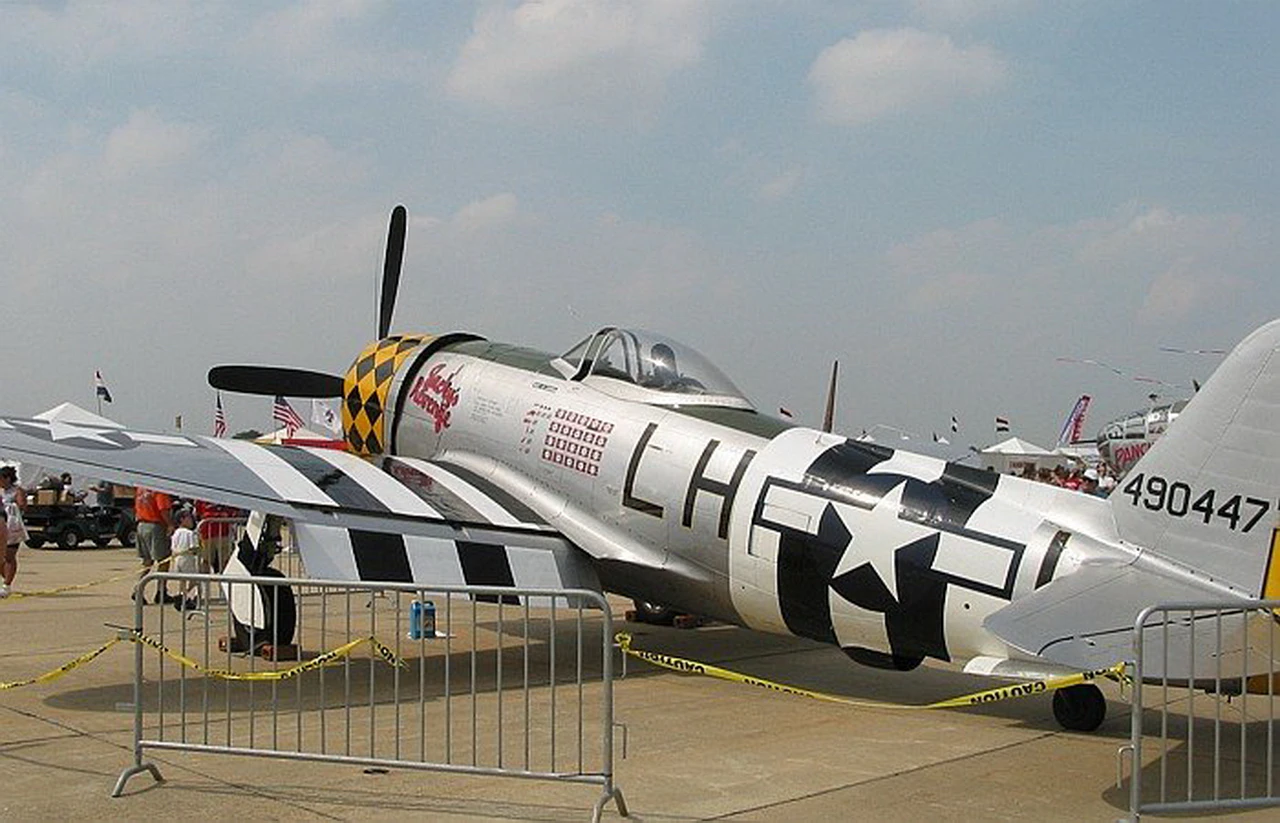
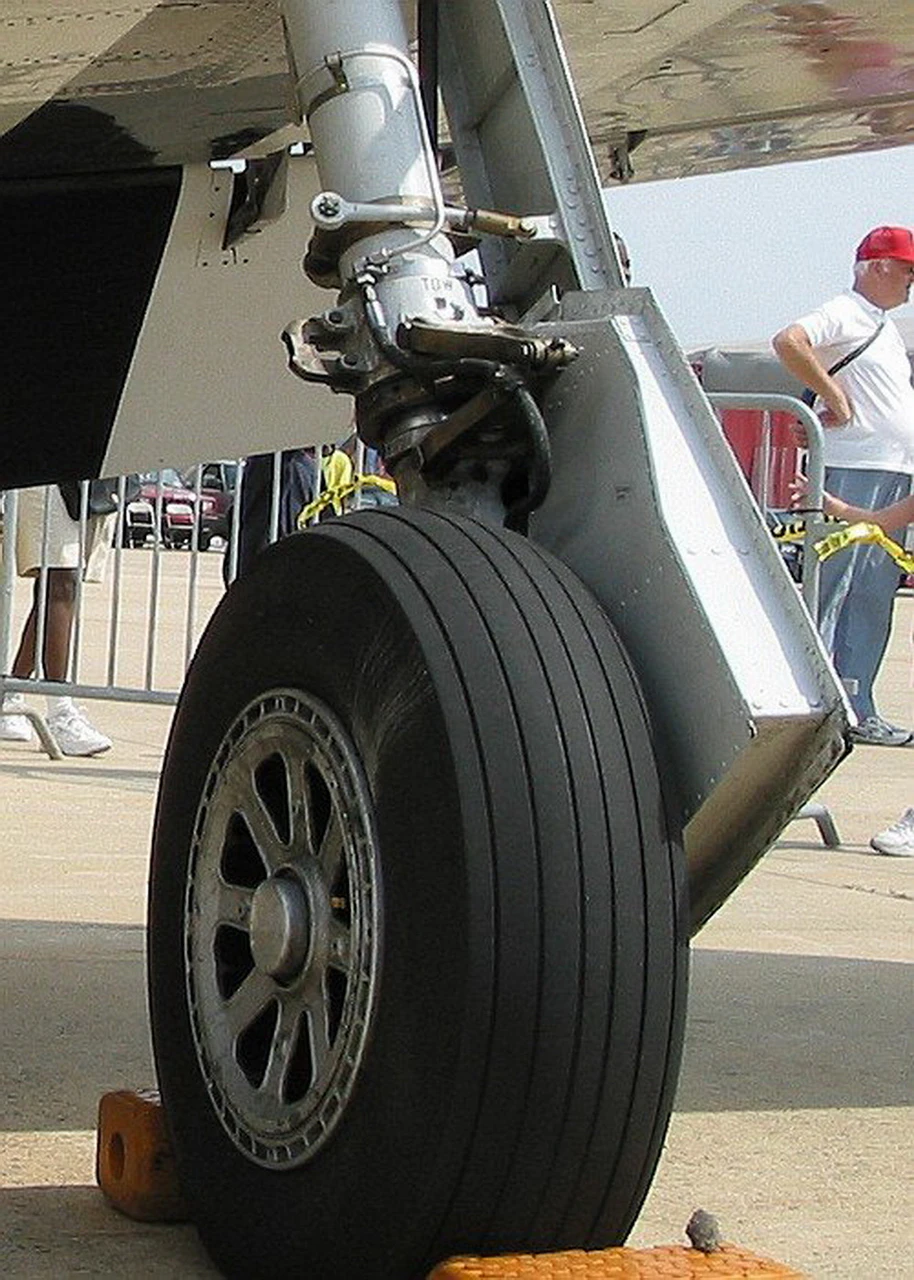
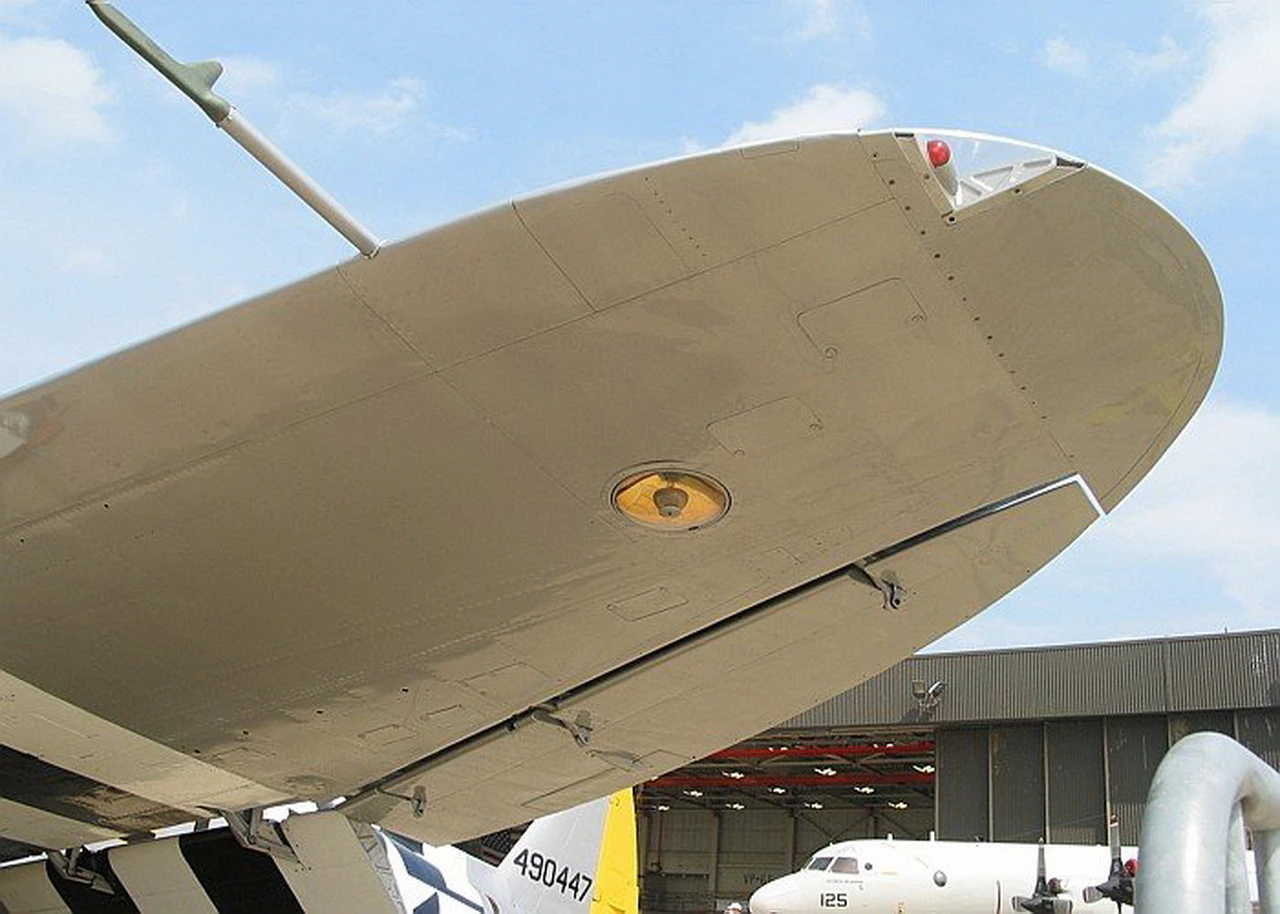
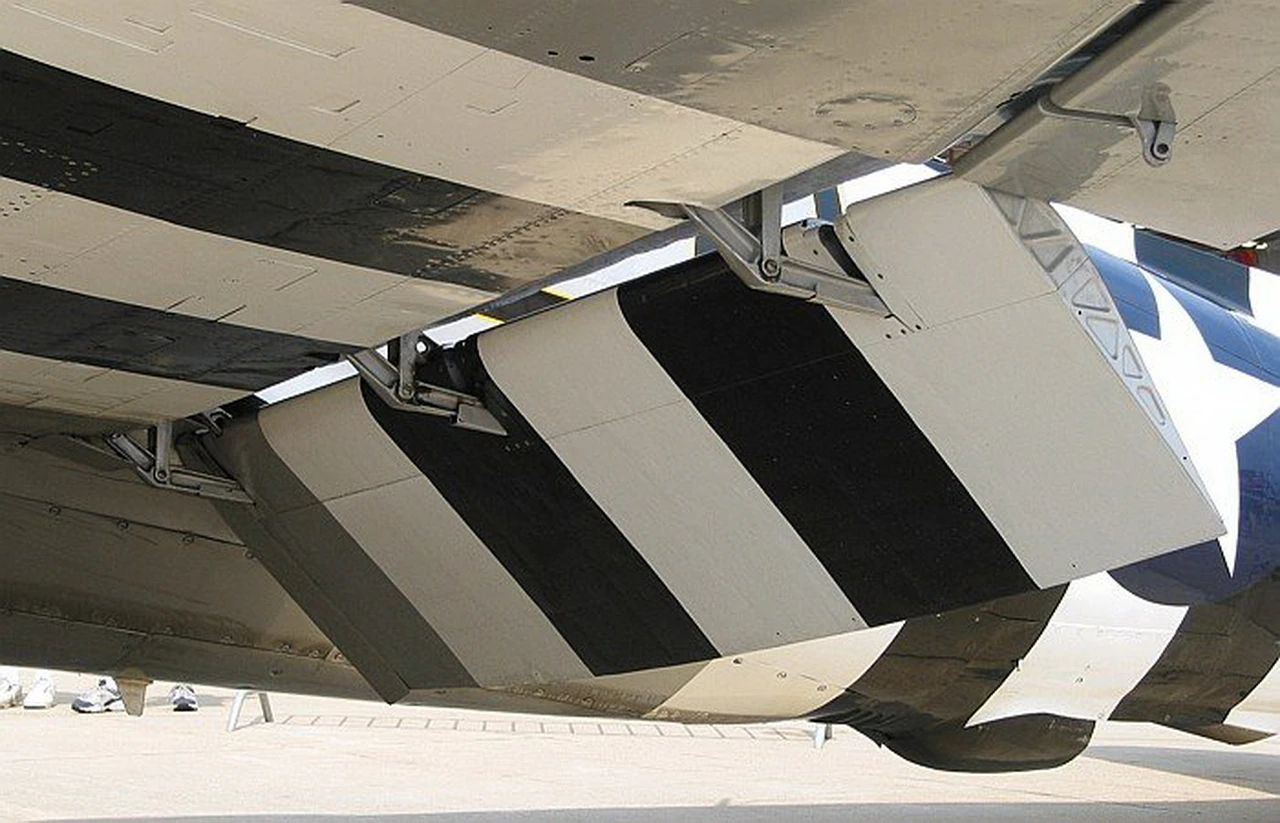
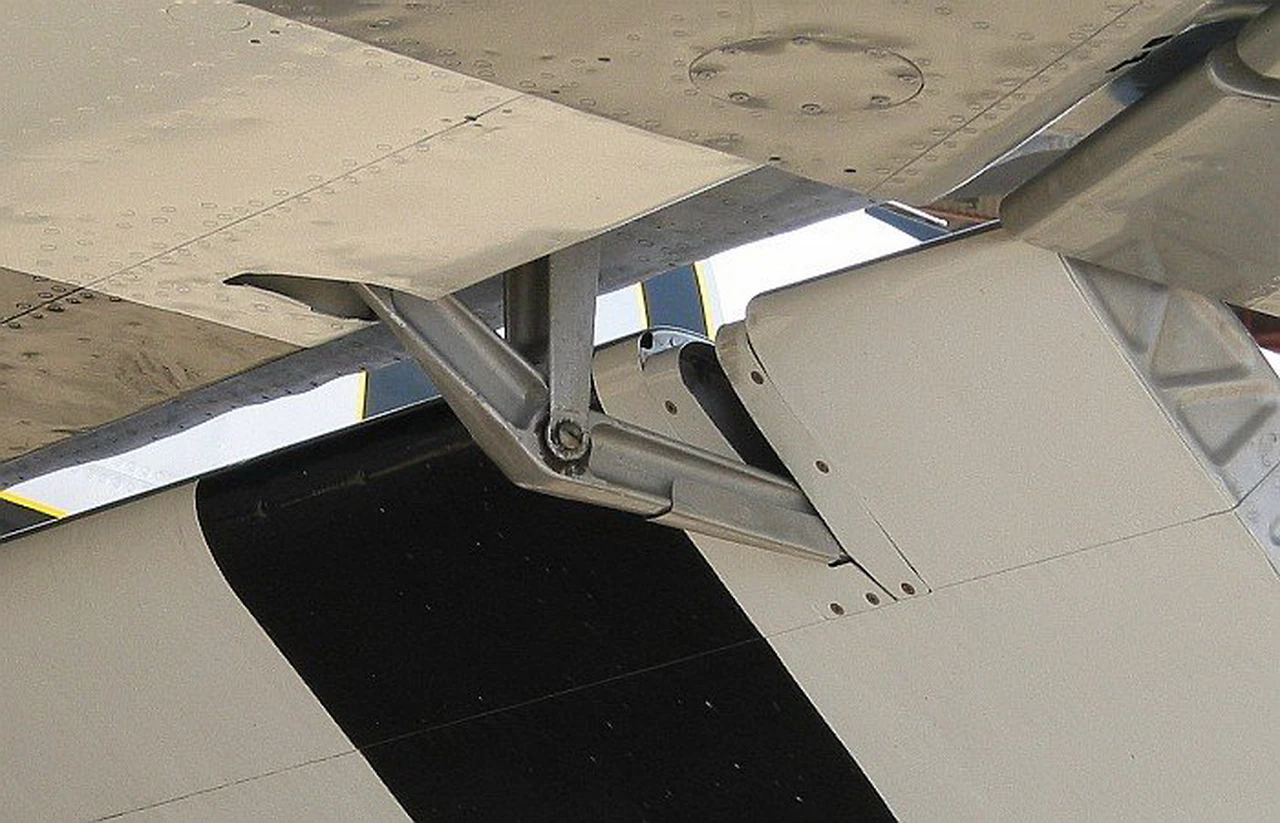
| Republic P-47D Thunderbolt Walk Around | |
|---|---|
| 사진 작가 | 빌 말로니 |
| 로컬라이제이션 | 뉴잉글랜드 항공 박물관 |
| 사진 | 27 |
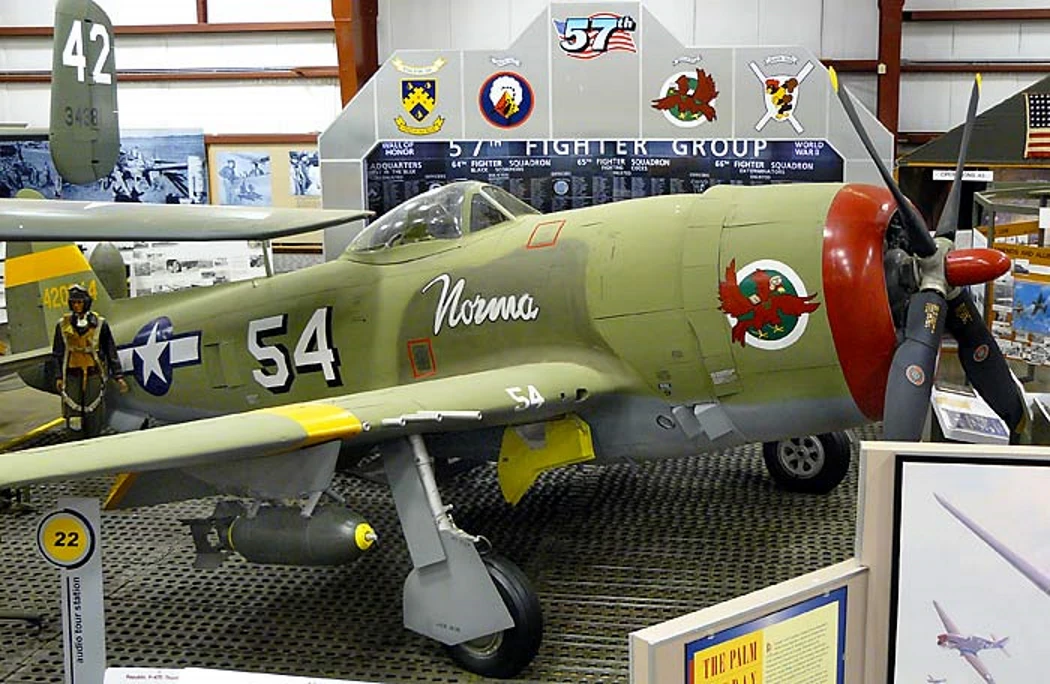
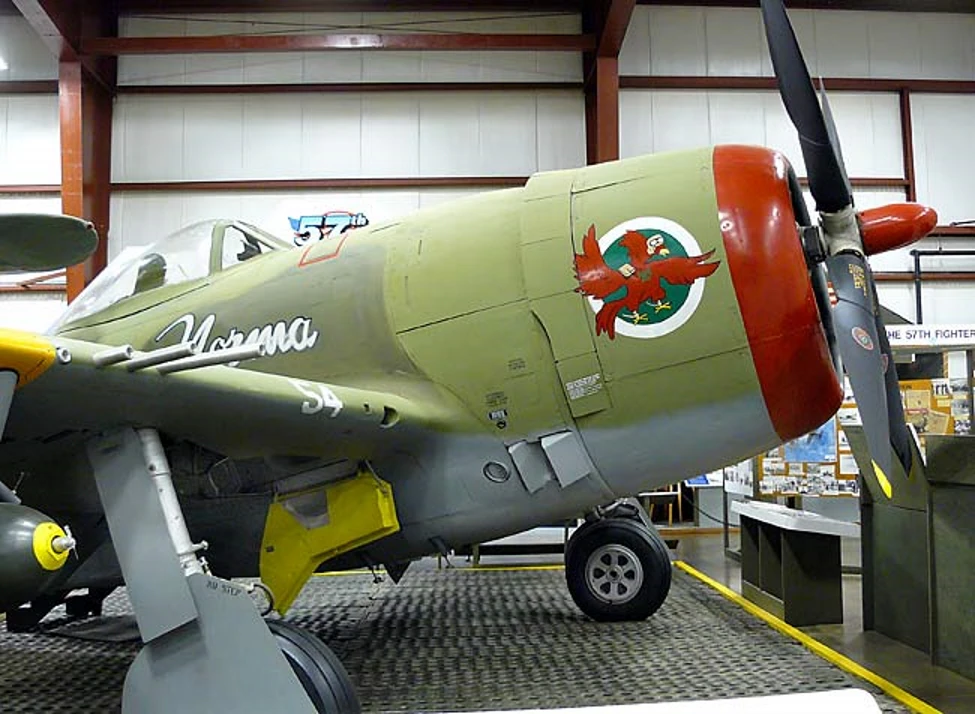
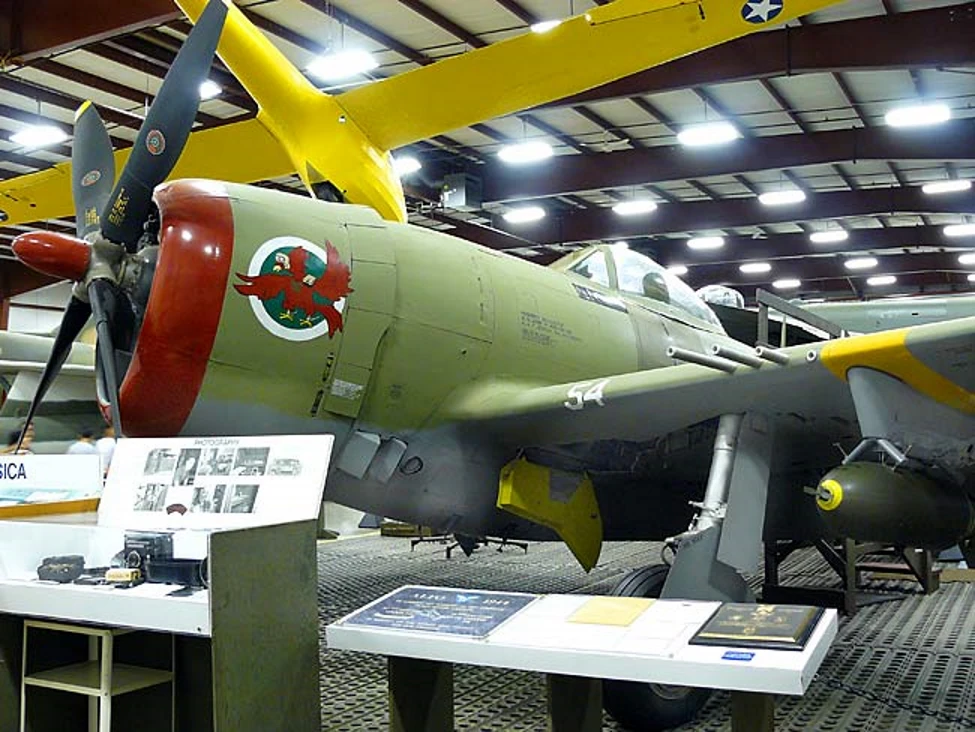
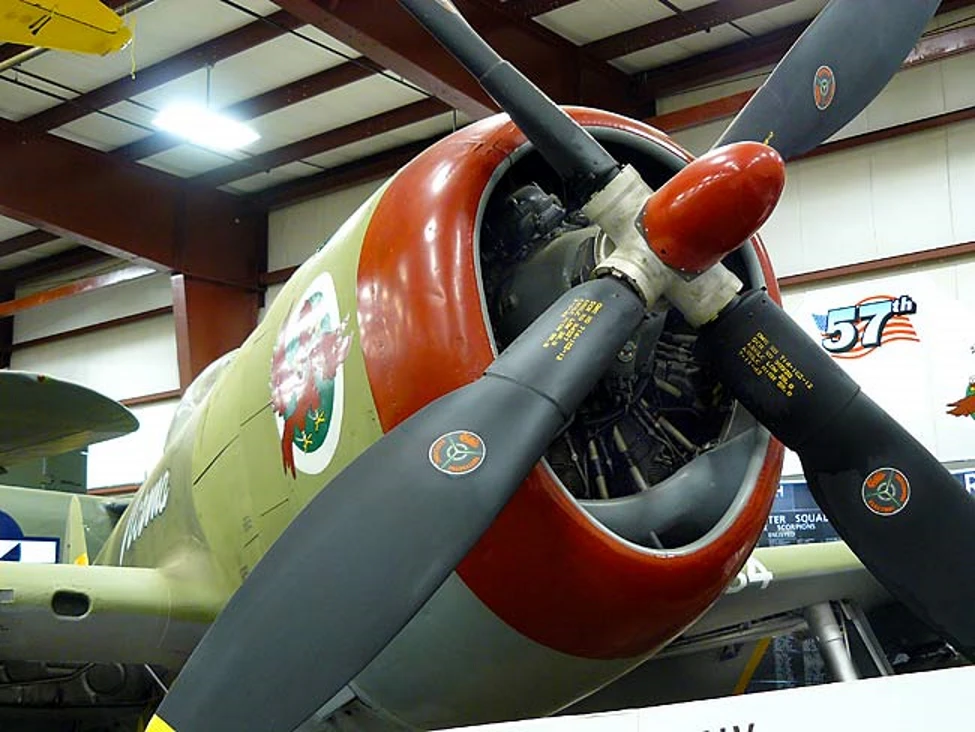
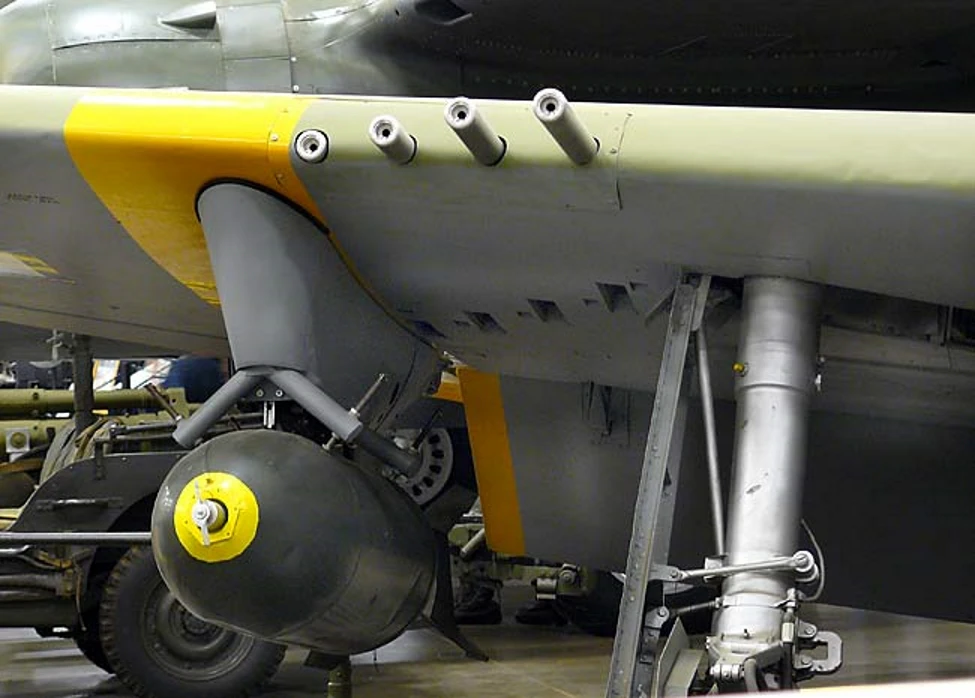
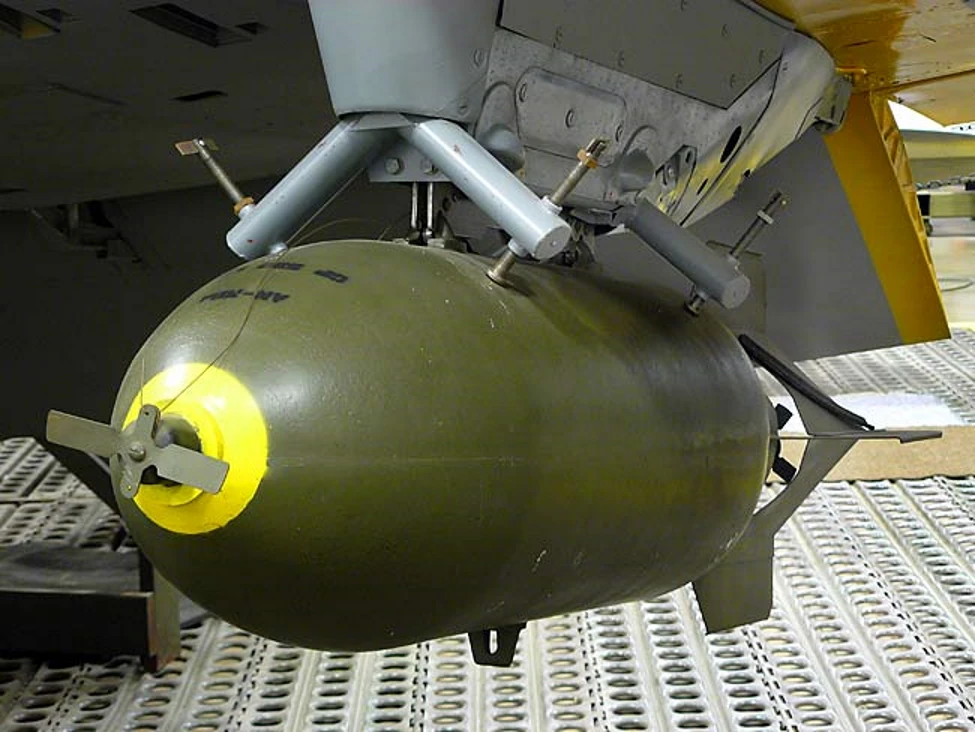
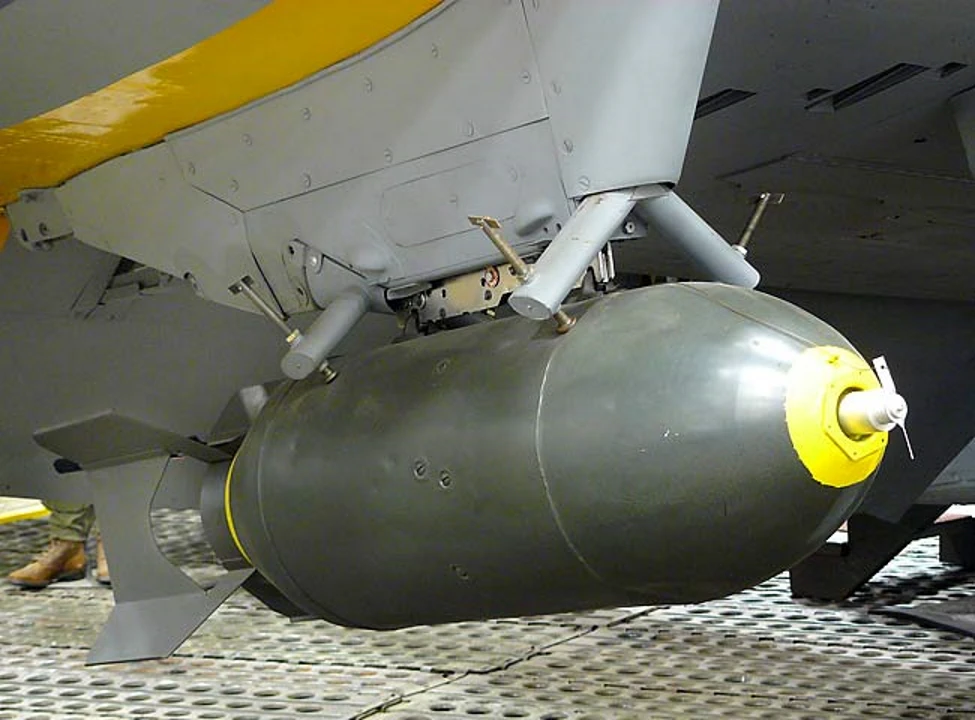
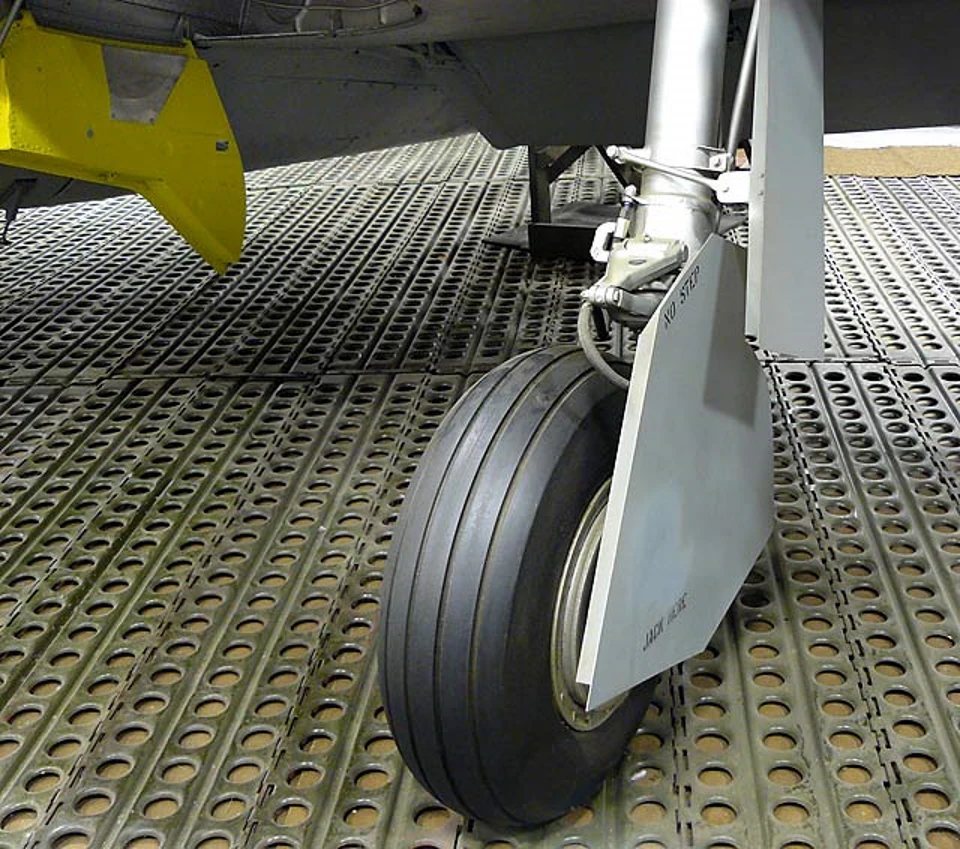
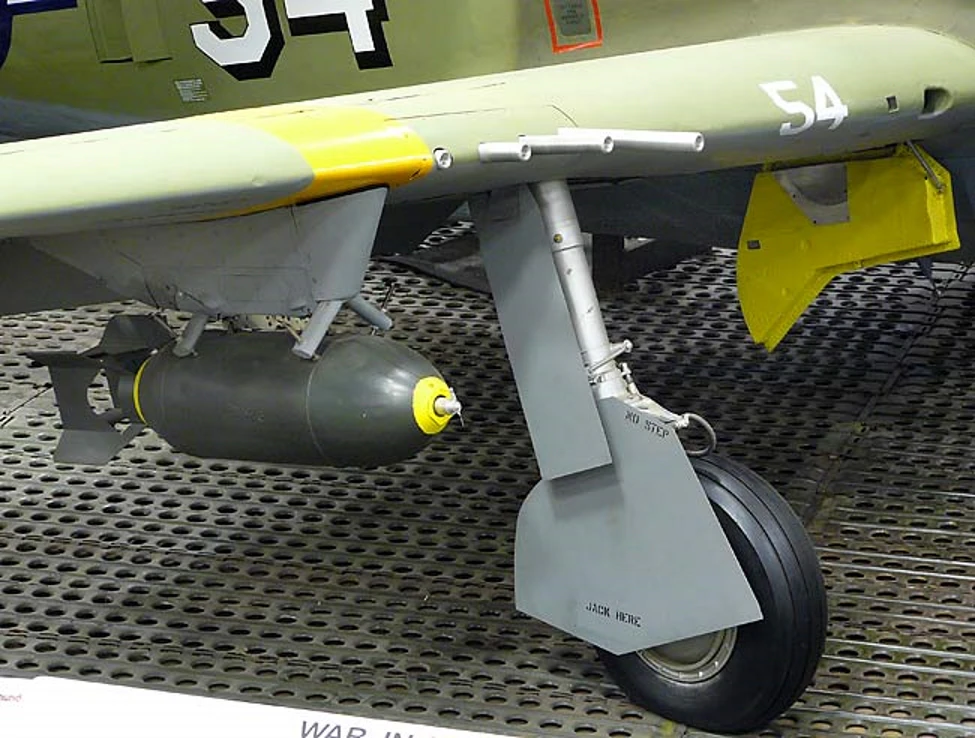
| Republic P-47D Thunderbolt Walk Around | |
|---|---|
| 사진 작가 | Vladimir Yakubov |
| 로컬라이제이션 | 팜 스프링스 항공 박물관 |
| 사진 | 143 |
A Heavyweight Legend
Tthe P-47D 썬더 볼트 was the most-produced version of the largest and heaviest single-engine fighter of World War II. Affectionately nicknamed “The Jug” (short for Juggernaut), it was built around the massive Double Wasp engine and a complex turbo-supercharging system. While it lacked the graceful lines of the Mustang, the P-47D was a monster of durability and firepower. It could survive incredible battle damage that would disintegrate other aircraft, making it the premier ground-attack platform and high-altitude escort of the European Theater.
| Attribute | Technical Specification (P-47D-25) |
|---|---|
| 역할 | Fighter / Fighter-Bomber |
| 승무원 | 1 (Pilot) |
| First Flight (P-47) | May 6, 1941 |
| 동력 장치 | 1 × Pratt & Whitney R-2800-59 Double Wasp radial |
| Horsepower | 2,535 hp (with water injection) |
| 최대 속도 | 433 mph (697 km/h) at 30,000 ft |
| 군비 | 8 × .50 cal (12.7 mm) M2 Browning machine guns |
| 페이로드 | Up to 2,500 lbs (1,134 kg) of bombs or 10 rockets |
Design Highlights: The Turbine and the Bubble
- Turbo-Supercharger System: The secret to the P-47’s high-altitude performance was the massive turbocharger located in the 뒤 of the fuselage. Exhaust gases were piped all the way back to the tail to spin a turbine, which then sent compressed air back to the engine.
- The “Bubble” Canopy: Early “Razorback” P-47Ds had a high fairing behind the pilot. Starting with the D-25 variant, Republic introduced a teardrop-shaped bubble canopy, giving pilots 360-degree visibility—a vital advantage in dogfights.
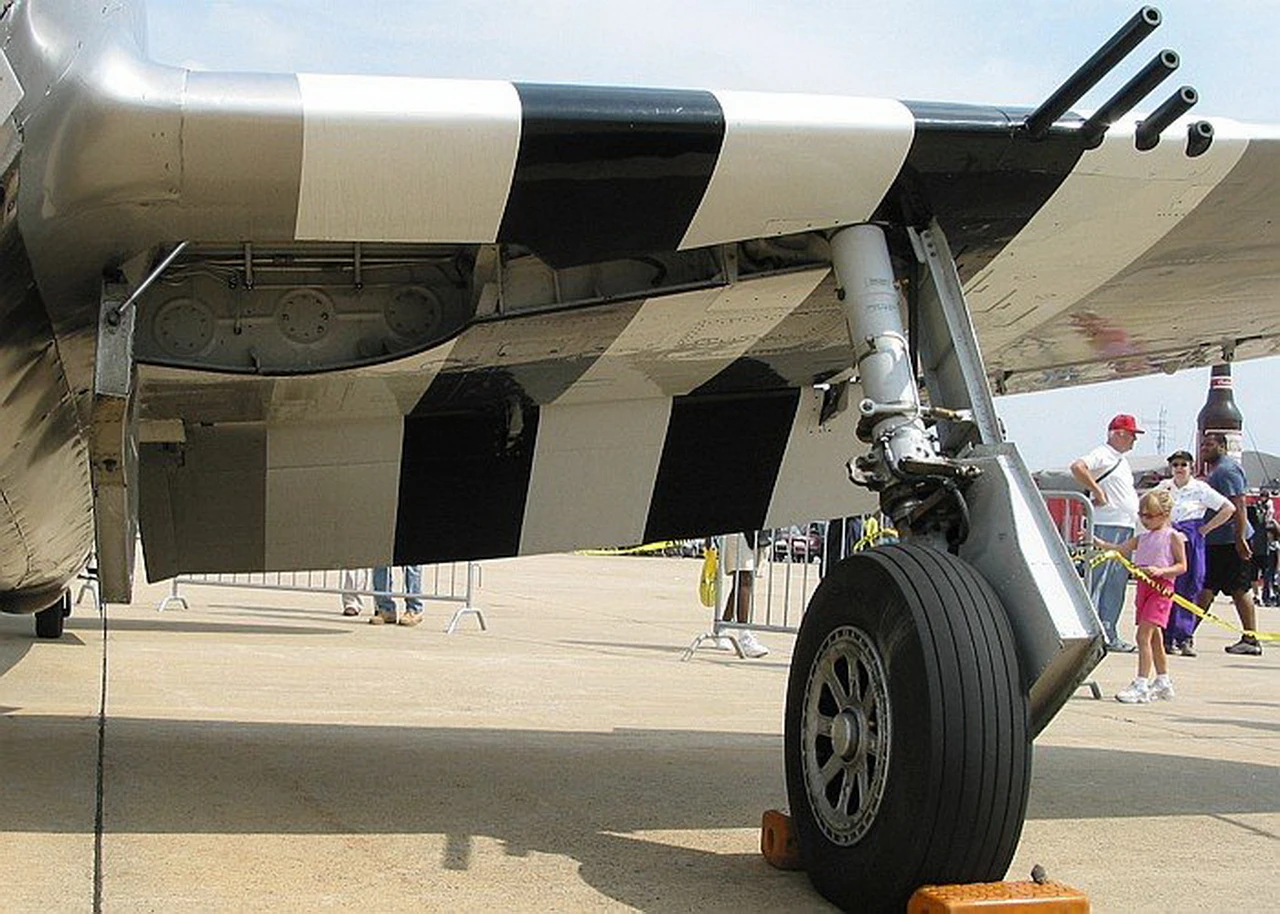
- Eight Machine Guns: Unlike the Mustang or Spitfire, the P-47 carried a staggering eight .50 caliber machine guns. This massive volume of fire was capable of shredding locomotives, tiger tanks, and enemy aircraft alike.
- Paddle-Blade Propeller: To translate the engine’s massive torque into thrust, late D-models used wide “paddle-blade” propellers, which significantly improved the aircraft’s rate of climb.
“The Jug” in Action
- Unrivaled Ruggedness: The P-47 was legendary for its ability to take hits. Stories abound of pilots returning with entire cylinders blown off their engines or large sections of wings missing, yet the “Jug” kept flying.
- The Diving Specialist: Weighing nearly 15,000 lbs fully loaded, the P-47 could out-dive any aircraft in the world. Pilots used this weight to engage in “boom and zoom” tactics, diving through enemy formations and using their momentum to climb back to safety.
- Zemke’s Wolfpack: The 56th Fighter Group, led by Hubert “Hub” Zemke, became one of the highest-scoring units of the war exclusively flying the P-47. They proved that in the hands of a skilled pilot, the heavy Jug could outmaneuver the Bf 109 and Fw 190.
- Ground Attack Terror: In the months following D-Day, P-47s became the “flying artillery” of the Allied advance. They destroyed thousands of German tanks, trucks, and trains, effectively paralyzing the Wehrmacht’s movement during daylight hours.
Views : 17991