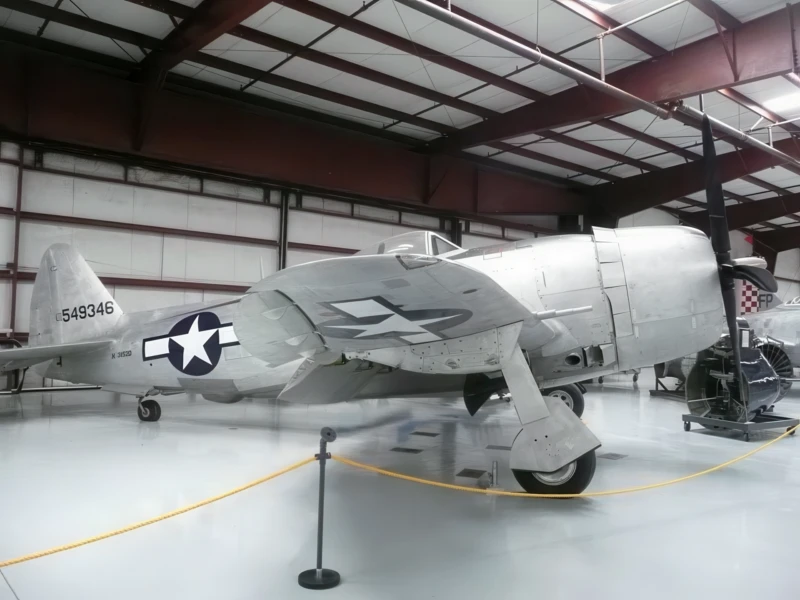
P-47D Thunderbolt | |
|---|---|
| Платить | Сша |
| Роль | Винищувач-бомбардувальник |
| Перший політ | 6 травня 1941 р. |
| Побудований | 15636 |
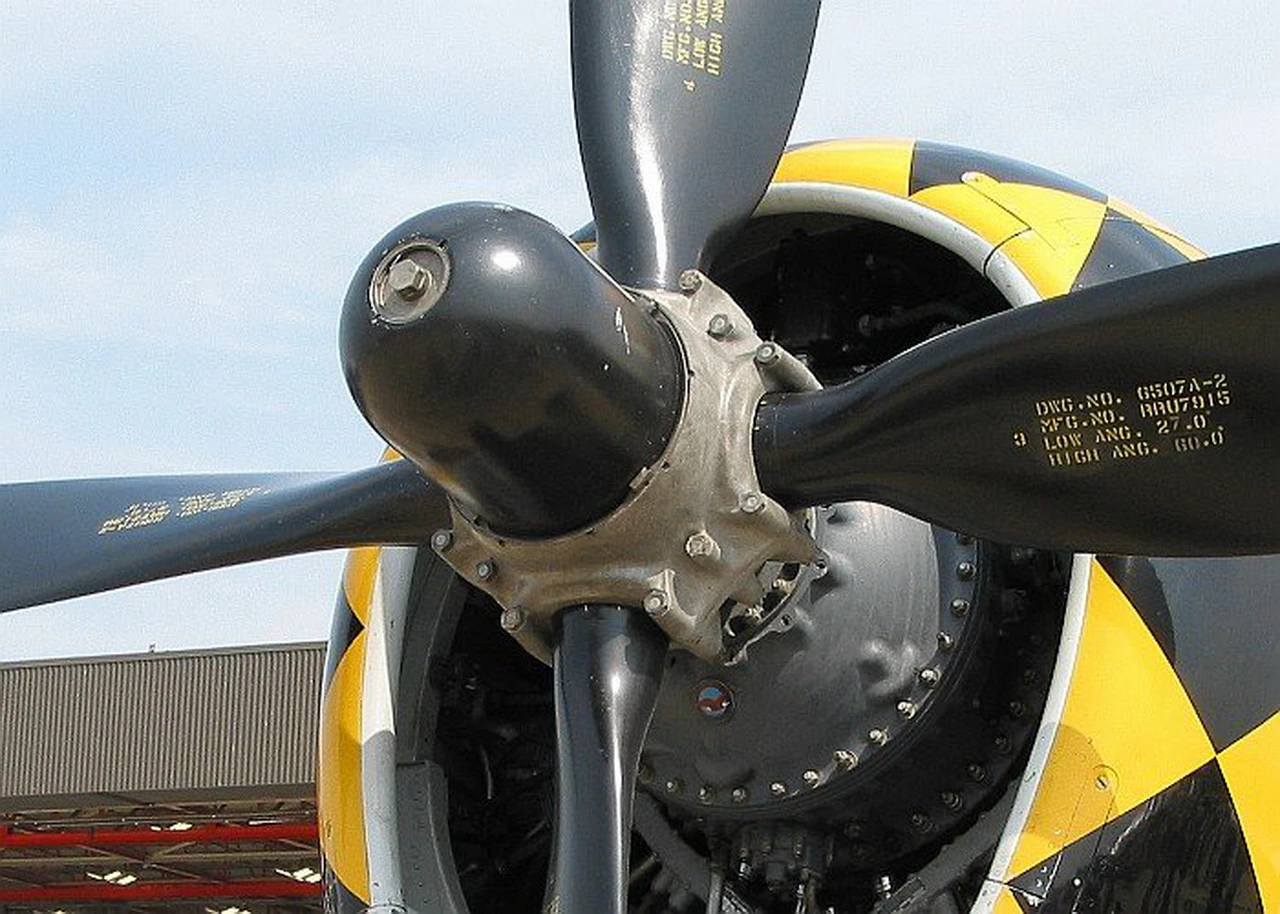
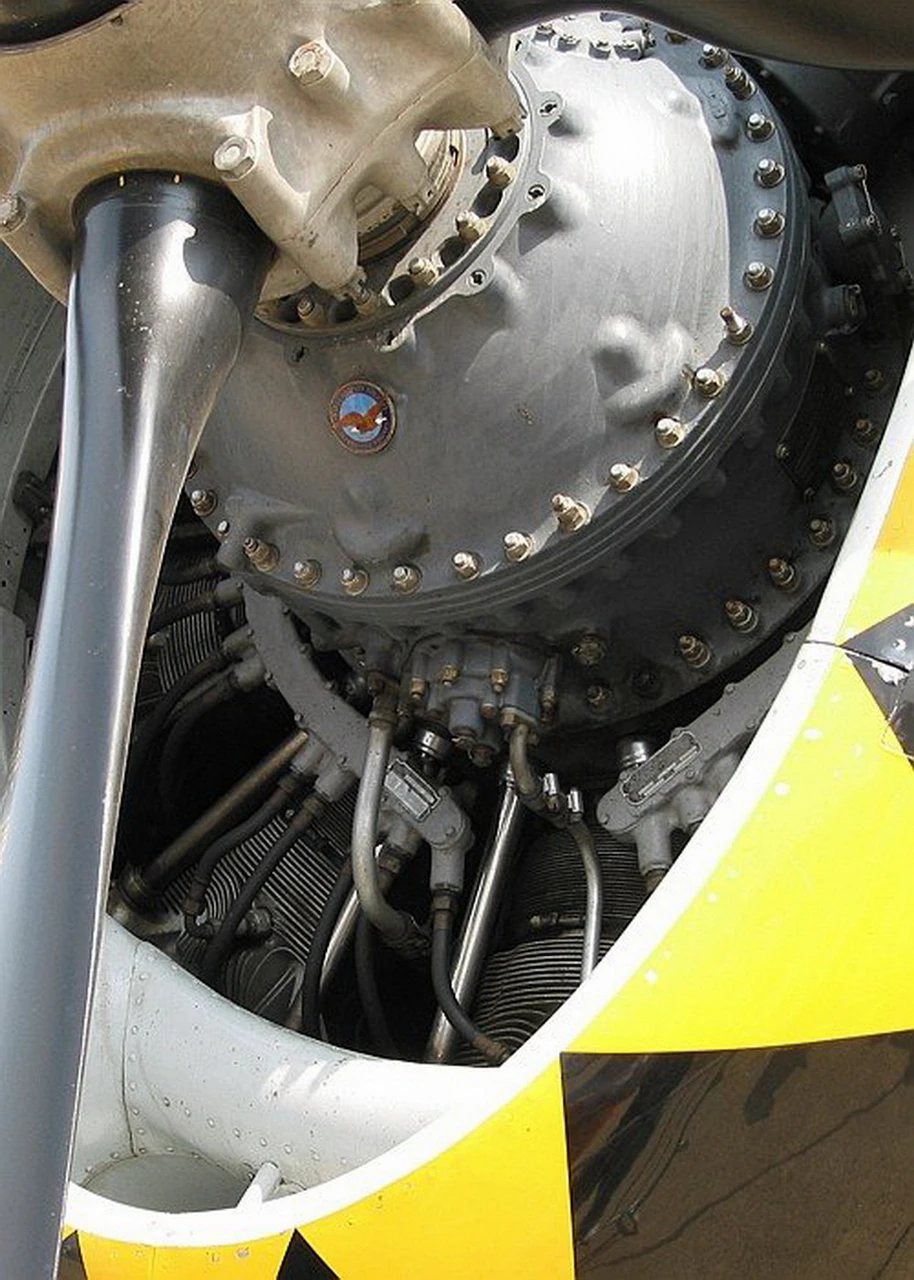
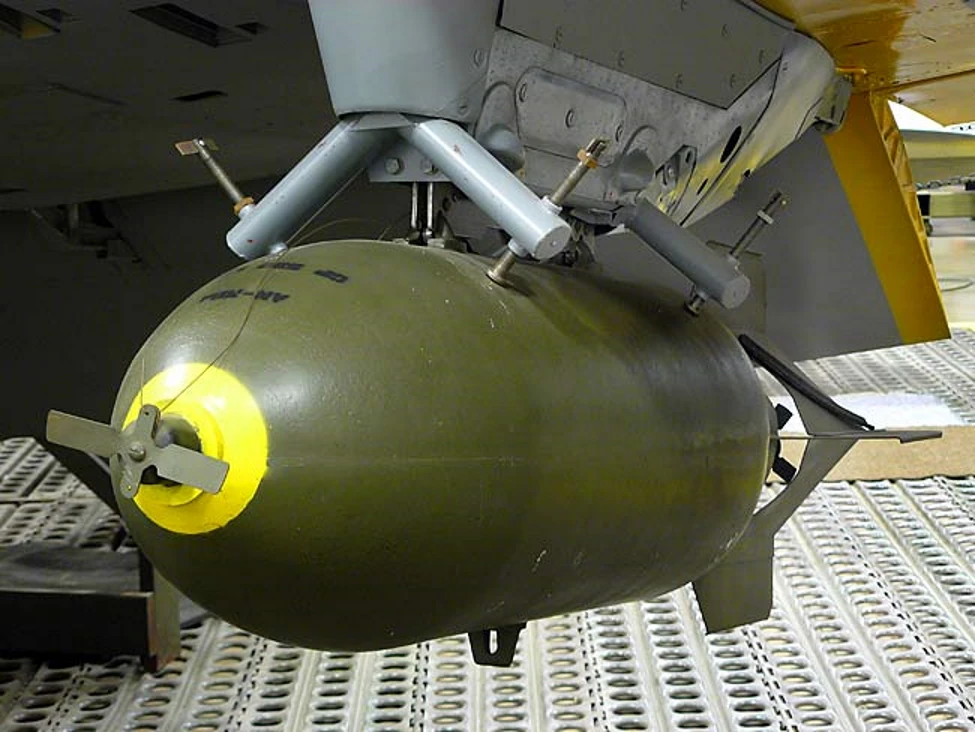
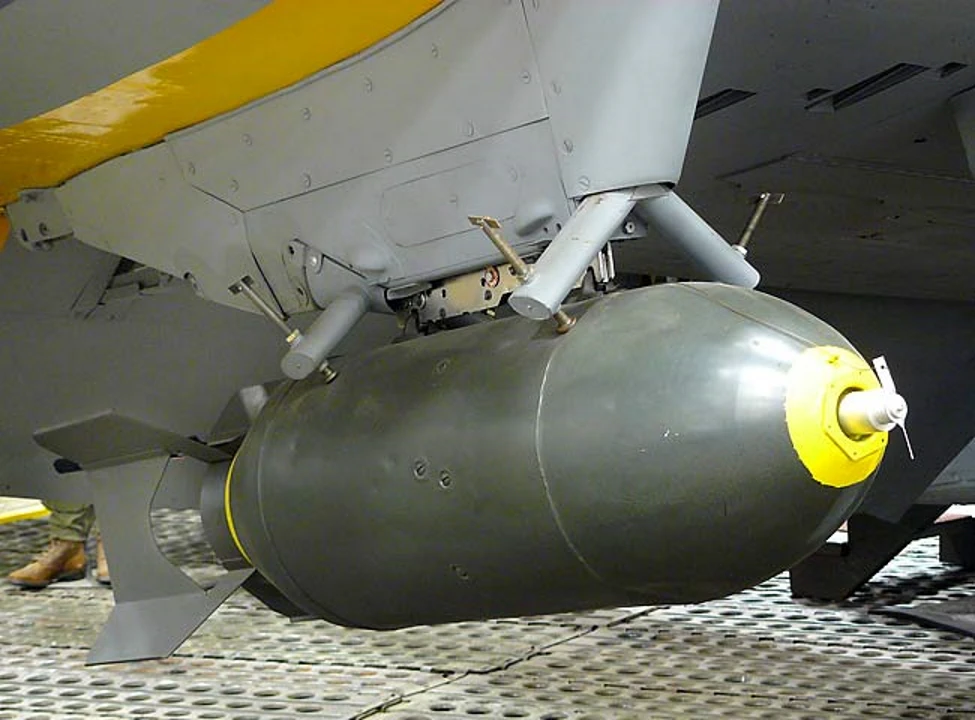
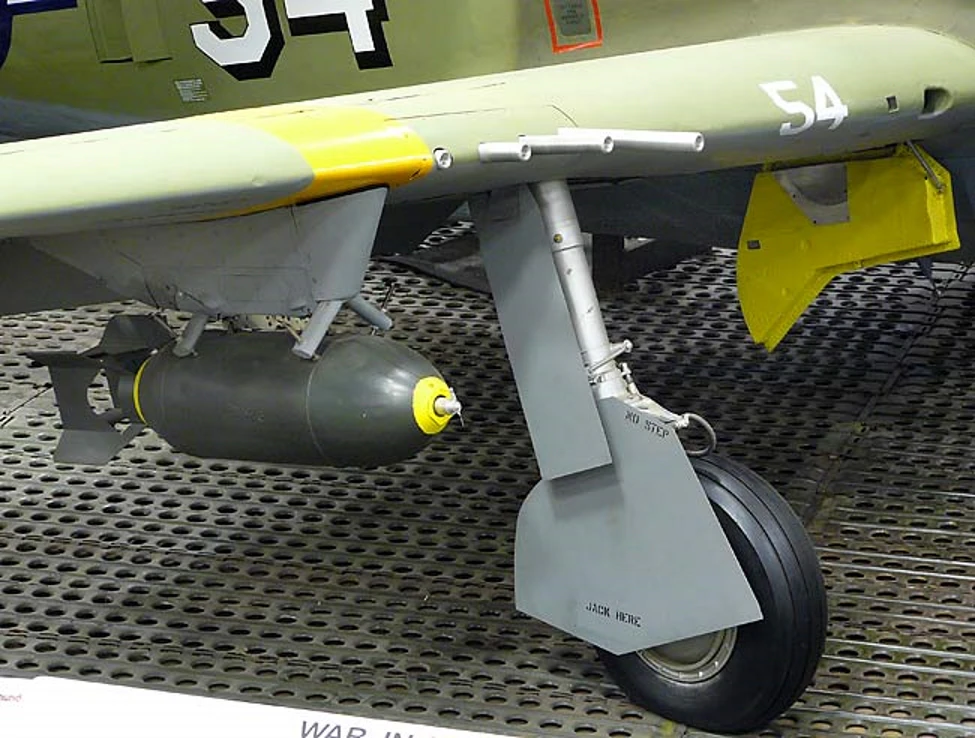
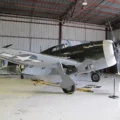
У 201 Республіка P-47 Thunderbolt — винищувач часів Другої світової війни, що випускався США з 1941 по 1945 рік. Його основним озброєнням було вісім кулеметів .50-го калібру, і в ролі винищувача-бомбардувальника він міг нести п'ятидюймові ракети або бомбове навантаження вагою 2500 фунтів (1103 кг). При повному завантаженні P-47 важив до восьми тонн, що робило його одним з найважчих винищувачів війни. P-47 був розроблений на основі потужного двигуна Pratt & Whitney R-2800 Double Wasp, який також використовувався двома винищувачами ВМС США/Корпусу морської піхоти США, Grumman F6F Hellcat і Vought F4U Corsair. Thunderbolt був ефективним як винищувач ескорту малої та середньої дальності у висотних повітряних боях та наземних атаках як на європейському, так і на тихоокеанському театрах воєнних дій.
Джерело: P-47D Thunderbolt у Вікіпедії
| P-47D Thunderbolt | |
|---|---|
| Фотограф | Незнай |
| Локалізацією | Незнай |
| Фото | 22 |
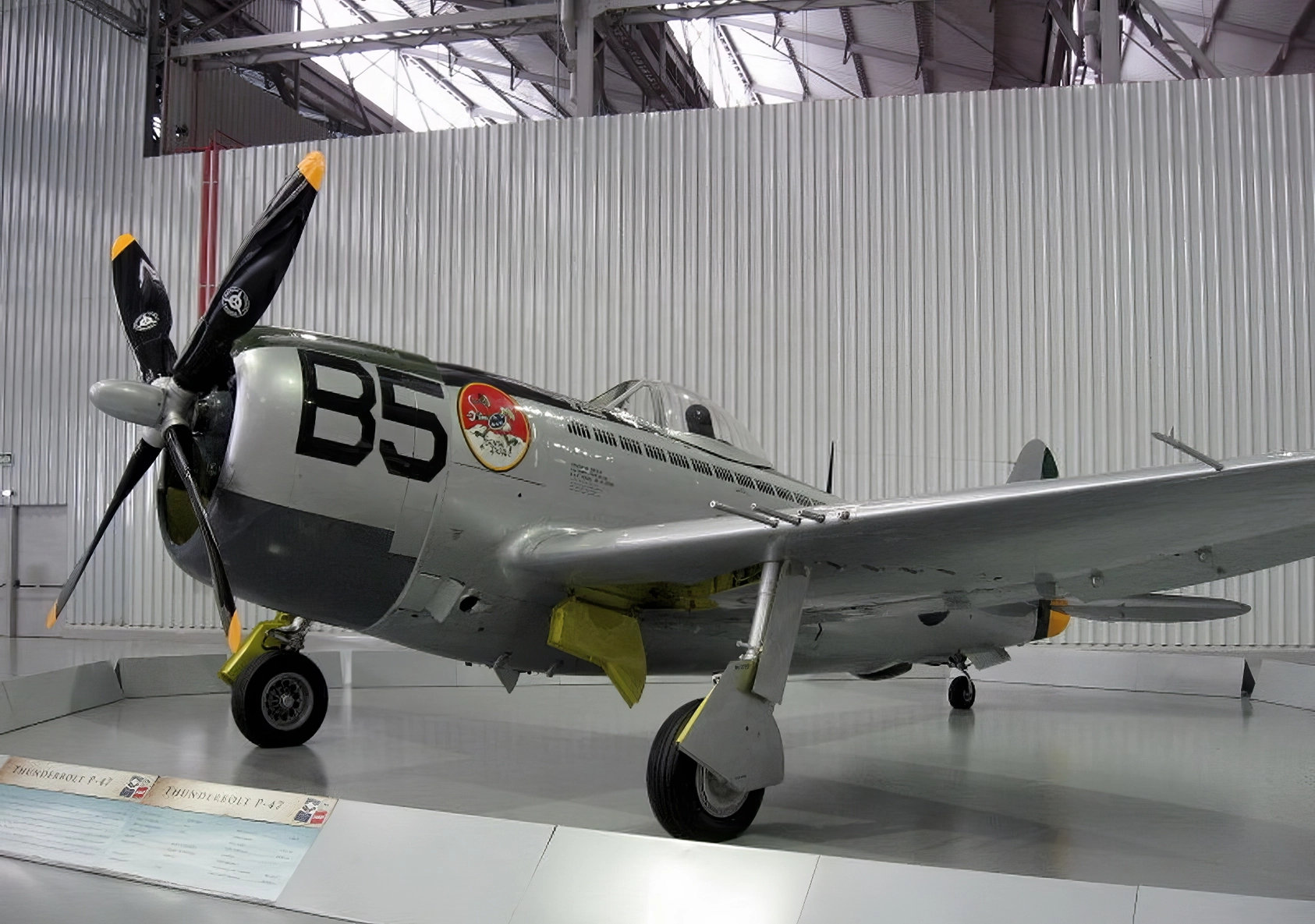

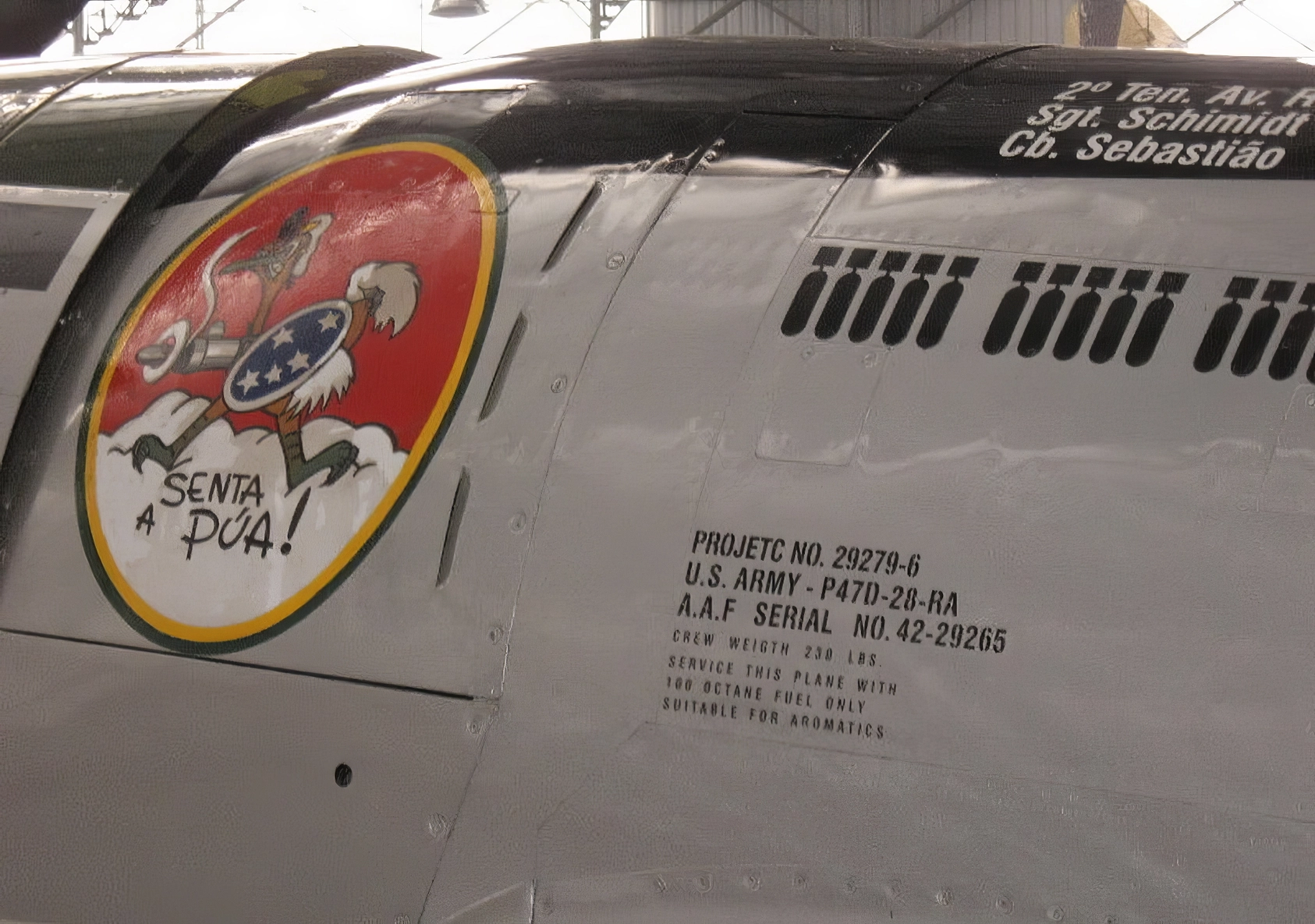
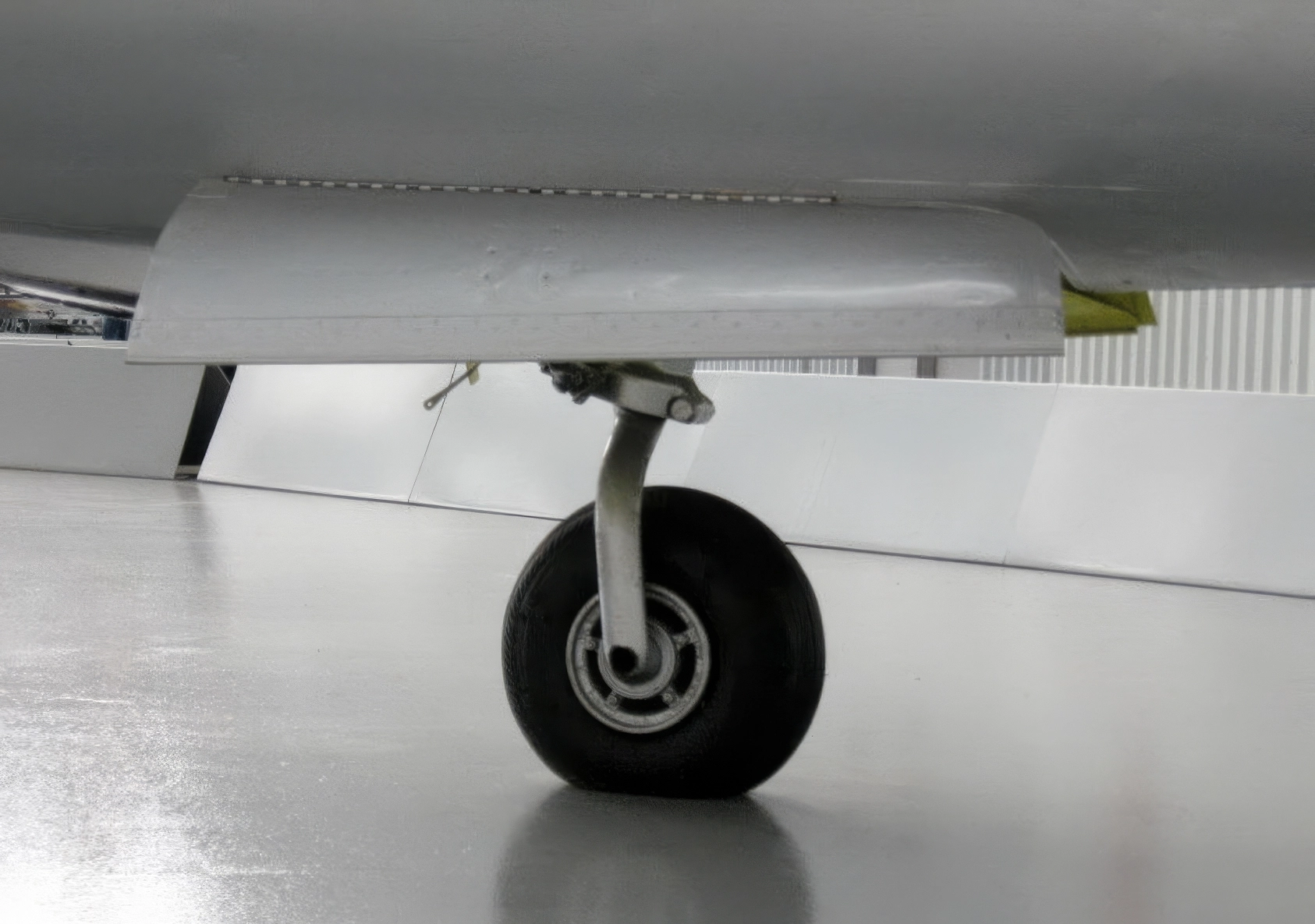
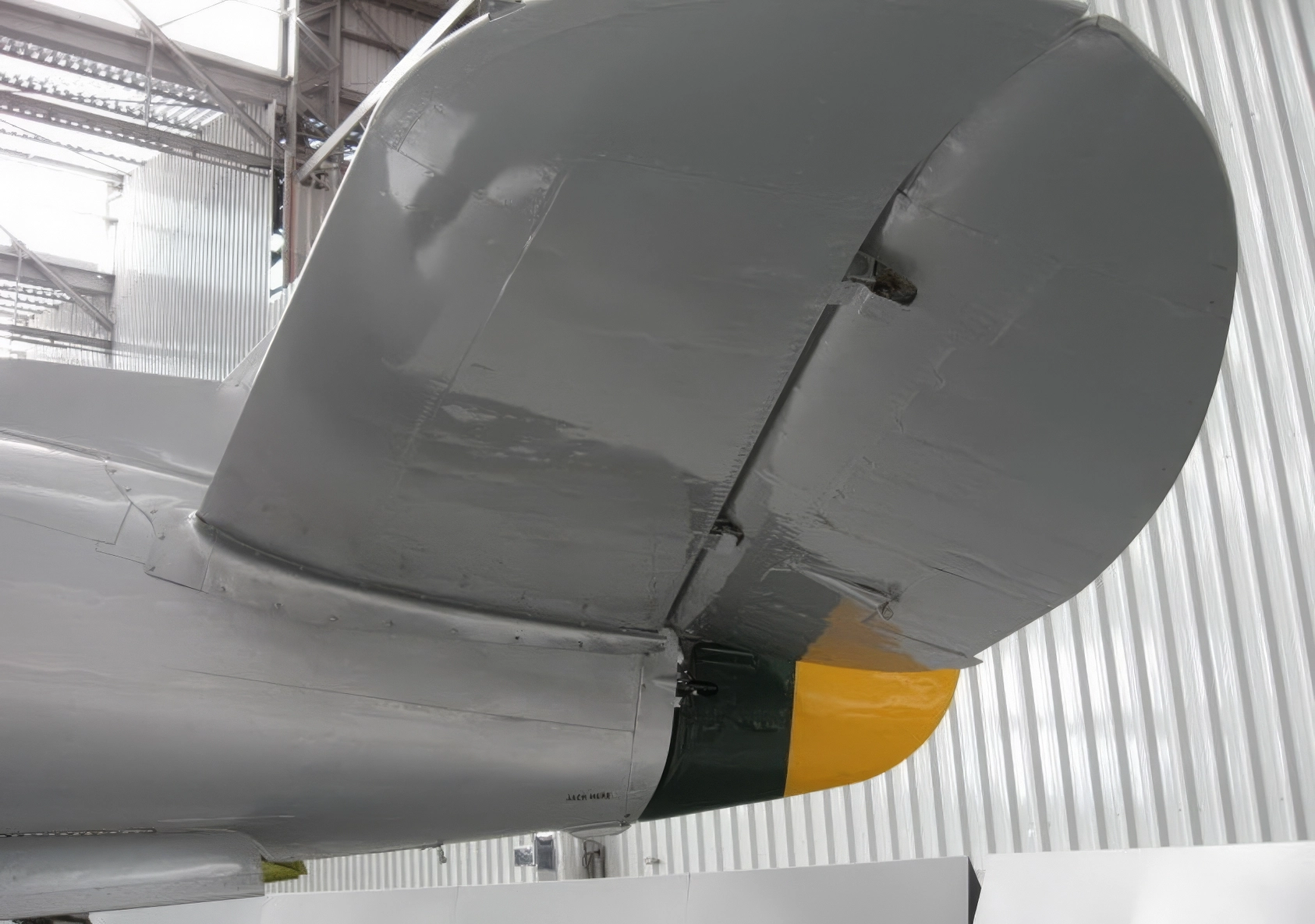
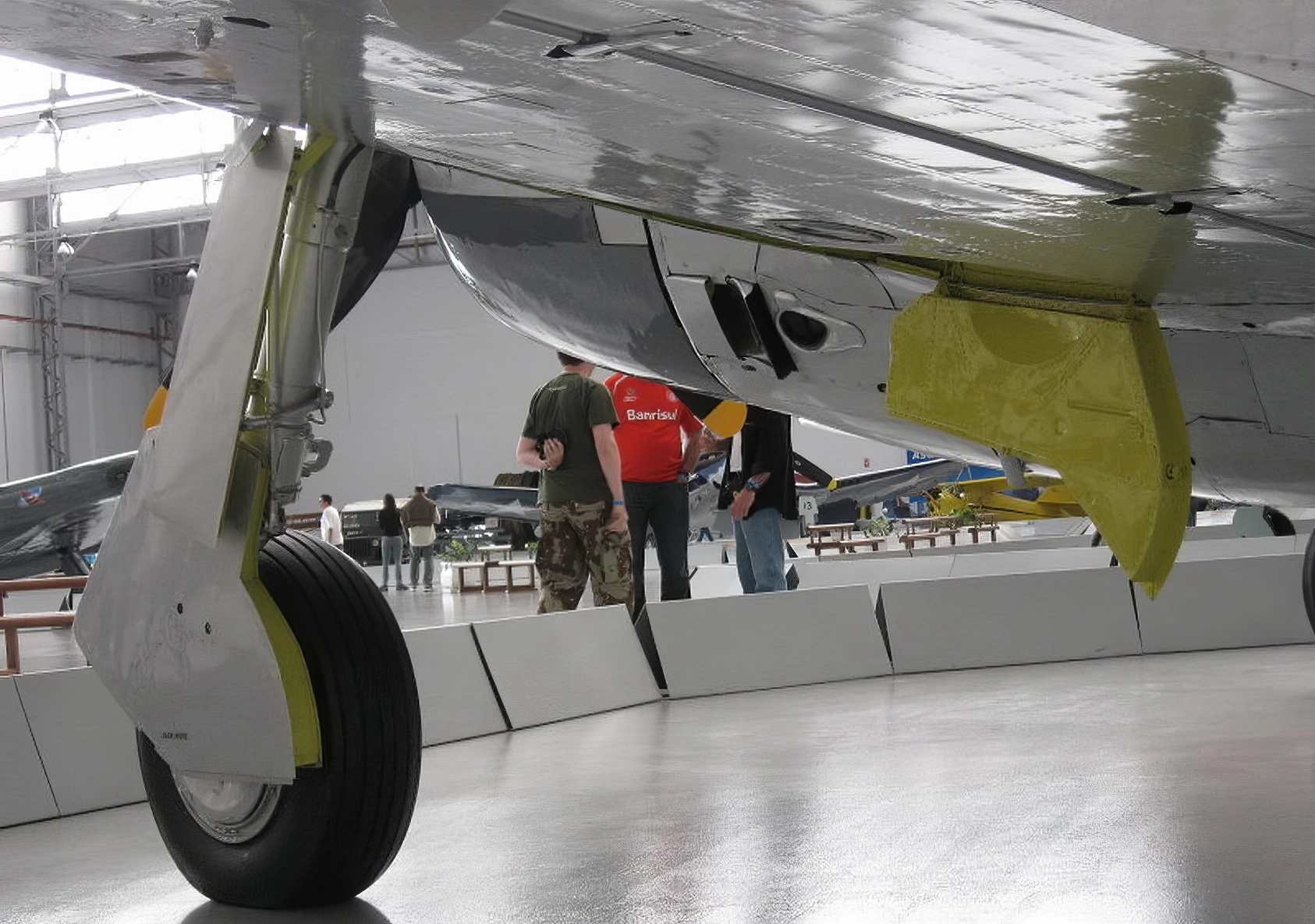
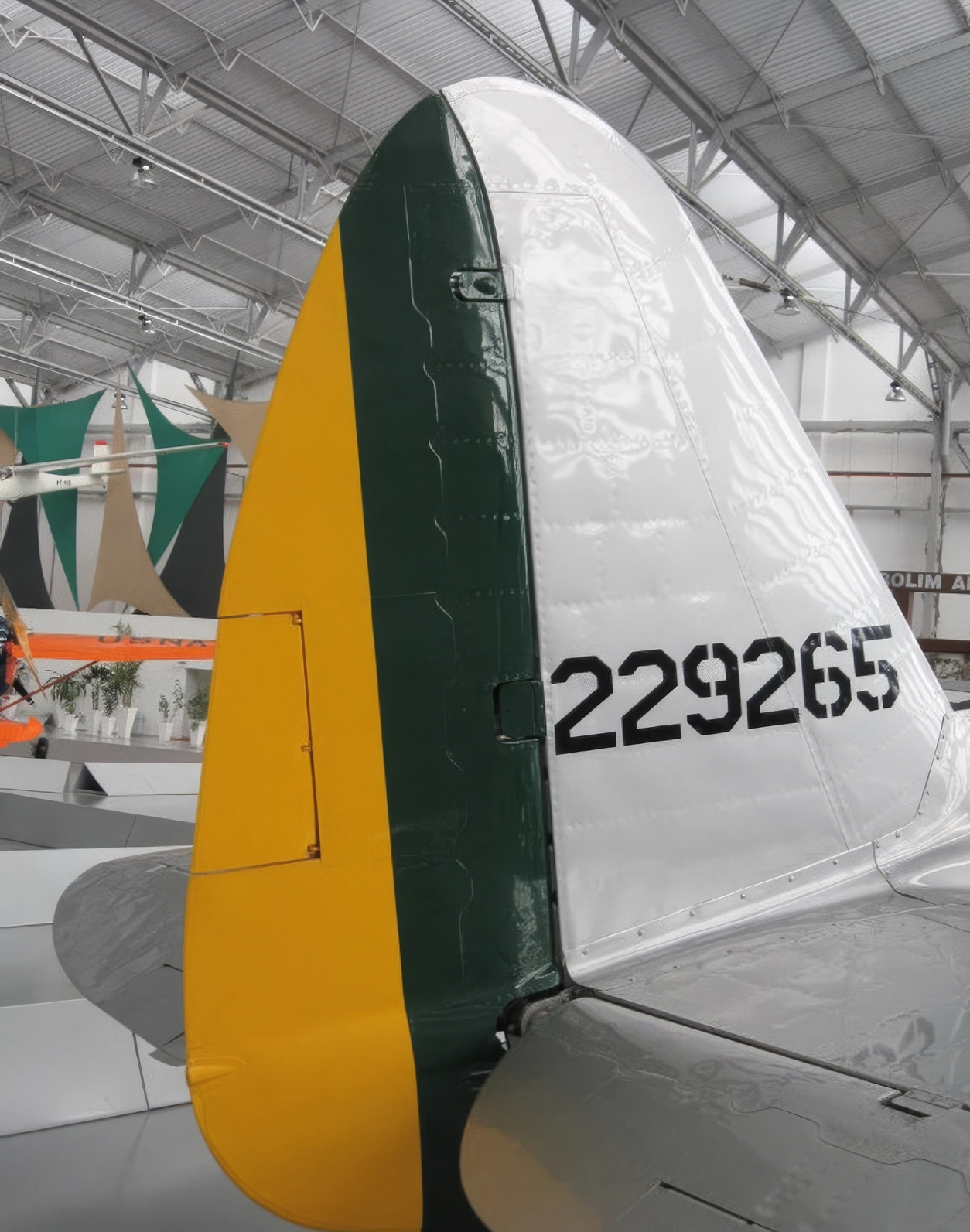
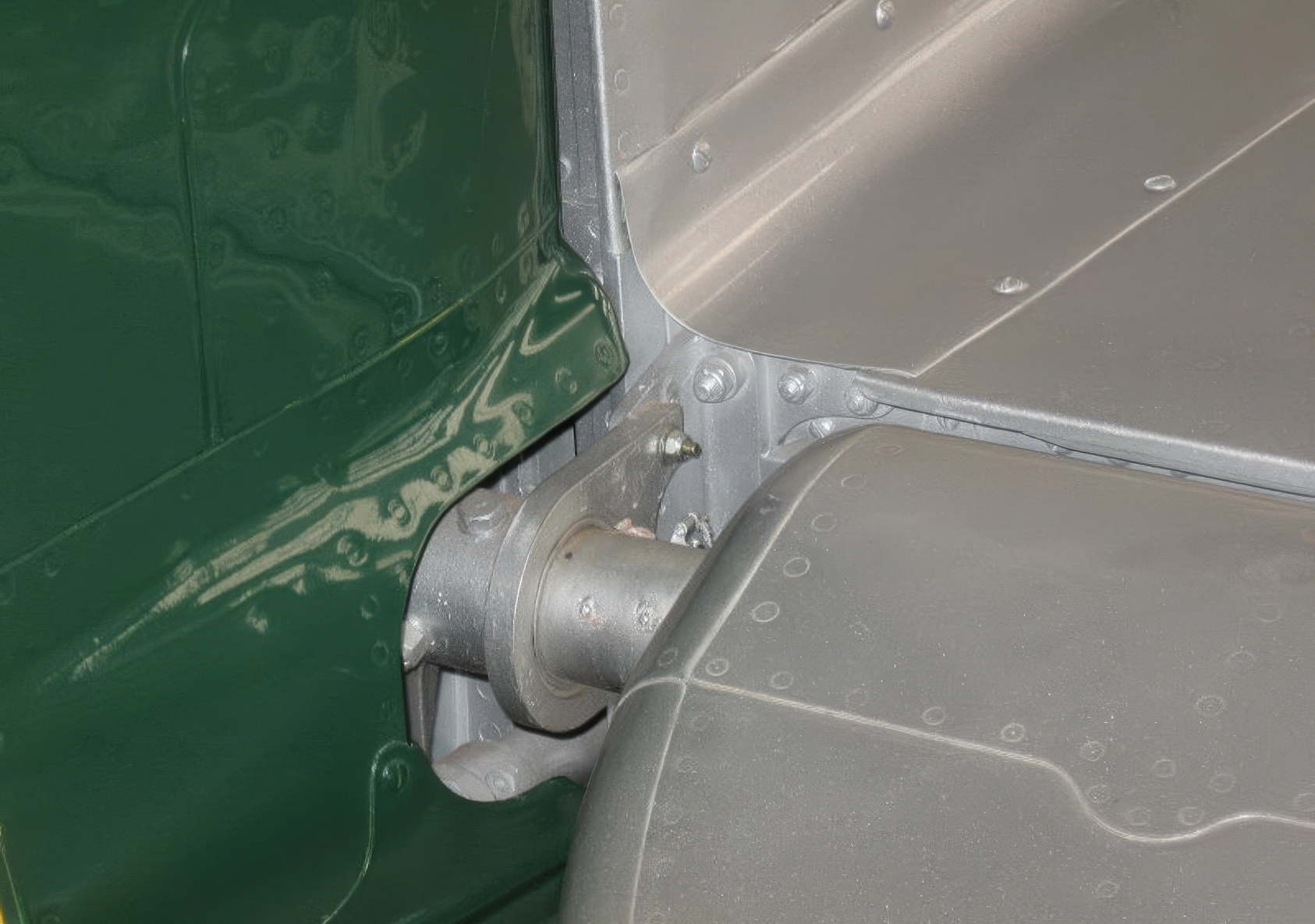
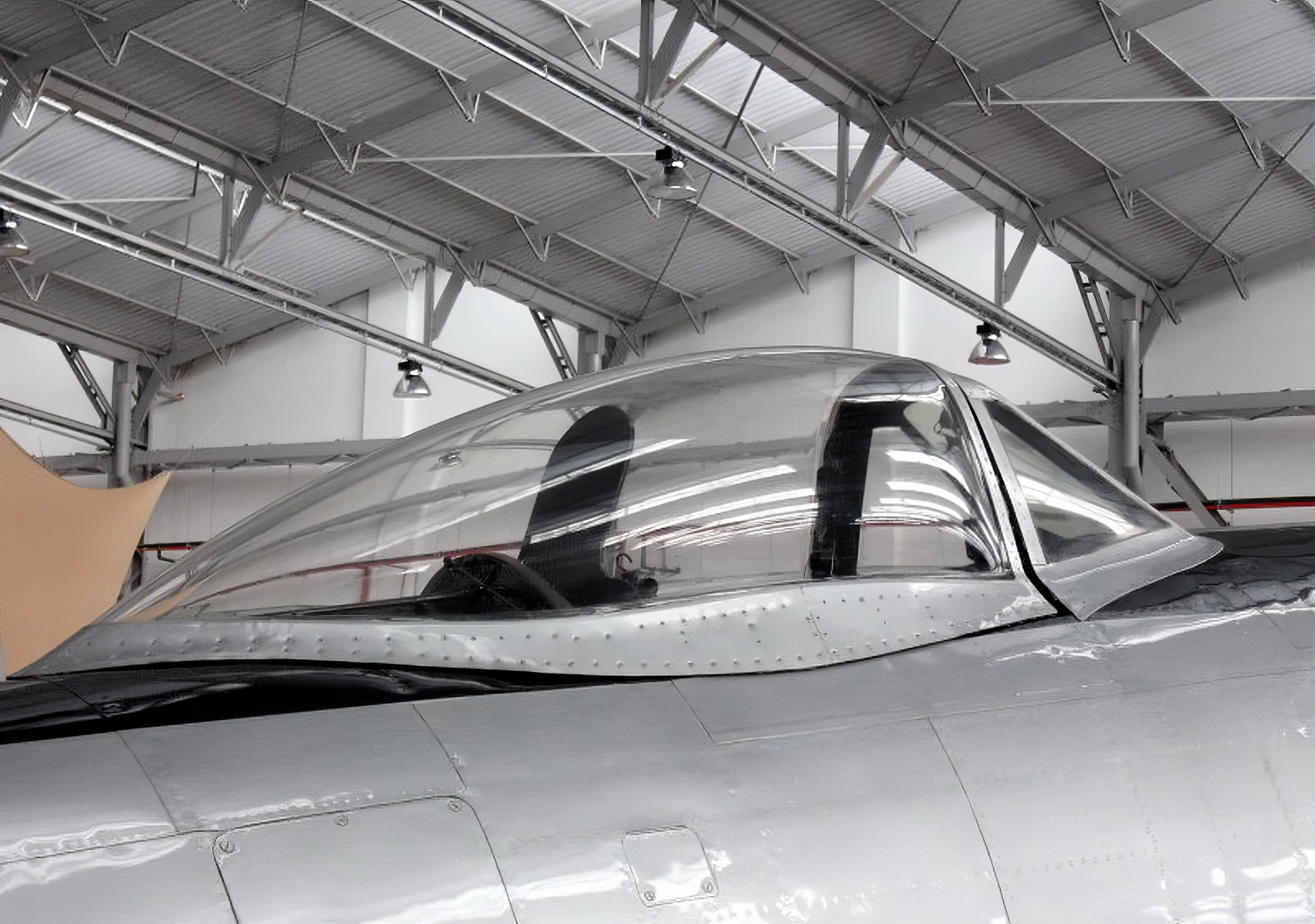

| P-47D Thunderbolt | |
|---|---|
| Фотограф | Сеес Гендрік |
| Локалізацією | Незнай |
| Фото | 98 |
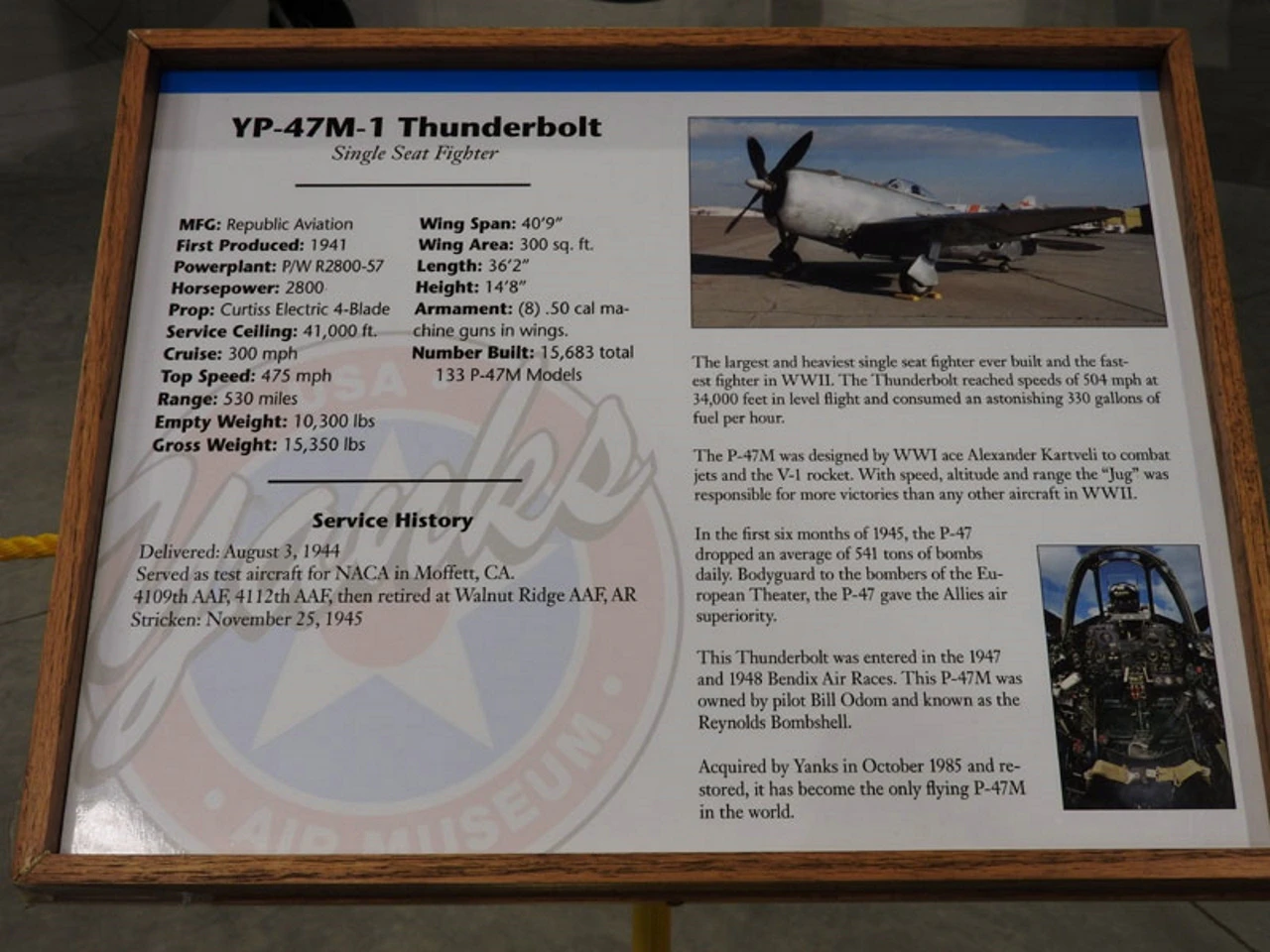
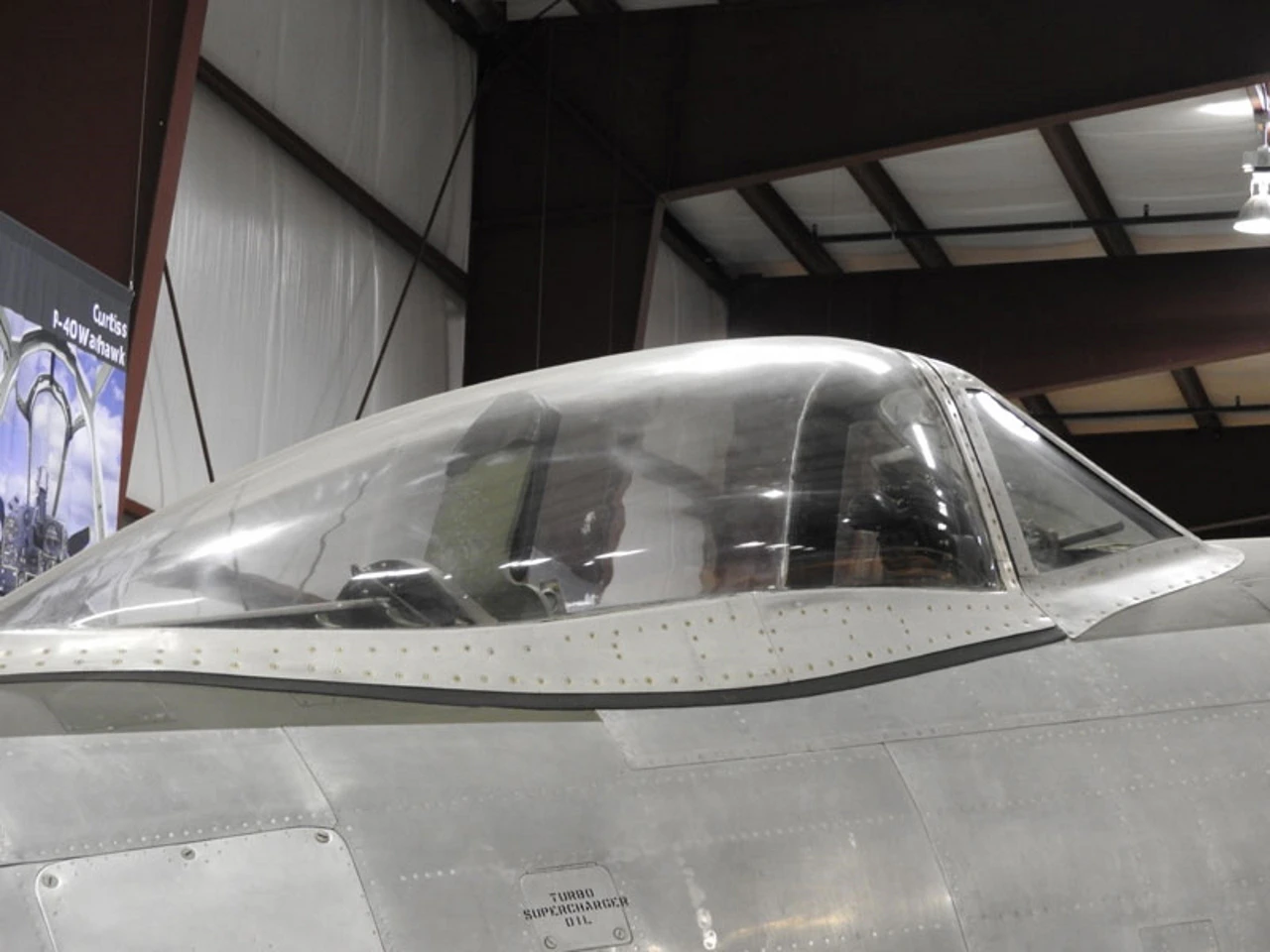
| Republic YP-47M Thunderbolt Walk Around | |
|---|---|
| Фотограф | Сеес Гендрік |
| Локалізацією | Незнай |
| Фото | 31 |
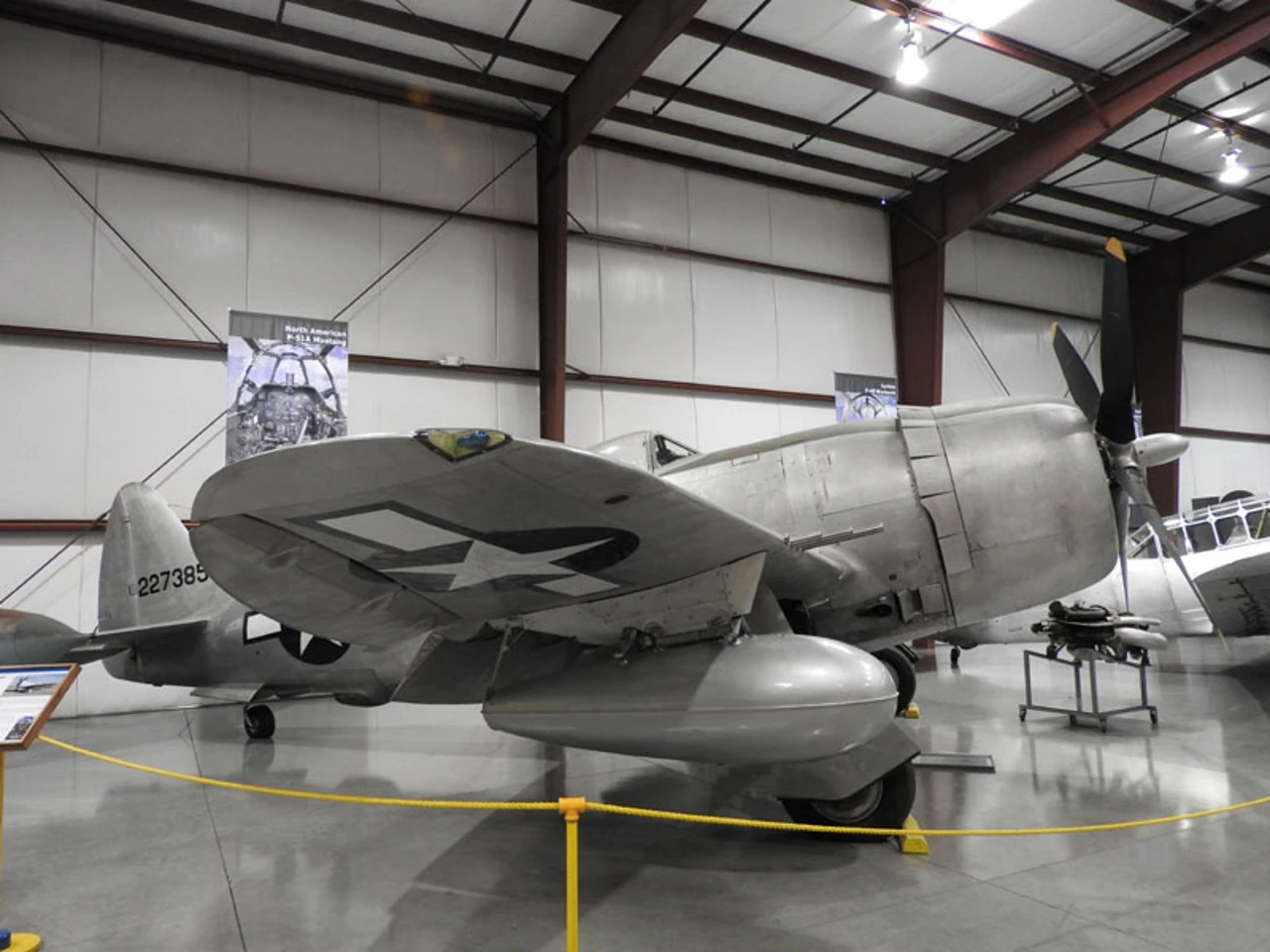
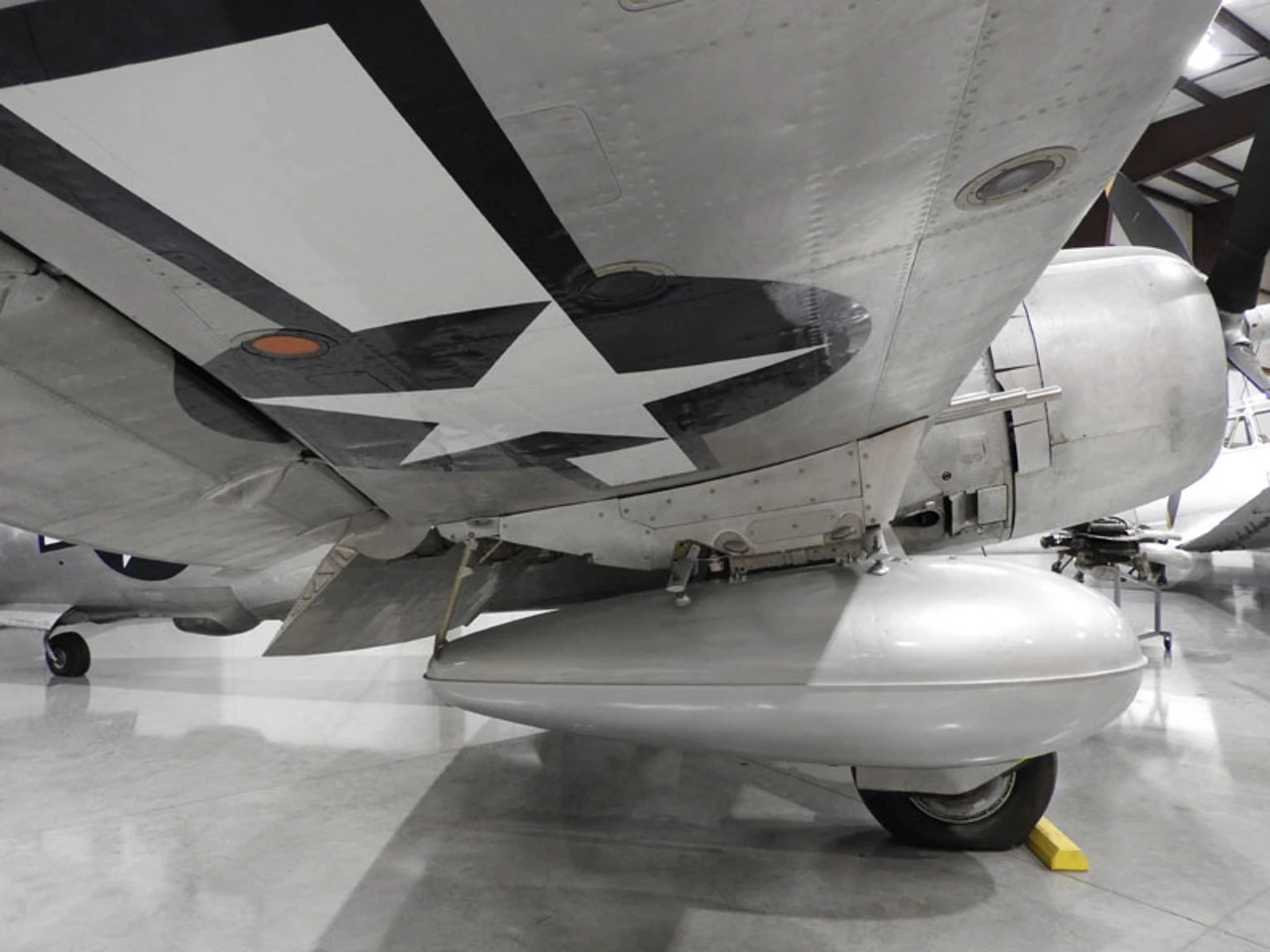
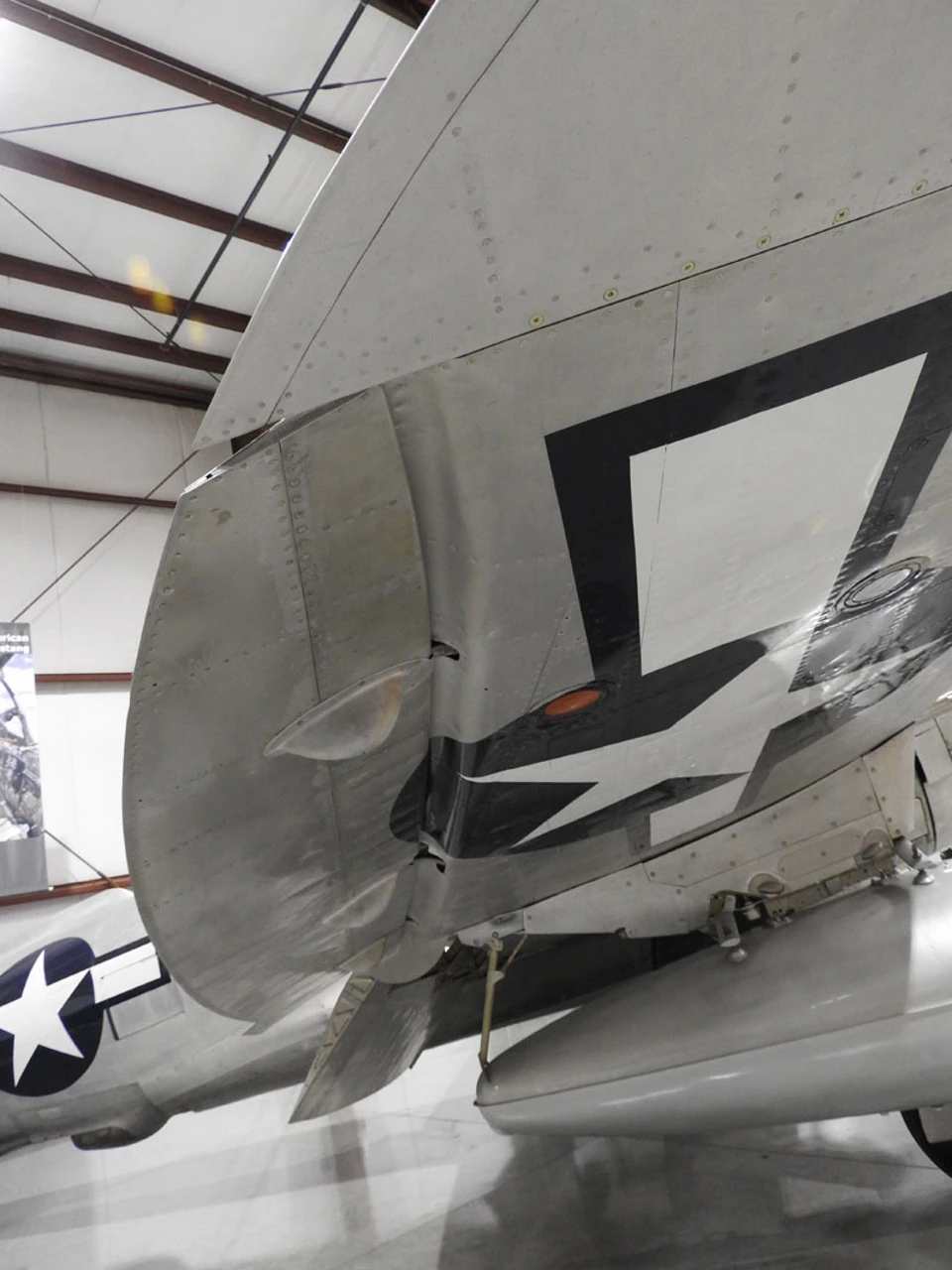
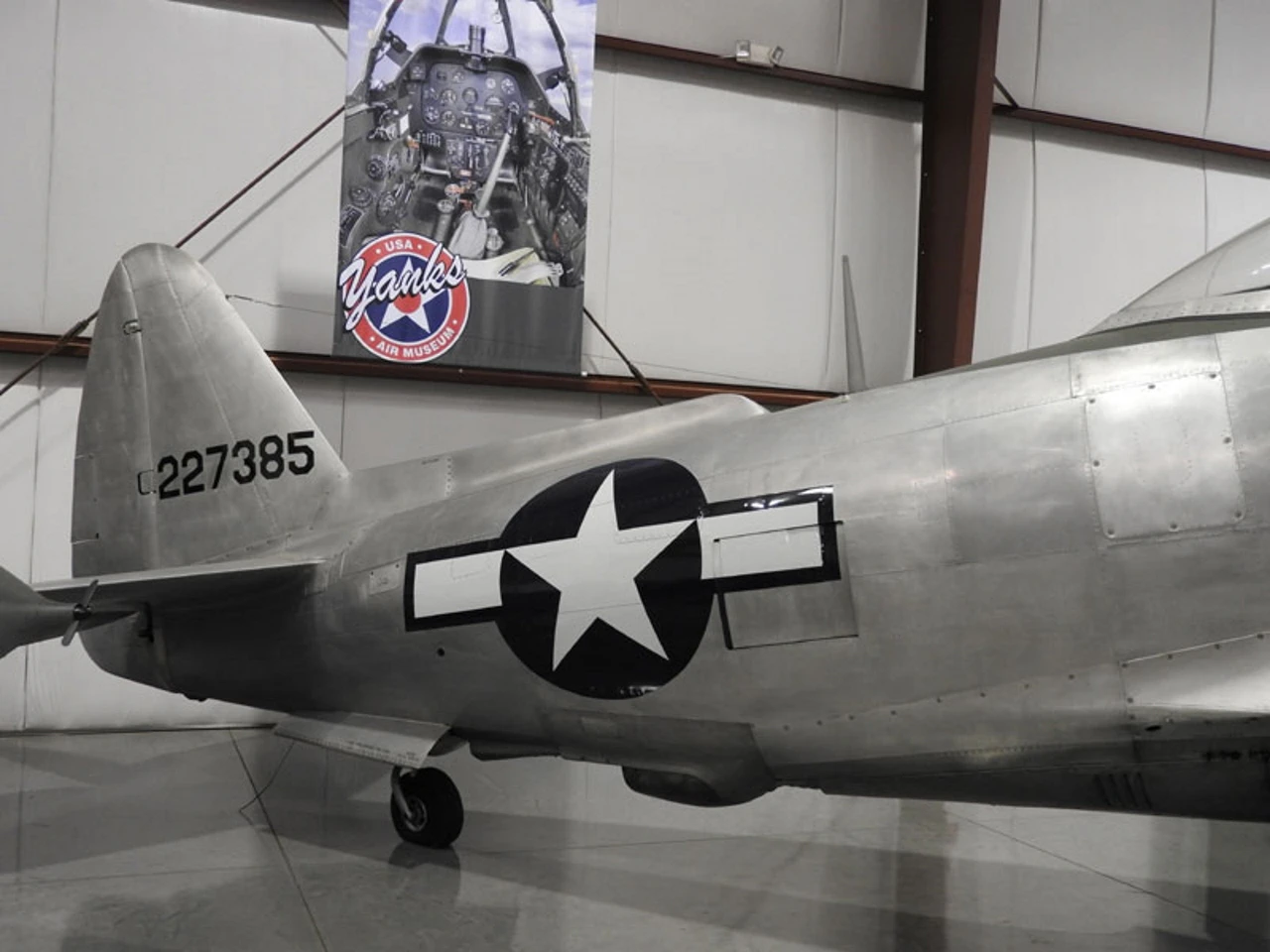
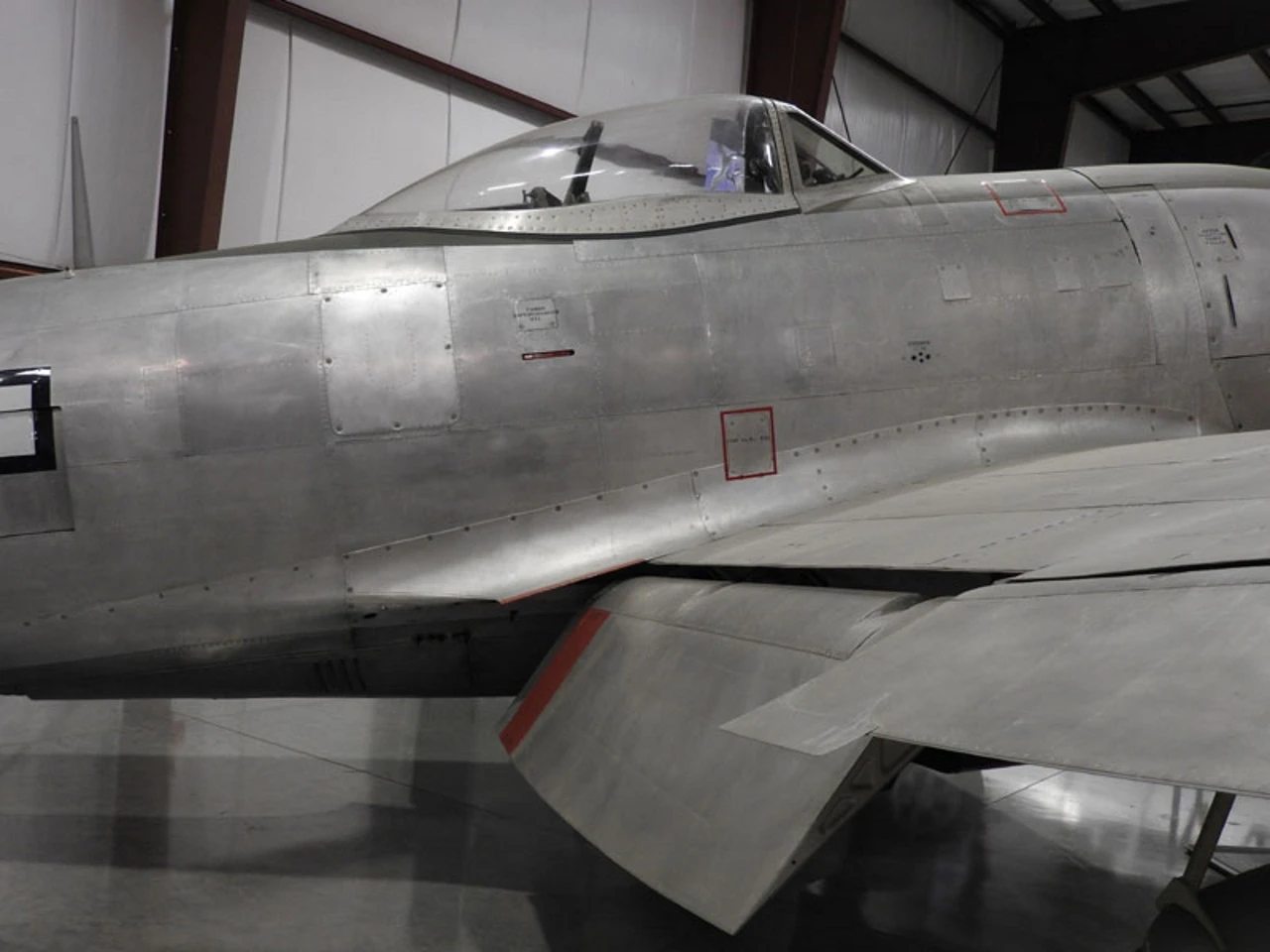
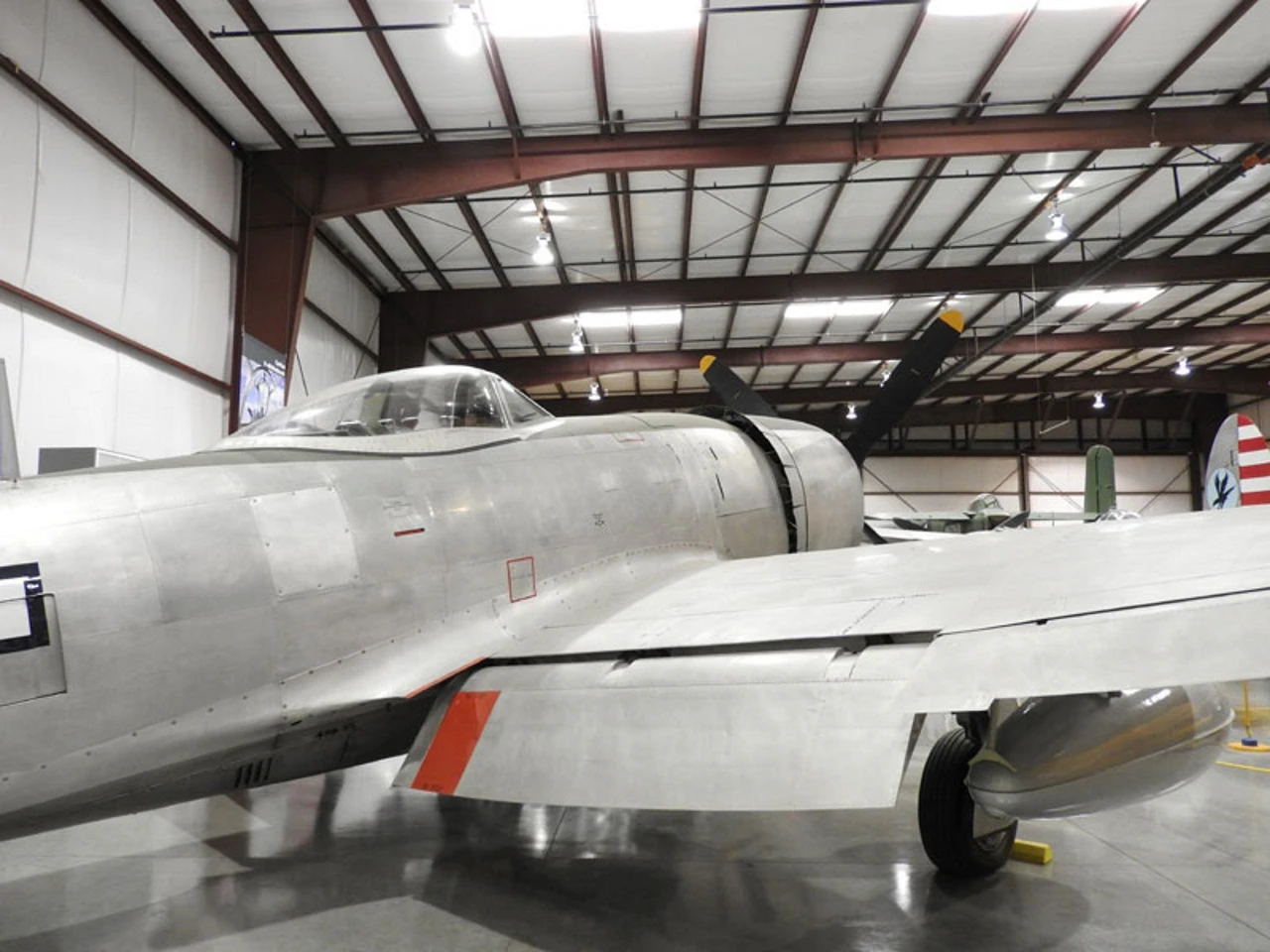
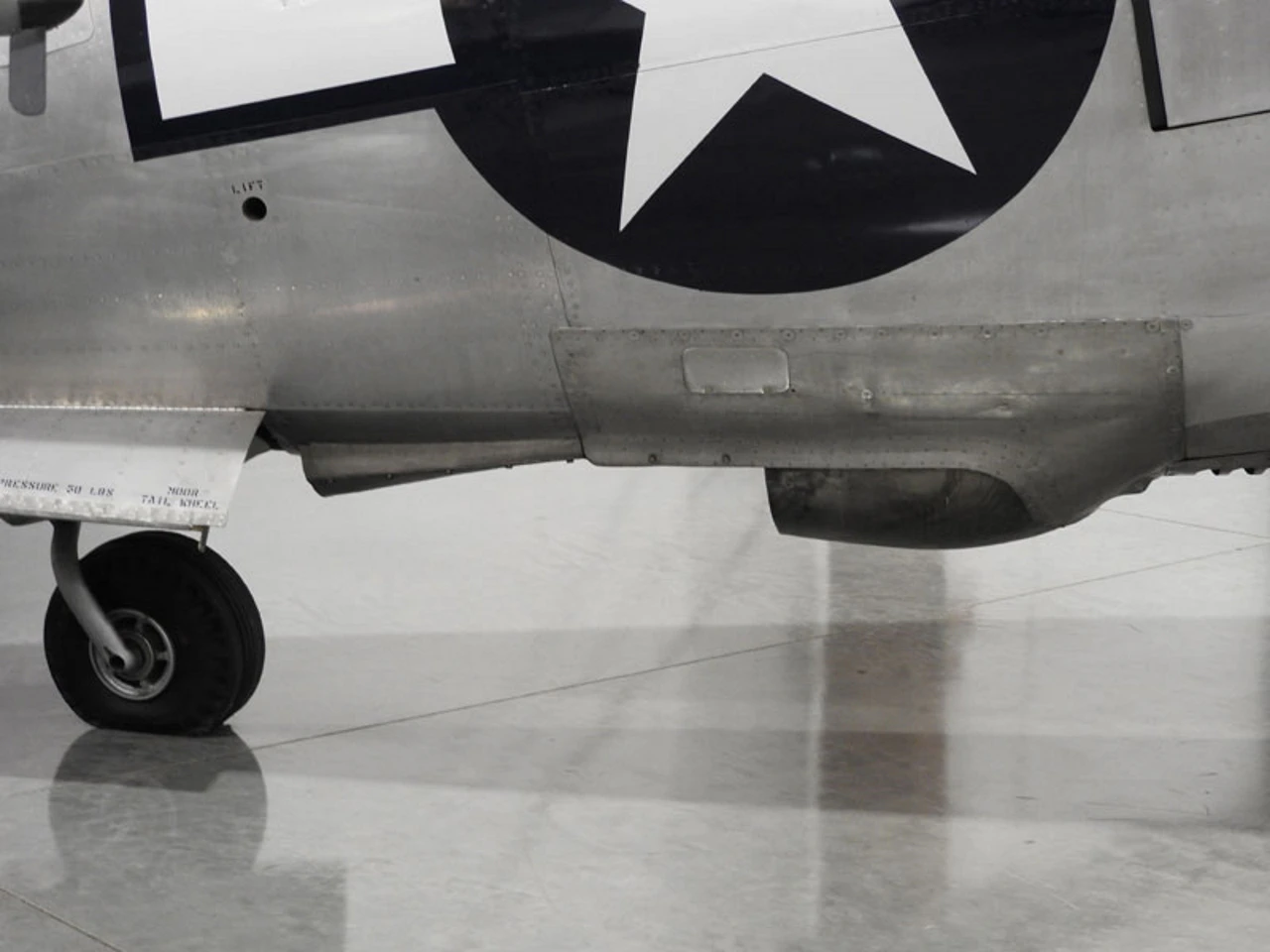
| Republic P-47D-30-RE Thunderbolt Walk Around | |
|---|---|
| Фотограф | Володимир Якубов |
| Локалізацією | Незнай |
| Фото | 98 |
Читайте також:


| P-47D Block 35 Walk Around | |
|---|---|
| Фотограф | Девід Аунст |
| Локалізацією | Незнай |
| Фото | 49 |
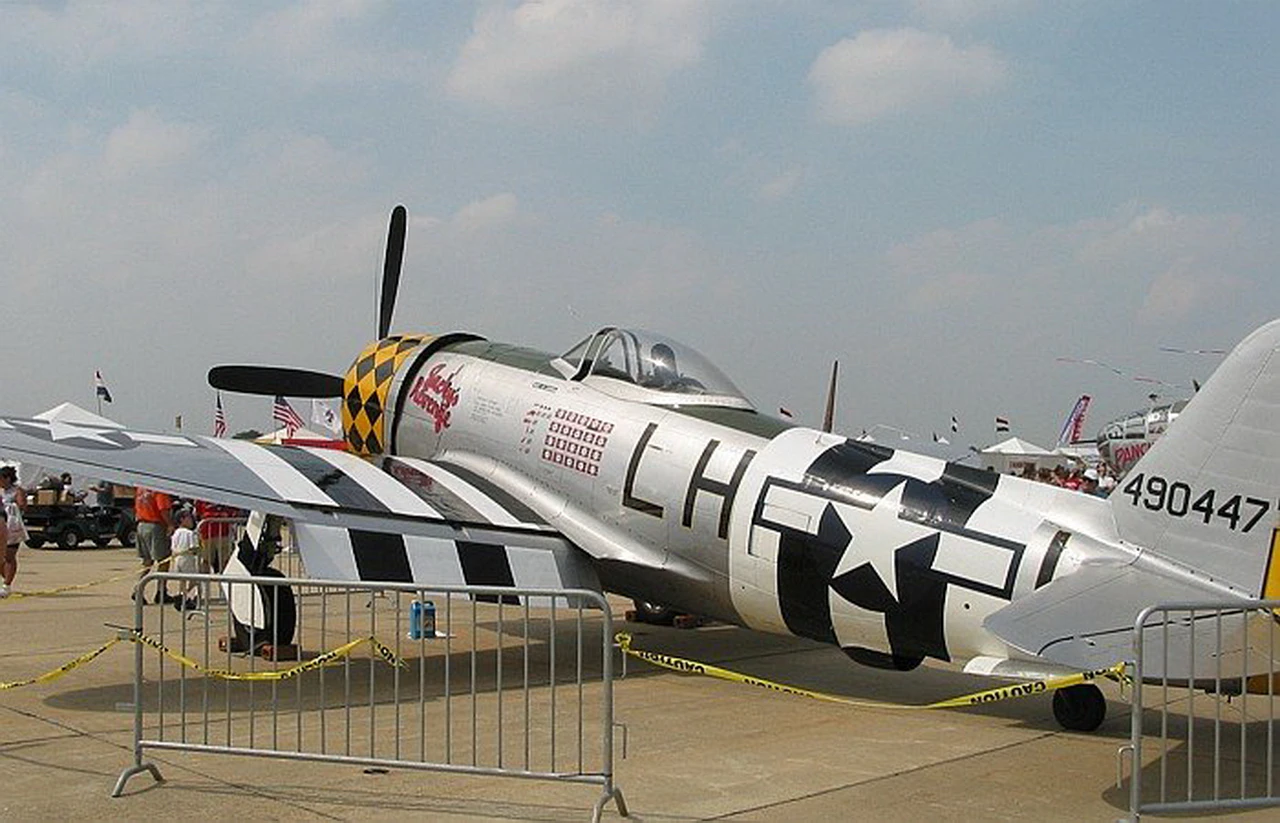
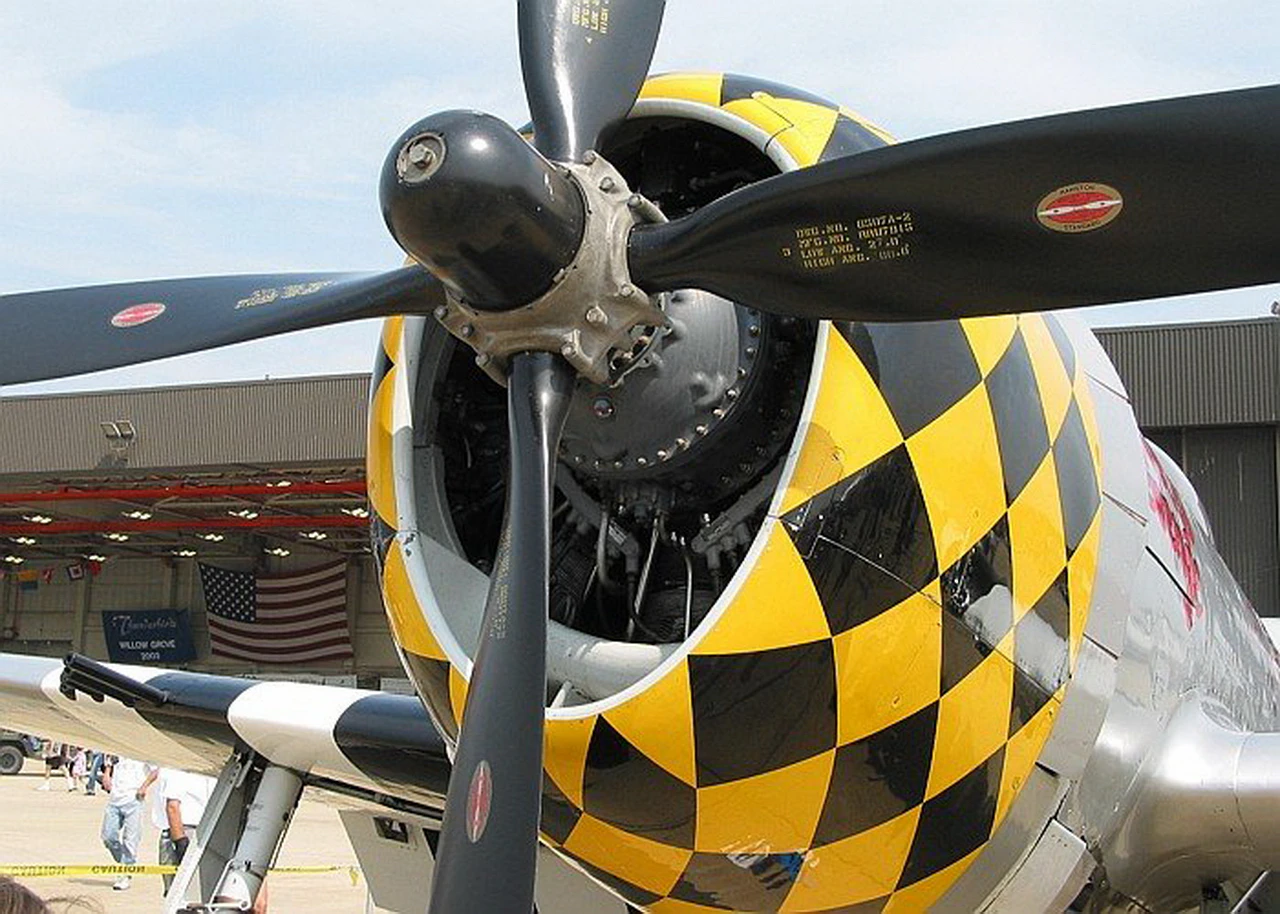
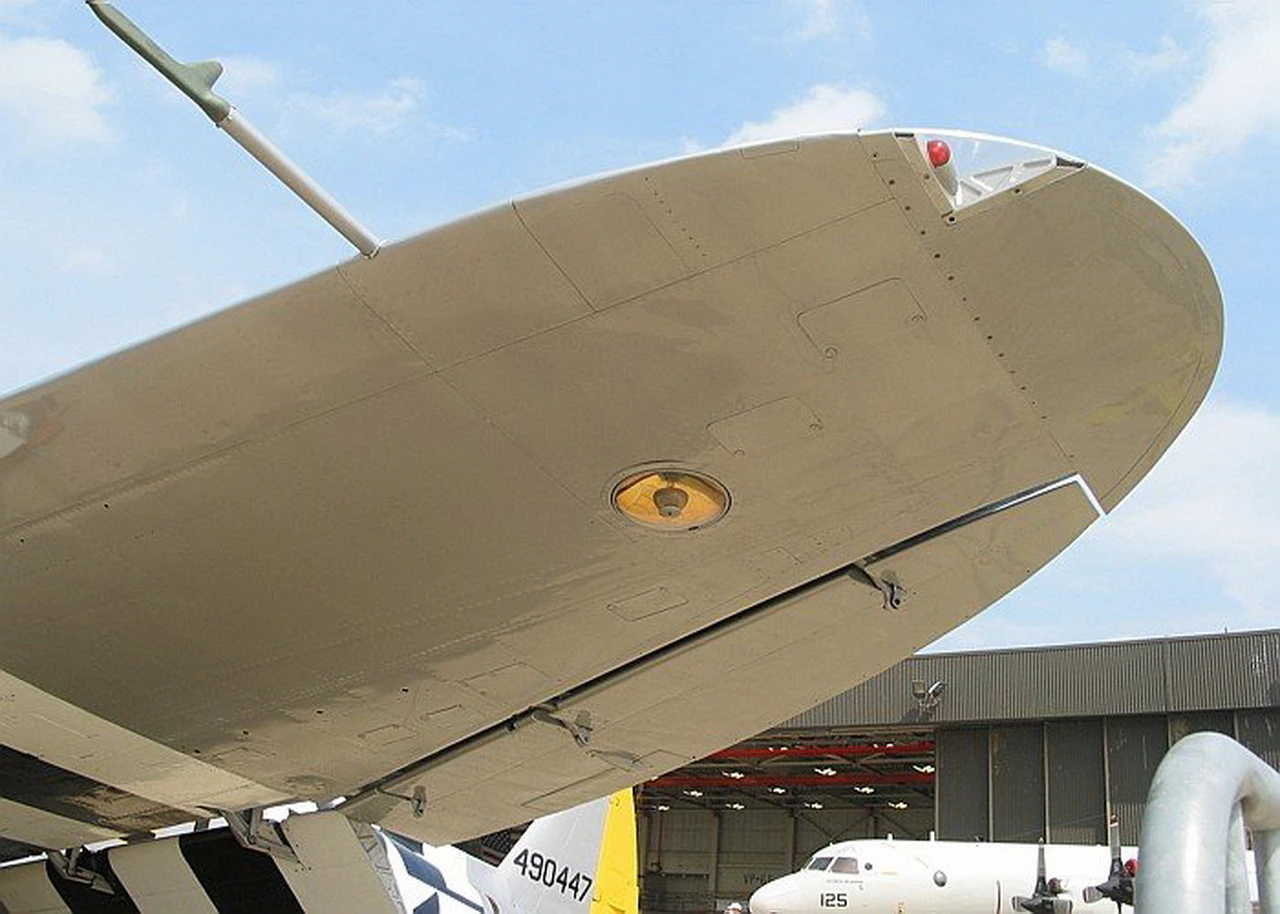
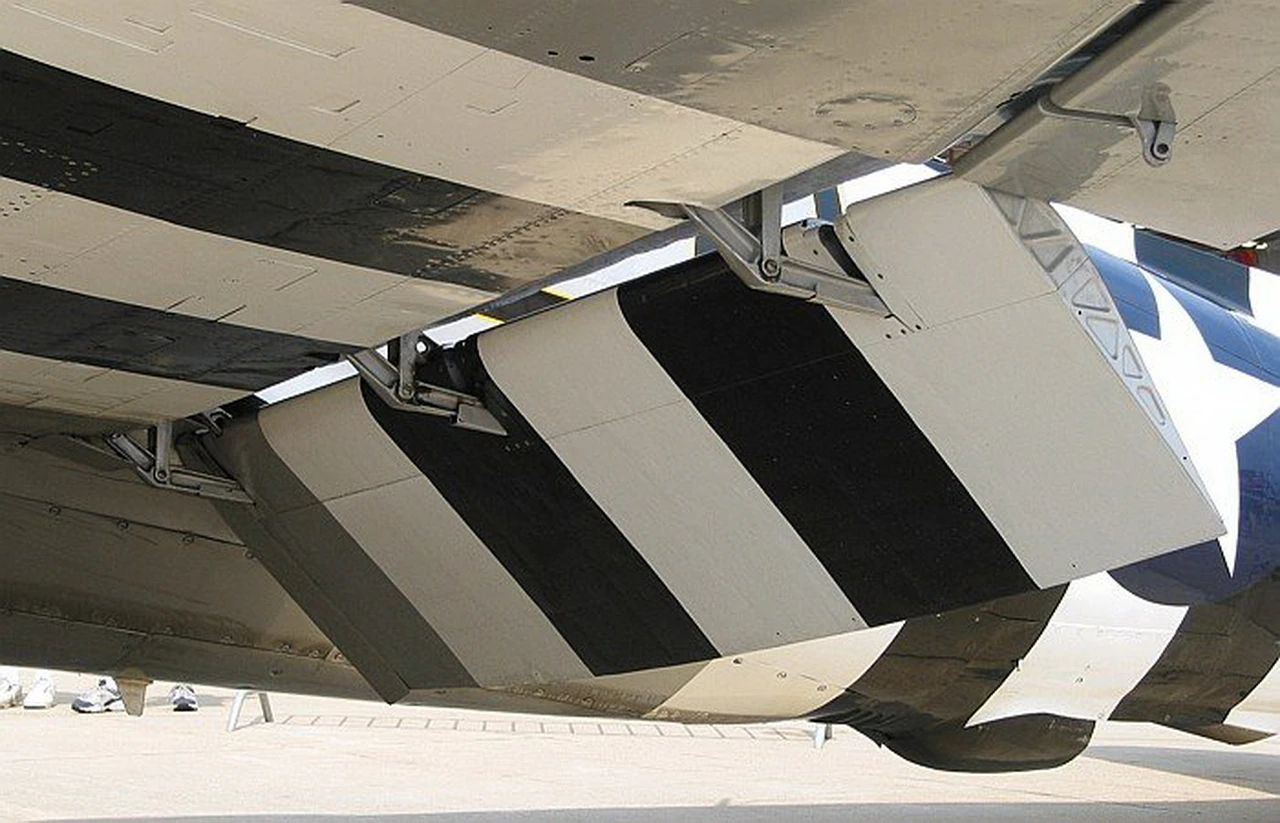
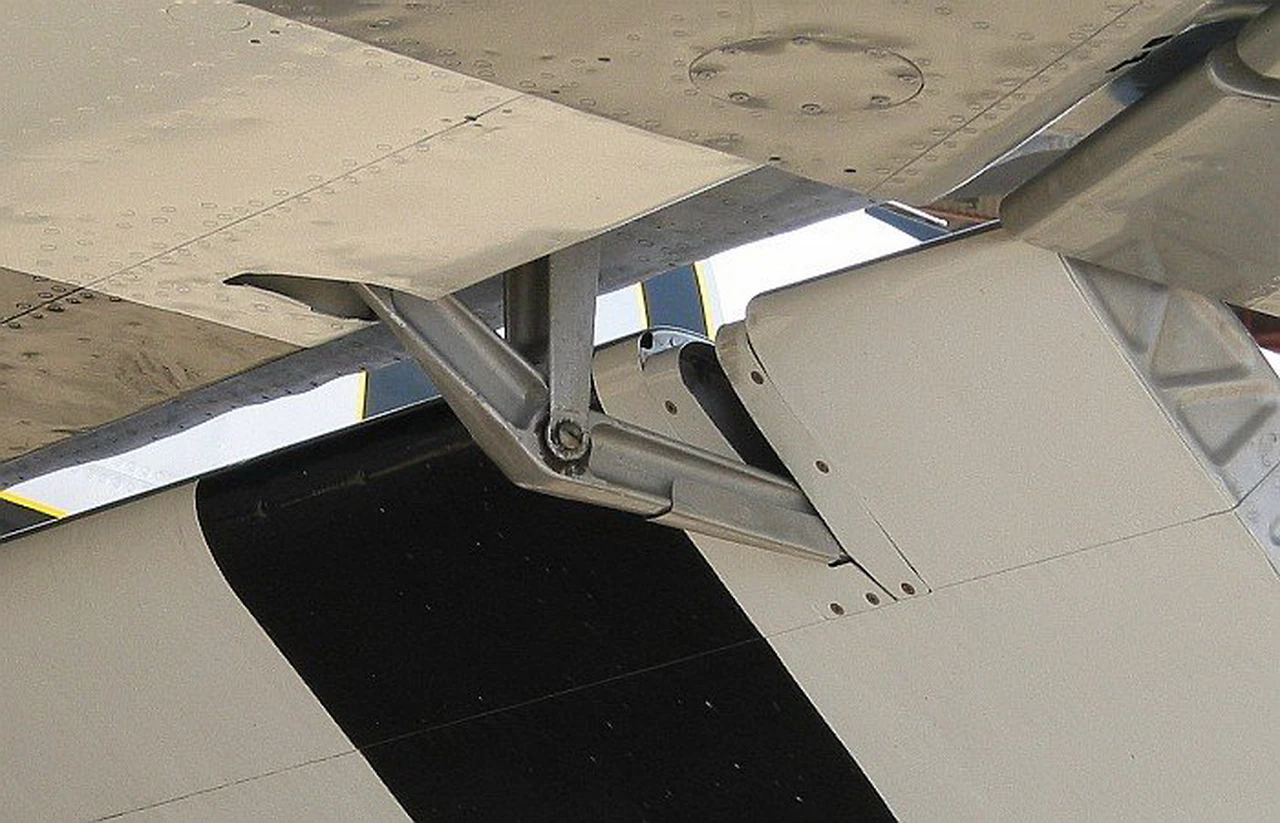
| Republic P-47D Thunderbolt Walk Around | |
|---|---|
| Фотограф | Білл Мелоуні |
| Локалізацією | Музей авіації Нової Англії |
| Фото | 27 |
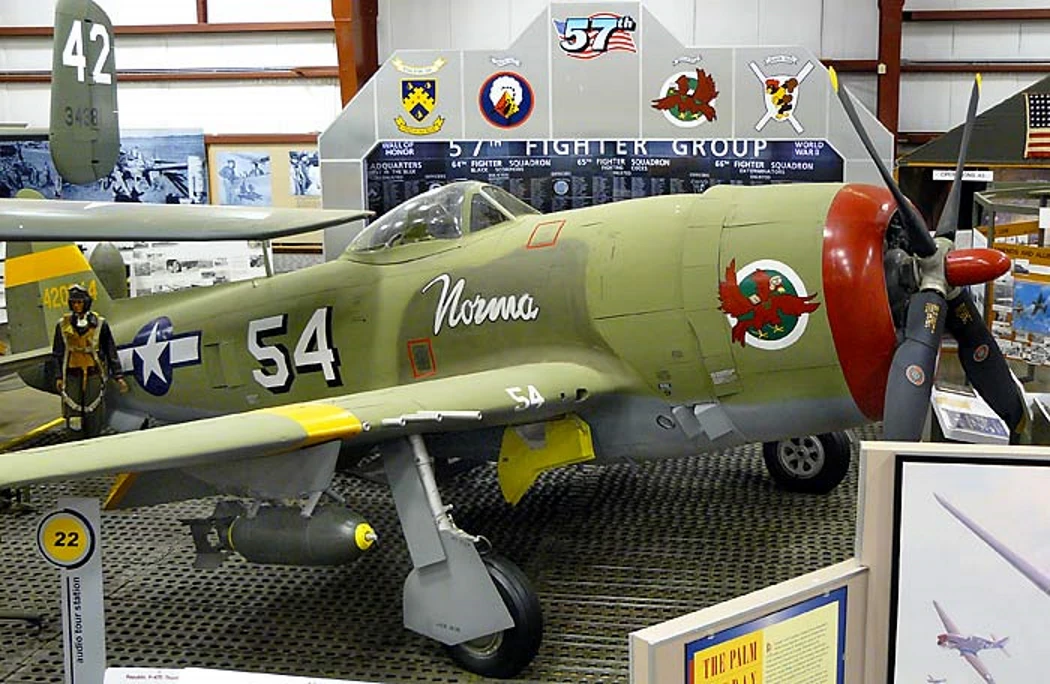
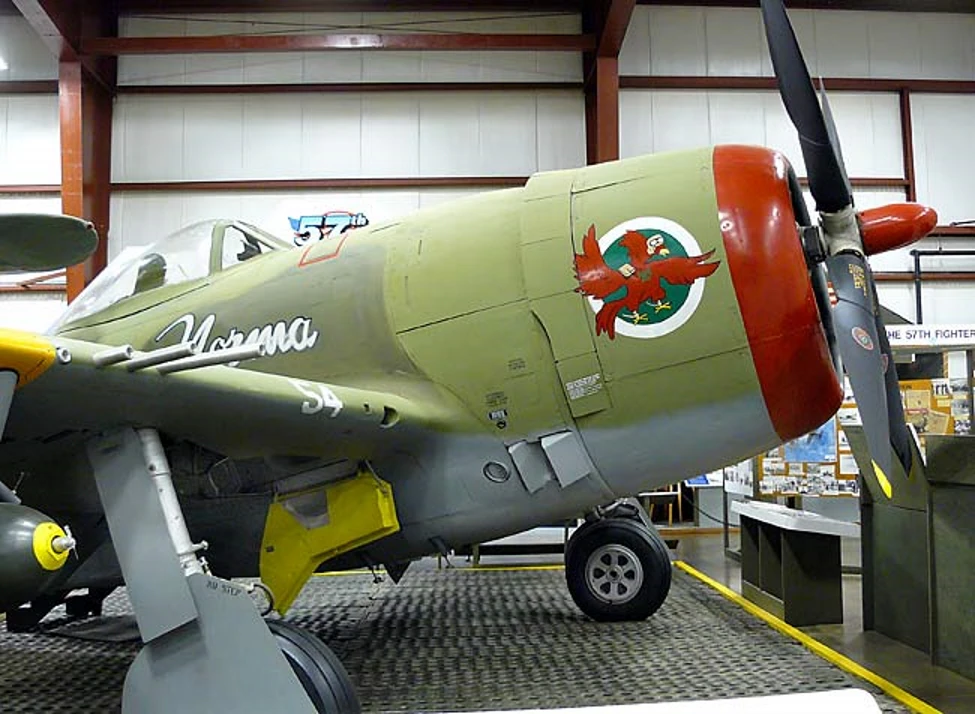
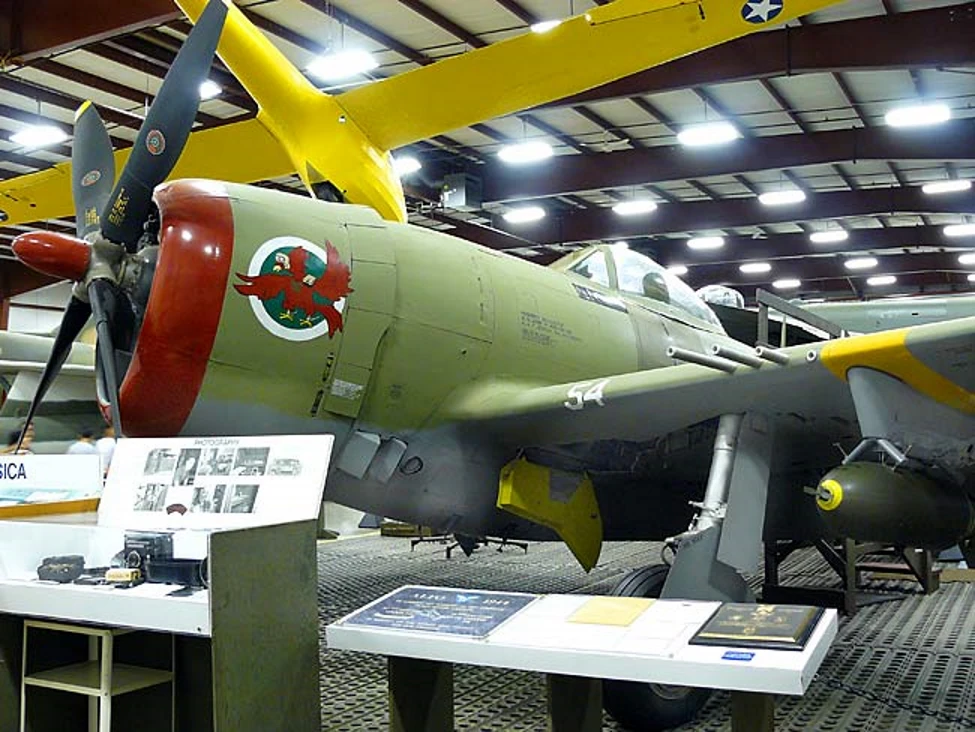
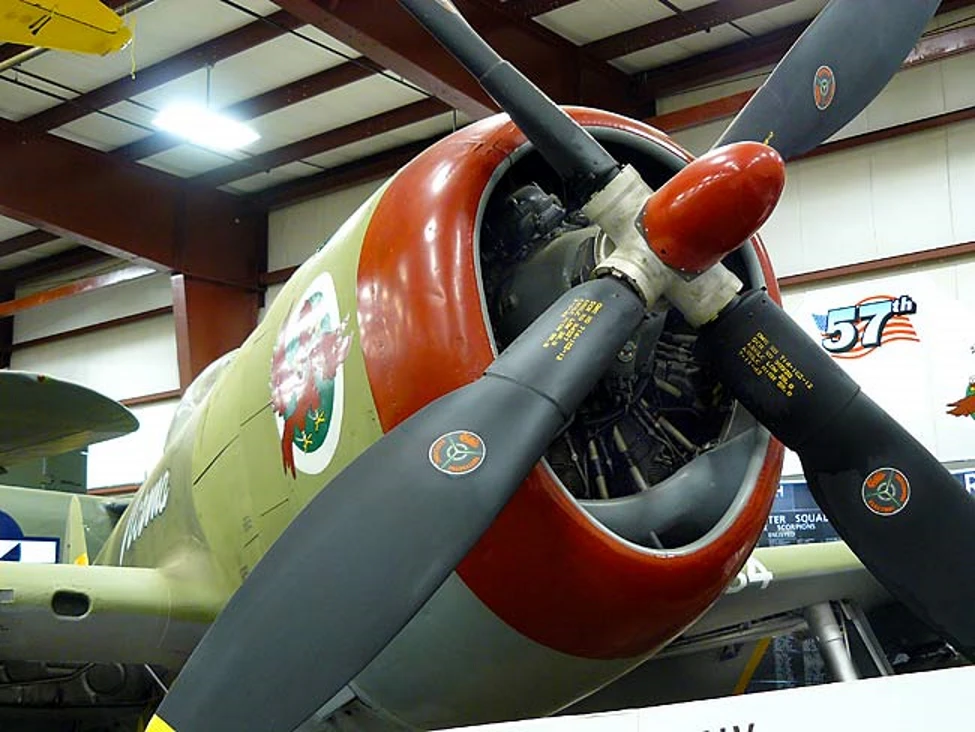
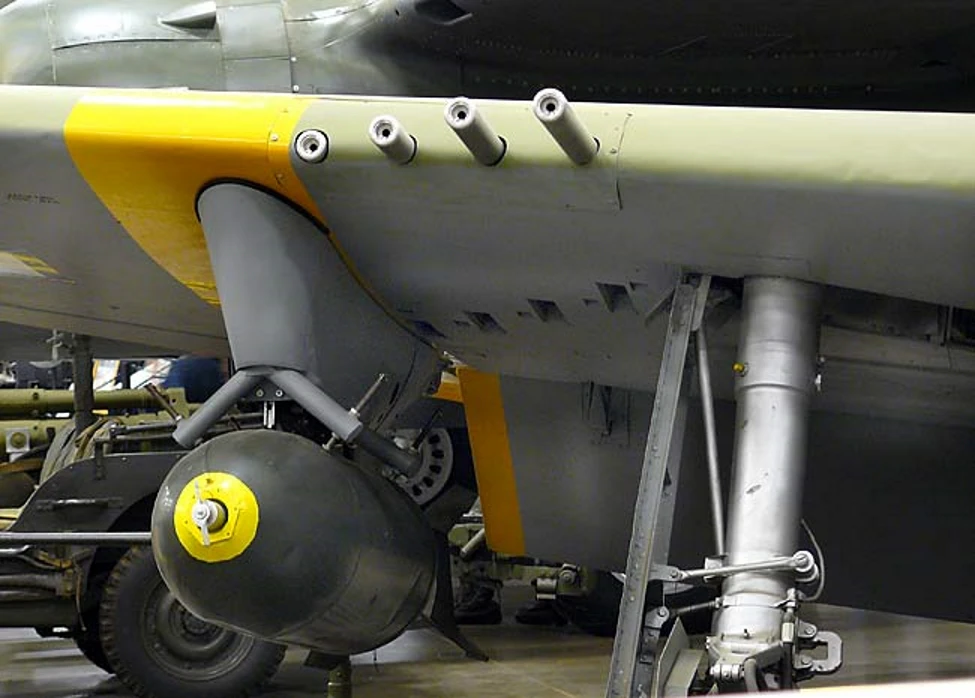
| Republic P-47D Thunderbolt Walk Around | |
|---|---|
| Фотограф | Vladimir Yakubov |
| Локалізацією | Музей авіації Палм-Спрінгс |
| Фото | 143 |
A Heavyweight Legend
У 201 P-47D Thunderbolt was the most-produced version of the largest and heaviest single-engine fighter of World War II. Affectionately nicknamed “The Jug” (short for Juggernaut), it was built around the massive Double Wasp engine and a complex turbo-supercharging system. While it lacked the graceful lines of the Mustang, the P-47D was a monster of durability and firepower. It could survive incredible battle damage that would disintegrate other aircraft, making it the premier ground-attack platform and high-altitude escort of the European Theater.
| Attribute | Technical Specification (P-47D-25) |
|---|---|
| Роль | Fighter / Fighter-Bomber |
| команда | 1 (Pilot) |
| First Flight (P-47) | May 6, 1941 |
| Силова установка | 1 × Pratt & Whitney R-2800-59 Double Wasp radial |
| Horsepower | 2,535 hp (with water injection) |
| Максимальна швидкість | 433 mph (697 km/h) at 30,000 ft |
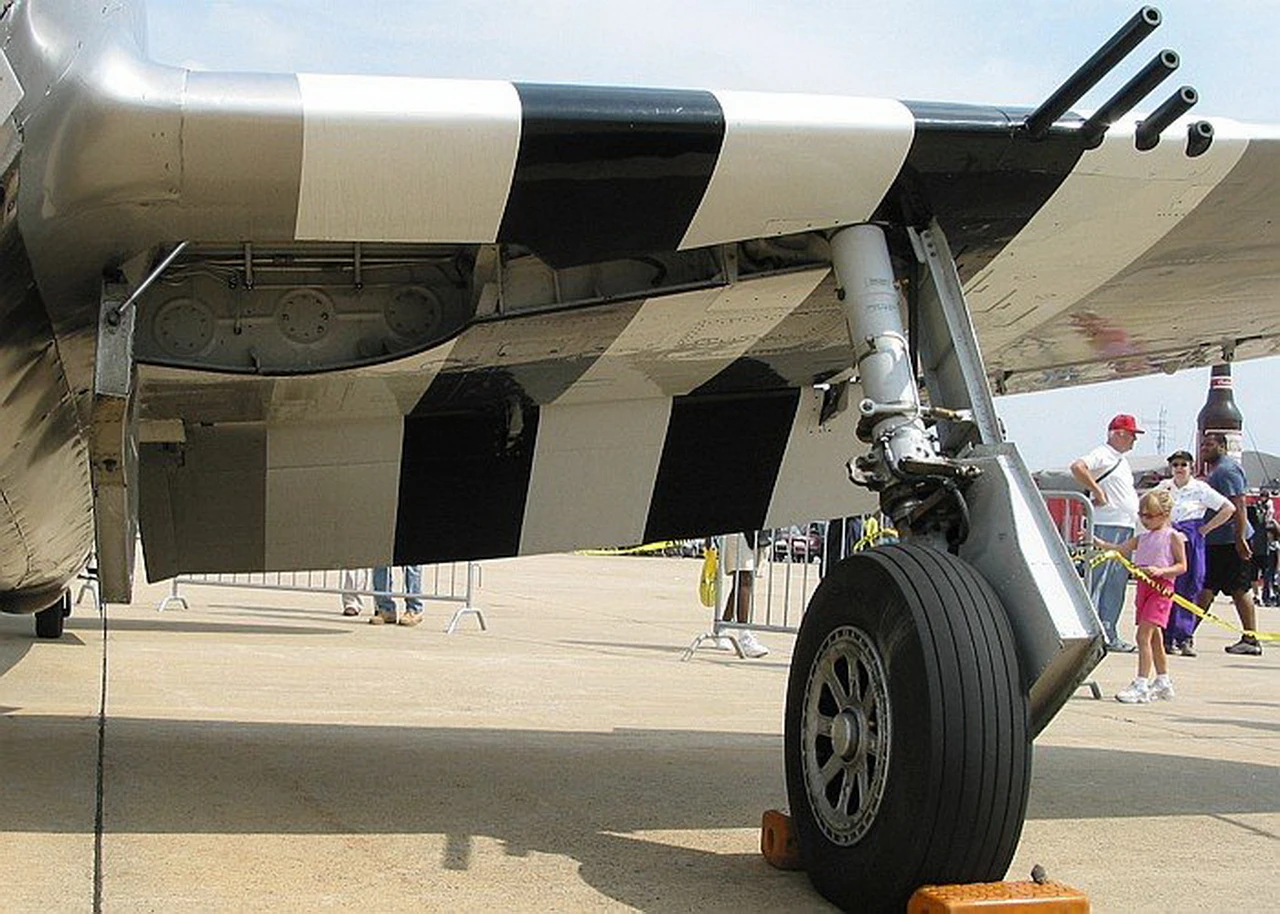
| Зброя | 8 × .50 cal (12.7 mm) M2 Browning machine guns |
| Вантажопідйомність | Up to 2,500 lbs (1,134 kg) of bombs or 10 rockets |
Design Highlights: The Turbine and the Bubble
- Turbo-Supercharger System: The secret to the P-47’s high-altitude performance was the massive turbocharger located in the зад of the fuselage. Exhaust gases were piped all the way back to the tail to spin a turbine, which then sent compressed air back to the engine.
- The “Bubble” Canopy: Early “Razorback” P-47Ds had a high fairing behind the pilot. Starting with the D-25 variant, Republic introduced a teardrop-shaped bubble canopy, giving pilots 360-degree visibility—a vital advantage in dogfights.
- Eight Machine Guns: Unlike the Mustang or Spitfire, the P-47 carried a staggering eight .50 caliber machine guns. This massive volume of fire was capable of shredding locomotives, tiger tanks, and enemy aircraft alike.
- Paddle-Blade Propeller: To translate the engine’s massive torque into thrust, late D-models used wide “paddle-blade” propellers, which significantly improved the aircraft’s rate of climb.
“The Jug” in Action
- Unrivaled Ruggedness: The P-47 was legendary for its ability to take hits. Stories abound of pilots returning with entire cylinders blown off their engines or large sections of wings missing, yet the “Jug” kept flying.
- The Diving Specialist: Weighing nearly 15,000 lbs fully loaded, the P-47 could out-dive any aircraft in the world. Pilots used this weight to engage in “boom and zoom” tactics, diving through enemy formations and using their momentum to climb back to safety.
- Zemke’s Wolfpack: The 56th Fighter Group, led by Hubert “Hub” Zemke, became one of the highest-scoring units of the war exclusively flying the P-47. They proved that in the hands of a skilled pilot, the heavy Jug could outmaneuver the Bf 109 and Fw 190.
- Ground Attack Terror: In the months following D-Day, P-47s became the “flying artillery” of the Allied advance. They destroyed thousands of German tanks, trucks, and trains, effectively paralyzing the Wehrmacht’s movement during daylight hours.
Кількість переглядів : 17991
Ви також можете побачити:
 EmSuper Tucanobraer EMB 314 – Фото & Відео
 Boeing 80 – Фото та відео
 Lockheed C-5 Galaxy – Фото & Відео
 Canadair CF-104 Starfighter – Фото та відео
 SPAD S.XIII – Фото & Відео
 Lockheed P-38 Lightning – фото та відео
 A-7B Корсар II – мобільний
 Lockheed F-22A Raptor – фото та відео
 Су Су-27 – оминний
 P-47G Грімболт – обхід