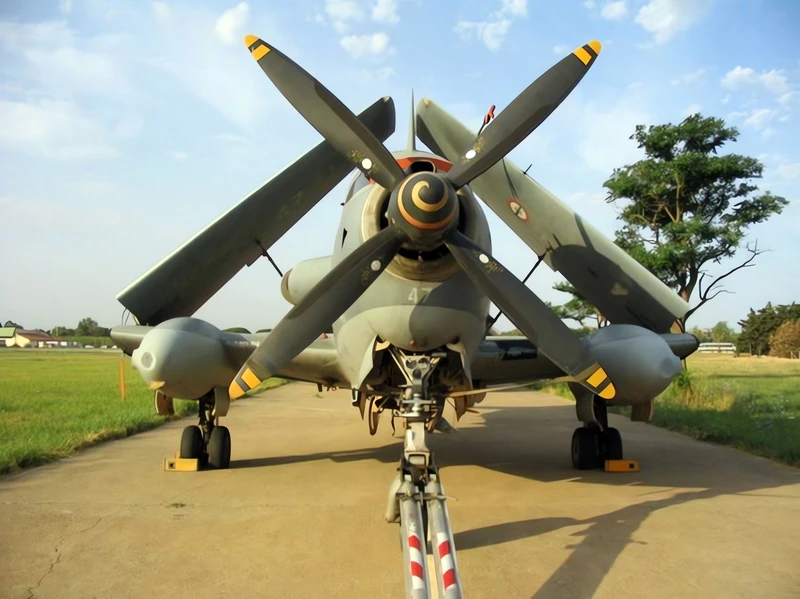
Бреге Br.1150 Атлантика | |
|---|---|
| Країні | Франція |
| Роль | Морський патрульний літак дальнього радіусу дії |
| Перший політ | 21 жовтня 1961 |
| Побудований | 87+28 |
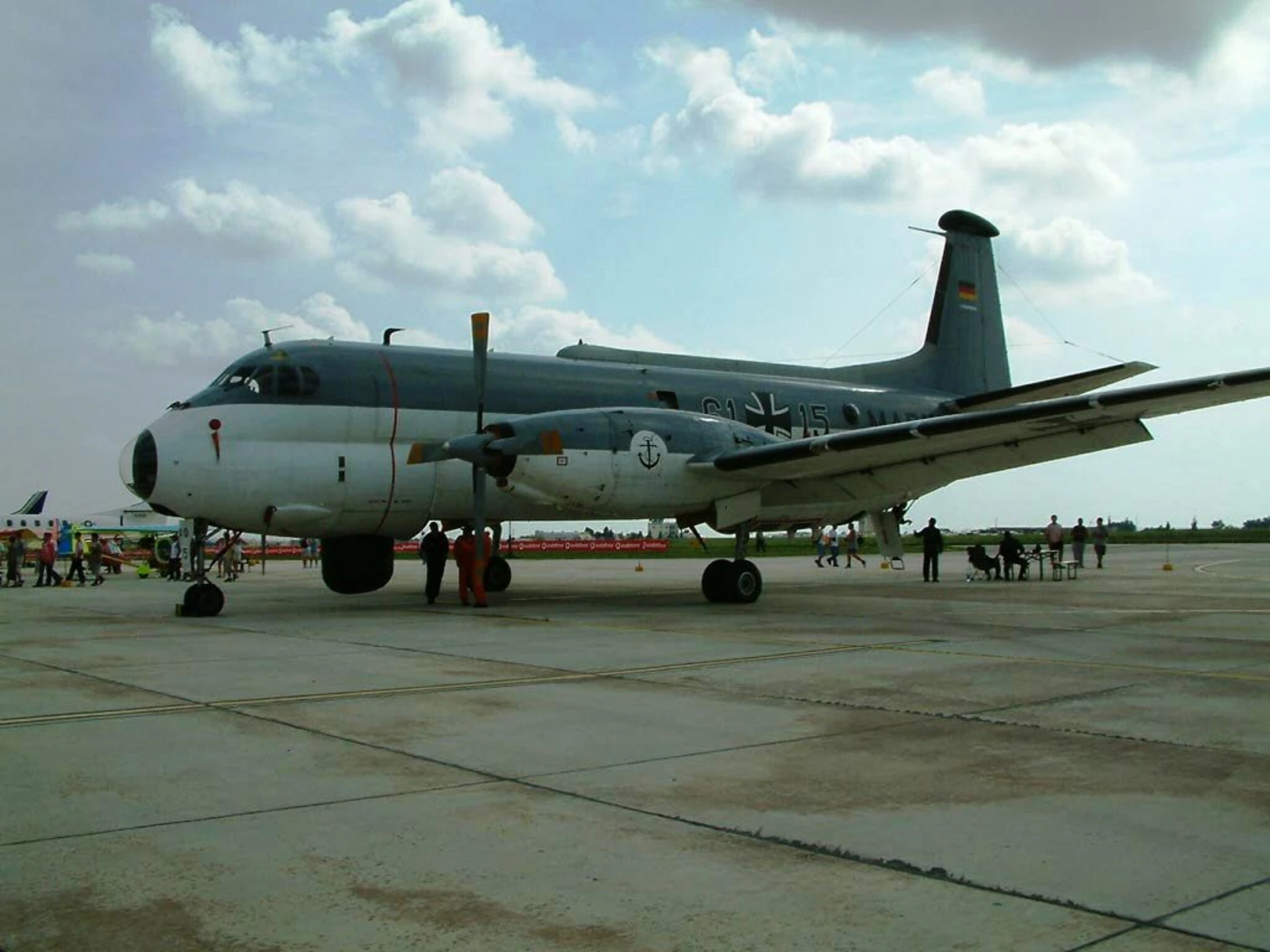
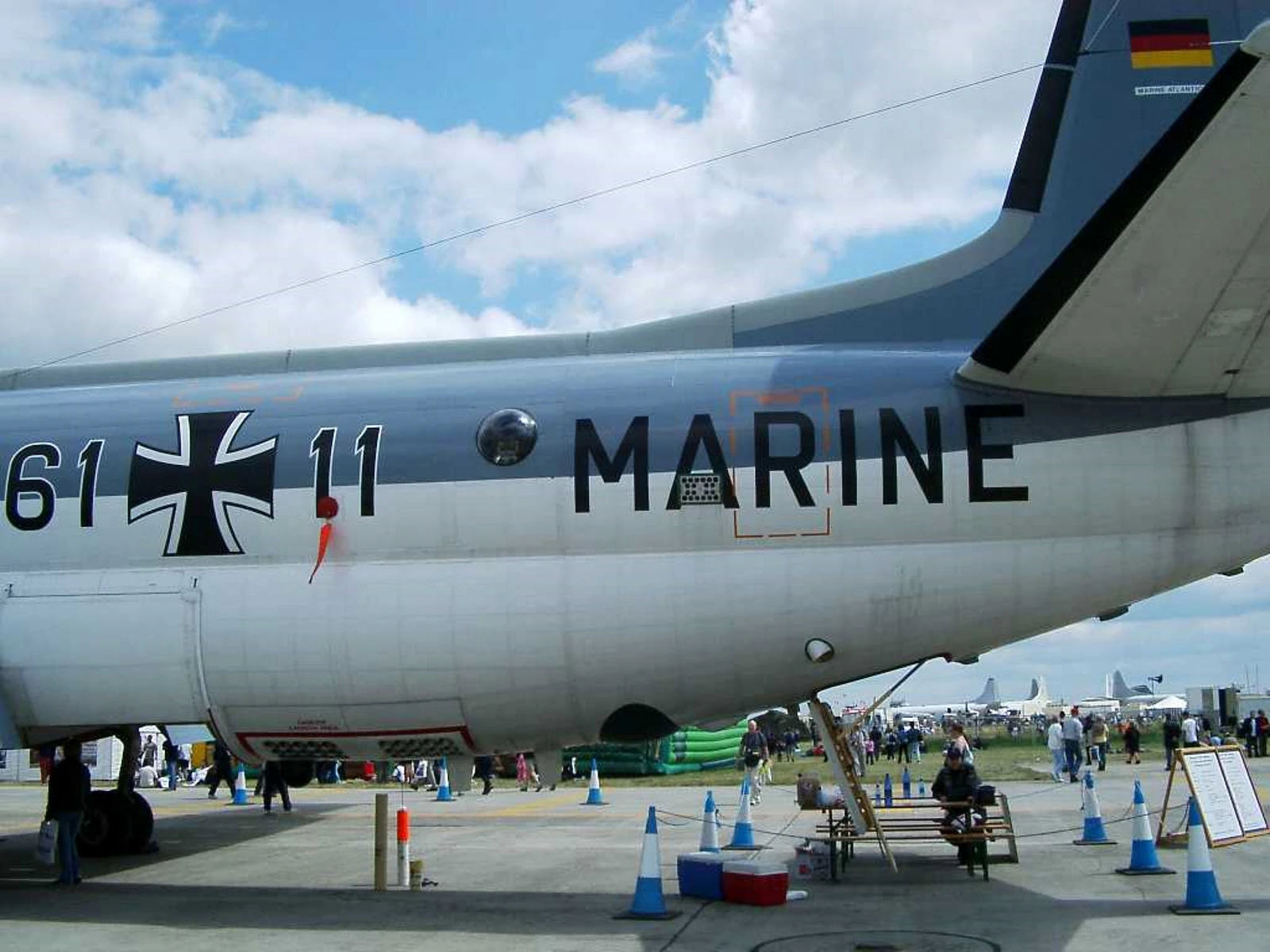
Фотогалерея Бреге Br.1150 Атлантика, The Breguet Br.1150 Atlantic is a long-range maritime patrol aircraft designed and manufactured by Breguet Aviation. Introduced to service in 1965, it has been operated by several NATO countries, commonly performing maritime roles such as reconnaissance and anti-submarine warfare. The Atlantic is also capable of carrying air-to-ground munitions to perform ground-attack missions; a small number of aircraft were also equipped to perform ELINT operations. An updated version, the Atlantique 2 or ATL2, was produced by Dassault Aviation for the French Navy in the 1980s. Other operators of the Atlantic have included the German Navy, the Italian Air Force, the Pakistan Navy, and the Royal Netherlands Navy.
Джерело: Бреге Br.1150 Атлантика на Вікі
| Breguet Br.1150 Atlantic | |
|---|---|
| Фотограф | Карл-Хайнц Феллер |
| Локалізацією | Незнай |
| Фото | 62 |
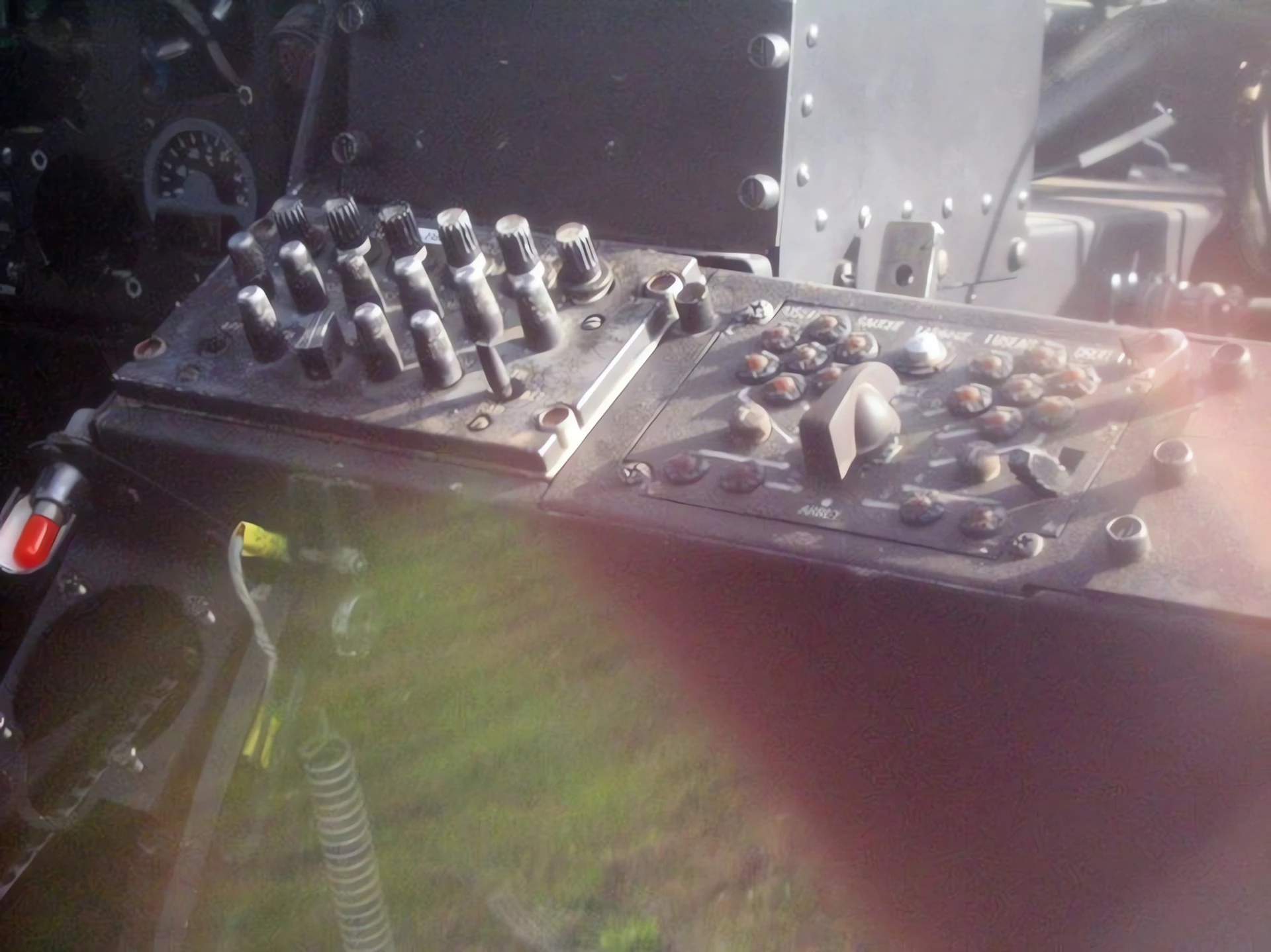
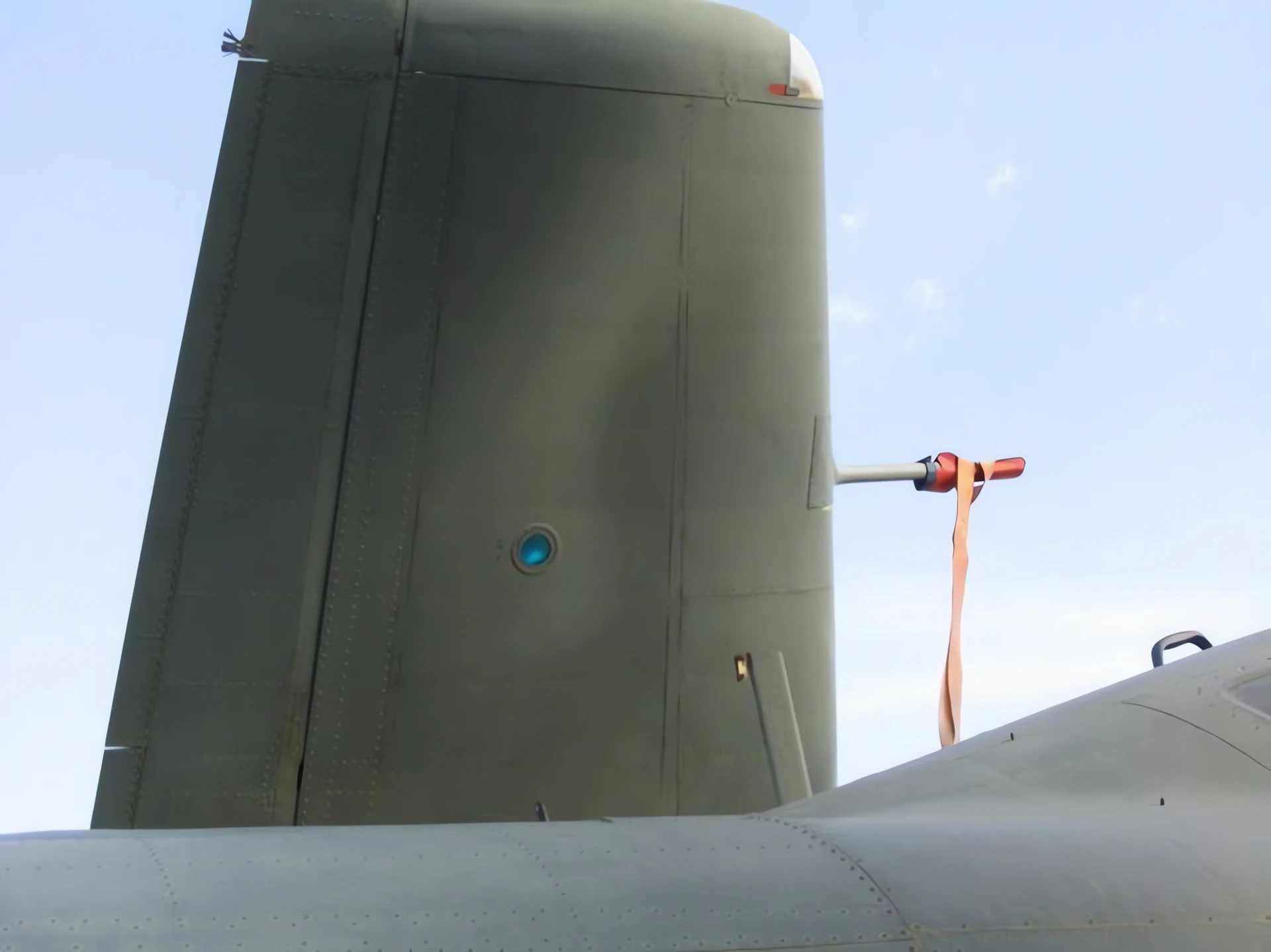
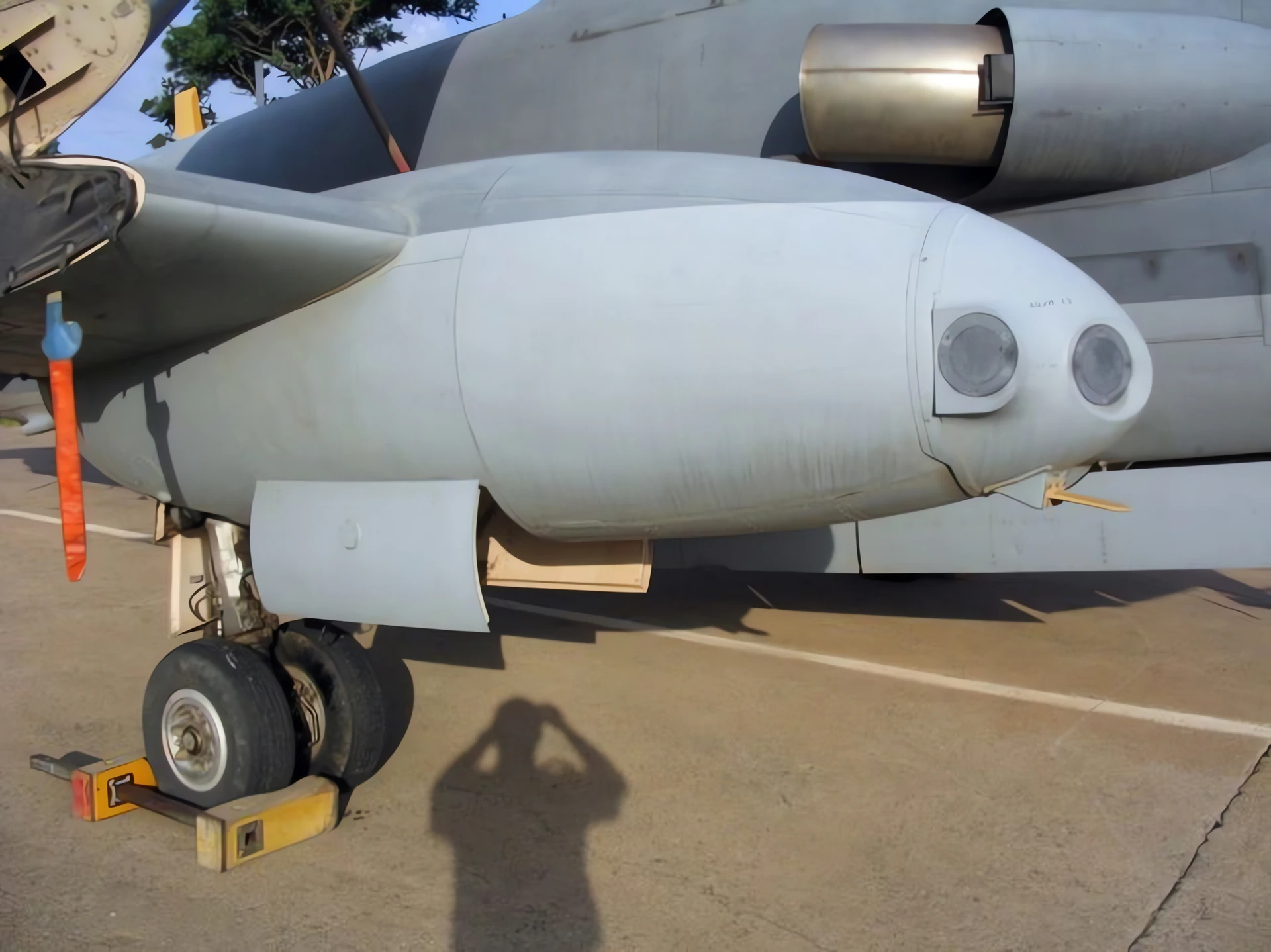
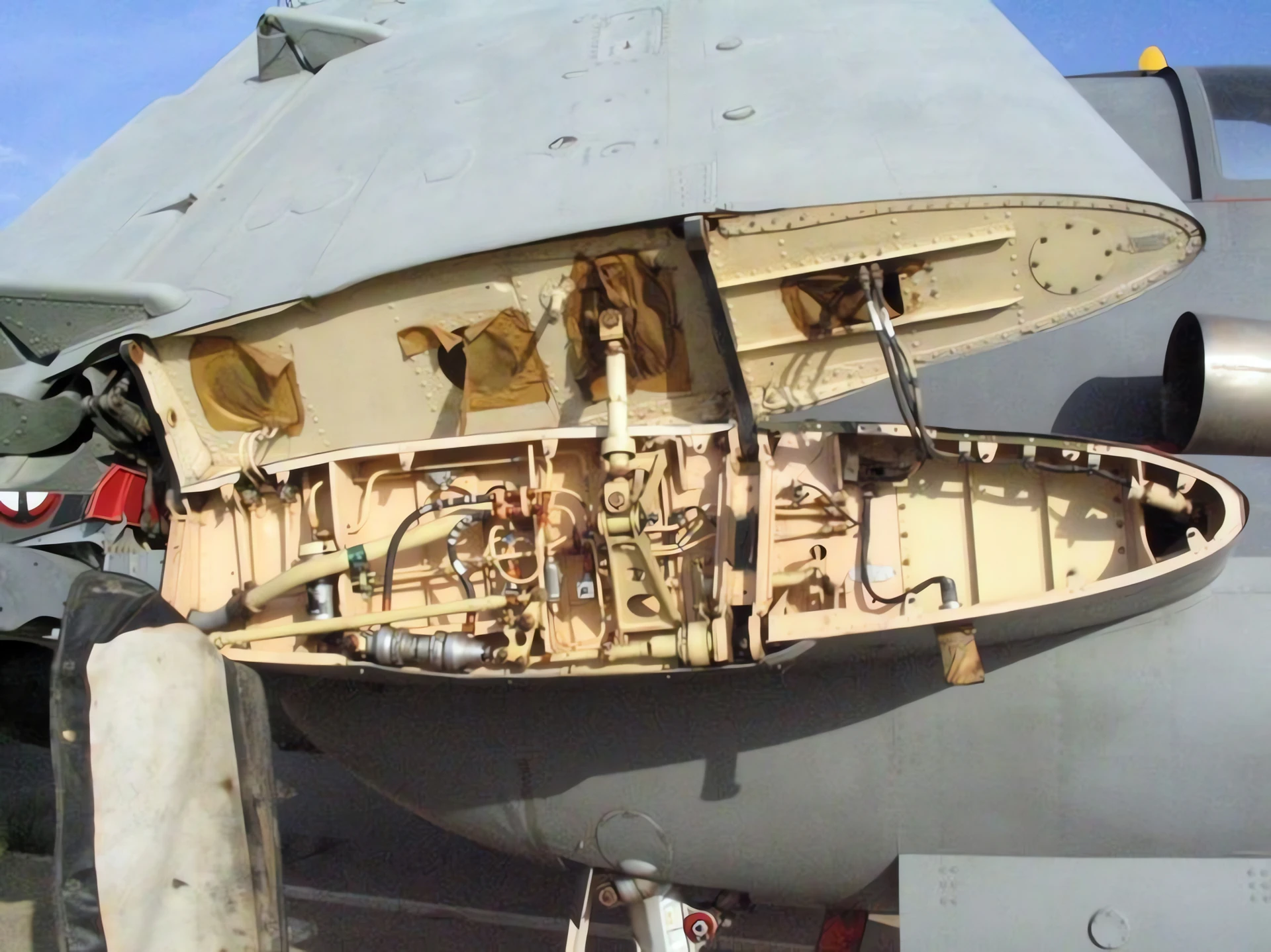
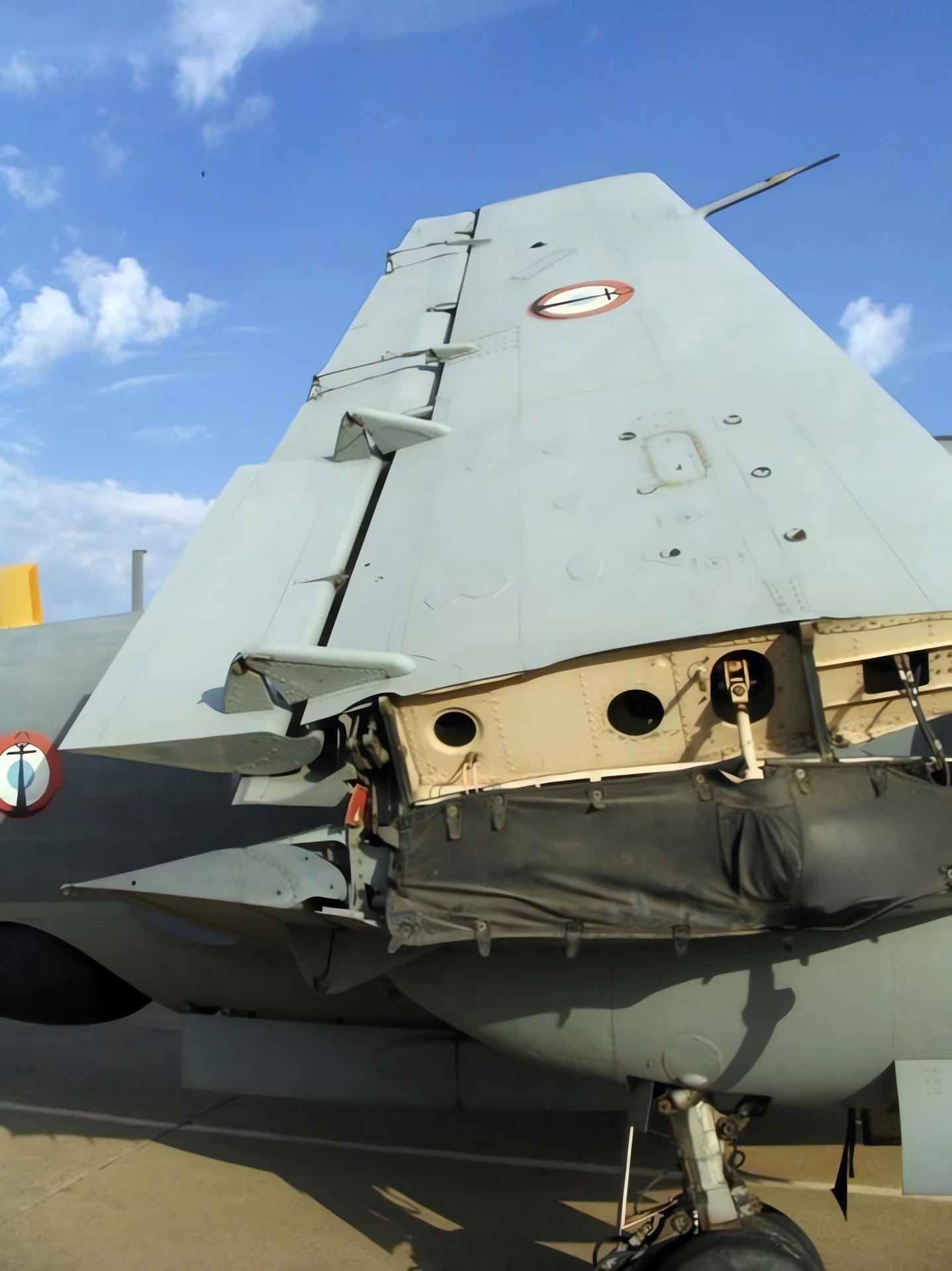
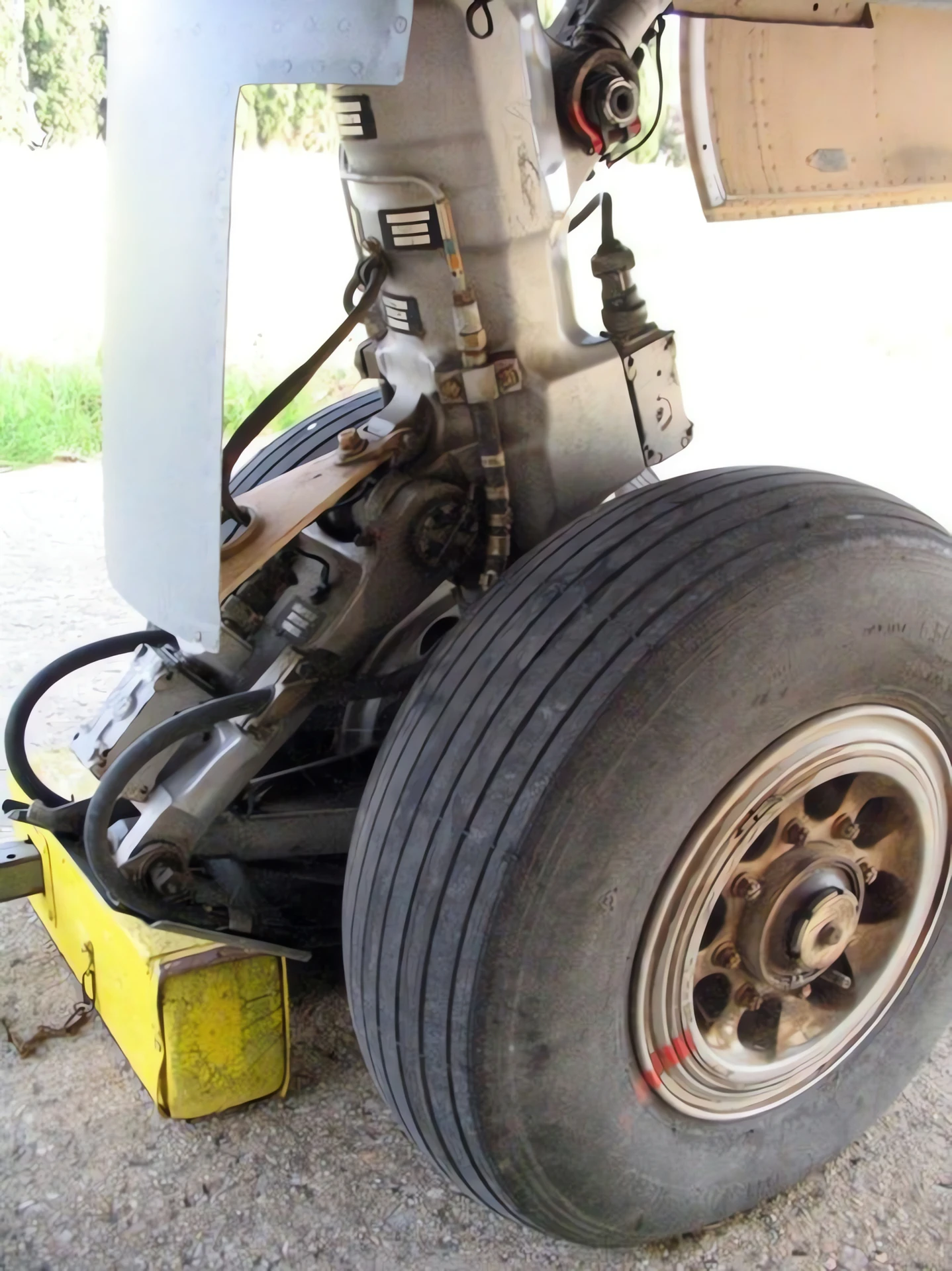
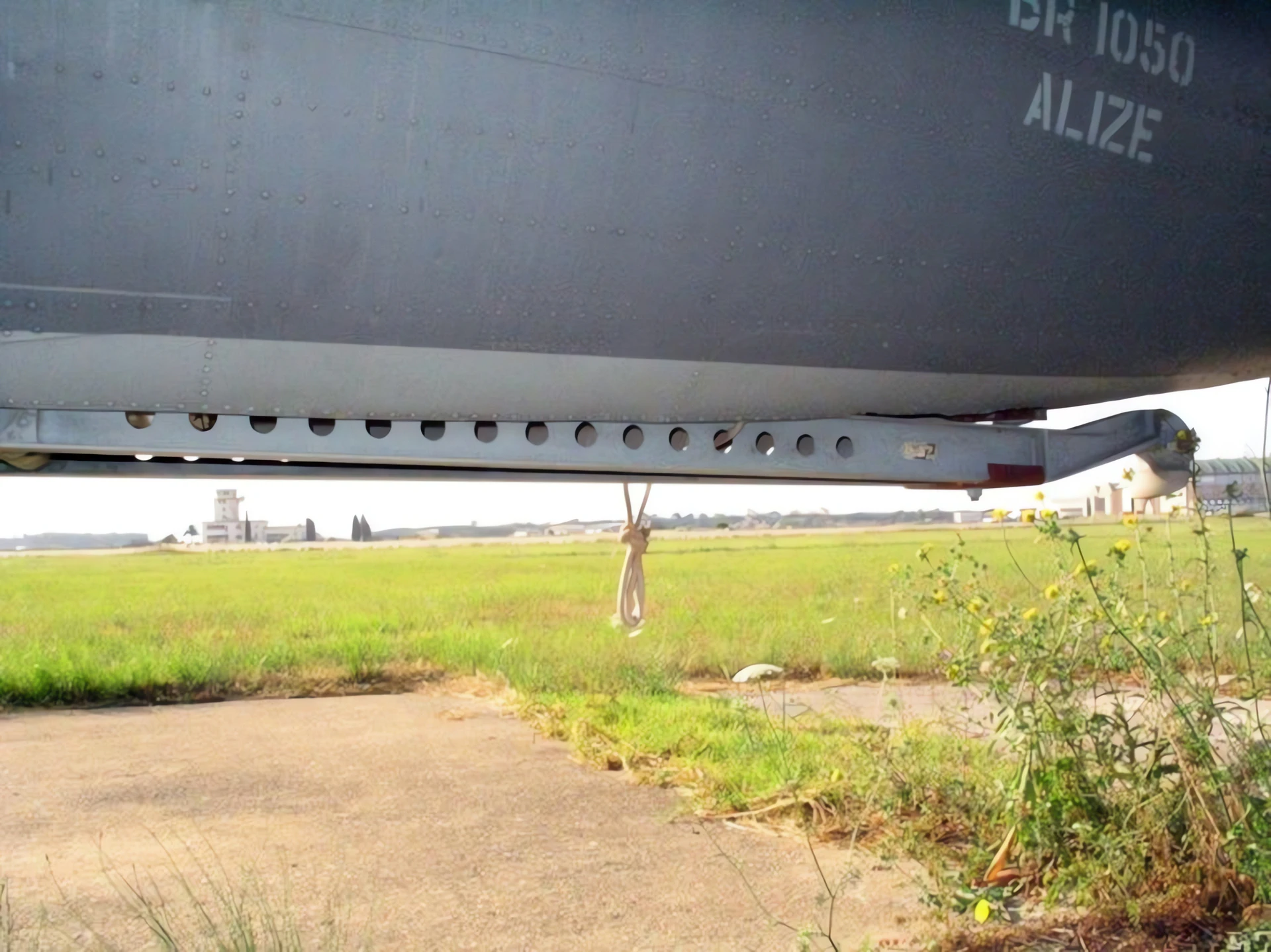
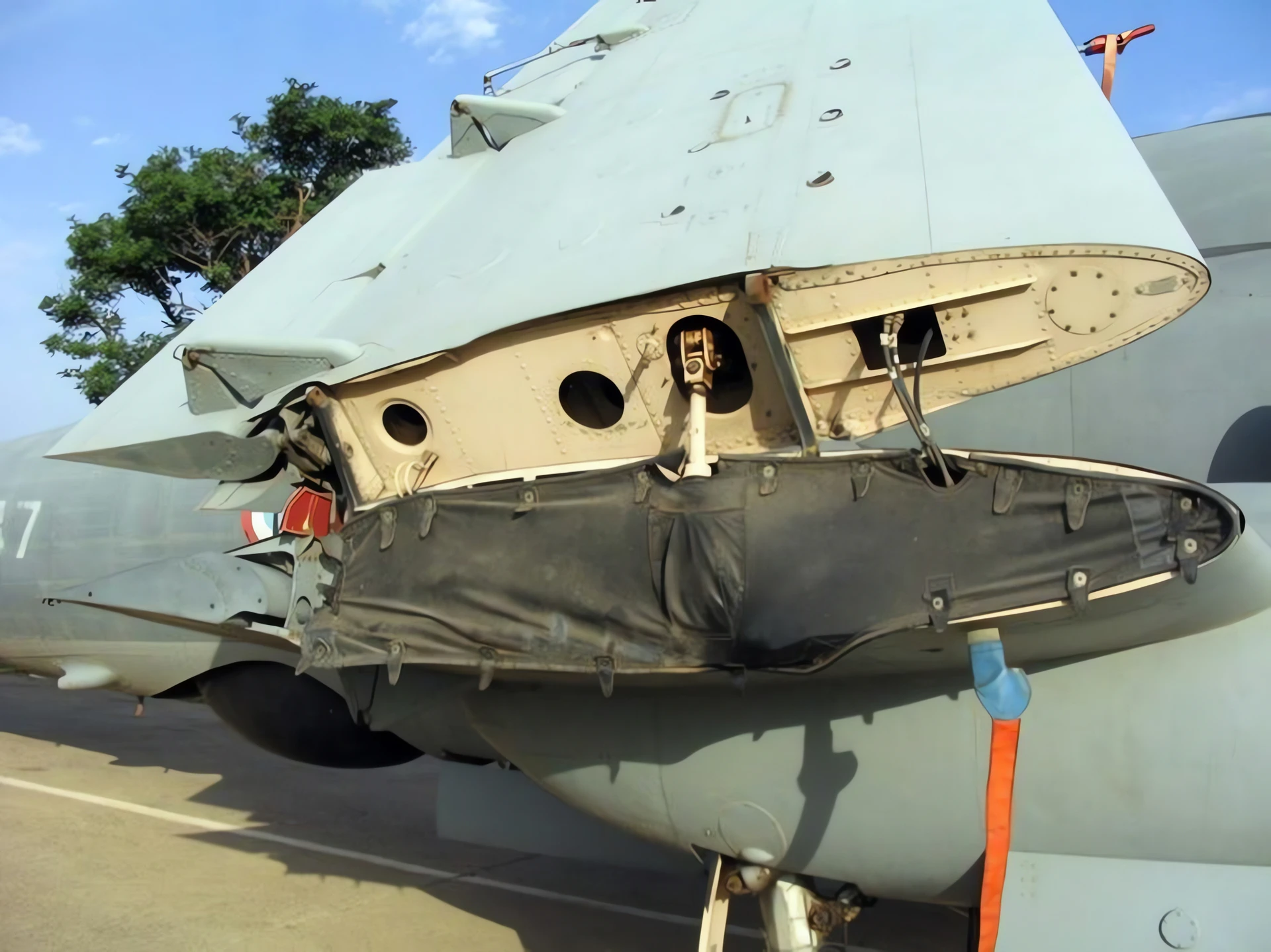
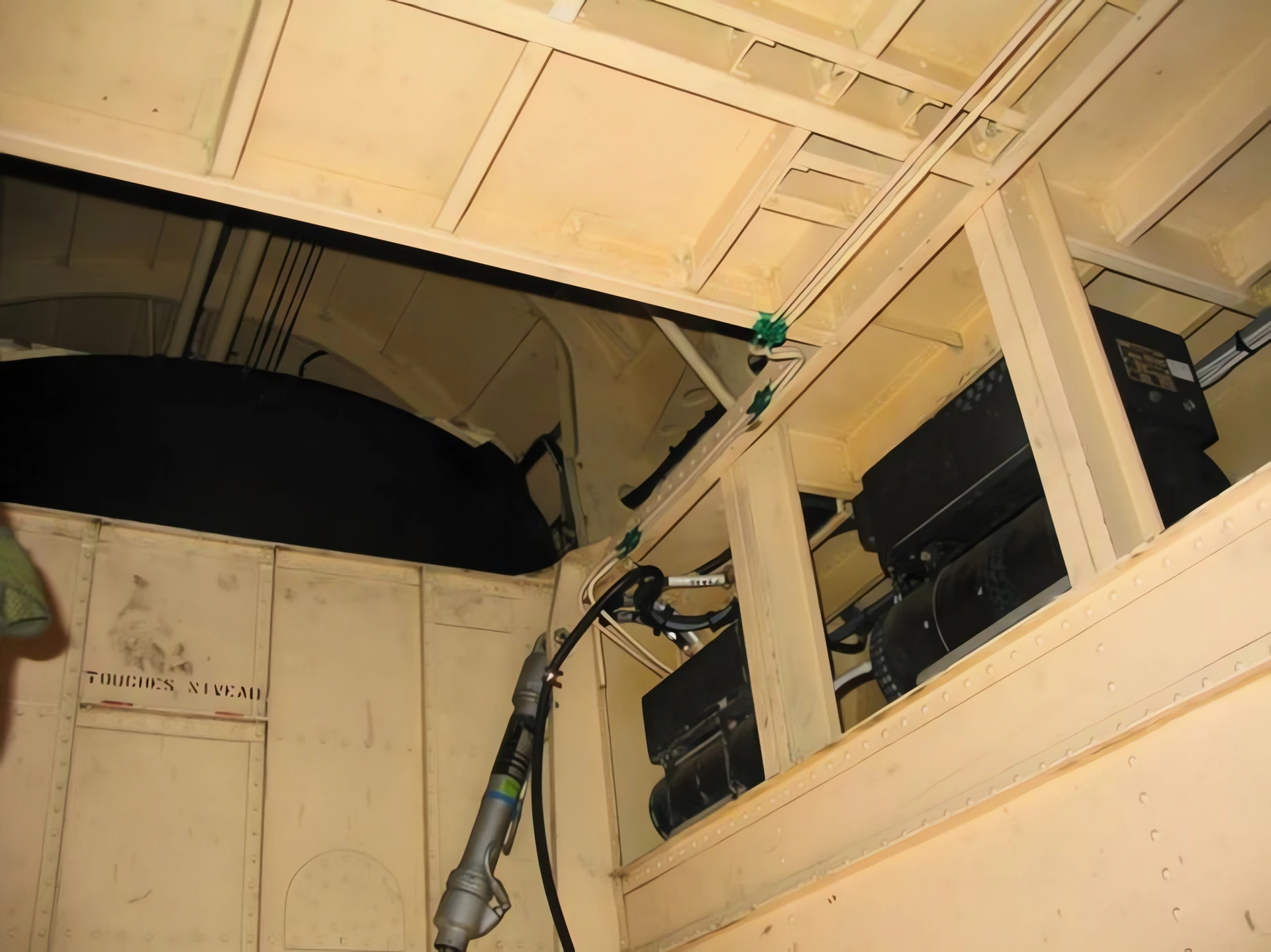

| Breguet Atlantic Walk Around | |
|---|---|
| Фотограф | Говард Мейсон |
| Локалізацією | Незнай |
| Фото | 40 |
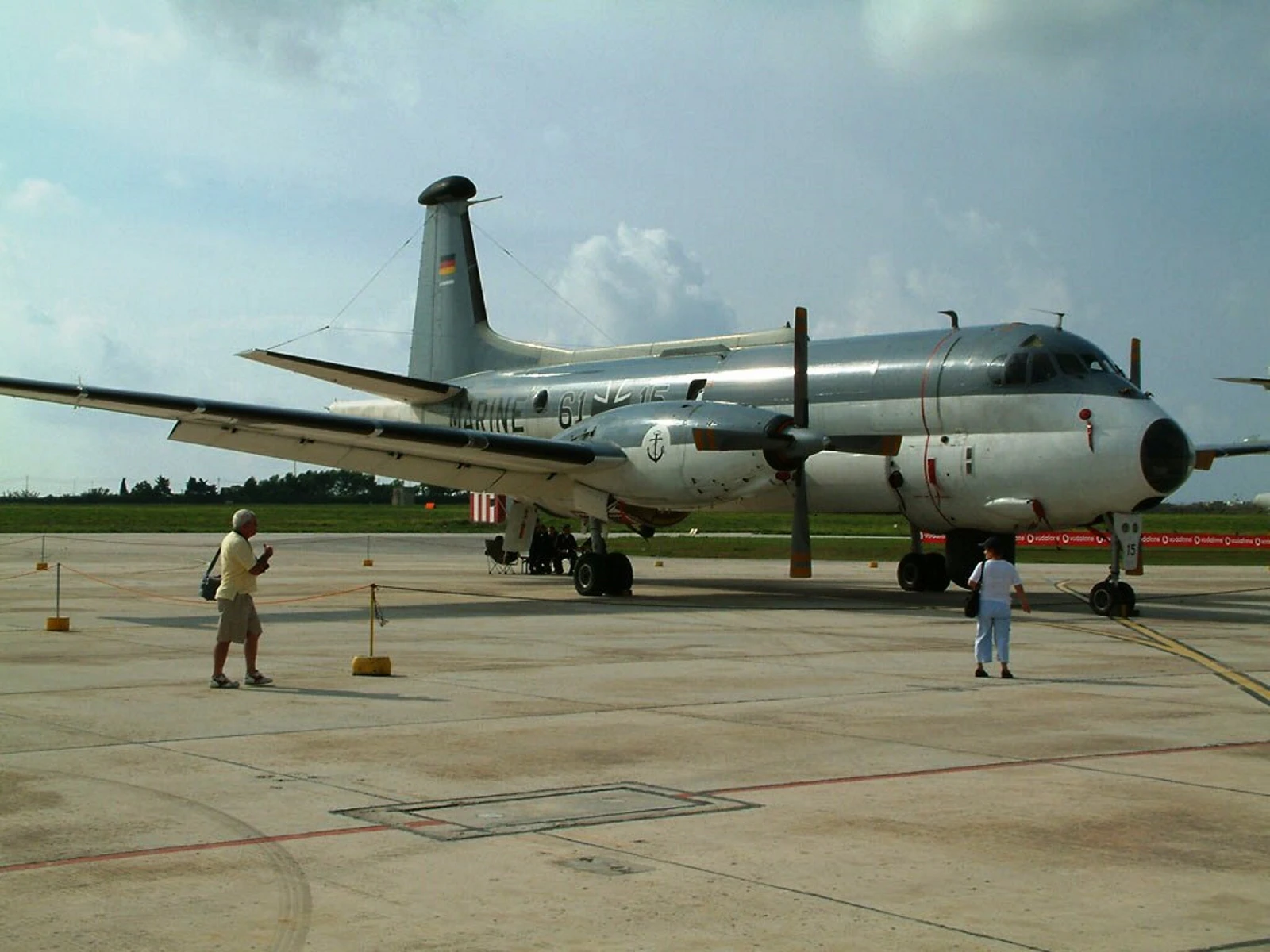
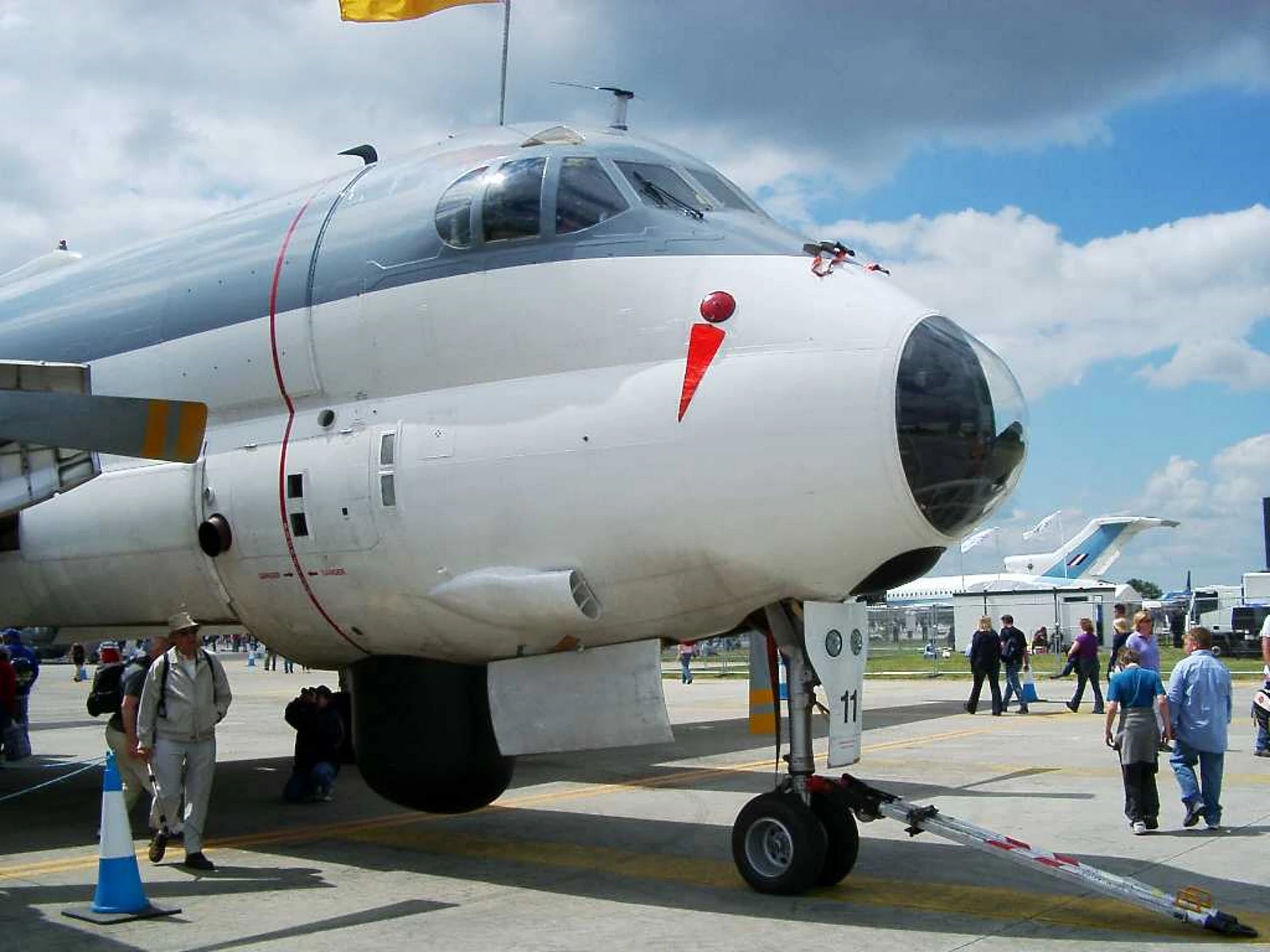
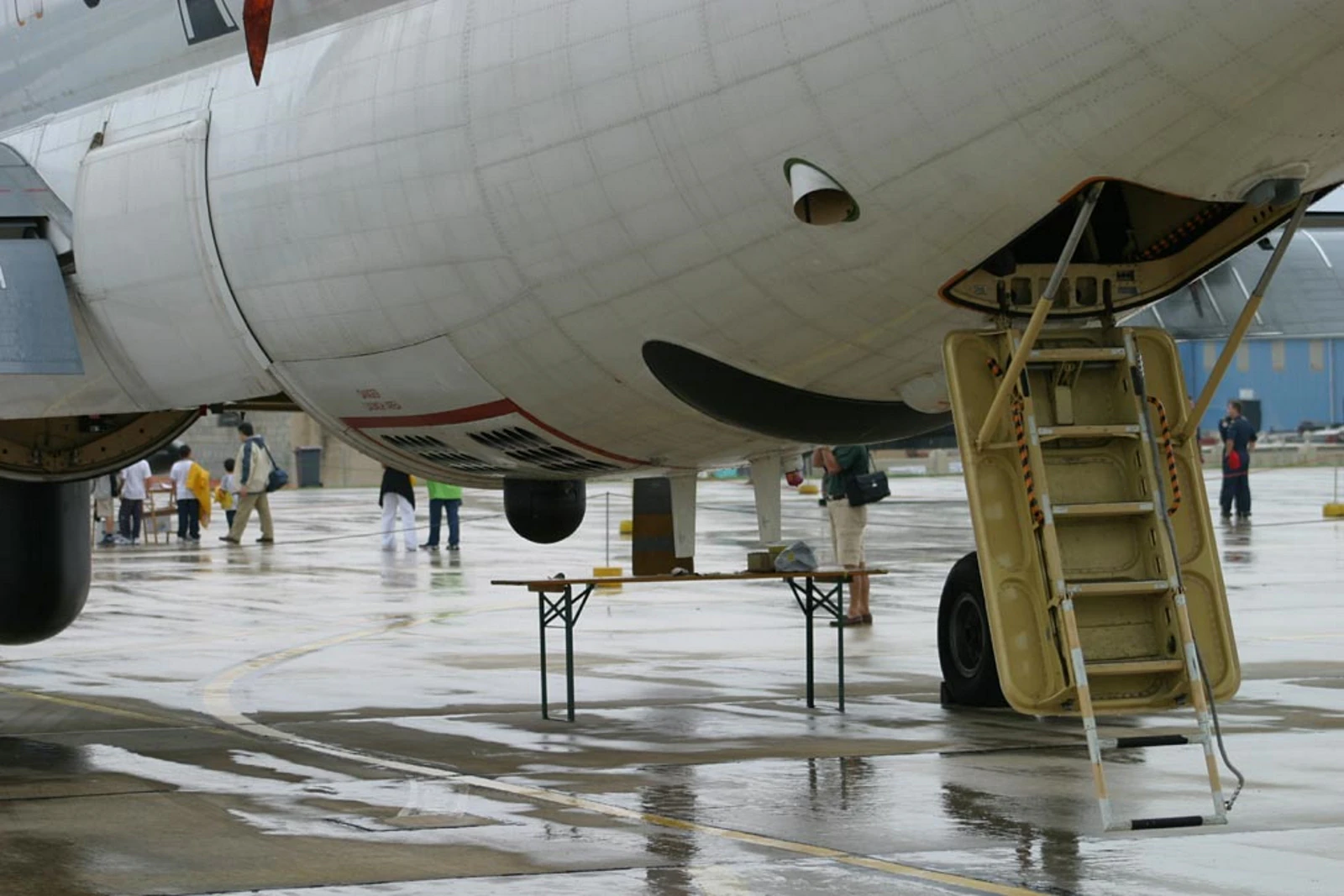
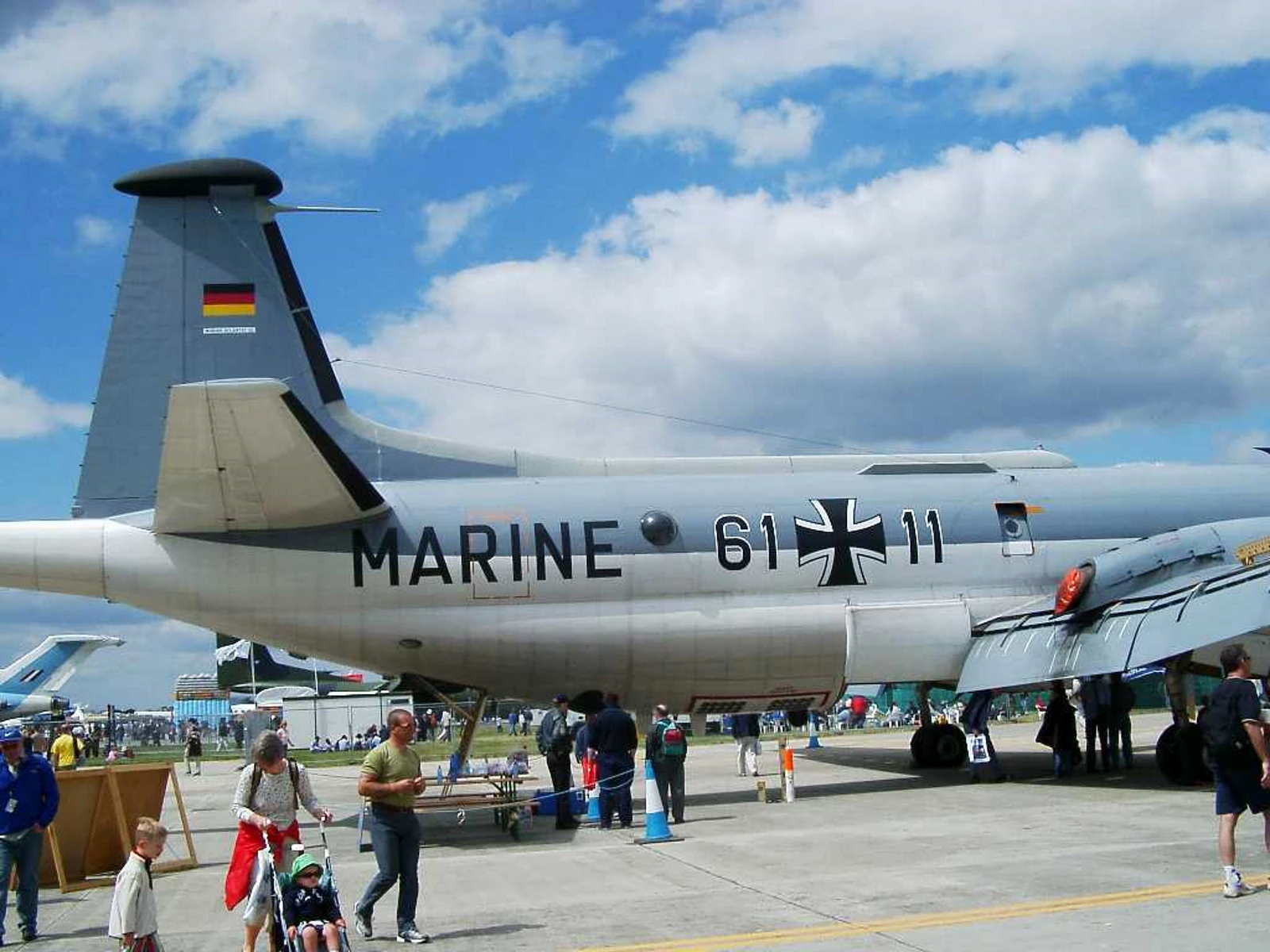
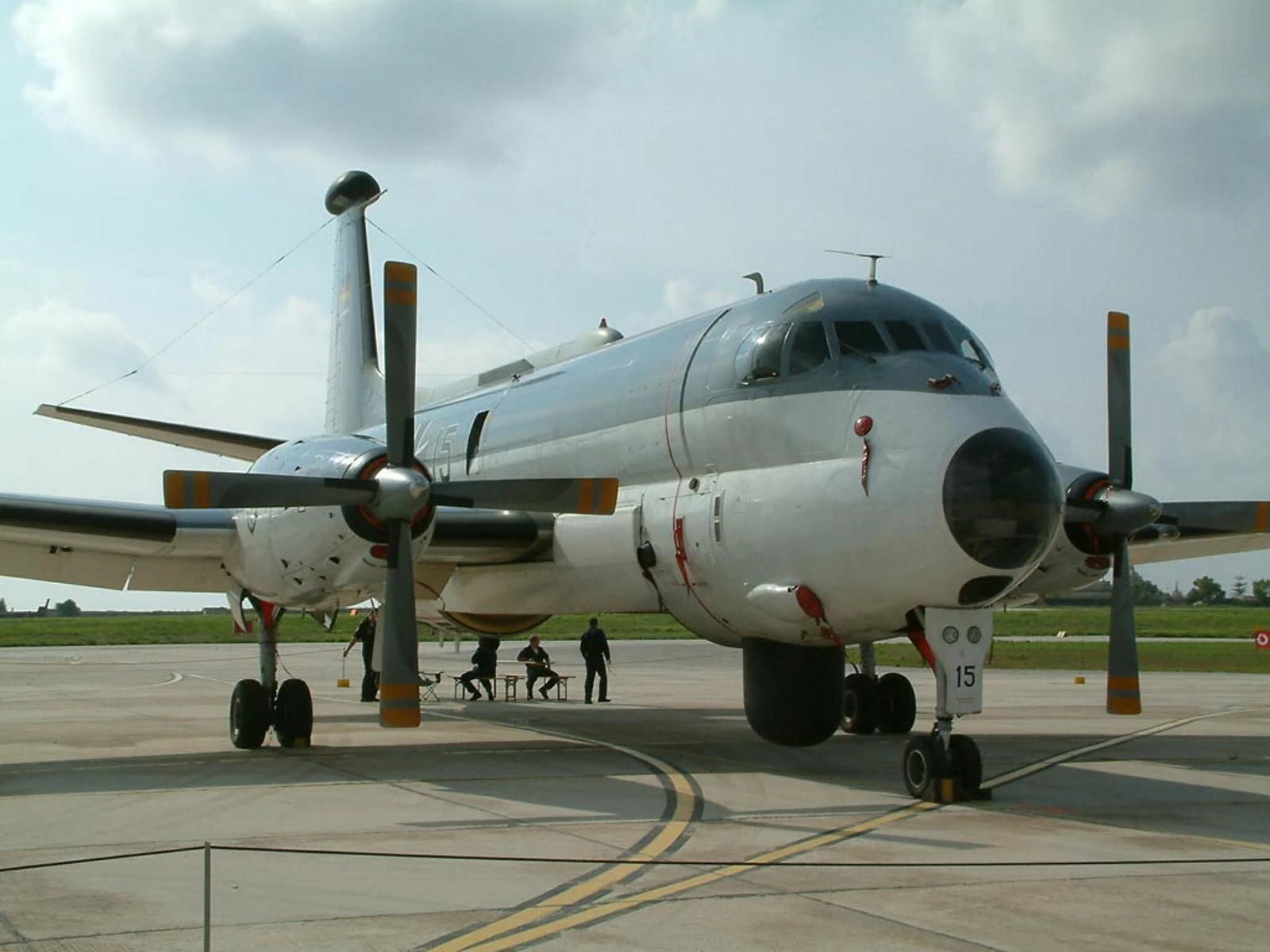
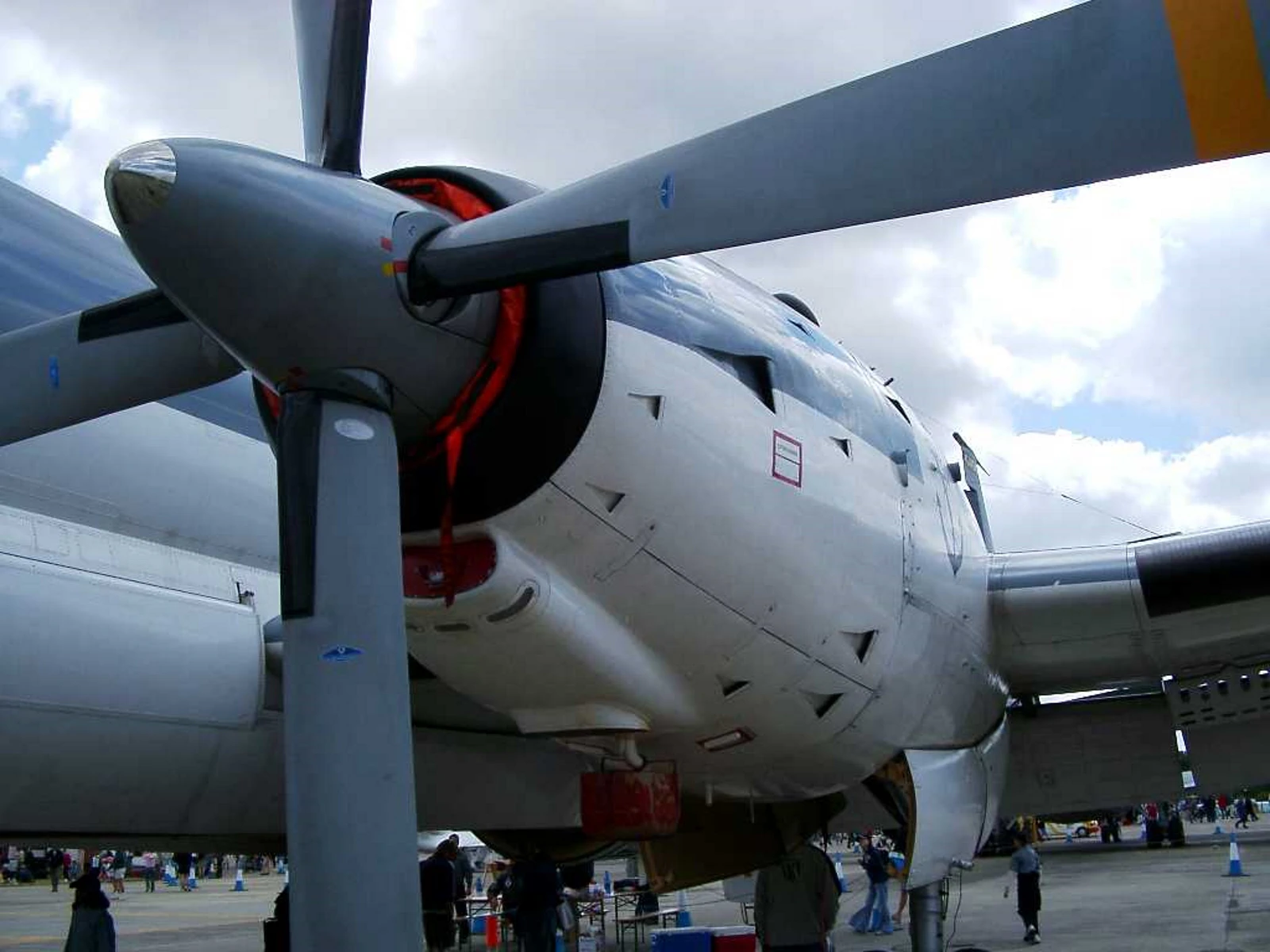
| Breguet Br 1150 Atlantic (ATL1) Walk Around | |
|---|---|
| Фотограф | Unknow |
| Локалізацією | Незнай |
| Фото | 41 |
 Купи мені каву
| Atlantic Walk Around | |
|---|---|
| Фотограф | Unknow |
| Локалізацією | Незнай |
| Фото | 113 |
Читайте також:


| Breguet Br1150 Atlantic MPA Walk Around | |
|---|---|
| Фотограф | Unknow |
| Локалізацією | Незнай |
| Фото | 25 |
The NATO Standard Hunter
У 201 Бреге Br.1150 Атлантика holds a unique place in aviation history as the only aircraft ever designed from the ground up specifically for Maritime Patrol and Anti-Submarine Warfare (ASW). Most of its rivals (like the P-3 Orion or the Nimrod) were converted from civilian airliners. Born from a 1958 NATO competition, the Atlantic was built by a multinational European consortium to patrol the vast waters of the Atlantic and Mediterranean, tracking Soviet submarines during the height of the Cold War. It is a true “endurance” machine, capable of staying airborne for 18 hours at a time.
| Attribute | Technical Specification (Atlantic 1) |
|---|---|
| Роль | Maritime Patrol Aircraft (MPA) / ASW |
| команда | 12 (4 Flight Crew, 8 Sensor Operators) |
| First Flight | October 21, 1961 |
| Силова установка | 2 × Rolls-Royce Tyne RTy.20 Mk 21 turboprops |
| Horsepower | 6,100 ehp (4,500 kW) each |
| Максимальна швидкість | 650 km/h (400 mph) |
| Endurance | 18 hours / 9,000 km (4,860 nmi) range |
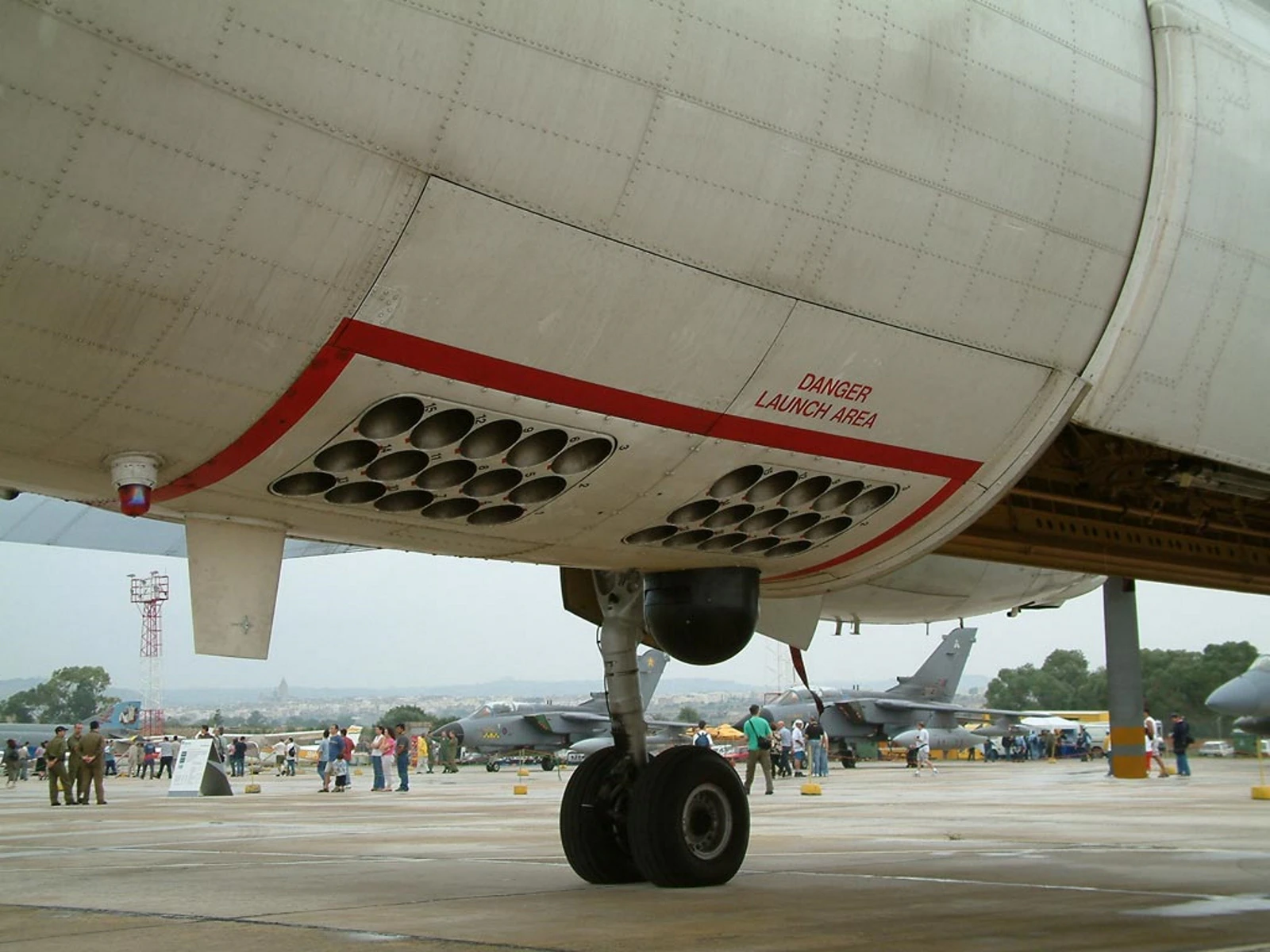
| Зброя | Internal bomb bay: Torpedoes, Depth Charges, Exocet Missiles |
Engineering: The Double-Bubble Hull
- The “Double-Bubble” Fuselage: The fuselage is cross-sectioned like a figure-8. The upper pressurized section houses the 12-man crew and sensitive electronics, while the unpressurized lower section contains a massive 9-meter long bomb bay and the radar equipment. [Image diagram showing the Atlantic’s figure-8 fuselage cross-section]
- The MAD Boom: Protruding from the tail is a long, needle-like spike called the Magnetic Anomaly Detector (MAD). It detects the minute changes in the Earth’s magnetic field caused by the steel hull of a submerged submarine.
- Integrated Sensor Suite: The Atlantic was a pioneer in sensor fusion. It carries a retractable radar “dustbin” under the nose, sonobuoys that are dropped into the ocean to “listen,” and ESM (Electronic Support Measures) antennas on the wingtips to intercept enemy radio signals. [Image detail of the Atlantic tail boom and retractable radar dome]
- Multinational Power: Its Rolls-Royce Tyne engines were a marvel of efficiency, using four-bladed propellers to provide enough thrust for high-speed transit while remaining economical enough for low-altitude “loitering” just above the waves.
Operational History: ATL1 to ATL2
- The Atlantic 2 (ATL2): In the 1980s, the design was updated to the Atlantique 2. While the airframe remained similar, the internals were completely replaced with modern digital combat systems, making it one of the most effective sub-hunters in the world today.
- Search and Rescue (SAR): Beyond war, the Atlantic has saved countless lives. Its massive range and specialized observation windows make it perfect for spotting life rafts in the middle of the ocean during storms.
- Global Operators: While primarily a French aircraft, it was also used by the German Navy, Italian Air Force, Pakistan Navy, and the Dutch Navy. The German “SIGINT” variants were famous for eavesdropping on Soviet communications along the Baltic coast.
- The “Exocet” Threat: Unlike many patrol planes, the Atlantic is “teeth-heavy.” It can carry the AM.39 Exocet anti-ship missile, allowing it to strike surface ships from over the horizon before they even know they’ve been spotted.
Views : 5260
Ви також можете побачити:
 Breguet XIV - Фото та відео
 Bréguet 1050 Alizé – Фото & Відео
 Northrop YC-125 Raider – фото та відео
 Grumman AF Guardian – Фото та відео
 Fairey Delta 2 – Фото & Відео
 Хендлі Пейдж, Галіфакс - Фото та відео
 Grumman G-21 Goose – фото & відео
 Британський аерокосмічний Harrier II – фото та відео
 Фоке-Вульф FW-190 – Прогулянка Навколо
 Бреге БРЕ-14А – АЗ-модель Legato 7206