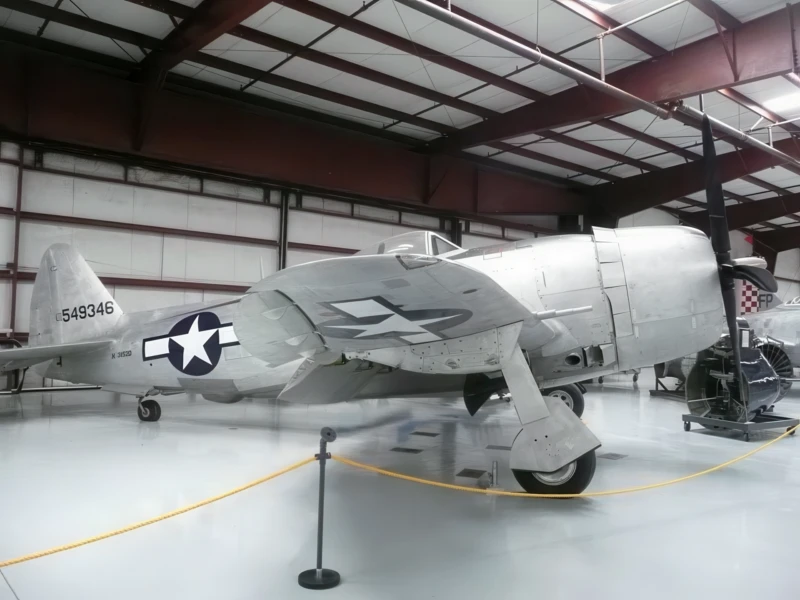
P-47D Tordenkile | |
|---|---|
| Land | Usa |
| Rolle | Jagerbomber |
| Første flyvning | 6. maj 1941 |
| Bygget | 15636 |
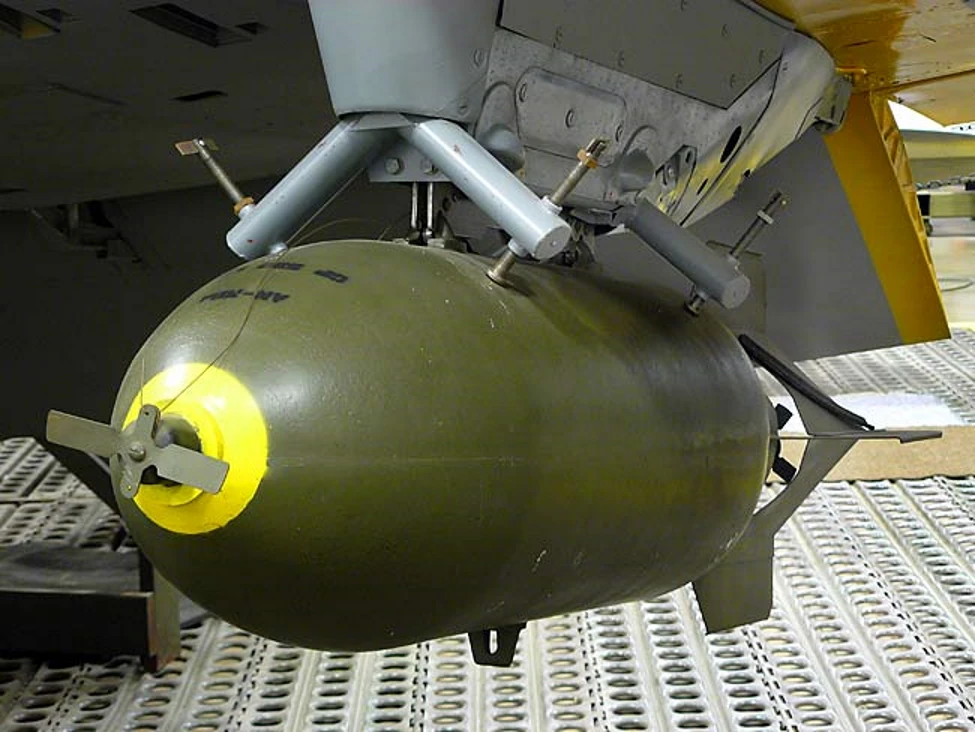
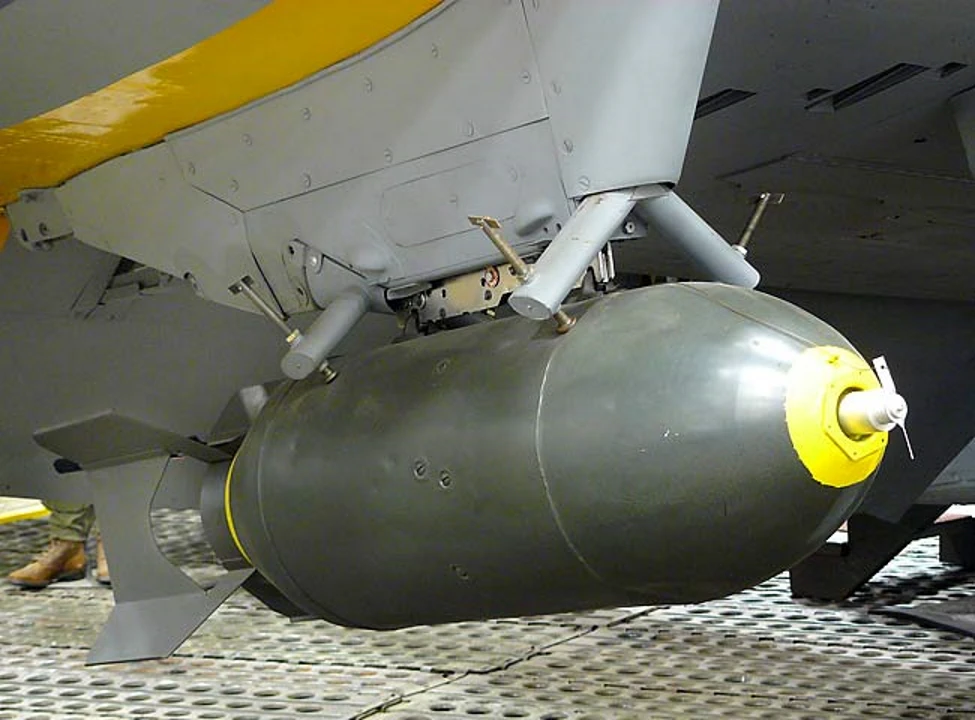
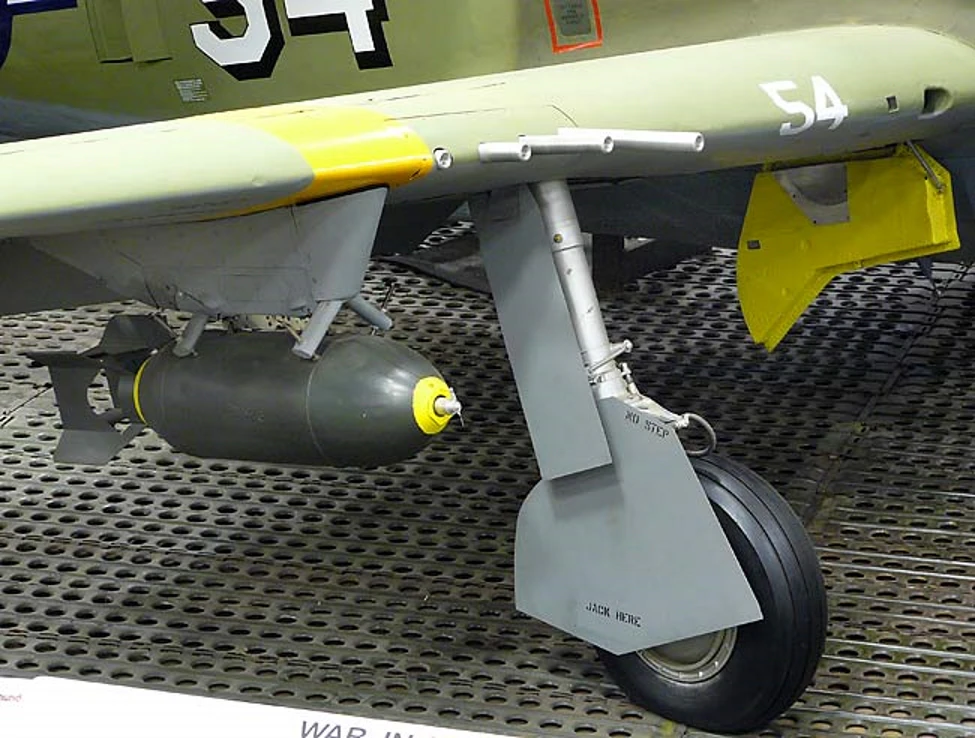
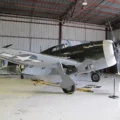
Den Republik P-47 Tordenkile verdenskrig var et jagerfly fra 2. verdenskrig produceret af USA fra 1941 til 1945. Dens primære bevæbning var otte .50-kaliber maskingeværer og i fighter-bombefly jord-angreb rolle, det kunne bære fem-tommer raketter eller en bombe belastning på 2.500 pounds (1.103 kg). Når den var fuldt lastet, vejede P-47 op til otte tons, hvilket gør den til en af krigens tungeste krigere. P-47 blev designet omkring den kraftfulde Pratt &Amp; Whitney R-2800 Double Wasp motor, som også blev brugt af to U.S. Navy / US Marine Corps krigere, Grumman F6F Hellcat og Vought F4U Corsair. Thunderbolt var effektiv som kort- til mellemdistance escortjager i højtliggende luft-til-luft kamp- og landangreb i både det europæiske og Stillehavsteater.
| P-47D Thunderbolt | |
|---|---|
| Fotograf | Unknow |
| Lokalisering | Unknow |
| Billeder | 22 |
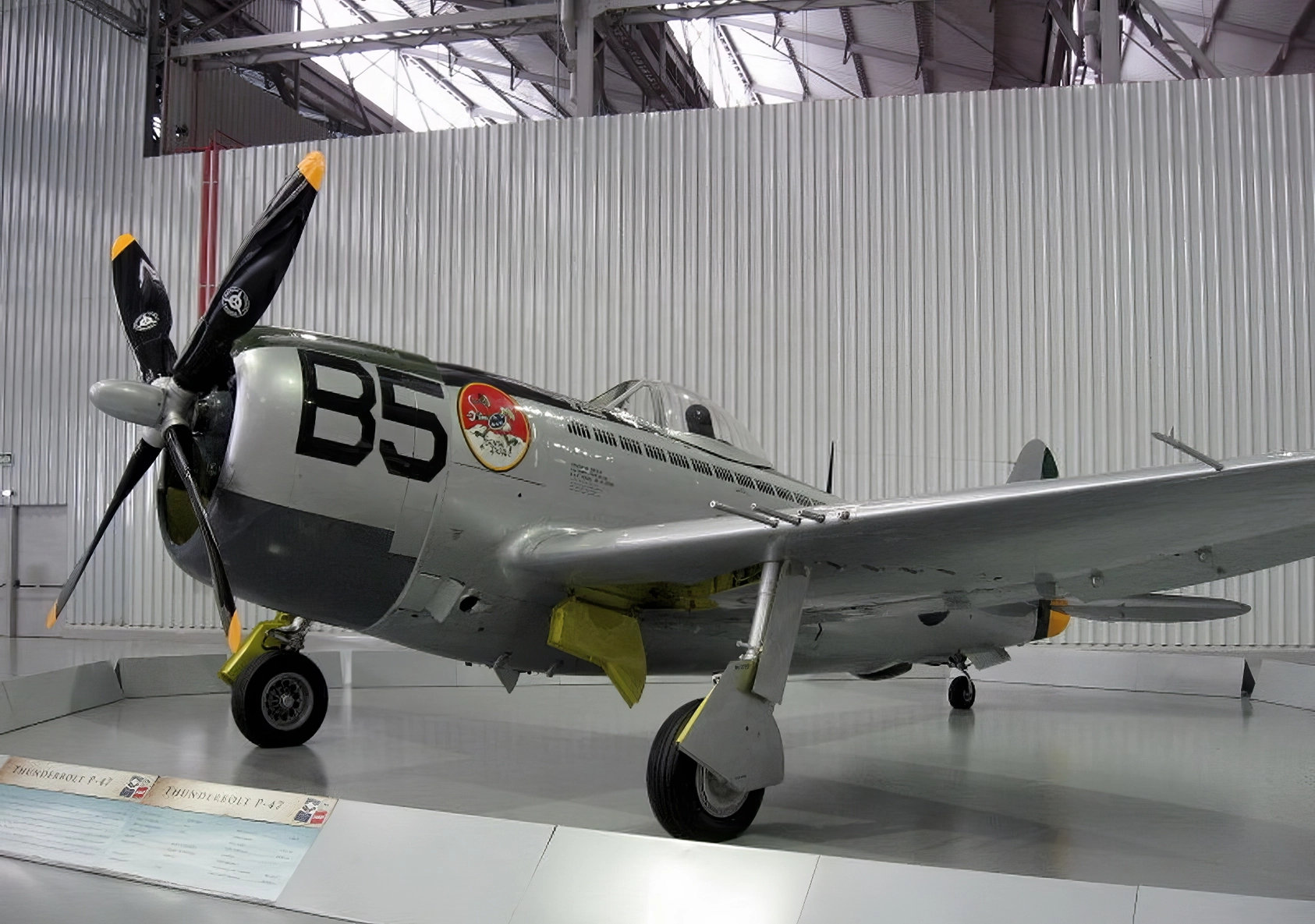

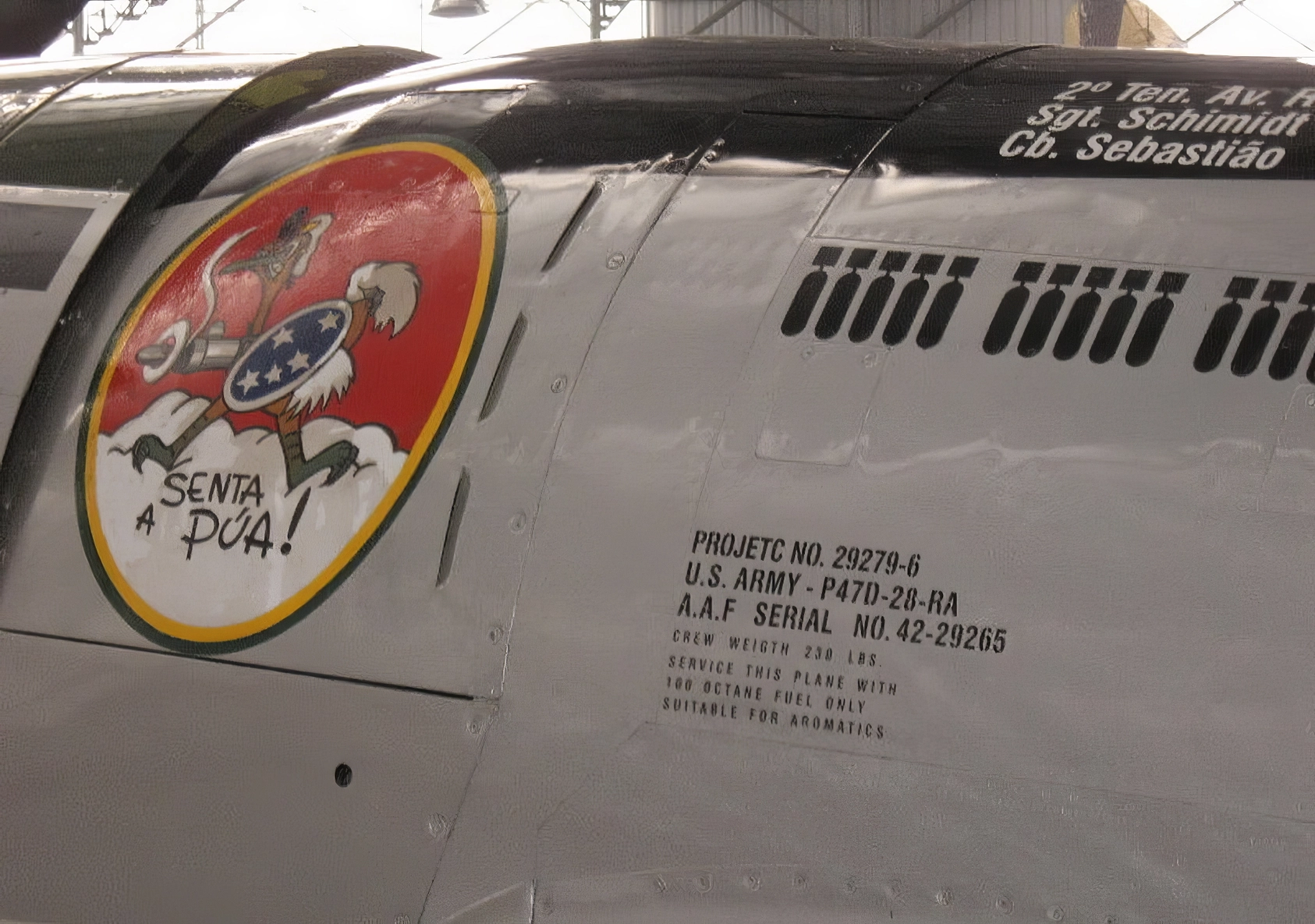
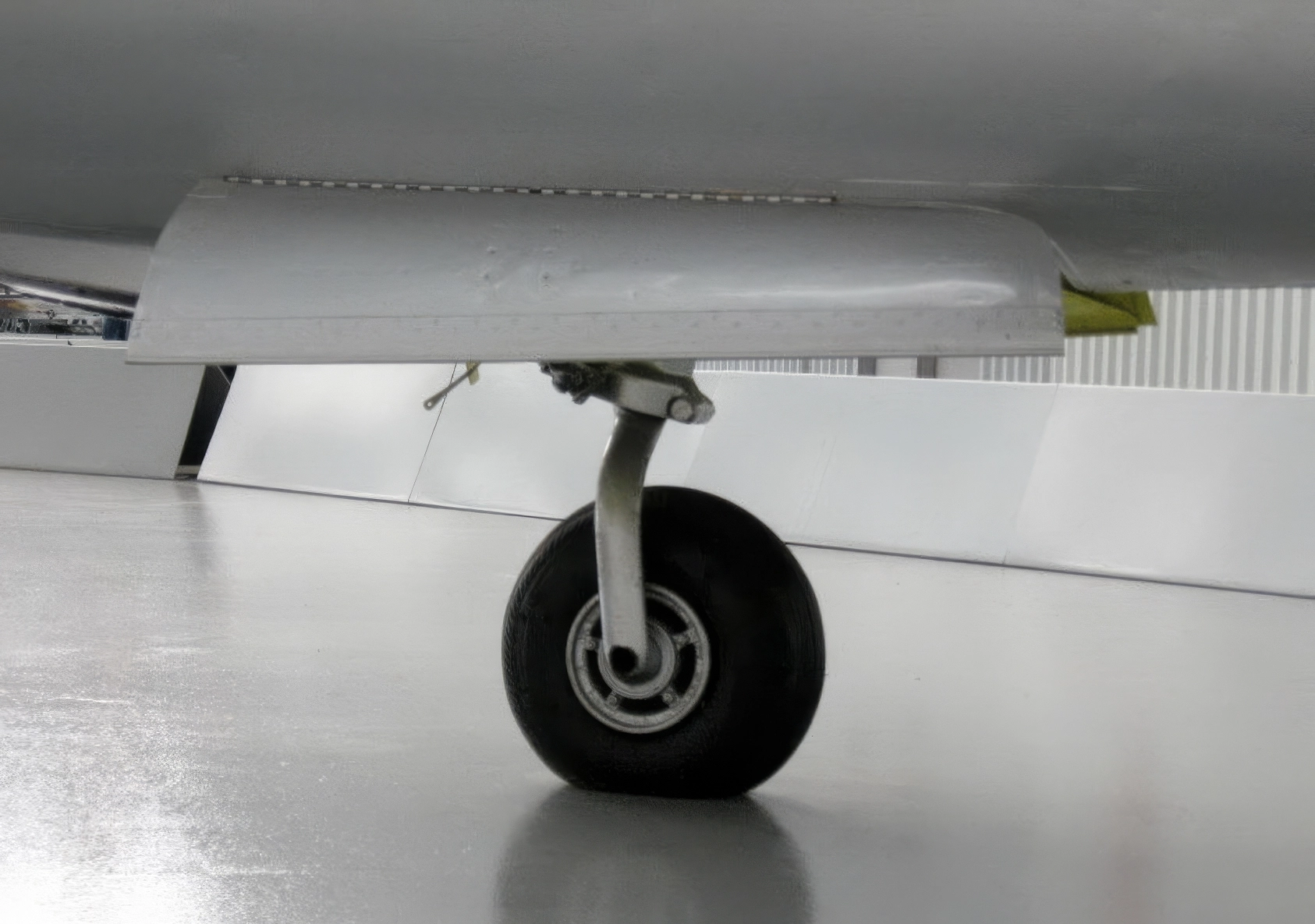
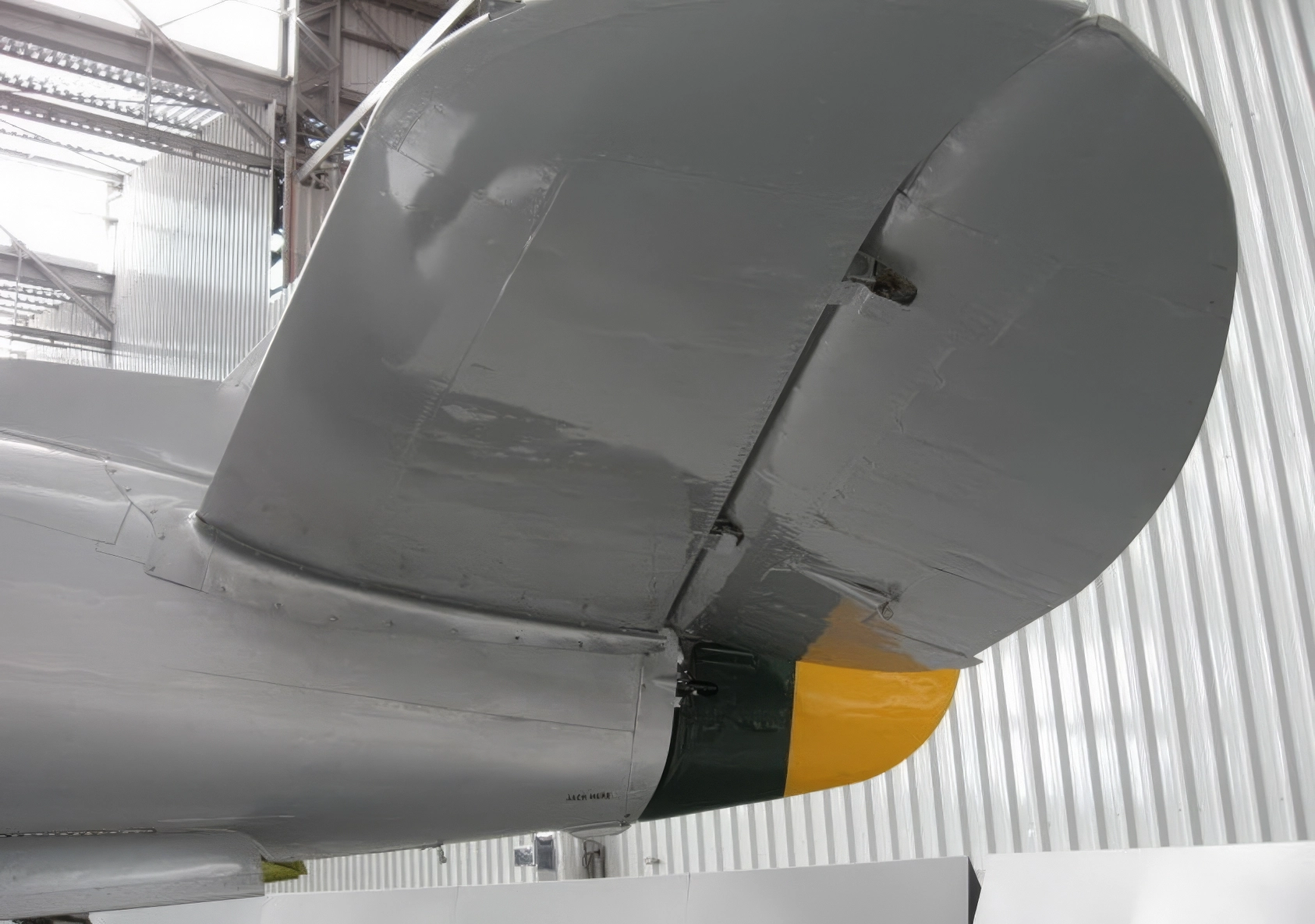
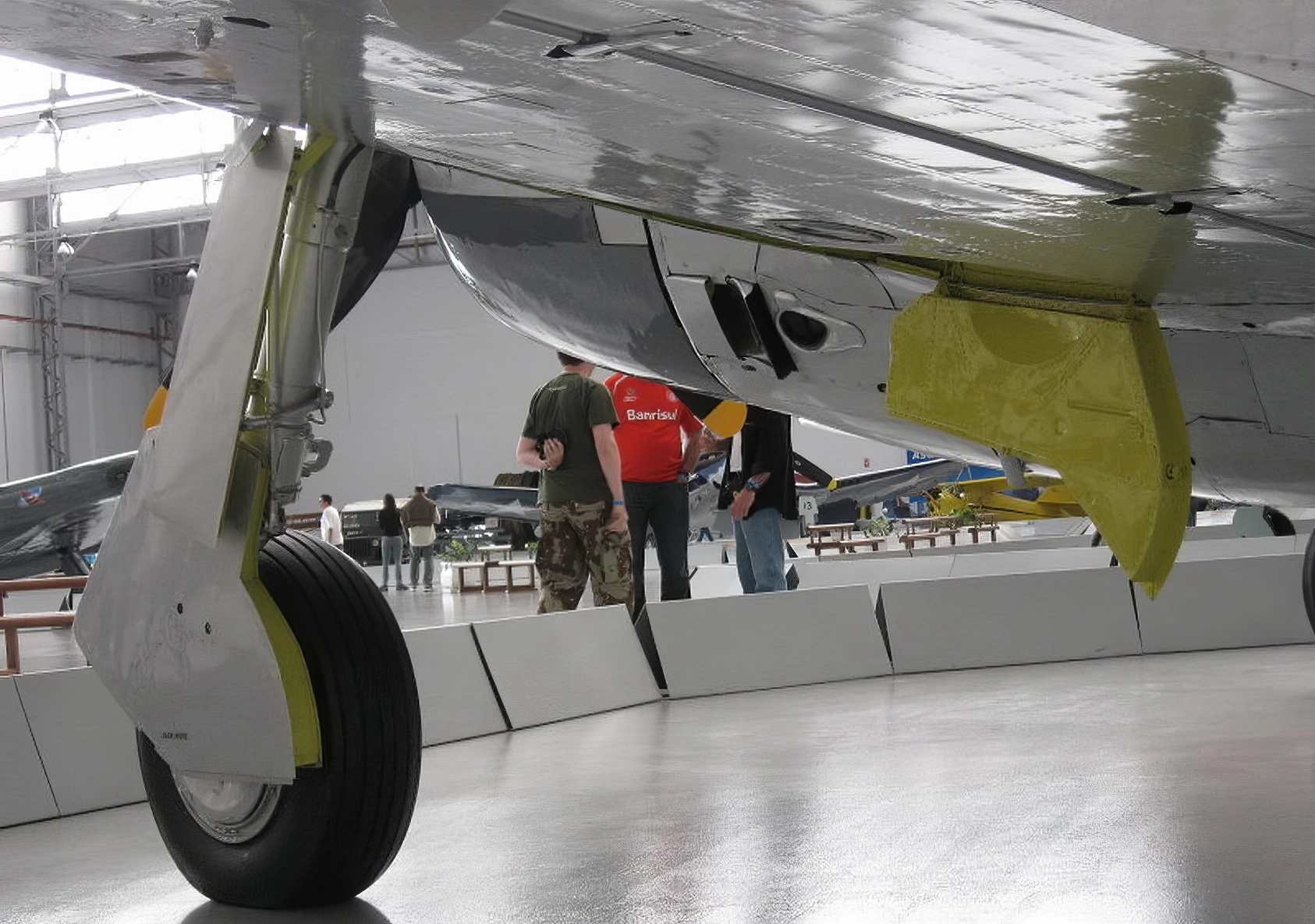
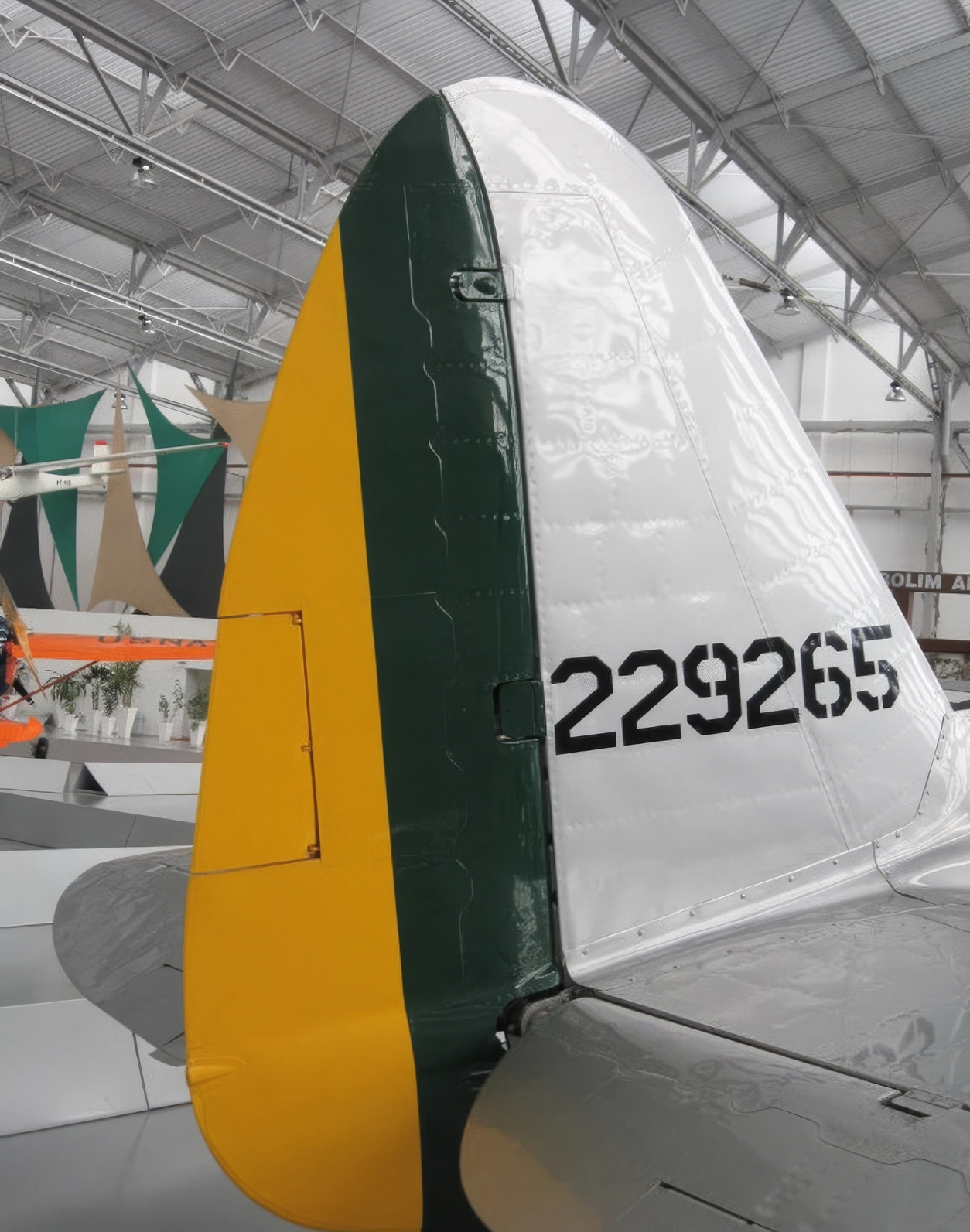
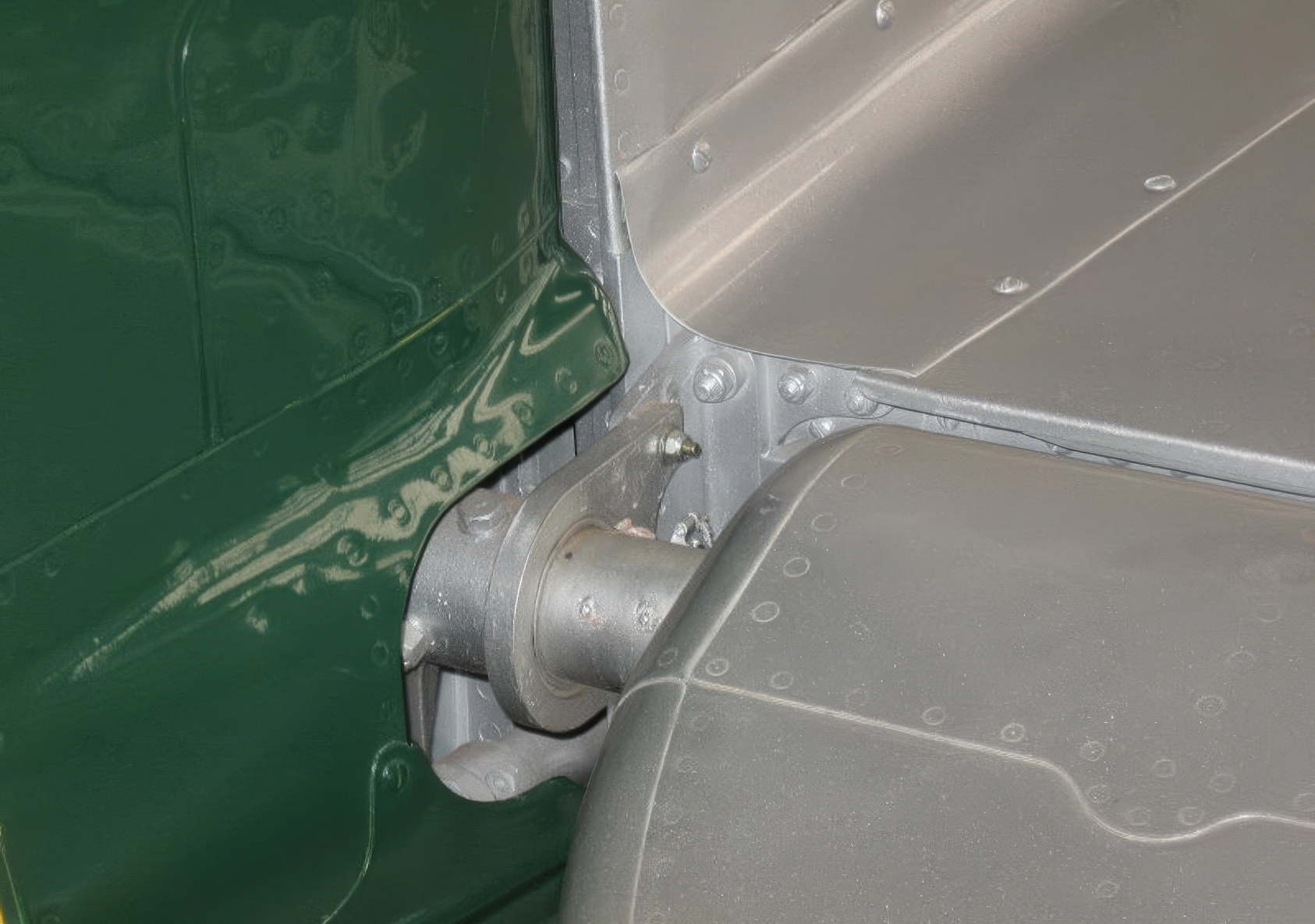
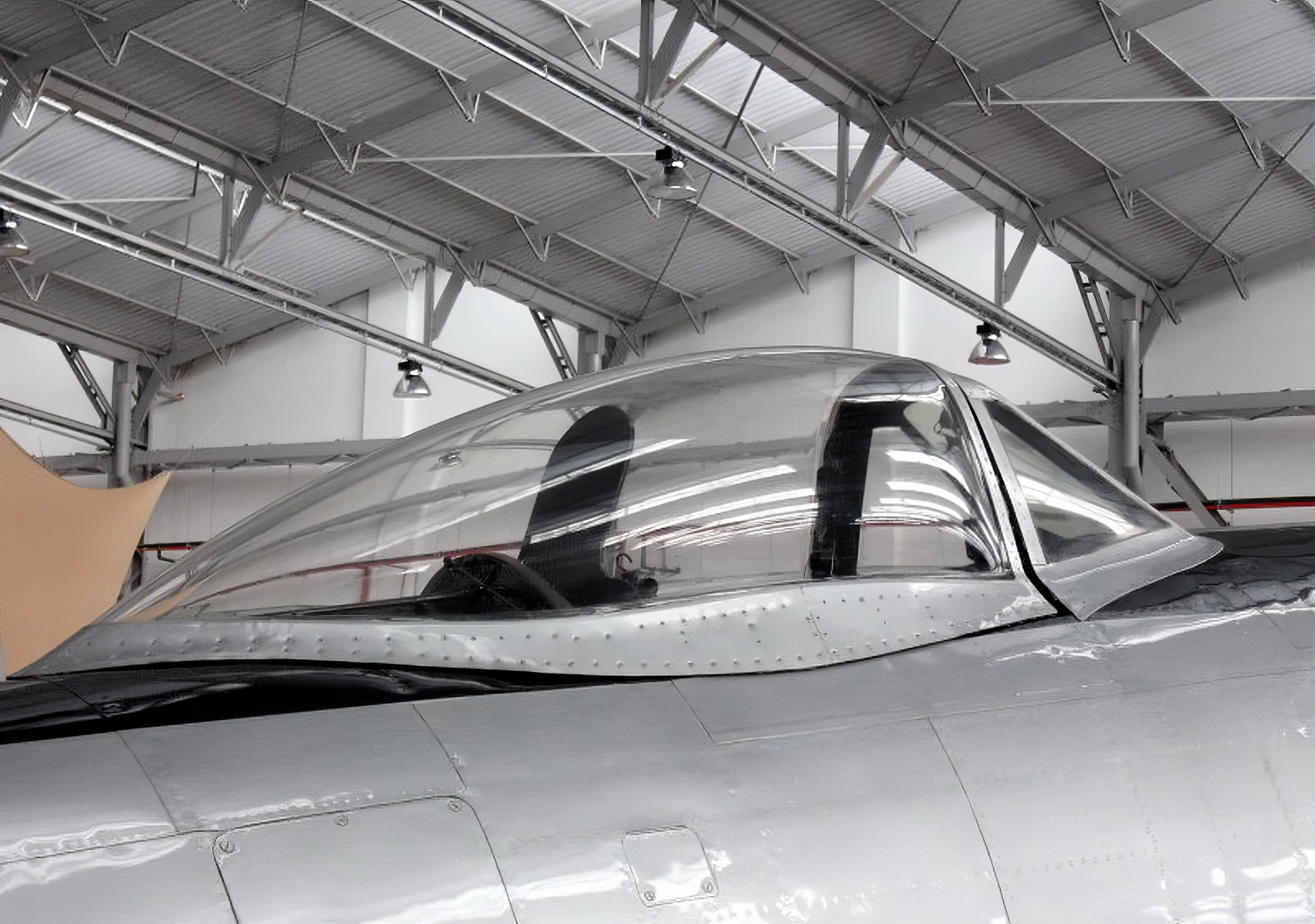

| P-47D Thunderbolt | |
|---|---|
| Fotograf | Cees Hendriks |
| Lokalisering | Unknow |
| Billeder | 98 |
| Republic YP-47M Thunderbolt Walk Around | |
|---|---|
| Fotograf | Cees Hendriks |
| Lokalisering | Unknow |
| Billeder | 31 |
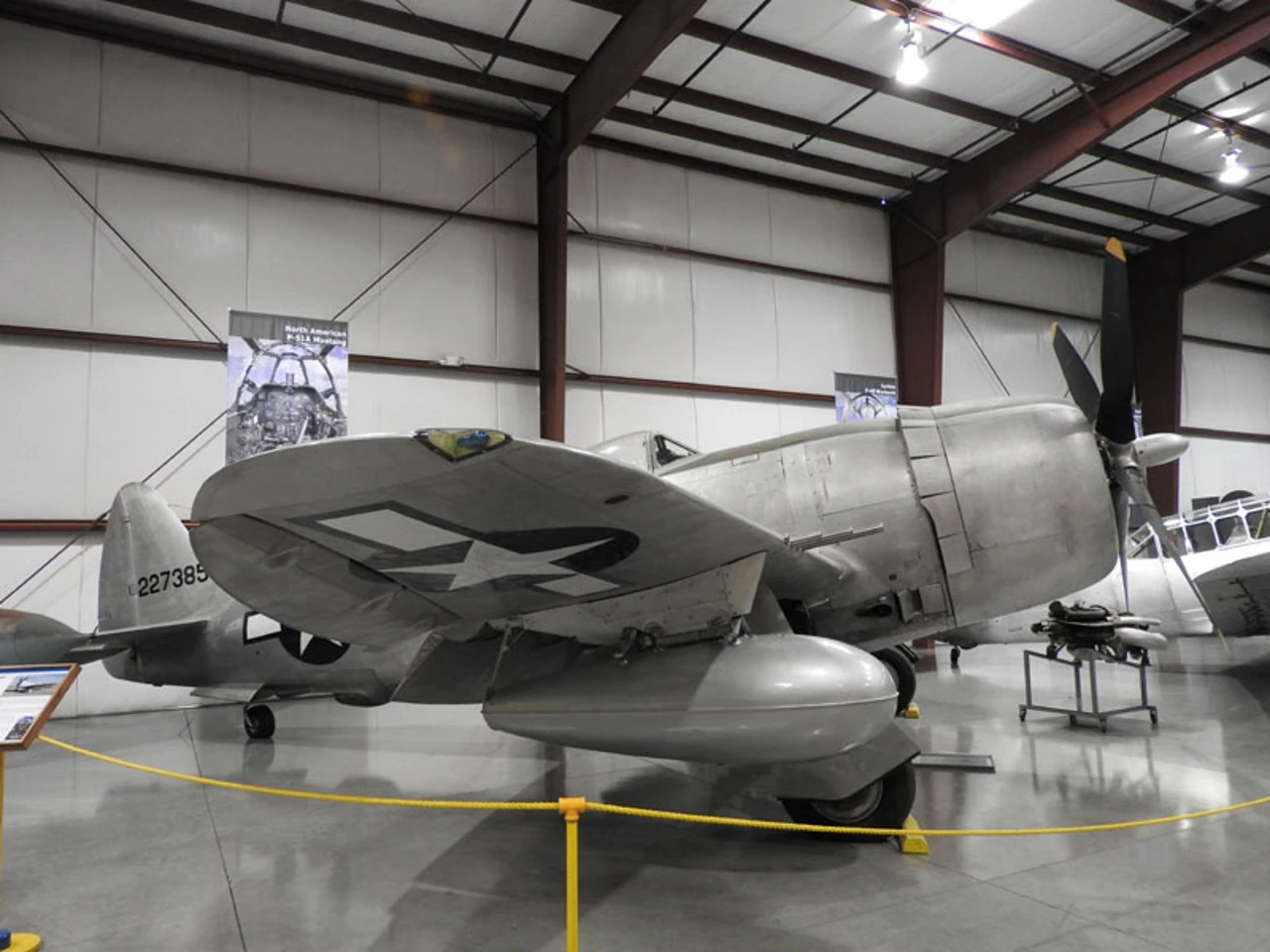
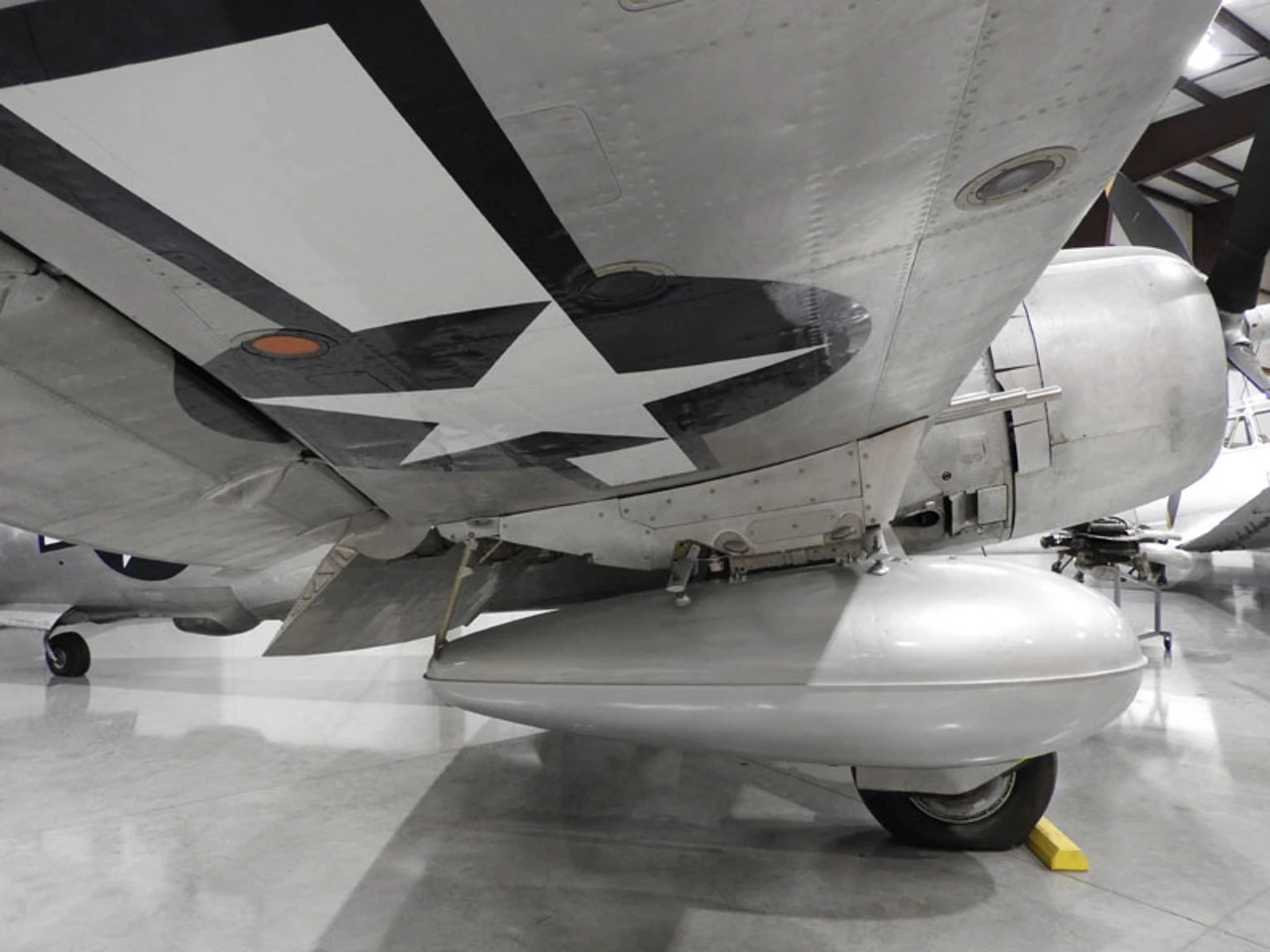
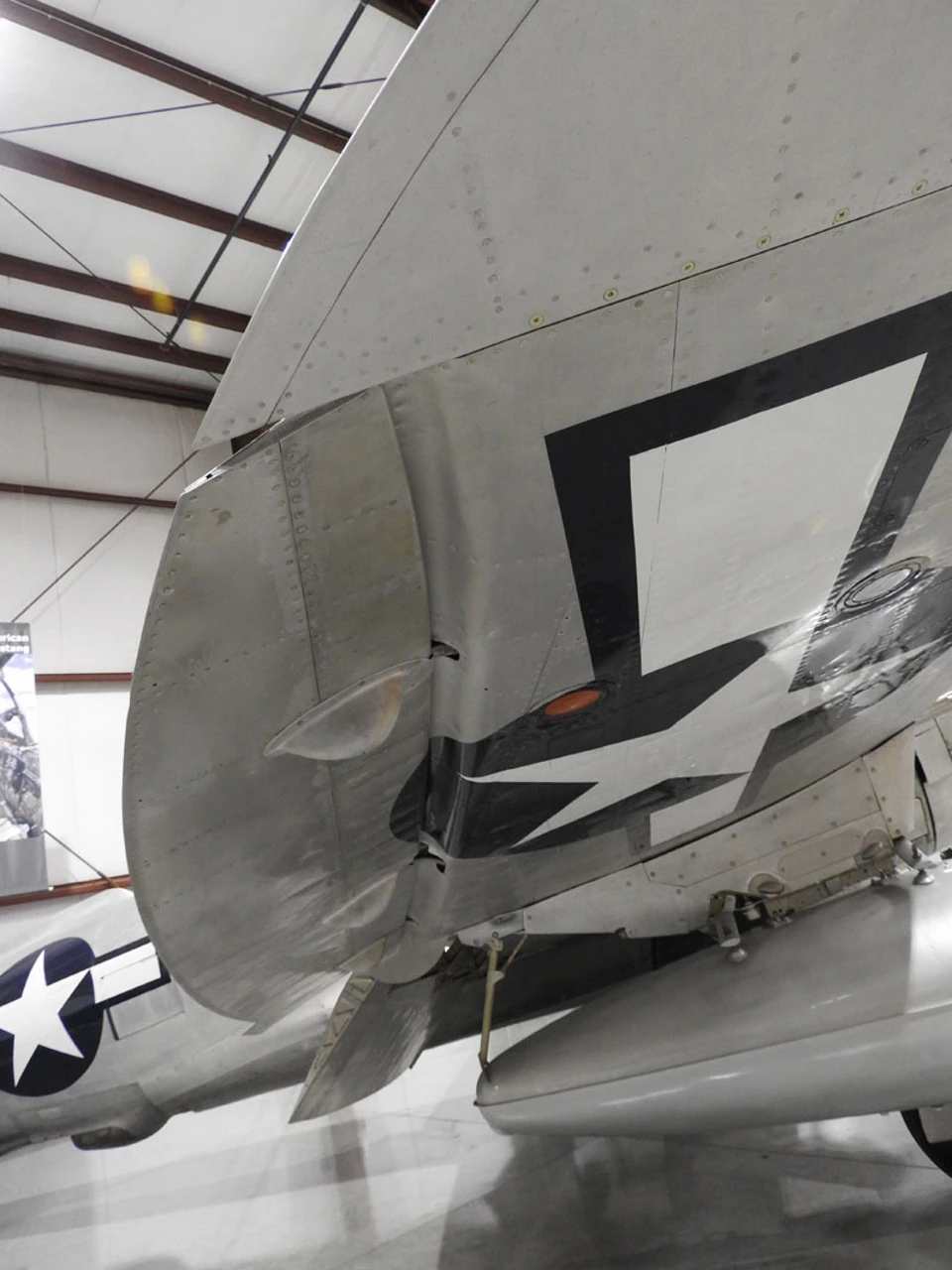
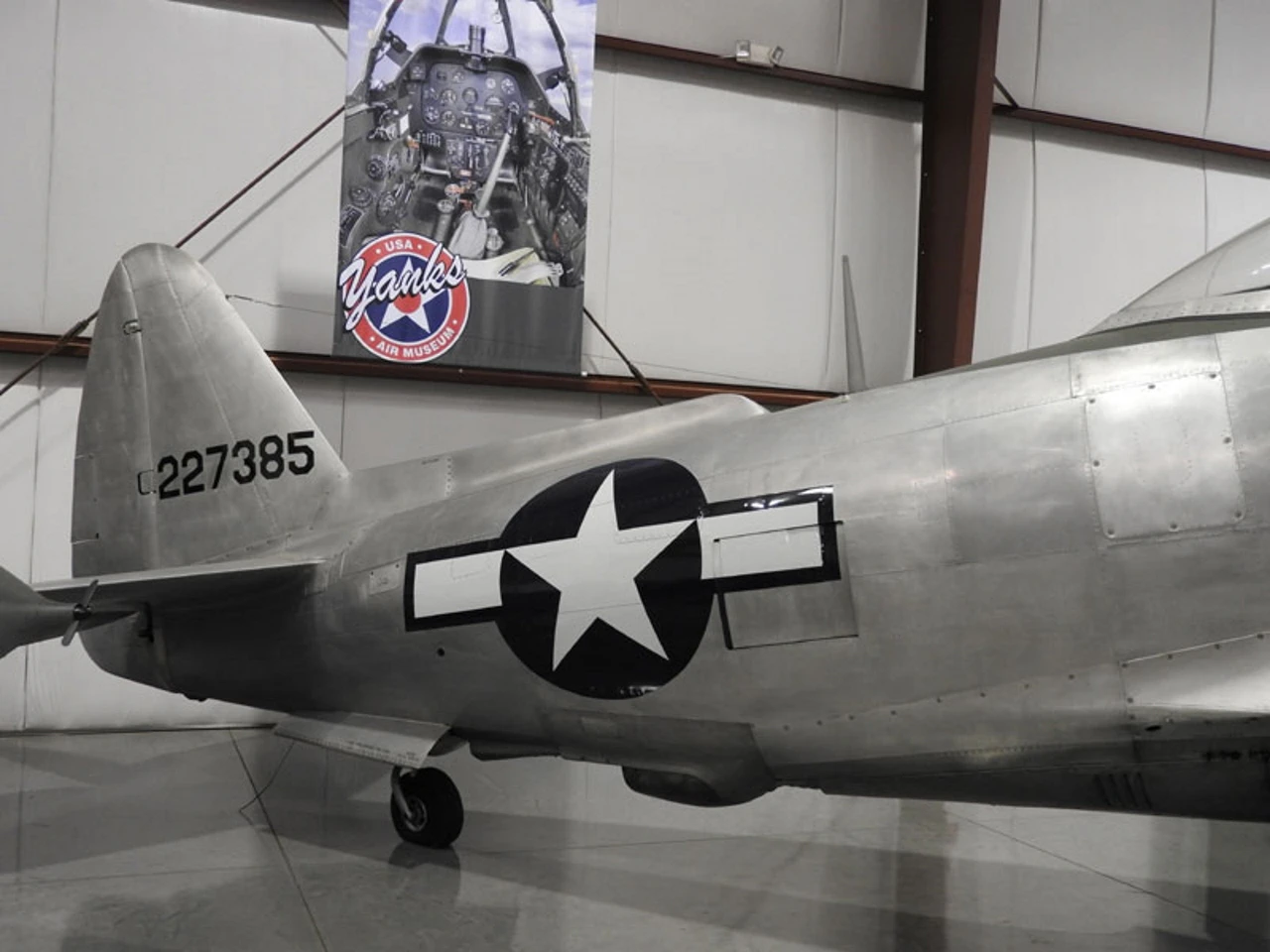
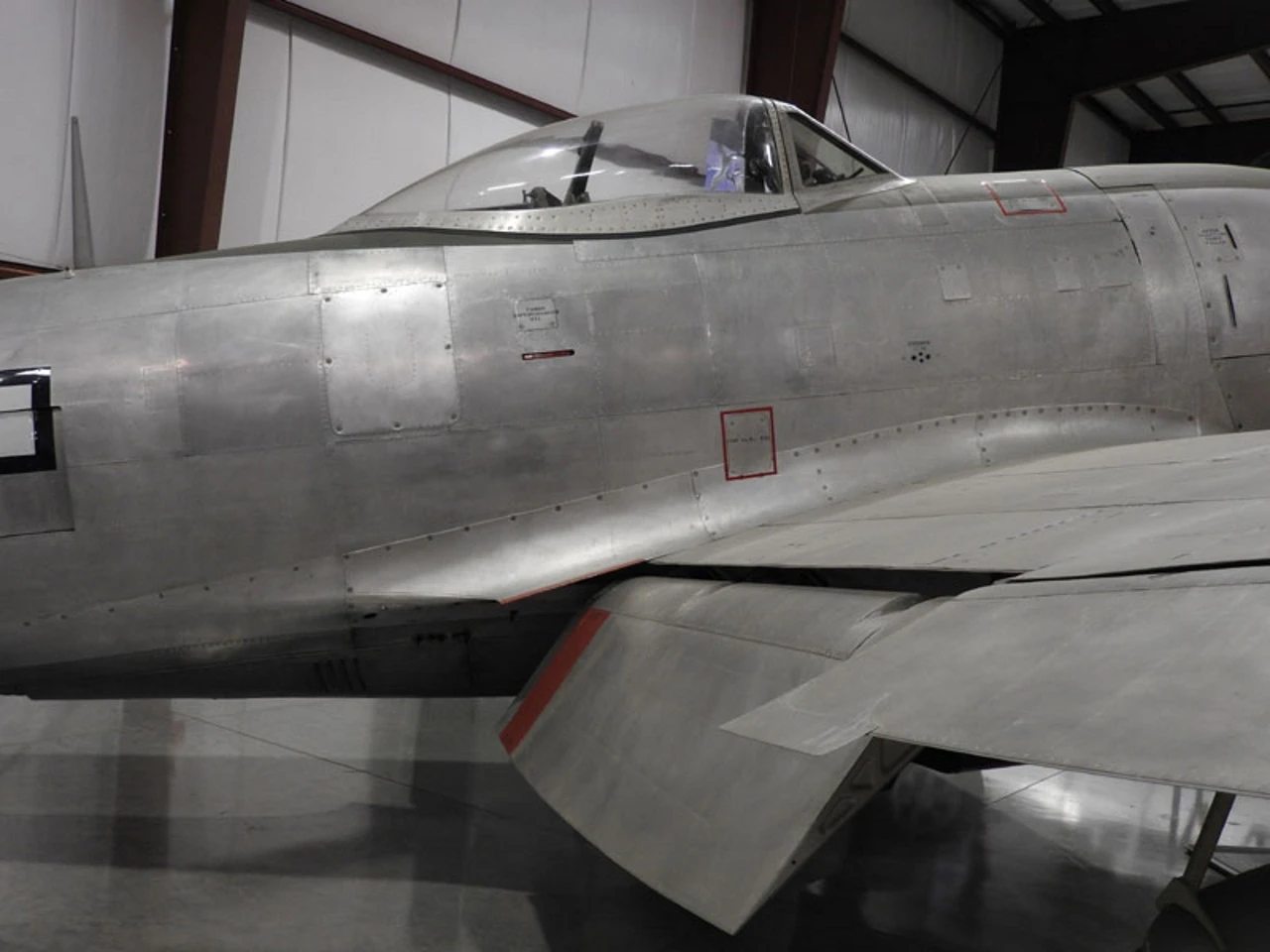
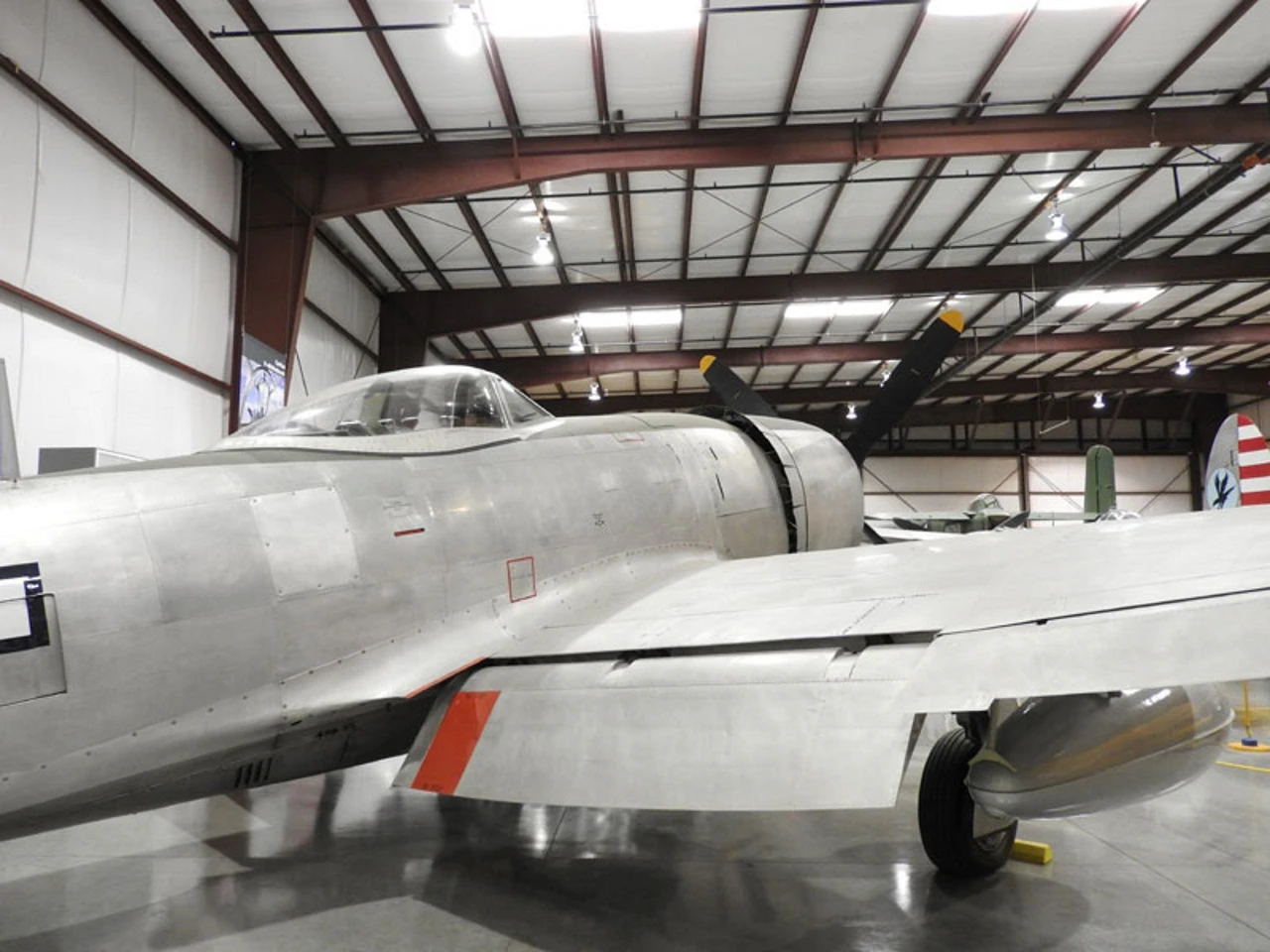
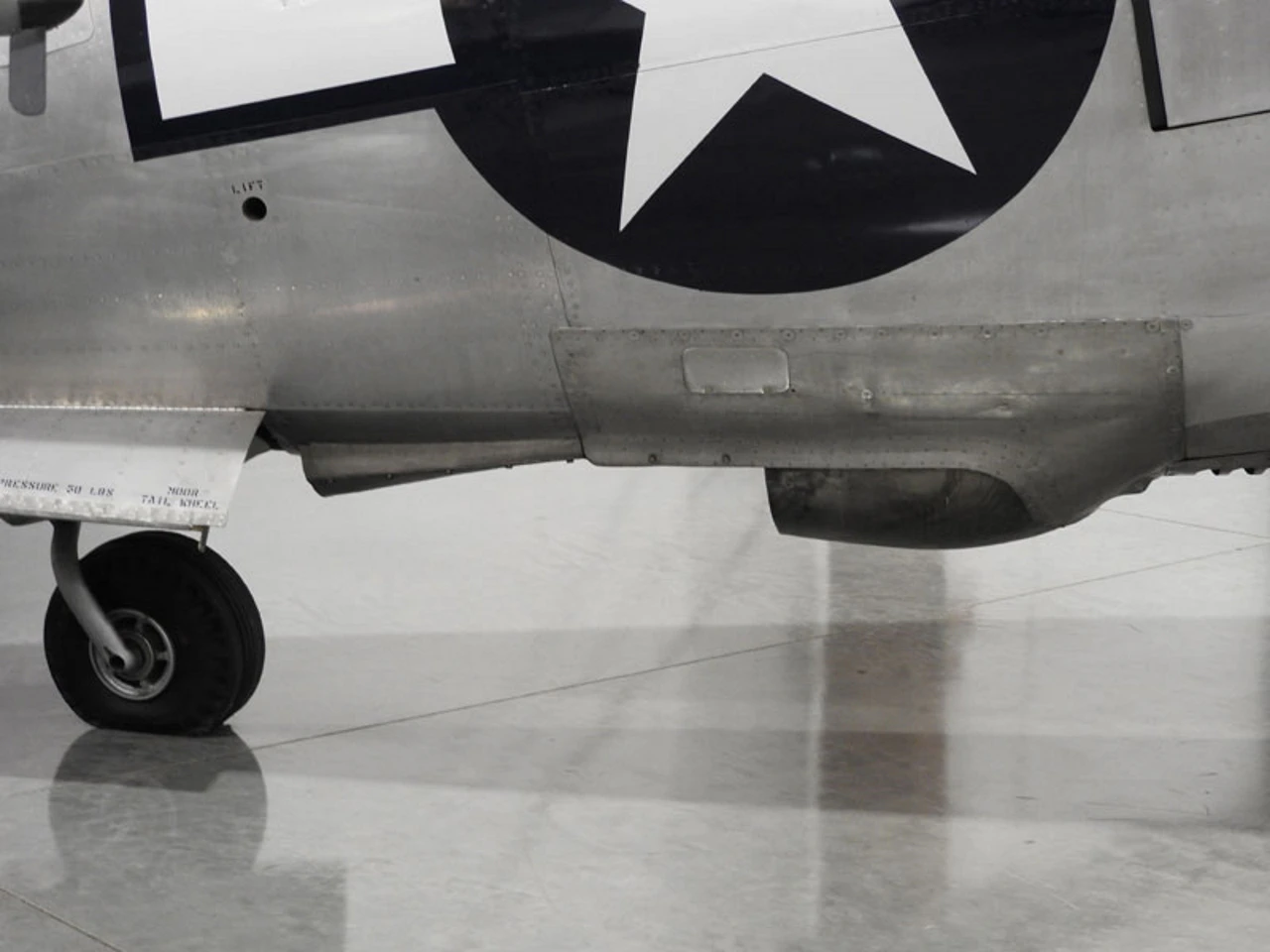
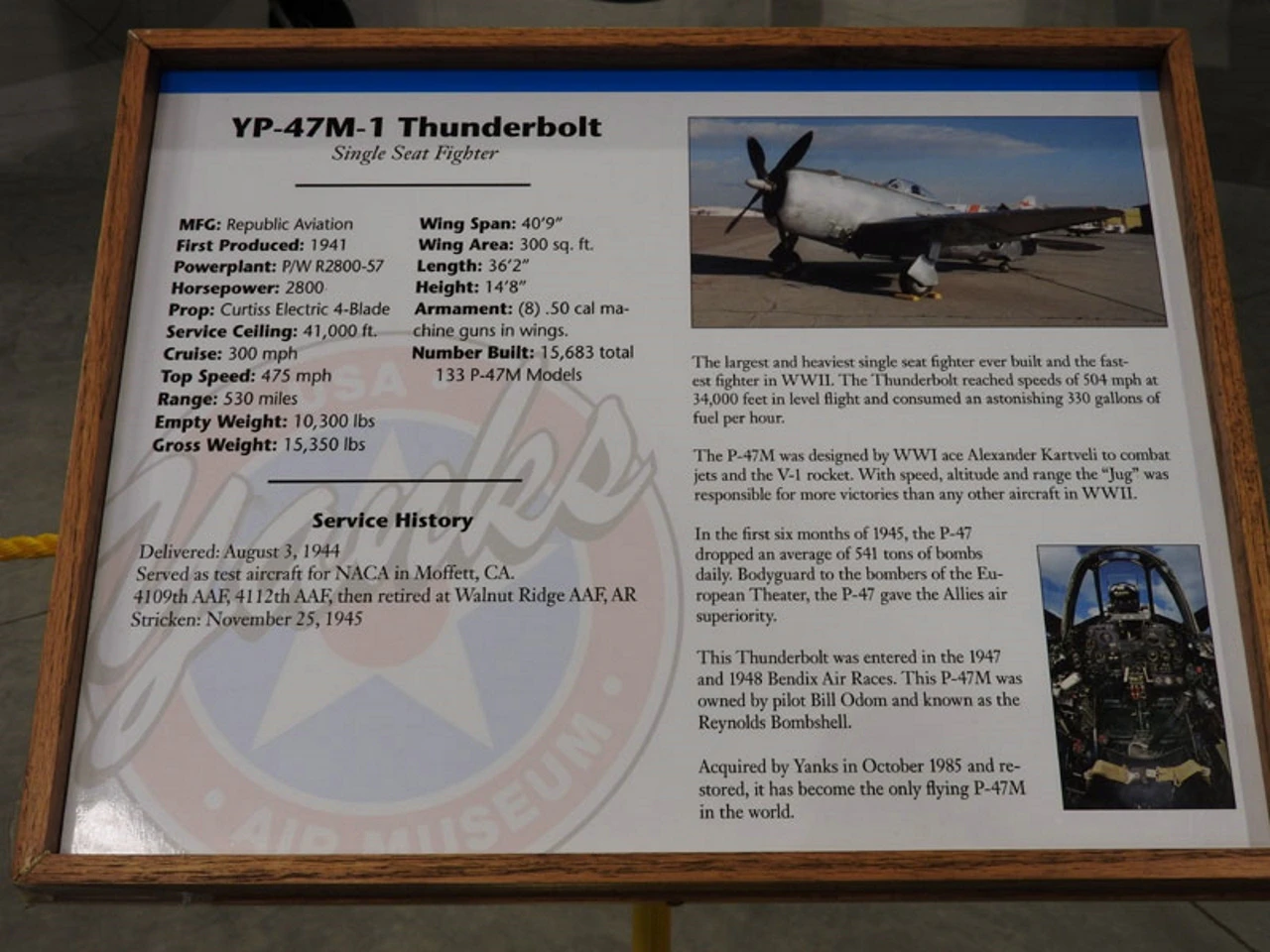
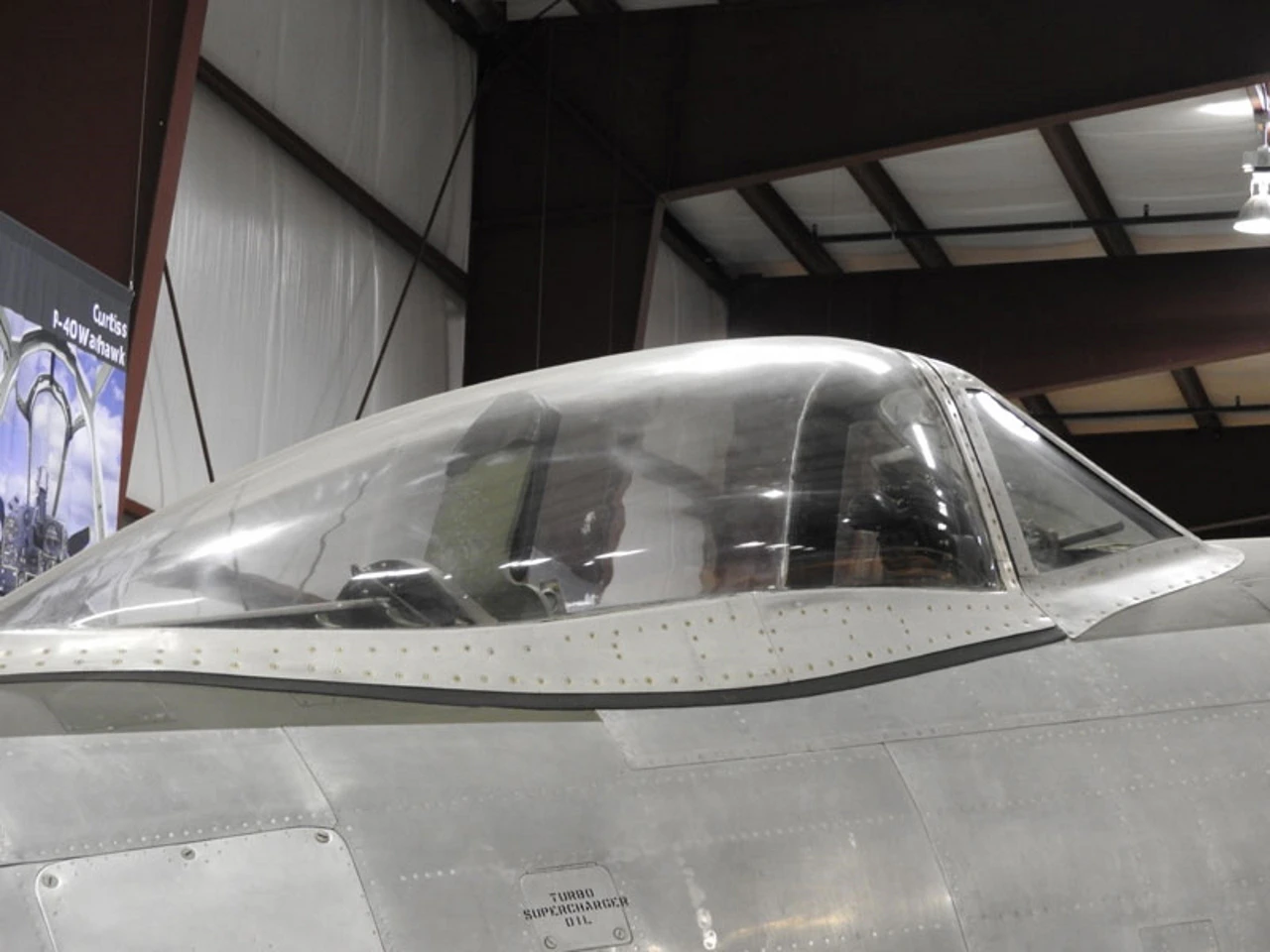
| Republic P-47D-30-RE Thunderbolt Walk Around | |
|---|---|
| Fotograf | Vladimir Yakubov |
| Lokalisering | Unknow |
| Billeder | 98 |
Se også:


| P-47D Block 35 Walk Around | |
|---|---|
| Fotograf | David Aungst |
| Lokalisering | Unknow |
| Billeder | 49 |
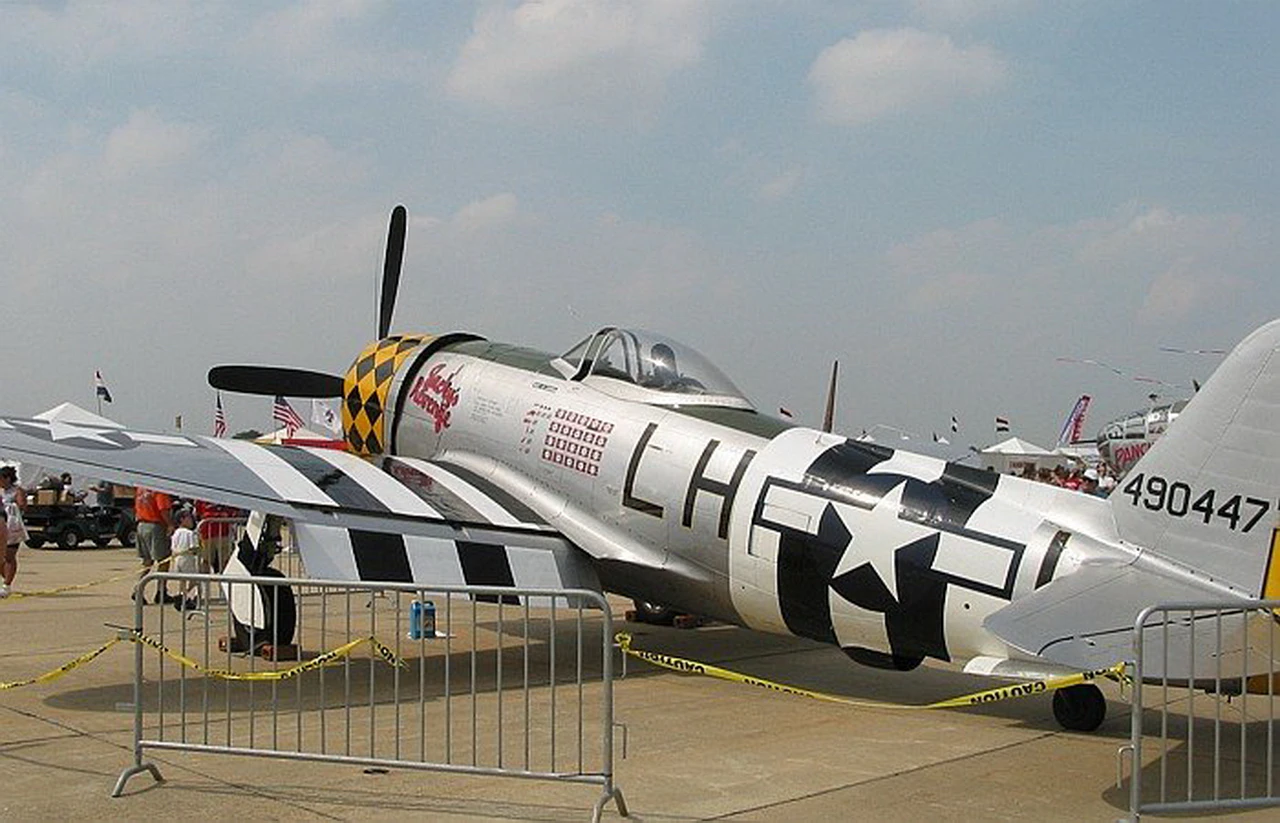
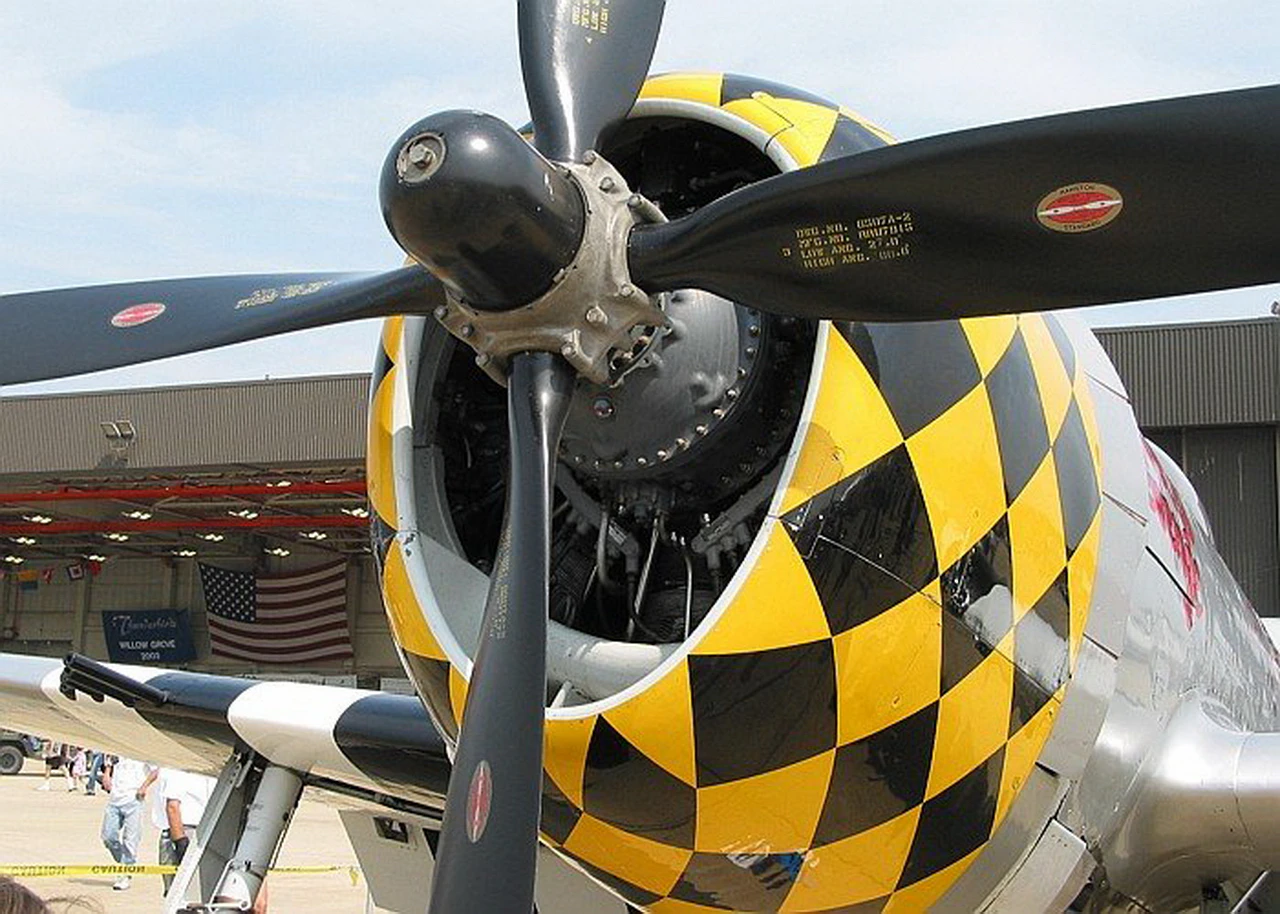
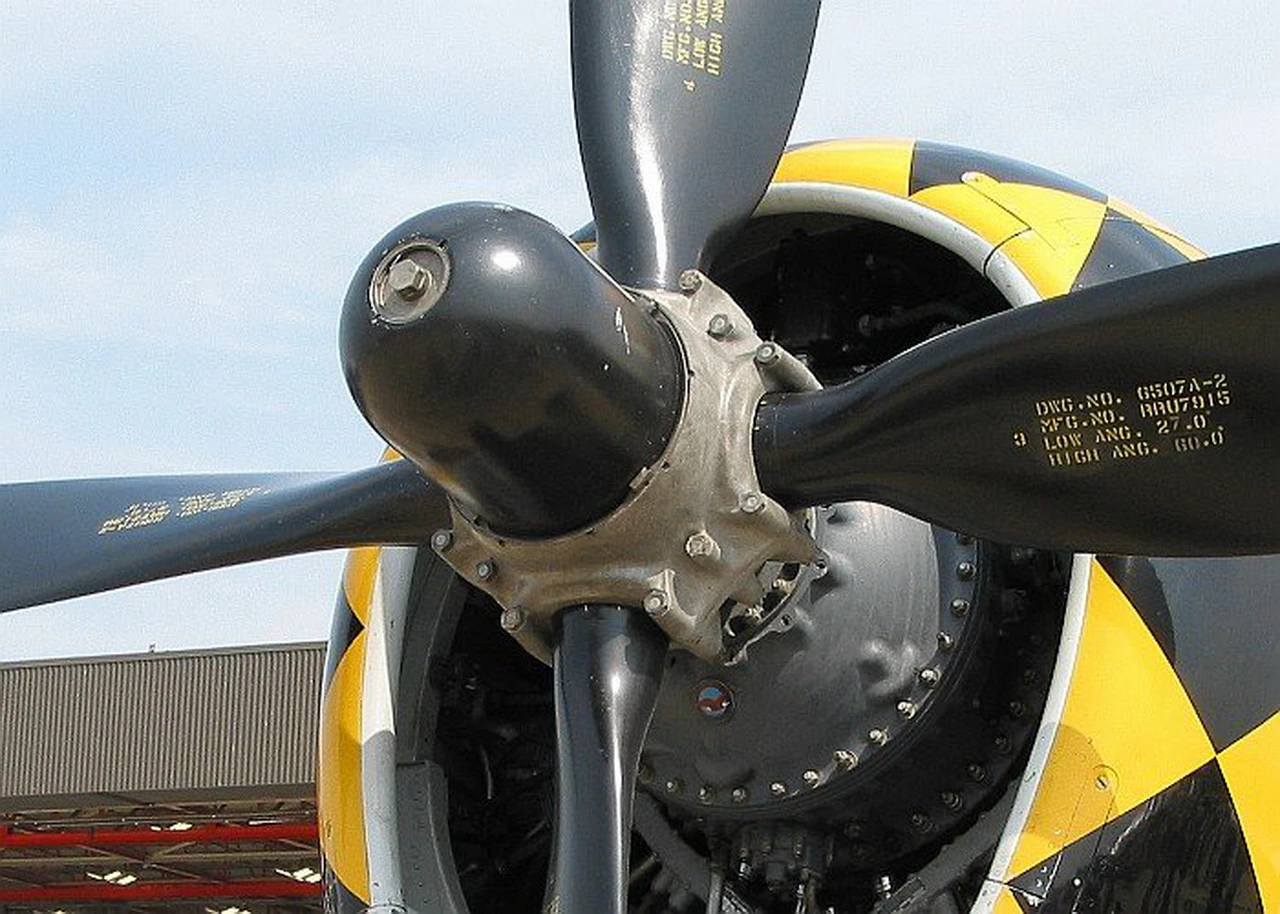
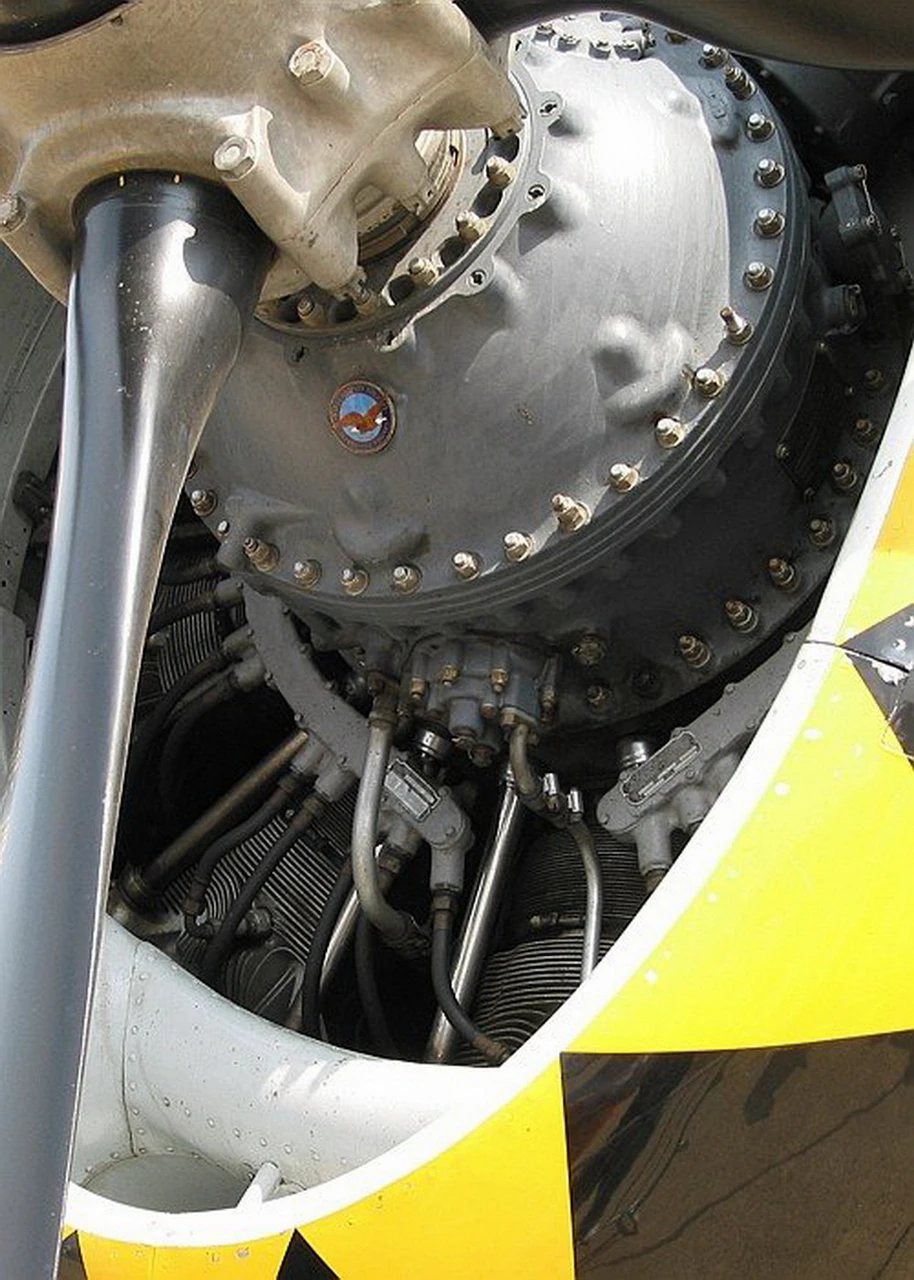
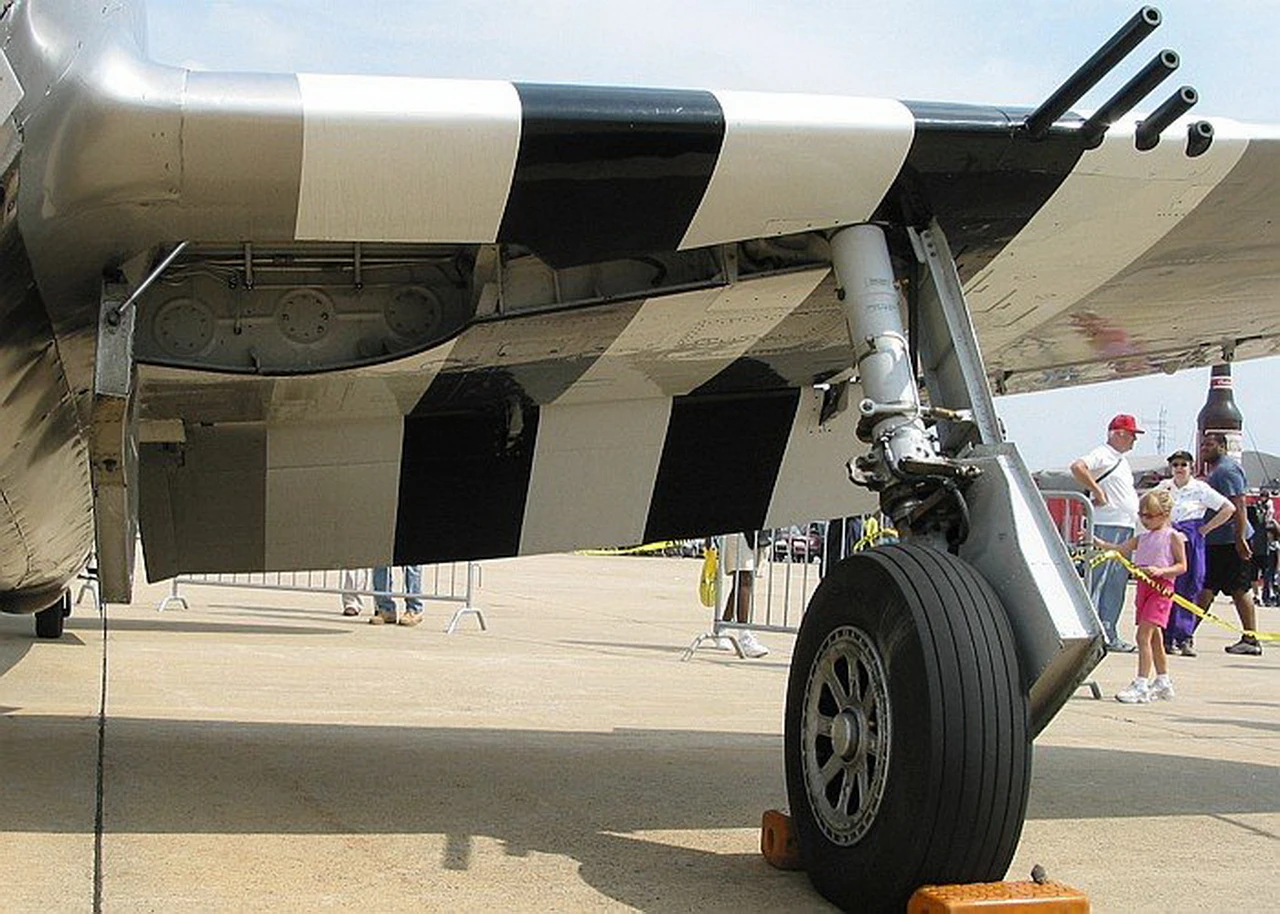
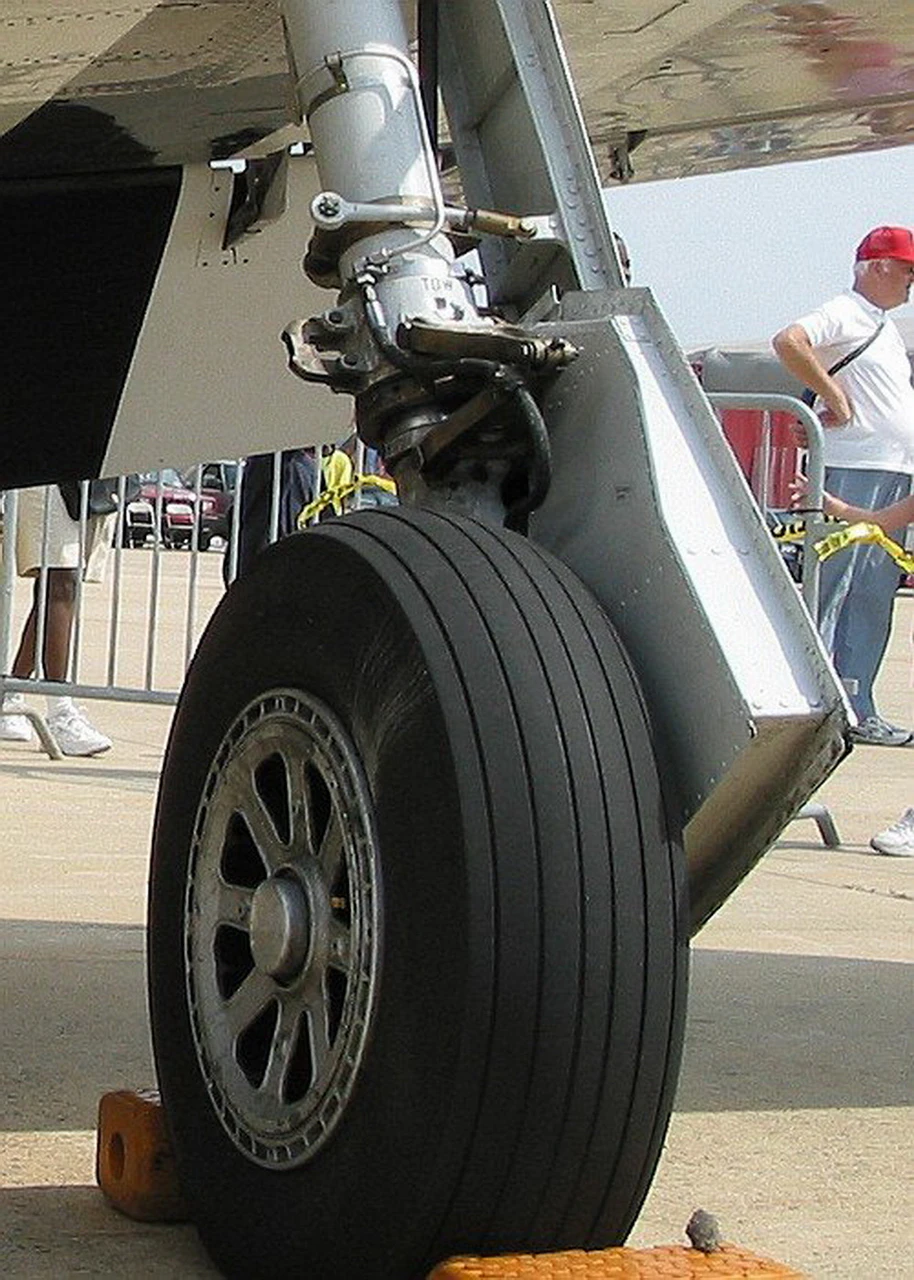
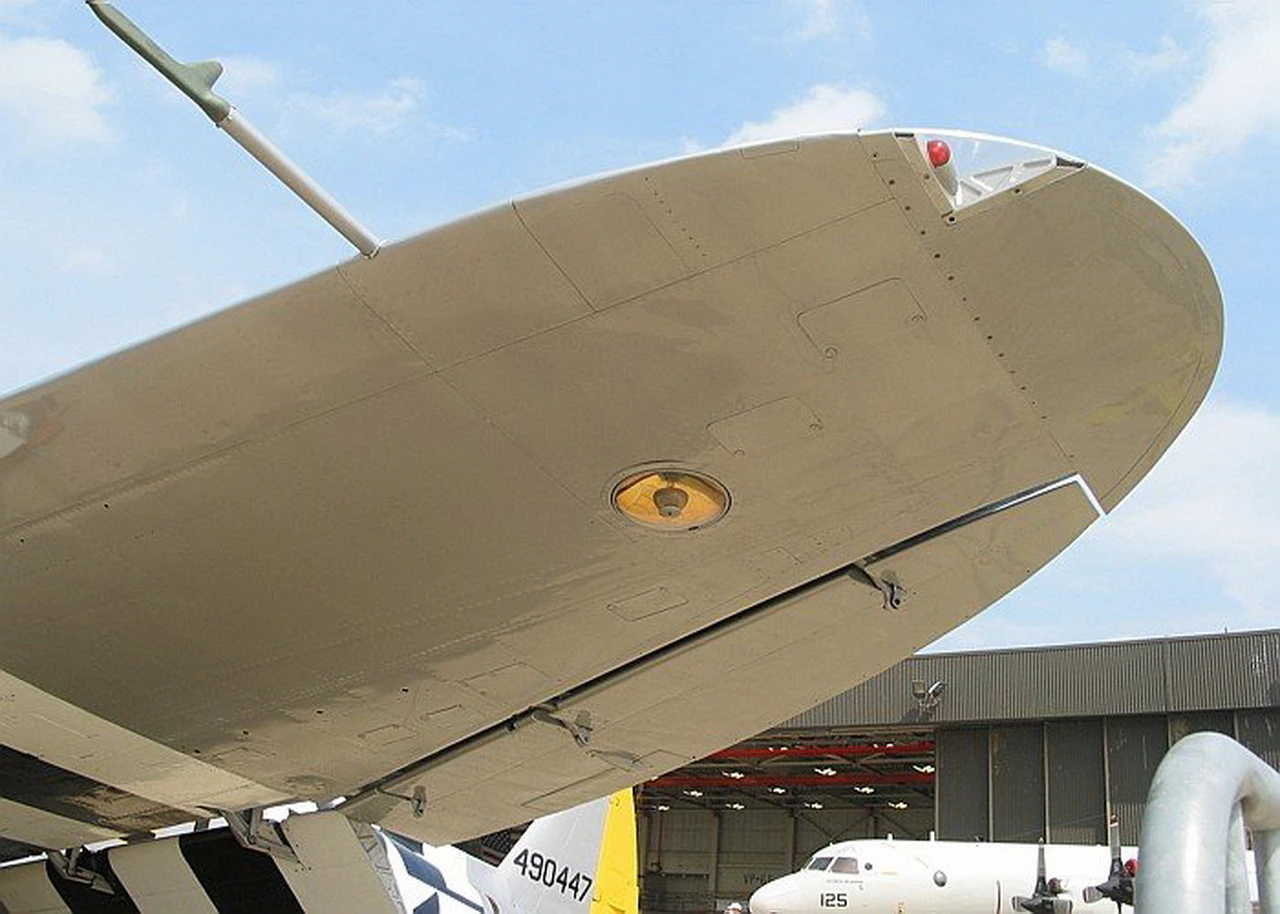
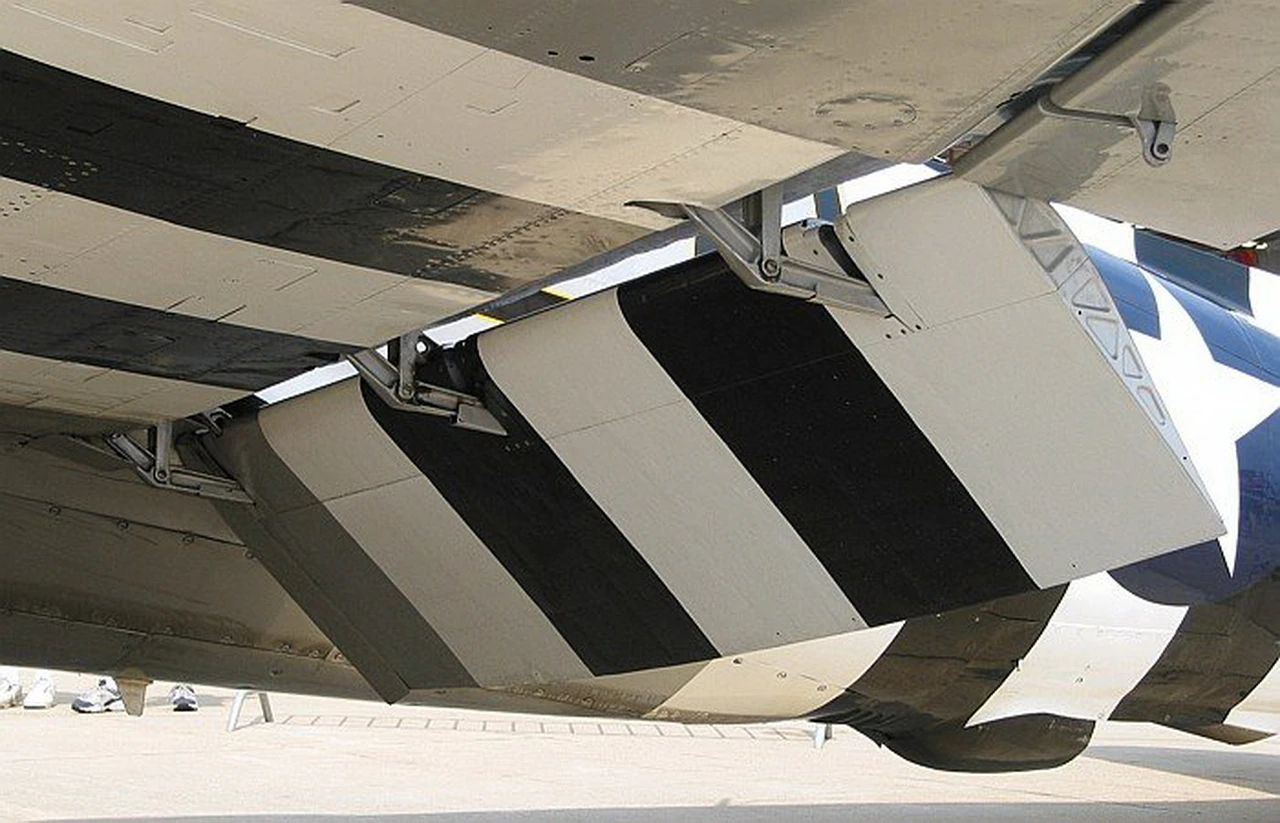
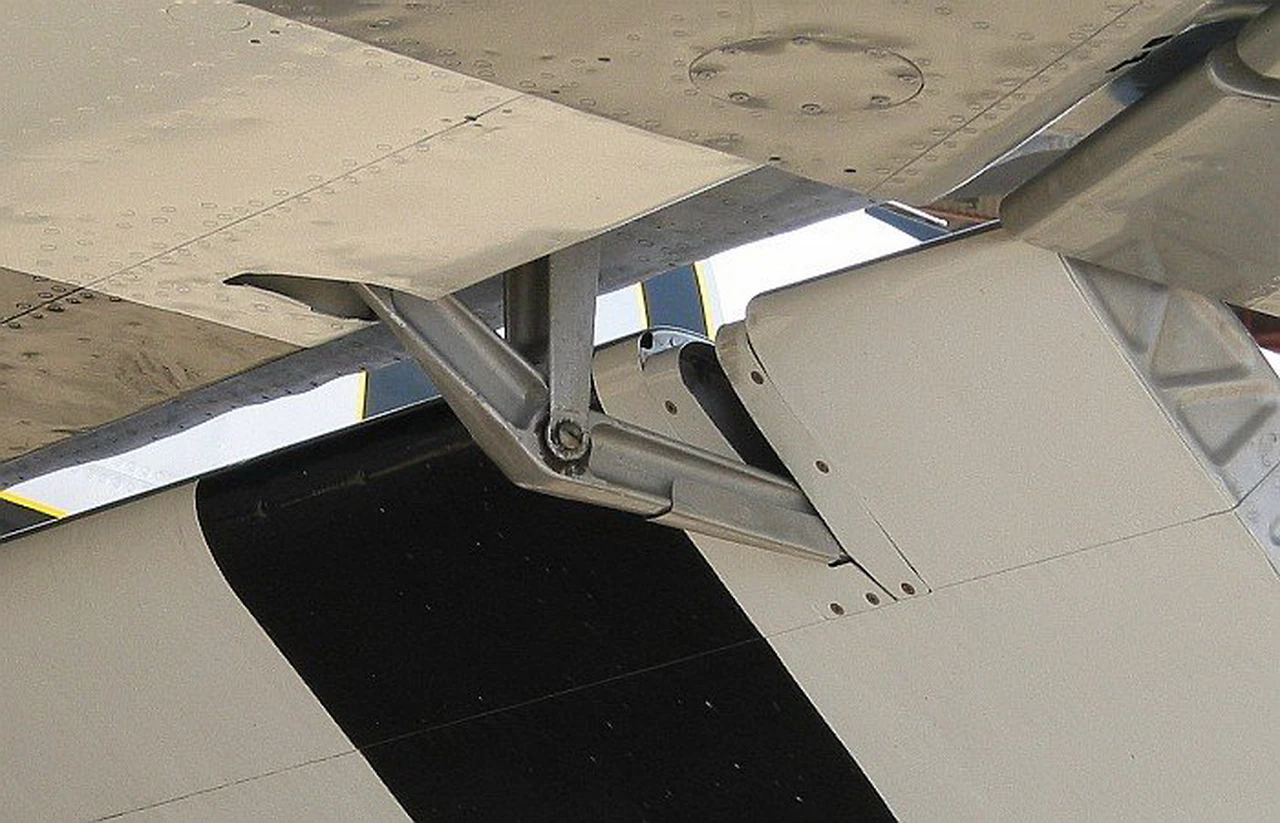
| Republic P-47D Thunderbolt Walk Around | |
|---|---|
| Fotograf | Bill Maloney |
| Lokalisering | New England Air Museum |
| Billeder | 27 |
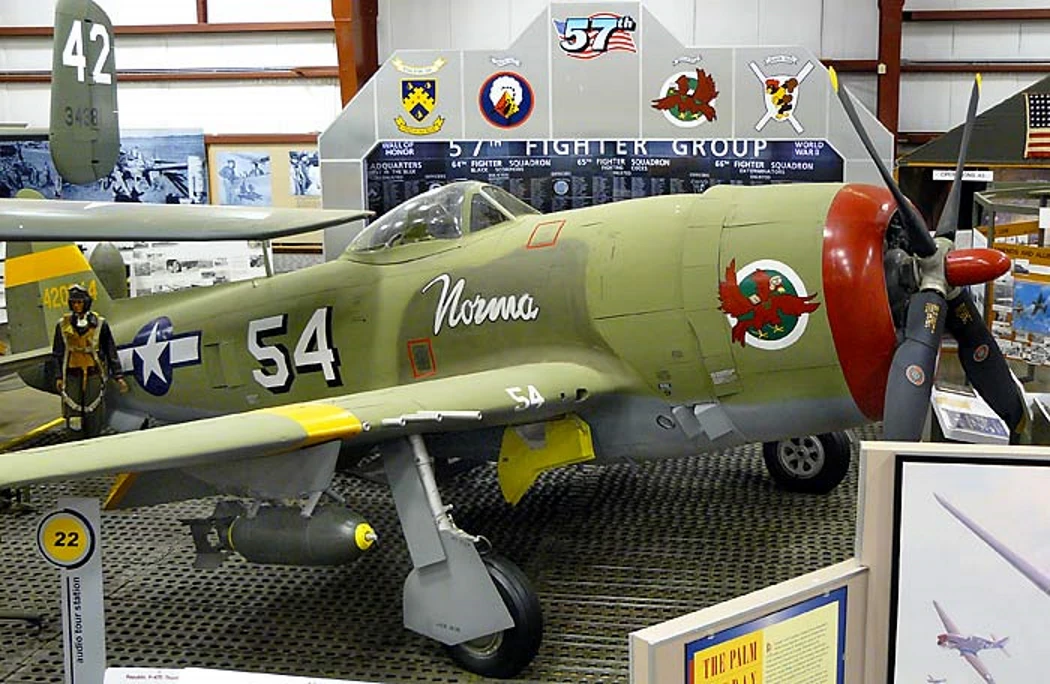
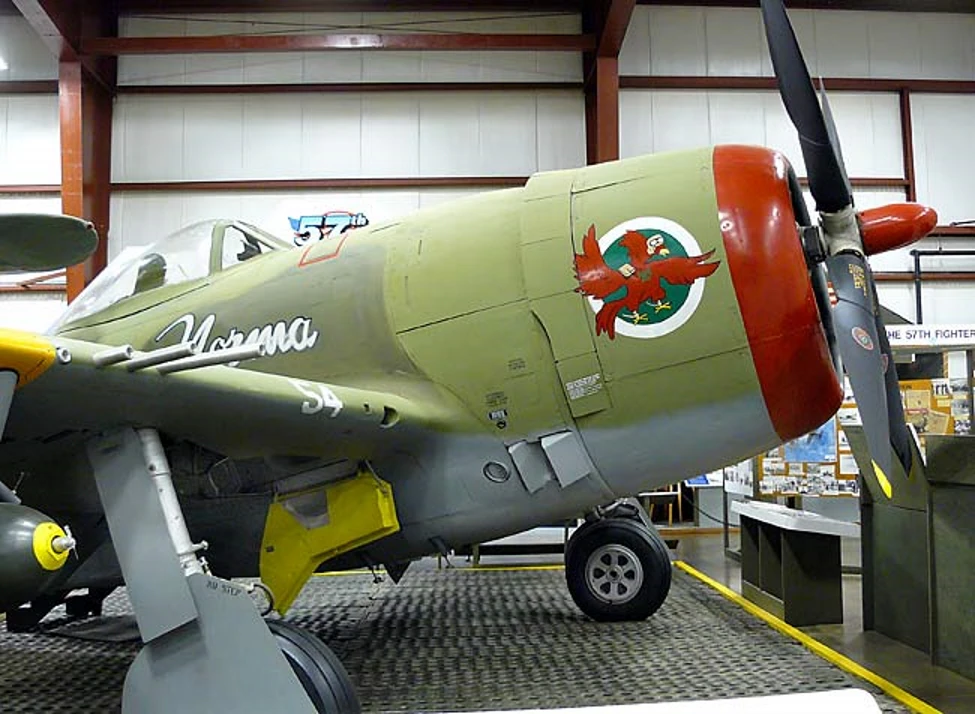
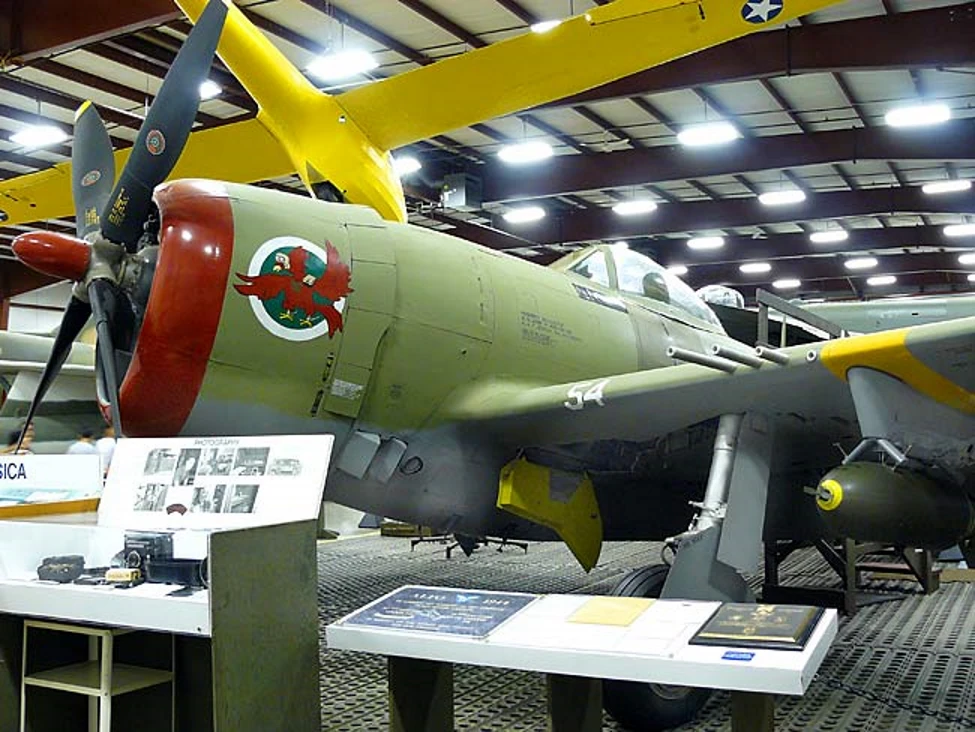
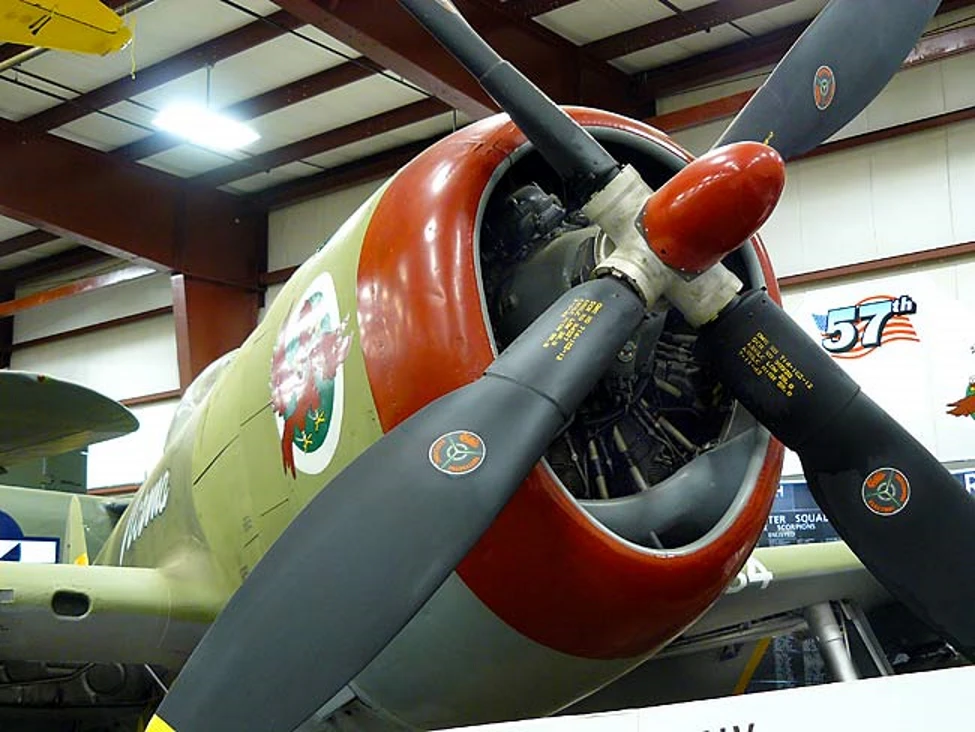
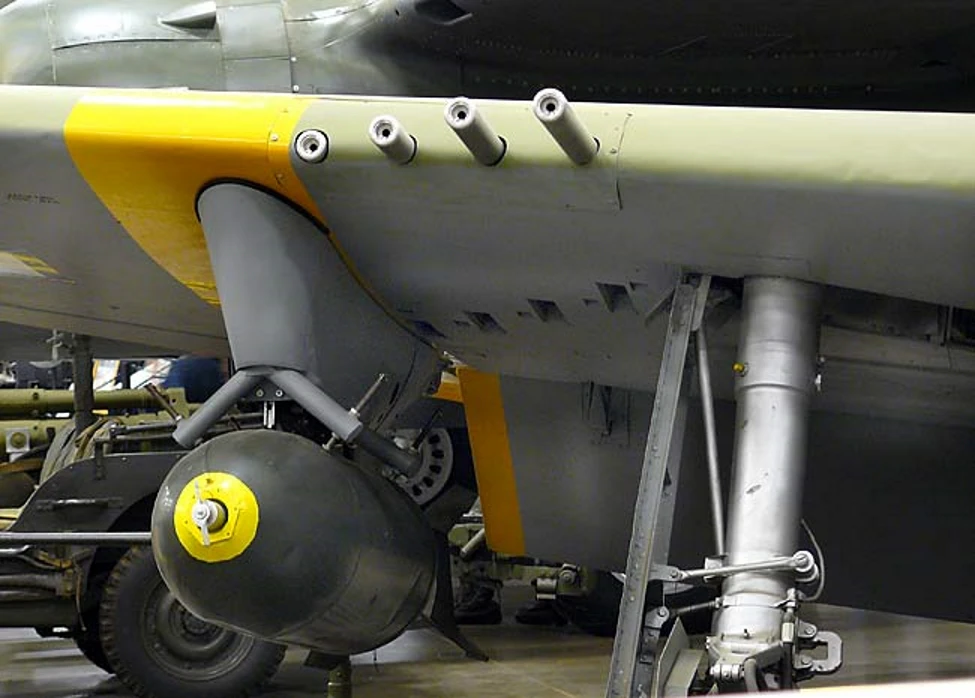
| Republic P-47D Thunderbolt Walk Around | |
|---|---|
| Fotograf | Vladimir Yakubov |
| Lokalisering | Palm Springs Luftmuseum |
| Billeder | 143 |
A Heavyweight Legend
Den P-47D Tordenkile was the most-produced version of the largest and heaviest single-engine fighter of World War II. Affectionately nicknamed “The Jug” (short for Juggernaut), it was built around the massive Double Wasp engine and a complex turbo-supercharging system. While it lacked the graceful lines of the Mustang, the P-47D was a monster of durability and firepower. It could survive incredible battle damage that would disintegrate other aircraft, making it the premier ground-attack platform and high-altitude escort of the European Theater.
| Attribute | Technical Specification (P-47D-25) |
|---|---|
| Rolle | Fighter / Fighter-Bomber |
| Besætning | 1 (Pilot) |
| First Flight (P-47) | May 6, 1941 |
| Kraftværk | 1 × Pratt & Whitney R-2800-59 Double Wasp radial |
| Horsepower | 2,535 hp (with water injection) |
| Maximum Speed | 433 mph (697 km/h) at 30,000 ft |
| Bevæbning | 8 × .50 cal (12.7 mm) M2 Browning machine guns |
| Nyttelast | Up to 2,500 lbs (1,134 kg) of bombs or 10 rockets |
Design Highlights: The Turbine and the Bubble
- Turbo-Supercharger System: The secret to the P-47’s high-altitude performance was the massive turbocharger located in the Bageste of the fuselage. Exhaust gases were piped all the way back to the tail to spin a turbine, which then sent compressed air back to the engine.
- The “Bubble” Canopy: Early “Razorback” P-47Ds had a high fairing behind the pilot. Starting with the D-25 variant, Republic introduced a teardrop-shaped bubble canopy, giving pilots 360-degree visibility—a vital advantage in dogfights.
- Eight Machine Guns: Unlike the Mustang or Spitfire, the P-47 carried a staggering eight .50 caliber machine guns. This massive volume of fire was capable of shredding locomotives, tiger tanks, and enemy aircraft alike.
- Paddle-Blade Propeller: To translate the engine’s massive torque into thrust, late D-models used wide “paddle-blade” propellers, which significantly improved the aircraft’s rate of climb.
“The Jug” in Action
- Unrivaled Ruggedness: The P-47 was legendary for its ability to take hits. Stories abound of pilots returning with entire cylinders blown off their engines or large sections of wings missing, yet the “Jug” kept flying.
- The Diving Specialist: Weighing nearly 15,000 lbs fully loaded, the P-47 could out-dive any aircraft in the world. Pilots used this weight to engage in “boom and zoom” tactics, diving through enemy formations and using their momentum to climb back to safety.
- Zemke’s Wolfpack: The 56th Fighter Group, led by Hubert “Hub” Zemke, became one of the highest-scoring units of the war exclusively flying the P-47. They proved that in the hands of a skilled pilot, the heavy Jug could outmaneuver the Bf 109 and Fw 190.
- Ground Attack Terror: In the months following D-Day, P-47s became the “flying artillery” of the Allied advance. They destroyed thousands of German tanks, trucks, and trains, effectively paralyzing the Wehrmacht’s movement during daylight hours.
Views : 18006
Du kan også se:
 EmSuper Tucanobraer EMB 314 – Billeder & Videoer
 Boeing 80 – Billeder og videoer
 Lockheed C-5 Galaxy – Billeder & Videoer
 Canadair CF-104 Starfighter – Billeder & Videoer
 SPAD S.XIII - Billeder & Videoer
 Lockheed P-38 Lightning – Billeder & Video
 A-7B Corsair II – WalkAround
 Lockheed F-22A Raptor – Billeder & Video
 Sukhoi Su-27 – WalkAround
 P-47G Tordenkile - WalkAround