카프로니 캄피니 N.1 | |
|---|---|
| 국가 | 이탈리아 |
| 역할 | 실험용 항공기 |
| 첫 비행 | 27 August 1940 |
| 내장 | 2 |
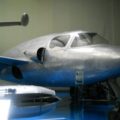
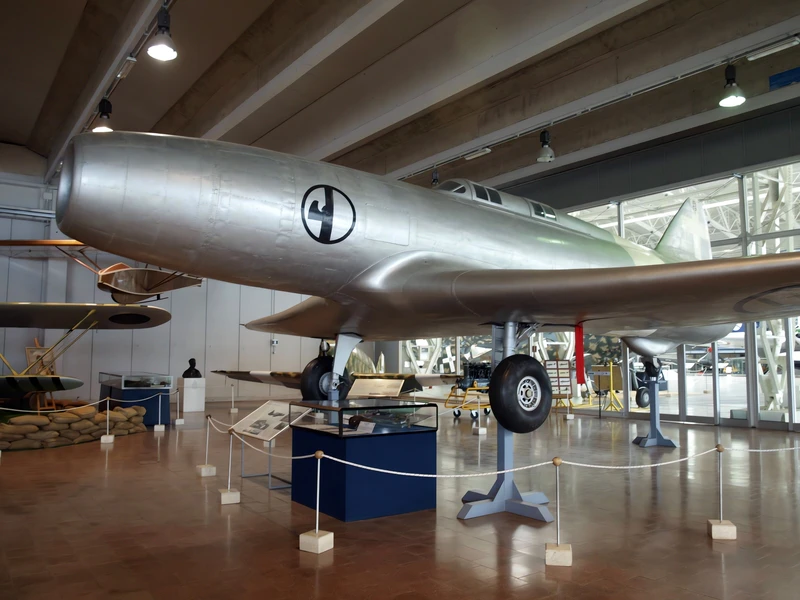
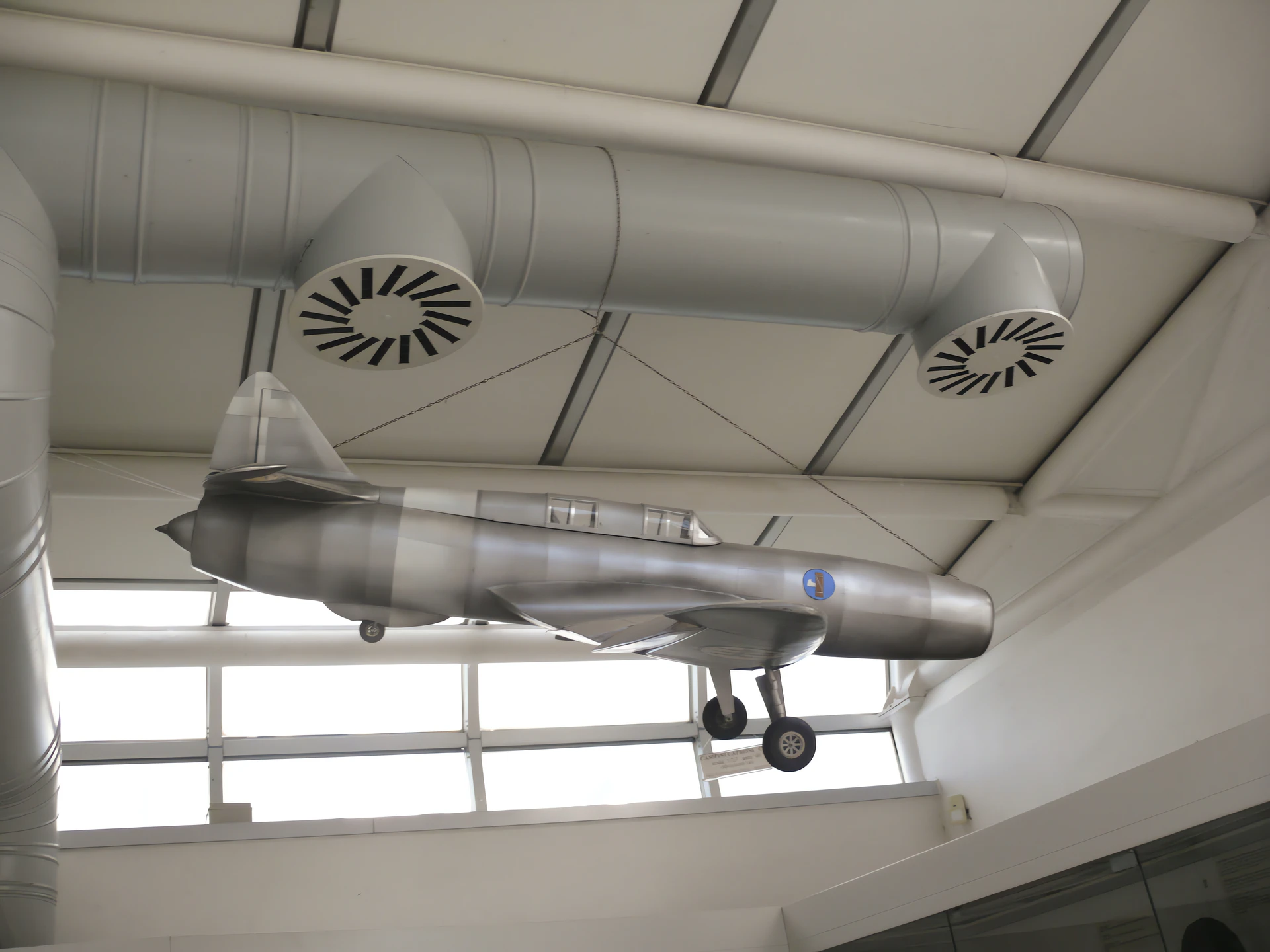
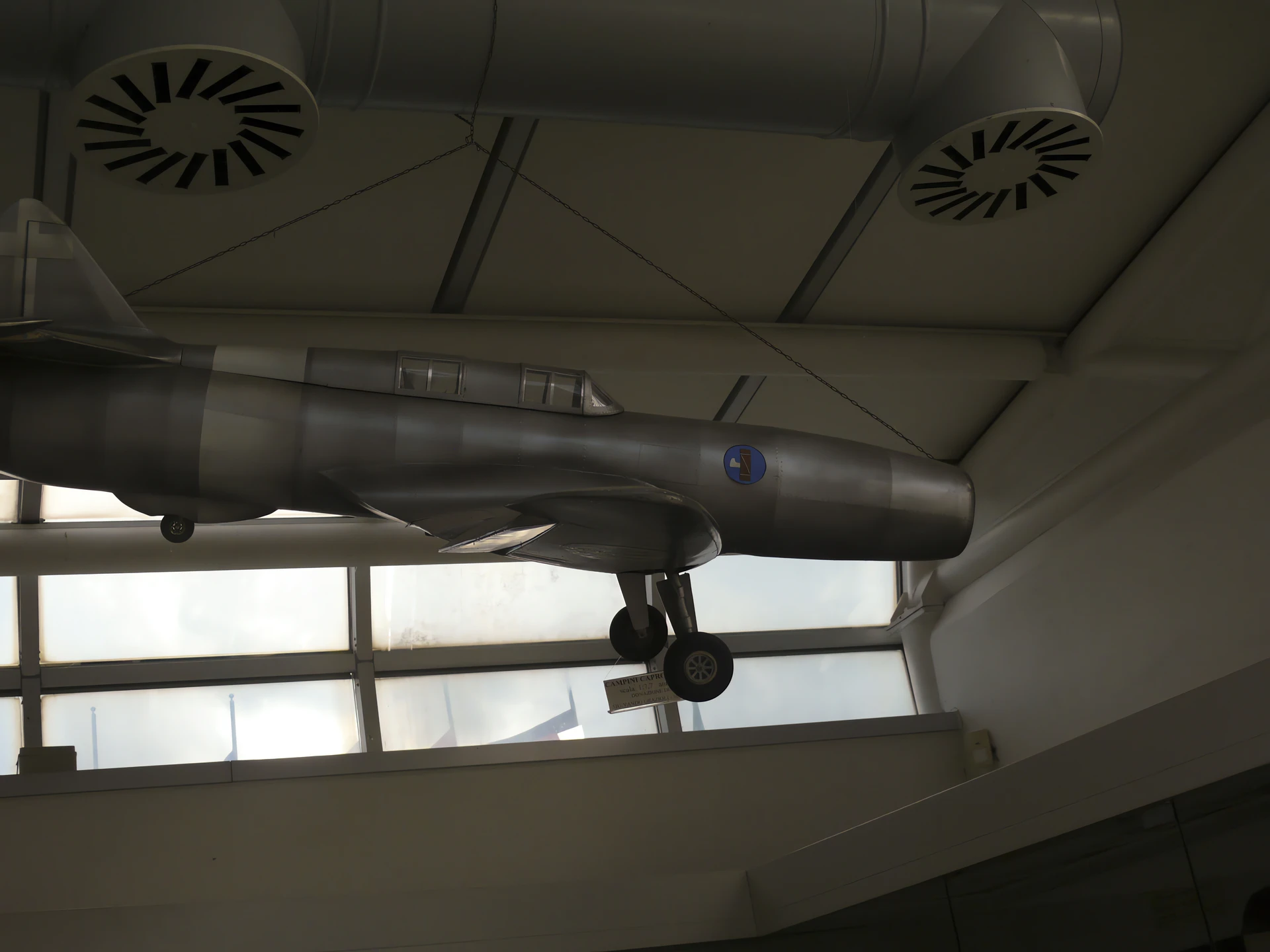
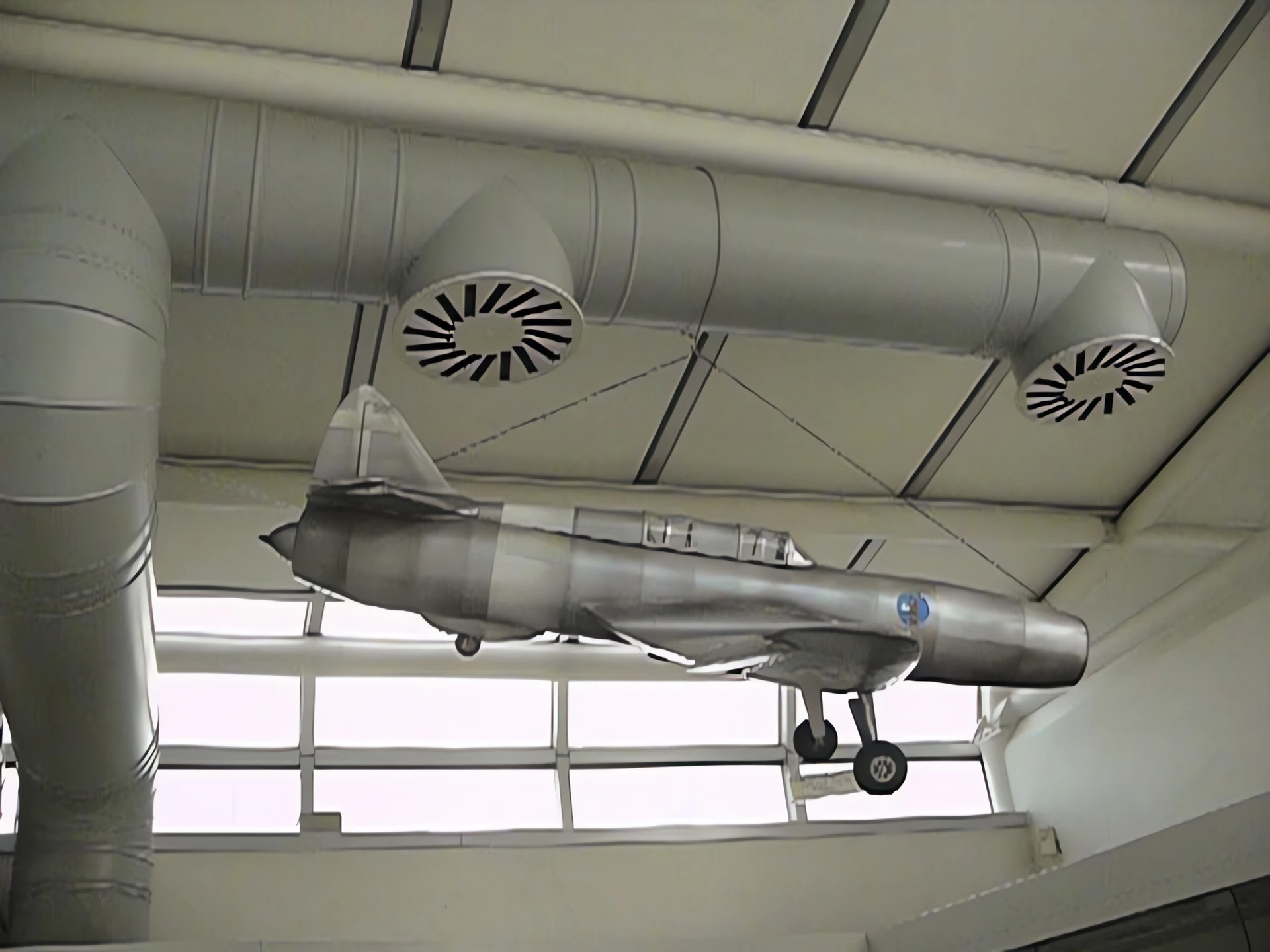
Tthe 카프로니 캄피니 N.1, also known as the C.C.2, was an experimental jet aircraft built in the 1930s by Italian aircraft manufacturer Caproni. The N.1 first flew in 1940 and was briefly regarded as the first successful jet-powered aircraft in history, before news emerged of the German Heinkel He 178’s first flight a year earlier. During 1931, Italian aeronautics engineer Secondo Campini submitted his studies on jet propulsion, including a proposal for a so-called thermo-jet to power an aircraft. Following a high-profile demonstration of a jet-powered boat in Venice, Campini was rewarded with an initial contract issued by the Italian government to develop and manufacture his envisioned engine. During 1934, the Regia Aeronautica (the Italian Air Force) granted its approval to proceed with the production of a pair of jet-powered prototype aircraft. To produce this aircraft, which was officially designated as the N.1, Campini formed an arrangement with the larger Caproni aviation manufacturer.
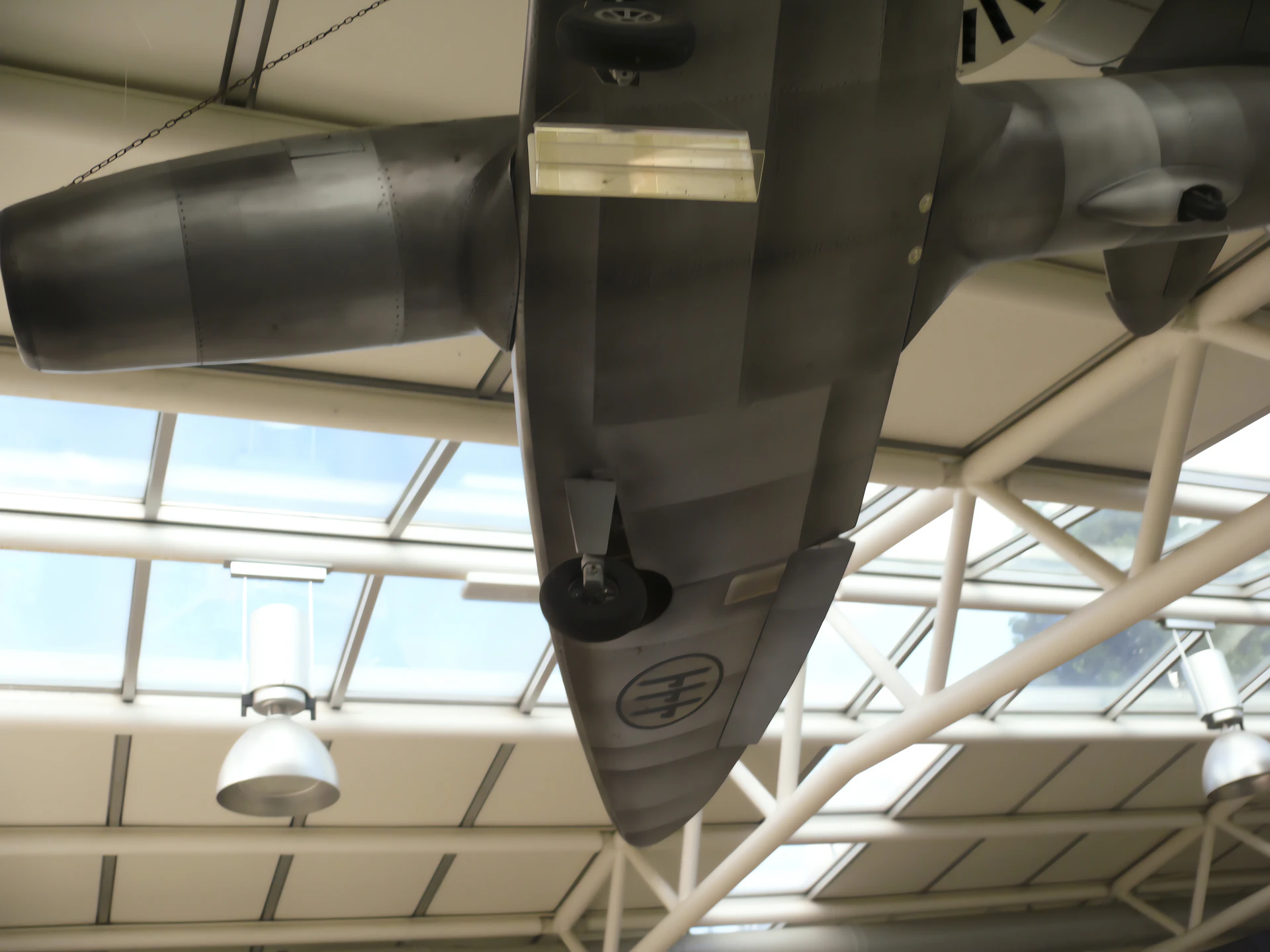
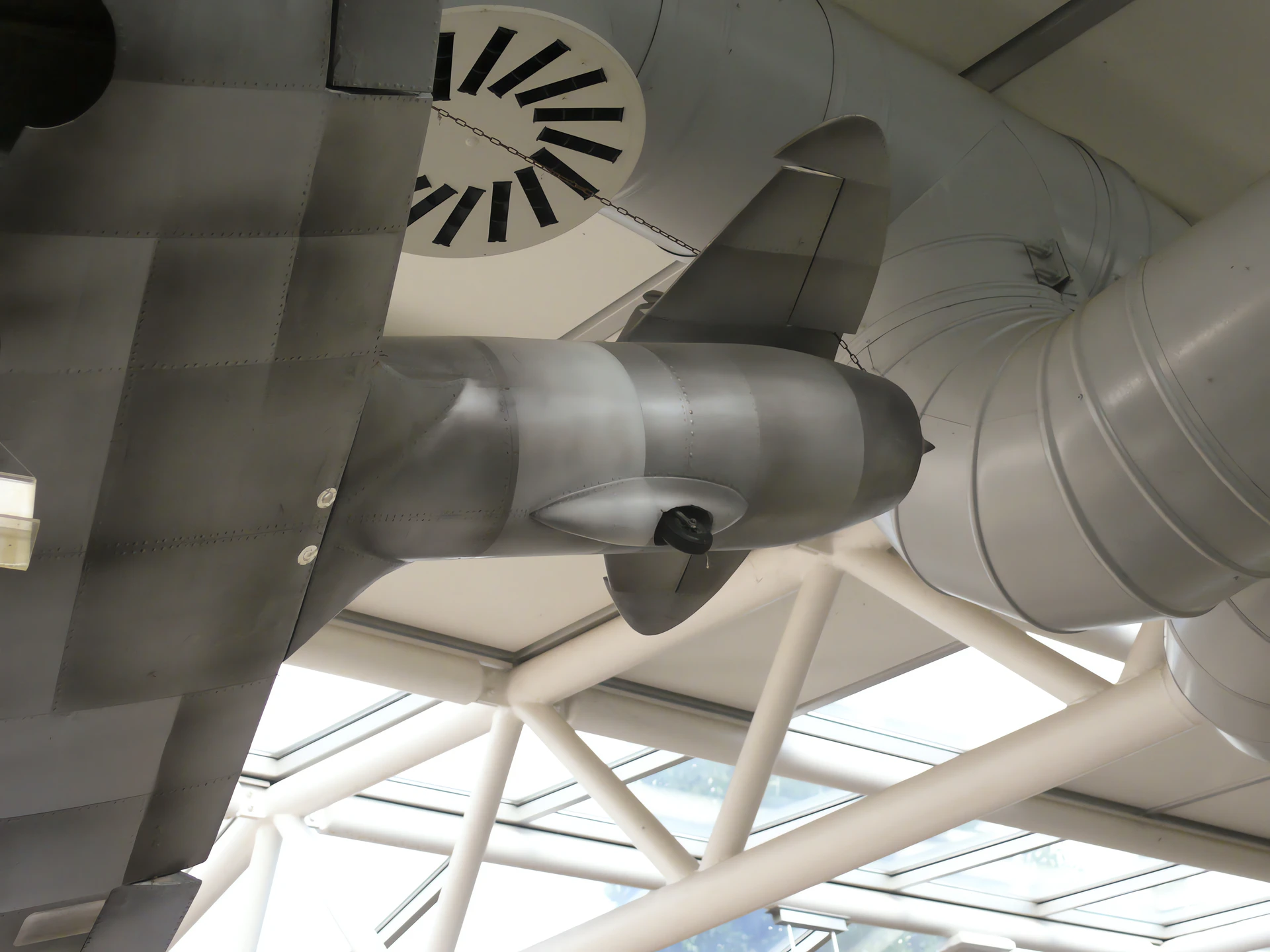
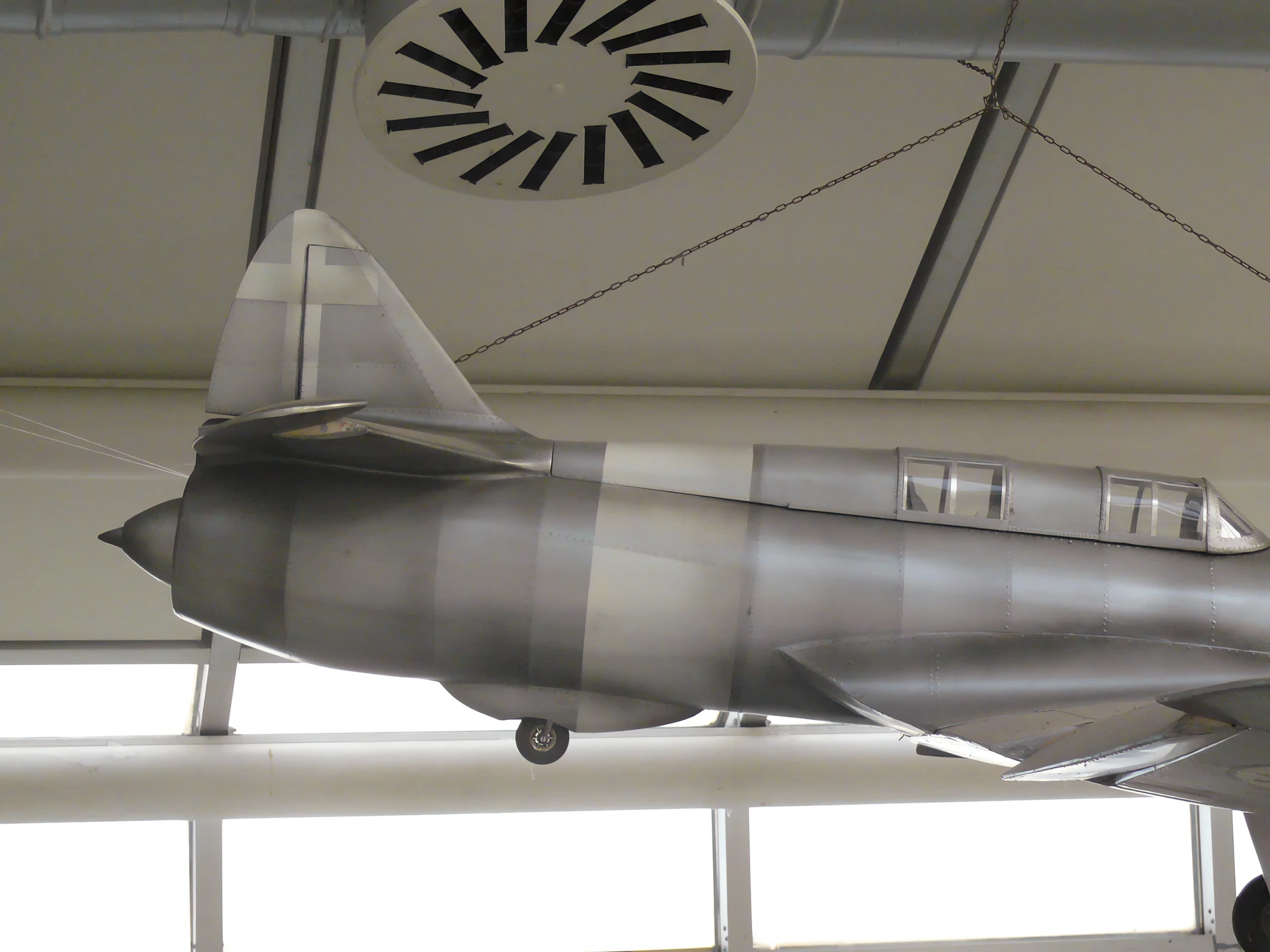
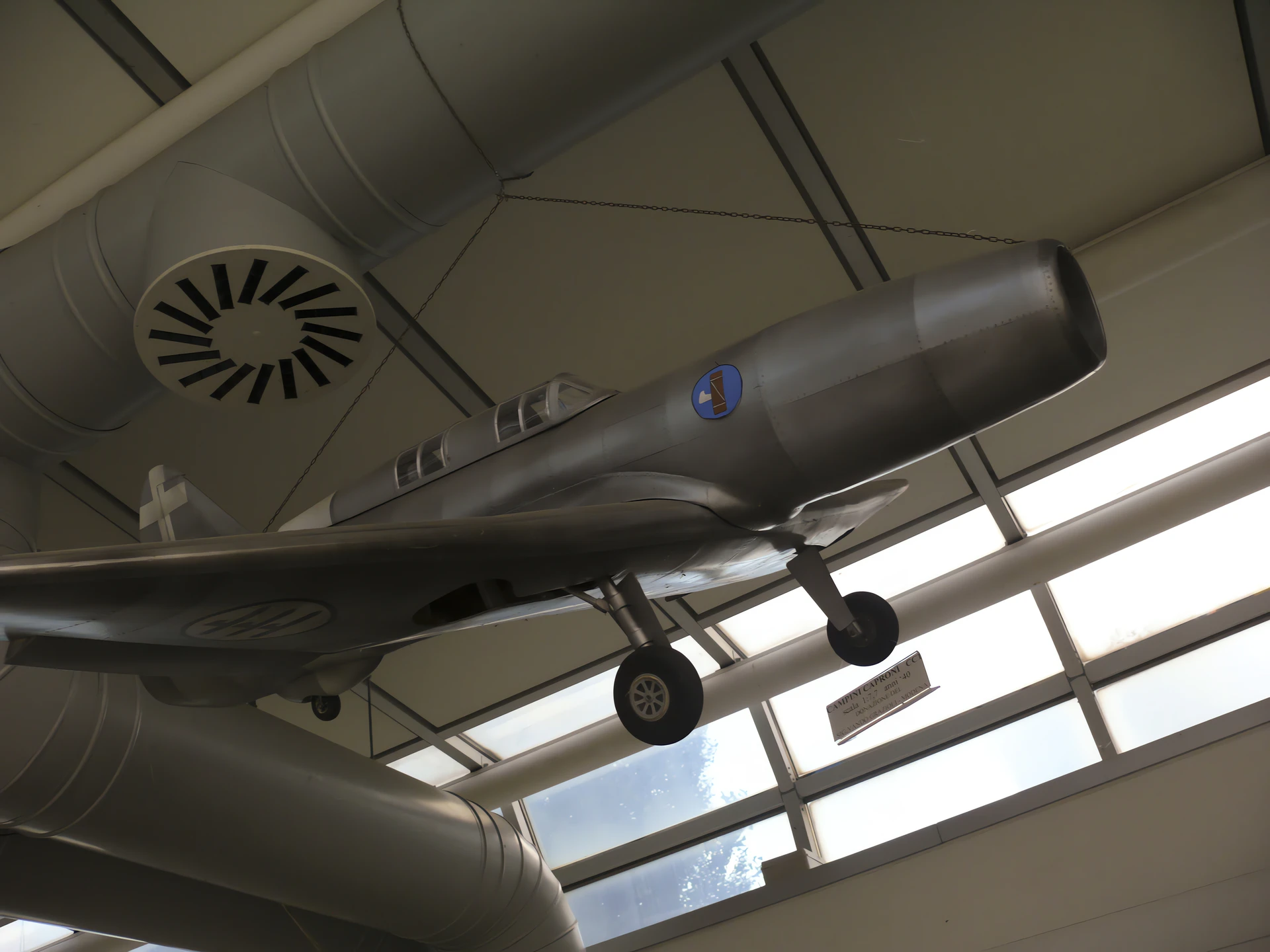
| Campini-Caproni C.C.2 Walk Around | |
|---|---|
| 사진 작가 | Unknow |
| 로컬라이제이션 | Unknow |
| 사진 | 47 |

참고 항목:


General Characteristics
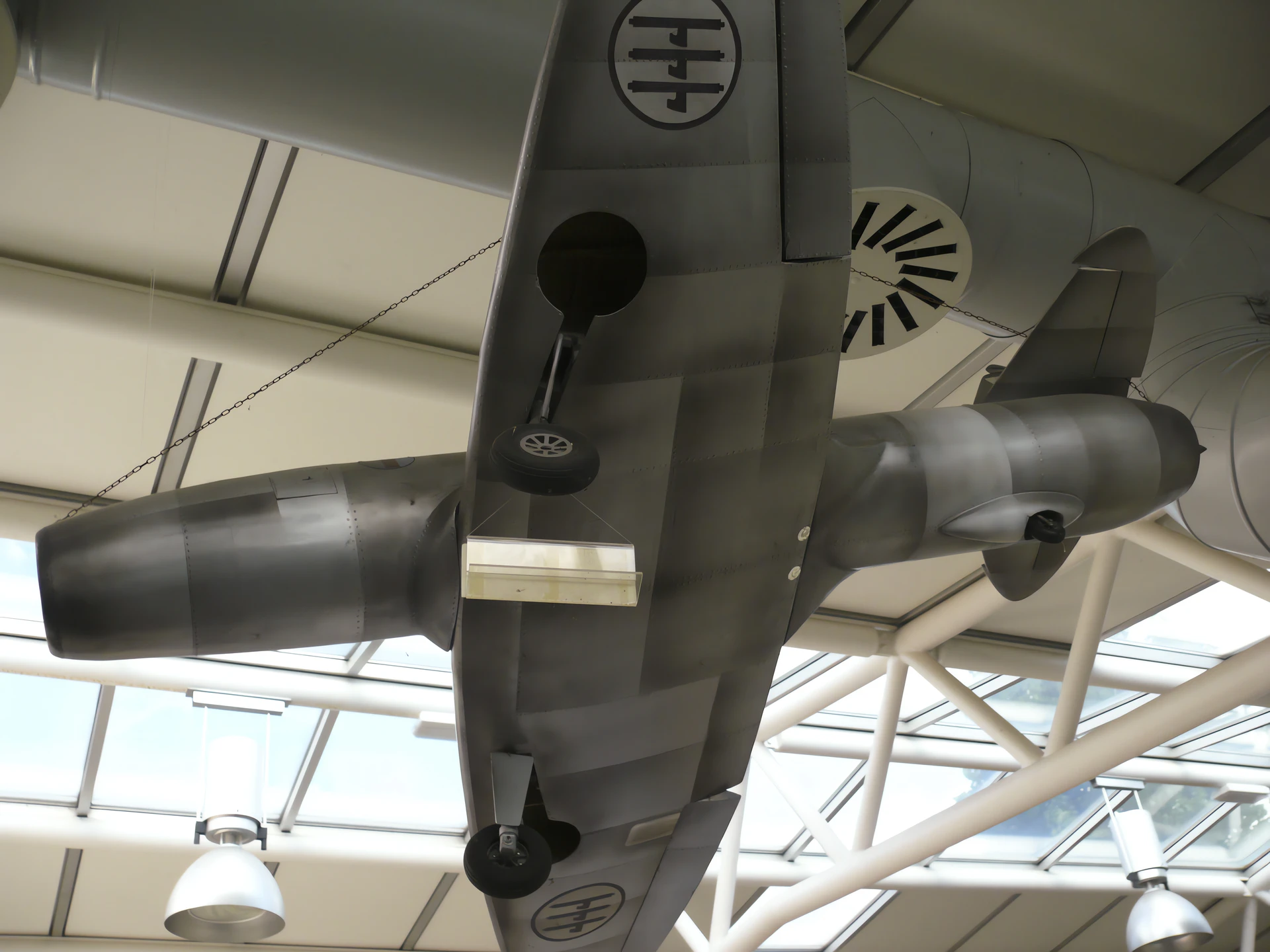
The Campini-Caproni C.C.2 (also commonly known by its official Italian Air Ministry designation, N.1) was an Italian experimental aircraft built by Caproni and designed by engineer Secondo Campini. Its purpose was to test a unique form of jet propulsion known as a motorjet or thermojet. The aircraft made its first flight on August 27, 1940, and was initially hailed by the FAI as the first successful jet-powered aircraft, as the details of the German Heinkel He 178’s flight (August 1939) were kept secret. Although it demonstrated the principle of jet propulsion, the motorjet system proved underpowered and inefficient, resulting in the aircraft being slower than contemporary piston-engined fighters. Only two prototypes were built, and the project was eventually abandoned.
| Property | Typical Value (C.C.2 / N.1) |
|---|---|
| 역할 | Experimental Propulsion Testbed |
| National Origin | 이탈리아 |
| 제조업체 | Caproni (Airframe), Campini (Propulsion) |
| First Flight | August 27, 1940 |
| No. Built | 2 Prototypes |
| 승무원 | 2 (Pilot and Engineer/Observer) |
| 길이 | 13.10 m (43 ft 0 in) |
| 윙스 팬 | 15.85 m (52 ft 0 in) |
| Max Takeoff Weight | 4,195 kg (9,250 lb) |
Unique Propulsion System and Performance
- Propulsion: 1 x Motorjet (or Thermojet) system.
- The system used a conventional piston engine (an Isotta Fraschini L.121 R.C.40 liquid-cooled engine) located mid-fuselage.
- This piston engine drove a three-stage axial compressor mounted forward of the cockpit.
- Compressed air was mixed with fuel and ignited in an annular combustion chamber near the tail, creating a jet of hot gas for thrust.
- Piston Engine Power: Approximately 670 kW (900 hp).
- Net Thrust: Approximately 6.9 kN (1,550 lbf) with the fuel ignited.
- Maximum Speed: 375 km/h (233 mph).
- Service Ceiling: 4,000 m (13,300 ft).
- Design Note: The motorjet concept eliminated the complex, high-temperature turbine section of a true turbojet, but the resulting thrust was insufficient for high-speed flight. The C.C.2 was sometimes described as a ducted fan with an afterburner.
History and Legacy
- Historic Flight: The C.C.2 completed a celebrated propaganda flight from Taliedo (Milan) to Guidonia (near Rome) in 1941, covering 700 km (435 mi) to demonstrate Italy’s technological prowess.
- Armament: The C.C.2 prototypes were unarmed, as they were strictly experimental vehicles.
- Cancellation: Development of the motorjet ceased in 1942 due to the system’s low efficiency, high fuel consumption, and disappointing speed, confirming that the true gas turbine engine (like Germany’s and Britain’s) was the superior path for jet propulsion.
- Survivors: One of the two original C.C.2 prototypes (MM.488) is preserved today and displayed at the Museo Storico dell’Aeronautica Militare Italiana (Italian Air Force Museum) at Vigna di Valle, near Rome.
조회수 : 1704