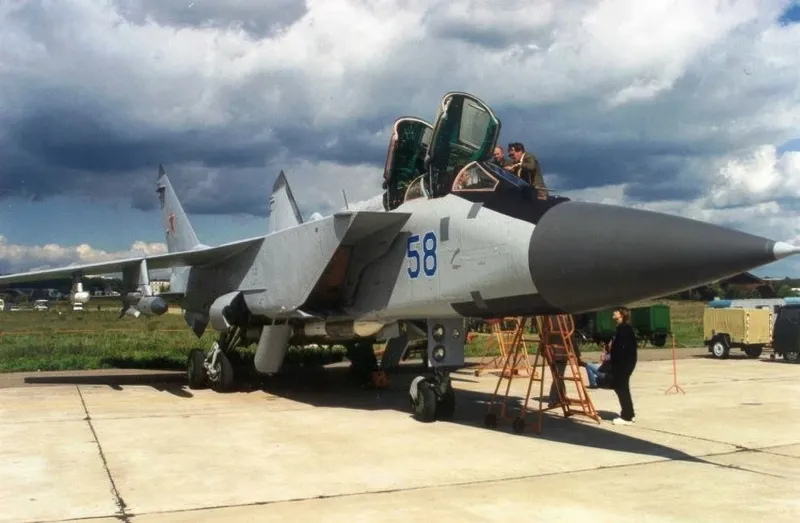
미코얀 미지-31 | |
|---|---|
| 국가 | 소련 |
| 역할 | 요격기 항공기, 공격 항공기 |
| 첫 비행 | 1981년 5월 6일 |
| 내장 | 519+ |
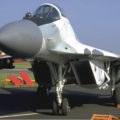
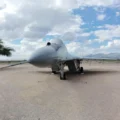
Tthe 미코얀 미지-31 (러시아어: 31; NATO 보고 이름: 폭스하운드)는 소련 공군에 의해 사용하기 위해 개발 된 초음속 요격기 항공기입니다. 이 항공기는 미코얀 디자인 국이 이전 MiG-25 "Foxbat"의 대체품으로 설계했습니다. MiG-31은 설계 요소를 기반으로 MiG-25와 공유합니다. MiG-31은 세계에서 가장 빠른 전투 제트기 중 하나라는 구별을 가지고 있습니다. 1991년 냉전 종식과 소련 붕괴 이후 러시아 공군과 카자흐스탄 공군이 계속 운영하고 있다. 러시아 국방부는 MiG-31이 2030년 이후까지 복무할 것으로 예상하고 있으며, 2020년에 기존 기체에서 서비스 수명을 2,500시간에서 3,500시간으로 연장하겠다는 발표가 확정된 것으로 확인되었습니다.
소스: MiG-31 온 위키
| Mikoyan MiG-31 Walk Around | |
|---|---|
| 사진 작가 | 미하일 푸트니코프 |
| 로컬라이제이션 | Unknow |
| 사진 | 14 |
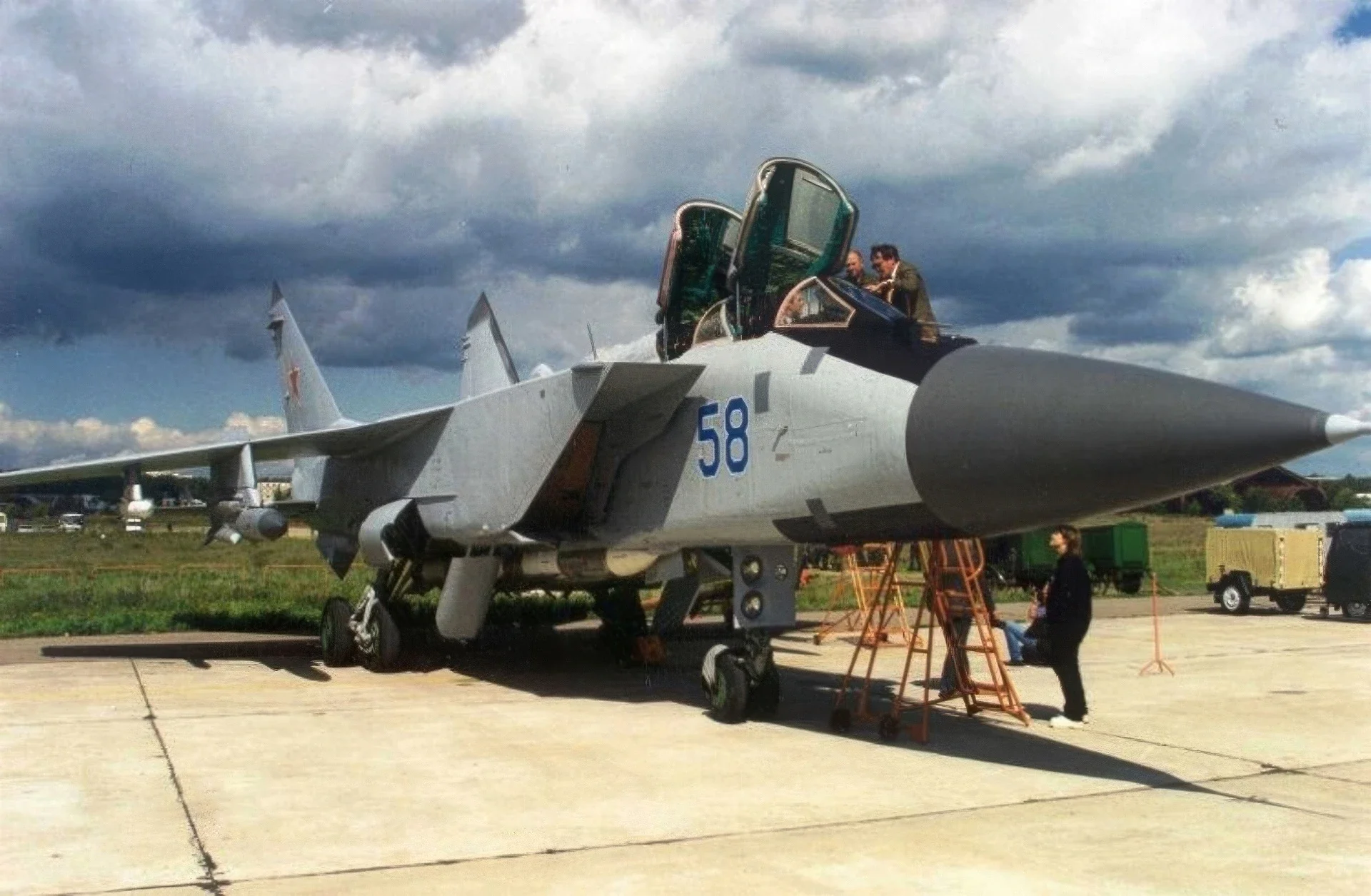
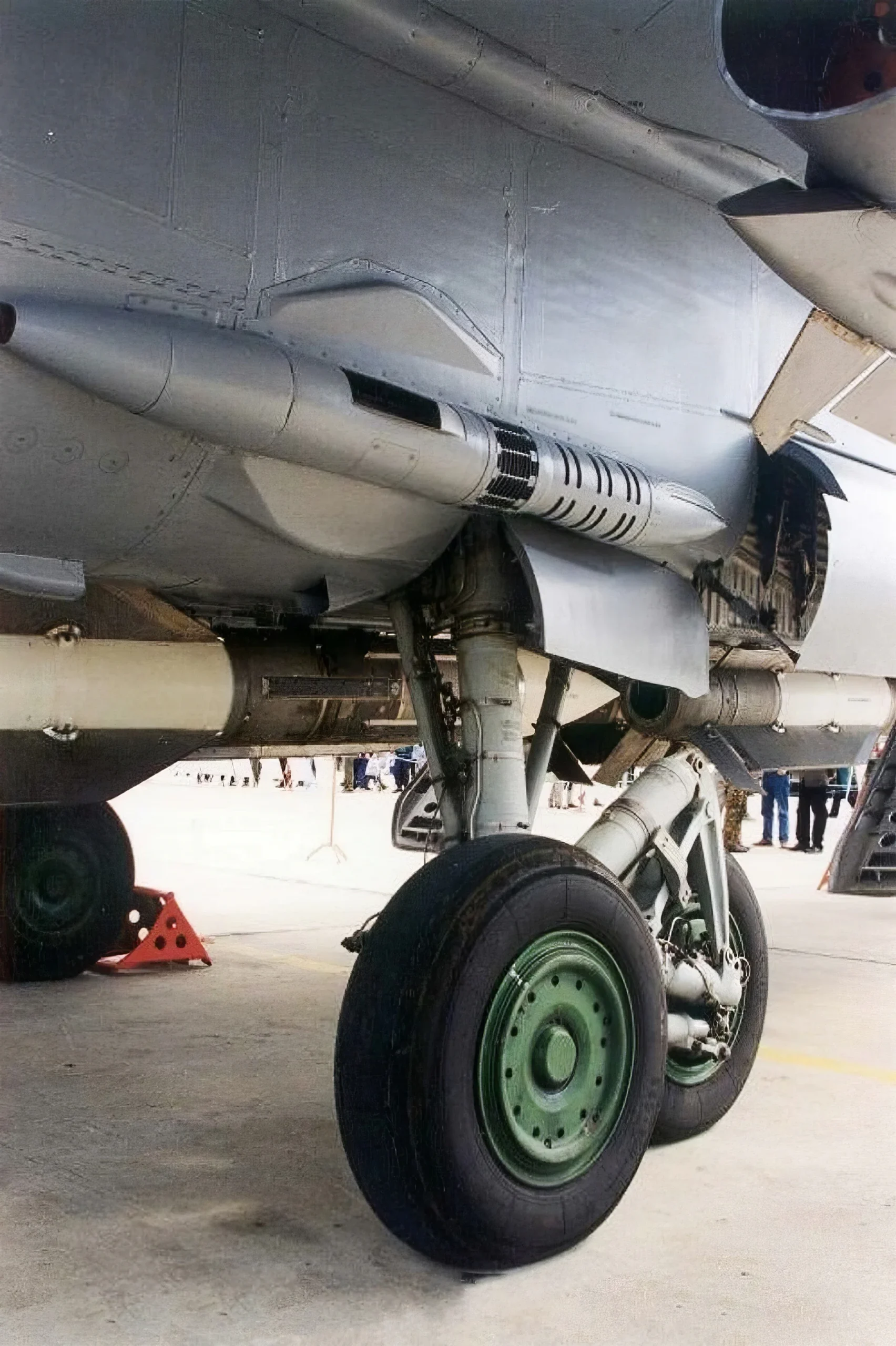
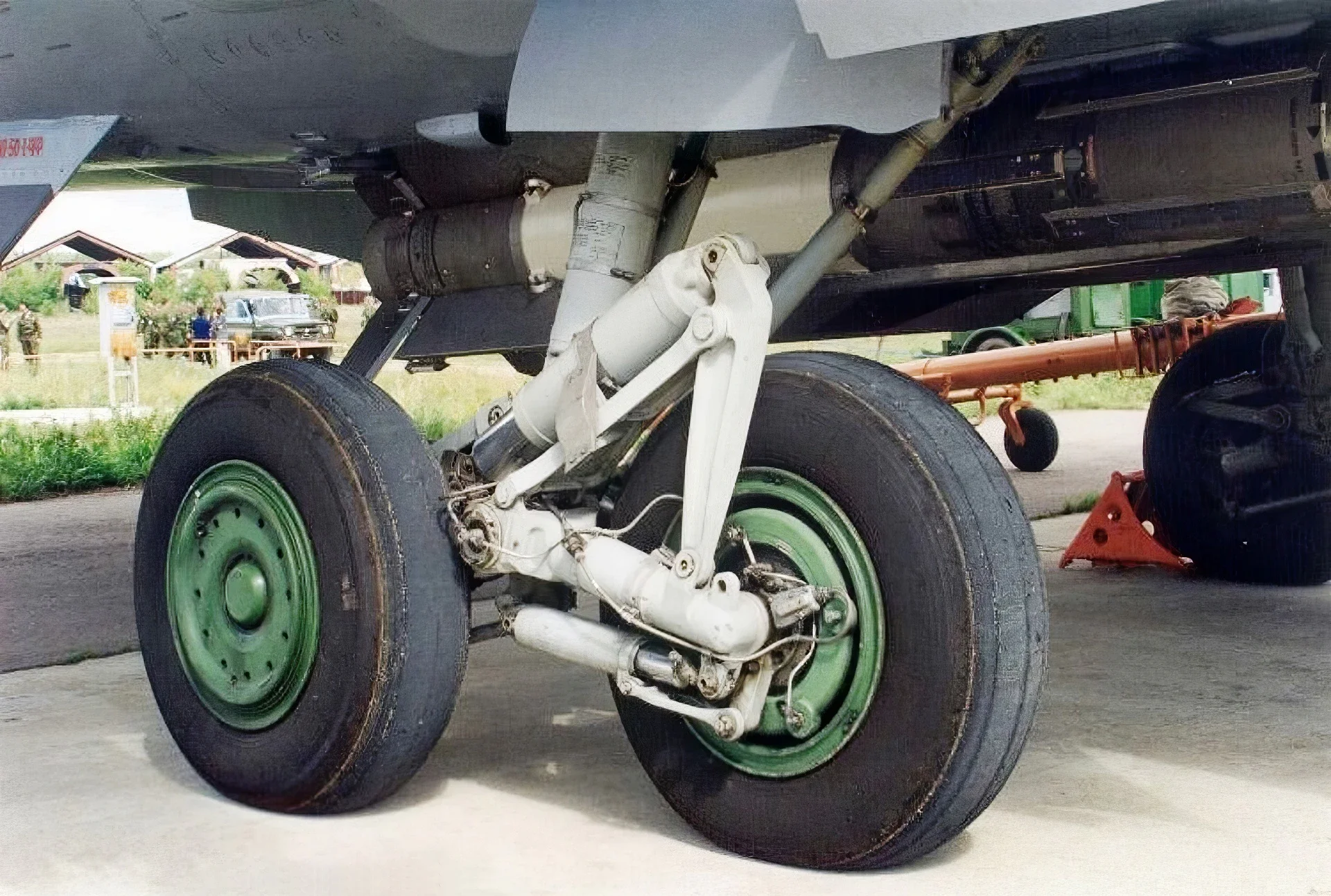

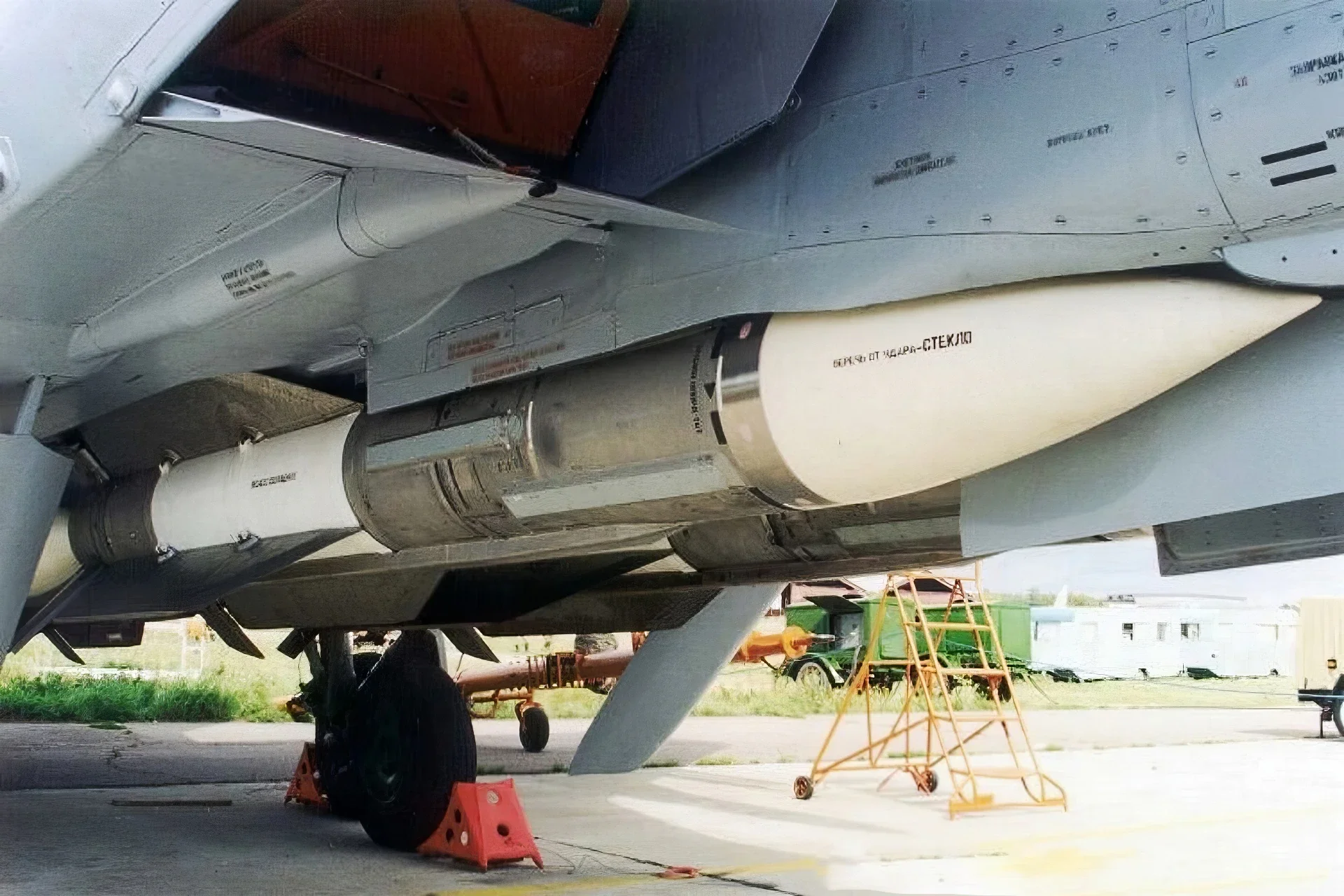

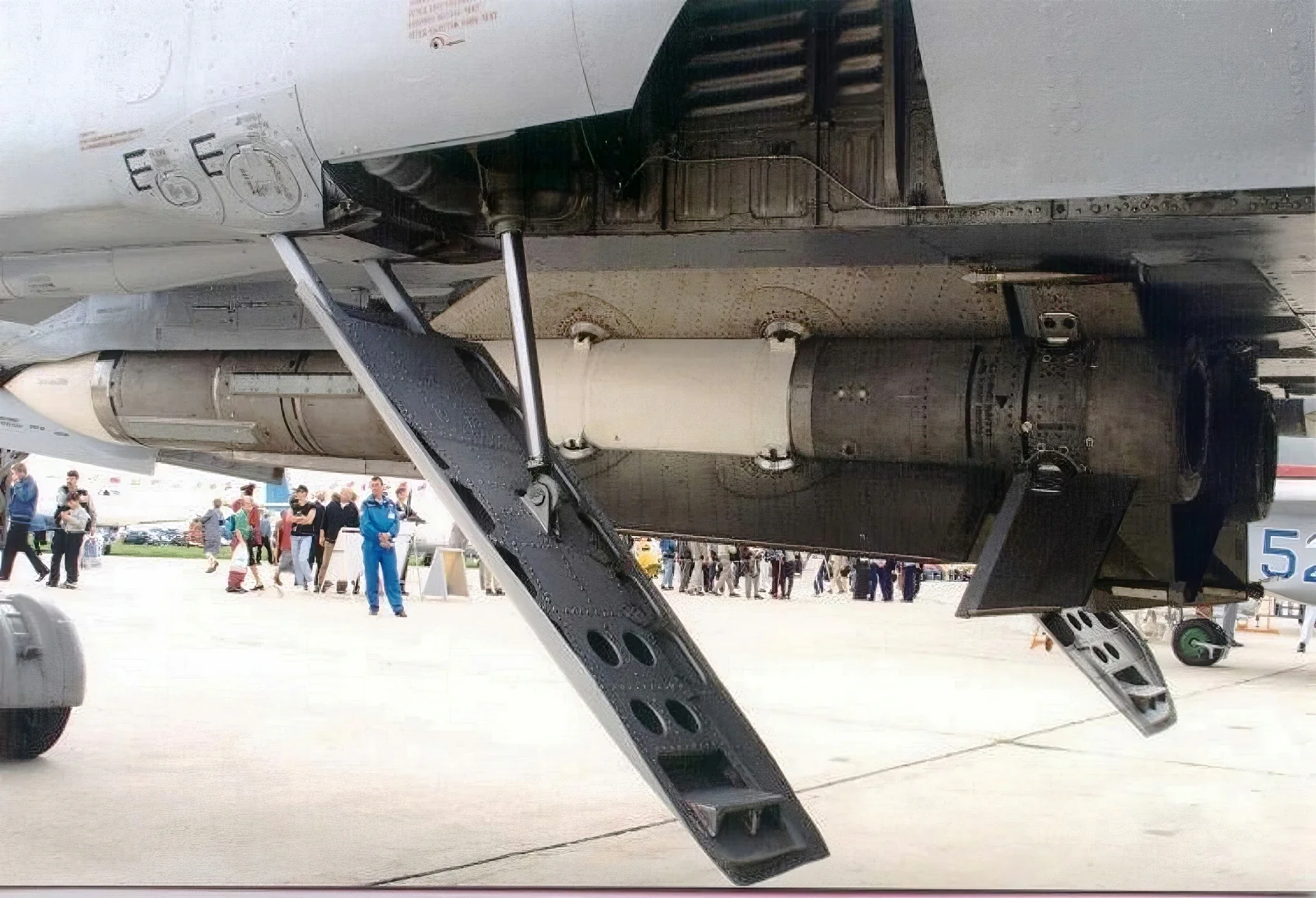
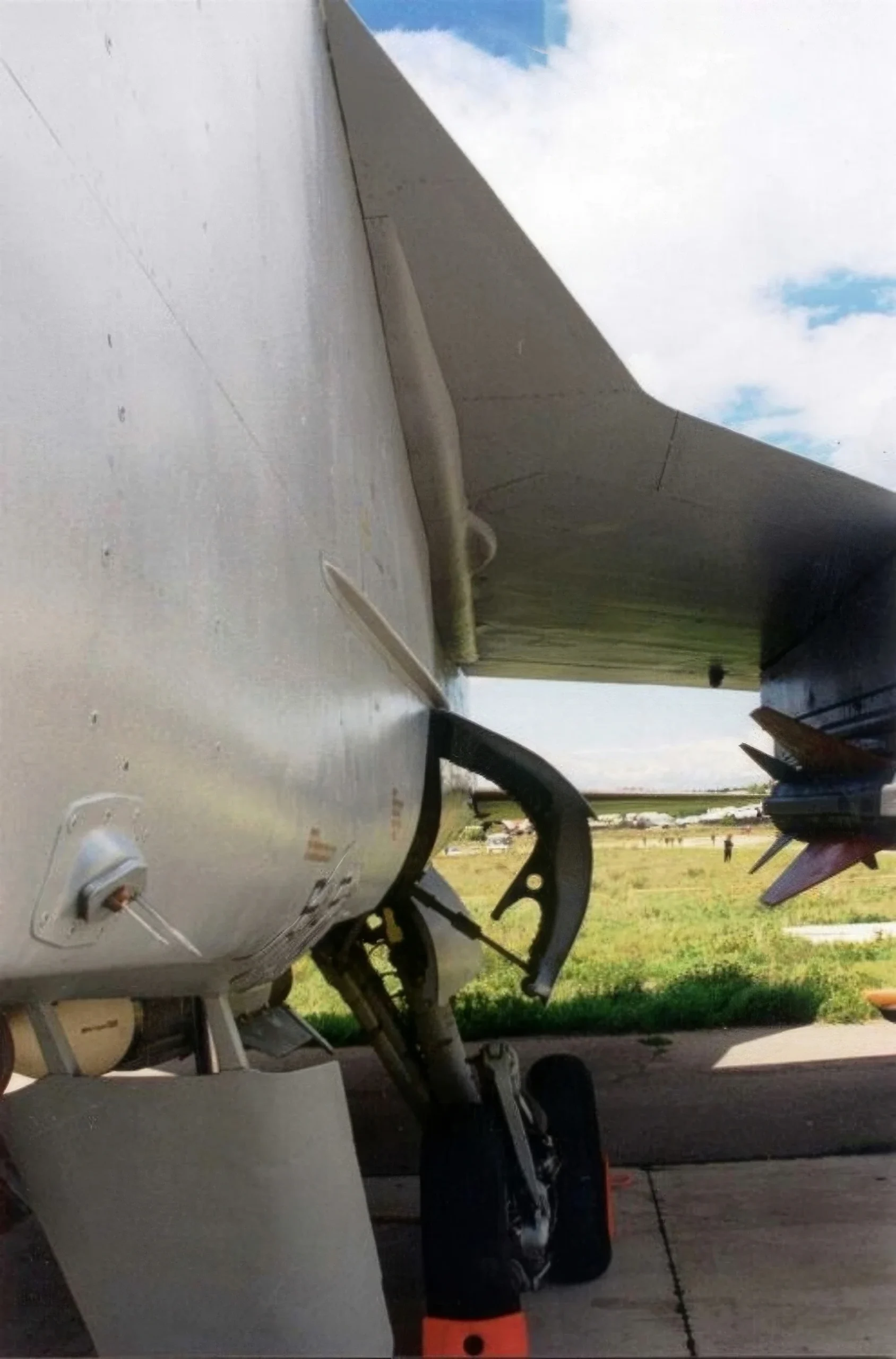


General Characteristics
The Mikoyan MiG-31 (NATO reporting name: Foxhound) is a Soviet/Russian supersonic interceptor aircraft designed to replace the earlier MiG-25 Foxbat. It was developed to defend vast Soviet airspace, particularly against cruise missiles and low-flying intruders. The MiG-31 is a highly unique aircraft, being one of the few jets in the world capable of achieving speeds near Mach 3 while carrying a heavy missile load. Its most significant feature is its advanced Zaslon S-800 phased array radar, making it the first fighter platform in the world to employ such a radar system. The aircraft operates in pairs or groups, with four MiG-31s capable of controlling an 800–900 km (500–560 mi) front line. It remains one of Russia’s primary long-range interceptors, with upgraded variants like the MiG-31BM still in service.
| Property | Typical Value (MiG-31B/BS/BM) |
|---|---|
| 역할 | Long-Range Supersonic Interceptor |
| National Origin | 소련 / 러시아 |
| 제조업체 | Mikoyan Design Bureau / Sokol Aircraft Plant |
| First Flight | September 16, 1975 |
| Service Entry | 1981 |
| No. Built | Approx. 500+ |
| 승무원 | 2 (Pilot, Weapon Systems Officer/Navigator) |
| 길이 | 22.69 m (74 ft 5 in) |
| 윙스 팬 | 13.46 m (44 ft 2 in) |
| Max Takeoff Weight | 46,200 kg (101,850 lb) |
Powerplant and Performance
- Engine: 2 x Soloviev D-30F6 afterburning turbofan engines.
- Max Thrust (per engine, w/ afterburner): 152.0 kN (34,170 lbf).
- Maximum Speed (High Altitude): Mach 2.83 (3,000 km/h or 1,860 mph). (Limited to Mach 2.35 by most modern operational parameters for engine longevity).
- Maximum Speed (Low Altitude): Mach 1.23.
- Service Ceiling: 20,600 m (67,600 ft).
- Combat Radius (Subsonic): 720 km (450 mi).
- Ferry Range: 3,300 km (2,050 mi) with two drop tanks.
- Design Note: The MiG-31 is built with a greater proportion of steel and titanium (approx. 50% steel, 33% aluminum, 16% titanium) than its predecessor to better sustain high speeds.
Armament and Sensors
- Internal Gun: 1 x 23 mm GSh-6-23 six-barrel rotary cannon (260 rounds) (removed in later modernization efforts like the MiG-31BM).
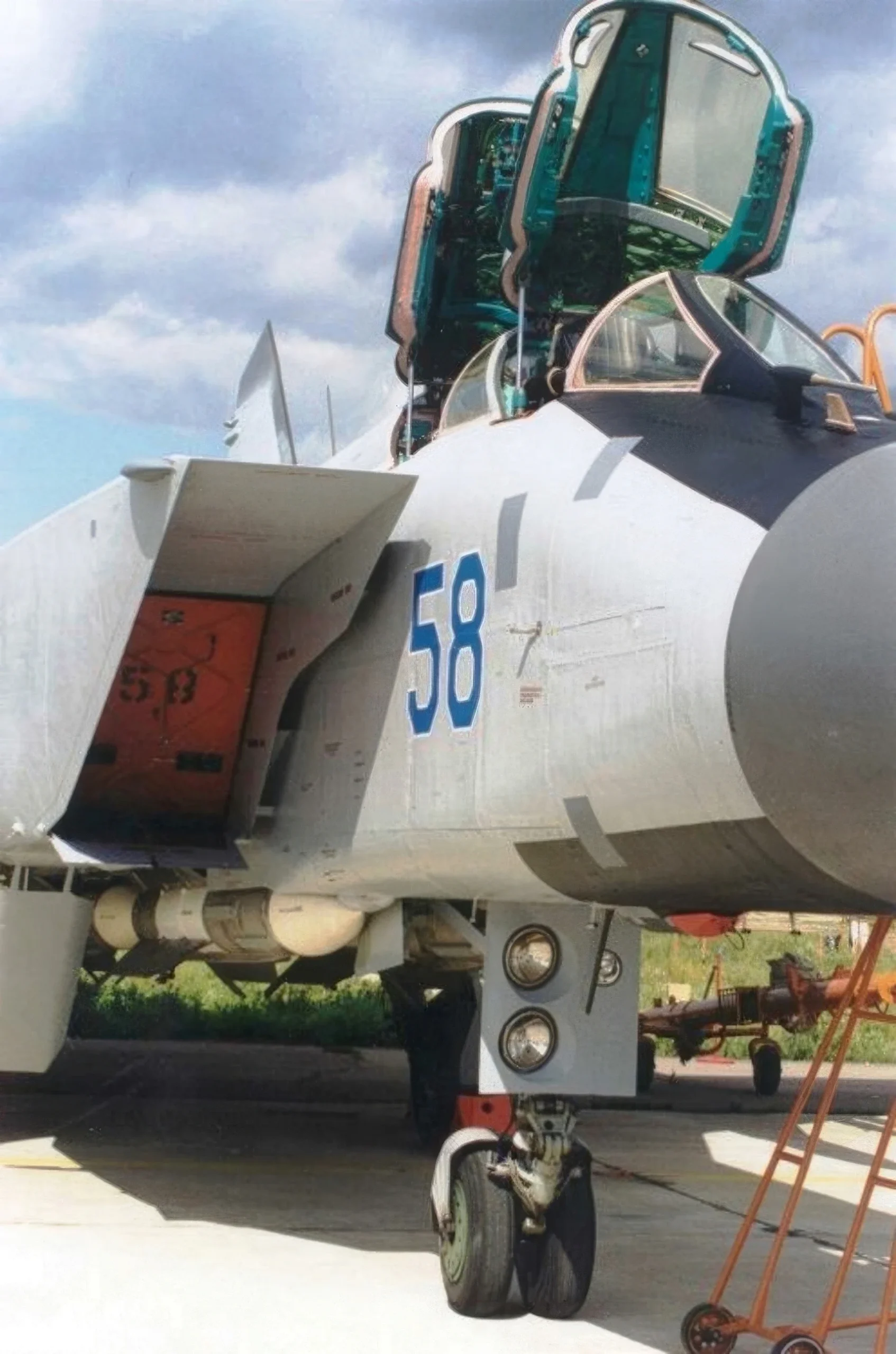
- Hardpoints: 8 total (4 semi-recessed under the fuselage for R-33/37 missiles, 4 under-wing).
- Key Armament:
- Primary Missile: R-33/AA-9 Amos (long-range radar-guided missile, range up to 160 km in earlier versions).
- Upgraded Missile (MiG-31BM): R-37/RVV-BD (extra long-range AAM, cited range up to 400 km).
- Short/Medium Range Missiles: R-40, R-60, R-73, and R-77.
- Kinzhal Missile: MiG-31K variants are modified to carry the Kh-47M2 Kinzhal air-launched hypersonic ballistic missile.
- Key Sensor: Zaslon S-800 Phased Array Radar (PANDA)
- Range: Can detect targets up to 200 km (124 mi) away (MiG-31B) and track up to 10 targets simultaneously, engaging 4 of them.
- MiG-31BM upgrades: Feature the Zaslon-M radar with an increased detection range of 320 km and the ability to track 24 targets, engaging 8 simultaneously.
조회수:2858