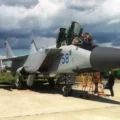
미코얀 미그-29 | ||
| 국가 | 소련 | |
| 역할 | 공기 우수 전투기 | |
| 첫 번째 비행 | 1977년 10월 6일 | |
| 내장 | 1600+ | |
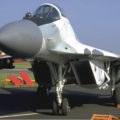
사진 갤러리 미코얀 MiG-29, 미코얀 MiG-29 는 공중 우위 역할을 위해 소련에서 사용되는 네 번째 세대 제트기의 전투기입니다.
| Mikoyan MiG-29 – WalkAround | |
|---|---|
| 사진 작가 | Unknow |
| 로컬라이제이션 | Unknow |
| 사진 | 171 |
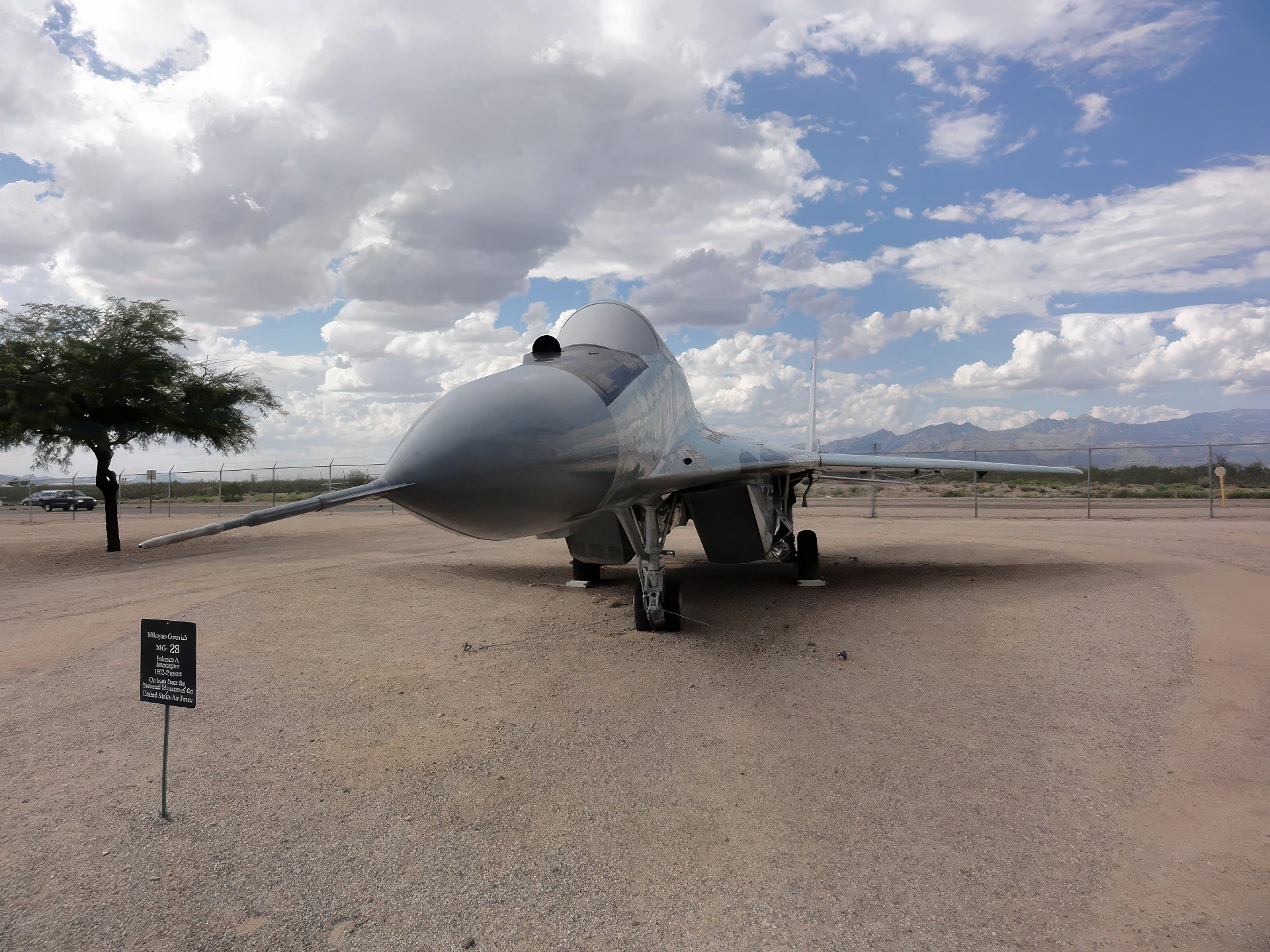
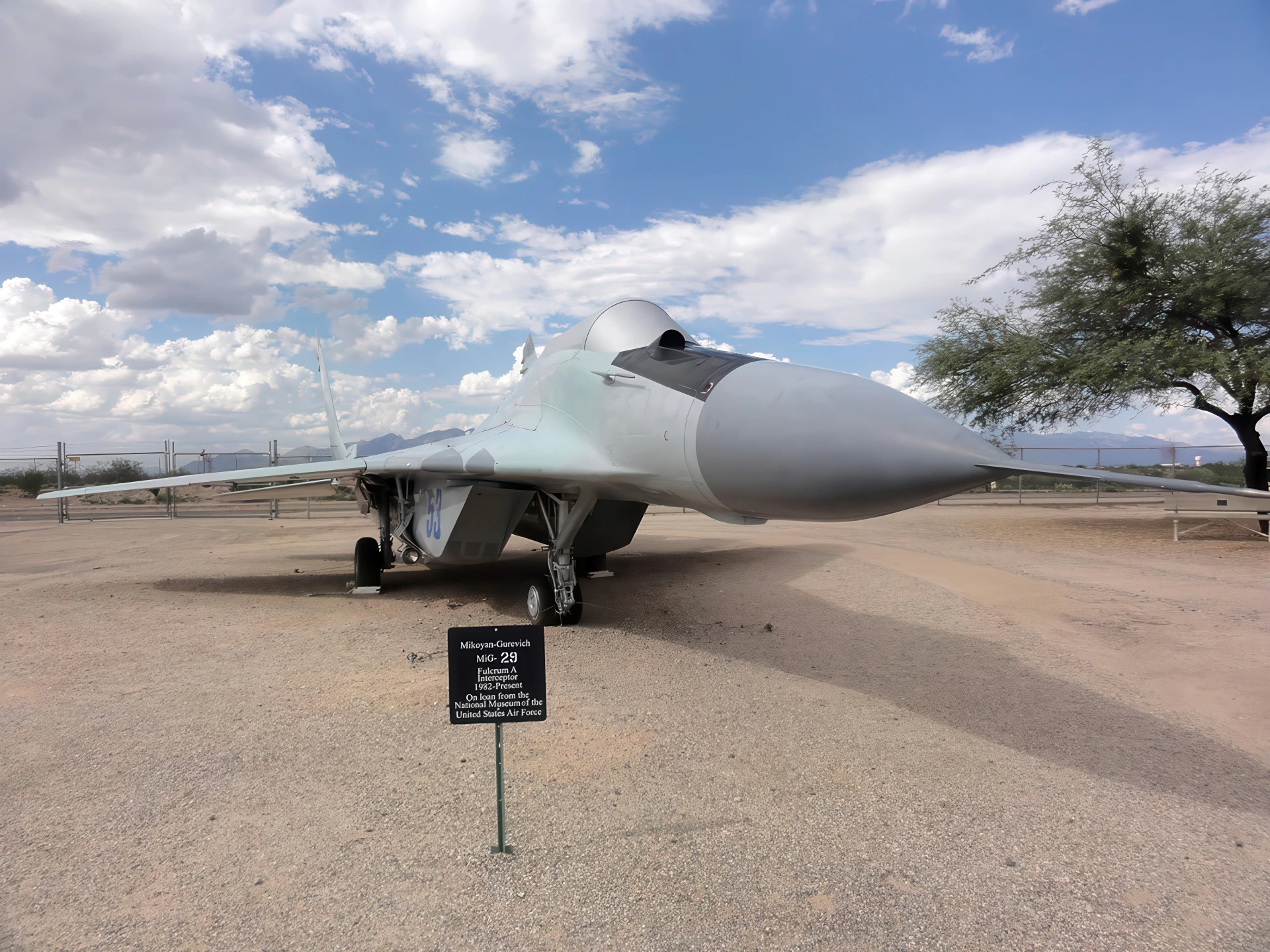
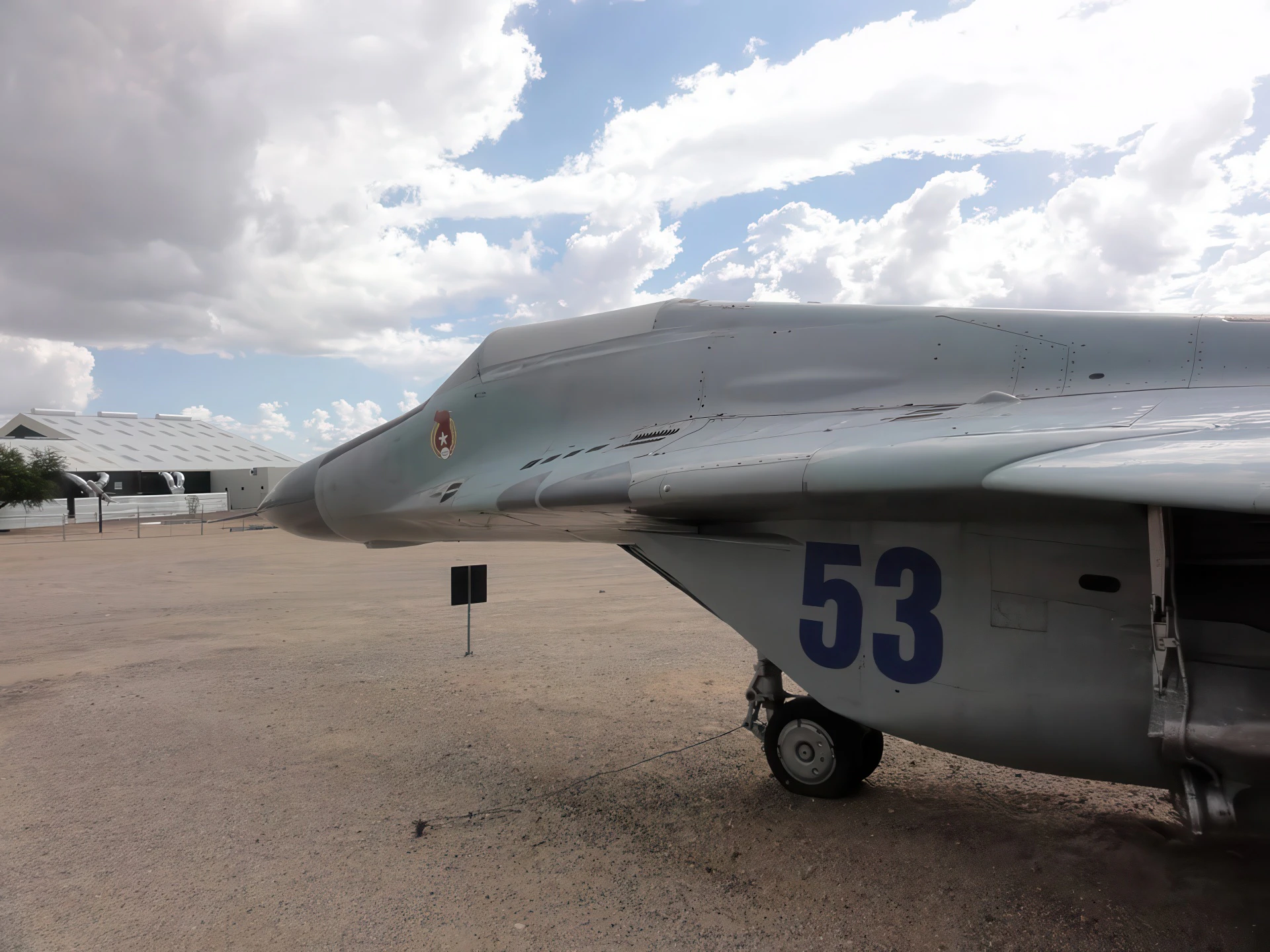
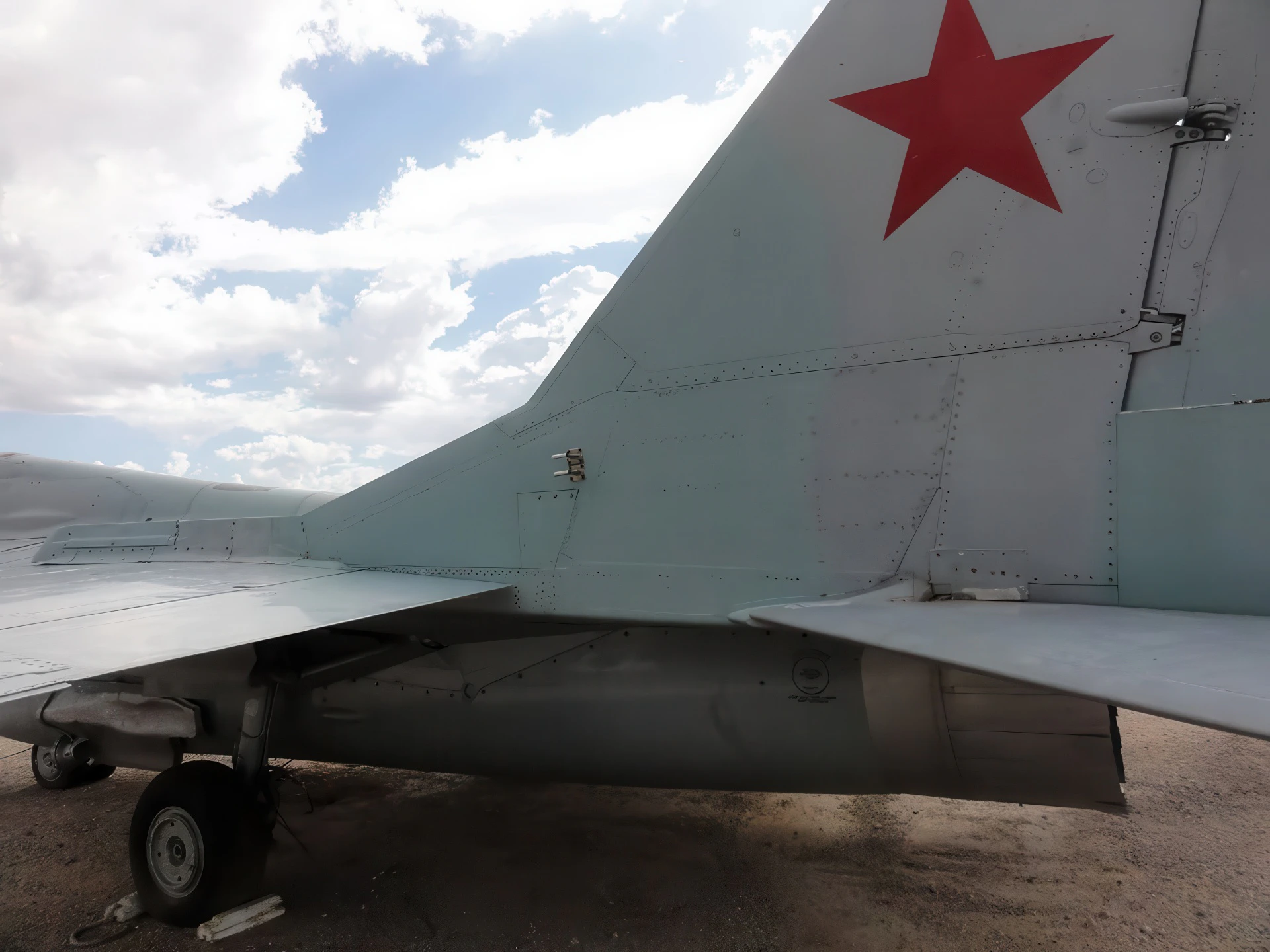
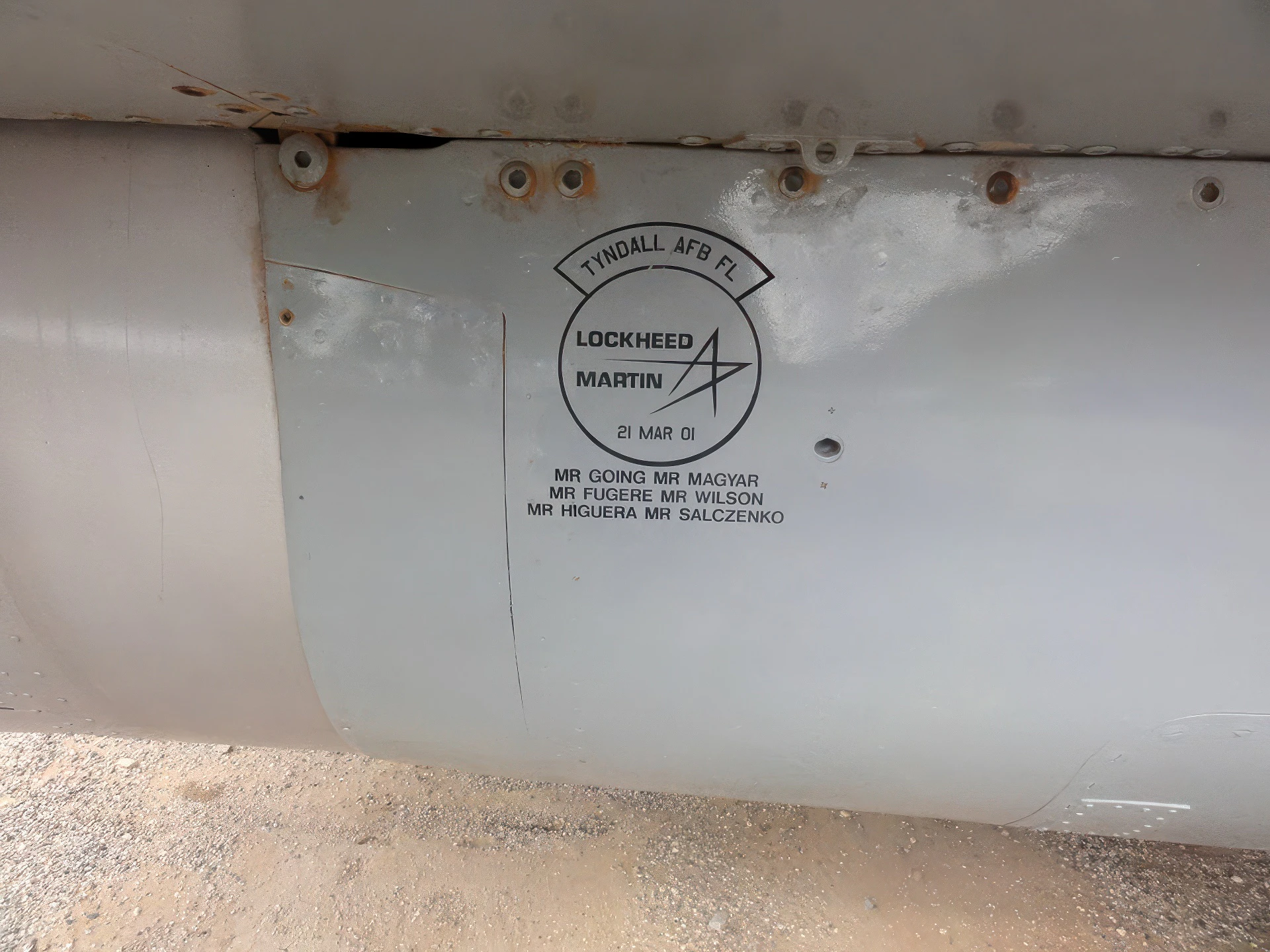
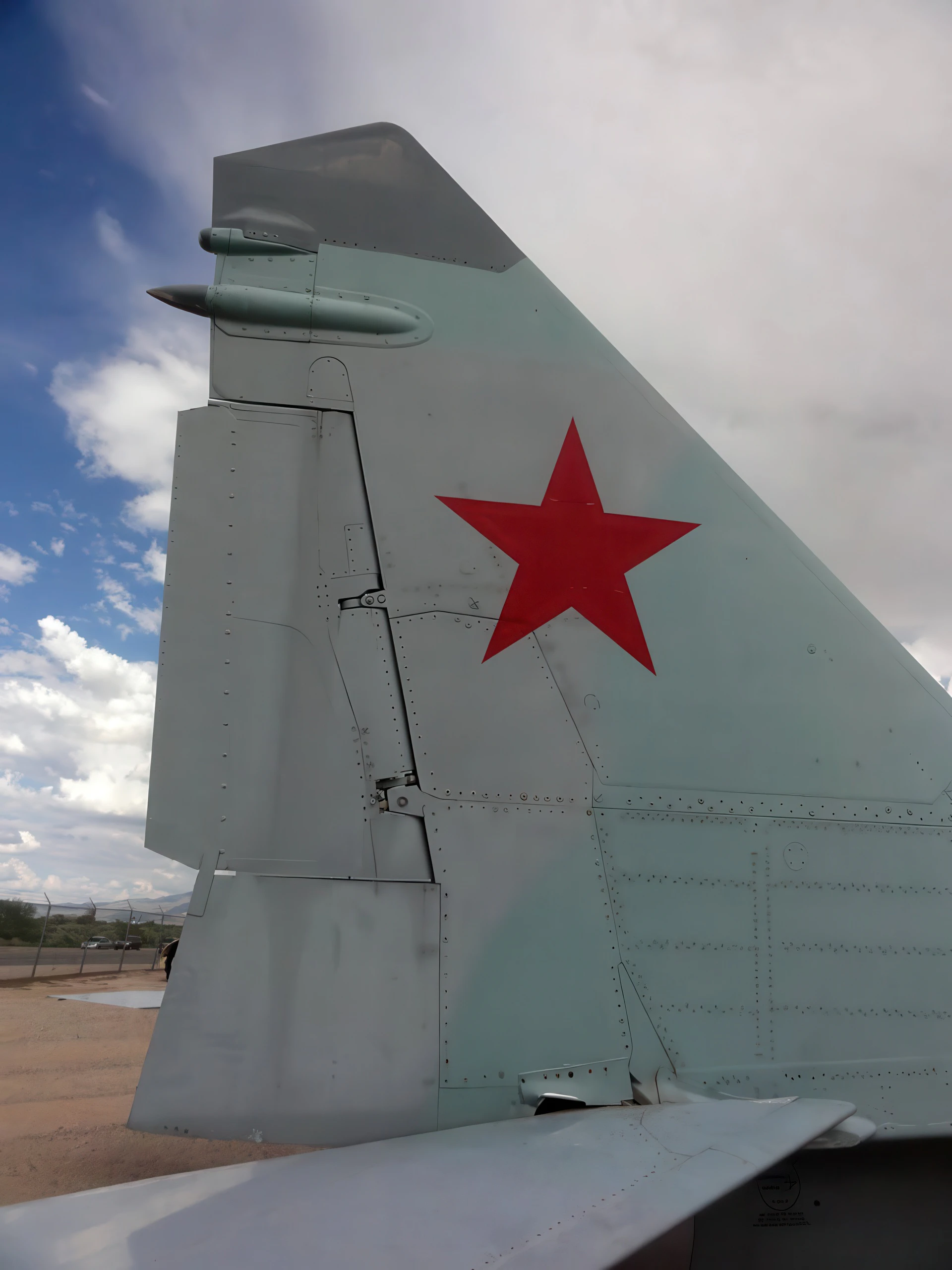
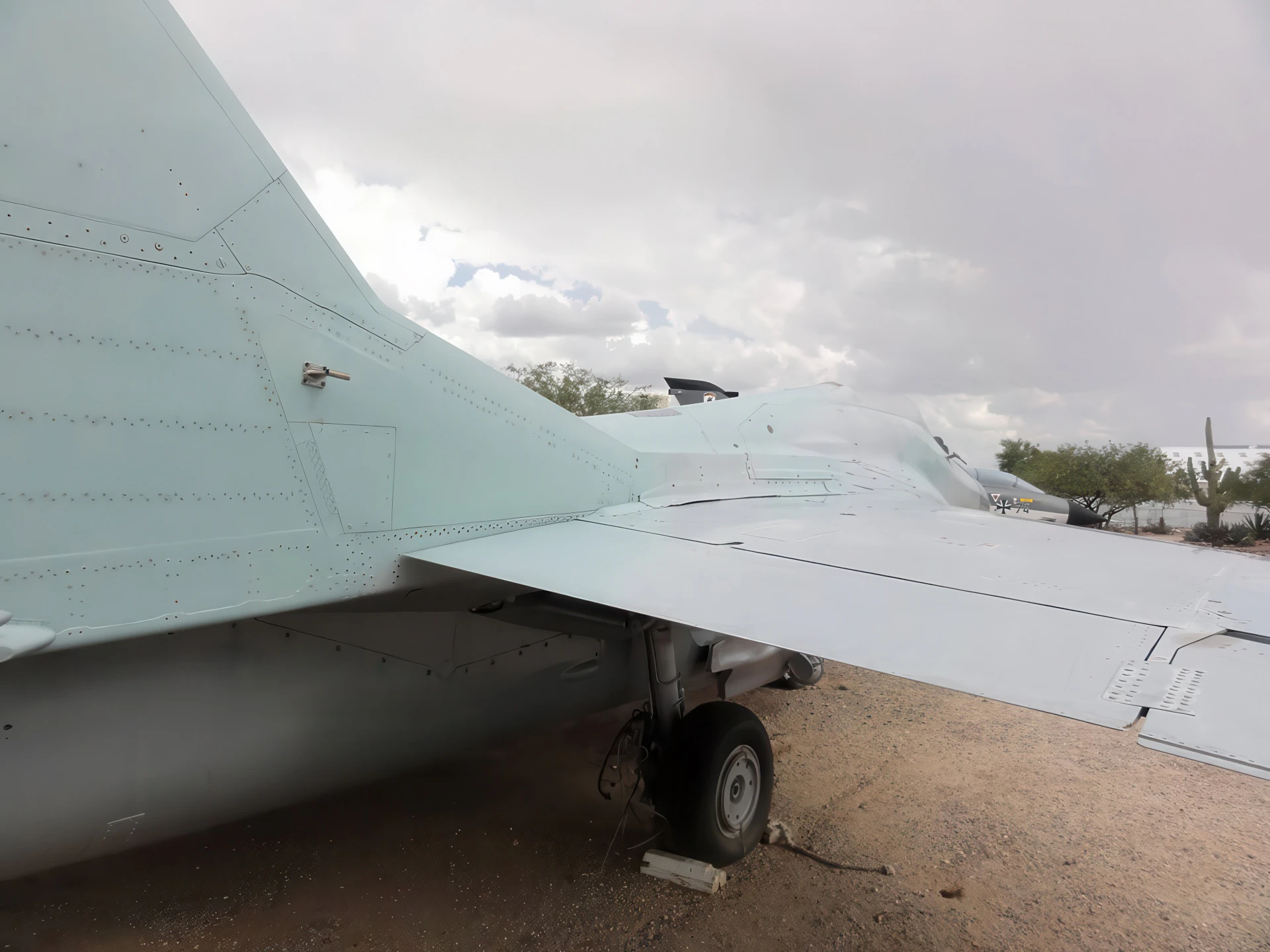
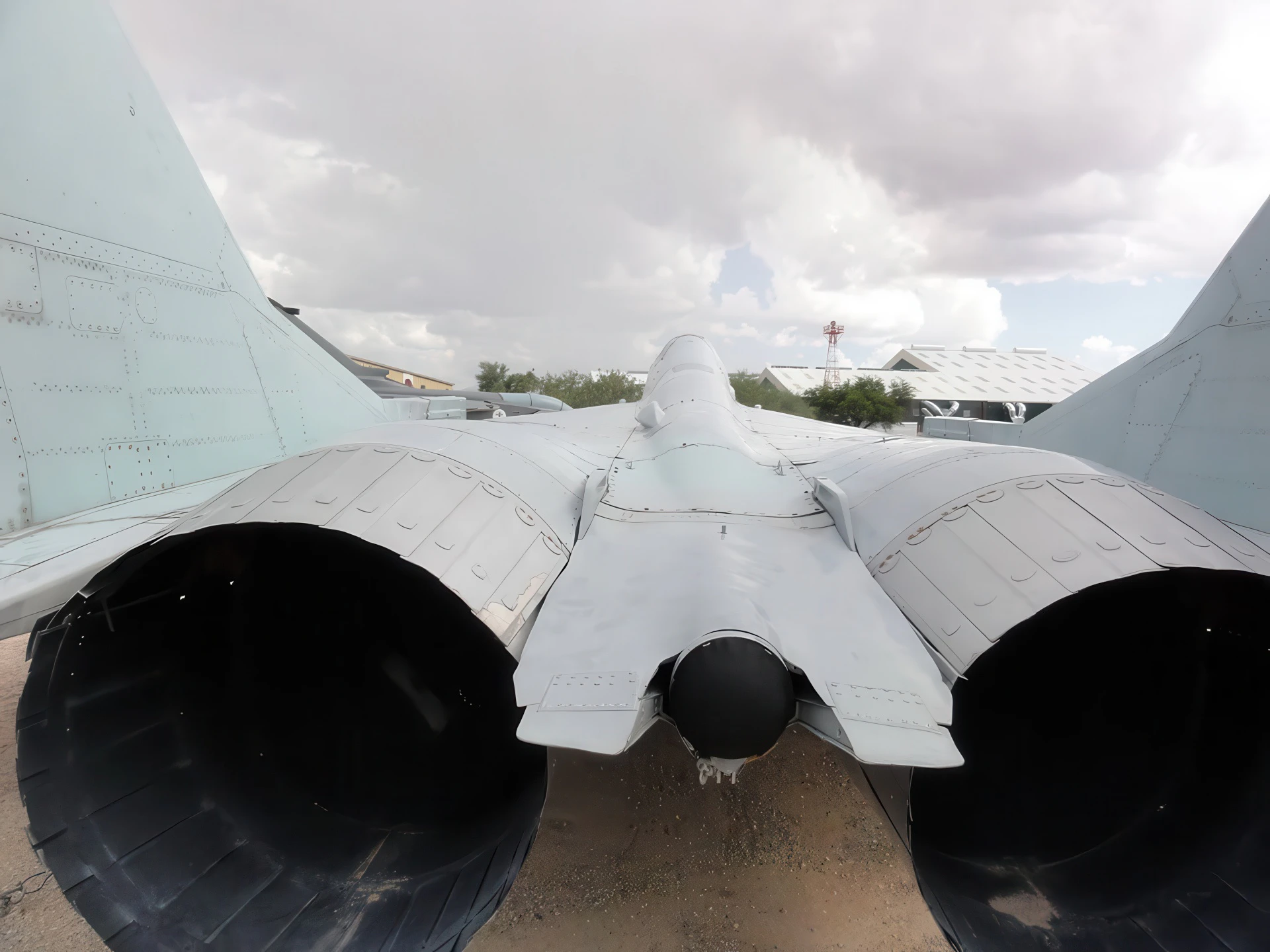
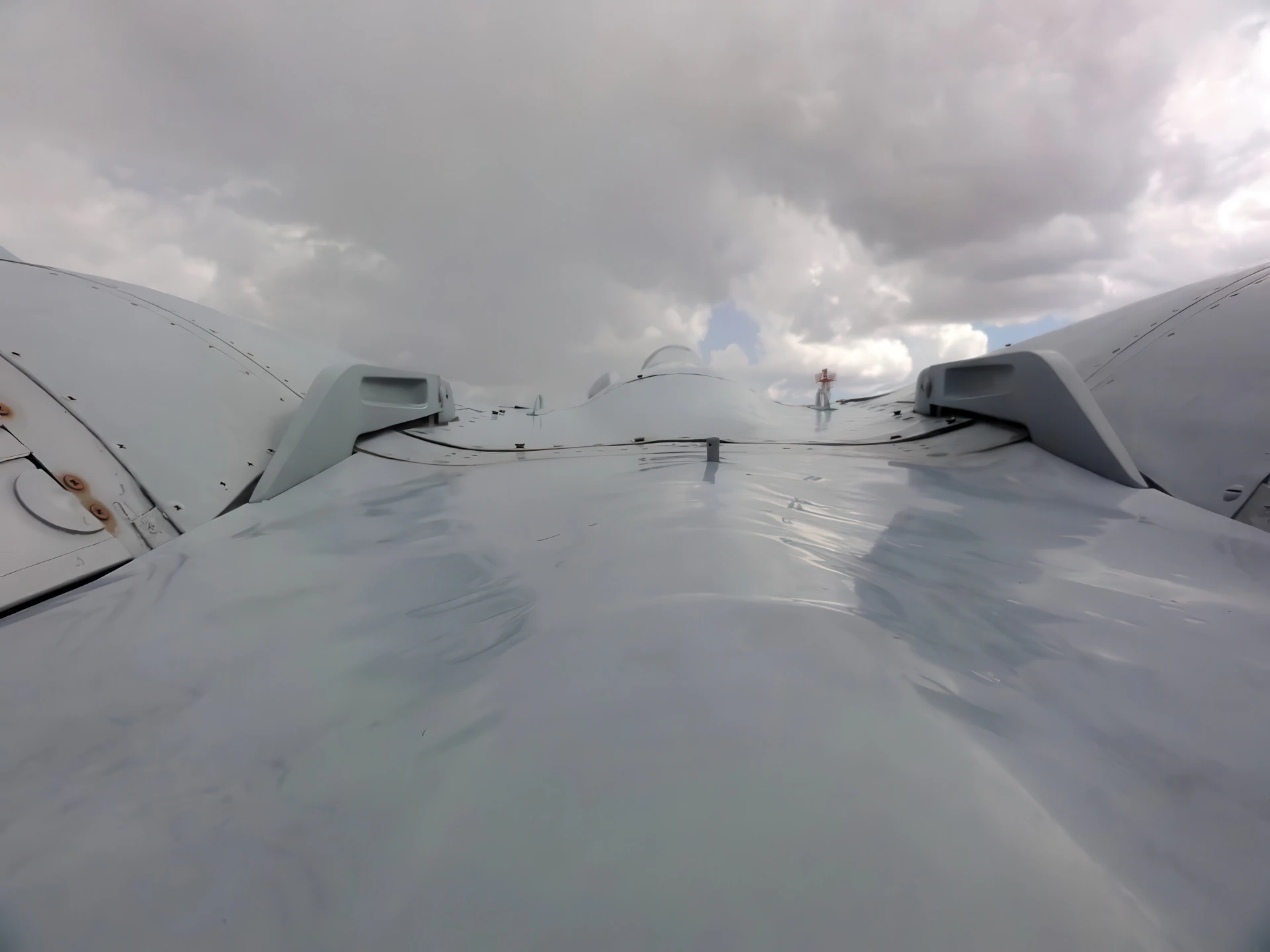

| MiG-29A Walk Around | |
|---|---|
| 사진 작가 | Sergey Zhabin |
| 로컬라이제이션 | Unknow |
| 사진 | 107 |
참고 항목:


Tthe 미코얀 미그-29 (NATO reporting name: “Fulcrum”) is a highly successful twin-engine jet fighter aircraft developed in the Soviet Union during the 1970s. Designed by the Mikoyan design bureau, its primary purpose was to serve as a **lightweight air superiority fighter** to directly challenge advanced American fighters like the F-15 and F-16. Introduced into service in 1983, the MiG-29 is widely recognized as a fourth-generation fighter known for its exceptional maneuverability and powerful performance in close-range aerial combat.
Core Design and Performance
The MiG-29’s airframe design is optimized for high-speed, high-G maneuvering, a key factor in its renown as a deadly dogfighter.
- Powerplant: Two **Klimov RD-33** afterburning turbofan engines, which give the jet a high thrust-to-weight ratio for excellent acceleration and climb rate.
- Aerodynamics: Features **Leading-Edge Root Extensions (LERXs)** and a distinctive blended wing/fuselage design, which generates considerable lift at high angles of attack and contributes significantly to its agility.
- Top Speed: Approximately **Mach 2.25** (approx 2,400 km/h).
- Agility: The aircraft is famous for its capability to perform extreme high-alpha maneuvers, such as the **”Cobra”** maneuver, which is crucial for close-quarters visual combat.
Avionics and Armament
The early MiG-29 introduced several advanced Soviet systems that provided crucial tactical advantages, particularly in the visual engagement envelope.
- Radar: Equipped with the **Phazotron N019 Pulse-Doppler radar** (“Slot Back”), providing **”look-down/shoot-down”** capability to detect targets below the aircraft’s horizon.
- Passive Targeting: A critical feature is the **Infrared Search and Track (IRST)** system, which allows the pilot to passively detect and track targets based on heat signature without emitting radar waves.
- Helmet-Mounted Sight (HMS): ** The IRST works in tandem with the **Shchel-3UM-1 HMS**, allowing the pilot to simply look at a target up to 60 degrees off the aircraft’s centerline to guide and fire short-range missiles, offering a distinct advantage in dogfighting.
- Internal Cannon: One built-in **30 mm Gryazev-Shipunov GSh-30-1 cannon**.
- Primary Missiles: Carries a mix of **Short-range, IR-guided R-73** (AA-11 Archer) missiles and **Medium-range, radar-guided R-27** (AA-10 Alamo) missiles.
Modern Evolution
While the original model excelled at air superiority, modern variants have embraced a multirole capability with significantly upgraded technology.
Later versions, such as the **MiG-29M** (multirole) and the carrier-based **MiG-29K** (navalized), feature substantial upgrades, including:
- **Digital Cockpits** (Glass Cockpits) and modern avionics.
- Improved, multi-function radar systems (e.g., *Zhuk*).
- Increased fuel capacity and sometimes **in-flight refueling** capability.
- Ability to carry a wider array of **air-to-surface precision-guided munitions**, transitioning the jet to a true multirole platform.
Views : 5821