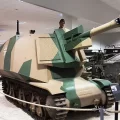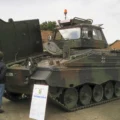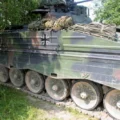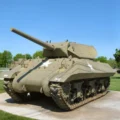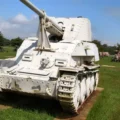
SdKfz 135 마더 I | |
|---|---|
| 국가 | 나치 독일 |
| 역할 | 전차 구축함 |
| 서비스 중 | 1942–1944 |
| 내장 | 170 |
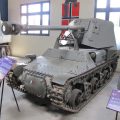
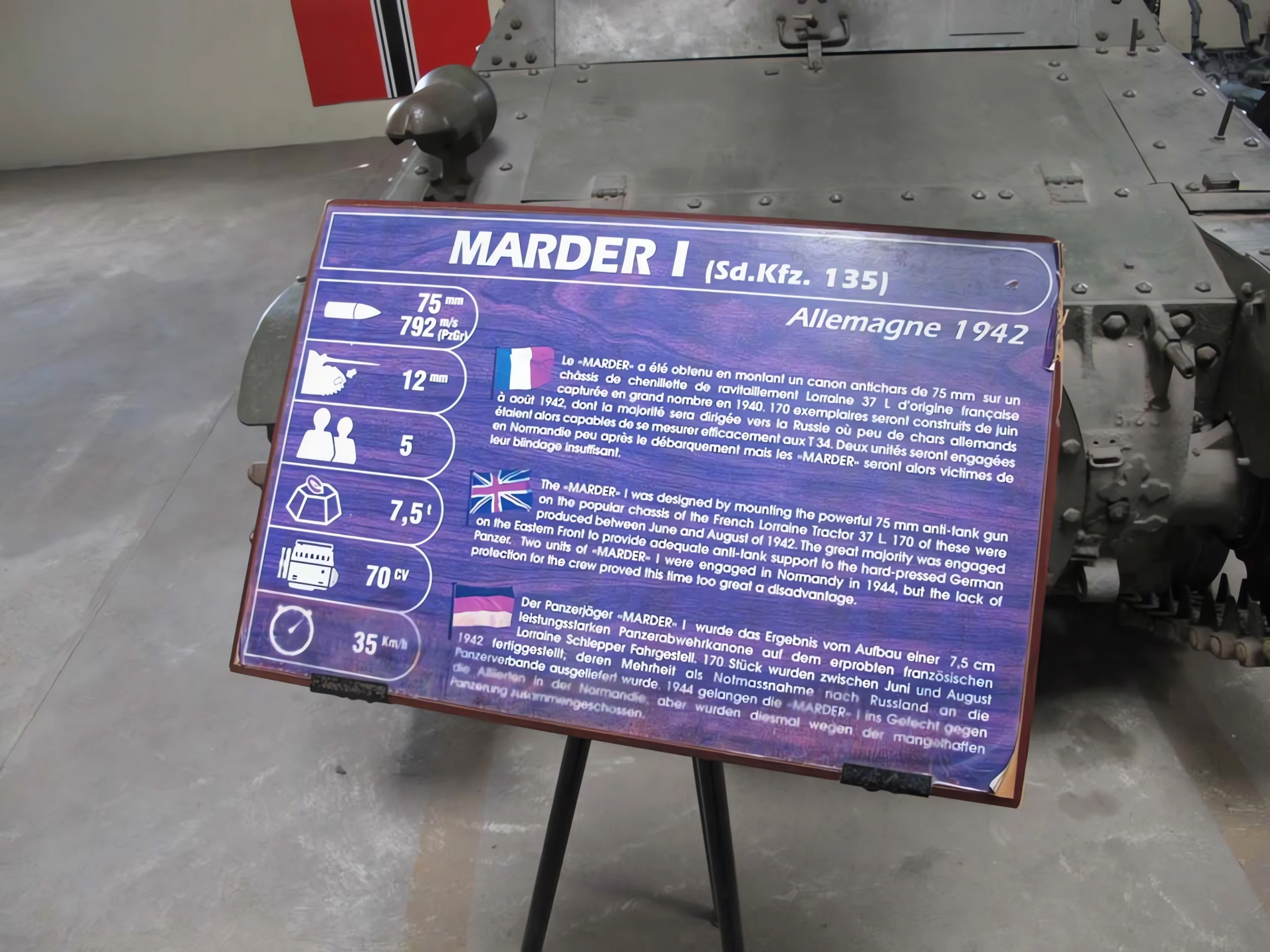
Tthe 마더 I "담비"(Sd.Kfz. 135)는 75mm 대전차포로 무장한 독일 제2차 세계 대전 구축전차입니다. 대부분의 Marder Is는 1940년 프랑스 함락 이후 독일군이 300명 이상을 인수한 프랑스 포병 트랙터/장갑차인 Tracteur Blindé 37L(Lorraine)의 기지에 건설되었습니다.
| SdKfz 135 Marder 나는 걸어 다닌다 | |
|---|---|
| 사진 작가 | 블라디미르 야쿠보프 |
| 로컬라이제이션 | 뮤제 데 블라인즈, 사우무르 |
| 사진 | 80 |
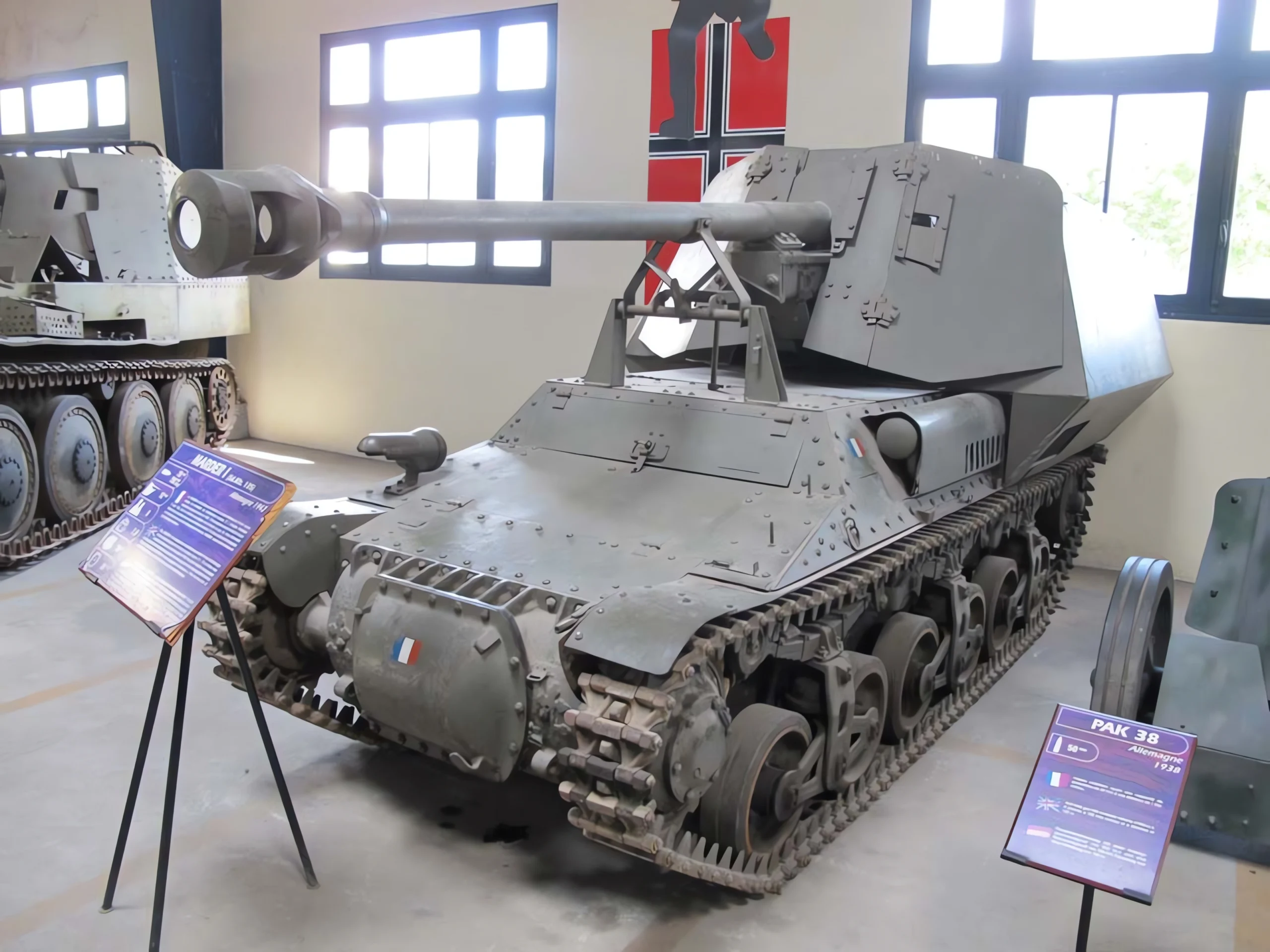
SdKfz 135 마르더 I 01
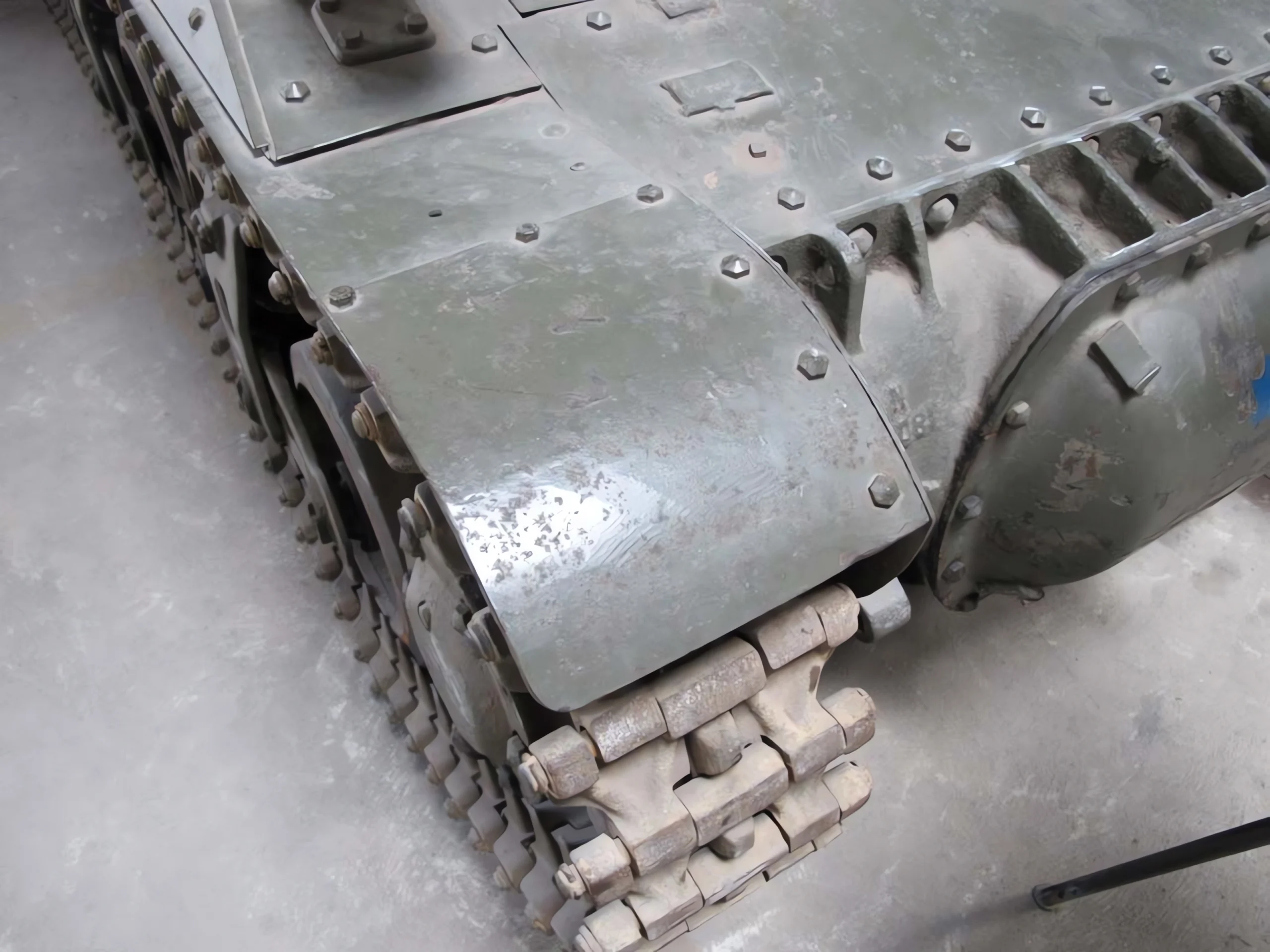
SdKfz 135 마더 I 02
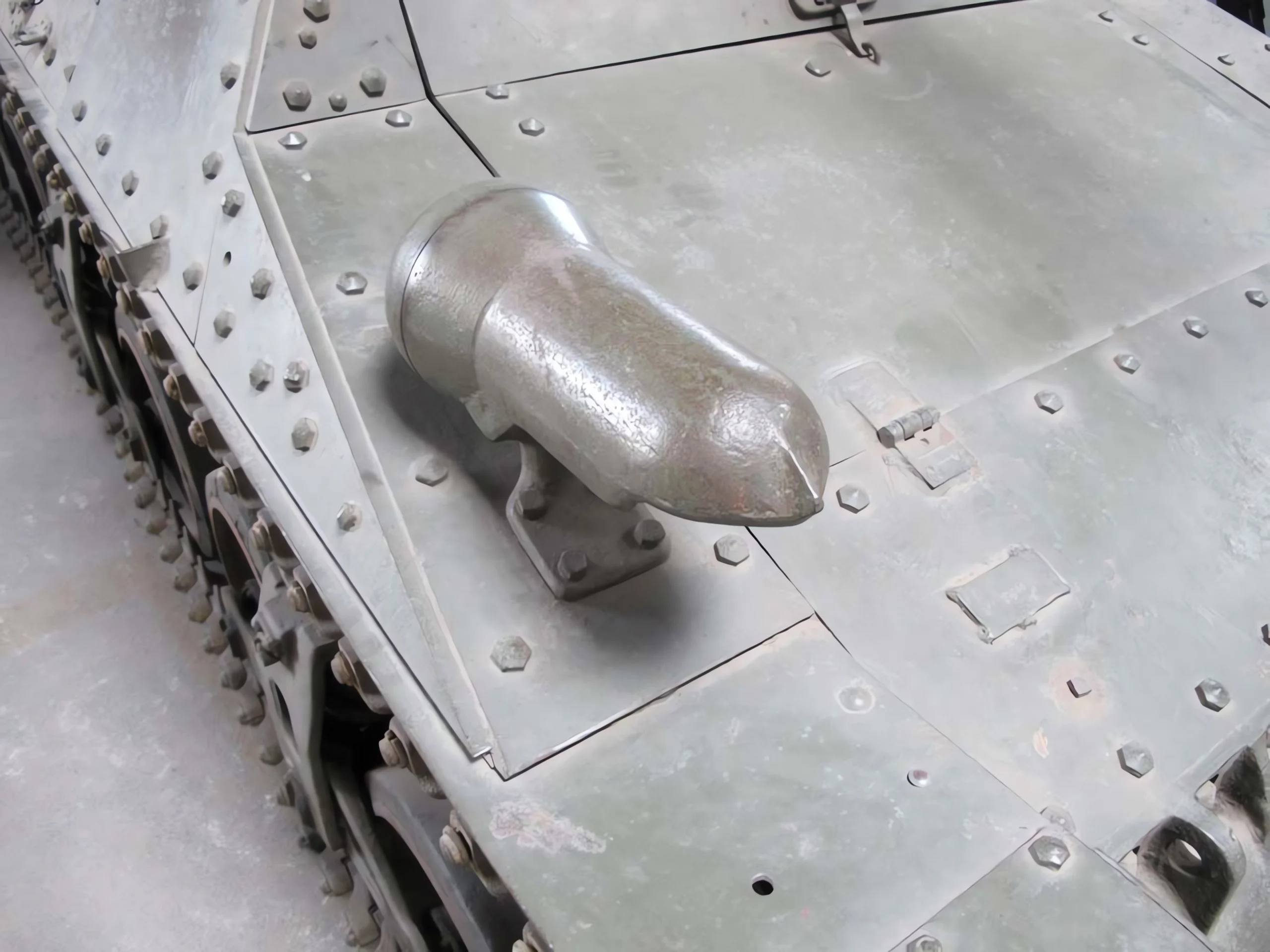
SdKfz 135 마더 I 03
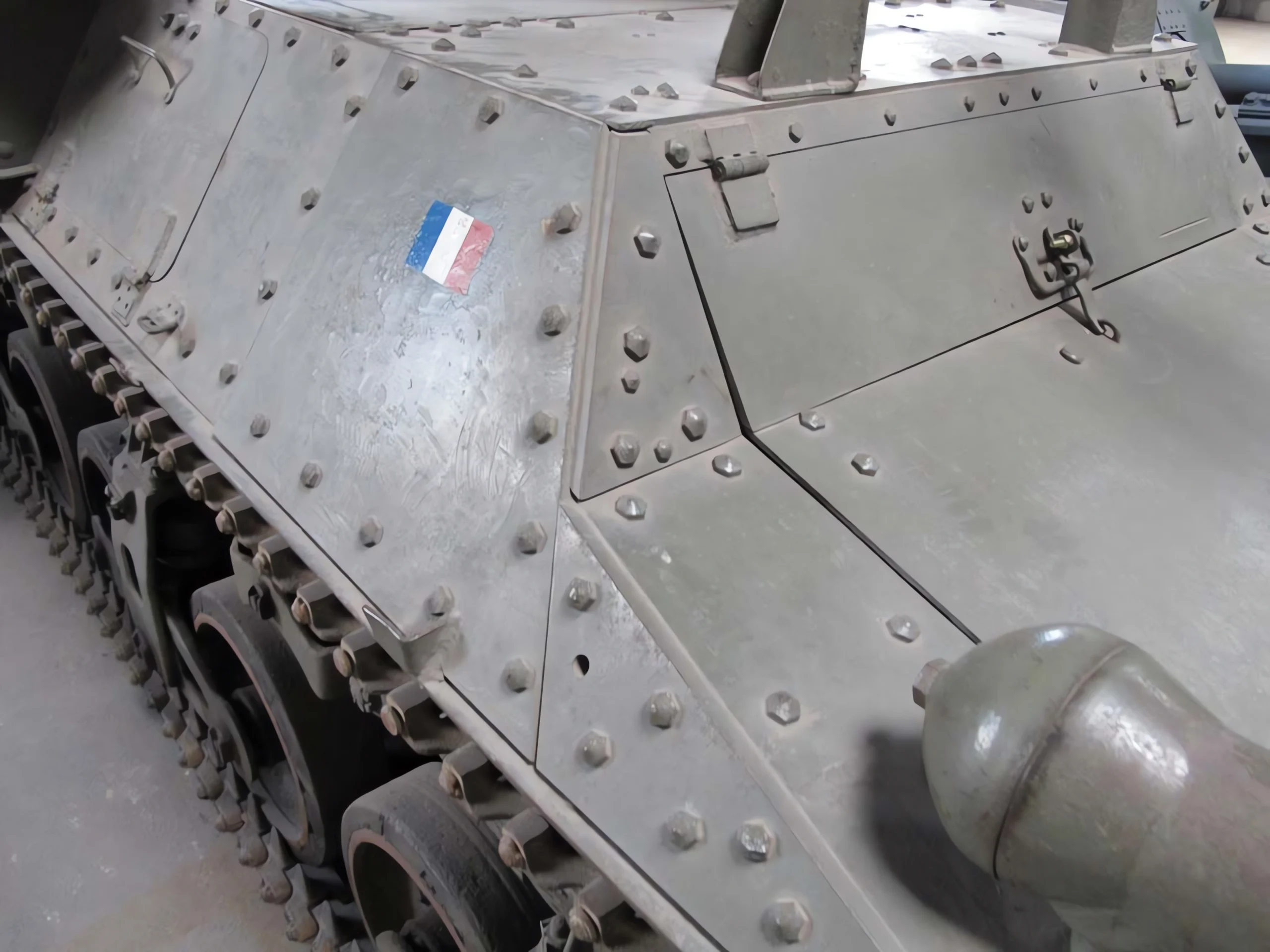
SdKfz 135 마더 I 04
SdKfz 135 마더 I 05
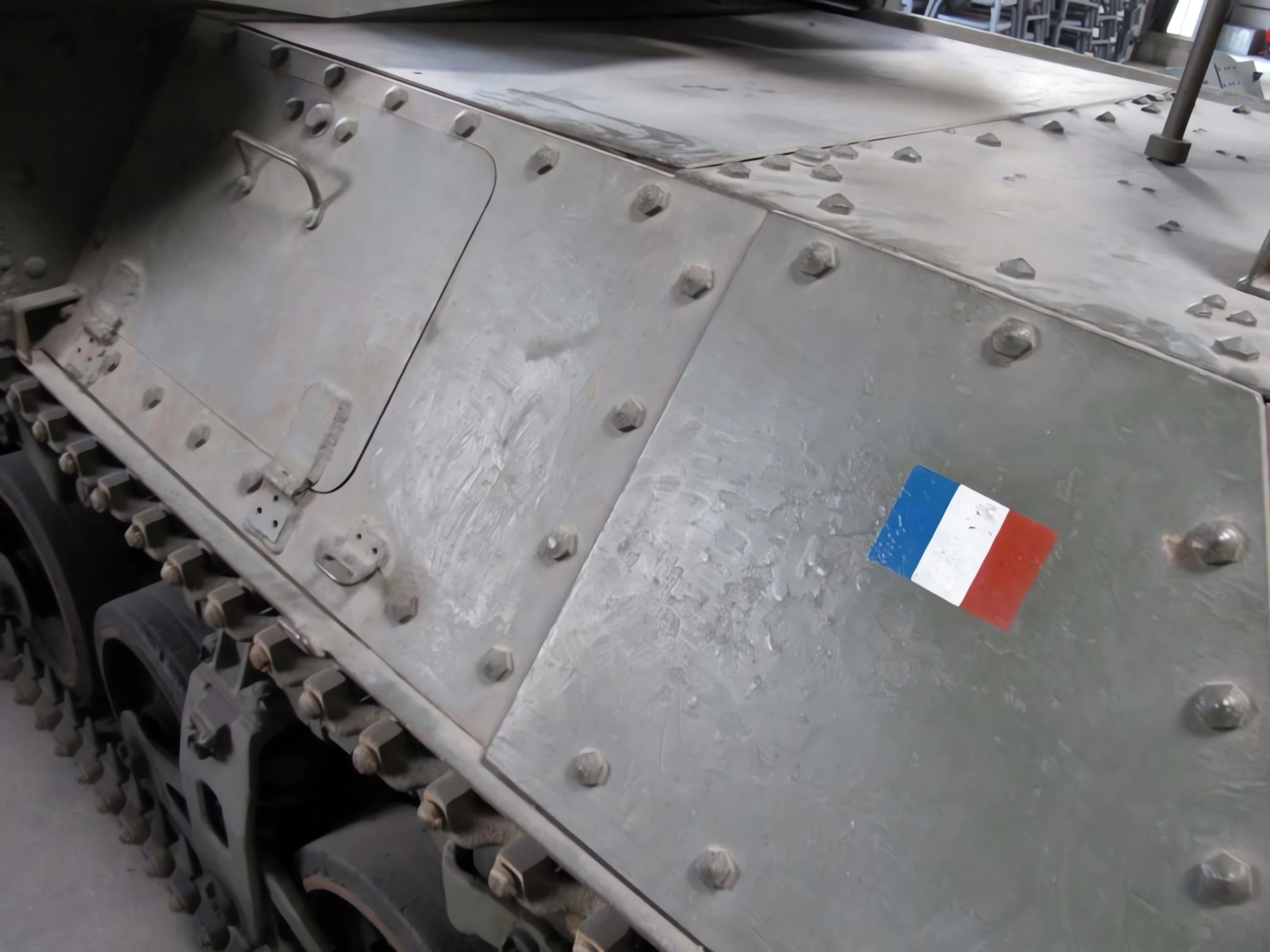
SdKfz 135 마더 I 06
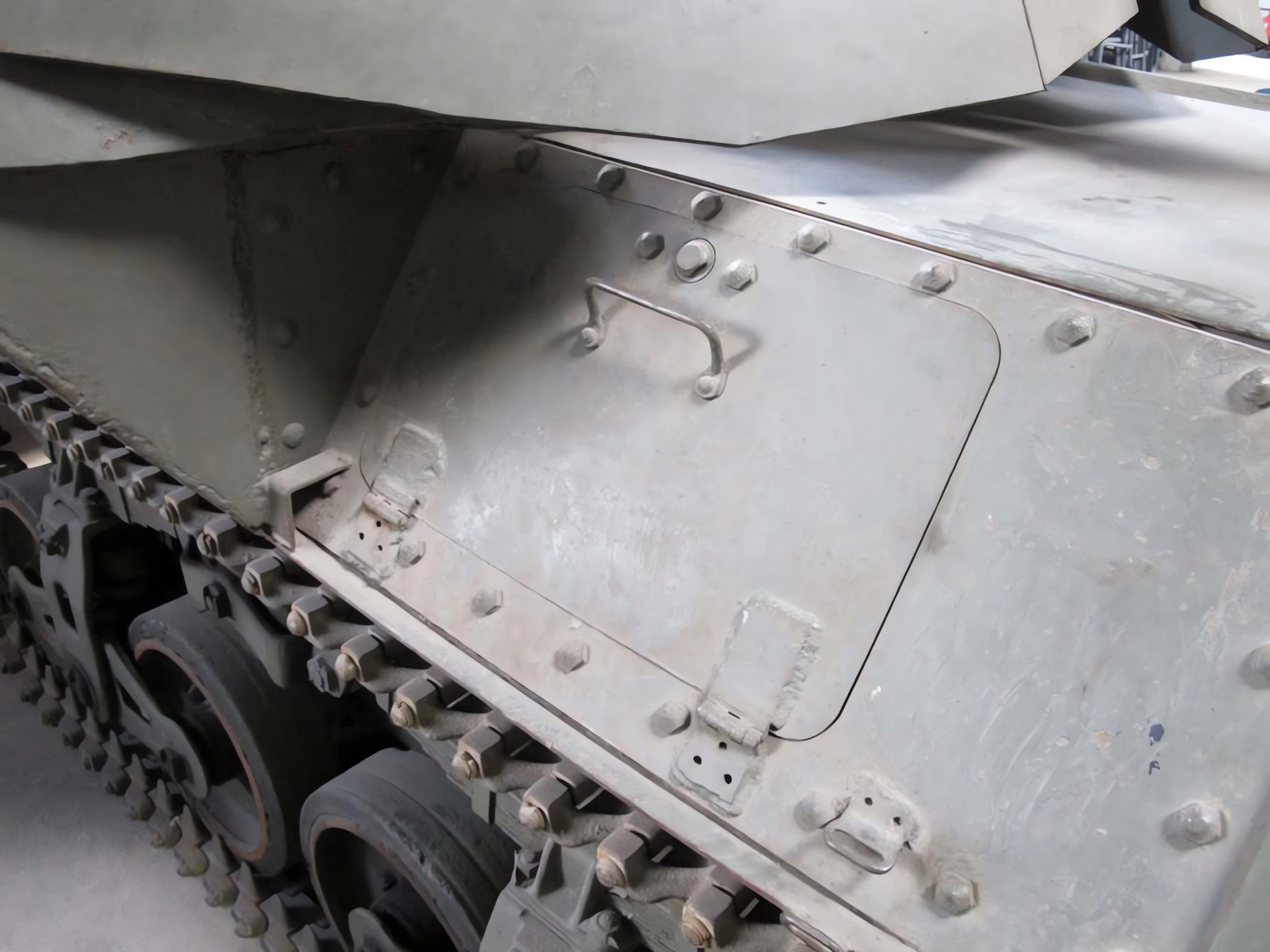
SdKfz 135 마더 I 07
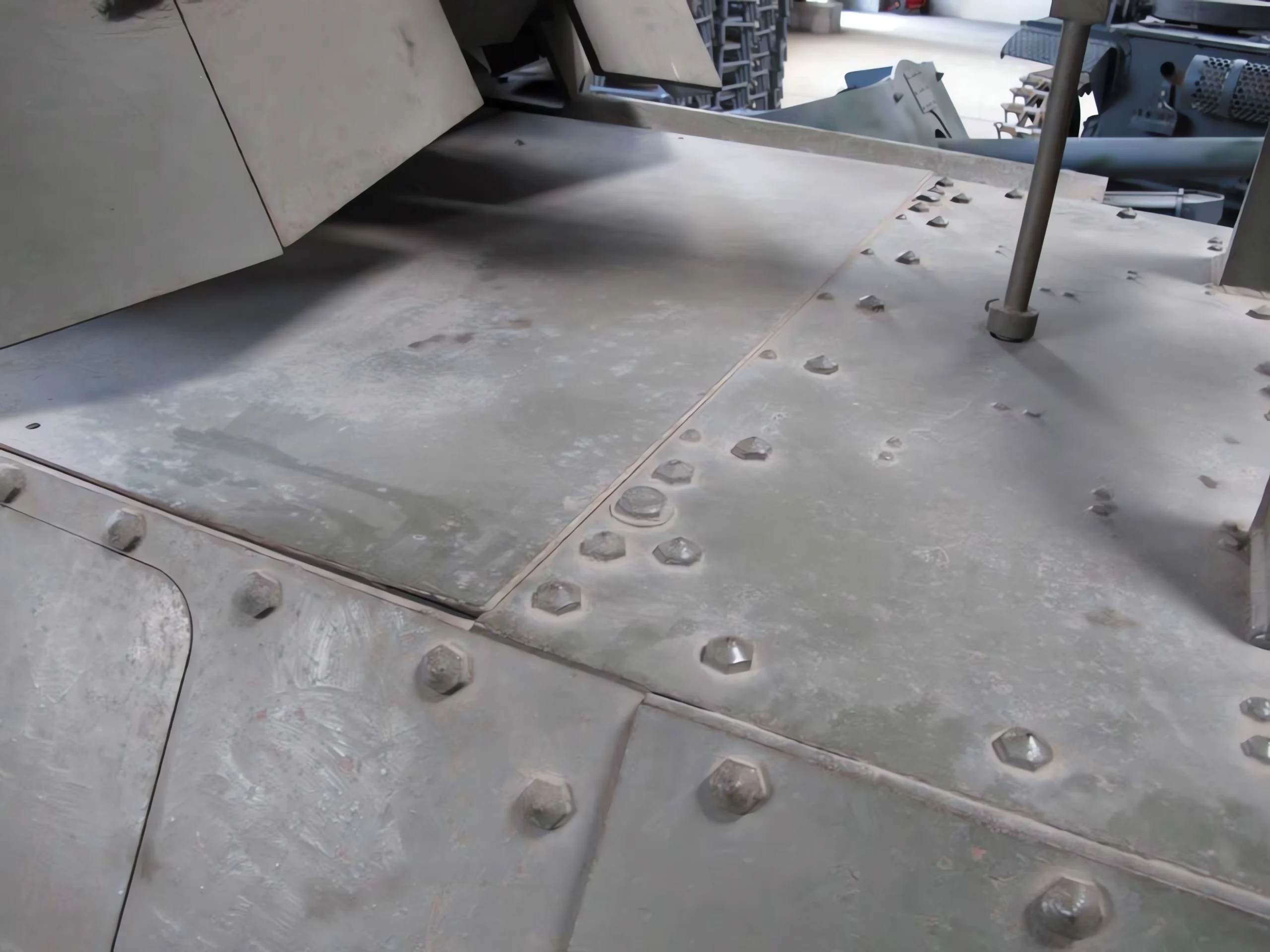
SdKfz 135 마더 I 08
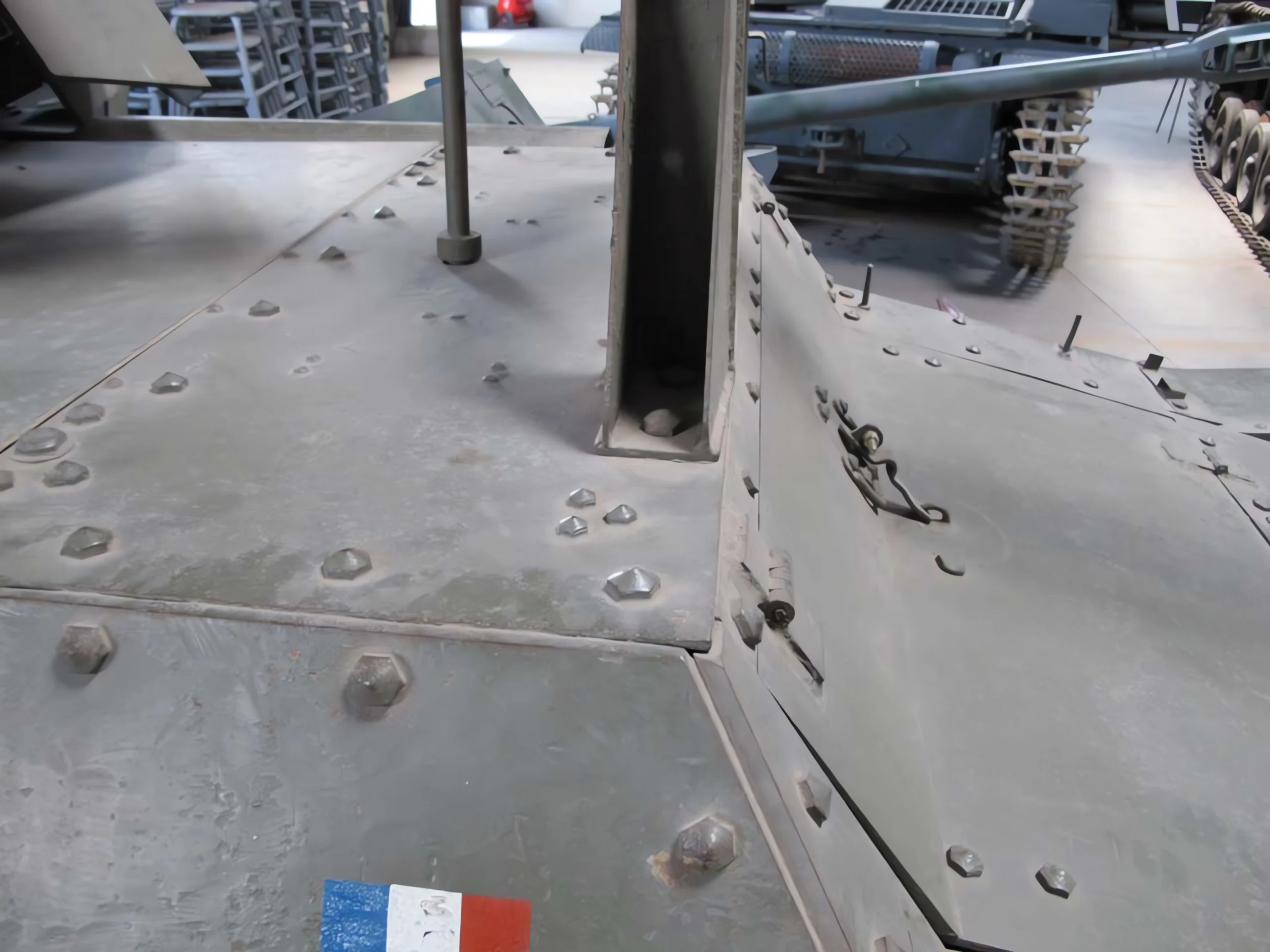
SdKfz 135 마더 I 09
잠깐, 당신을 위해 SdKfz 135 Marder I 사진 검색 ...

참고 항목:


An Emergency Solution to the Soviet Armor Crisis
Tthe 마더 I (담비) was born out of the German Wehrmacht’s urgent need for mobile anti-tank firepower following the shock of encountering the Soviet T-34 and KV-1 tanks. Rather than waiting for new designs, German engineers, led by Major Alfred Becker, repurposed hundreds of captured French Lorraine 37L artillery tractors. By mounting the powerful 7.5 cm PaK 40 gun on these reliable French chassis, Germany created a highly effective “stopgap” tank destroyer that served from the Eastern Front to the beaches of Normandy.
| Attribute | Standard Specification (Sd.Kfz. 135 Marder I) |
|---|---|
| 역할 | Self-Propelled Tank Destroyer (Panzerjäger) |
| Primary Chassis | Tracteur Blindé 37L (Lorraine) |
| 승무원 | 4 or 5 (Commander, Driver, Gunner, 1-2 Loaders) |
| 주무장 | 7.5 cm PaK 40/1 L/46 |
| 보조 무장 | 7.92 mm MG 34 (often hand-held/stowed) |
| Ammunition | approx. 38–40 rounds |
| 엔진 | Delahaye 103TT 6-cylinder petrol (70 hp) |
| Max Speed | 38 km/h (24 mph) on road |
| Weight (Combat) | 8.2 metric tons |
The “Baukommando Becker” Conversions
- The “Flying Truck” Chassis: The Lorraine 37L was originally an un-armed supply vehicle. Its engine was located in the center, which allowed for a rear-mounted fighting compartment—ideal for stabilizing the heavy 7.5 cm gun.
- Open-Topped Fighting Compartment: To save weight and allow for rapid smoke clearance during firing, the crew compartment was protected only by thin (5–12 mm) steel plating on the front and sides. It was completely open to the rear and top.
- Strategic Reuse: Beyond the Lorraine, small numbers of Marder I’s were also built on other French chassis, including the Hotchkiss H39 및 FCM 36. Each had a slightly different silhouette but shared the same lethal PaK 40 gun.
Service and Combat Effectiveness
- The Eastern Front: The first 170 units were rushed to Russia in late 1942. Despite their improvised nature, they were highly successful at long-range ambushes, though their high silhouette made them easy targets if spotted.
- The 21st Panzer Division: After the original batch was largely depleted, many survivors and later conversions were used by the reformed 21st Panzer Division in France. These vehicles were a major component of the German defense against Allied landings on D-Day.
- Limitations: The Marder I was not a tank and could not survive a direct hit from even light anti-tank weapons. It was strictly a “shoot and scoot” weapon that relied on its mobility and the 7.5 cm gun’s range.
Views : 7222