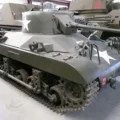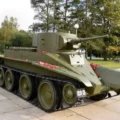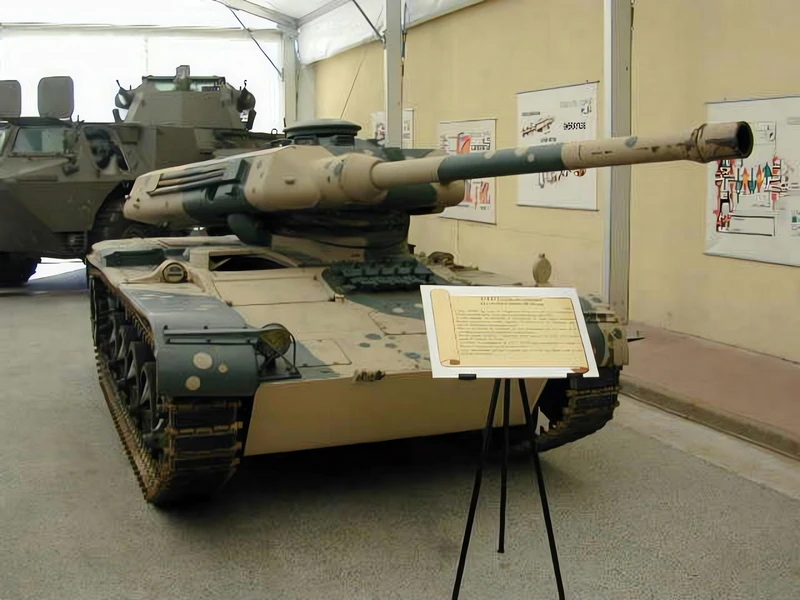
ELC project | |
|---|---|
| 국가 | 프랑스 |
| 역할 | 경전차 |
| 생산 | 1955년부터 |
| 내장 | 10 |
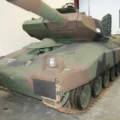
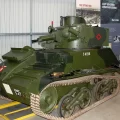
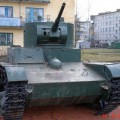
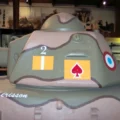
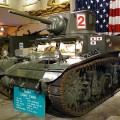
Tthe ELC 프로젝트 1955년 프랑스 국방부가 시작한 프로토타입 탱커 구축함 프로젝트였다. ELC(Engin Léger de Combat en:Light combat vehicle) 프로젝트의 목적은 공중 수송기로 수송할 수 있는 가볍게 장갑을 맞고 중무장한 전투 차량을 개발하여 신속한 배치를 위한 것이었습니다.
| ELC EVEN 90 Walk Around | |
|---|---|
| 사진 작가 | Unknow |
| 로컬라이제이션 | Unknow |
| 사진 | 23 |
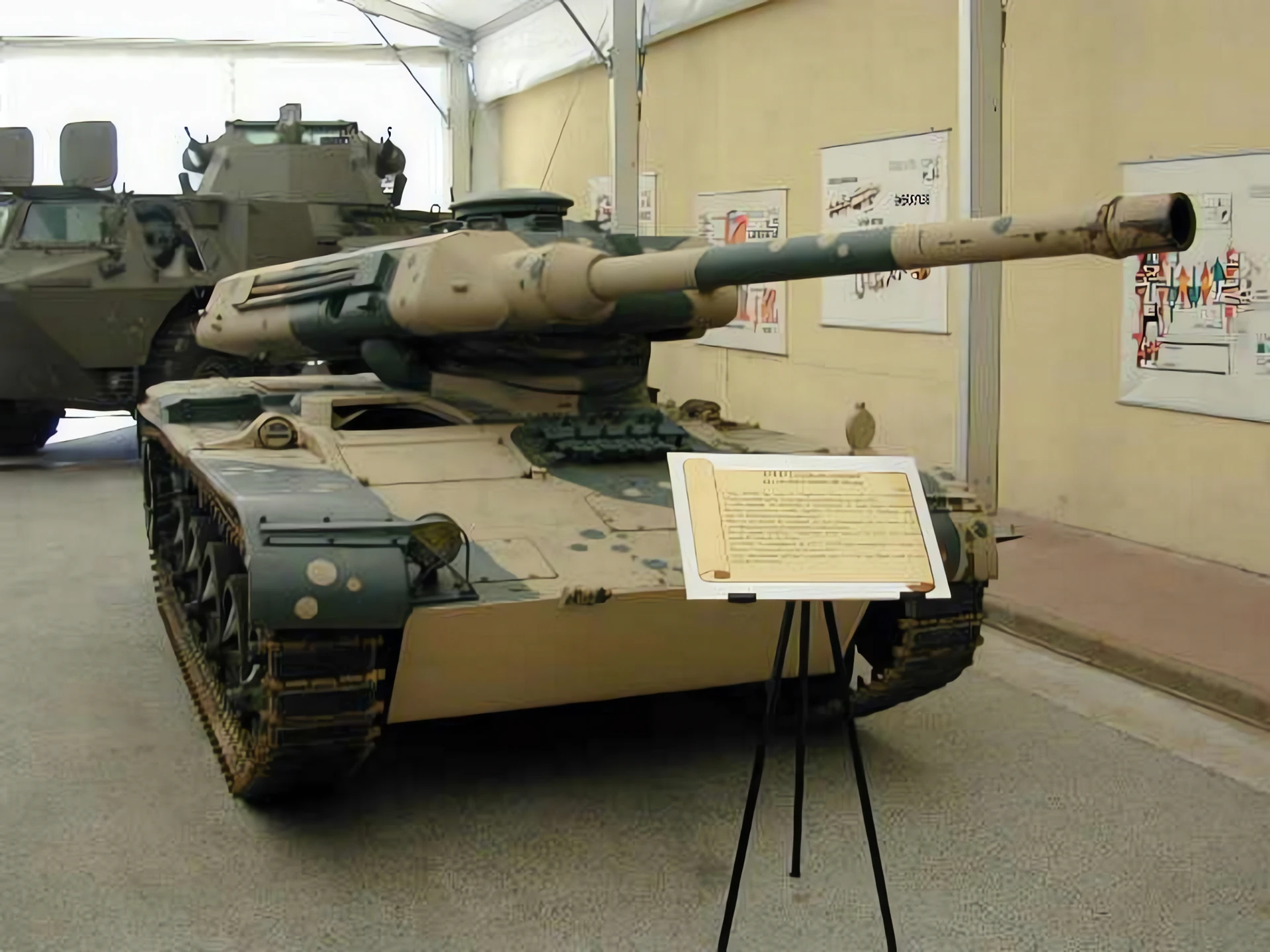
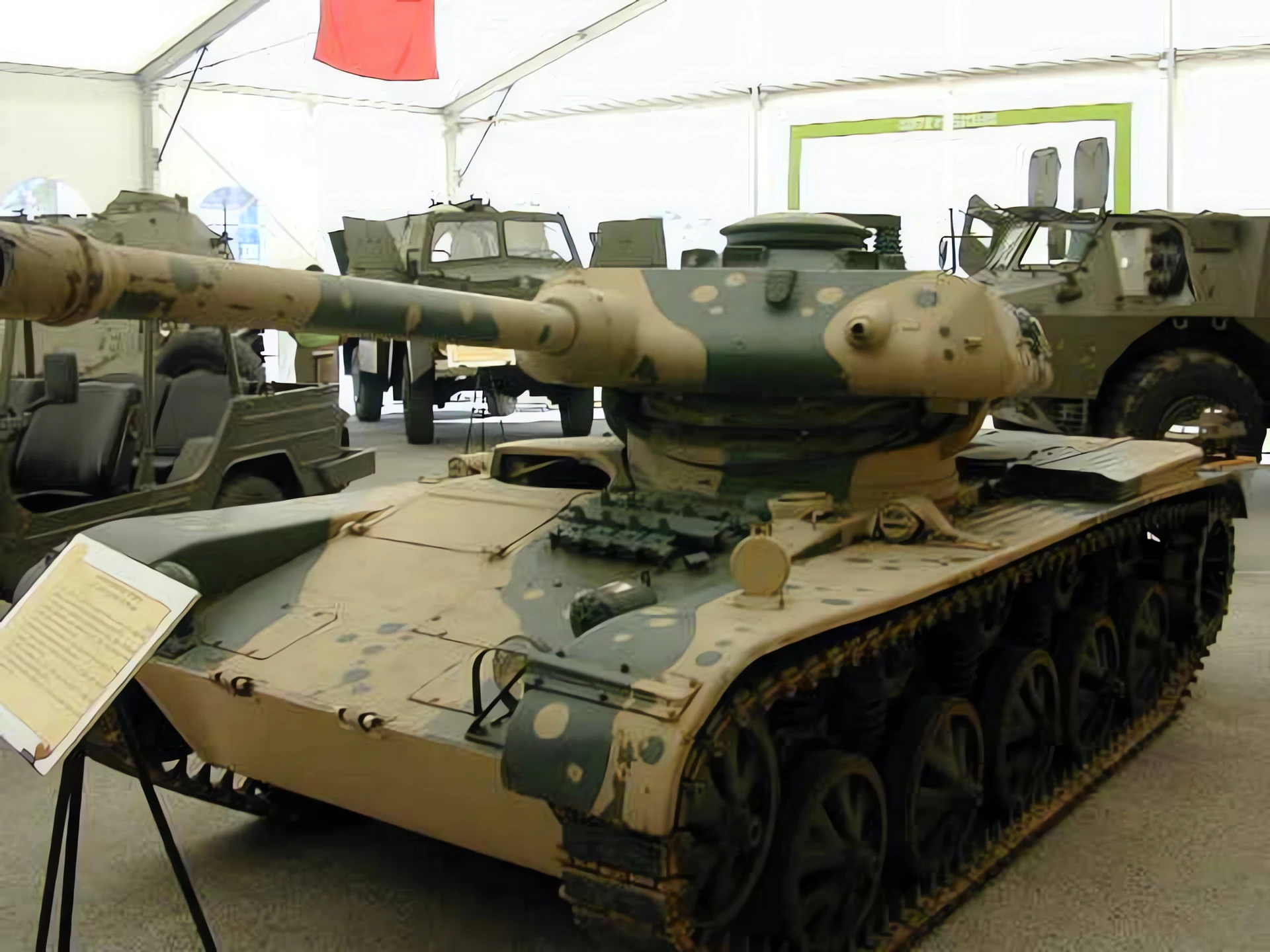
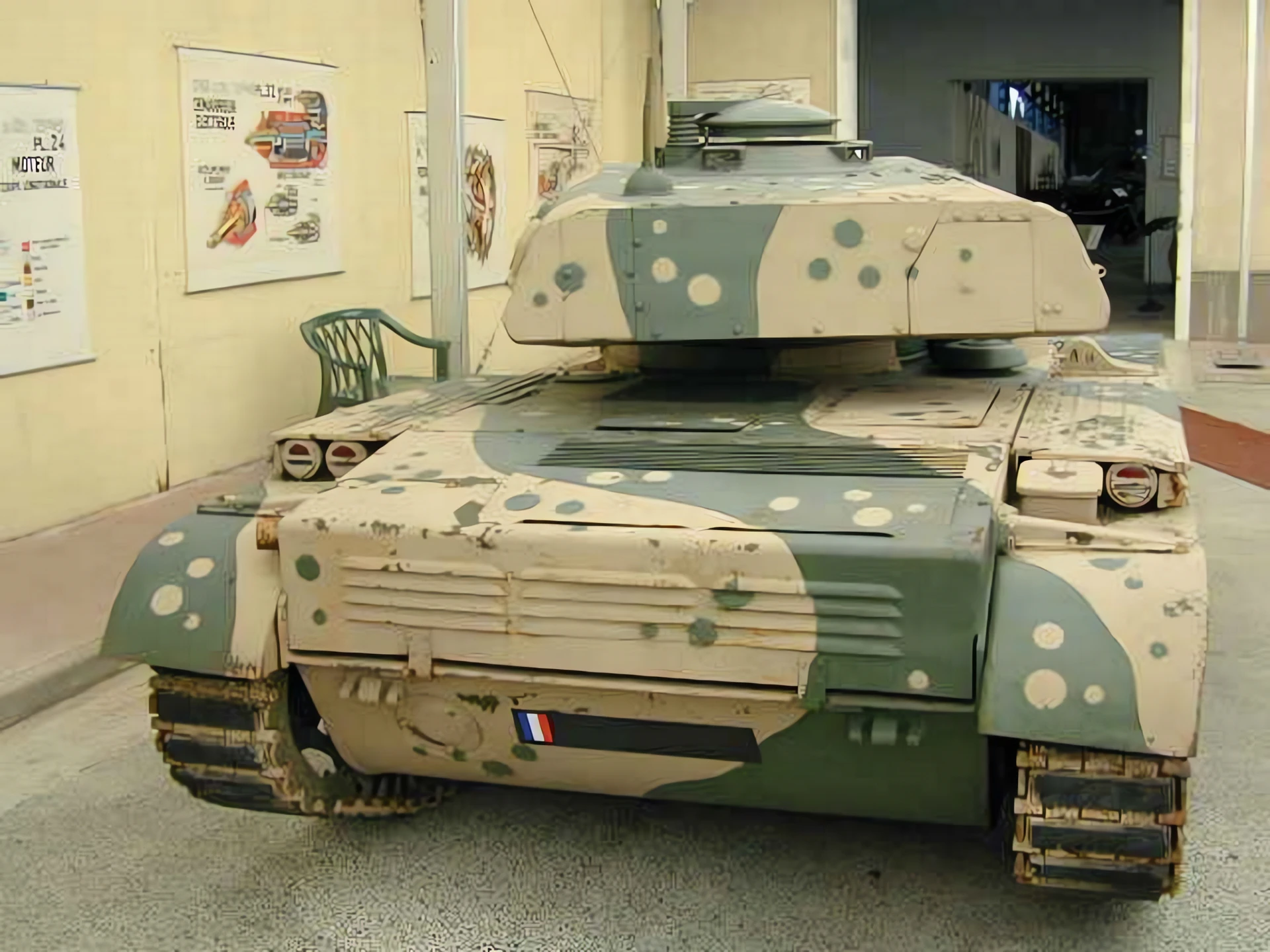
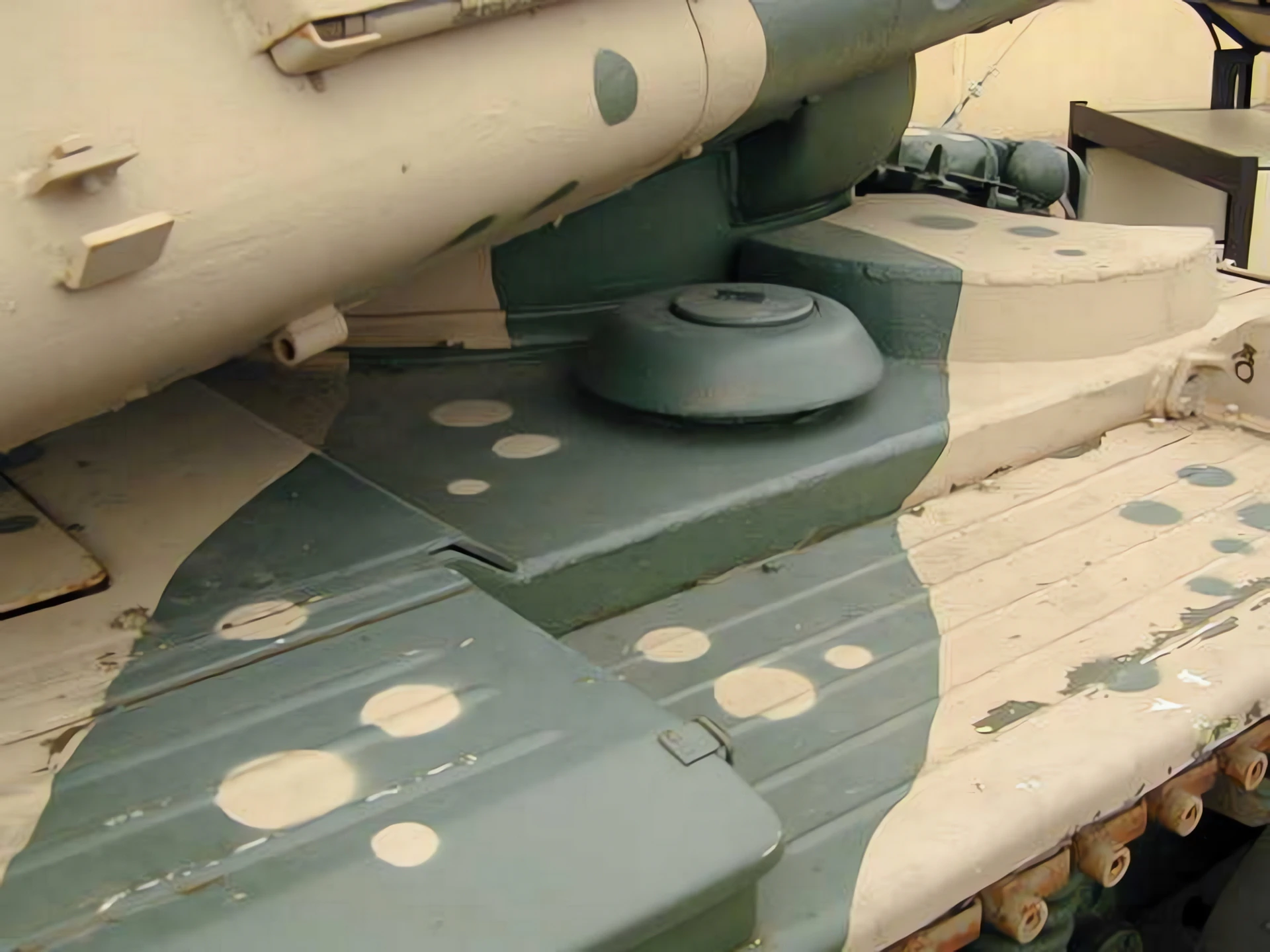
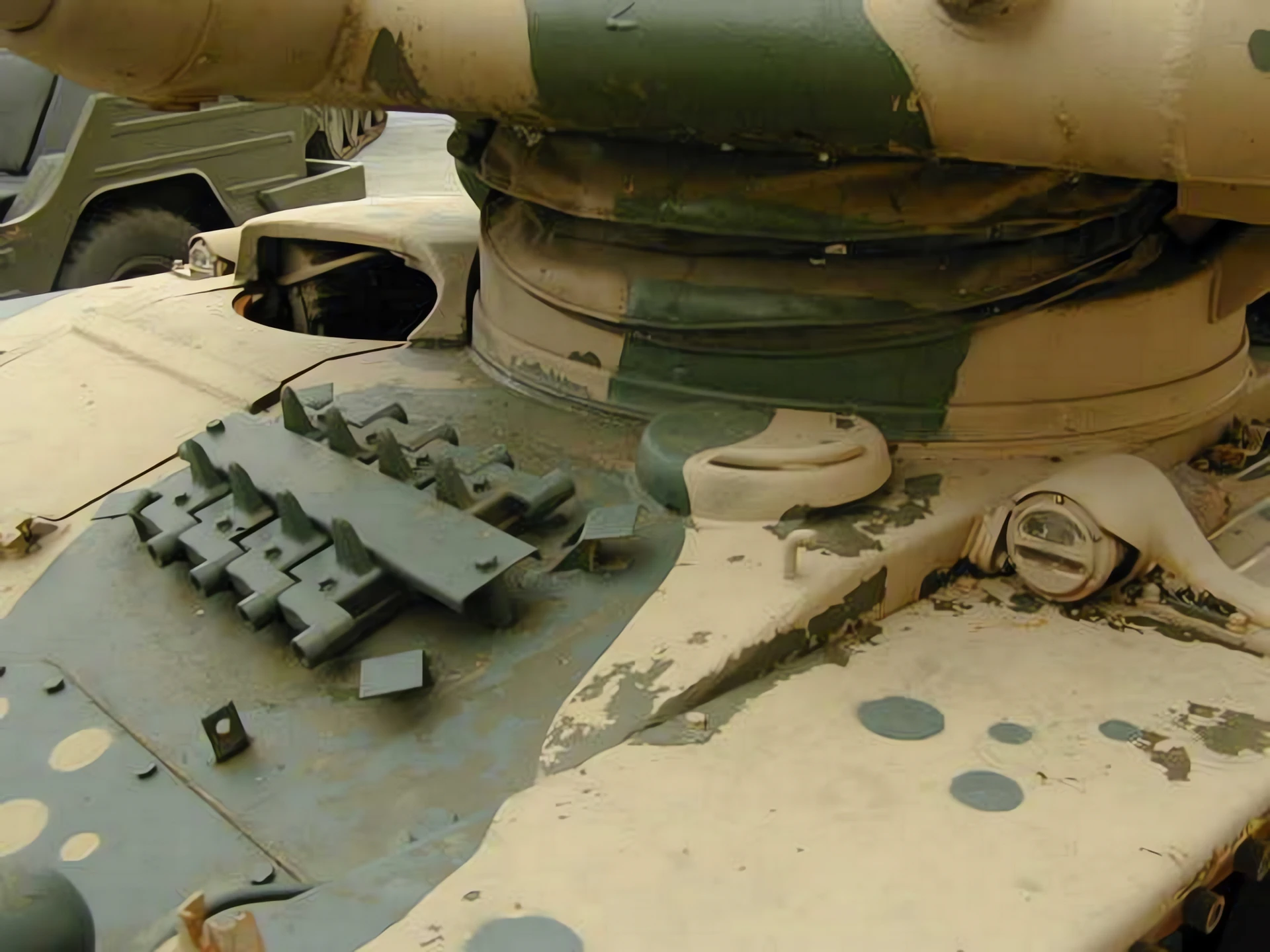
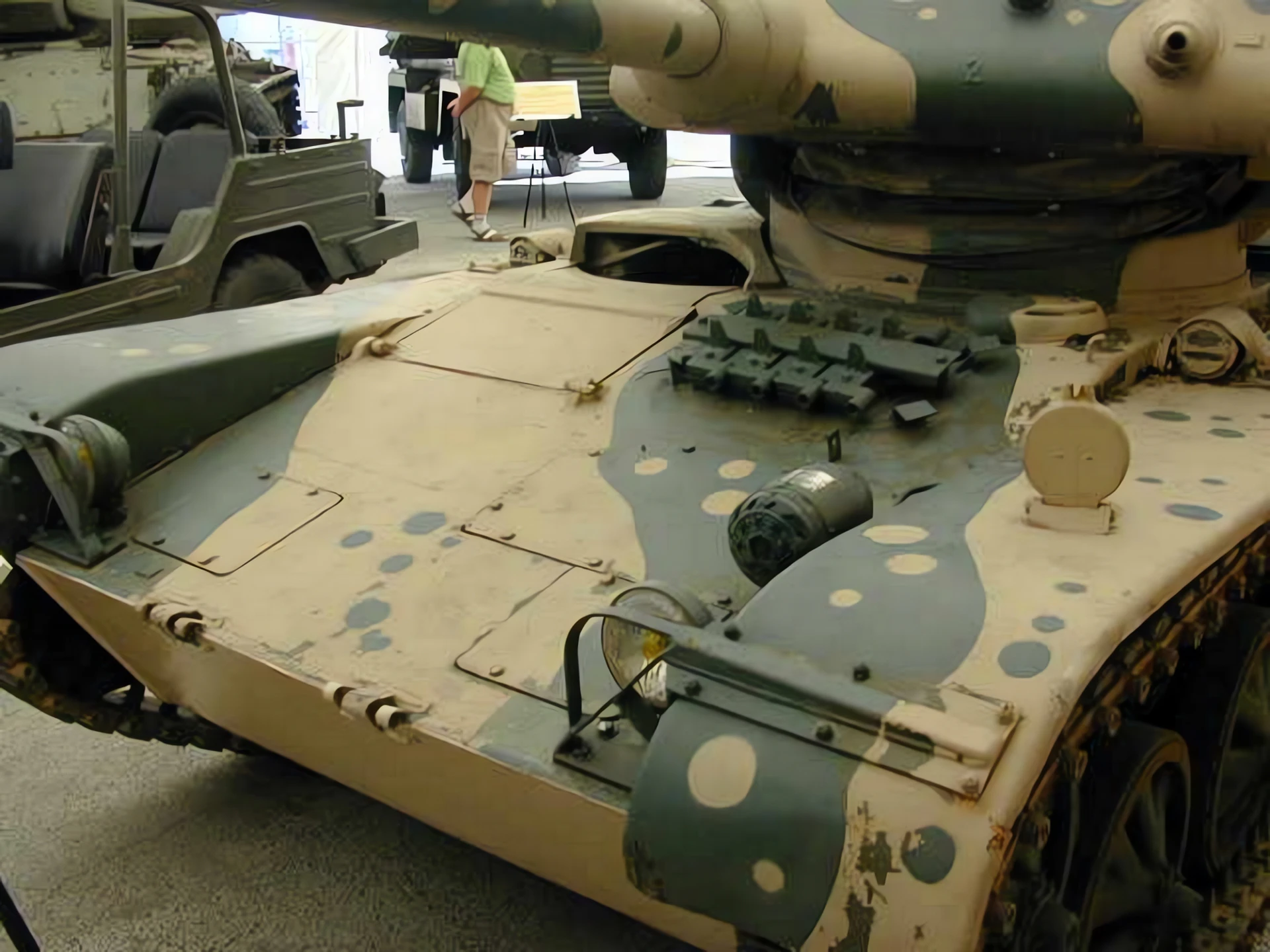
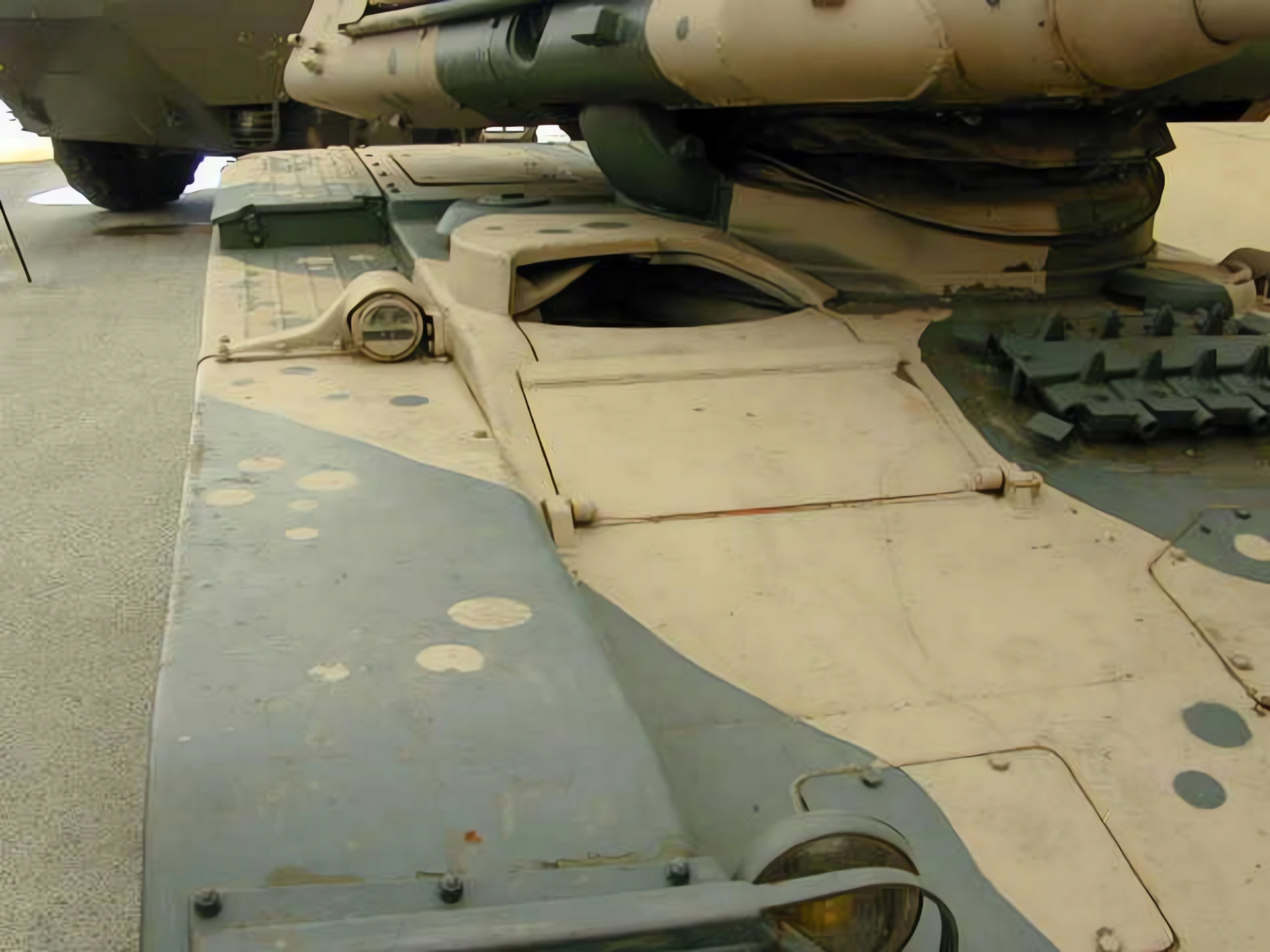
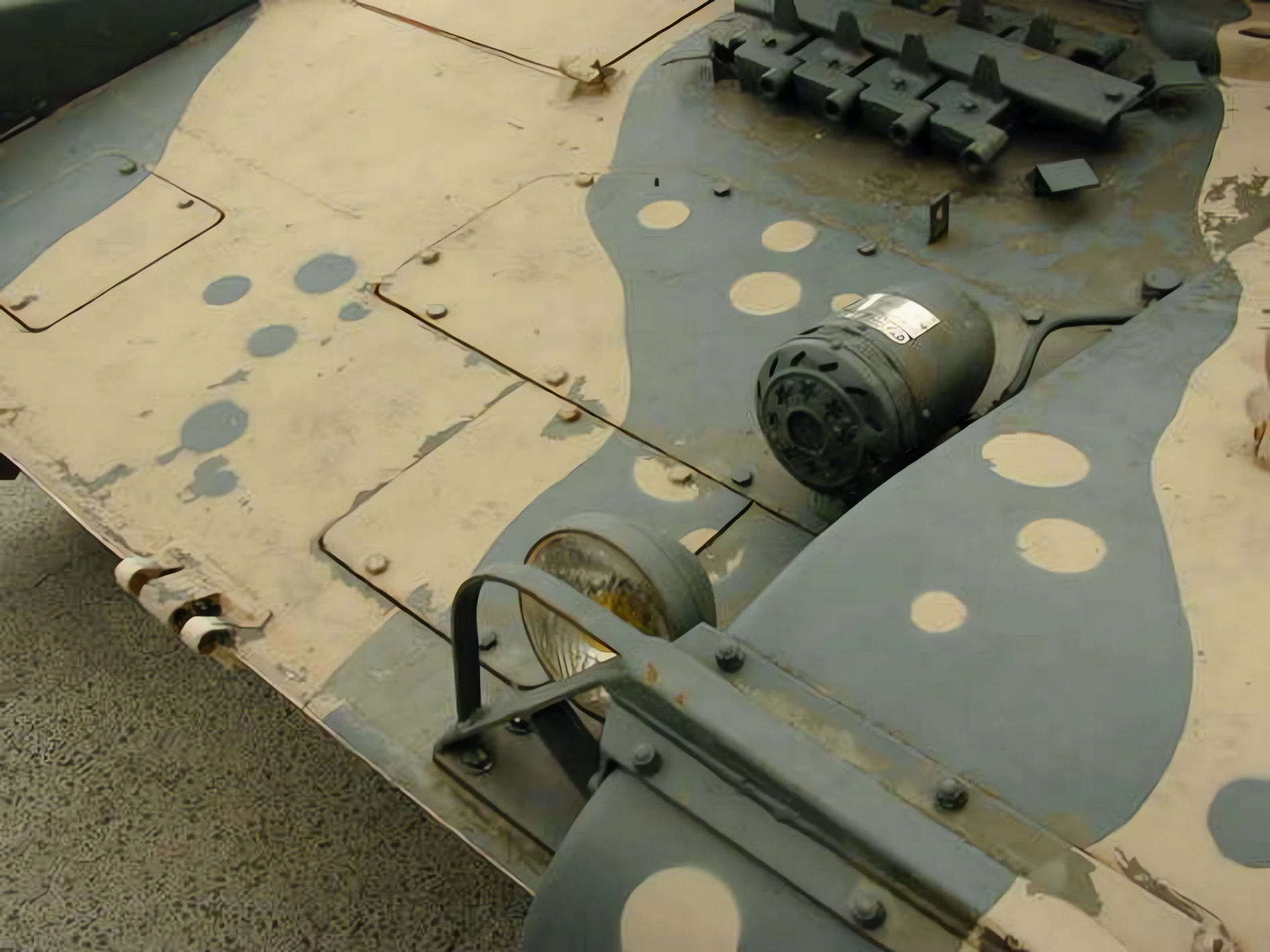
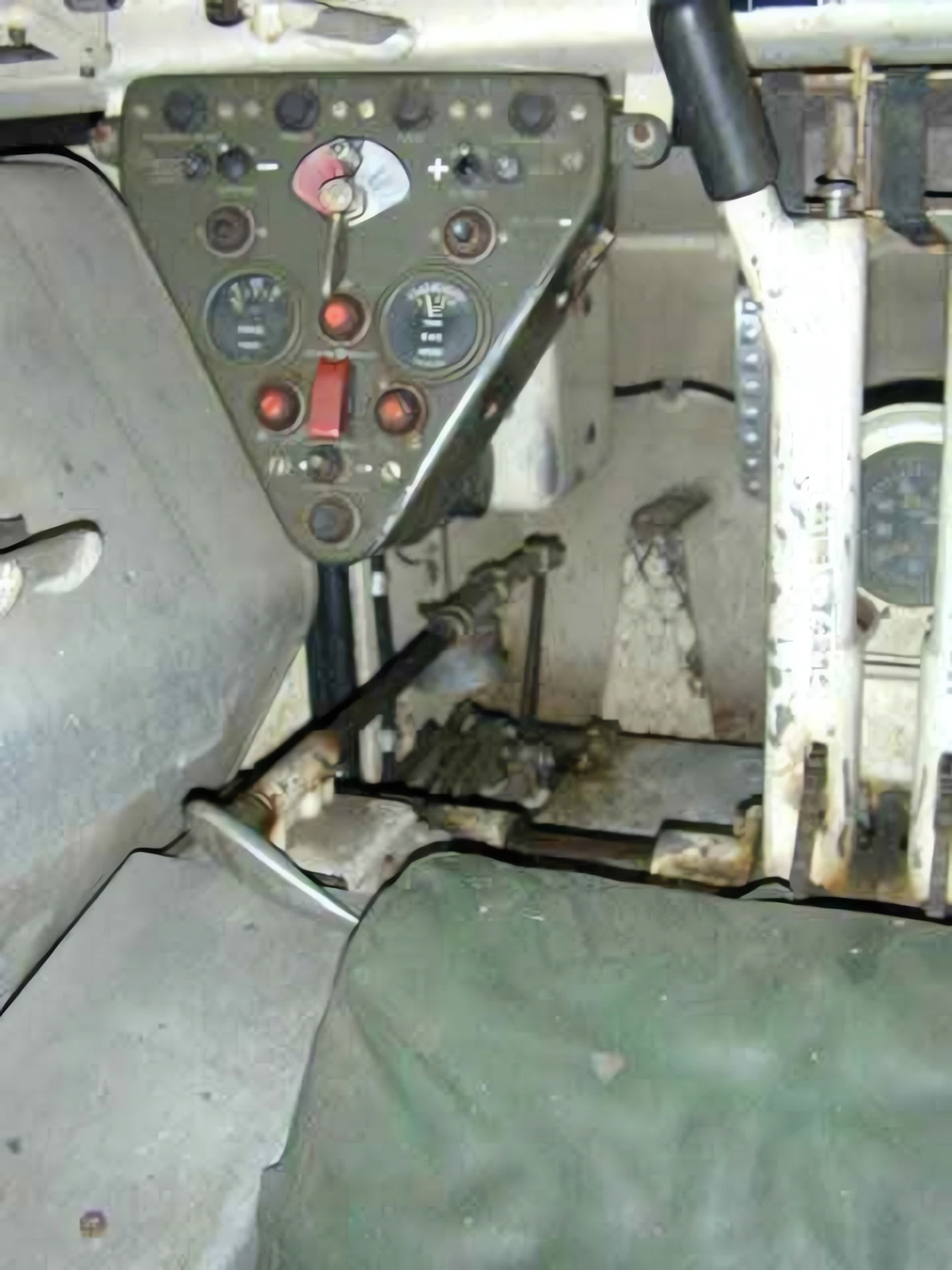


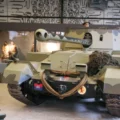
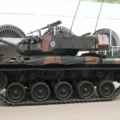
포탑 (AMX ELC 비스)의 여러 모델은 Hotchkiss에 의해 만들어진 계획에서 제조 된 섀시에 테스트되었다. 차량의 주행 서스펜션에는 로드휠 4개와 양쪽에 상단 롤러 2개가 탑재되어 있습니다. 새로운 섀시는 1957년에 개발을 시작했으며, 1961년에 ELC 비스의 지정하에 완공되었습니다. 이 새로운 프로토타입에는 측면당 5개의 로드휠이 있었습니다. 프로토타입은 사무르의 아머 박물관에 보존되어 있습니다.
| ELC Bis Walk Around | |
|---|---|
| 사진 작가 | Unknow |
| 로컬라이제이션 | 소 뮈 르 |
| 사진 | 22 |
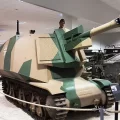
| ELC EVEN 30 Walk Around | |
|---|---|
| 사진 작가 | Unknow |
| 로컬라이제이션 | Unknow |
| 사진 | 27 |
참고 항목:


General Characteristics
The ELC EVEN 90 was a prototype light tank destroyer developed in France by Brunon-Valette as part of the “Engin Léger de Combat” (ELC) project during the mid-1950s. The goal was to create a highly mobile, heavily armed, and extremely small vehicle that could be air-transported for rapid deployment and capable of countering heavier Soviet tanks like the IS-3. The project prioritized miniaturization and firepower over armor, resulting in one of the smallest armored fighting vehicles ever conceived.
| Property | Typical Value (EVEN 90 Prototype) |
|---|---|
| 역할 | Experimental Light Tank Destroyer / Aeromobile Support |
| National Origin | 프랑스 |
| 설계 | 1950년대 |
| No. Built | Part of a series of 10 pilot vehicles (ELC Even variants) |
| 승무원 | 2 (Driver and Commander/Gunner) |
| Mass (Combat Weight) | Approx. 7.4–8.9 tonnes |
| Length (Hull) | 5.30 m (17 ft 5 in) |
| 높이 | 1.80 m (5 ft 11 in) |
Powerplant and Mobility
- Engine: SOFAM Type 4 GSr 4-cylinder gasoline engine (or similar).
- Engine Power: 134 kW (180 hp) or 120 hp, depending on the specific prototype.
- Power/Weight Ratio: Approx. 20 hp/tonne.
- Maximum Speed (Road): Up to 80 km/h (50 mph) in some variants; typical operational speed around 60 km/h.
- Suspension: Torsion bar suspension.
- Design Note: The extremely low profile and light weight gave the vehicle exceptional camouflage characteristics and high tactical mobility.
Armament and Protection
- Main Armament: 90 mm DEFA D.915 low-pressure gun (or similar D.914).
- Ammunition Type: Primarily fin-stabilized HEAT (High-Explosive Anti-Tank) rounds (e.g., ENERGA or OCC-90-62).
- Rate of Fire: Some variants featured an **autoloader** system with a short reload time between shells in the clip.
- Ammunition Capacity: Approx. 45 rounds (some sources cite 34 rounds in the hull and 19 in the turret).
- Secondary Armament: 1 x 7.5 mm AAT-52 coaxial machine gun.
- Maximum Armor (Hull Front): 10–15 mm (sloped at up to 80° on later hulls).
- Armor Note: The armor was designed only to protect against heavy machine gun fire (7.62 mm rounds) and shell fragments. It offered no protection against dedicated anti-tank weaponry.
조회수 : 1476