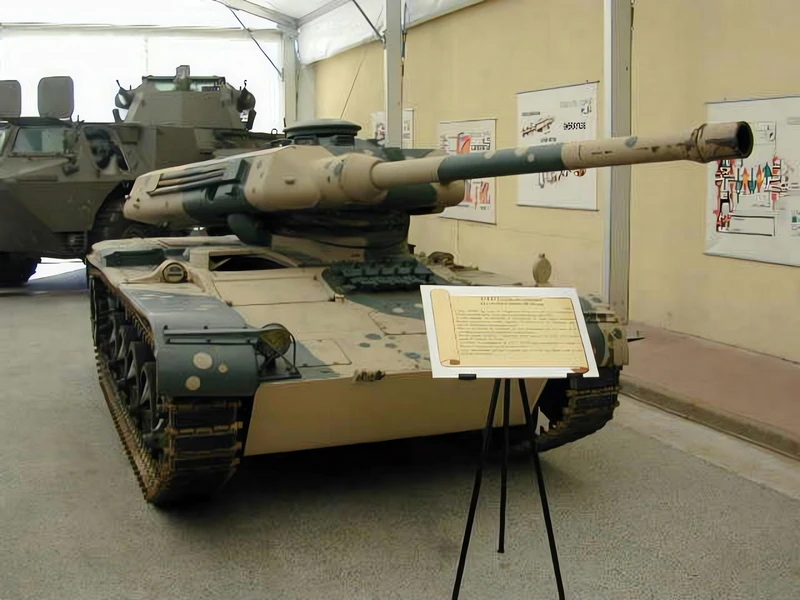
ELC project | |
|---|---|
| Land | Frankreich |
| Rolle | Leichter Tank |
| Produktion | Seit 1955 |
| Gebaut | 10 |
das ELC-Projekt war ein Prototyp eines Jagdpanzerprojekts, das 1955 vom französischen Verteidigungsministerium ins Leben gerufen wurde. Ziel des Projekts ELC (Engin Léger de Combat en:Light combat vehicle) war die Entwicklung eines leicht gepanzerten, schwer bewaffneten Kampffahrzeugs, das per Luftbrücke für einen schnellen Einsatz transportiert werden kann.
Quelle: ELC-Projekt auf Wikipedia
| ELC EVEN 90 Walk Around | |
|---|---|
| Fotograf | Unbekannter |
| Lokalisierung | Unbekannter |
| Fotos | 23 |
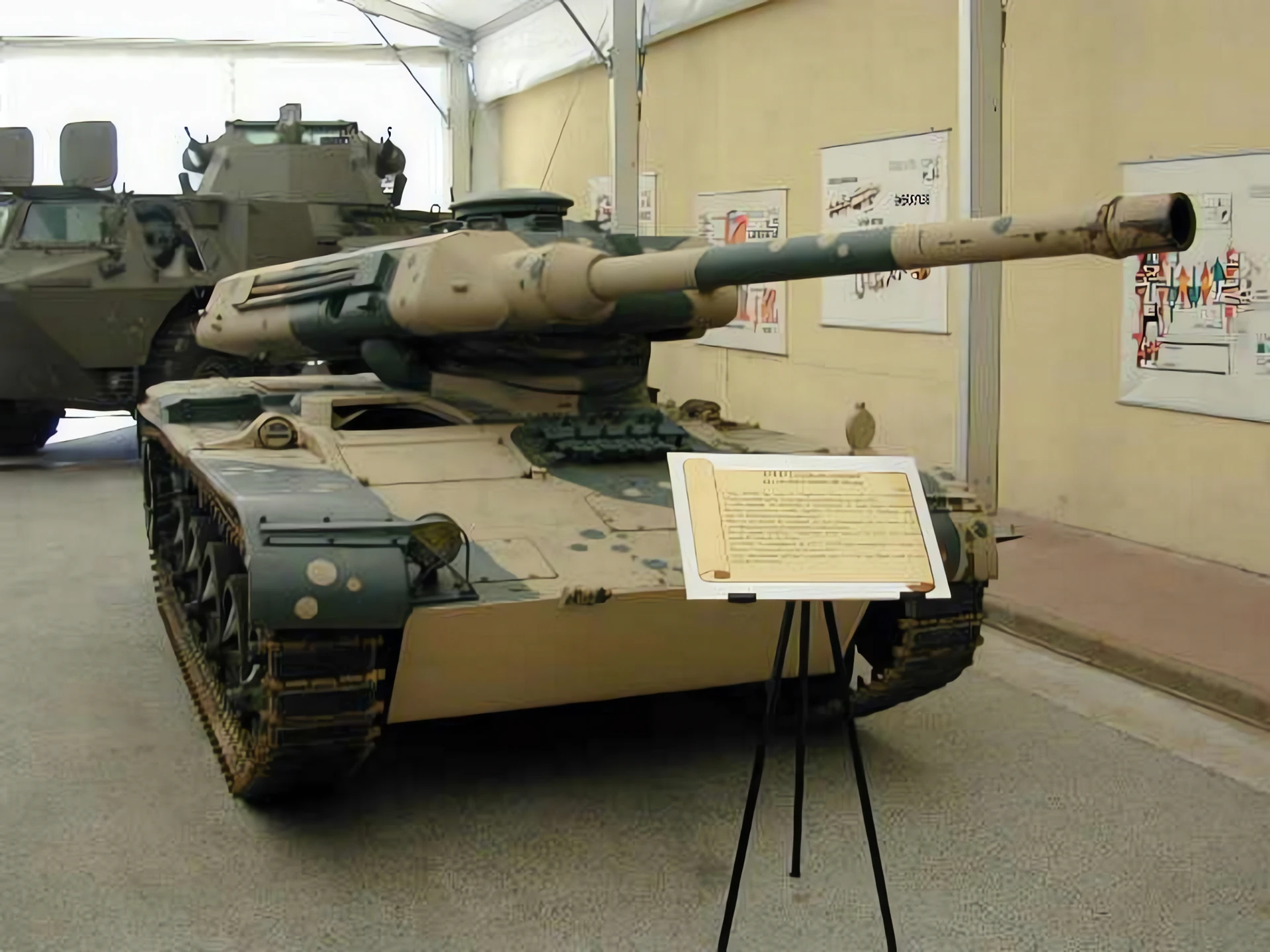
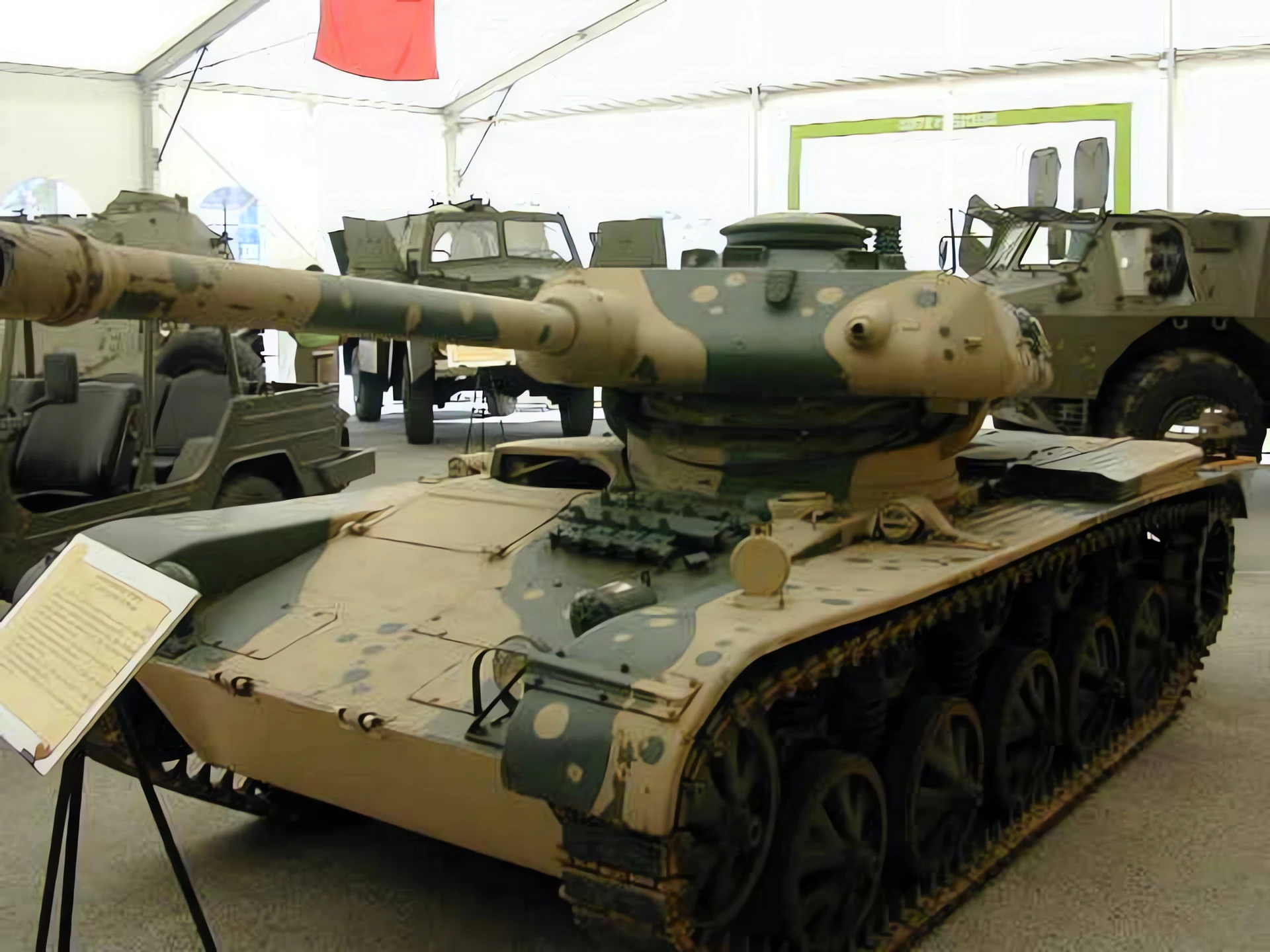
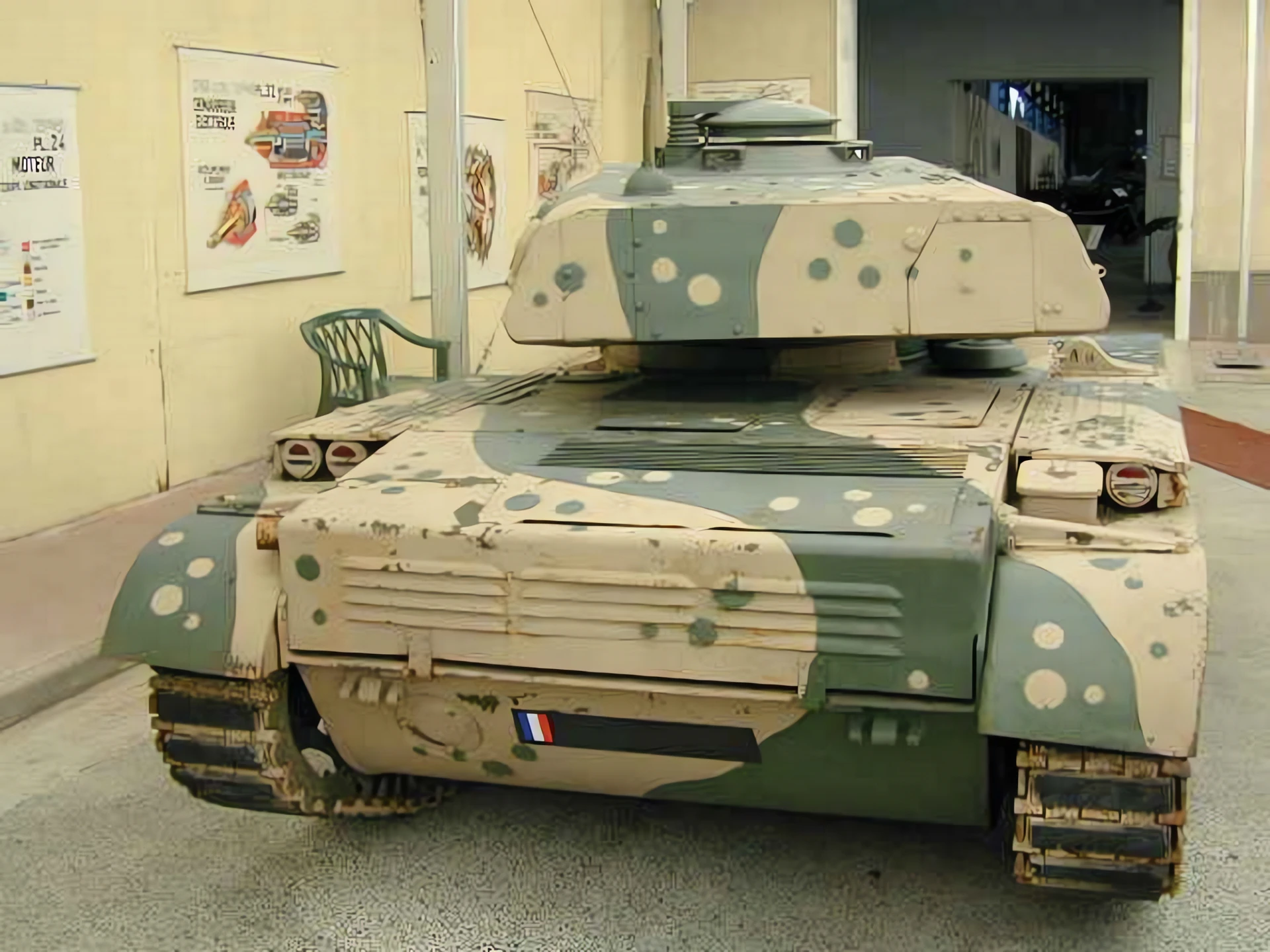
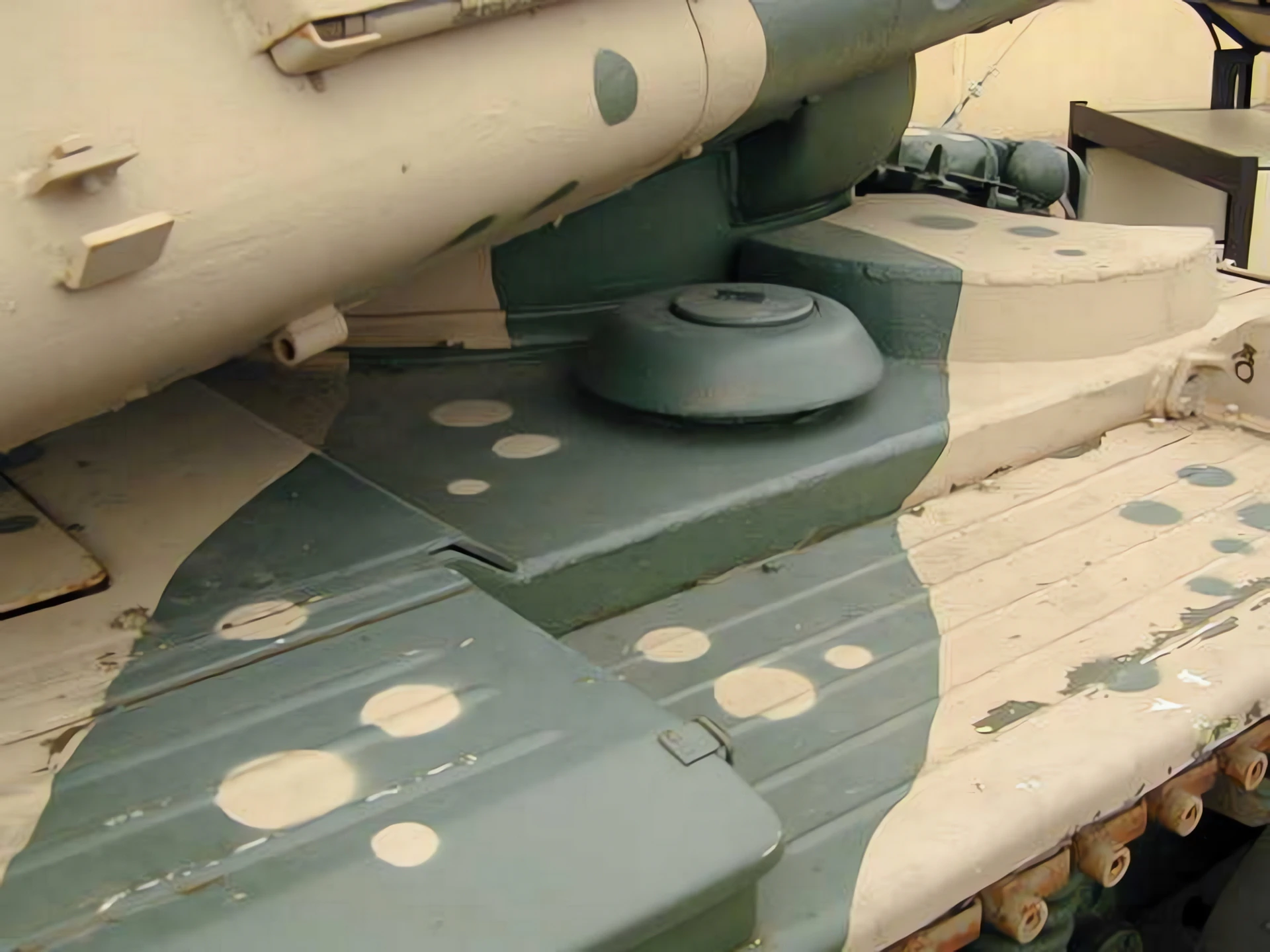
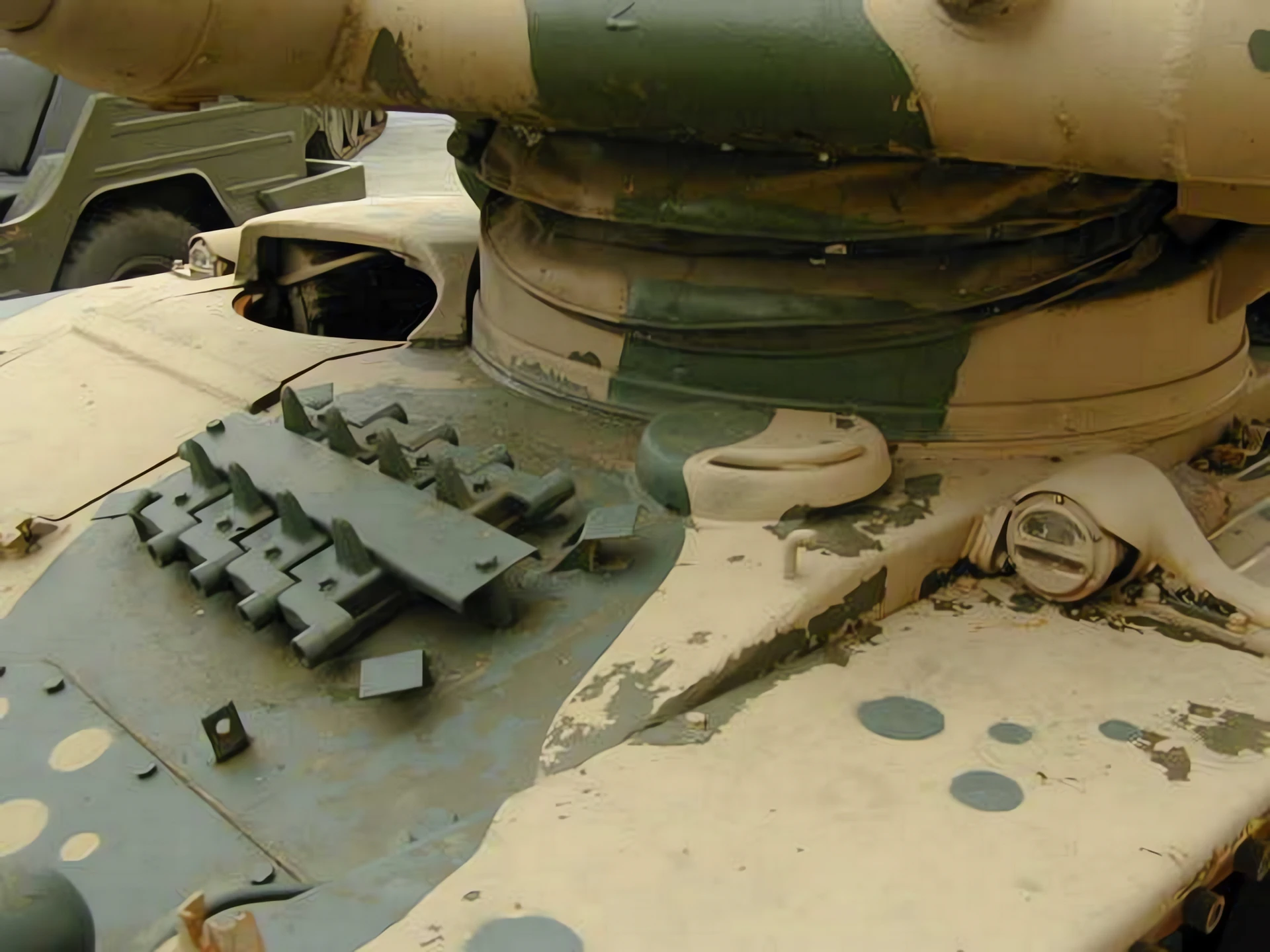
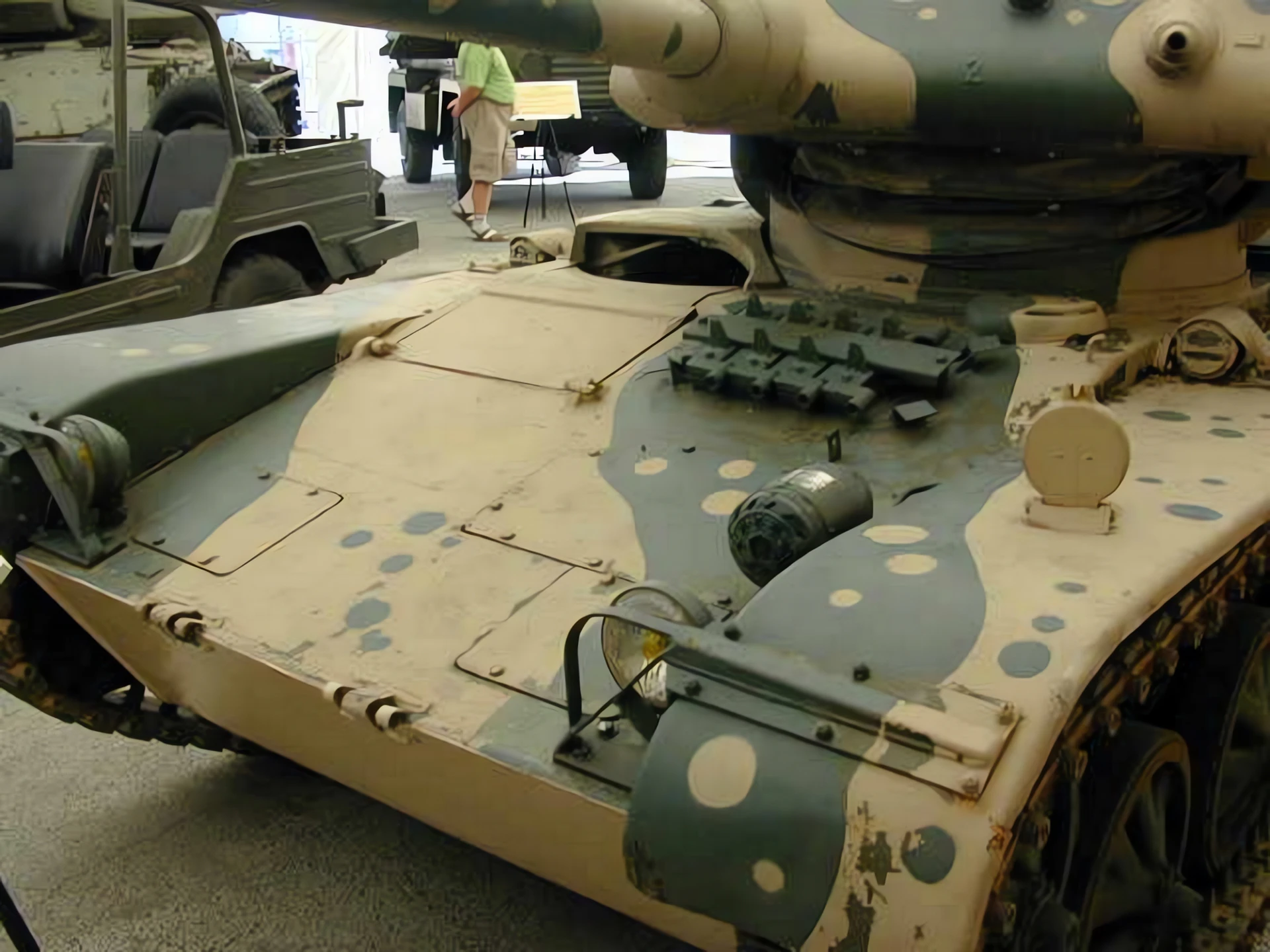
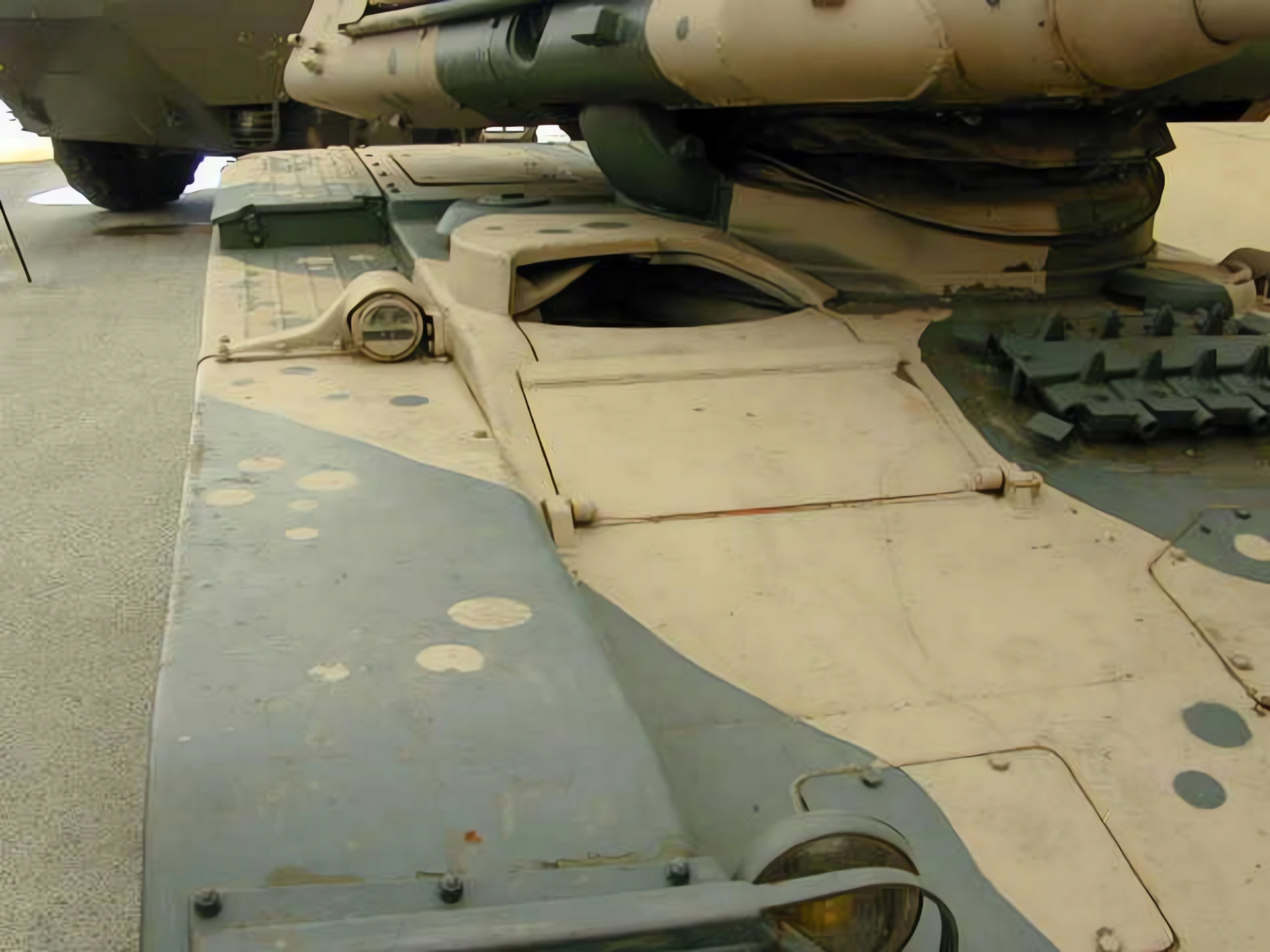
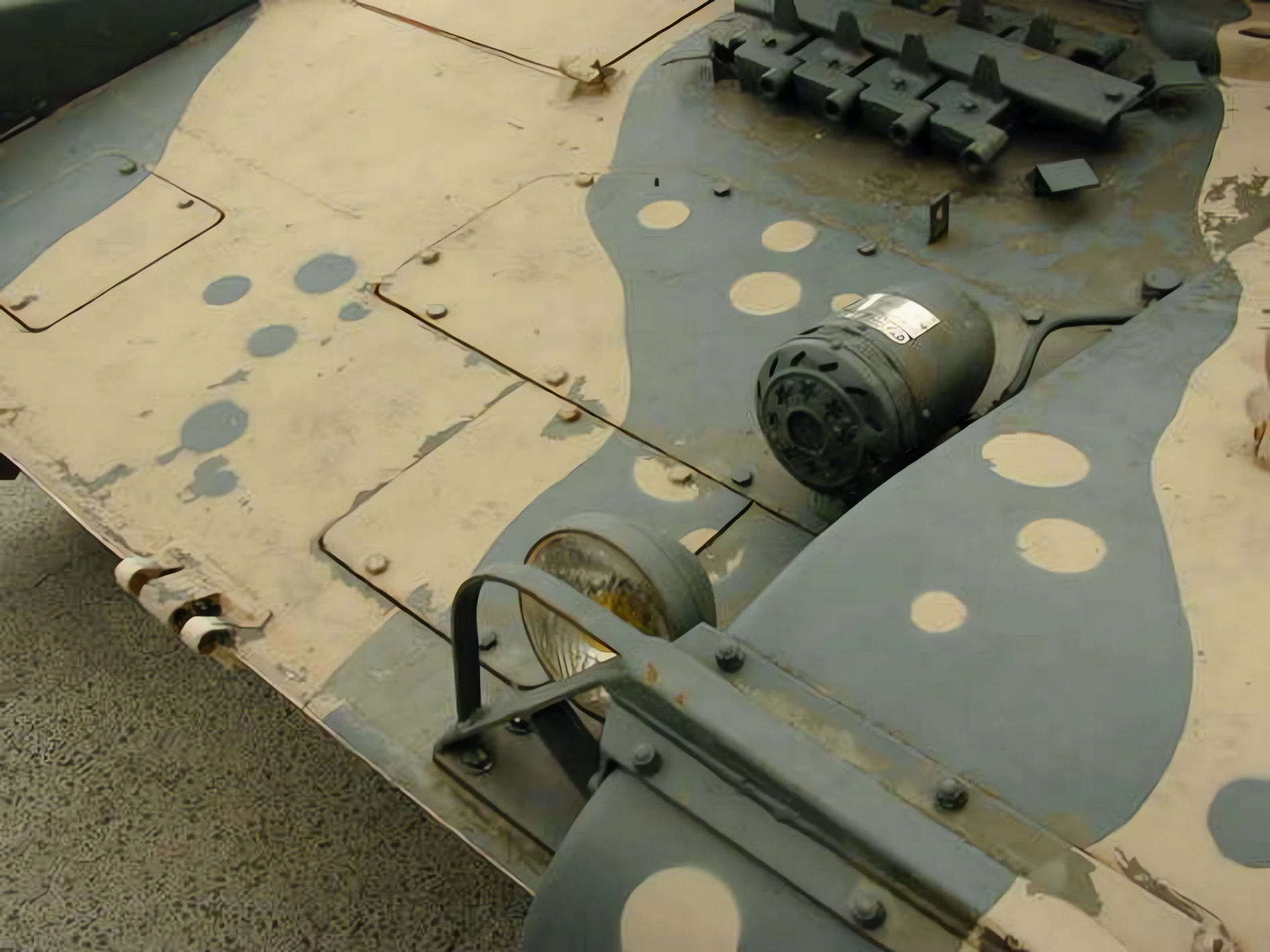
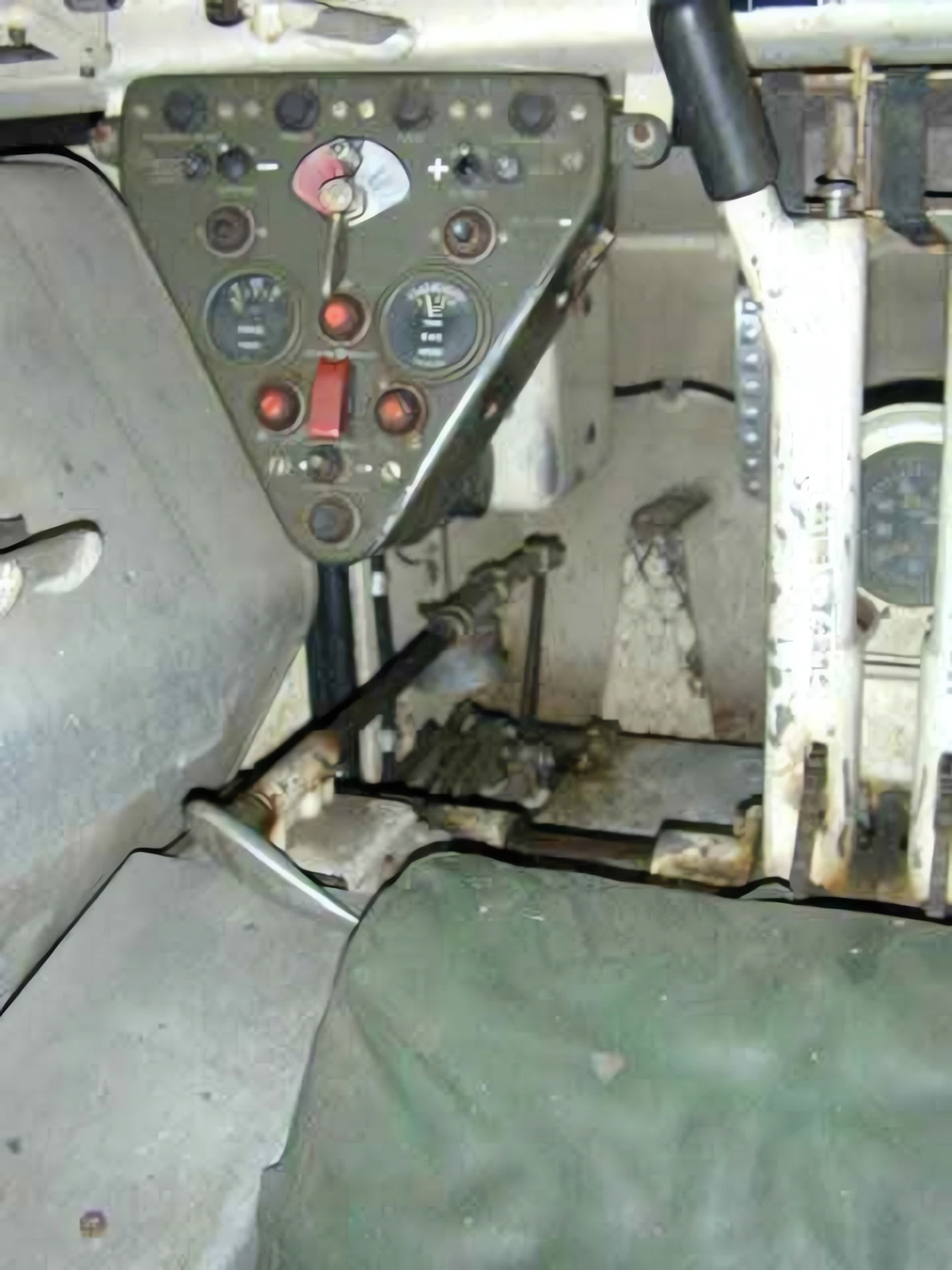


Mehrere Modelle des Turms (AMX ELC bis) wurden auf Chassis getestet, die nach Plänen von Hotchkiss hergestellt wurden. Die Antriebsaufhängung des Fahrzeugs bestand aus vier Straßenrädern und zwei oberen Rollen auf jeder Seite. Ein neues Chassis begann 1957 mit der Entwicklung und wurde 1961 unter der Bezeichnung ELC bis fertiggestellt; dieser neuere Prototyp hatte fünf Straßenräder pro Seite. Der Prototyp wird im Rüstungsmuseum in Saumur aufbewahrt.
| ELC Bis Walk Around | |
|---|---|
| Fotograf | Unbekannter |
| Lokalisierung | Saumur |
| Fotos | 22 |
| ELC EVEN 30 Walk Around | |
|---|---|
| Fotograf | Unbekannter |
| Lokalisierung | Unbekannter |
| Fotos | 27 |
Siehe auch:


General Characteristics
The ELC EVEN 90 was a prototype light tank destroyer developed in France by Brunon-Valette as part of the “Engin Léger de Combat” (ELC) project during the mid-1950s. The goal was to create a highly mobile, heavily armed, and extremely small vehicle that could be air-transported for rapid deployment and capable of countering heavier Soviet tanks like the IS-3. The project prioritized miniaturization and firepower over armor, resulting in one of the smallest armored fighting vehicles ever conceived.
| Property | Typical Value (EVEN 90 Prototype) |
|---|---|
| Rolle | Experimental Light Tank Destroyer / Aeromobile Support |
| National Origin | Frankreich |
| Entworfen | 1950er Jahre |
| No. Built | Part of a series of 10 pilot vehicles (ELC Even variants) |
| Crew | 2 (Driver and Commander/Gunner) |
| Mass (Combat Weight) | Approx. 7.4–8.9 tonnes |
| Length (Hull) | 5.30 m (17 ft 5 in) |
| Höhe | 1.80 m (5 ft 11 in) |
Powerplant and Mobility
- Engine: SOFAM Type 4 GSr 4-cylinder gasoline engine (or similar).
- Engine Power: 134 kW (180 hp) or 120 hp, depending on the specific prototype.
- Power/Weight Ratio: Approx. 20 hp/tonne.
- Maximum Speed (Road): Up to 80 km/h (50 mph) in some variants; typical operational speed around 60 km/h.
- Suspension: Torsion bar suspension.
- Design Note: The extremely low profile and light weight gave the vehicle exceptional camouflage characteristics and high tactical mobility.
Armament and Protection
- Main Armament: 90 mm DEFA D.915 low-pressure gun (or similar D.914).
- Ammunition Type: Primarily fin-stabilized HEAT (High-Explosive Anti-Tank) rounds (e.g., ENERGA or OCC-90-62).
- Rate of Fire: Some variants featured an **autoloader** system with a short reload time between shells in the clip.
- Ammunition Capacity: Approx. 45 rounds (some sources cite 34 rounds in the hull and 19 in the turret).
- Secondary Armament: 1 x 7.5 mm AAT-52 coaxial machine gun.
- Maximum Armor (Hull Front): 10–15 mm (sloped at up to 80° on later hulls).
- Armor Note: The armor was designed only to protect against heavy machine gun fire (7.62 mm rounds) and shell fragments. It offered no protection against dedicated anti-tank weaponry.
Ansichten : 1476
Sie können auch sehen:
 M8 Armored Gun System – Fotos und Videos
 Valentine Archer – Fotos & Videos
 Marder Hotchkiss – Fotos & Video
 M41B Walker Bulldog – Fotos & Video
 Vickers Mk VIb – Walk Around
 T-26 – WalkAround
 Renault R35 - WalkAround
 M3A1 Stuart – WalkAround
 M22 Heuschrecke – Walk Around
 Char rapide BT-5 – Walk Around