ELC project | |
|---|---|
| País | Francia |
| Papel | Tanque ligero |
| Producción | Desde 1955 |
| Construido | 10 |
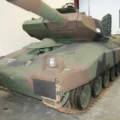
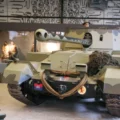
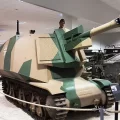
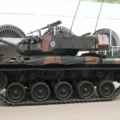
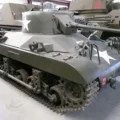
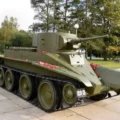
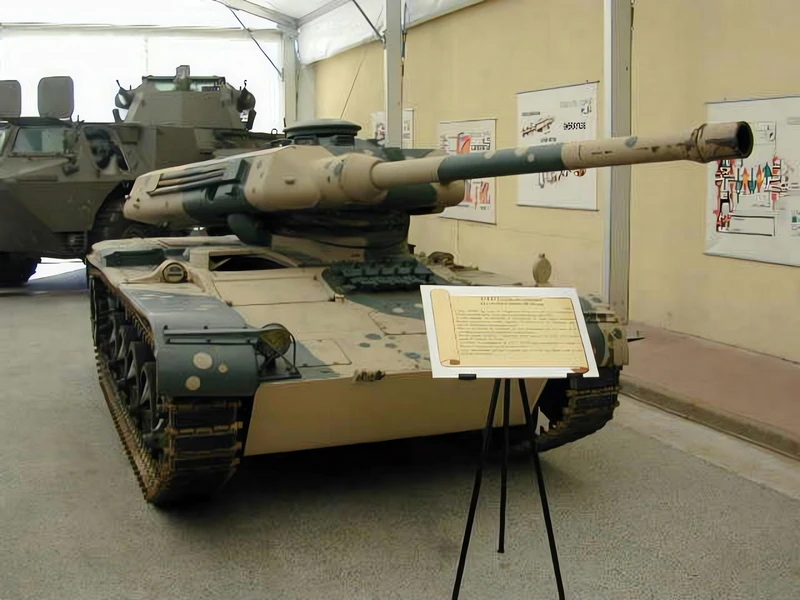
el Proyecto ELC fue un prototipo de proyecto de cazacarros lanzado por el Ministerio de Defensa francés en 1955. El propósito del proyecto ELC (Engin Léger de Combat en:Light combat vehicle) era desarrollar un vehículo de combate ligeramente blindado y fuertemente armado capaz de ser transportado por transporte aéreo para un despliegue rápido.
Fuente: Proyecto ELC en Wikipedia
| ELC EVEN 90 Walk Around | |
|---|---|
| Fotógrafo | Unknow |
| Localización | Unknow |
| Fotos | 23 |
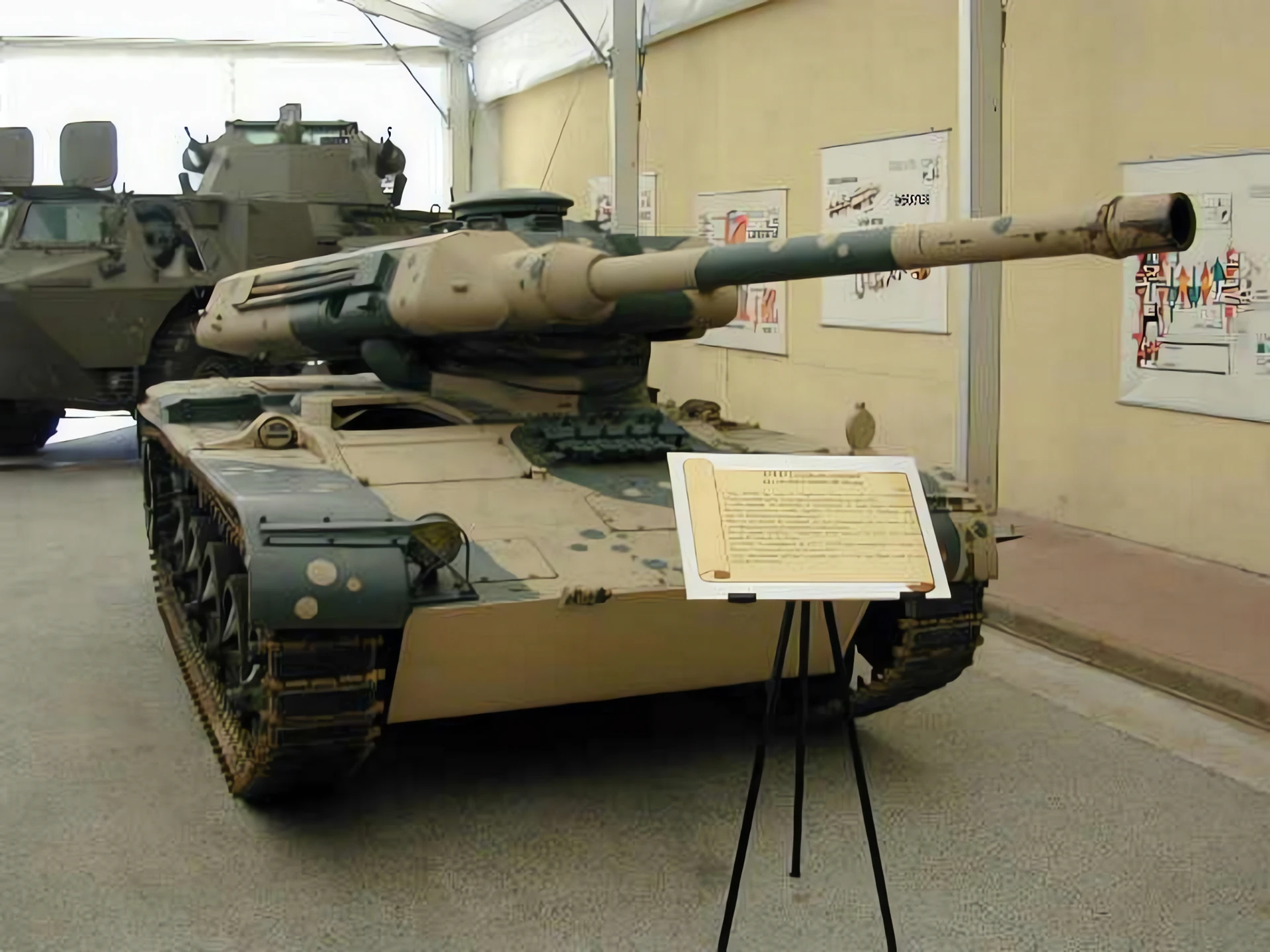
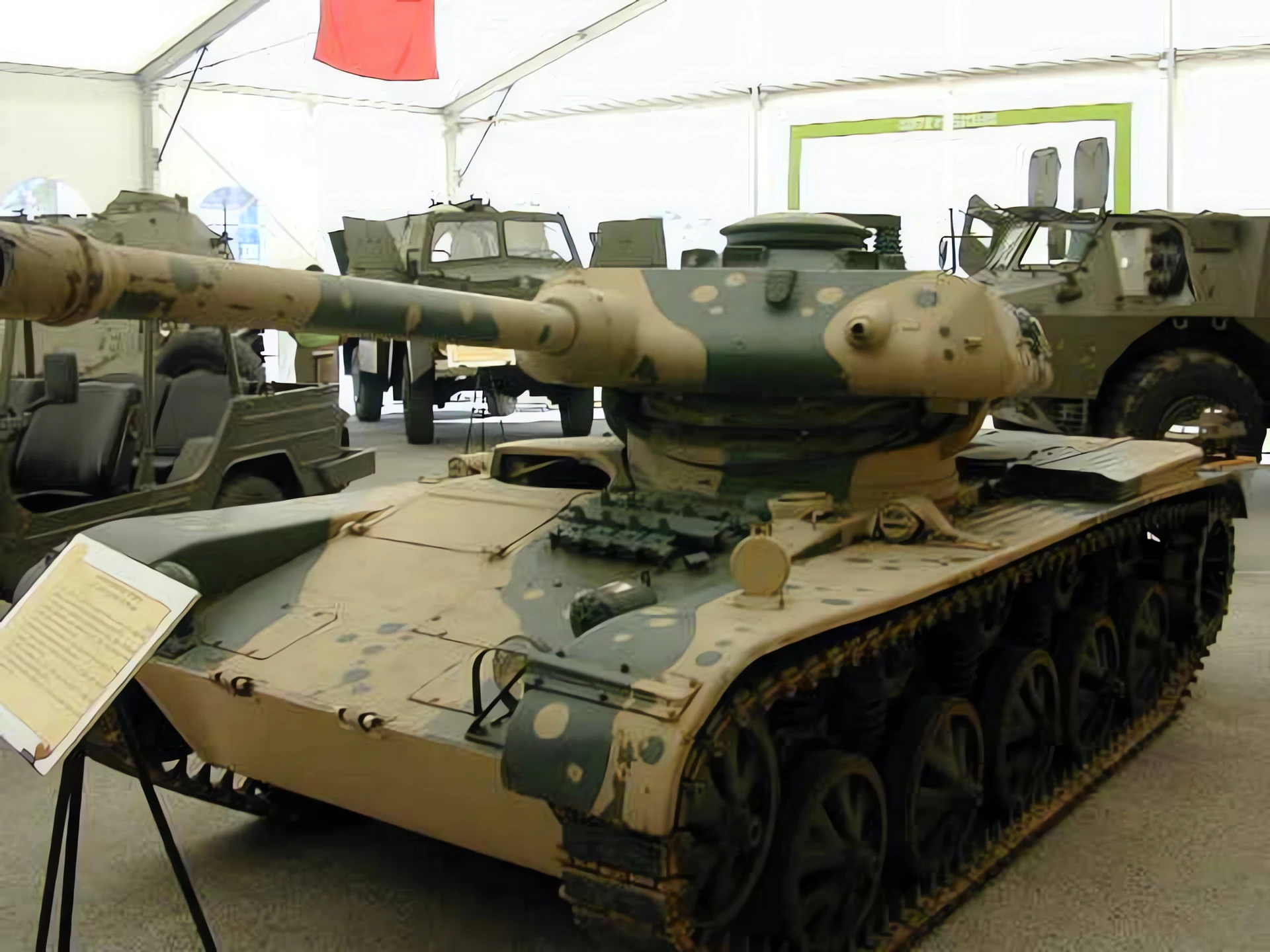
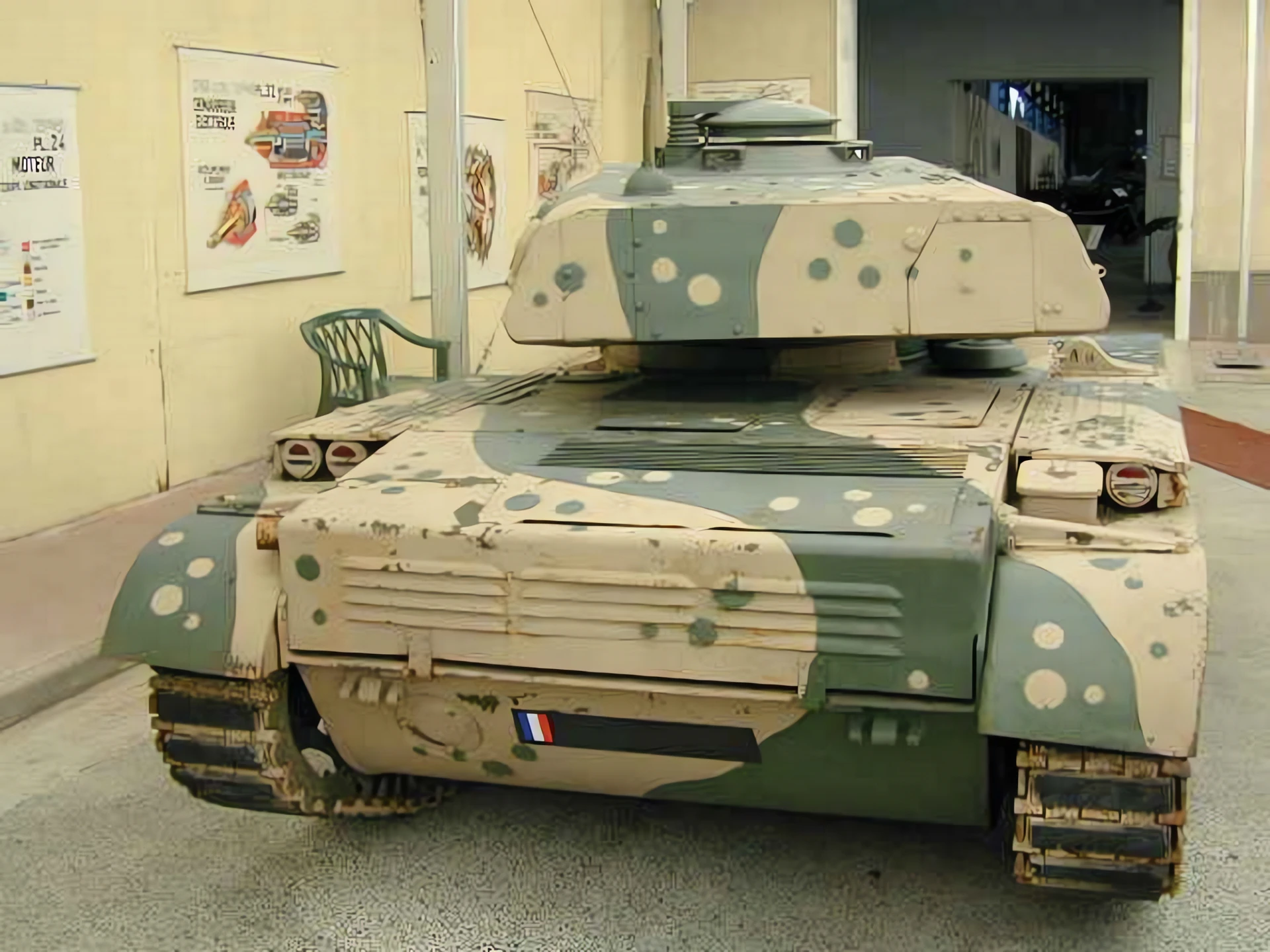
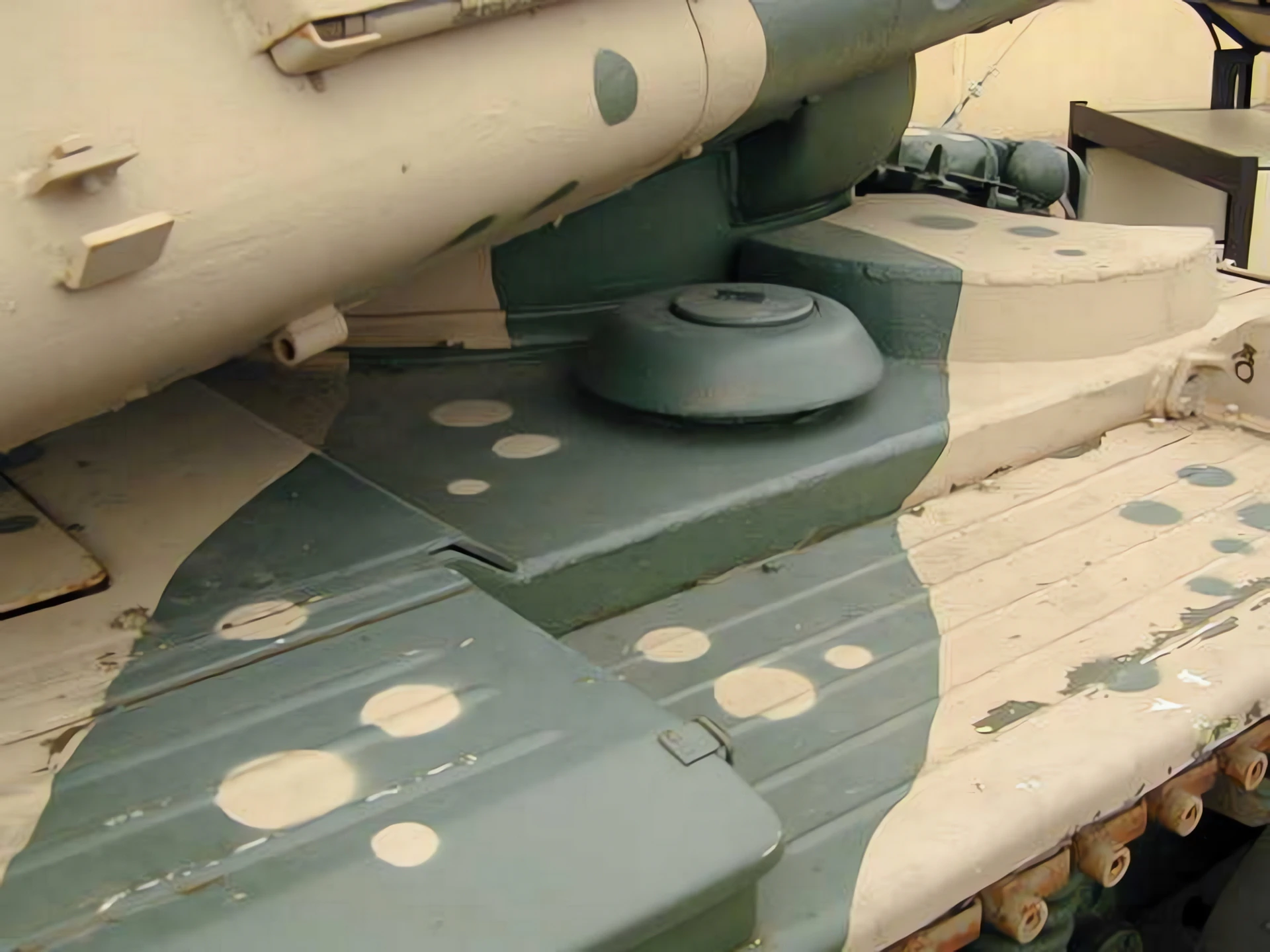
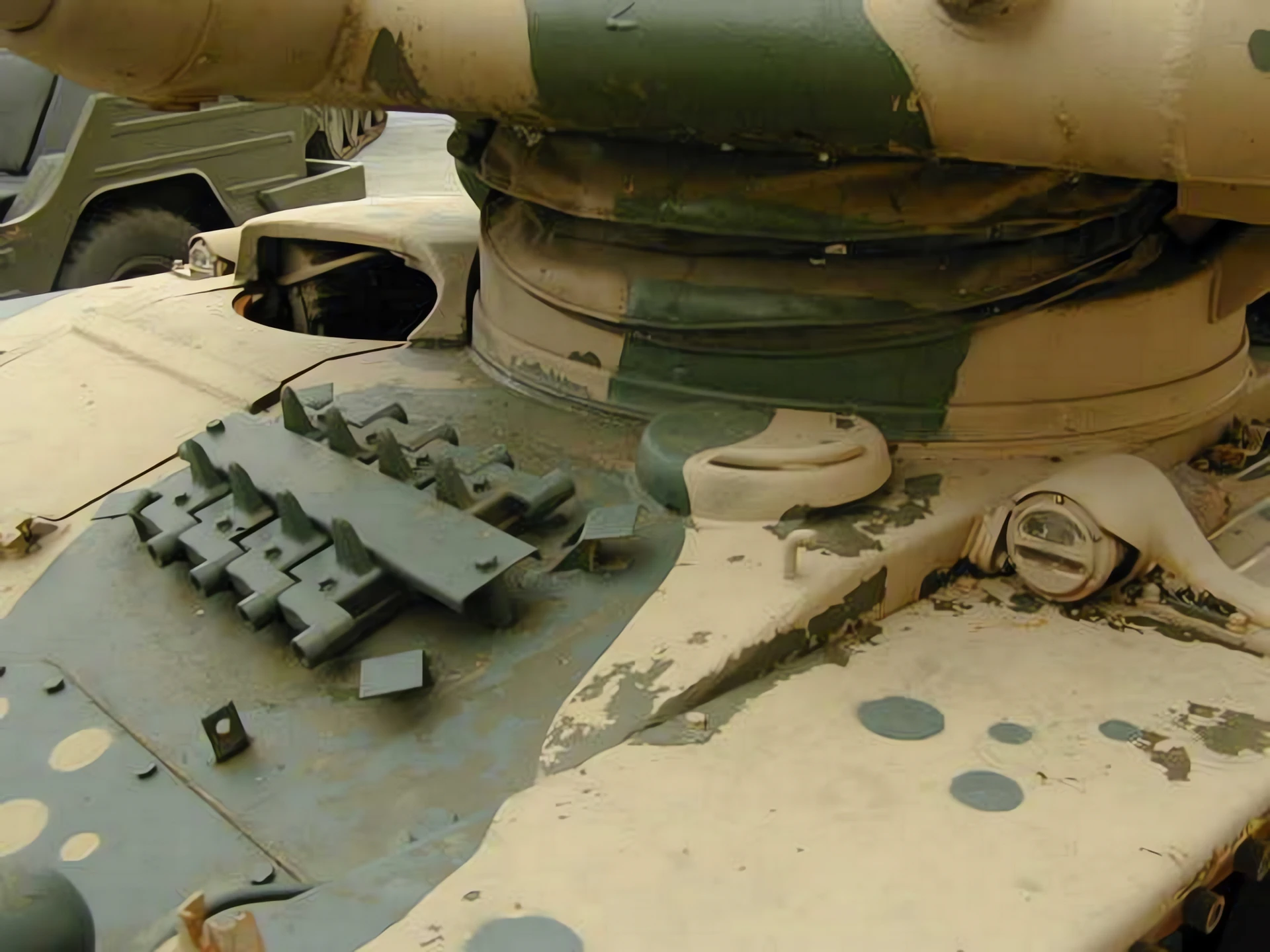
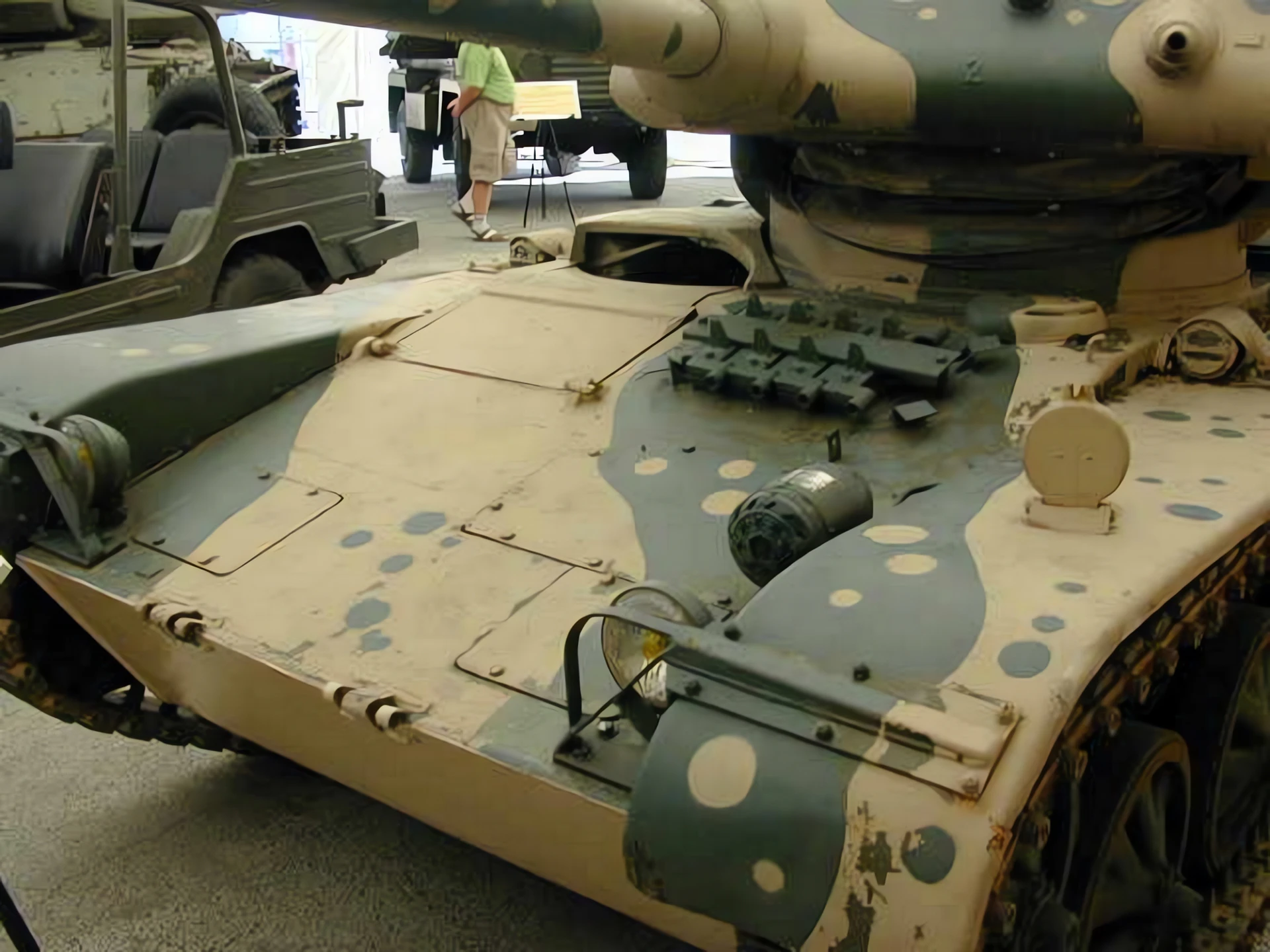
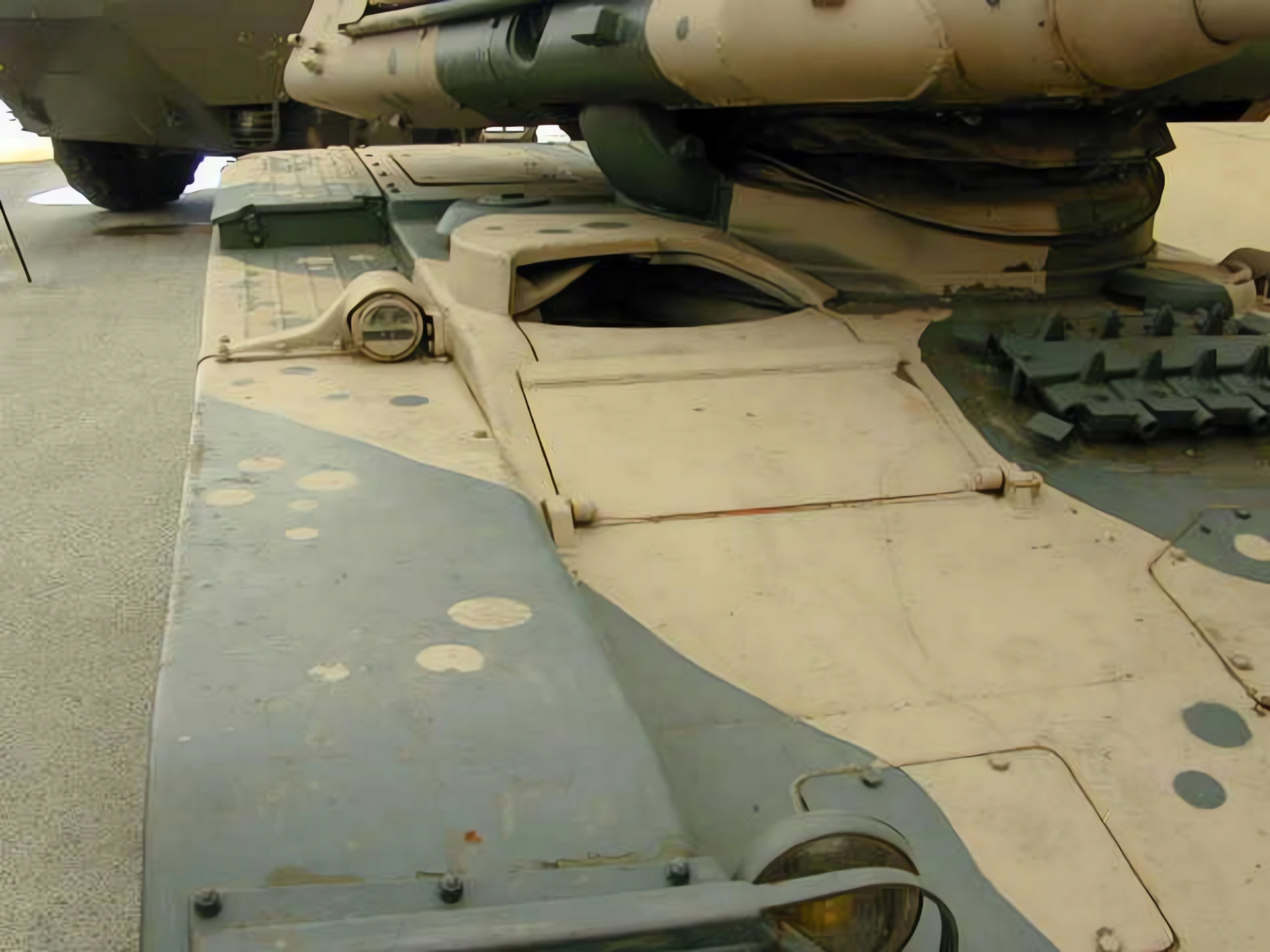
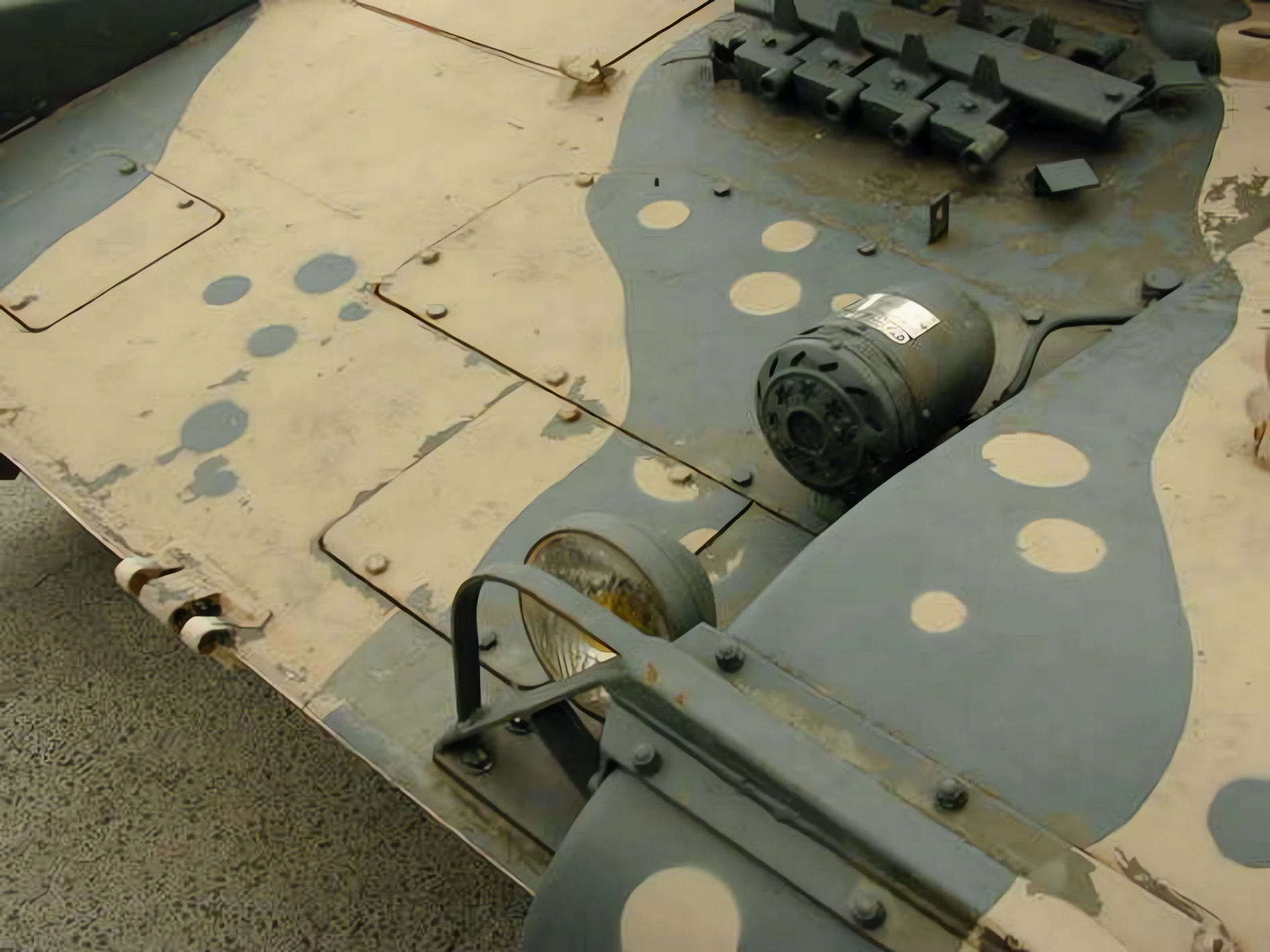
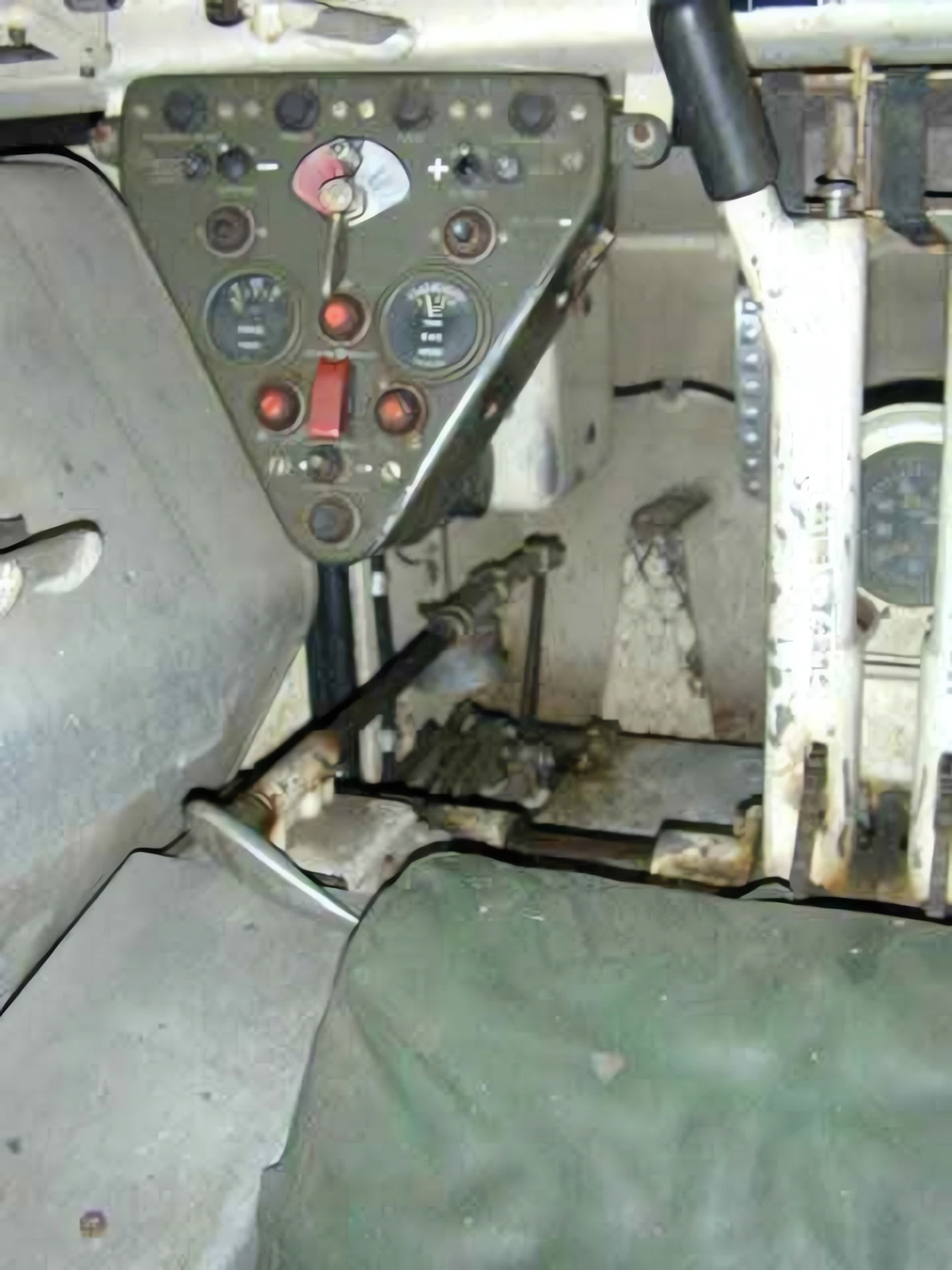


Varios modelos de la torreta (AMX ELC bis) fueron probados en chasis fabricados a partir de planos creados por Hotchkiss. La suspensión de accionamiento del vehículo presentaba cuatro ruedas de carretera y dos rodillos superiores a cada lado. Un nuevo chasis comenzó a desarrollo en 1957, y se completó en 1961 bajo la designación del ELC bis; este prototipo más nuevo tenía cinco ruedas de carretera por lado. El prototipo se conserva en el Museo de la Armadura de Saumur.
| ELC Bis Walk Around | |
|---|---|
| Fotógrafo | Unknow |
| Localización | Saumur |
| Fotos | 22 |
| ELC EVEN 30 Walk Around | |
|---|---|
| Fotógrafo | Unknow |
| Localización | Unknow |
| Fotos | 27 |
Ver también:


General Characteristics
The ELC EVEN 90 was a prototype light tank destroyer developed in France by Brunon-Valette as part of the “Engin Léger de Combat” (ELC) project during the mid-1950s. The goal was to create a highly mobile, heavily armed, and extremely small vehicle that could be air-transported for rapid deployment and capable of countering heavier Soviet tanks like the IS-3. The project prioritized miniaturization and firepower over armor, resulting in one of the smallest armored fighting vehicles ever conceived.
| Property | Typical Value (EVEN 90 Prototype) |
|---|---|
| Papel | Experimental Light Tank Destroyer / Aeromobile Support |
| National Origin | Francia |
| Diseñado | Década de 1950 |
| No. Built | Part of a series of 10 pilot vehicles (ELC Even variants) |
| Equipo | 2 (Driver and Commander/Gunner) |
| Mass (Combat Weight) | Approx. 7.4–8.9 tonnes |
| Length (Hull) | 5.30 m (17 ft 5 in) |
| Altura | 1.80 m (5 ft 11 in) |
Powerplant and Mobility
- Engine: SOFAM Type 4 GSr 4-cylinder gasoline engine (or similar).
- Engine Power: 134 kW (180 hp) or 120 hp, depending on the specific prototype.
- Power/Weight Ratio: Approx. 20 hp/tonne.
- Maximum Speed (Road): Up to 80 km/h (50 mph) in some variants; typical operational speed around 60 km/h.
- Suspension: Torsion bar suspension.
- Design Note: The extremely low profile and light weight gave the vehicle exceptional camouflage characteristics and high tactical mobility.
Armament and Protection
- Main Armament: 90 mm DEFA D.915 low-pressure gun (or similar D.914).
- Ammunition Type: Primarily fin-stabilized HEAT (High-Explosive Anti-Tank) rounds (e.g., ENERGA or OCC-90-62).
- Rate of Fire: Some variants featured an **autoloader** system with a short reload time between shells in the clip.
- Ammunition Capacity: Approx. 45 rounds (some sources cite 34 rounds in the hull and 19 in the turret).
- Secondary Armament: 1 x 7.5 mm AAT-52 coaxial machine gun.
- Maximum Armor (Hull Front): 10–15 mm (sloped at up to 80° on later hulls).
- Armor Note: The armor was designed only to protect against heavy machine gun fire (7.62 mm rounds) and shell fragments. It offered no protection against dedicated anti-tank weaponry.
Vistas : 1476