ELC project | |
|---|---|
| Riik | Prantsusmaa |
| Rolli | Hele paak |
| Tootmine | Alates 1955. aastast |
| Ehitatud | 10 |
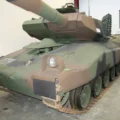
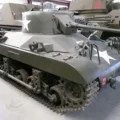
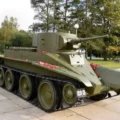
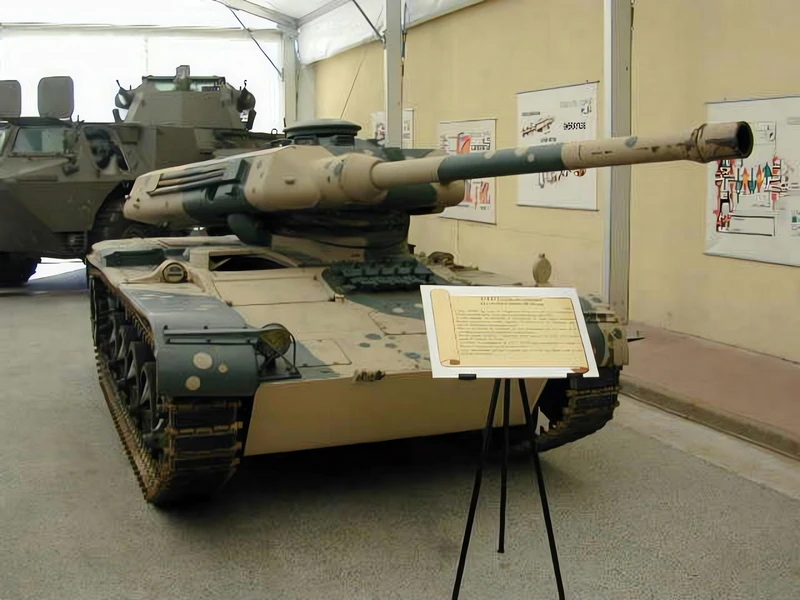
2007 ELC projekt see oli Tankihävitaja prototüüpprojekt, mille käivitas Prantsuse kaitseministeerium 1955. aastal. ELC (Engin Léger de Combat en:Light combat vehicle) projekti eesmärk oli töötada välja kergelt soomustatud, raskelt relvastatud võitlussõiduk, mida on võimalik transportida õhutranspordiga kiireks kasutuselevõtuks.
Allikas: ELC projekt Vikipeedias
| ELC EVEN 90 Walk Around | |
|---|---|
| Fotograaf | Teadmata |
| Lokaliseerimine | Teadmata |
| Fotod | 23 |
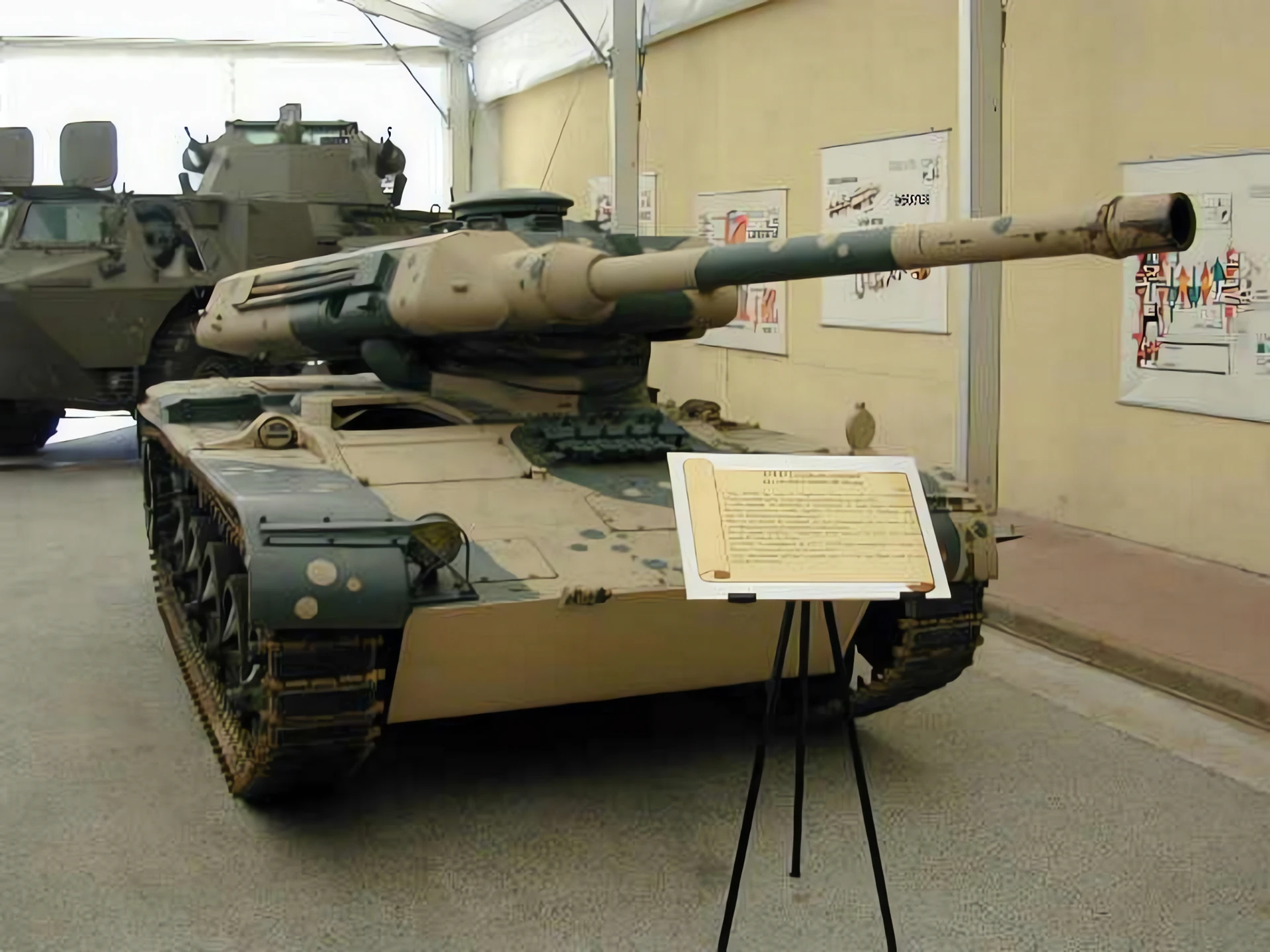
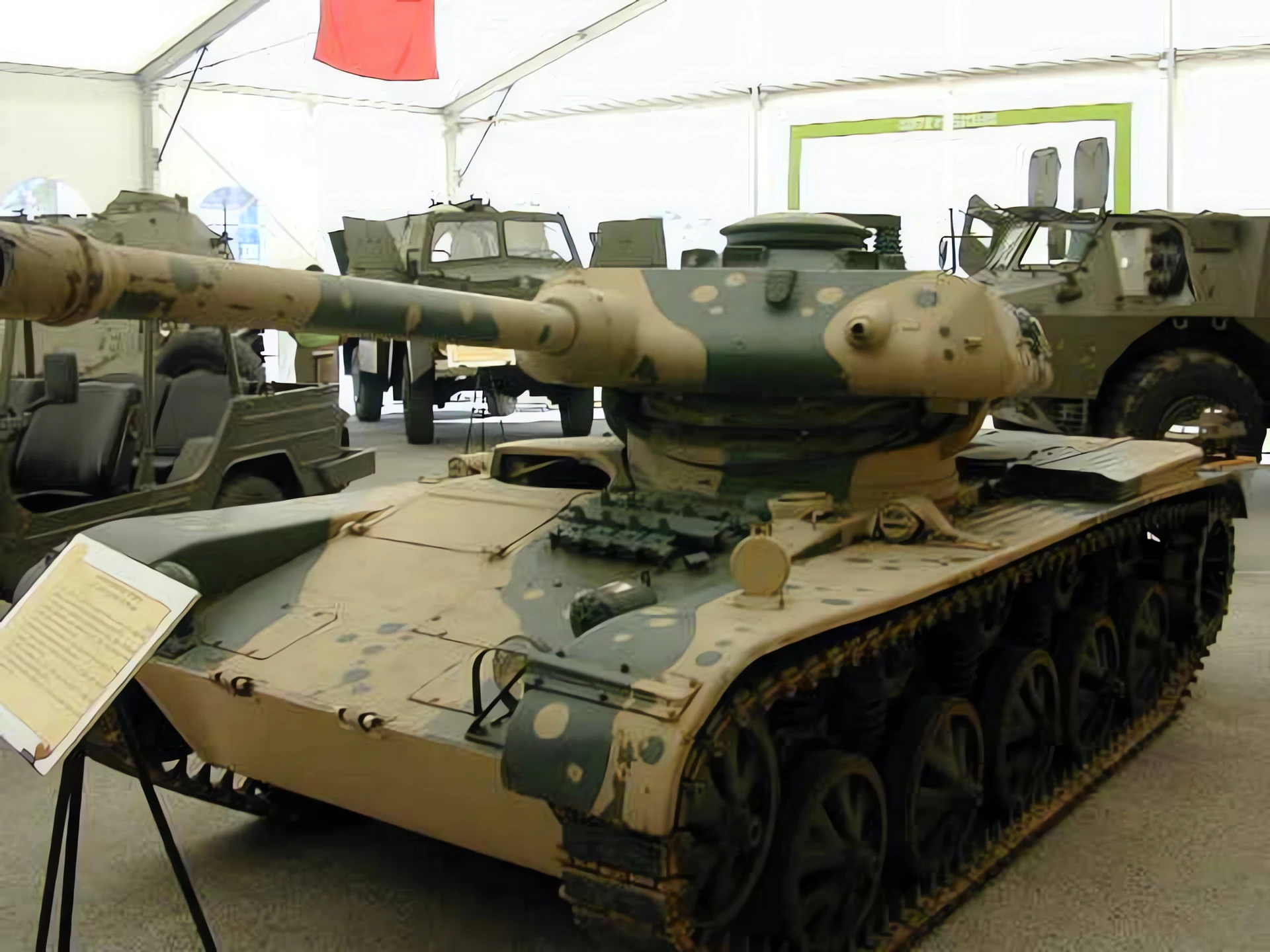
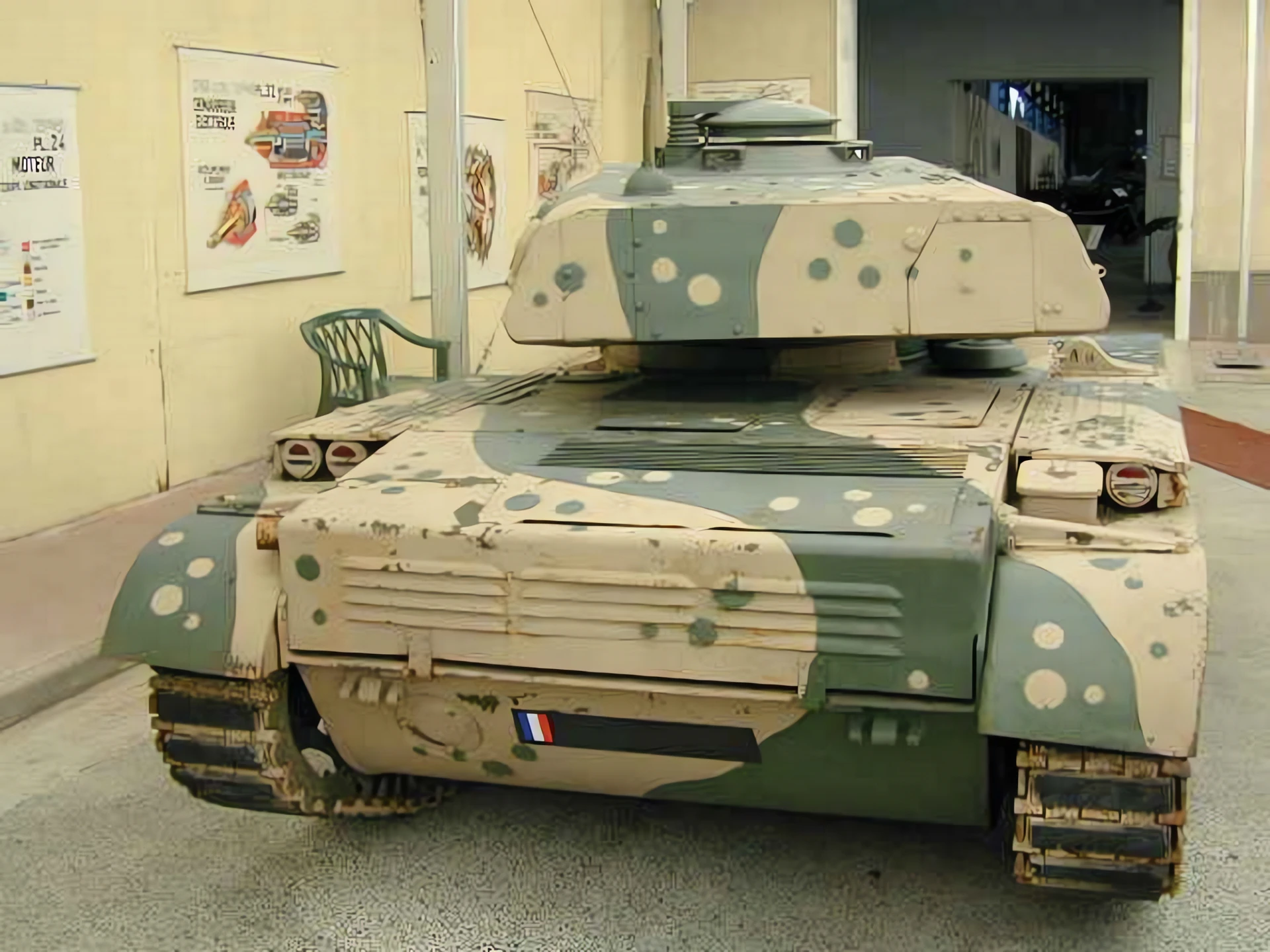
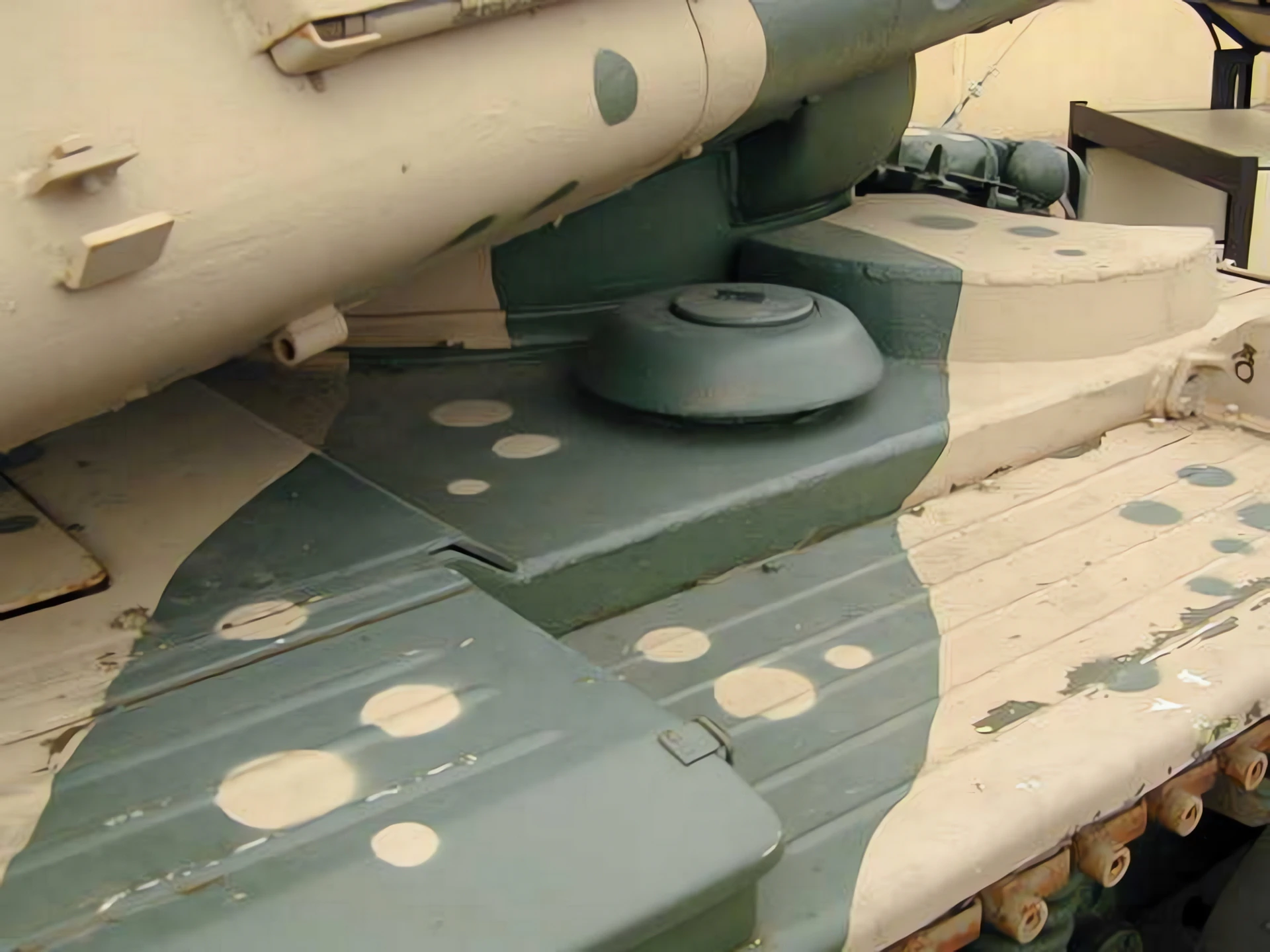
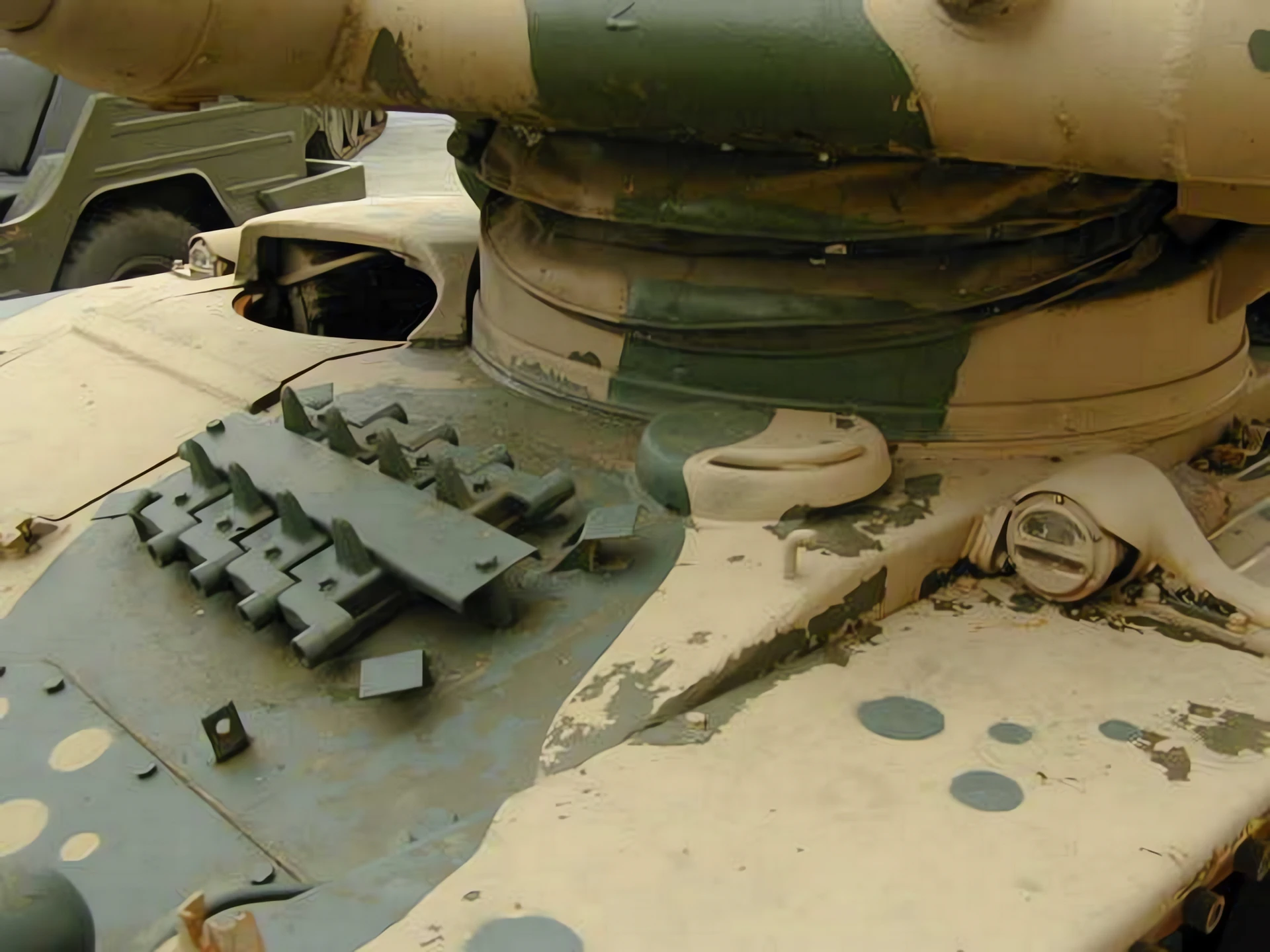
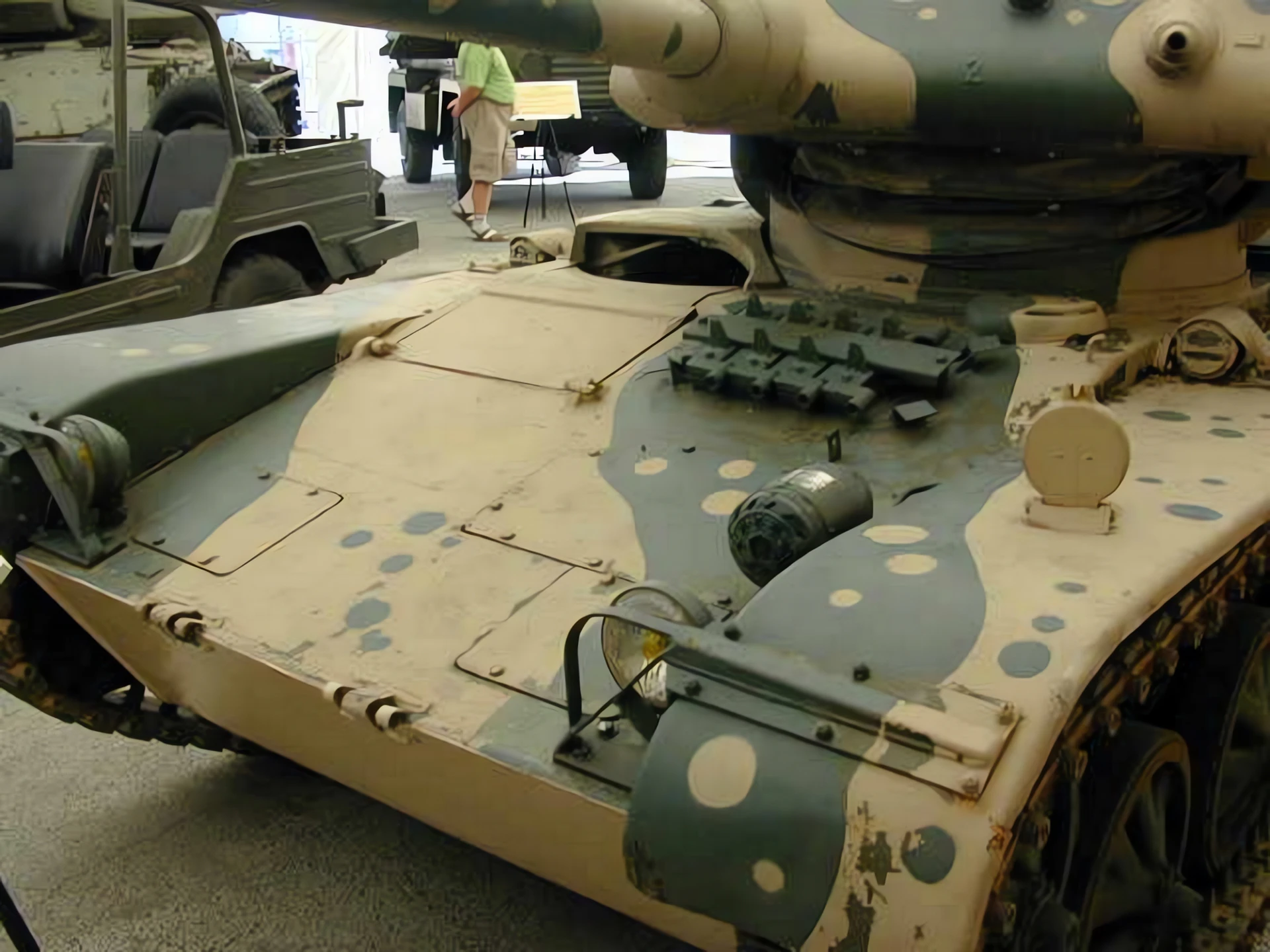
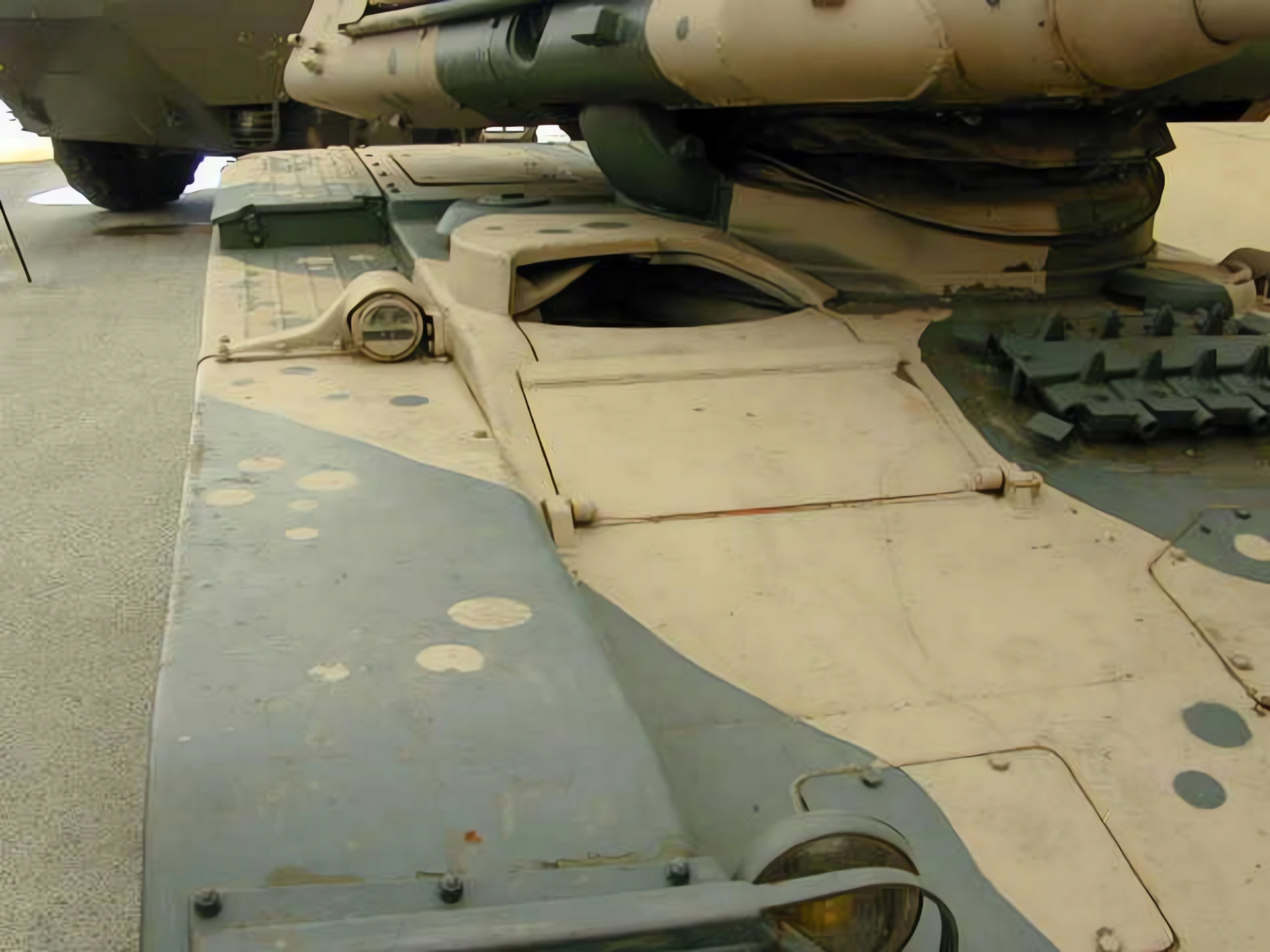
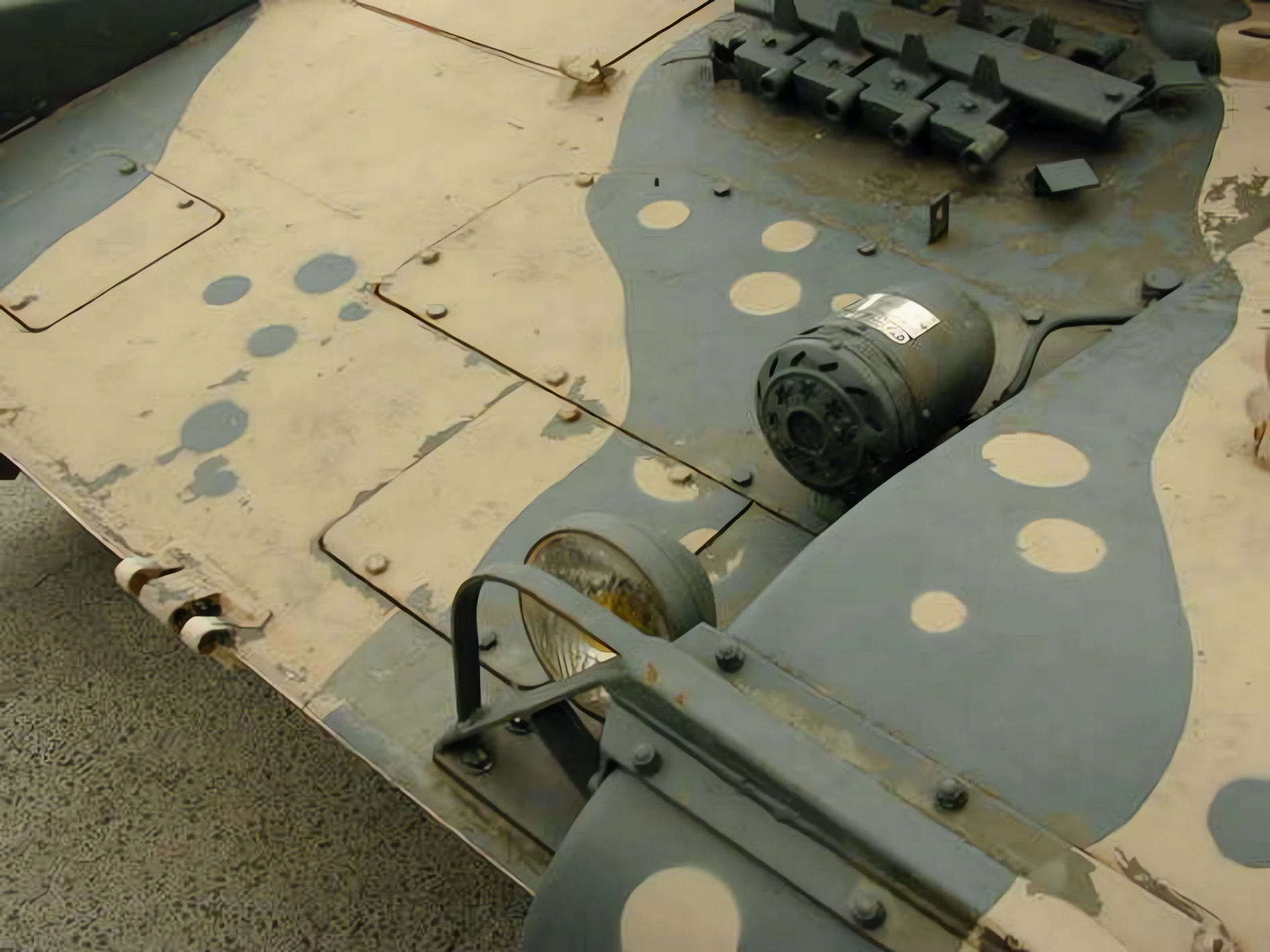
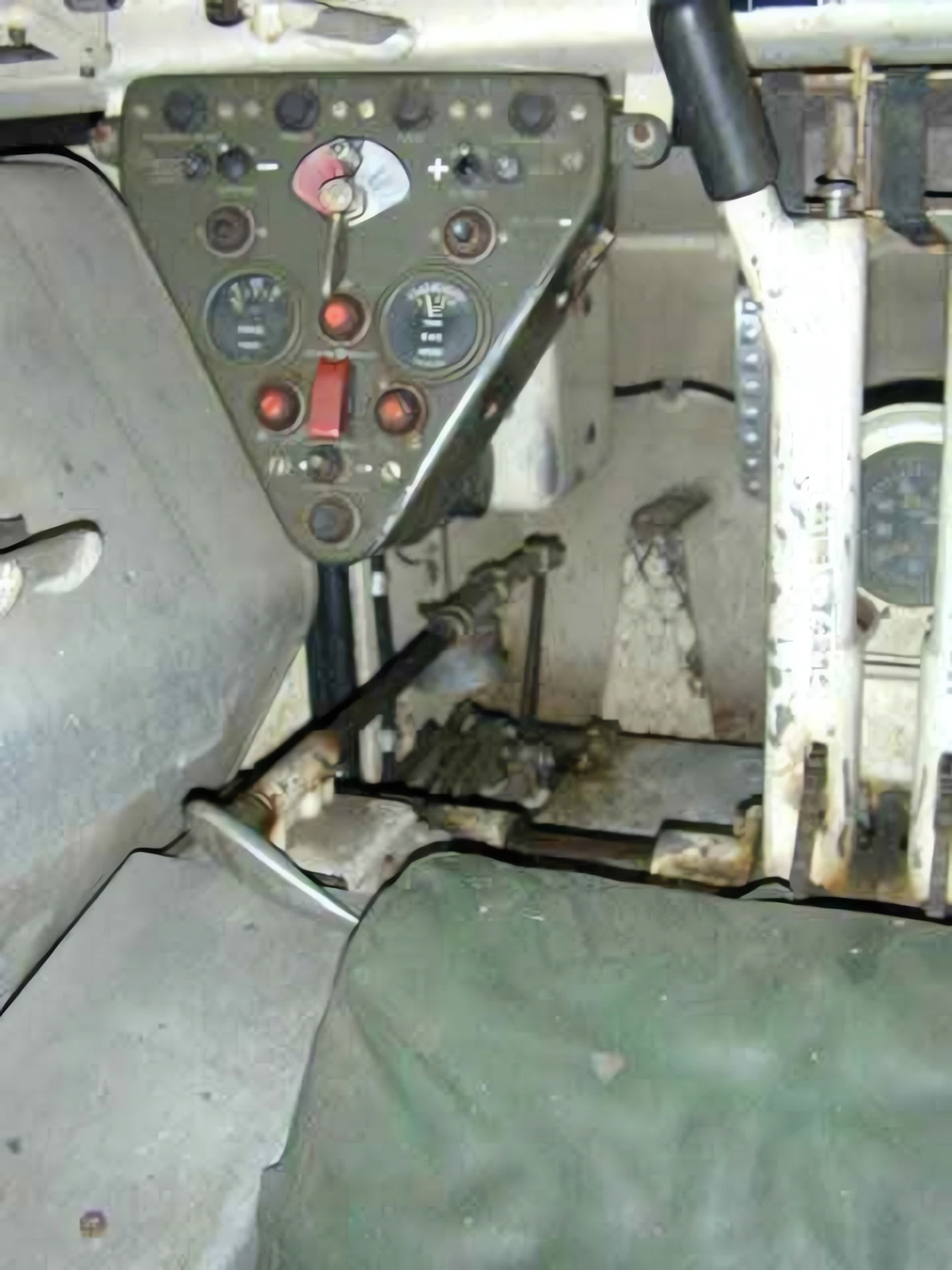


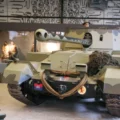
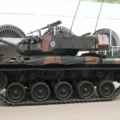
Mitmeid torni mudeleid (AMX ELC bis) testiti Hotchkissi loodud plaanidest valmistatud šassiil. Sõiduki ajamivedrustusel oli mõlemal küljel neli teeratast ja kaks ülemist rulli. Uus šassii alustas arendamist 1957. aastal ja valmis 1961. aastal ELC bis'i määramisel; sellel uuemal prototüübil oli viis teeratast küljel. Prototüüp on säilinud Saumuri Soomuse muuseumis.
| ELC Bis Walk Around | |
|---|---|
| Fotograaf | Teadmata |
| Lokaliseerimine | Saumur |
| Fotod | 22 |
| ELC EVEN 30 Walk Around | |
|---|---|
| Fotograaf | Teadmata |
| Lokaliseerimine | Teadmata |
| Fotod | 27 |
Vaata ka:


General Characteristics
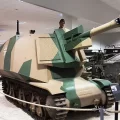
The ELC EVEN 90 was a prototype light tank destroyer developed in France by Brunon-Valette as part of the “Engin Léger de Combat” (ELC) project during the mid-1950s. The goal was to create a highly mobile, heavily armed, and extremely small vehicle that could be air-transported for rapid deployment and capable of countering heavier Soviet tanks like the IS-3. The project prioritized miniaturization and firepower over armor, resulting in one of the smallest armored fighting vehicles ever conceived.
| Property | Typical Value (EVEN 90 Prototype) |
|---|---|
| Rolli | Experimental Light Tank Destroyer / Aeromobile Support |
| National Origin | Prantsusmaa |
| Kavandatud | 1950. aastad |
| No. Built | Part of a series of 10 pilot vehicles (ELC Even variants) |
| Meeskonna | 2 (Driver and Commander/Gunner) |
| Mass (Combat Weight) | Approx. 7.4–8.9 tonnes |
| Length (Hull) | 5.30 m (17 ft 5 in) |
| kõrgus | 1.80 m (5 ft 11 in) |
Powerplant and Mobility
- Engine: SOFAM Type 4 GSr 4-cylinder gasoline engine (or similar).
- Engine Power: 134 kW (180 hp) or 120 hp, depending on the specific prototype.
- Power/Weight Ratio: Approx. 20 hp/tonne.
- Maximum Speed (Road): Up to 80 km/h (50 mph) in some variants; typical operational speed around 60 km/h.
- Suspension: Torsion bar suspension.
- Design Note: The extremely low profile and light weight gave the vehicle exceptional camouflage characteristics and high tactical mobility.
Armament and Protection
- Main Armament: 90 mm DEFA D.915 low-pressure gun (or similar D.914).
- Ammunition Type: Primarily fin-stabilized HEAT (High-Explosive Anti-Tank) rounds (e.g., ENERGA or OCC-90-62).
- Rate of Fire: Some variants featured an **autoloader** system with a short reload time between shells in the clip.
- Ammunition Capacity: Approx. 45 rounds (some sources cite 34 rounds in the hull and 19 in the turret).
- Secondary Armament: 1 x 7.5 mm AAT-52 coaxial machine gun.
- Maximum Armor (Hull Front): 10–15 mm (sloped at up to 80° on later hulls).
- Armor Note: The armor was designed only to protect against heavy machine gun fire (7.62 mm rounds) and shell fragments. It offered no protection against dedicated anti-tank weaponry.
Vaadatud : 1490