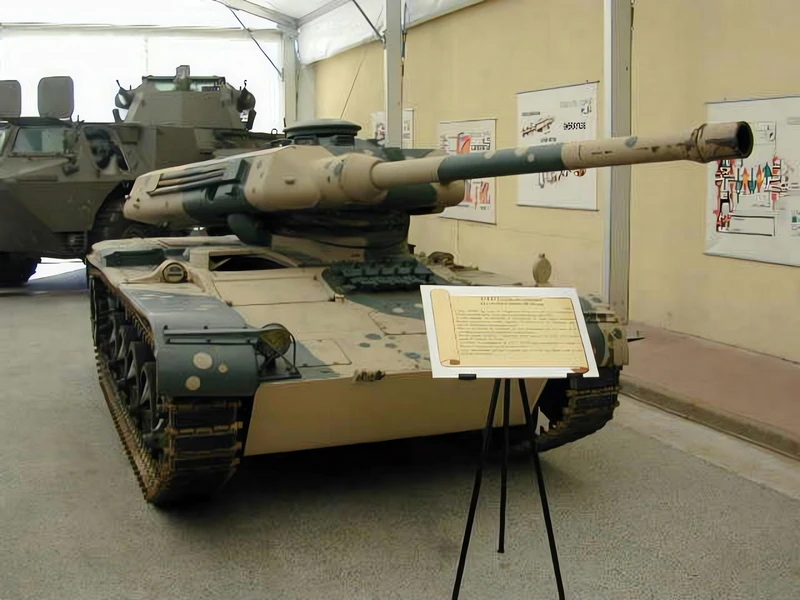
ELC project | |
|---|---|
| Страна | Франция |
| Роля | Лек танк |
| Производствен | От 1955 г. |
| Построен | 10 |
1. Проект ELC е прототип танк разрушител проект стартира от френското Министерство на отбраната в 1955. Целта на проекта ELC (Engin Léger de Combat en:Light combat en:Light combat vehicle) беше да разработи леко брониран, тежко въоръжен боен автомобил, способен да бъде транспортиран с въздушен лифт за бързо разполагане.
Източник: Електротехник в Уикипедия
| ELC EVEN 90 Walk Around | |
|---|---|
| Фотограф | Не знам |
| Локализация | Не знам |
| Снимки | 23 |
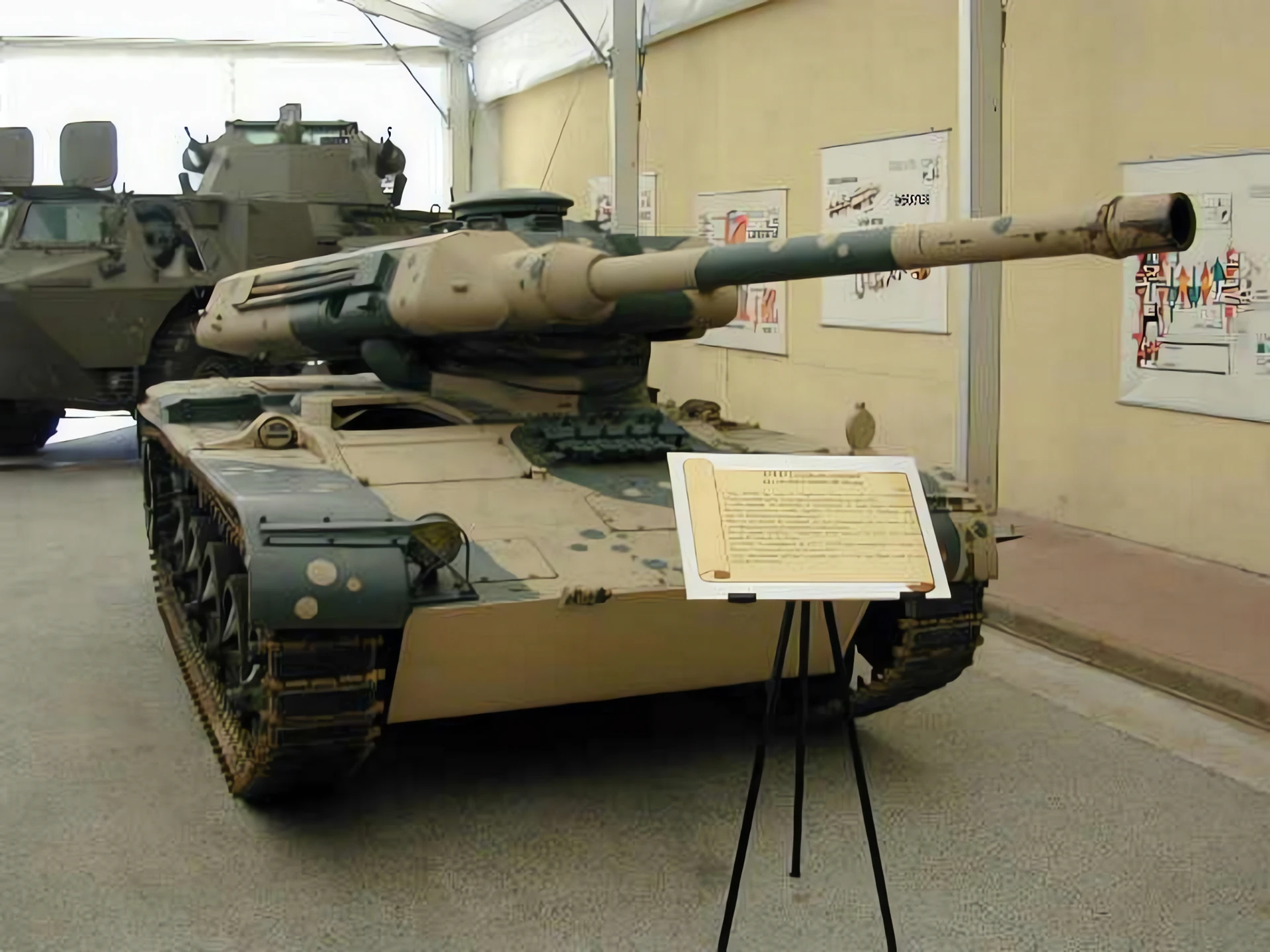
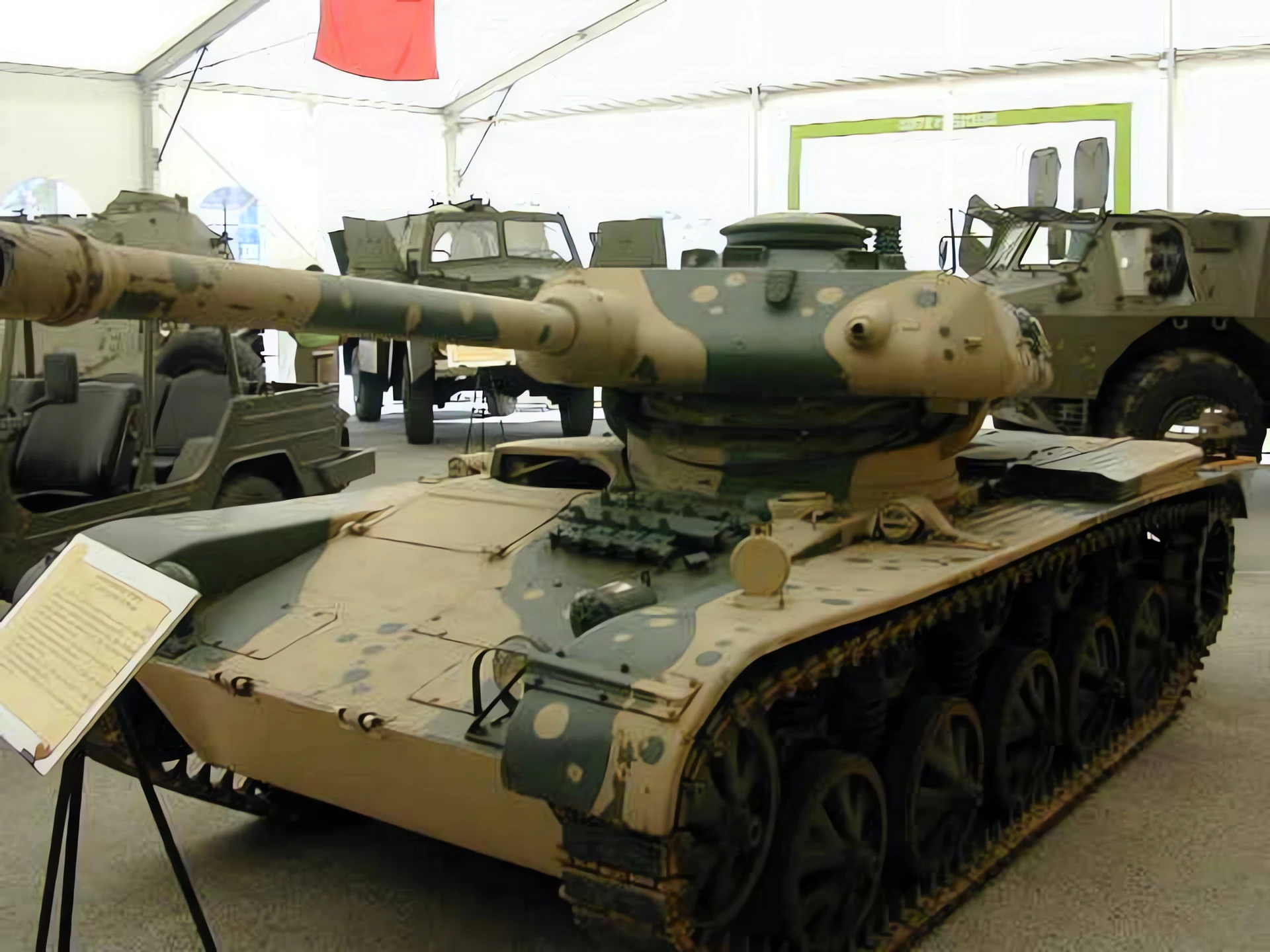
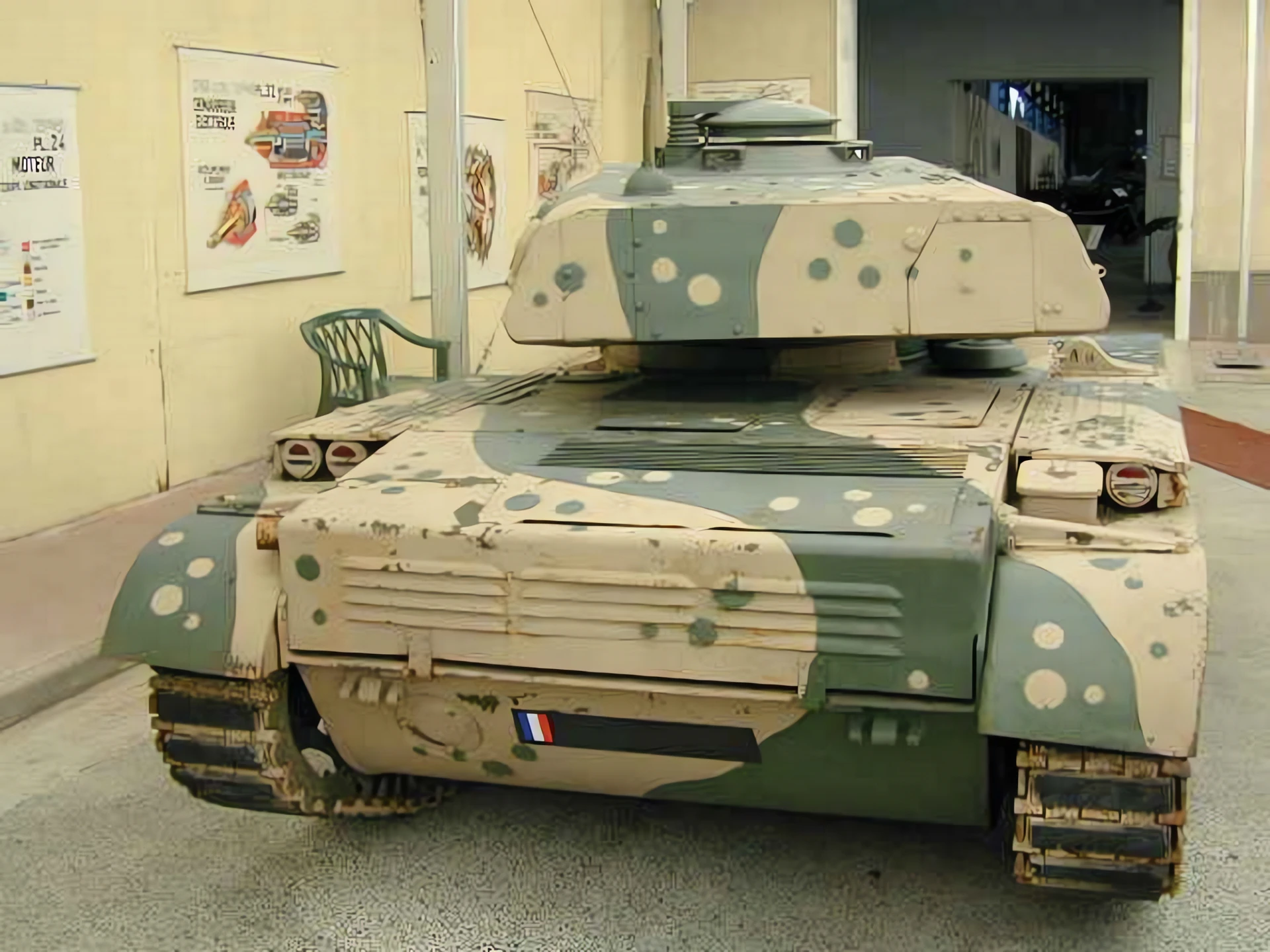
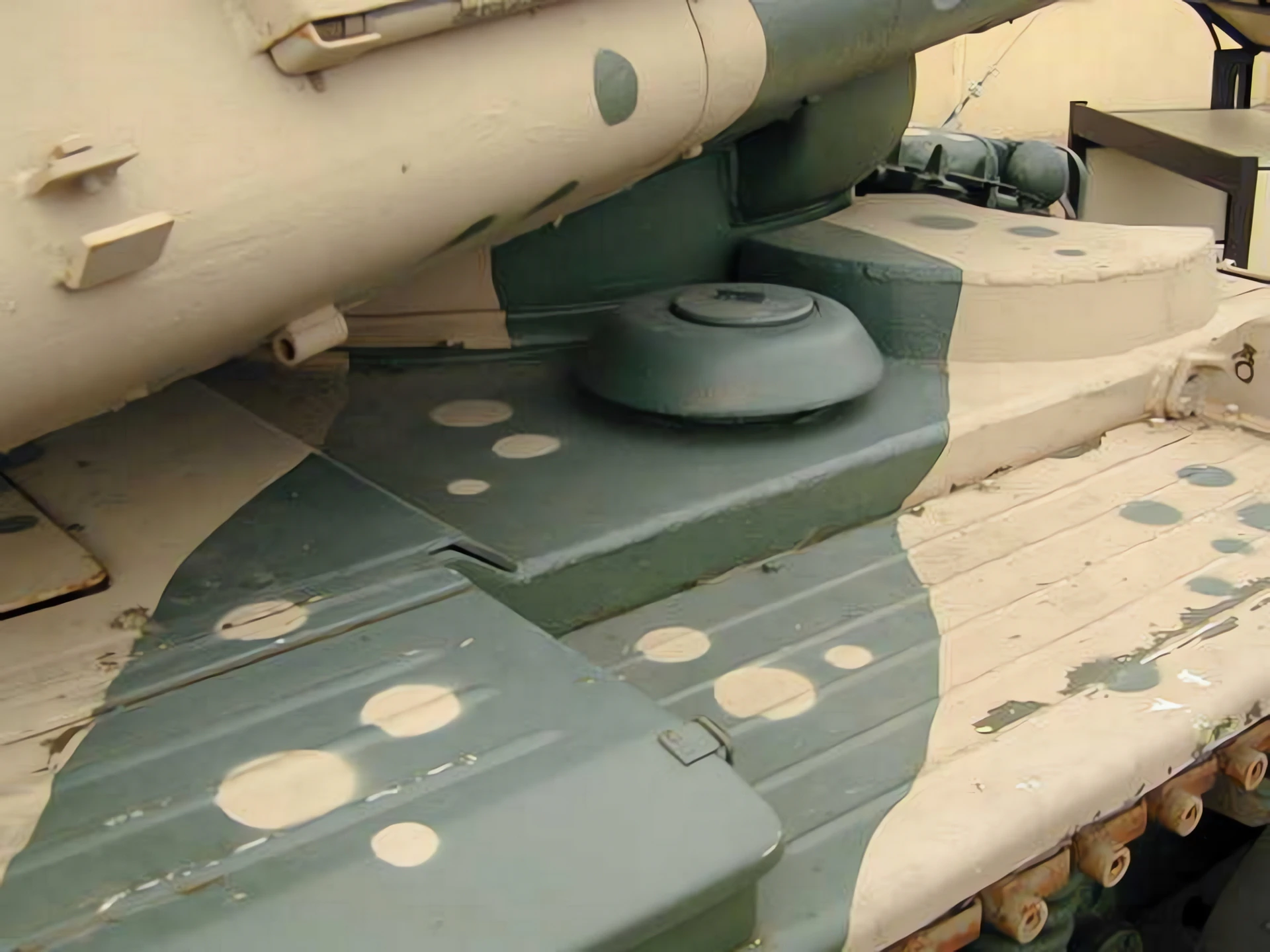
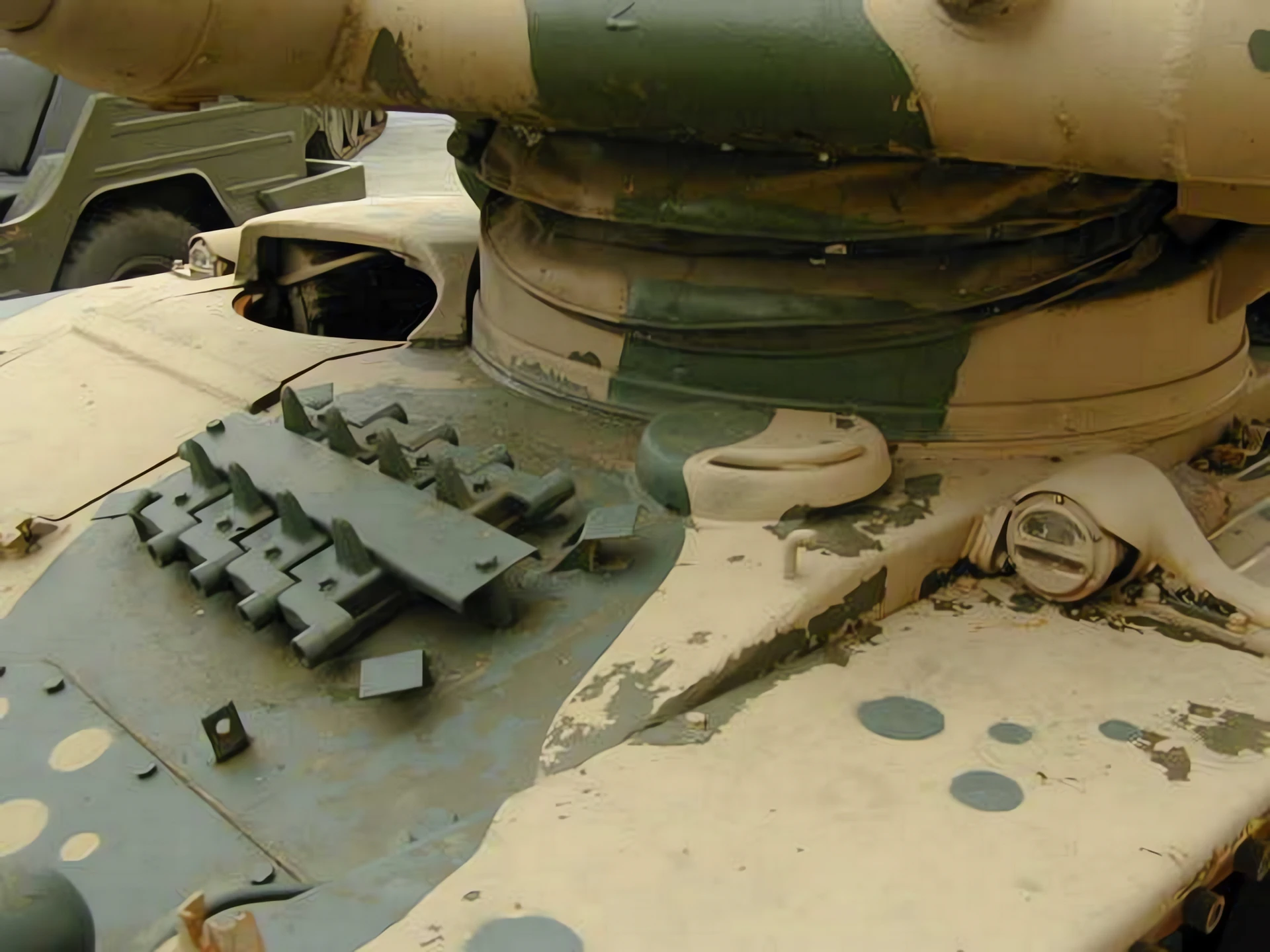
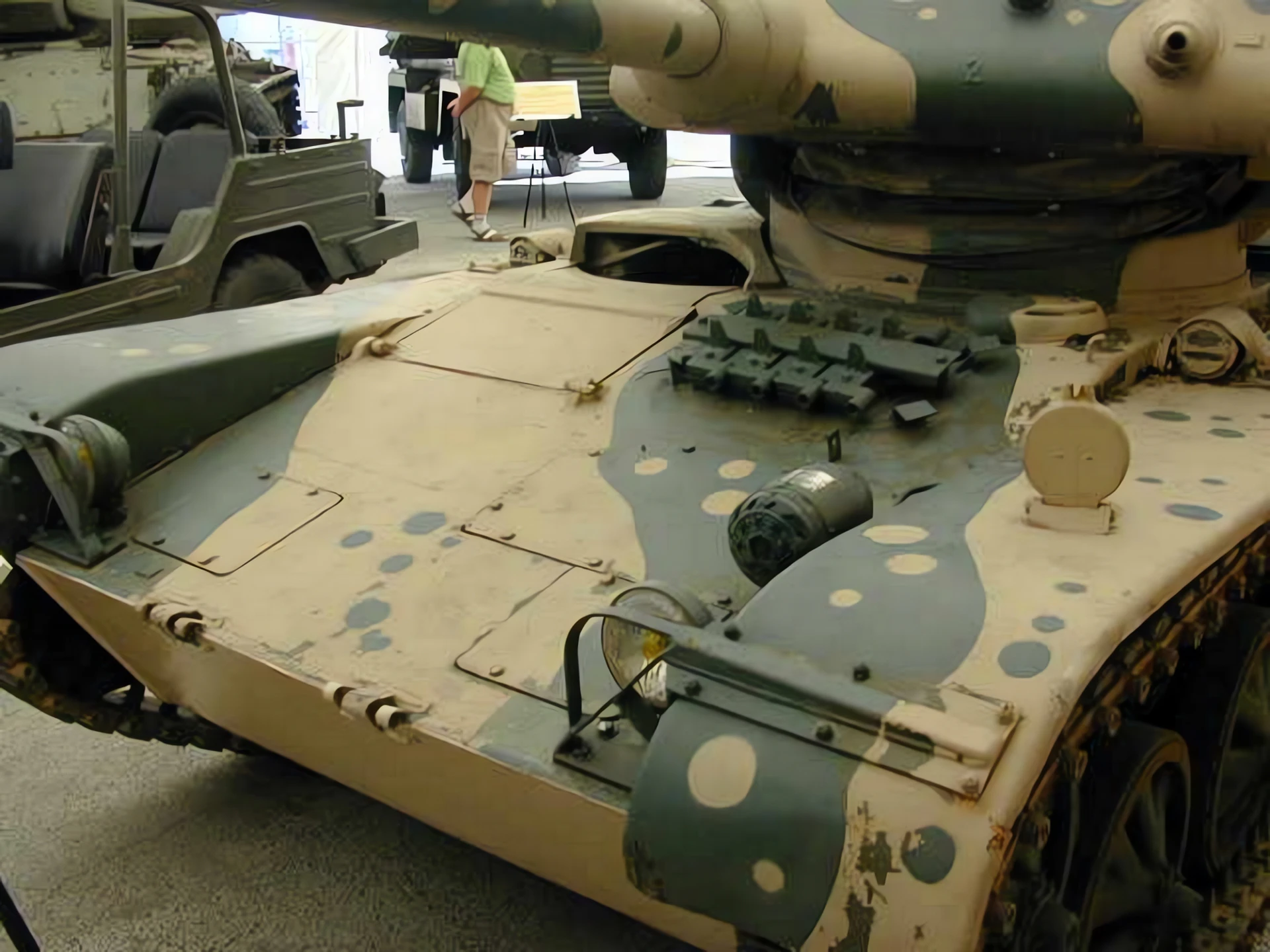
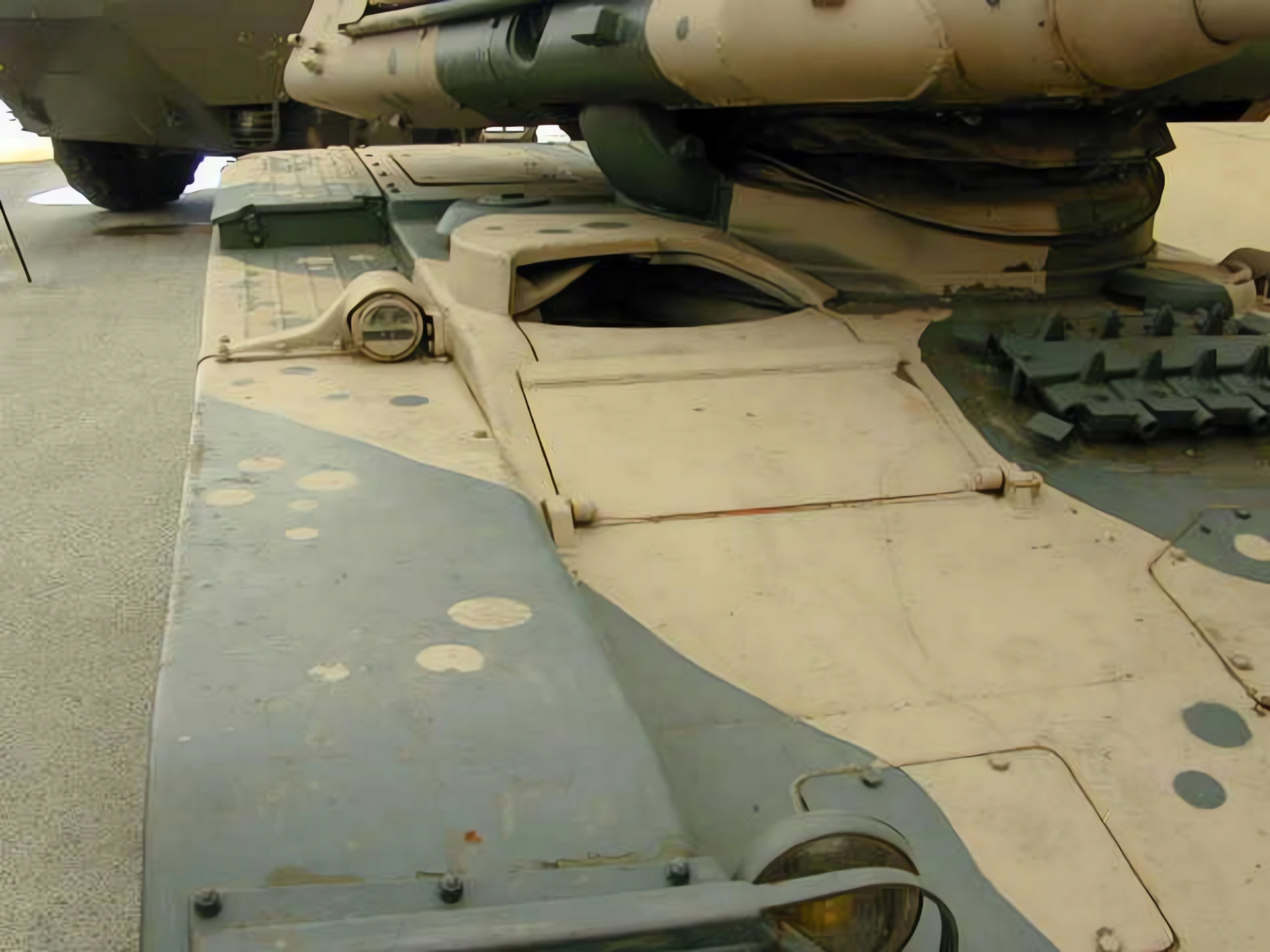
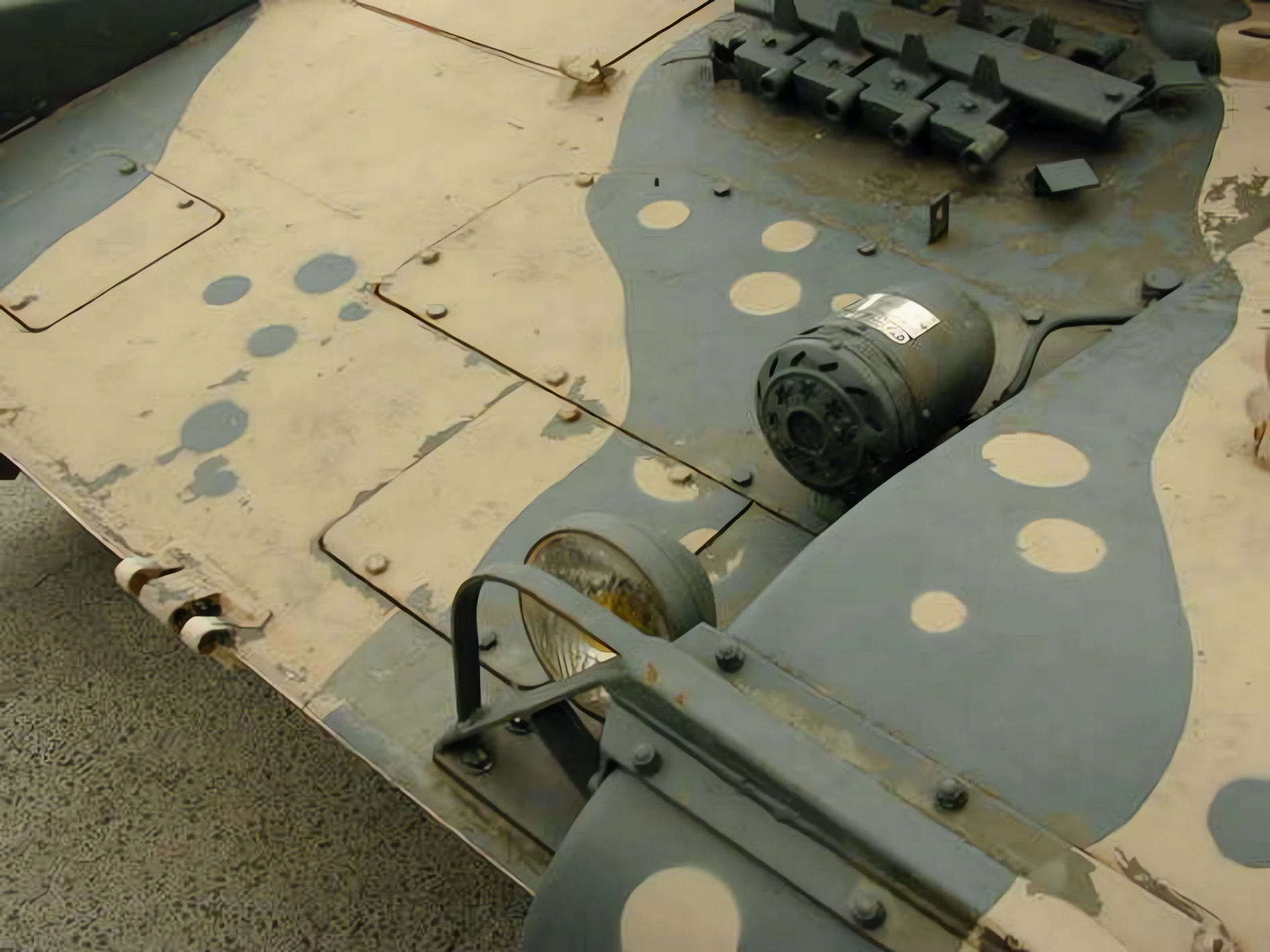
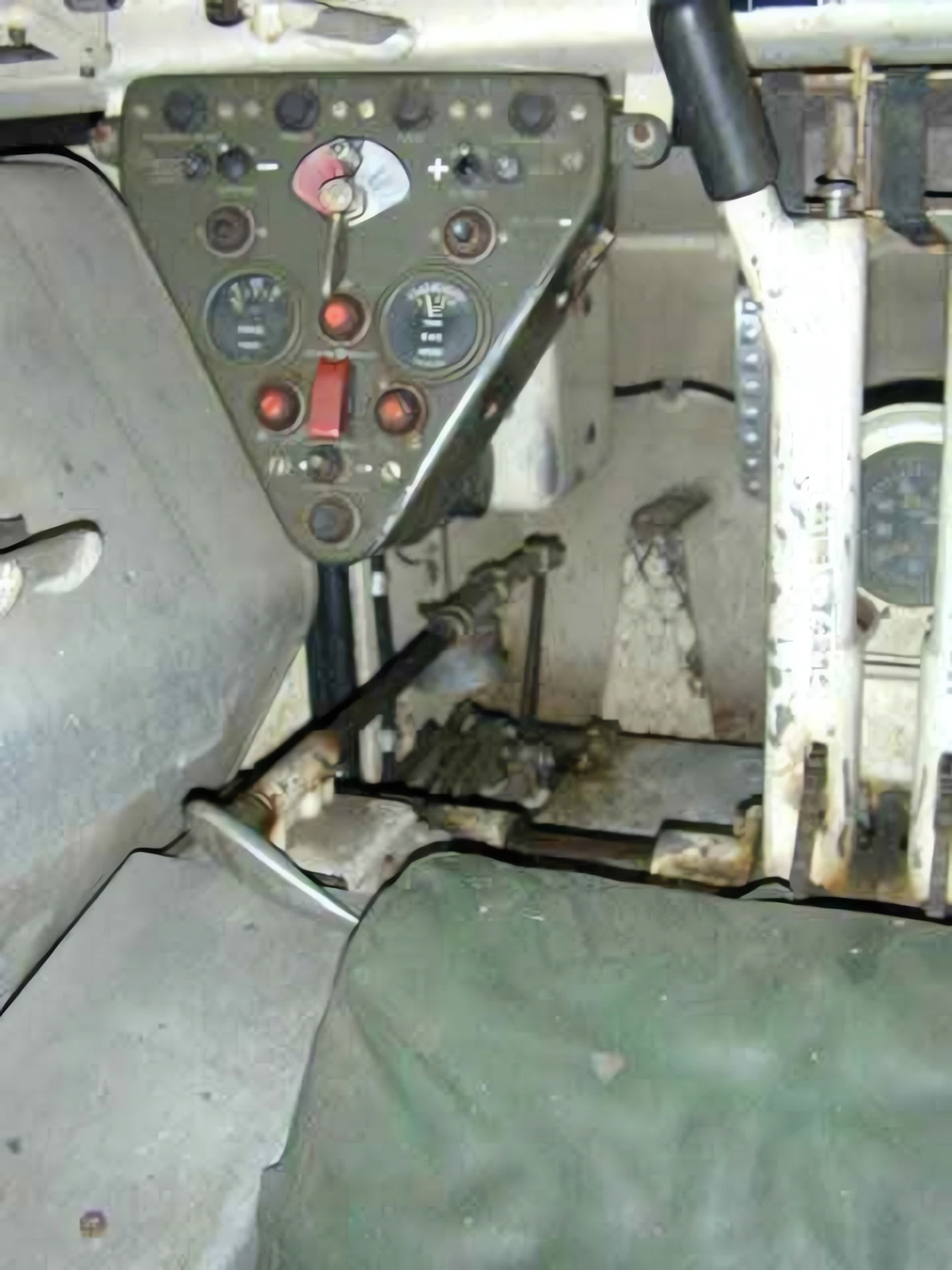


Няколко модела на кутрето (AMX ELC bis) бяха тествани върху шаси, произведено от планове, създадени от Hotchkiss. Окачването на задвижването на автомобила е с четири пътни колела и два горни валяка от всяка страна. Ново шаси започва развитие през 1957 г., и е завършено през 1961 г. под обозначението на ELC bis; този по-нов прототип е имал пет пътни колела на страна. Прототипът е запазен в Музея на бронята в Сомюр.
| ELC Bis Walk Around | |
|---|---|
| Фотограф | Не знам |
| Локализация | Сомюр |
| Снимки | 22 |
| ELC EVEN 30 Walk Around | |
|---|---|
| Фотограф | Не знам |
| Локализация | Не знам |
| Снимки | 27 |
Вижте също:


General Characteristics
The ELC EVEN 90 was a prototype light tank destroyer developed in France by Brunon-Valette as part of the “Engin Léger de Combat” (ELC) project during the mid-1950s. The goal was to create a highly mobile, heavily armed, and extremely small vehicle that could be air-transported for rapid deployment and capable of countering heavier Soviet tanks like the IS-3. The project prioritized miniaturization and firepower over armor, resulting in one of the smallest armored fighting vehicles ever conceived.
| Property | Typical Value (EVEN 90 Prototype) |
|---|---|
| Роля | Experimental Light Tank Destroyer / Aeromobile Support |
| National Origin | Франция |
| Предназначени | 50-те години на 20-ти март |
| No. Built | Part of a series of 10 pilot vehicles (ELC Even variants) |
| Екипажа | 2 (Driver and Commander/Gunner) |
| Mass (Combat Weight) | Approx. 7.4–8.9 tonnes |
| Length (Hull) | 5.30 m (17 ft 5 in) |
| Височина | 1.80 m (5 ft 11 in) |
Powerplant and Mobility
- Engine: SOFAM Type 4 GSr 4-cylinder gasoline engine (or similar).
- Engine Power: 134 kW (180 hp) or 120 hp, depending on the specific prototype.
- Power/Weight Ratio: Approx. 20 hp/tonne.
- Maximum Speed (Road): Up to 80 km/h (50 mph) in some variants; typical operational speed around 60 km/h.
- Suspension: Torsion bar suspension.
- Design Note: The extremely low profile and light weight gave the vehicle exceptional camouflage characteristics and high tactical mobility.
Armament and Protection
- Main Armament: 90 mm DEFA D.915 low-pressure gun (or similar D.914).
- Ammunition Type: Primarily fin-stabilized HEAT (High-Explosive Anti-Tank) rounds (e.g., ENERGA or OCC-90-62).
- Rate of Fire: Some variants featured an **autoloader** system with a short reload time between shells in the clip.
- Ammunition Capacity: Approx. 45 rounds (some sources cite 34 rounds in the hull and 19 in the turret).
- Secondary Armament: 1 x 7.5 mm AAT-52 coaxial machine gun.
- Maximum Armor (Hull Front): 10–15 mm (sloped at up to 80° on later hulls).
- Armor Note: The armor was designed only to protect against heavy machine gun fire (7.62 mm rounds) and shell fragments. It offered no protection against dedicated anti-tank weaponry.
Views : 1476
Можете да видите също :
 Система за бронирани оръдия M8 – снимки и видеоклипове
 Валентин Арчър – снимки и видео
 Мардер Хочкис – Снимки и видео
 M41B Уокър Булдог – Снимки &; Видео
 Викерс МК Виб – разходка около
 Т-26 – Мобилна
 Рено R35 – Мобилна
 M3A1 Стюарт – мобилна
 М22 Локуст – разходка около
 Чар рапид БТ-5 – разходка около