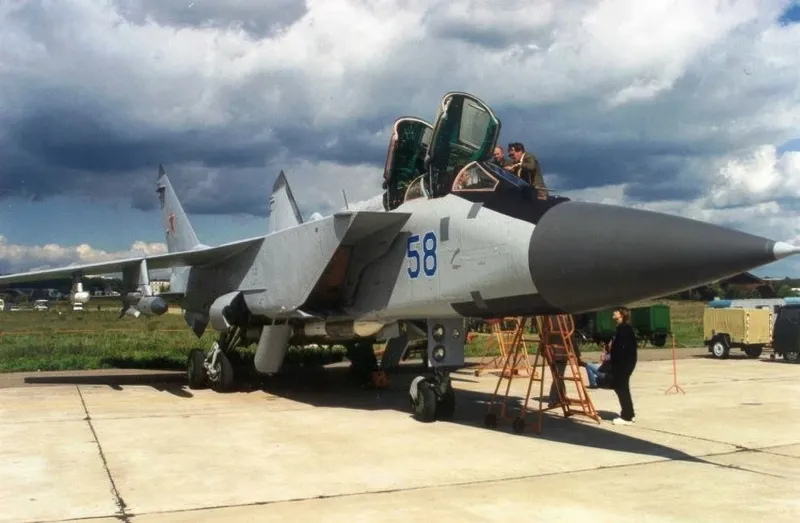
Mikoyan MiG-31 | |
|---|---|
| País | União Soviética |
| Papel | Avião interceptador, aeronave de ataque |
| Primeiro voo | 6 de maio de 1981 |
| Construído | 519+ |
O Mikoyan MiG-31 (Russo: Микоян МиГ-31; O nome de reportagem da OTAN: Foxhound) é um avião interceptador supersônico que foi desenvolvido para uso pelas Forças Aéreas Soviéticas. A aeronave foi projetada pelo departamento de design de Mikoyan como um substituto para o MiG-25 anterior "Foxbat"; o MiG-31 é baseado e compartilha elementos de design com o MiG-25. O MiG-31 tem a distinção de estar entre os jatos de combate mais rápidos do mundo. Continua a ser operado pela Força Aérea Russa e pela Força Aérea do Cazaquistão após o fim da Guerra Fria e o colapso da União Soviética em 1991. O Ministério da Defesa russo espera que o MiG-31 permaneça em serviço até 2030 ou mais e foi confirmado em 2020, quando foi feito um anúncio para estender a vida útil de 2.500 para 3.500 horas nas aeronaves existentes.
Fonte: MiG-31 na Wiki
| Mikoyan MiG-31 Walk Around | |
|---|---|
| Fotógrafo | Mikhail Putnikov |
| Localização | Desconhecido |
| Fotos | 14 |
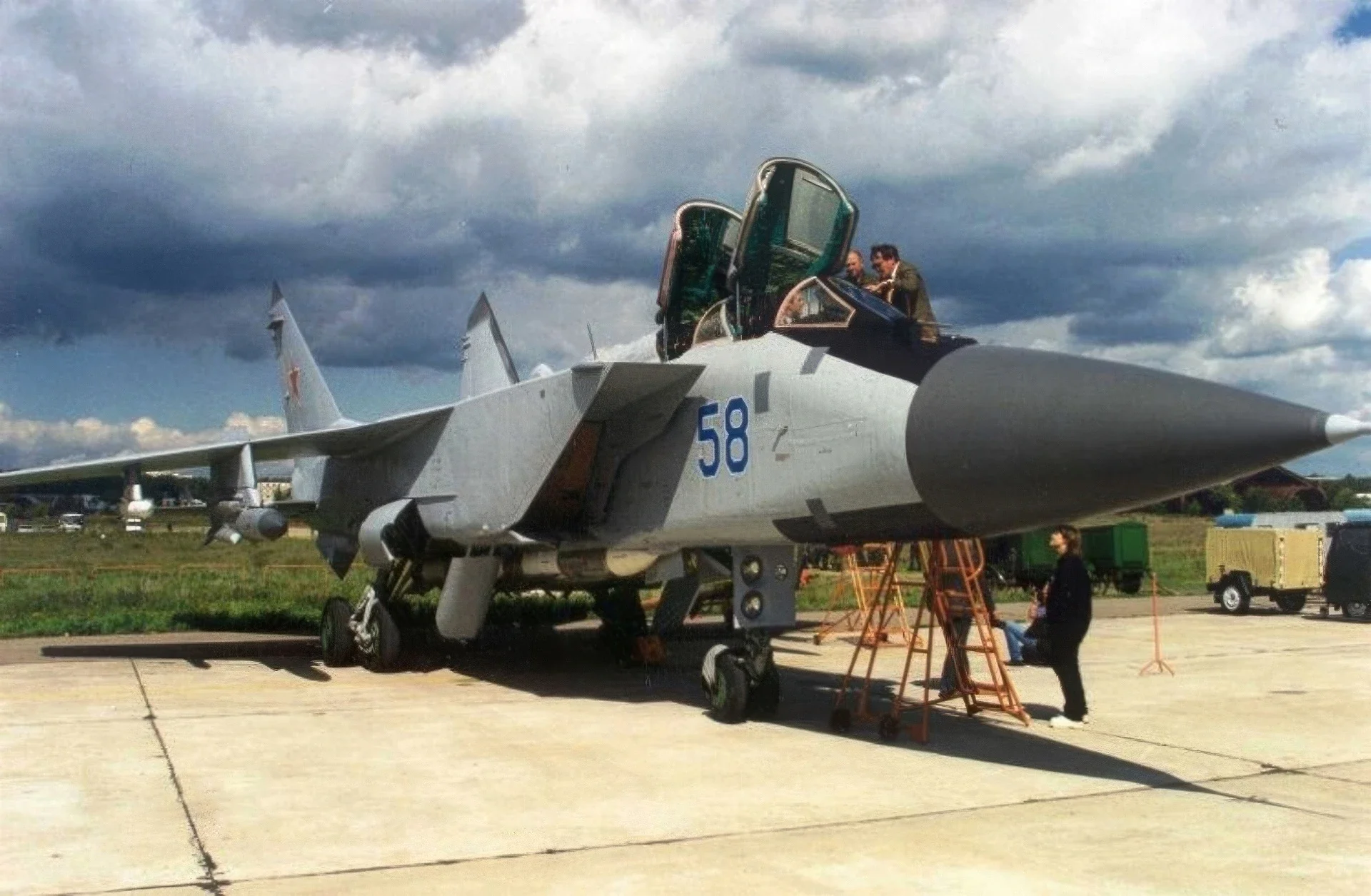
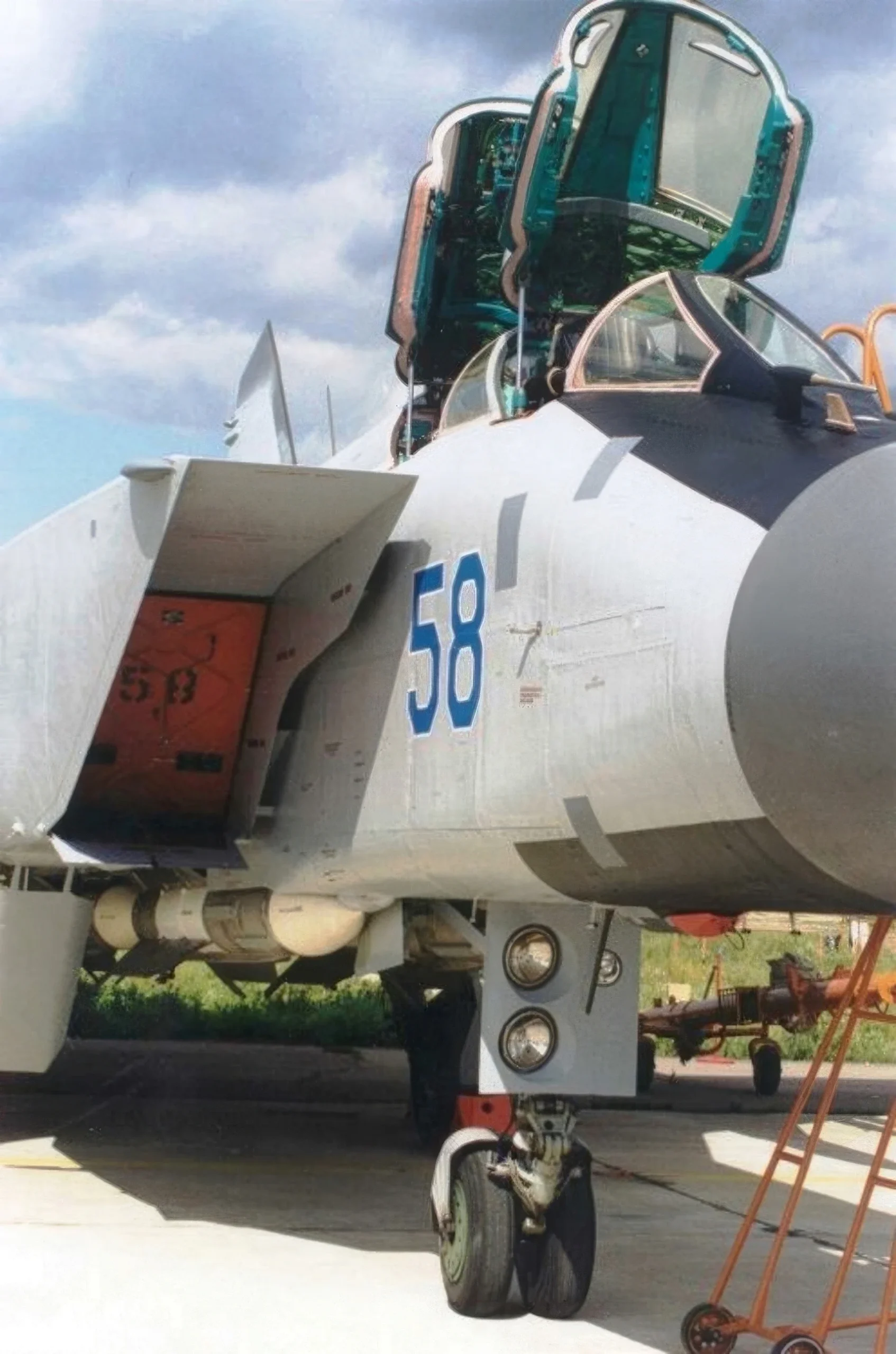
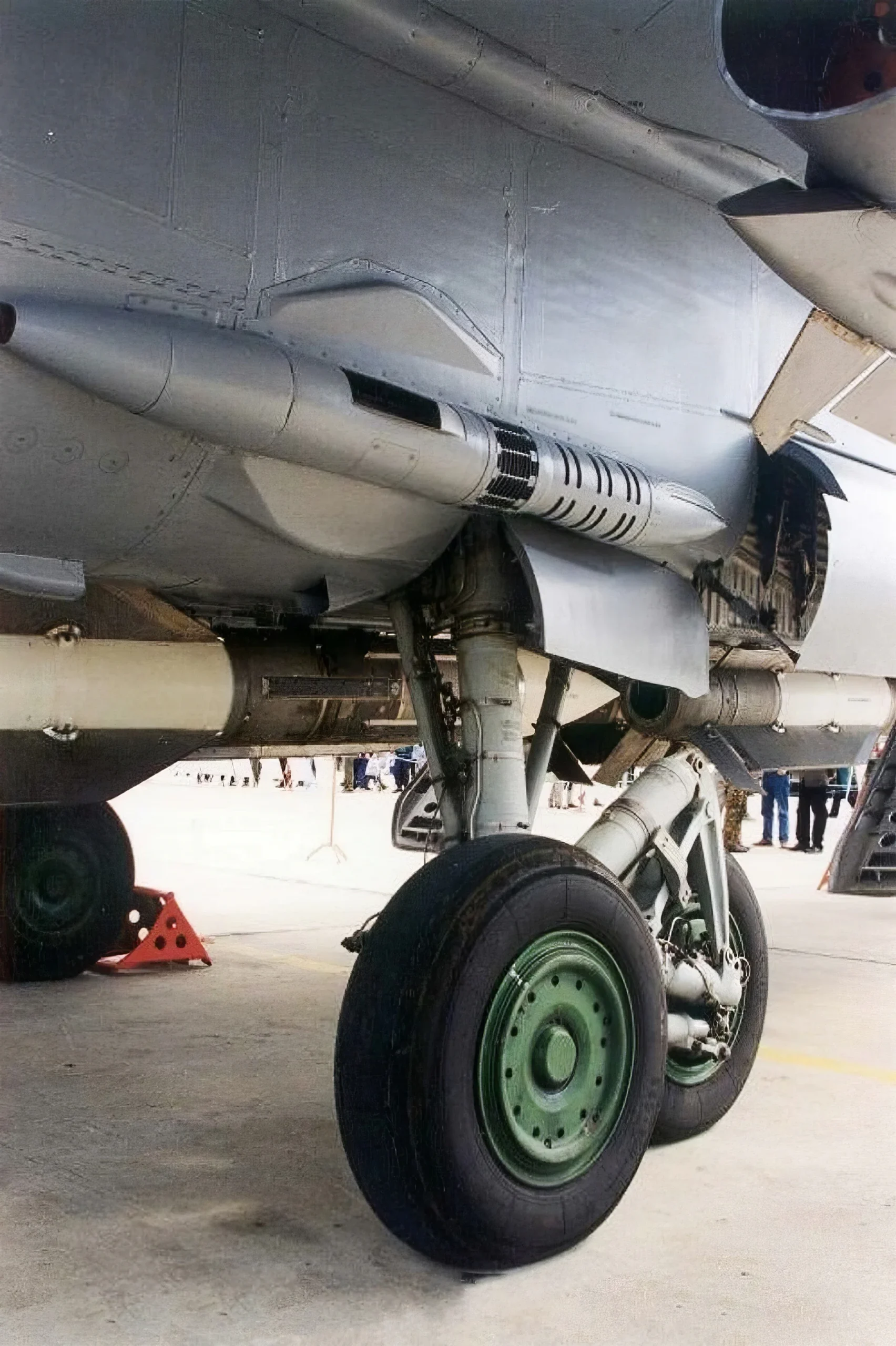
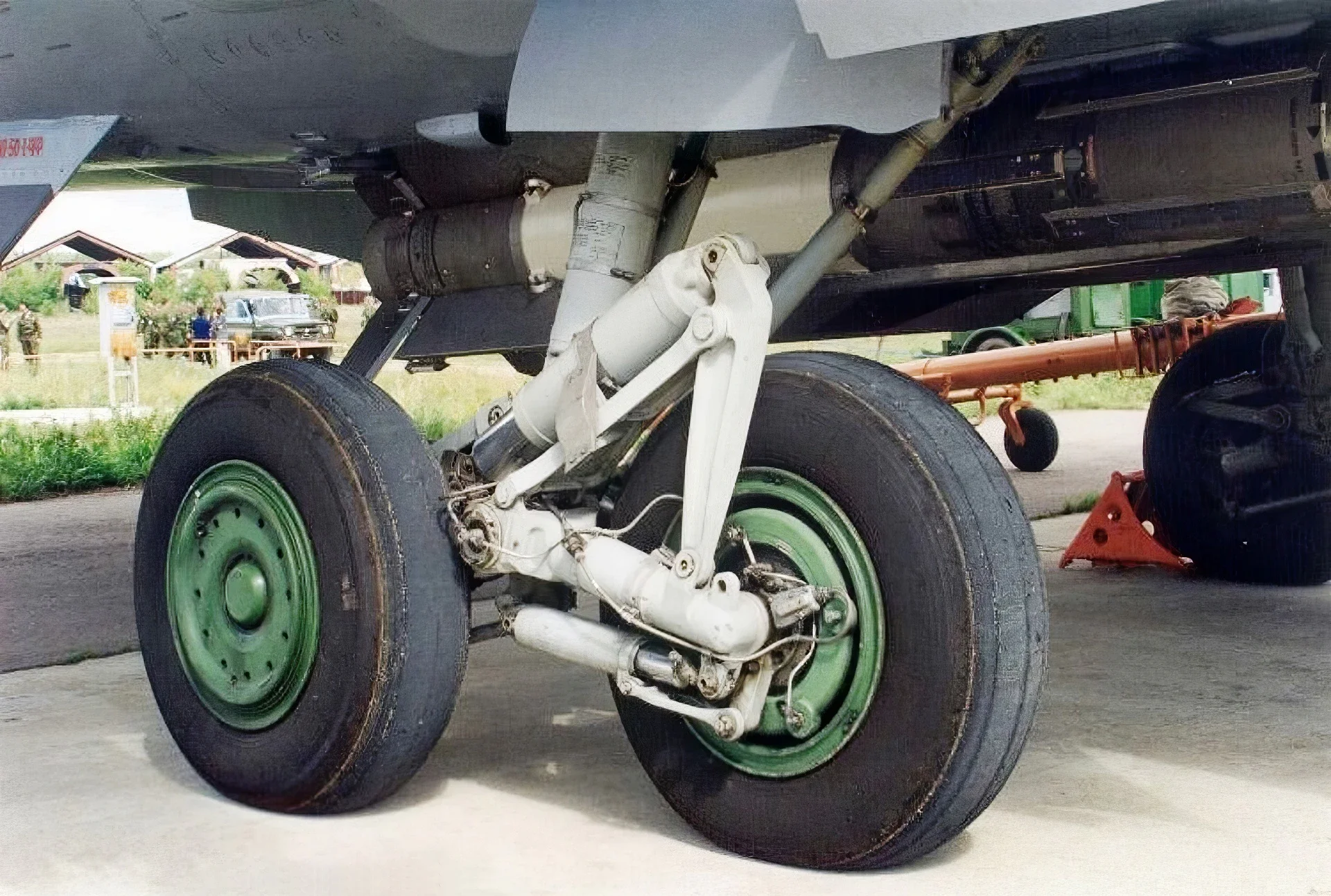

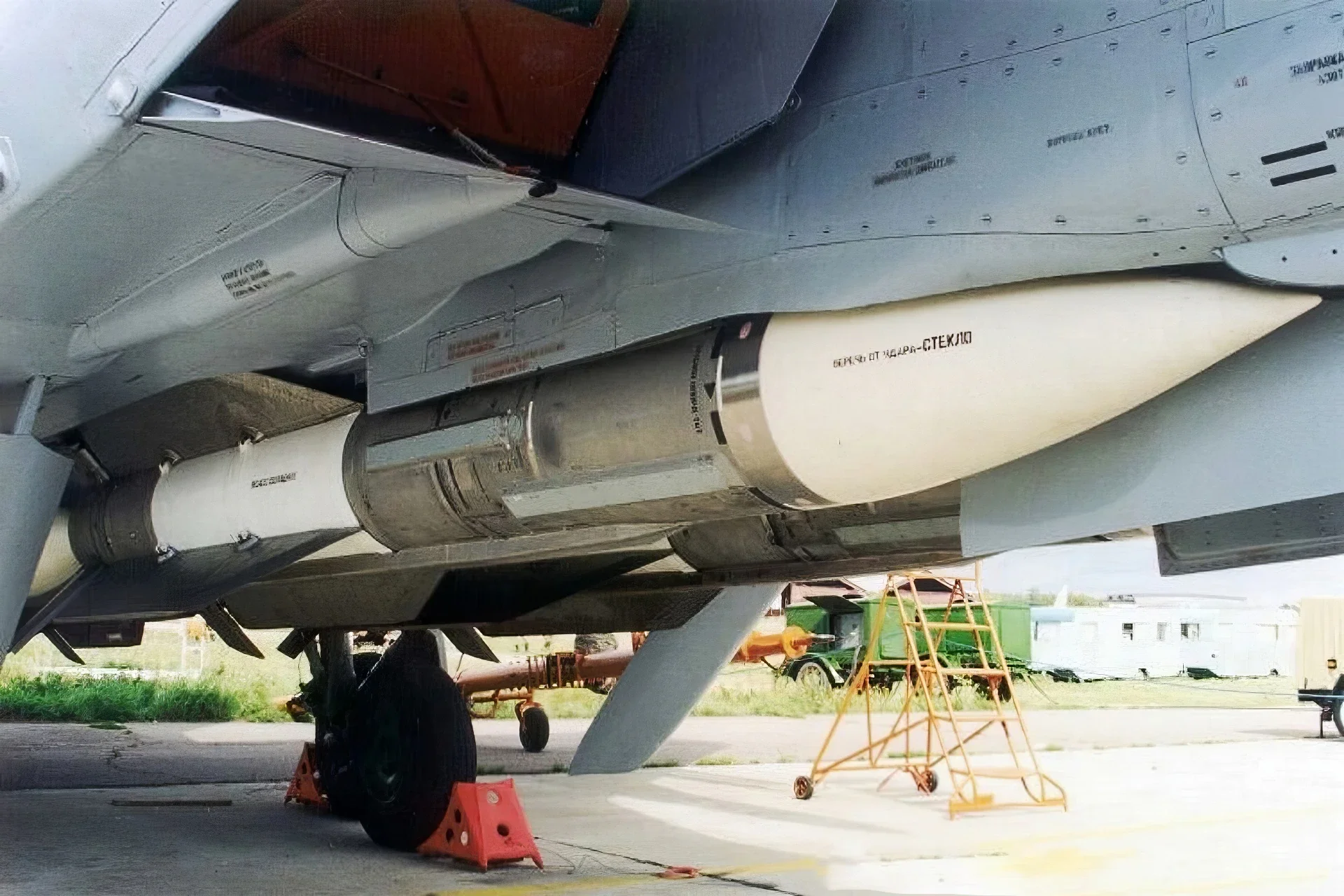

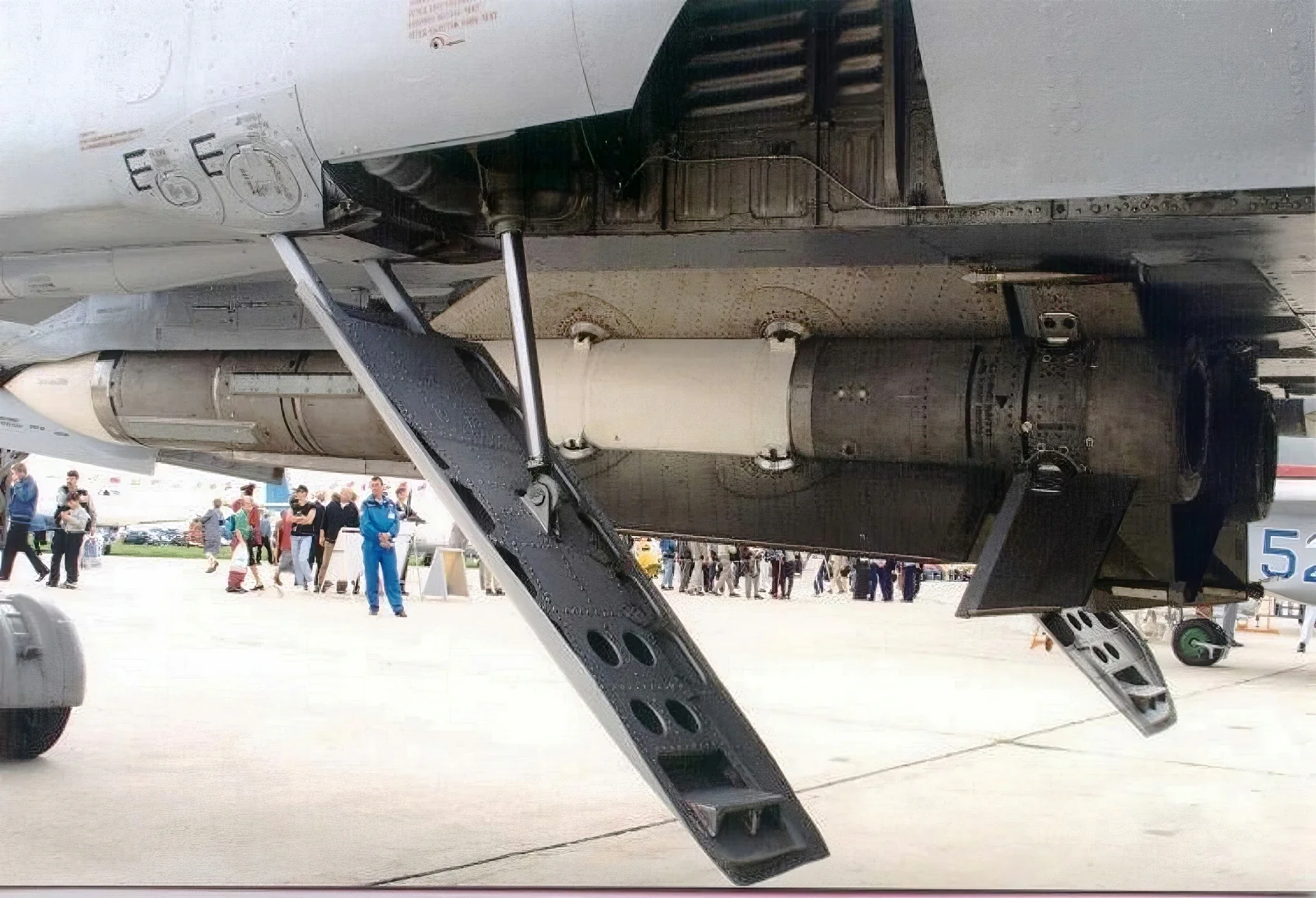
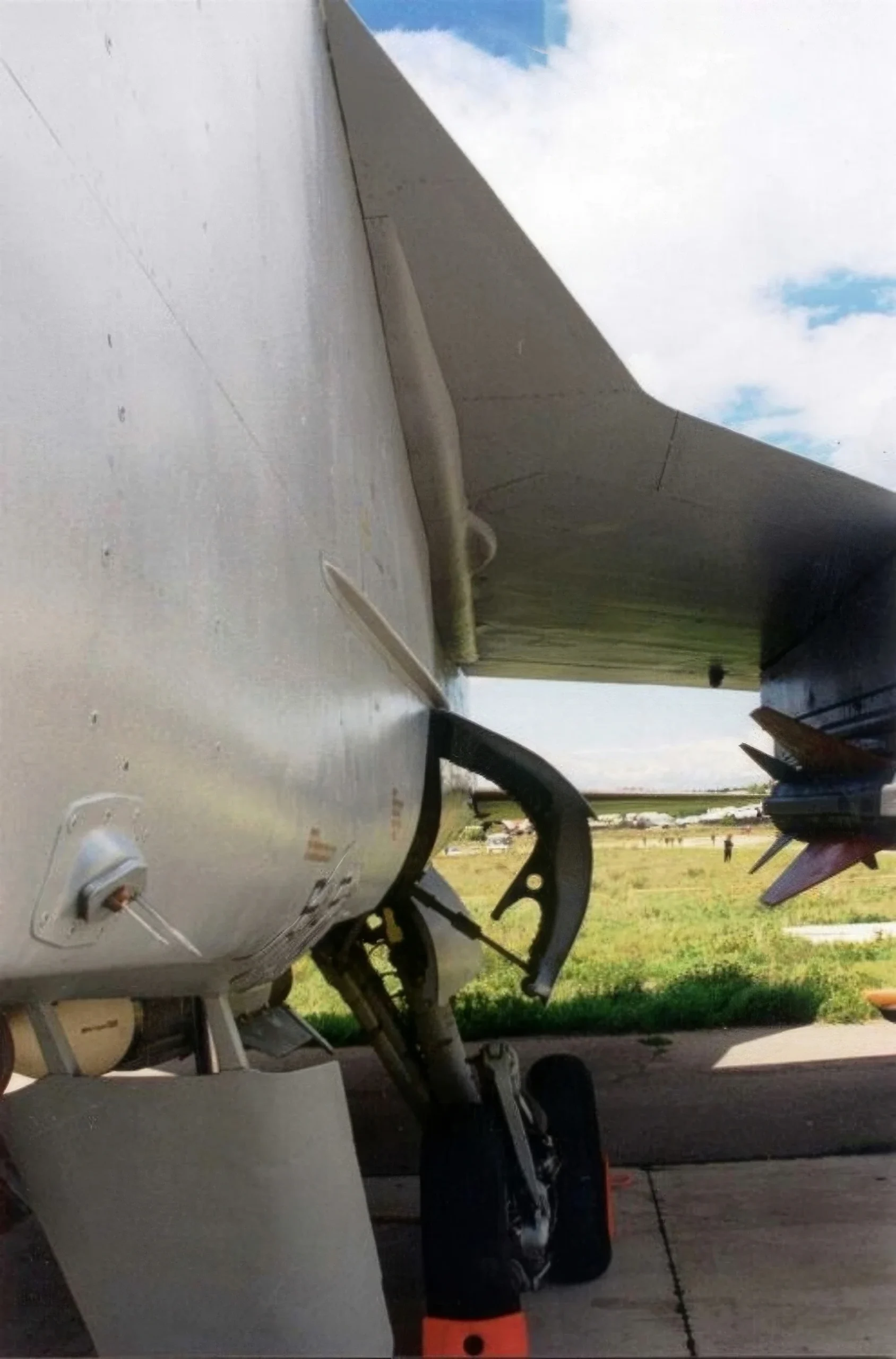


General Characteristics
The Mikoyan MiG-31 (NATO reporting name: Foxhound) is a Soviet/Russian supersonic interceptor aircraft designed to replace the earlier MiG-25 Foxbat. It was developed to defend vast Soviet airspace, particularly against cruise missiles and low-flying intruders. The MiG-31 is a highly unique aircraft, being one of the few jets in the world capable of achieving speeds near Mach 3 while carrying a heavy missile load. Its most significant feature is its advanced Zaslon S-800 phased array radar, making it the first fighter platform in the world to employ such a radar system. The aircraft operates in pairs or groups, with four MiG-31s capable of controlling an 800–900 km (500–560 mi) front line. It remains one of Russia’s primary long-range interceptors, with upgraded variants like the MiG-31BM still in service.
| Property | Typical Value (MiG-31B/BS/BM) |
|---|---|
| Papel | Long-Range Supersonic Interceptor |
| National Origin | União Soviética / Rússia |
| Fabricante | Mikoyan Design Bureau / Sokol Aircraft Plant |
| First Flight | September 16, 1975 |
| Service Entry | 1981 |
| No. Built | Approx. 500+ |
| tripulação | 2 (Pilot, Weapon Systems Officer/Navigator) |
| comprimento | 22.69 m (74 ft 5 in) |
| Envergadura | 13.46 m (44 ft 2 in) |
| Max Takeoff Weight | 46,200 kg (101,850 lb) |
Powerplant and Performance
- Engine: 2 x Soloviev D-30F6 afterburning turbofan engines.
- Max Thrust (per engine, w/ afterburner): 152.0 kN (34,170 lbf).
- Maximum Speed (High Altitude): Mach 2.83 (3,000 km/h or 1,860 mph). (Limited to Mach 2.35 by most modern operational parameters for engine longevity).
- Maximum Speed (Low Altitude): Mach 1.23.
- Service Ceiling: 20,600 m (67,600 ft).
- Combat Radius (Subsonic): 720 km (450 mi).
- Ferry Range: 3,300 km (2,050 mi) with two drop tanks.
- Design Note: The MiG-31 is built with a greater proportion of steel and titanium (approx. 50% steel, 33% aluminum, 16% titanium) than its predecessor to better sustain high speeds.
Armament and Sensors
- Internal Gun: 1 x 23 mm GSh-6-23 six-barrel rotary cannon (260 rounds) (removed in later modernization efforts like the MiG-31BM).
- Hardpoints: 8 total (4 semi-recessed under the fuselage for R-33/37 missiles, 4 under-wing).
- Key Armament:
- Primary Missile: R-33/AA-9 Amos (long-range radar-guided missile, range up to 160 km in earlier versions).
- Upgraded Missile (MiG-31BM): R-37/RVV-BD (extra long-range AAM, cited range up to 400 km).
- Short/Medium Range Missiles: R-40, R-60, R-73, and R-77.
- Kinzhal Missile: MiG-31K variants are modified to carry the Kh-47M2 Kinzhal air-launched hypersonic ballistic missile.
- Key Sensor: Zaslon S-800 Phased Array Radar (PANDA)
- Range: Can detect targets up to 200 km (124 mi) away (MiG-31B) and track up to 10 targets simultaneously, engaging 4 of them.
- MiG-31BM upgrades: Feature the Zaslon-M radar with an increased detection range of 320 km and the ability to track 24 targets, engaging 8 simultaneously.
Views : 2858
Você pode ver também:
 Stinson L-5 Sentinel – Fotos e Vídeo
 Piper L-4 Grasshopper – Fotos e Vídeo
 Lockheed U-2 – Fotos e Vídeo
 MiG-29 - WalkAround
 Mikoyan-Gurevich MiG-17 - WalkAround
 Mikoyan MiG-29 - WalkAround
 Hawker Sea Fury FBII vol2 - Walk Around
 P-51D Mustang vol2 - Ande por aí
 B-17G Flying Fortress – WalkAround
 Messerschmitt Bf 109G-2 - Ande por aí