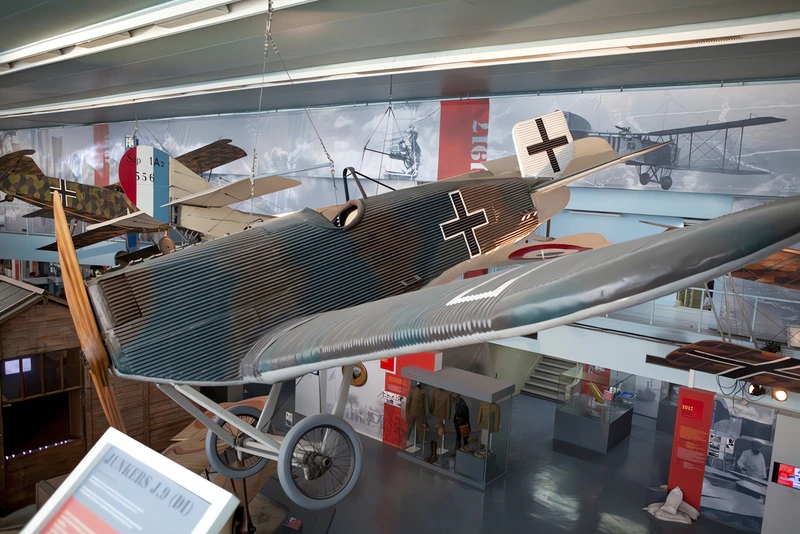
Junkers D.I | |
|---|---|
| 국가 | 독일 |
| 역할 | 전투기 |
| 첫 비행 | 1917년 9월 17일 |
| 내장 | 41 |
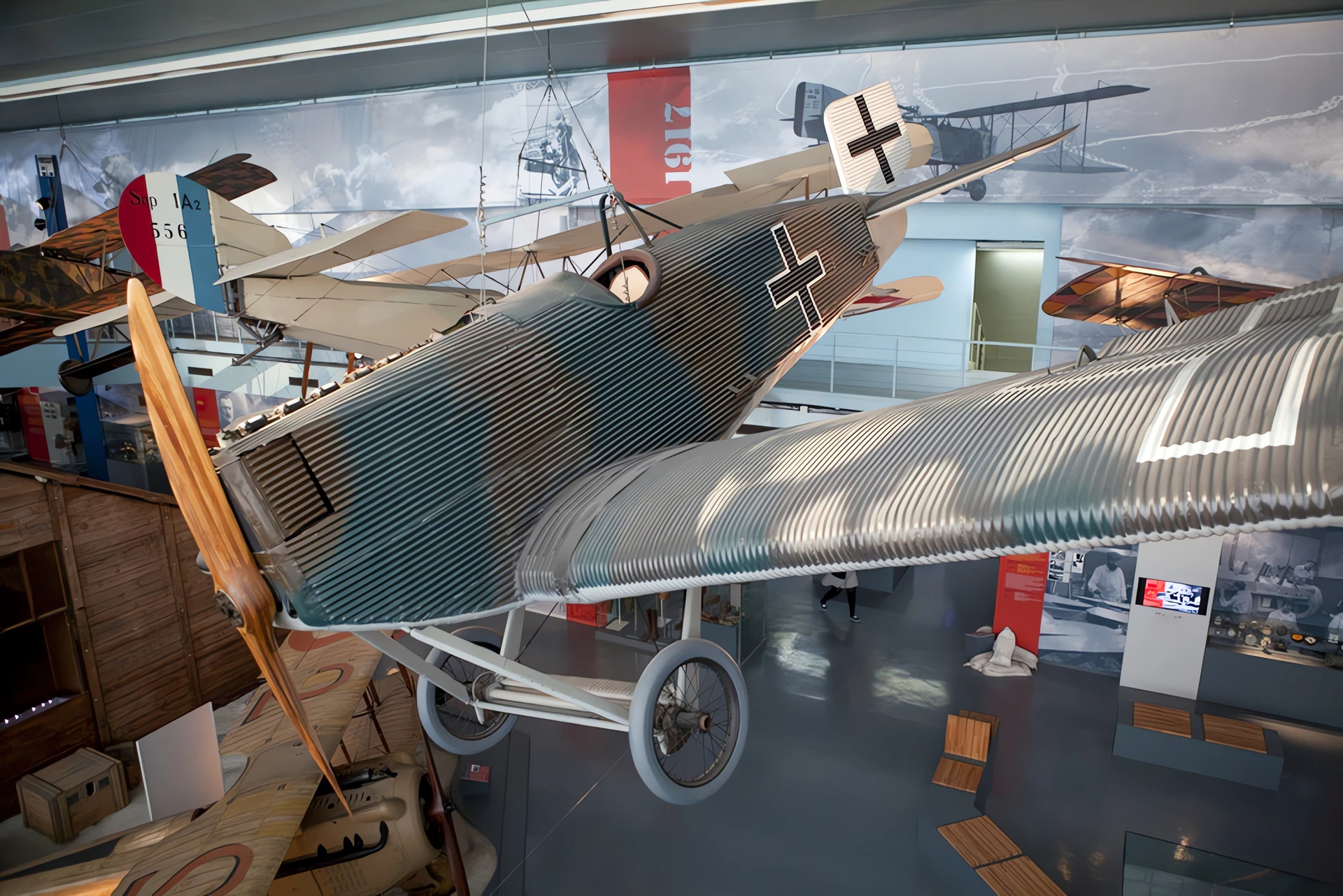
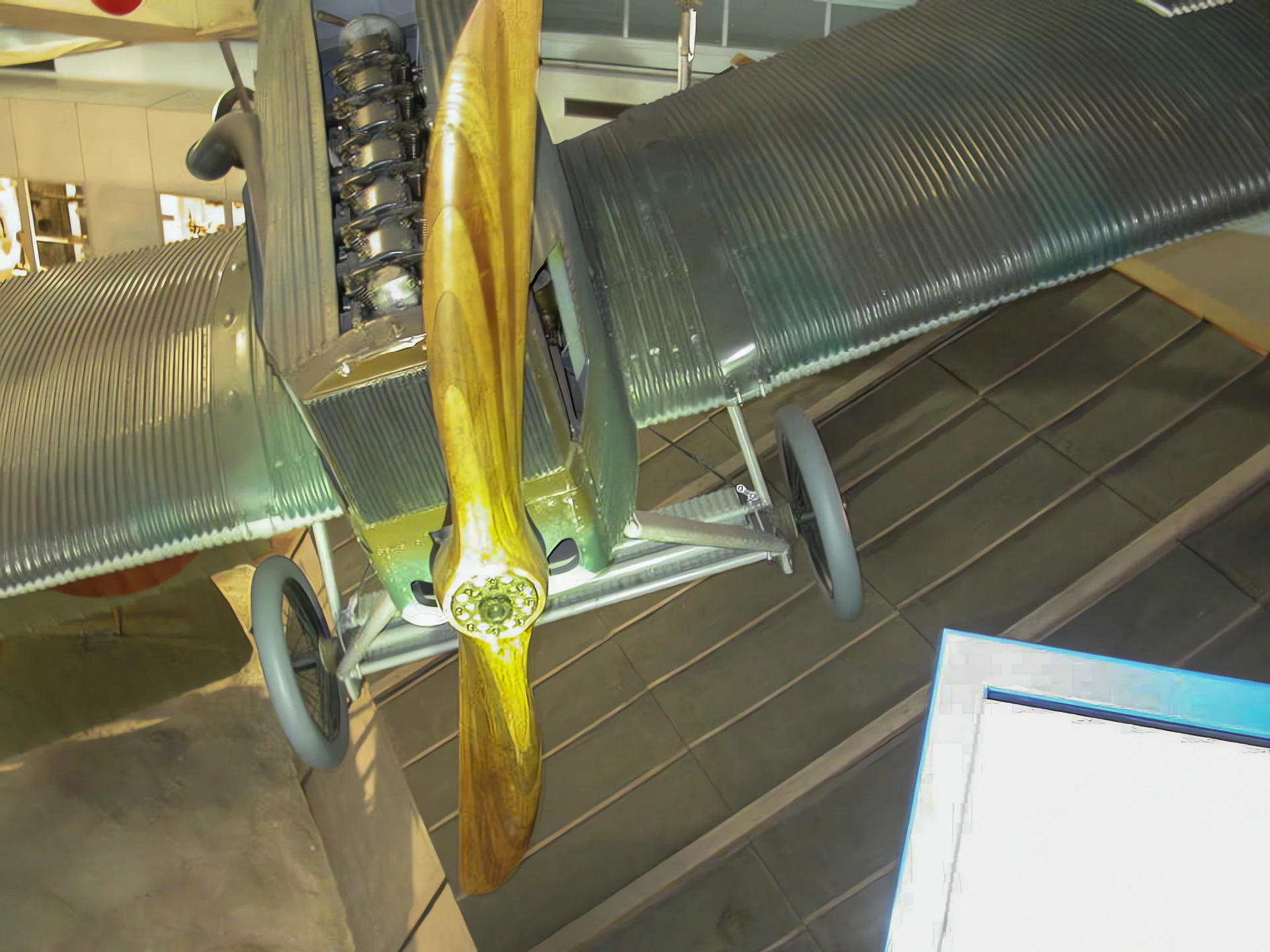
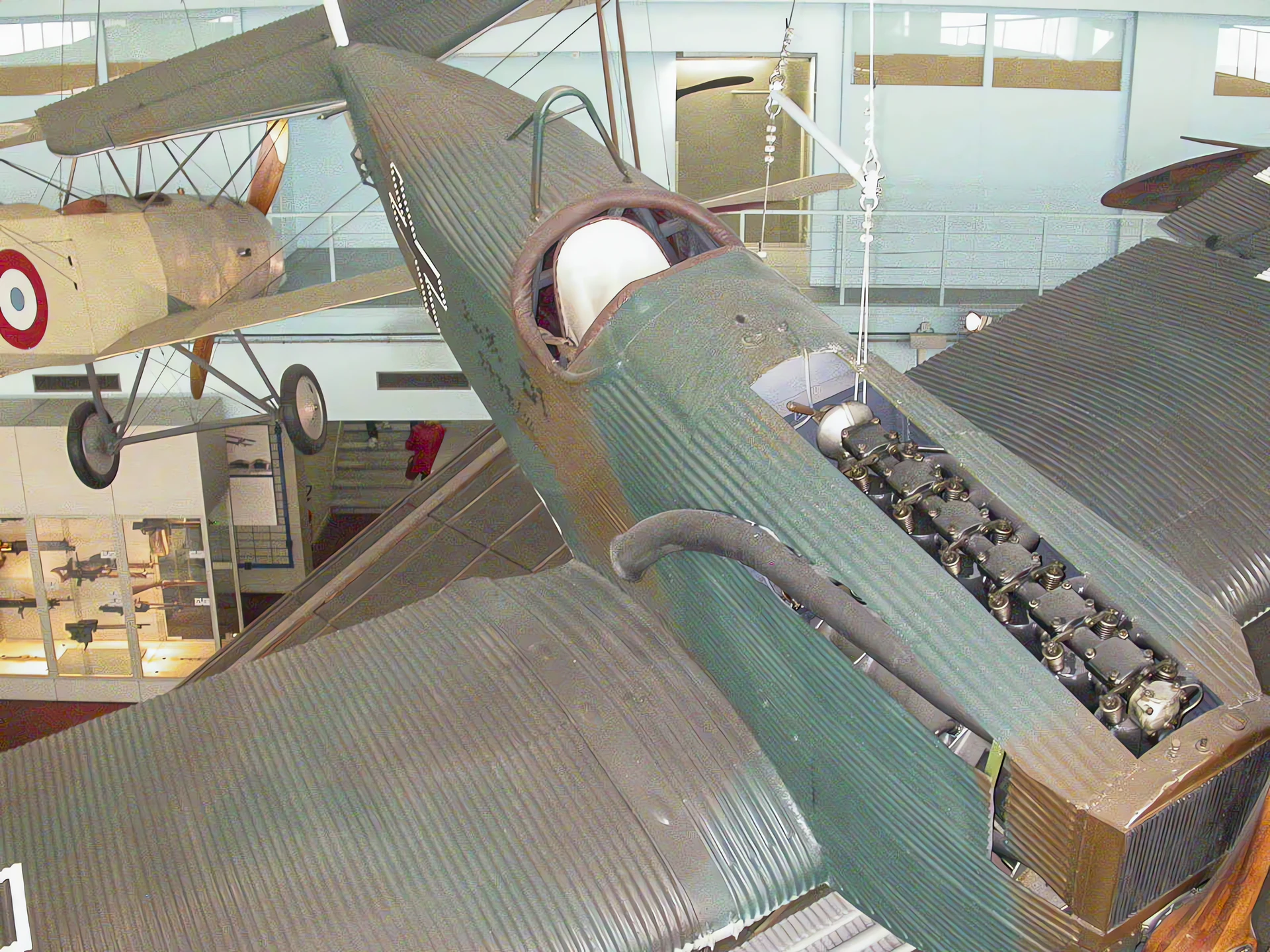
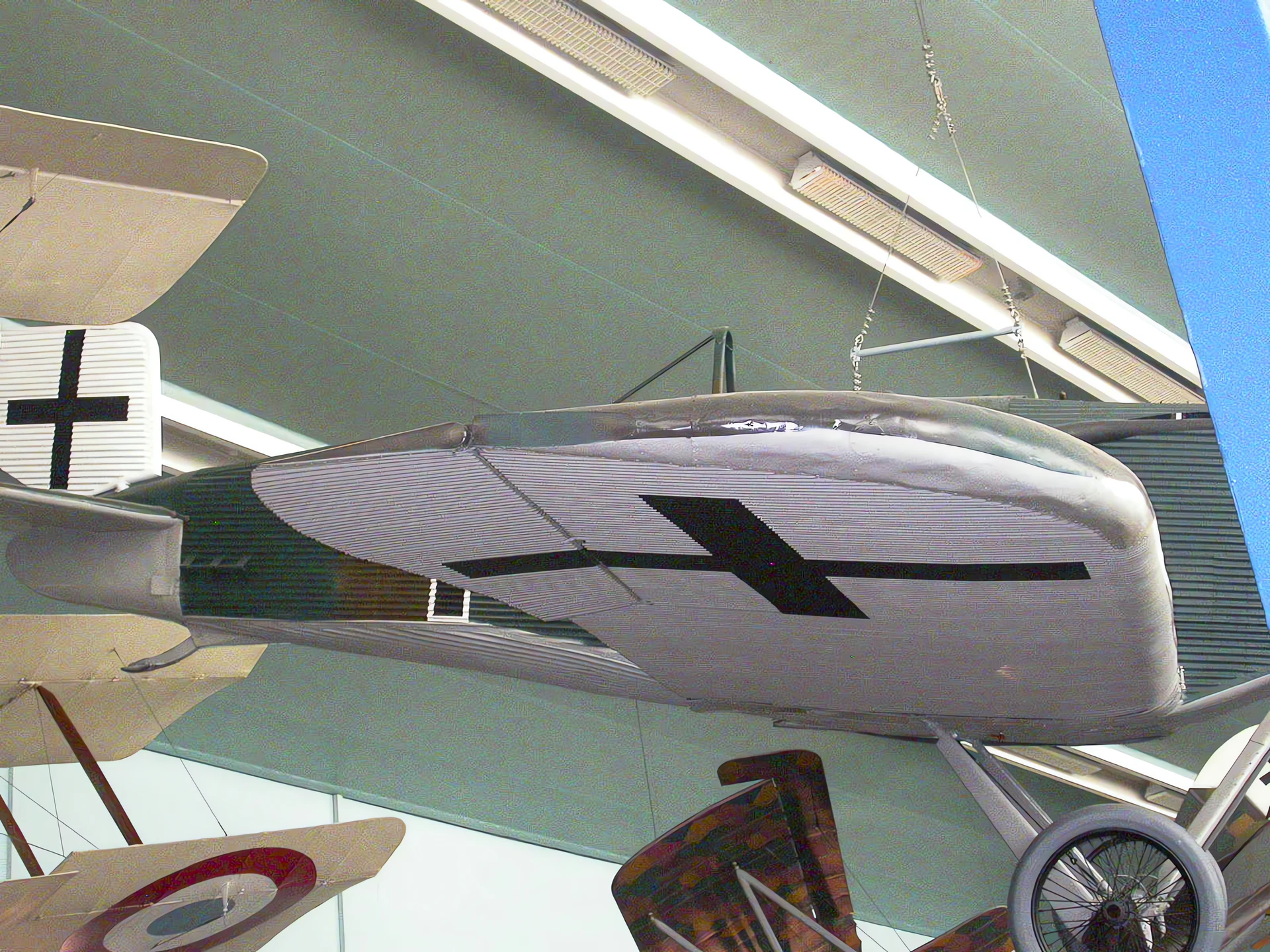
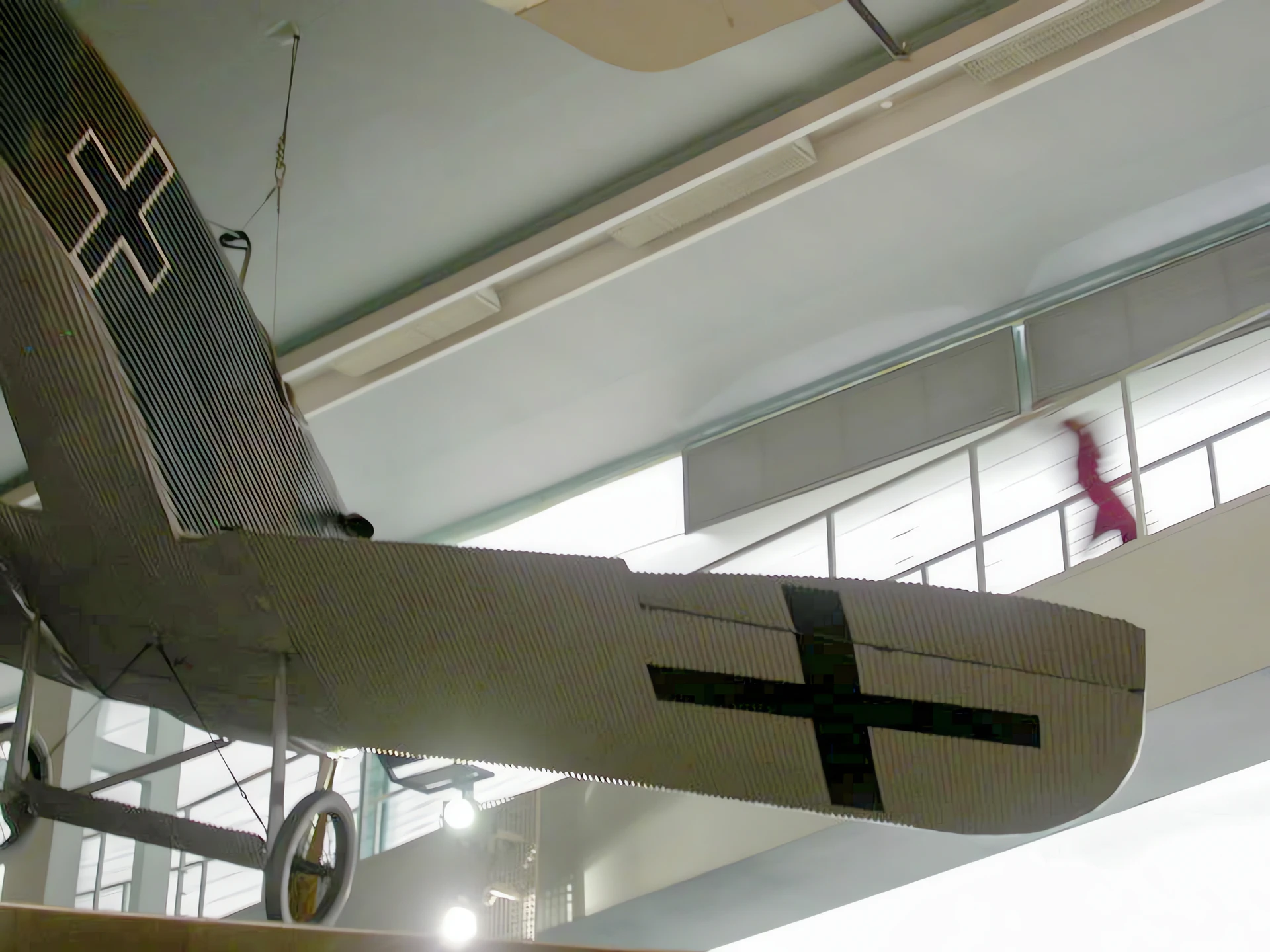
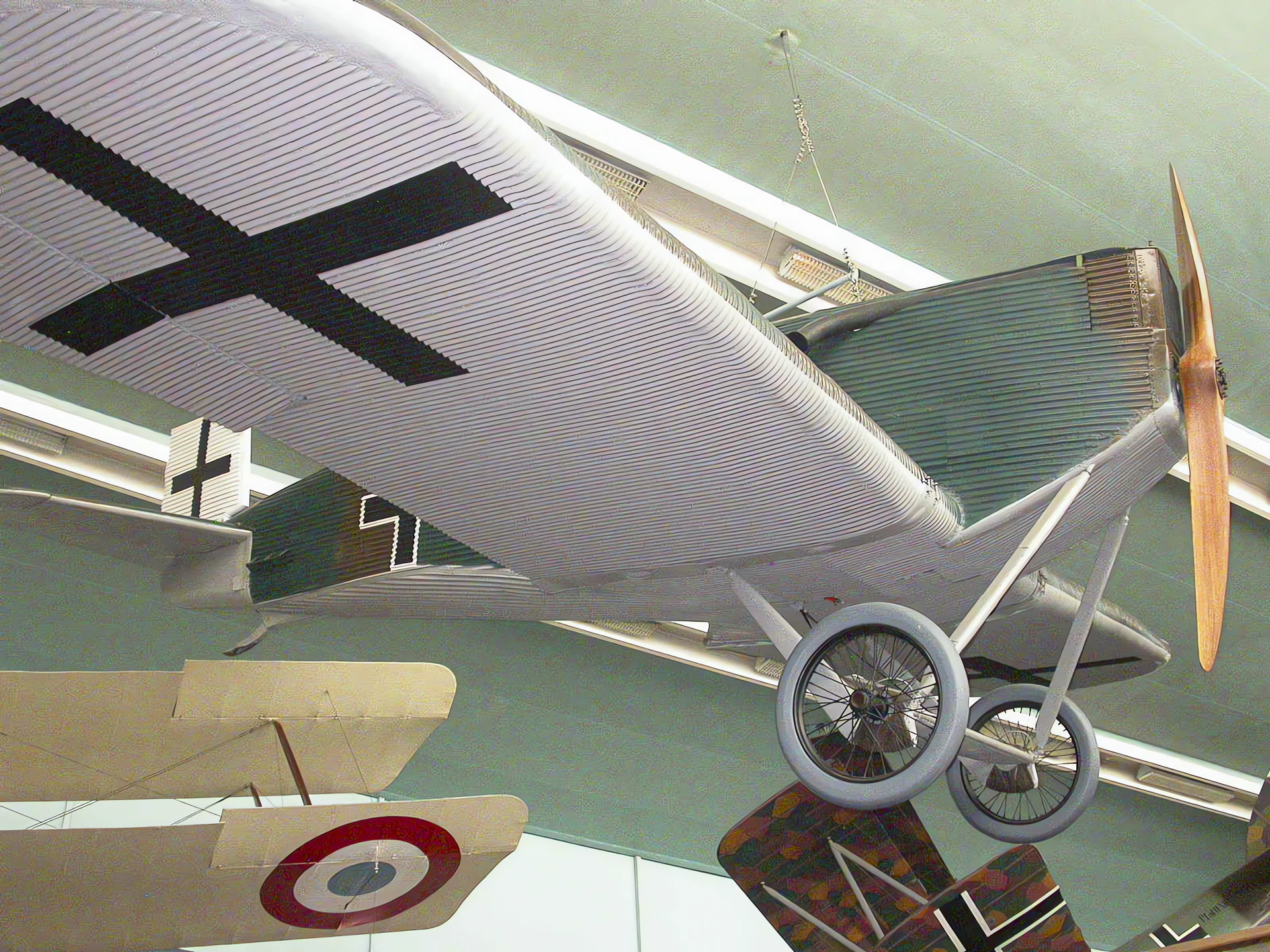
Tthe Junkers D.I (공장 지정 J 9)는 제 1 차 세계 대전 후반에 독일에서 생산 된 단일 비행기 전투기로, 서비스에 들어선 최초의 금속 전투기가되었습니다. J 7이라는 Junkers의 개인 벤처인 프로토타입은 1917년 9월 17일에 처음 날아와 테스트 중에 거의 12개의 세부 사항을 변경했습니다. 다음 해 초 Idflieg에 입증되었을 때 시험을 위해 세 대의 추가 항공기를 주문할 만큼 인상적이었습니다. Junkers의 변경 사항은 회사가 주문한 세 가지 J 7s 대신 Idflieg에 제공된 다음 예제 인 J 9의 이름을 바꿀 만큼 중요했습니다.
| Junker J9 D1 Walk Around | |
|---|---|
| 사진 작가 | Unknow |
| 로컬라이제이션 | Unknow |
| 사진 | 22 |
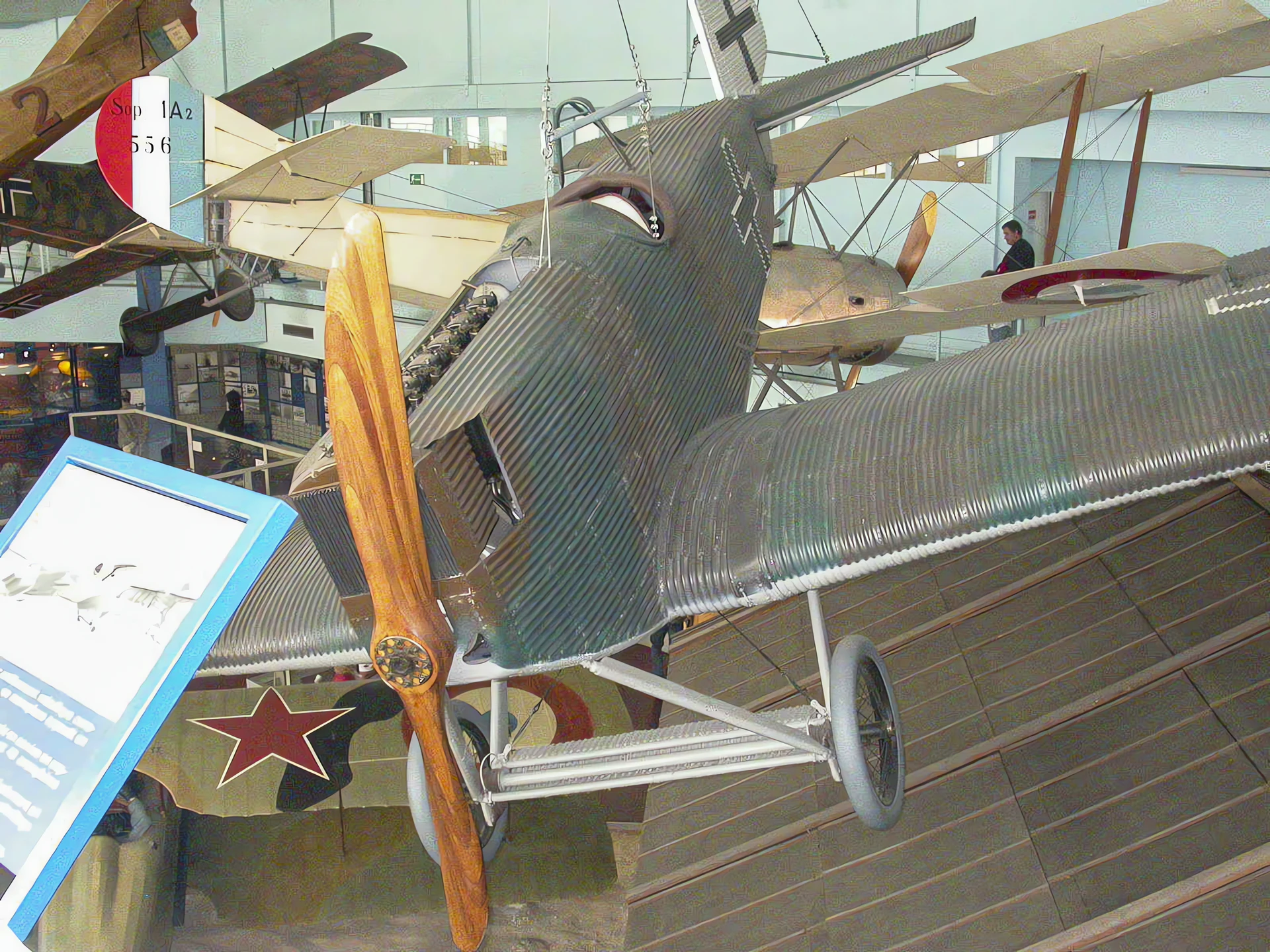
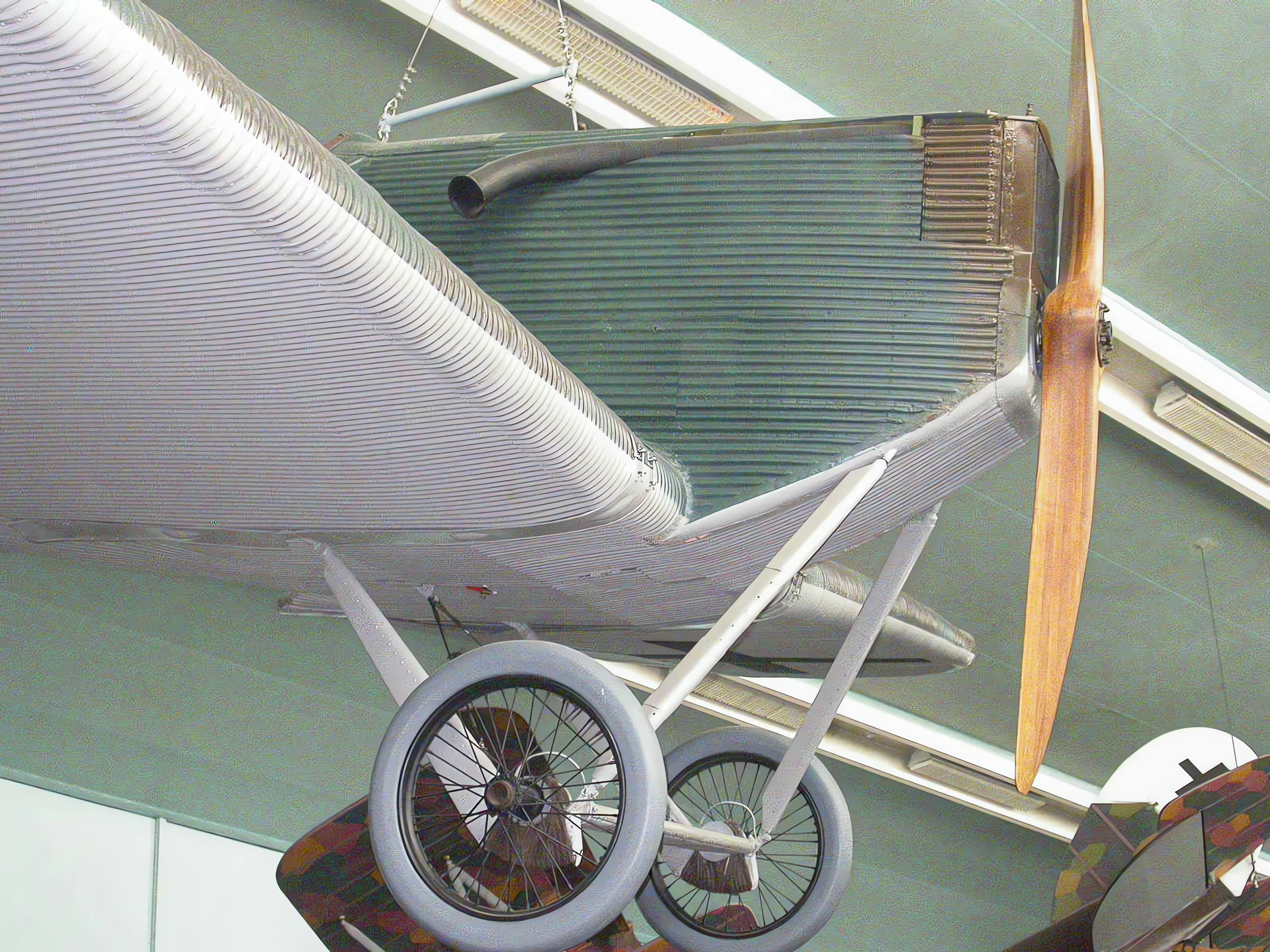
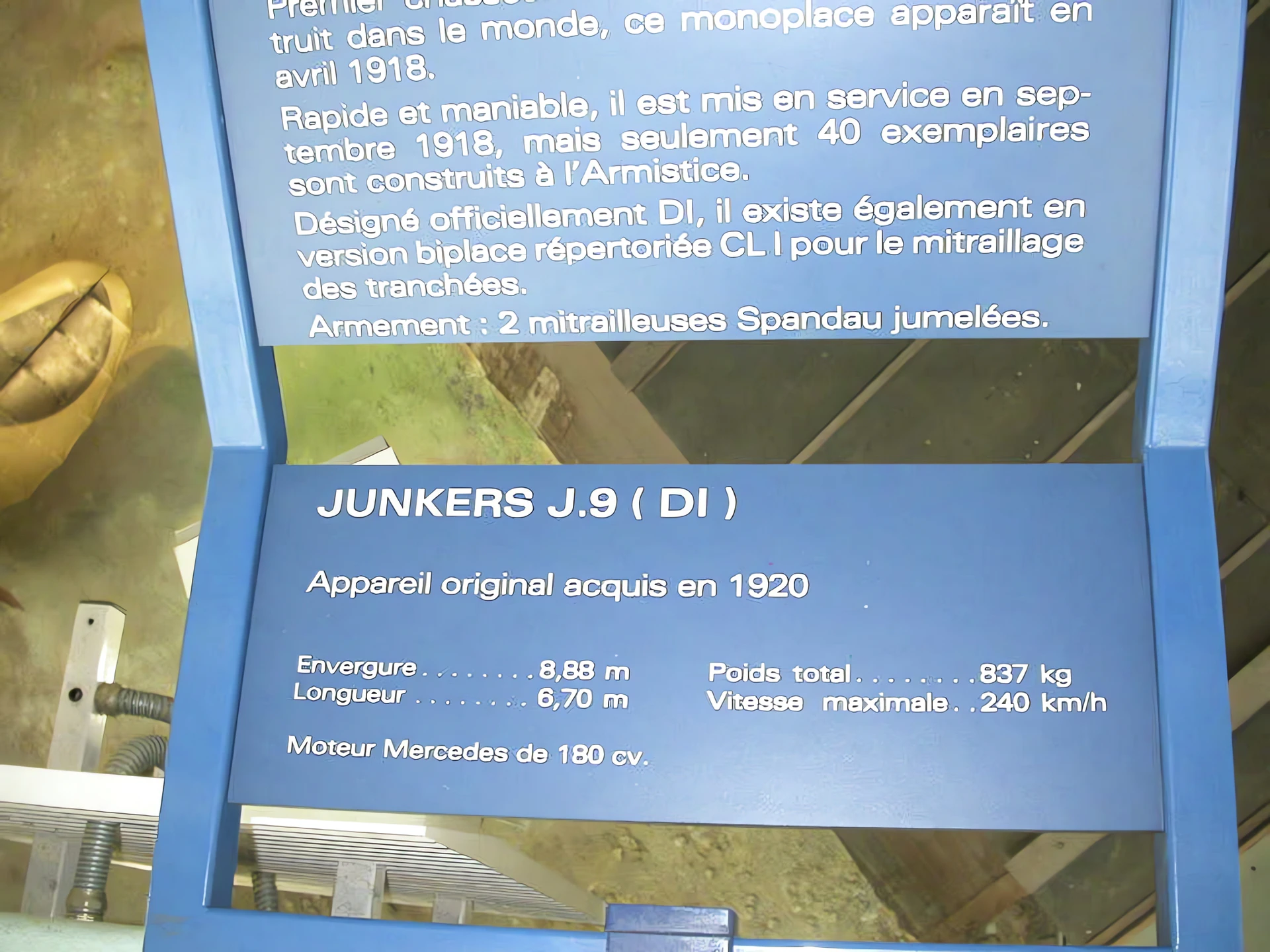


참고 항목:


General Characteristics
The Junkers J 9 (military designation D.I) was a German monoplane fighter aircraft produced late in World War I, notable for being the world’s first all-metal fighter to enter military service. Designed by Hugo Junkers, the aircraft featured a revolutionary cantilever wing and fuselage entirely covered in corrugated duralumin (an aluminum alloy). This construction method made the aircraft exceptionally durable and easy to maintain compared to conventional wood-and-fabric aircraft, though early models were criticized for low maneuverability. Only a small number of J 9s were delivered before the Armistice, primarily used by the Imperial German Navy for coastal defense and later by paramilitary Freikorps units after the war.
| Property | Typical Value (D.I Production) |
|---|---|
| 역할 | Fighter Aircraft / Naval Fighter |
| National Origin | Germany (German Empire) |
| 제조업체 | Junkers-Fokker A.G. |
| First Flight (Prototype J 7) | September 17, 1917 |
| Introduction Date | 1918 |
| No. Built | Approx. 41 |
| 승무원 | 1 (Pilot) |
| 길이 | 7.25 m (23 ft 9 in) |
| 윙스 팬 | 9.00 m (29 ft 6 in) |
| Max Takeoff Weight | 834 kg (1,839 lb) |
Powerplant and Performance
- Engine: 1 x BMW IIIa water-cooled 6-cylinder inline piston engine (Later production models and prototypes were also fitted with Mercedes D.IIIa/aü engines).
- Power Output: 138 kW (185 hp) (BMW IIIa).
- Maximum Speed: 176 km/h (109 mph) (with BMW IIIa).
- Service Ceiling: 6,000 m (19,700 ft).
- Endurance: 1.5 hours.
- Design Note: Its all-metal, low-wing monoplane design was extremely advanced for its time, predating similar designs by over a decade.
군비
- Armament: 2 x 7.92 mm LMG 08/15 Spandau machine guns, fixed and synchronized to fire forward through the propeller arc.
- Operational Note: Despite being an advanced design, many German pilots preferred the maneuverability and climb rate of contemporary biplanes, such as the Fokker D.VII, for traditional aerial combat. The J 9 was deemed better suited for specialist roles like naval patrol or balloon attack.
조회수:1522