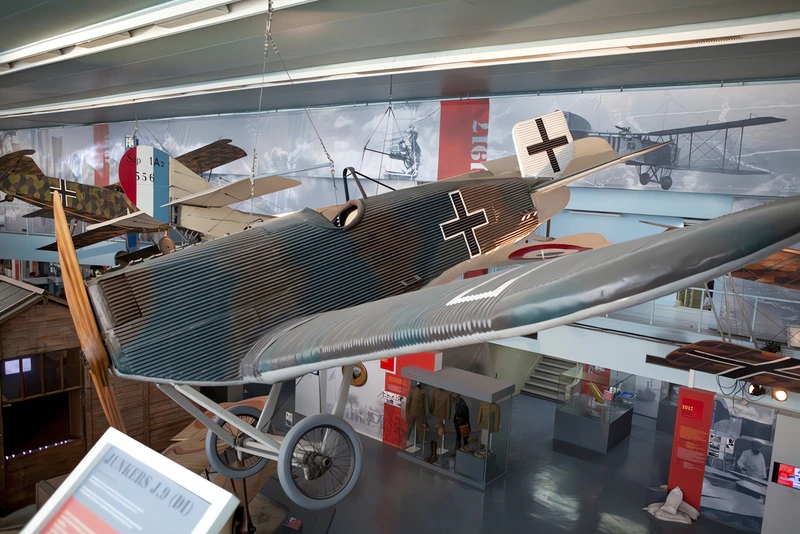
Junkers D.I | |
|---|---|
| 国家 | 德国 |
| 作用 | 战斗机 |
| 首次飞行 | 1917年9月17日 |
| 建立 | 41 |
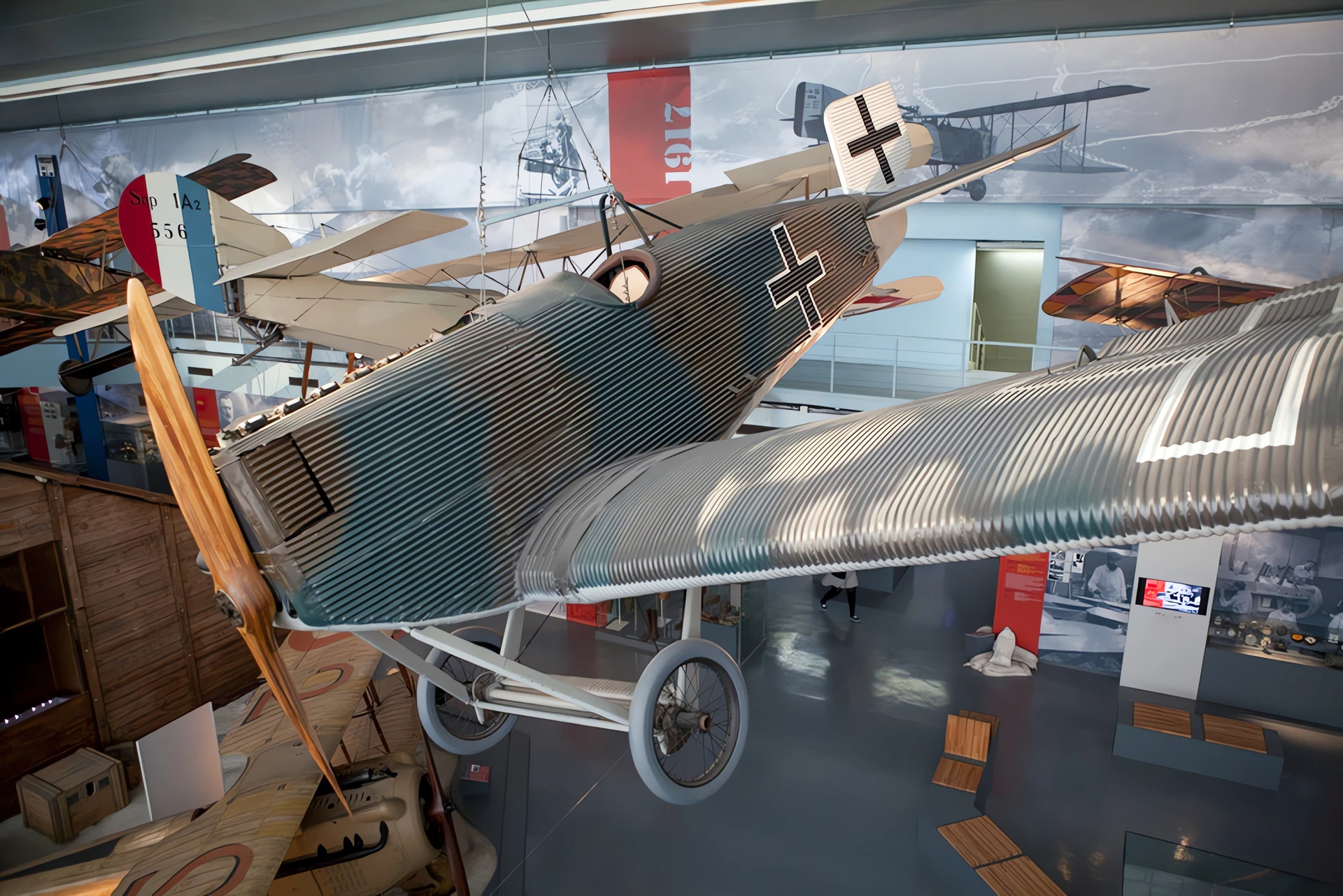
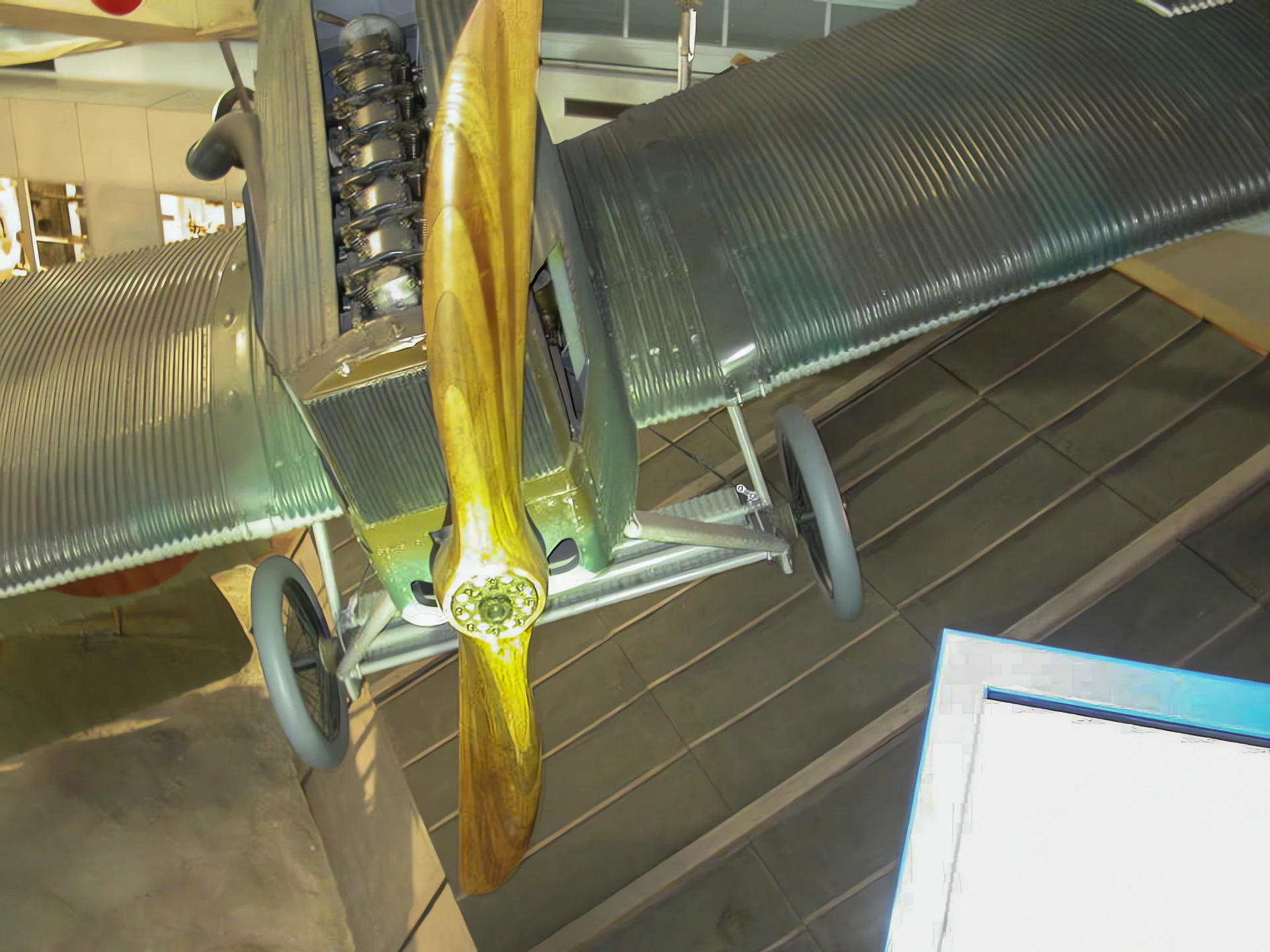
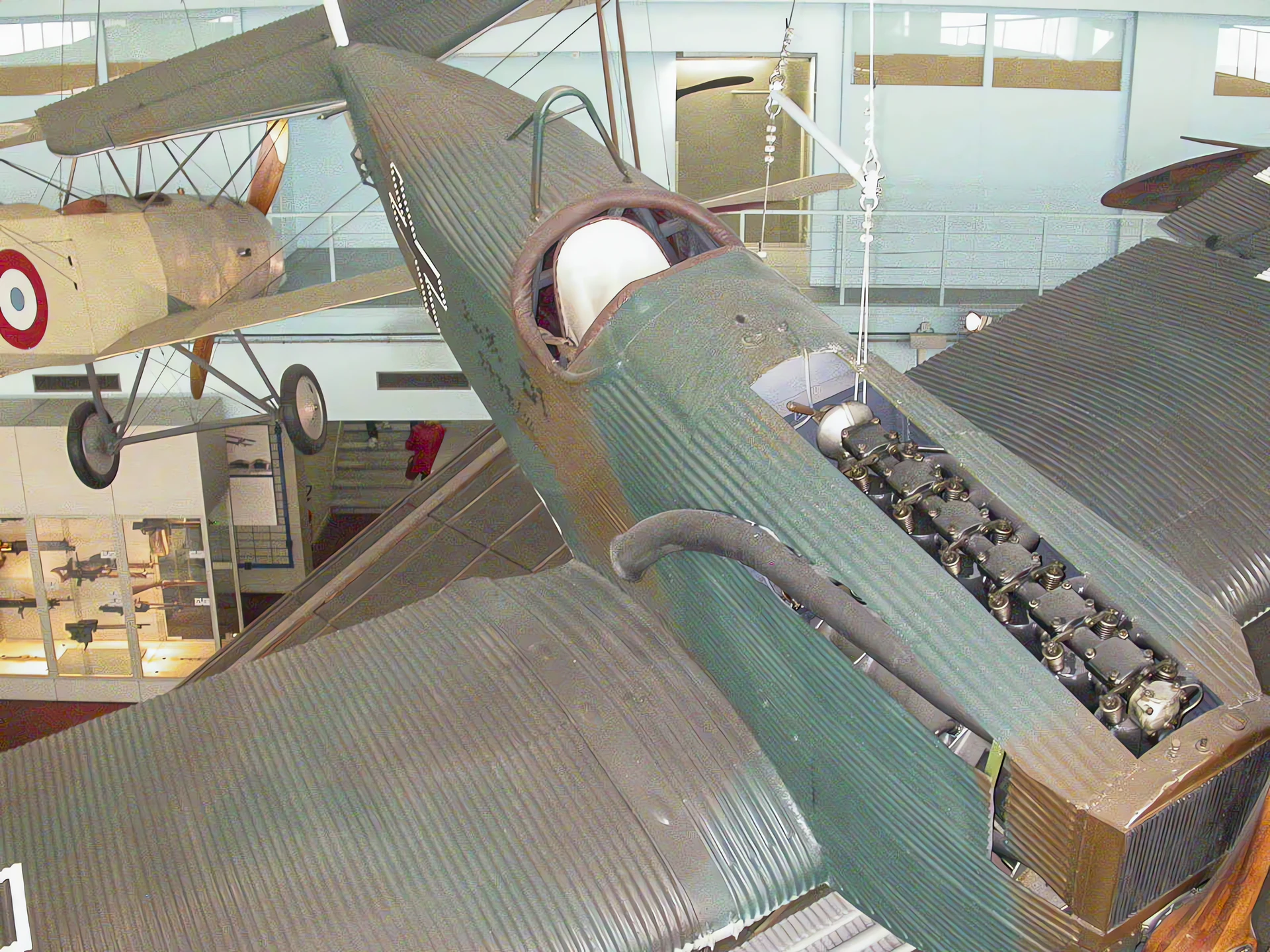
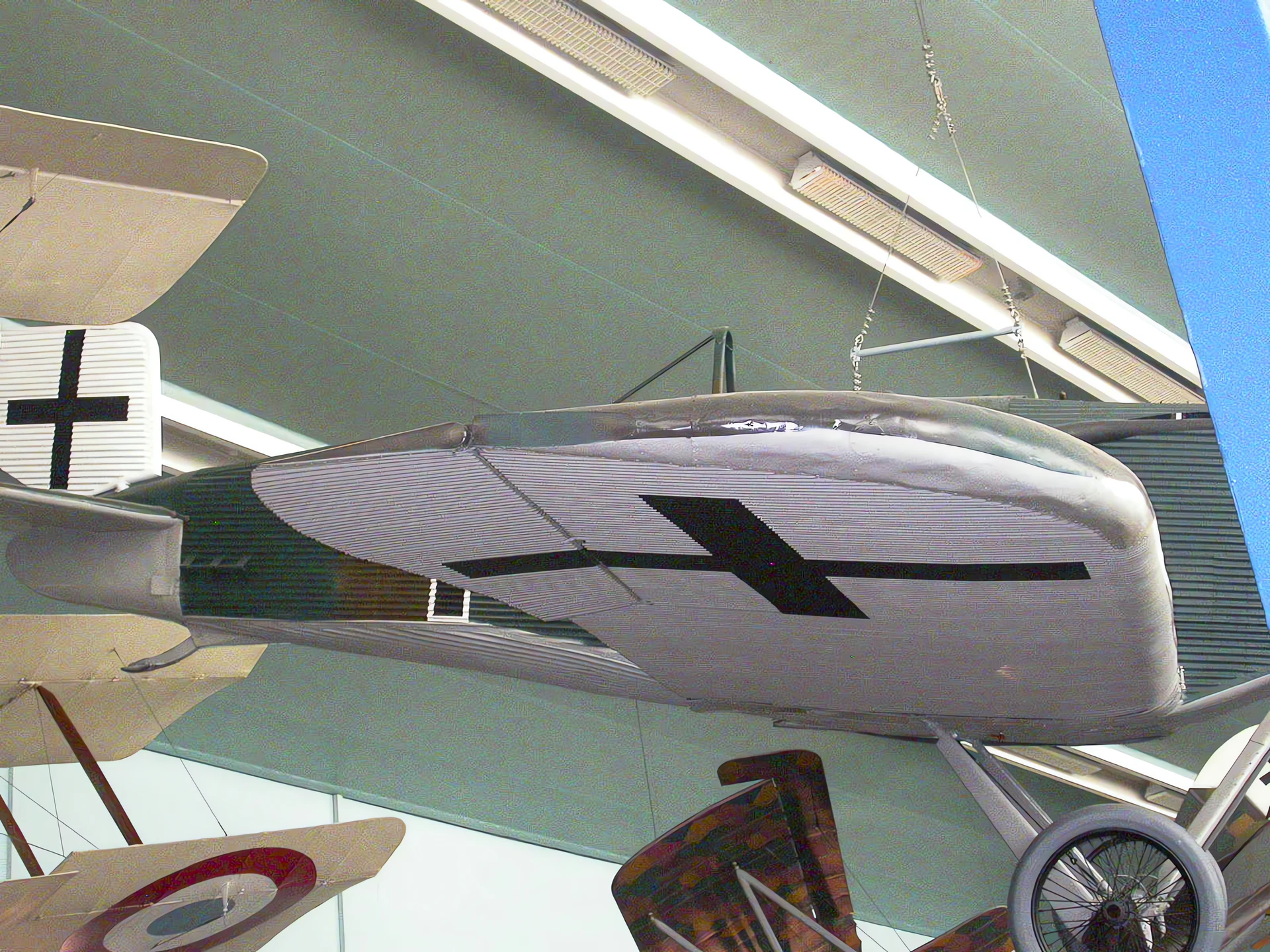
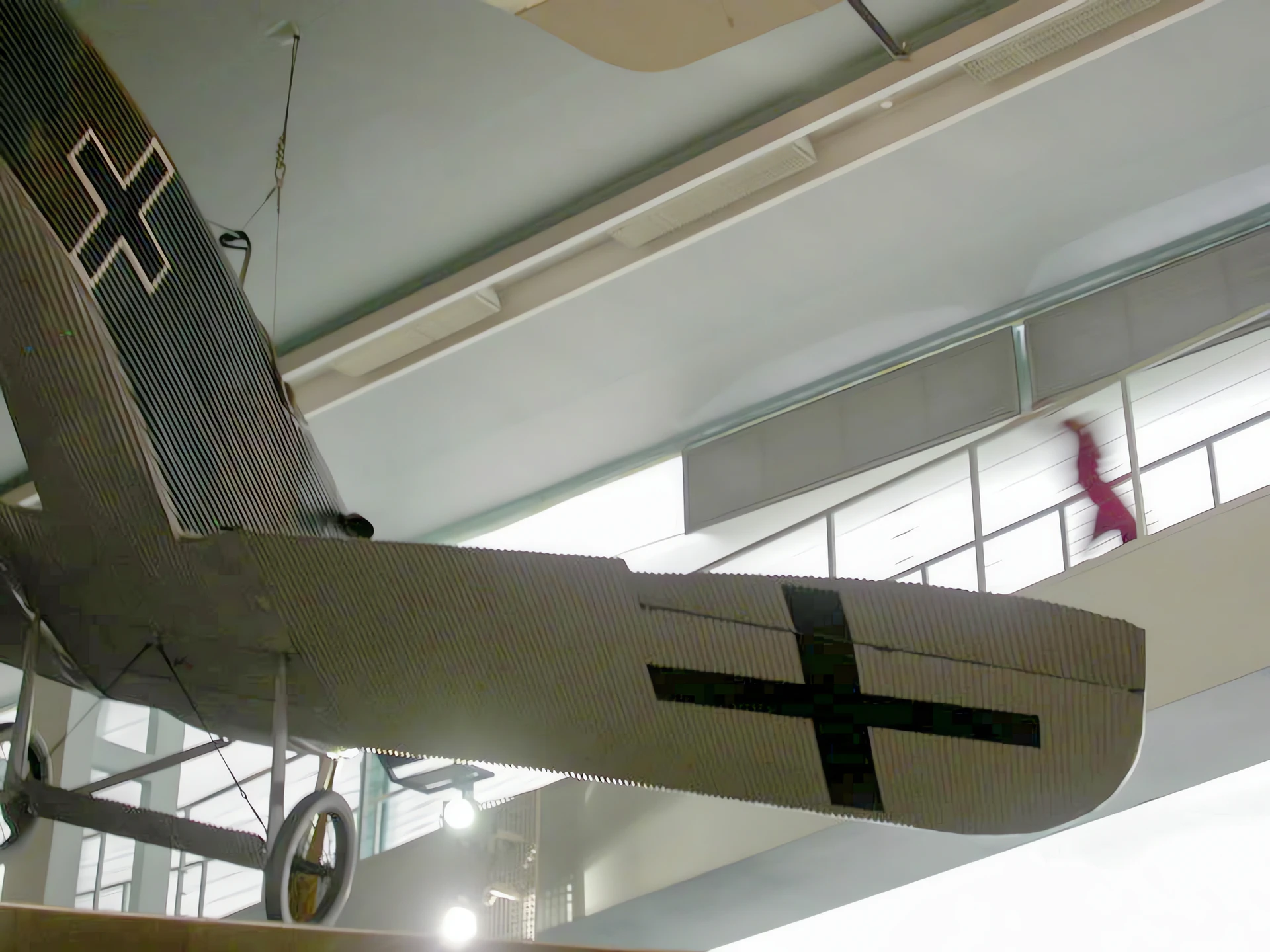
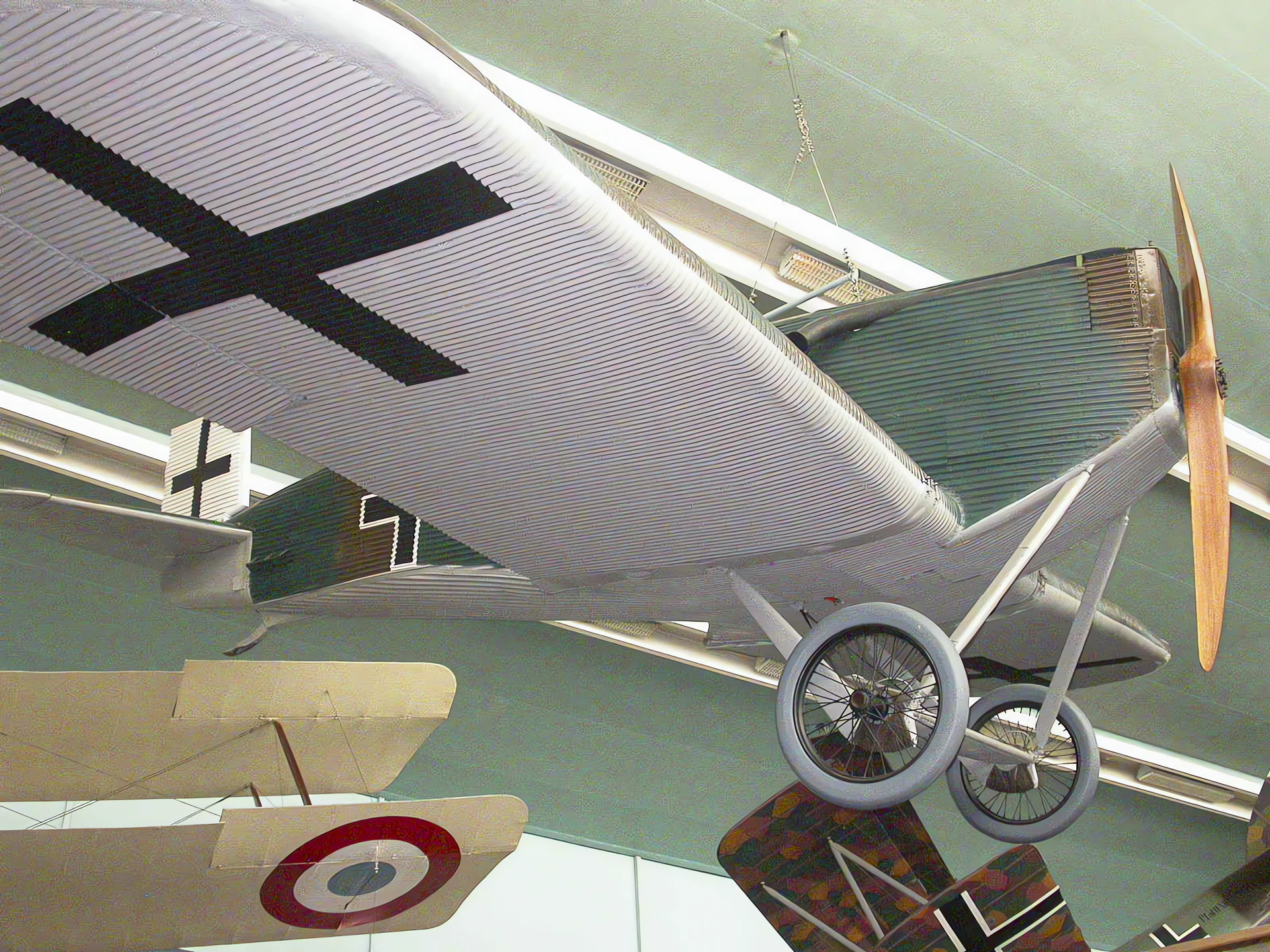
这 容克斯 D. I (工厂名称J 9)是一战后期在德国生产的单机战斗机,对于成为第一架进入服役的全金属战斗机具有重要意义。原型机是Junbanks公司名为J 7的一家私人合资企业,于1917年9月17日首次试飞,在测试过程中对其设计进行了近六次详细的修改。第二年初向Idflieg展示时,它给人留下了深刻印象,足以导致另外三架飞机的试飞订单。Junkers 所做的更改意义重大,足以让公司重命名下一个例子 J 9,该示例是提供给 Idflieg 的,而不是订购的三个 J 7。
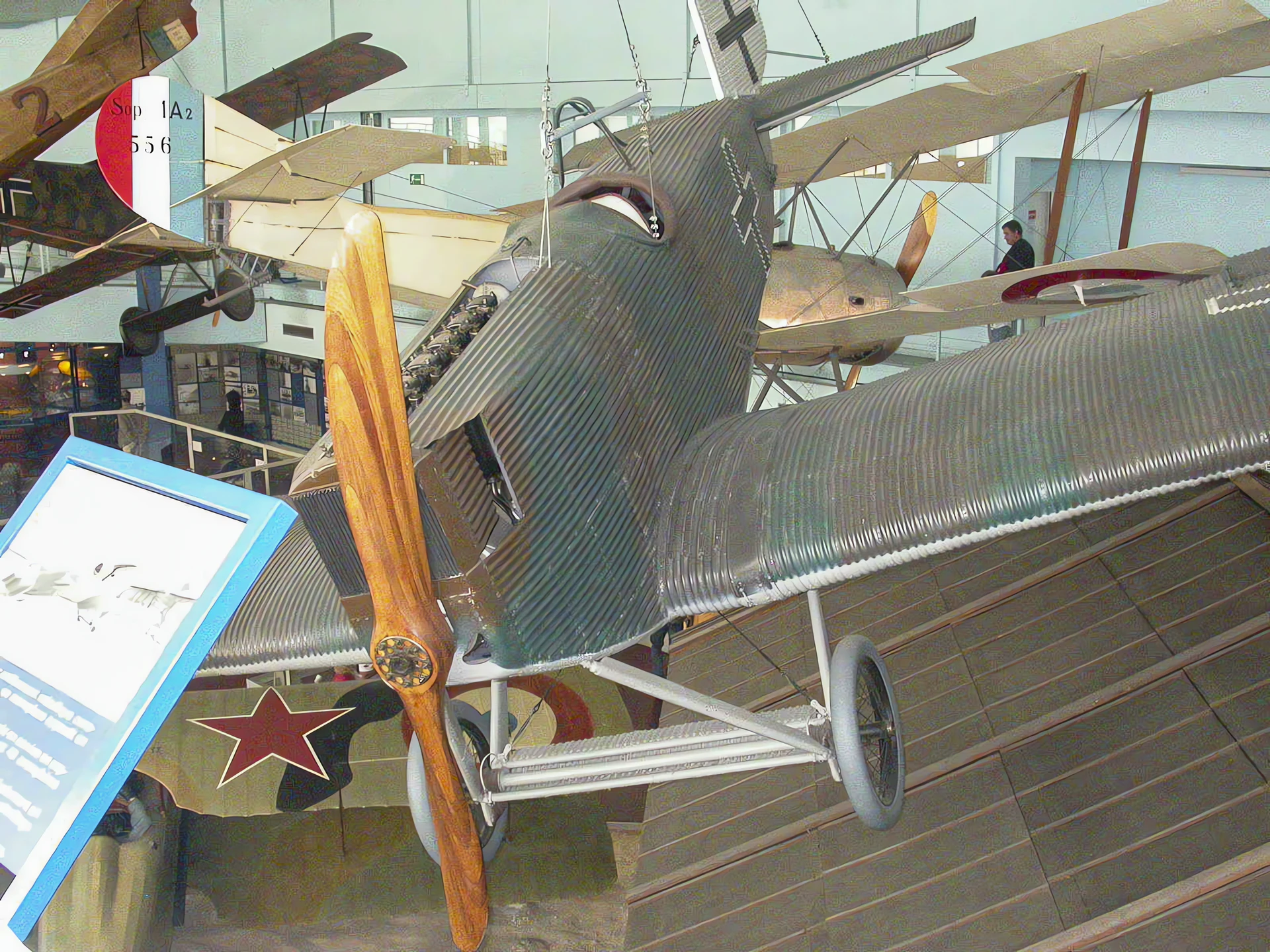
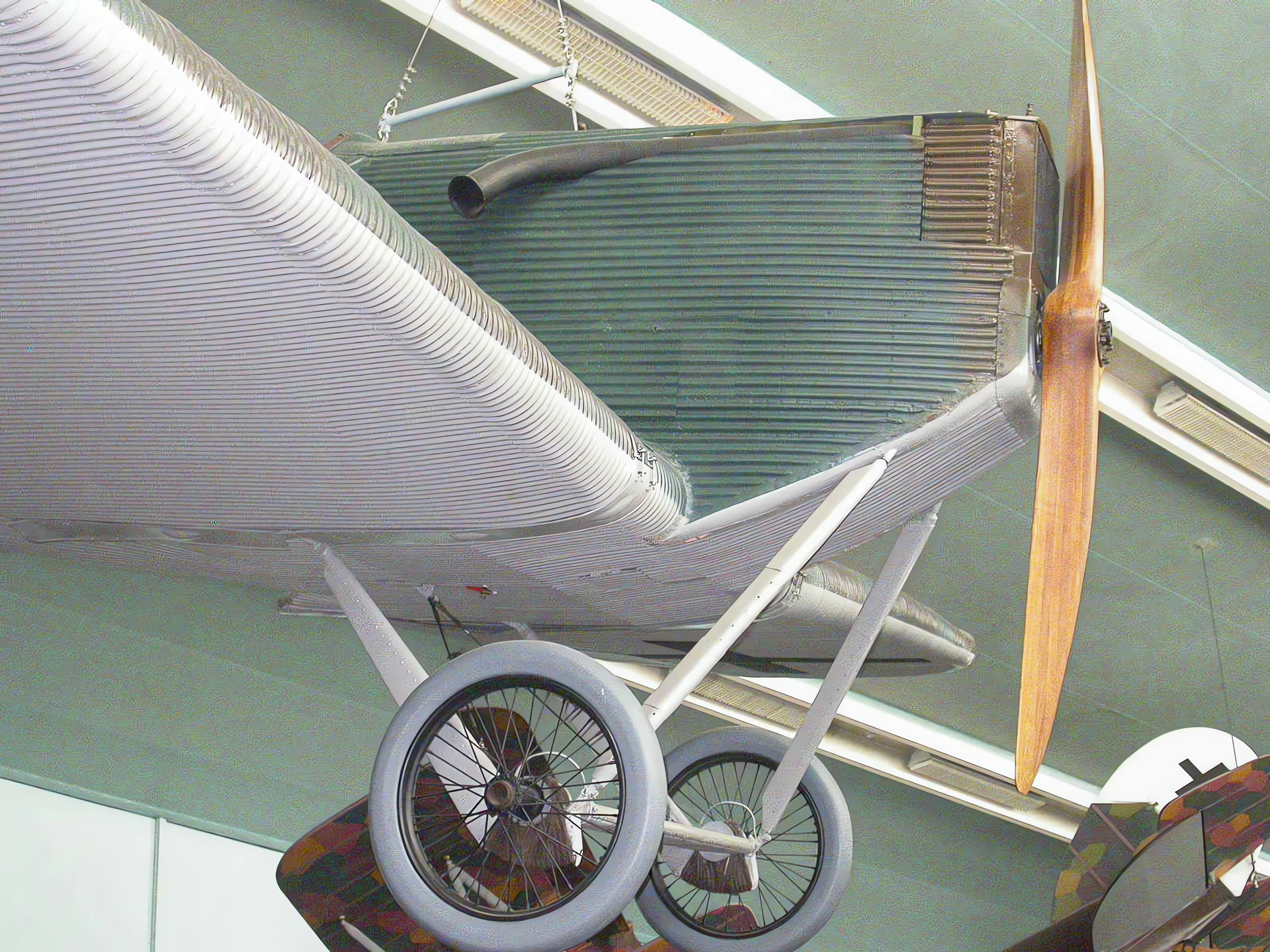
| Junker J9 D1 Walk Around | |
|---|---|
| 摄影师 | Unknow |
| 本地化 | 未知 |
| 照片 | 22 |


另请参阅:


General Characteristics
The Junkers J 9 (military designation D.I) was a German monoplane fighter aircraft produced late in World War I, notable for being the world’s first all-metal fighter to enter military service. Designed by Hugo Junkers, the aircraft featured a revolutionary cantilever wing and fuselage entirely covered in corrugated duralumin (an aluminum alloy). This construction method made the aircraft exceptionally durable and easy to maintain compared to conventional wood-and-fabric aircraft, though early models were criticized for low maneuverability. Only a small number of J 9s were delivered before the Armistice, primarily used by the Imperial German Navy for coastal defense and later by paramilitary Freikorps units after the war.
| Property | Typical Value (D.I Production) |
|---|---|
| 作用 | Fighter Aircraft / Naval Fighter |
| National Origin | Germany (German Empire) |
| 制造商 | Junkers-Fokker A.G. |
| First Flight (Prototype J 7) | September 17, 1917 |
| Introduction Date | 1918 |
| No. Built | Approx. 41 |
| 船员 | 1 (Pilot) |
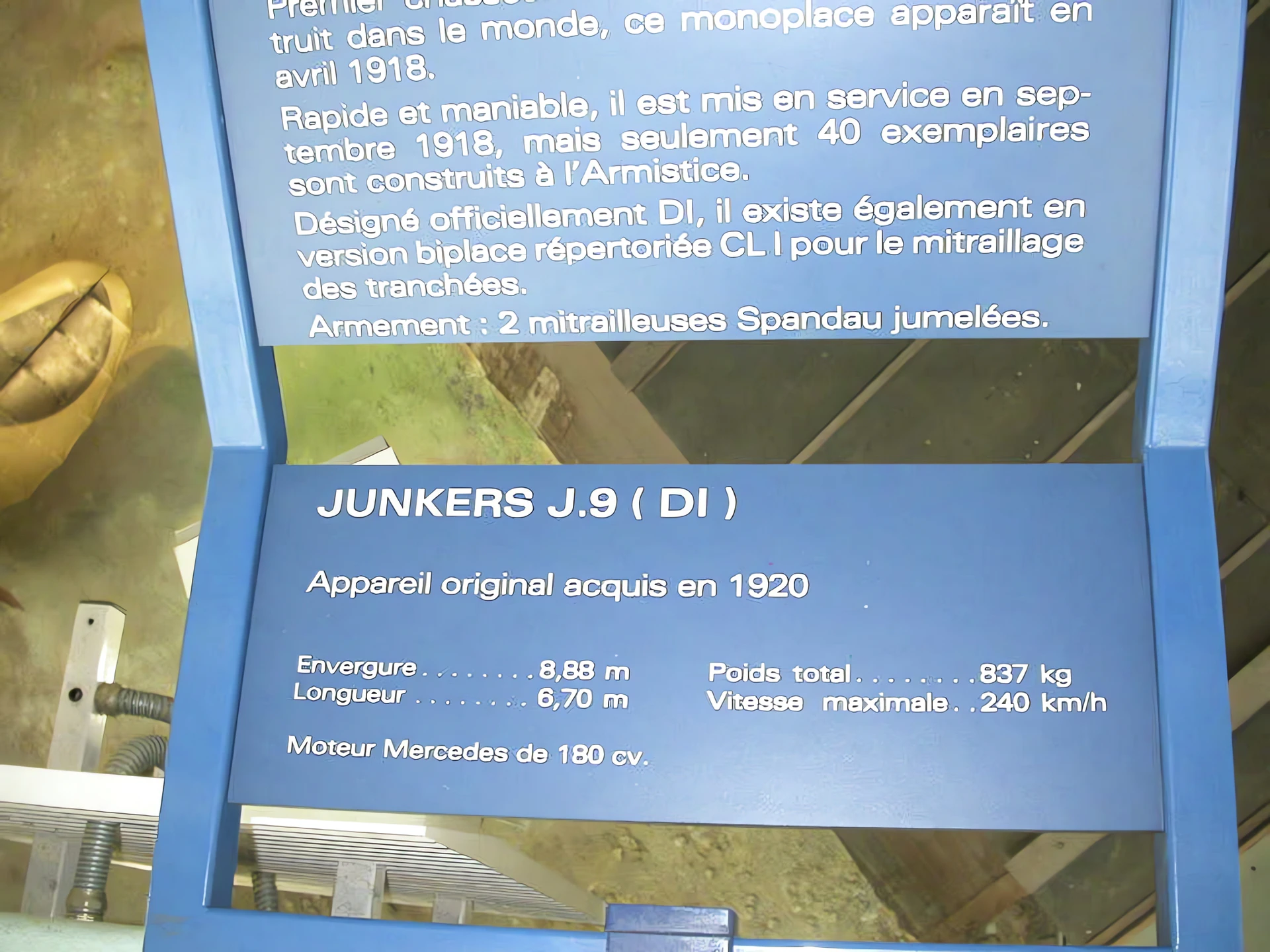
| 长度 | 7.25 m (23 ft 9 in) |
| 翼展 | 9.00 m (29 ft 6 in) |
| Max Takeoff Weight | 834 kg (1,839 lb) |
Powerplant and Performance
- Engine: 1 x BMW IIIa water-cooled 6-cylinder inline piston engine (Later production models and prototypes were also fitted with Mercedes D.IIIa/aü engines).
- Power Output: 138 kW (185 hp) (BMW IIIa).
- Maximum Speed: 176 km/h (109 mph) (with BMW IIIa).
- Service Ceiling: 6,000 m (19,700 ft).
- Endurance: 1.5 hours.
- Design Note: Its all-metal, low-wing monoplane design was extremely advanced for its time, predating similar designs by over a decade.
装备
- Armament: 2 x 7.92 mm LMG 08/15 Spandau machine guns, fixed and synchronized to fire forward through the propeller arc.
- Operational Note: Despite being an advanced design, many German pilots preferred the maneuverability and climb rate of contemporary biplanes, such as the Fokker D.VII, for traditional aerial combat. The J 9 was deemed better suited for specialist roles like naval patrol or balloon attack.
视图 : 1523