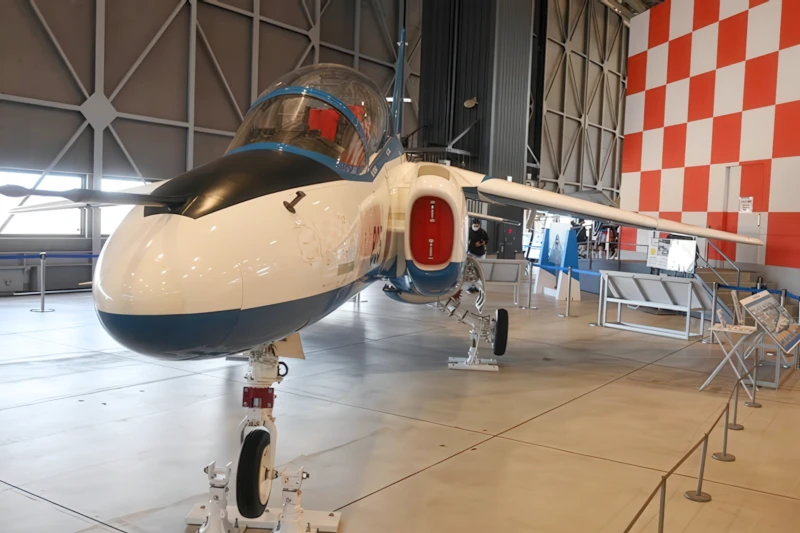
Kawasaki T-4 |
|
|---|---|
| 国家 | 日本 |
| 作用 | Intermediate trainer aircraft |
| 首次飞行 | 29 July 1985 |
| 已构建数量 | 208+ |
源: Kawasaki T-4 on Wiki
| Kawasaki T-4 Walk Around | |
|---|---|
| 摄影师 | 明德·德·弗瑞泽 |
| 本地化 | 未知 |
| 照片 | 39 |
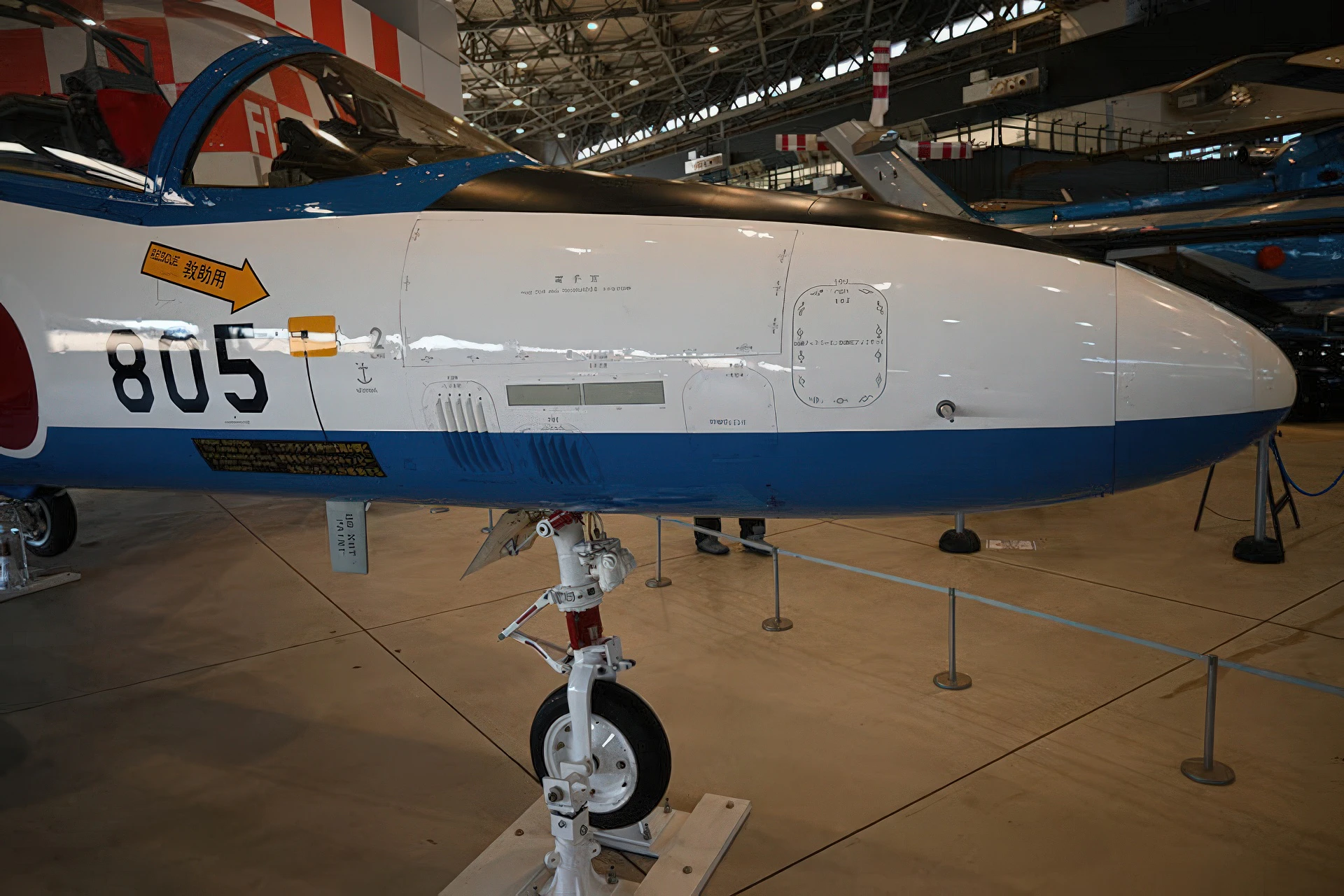
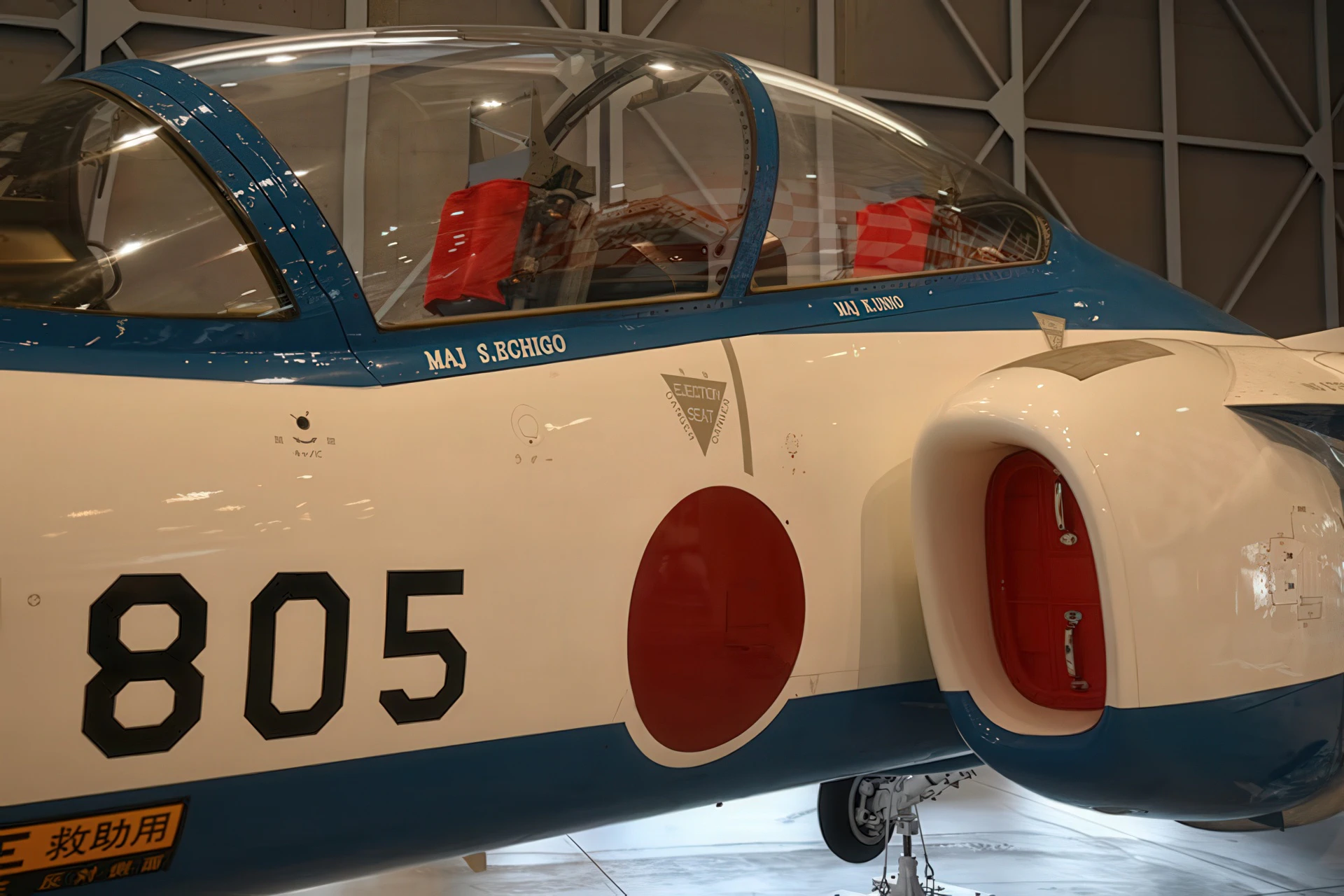
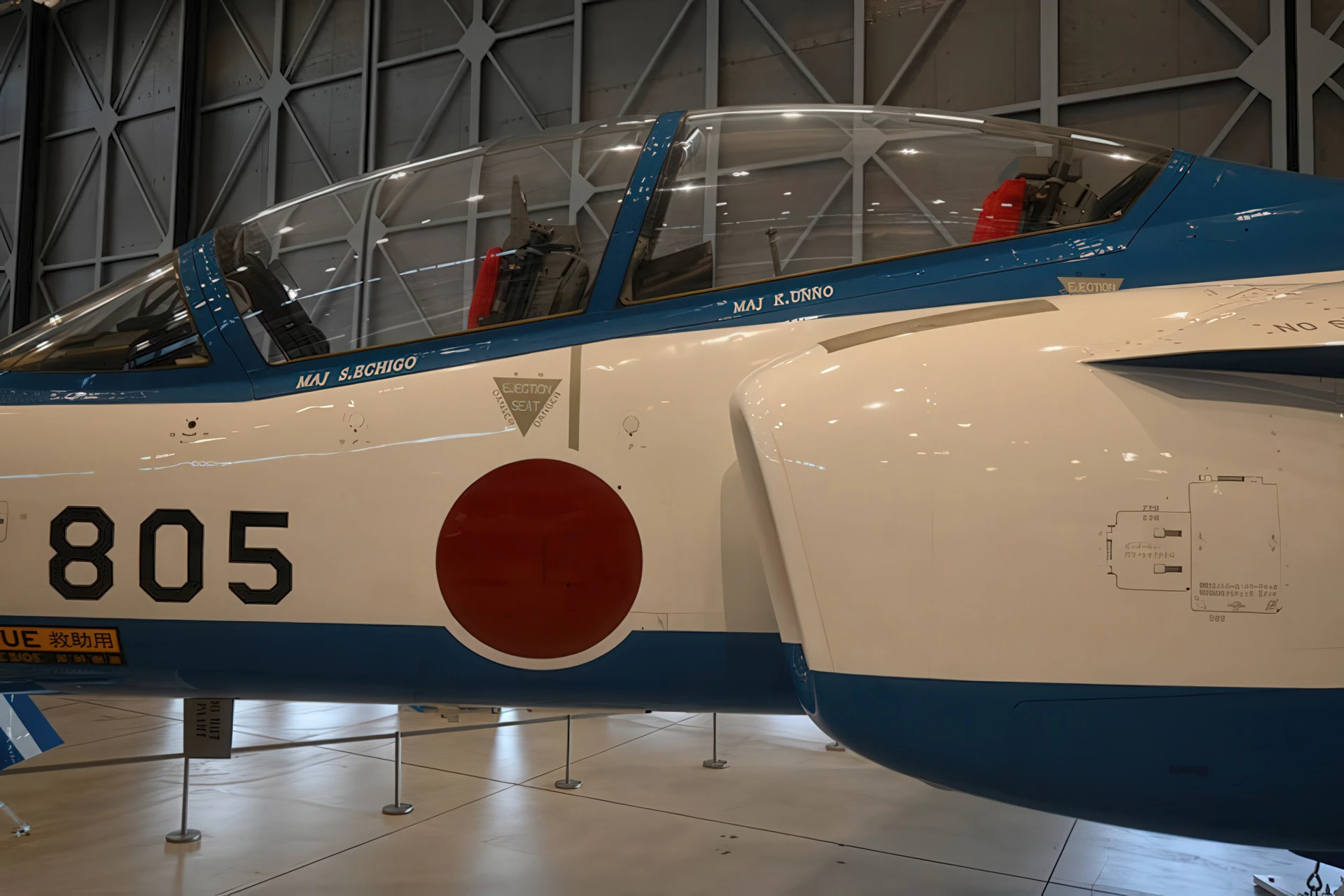
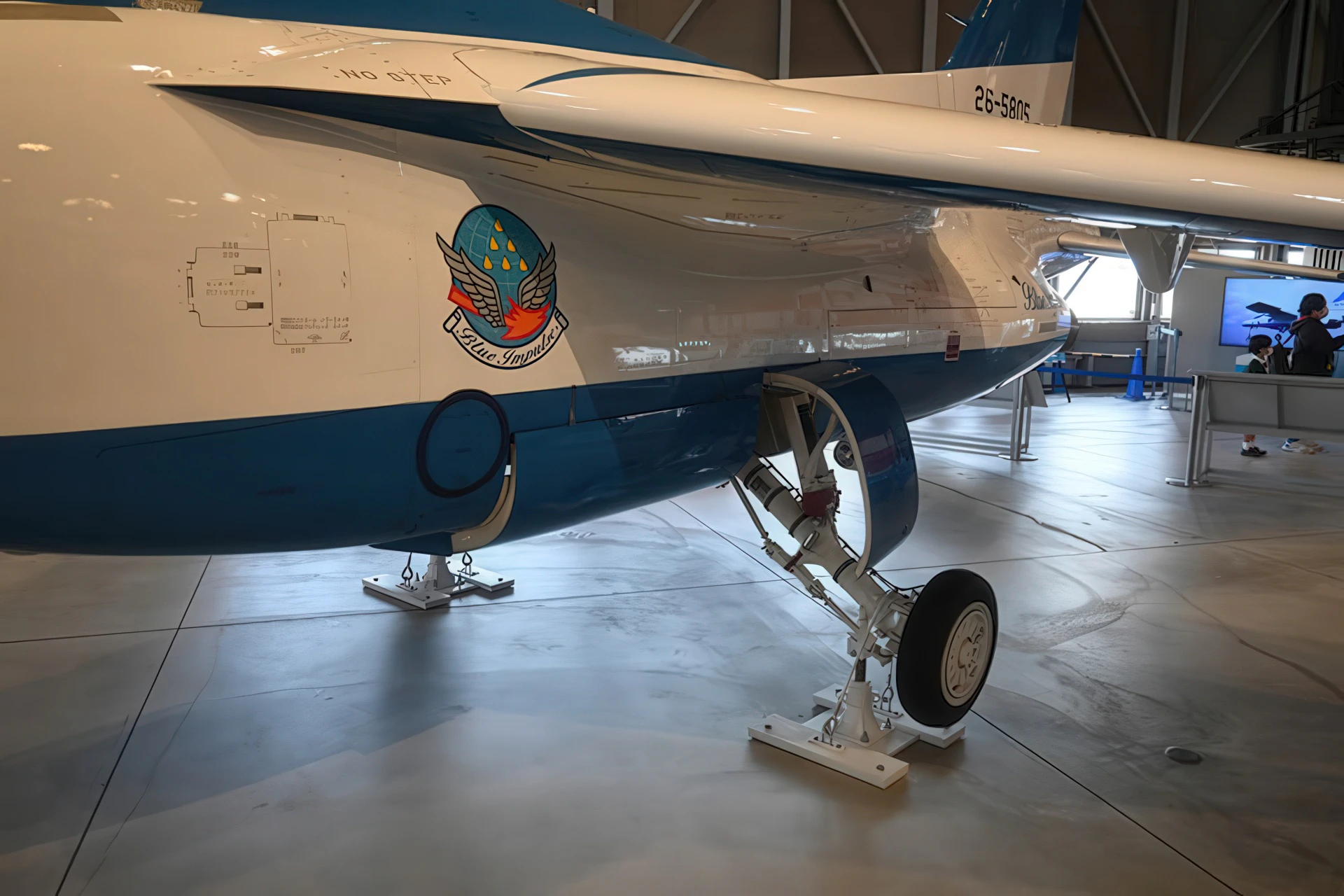

另请参阅:


Development and Strategic Role
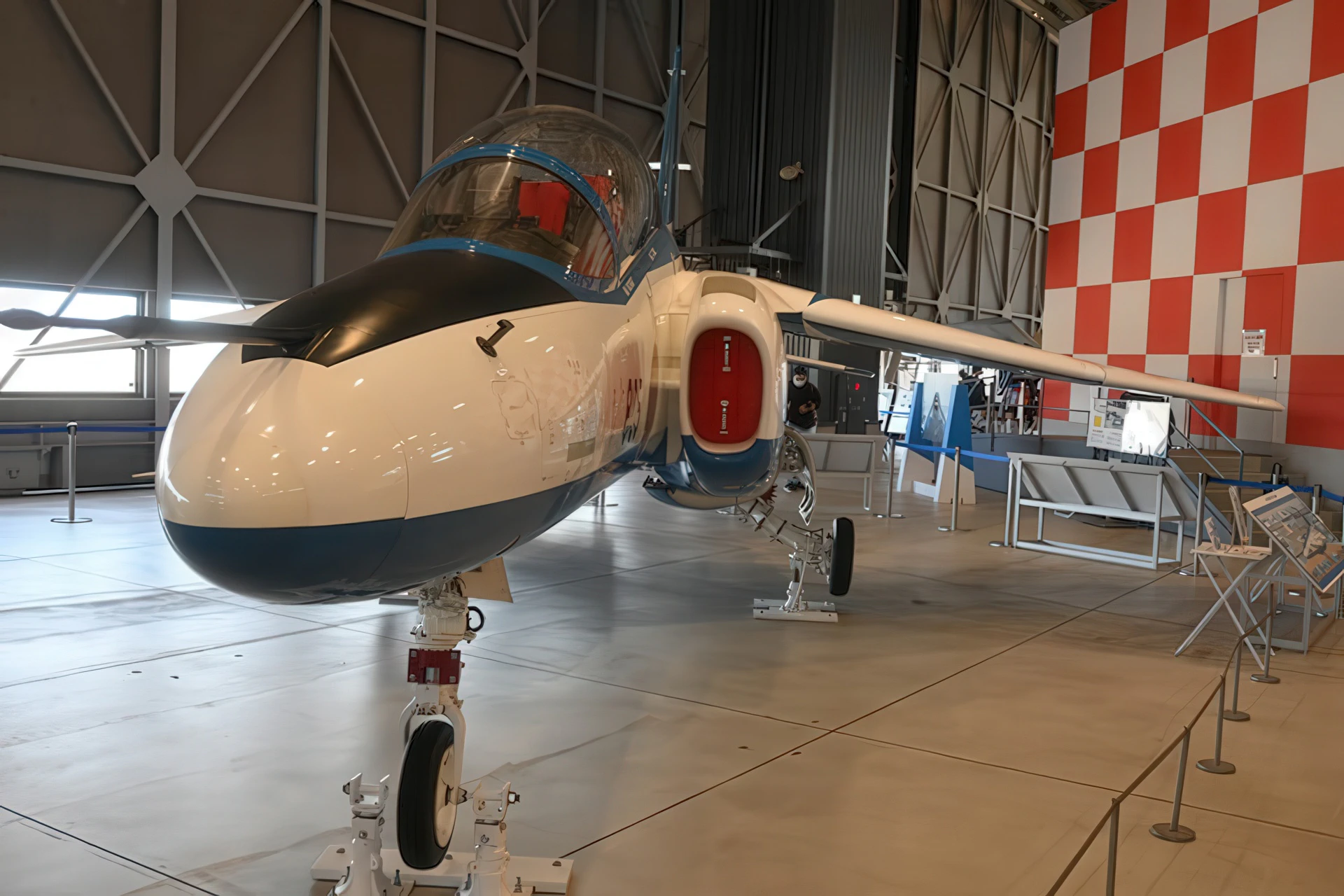
The Kawasaki T-4 was developed to replace the aging Lockheed T-33 and Fuji T-1 trainers within the Japan Air Self-Defense Force (JASDF). As a clean-sheet design, it was optimized for high agility and subsonic performance, allowing trainees to bridge the gap between basic propeller aircraft and high-performance fighters like the F-15J and F-2. Known for its smooth handling and reliability, the T-4 is nicknamed the “Dolphin” due to its rounded nose and aerodynamic profile.
| Property | Technical Specification (Kawasaki T-4) |
|---|---|
| 作用 | Intermediate Jet Trainer / Liaison |
| 船员 | 2 (Student and Instructor in tandem) |
| First Flight | July 29, 1985 (XT-4 Prototype) |
| 长度 | 13.00 meters (42 ft 8 in) |
| 翼展 | 9.94 meters (32 ft 7 in) |
| Maximum Takeoff Weight | 7,500 kg (16,535 lb) |
| 最高速度 | Mach 0.9 (1,038 km/h at sea level) |
| Service Ceiling | 15,240 meters (50,000 ft) |
Propulsion and Aerodynamic Features
- Twin-Engine Safety: Unlike many trainers of its class, the T-4 uses two Ishikawajima-Harima F3-IHI-30 turbofans, providing redundancy and high thrust-to-weight ratios.
- Transonic Airfoil: The wing features a thick-section transonic profile developed by Kawasaki to maintain stability and control at speeds approaching the speed of sound.
- Maneuverability: Compact Leading-Edge Root Extensions (LERX) generate vortex lift, enhancing handling at high angles of attack and during high-G maneuvers.
- Advanced Cockpit: The tandem cockpit is equipped with a Head-Up Display (HUD) and an On-Board Oxygen Generating System (OBOGS), technologies standard in modern front-line fighters.
The Blue Impulse and Global Recognition
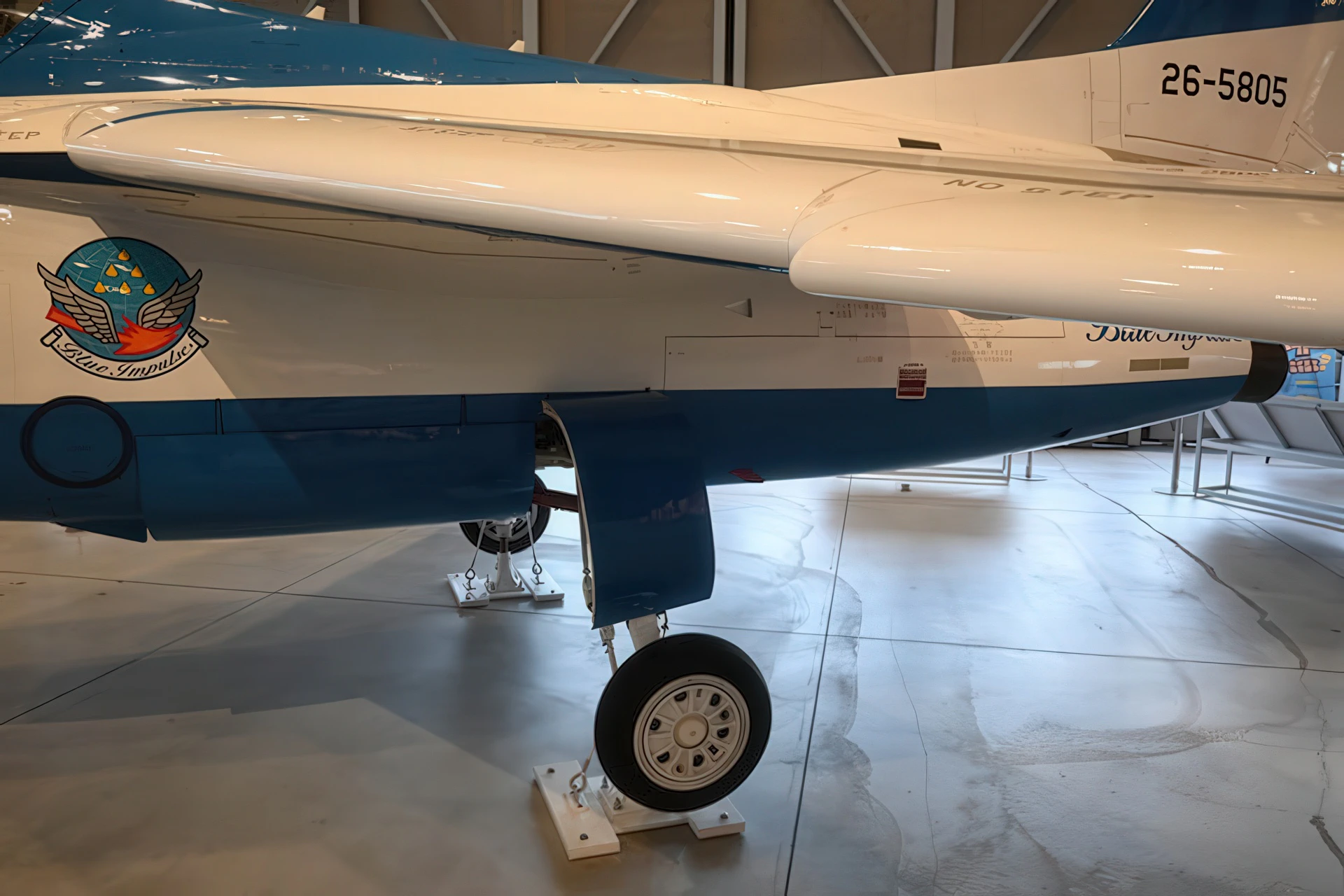
The T-4 gained international fame as the mount for “Blue Impulse,” the JASDF’s premier aerobatic demonstration team. Replacing the supersonic Mitsubishi T-2 in 1995, the T-4 offered superior turning capability and allowed for a more tightly choreographed display sequence.
- Production Total: Approximately 212 aircraft were built by a consortium including Kawasaki, Mitsubishi, and Fuji.
- Liaison Role: Beyond training, most combat wings in the JASDF operate a few T-4s as “squadron hacks” for administrative transport and weather reconnaissance.
- Durability: The airframe makes extensive use of carbon-fiber composites and is rated for a 7,500-hour flight life.
意见 : 314