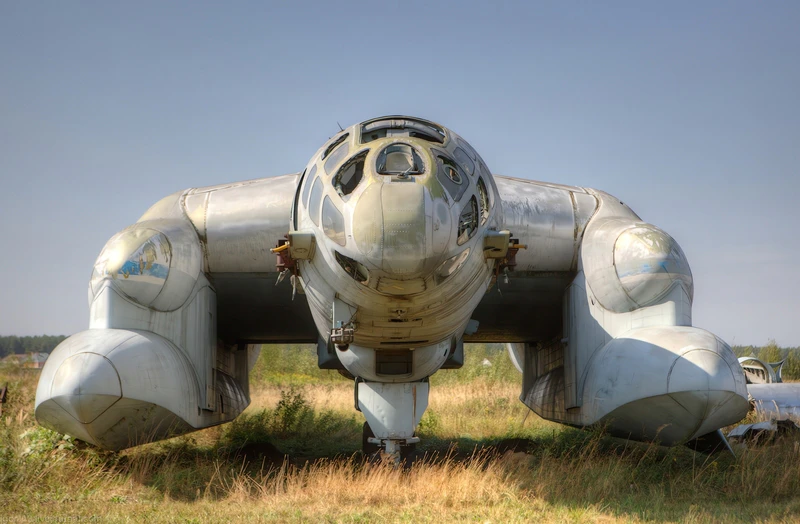
巴蒂尼·别里耶夫 VVA-14 | |
|---|---|
| 国家 | 苏联 |
| 类型 | 两栖反潜战机 |
| 首次飞行 | 4 九月 1972 |
| 建立 | 2 |
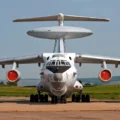
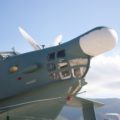
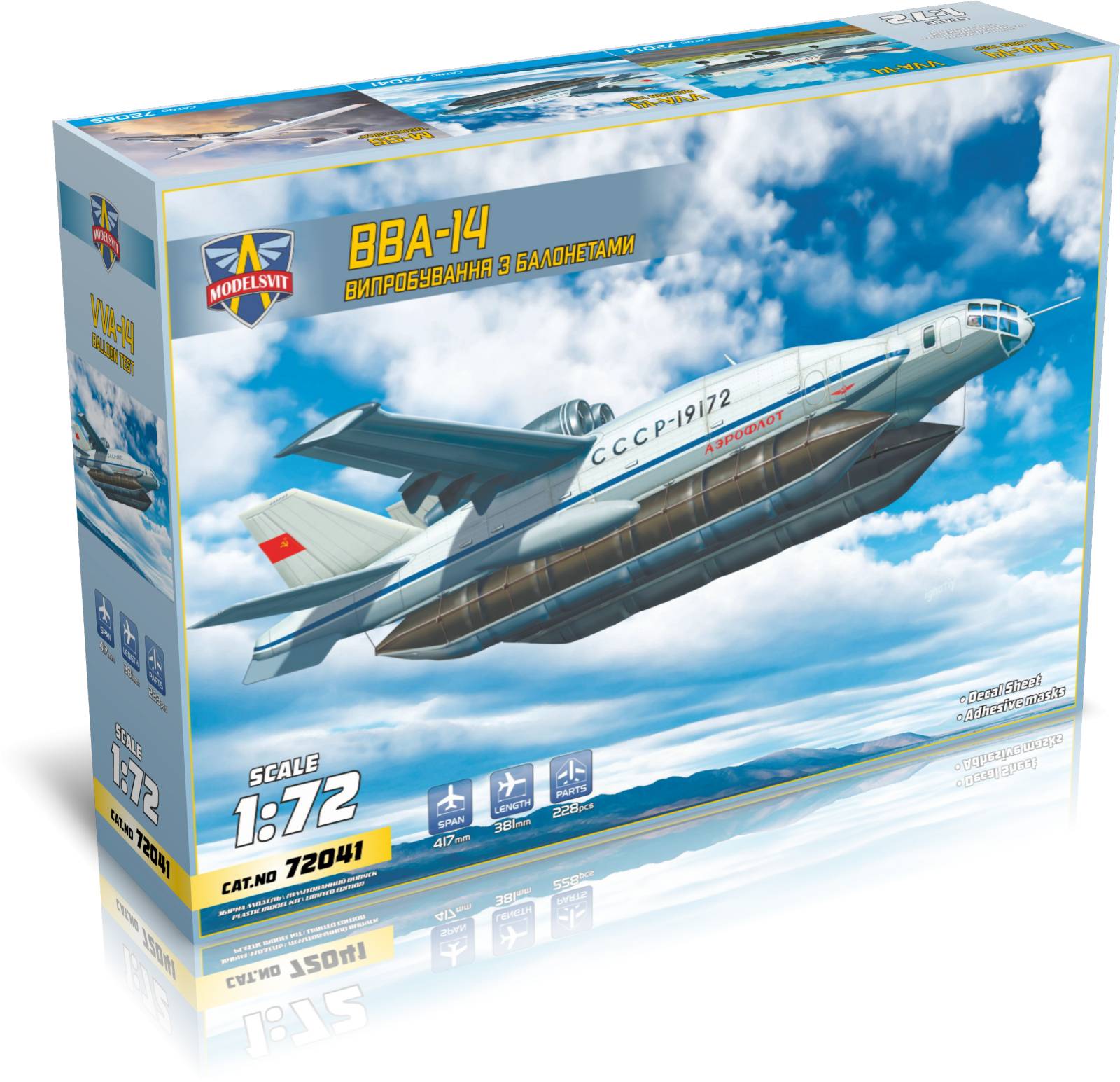
这 巴蒂尼·别里耶夫 VVA-14 Vertikaľno-Vzletayushchaya Amfibiya(垂直起飞两栖飞机)是苏联在1970年代初开发的一种地面翼效应飞机。它被设计为能够从水中起飞并在长距离上高速飞行,这是为了在高空进行真正的飞行,但也具有利用空气动力学地面效应在海面上方高效飞行的能力。VVA-14由意大利出生的设计师罗伯特·巴蒂尼(Robert Bartini)设计,以响应摧毁美国海军北极星导弹潜艇的要求。最后一架飞机于1987年退役。
| 巴蒂尼·别里耶夫VVA-14 四处走走 | |
|---|---|
| 摄影师 | 伊戈尔·科洛科洛夫 |
| 本地化 | 未知 |
| 照片 | 130 |
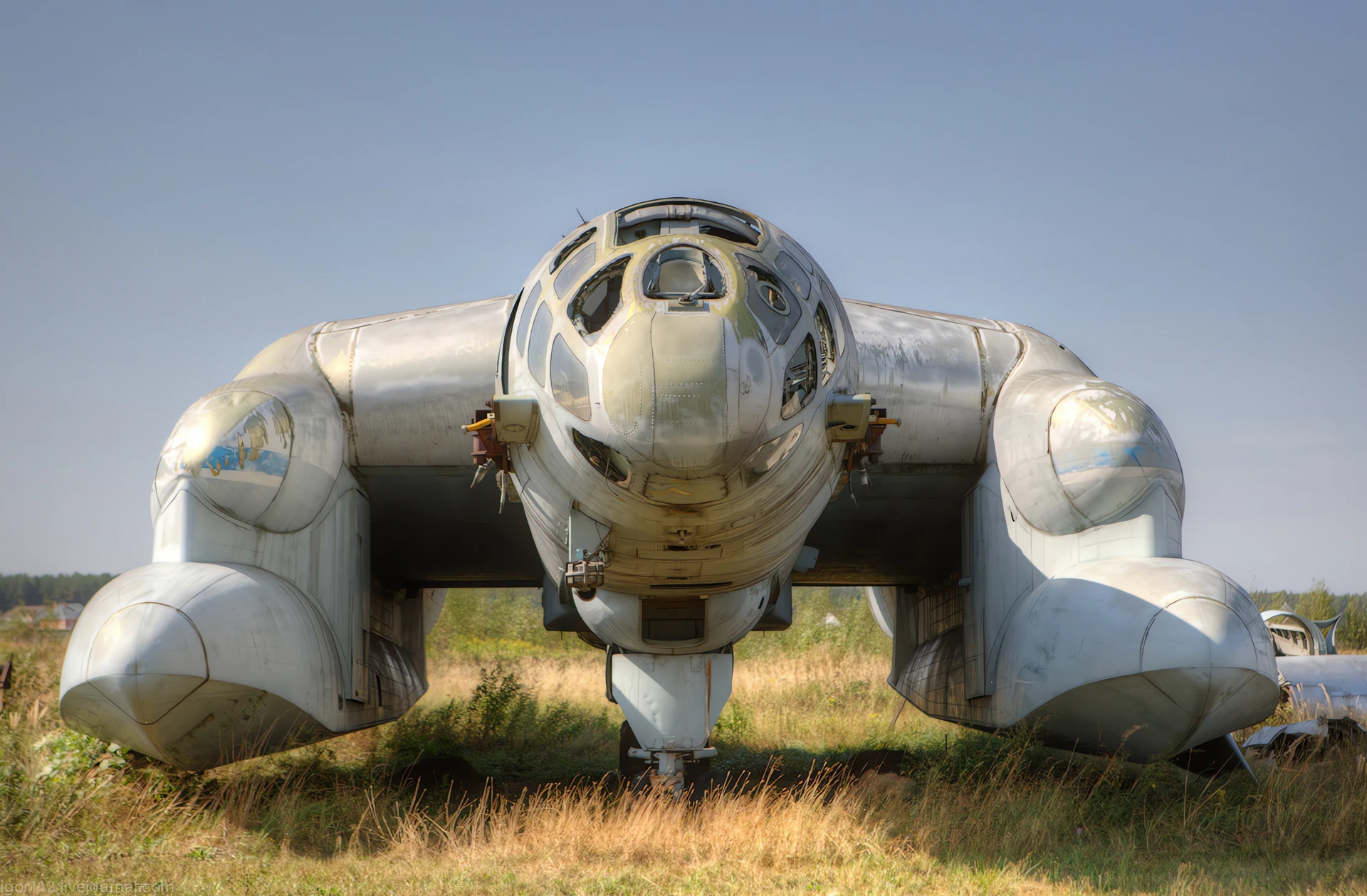
Bartini Beriev VVA-14 1
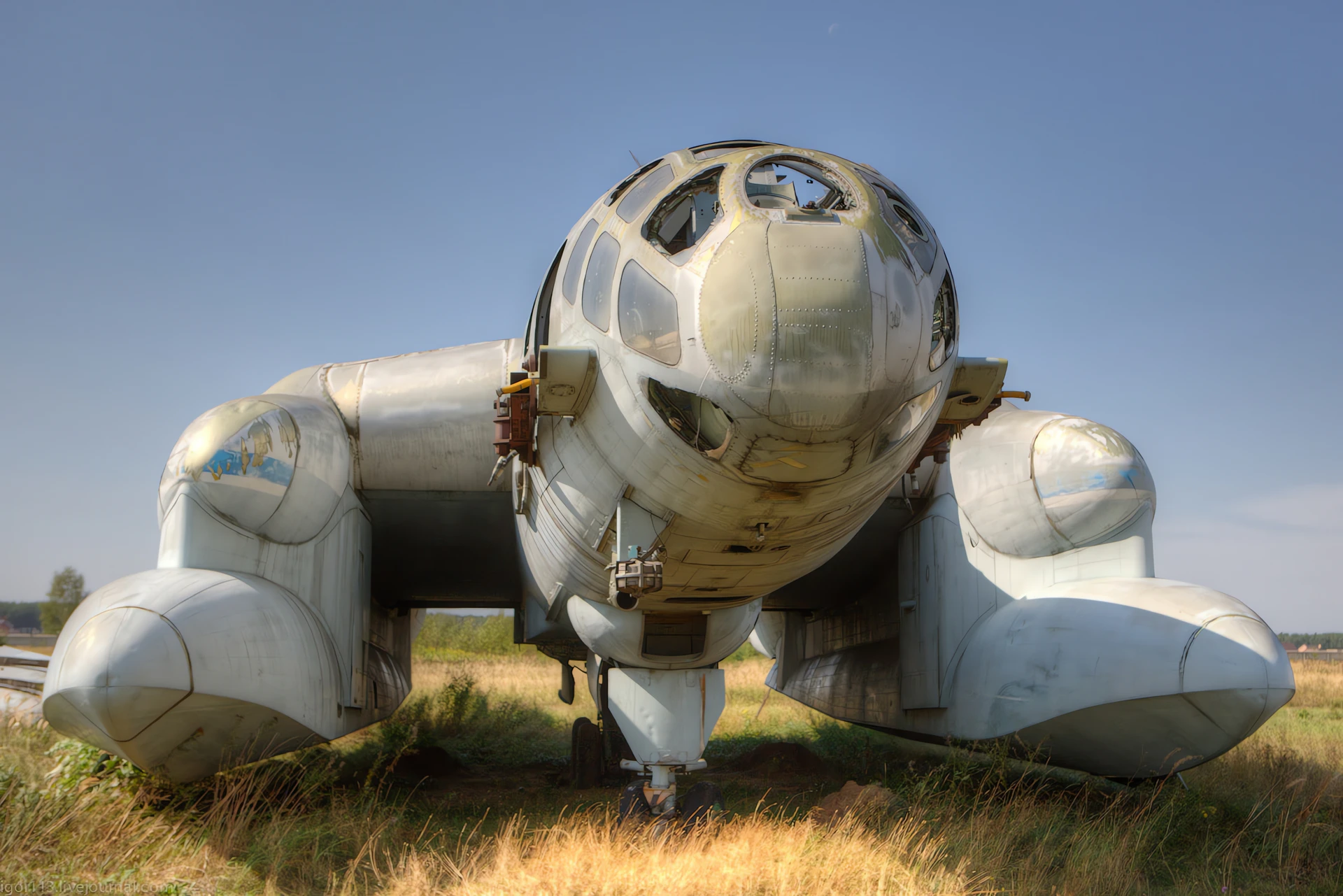
Bartini Beriev VVA-14 2
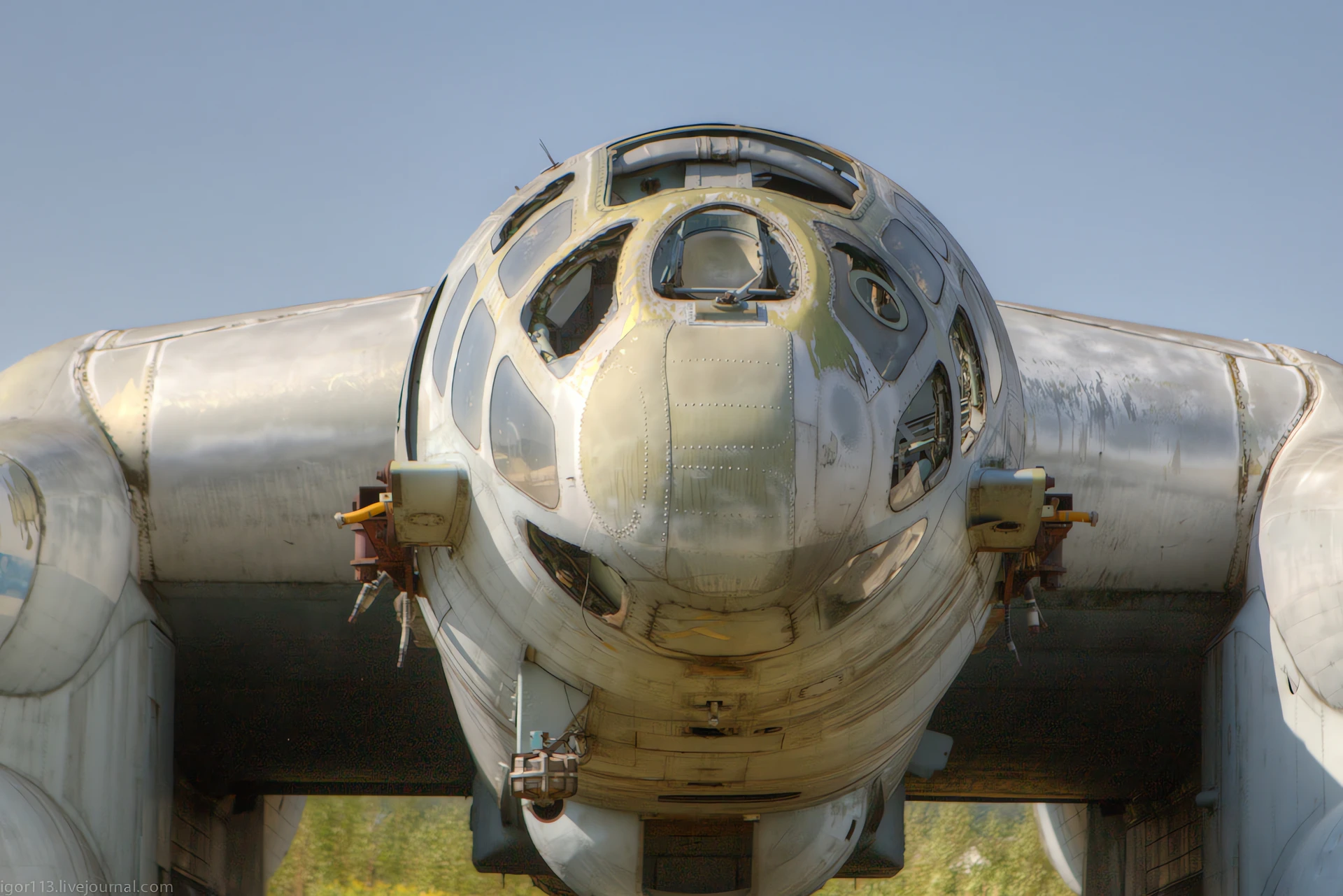
Bartini Beriev VVA-14 3

Bartini Beriev VVA-14 4

Bartini Beriev VVA-14 5
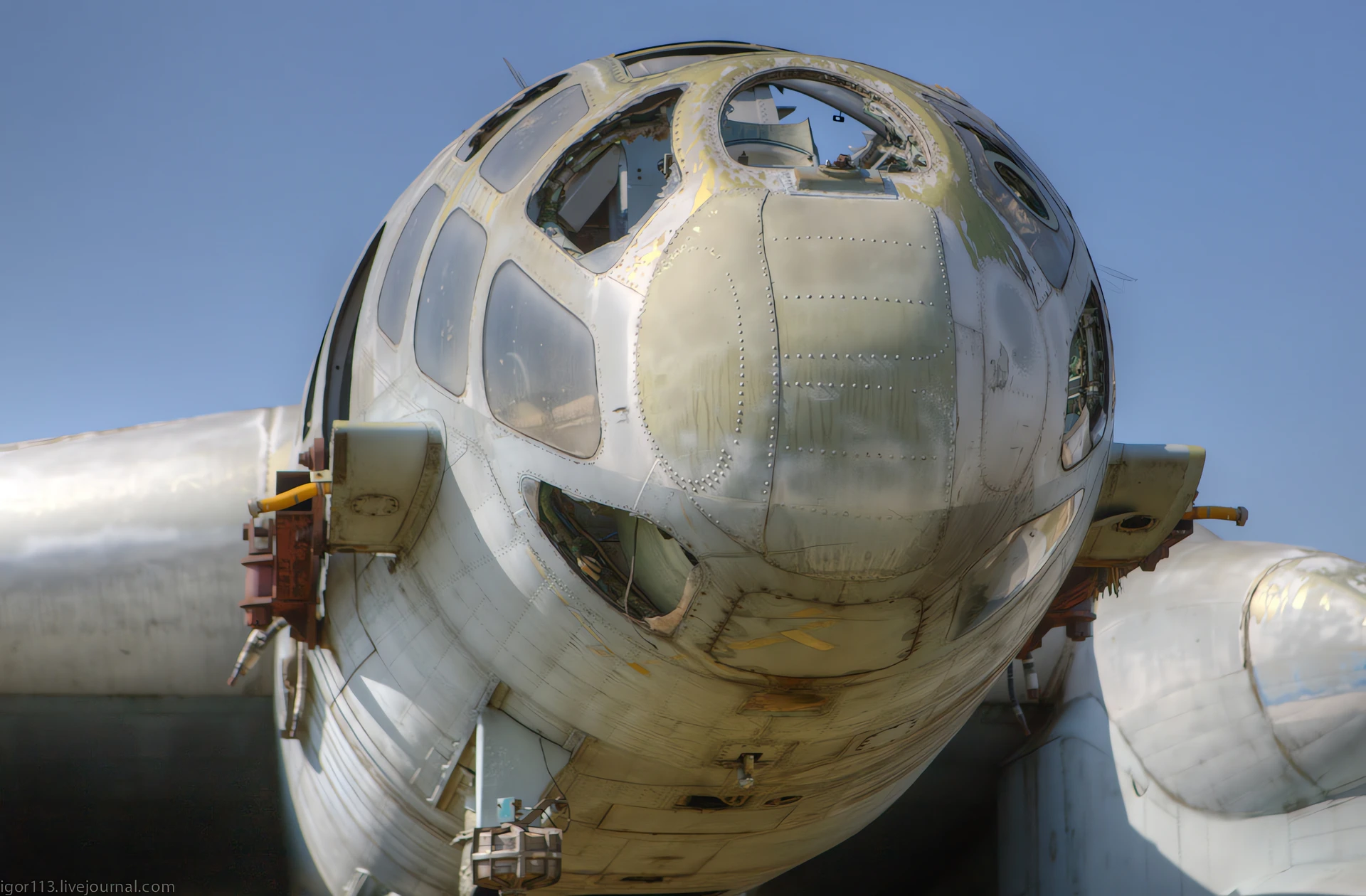
Bartini Beriev VVA-14 6

Bartini Beriev VVA-14 7
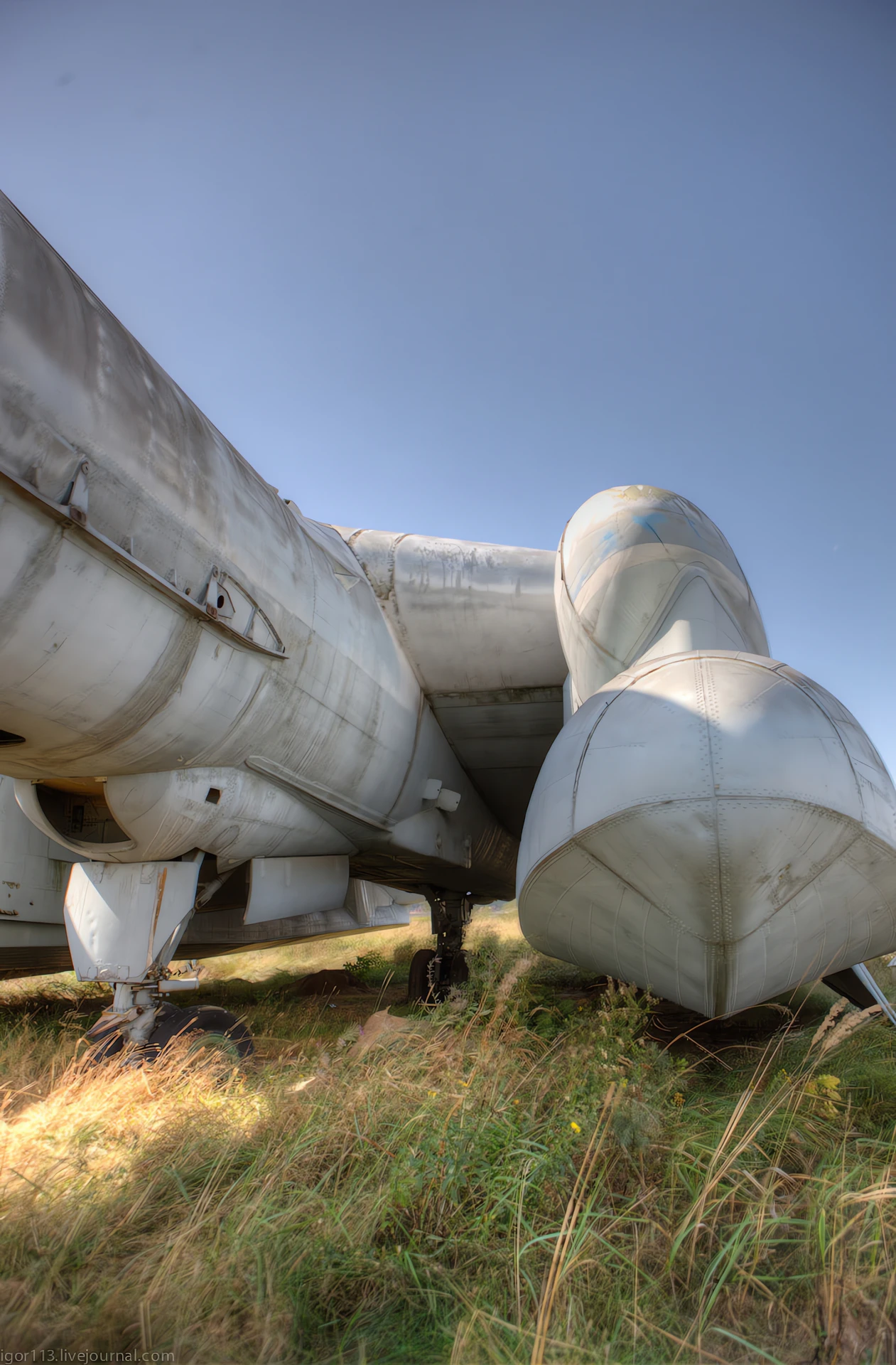
Bartini Beriev VVA-14 8
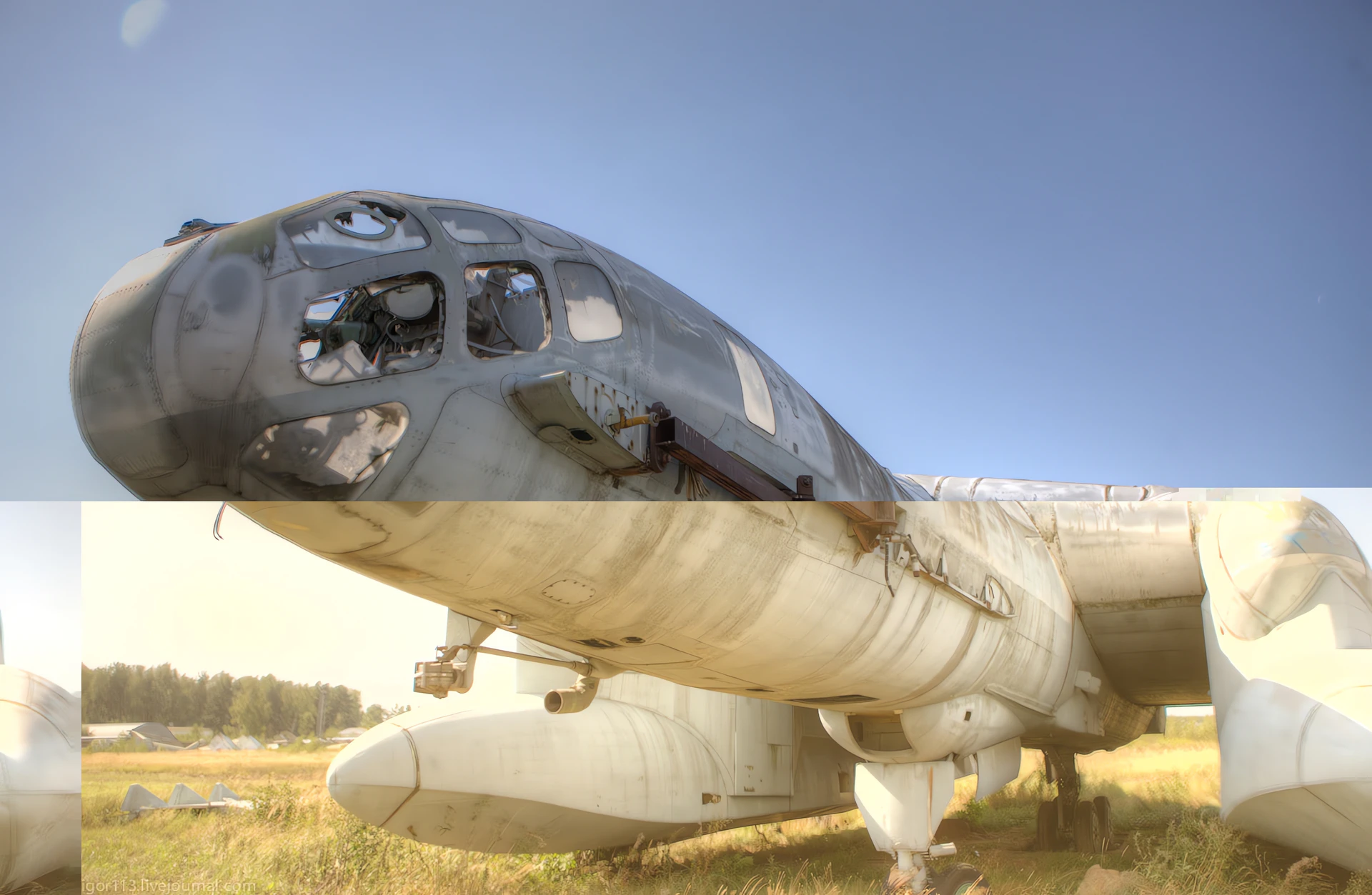
Bartini Beriev VVA-14 9
等等,搜索巴蒂尼·别里耶夫VVA-14照片给你...

另请参阅:


等等,为你搜索苏联空军的照片...
General Characteristics (Experimental Prototype)
The VVA-14 (Vertikal’no-Vzletayushchaya Amphibiya, or Vertical Take-off Amphibious) was a highly unusual Soviet experimental aircraft designed by Roberto Bartini and built by Beriev. It was intended to be a long-range anti-submarine warfare (ASW) aircraft capable of true amphibian operation, including vertical take-off and using the ground effect.
| Property | Value (VVA-14M1/M2 Prototype) |
|---|---|
| 作用 | Experimental Anti-Submarine Amphibian |
| 设计师 | Robert Bartini / Beriev Design Bureau |
| First Flight | September 4, 1972 |
| 船员 | 3 (Pilots and Systems Operator) |
| 配置 | High-wing monoplane, twin boom, large central hull |
| Maximum Take-Off Weight | Approx. 52,000 kg (114,640 lb) |
Design and Powerplant
- Primary Engines: Two Soloviev D-30M turbojet engines (mounted above the wing roots) for cruise and conventional take-off.
- Vertical Lift Engines: Originally planned to use twelve smaller Kolesov RD-36-35PR lift engines in the central hull (but never fully fitted or tested).
- Hull Design: Featured an innovative, detachable inflatable pontoons (later replaced by rigid floats) for buoyancy and water take-off, giving it a very broad, eccentric appearance.
- Flight Mode: Intended to operate conventionally (cruise), as a sea-plane (water takeoff), and as a ground effect vehicle (using the ram-air cushion effect close to the surface).
- Cancellation Reason: The inability to produce and integrate the planned battery of vertical lift engines, combined with the death of chief designer Roberto Bartini, led to the cancellation of the program.
Performance and Armament
- Maximum Speed: Approximately 760 km/h (470 mph).
- Cruise Speed: Approximately 640 km/h (400 mph).
- Operational Range: Up to 2,400 km (1,500 miles).
- Service Ceiling: 8,000 m (26,250 ft).
- Armament: Proposed to carry torpedoes, depth charges, and mines in an internal weapons bay for the ASW role.
浏览数 : 3628