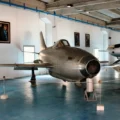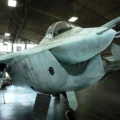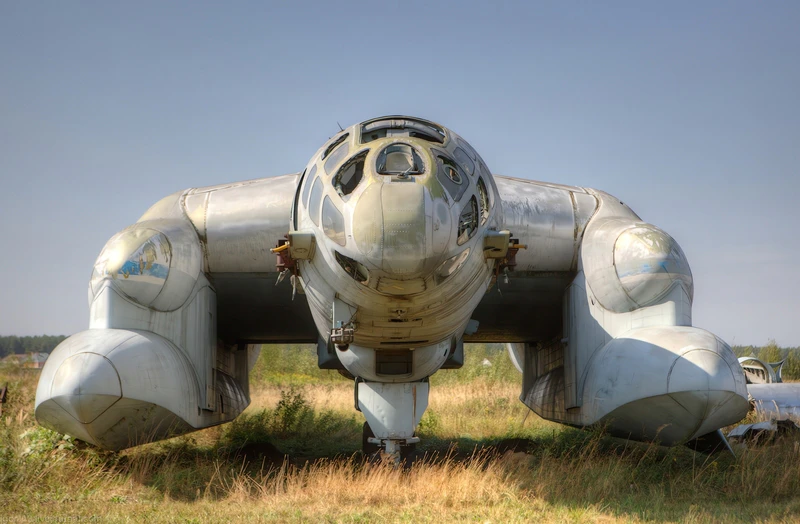
バルティニ・ベリエフ VVA-14 | |
|---|---|
| 国 | ソ連 |
| 型 | 水陸両用ASW機 |
| 初飛行 | 1972年9月4日 |
| 構築 | 2 |
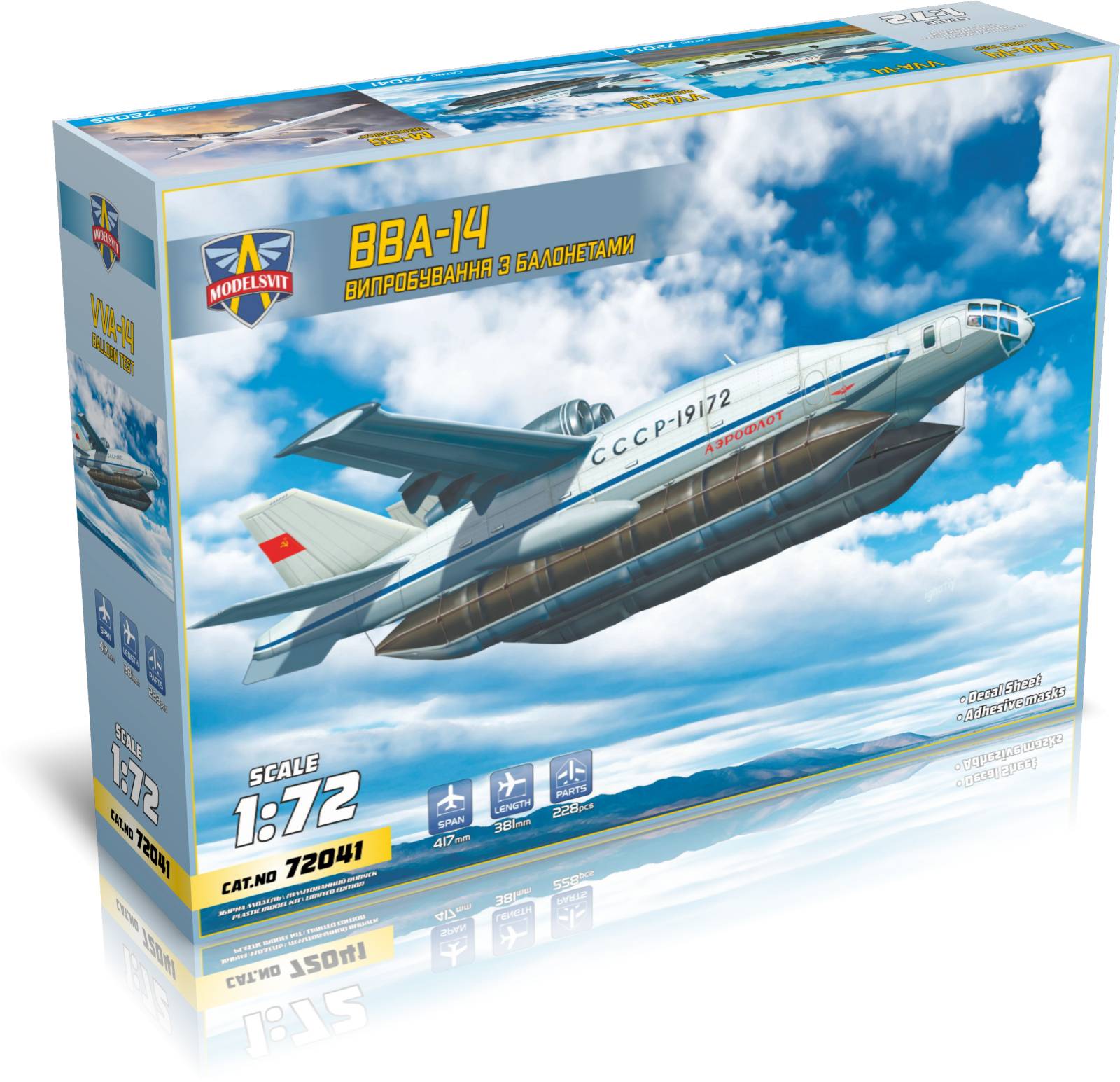
ザ バルティニ・ベリエフ VVA-14 ヴェルティカウィアーノ・ヴズレタユシャヤ・アンフィビヤ(垂直離陸水陸両用機)は、1970年代初頭にソ連で開発された地上効果の翼を持つ航空機でした。水から離陸し、長距離で高速で飛行できるように設計された、それは高地で真の飛行を行うだけでなく、空気力学的な地上効果を使用して、海面のすぐ上を効率的に飛行する能力を持っていました。VVA-14は、イタリア生まれのデザイナー、ロバート・バルチーニが、米海軍ポラリスミサイル潜水艦を破壊する必要に応じて設計されました。最終機は1987年に退役しました。
| バルティニ・ベリエフ VVA-14 ウォーク・アラウンド | |
|---|---|
| カメラマン | イゴール・コロコロフ |
| ローカライズ | 知りません |
| 写真 | 130 |
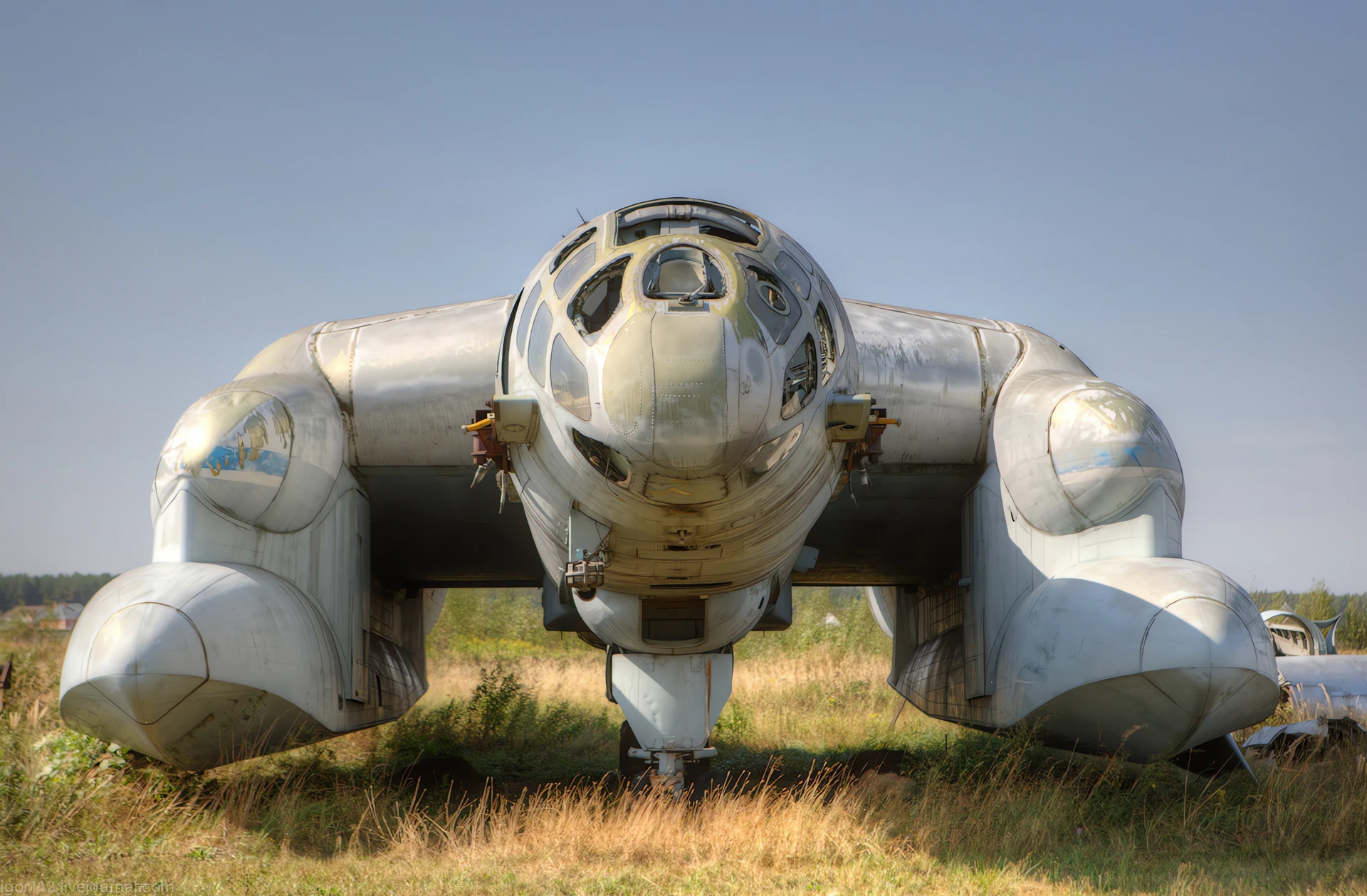
Bartini Beriev VVA-14 1
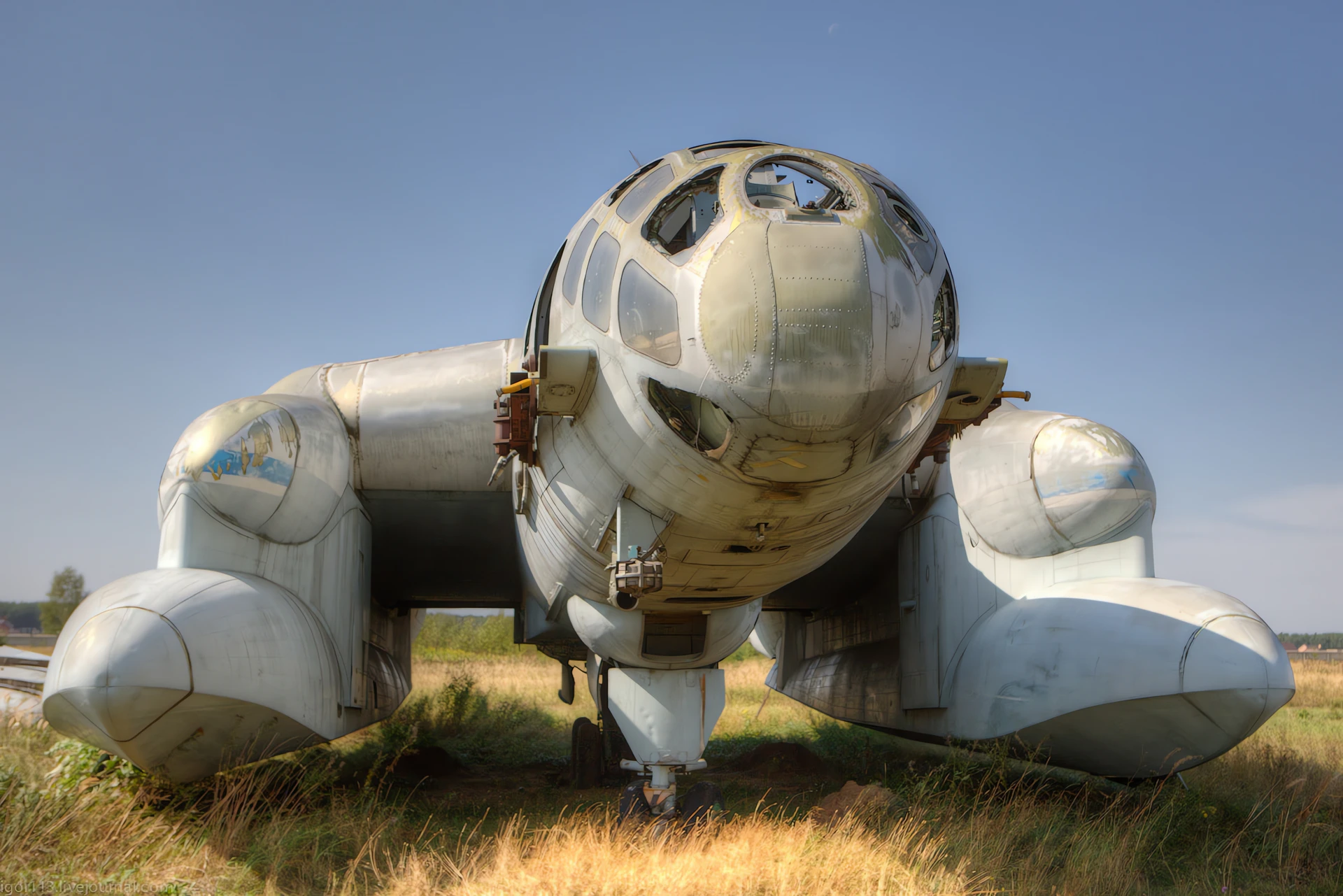
Bartini Beriev VVA-14 2
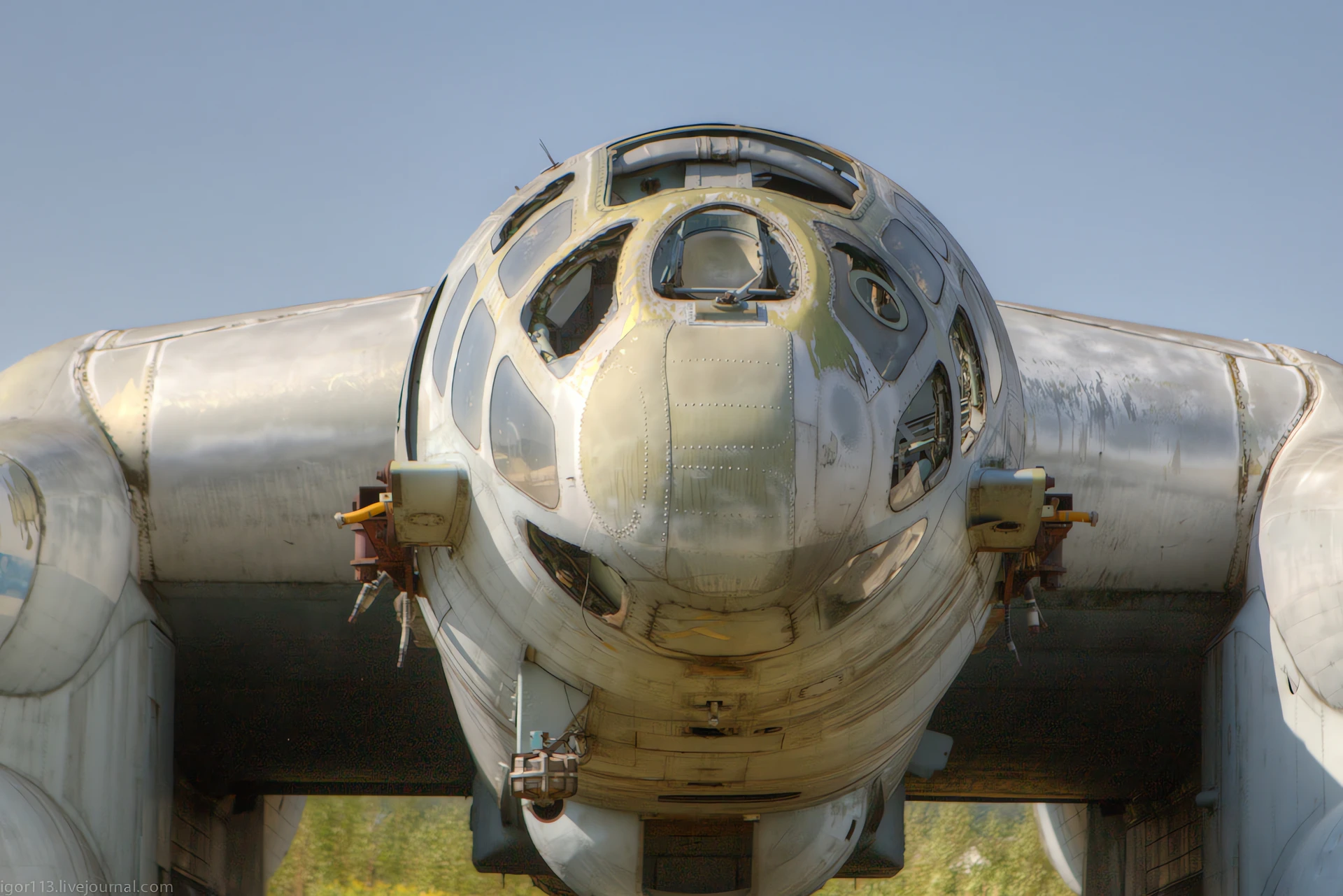
Bartini Beriev VVA-14 3

Bartini Beriev VVA-14 4

Bartini Beriev VVA-14 5
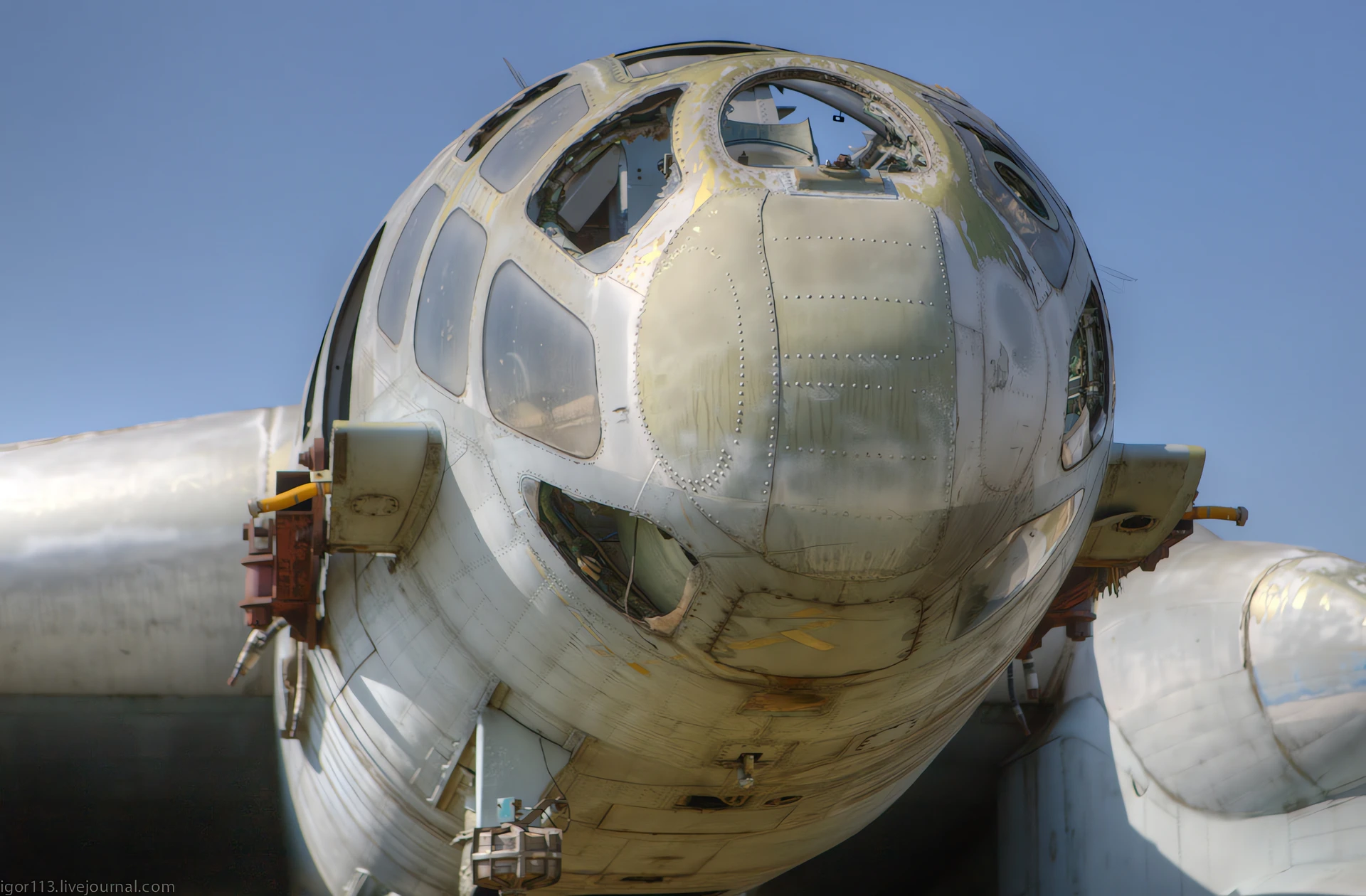
Bartini Beriev VVA-14 6

Bartini Beriev VVA-14 7
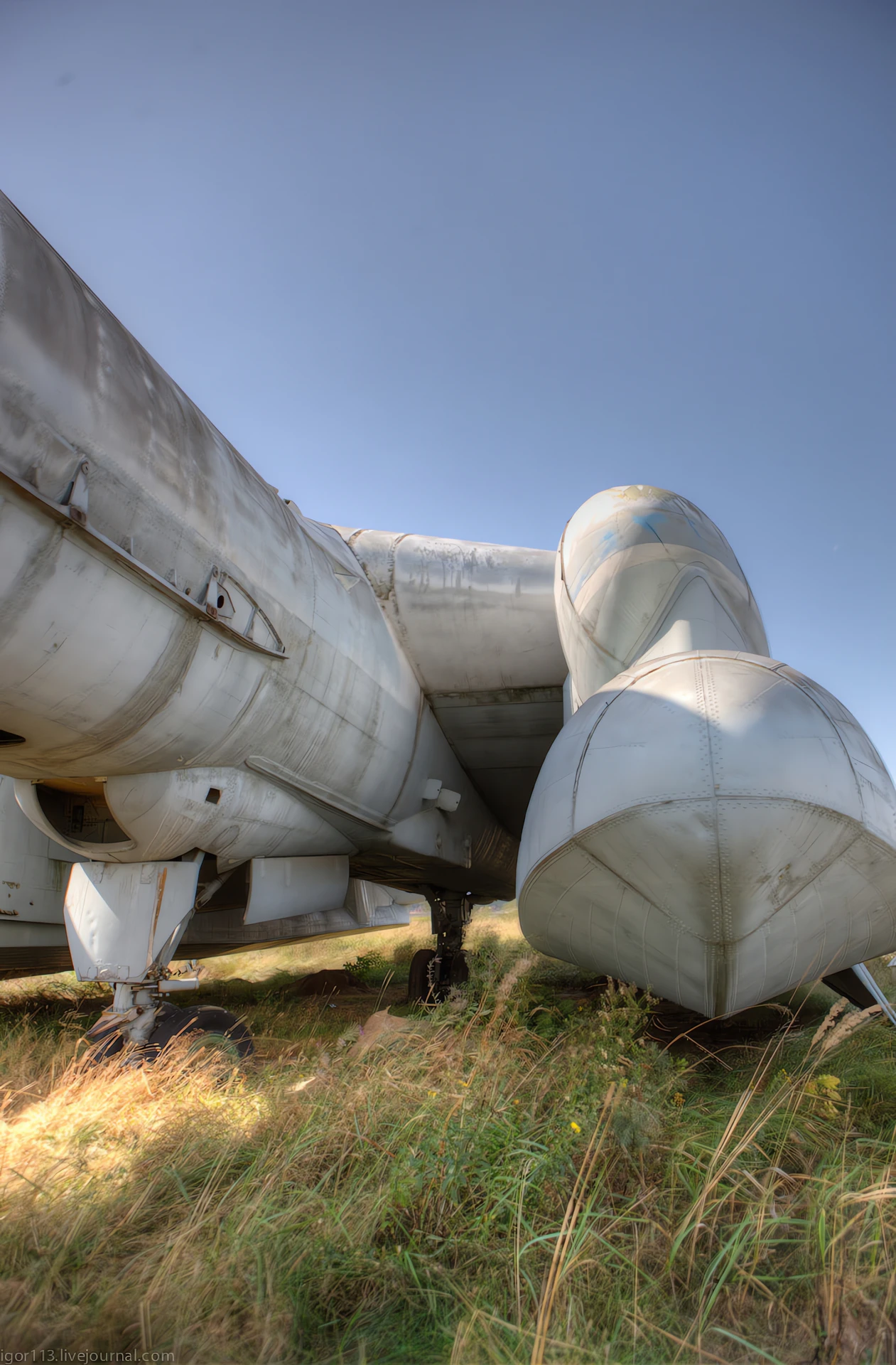
Bartini Beriev VVA-14 8
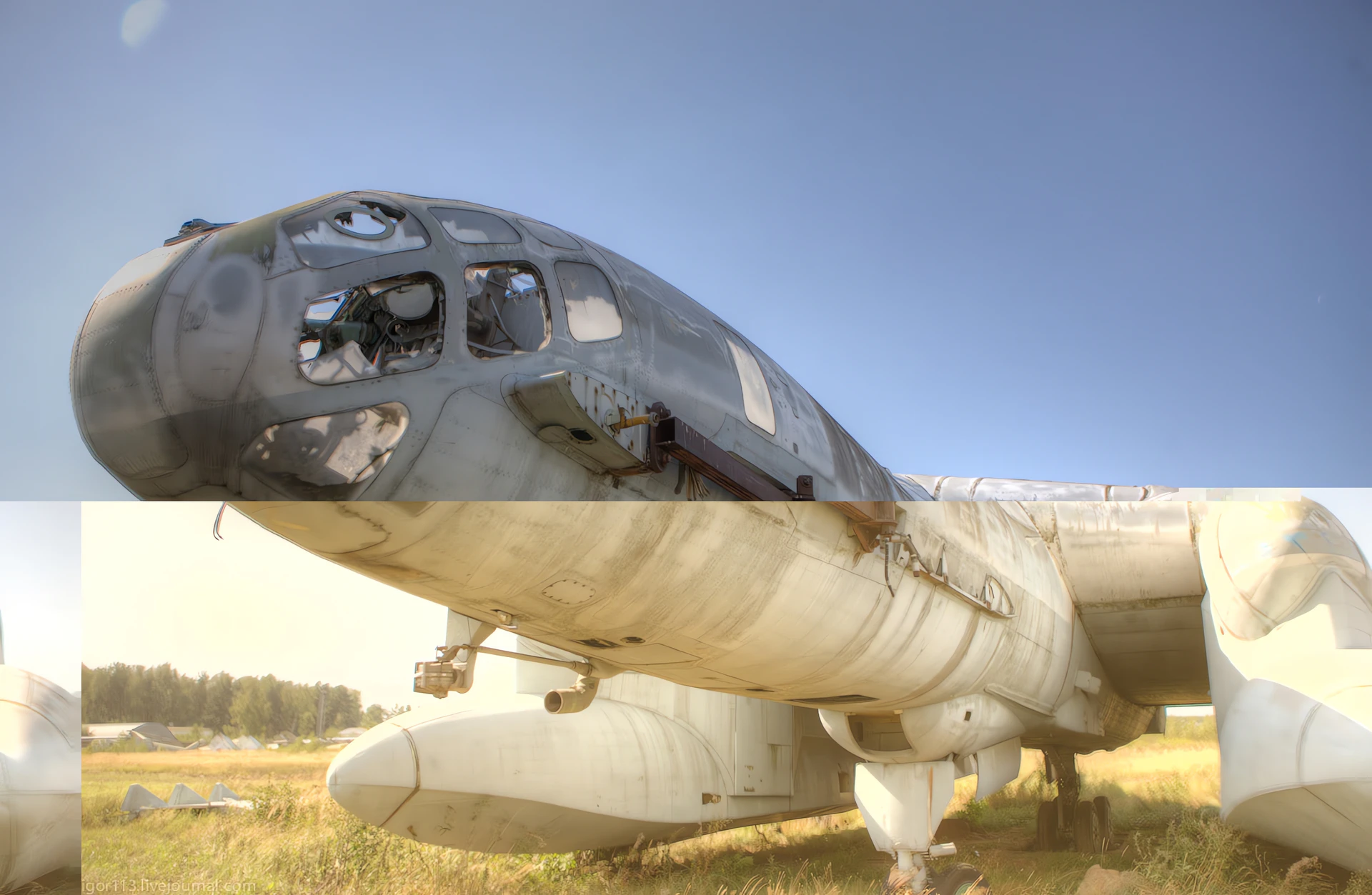
Bartini Beriev VVA-14 9
待って、検索バルティニベリエフVVA-14写真あなたのために.

関連項目:


待って、検索ソビエト空軍の写真.
General Characteristics (Experimental Prototype)
The VVA-14 (Vertikal’no-Vzletayushchaya Amphibiya, or Vertical Take-off Amphibious) was a highly unusual Soviet experimental aircraft designed by Roberto Bartini and built by Beriev. It was intended to be a long-range anti-submarine warfare (ASW) aircraft capable of true amphibian operation, including vertical take-off and using the ground effect.
| Property | Value (VVA-14M1/M2 Prototype) |
|---|---|
| 役割 | Experimental Anti-Submarine Amphibian |
| デザイナー | Robert Bartini / Beriev Design Bureau |
| First Flight | September 4, 1972 |
| 乗組員 | 3 (Pilots and Systems Operator) |
| Configuration | High-wing monoplane, twin boom, large central hull |
| Maximum Take-Off Weight | Approx. 52,000 kg (114,640 lb) |
Design and Powerplant
- Primary Engines: Two Soloviev D-30M turbojet engines (mounted above the wing roots) for cruise and conventional take-off.
- Vertical Lift Engines: Originally planned to use twelve smaller Kolesov RD-36-35PR lift engines in the central hull (but never fully fitted or tested).
- Hull Design: Featured an innovative, detachable inflatable pontoons (later replaced by rigid floats) for buoyancy and water take-off, giving it a very broad, eccentric appearance.
- Flight Mode: Intended to operate conventionally (cruise), as a sea-plane (water takeoff), and as a ground effect vehicle (using the ram-air cushion effect close to the surface).
- Cancellation Reason: The inability to produce and integrate the planned battery of vertical lift engines, combined with the death of chief designer Roberto Bartini, led to the cancellation of the program.
Performance and Armament
- Maximum Speed: Approximately 760 km/h (470 mph).
- Cruise Speed: Approximately 640 km/h (400 mph).
- Operational Range: Up to 2,400 km (1,500 miles).
- Service Ceiling: 8,000 m (26,250 ft).
- Armament: Proposed to carry torpedoes, depth charges, and mines in an internal weapons bay for the ASW role.
ビュー:3760