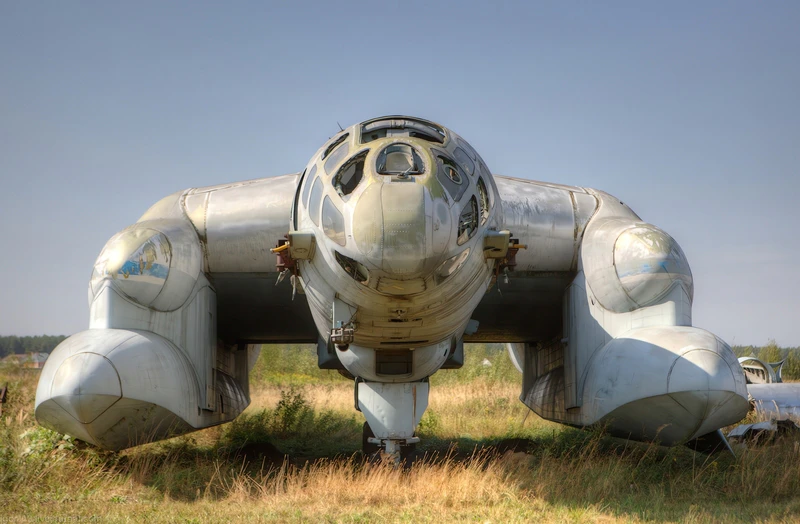
Бартини Бериев ВВА-14 | |
|---|---|
| Страна | Съветски съюз |
| Тип | Амфибиен ASW самолет |
| Първи полет | 4 септември 1972 г. |
| Построен | 2 |
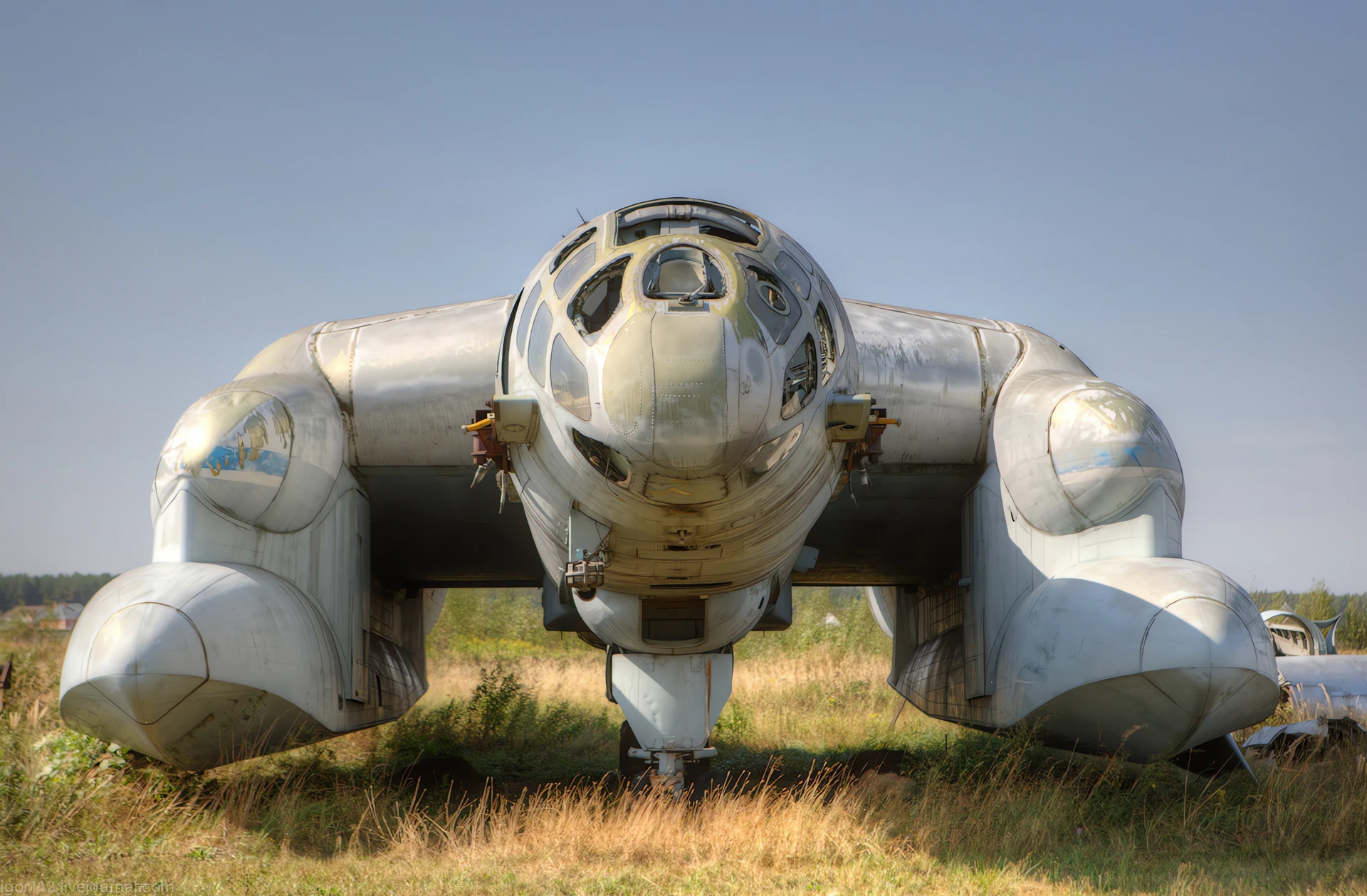
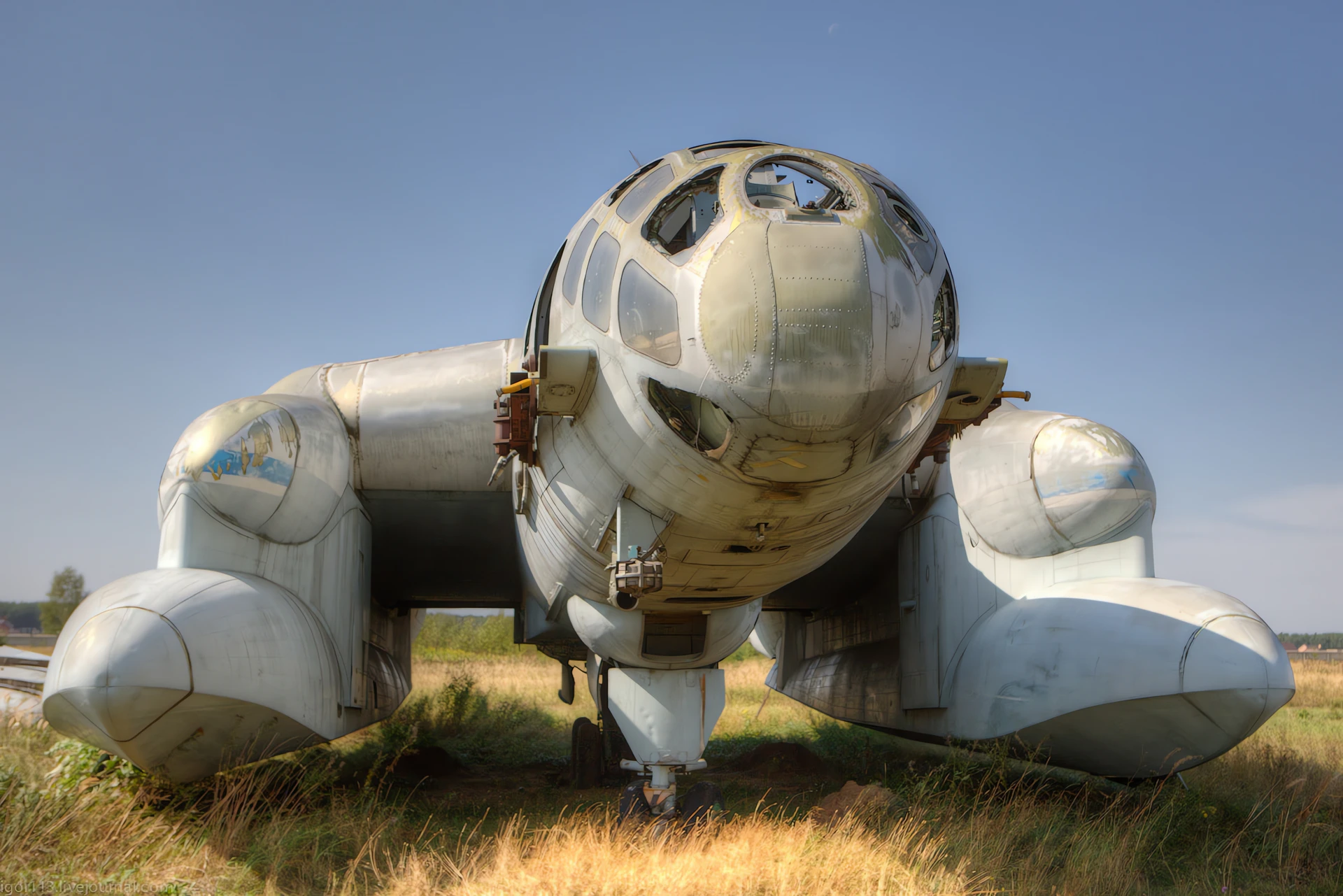
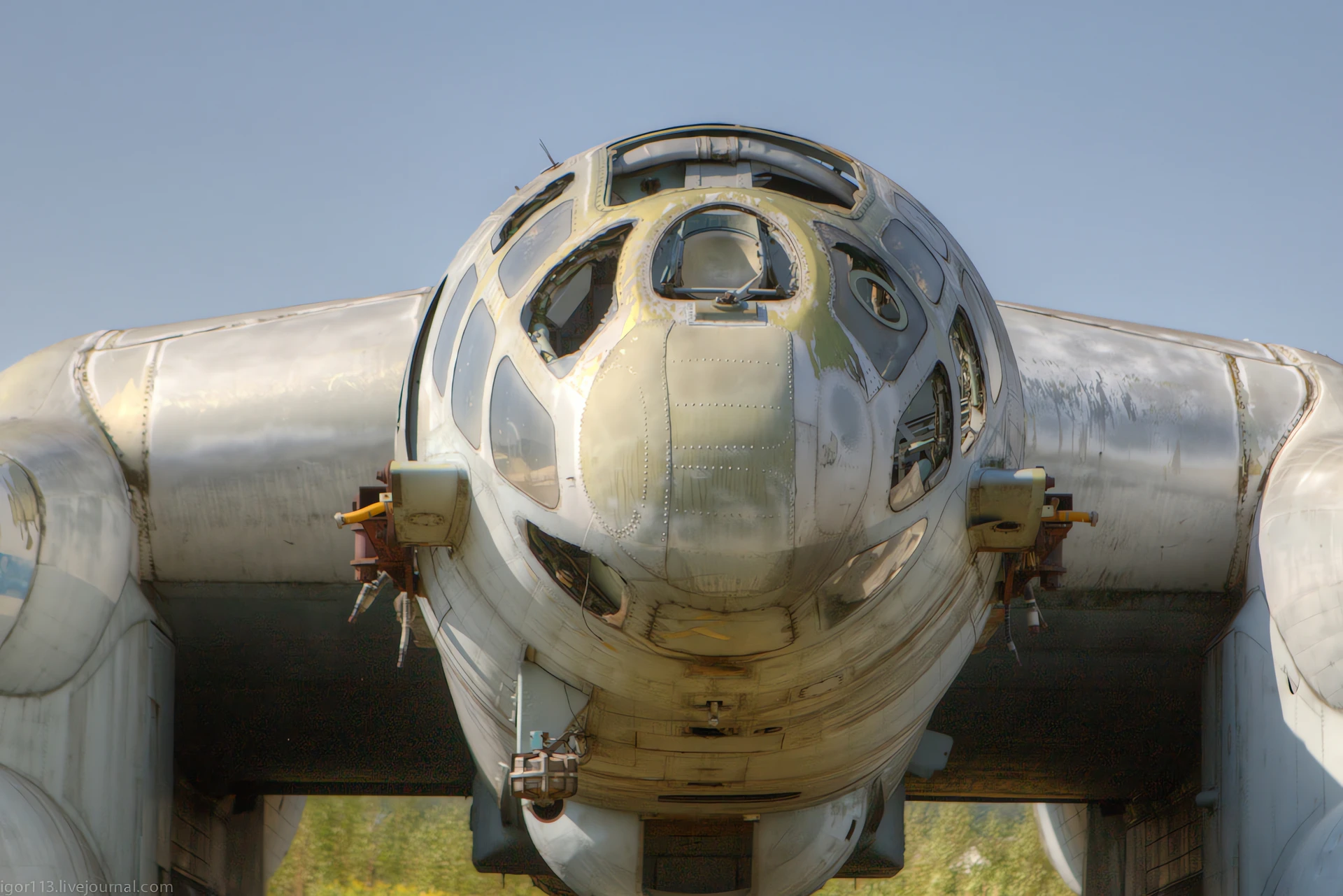
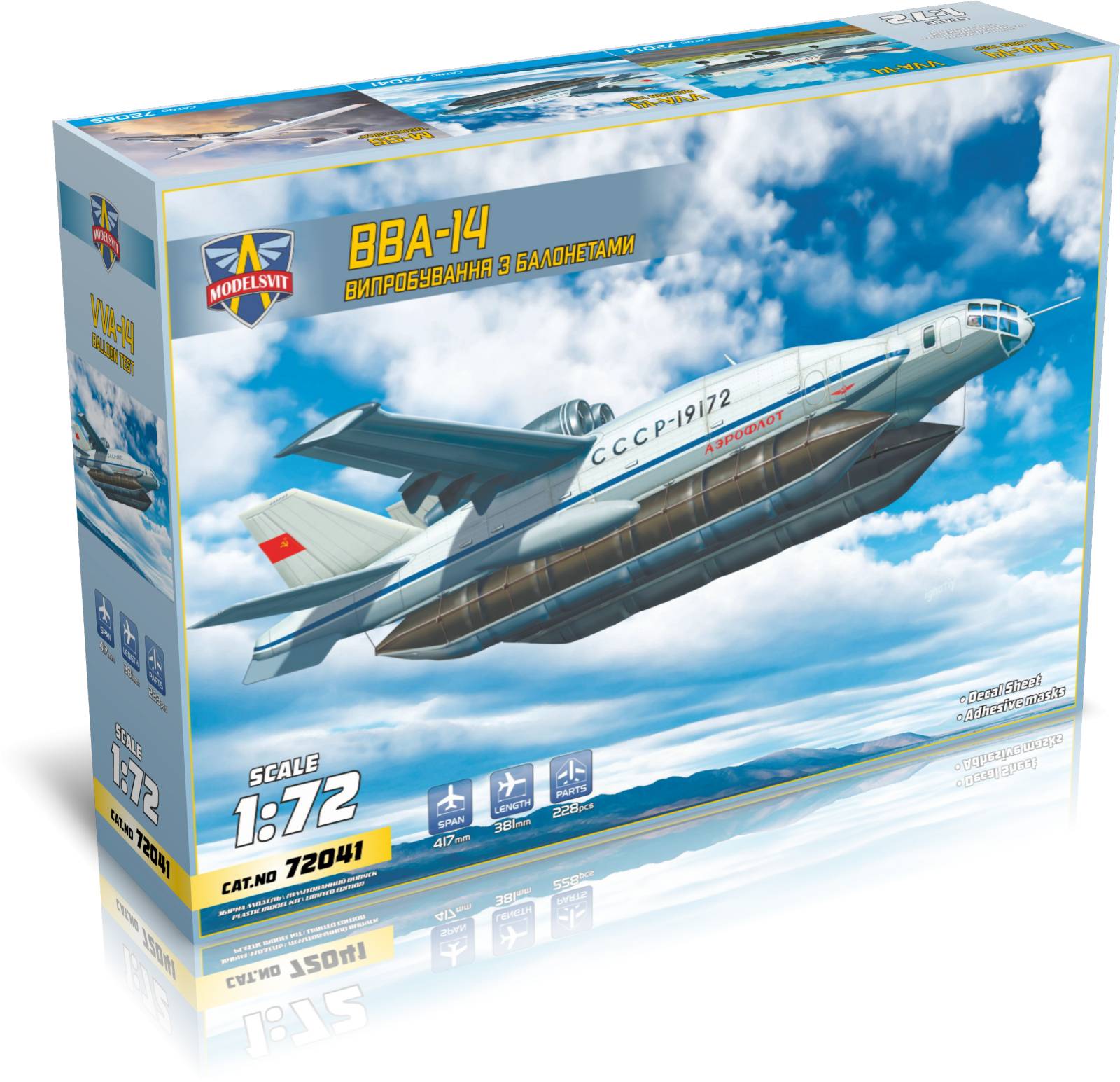
1. Бартини Бериев ВВА-14 Vertikaľno-Vzletayushchaya Amfibiya (вертикално излитане амфибиен самолет) е крило в земята ефект самолет, разработен в Съветския съюз по време на началото на 70-те години. Проектиран да може да излита от водата и да лети с висока скорост на големи разстояния, тя беше да направи истински полети на голяма височина, но и да има способността да лети ефективно точно над морската повърхност, използвайки аеродинамичен наземен ефект. VVA-14 е проектирана от италианския дизайнер Робърт Бартини в отговор на възприемано изискване за унищожаване на ракетни подводници на военноморския флот на Съединените щати Поларис. Крайният самолет е пенсиониран през 1987 г.
Източник: Бартини Бериев ВВА-14 на Уики
| Бартини Бериев ВВА-14 Разходка Около | |
|---|---|
| Фотограф | Игор Колоколов |
| Локализация | Не знам |
| Снимки | 130 |


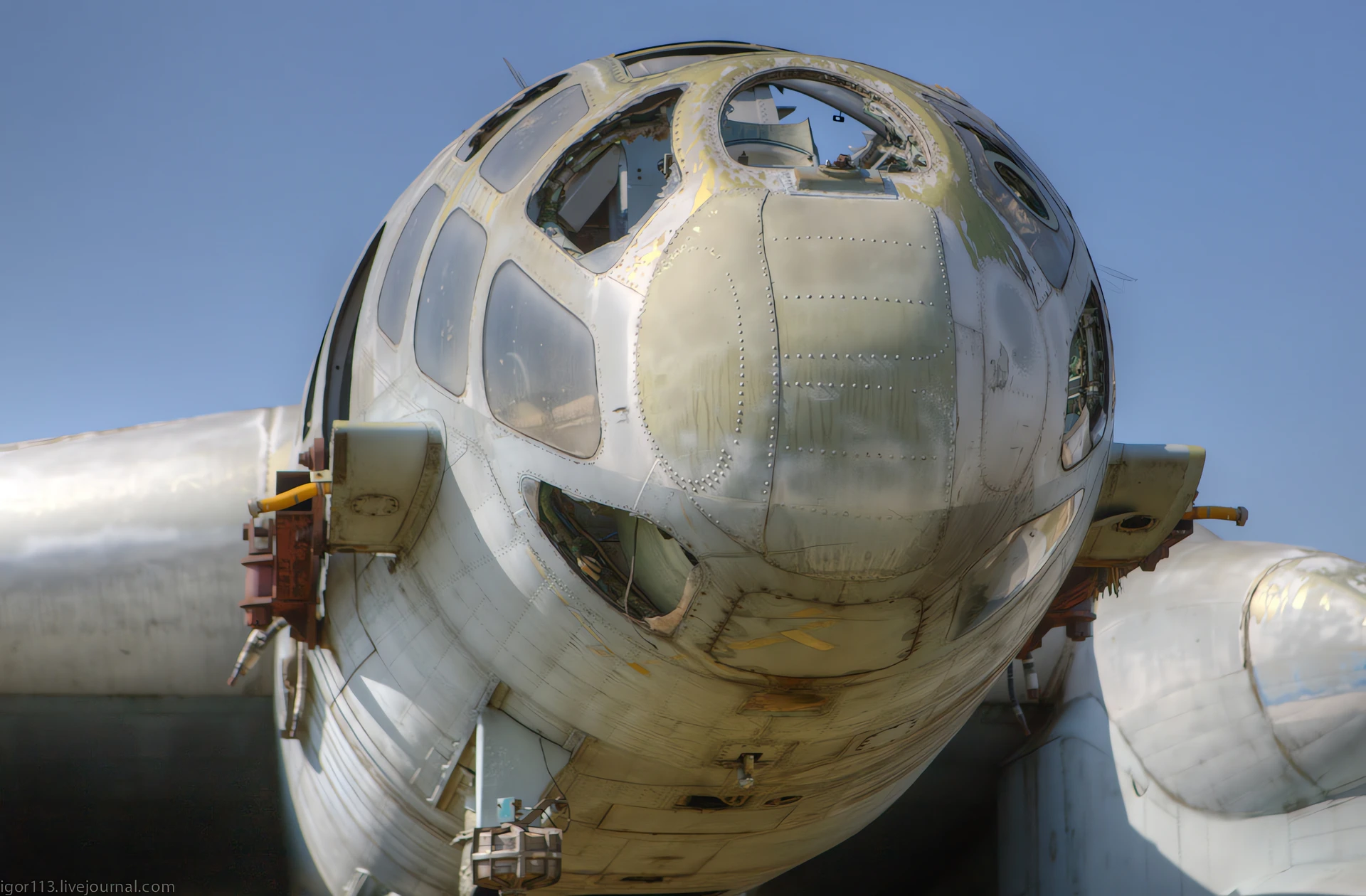

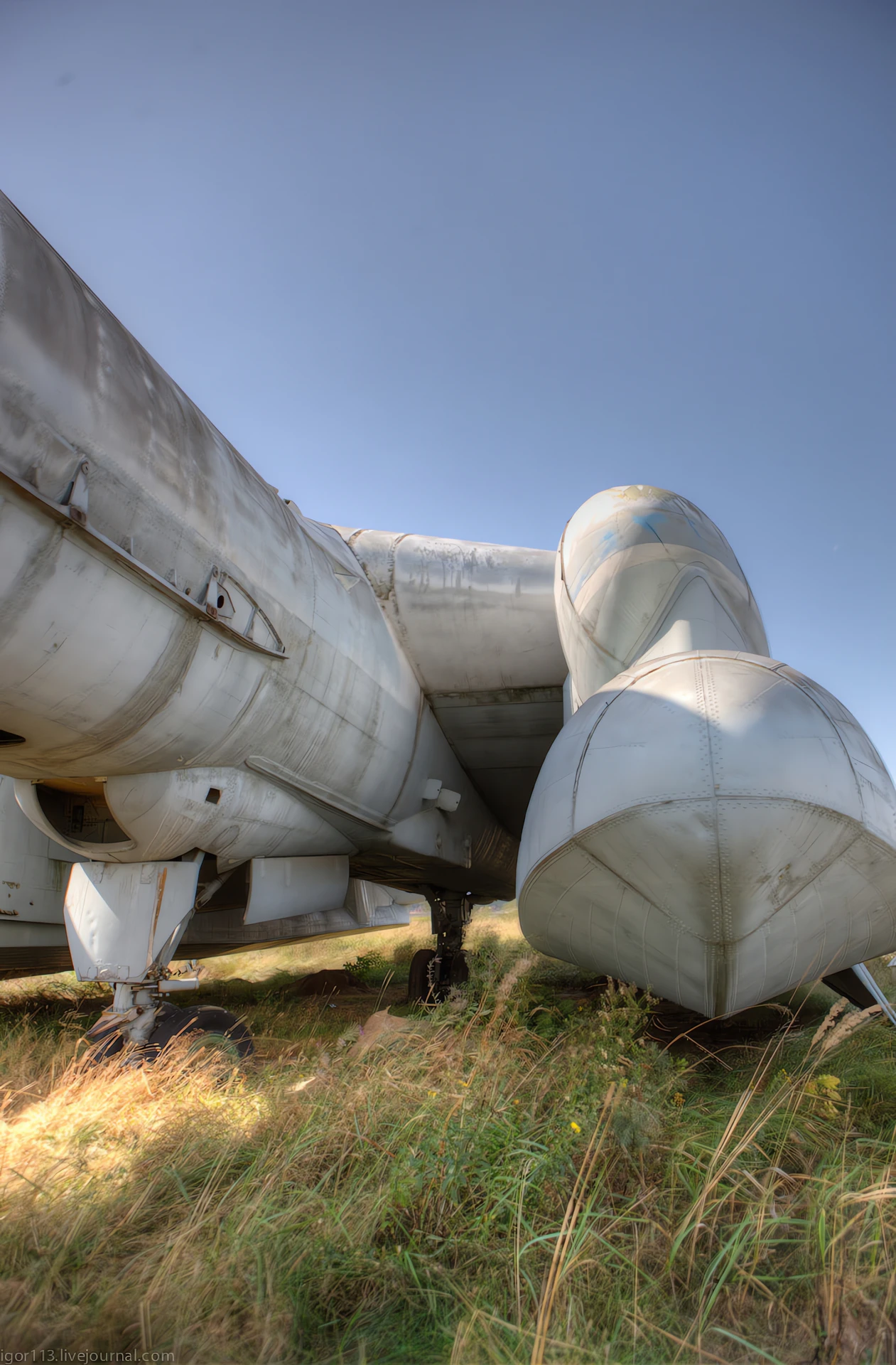
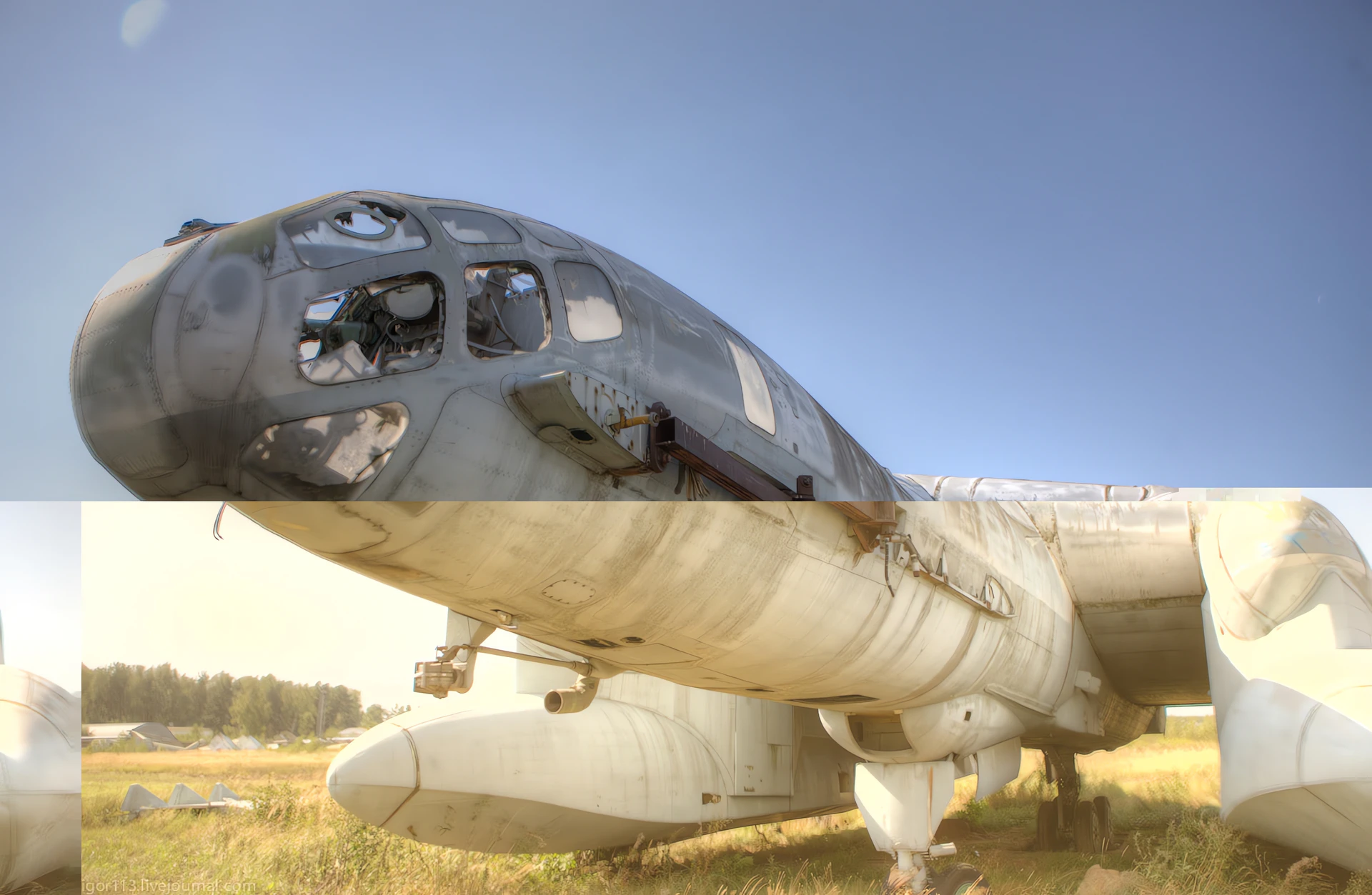

Вижте също:


General Characteristics (Experimental Prototype)
The VVA-14 (Vertikal’no-Vzletayushchaya Amphibiya, or Vertical Take-off Amphibious) was a highly unusual Soviet experimental aircraft designed by Roberto Bartini and built by Beriev. It was intended to be a long-range anti-submarine warfare (ASW) aircraft capable of true amphibian operation, including vertical take-off and using the ground effect.
| Property | Value (VVA-14M1/M2 Prototype) |
|---|---|
| Роля | Experimental Anti-Submarine Amphibian |
| Дизайнер | Robert Bartini / Beriev Design Bureau |
| First Flight | September 4, 1972 |
| Екипажа | 3 (Pilots and Systems Operator) |
| Configuration | High-wing monoplane, twin boom, large central hull |
| Maximum Take-Off Weight | Approx. 52,000 kg (114,640 lb) |
Design and Powerplant
- Primary Engines: Two Soloviev D-30M turbojet engines (mounted above the wing roots) for cruise and conventional take-off.
- Vertical Lift Engines: Originally planned to use twelve smaller Kolesov RD-36-35PR lift engines in the central hull (but never fully fitted or tested).
- Hull Design: Featured an innovative, detachable inflatable pontoons (later replaced by rigid floats) for buoyancy and water take-off, giving it a very broad, eccentric appearance.
- Flight Mode: Intended to operate conventionally (cruise), as a sea-plane (water takeoff), and as a ground effect vehicle (using the ram-air cushion effect close to the surface).
- Cancellation Reason: The inability to produce and integrate the planned battery of vertical lift engines, combined with the death of chief designer Roberto Bartini, led to the cancellation of the program.
Performance and Armament
- Maximum Speed: Approximately 760 km/h (470 mph).
- Cruise Speed: Approximately 640 km/h (400 mph).
- Operational Range: Up to 2,400 km (1,500 miles).
- Service Ceiling: 8,000 m (26,250 ft).
- Armament: Proposed to carry torpedoes, depth charges, and mines in an internal weapons bay for the ASW role.
Преглеждания : 3676
Можете да видите също :
 Aerfer Sagittario 2 – Снимки и видео
 Тежък танк M6 – снимки и видеоклипове
 JS-7 – Снимки и видеоклипове
 Boeing X-32 – Снимки и видеоклипове
 Бериев А-50 – снимки и видео
 AMX-40 – Снимки и видео
 Бериев Бе-12 – Снимки и видео
 Поликарпов I-17 – Снимки и видео
 Бериев Бе-6П (Цин-6) – Снимки и видео
 Къртис XF15C-1 – Снимки и видео