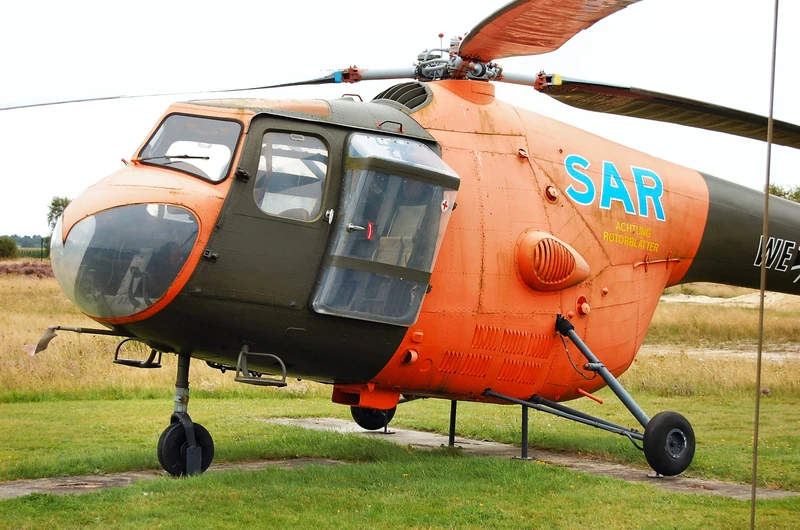
Bristol Sycamore | |
|---|---|
| Land | Storbritannia |
| Rolle | Rednings- og ubåthelikopter |
| Første flytur | 27. juli 1947 |
| Bygget | 180 |
Den Bristol Type 171 Sycamore var et tidlig helikopter utviklet og bygget av helikopterdivisjonen i Bristol Aeroplane Company. Navnet refererer til frøene til morbærtreet, Acer pseudoplatanus, som faller med en roterende bevegelse. Det har æren av å være det første britiske helikopteret som mottar et luftdyktighetsbevis, samt å være det første britiskdesignede helikopteret som ble introdusert av og å tjene med Royal Air Force (RAF).
| Bristol Type 171 Sycamore HC 14 Walk Around | |
|---|---|
| Fotograf | Unknow |
| Lokalisering | Unknow |
| Bilder | 16 |
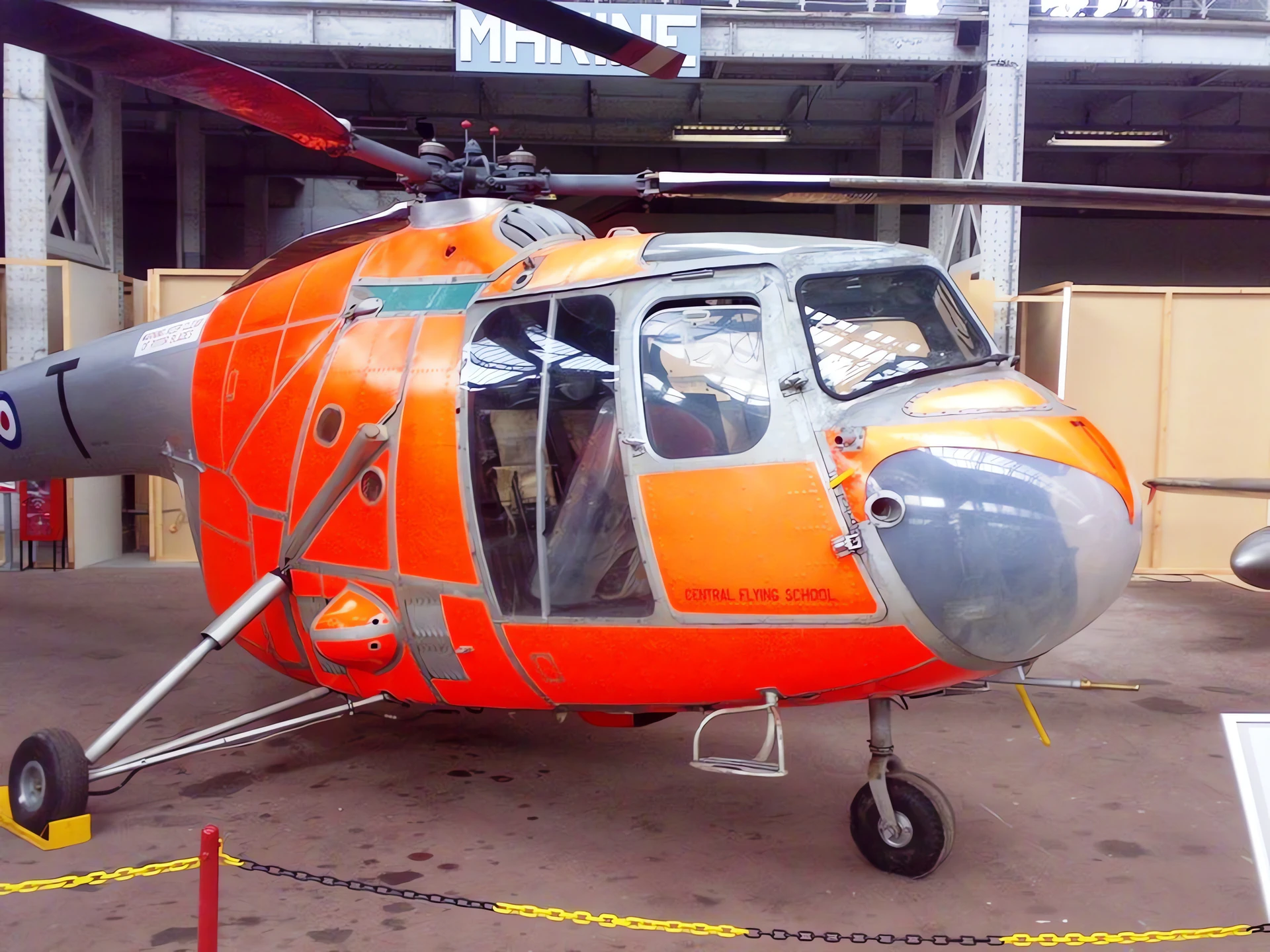
Bristol Type 171 Sycamore HC 14 1
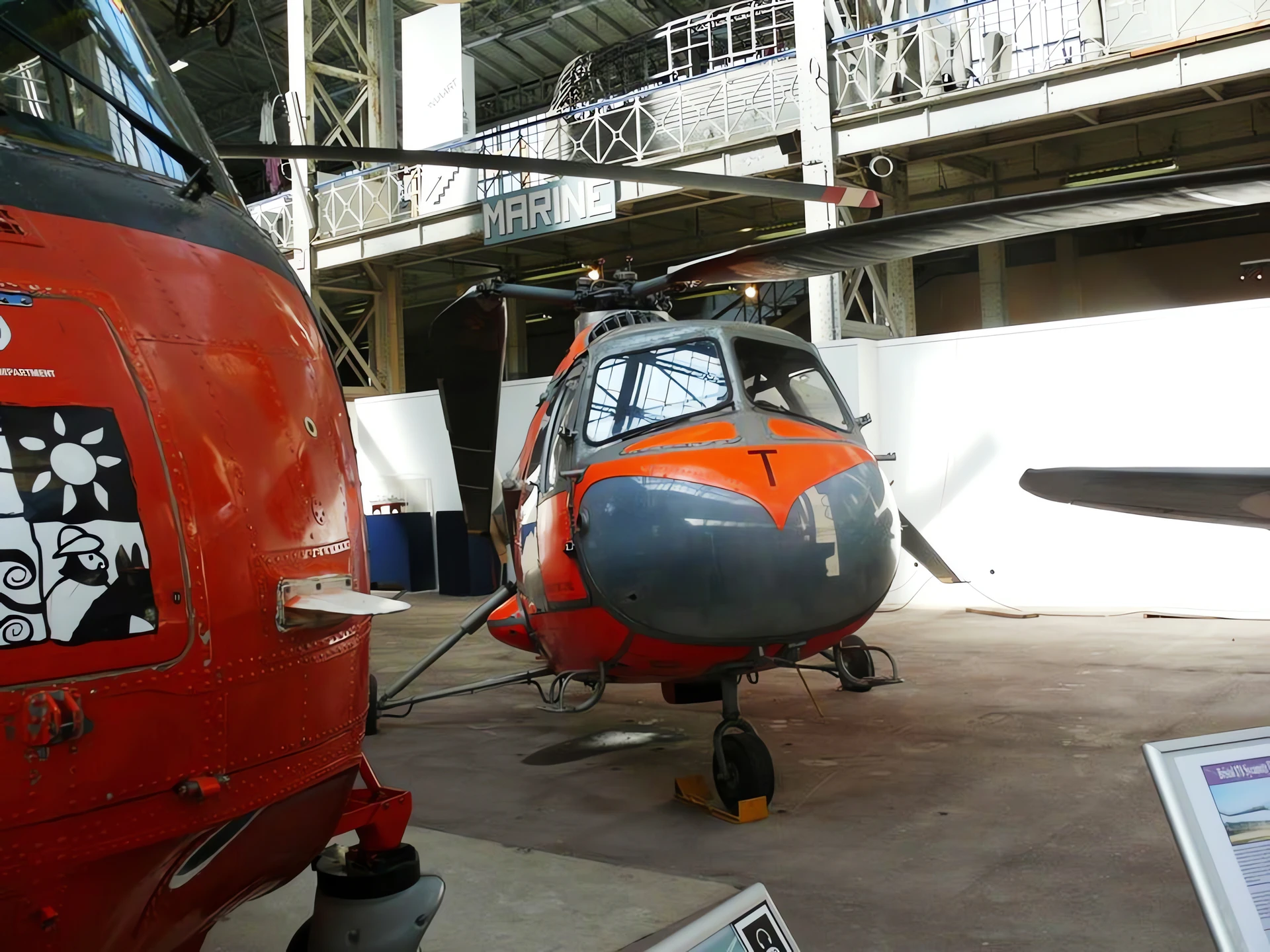
Bristol Type 171 Sycamore HC 14 2
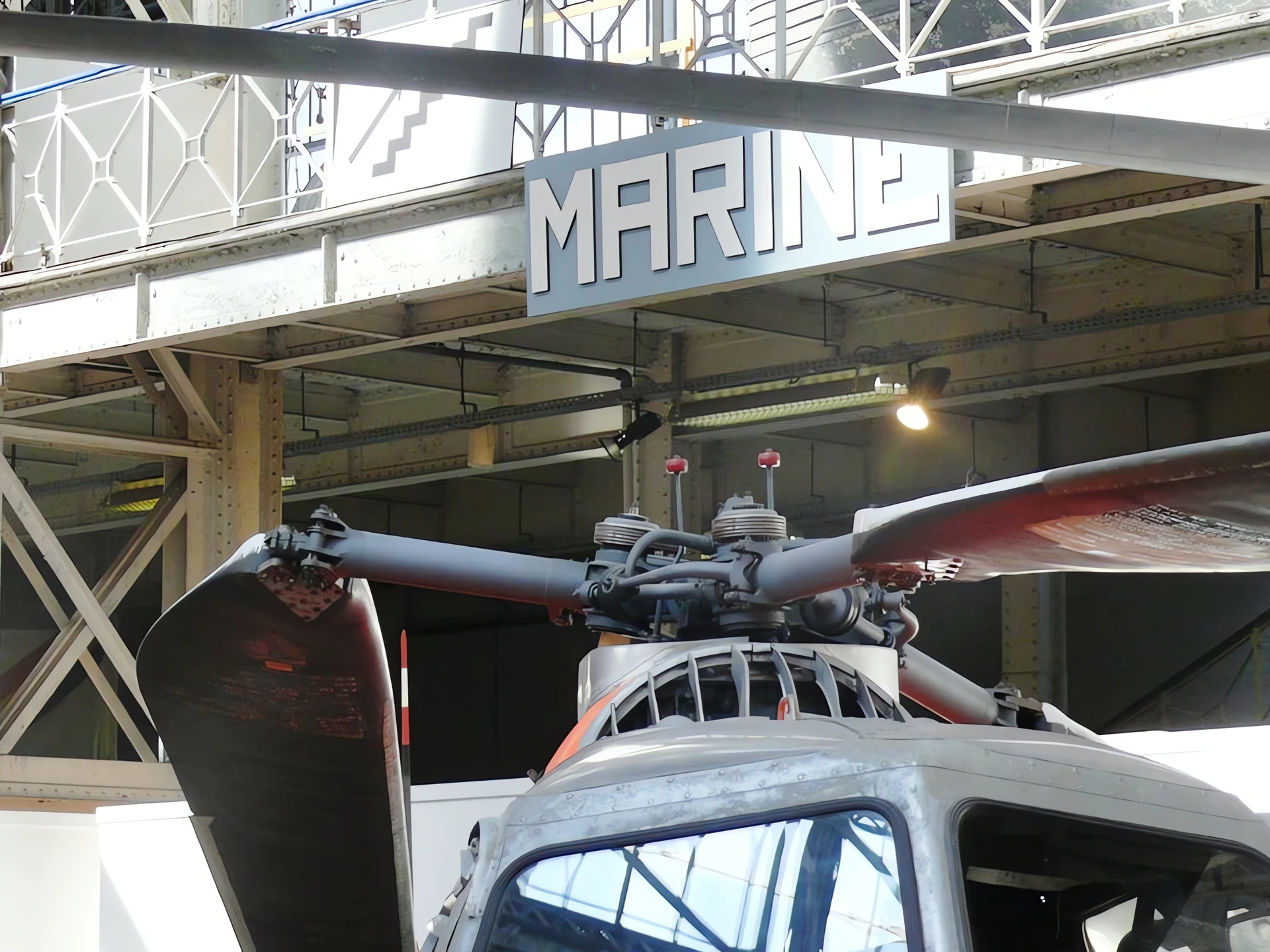
Bristol Type 171 Sycamore HC 14 3
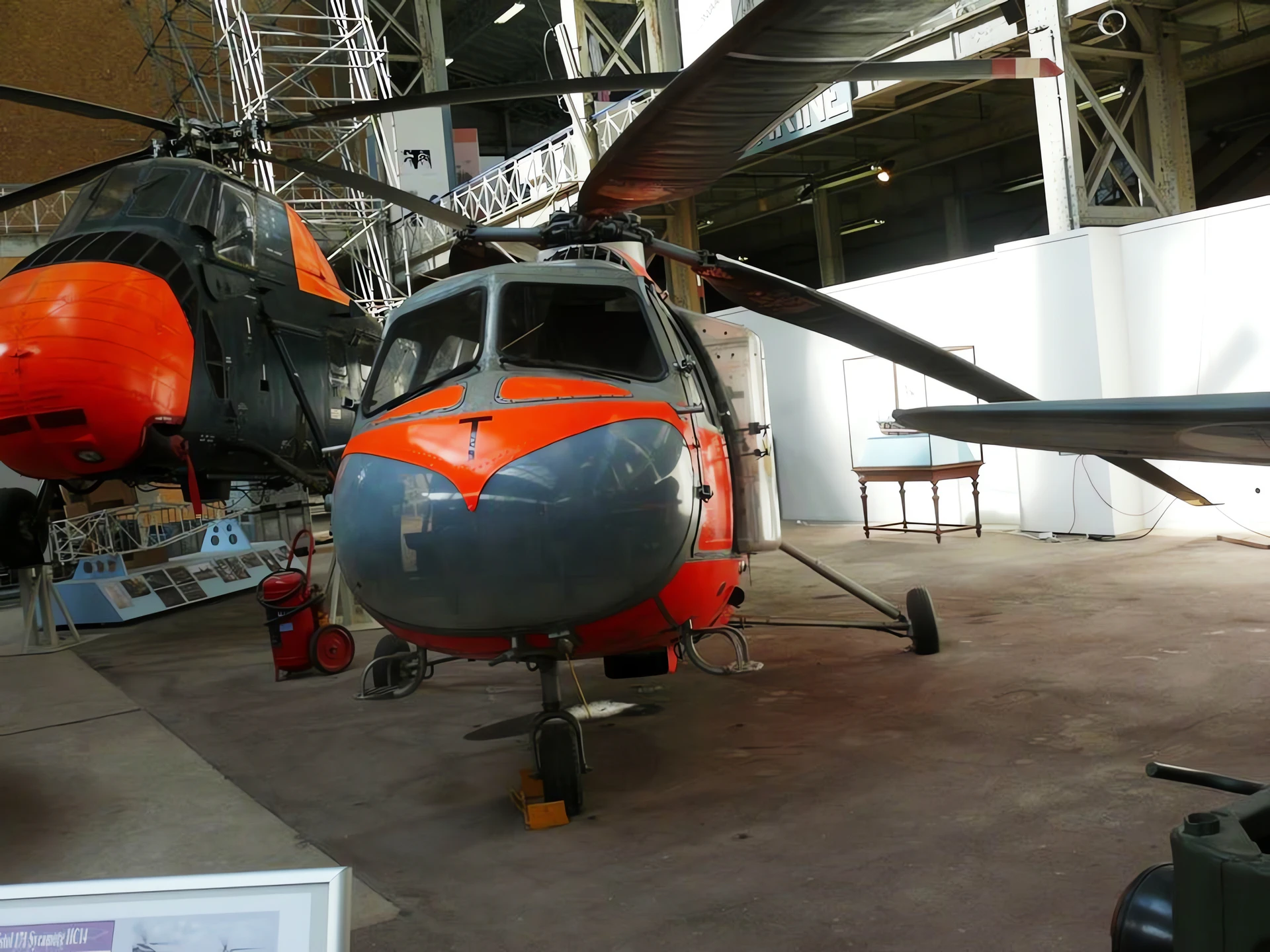
Bristol Type 171 Sycamore HC 14 4
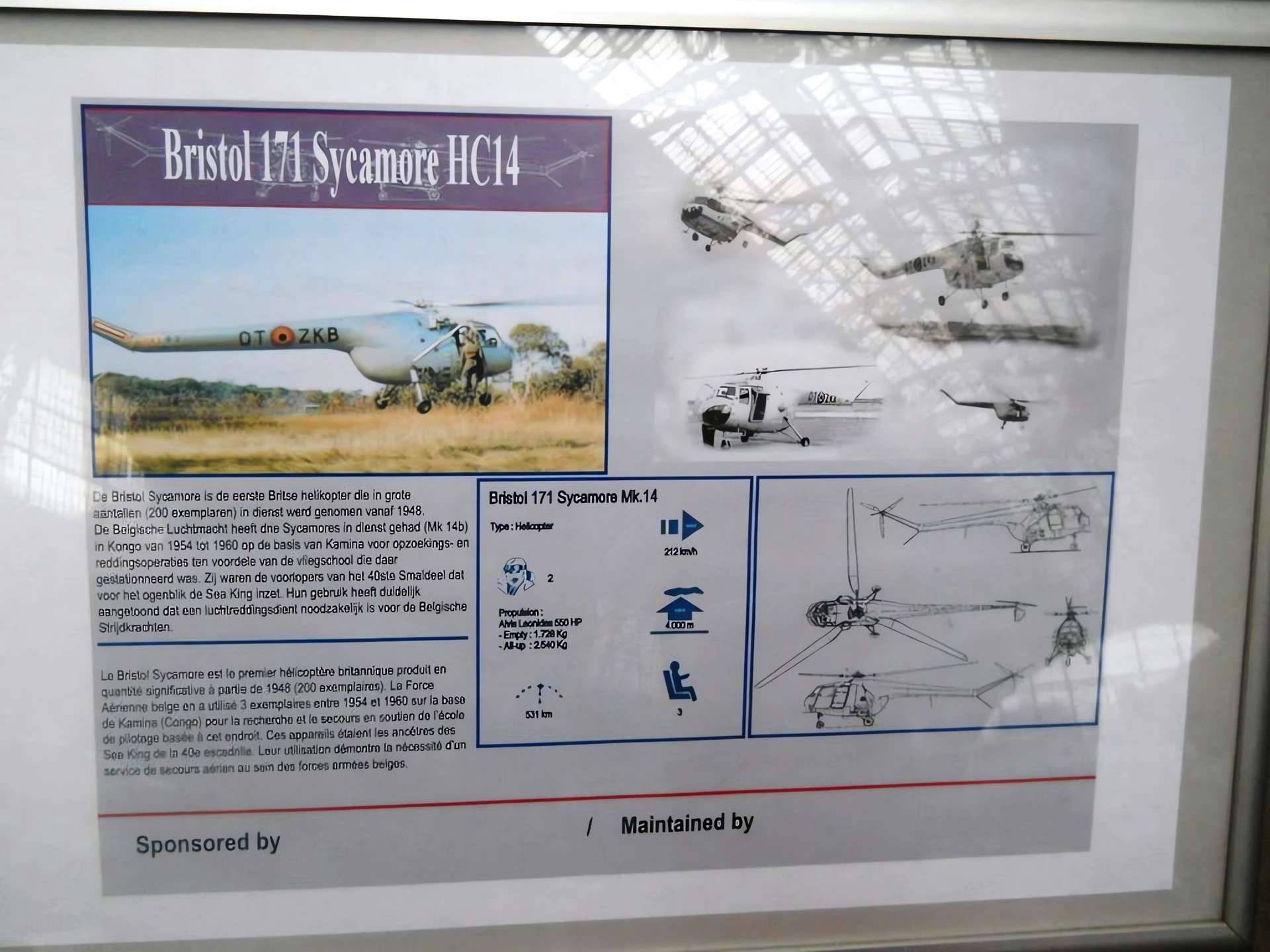
Bristol Type 171 Sycamore HC 14 5
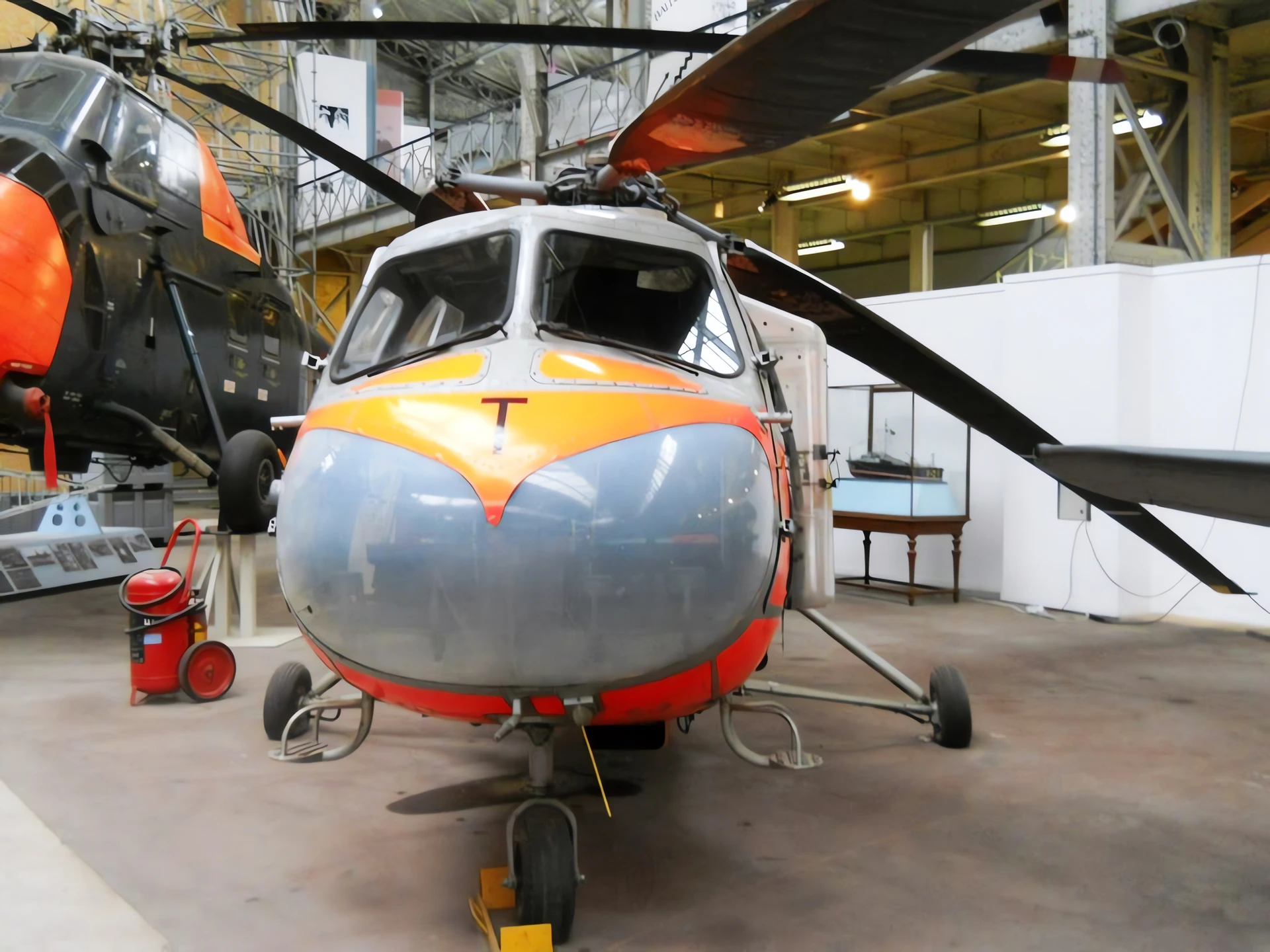
Bristol Type 171 Sycamore HC 14 6
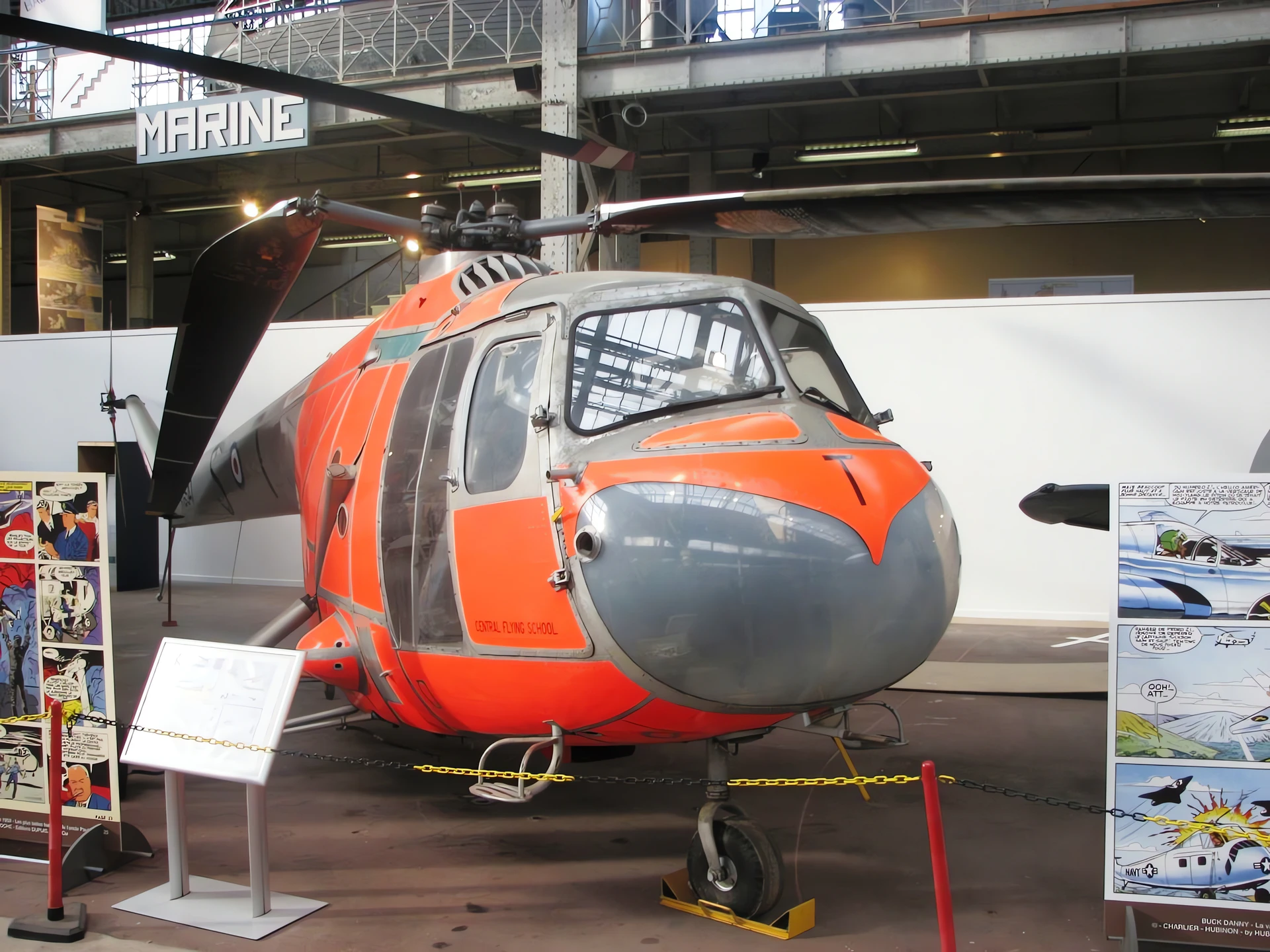
Bristol Type 171 Sycamore HC 14 7
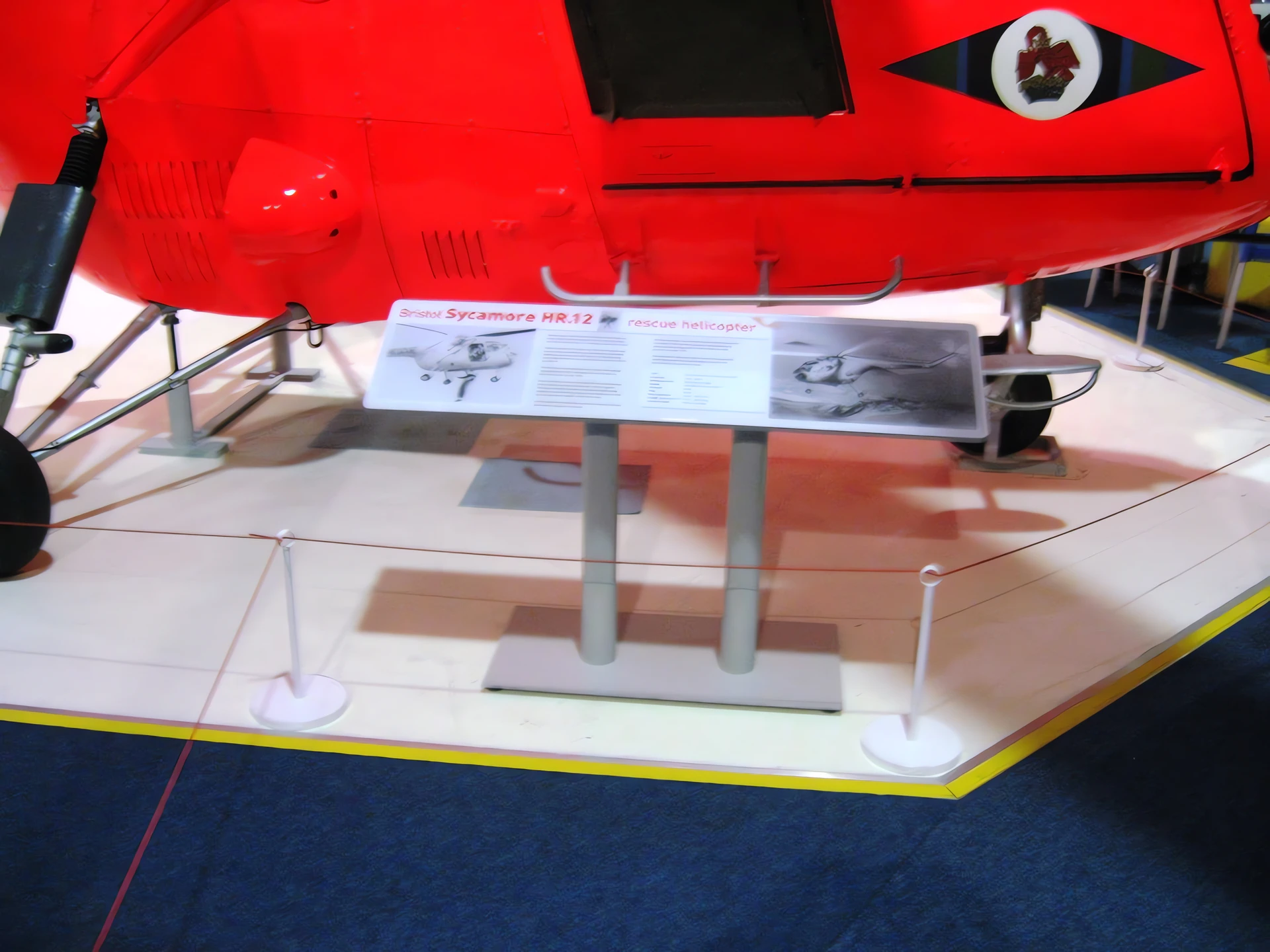
Bristol Type 171 Sycamore HC 14 8
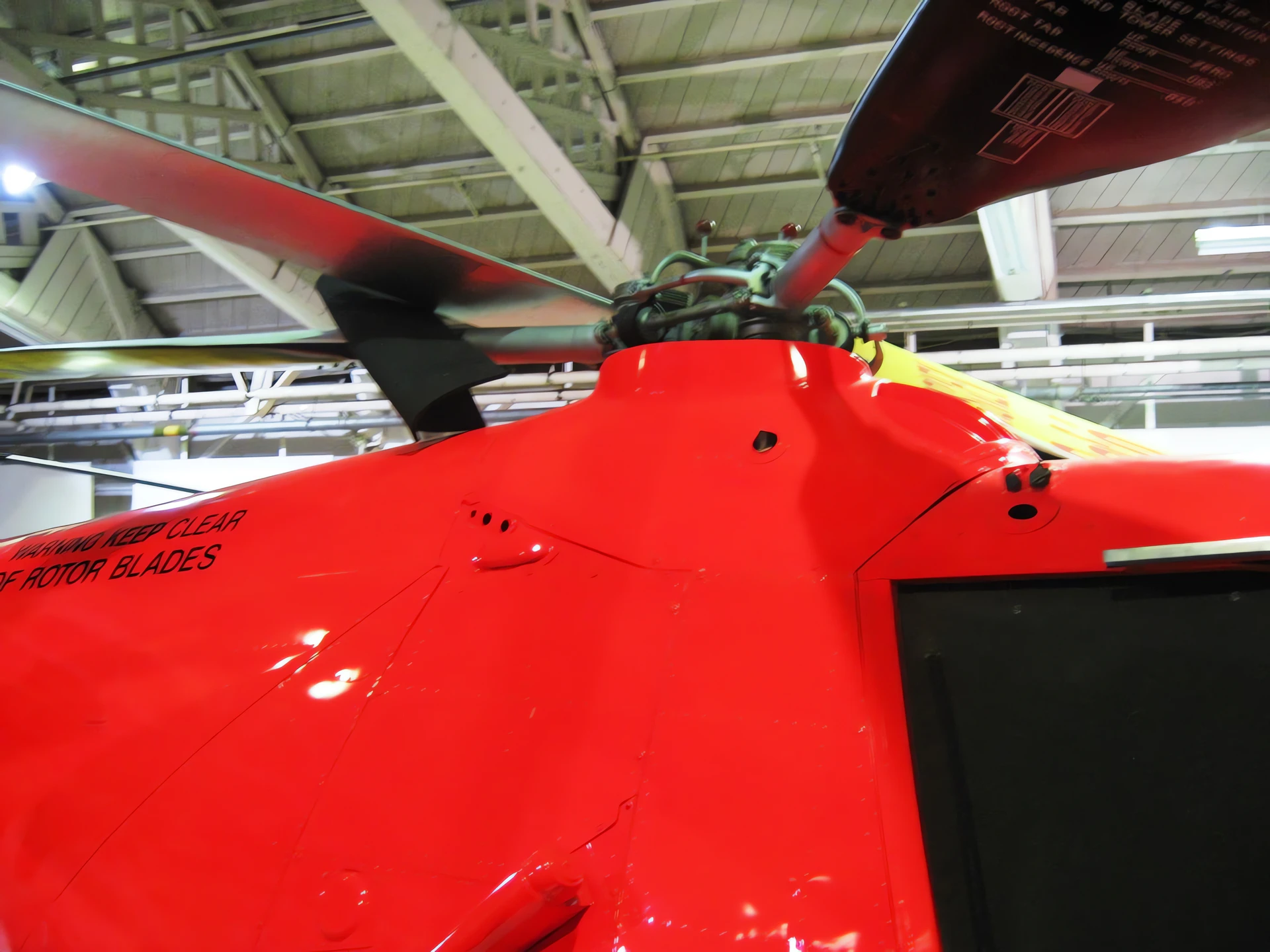
Bristol Type 171 Sycamore HC 14 9
Vent, søker Bristol Sycamore for deg ...


| Bristol 171 Sycamore Mk.52 Walk Around | |
|---|---|
| Fotograf | Unknow |
| Lokalisering | Unknow |
| Bilder | 21 |
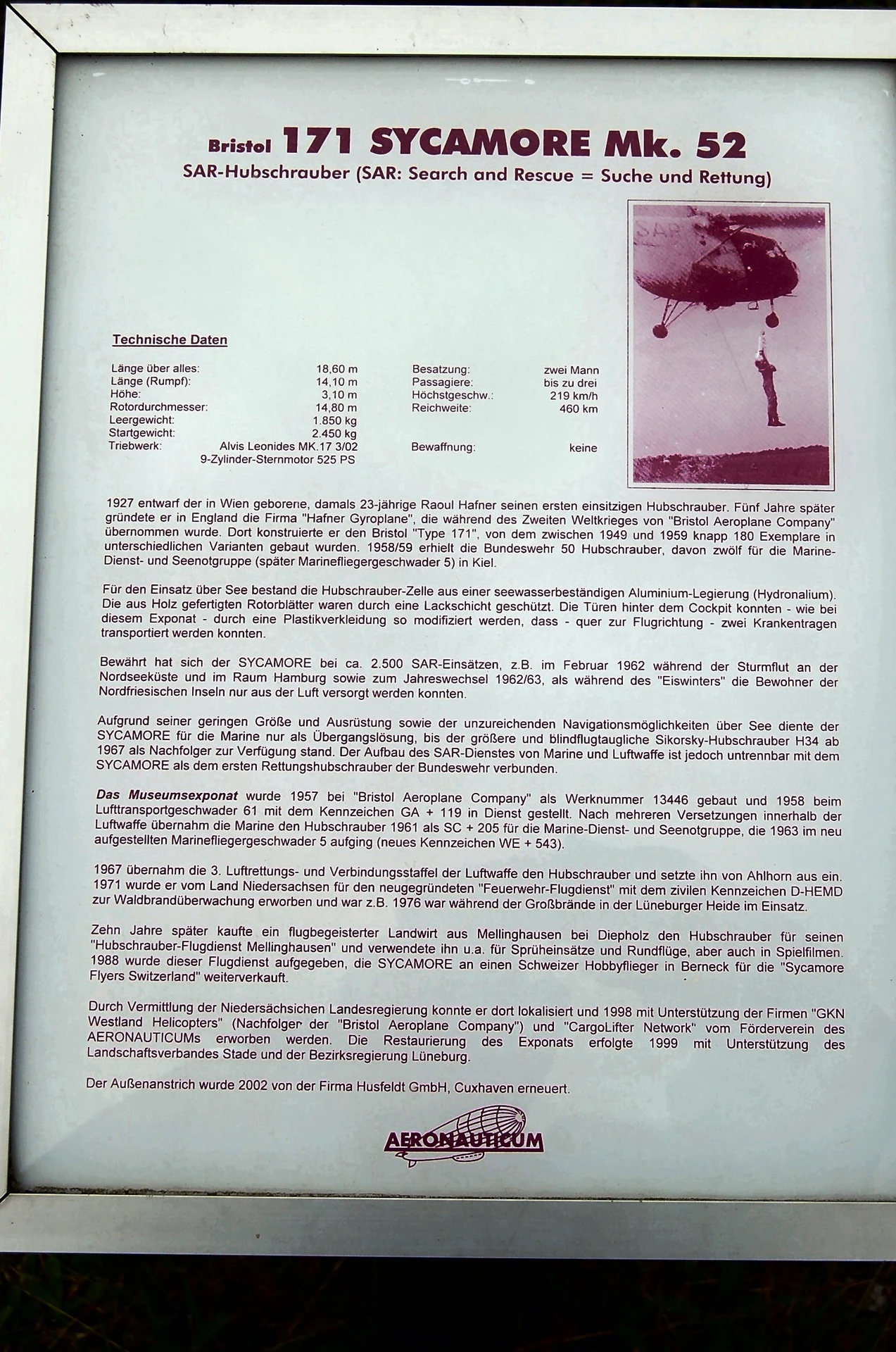
Bristol 171 Sycamore Mk.52 1
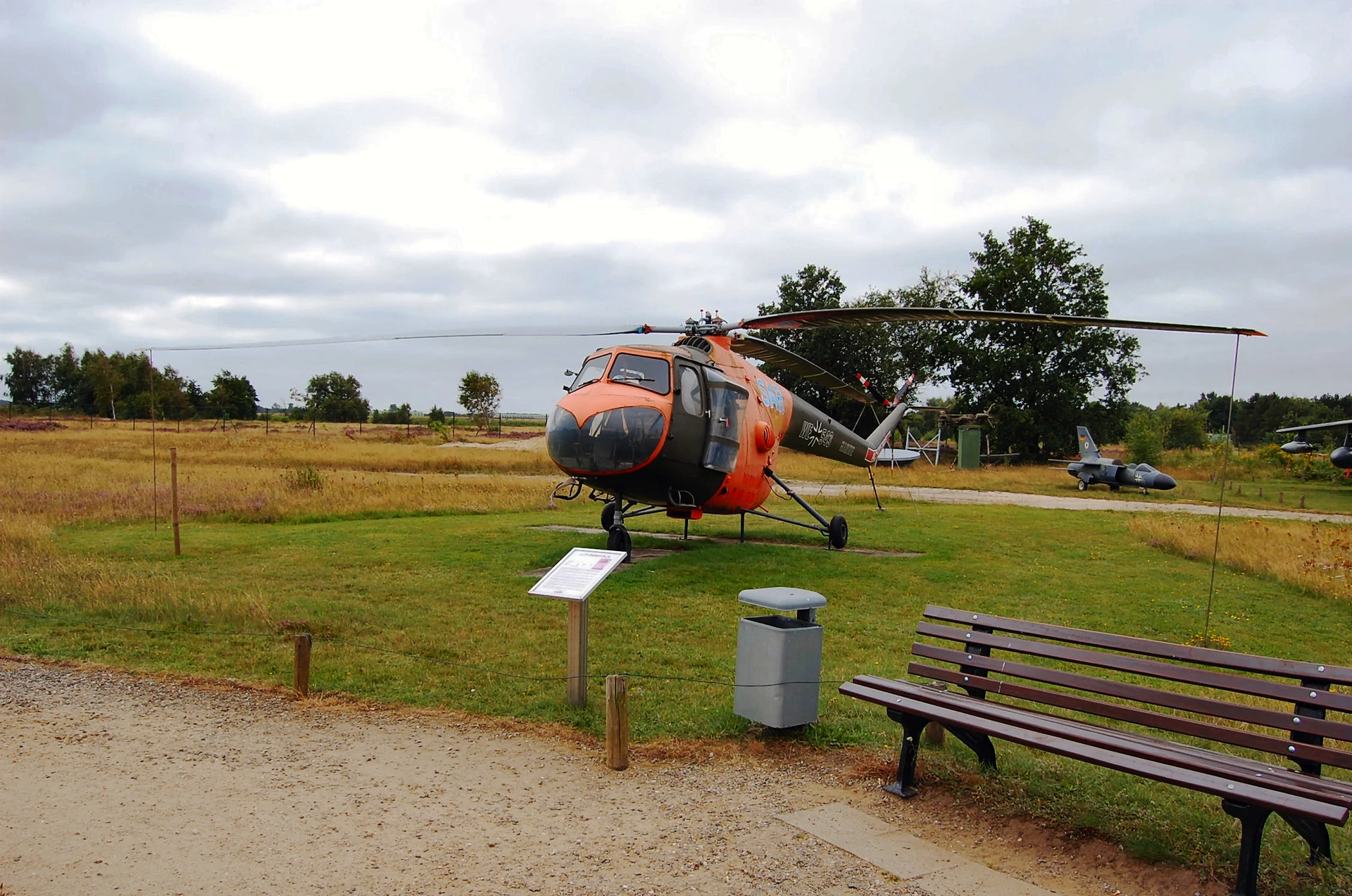
Bristol 171 Sycamore Mk.52 3
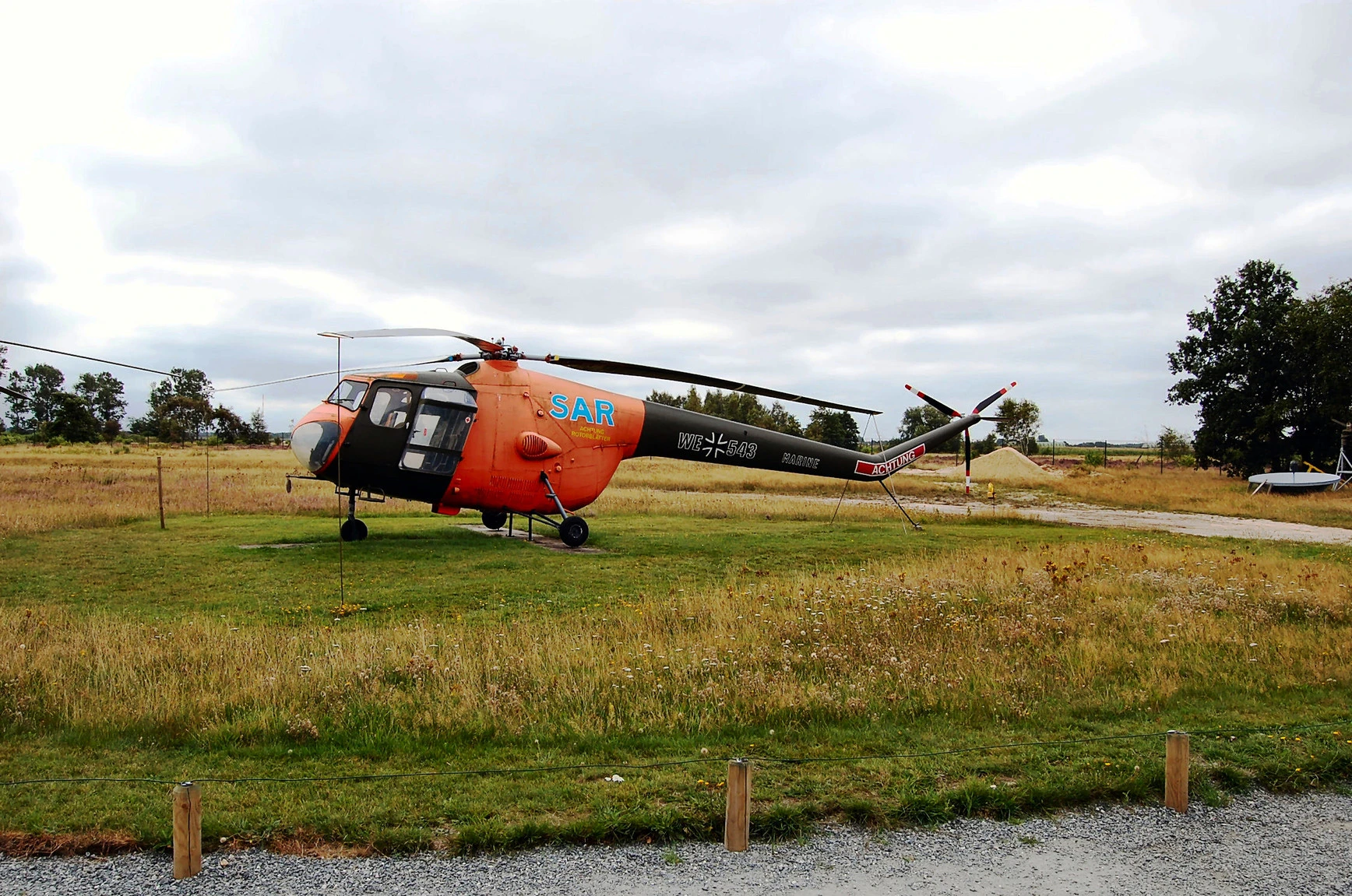
Bristol 171 Sycamore Mk.52 2
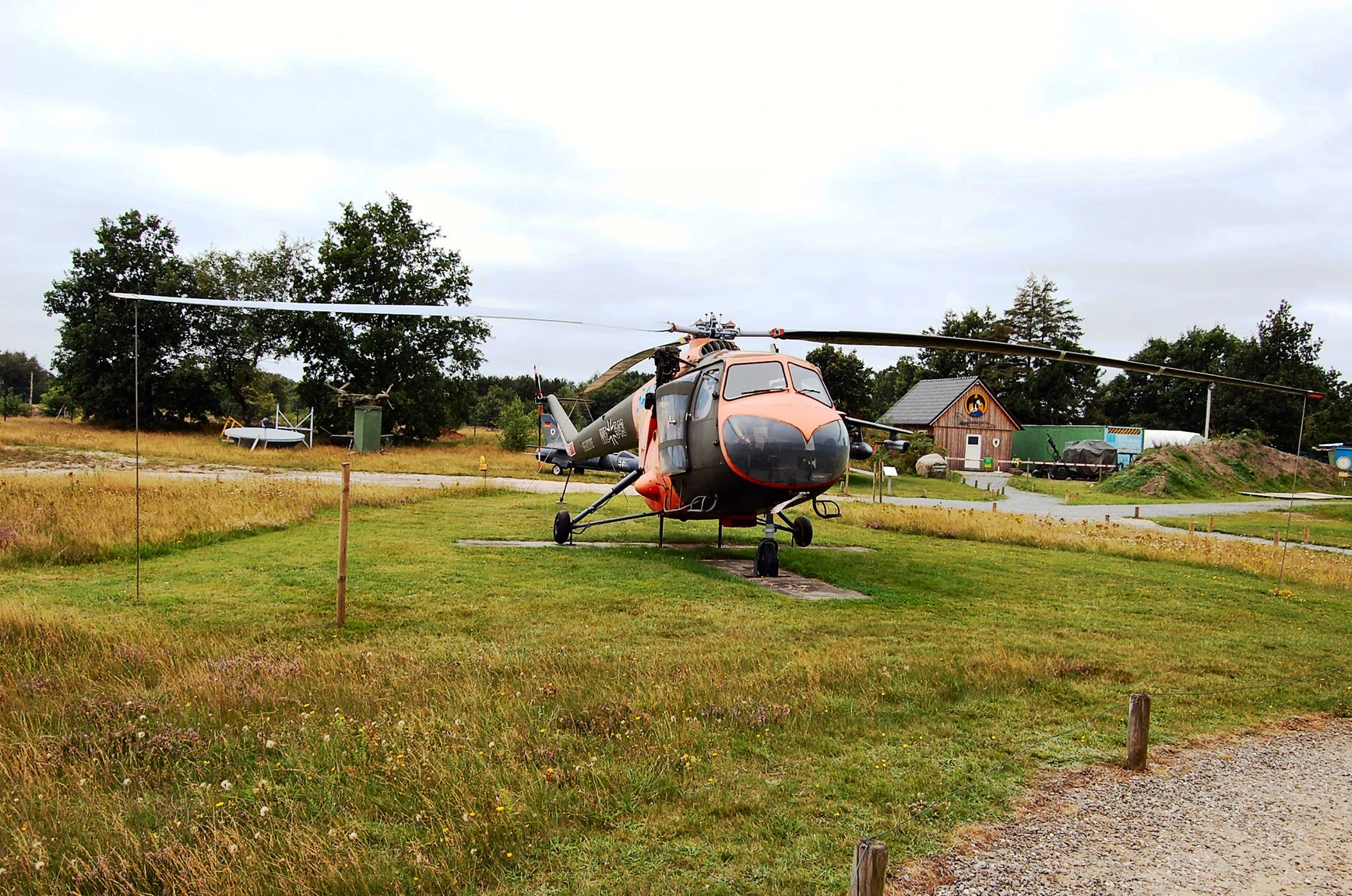
Bristol 171 Sycamore Mk.52 4
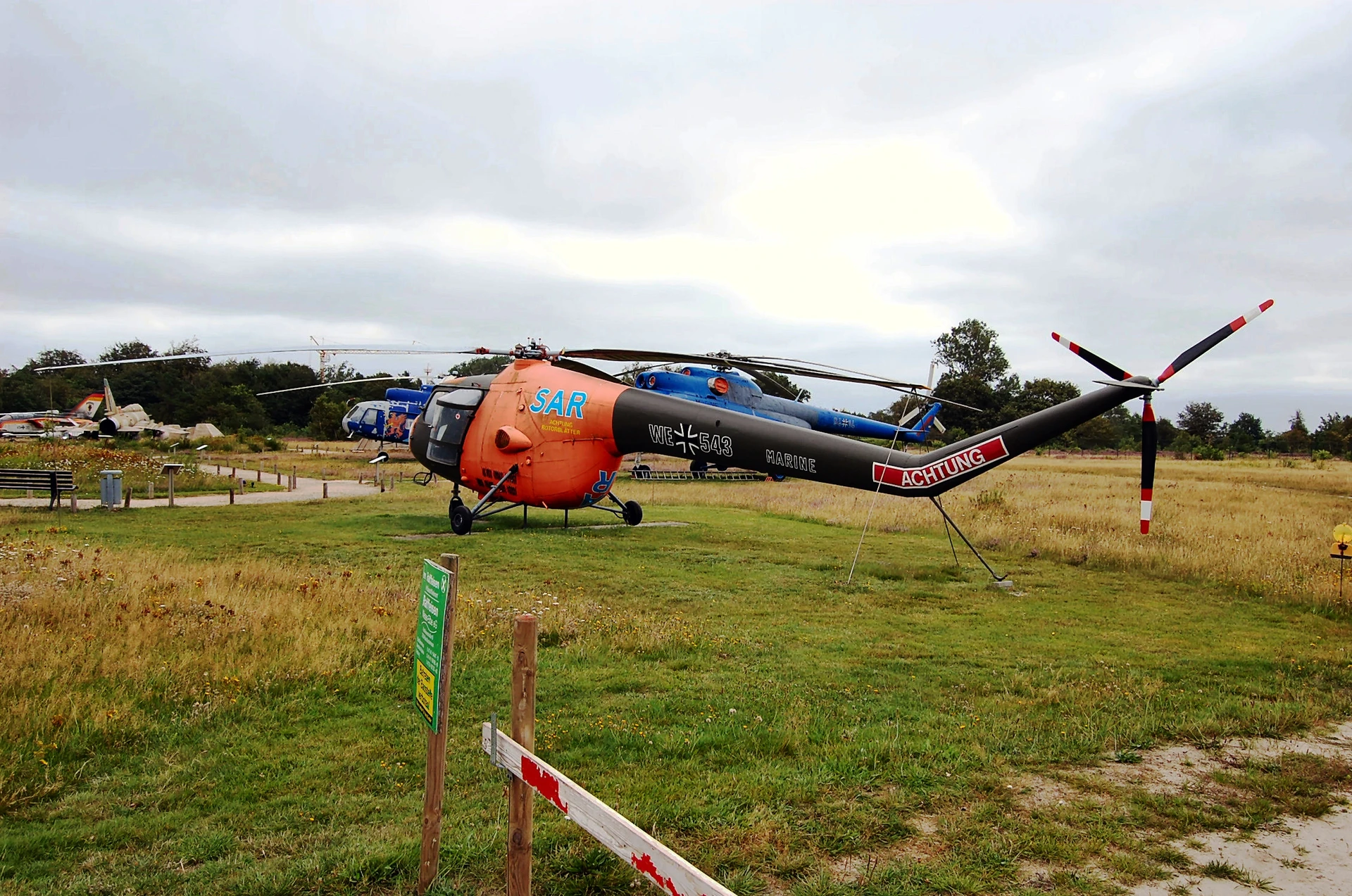
Bristol 171 Sycamore Mk.52 6
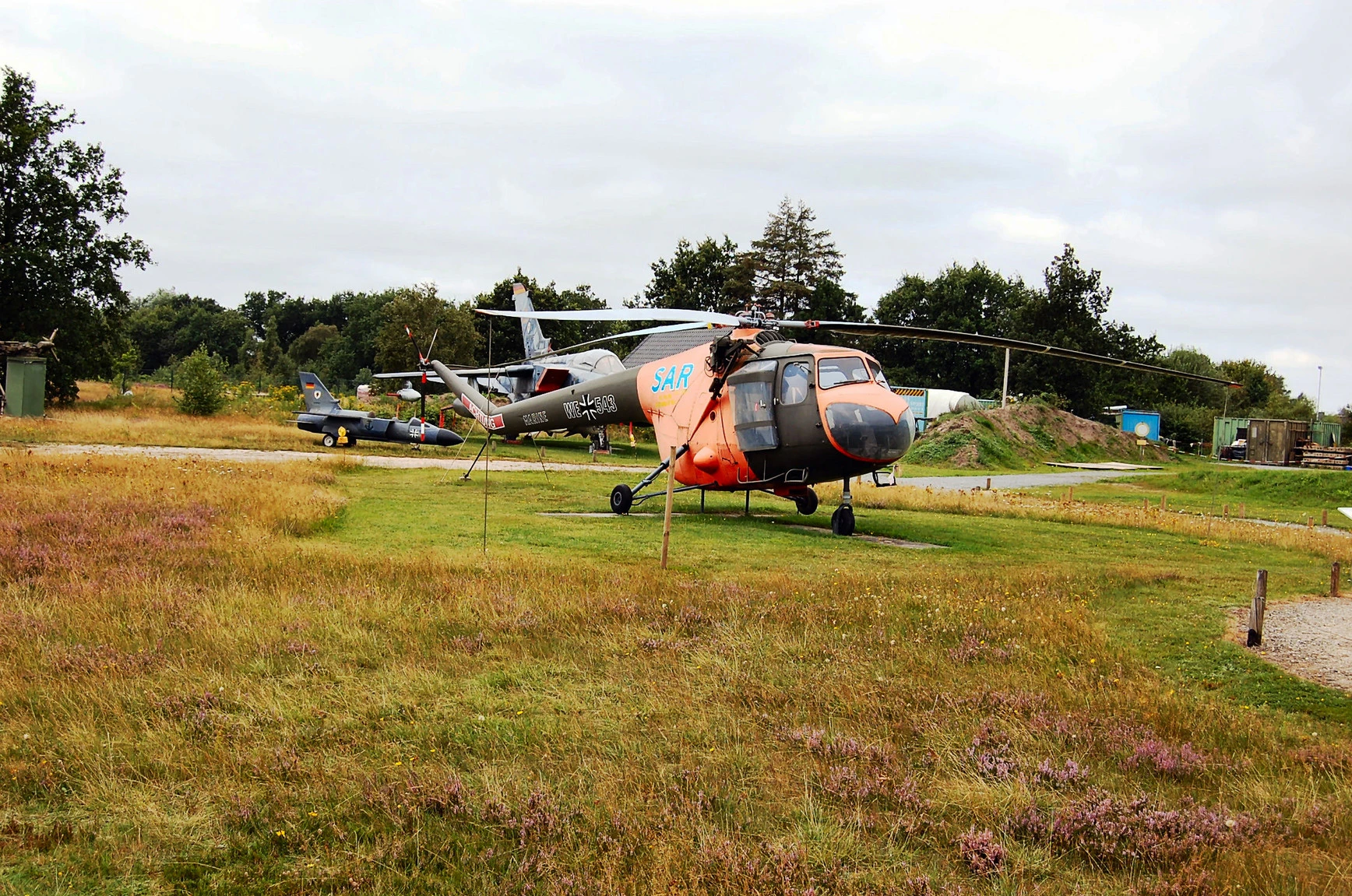
Bristol 171 Sycamore Mk.52 5
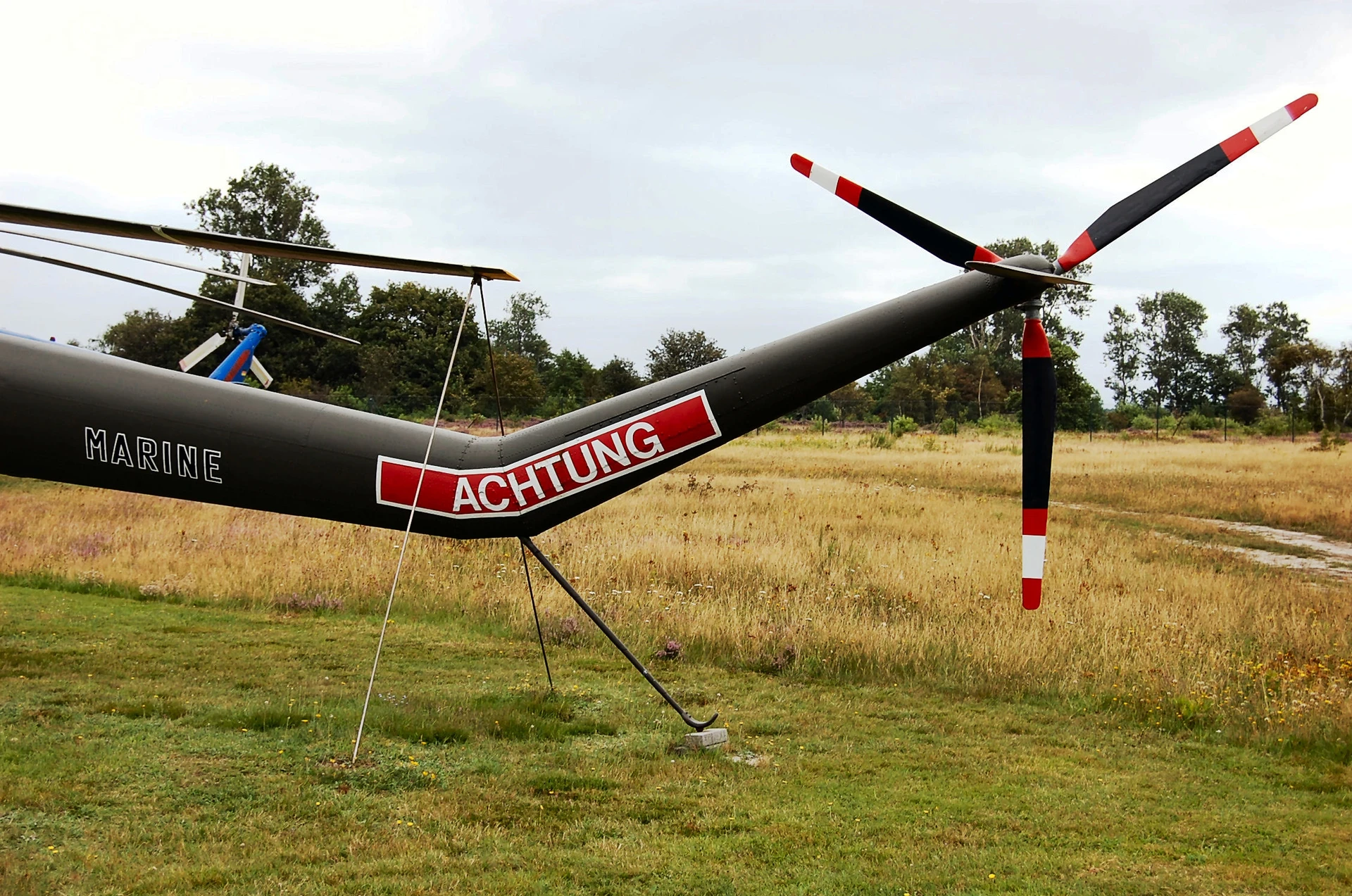
Bristol 171 Sycamore Mk.52 7
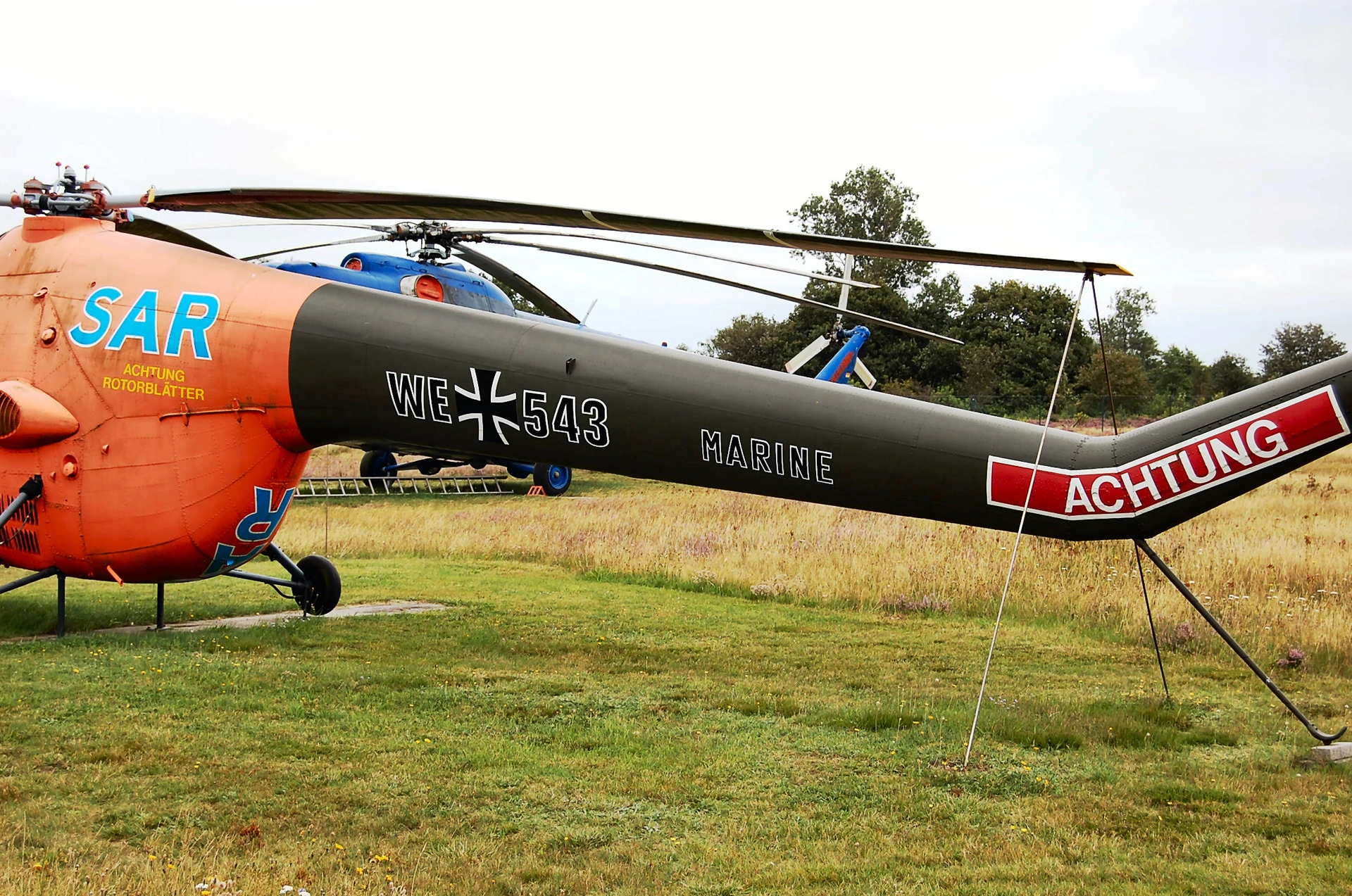
Bristol 171 Sycamore Mk.52 8
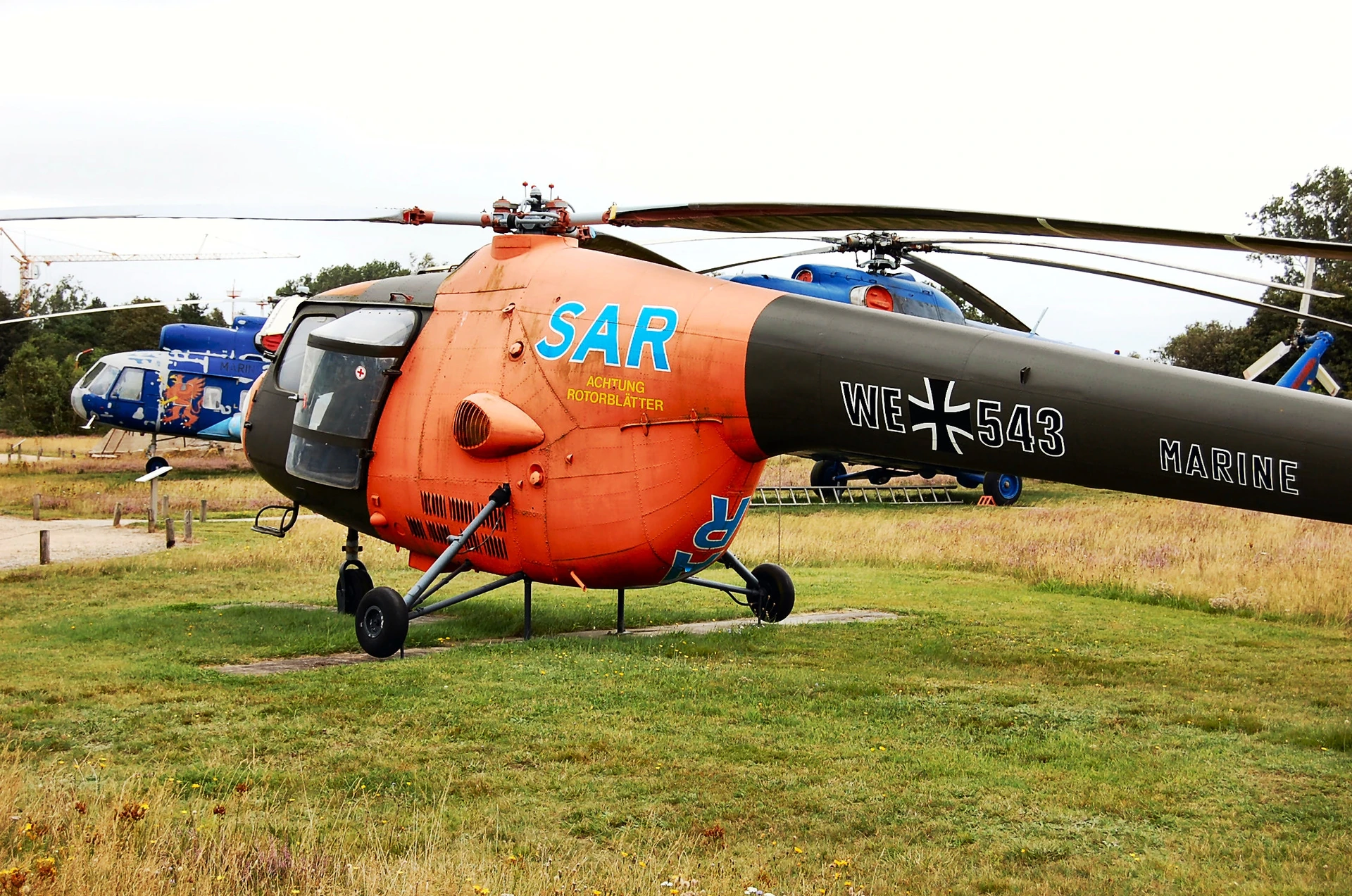
Bristol 171 Sycamore Mk.52 9
Les også:


Vent, Søker helikopter for deg ...
General Characteristics
The Bristol Type 171 Sycamore was the first British-designed helicopter to receive a civil certificate of airworthiness and to enter service with the Royal Air Force (RAF).
| Property | Value (Mk.4 / HR14 Variant) |
|---|---|
| Rolle | Light Utility, Search and Rescue (SAR), Casualty Evacuation (CASEVAC) |
| Produsenten | Bristol Aeroplane Company |
| First Flight | July 24, 1947 |
| Mannskapet | 2 pilots |
| Passenger/Troop Capacity | Up to 3 passengers/troops (or 2 stretchers) |
| Maximum Take-Off Weight | 2,540 kg (5,600 pund) |
Engine and Rotor System
- Powerplant: One Alvis Leonides 9-cylinder radial piston engine.
- Engine Position: Mounted horizontally behind the main cabin, driving the rotor system.
- Power Output: Approximately 410 kW (550 hp).
- Main Rotor: 3-blade, fully articulated main rotor with blades made of wood (often Australian maple). The blades could be folded for space-saving storage on ships.
- Tail Rotor: 3-blade anti-torque rotor.
Performance and Service
- Maximum Speed: 204 km/h (127 mph)
- Range: Up to 532 km (330 miles)
- Service Ceiling: 4,877 m (16,000 ft)
- Key Service: Used by the RAF and militaries of Australia and Germany. It proved vital in conflicts like the Malayan Emergency for troop insertion and medical transport over challenging terrain.
Views : 1120
Du kan også se :
 Sikorsky S-76 - Bilder og videoer
 Eurocopter AS350 Écureuil - Bilder og videoer
 Sikorsky HH-60 Pave Hawk - Bilder og videoer
 Saunders-Roe Skeeter - Bilder & Videoer
 Sikorsky S-64 Skycrane - Bilder og video
 Kaman HH-43 Huskie - Bilder og Video
 Bell AH-1 Cobra - Bilder og video
 Boeing CH-47 Chinook - Bilder og video
 Kamov Ka-50 Hokum - Bilder og Video
 SA.318C Alouette II - Bilder og Video