
Curtiss-Wright XP-55 Ascender | |
|---|---|
| 国 | 米国 |
| 役割 | 戦闘機 |
| 生産 | 1943年7月19日 |
| 構築 | 3 |
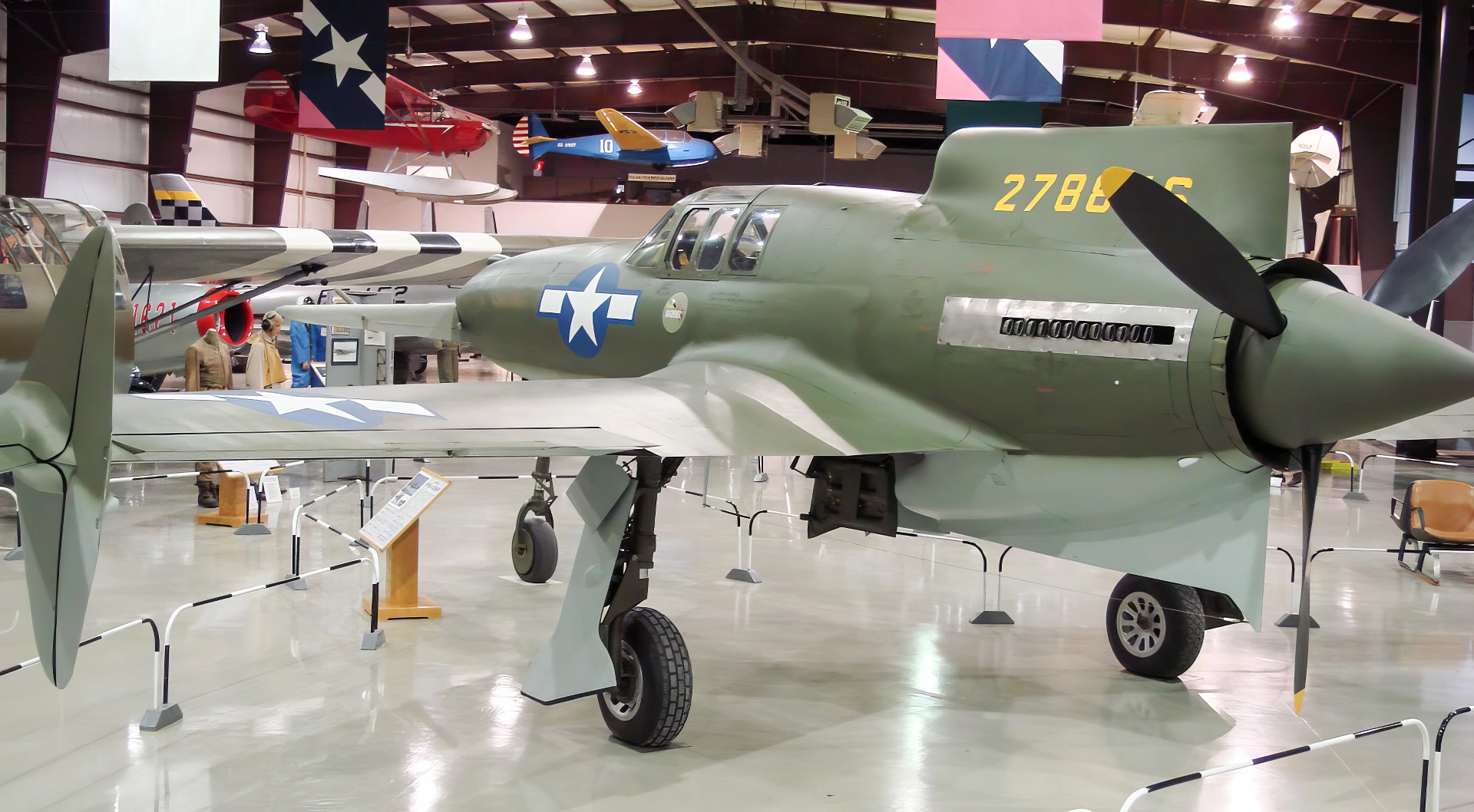
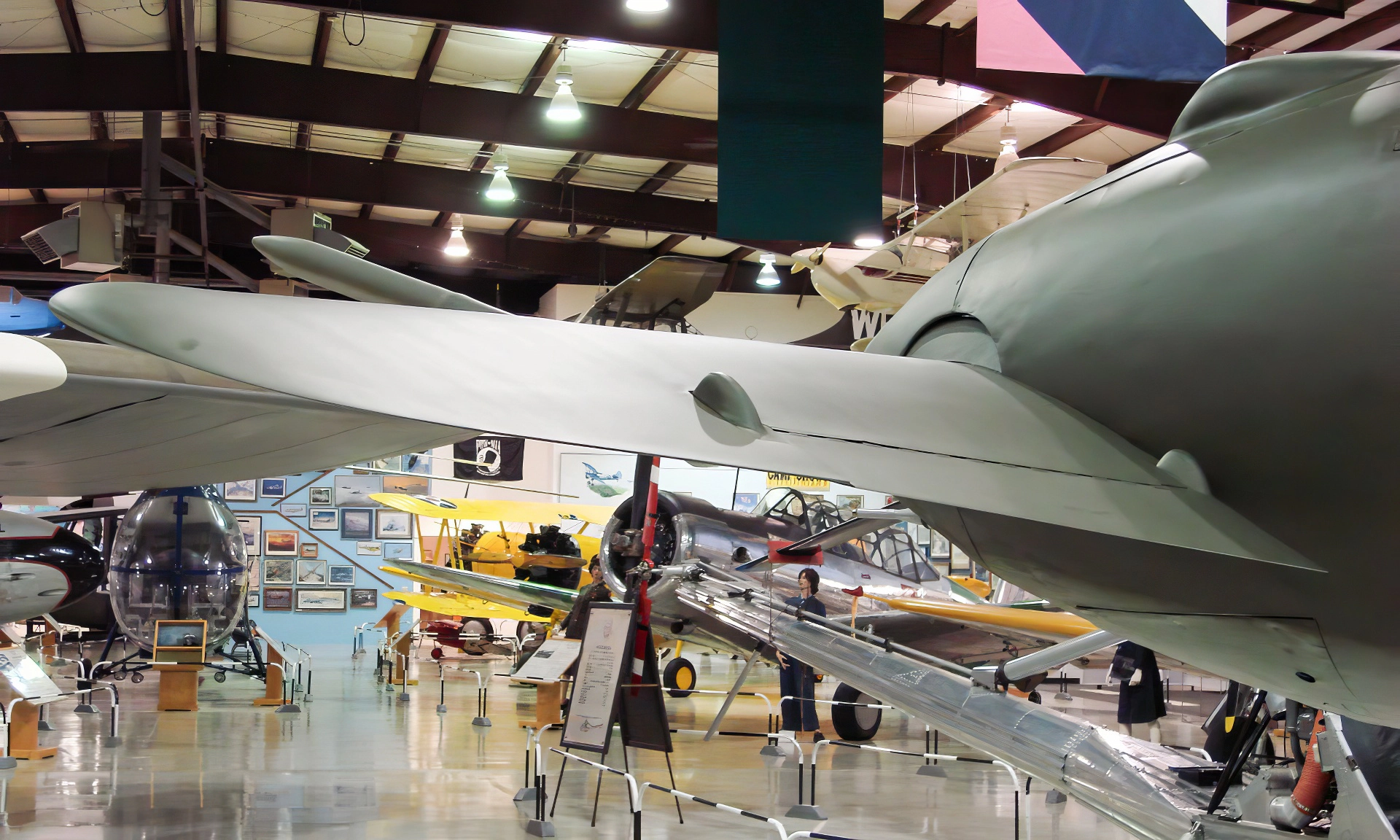
ザ カーチス・ライト XP-55 アセンダー (会社指定CW-24)は、カーチス・ライトによって建造された1940年代の米国のプロトタイプ戦闘機です。Vultee XP-54およびノースロップXP-56と共に、それは既存の戦闘機の上に改善された性能、軍備、およびパイロットの可視性を持つ航空機のために1939年11月27日に発行されたアメリカ陸軍航空隊の提案R-40Cから生じる。それは特に型破りな航空機の設計のために許可されています。当時の非常に珍しいデザインで、カナード構成、リアマウントエンジン、スイープウィング、2つの垂直尾翼を備えていました。プッシャーのデザインのため、皮肉にも「アスエンダー」と呼ばれていました。XP-54と同様に、アセンダーは当初プラット・アンド・ホイットニーX-1800エンジン用に設計されており、そのエンジンプロジェクトがキャンセルされたときに再設計されなければならなかった。また、三輪車の着陸装置を使用する最初のカーティス戦闘機でした。
ソース: カーチス・ライト XP-55 アセンダー・オン・ウィキペディア
| XP-55 Ascender Walk Around | |
|---|---|
| カメラマン | マイケル・ベノールキン |
| ローカライズ | 知りません |
| 写真 | 39 |




関連項目:


General Characteristics and Role
The Curtiss XP-55 Ascender (Curtiss-Sperry Model 24) was an experimental fighter prototype developed for the U.S. Army Air Forces (USAAF) during World War II. It was the product of the 1940 “R-40C” proposal for unconventional aircraft designs, alongside the Northrop XP-56 Black Bullet and Vultee XP-54 Swoose Goose. The Ascender featured a highly radical and futuristic design for its time: a tailless canard configuration with the engine mounted at the rear, driving a pusher propeller. This layout was intended to improve aerodynamics and provide an unobstructed forward field of fire. Despite the design’s potential, the XP-55 suffered from stability issues, poor low-speed performance, and did not live up to performance expectations, leading to its cancellation after three prototypes were built.
| Property | Typical Value (XP-55) |
|---|---|
| 役割 | Experimental Fighter Prototype |
| National Origin | 米国 |
| メーカー | Curtiss-Wright Corporation |
| First Flight | 13 July 1943 |
| ビルド数 | 3 |
| 乗組員 | 1 (Pilot) |
| 長さ | 9.0 m (29 ft 6 in) |
| 翼 | 12.4 m (40 ft 8 in) |
| 高さ | 3.45 m (11 ft 4 in) |
| Empty Weight | 2,884 kg (6,358 lb) |
| Max Takeoff Weight | 3,792 kg (8,360 lb) |
Powerplant and Design
- Engine: One Allison V-1710-95 (F23R) liquid-cooled V12 engine.
- Power Output: 954 kW (1,275 hp).
- Propulsion: 3-bladed propeller in a pusher configuration (at the rear).
- Maximum Speed: 628 km/h (390 mph; 339 kn) at 5,800 m (19,000 ft).
- Range: 1,040 km (650 mi; 560 nmi).
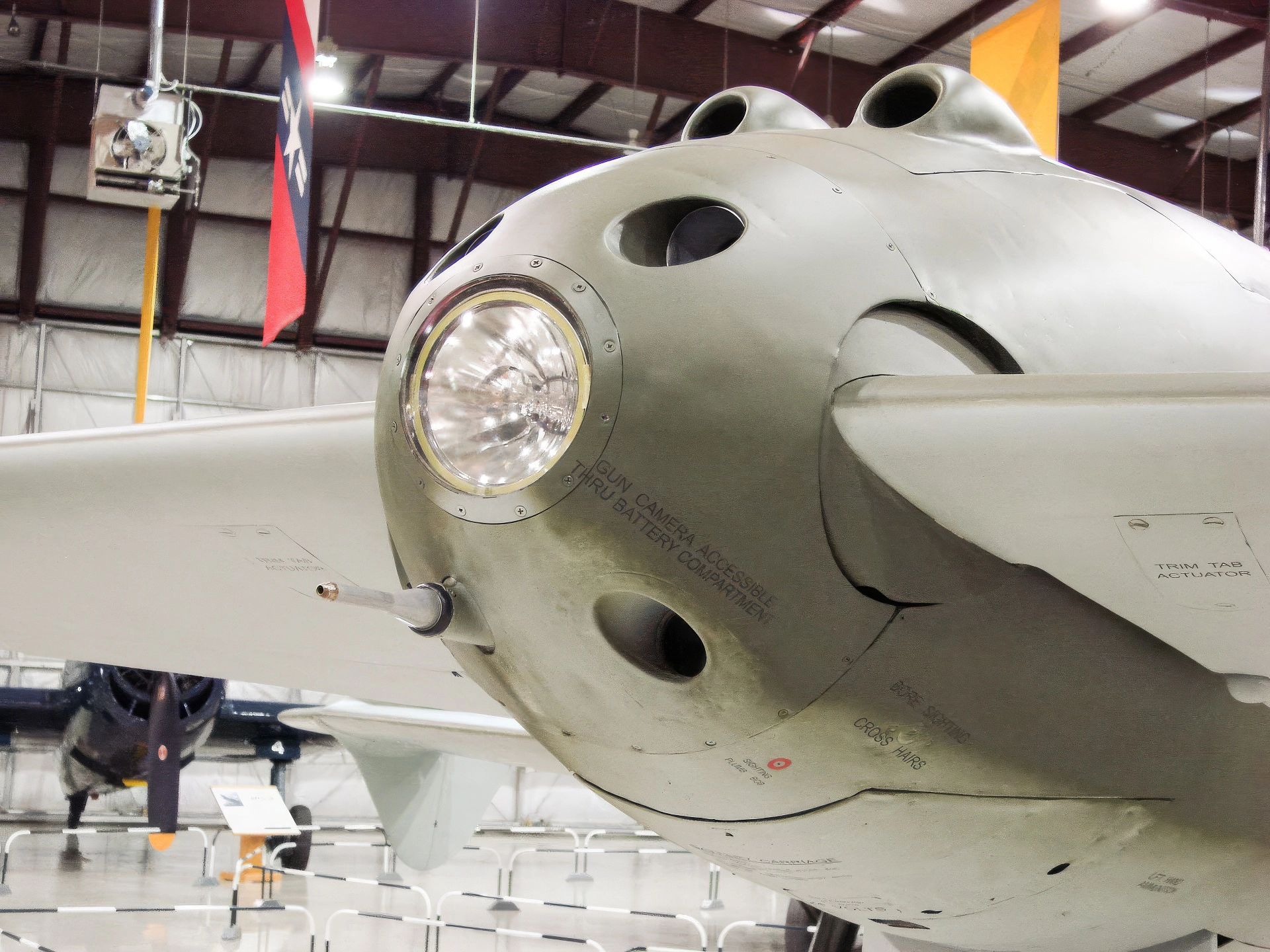
- Design Layout: Canard (small horizontal surface in the nose) and a mid-set wing with twin tail booms supporting the rudders. The main wings were swept back slightly.
- Pilot Safety: Due to the rear-mounted propeller, the pilot was equipped with a system to jettison the propeller assembly before bailing out in an emergency.
Armament (Intended) and Service
- Intended Armament: 2 x 20 mm cannon and 2 x .50 in (12.7 mm) machine guns, all mounted in the nose. (Prototypes often flew with reduced or no armament).
- Service History: The first prototype crashed due to a stall/spin in a test flight. Despite modifications to the second and third prototypes, they were ultimately outclassed by conventional and early jet fighters.
- Legacy: The XP-55’s radical configuration helped advance research into canard aerodynamics, a concept later successfully used in aircraft like the Saab Viggen and Eurofighter Typhoon.
ビュー : 3680
また、次の項目もご覧ください。
 Travel Air 2000 – 写真&動画
 Curtiss-Wright CW-22 – Photos & Video
 Curtiss-Wright AT-9 – Photos & Video
 Stinson L-5 Sentinel – Photos & Video
 Piper L-4 Grasshopper – Photos & Video
 ロッキードU-2 – 写真&ビデオ
 ホーカーシーフューリーFBII vol2 – 歩き回る
 P-51D マスタング vol2 – 歩き回る
 B-17G フライングフォートレス – ウォークアラウンド
 メッサーシュミットBf 109G-2 – 歩き回る