マッキ C.200 サエッタ | |
|---|---|
| 国 | イタリア |
| 型 | 戦闘機 |
| トピック | アルバムのアルバム 44 の写真 マッキ C.200 サエッタ |
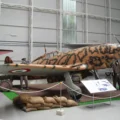
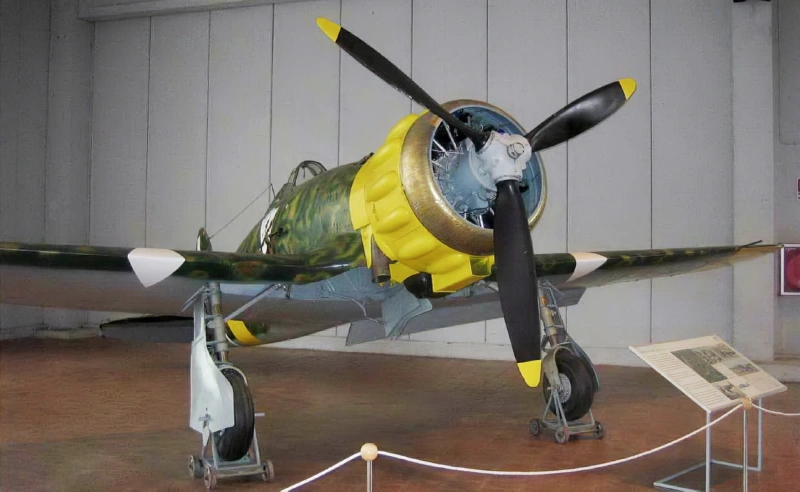
マッキC.200サエッタのフォトギャラリー マッキ C.200 サエッタ ●第二次世界大戦中にマッキ航空によって建造されたイタリアの戦闘機でした。
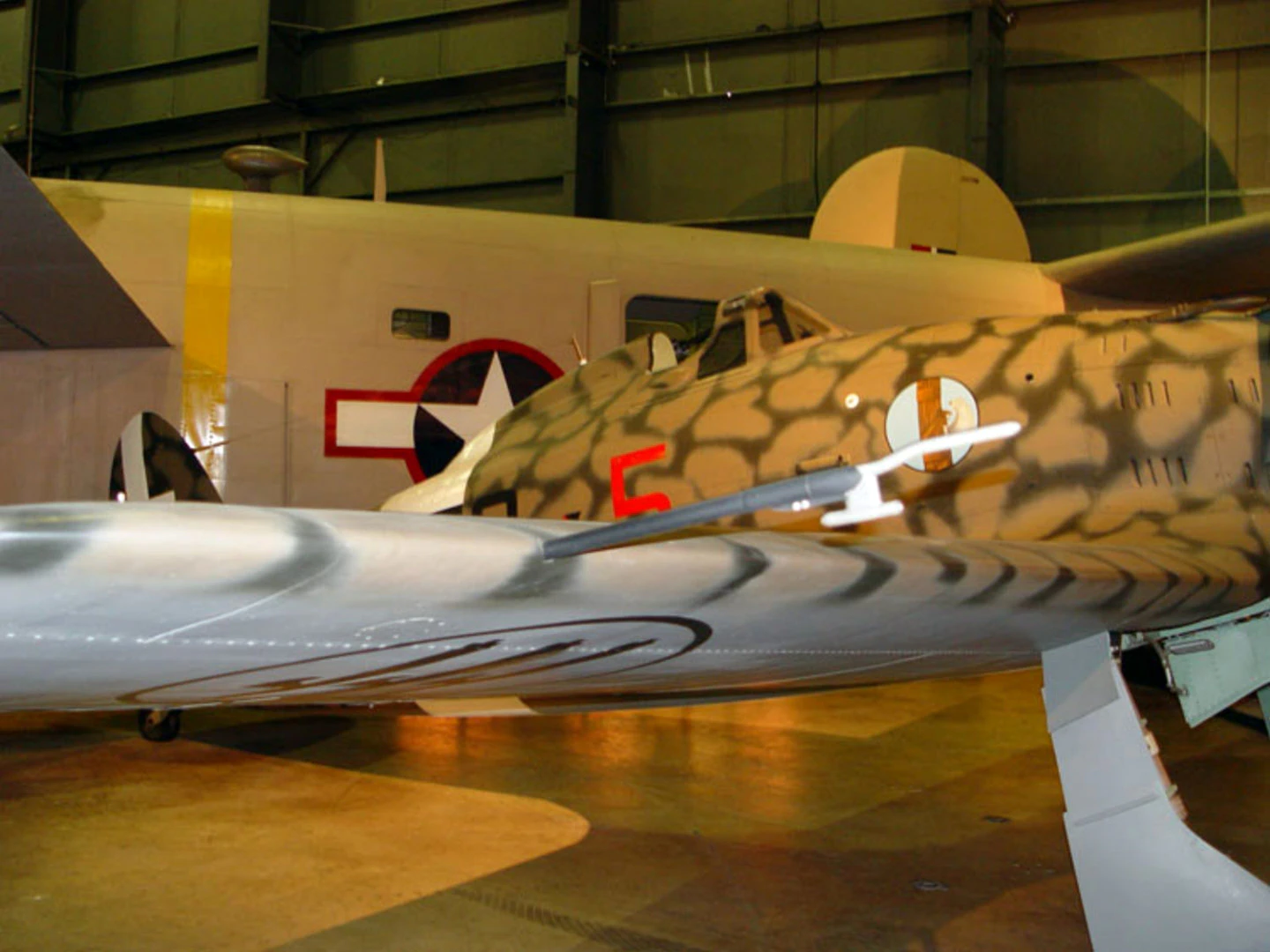
Macchi C.200 Saetta 01
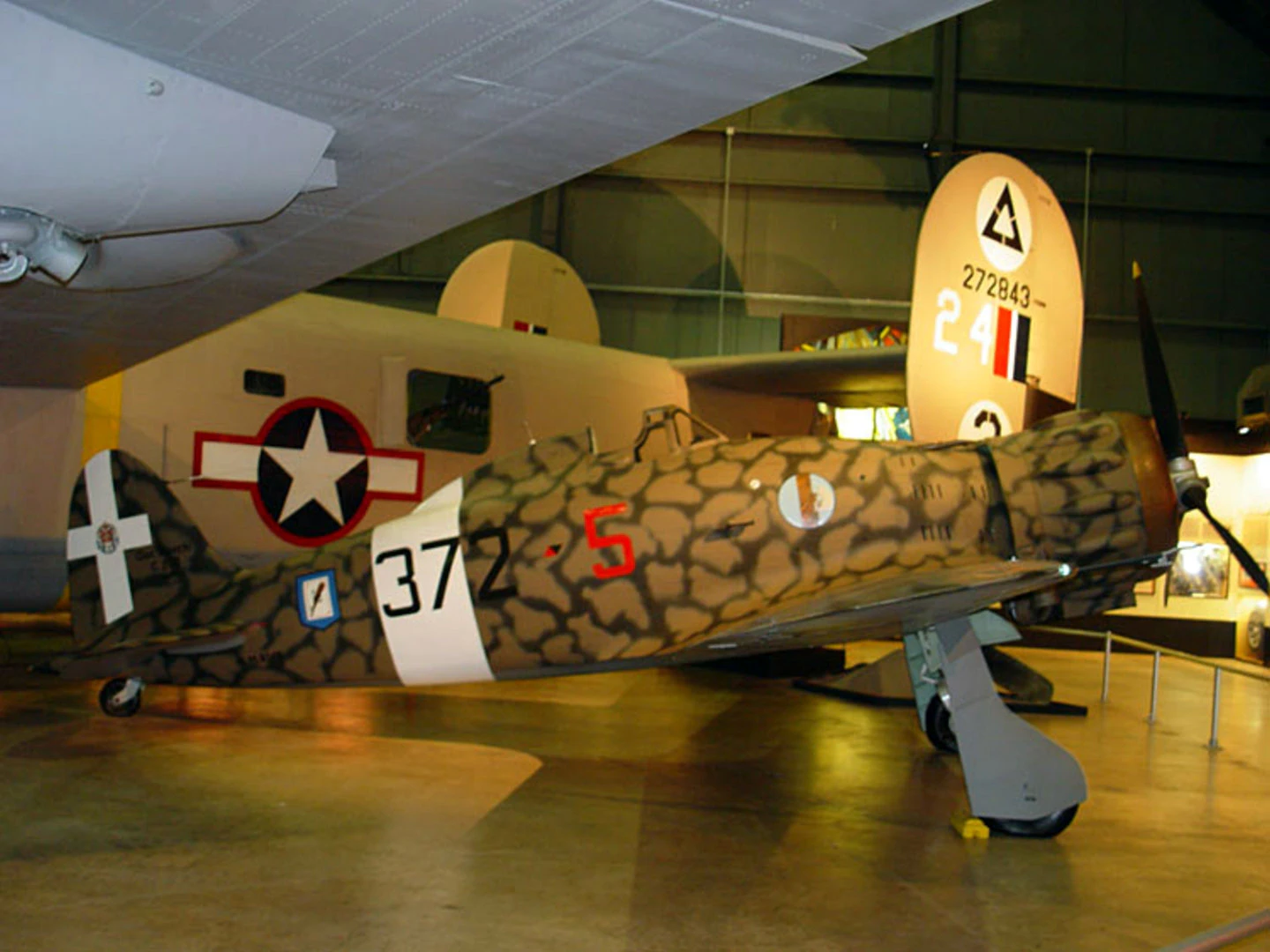
Macchi C.200 Saetta 02
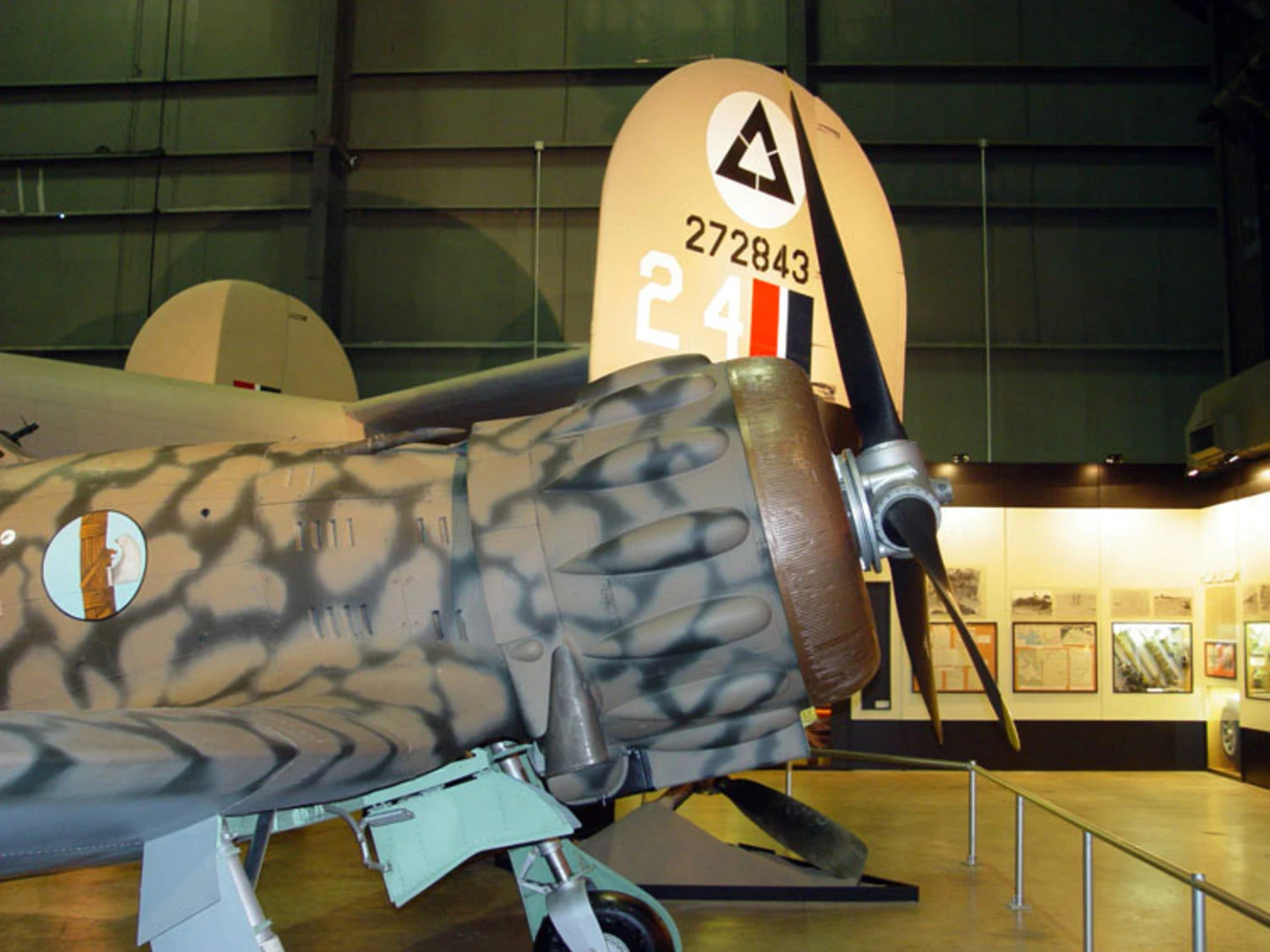
Macchi C.200 Saetta 03
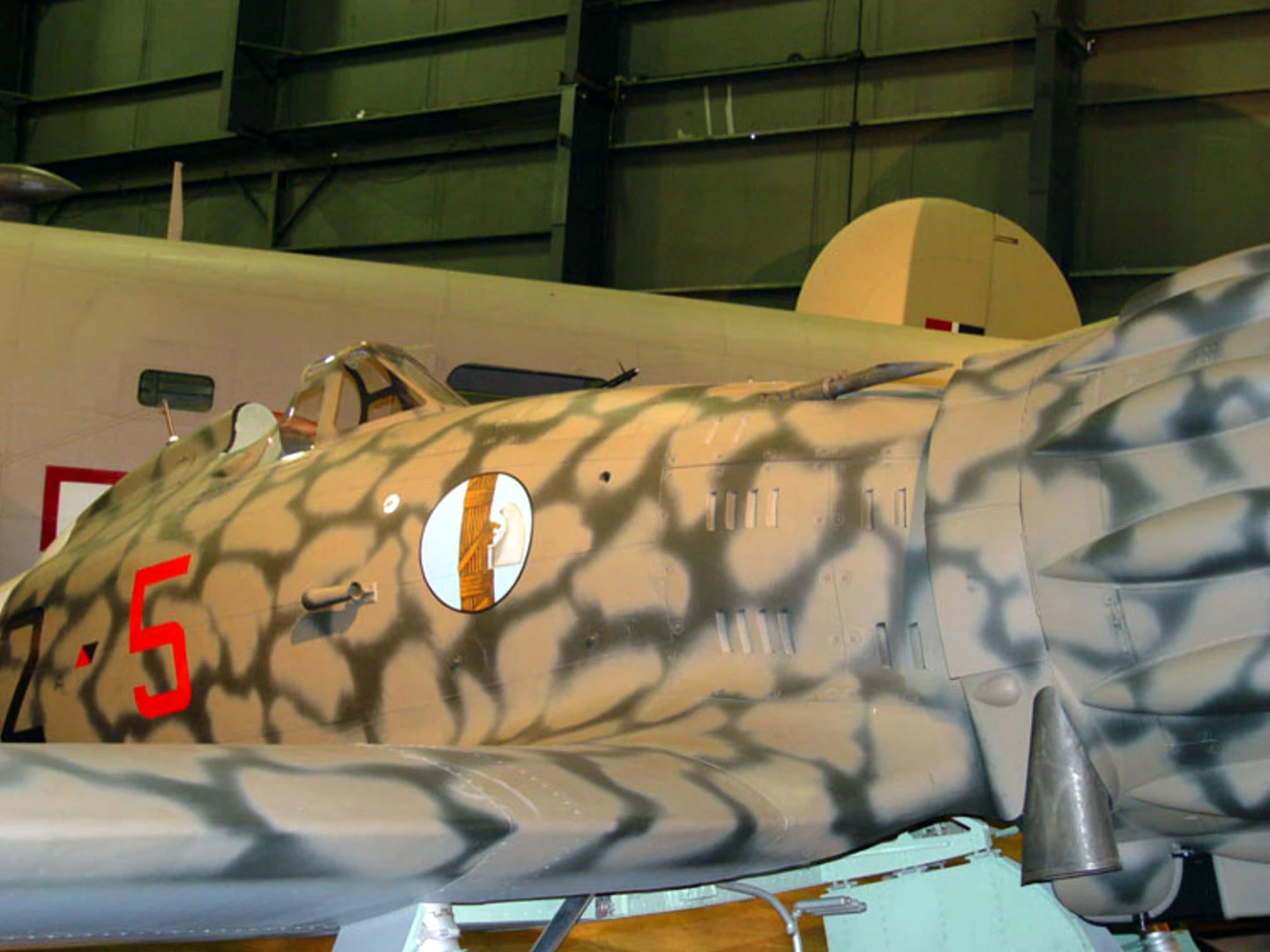
Macchi C.200 Saetta 04
Macchi C.200 Saetta 05
Macchi C.200 Saetta 06
Macchi C.200 Saetta 07
Macchi C.200 Saetta 08
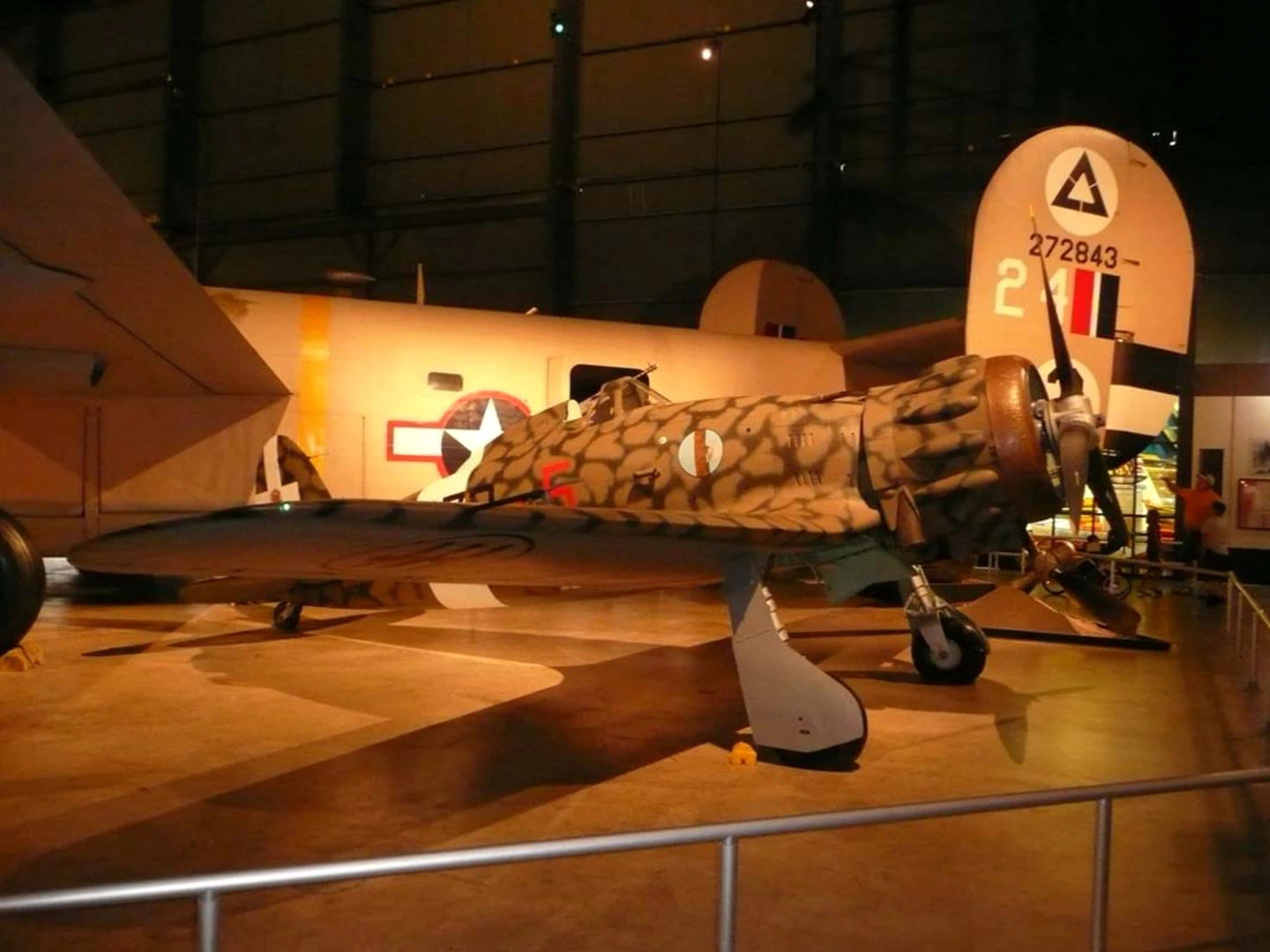
Macchi C.200 Saetta 10
待って、検索マッキC.200サエッタあなたのために.

関連項目:


Italy’s Supremely Balanced Interceptor
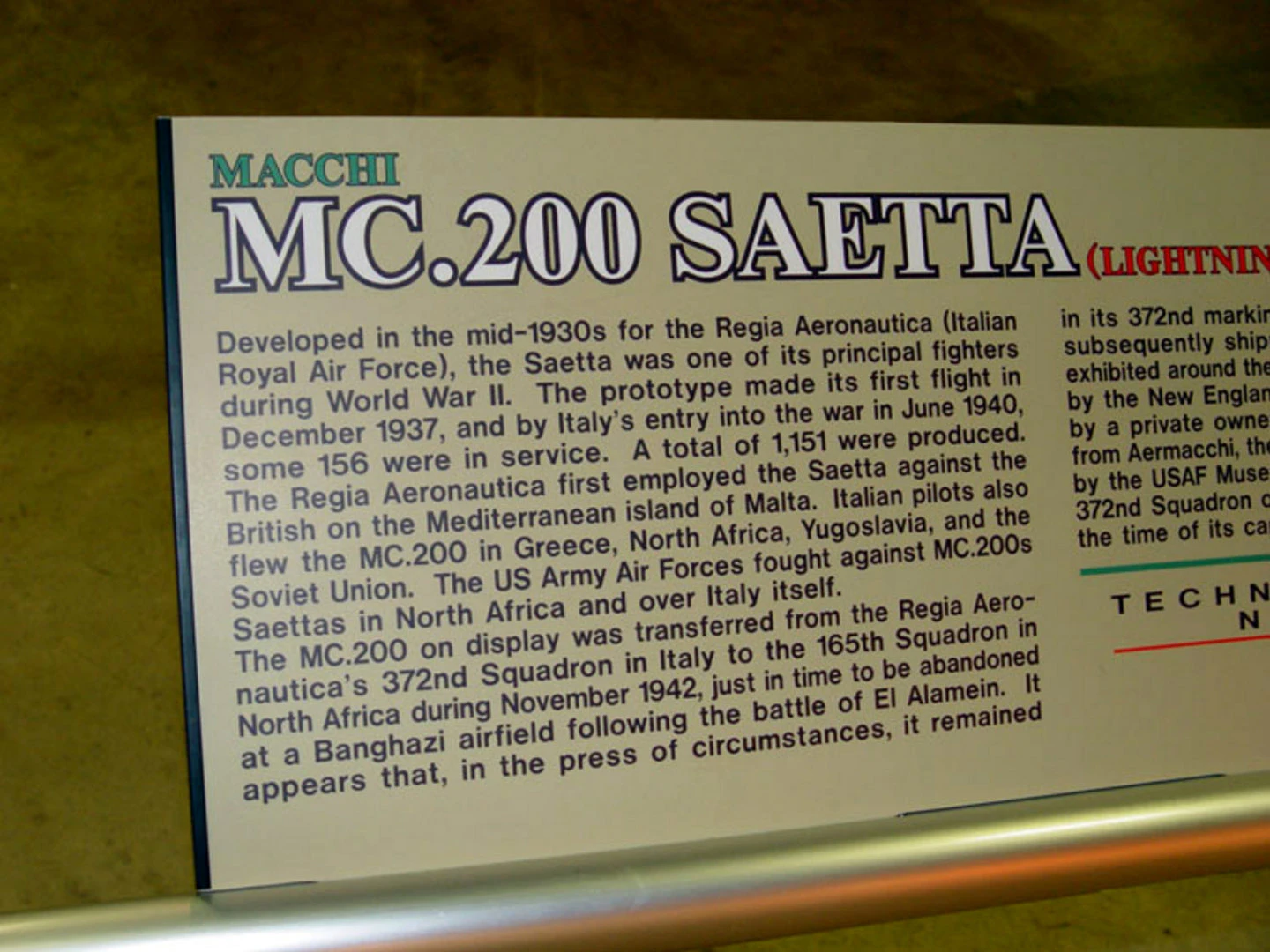
ザ マッキ C.200 サエッタ was the backbone of Italy’s fighter force at the start of World War II. Designed by Mario Castoldi (who also created the world-record-setting Macchi seaplanes), the Saetta was a pilot’s dream: it was incredibly maneuverable, exceptionally strong in a dive, and possessed excellent visibility. While it lacked the heavy armament and speed of its later German or British contemporaries, its ruggedness allowed it to serve across every front—from the scorching sands of North Africa to the freezing skies of the Soviet Union.
| Attribute | Technical Specification (C.200) |
|---|---|
| 役割 | Interceptor / Fighter-Bomber |
| 乗組員 | 1 (Pilot) |
| エンジン | 1 × Fiat A.74 R.C.38 14-cylinder radial (870 hp) |
| 最高速度 | 504 km/h (313 mph) |
| Climb Rate | Reached 5,000 m (16,400 ft) in 5 min 52 sec |
| 主砲 | 2 × 12.7 mm Breda-SAFAT machine guns (synchronized) |
| Construction | All-metal monocoque |
| ステータス | Primary Italian fighter (1939–1943) |
Design Engineering: The Hump and the Wing
- The “Humpback” Cockpit: To provide the pilot with superior all-around visibility, Castoldi sat the pilot high in a “humped” fuselage. Early models featured a fully enclosed canopy, but Italian pilots—preferring the open air to better “feel” the plane—demanded it be changed to an open or semi-enclosed design.
- Asymmetric Wings: To counter the massive torque of the engine without using heavy trim tabs, Macchi designed the left wing to be 20 cm longer than the right. This provided slightly more lift on one side, keeping the plane level during high-speed flight.
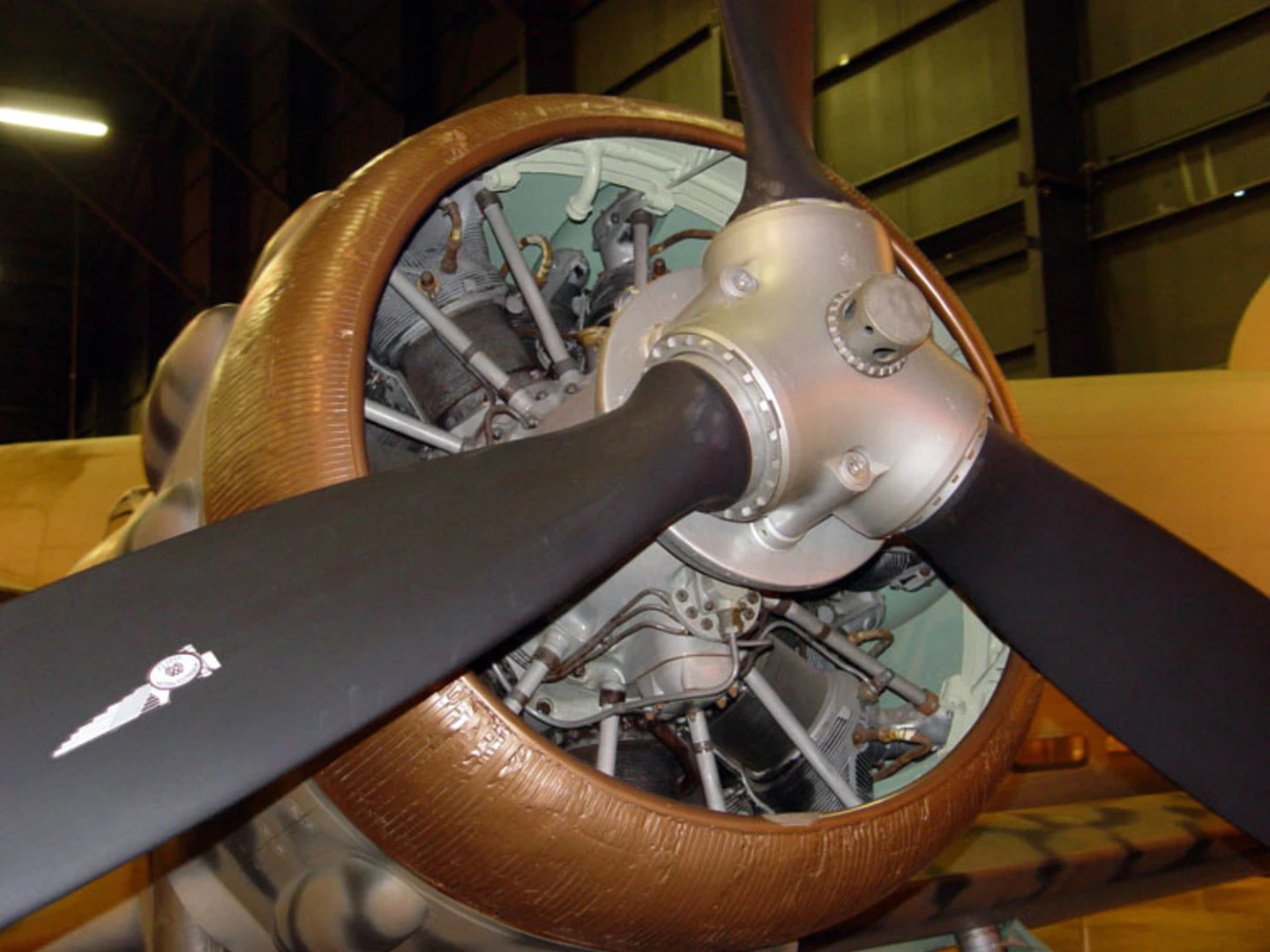
- The Fiat A.74 Radial: While reliable and easy to maintain in desert conditions, the Fiat engine was underpowered compared to the V12 engines used in the Spitfire or Bf 109. This engine choice was the primary bottleneck for the Saetta’s performance.
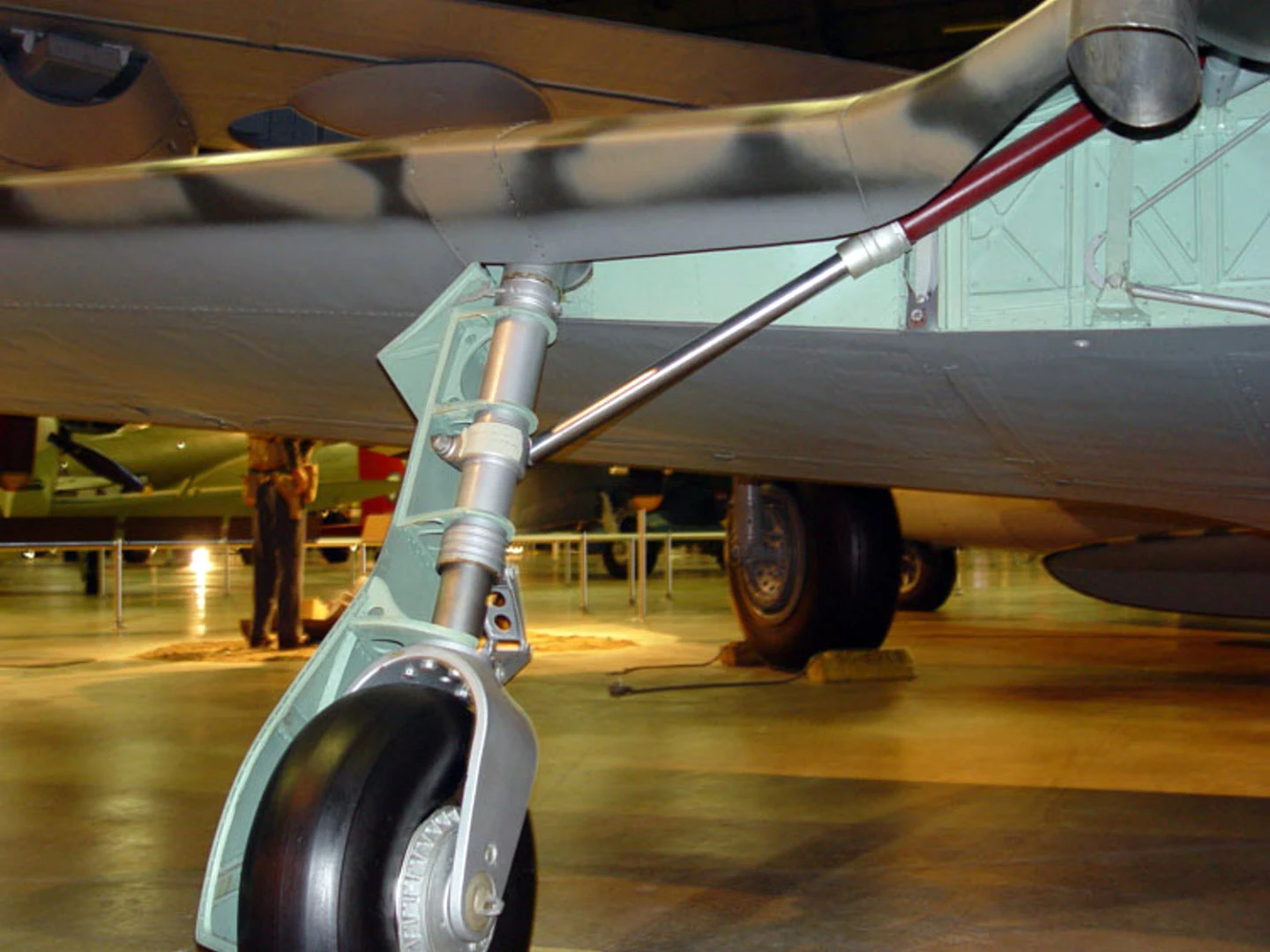
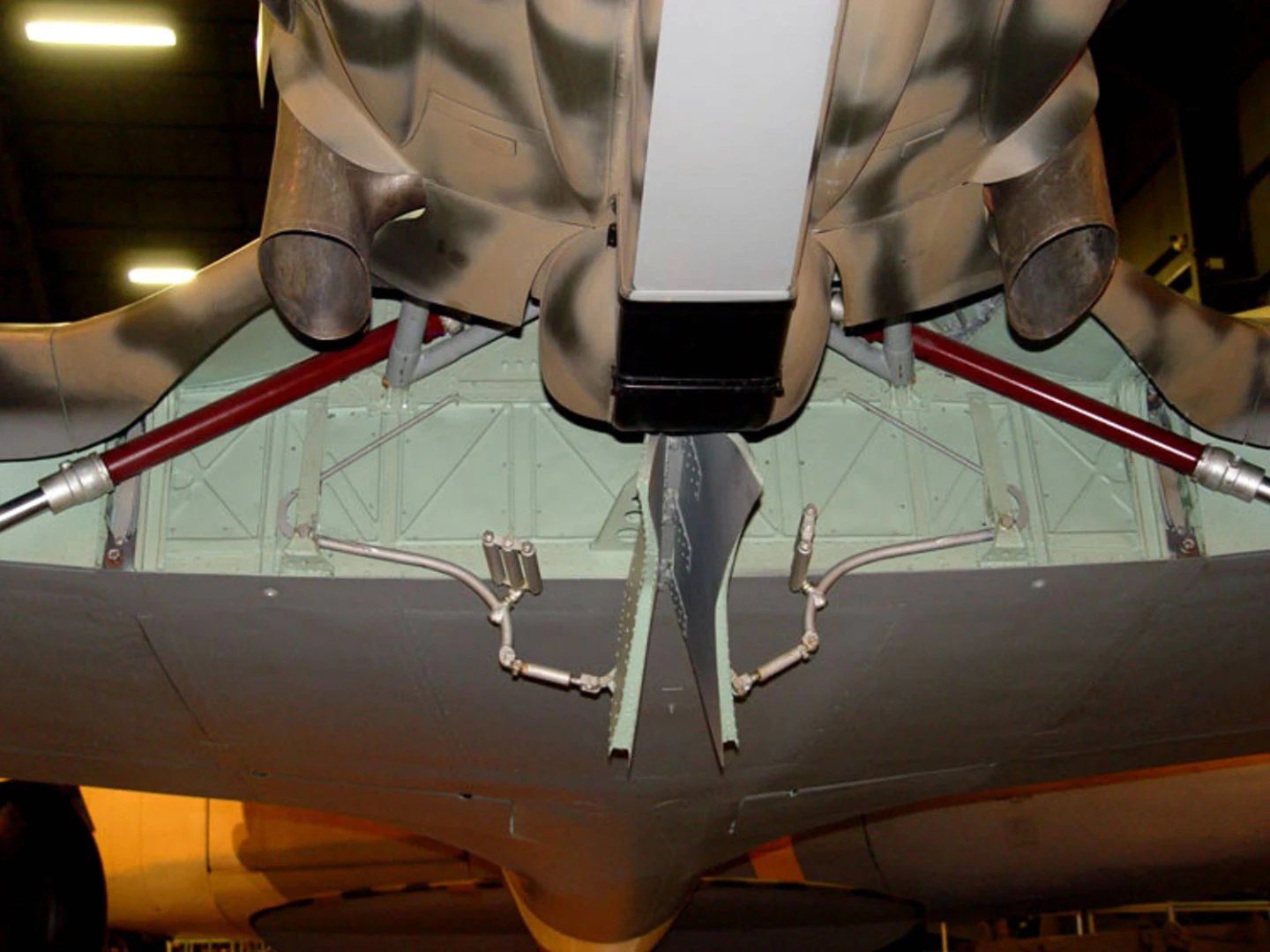
- Hydraulic Landing Gear: The C.200 featured a wide-track, hydraulically retractable landing gear. This made it far more stable on the rough, improvised airfields of the Eastern Front and North Africa compared to the narrow-geared Bf 109.
Combat History: From the Mediterranean to the Steppe
- Malta and North Africa: The Saetta proved a dangerous opponent for the Hawker Hurricane. While the Hurricane was faster, the C.200 could out-turn it, leading to intense dogfights over the Mediterranean.
- The Russian Front: Over 50 C.200s were sent to the Soviet Union. Despite the extreme cold, the A.74 radial engine proved surprisingly resilient, and Italian pilots achieved a remarkable kill-to-loss ratio against Soviet I-16s and Yak-1s.
- Evolution into the C.202: The airframe of the C.200 was so well-engineered that when Italy finally gained access to German Daimler-Benz V12 engines, they simply streamlined the nose of the Saetta to create the legendary マッキ C.202 フォルゴア.
- The “Limping” Firepower: The C.200’s greatest weakness was its twin 12.7mm guns. They were synchronized to fire through the propeller, which lowered their rate of fire significantly, often requiring a long, steady burst to bring down a modern bomber.
再生 : 4455