Curtiss-Wright XP-55 Ascender | |
|---|---|
| 국가 | 미국 |
| 역할 | 전투기 |
| 생산 | 1943년 7월 19일 |
| 내장 | 3 |
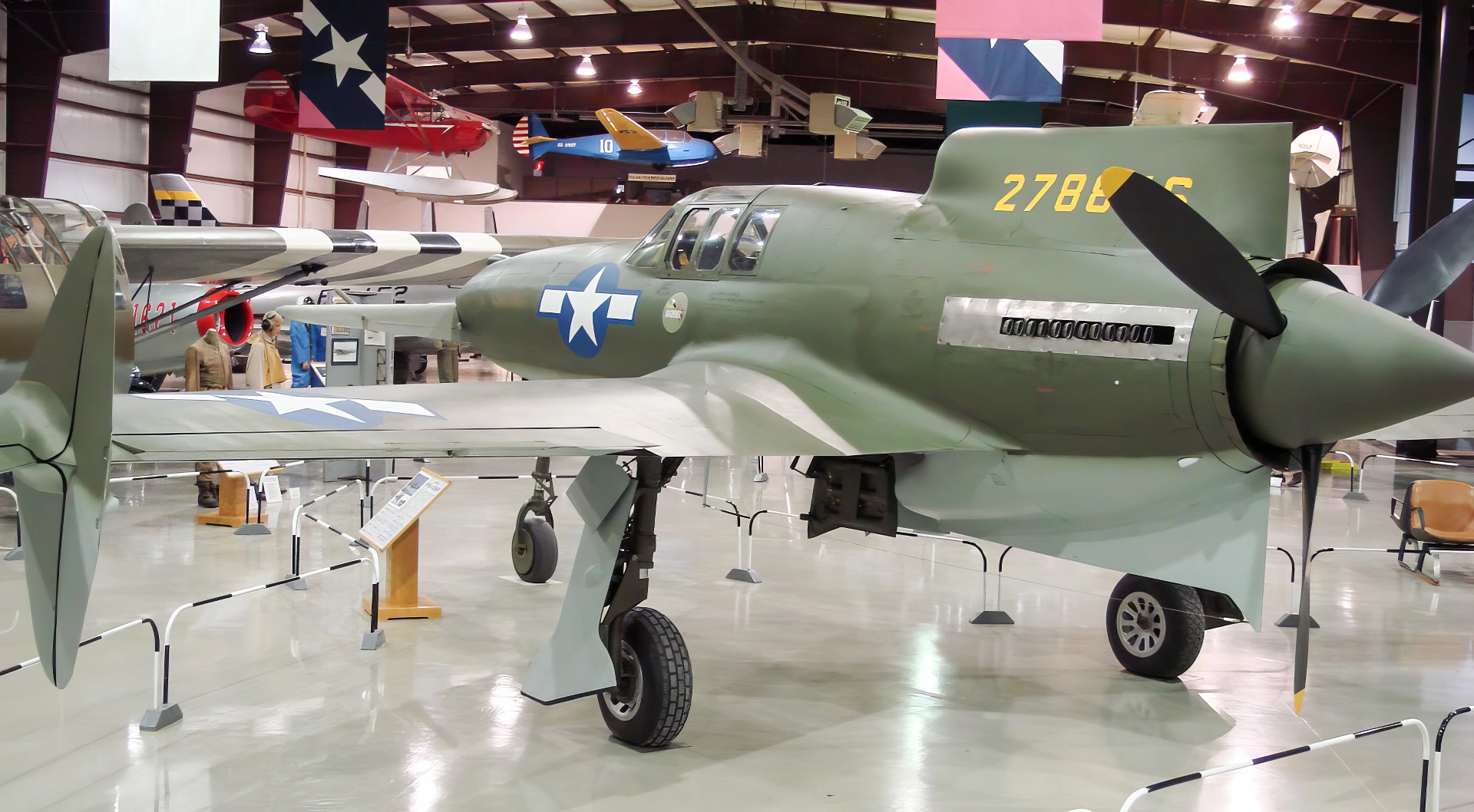
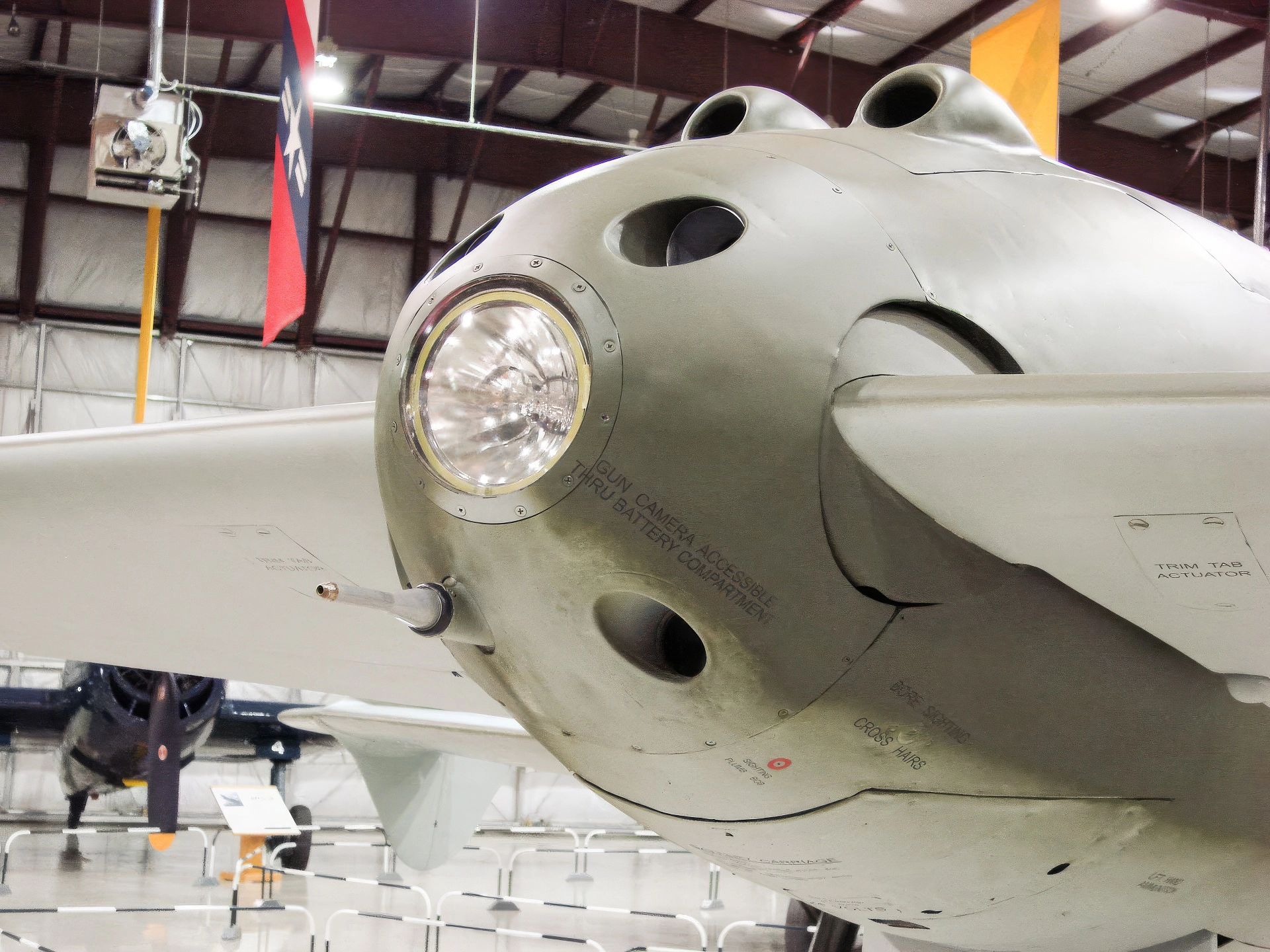
Tthe 커티스 라이트 XP-55 어센더 (회사 명칭 CW-24)는 Curtiss-Wright가 제작 한 1940 년대 미국 프로토 타입 전투기입니다. Vultee XP-54 및 Northrop XP-56과 함께 기존 전투기에 비해 성능, 군비 및 조종사 가시성이 향상된 항공기에 대해 1939 년 11 월 27 일에 발행 된 미국 육군 공군 제안 R-40C에서 비롯되었습니다. 그것은 특히 비 전통적인 항공기 설계를 허용했습니다. 당시에는 매우 특이한 디자인으로 캐나드 구성, 후방 장착 엔진, 스윕 날개 및 두 개의 수직 꼬리가있었습니다. 푸셔 디자인 때문에 냉소적으로 "Ass-ender"라고 불 렸습니다. XP-54와 마찬가지로 어센더는 처음에 프랫 & 휘트니 X-1800 엔진을 위해 설계되었으며 엔진 프로젝트가 취소되면 다시 설계해야했습니다. 또한 세발 자전거 랜딩 기어를 사용한 최초의 Curtiss 전투기였습니다.
소스: 커티스-라이트 XP-55 어센더 위키백과에
| XP-55 Ascender Walk Around | |
|---|---|
| 사진 작가 | 마이클 베놀킨 |
| 로컬라이제이션 | Unknow |
| 사진 | 39 |




참고 항목:


General Characteristics and Role
The Curtiss XP-55 Ascender (Curtiss-Sperry Model 24) was an experimental fighter prototype developed for the U.S. Army Air Forces (USAAF) during World War II. It was the product of the 1940 “R-40C” proposal for unconventional aircraft designs, alongside the Northrop XP-56 Black Bullet and Vultee XP-54 Swoose Goose. The Ascender featured a highly radical and futuristic design for its time: a tailless canard configuration with the engine mounted at the rear, driving a pusher propeller. This layout was intended to improve aerodynamics and provide an unobstructed forward field of fire. Despite the design’s potential, the XP-55 suffered from stability issues, poor low-speed performance, and did not live up to performance expectations, leading to its cancellation after three prototypes were built.
| Property | Typical Value (XP-55) |
|---|---|
| 역할 | Experimental Fighter Prototype |
| National Origin | 미국 |
| 제조업체 | Curtiss-Wright Corporation |
| First Flight | 13 July 1943 |
| 구축된 번호 | 3 |
| 승무원 | 1 (Pilot) |
| 길이 | 9.0 m (29 ft 6 in) |
| 윙스 팬 | 12.4 m (40 ft 8 in) |
| 높이 | 3.45 m (11 ft 4 in) |
| Empty Weight | 2,884 kg (6,358 lb) |
| Max Takeoff Weight | 3,792 kg (8,360 lb) |
Powerplant and Design
- Engine: One Allison V-1710-95 (F23R) liquid-cooled V12 engine.
- Power Output: 954 kW (1,275 hp).
- Propulsion: 3-bladed propeller in a pusher configuration (at the rear).
- Maximum Speed: 628 km/h (390 mph; 339 kn) at 5,800 m (19,000 ft).
- Range: 1,040 km (650 mi; 560 nmi).
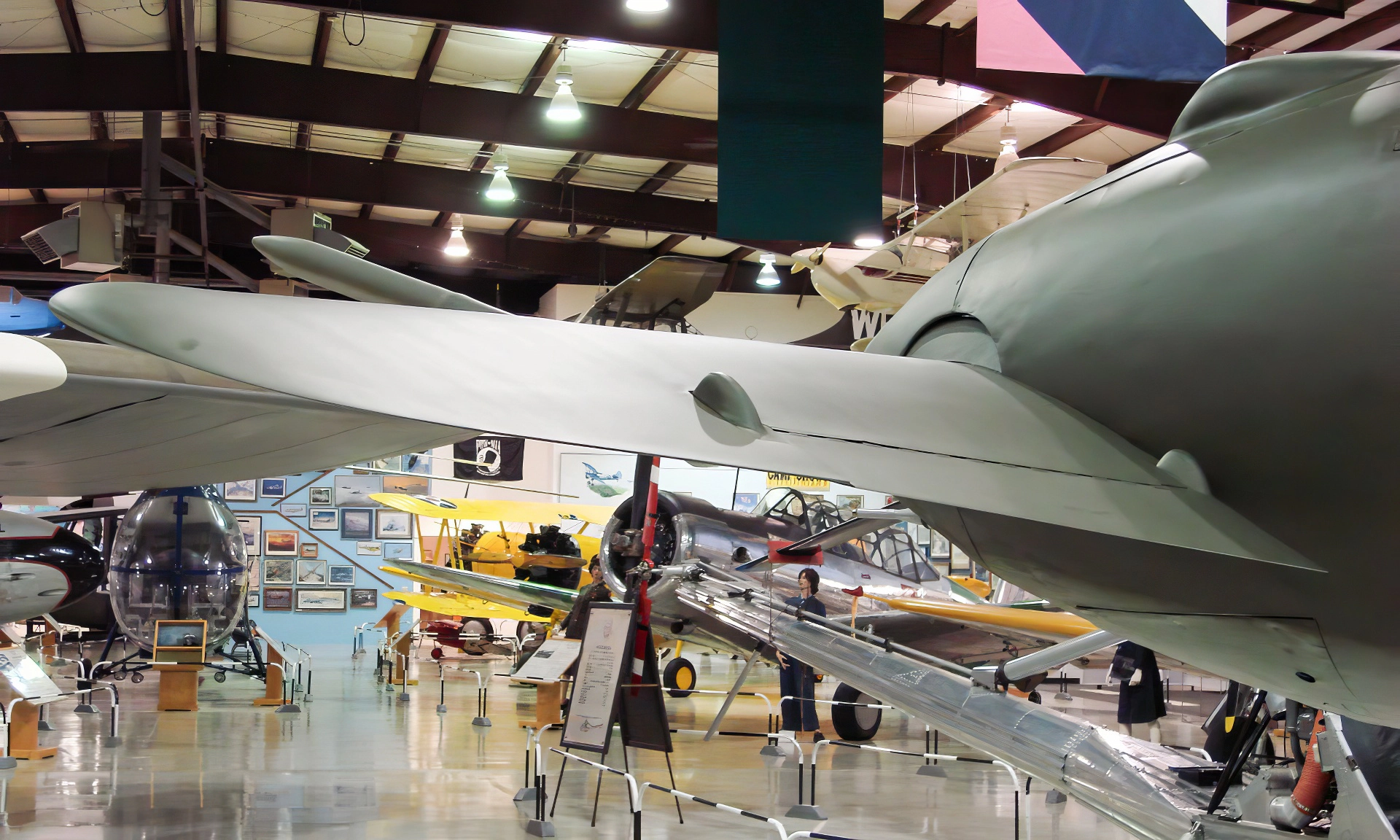
- Design Layout: Canard (small horizontal surface in the nose) and a mid-set wing with twin tail booms supporting the rudders. The main wings were swept back slightly.
- Pilot Safety: Due to the rear-mounted propeller, the pilot was equipped with a system to jettison the propeller assembly before bailing out in an emergency.
Armament (Intended) and Service
- Intended Armament: 2 x 20 mm cannon and 2 x .50 in (12.7 mm) machine guns, all mounted in the nose. (Prototypes often flew with reduced or no armament).
- Service History: The first prototype crashed due to a stall/spin in a test flight. Despite modifications to the second and third prototypes, they were ultimately outclassed by conventional and early jet fighters.
- Legacy: The XP-55’s radical configuration helped advance research into canard aerodynamics, a concept later successfully used in aircraft like the Saab Viggen and Eurofighter Typhoon.
Views : 3584