
Curtiss-Wright XP-55 Ascender | |
|---|---|
| Land | Usa |
| Role | Fighter |
| Geproduceerd | 19 juli 1943 |
| Gebouwd | 3 |
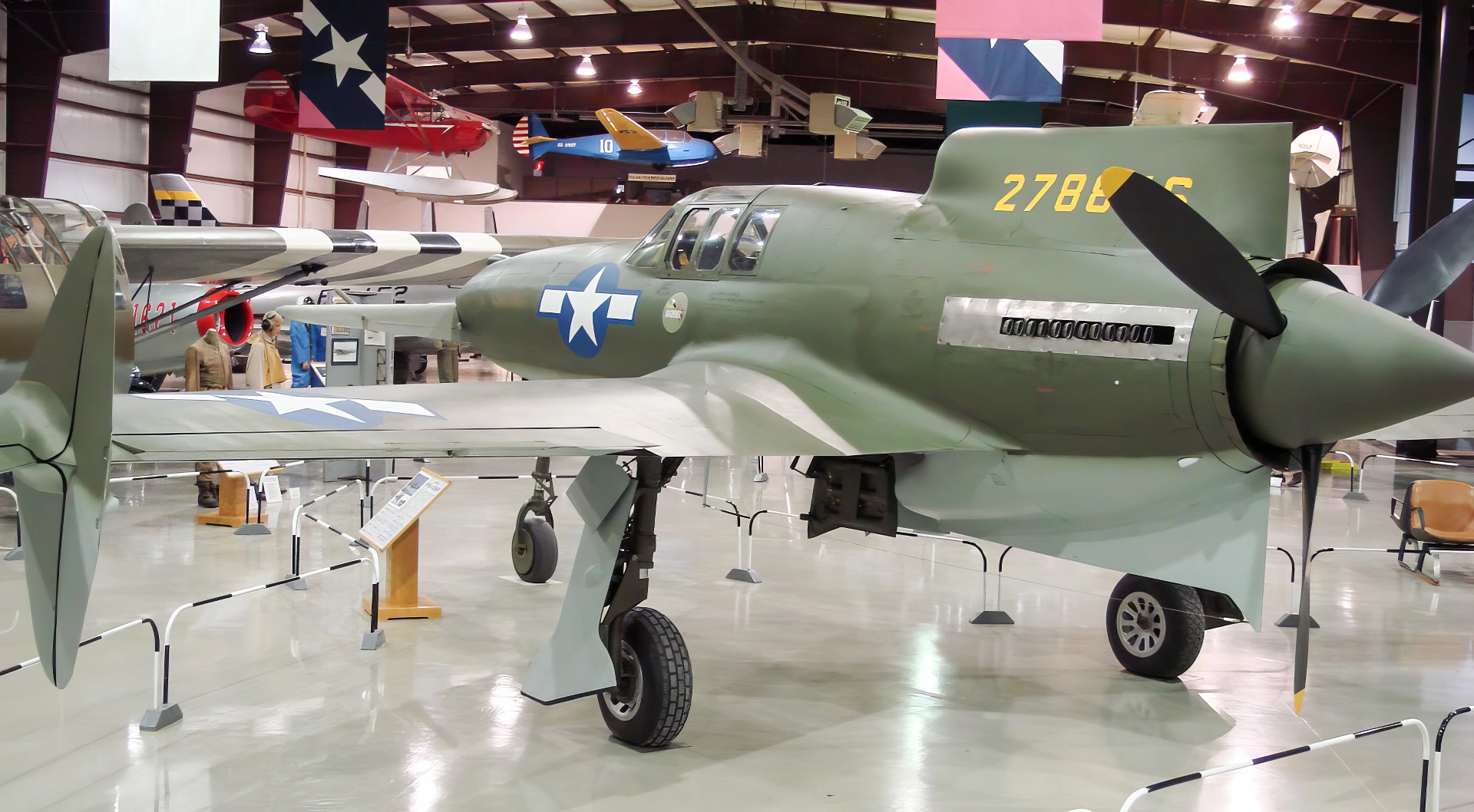
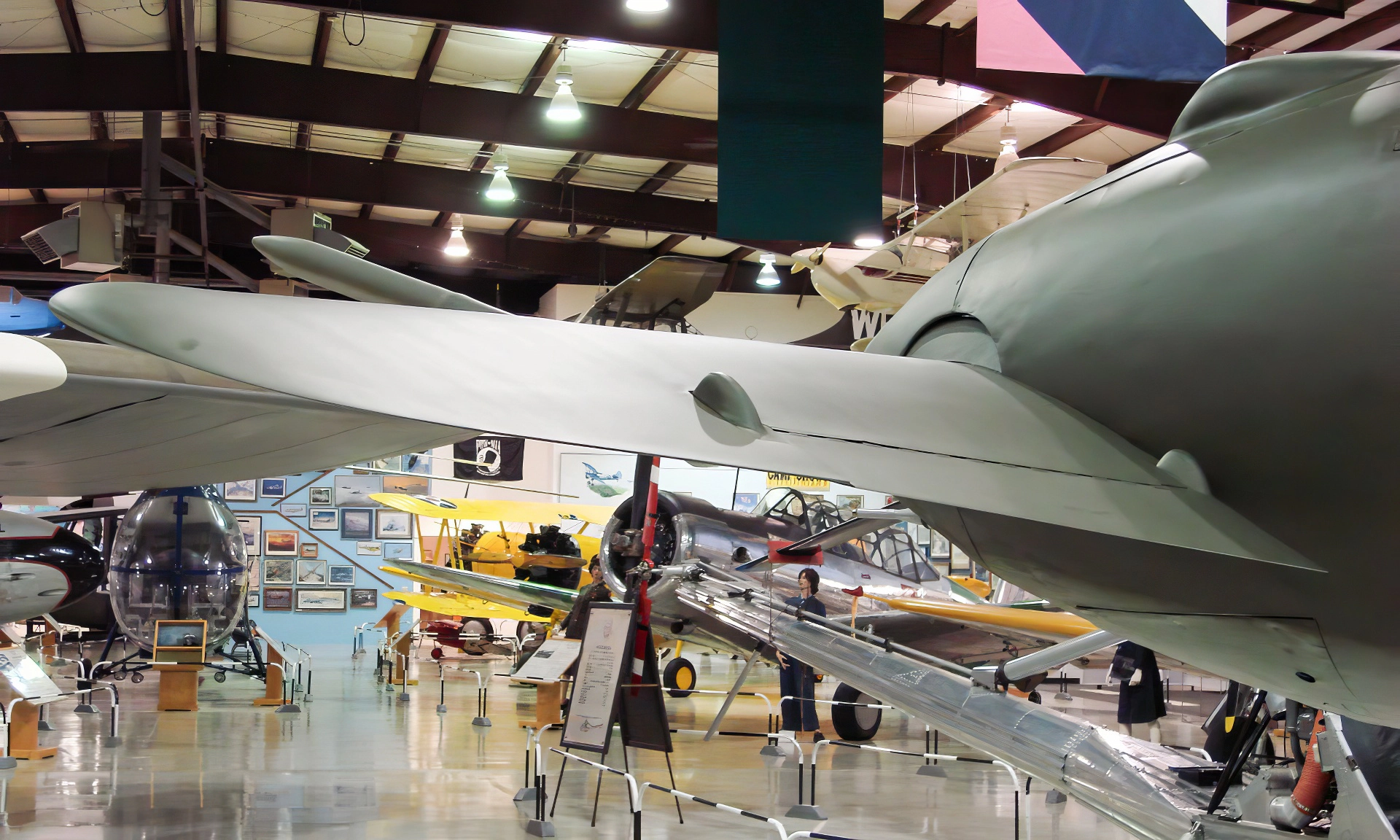
De Curtiss-Wright XP-55 Ascender (bedrijfsaanduiding CW-24) is een Amerikaans prototype gevechtsvliegtuig uit de jaren 1940, gebouwd door Curtiss-Wright. Samen met de Vultee XP-54 en Northrop XP-56 was het het resultaat van het voorstel R-40C van het United States Army Air Corps, uitgegeven op 27 november 1939 voor vliegtuigen met verbeterde prestaties, bewapening en zichtbaarheid van de piloot ten opzichte van bestaande jagers; het maakte specifiek onconventionele vliegtuigontwerpen mogelijk. Een hoogst ongebruikelijk ontwerp voor zijn tijd, het had een canardconfiguratie, een achterin gemonteerde motor, geveegde vleugels en twee verticale staarten. Vanwege het pusher-ontwerp werd het sarcastisch de "Ass-ender" genoemd. Net als de XP-54 was de Ascender aanvankelijk ontworpen voor de Pratt &Whitney X-1800-motor en moest opnieuw worden ontworpen toen dat motorproject werd geannuleerd. Het was ook het eerste Curtiss-gevechtsvliegtuig dat een driewielerlandingsgestel gebruikte.
Bron: Curtiss-Wright XP-55 Ascender op Wikipedia
| XP-55 Ascender Walk Around | |
|---|---|
| Fotograaf | Michael Benolkin |
| Lokalisatie | Onbewust |
| Foto 's | 39 |




Zie ook:


General Characteristics and Role
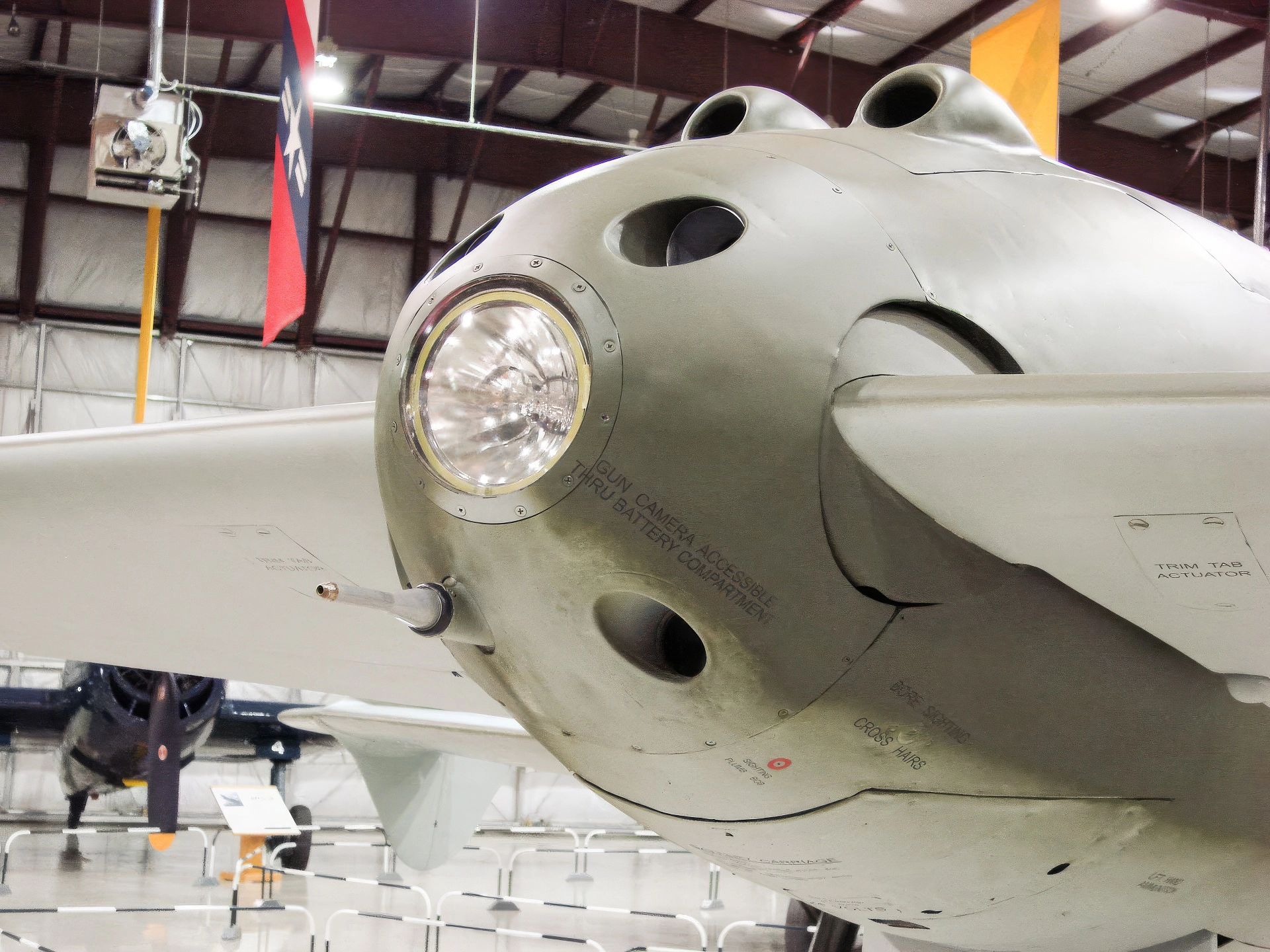
The Curtiss XP-55 Ascender (Curtiss-Sperry Model 24) was an experimental fighter prototype developed for the U.S. Army Air Forces (USAAF) during World War II. It was the product of the 1940 “R-40C” proposal for unconventional aircraft designs, alongside the Northrop XP-56 Black Bullet and Vultee XP-54 Swoose Goose. The Ascender featured a highly radical and futuristic design for its time: a tailless canard configuration with the engine mounted at the rear, driving a pusher propeller. This layout was intended to improve aerodynamics and provide an unobstructed forward field of fire. Despite the design’s potential, the XP-55 suffered from stability issues, poor low-speed performance, and did not live up to performance expectations, leading to its cancellation after three prototypes were built.
| Property | Typical Value (XP-55) |
|---|---|
| Role | Experimental Fighter Prototype |
| National Origin | Verenigde Staten |
| Fabrikant | Curtiss-Wright Corporation |
| First Flight | 13 July 1943 |
| Aantal gebouwd | 3 |
| Bemanning | 1 (Pilot) |
| Lengte | 9.0 m (29 ft 6 in) |
| Spanwijdte | 12.4 m (40 ft 8 in) |
| Hoogte | 3.45 m (11 ft 4 in) |
| Empty Weight | 2,884 kg (6,358 lb) |
| Max Takeoff Weight | 3,792 kg (8,360 lb) |
Powerplant and Design
- Engine: One Allison V-1710-95 (F23R) liquid-cooled V12 engine.
- Power Output: 954 kW (1,275 hp).
- Propulsion: 3-bladed propeller in a pusher configuration (at the rear).
- Maximum Speed: 628 km/h (390 mph; 339 kn) at 5,800 m (19,000 ft).
- Range: 1,040 km (650 mi; 560 nmi).
- Design Layout: Canard (small horizontal surface in the nose) and a mid-set wing with twin tail booms supporting the rudders. The main wings were swept back slightly.
- Pilot Safety: Due to the rear-mounted propeller, the pilot was equipped with a system to jettison the propeller assembly before bailing out in an emergency.
Armament (Intended) and Service
- Intended Armament: 2 x 20 mm cannon and 2 x .50 in (12.7 mm) machine guns, all mounted in the nose. (Prototypes often flew with reduced or no armament).
- Service History: The first prototype crashed due to a stall/spin in a test flight. Despite modifications to the second and third prototypes, they were ultimately outclassed by conventional and early jet fighters.
- Legacy: The XP-55’s radical configuration helped advance research into canard aerodynamics, a concept later successfully used in aircraft like the Saab Viggen and Eurofighter Typhoon.
Bekeken : 3540
U ook zien :
 Travel Air 2000 – Foto's & Video's
 Curtiss-Wright CW-22 – Foto's & Video
 Curtiss-Wright AT-9 – Foto's & Video
 Stinson L-5 Sentinel – Foto's &Video
 Piper L-4 Grasshopper – Foto's &Video
 Lockheed U-2 – Foto's &Video
 Hawker Sea Fury FBII vol2 - Rond te lopen
 P-51D Mustang vol2 - Rondlopen
 B-17G Flying Fortress – WalkAround
 Messerschmitt Bf 109G-2 – Rond te Lopen