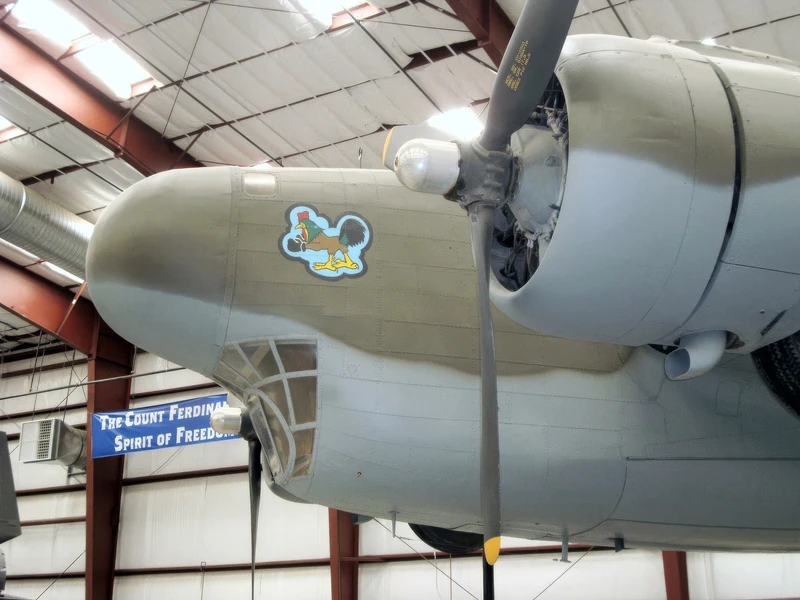
Douglas B-18 Bolo | |
|---|---|
| Land | Usa |
| Role | Middelgrote bommenwerper |
| Geproduceerd | April 1935 |
| Gebouwd | 350 |
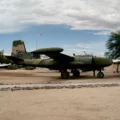
De Douglas Bolo 18 is an American medium bomber which served with the United States Army Air Corps and the Royal Canadian Air Force (as the Digby) during the late 1930s and early 1940s. The Bolo was built by the Douglas Aircraft Company, based on its DC-2, and was developed to replace the Martin B-10. By 1940, it was considered to be underpowered, to have inadequate defensive armament, and to carry too small a bomb load. Many were destroyed during the attacks on Pearl Harbor and the Philippines in December 1941.
Bron: Douglas B-18 Bolo op Wikipedia
| B-18 Bolo Walk Around | |
|---|---|
| Fotograaf | Michael Benolkin |
| Lokalisatie | Onbewust |
| Foto 's | 19 |
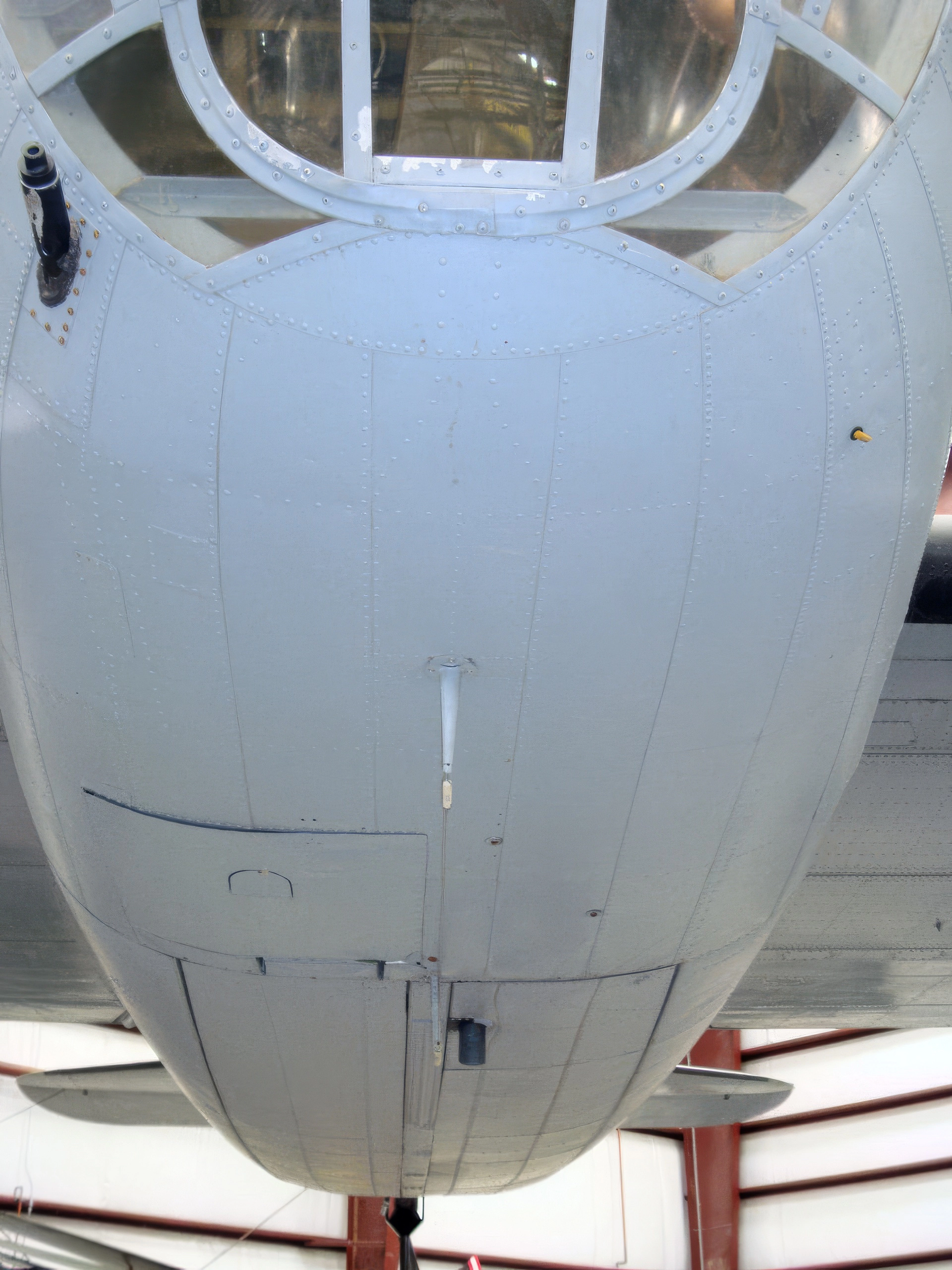
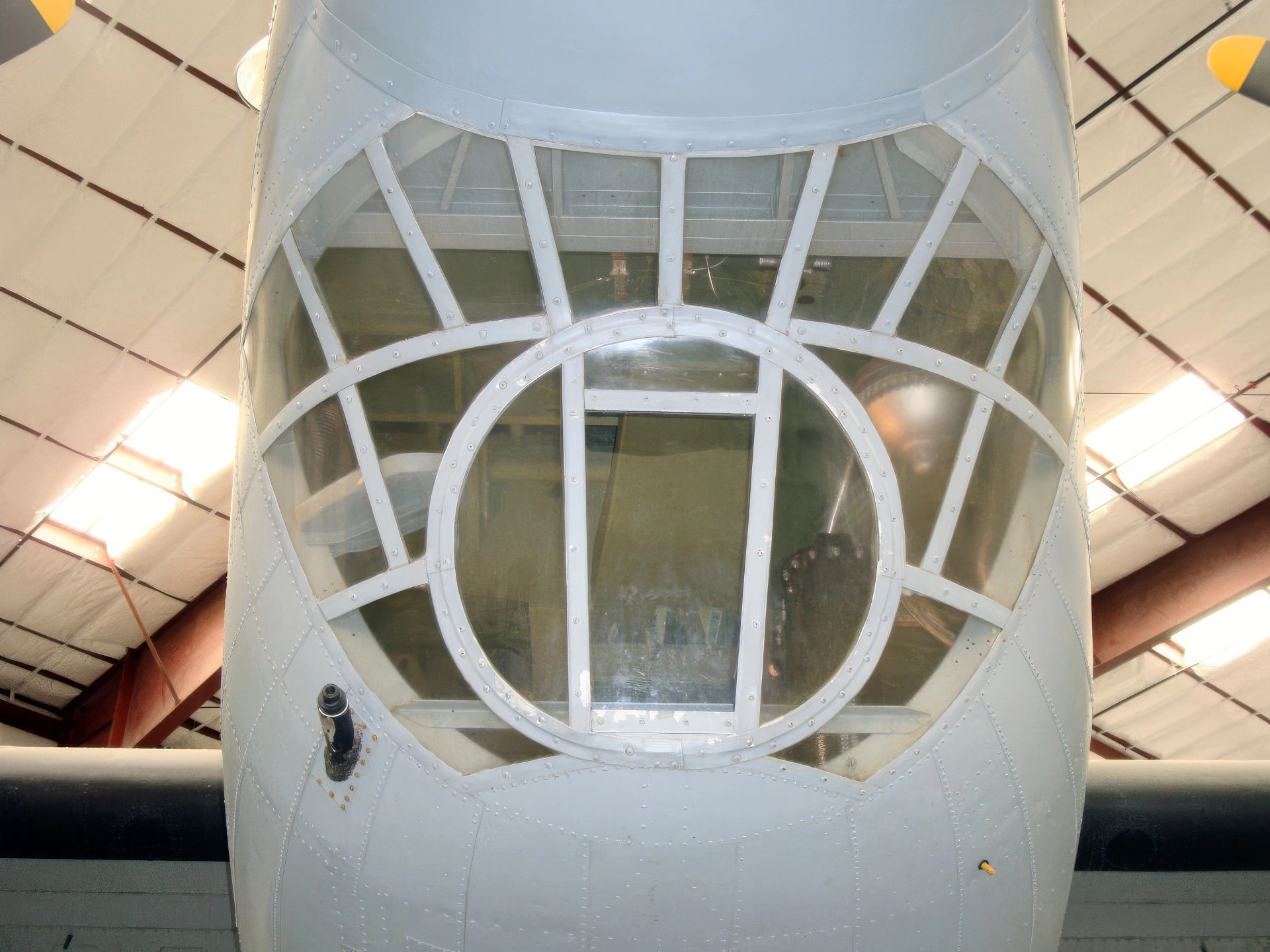
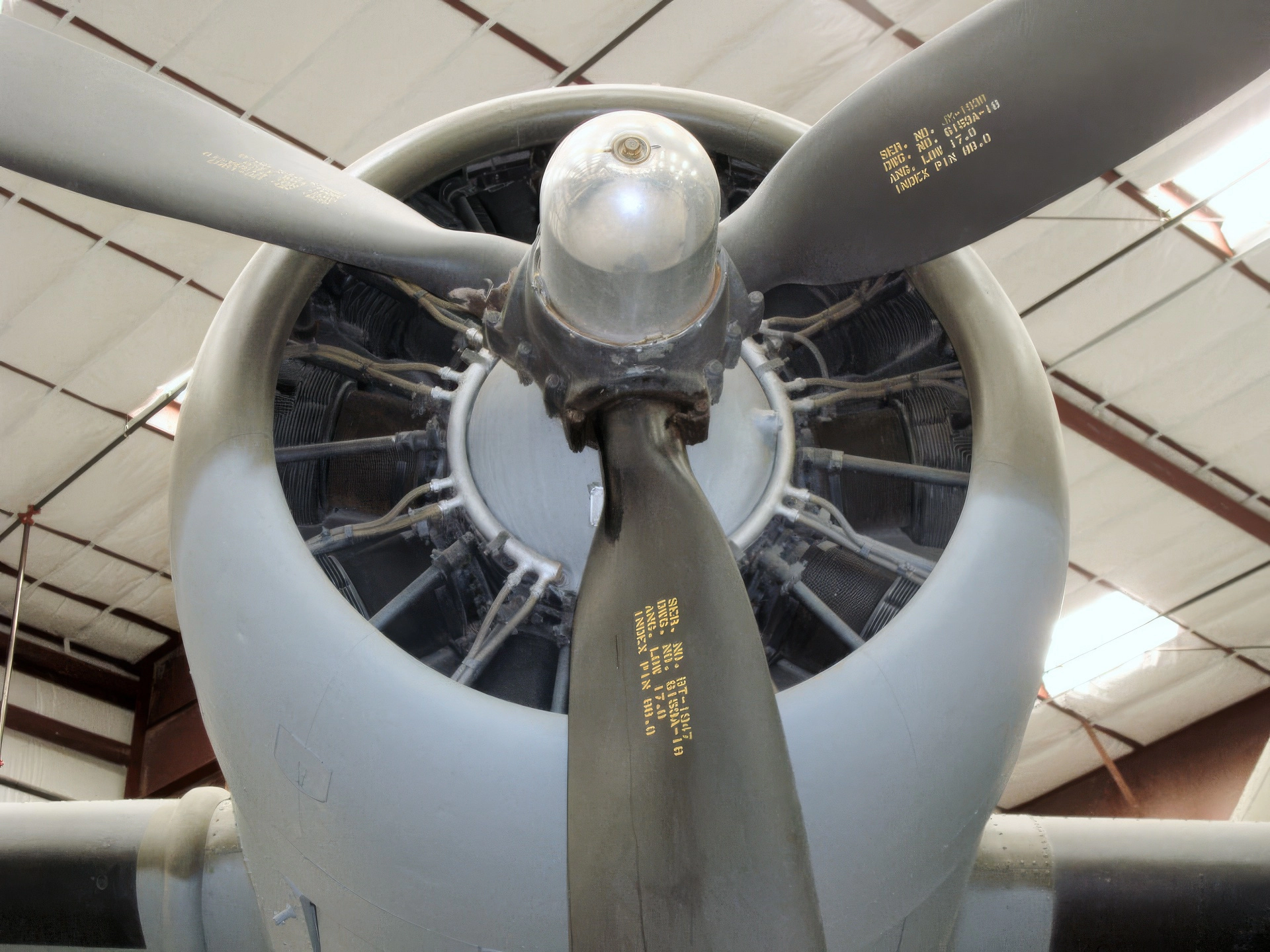
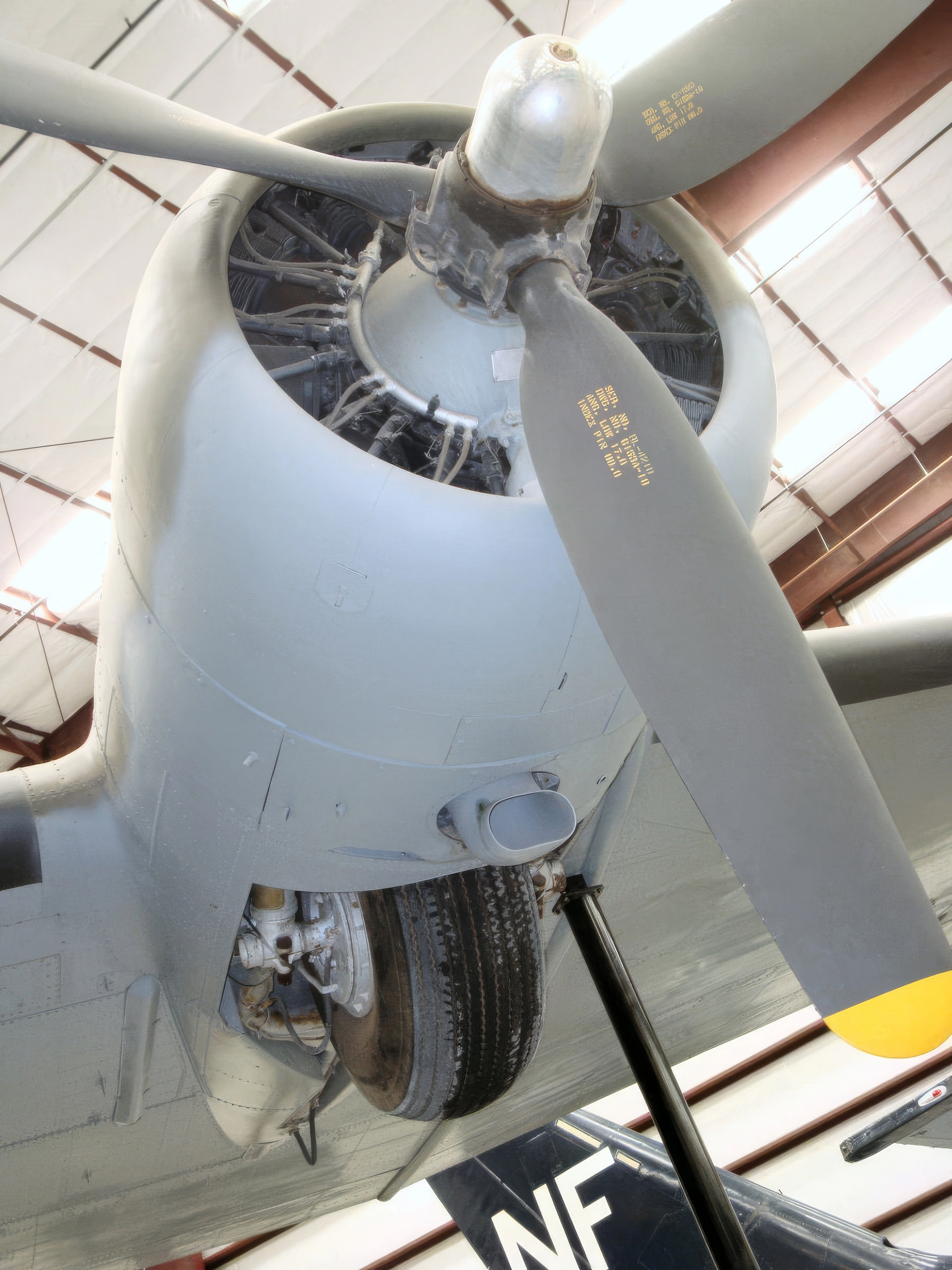
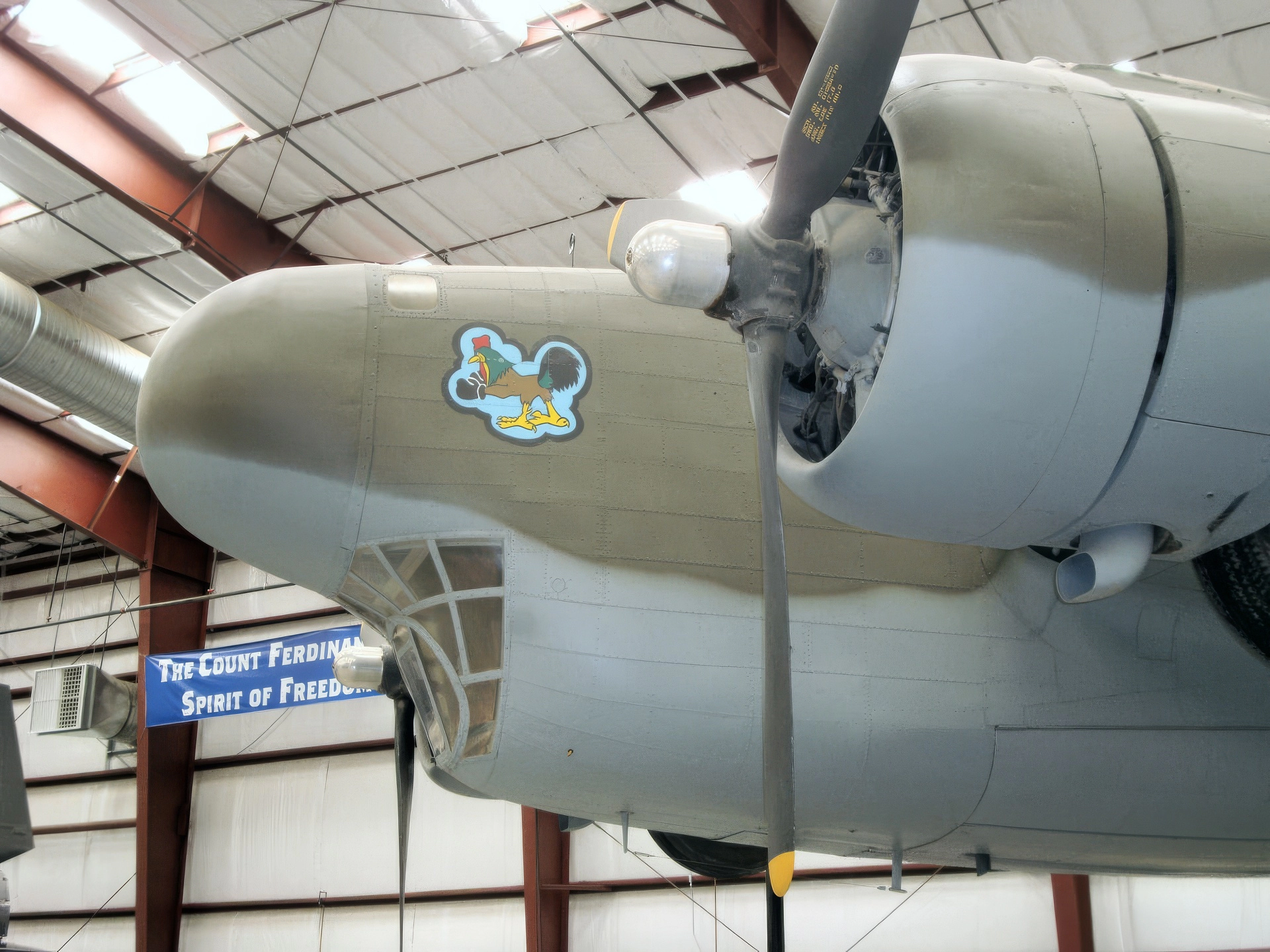
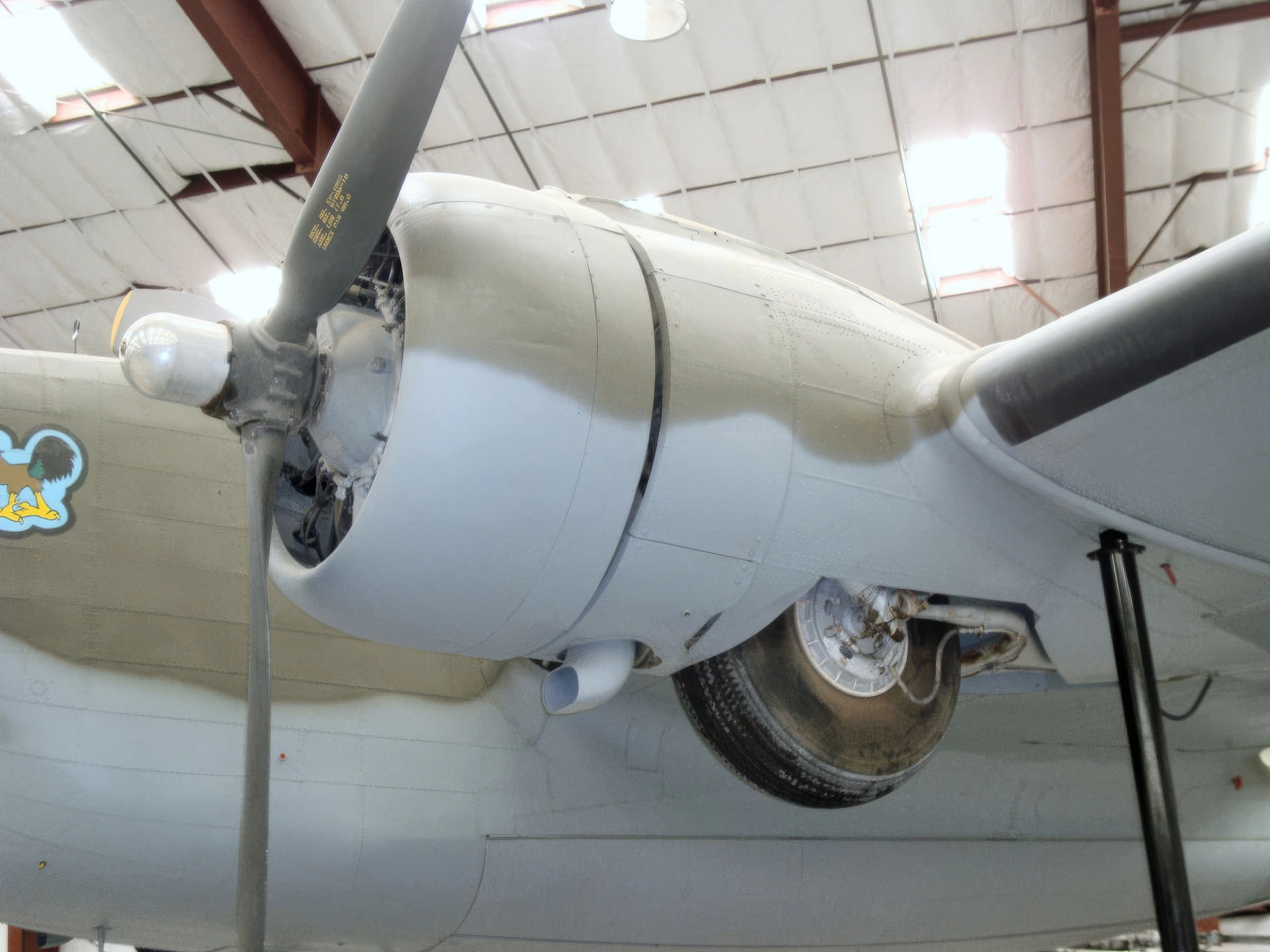
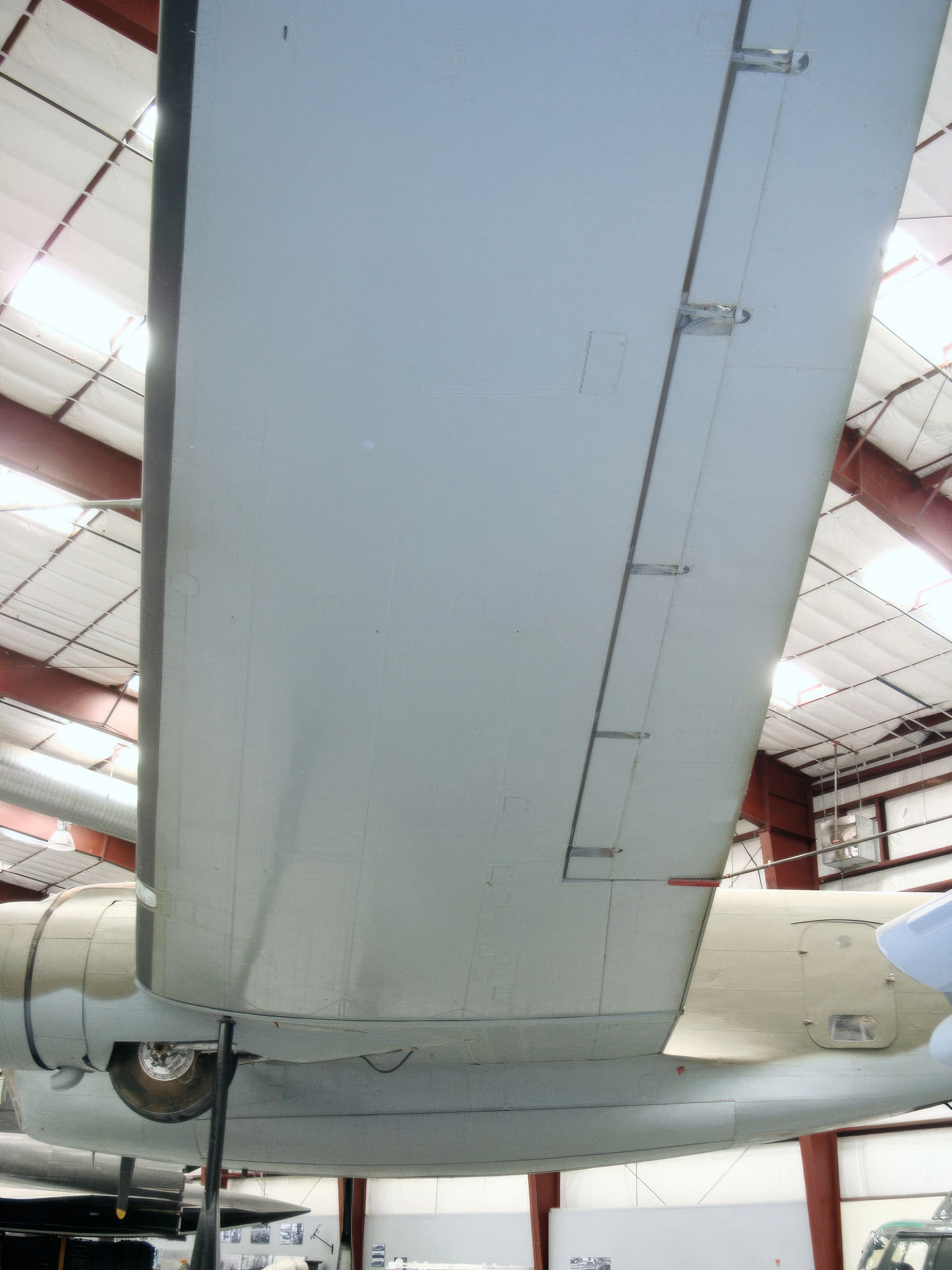
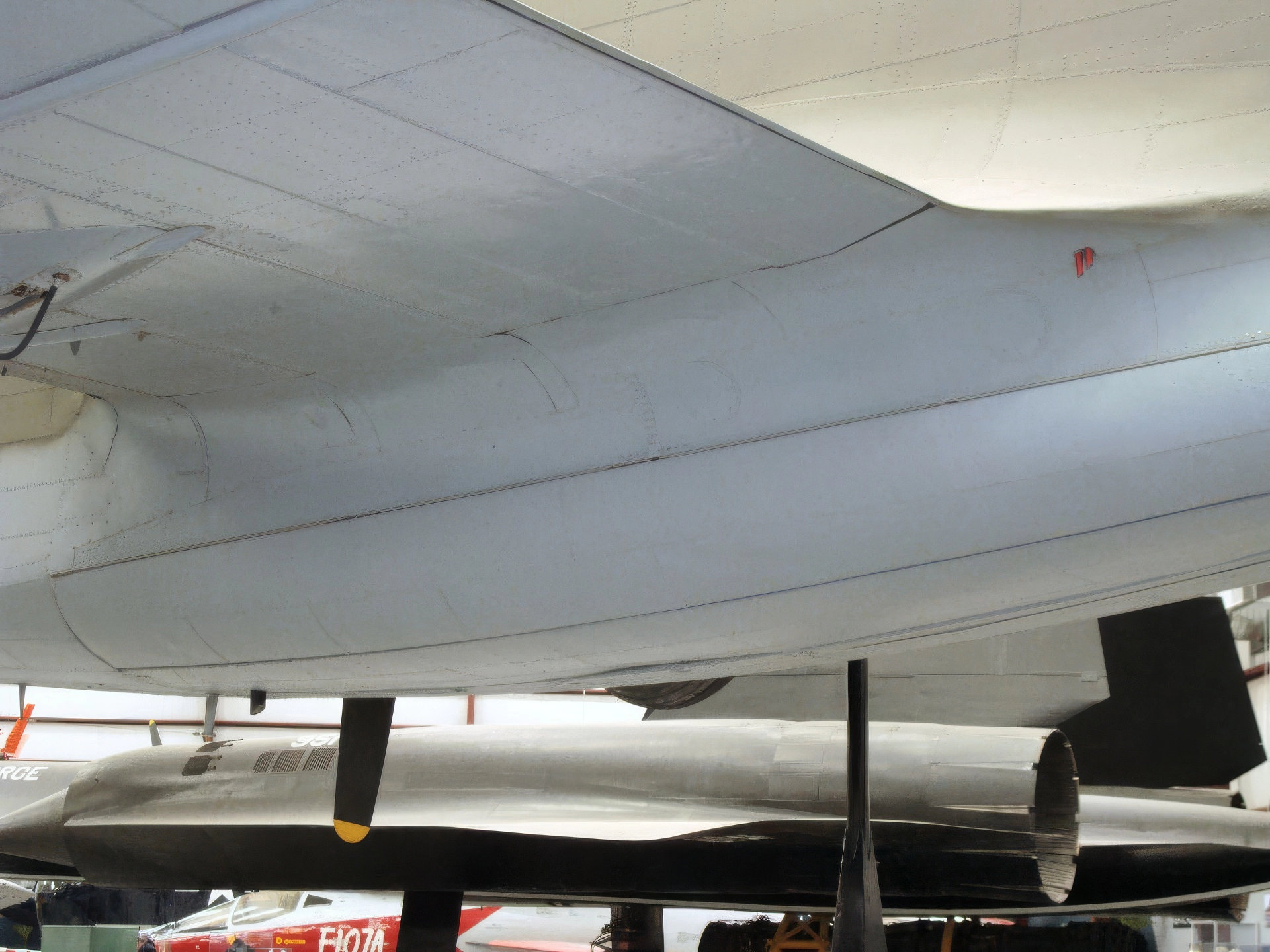
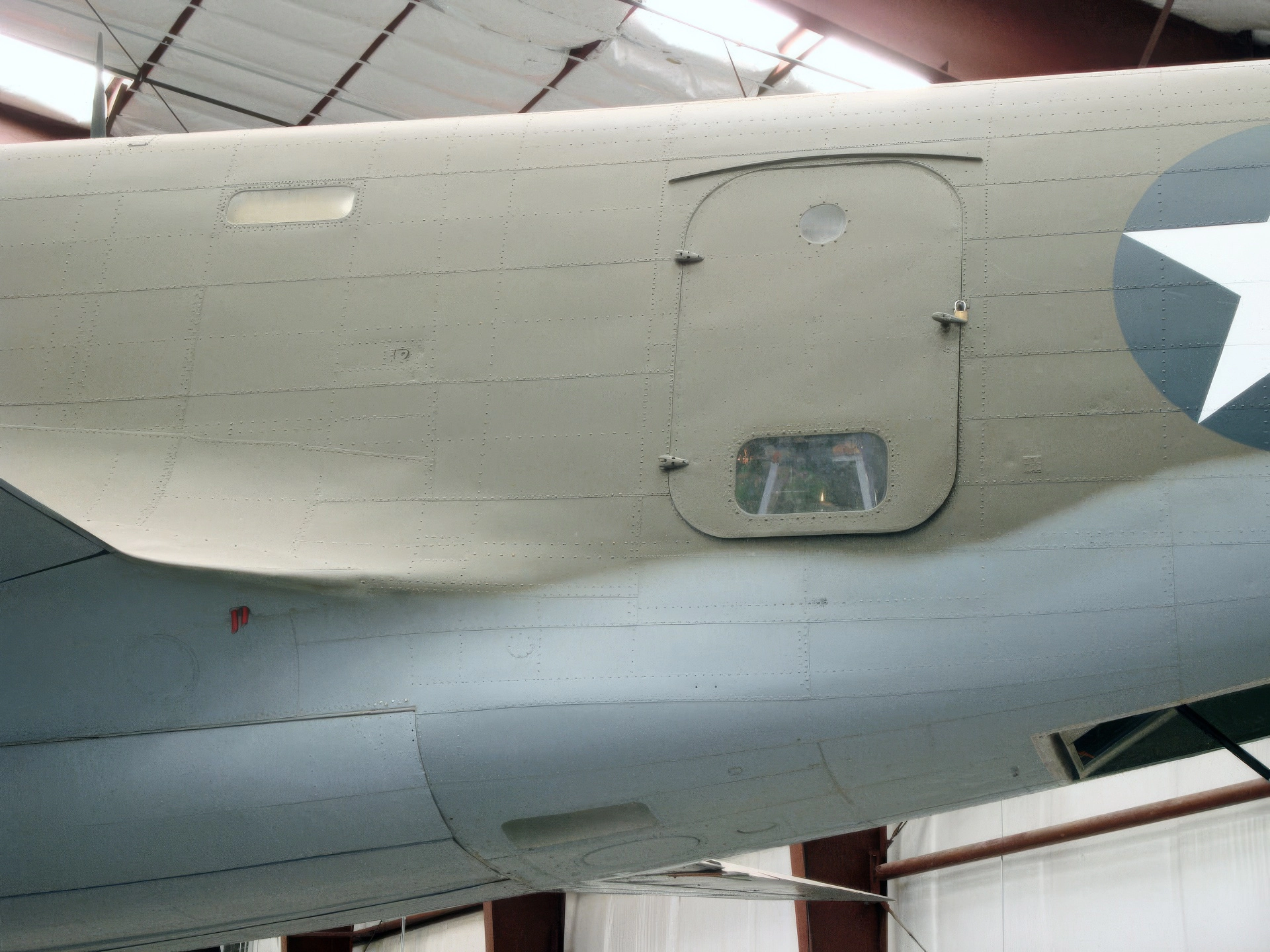


Zie ook:


General Characteristics and Role
The Douglas B-18 Bolo was a medium bomber aircraft developed for the United States Army Air Corps (USAAC) in the mid-1930s. It was derived from the successful Douglas DC-2 civilian airliner, representing a cost-effective and conservative design choice during a period of tight military budgets. The B-18 won a major USAAC competition against the more advanced Boeing Model 299 (the prototype for the B-17 Flying Fortress) primarily due to its lower cost and commonality with existing commercial parts. By the time the U.S. entered World War II, the Bolo was already obsolete as a combat bomber. It served a crucial role in the early weeks of the war in the Pacific, but was quickly relegated to anti-submarine patrol and transport duties, notably with the extensively modified B-18B variant.
| Property | Typical Value (B-18A) |
|---|---|
| Role | Medium Bomber / Anti-Submarine Patrol |
| National Origin | Verenigde Staten |
| Fabrikant | Douglas Aircraft Company |
| First Flight | 27 July 1935 |
| Bemanning | 6 (Pilot, Co-pilot, Navigator/Bombardier, Radio Operator, 2 Gunners) |
| Lengte | 17.63 m (57 ft 10 in) |
| Spanwijdte | 27.28 m (89 ft 6 in) |
| Hoogte | 4.62 m (15 ft 2 in) |
| Empty Weight | 7,400 kg (16,320 lb) |
| Max Takeoff Weight | 12,500 kg (27,600 lb) |
Powerplant and Performance
- Engines: 2 x Wright R-1820-53 Cyclone nine-cylinder, air-cooled radial engines.
- Power Output (Each): 710 kW (950 hp).
- Maximum Speed: 346 km/h (215 mph; 187 kn).
- Cruise Speed: 269 km/h (167 mph; 145 kn).
- Range: 2,100 km (1,300 mi; 1,100 nmi).
- Service Ceiling: 7,300 m (23,900 ft).
Armament and Key Variants
- Defensive Armament: 3 x .30 in (7.62 mm) Browning machine guns (one in the nose turret, one dorsal turret, and one ventral hatch).
- Bomb Load: Up to 2,000 kg (4,400 lb) carried internally in the fuselage bomb bay.
- Major Variants:
- B-18: Original production version (133 built).
- B-18A: Main production version with improved engines and a redesigned nose (217 built).
- B-18B: Anti-submarine variant featuring a large SCR-521 radar dome under the nose, a magnetic anomaly detector (MAD) tail boom, and often depth charges instead of bombs. Over 120 were converted to this role.
- Service History: Bolo aircraft based in the Philippines and Hawaii were among the first U.S. aircraft damaged or destroyed during the initial Japanese attacks in December 1941.
Bekeken : 1413
U ook zien :
 Douglas X-3 Stiletto – Foto's & Video's
 Douglas DC-3 – Foto's & Video's
 Douglas B-23 Dragon – Foto's & Video's
 McDonnell Douglas F/A-18 Hornet – Foto's & Video
 McDonnell Douglas KC-10 Extender – Foto's & Video
 Douglas A-4 Skyhawk – Foto's &Video
 Douglas F4D Skyray – Foto's & Video
 Douglas A-3 Skywarrior – Foto's & Video
 Lisunov Li-2 – WalkAround
 Douglas A-26 Indringer – WalkAround