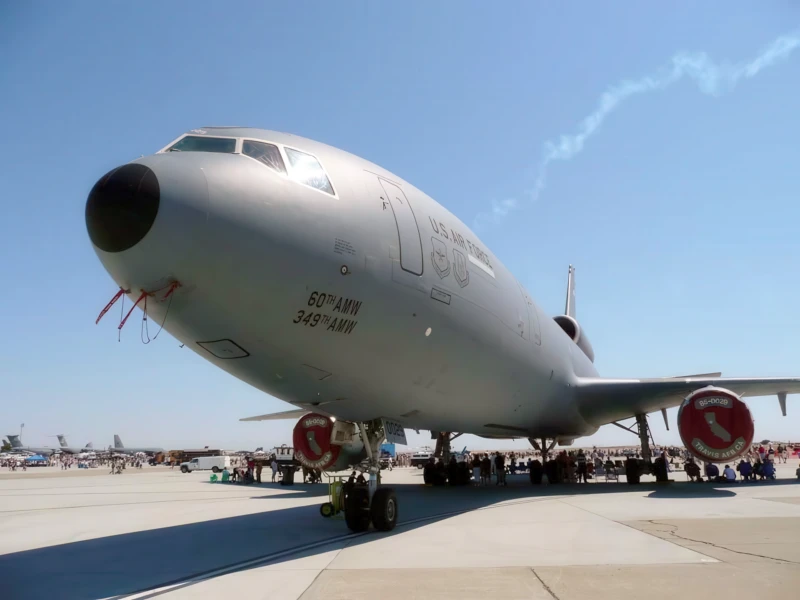
McDonnell Douglas KC-10 Extender |
|
|---|---|
| Land | Usa |
| Role | Tankwagen voor het bijtanken vanuit de lucht, multi-role vliegtuigen |
| Eerste vlucht | 12 juli 1980 |
| Gebouwd | 62 |
De McDonnell Douglas KC-10 Verlenger is een tankvliegtuig – de militaire versie van het driemotorige DC-10 verkeersvliegtuig – geëxploiteerd door de United States Air Force (USAF). De KC-10 is ontwikkeld vanuit het Advanced Tanker Cargo Aircraft Program. Het bevat militair-specifieke apparatuur voor zijn primaire rollen van transport en bijtanken vanuit de lucht. Het werd ontwikkeld als aanvulling op de KC-135 Stratotanker na ervaringen in Zuidoost-Azië en het Midden-Oosten. De KC-10 was het tweede McDonnell Douglas transportvliegtuig dat door de luchtmacht werd geselecteerd na de C-9. In totaal werden 60 KC-10's geproduceerd voor de USAF. De Koninklijke Luchtmacht exploiteert twee soortgelijke tankers aangeduid als KDC-10 die zijn omgebouwd van DC-10's.
Bron: McDonnell Douglas KC-10 Extender op Wikipedia
| McDonnell Douglas KDC-10 Walk Around | |
|---|---|
| Fotograaf | Meindert van Vreeze |
| Lokalisatie | Onbewust |
| Foto 's | 300 |
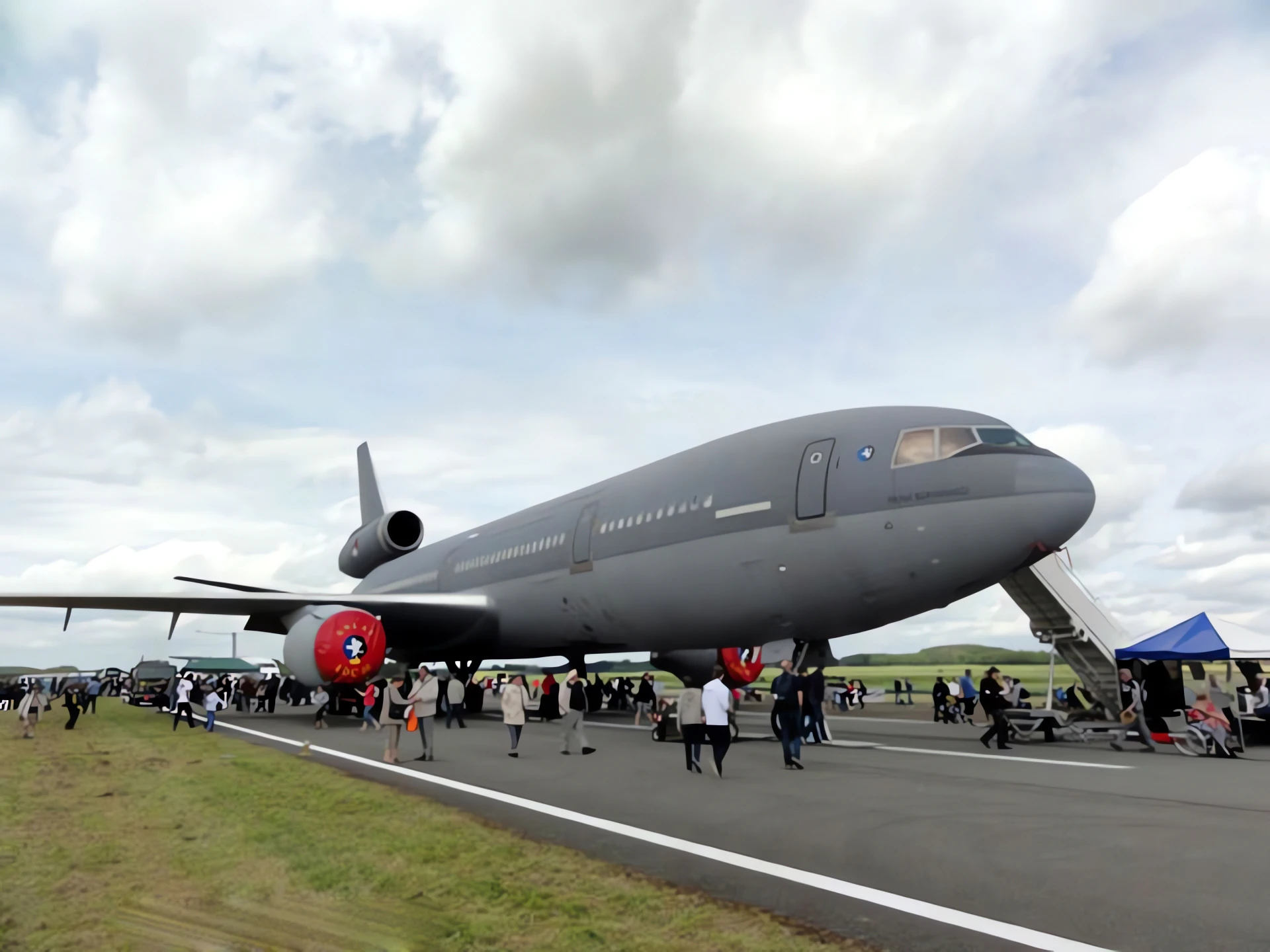
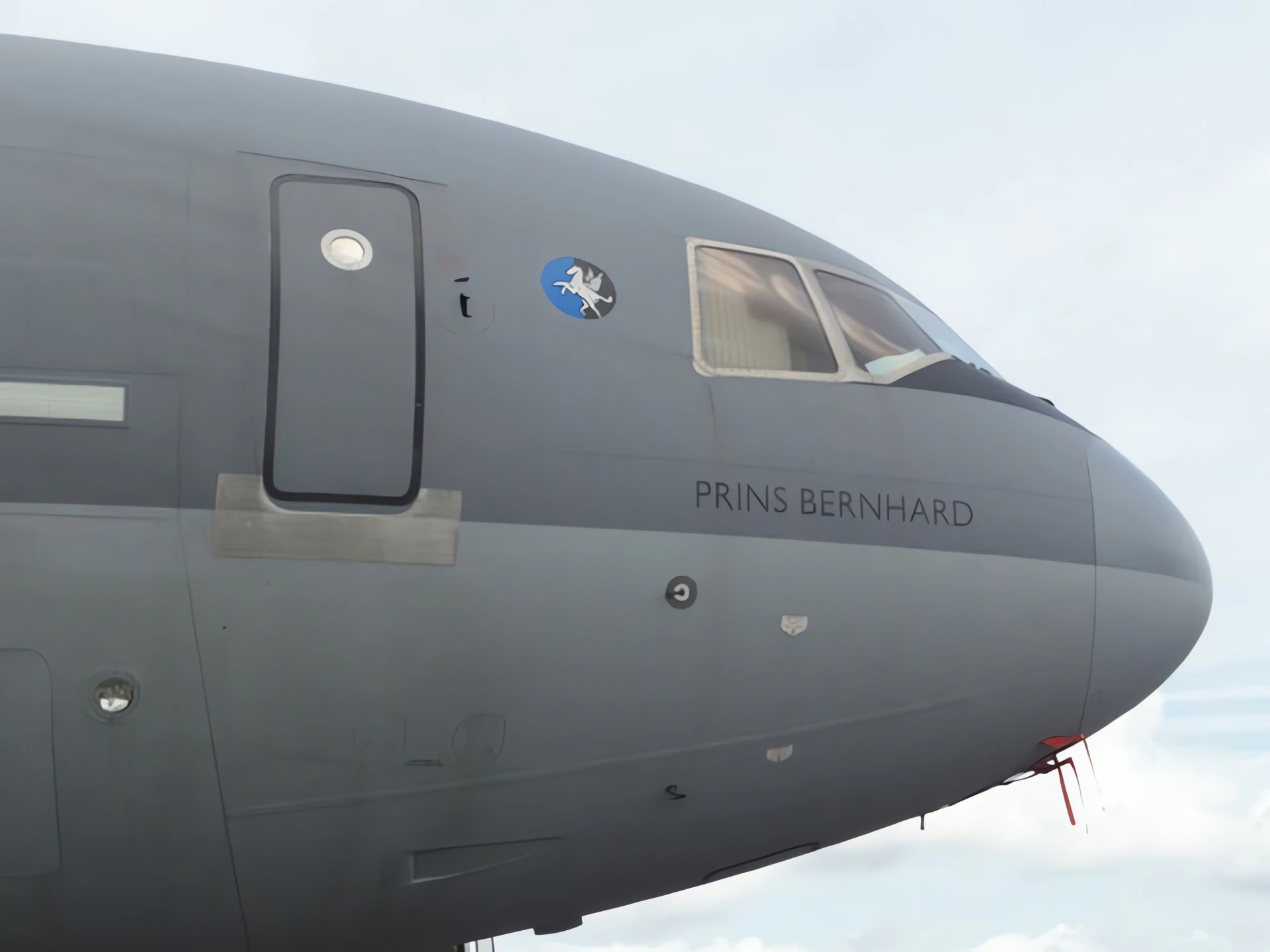
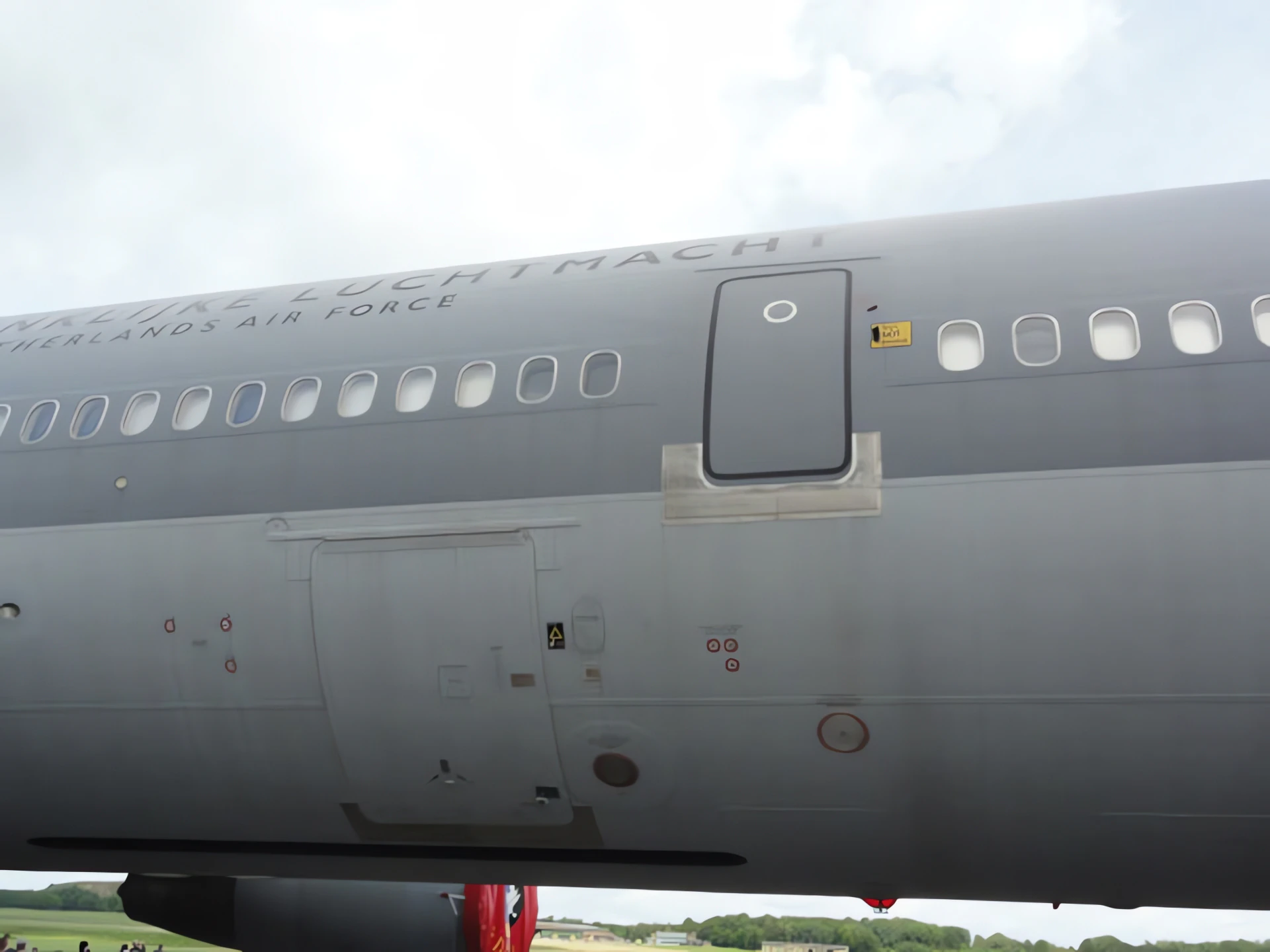
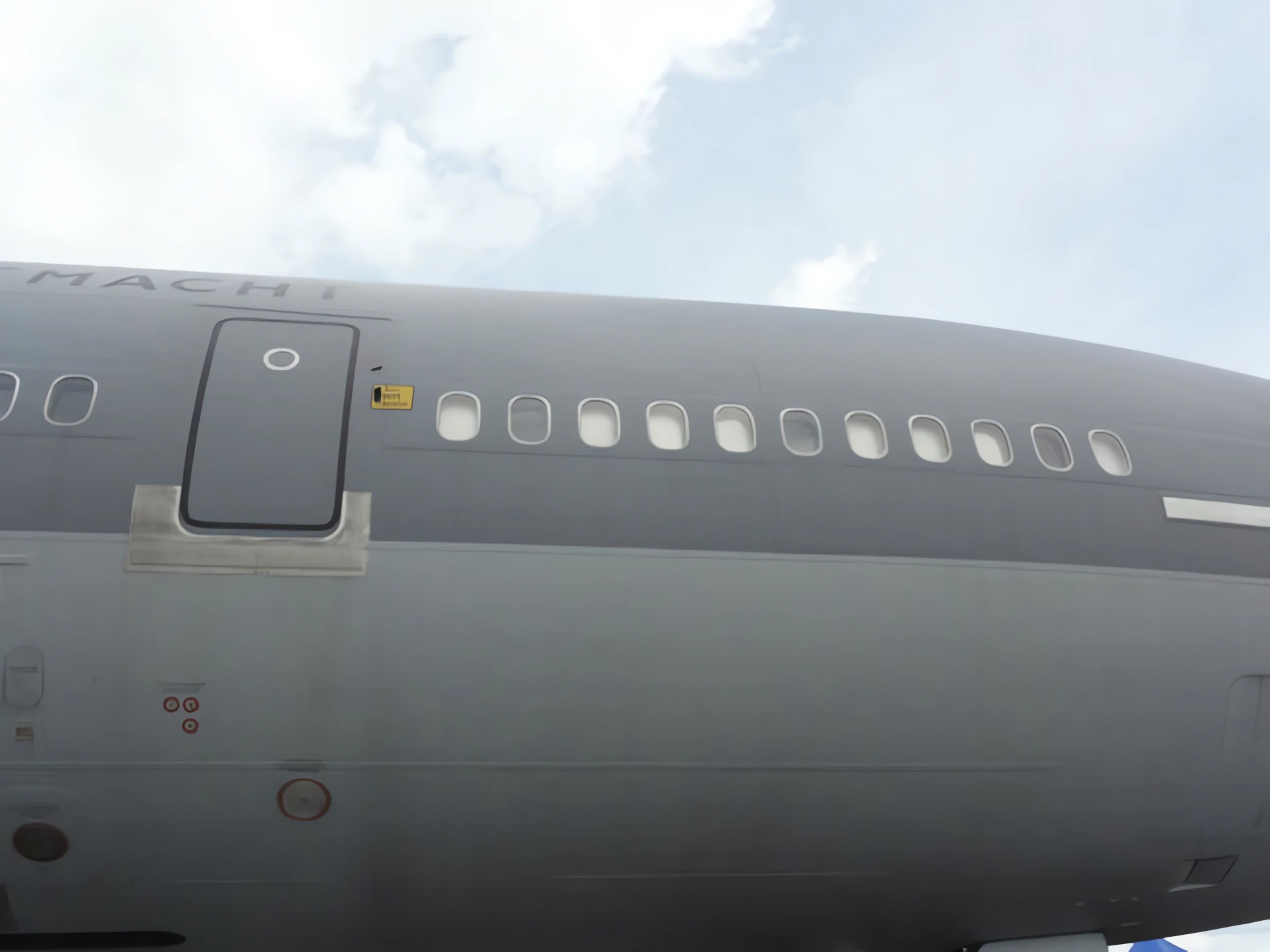
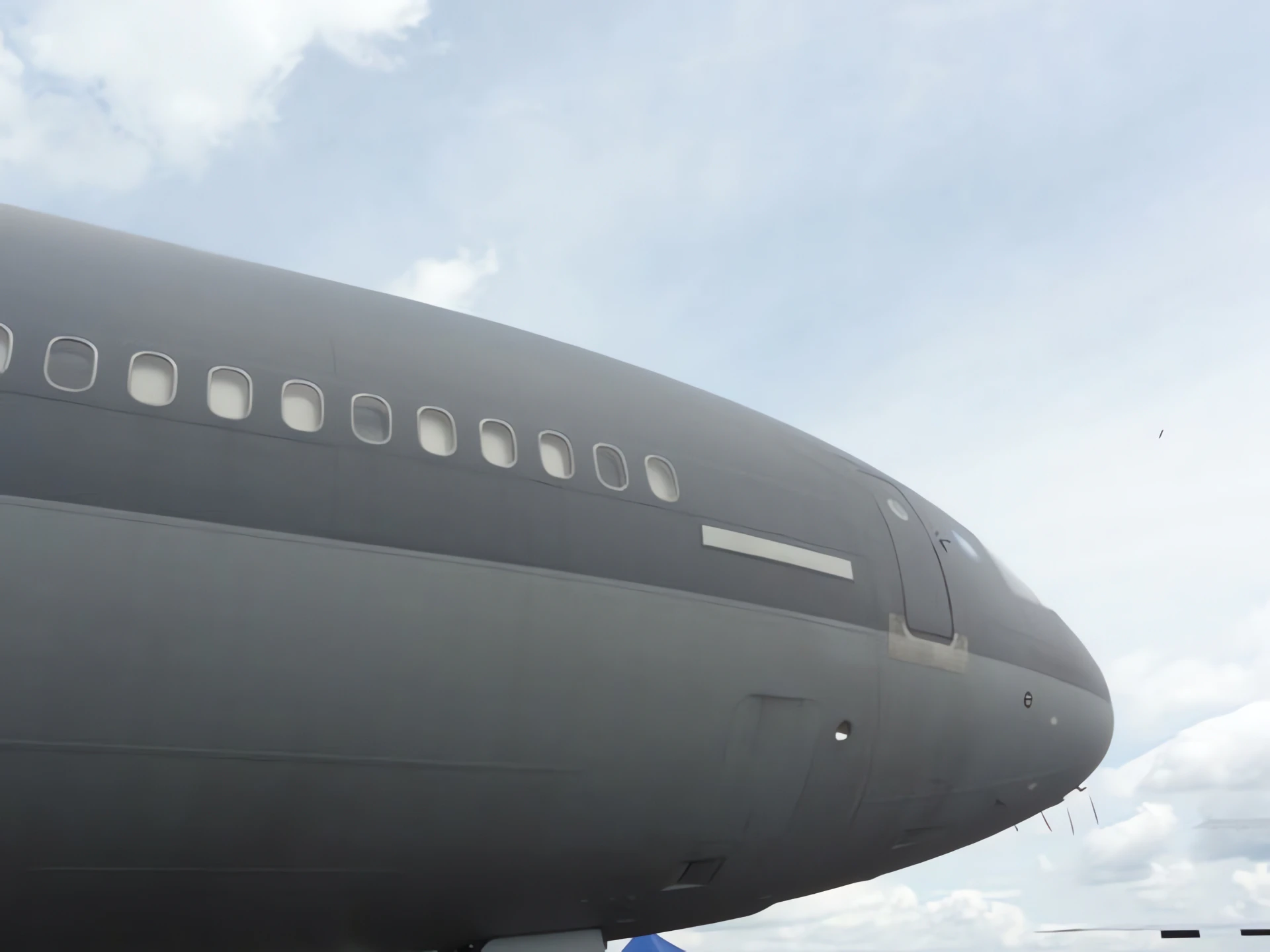
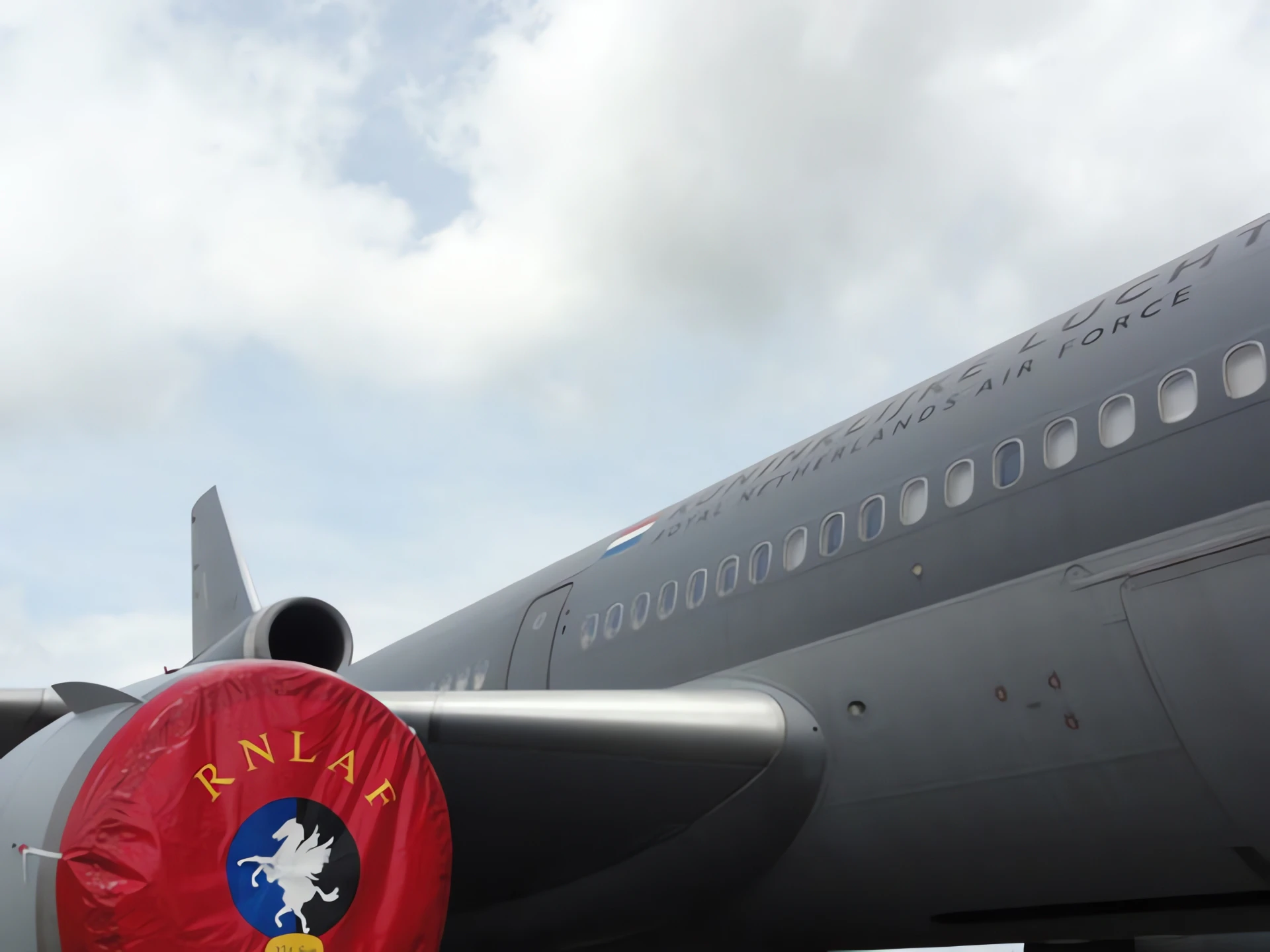
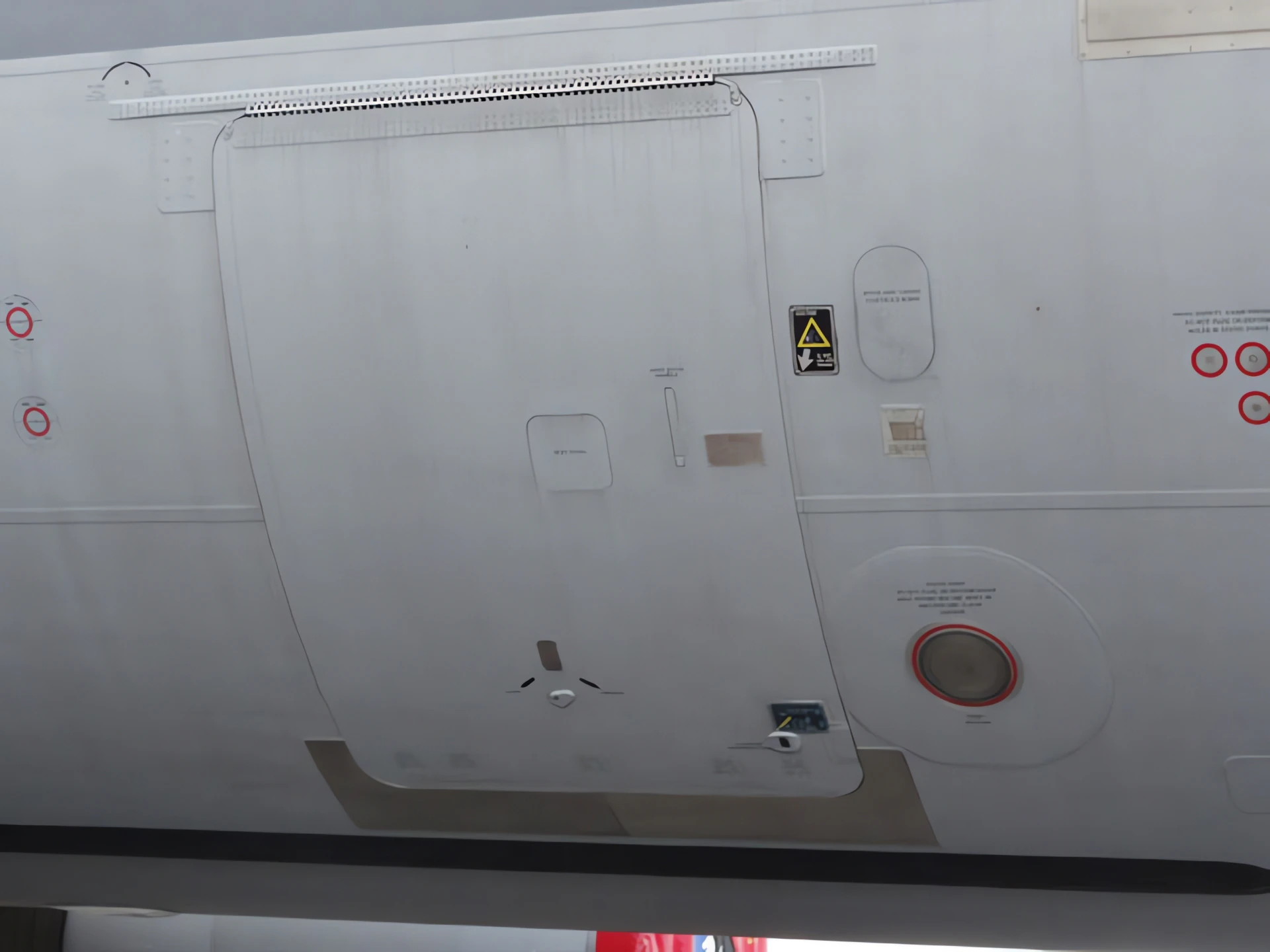
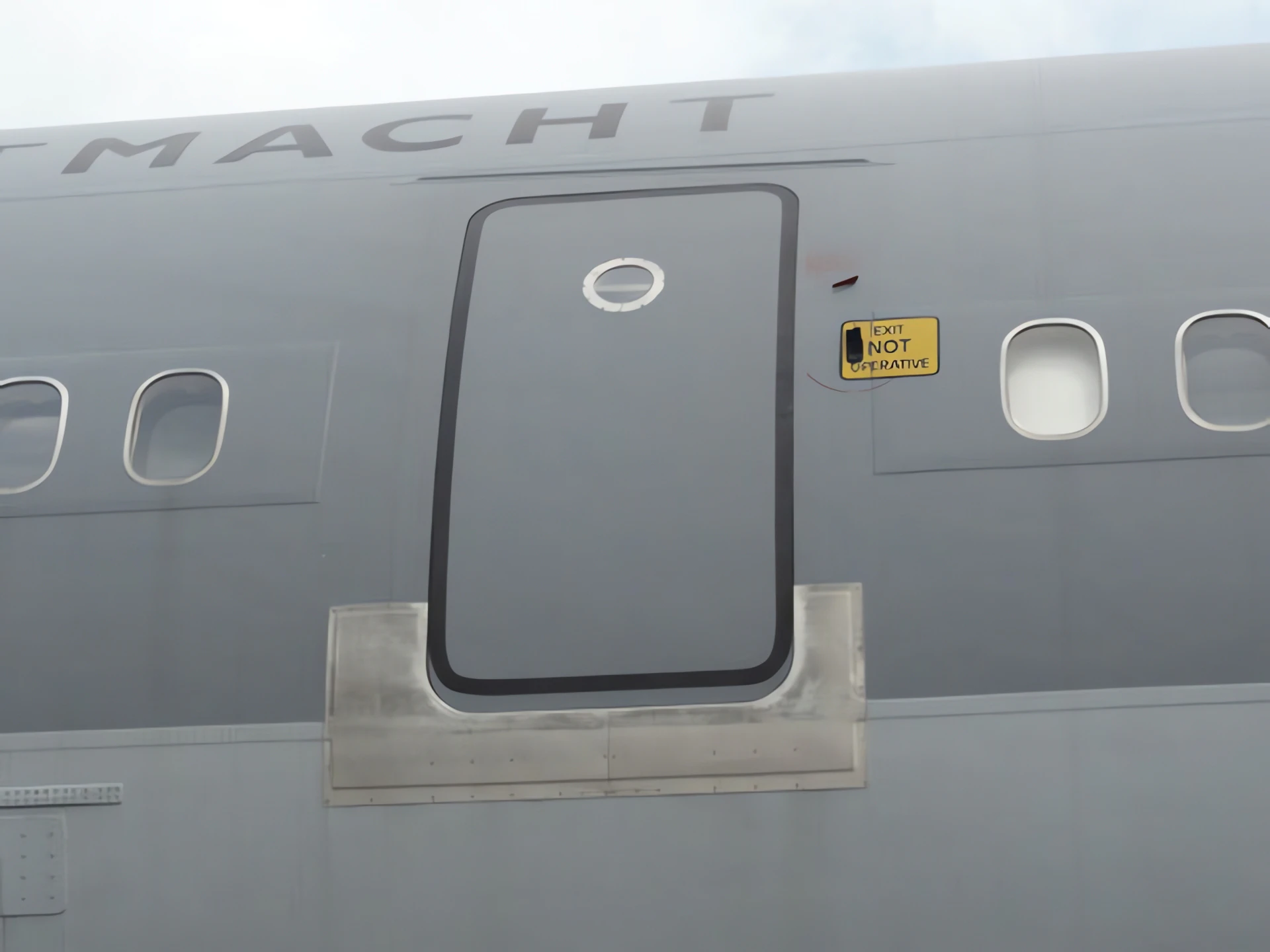
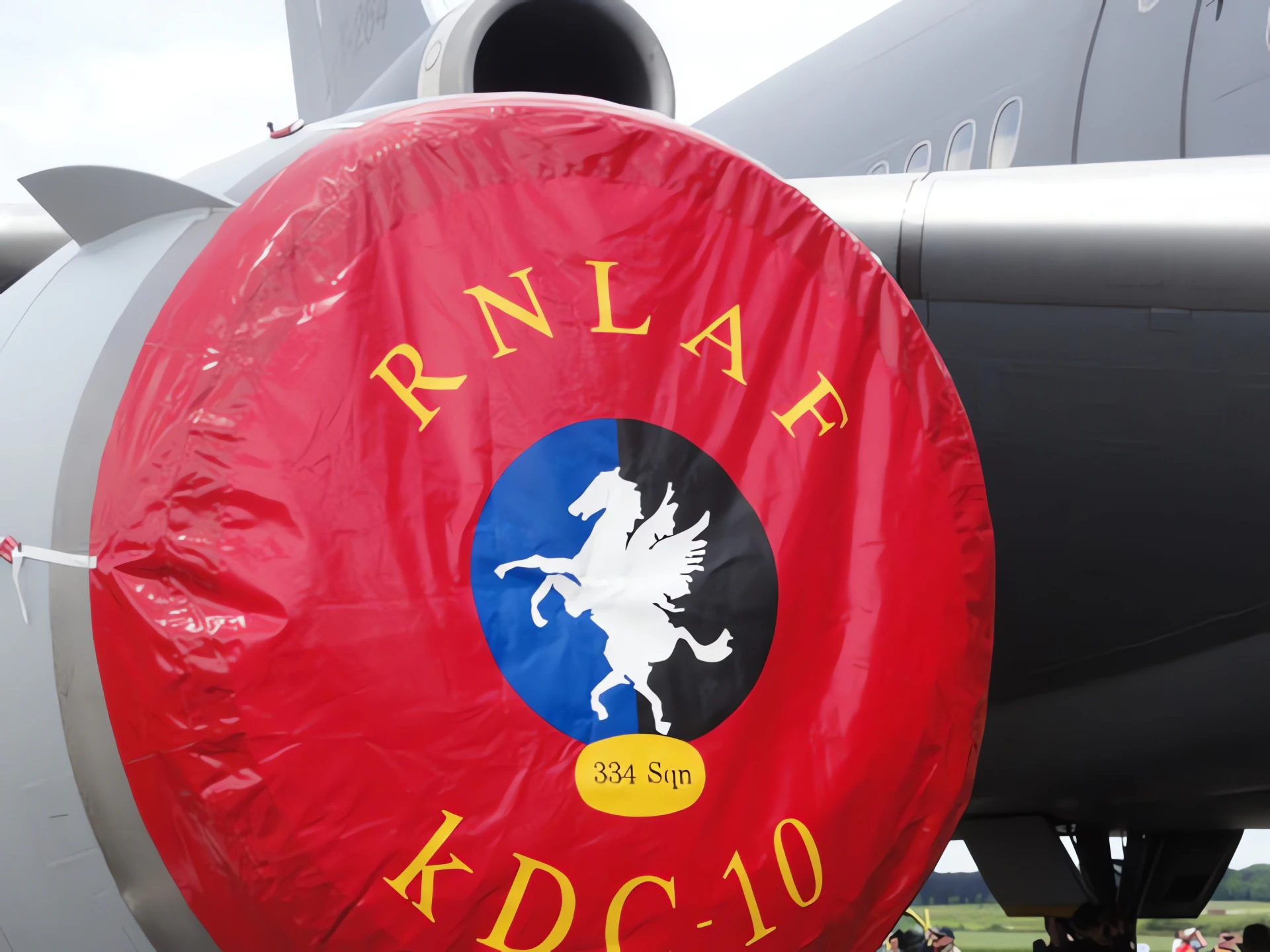

| McDonnell-Douglas KC-10A Extender Walk Around | |
|---|---|
| Fotograaf | Vladimir Yakubov |
| Lokalisatie | Travis Air Expo 2008 |
| Foto 's | 208 |
Zie ook:


General Characteristics and Role
The McDonnell Douglas KDC-10 is an aerial refueling tanker and military transport aircraft used by the Royal Netherlands Air Force (RNLAF). It is a heavily modified version of the commercial DC-10-30CF (Convertible Freighter) airliner. The conversion process involved installing a refueling system, primarily a flying boom system, making it capable of transferring large amounts of fuel to NATO receiver aircraft. The KDC-10’s dual role—refueling tanker and strategic military transport—makes it a versatile asset, allowing it to simultaneously carry cargo (up to 25 tonnes) or personnel (up to 150) along with its substantial fuel load. It provided critical long-range air-to-air refueling support for the RNLAF and other allied forces during various international operations.
| Property | Typical Value (KDC-10) |
|---|---|
| Type | Aerial Refueling Tanker / Strategic Transport |
| National Origin | Netherlands (Operator), USA (Original Aircraft) |
| Original Manufacturer | McDonnell Douglas (Modification by Fokker) |
| Entered Service (RNLAF) | 1995 |
| Bemanning | 4 (Pilot, Co-Pilot, Flight Engineer, Boom Operator) |
| Lengte | 55.5 m (182 ft 3 in) |
| Spanwijdte | 50.4 m (165 ft 4 in) |
| Max Takeoff Weight | Approx. 259,450 kg (572,000 lb) |
Powerplant and Refueling Systems
- Engines: 3 x General Electric CF6-50C2 turbofan engines. The tri-jet configuration is characteristic of the DC-10 family.
- Engine Thrust: Approx. 222.4 kN (50,000 lbf) per engine.
- Maximum Speed: Approx. 908 km/h (564 mph).
- Fuel Capacity: Carries up to 105,000 kg (231,000 lb) of transferrable fuel.
- Refueling System: Equipped with a hydraulically operated Advanced Aerial Refueling Boom (AARB) located under the tail, operated by a single airman in the rear compartment.
- Secondary System: Can be rapidly configured to carry a drogue basket on the refueling boom or hose-and-drogue pods under the wings for non-boom-equipped aircraft (e.g., Navy and fighter jets).
- Range: With a full refueling load, its combat radius is significantly extended. Its large capacity allows it to act as an airborne fuel depot.
Service History and Legacy
- Origin: The RNLAF initially acquired two used DC-10s from Martinair, which were then converted into the KDC-10 configuration by the Dutch aerospace company Fokker.
- Operational Use: The aircraft supported numerous coalition operations, including NATO operations in Kosovo, Afghanistan, and Iraq, providing vital logistical and refueling capability.
- Unusual Variant: The KDC-10 is a relatively rare military conversion of a commercial airliner, alongside the USAF’s KC-10 Extender (based on the DC-10-30), which shares many similarities.
- Multinational Role: Due to the RNLAF’s limited fleet, the KDC-10s were often deployed to support air forces across NATO and the EU, showcasing the aircraft’s multinational importance.
- Retirement and Transfer: The KDC-10s were retired by the RNLAF in the 2010s. The aircraft were sold and transferred to the Omega Aerial Refueling Services, a private contractor, extending their service life as contracted tankers for the US Navy and allied forces.
Views : 2598
U ook zien :
 McDonnell XF-85 Goblin – Foto's & Video's
 Douglas C-47 Skytrain – Foto's &Video
 McDonnell Douglas F/A-18 Hornet – Foto's & Video
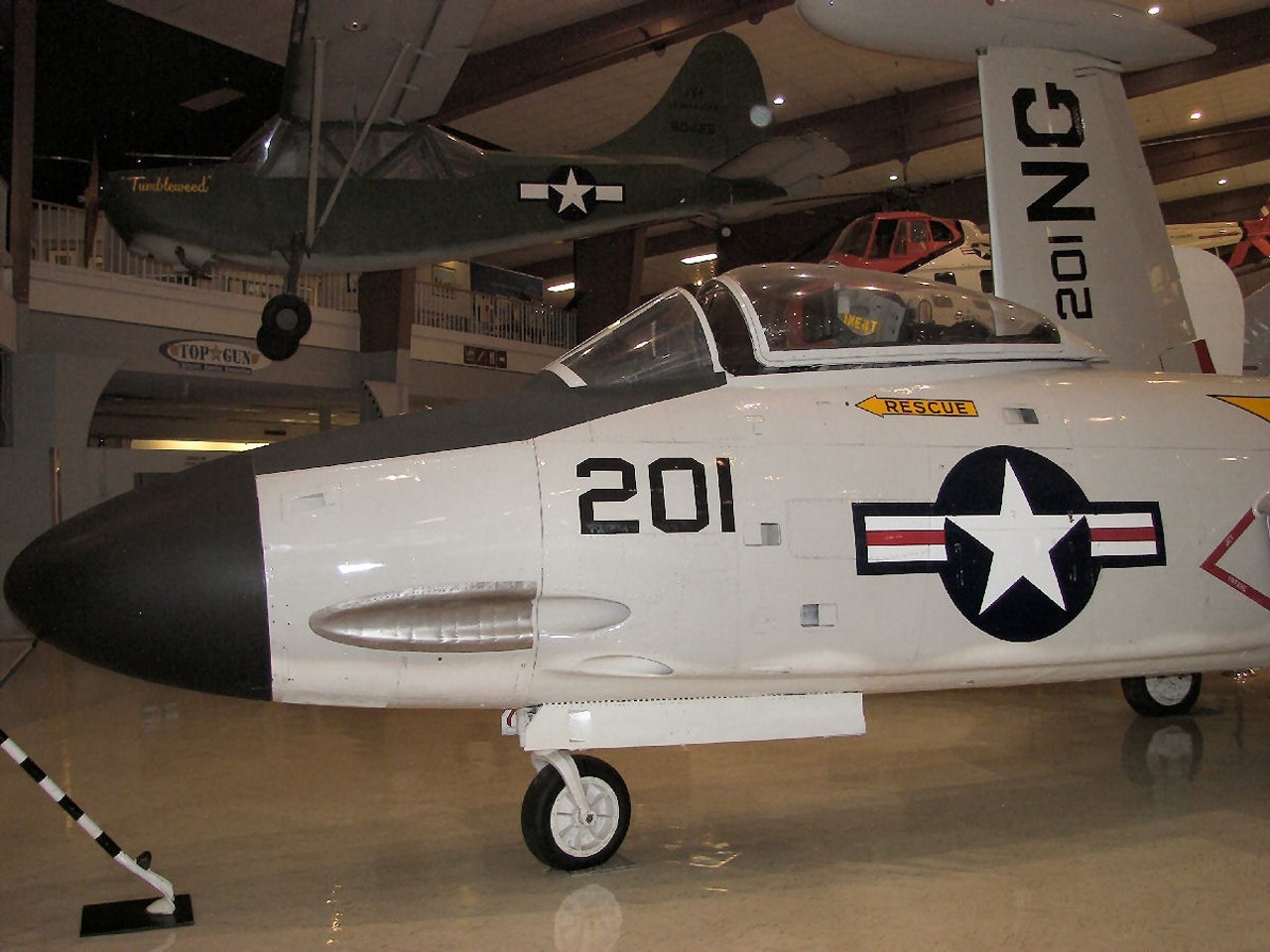 McDonnell F2H Banshee – Foto's &Video
 McDonnell FH Phantom – Foto's & Video
 McDonnell Douglas T-45 Havik – Foto's & Video
 Douglas D-558-2 Skyrocket – Foto's &Video
 Lisunov Li-2 – WalkAround
 Douglas A-1 Skyraider – WalkAround
 Douglas A-26 Indringer – WalkAround