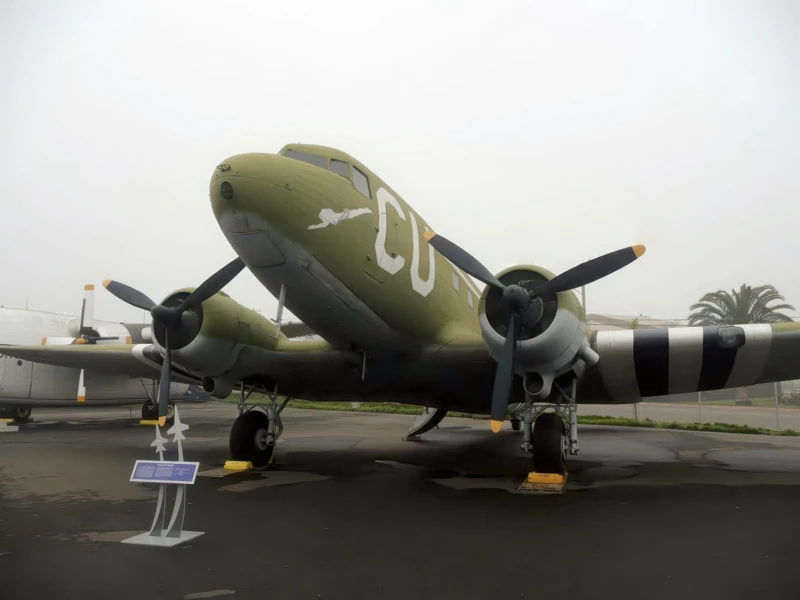
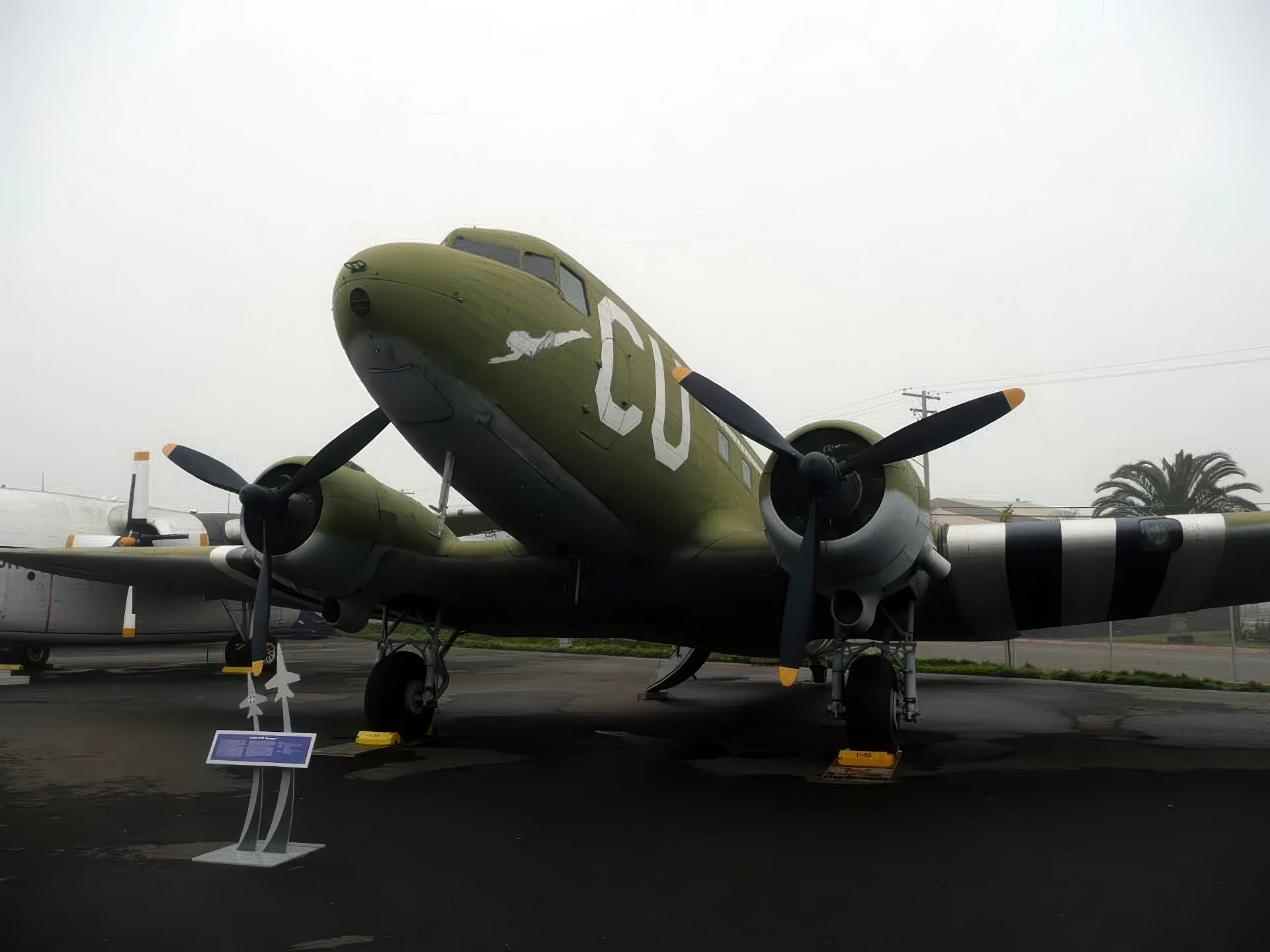
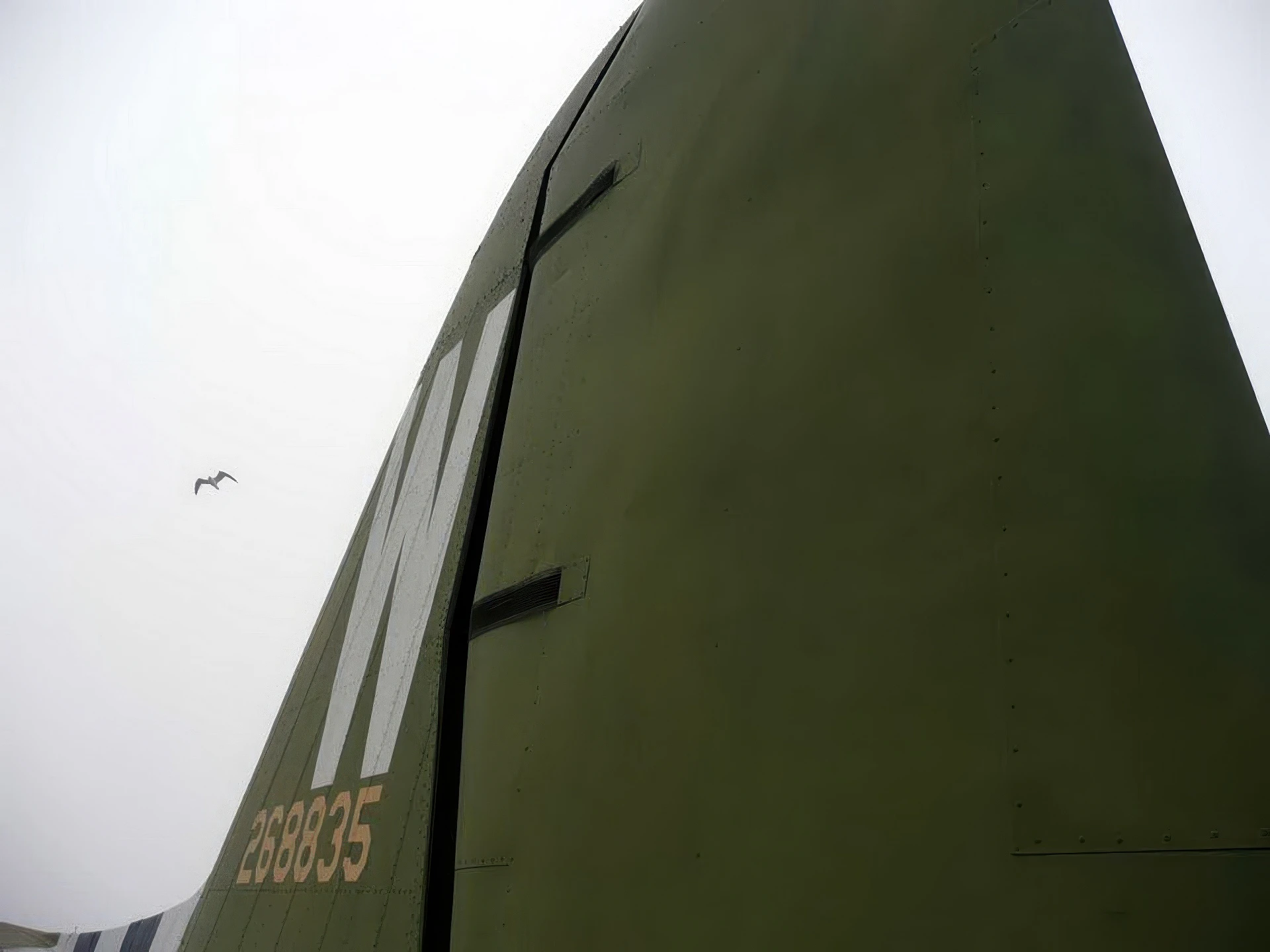
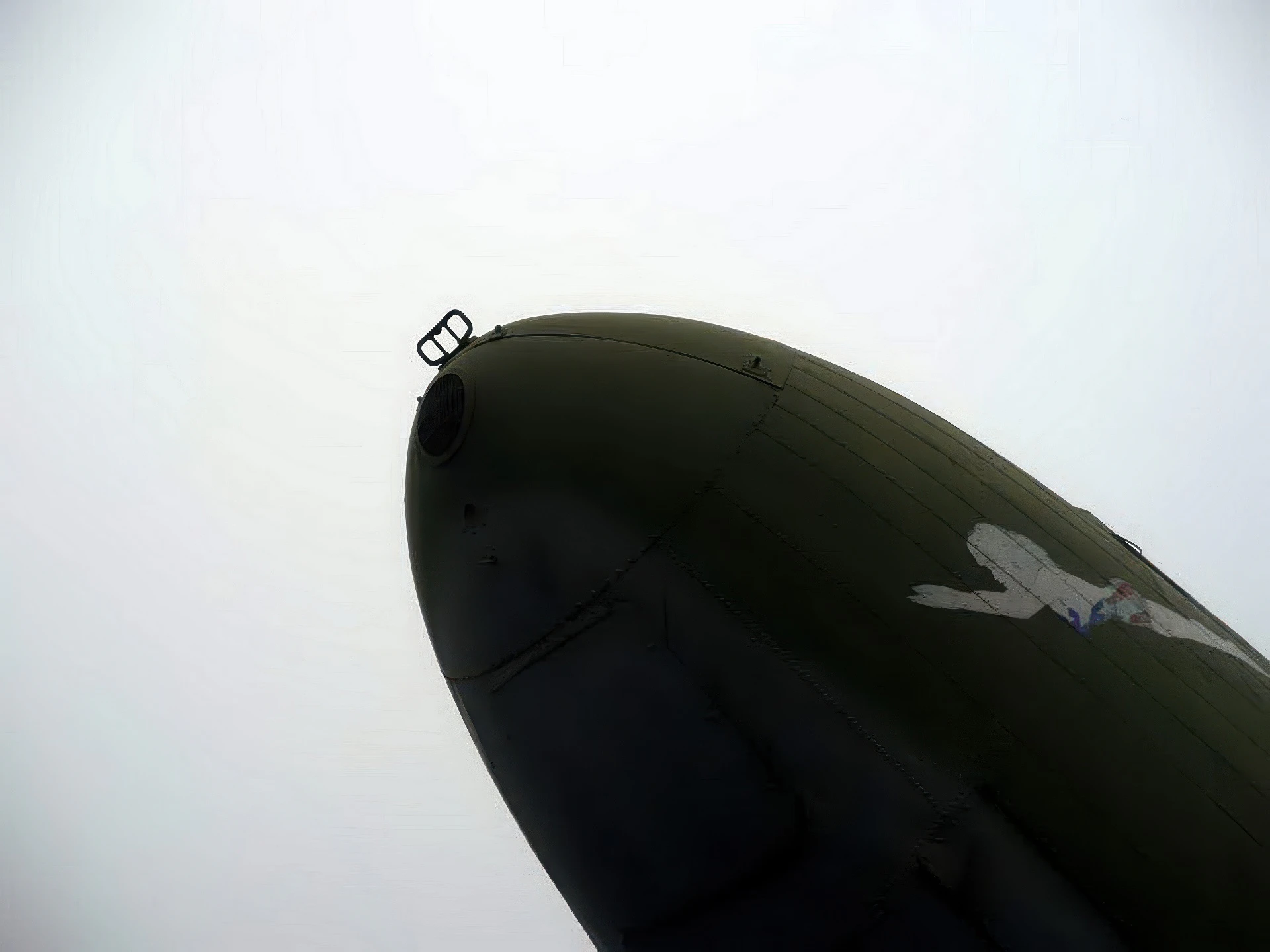
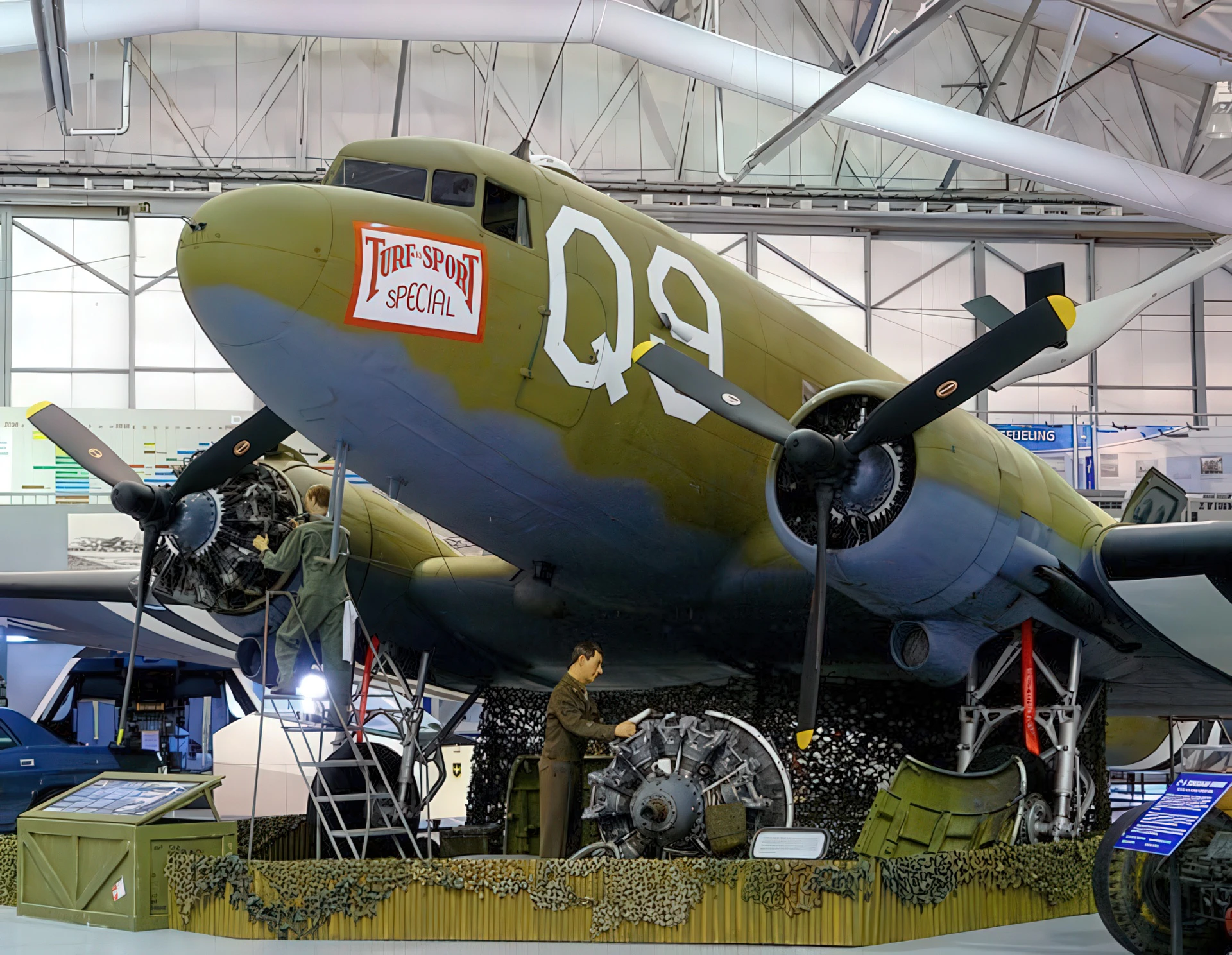
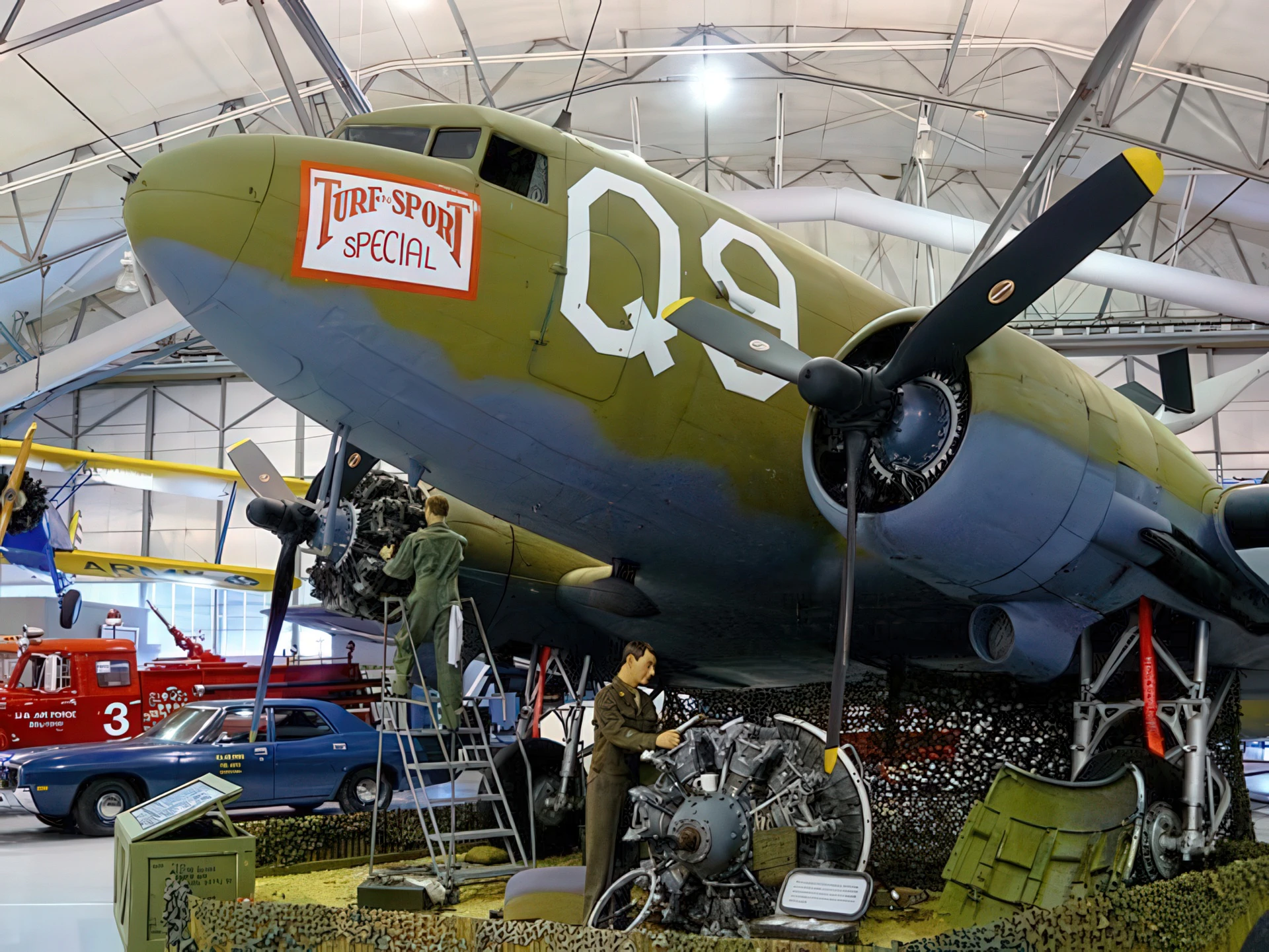
De Douglas C-47 Skytrain of Dakota (RAF-aanduiding) is een militair transportvliegtuig ontwikkeld uit het civiele Douglas DC-3-lijnvliegtuig. Het werd tijdens de Tweede Wereldoorlog veelvuldig gebruikt door de geallieerden en blijft in frontliniedienst met verschillende militaire operators.
Het gespecialiseerde C-53 Skytrooper troepentransport begon in oktober 1941 met de productie in de fabriek van Douglas Aircraft in Santa Monica, Californië. Het ontbrak aan de laaddeur, hijsbevestiging en versterkte vloer van de C-47. In totaal werden er slechts 380 vliegtuigen geproduceerd omdat de C-47 veelzijdiger bleek te zijn.
De Douglas C-47 Skytrain(known as theDakotain British service) was the military conversion of the revolutionary DC-3 airliner. General Dwight D. Eisenhower famously cited it as one of the four most vital pieces of equipment that won WWII (alongside the Jeep, the Bazooka, and the Atomic Bomb). While the German Ju 52 was a product of the late 1920s, the C-47 was a generation ahead—featuring a sleek, all-metal semi-monocoque design, retractable landing gear, and significantly more power. It was the plane that made reliable global air transport a reality.
Attribute
Technical Specification (C-47A)
Role
Military Transport / Cargo / Glider Tug
Bemanning
3 (Pilot, Co-pilot, Radio Operator)
Capaciteit
28 fully equipped paratroopers or 2,722 kg (6,000 lbs) of cargo
Engines
2 × Pratt & Whitney R-1830-92 Twin Wasp radials (1,200 hp each)
Maximum Speed
370 km/h (230 mph) at 8,500 ft
Cruise Speed
260 km/h (160 mph)
Bereik
2,575 km (1,600 miles)
Service Ceiling
8,045 meters (26,400 feet)
Design Engineering: Simple, Strong, and Streamlined
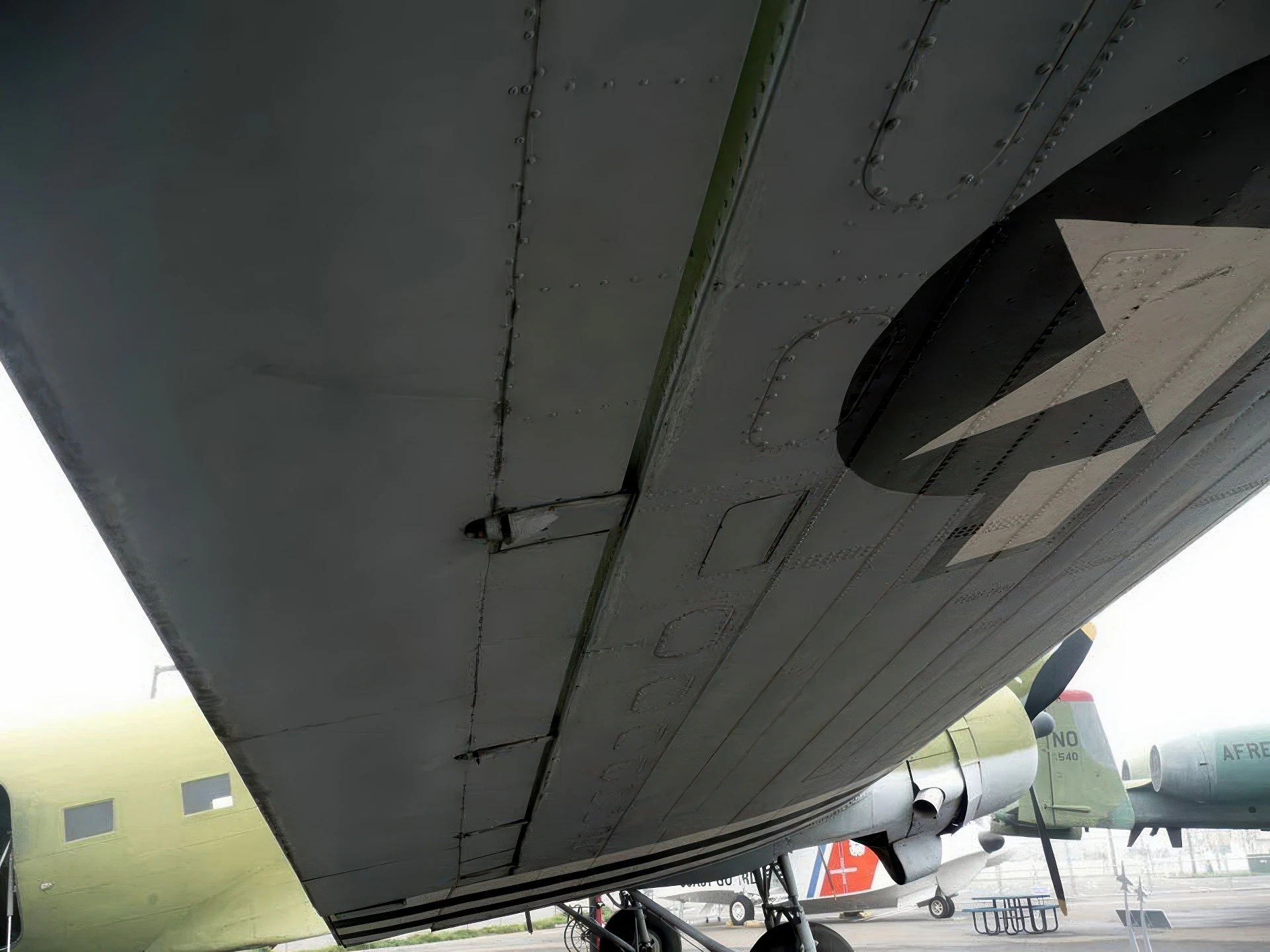
The “Gooney Bird” Durability:The C-47 earned its nickname from its albatross-like endurance. Its multi-cellular wing design meant that even if a large portion of the wing was shot away, the internal structure could often still carry the load, allowing “mutilated” planes to limp home.
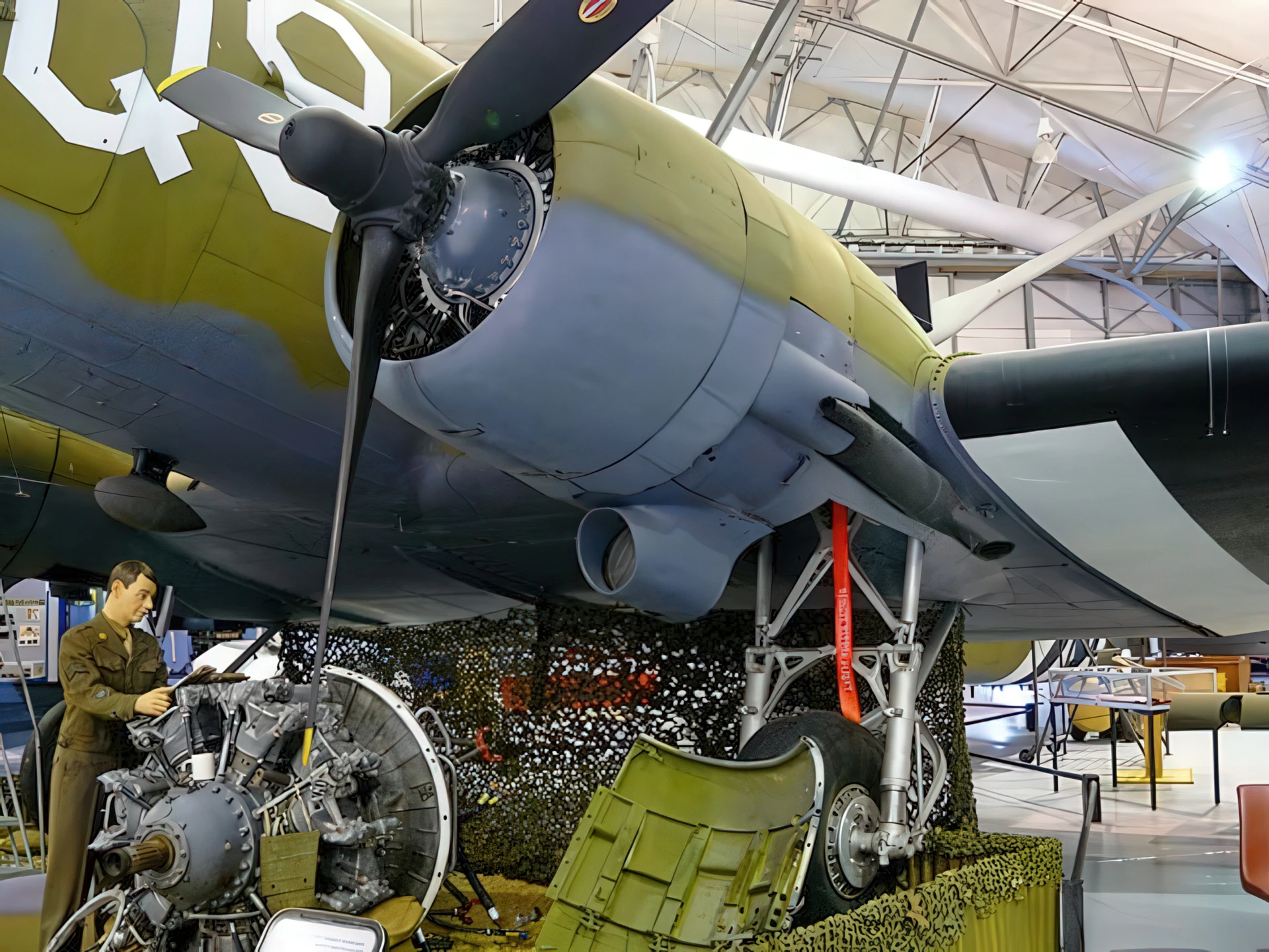
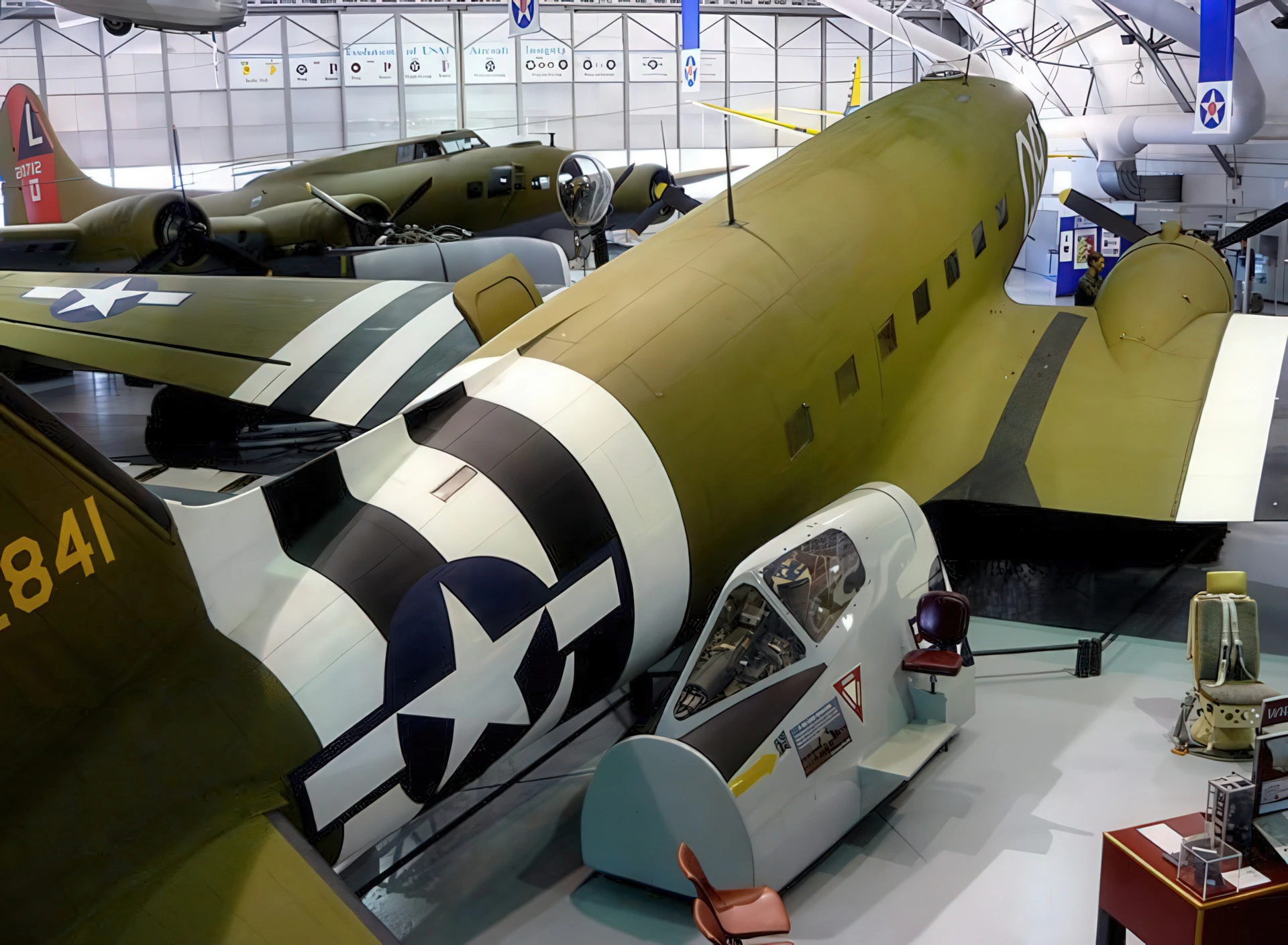
Military Modifications:To turn a DC-3 into a C-47, Douglas added a large double cargo door on the port side, a reinforced floor to support the weight of Jeeps or 37mm anti-tank guns, and a shortened tail cone for glider-towing shackles.
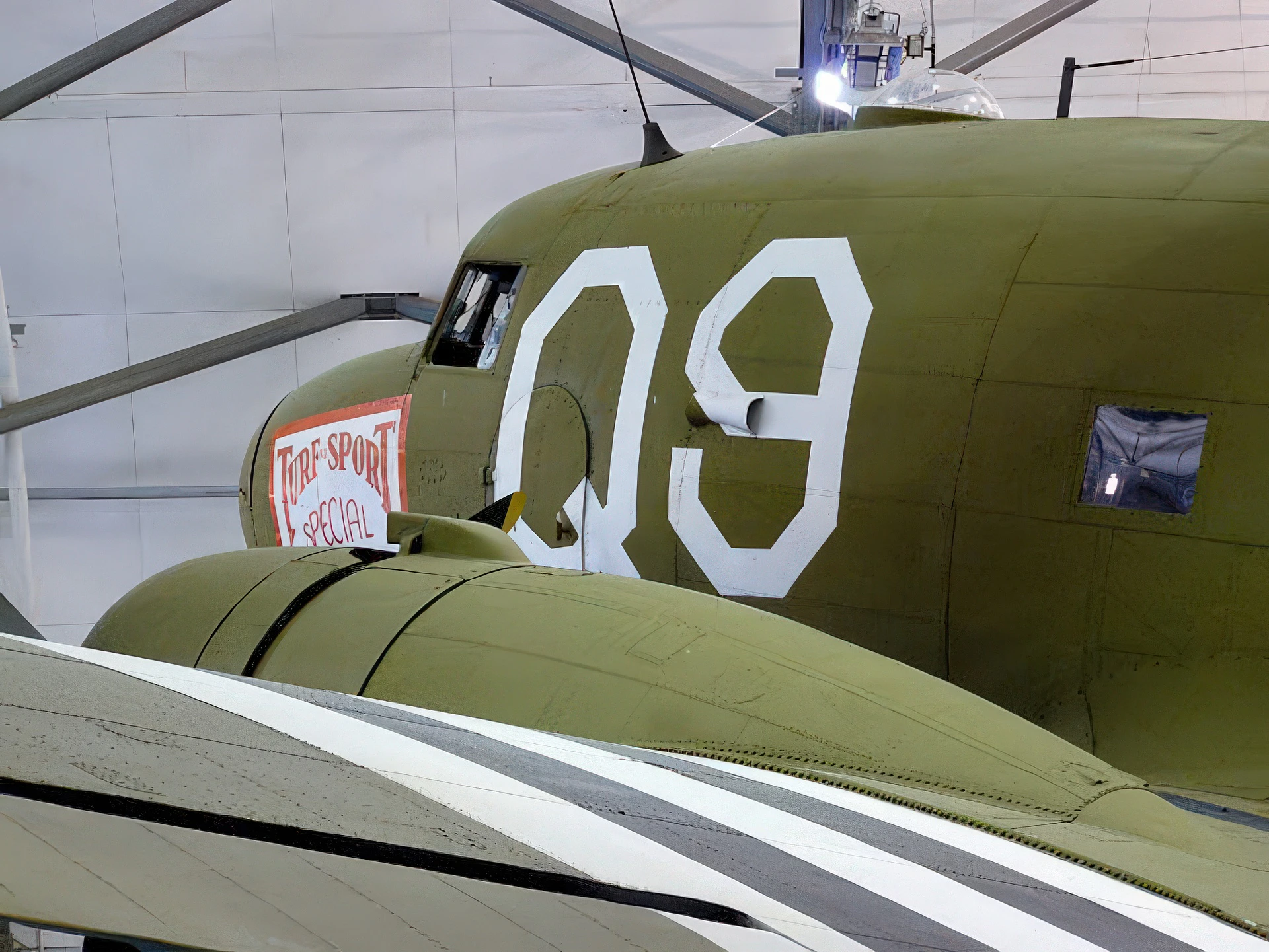
Astrodome Navigation:Unlike the civilian version, military C-47s featured a small clear bubble (astrodome) on top of the cockpit. This allowed the navigator to use a sextant to plot the plane’s position by the stars during long over-water flights.
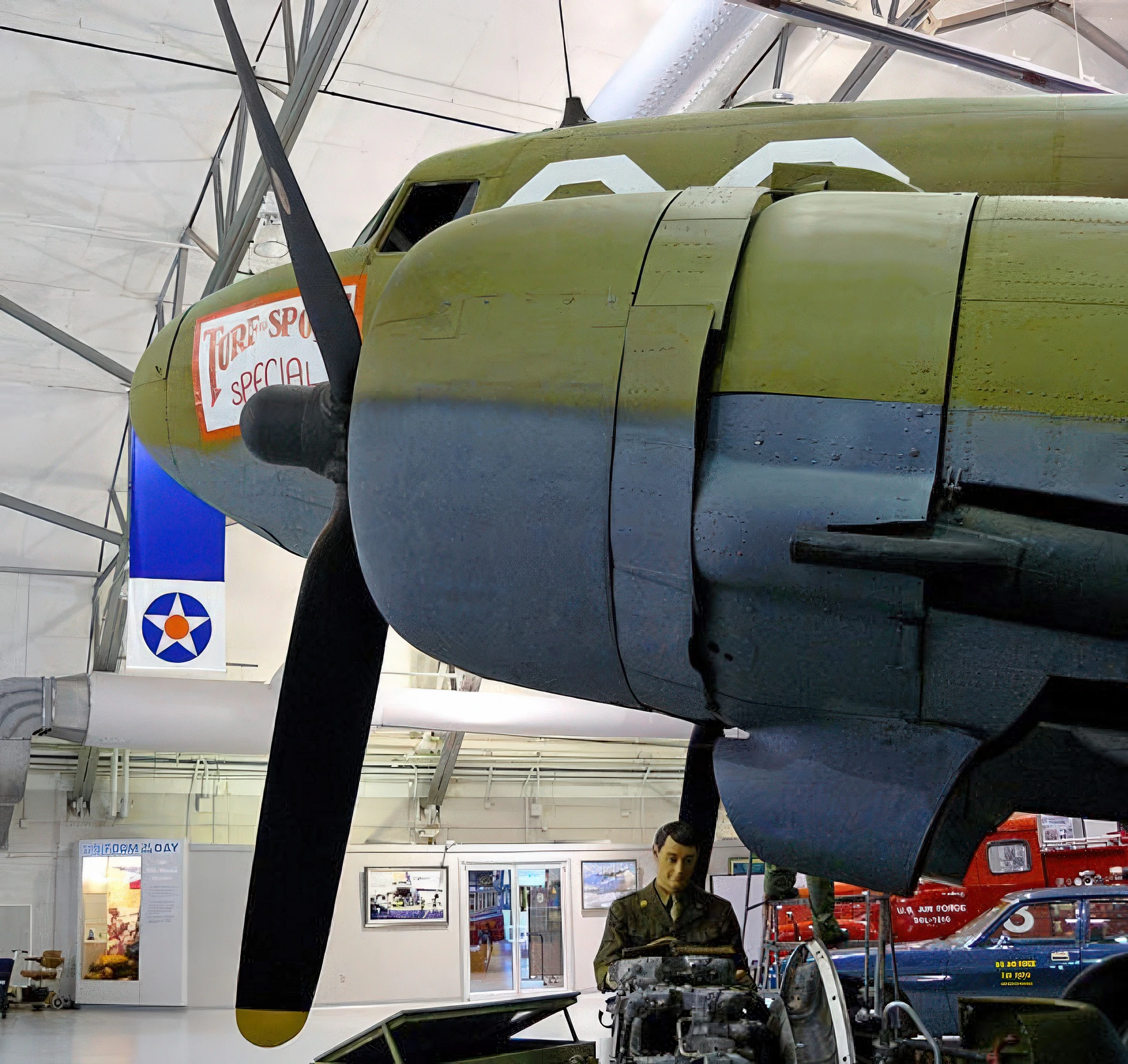
Pratt & Whitney Reliability:The R-1830 “Twin Wasp” engines were legendary for their ability to keep running even when damaged or poorly maintained. This reliability was crucial for the treacherous “Hump” flights over the Himalayas.
Operational History: D-Day and Beyond
Operation Overlord:On the night of June 5/6, 1944, over 800 C-47s filled the skies over Normandy, dropping more than 13,000 paratroopers behind enemy lines. This remains the most iconic moment in the aircraft’s history.
“The Hump”:C-47s provided a vital lifeline to China by flying over the Himalayas from India. They braved extreme turbulence, ice, and Japanese fighters to deliver supplies that kept Chinese forces in the war.
Berlin Airlift:After the war, the C-47 (and later the C-54) saved the city of West Berlin during the Soviet blockade. C-47s landed around the clock, delivering food and coal to a starving population every few minutes.
Puff the Magic Dragon:In the Vietnam War, the C-47 was modified into the **AC-47 Spooky** gunship. Armed with three side-firing 7.62mm miniguns, it could saturate a target area with 18,000 rounds per minute, earning it a terrifying reputation among enemy ground forces.
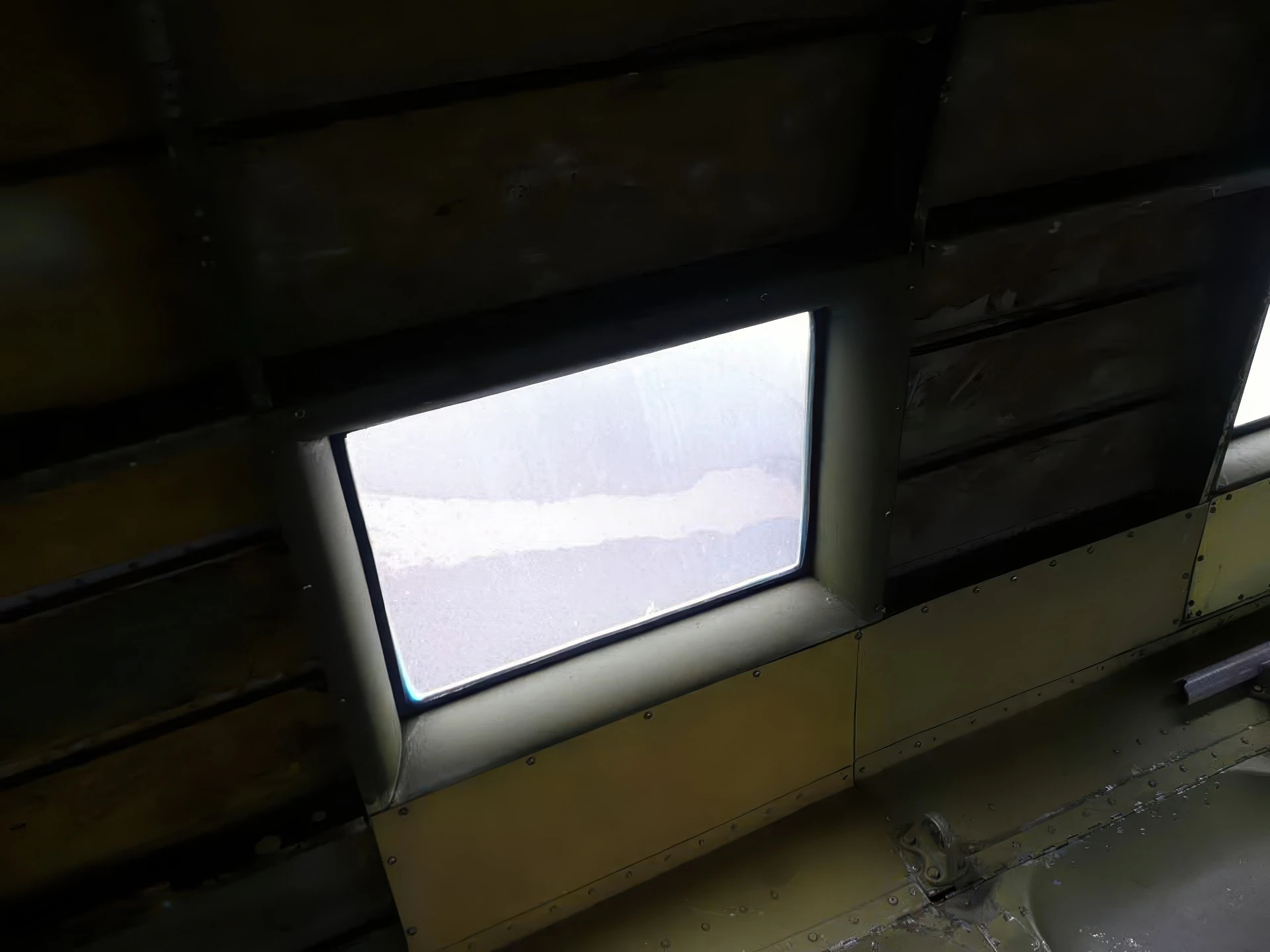
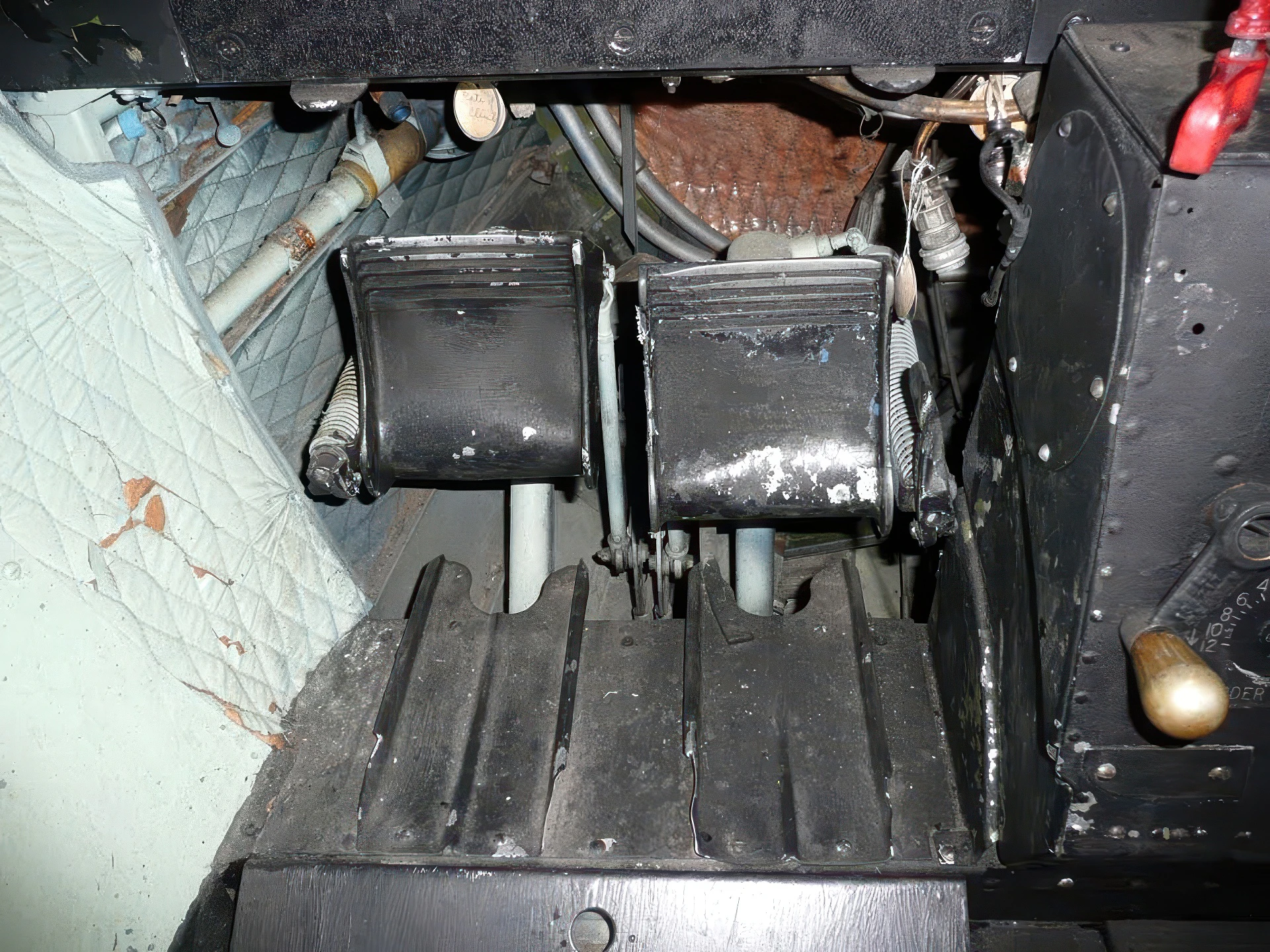
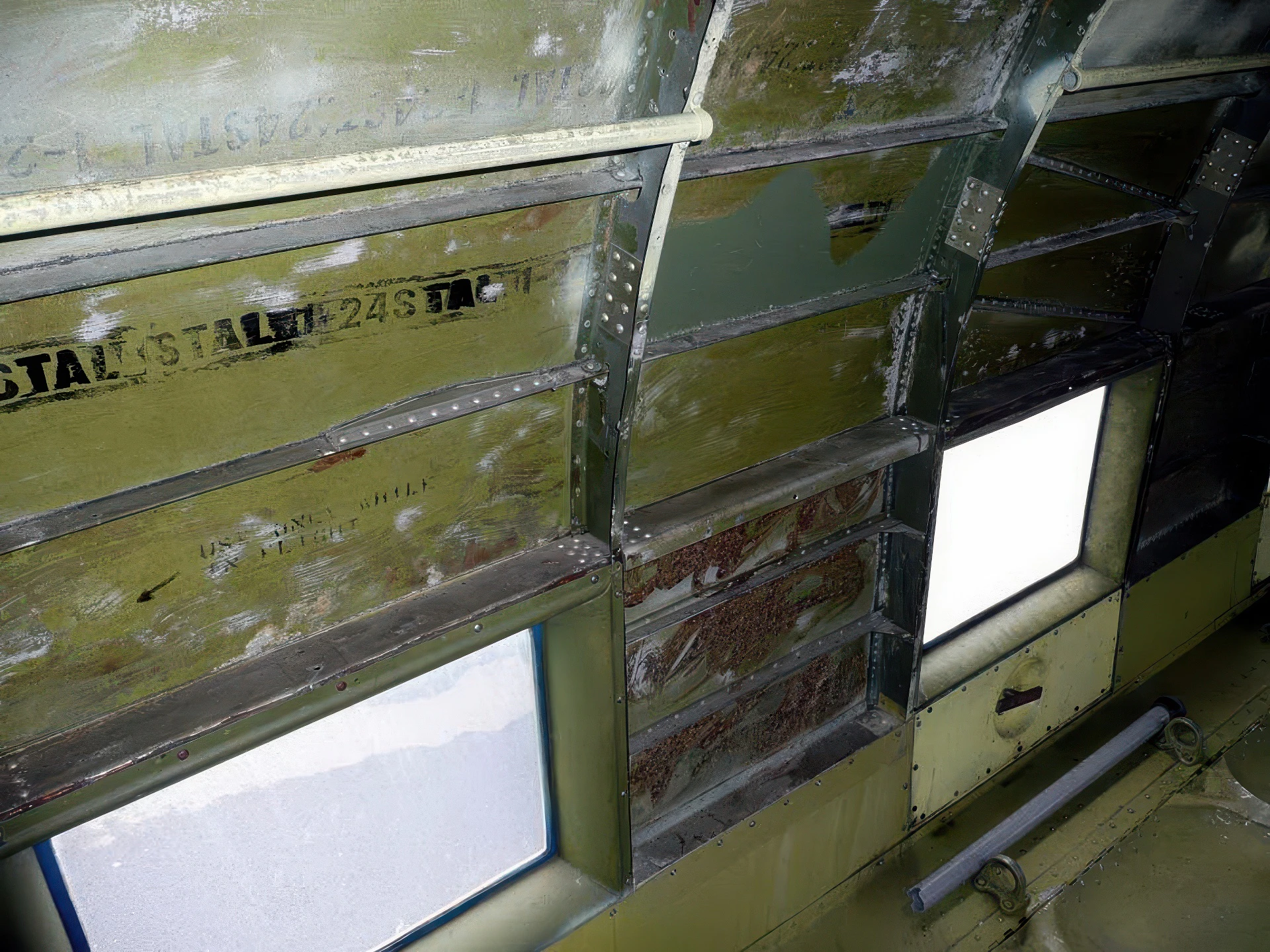
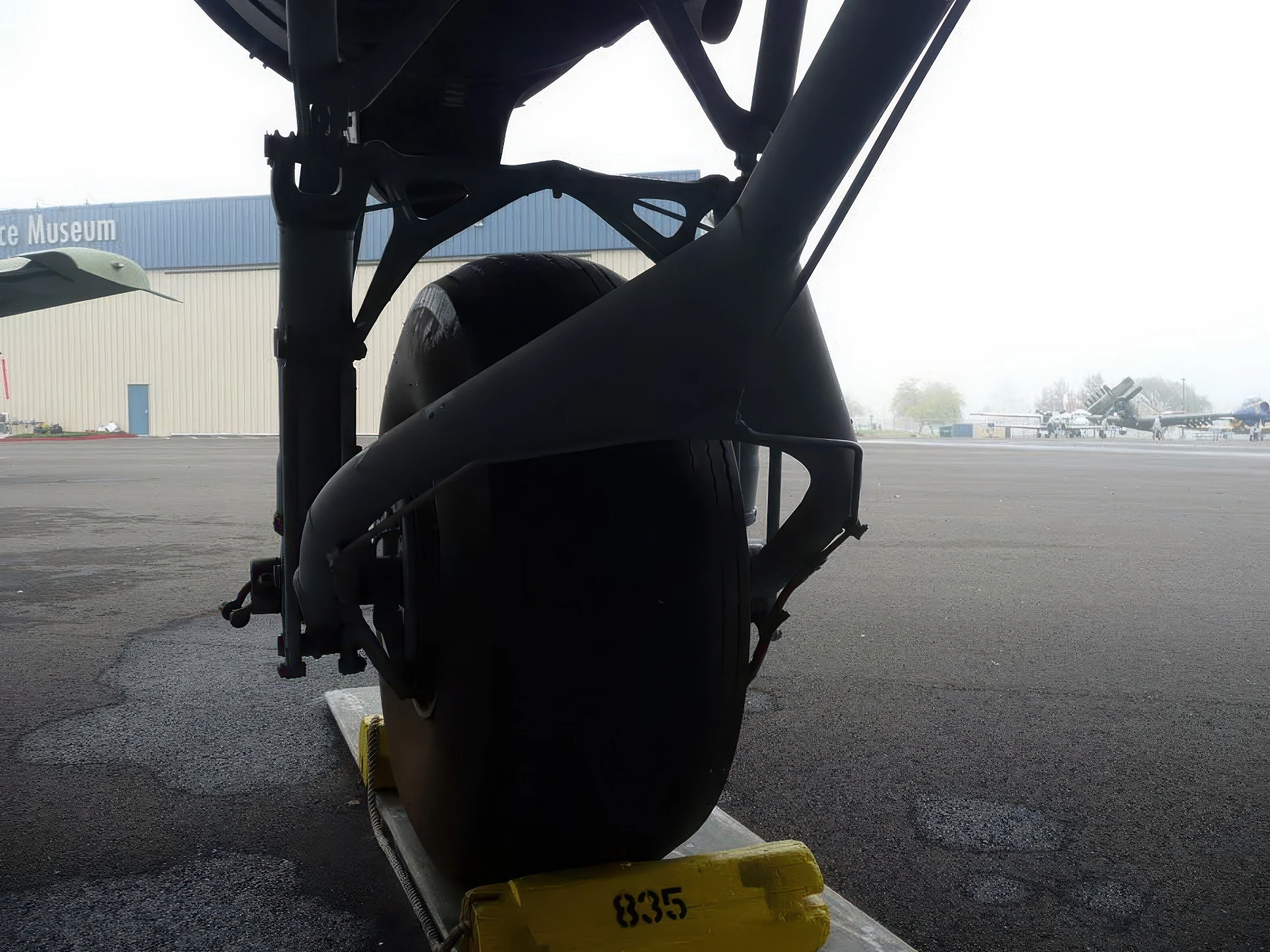


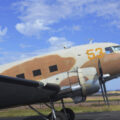 Douglas DC-3 – Foto's & Video's
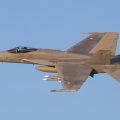 McDonnell Douglas F/A-18 Hornet – Foto's & Video
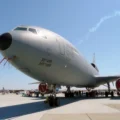 McDonnell Douglas KC-10 Extender – Foto's & Video
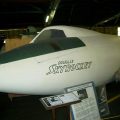 Douglas D-558-2 Skyrocket – Foto's &Video
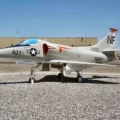 Douglas A-4 Skyhawk – Foto's &Video
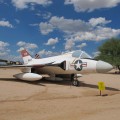 Douglas F4D Skyray – Foto's & Video
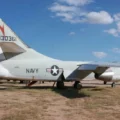 Douglas A-3 Skywarrior – Foto's & Video
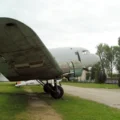 Lisunov Li-2 – WalkAround
 Douglas A-1 Skyraider – WalkAround
 Douglas A-26 Indringer – WalkAround