
Curtiss-Wright XP-55 Ascender | |
|---|---|
| Riik | USA |
| Rolli | Fighter |
| Toodetud | 19. juuli 1943 |
| Ehitatud | 3 |
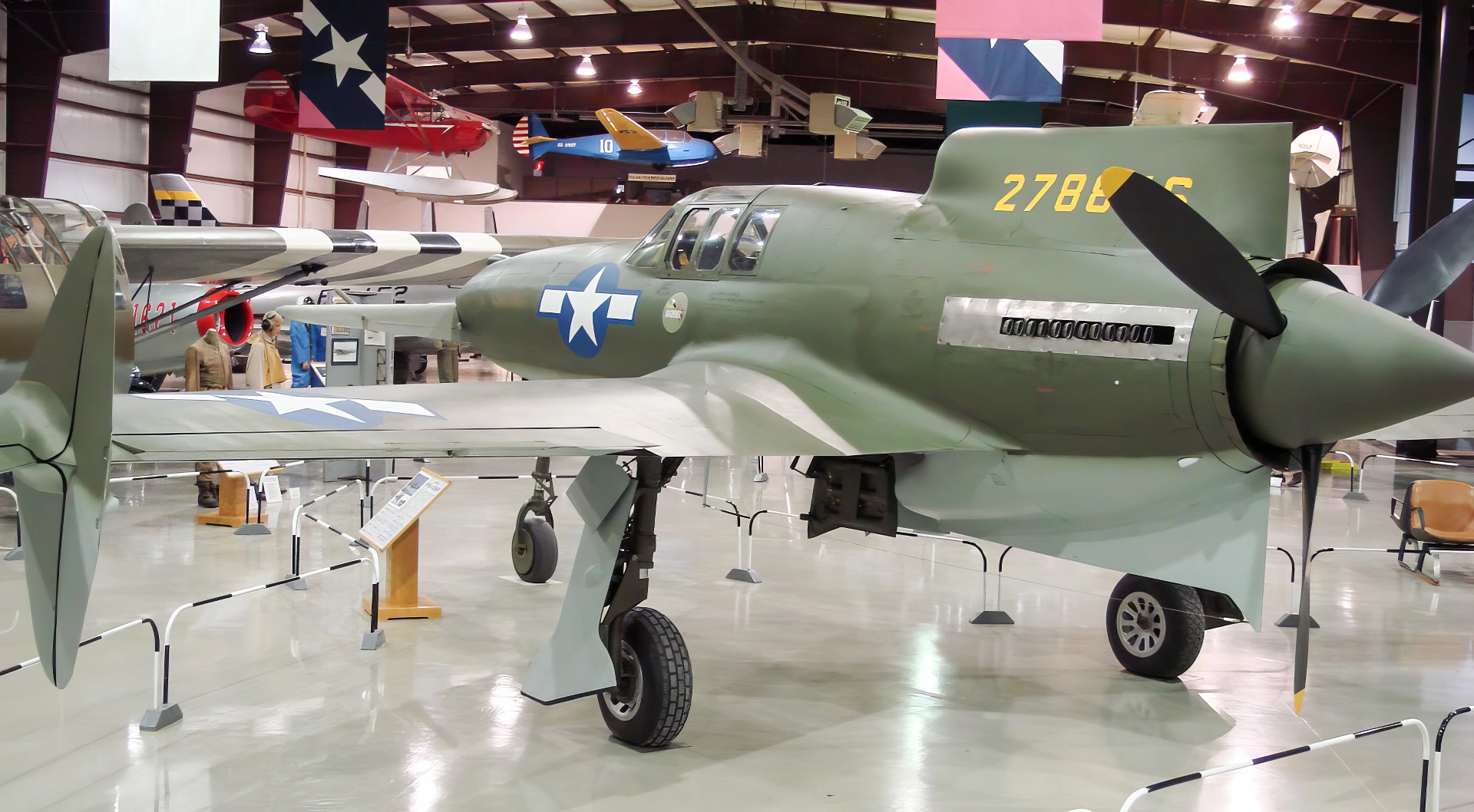
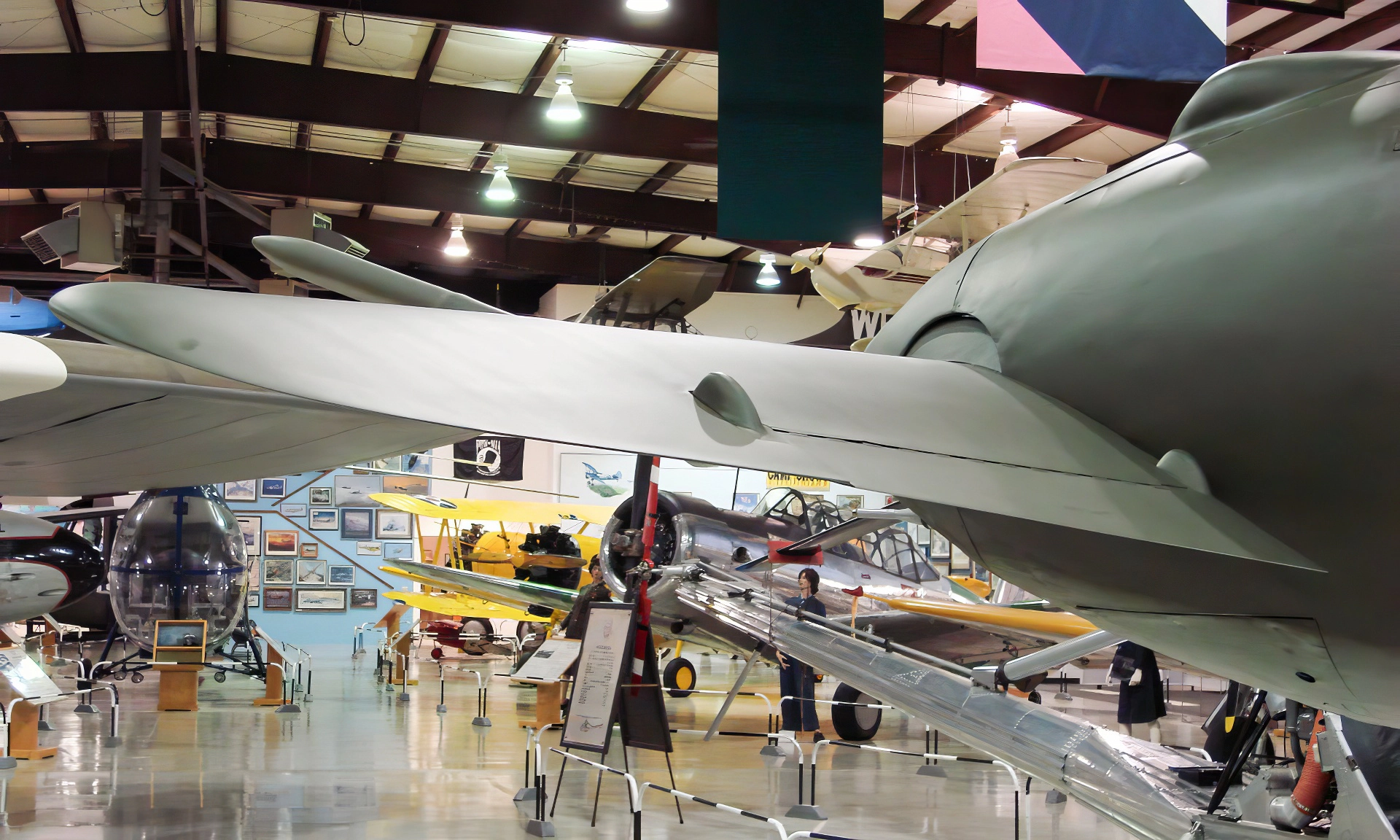
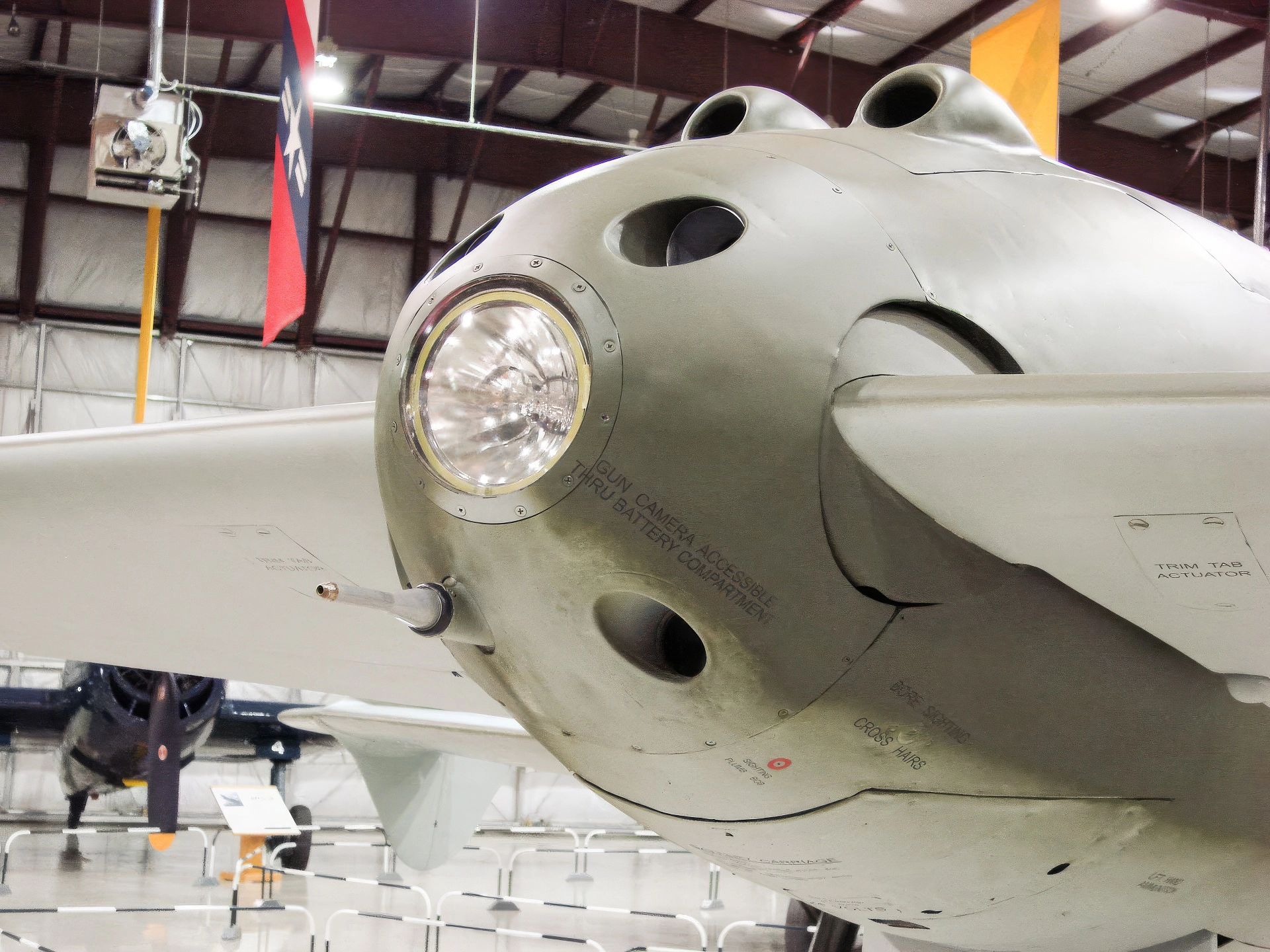
2007 Curtiss-Wright XP-55 tõusja (ettevõtte tähis CW-24) on 1940. aastate Ameerika Ühendriikide hävituslennuki prototüüp, mille ehitas Curtiss-Wright. Koos Vultee XP-54 ja Northrop XP-56-ga tulenes see Ameerika Ühendriikide armee õhukorpuse ettepanekust R-40C, mis anti välja 27. novembril 1939 parema jõudluse, relvastuse ja piloodi nähtavusega lennukite kohta; see lubas konkreetselt ebatraditsioonilisi lennukikonstruktsioone. Oma aja kohta väga ebatavaline disain, sellel oli kanardi konfiguratsioon, taha paigaldatud mootor, pühitud tiivad ja kaks vertikaalset saba. Tõukuri disaini tõttu nimetati seda sarkastiliselt "Ass-enderiks". Nagu XP-54, oli ka Ascender algselt mõeldud Pratt & Whitney X-1800 mootori jaoks ja see tuli ümber kujundada, kui see mootoriprojekt tühistati. See oli ka esimene Curtissi hävituslennuk, mis kasutas kolmerattalist telikut.
Allikas: Curtiss-Wright XP-55 tõusja Vikipeedias
| XP-55 Ascender Walk Around | |
|---|---|
| Fotograaf | Michael Benolkin |
| Lokaliseerimine | Teadmata |
| Fotod | 39 |




Vaata ka:


General Characteristics and Role
The Curtiss XP-55 Ascender (Curtiss-Sperry Model 24) was an experimental fighter prototype developed for the U.S. Army Air Forces (USAAF) during World War II. It was the product of the 1940 “R-40C” proposal for unconventional aircraft designs, alongside the Northrop XP-56 Black Bullet and Vultee XP-54 Swoose Goose. The Ascender featured a highly radical and futuristic design for its time: a tailless canard configuration with the engine mounted at the rear, driving a pusher propeller. This layout was intended to improve aerodynamics and provide an unobstructed forward field of fire. Despite the design’s potential, the XP-55 suffered from stability issues, poor low-speed performance, and did not live up to performance expectations, leading to its cancellation after three prototypes were built.
| Property | Typical Value (XP-55) |
|---|---|
| Rolli | Experimental Fighter Prototype |
| National Origin | Ameerika Ühendriigid |
| Tootja | Curtiss-Wright Corporation |
| First Flight | 13 July 1943 |
| Arv on ehitatud | 3 |
| Meeskonna | 1 (Pilot) |
| pikkus | 9.0 m (29 ft 6 in) |
| Tiibade siruulatus | 12.4 m (40 ft 8 in) |
| kõrgus | 3.45 m (11 ft 4 in) |
| Empty Weight | 2,884 kg (6,358 lb) |
| Max Takeoff Weight | 3,792 kg (8,360 lb) |
Powerplant and Design
- Engine: One Allison V-1710-95 (F23R) liquid-cooled V12 engine.
- Power Output: 954 kW (1,275 hp).
- Propulsion: 3-bladed propeller in a pusher configuration (at the rear).
- Maximum Speed: 628 km/h (390 mph; 339 kn) at 5,800 m (19,000 ft).
- Range: 1,040 km (650 mi; 560 nmi).
- Design Layout: Canard (small horizontal surface in the nose) and a mid-set wing with twin tail booms supporting the rudders. The main wings were swept back slightly.
- Pilot Safety: Due to the rear-mounted propeller, the pilot was equipped with a system to jettison the propeller assembly before bailing out in an emergency.
Armament (Intended) and Service
- Intended Armament: 2 x 20 mm cannon and 2 x .50 in (12.7 mm) machine guns, all mounted in the nose. (Prototypes often flew with reduced or no armament).
- Service History: The first prototype crashed due to a stall/spin in a test flight. Despite modifications to the second and third prototypes, they were ultimately outclassed by conventional and early jet fighters.
- Legacy: The XP-55’s radical configuration helped advance research into canard aerodynamics, a concept later successfully used in aircraft like the Saab Viggen and Eurofighter Typhoon.
Vaadatud : 3533
Näete ka :
 Travel Air 2000 – fotod ja videod
 Curtiss-Wright CW-22 - fotod ja video
 Curtiss-Wright AT-9 - fotod ja video
 Stinson L-5 Sentinel – fotod ja video
 Piper L-4 rohutirts - fotod ja video
 Lockheed U-2 - fotod ja video
 Hawker Sea Fury FBII vol2 – Jalutada
 P-51D Mustang vol2 – Jalutuskäik ümber
 B-17G lendav kindlus – WalkAround
 Messerschmitt Bf 109G-2 – Jalutada