北美FJ-4狂怒规格
| 制造商 | 北美航空 |
| 作用 | 基于航母的战斗机轰炸机 |
| 首次飞行 | 1954年10月3日 |
| 介绍 | 1955 |
| 退休 | 1965年(美国海军),1972年(委内瑞拉) |
| 主要用户 | 美国海军、委内瑞拉空军 |
| 已构建的编号 | 374 |
| 单位成本 | 780,000美元(FJ-4B) |
| 发动机 | 一台普惠J48-P-8A涡轮喷气发动机,推力7,250磅力(32.3千牛) |
| 最大速度 | 1,094公里/小时(680英里/小时) |
| 范围 | 1,200 英里(1,900 公里) |
| 服务上限 | 44,000 英尺(13,400 米) |
| 装备 |
|
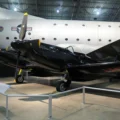
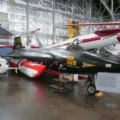
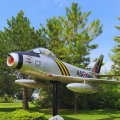
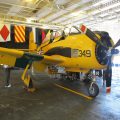
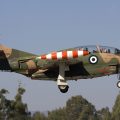
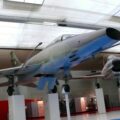
这 北美 FJ-4 愤怒 是美国海军和海军陆战队的一架能够携带航母的战斗机轰炸机。包括空军的F-86 Sabre在内的血统的最终发展,FJ-4与早期的FJ-3共享其总体布局和发动机,但具有全新的机翼设计,是一个完全不同的设计在其最终的体现。
| North American FJ-4 Fury Walk Around | |
|---|---|
| 摄影师 | 弗拉基米尔·亚库博夫 |
| 本地化 | 国家航空航天博物馆 |
| 照片 | 61 |
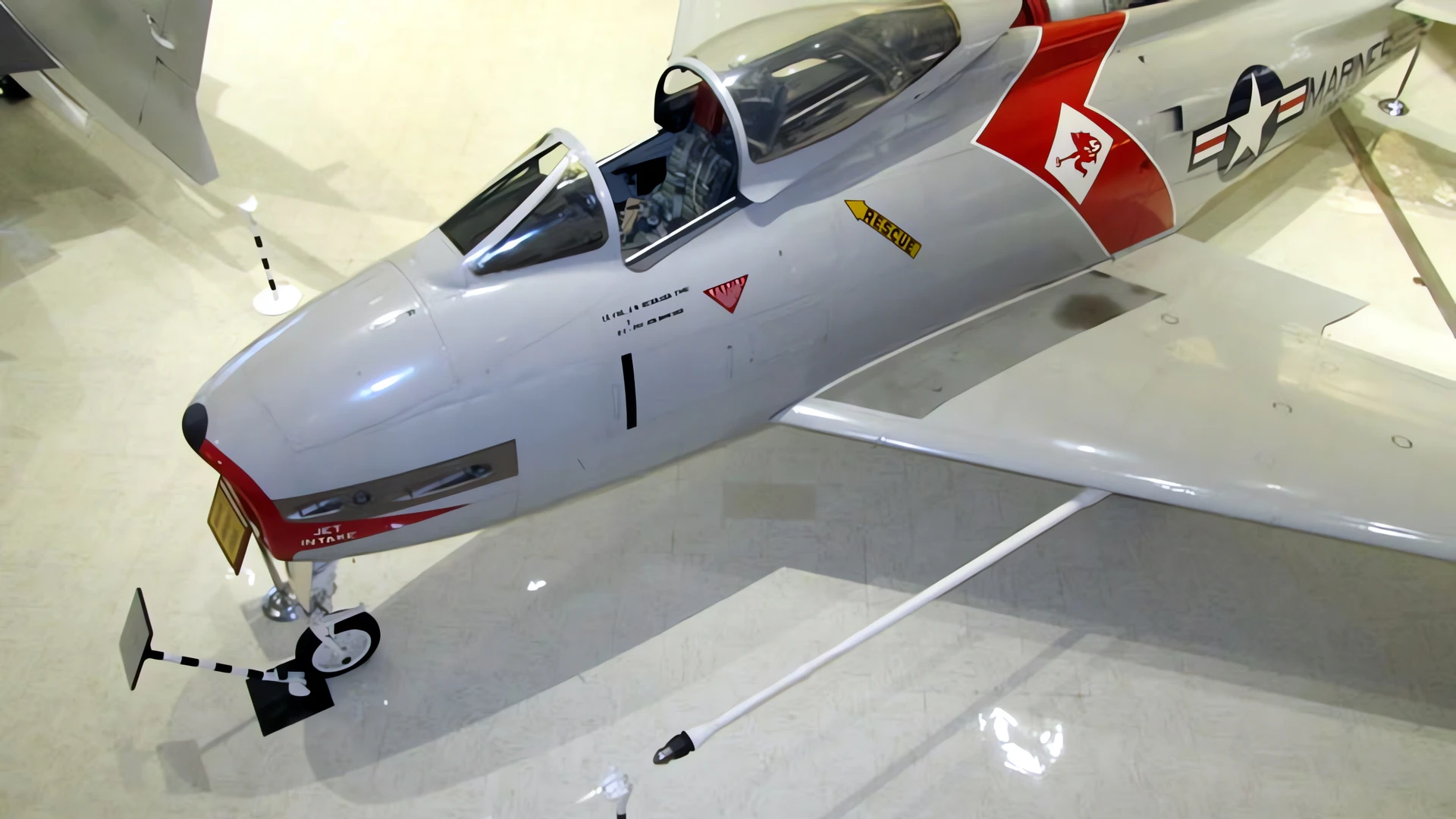
North American FJ-4 Fury 01
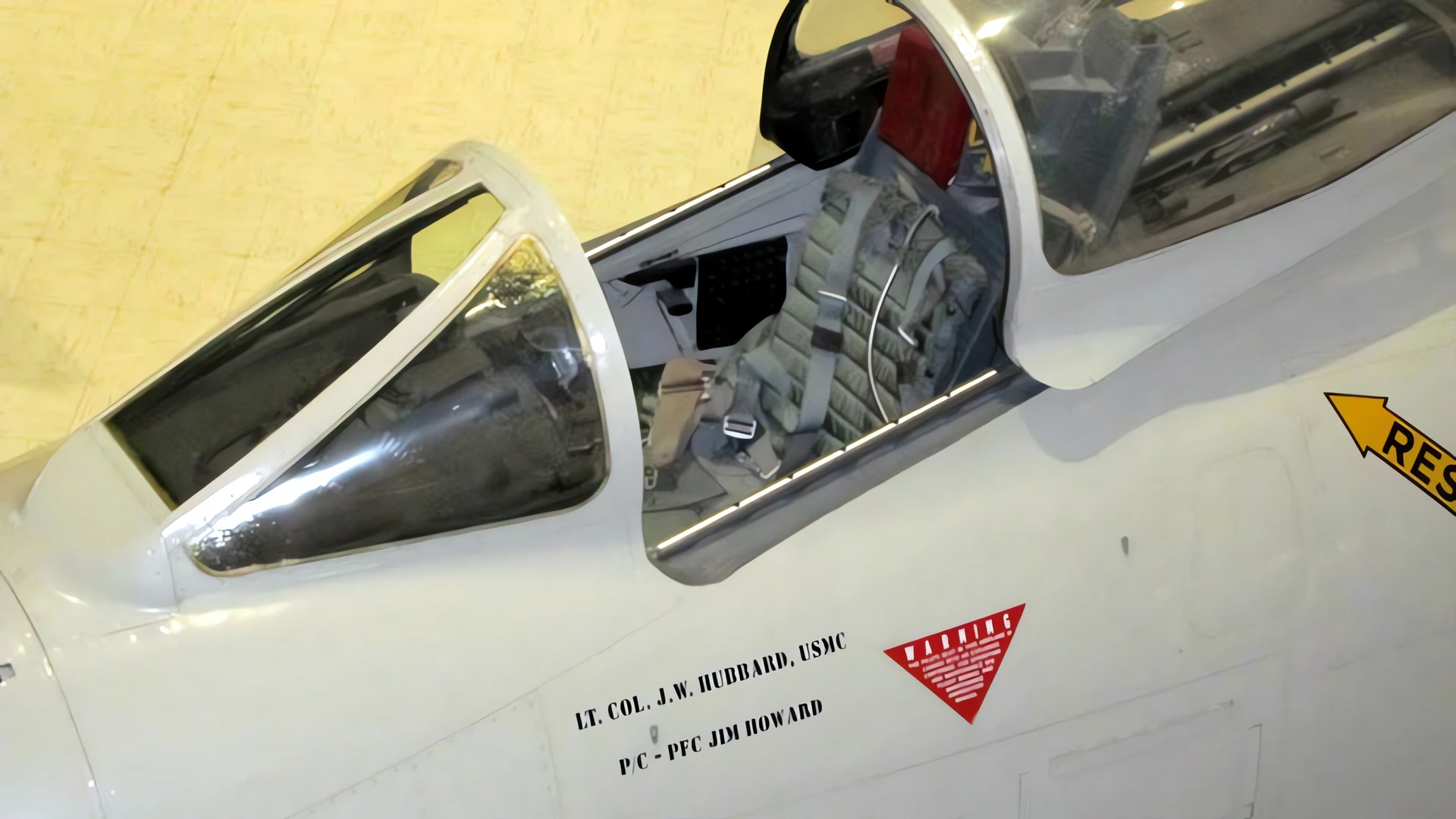
North American FJ-4 Fury 02
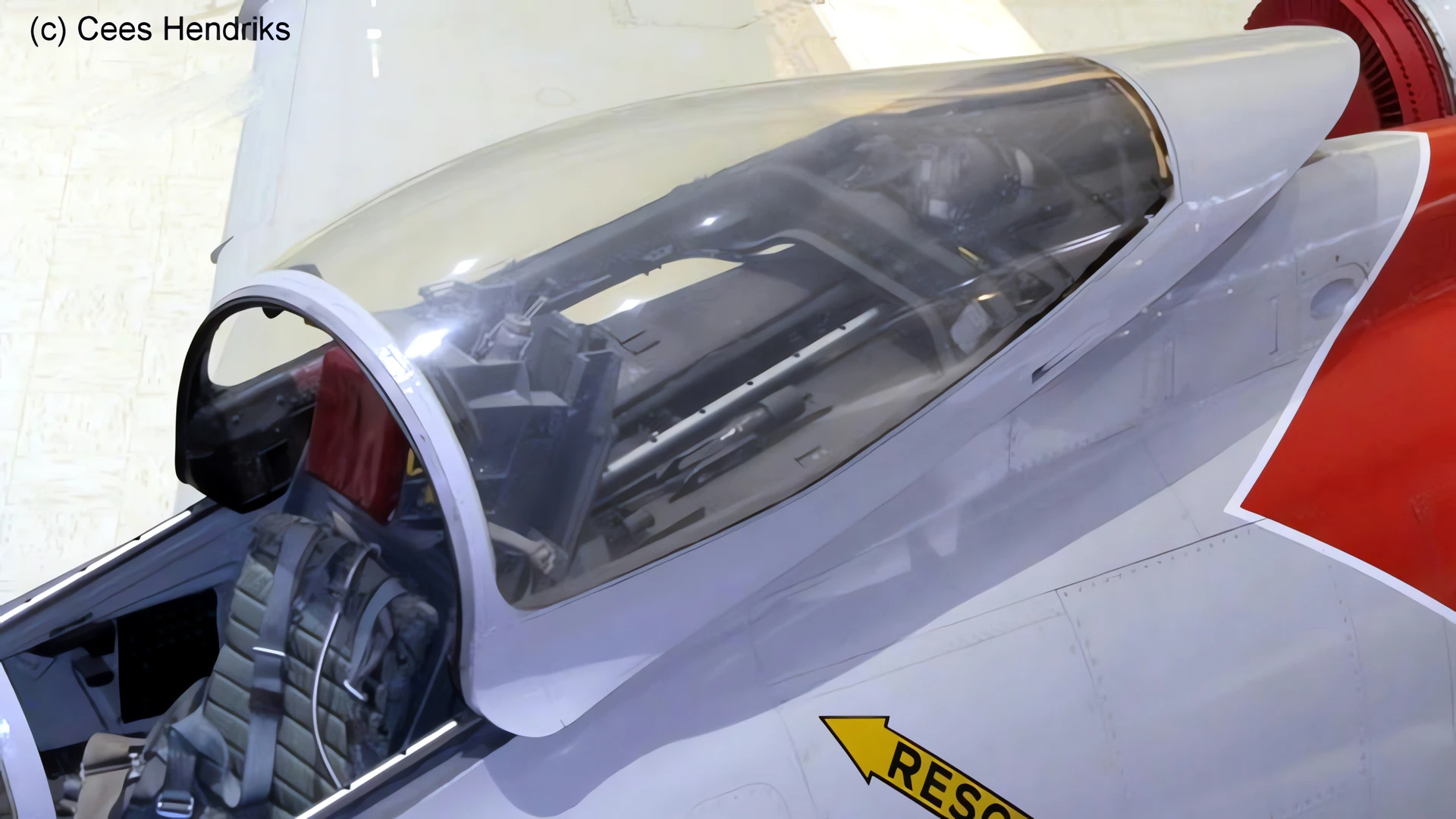
North American FJ-4 Fury 03
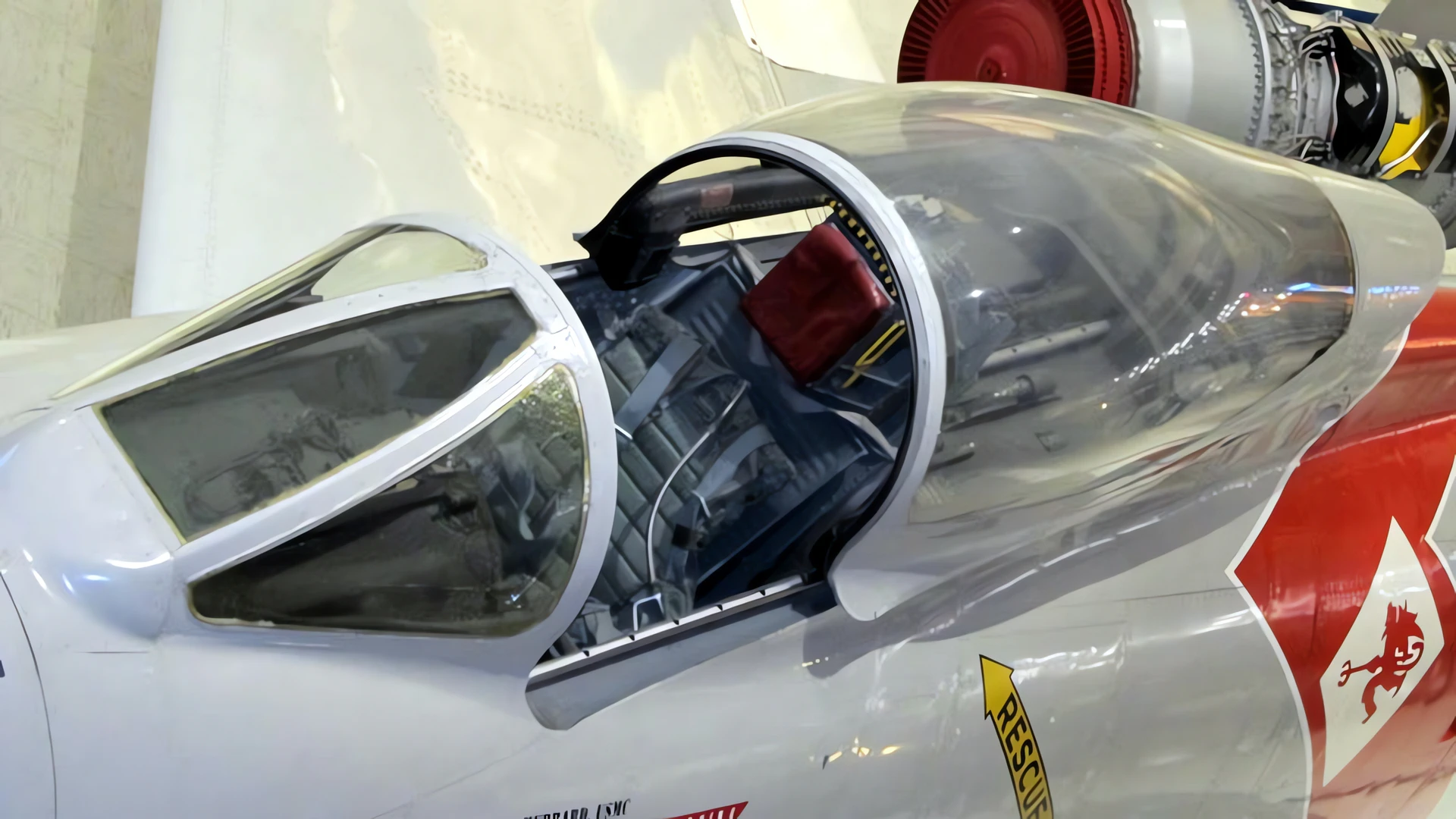
North American FJ-4 Fury 04
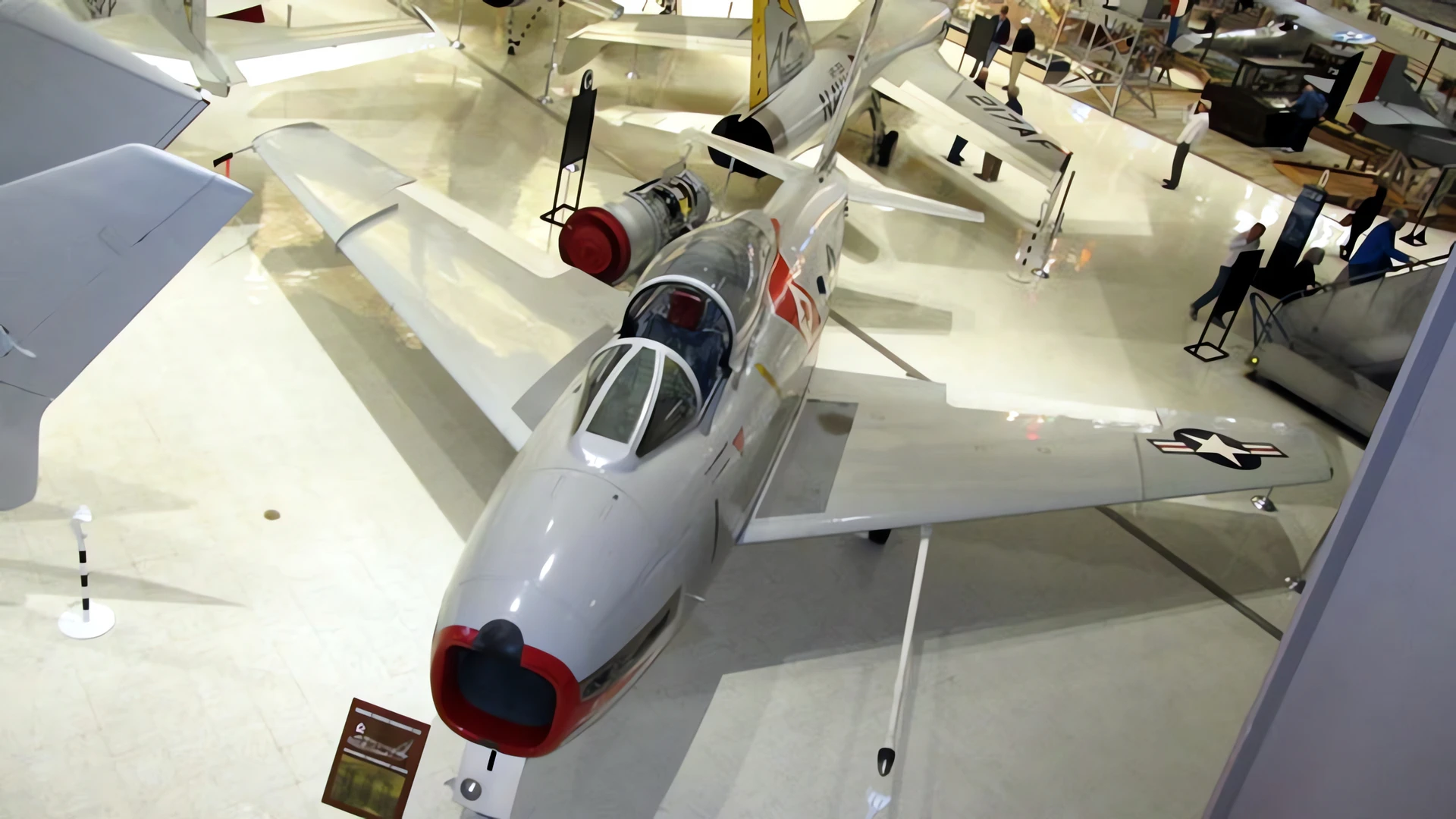
North American FJ-4 Fury 05
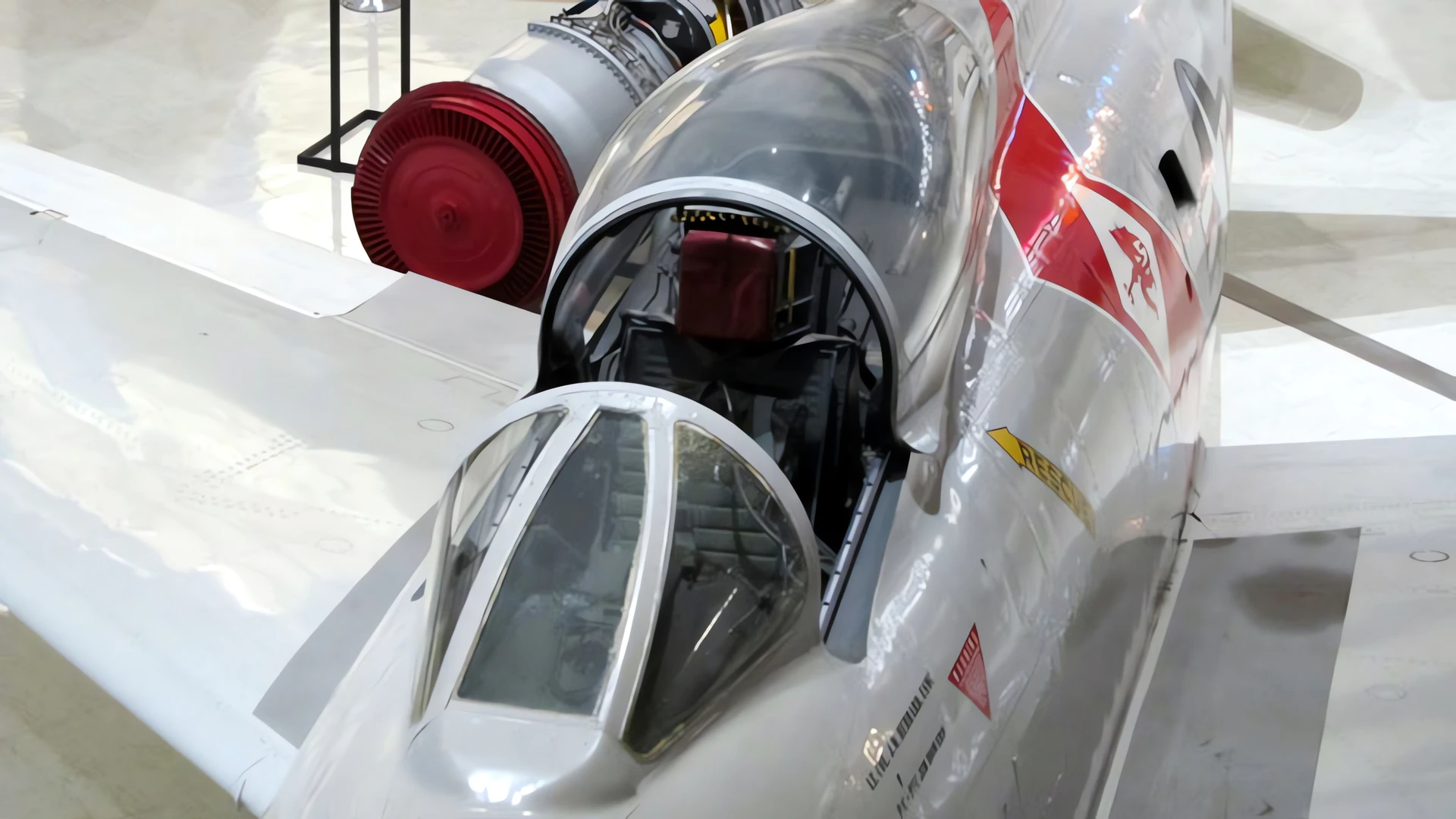
North American FJ-4 Fury 06
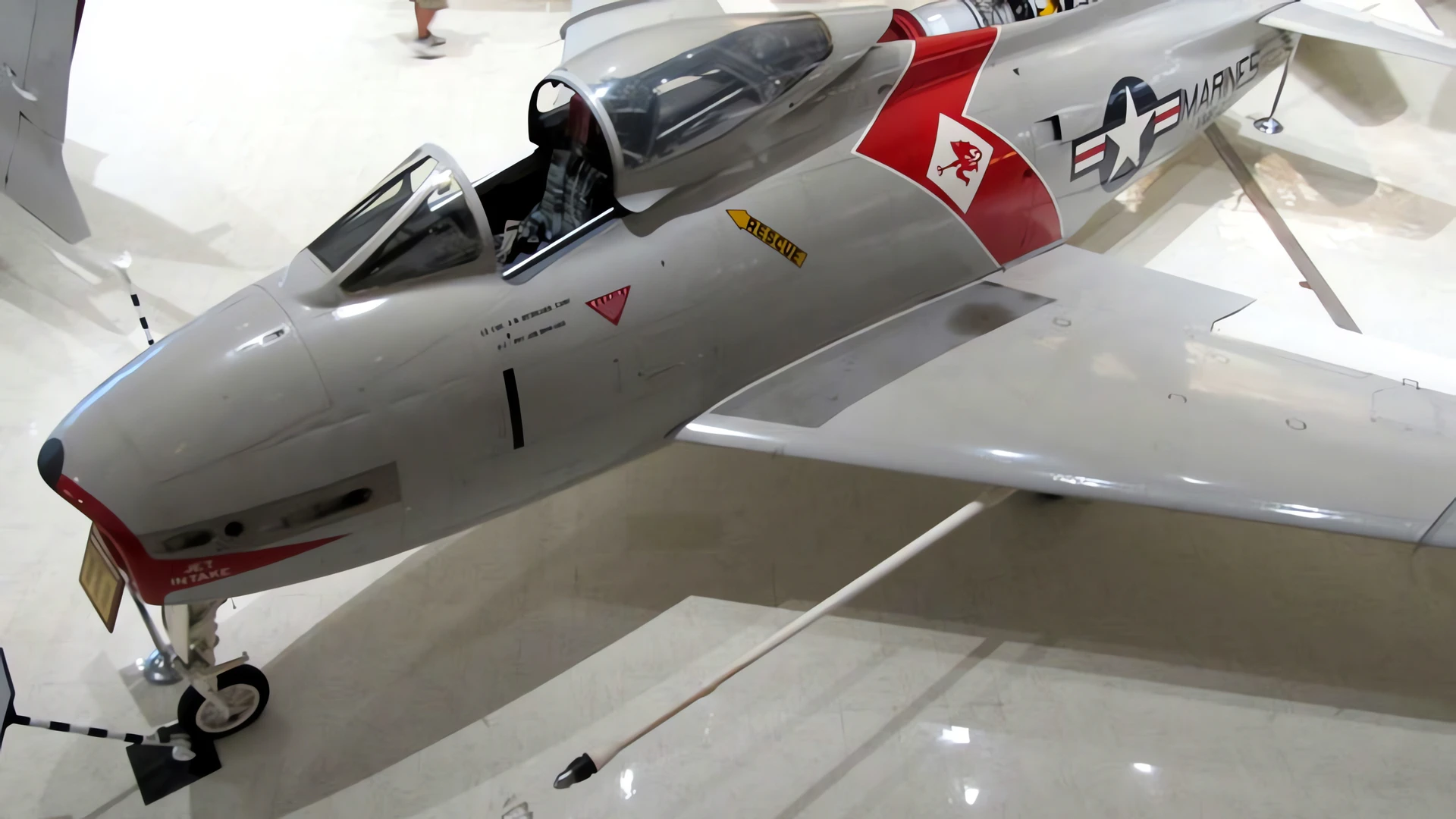
North American FJ-4 Fury 07
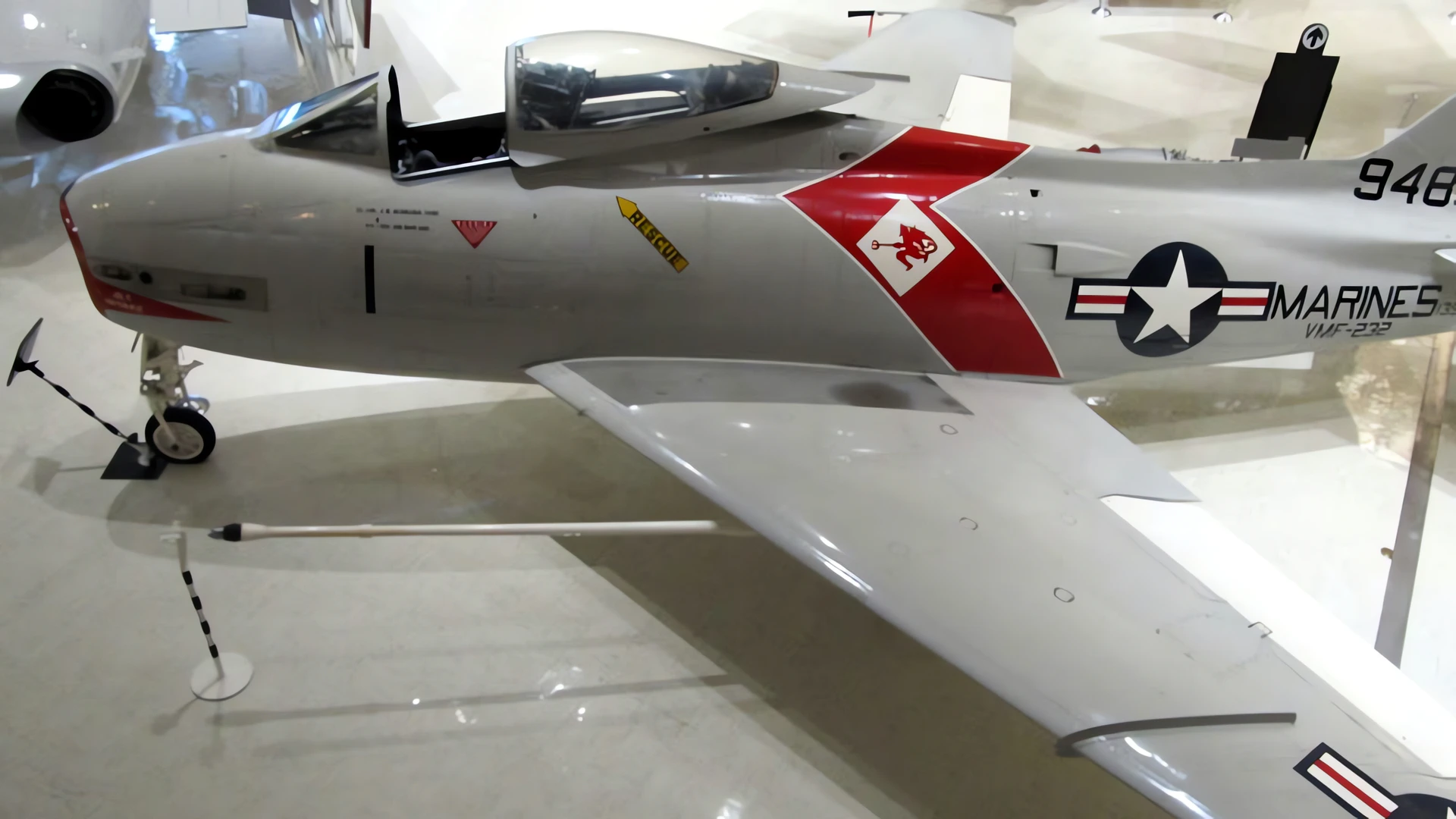
North American FJ-4 Fury 08
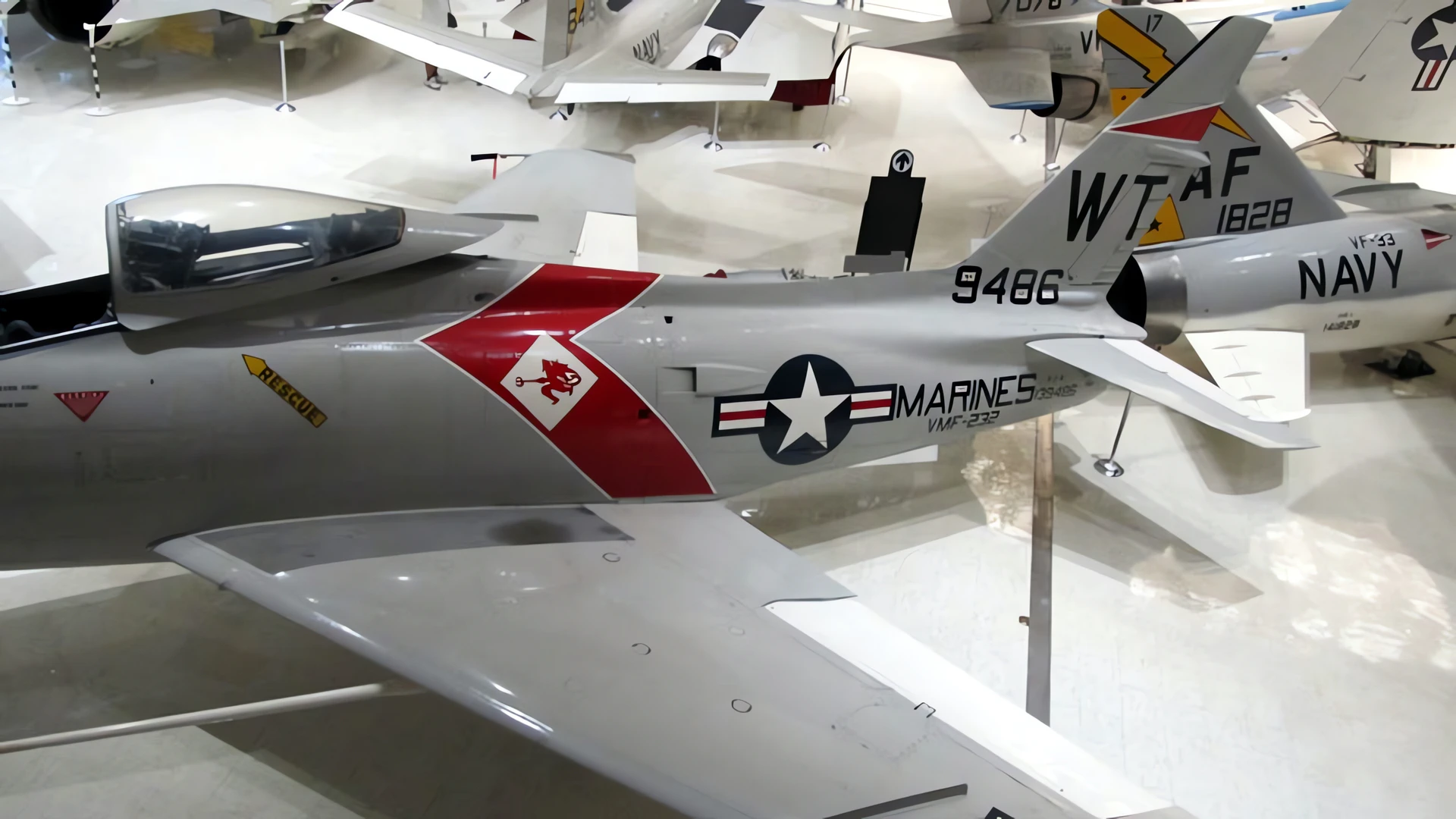
North American FJ-4 Fury 09
等等, 为你搜索北美 Fj - 4 愤怒...

| North American FJ-4B ‘Fury’ Walk Around | |
|---|---|
| 摄影师 | Fotios Rouch |
| 本地化 | 未知 |
| 照片 | 58 |
另请参阅:


The Peak of the FJ Evolution
这 北美 FJ-4 愤怒 was the final and most capable iteration of the Fury series. While it shared a common ancestry with the F-86 Sabre, by the time the FJ-4 arrived, it was a completely different beast. Designed primarily for the U.S. Marine Corps as a long-range, high-speed attack aircraft, it featured a deeper fuselage for increased fuel, a completely redesigned wing, and significantly improved landing gear. It transitioned the Fury from a pure dogfighter into a versatile strike platform capable of carrying nuclear weapons.
| Attribute | Technical Specification (FJ-4B) |
|---|---|
| 作用 | Carrier-based Fighter-Bomber / Strike Fighter |
| 船员 | 1 (Pilot) |
| First Flight | October 28, 1954 |
| 动力装置 | 1 × Wright J65-W-16A turbojet |
| Thrust | 7,700 lbf (34 kN) |
| 最高速度 | 680 mph (1,094 km/h) at sea level |
| 装备 | 4 × 20mm Colt Mk 12 cannons; 5 hardpoints (up to 6,000 lbs) |
| Missiles | AIM-9 Sidewinder (Fighter); AGM-12 Bullpup (Attack) |
Redesigned for the Strike Mission
- The “Deep” Fuselage: To address the short range of earlier jets, the FJ-4’s fuselage was noticeably “taller” or deeper than the FJ-1 or the F-86. This allowed it to carry 50% more internal fuel, giving it the “legs” needed for long-range interdiction.
- Thinner, Cleaner Wings: The FJ-4 featured a new, thinner wing with a different airfoil shape and a “cuffed” leading edge. This improved low-speed handling for carrier approaches while reducing drag at high subsonic speeds.
- All-Moving Tail: Like the F-86F, the FJ-4 used an “all-flying” tail (stabilator) which provided much better control authority when maneuvering near the speed of sound.
- FJ-4B Ground Attack: The “B” variant introduced an automated flight control system and a low-altitude bombing system (LABS) specifically designed for the delivery of tactical nuclear weapons.
Operational History and the Marine Corps
- The Marine’s Choice: While the Navy moved toward the F8U Crusader for air superiority, the Marine Corps leaned heavily on the FJ-4 for close air support. Its rugged design and heavy payload made it ideal for supporting troops from the deck of a carrier.
- Bullpup Pioneer: The FJ-4B was the first aircraft to carry the AGM-12 Bullpup, the world’s first mass-produced guided air-to-ground missile.
- Mid-Air Refueling: To further extend its range, the FJ-4 was equipped with a fixed refueling probe on the left wing, a standard feature for Naval aircraft of that era.
- Preservation: Because the FJ-4 was built in significant numbers (over 370), several are preserved in the US, including examples at the National Museum of the Marine Corps 和 三月现场航空博物馆.
意见 : 3102