QF-100D 超级剑 | |
|---|---|
| 国家 | 美国 |
| 类型 | 喷气式战斗机 |
| 主题 | 专辑 46 照片走动的«QF-100D超级剑» |
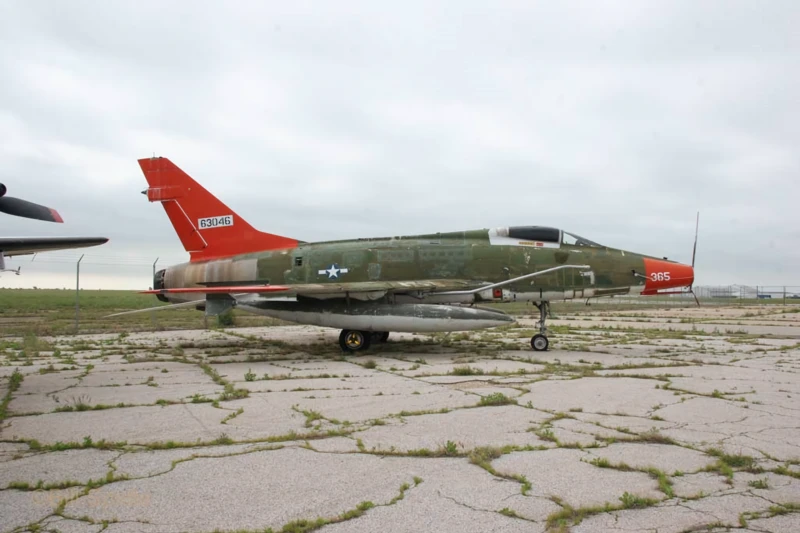
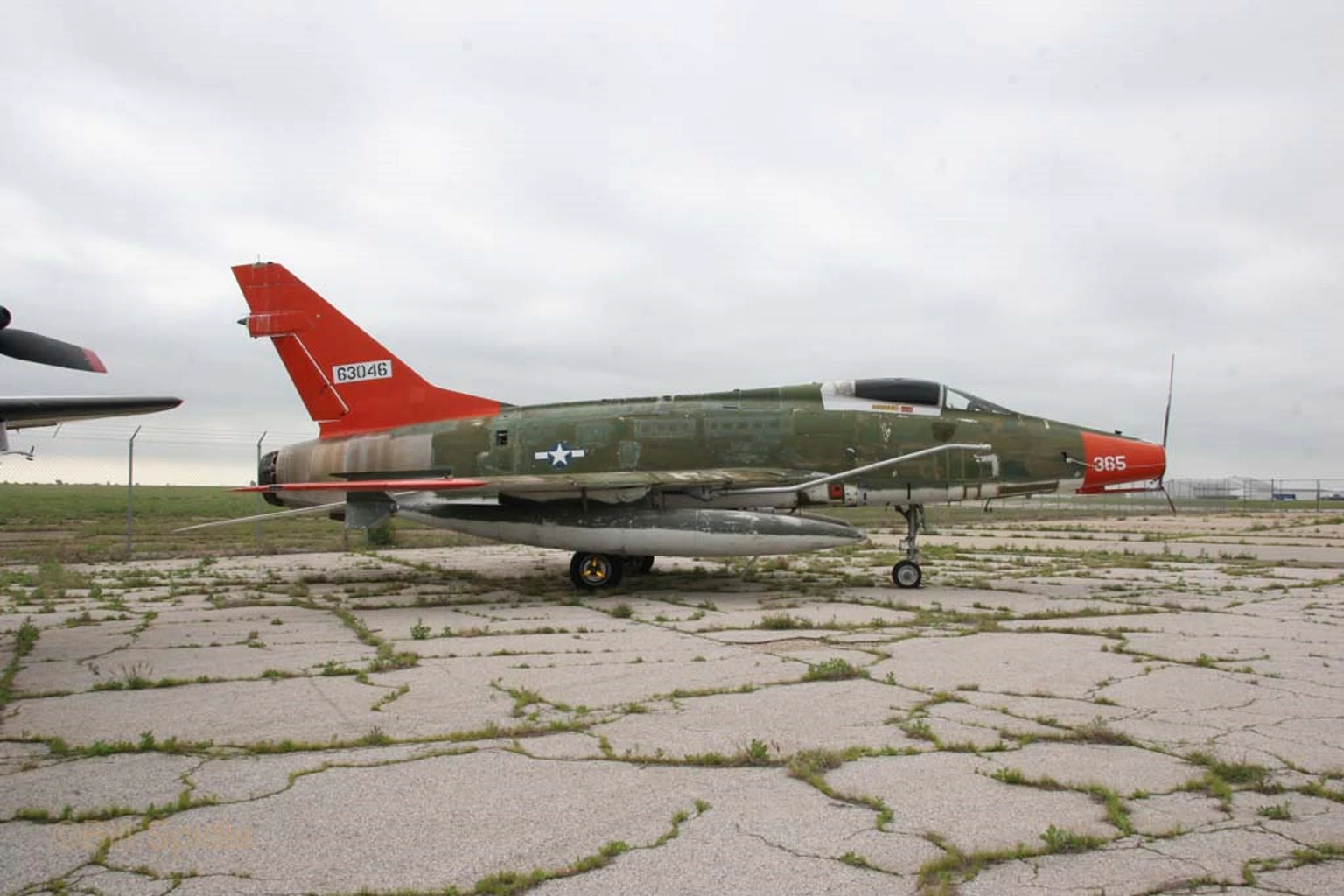
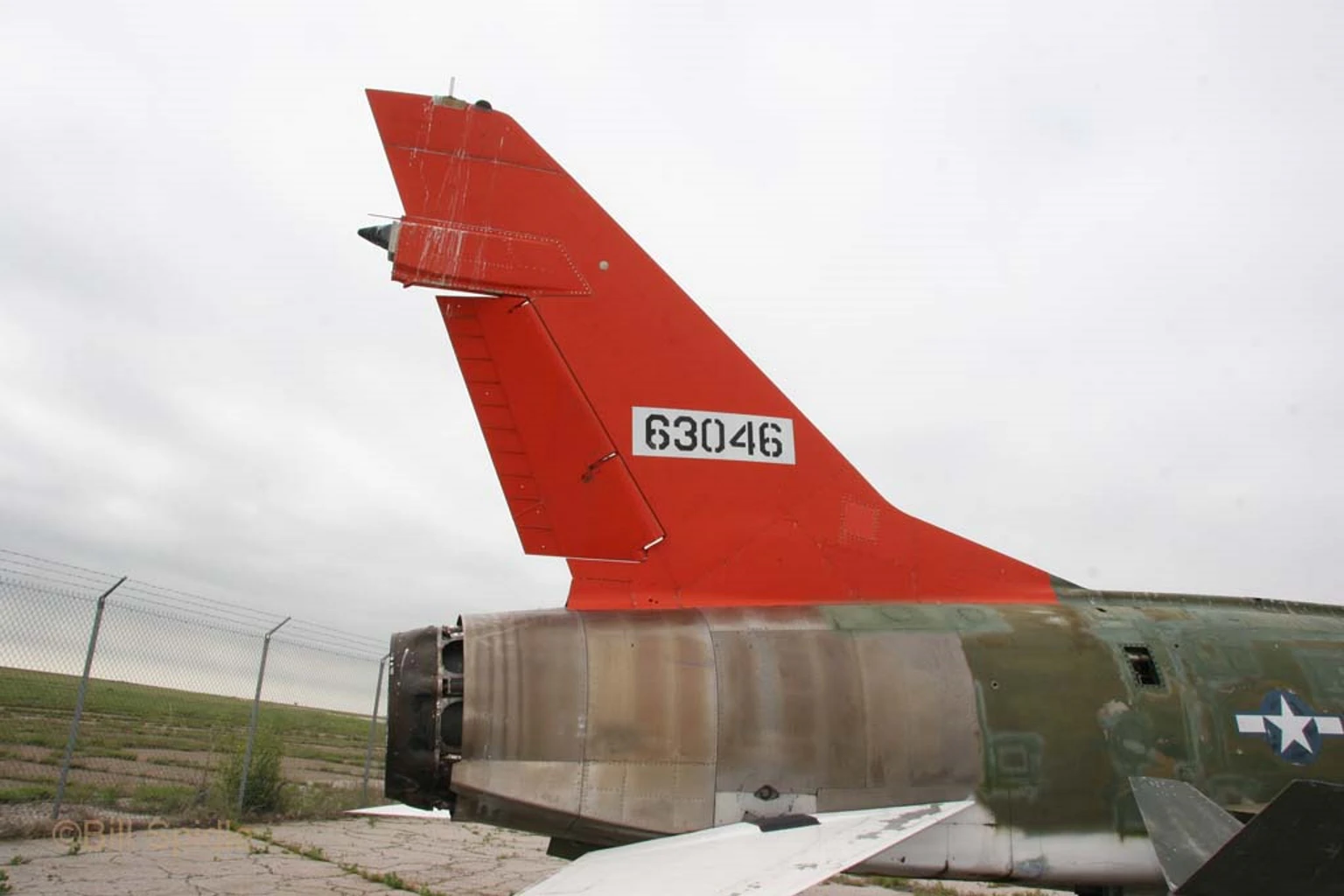
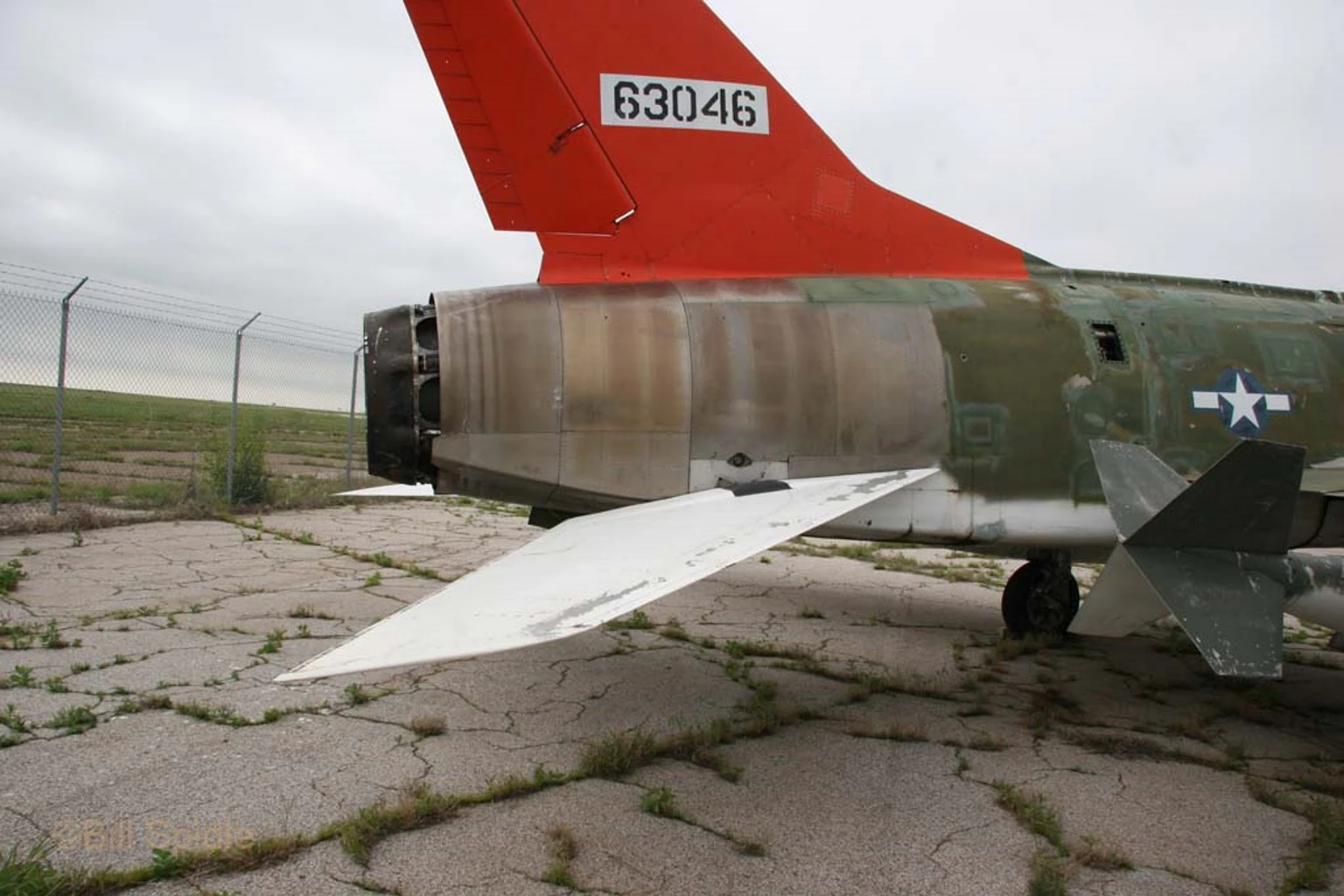
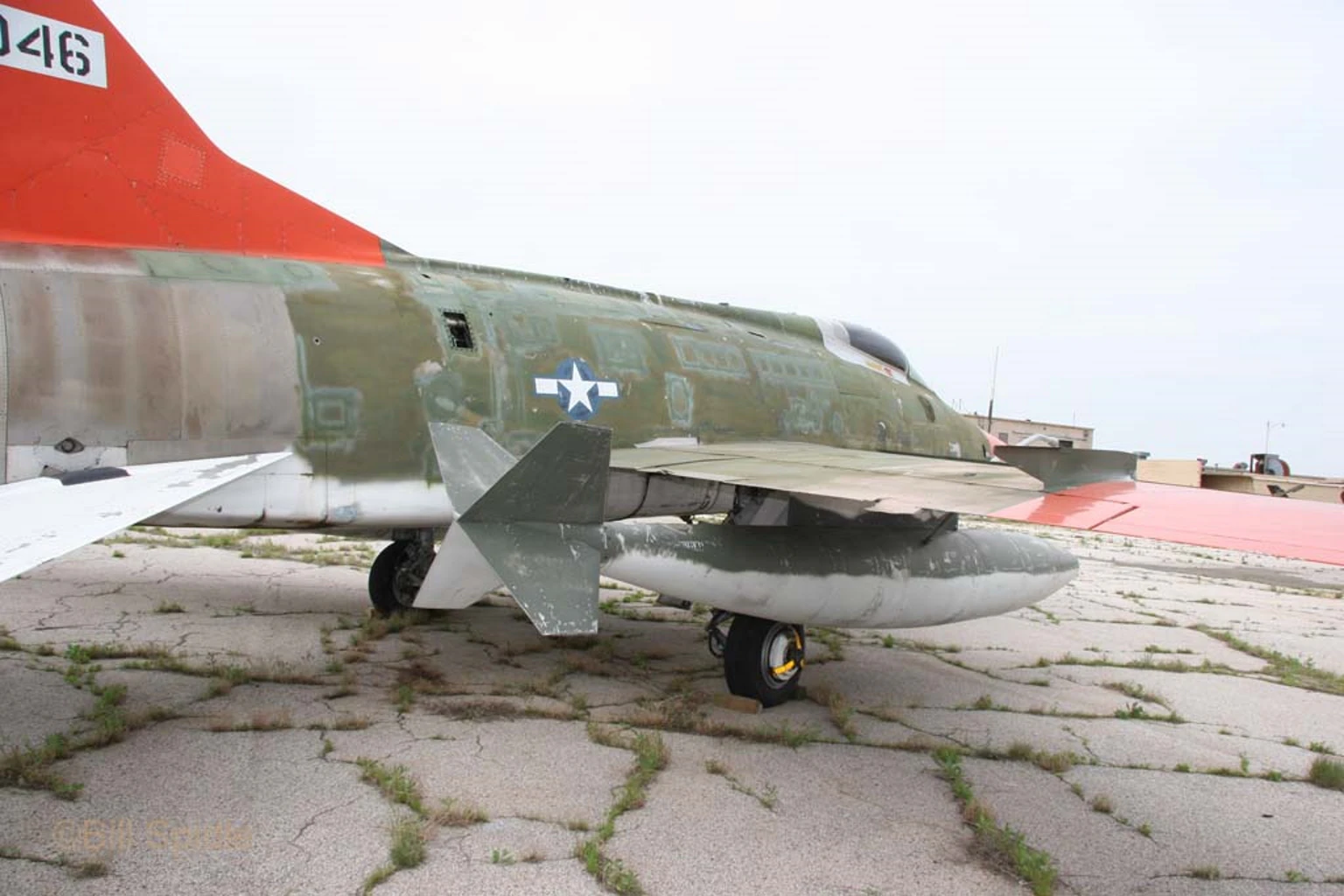
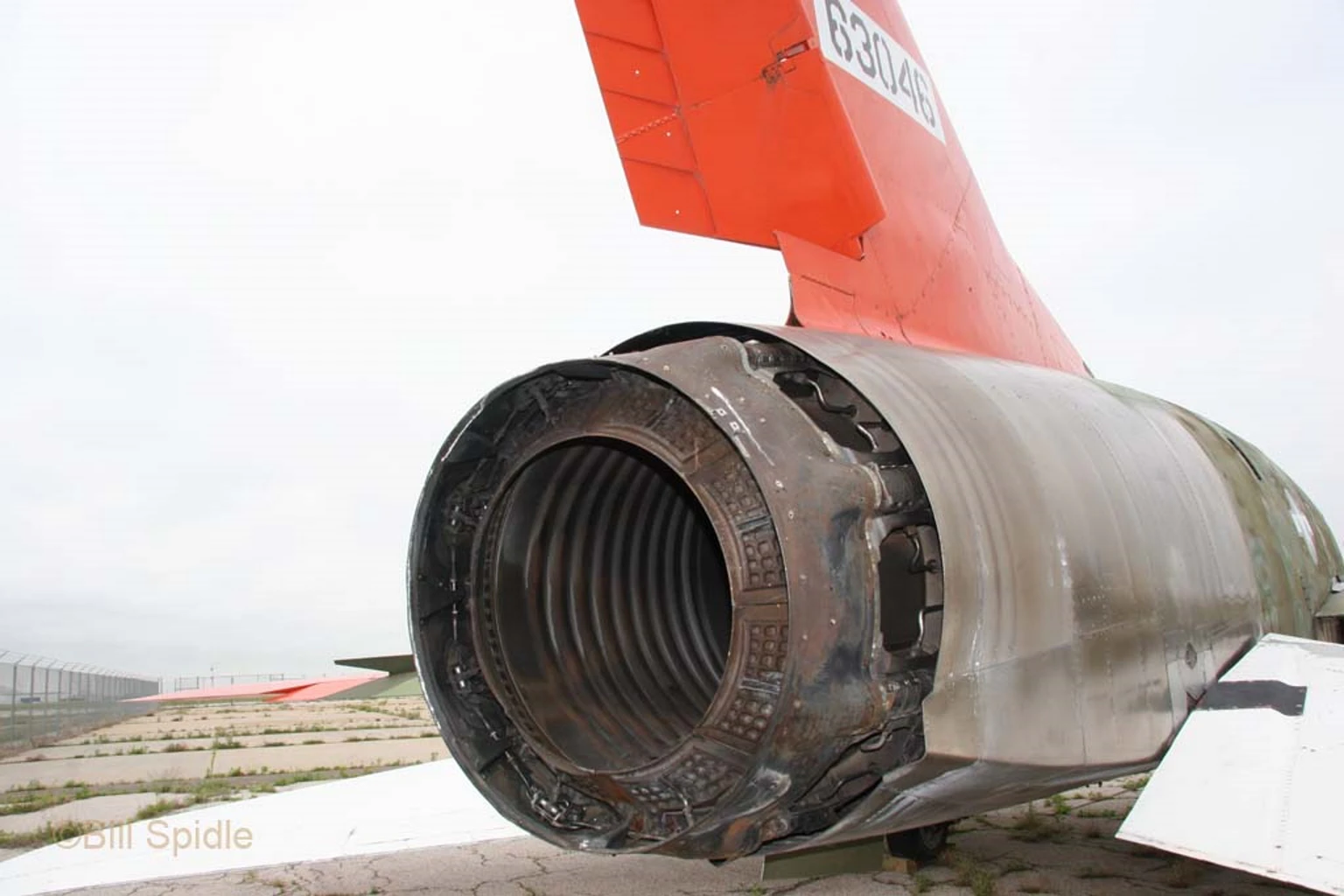
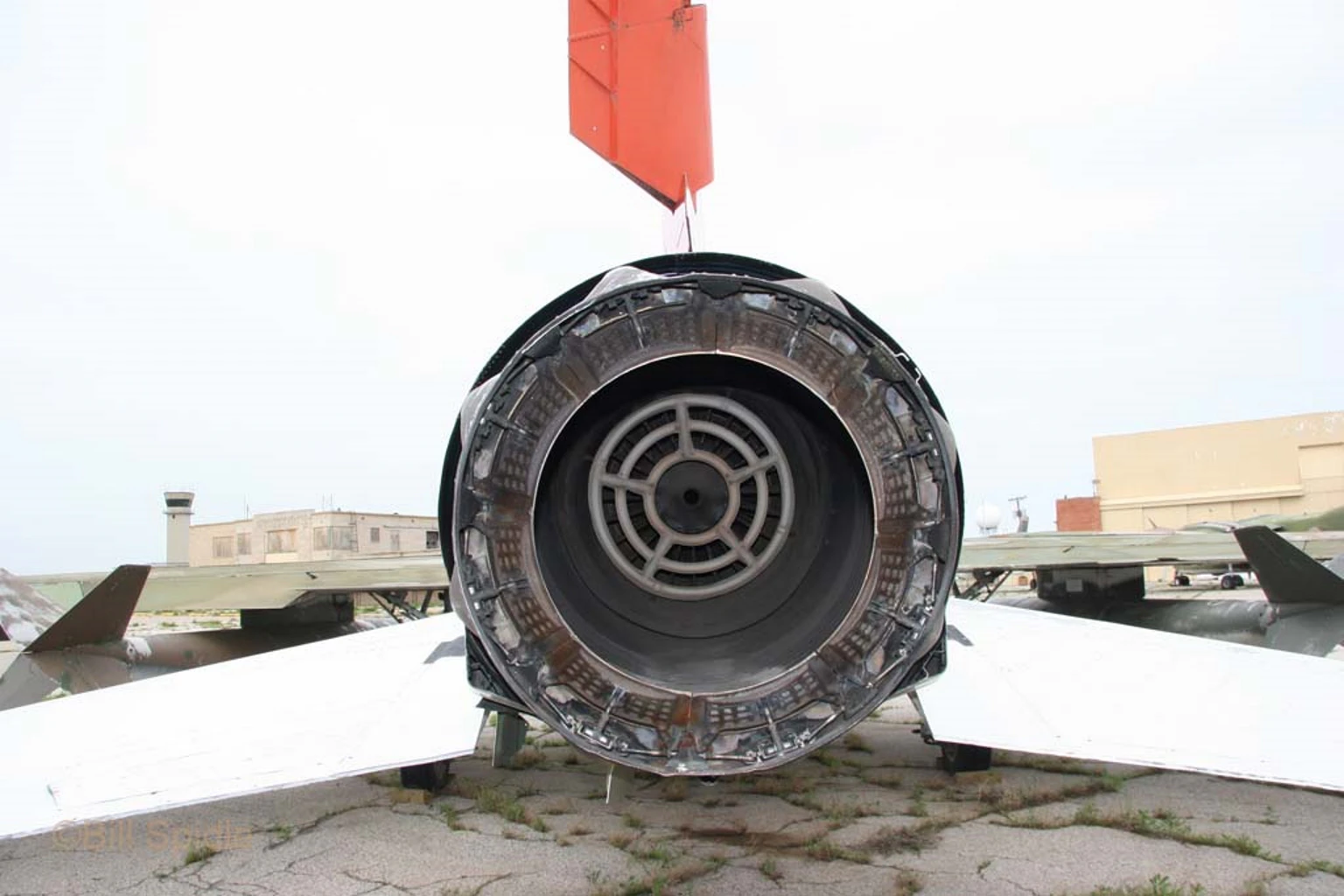
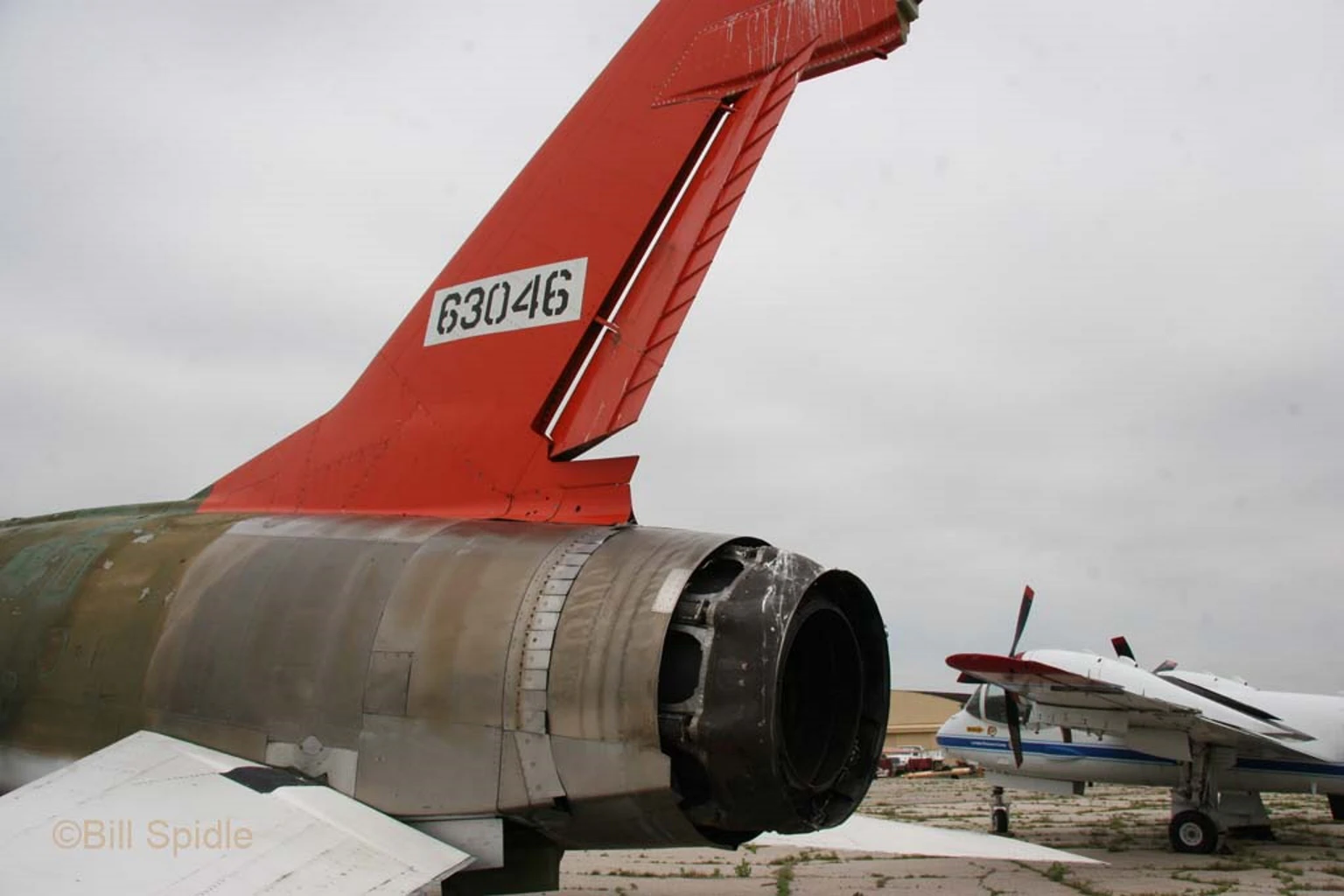
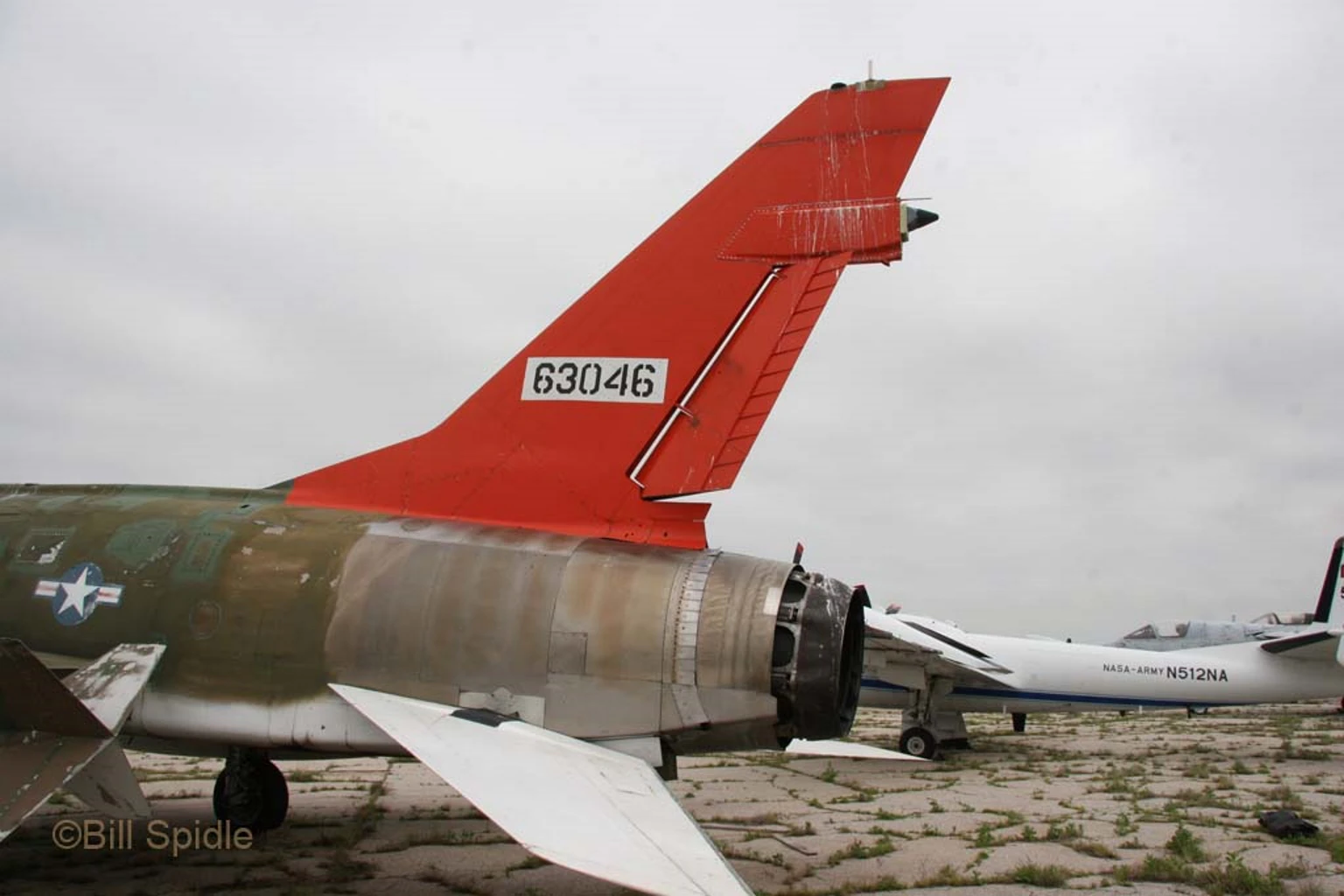
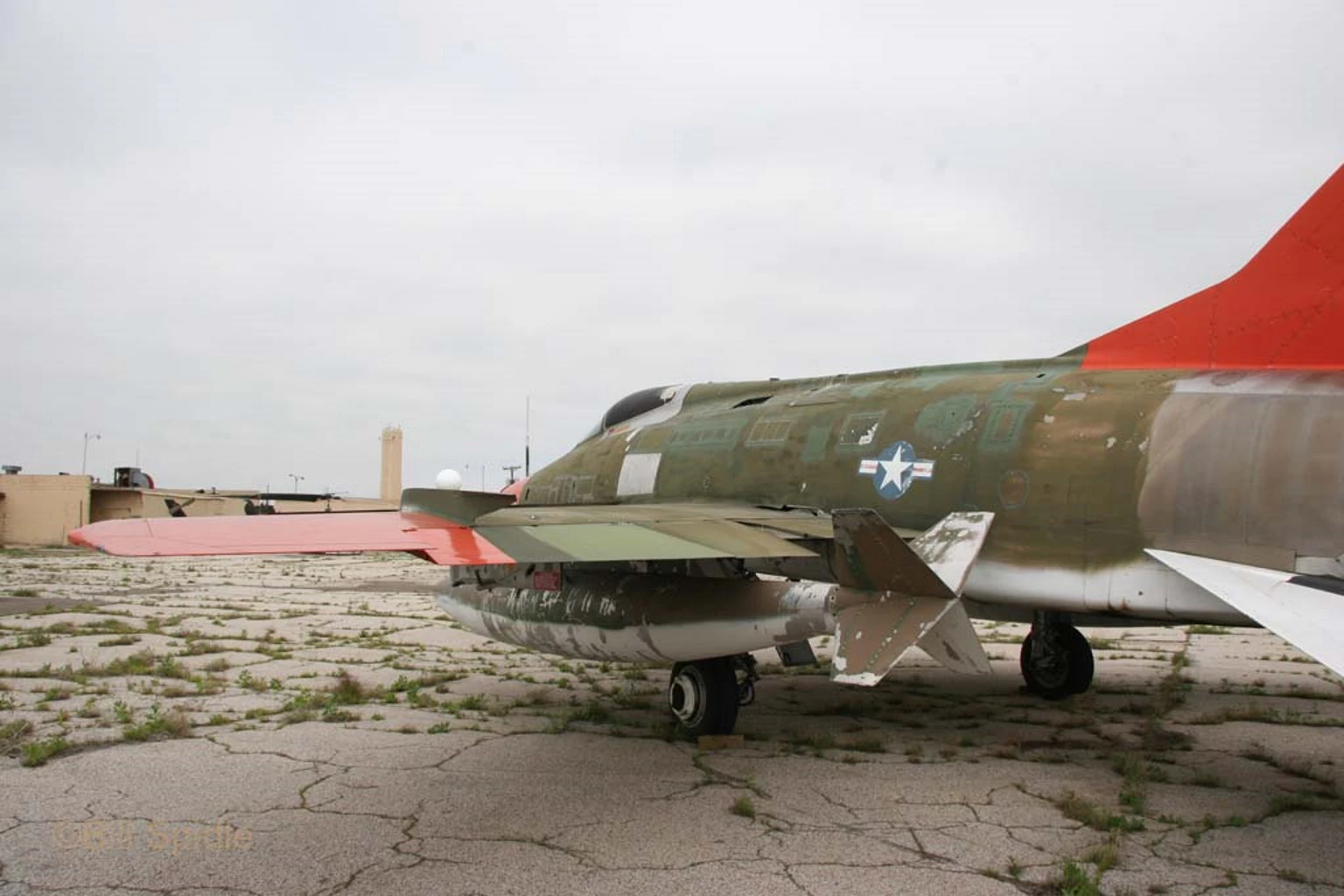
Photo gallery of a QF-100D Super Sabre, The 北美F-100 超级剑是美国超音速喷气式战斗机,1954年至1971年在美国空军服役,1979年在美国国民警卫队服役。这是美国空军喷气式战斗机世纪系列的第一架,也是美国空军第一架能够在水平飞行中达到超音速的战斗机。F-100最初由北美航空设计,作为F-86剑式空中优势战斗机的更高性能后续。
源: 维基 百科

 给我买杯咖啡
另请参阅:


From Top Cover to Target Drone
这 QF-100D was the final iteration of the legendary F-100D Super Sabre, the first US fighter capable of supersonic speeds in level flight. In the 1980s, as the “Hun” became obsolete against modern Soviet fighters, the US Air Force converted hundreds of mothballed airframes into Full-Scale Aerial Targets (FSAT). These were remote-controlled robots designed to be shot down by the next generation of air-to-air missiles, providing pilots and engineers with the most realistic test of a missile’s lethality against a high-performance supersonic threat.
| Attribute | Technical Specification (QF-100D) |
|---|---|
| 作用 | Remote-Controlled Target Drone (FSAT) |
| Control System | DFCS (Digital Flight Control System) / Vega Control |
| 发动机 | 1 × Pratt & Whitney J57-P-21A afterburning turbojet |
| 最高速度 | Mach 1.3 (1,390 km/h at altitude) |
| 地位 | “NULLO” (No Upper Limit Life Onboard) or Manned |
| Special Equipment | Scoring systems, smoke generators, destruct charges |
| Combat Weight | Approx. 13,000 kg (28,000 lbs) |
Design Engineering: Robotizing a Legend
- The DFCS Upgrade: Converting a 1950s hydraulic fighter into a remote drone required the Digital Flight Control System. This “brain” translated radio commands from a ground station into physical movements of the flight surfaces, allowing for maneuvers that would have exceeded the safety limits of a human pilot.
- Visual Augmentation: Since these aircraft were meant to be tracked from miles away, they were painted with bright “International Orange” markings. They also featured smoke generators in the tail to help ground observers and missile seekers track them visually.
- Dual-Mode Capability: Most QF-100Ds could be flown by a human pilot for “ferry flights” between airbases. However, once cleared for a live-fire mission, they were flown “NULLO” (No Live Operator)—the seat was empty, and the aircraft was controlled entirely from a ground van.
- The Destruct Charge: To prevent a rogue drone from flying off into civilian areas if it lost its radio link, a specialized explosive charge was installed. If the link was severed for more than a few seconds, the aircraft would self-destruct in mid-air.
The Final Mission: Testing the Eagle and Falcon
- A Realistic Enemy: The QF-100D was used extensively to test the **AIM-9 Sidewinder** and **AIM-120 AMRAAM** missiles. Because the F-100 had a massive heat signature from its J57 engine, it was the perfect target for heat-seeking missiles.
- Scoring, Not Always Killing: Not every mission ended in a crash. Many drones were equipped with “near-miss” scoring sensors that measured exactly how close a missile came to the fuselage without actually detonating, allowing the drone to be reused for multiple missions.
- The End of the Fleet: By the early 1990s, the supply of old F-100 airframes was exhausted. The role of the supersonic drone was eventually passed on to the QF-4 Phantom II and later the QF-16 Fighting Falcon.
- The Tyndall “Shoots”: Most of these final flights took place over the Gulf of Mexico near Tyndall Air Force Base, Florida. The sea floor there is a graveyard for many of the most famous aircraft in aviation history.
观点: 2733