Ferdinand – Elephant | |
|---|---|
| 国家 | 纳粹德国 |
| 作用 | 重型坦克驱逐舰 |
| 产生 | 1943年3月至5月 |
| 建立 | 91 |
这 埃勒芬特 (German for “elephant”) was a heavy tank destroyer used by German Wehrmacht Panzerjäger during World War II. It was built in small numbers in 1943 under the name Ferdinand, after its designer Ferdinand Porsche, using tank hulls that had been produced for the Tiger I tank requirement, which was rejected in favour of a Henschel design. In 1944, after modification of the existing vehicles, they were renamed Elefant. The official German designation was Panzerjäger Tiger (P) and the ordnance inventory designation was Sd. Kfz. 184.
源: 维基百科上的费迪南德
| Ferdinand | |
|---|---|
| 摄影师 | 未知 |
| 本地化 | 未知 |
| 照片 | 82 |
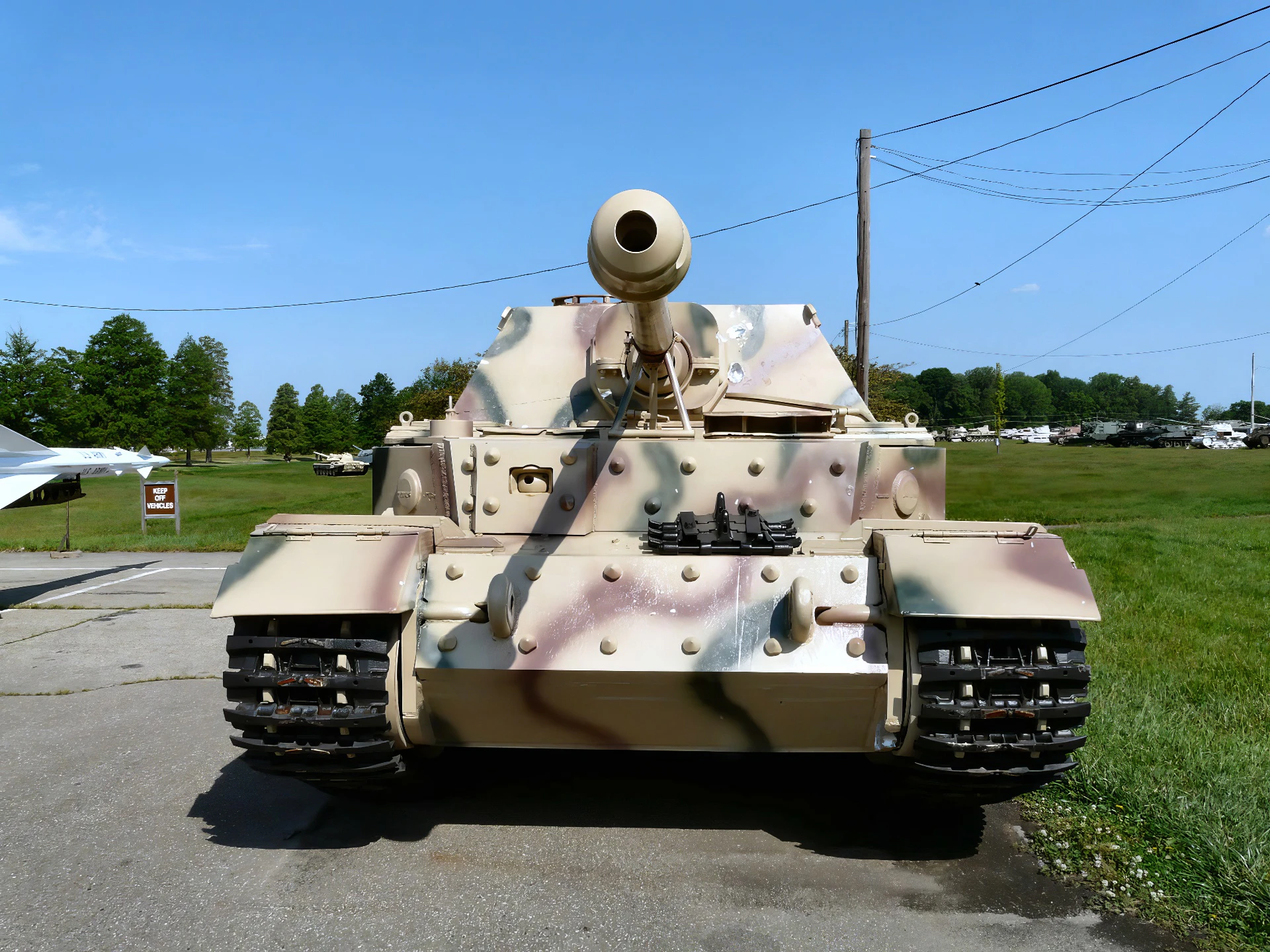
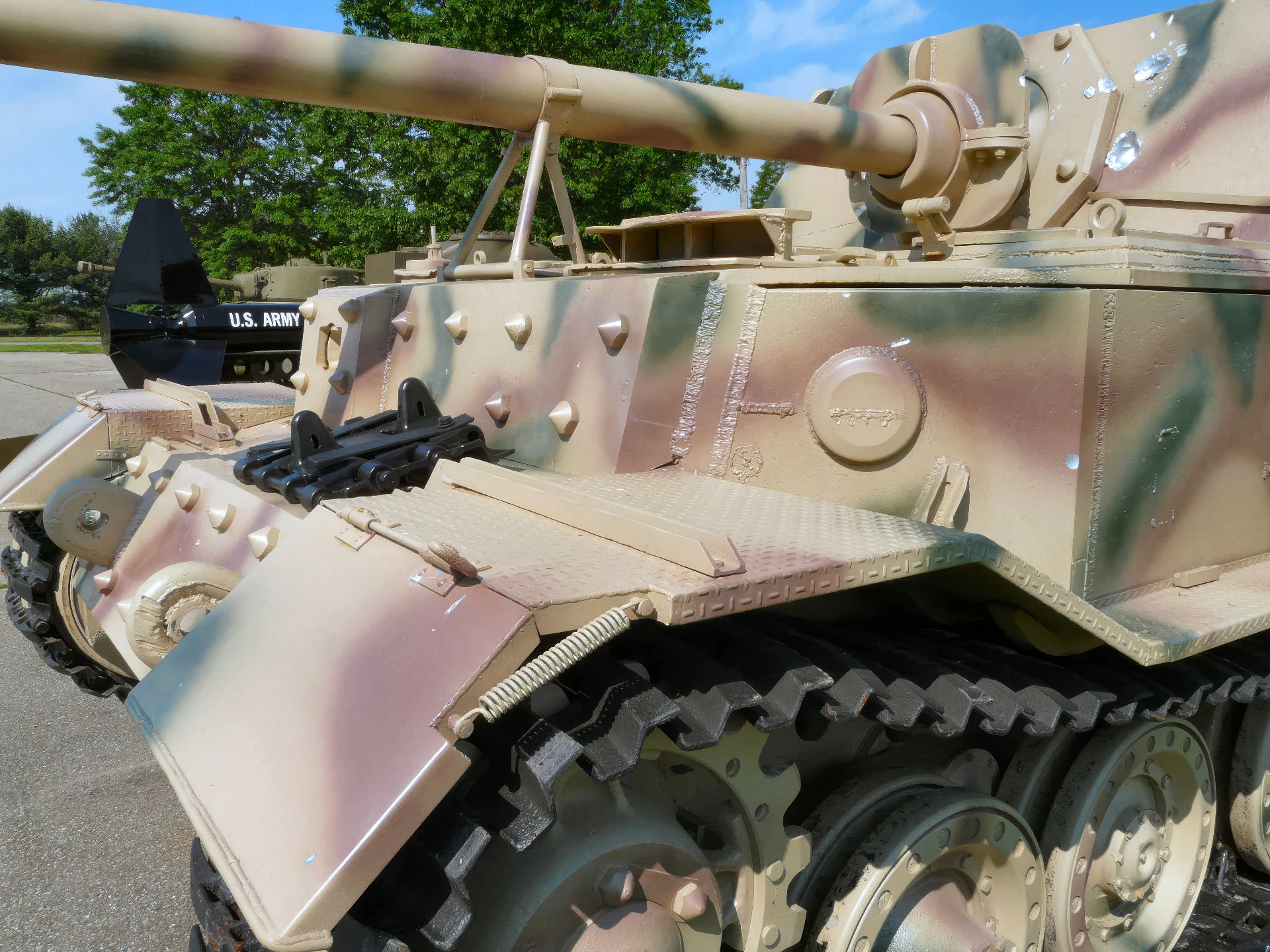
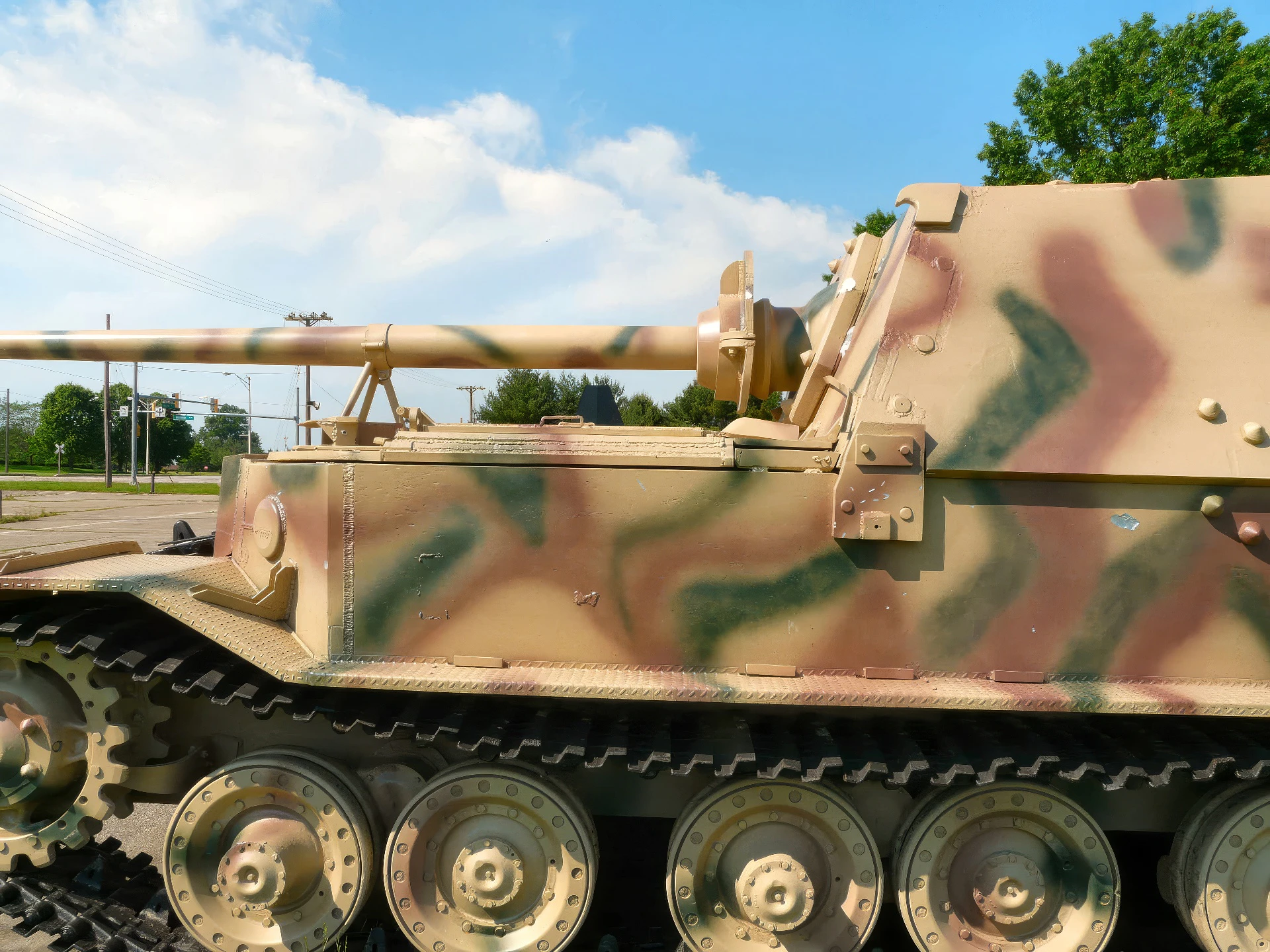
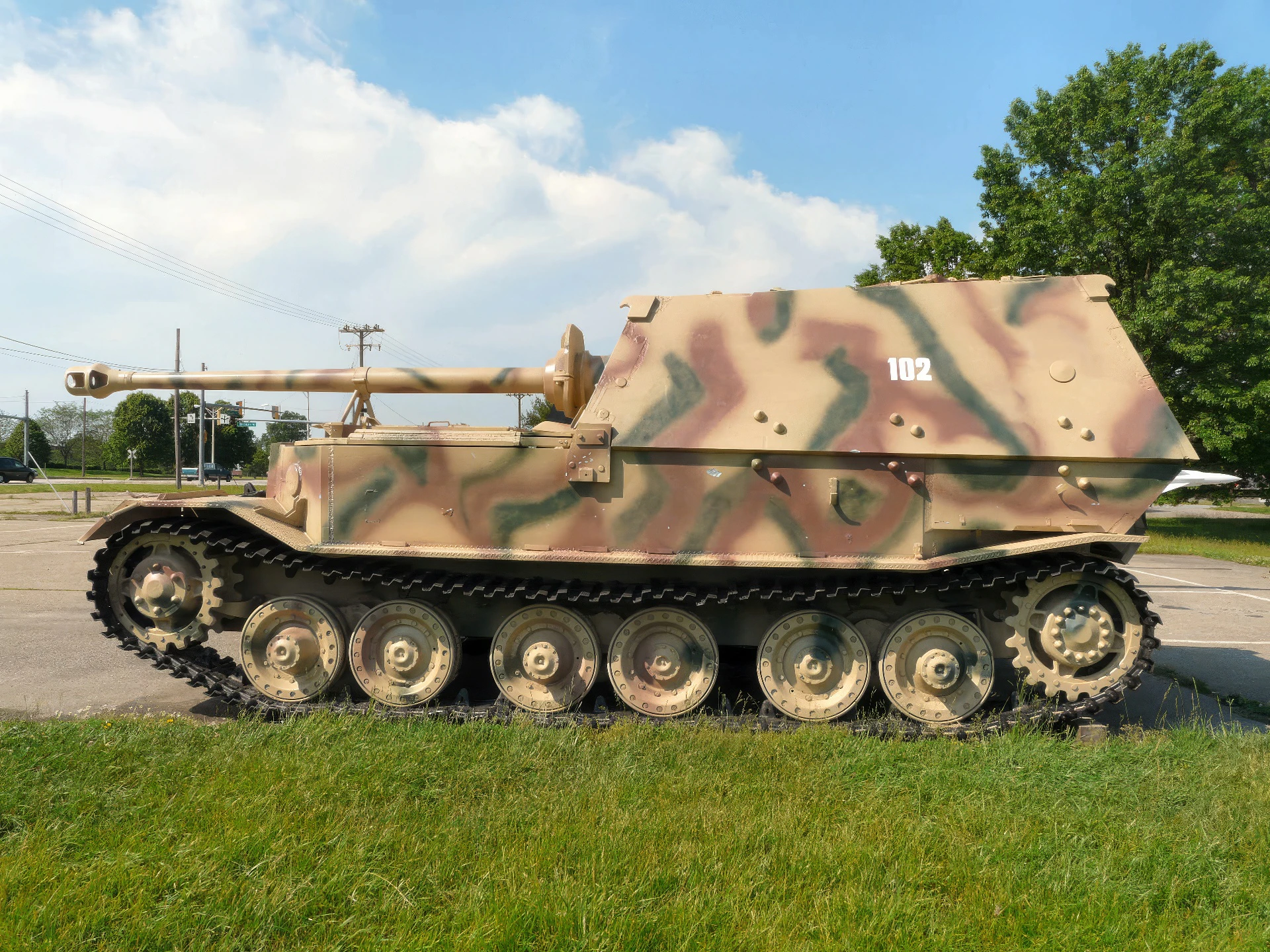
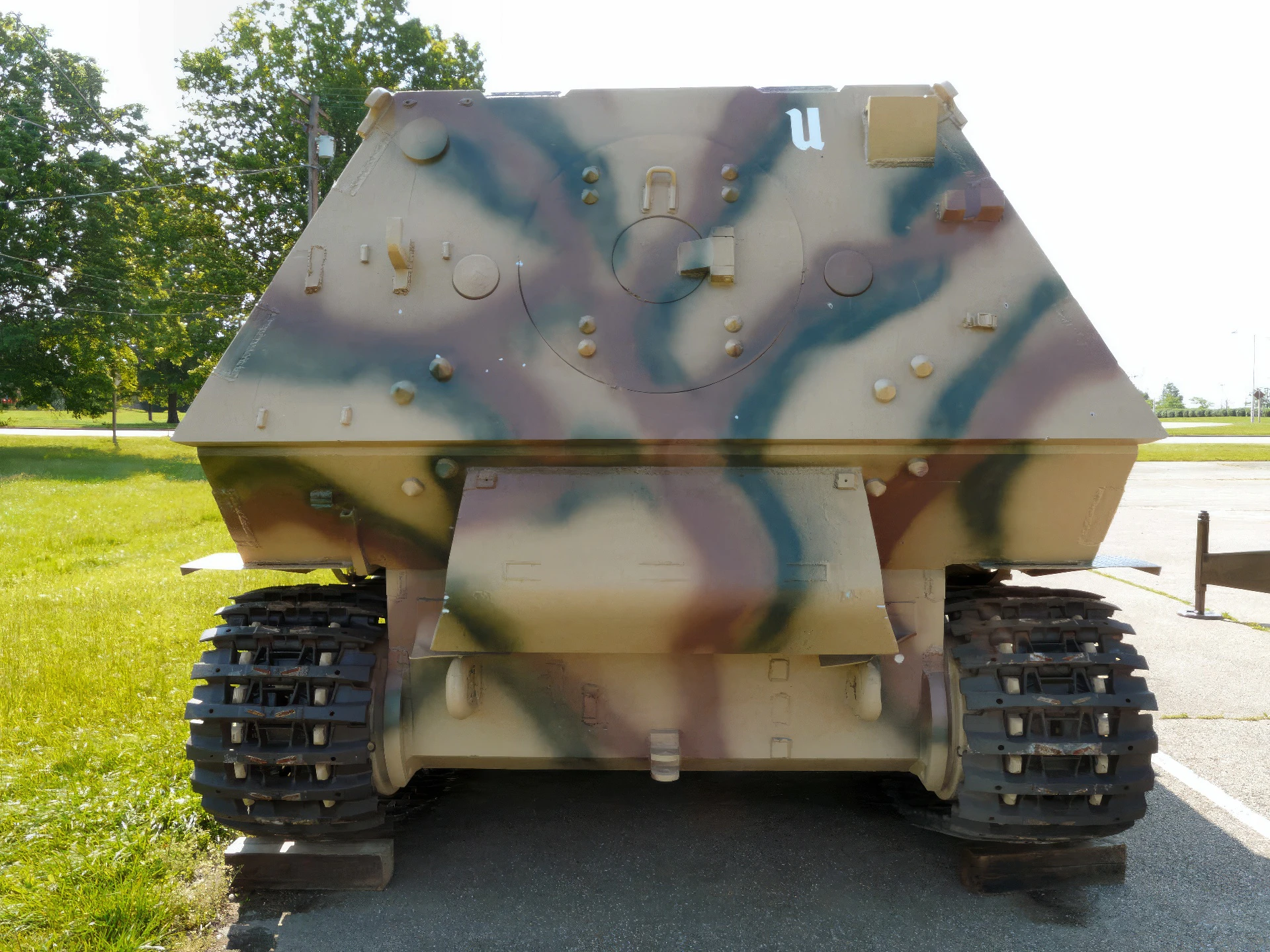
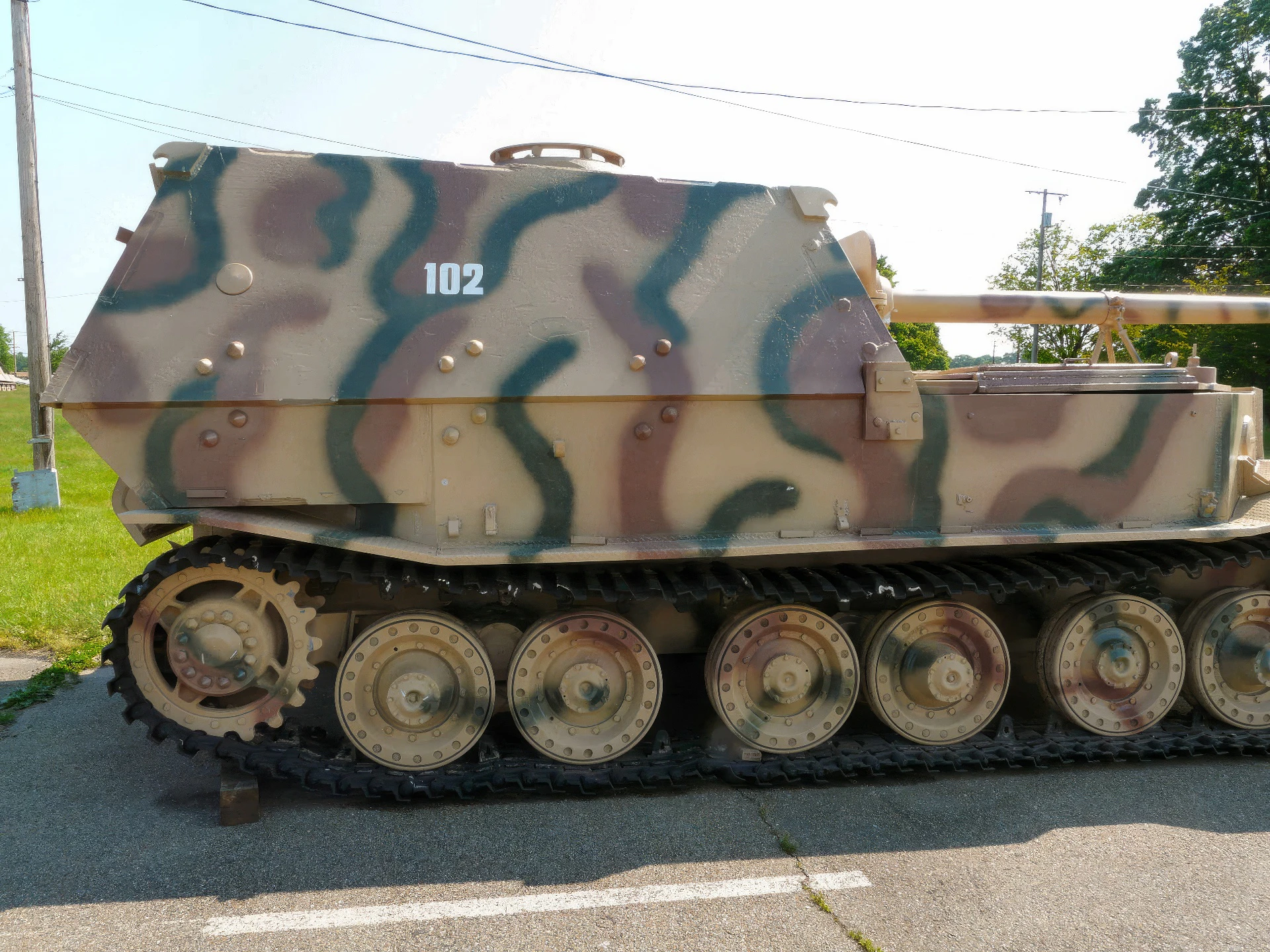
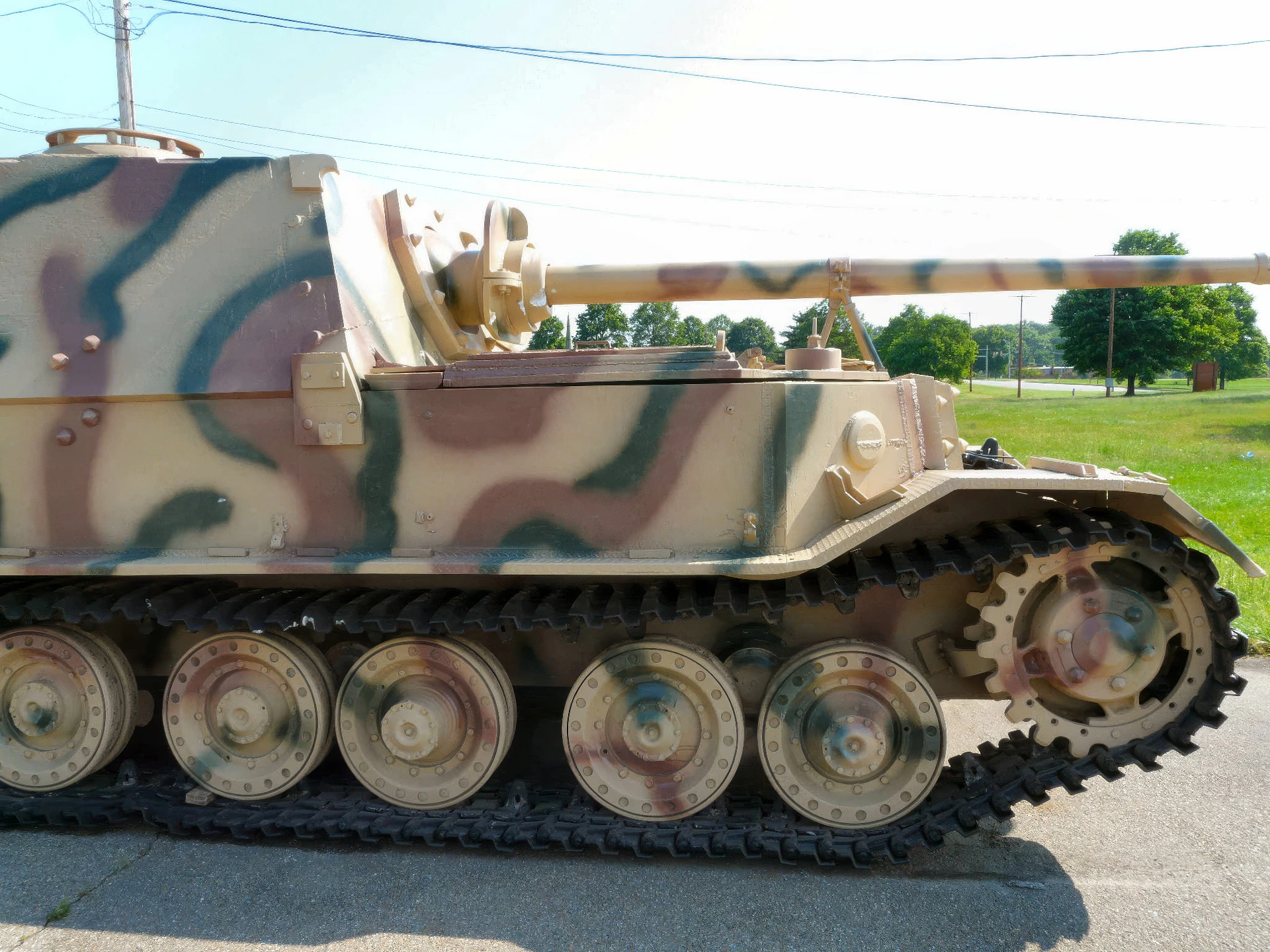

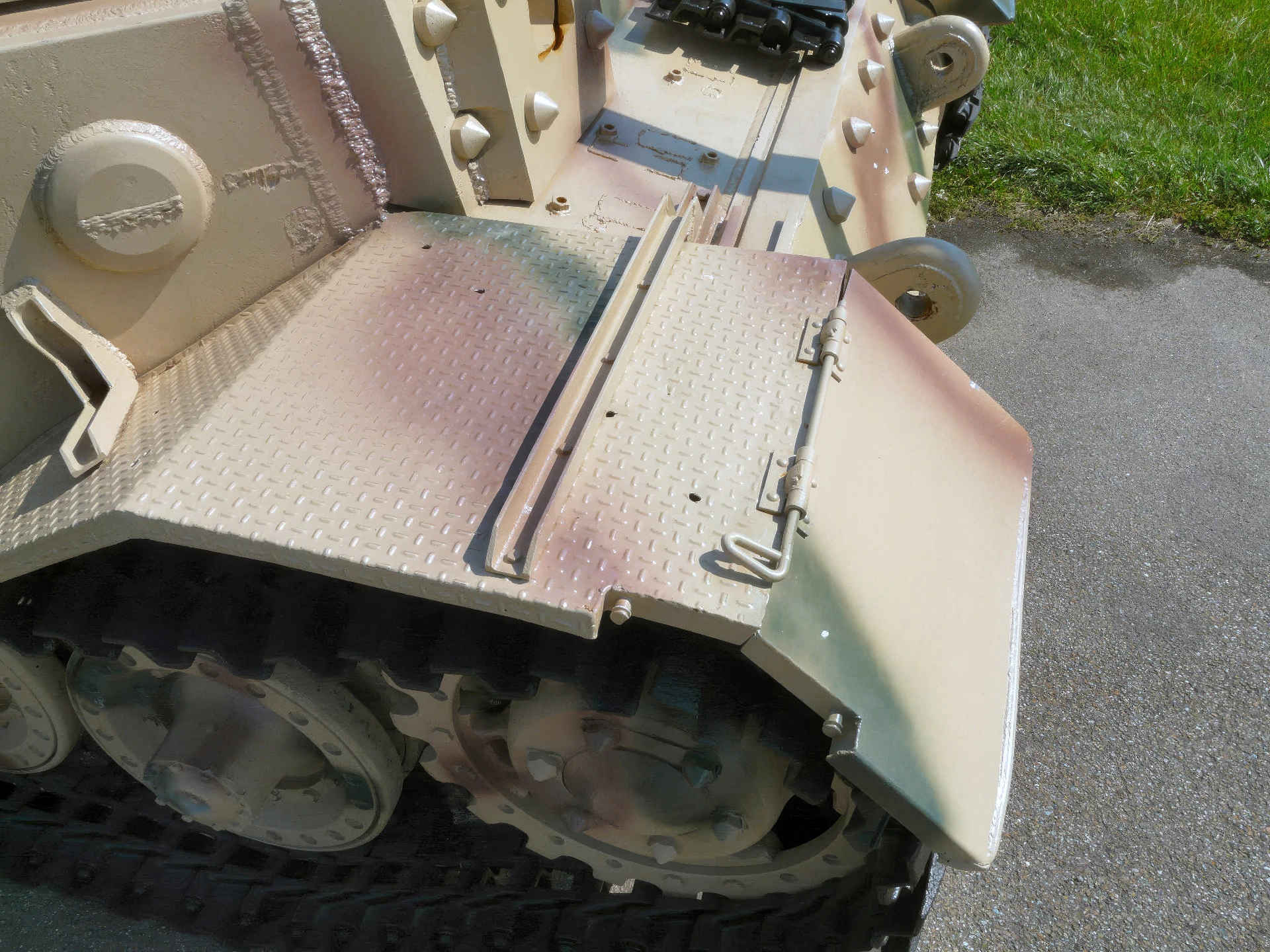

| Elefant SdKfz 184 Walk Around | |
|---|---|
| 摄影师 | 达伦·贝克 |
| 本地化 | 未知 |
| 照片 | 77 |
| Jagdpanzer Elefant Walk Around | |
|---|---|
| 摄影师 | 比尔·马洛尼 |
| 本地化 | 未知 |
| 照片 | 15 |
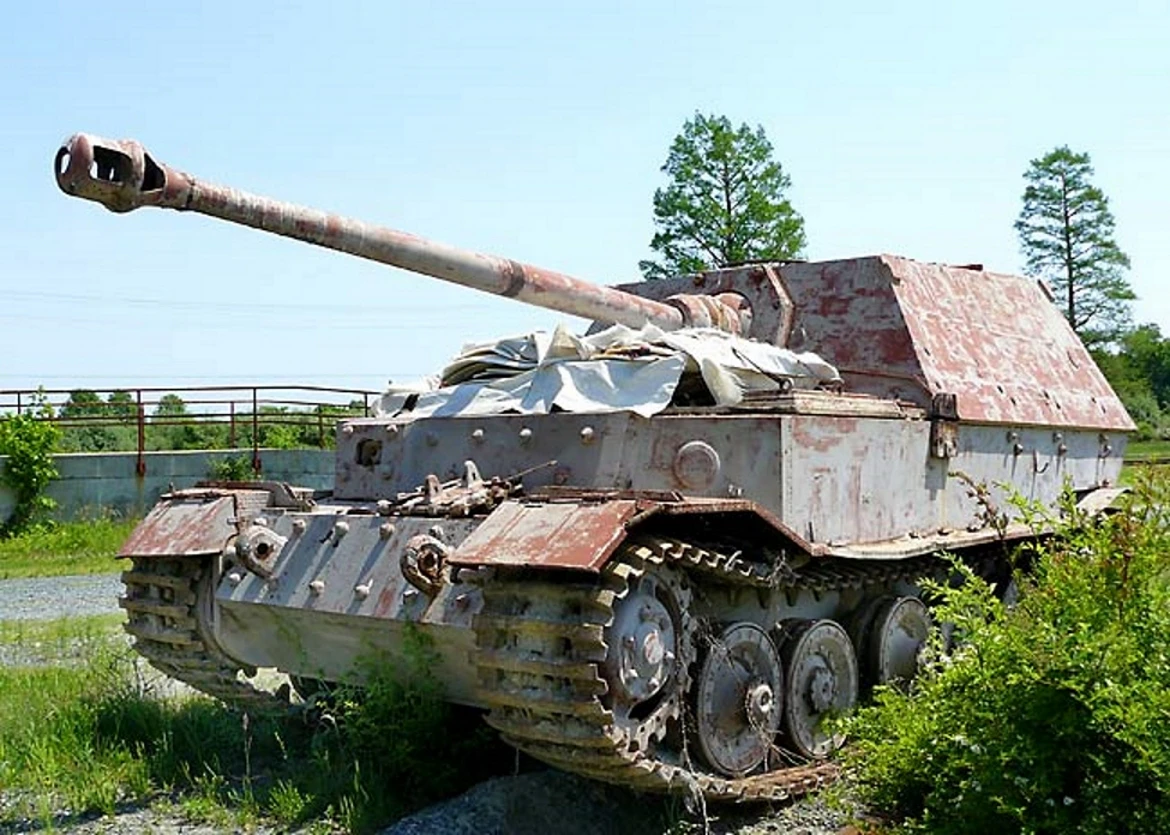
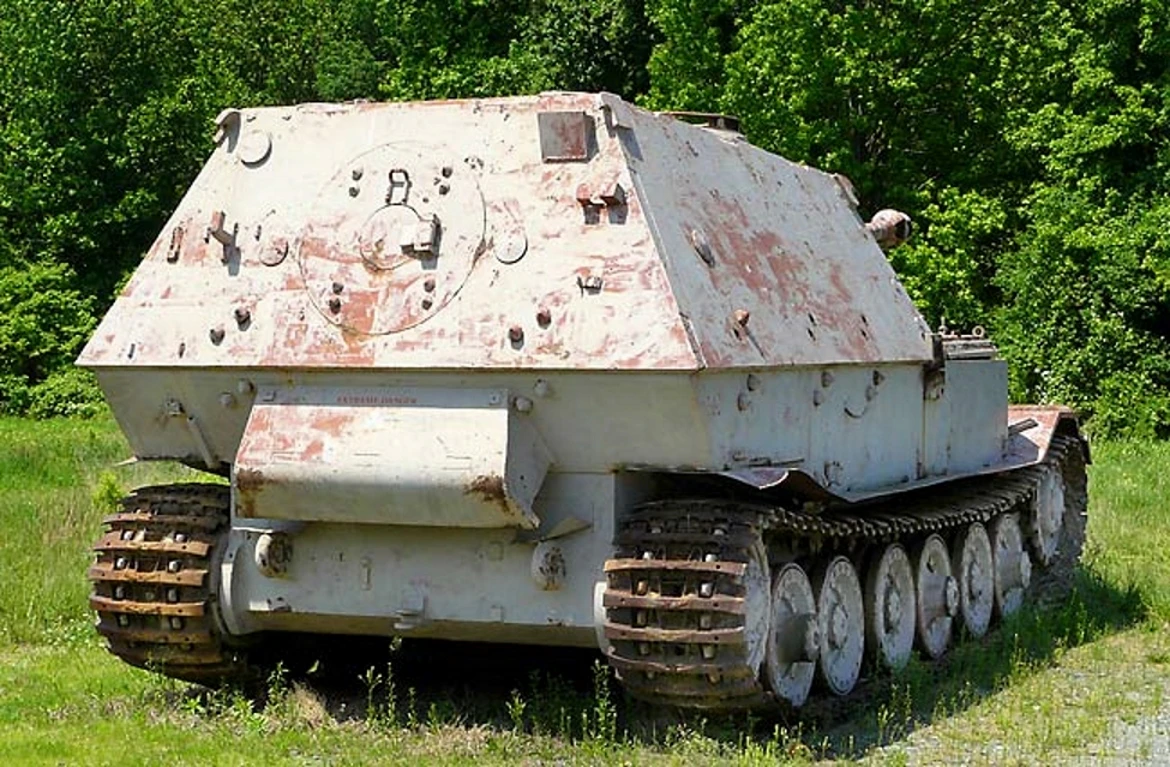
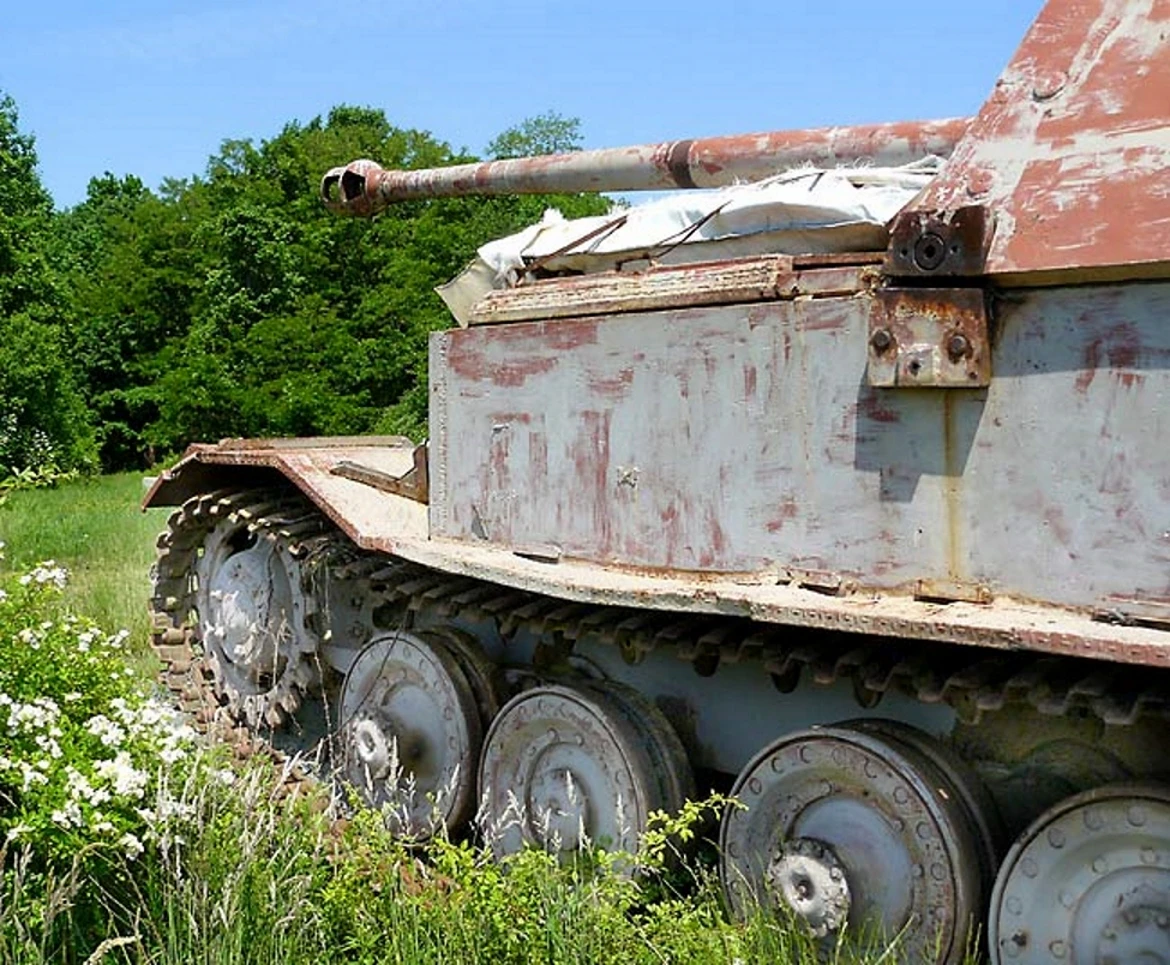
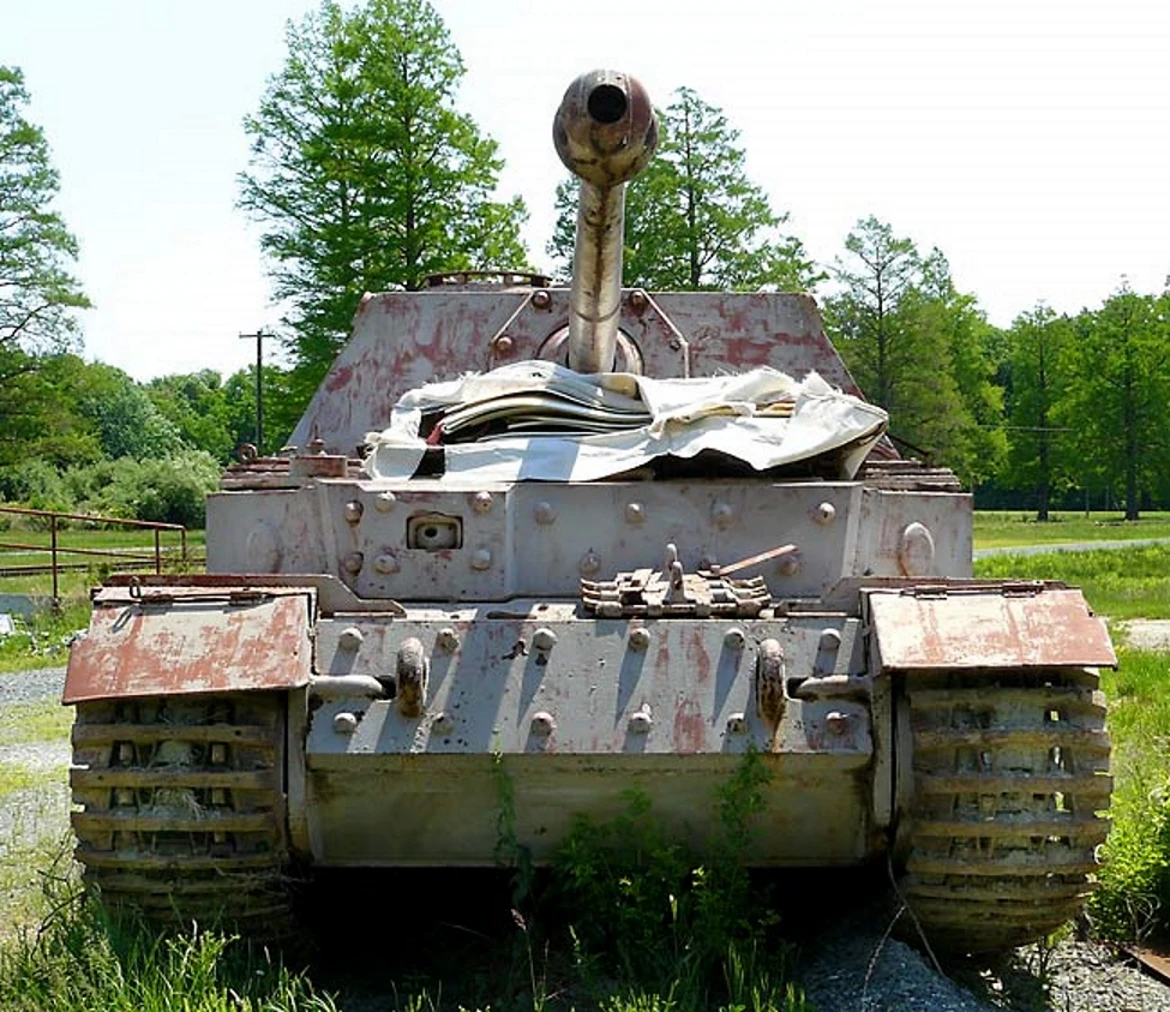
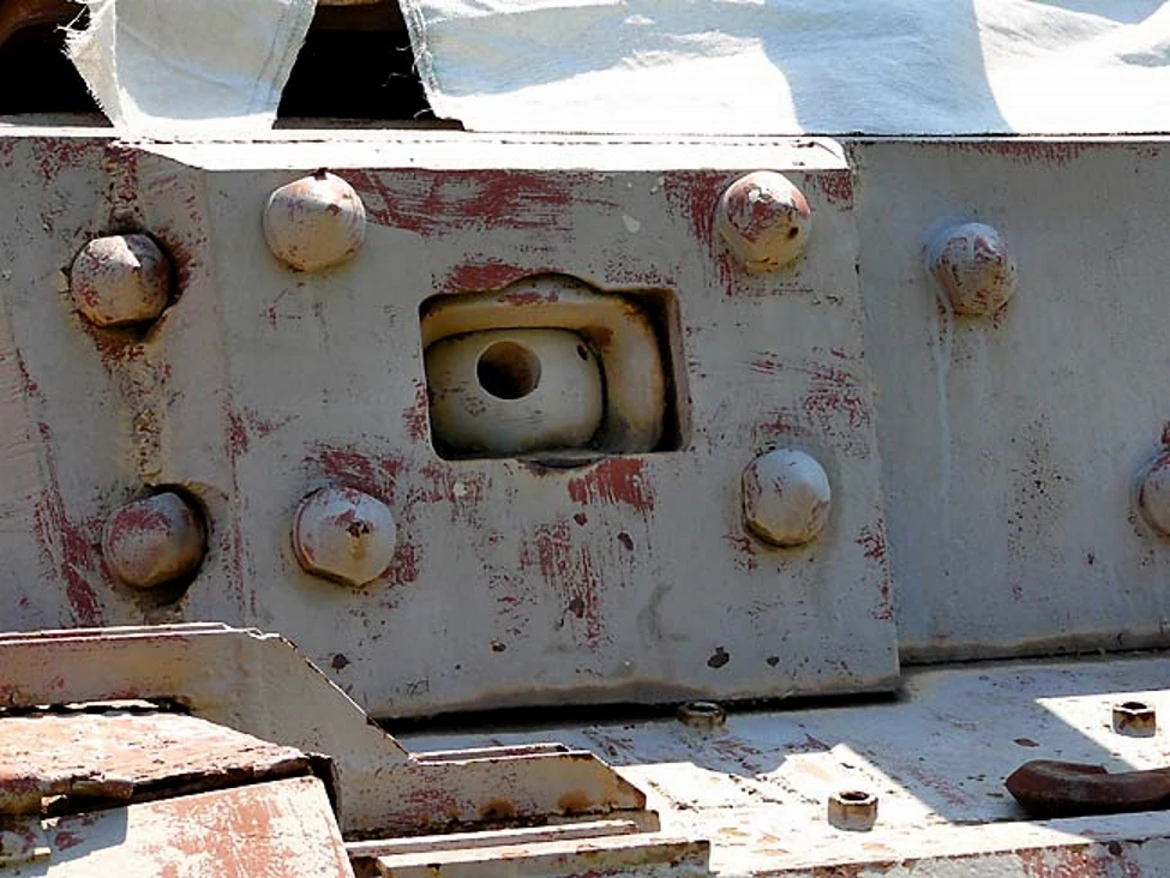
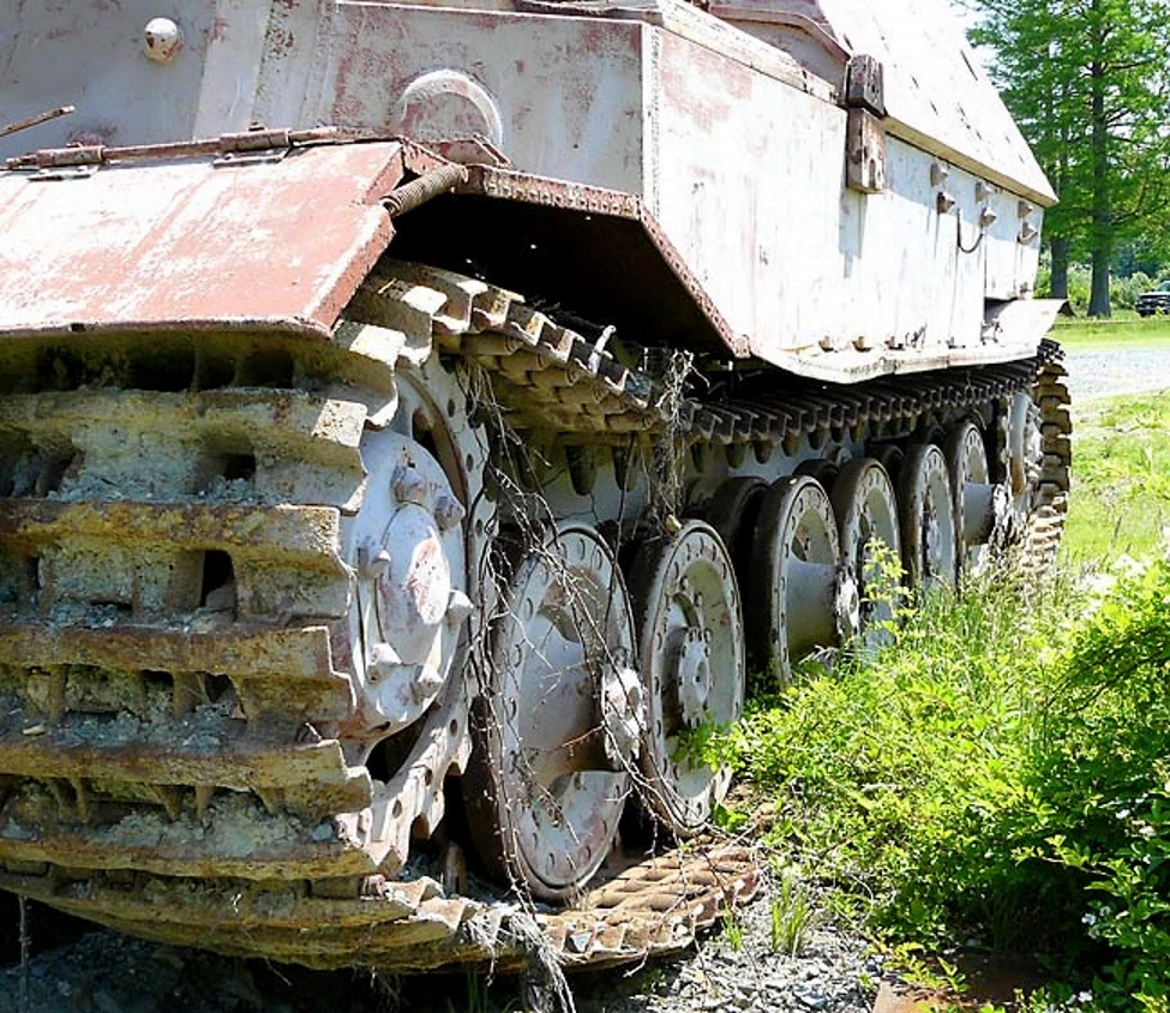
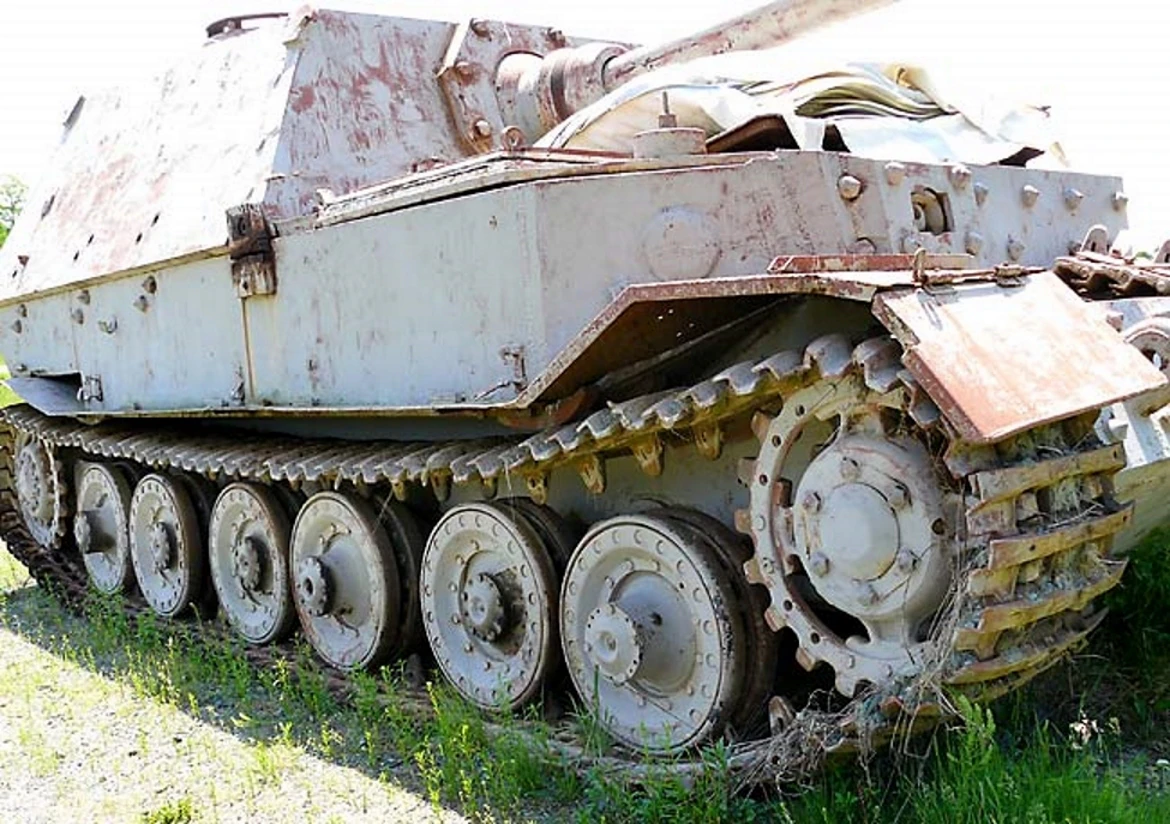
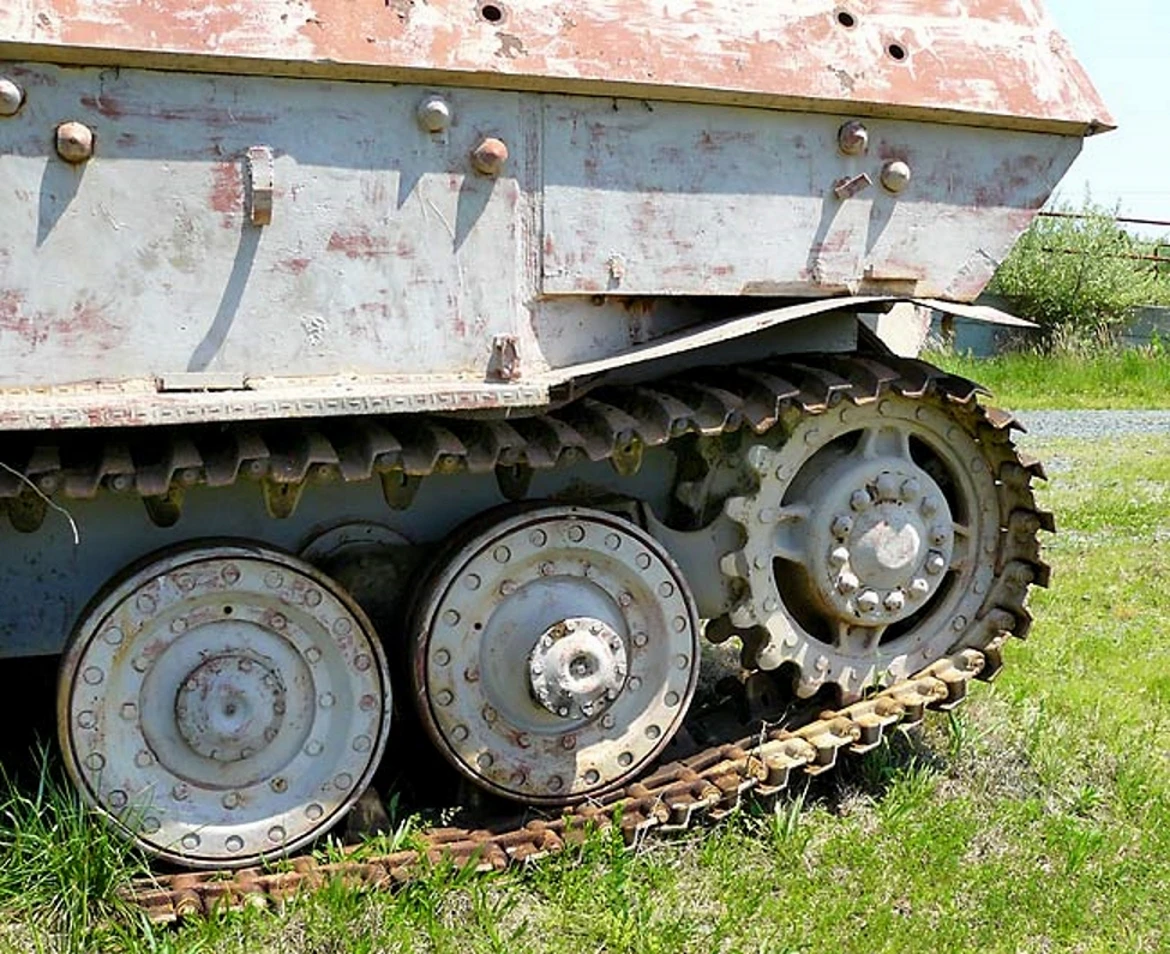
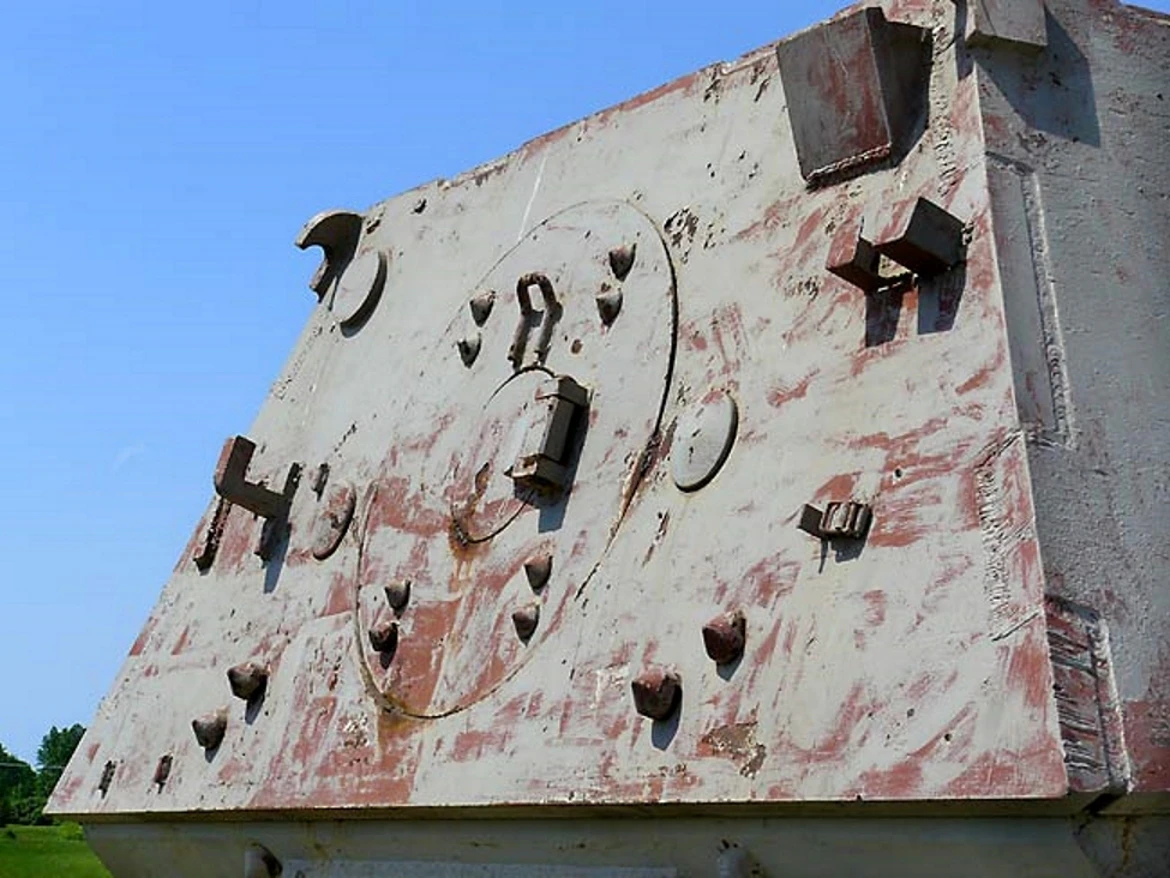
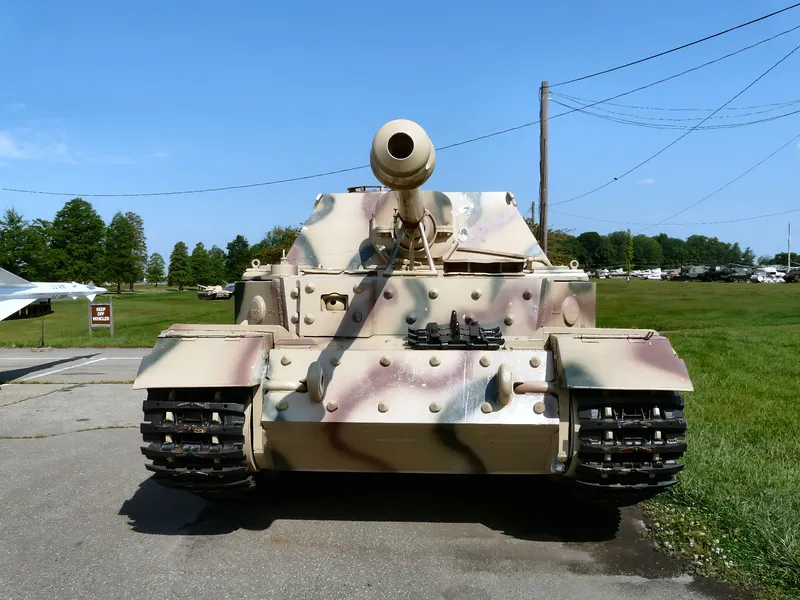
| Elefant Panzerjager Tiger (P) SdkFz 184 Walk Around | |
|---|---|
| 摄影师 | Unknow |
| 本地化 | 未知 |
| 照片 | 25 |
另请参阅:


The Impenetrable, Over-Engineered Behemoth of Kursk
这 Panzerjäger Tiger (P)—initially named 费迪南德 after its designer Dr. Ferdinand Porsche, and later heavily upgraded and renamed the 埃勒芬特—was one of the most mechanically eccentric and heavily armored tank destroyers of World War II. Its birth was an act of pure industrial desperation. When Porsche lost the contract to build the standard Tiger I tank to Henschel, he had already pre-fabricated 90 heavy chassis hulls. Rather than scrap them, the German high command ordered these hulls to be converted into ultra-heavy, casemate-style tank destroyers. Boasting unparalleled frontal armor and an incredibly lethal long-barrel 8.8cm gun, the vehicle was designed to sit back at immense distances and methodically pick off Soviet armor. However, its brilliant sniper capabilities were constantly sabotaged by its extreme 65-ton weight, an experimental petrol-electric drivetrain prone to spontaneous fires, and an initial, catastrophic lack of basic defensive machine guns.
| Attribute | Technical Specification (Ferdinand Baseline / Elefant Mod Upgrade) |
|---|---|
| 作用 | Heavy Tank Destroyer (Schwerer Panzerjäger) |
| 船员 | 6 (Commander, Gunner, 2 Loaders, Driver, Radio Operator) |
| 动力装置 | 2 × Maybach HL 120 TRM V-12 gasoline engines driving 2 × Siemens-Schuckert generators, powering 2 × rear electric motors (approx. 600 hp total) |
| 最高速度 | 30 km/h (19 mph) on roads | 8-10 km/h (5-6 mph) cross-country |
| Combat Weight | 65 metric tons (71.6 short tons) |
| 工作范围 | ~150 km (93 miles) on roads | ~90 km (56 miles) cross-country |
| Primary Armament | 1 × 8.8 cm Pak 43/2 L/71 anti-tank gun (50-55 rounds carried) |
| 次要武器 | None on initial 1943 费迪南德 | 1 × 7.92mm MG 34 added to front hull bow for 1944 埃勒芬特 retrofit |
| Armor Thickness | Hull Front: 200mm (100mm base plate + 100mm bolted add-on plate) | Superstructure Casemate Front: 200mm |
| Production Total | 91 units converted from Porsche Tiger chassis in early 1943 |
Design Engineering: The Petrol-Electric Gamble and Fixed-Casemate Firepower
- The Avant-Garde Petrol-Electric Drivetrain: Dr. Porsche bypassed a traditional mechanical gearbox in favor of a highly experimental hybrid system. Two Maybach V-12 gasoline engines ran continuously to drive massive internal Siemens electric generators. These generators fed electrical current directly to two electric motors that turned the rear drive sprockets. While it provided completely smooth steering and endless low-end torque, the system was wildly complex, consumed copper ravenously, and easily overheated or caught fire when struggling up steep hills.
- The Brutal Punch of the 8.8cm Pak 43: The vehicle carried the ultra-long L/71 version of the 8.8cm gun—a significantly more powerful weapon than the L/56 gun fitted to the standard Tiger I. With a longer barrel and massive propellant casings, it launched shells at blistering hypersonic speeds. This allowed it to easily penetrate any Allied or Soviet tank hull in existence during the war from distances where the enemy could barely see the vehicle, earning it a legendary reputation as a lethal long-range executioner.
- Impenetrable 200mm Frontal Shield: To ensure the vehicle could spearhead heavy breakthrough operations, engineers bolted an extra 100mm steel armor plate directly onto the existing 100mm Porsche hull front. This created a massive 200mm frontal shield. During its combat debut, standard Soviet 76mm anti-tank rounds and field artillery shells simply shattered or bounced harmlessly off the front plates without causing a single structural fracture.
- The Fixed Fixed-Casemate Design: To accommodate the enormous weight of the armor and gun, engineers abandoned a rotating turret entirely. Instead, they built a massive, fixed box-like steel cabin (a casemate) on the rear half of the hull. This severely limited the gun’s manual traverse to just 14 degrees left or right. If a target moved outside this narrow arc, the driver had to violently spin the entire 65-ton vehicle to realign the weapon, accelerating track wear and engine fatigue.
Operational History: The Chaos of Operation Citadel and the Italian Redeployment
- The Fatal Flaw at the Battle of Kursk (1943): Deployed en masse during Operation Citadel, the Ferdinand achieved staggering long-range kill ratios against Soviet armor. However, once they punched through the initial lines, they ran into a nightmare. Because the initial design completely lacked a hull-mounted machine gun, hidden Soviet infantry easily snuck into the vehicle’s massive blind spots. Brave infantrymen routinely climbed onto the engine decks, blinding the crew’s periscopes with mud or destroying the vehicle with satchel charges and Molotov cocktails.
- The Myth of the Pistol-Port Defense: Desperate to protect themselves from encroaching infantry during close-quarters combat at Kursk, crew members tried sticking the barrels of their standard MG 42 machine guns through the open pistol ports on the side of the casemate structure. This makeshift defense was completely ineffective and did nothing to resolve the blind spots directly in front of the vehicle, contributing heavily to the decision to recall and completely redesign the remaining fleet.
- The Elefant Rebirth and Upgrade (Late 1943): Following the losses at Kursk, Hitler ordered the remaining 48 surviving vehicles back to Germany for extensive retrofitting. Recognizing the glaring tactical flaws, engineers installed a dedicated ball-mount machine gun in the front hull bow for the radio operator, added a commander’s observation cupola for better situational awareness, and coated the lower armor in *Zimmerit* anti-magnetic paste to stop infantry from attaching magnetic mines. These upgraded models were officially renamed the Elefant.
- The Crushing Weight on Italian Roads: In early 1944, a company of Elefants was sent to Italy to help contain the Allied landings at Anzio. While their guns were incredibly lethal in the rocky, defensive valley terrain, their 65-ton weight proved catastrophic on Italy’s aging infrastructure. Elefants routinely collapsed wooden bridges, tore through historic stone roads, and became hopelessly stuck in narrow ditches. The vast majority of Elefants lost in Italy were not destroyed by Allied tanks, but were blown up by their own crews after mechanical failures or running out of fuel during retreats.
Views : 14394