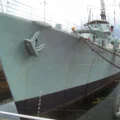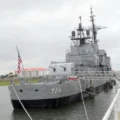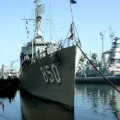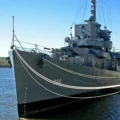
HMCS Sackville | |
|---|---|
| 国家 | 加拿大 |
| 类和类型 | Flower-class corvette |
| 推出 | 1941年5月15日 |
| 停用 | 8 April 1946 |
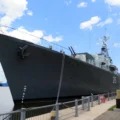
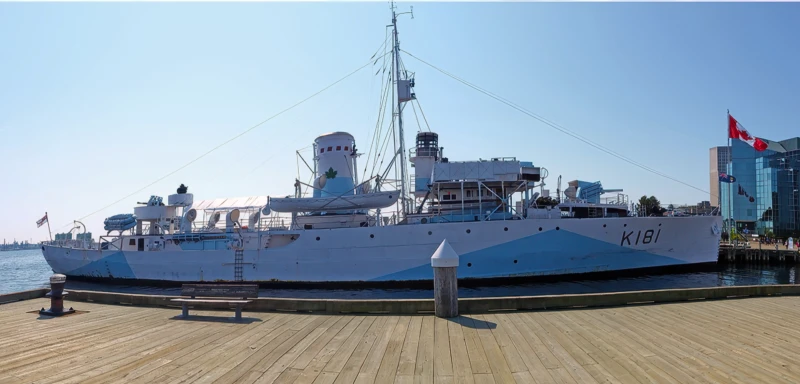
HMCS Sackville is a Flower-class corvette that served in the Royal Canadian Navy and later served as a civilian research vessel
| Flower Class Corvette – HMCS Sackville Walk Around | |
|---|---|
| Photographer | Unknow |
| Localisation | Unknow |
| Photos | 127 |

另请参阅:


The Last Flower of the Atlantic Lifeline
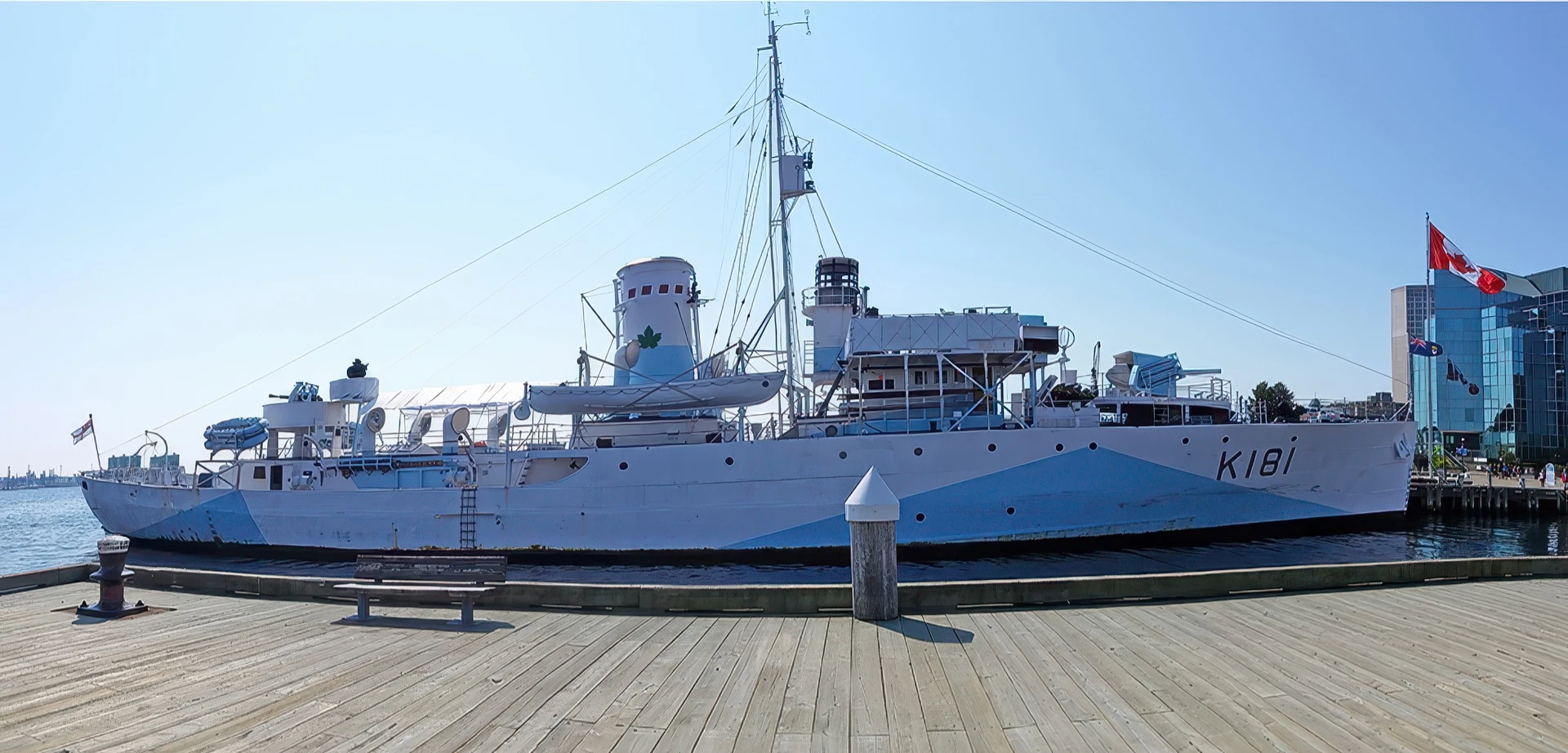
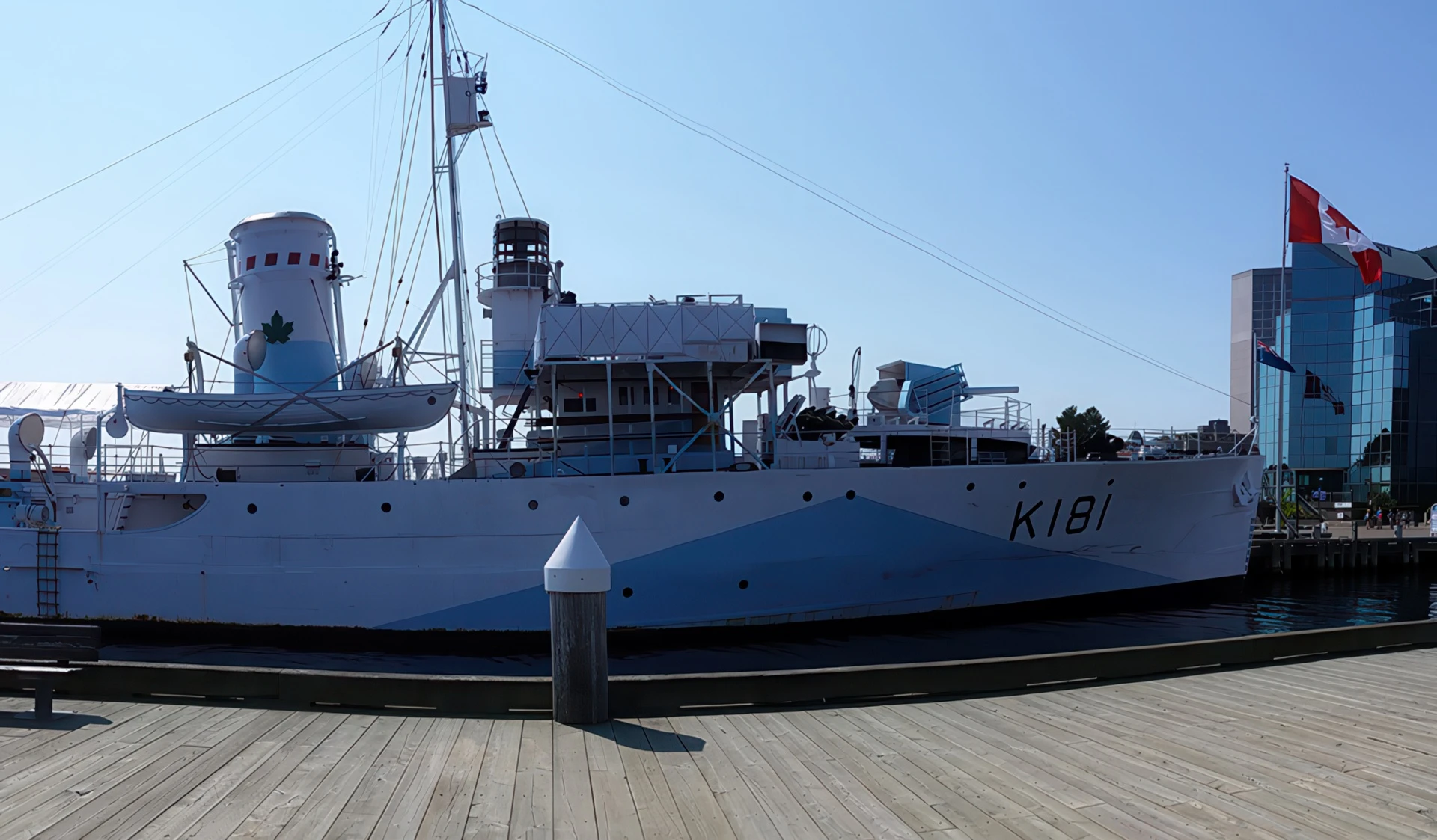
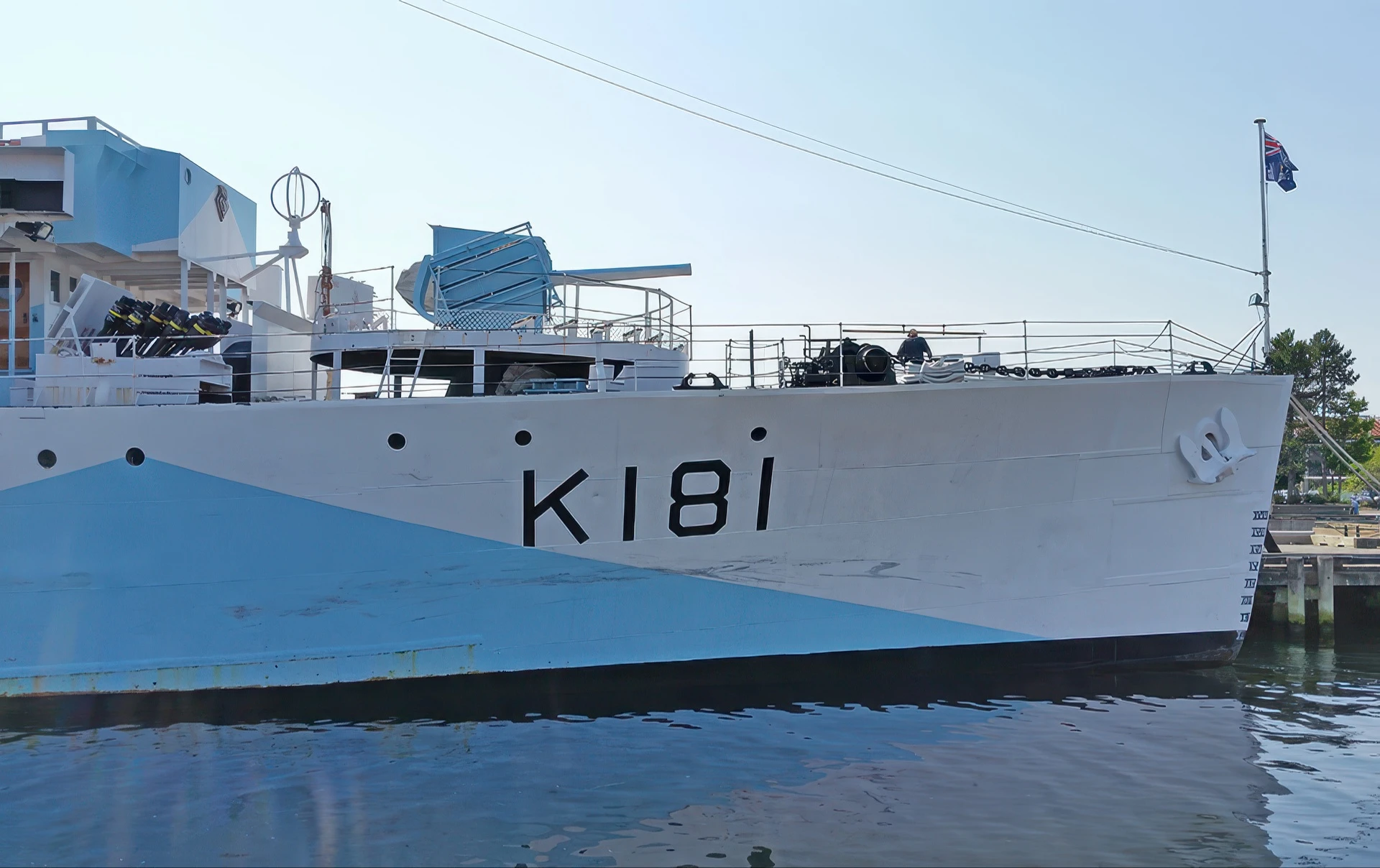
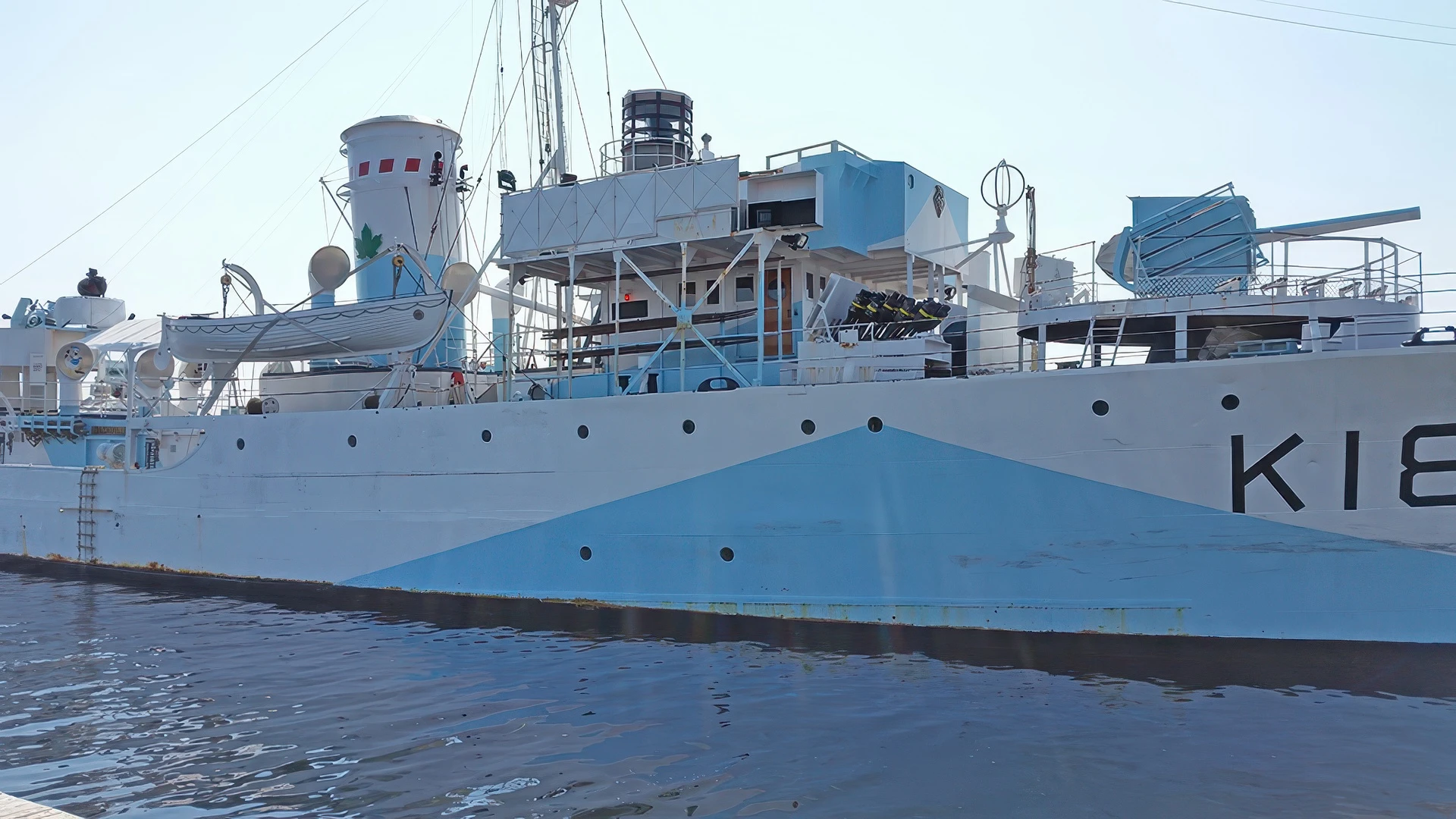
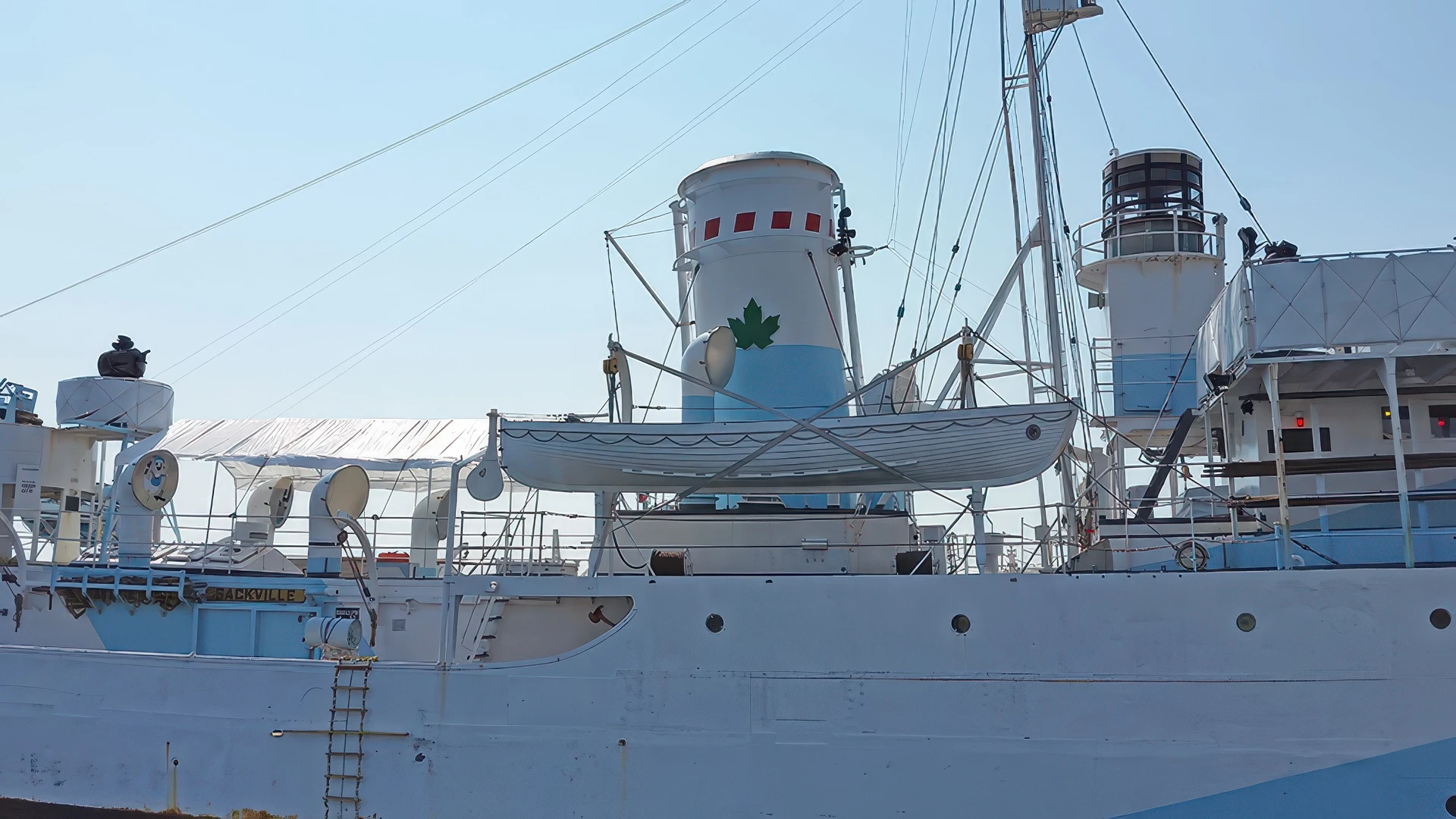
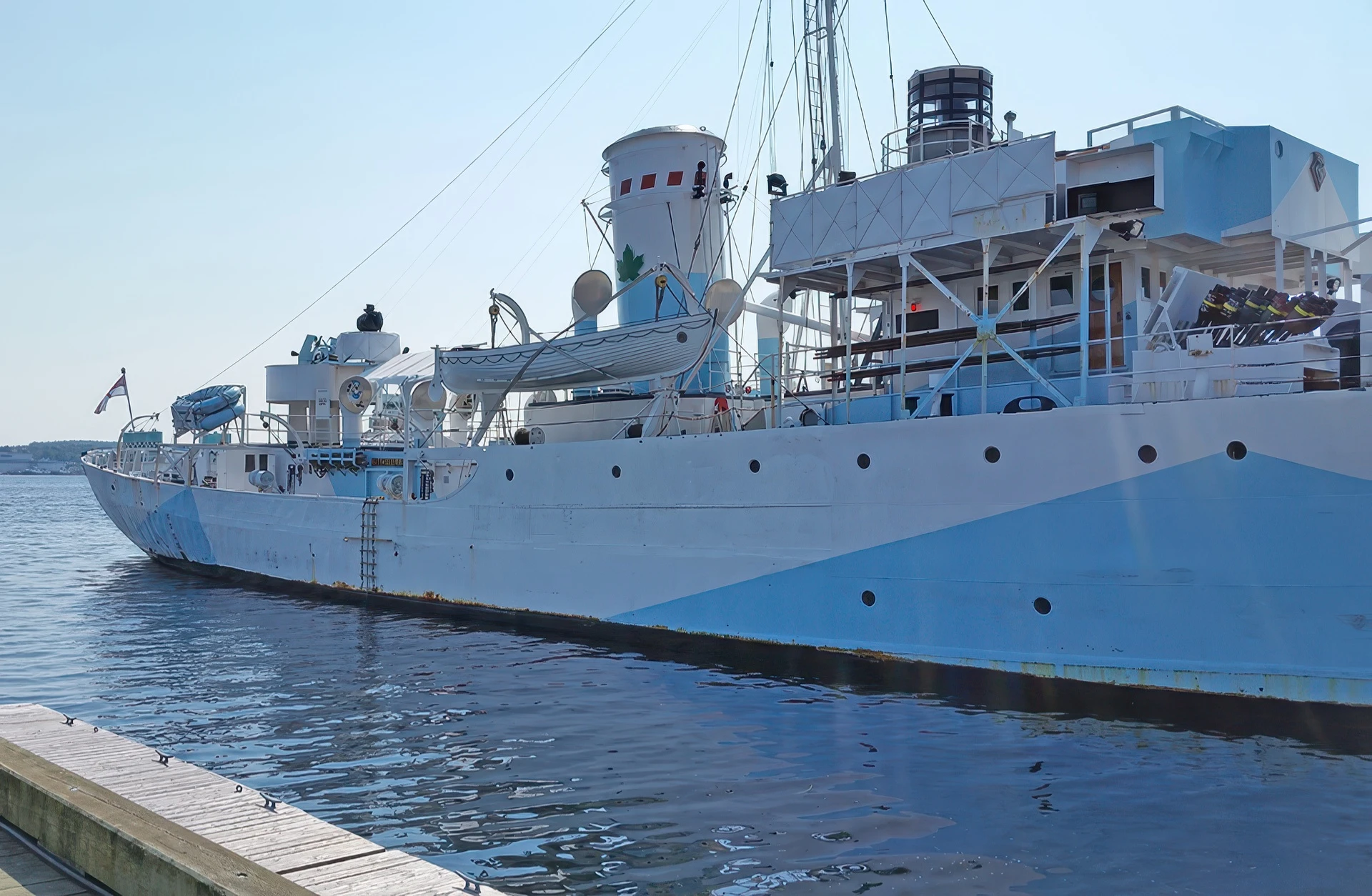
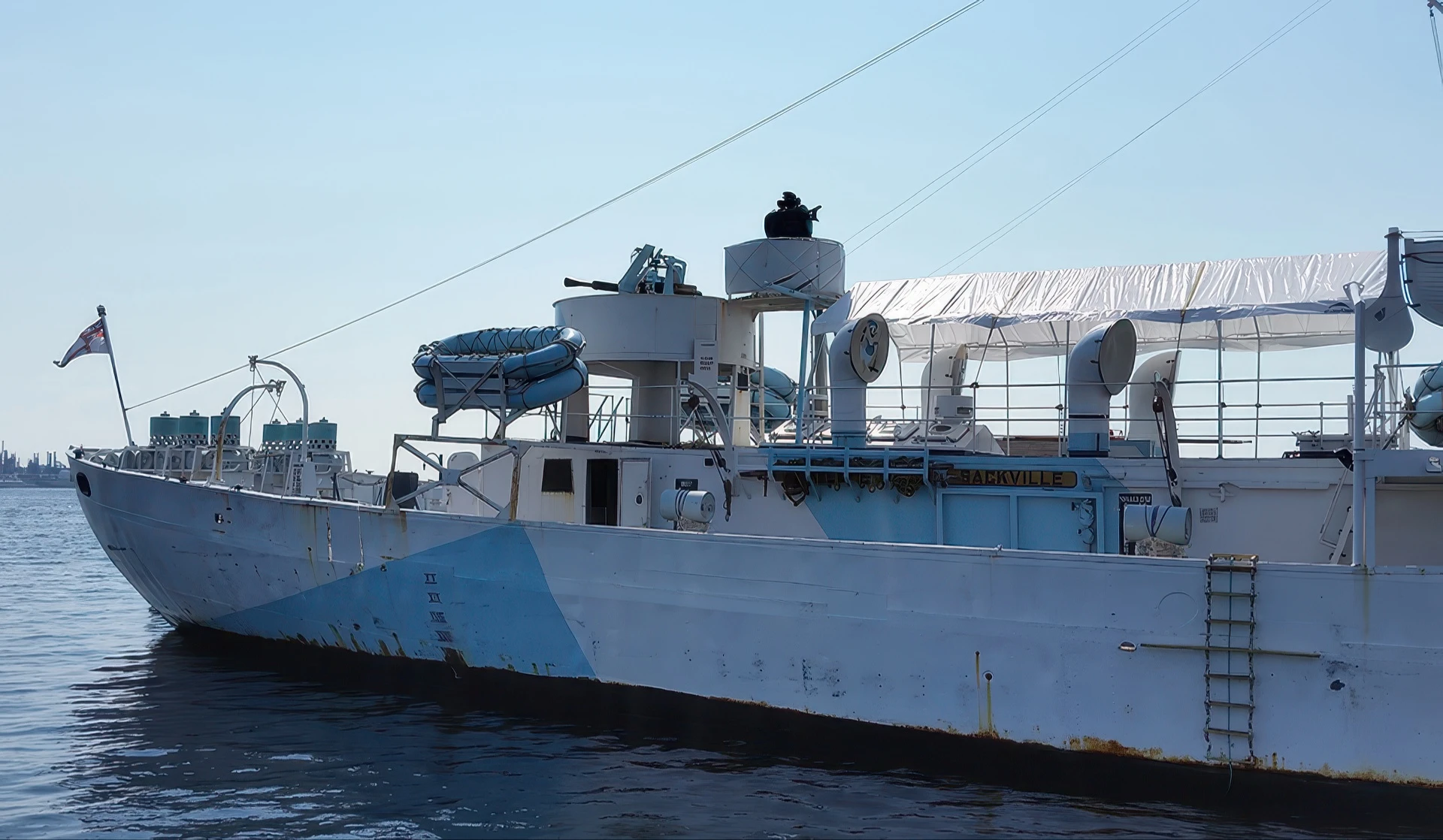
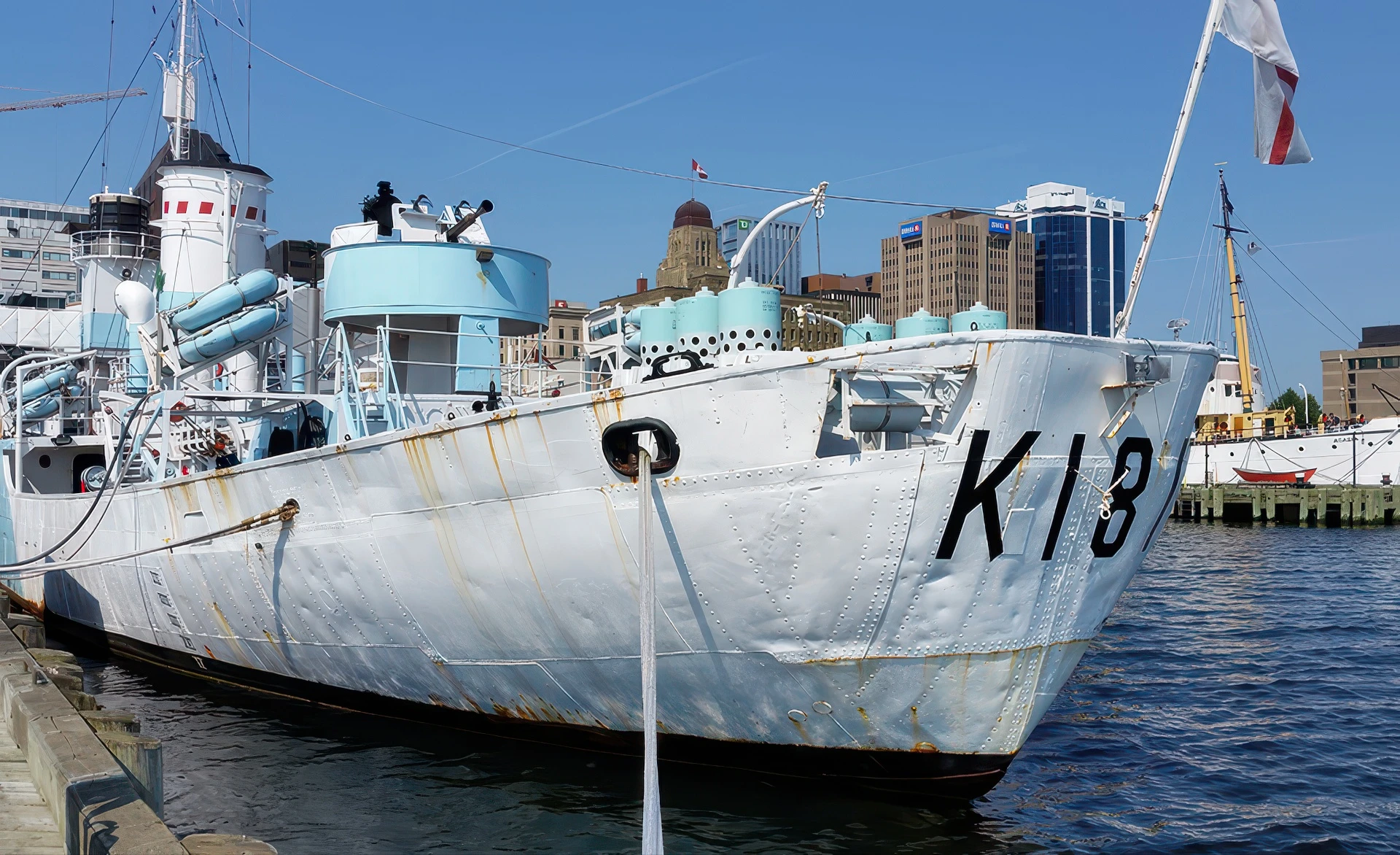
HMCS Sackville (K181) 是 Flower-class corvette and the last surviving vessel of the 269 built during World War II. Constructed to protect allied merchant convoys from the relentless onslaught of German U-boats, the Flower-class corvettes were the unlikely saviors of the Battle of the Atlantic. Hastily adapted from a commercial whaler design to allow rapid civilian shipyard construction, these small, unglamorous, and violently tossing ships formed the backbone of the Royal Canadian Navy (RCN). HMCS Sackville stands today as Canada’s Naval Memorial, a living testament to the brutal, freezing, and desperate campaigns that kept the maritime supply lines to Great Britain open.
| Attribute | Technical Specification (HMCS Sackville WWII Configuration) |
|---|---|
| 作用 | Convoy Escort Corvette |
| 船员 | ~85 officers and ratings (Expanded drastically from the peace-time design of 47) |
| Propulsion | 1 × 4-cylinder triple-expansion reciprocating steam engine; 2 × Scotch boilers (2,750 ihp) |
| 最高速度 | 16 knots (30 km/h / 18 mph) — barely faster than a surfaced U-boat |
| Displacement | 950 long tons standard; 1,170 tons full combat load |
| Dimensions | Length: 205 ft (62.5 m) | Beam: 33 ft (10.1 m) | Draft: 11.5 ft (3.5 m) |
| Primary Armament | 1 × 4-inch (102mm) BL Mk IX breech-loading bow gun |
| Anti-Submarine Armament | 1 × Hedgehog anti-submarine spigot mortar; 2 × depth charge throwers; 2 × stern racks |
| Sensor Suite | Type 123A or Type 144 ASDIC (Sonar); Type 271 centimetric surface-search radar |
Design Engineering: Whaler Foundations and Anti-Submarine Evolution
- The Commercial Whaler Blueprint: Facing a catastrophic shortage of anti-submarine vessels in 1939, the British Admiralty adopted Smith’s Dock Company’s design for a commercial whale-catcher. This allowed small, civilian shipyards that had never built warships to rapidly pump out corvettes. The design featured a highly flexible hull line that rolled violently with the waves, ensuring the ship was notoriously uncomfortable but incredibly sea-kindly and buoyant in mountainous North Atlantic swells.
- Reciprocating Steam Simplicity: Instead of utilizing complex, high-maintenance steam turbines, the Flower-class utilized traditional four-cylinder triple-expansion reciprocating steam engines. These engines were mechanically simple, highly robust, and could be operated and repaired by civilian merchant mariners and reserve engineers with minimal military training.
- The Hedgehog Spigot Mortar: Early in her service, Sackville relied strictly on dropping depth charges over her stern, which required passing directly over the submarine and losing sonar contact. Upgraded later in the war, she received the revolutionary “Hedgehog” mortar. This system fired a salvo of 24 contact-fuzed spigot bombs ahead of the ship, allowing Sackville to attack a submerged U-boat while maintaining continuous ASDIC (sonar) contact.
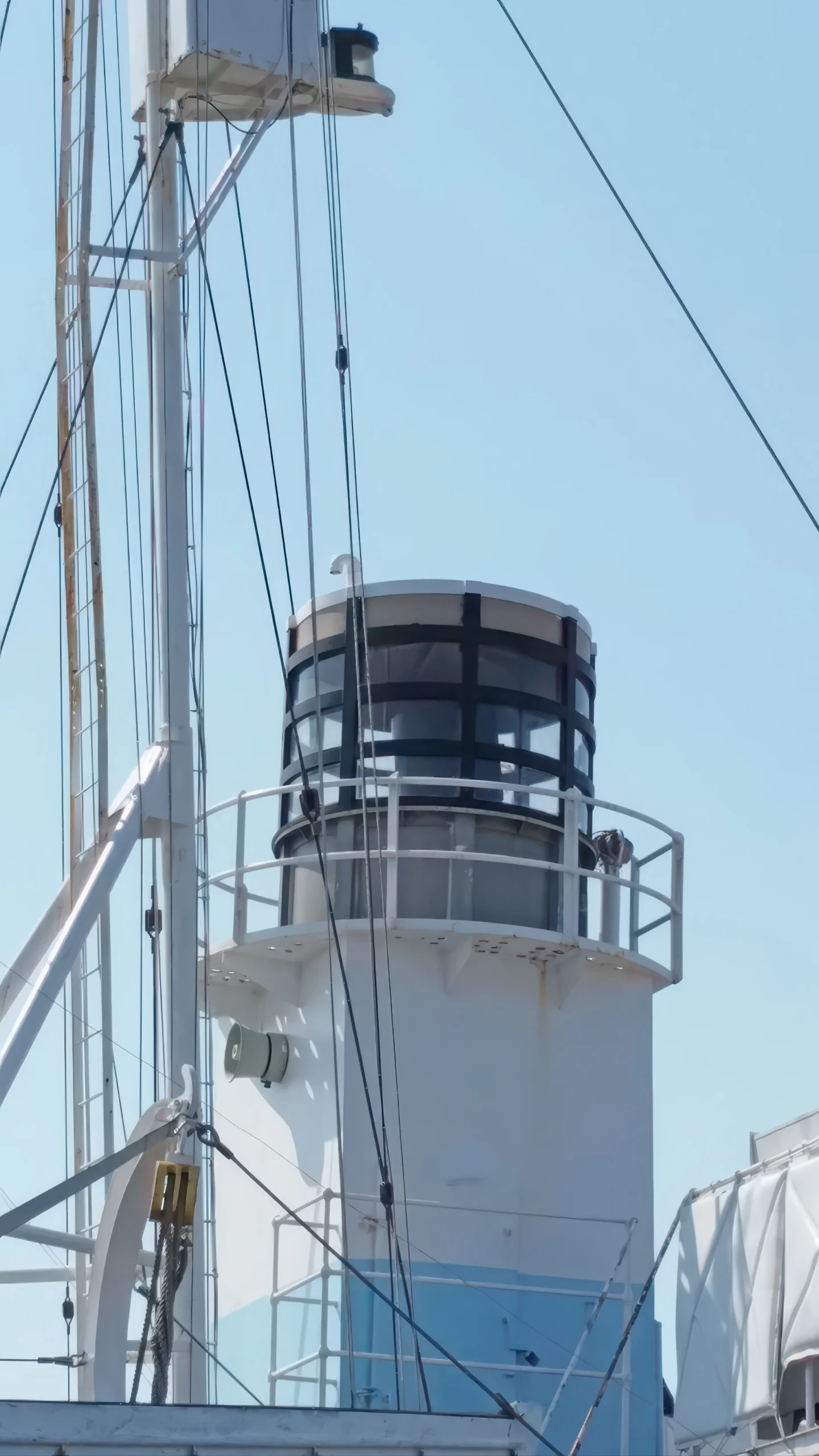
- The Centimetric Radar Revolution: The installation of the Type 271 radar, housed inside a distinct “lantern” plexiglass dome behind the bridge, changed the tide of the war. Firing in the centimetric microwave spectrum, this radar allowed Sackville’s operators to detect a trimmed down, night-running U-boat’s conning tower or even its periscope through heavy fog and darkness from miles away.
Operational History: The Mid-Ocean Escort Force and the Battle for Survival
- The Cruelest Sea (MOEF Duty): Commissioned in late 1941, HMCS Sackville was assigned to the Mid-Ocean Escort Force (MOEF). Operating out of St. John’s, Newfoundland, and Londonderry, Northern Ireland, Sackville spent years shielding vulnerable merchant ship columns in the “Black Pit”—the mid-Atlantic gap that lay entirely outside the range of allied land-based air cover.
- The Legendary Duels of Convoy ON-115: In August 1942, Sackville executed her most famous combat action while defending Convoy ON-115. Over a grueling 24-hour period, she engaged three separate German U-boats. She severely damaged *U-43* with a depth charge attack, later caught *U-704* on the surface and rammed it before it could dive, and blasted *U-552* with her 4-inch gun, forcing the heavily damaged raiders to break off their attack.
- The Toll of Cold War Duty: Following the end of WWII hostilities, Sackville bypassed the scrap yards by converting into a loop-laying and naval research vessel for the RCN, mapping
视图 : 24