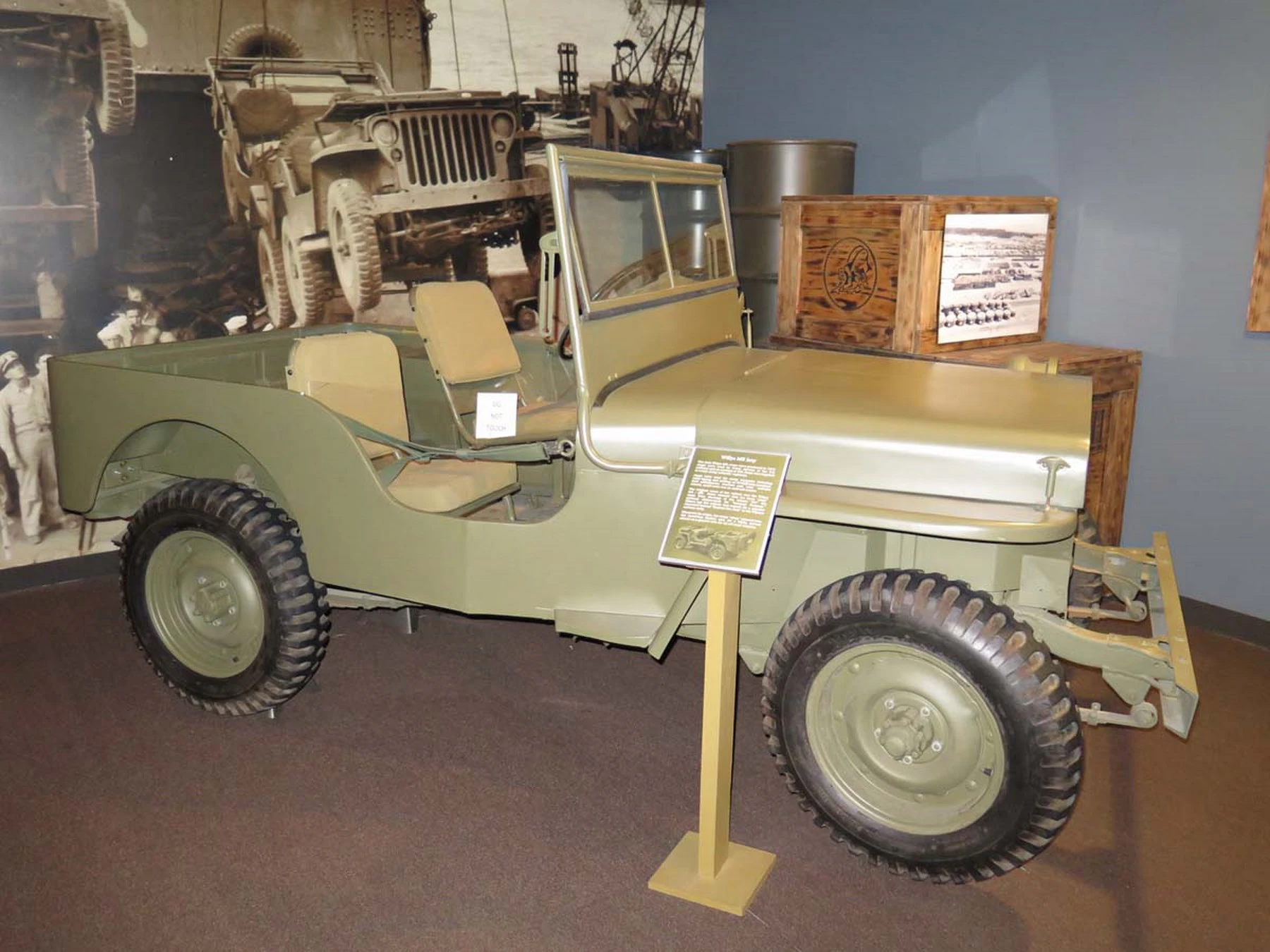
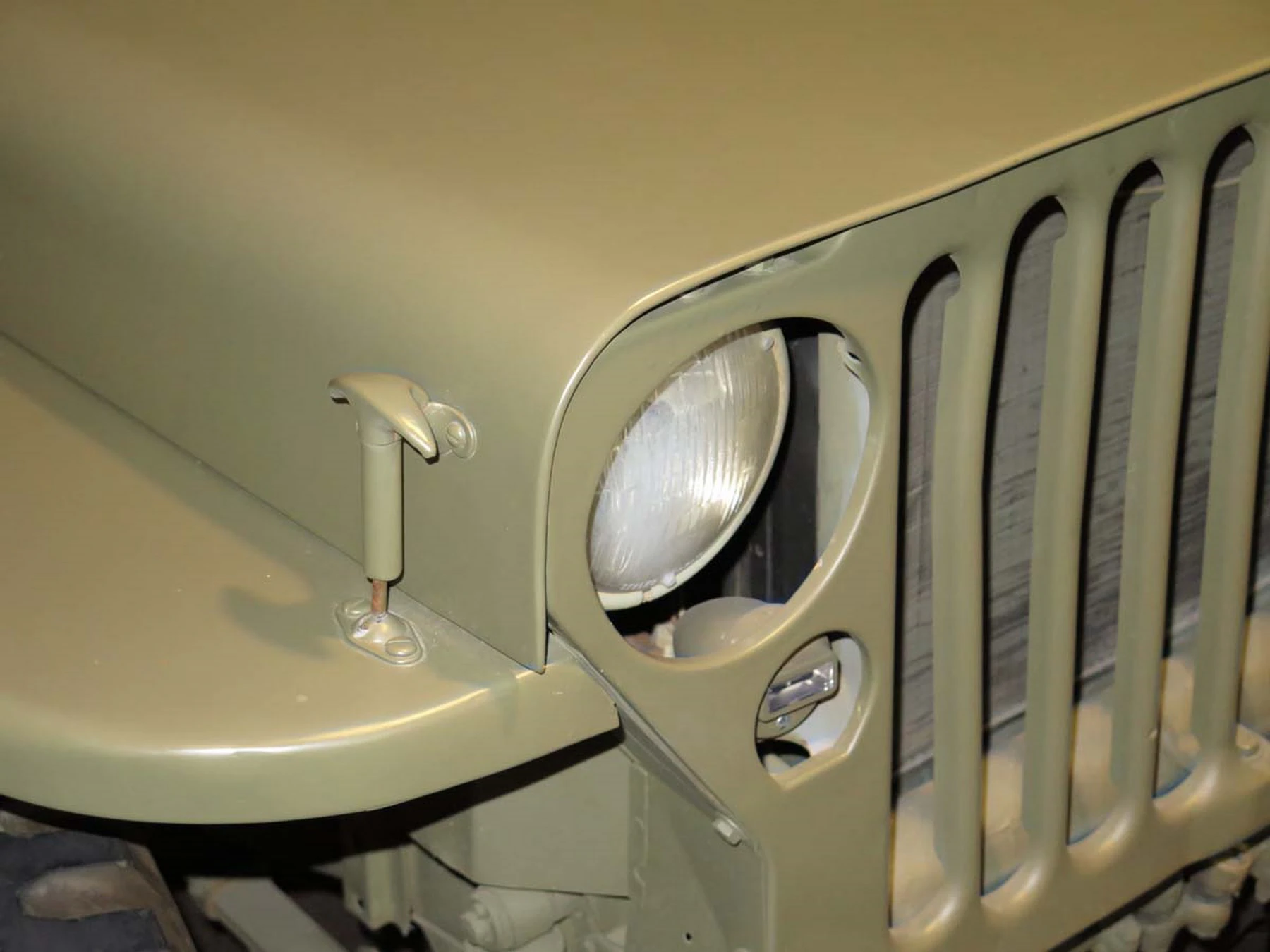
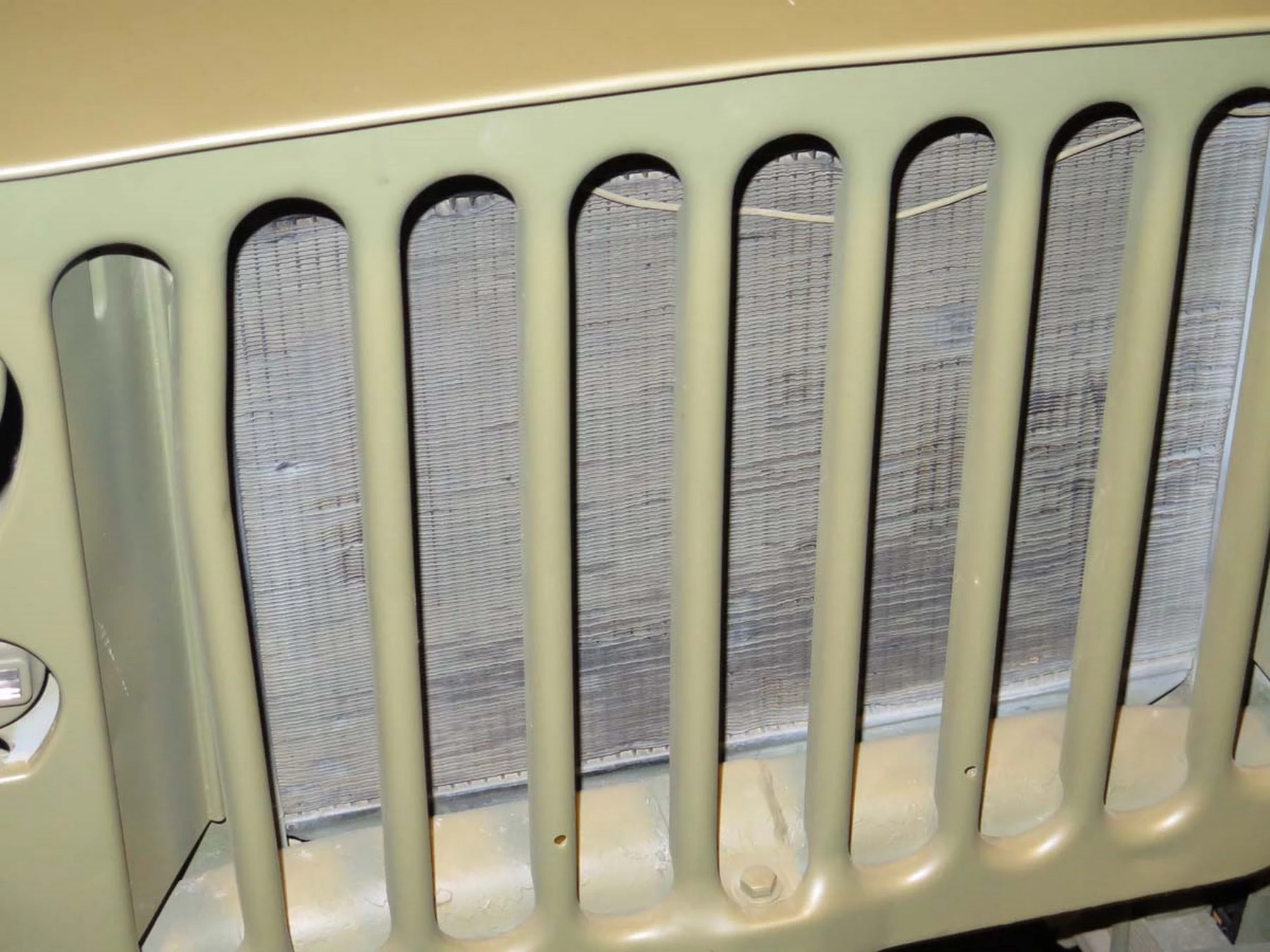
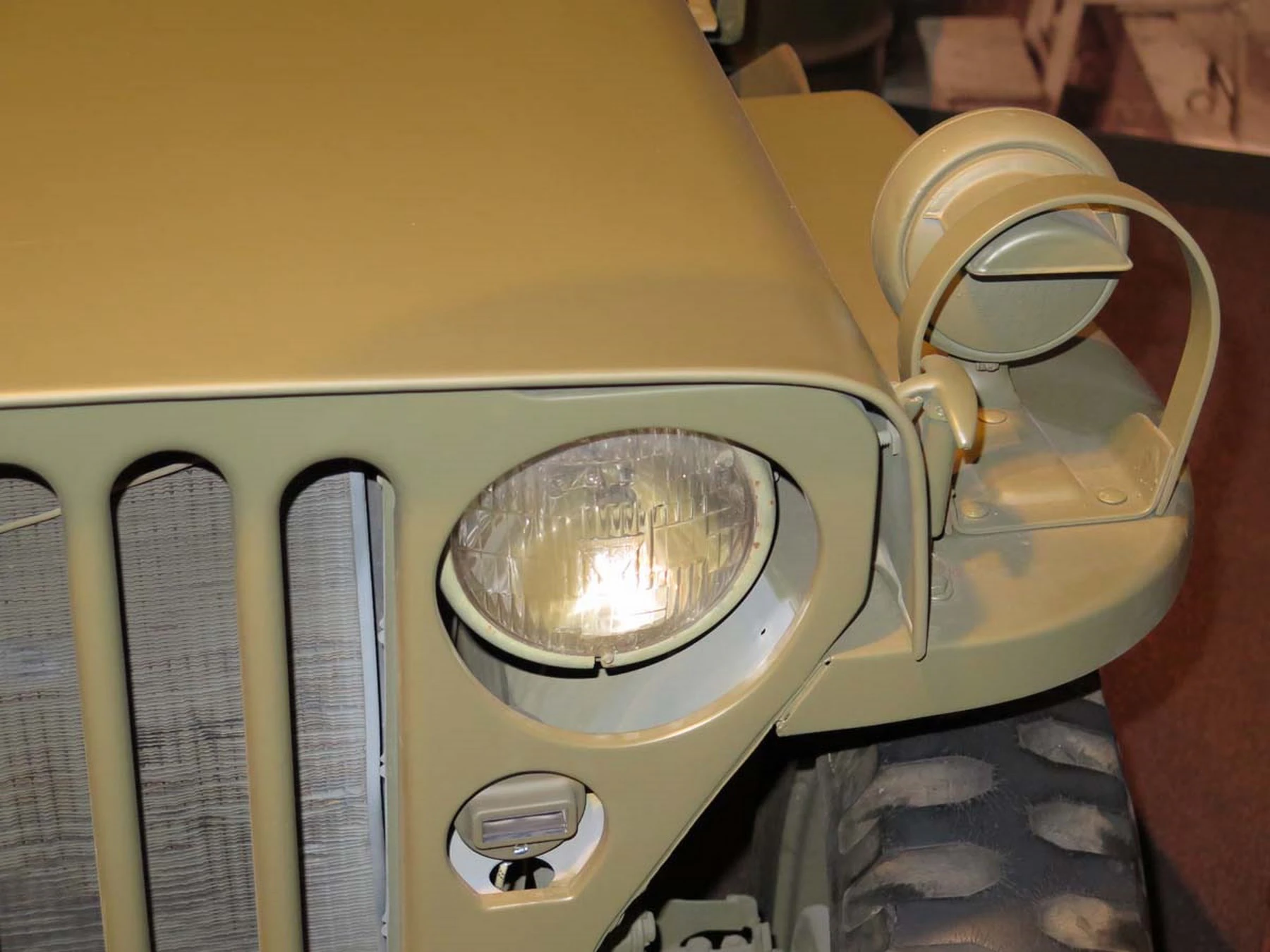
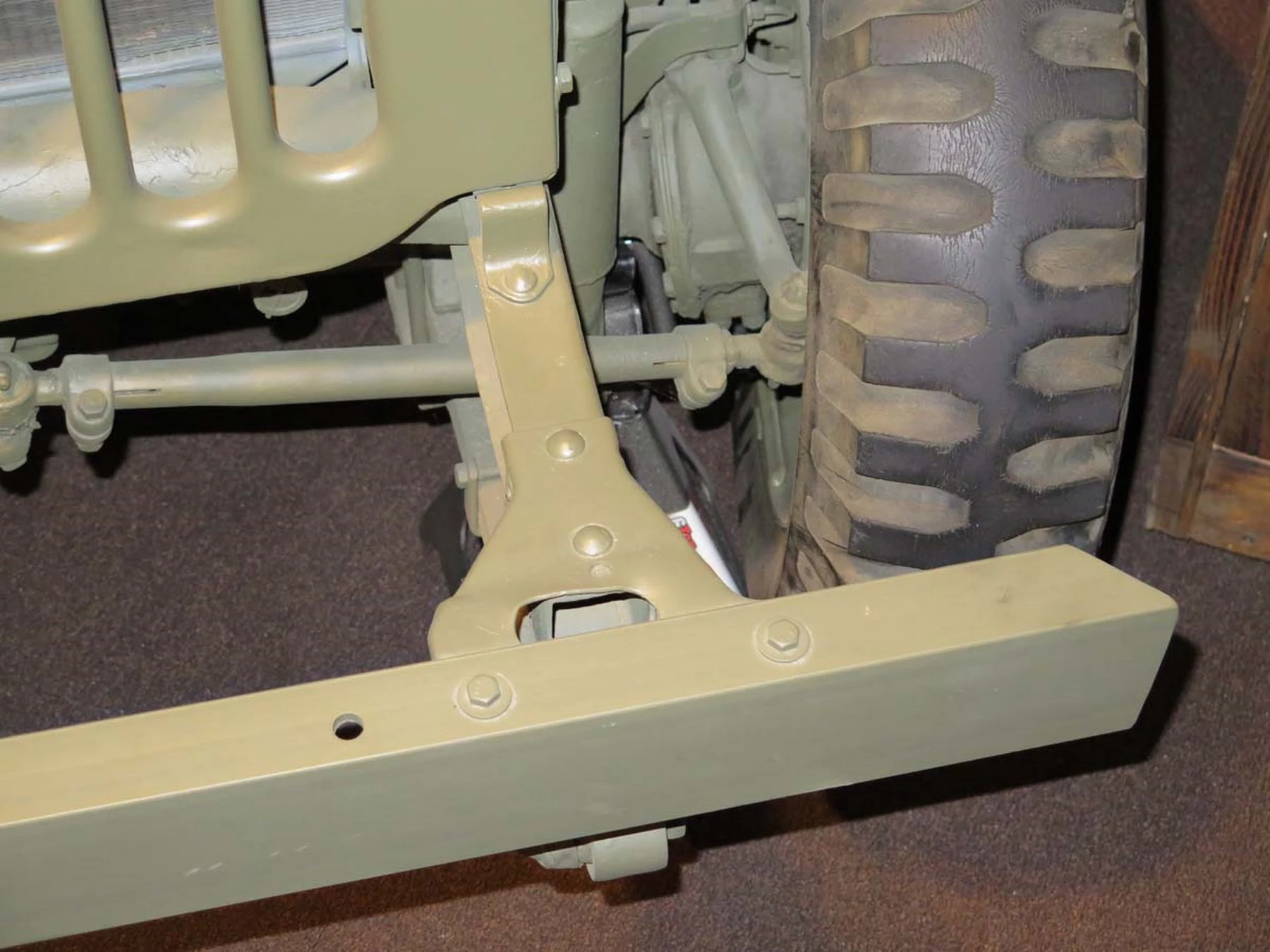
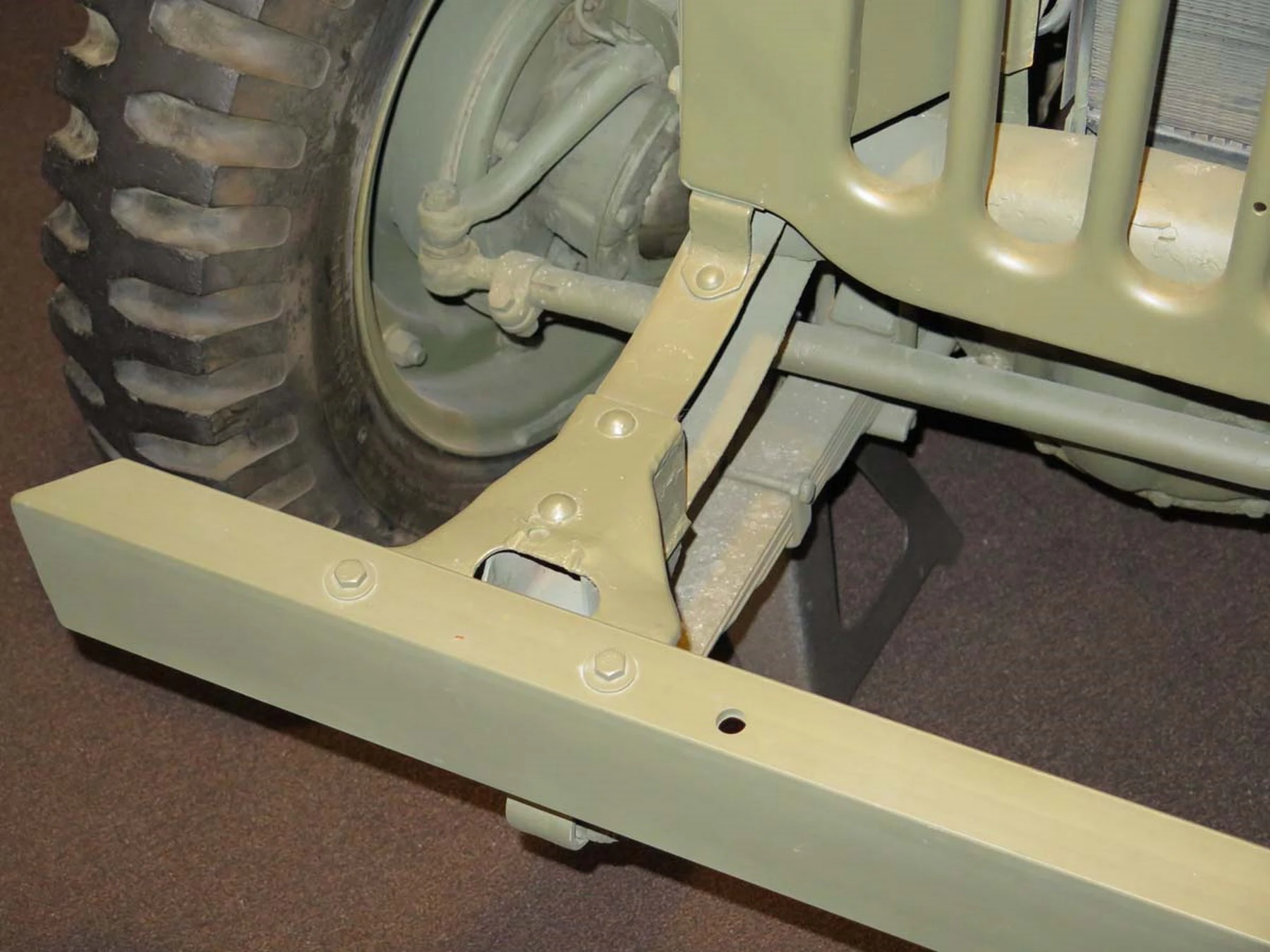
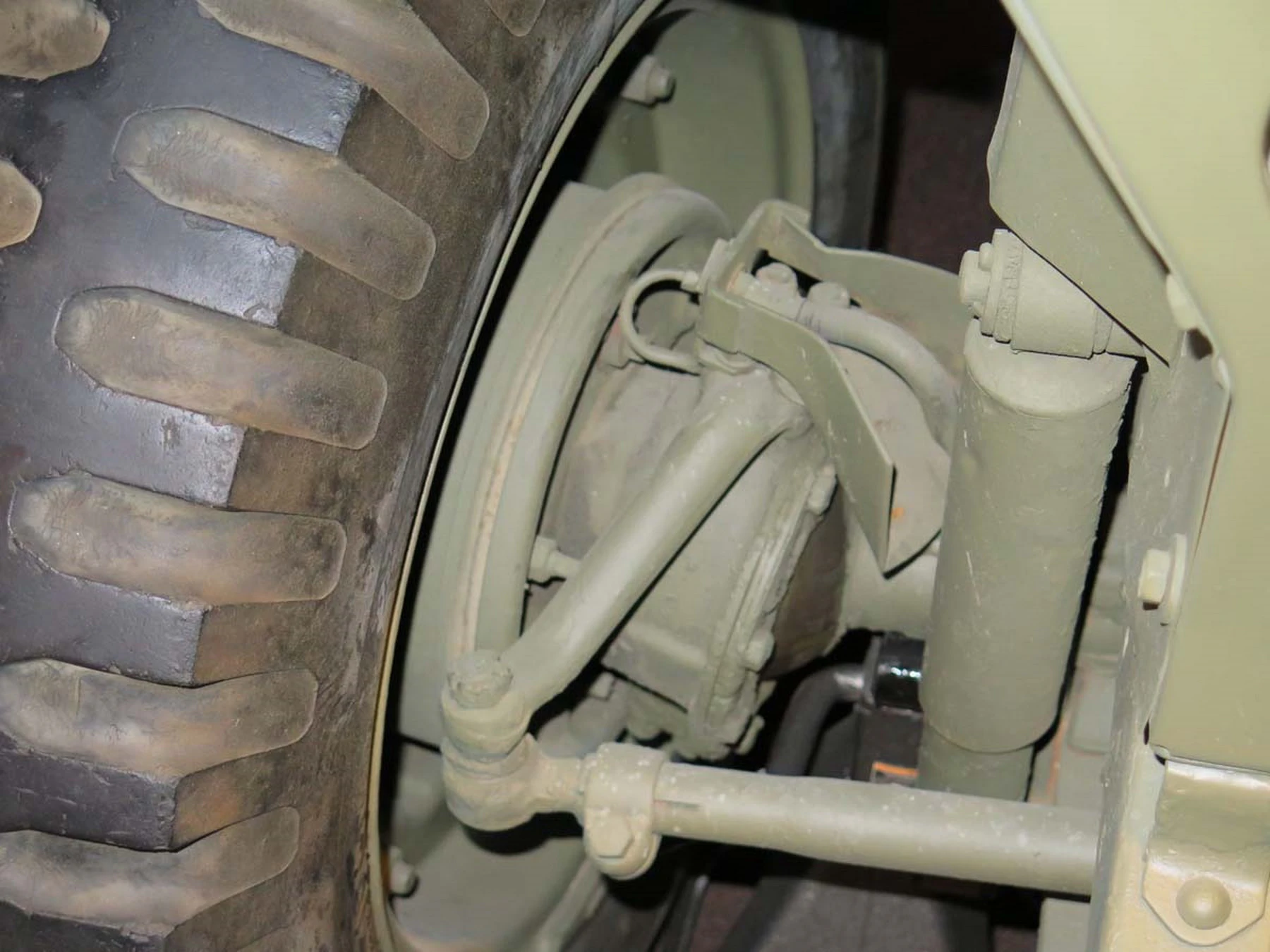
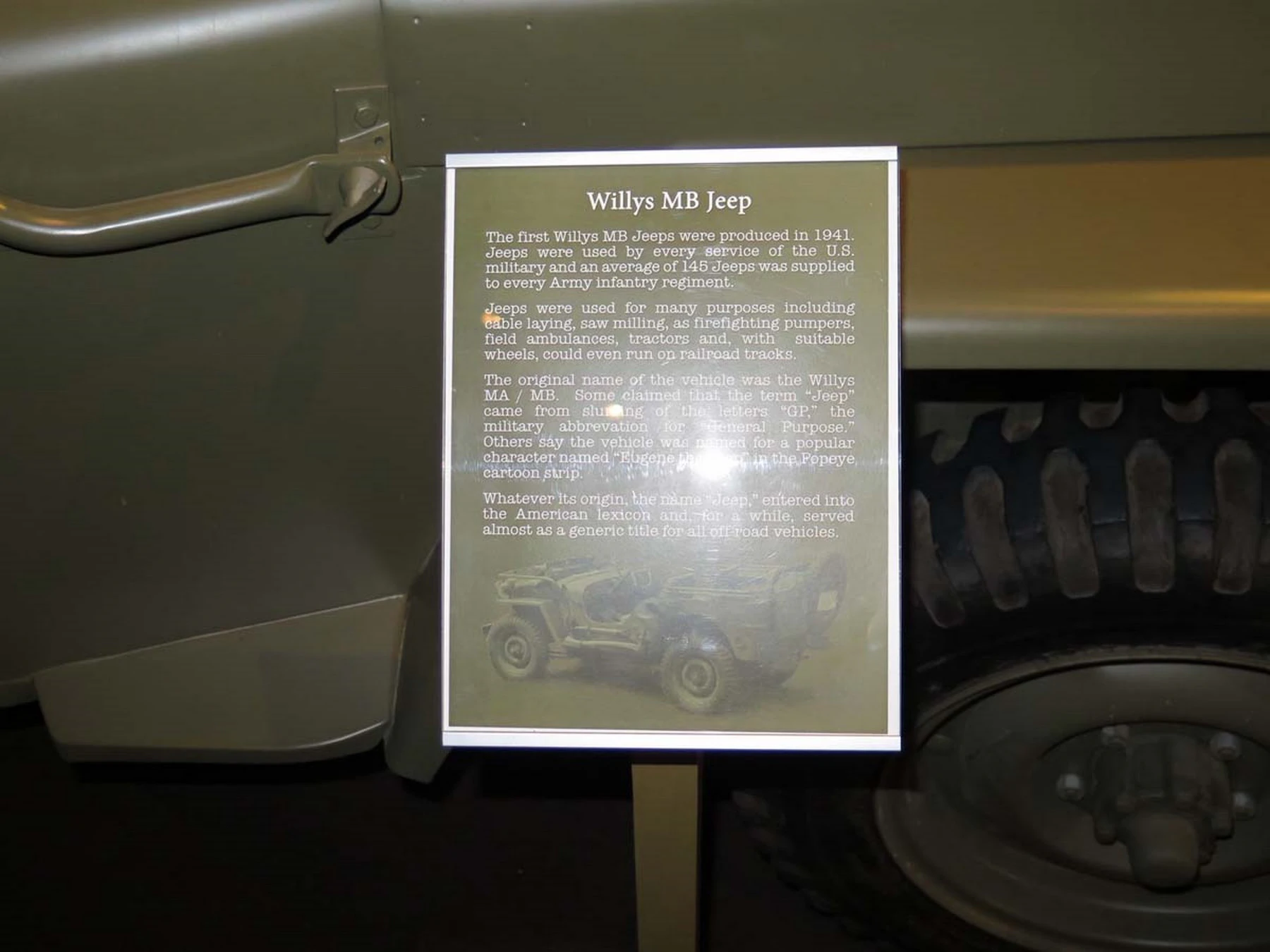
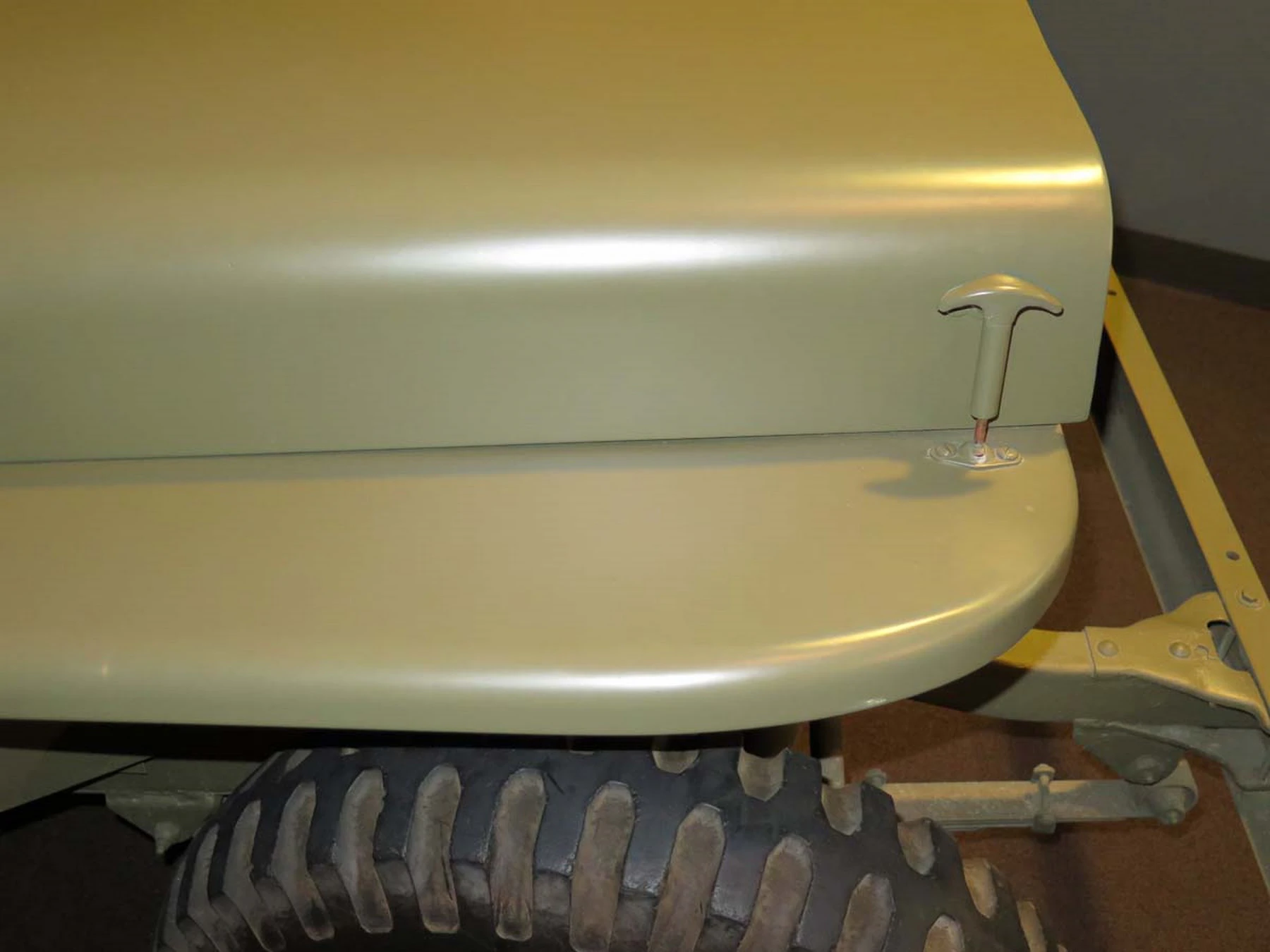
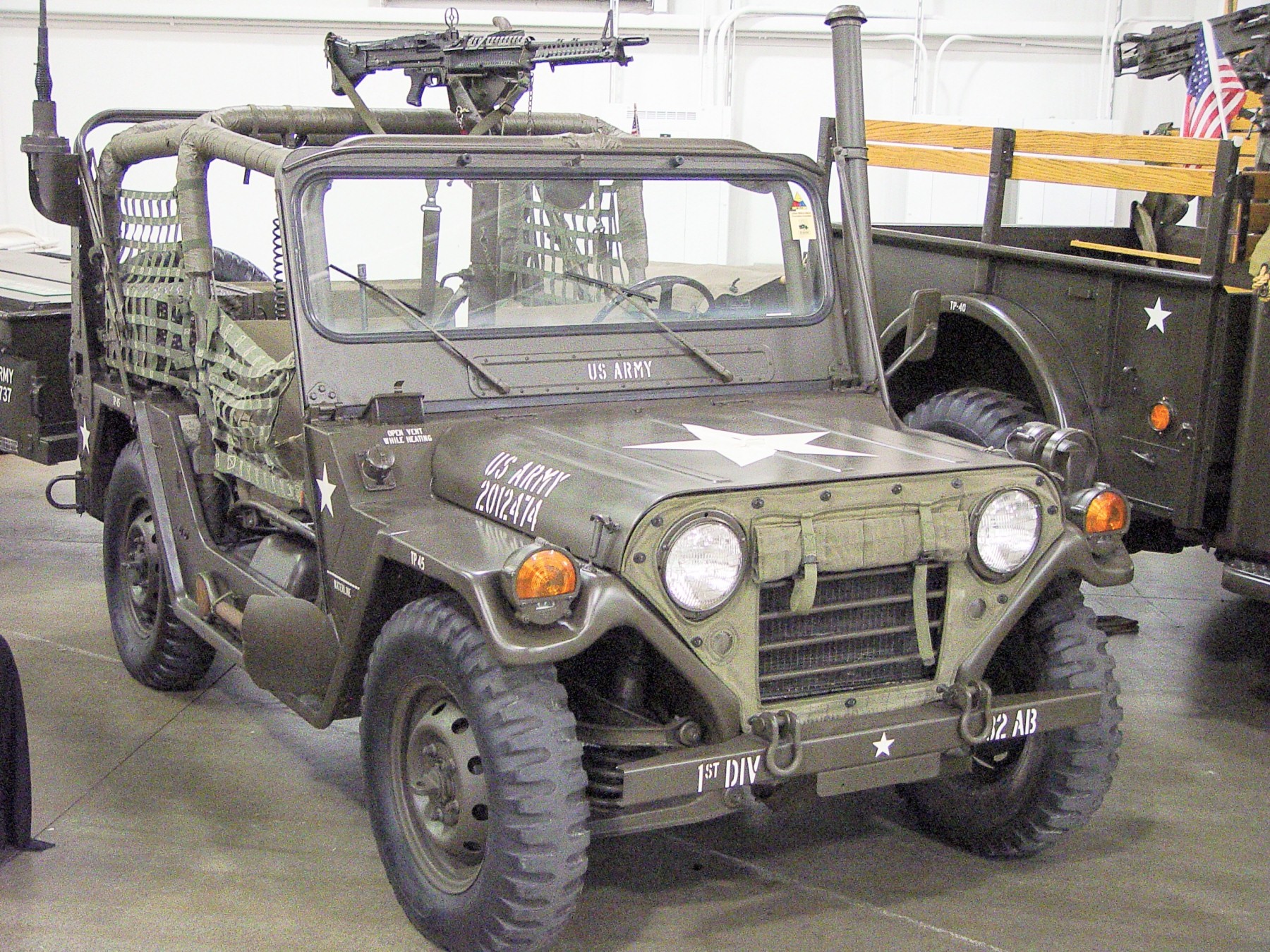
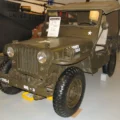
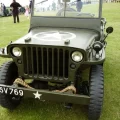
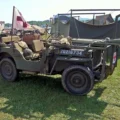
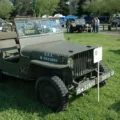
这 威利斯MBand the Ford GPW, both formally called the U.S. Army Truck, 1/4 ton, 4×4, and commonly known as Jeep or jeep, are four-wheel drive military utility vehicles that were manufactured during World War II (from 1941 to 1945) to help mobilize the Allied forces.
The World War II jeep became the first 4-wheel drive car to be manufactured in six-figure numbers. After the war, it evolved into the civilian Jeep CJ models, and inspired both an entire category of recreational 4WDs and several generations of military light utility vehicles.
这 威利斯MB美国陆军吉普车is arguably the most recognizable, culturally dominant, and utilitarian four-wheeled vehicle ever conceived. Born from a desperate, pre-war rush by the US military to replace horse cavalry and fragile motorcycles with a rugged, lightweight reconnaissance car, the Jeep became the undisputed mechanical glue of Allied global logistics. General George C. Marshall famously hailed it as“America’s greatest contribution to modern warfare.”Mass-produced by both Willys-Overland and Ford (as the GPW), this spartan, doorless little machine went everywhere and did everything. From the freezing mud of the Ardennes to the shifting sands of North Africa and the dense jungles of Guadalcanal, the Jeep served as a mobile command post, a casualty ambulance, a frontline gun platform, and a tireless supply hauler, cementing itself as an immortal symbol of mechanical resilience.
Attribute
Technical Specification (Willys MB Production Baseline)
作用
Light Utility Vehicle / Reconnaissance Car (1/4-ton, 4×4)
船员
1 Driver (Capacity for up to 3-4 passengers, or various field payloads)
Warner T-90 3-speed manual with a 2-speed Spicer 18 transfer case (selectable 4WD)
最高速度
105 km/h (65 mph) on paved roads
重量
1,113 kg (2,453 lbs) curb weight
Ground Clearance
22 cm (8.75 inches)
Standard Armament
Highly customizable; frequently fitted with a pedestal-mounted .50 BMG Browning M2 or .30 caliber M1919 machine gun
Production Total
~640,000 units built during WWII (~360,000 by Willys, ~280,000 by Ford as the GPW)
Design Engineering: The “Go Devil” Heart and absolute Spartan Minimalism
The Unstoppable “Go Devil” Engine:The mechanical core of the Jeep’s legendary reliability was the Willys L134 inline-four engine, nicknamed the “Go Devil.” Generating 60 horsepower, it featured an incredibly simple, low-stressed side-valve design. It was engineered to tolerate low-octane, poor-quality fuel, and its massive torque at low revolutions allowed the vehicle to claw through thick mud, deep swamp water, and steep alpine grades without stalling out or overheating.
The Selectable 4×4 Drivetrain:The Jeep utilized a heavy-duty Spicer transfer case that allowed drivers to shift seamlessly between fuel-efficient rear-wheel drive on paved highways and full four-wheel drive for brutal cross-country trekking. High and low gear ranges effectively doubled the mechanical advantage of the transmission, turning the lightweight car into a miniature tractor capable of pulling heavy artillery pieces out of deep muck.
The Stackable, Fold-Flat Shipping Design:Space on ocean-going cargo ships was the ultimate bottleneck during the war. To maximize shipping efficiency, the Jeep was engineered to be completely flat-packed. The windshield folded down flush over the engine hood, the steering wheel could be unbolted, and the simple, doorless sheet metal body allowed crates to be stacked directly on top of one another, packing dozens of Jeeps into the footprint of a few standard trucks.
Absolute Utilitarian Tool Integration:The Jeep didn’t have room for luxury, but it maximized every square inch for survival. A pioneer axe and a heavy shovel were strapped securely into molded indents on the driver’s side hull exterior. The flat, square engine hood served as an instant, impromptu table for officers mapping out artillery coordinates or field surgeons dressing wounds right on the front lines.
Operational History: From the Sands of El Alamein to the Global Civilian Off-Road Revolution
The SAS Desert Raiders:In the sweeping expanses of the North African desert, the British Special Air Service (SAS) modified Willys MBs into heavily armed, long-range raiding machines. Stripped of their grills and windshields to save weight and improve cooling, and loaded up with multiple aircraft-style Vickers K machine guns and extra fuel drums, these Jeeps executed daring, high-speed night ambushes on isolated Axis airfields, destroying hundreds of aircraft on the ground.
Frontline Medical Lifesaver:Field mechanics quickly realized the Jeep’s low-profile chassis was perfect for casualty evacuation. By welding custom steel brackets over the front hood and the rear tub, a single Jeep could safely carry two or three wounded soldiers on stretchers directly out of active combat zones under heavy fire, reaching field hospitals far faster than traditional, bulky wheeled ambulances.
The Red Army’s Favorite Import:Under the Lend-Lease program, the United States shipped over 50,000 Jeeps to the Soviet Union. The Red Army absolutely fell in love with the vehicle, preferring its rugged, reliable 4×4 layout over their own complex or fragile domestic cars. Soviet commanders routinely used them as high-speed scout vehicles, command cars, and light artillery towers to cross the roadless, mud-choked terrain of the Eastern Front.
Birth of the Global “Jeep” Brand:As millions of American GIs returned home after 1945, they brought back an insatiable demand for the rugged little machine they had relied on during the war. Willys-Overland immediately capitalized on this by creating the CJ (Civilian Jeep) series, adding a tailgate and civilian lighting. This wartime workhorse effectively birthed the entire modern recreational off-road vehicle and sport-utility vehicle (SUV) industry worldwide.