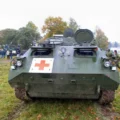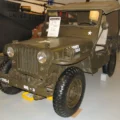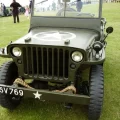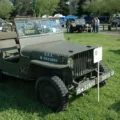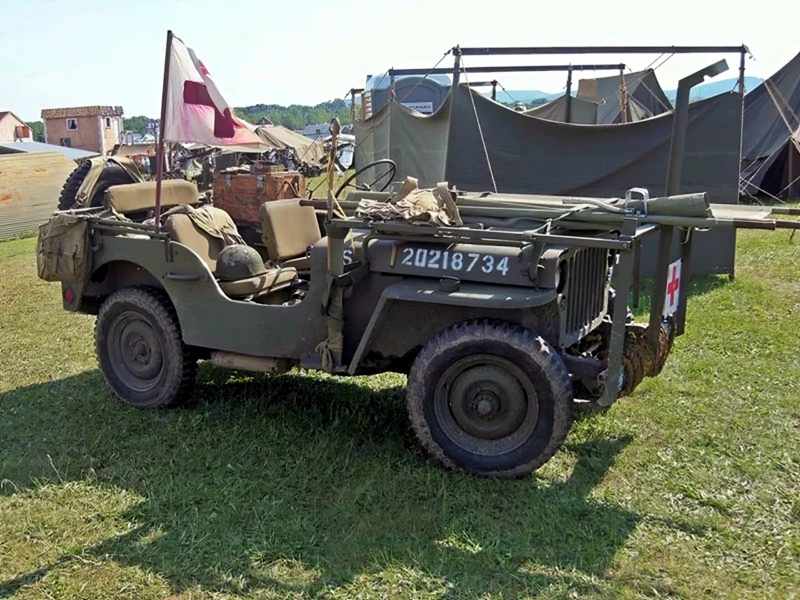
威利斯MB救护车吉普车 | |
|---|---|
| 国家 | 美国 |
| 类型 | 四轮驱动多功能车 |
| 主题 | 专辑 33 照片的 威利斯MB救护车吉普车 |
这 威利斯 二战期间,MB美国陆军吉普车是一辆小型四轮驱动多功能车。
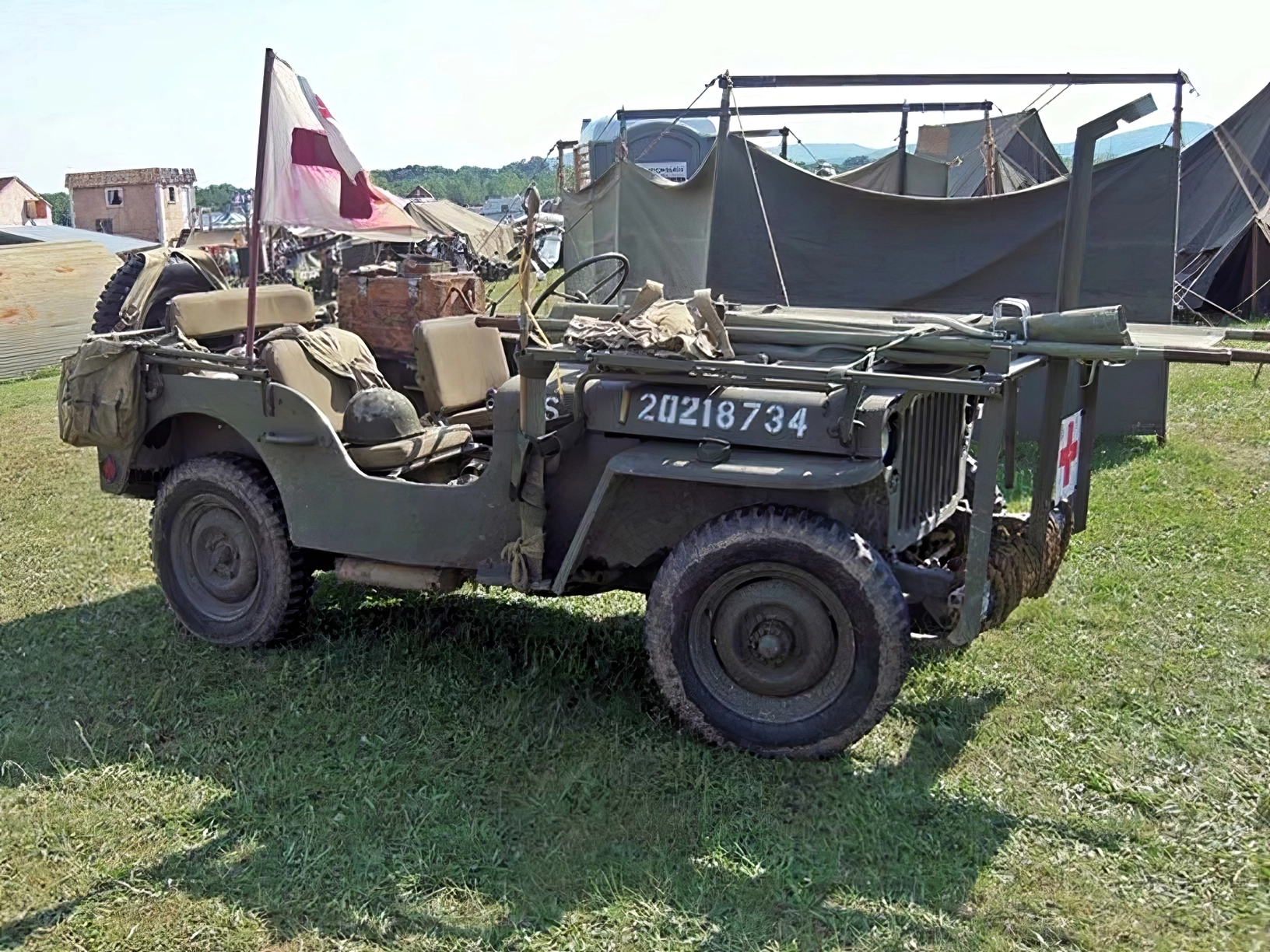
Willys MB Ambulance Jeep 01
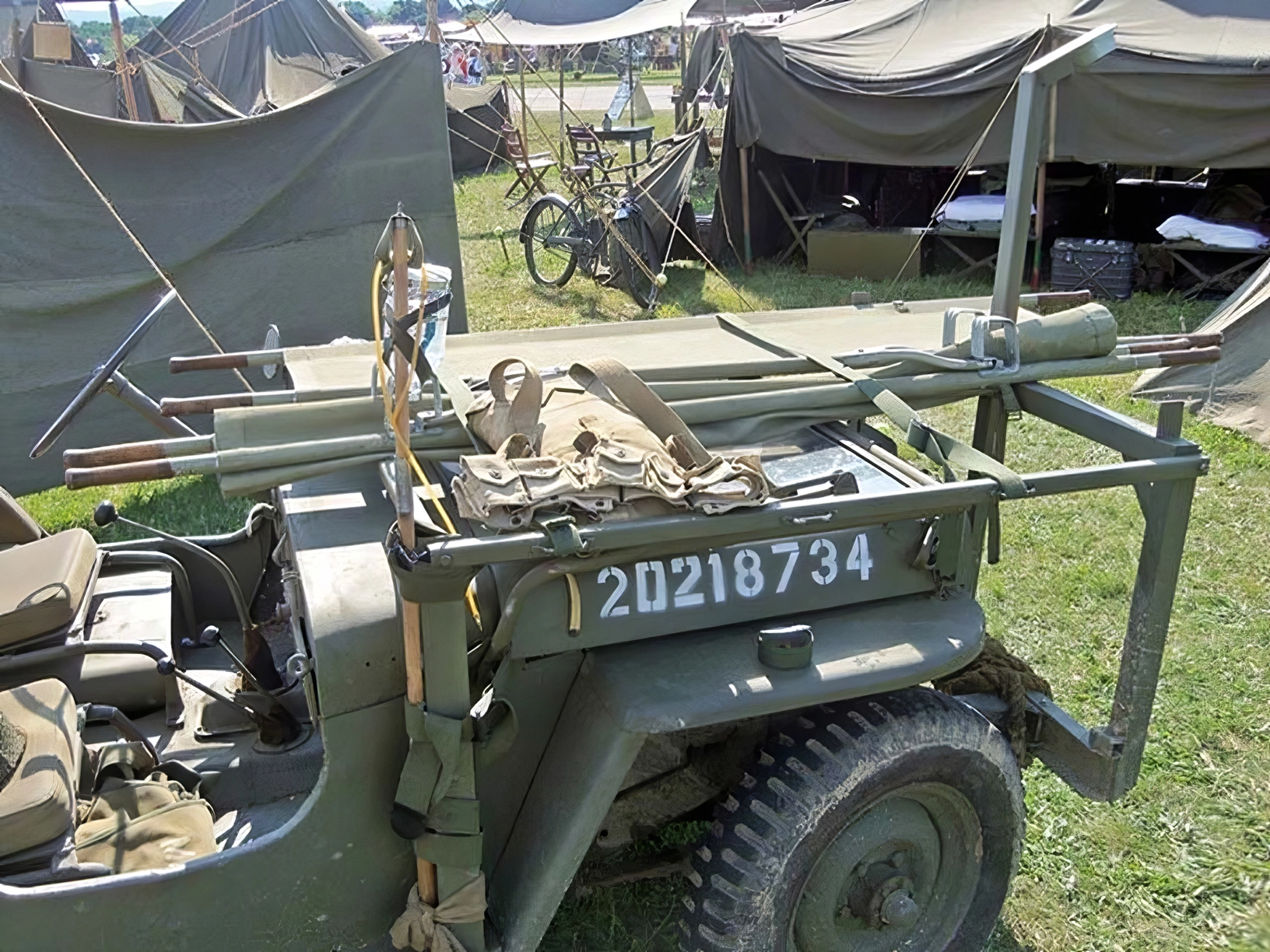
Willys MB Ambulance Jeep 02
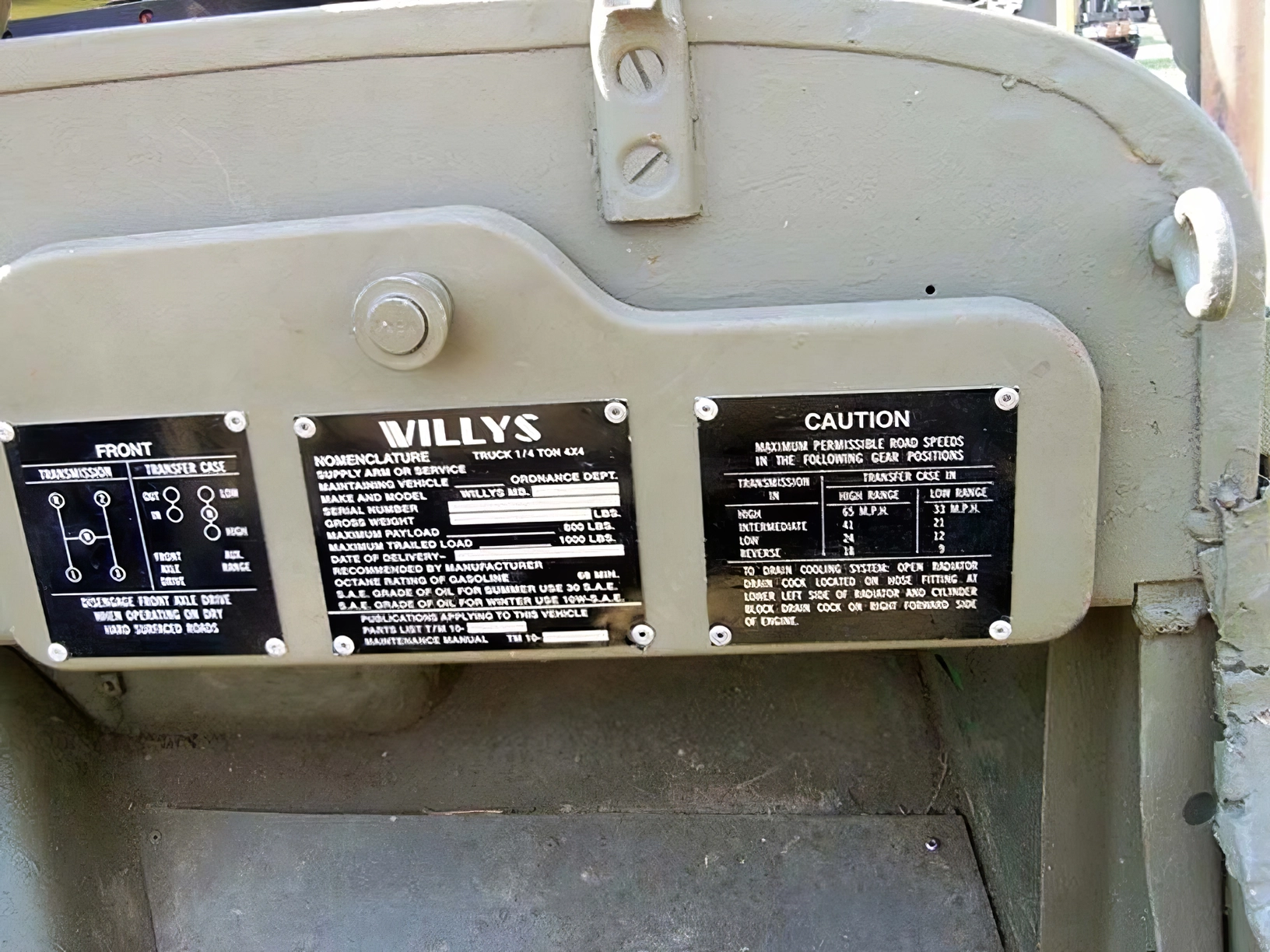
Willys MB Ambulance Jeep 03
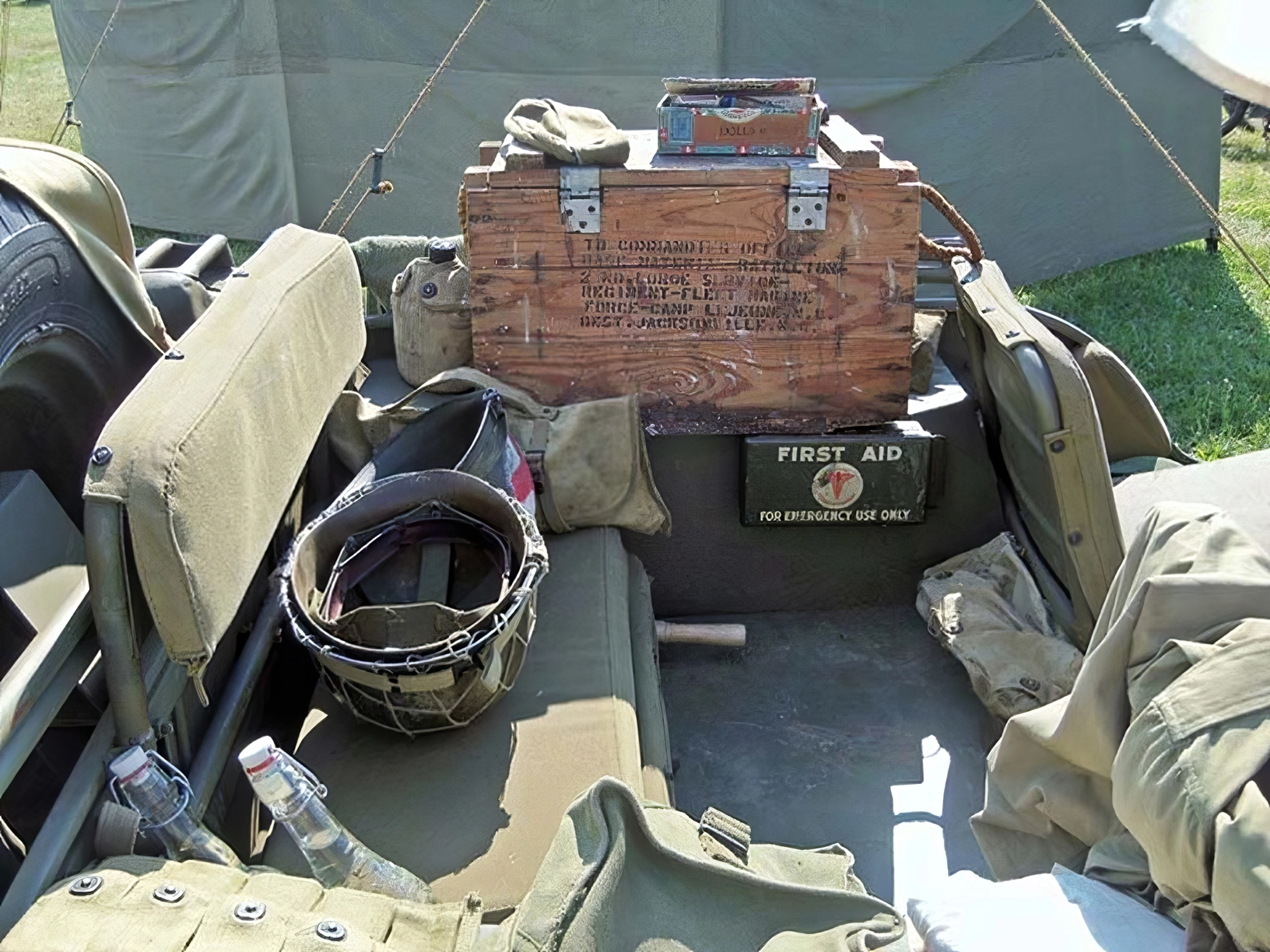
Willys MB Ambulance Jeep 04
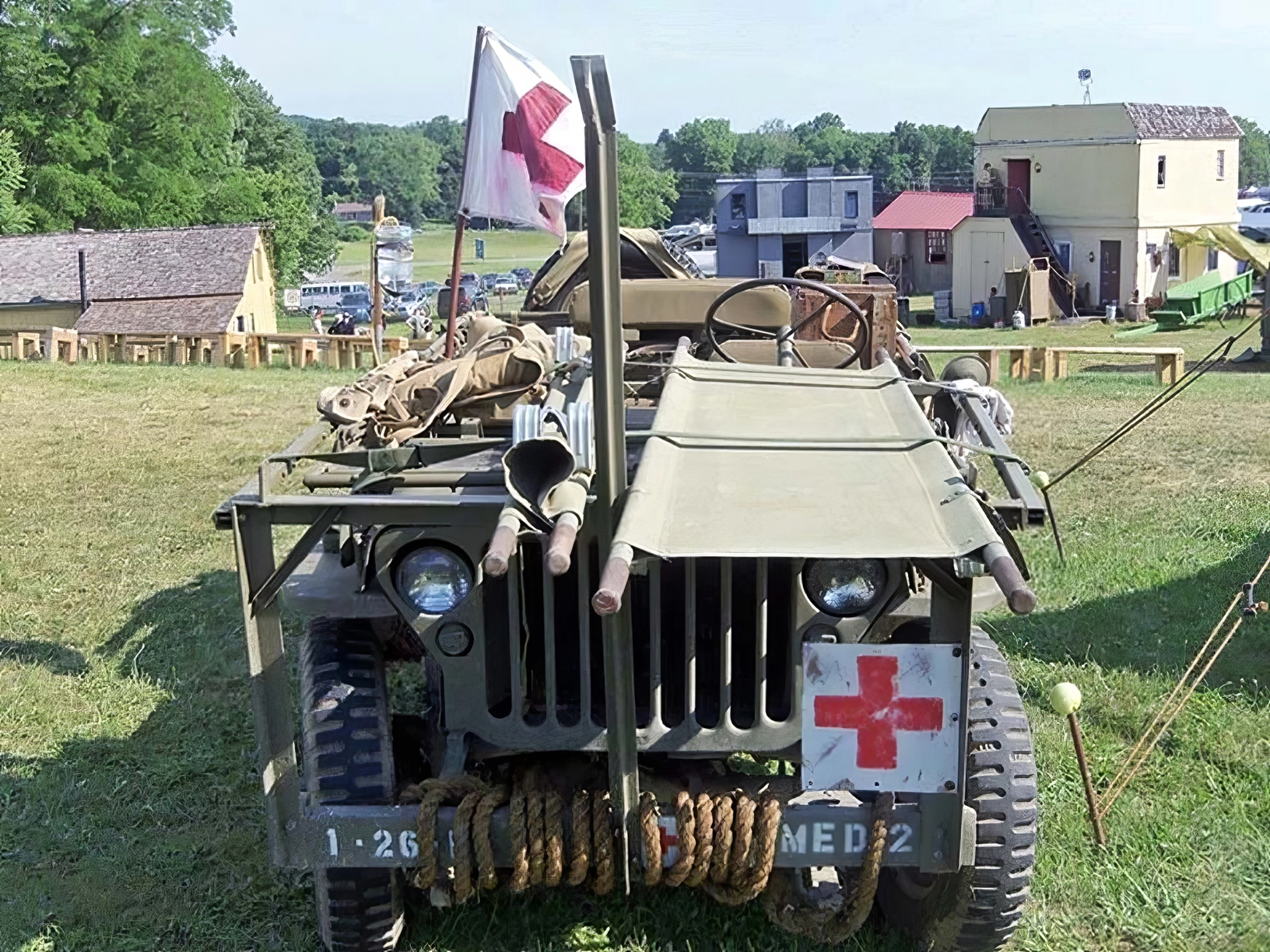
Willys MB Ambulance Jeep 05
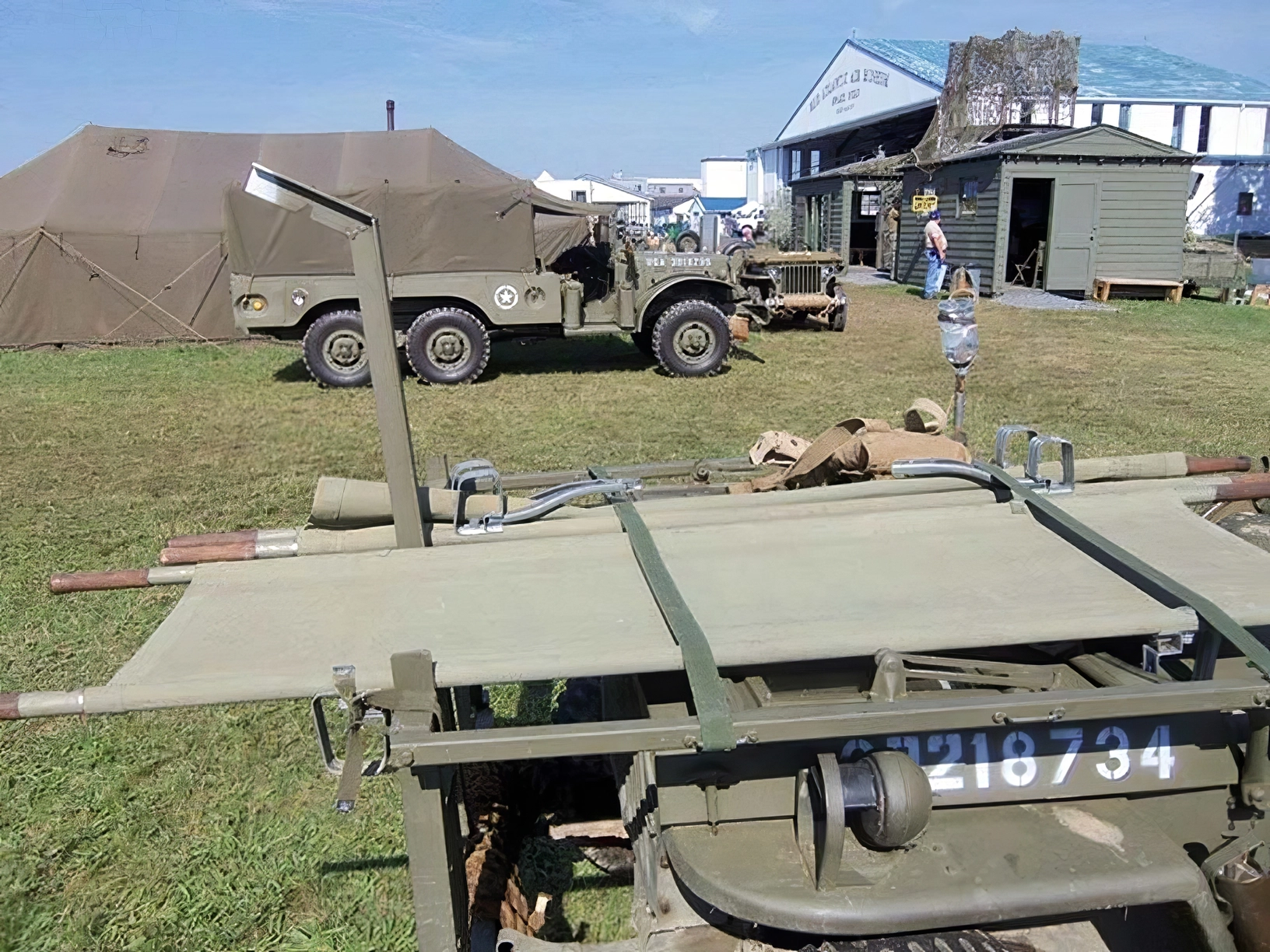
Willys MB Ambulance Jeep 06
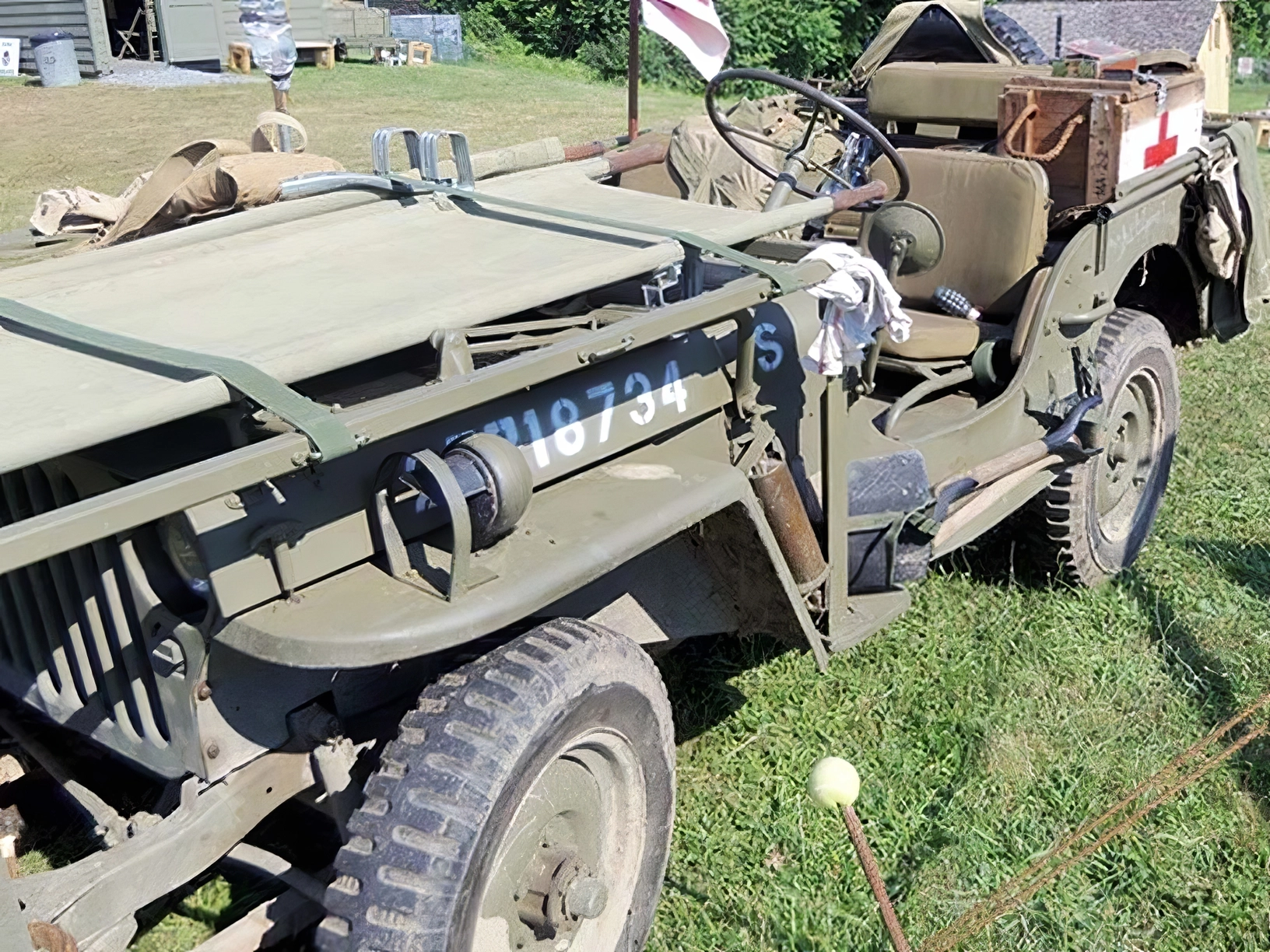
Willys MB Ambulance Jeep 07
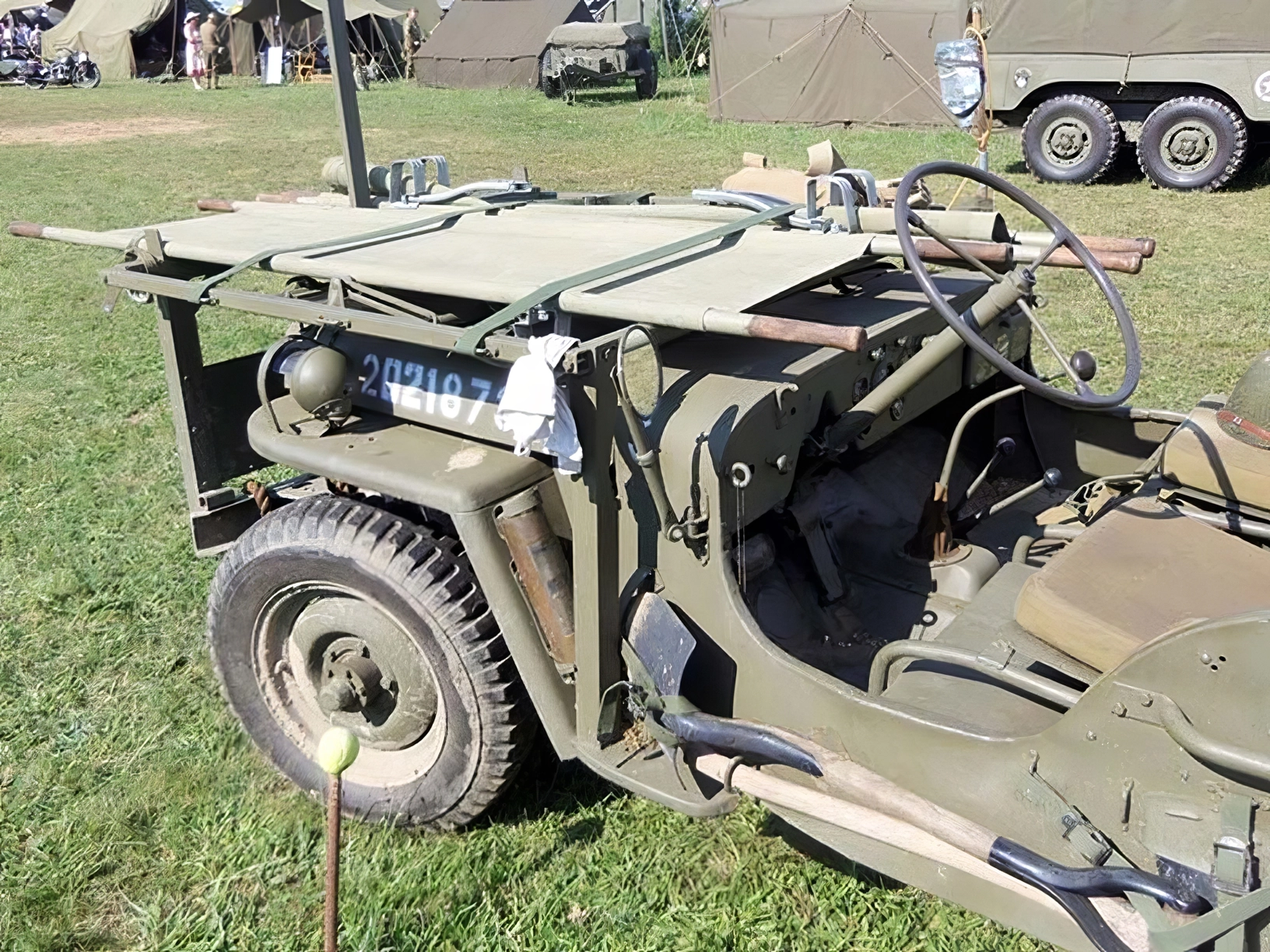
Willys MB Ambulance Jeep 08
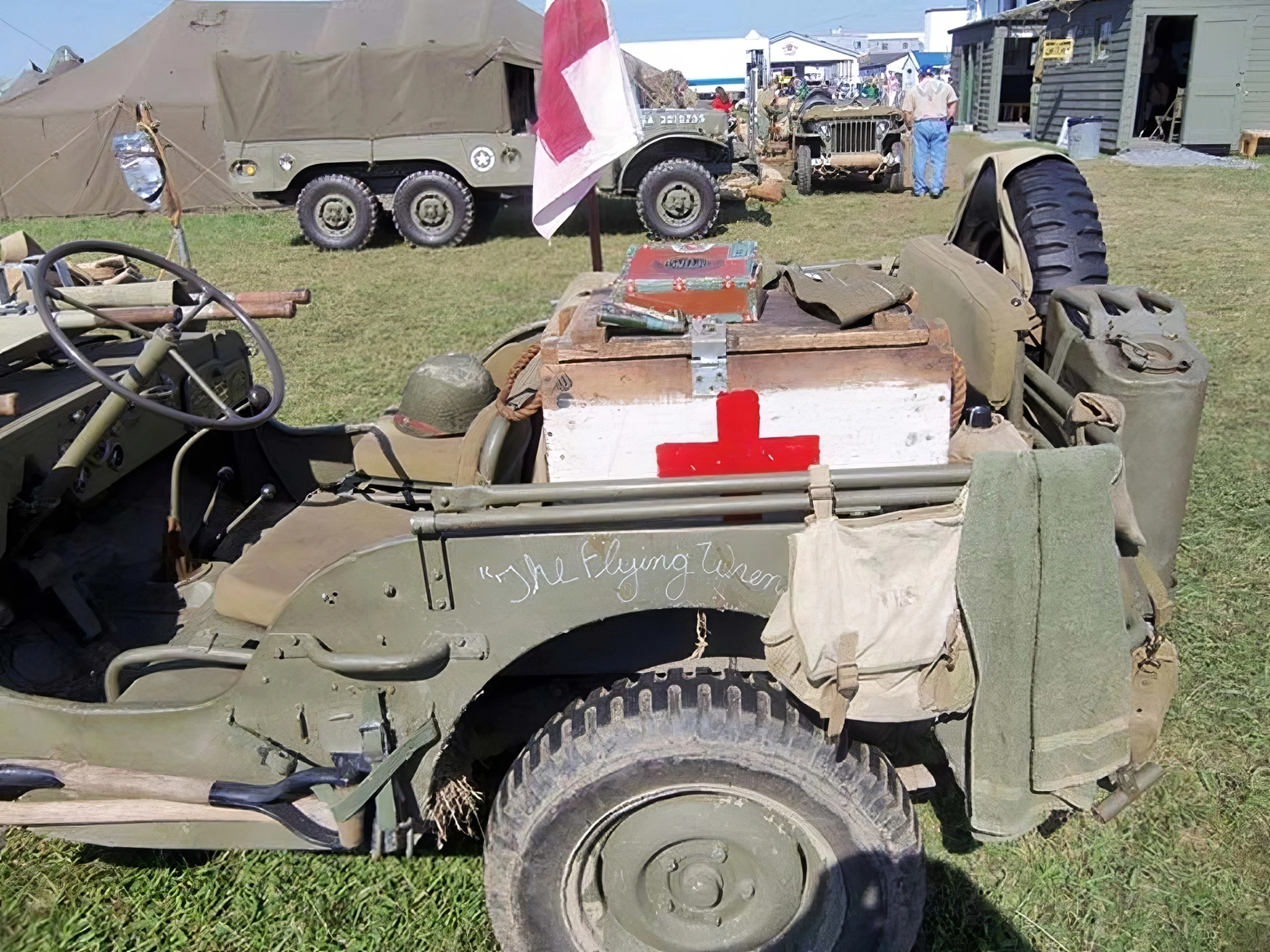
Willys MB Ambulance Jeep 09
等等,为你搜索威利斯MB救护车吉普车的照片。。。

另请参阅:


The Lifesaver of the Forward Edge
这 Willys MB Ambulance was rarely a factory-standard vehicle; instead, it was usually a field-modified version of the ubiquitous ¼-ton 4×4 truck. While larger Dodge WC-54 ambulances handled transport between field hospitals, the “Ambulance Jeep” was the only vehicle small and agile enough to drive directly into the foxholes and craters of the front line to retrieve the wounded. Through various conversion kits—most notably the front-mounted litter racks—the humble Jeep was transformed into a vital link in the chain of survival for Allied soldiers.
| Attribute | Technical Specification (MB Modified) |
|---|---|
| 作用 | Casualty Evacuation (CASEVAC) |
| 船员 | 1 (Driver) + 1 (Medic/Attendant) |
| Patient Capacity | 2 to 3 stretchers (Litters) depending on kit |
| 发动机 | Willys L134 “Go Devil” 4-cylinder (60 hp) |
| 最高速度 | 105 km/h (65 mph) — though much slower with patients |
| Modifications | Extended frame racks or front-bumper litter supports |
| Drive Train | 4×4 with 2-speed transfer case |
| Markings | Large Red Cross on white backgrounds (Hood and Sides) |
Design Engineering: Adapting for the Wounded
- The Litter Racks: The most common conversion involved welding steel frames to the front bumper or over the rear wheel wells. These frames allowed standard canvas litters to be slotted into place and secured with straps, essentially turning the exterior of the vehicle into a mobile ward.
- Extended Frames: Some specialized units utilized a “stretched” frame or added heavy-duty rear extensions that allowed two stretchers to lie flat across the back, often protected by a modified canvas “tilt” (roof).
- Suspension Strain: Carrying two or three grown men on litters—plus a driver and medic—put immense strain on the Jeep’s leaf springs. To compensate, ambulance Jeeps often had reinforced “heavy-duty” springs installed to prevent the chassis from bottoming out on rough terrain.
- The Go-Devil Engine: The high torque of the L134 engine at low speeds was critical. It allowed the driver to “crawl” over debris and mud without jarring the wounded patients, providing a smoother ride than the truck’s short wheelbase would normally suggest.
Operational History: Under the Red Cross
- Jungle and Hedgerow Specialist: In the dense jungles of the Pacific or the tight bocage of Normandy, larger ambulances simply couldn’t get through. The Ambulance Jeep became the primary method for moving “urgent” casualties back to the Battalion Aid Station.
- Visual Neutrality: Per the Geneva Convention, these Jeeps were painted with large Red Crosses. While this usually protected them from direct fire, in the heat of battle or against enemies who ignored the convention, the white-and-red markings often acted as a high-visibility target.
- The Medic’s Office: Because space was so limited, medics often strapped their “Unit One” bags and extra splints to the sides of the Jeep or the spare tire mount, making the vehicle a literal rolling supply chest.
- Post-War Evolution: The success of the modified MB led directly to the purpose-built M170 Ambulance Jeep (based on the M38A1) used during the Korean War, which featured a longer wheelbase specifically designed to carry stretchers internally.
意见:6313