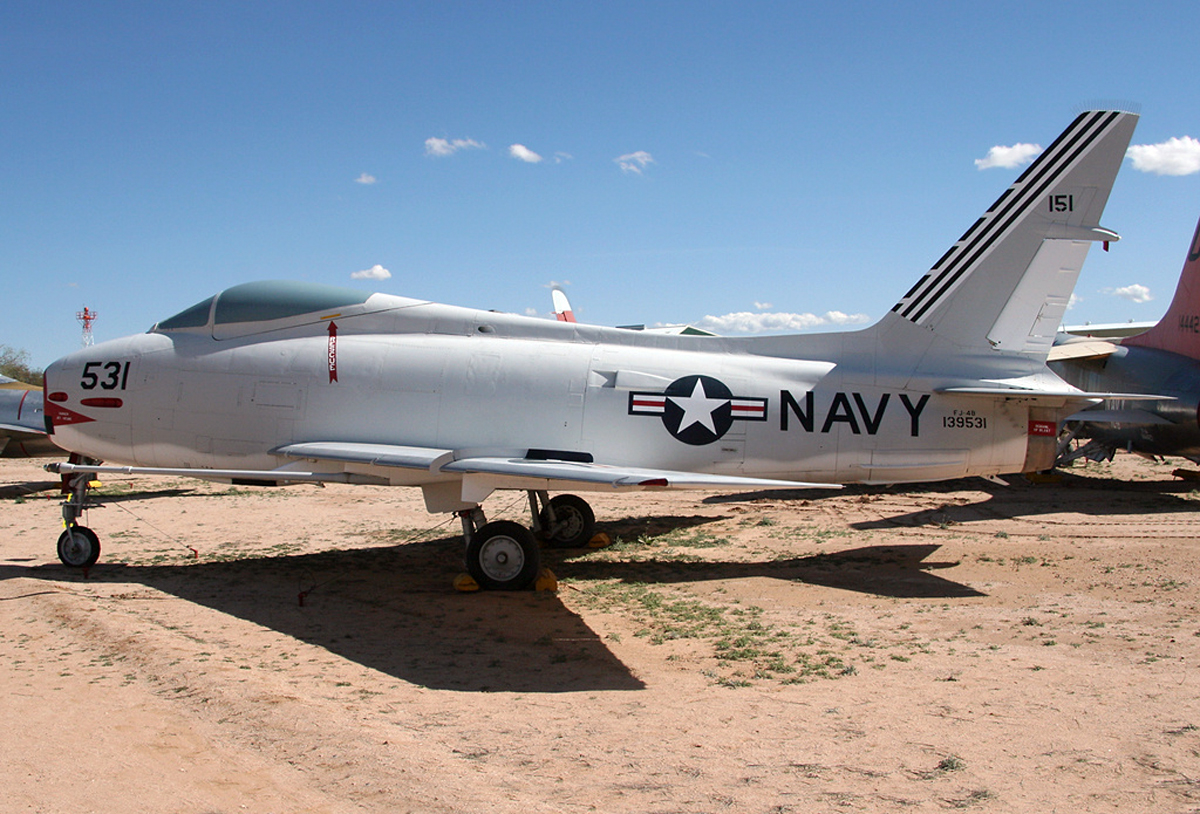
Noord-Amerikaanse FJ-4 Fury-specificaties
| Fabrikant | Noord-Amerikaanse luchtvaart |
| Role | Carrier-gebaseerde jachtbommenwerper |
| Eerste vlucht | 3 oktober 1954 |
| Introductie | 1955 |
| Voormalig | 1965 (Amerikaanse marine), 1972 (Venezuela) |
| Primaire gebruikers | Marine van de Verenigde Staten, Venezolaanse luchtmacht |
| Aantal gebouwd | 374 |
| Kosten per eenheid | US $ 780,000 (FJ-4B) |
| Motor | Een Pratt & Whitney J48-P-8A turbojet, 7.250 lbf (32,3 kN) stuwkracht |
| Maximale snelheid | 680 mph (1.094 km/u) |
| Bereik | 1.200 mijl (1.900 km) |
| Serviceplafond | 44.000 voet (13.400 m) |
| Bewapening |
|
De Noord-Amerikaanse FJ-4 Fury was een jachtbommenwerper met geveegde vleugels voor de Amerikaanse marine en het Korps Mariniers. De FJ-4 was de laatste ontwikkeling in een lijn die de F-86 Sabre van de luchtmacht omvatte, de FJ-4 deelde zijn algemene lay-out en motor met de eerdere FJ-3, maar had een geheel nieuw vleugelontwerp en was een heel ander ontwerp in zijn uiteindelijke belichaming.
| North American FJ-4 Fury Walk Around | |
|---|---|
| Fotograaf | Vladimir Yakubov |
| Lokalisatie | Nationaal Lucht & Ruimte Museum |
| Foto 's | 61 |
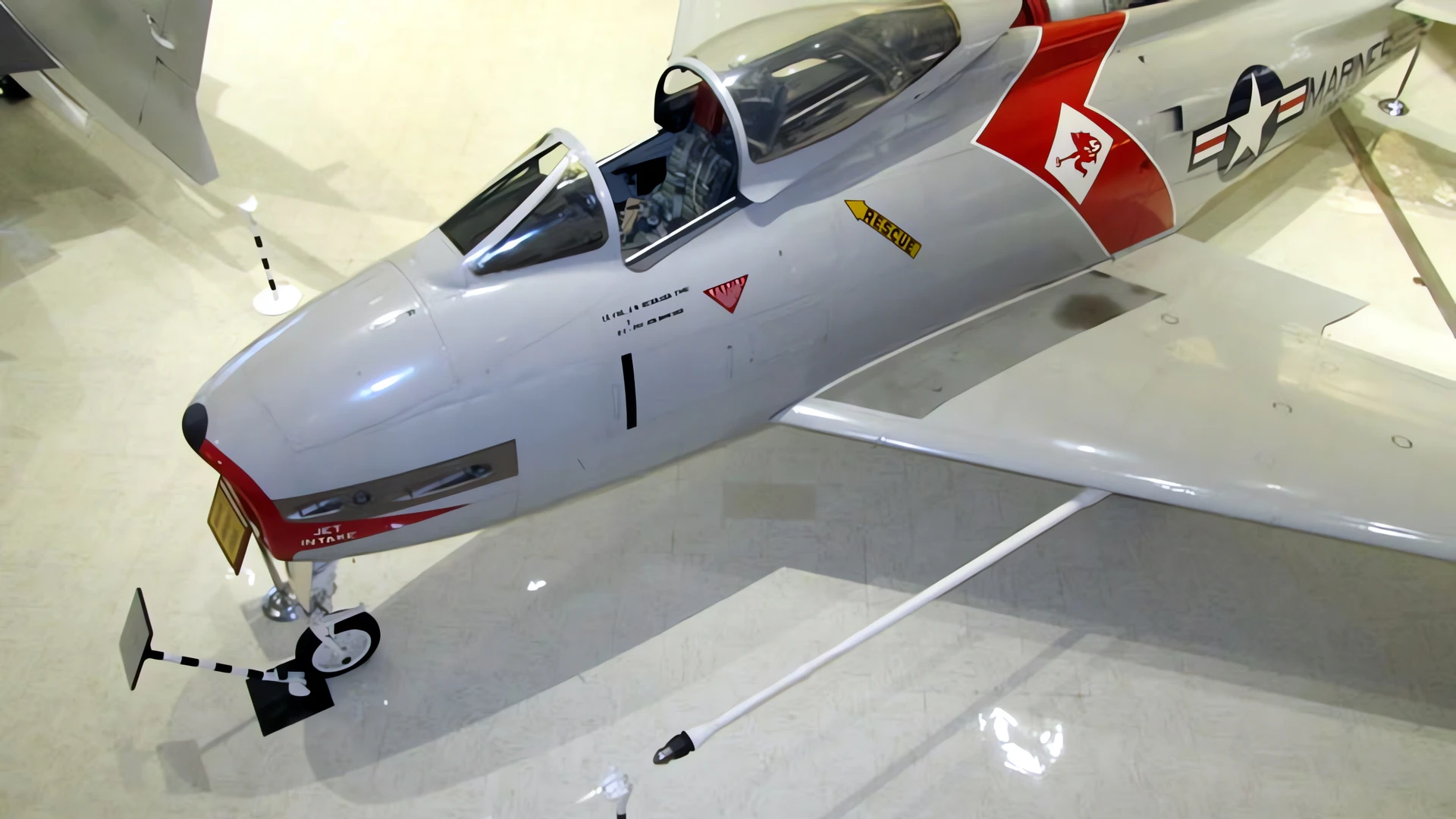
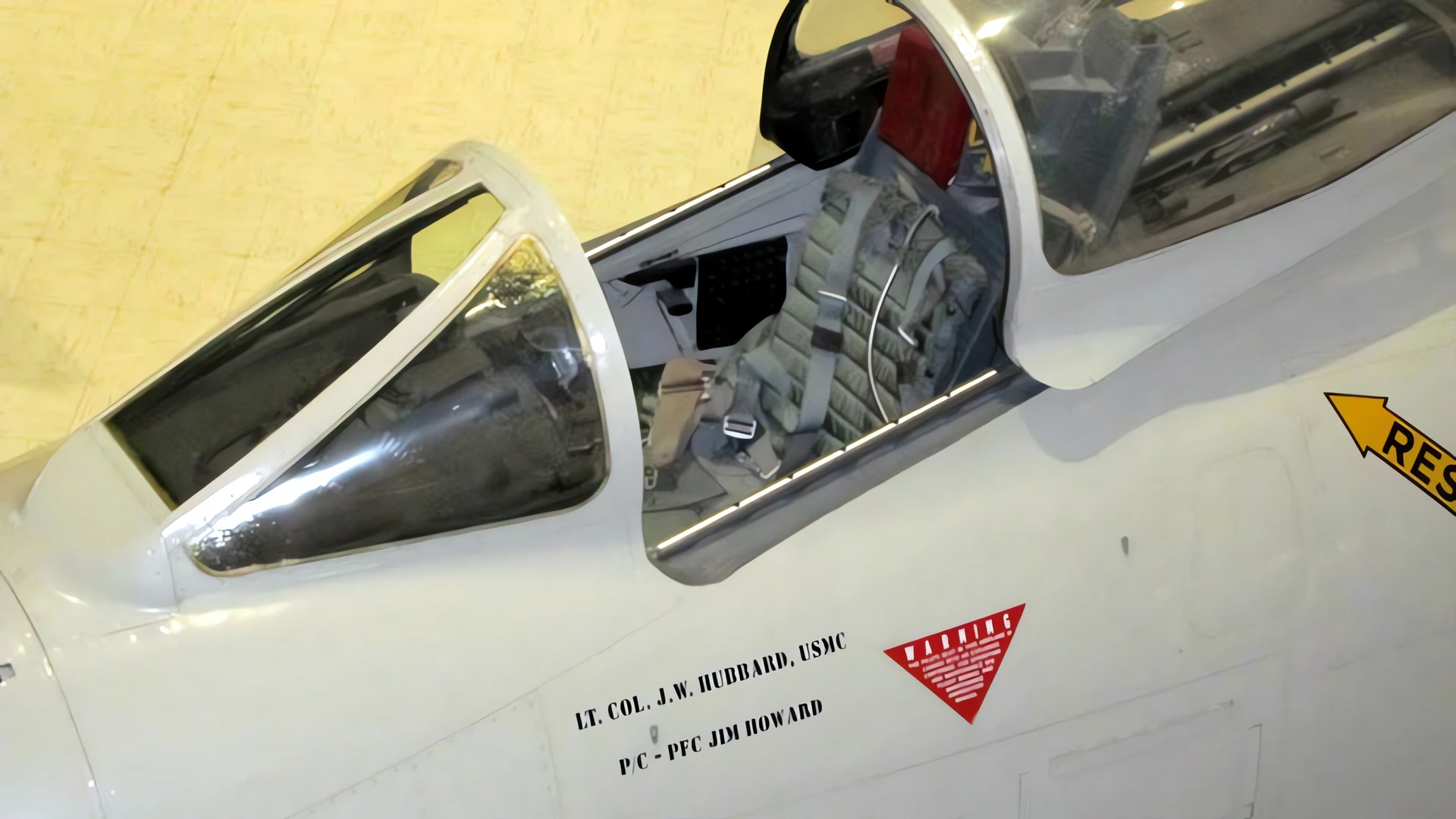
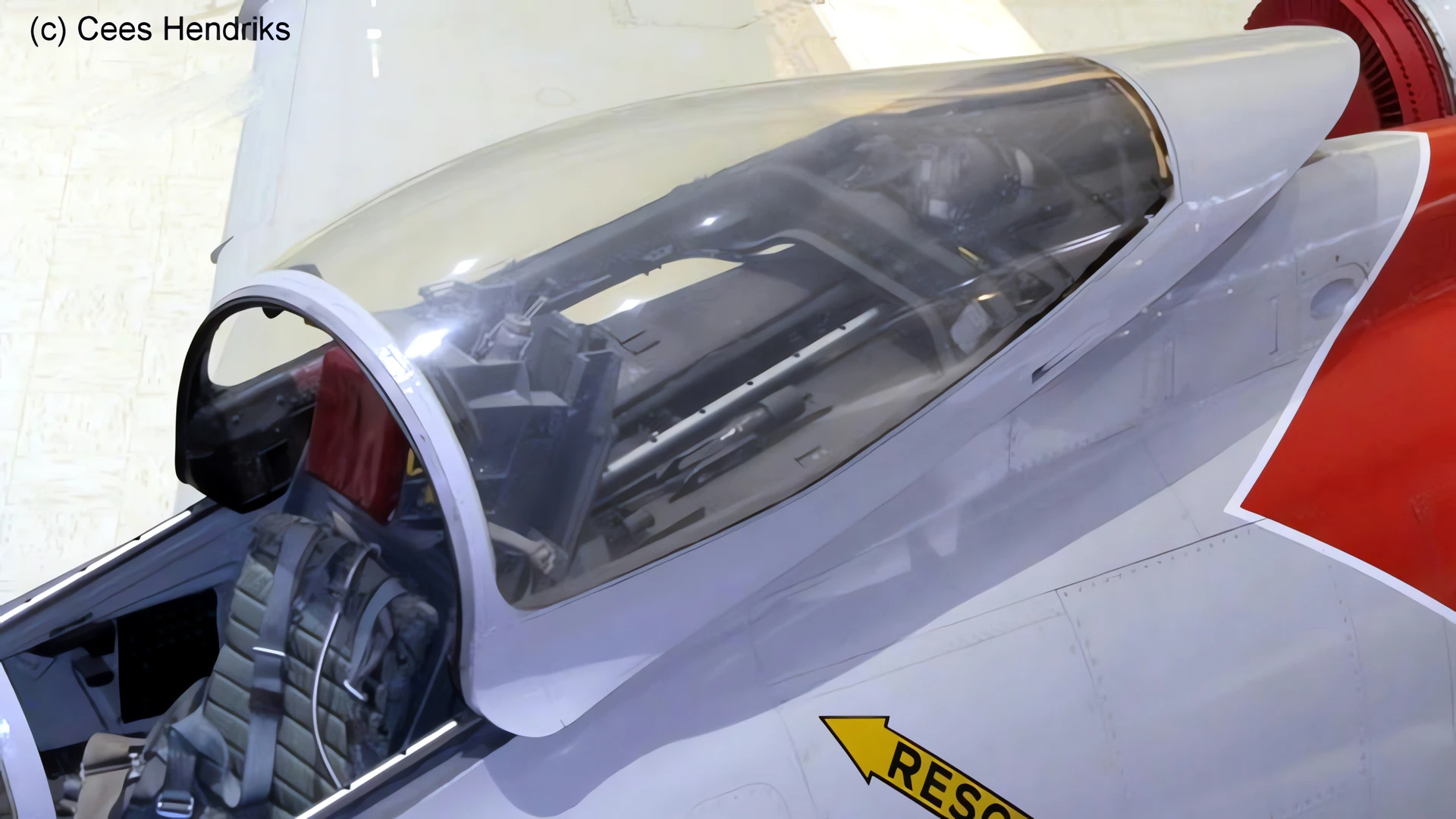
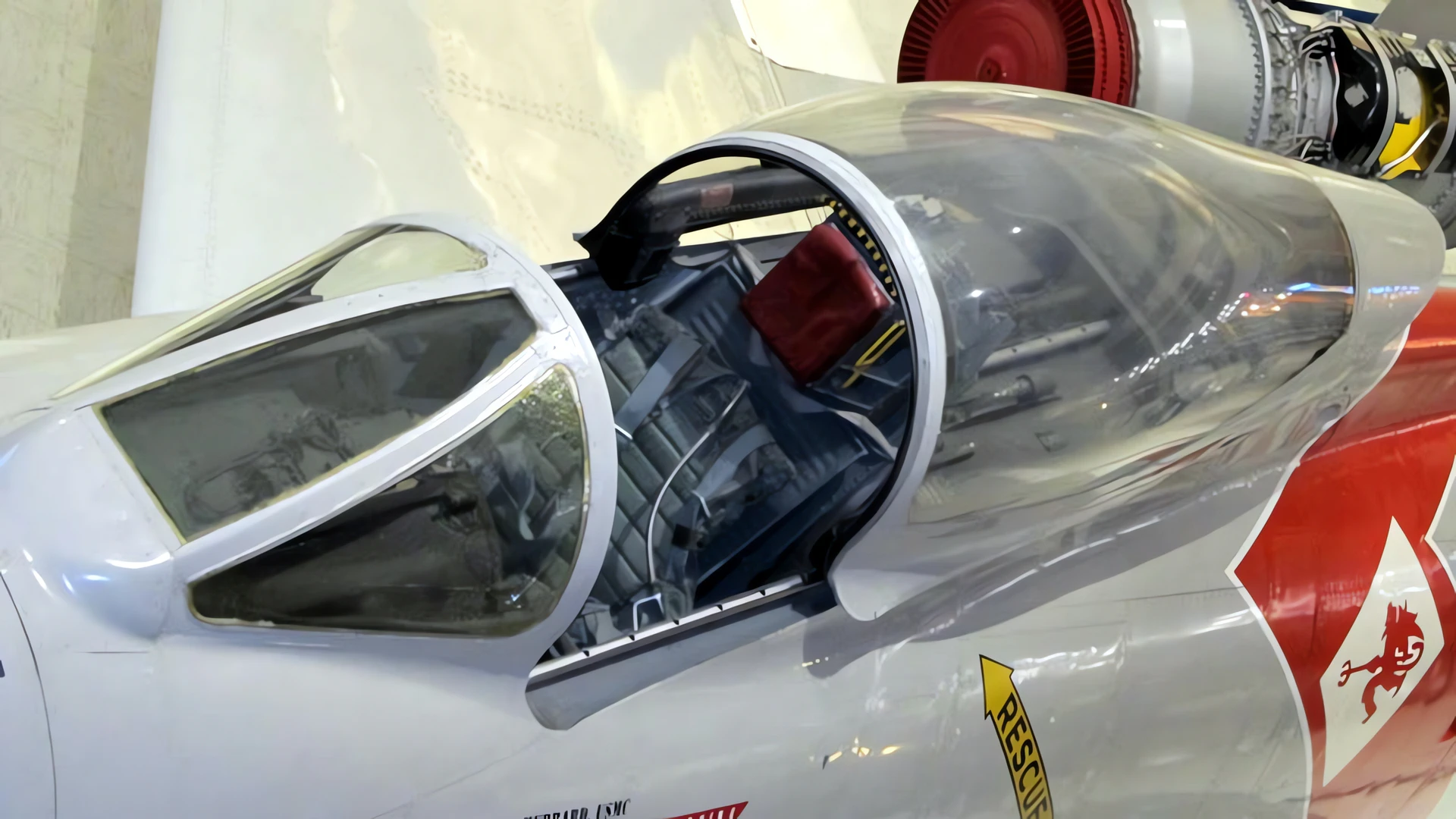
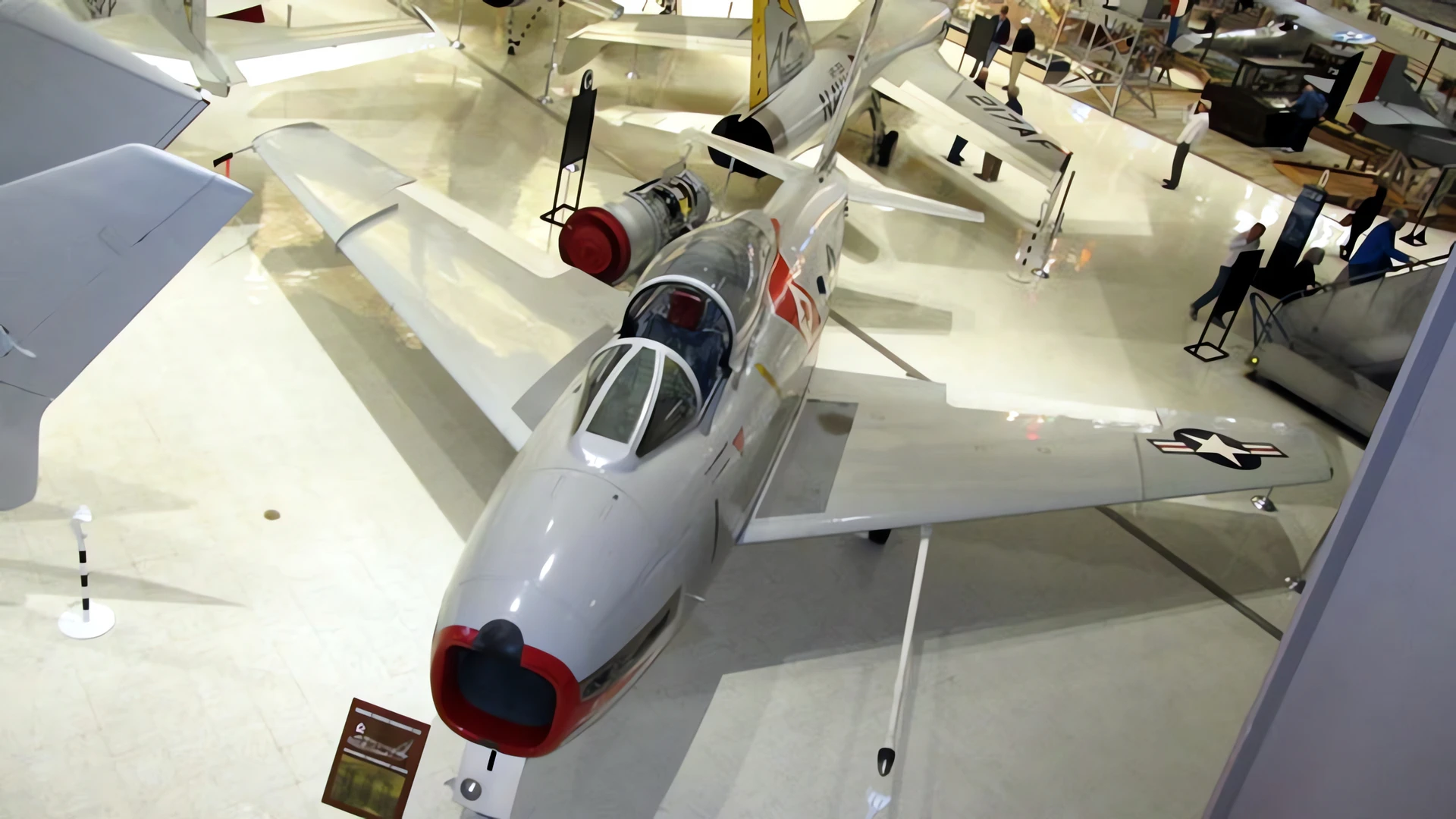
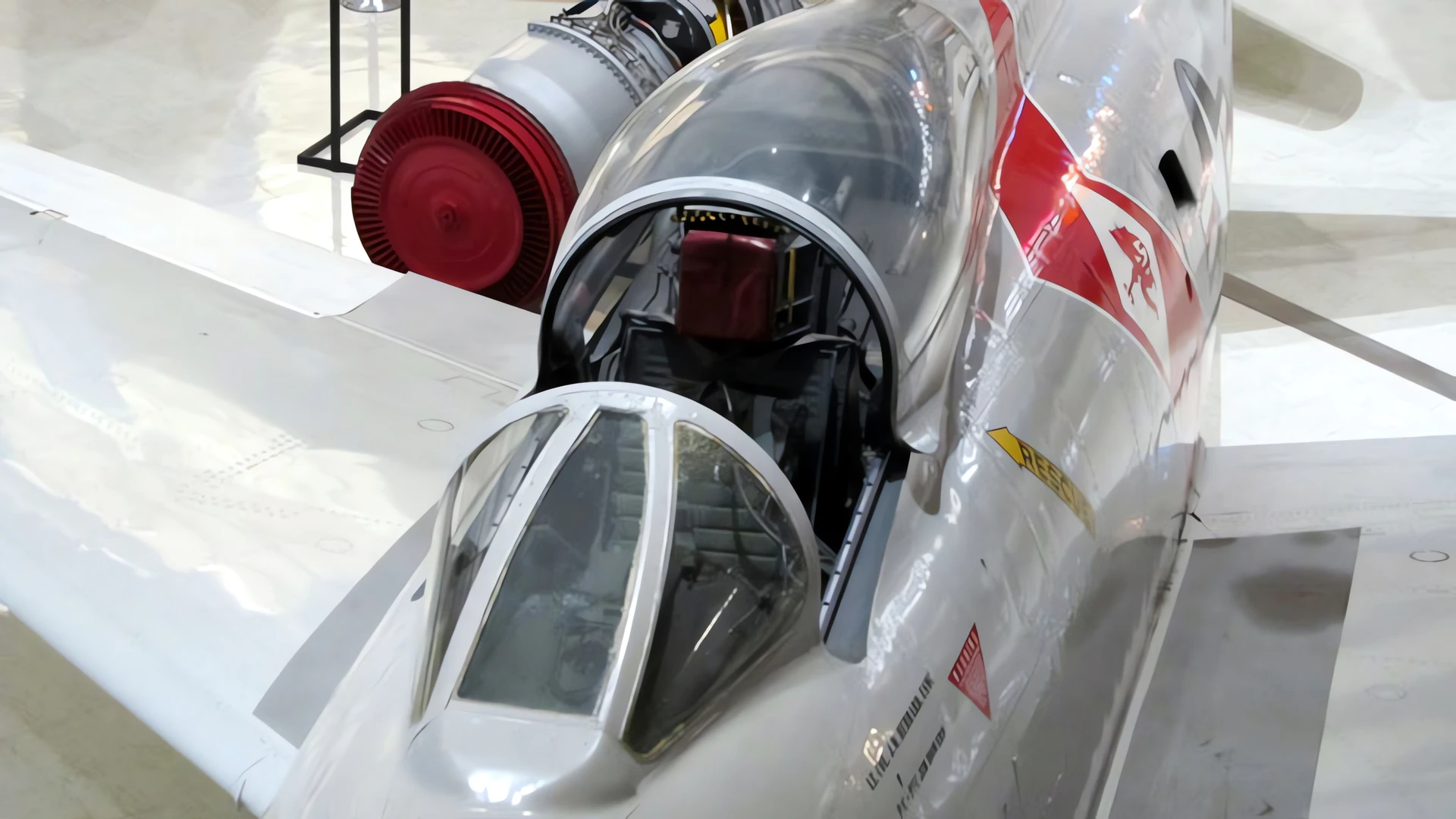
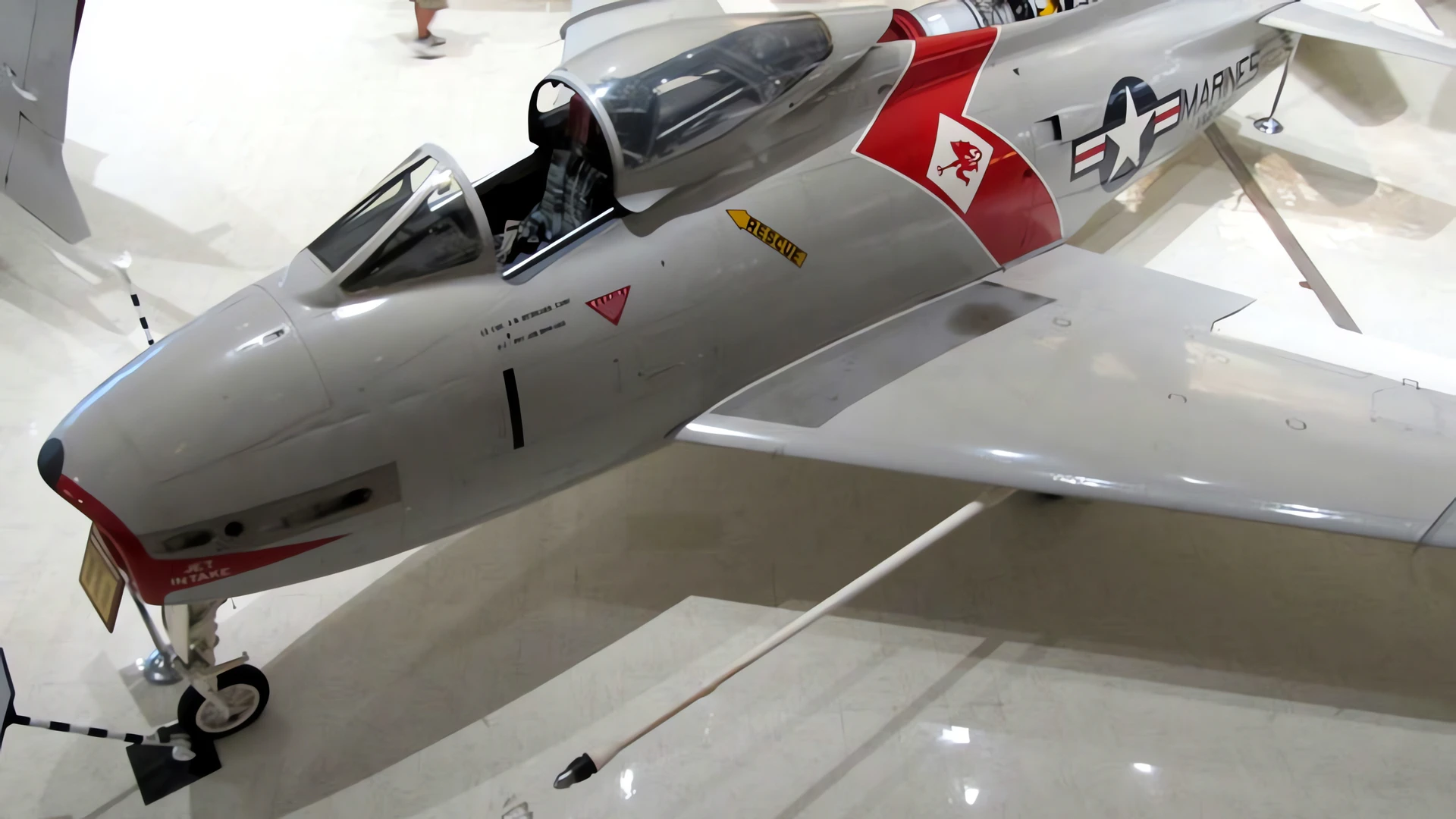
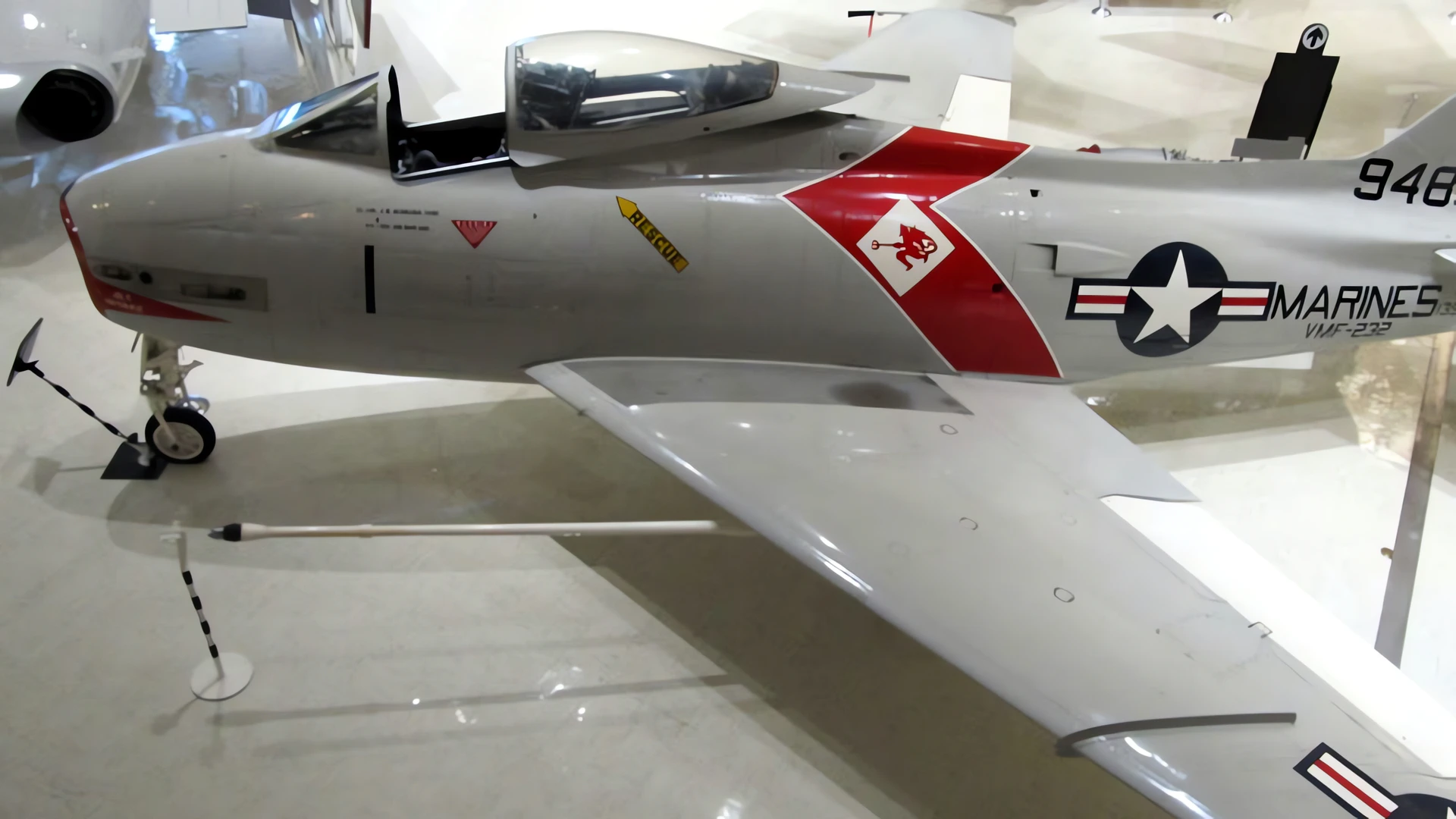
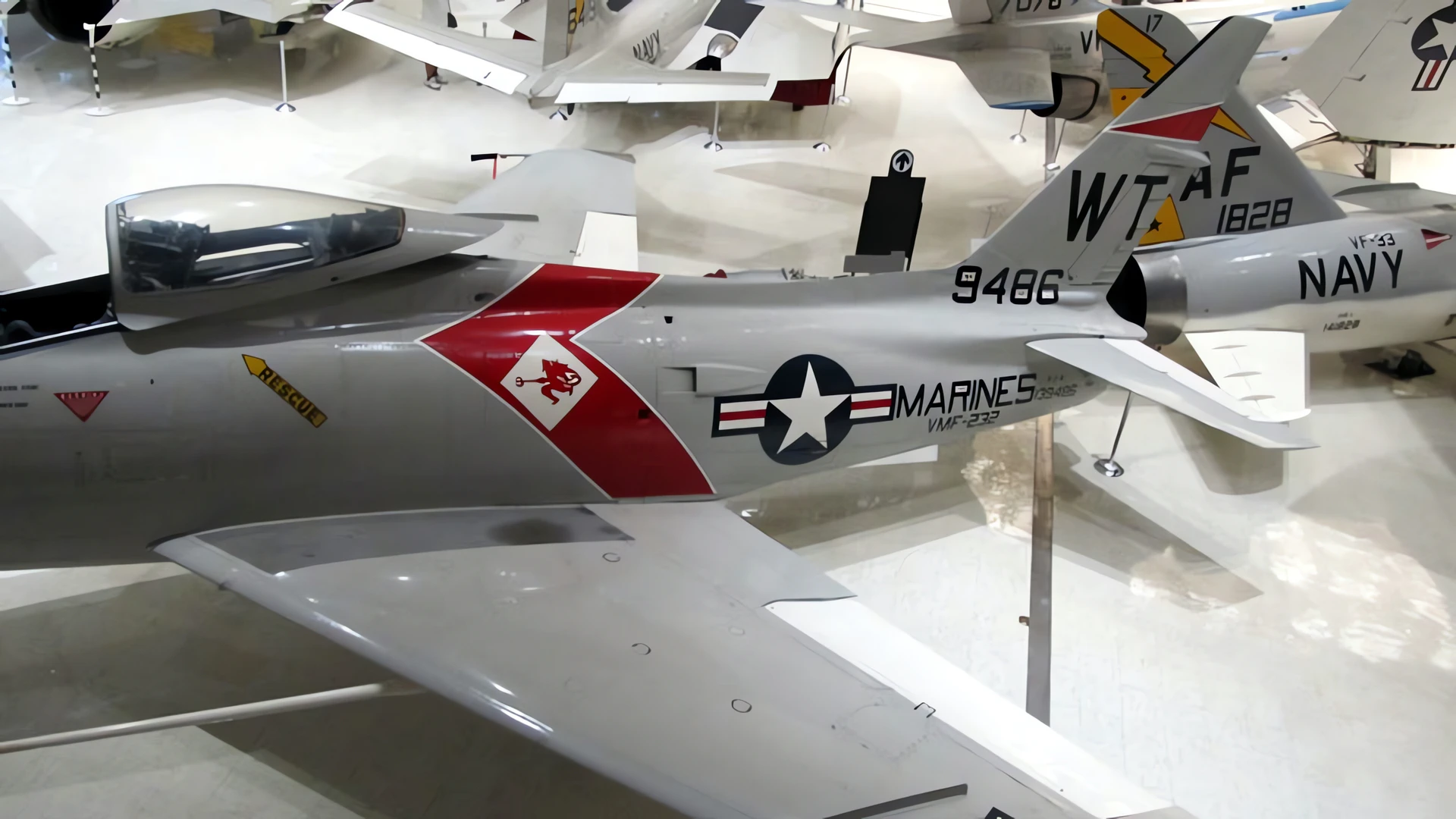

| North American FJ-4B ‘Fury’ Walk Around | |
|---|---|
| Fotograaf | Fotios Rouch |
| Lokalisatie | Onbewust |
| Foto 's | 58 |
Zie ook:


The Peak of the FJ Evolution
De Noord-Amerikaanse FJ-4 Fury was the final and most capable iteration of the Fury series. While it shared a common ancestry with the F-86 Sabre, by the time the FJ-4 arrived, it was a completely different beast. Designed primarily for the U.S. Marine Corps as a long-range, high-speed attack aircraft, it featured a deeper fuselage for increased fuel, a completely redesigned wing, and significantly improved landing gear. It transitioned the Fury from a pure dogfighter into a versatile strike platform capable of carrying nuclear weapons.
| Attribute | Technical Specification (FJ-4B) |
|---|---|
| Role | Carrier-based Fighter-Bomber / Strike Fighter |
| Bemanning | 1 (Pilot) |
| First Flight | October 28, 1954 |
| Krachtbron | 1 × Wright J65-W-16A turbojet |
| Thrust | 7,700 lbf (34 kN) |
| Maximum Speed | 680 mph (1,094 km/h) at sea level |
| Bewapening | 4 × 20mm Colt Mk 12 cannons; 5 hardpoints (up to 6,000 lbs) |
| Missiles | AIM-9 Sidewinder (Fighter); AGM-12 Bullpup (Attack) |
Redesigned for the Strike Mission
- The “Deep” Fuselage: To address the short range of earlier jets, the FJ-4’s fuselage was noticeably “taller” or deeper than the FJ-1 or the F-86. This allowed it to carry 50% more internal fuel, giving it the “legs” needed for long-range interdiction.
- Thinner, Cleaner Wings: The FJ-4 featured a new, thinner wing with a different airfoil shape and a “cuffed” leading edge. This improved low-speed handling for carrier approaches while reducing drag at high subsonic speeds.
- All-Moving Tail: Like the F-86F, the FJ-4 used an “all-flying” tail (stabilator) which provided much better control authority when maneuvering near the speed of sound.
- FJ-4B Ground Attack: The “B” variant introduced an automated flight control system and a low-altitude bombing system (LABS) specifically designed for the delivery of tactical nuclear weapons.
Operational History and the Marine Corps
- The Marine’s Choice: While the Navy moved toward the F8U Crusader for air superiority, the Marine Corps leaned heavily on the FJ-4 for close air support. Its rugged design and heavy payload made it ideal for supporting troops from the deck of a carrier.
- Bullpup Pioneer: The FJ-4B was the first aircraft to carry the AGM-12 Bullpup, the world’s first mass-produced guided air-to-ground missile.
- Mid-Air Refueling: To further extend its range, the FJ-4 was equipped with a fixed refueling probe on the left wing, a standard feature for Naval aircraft of that era.
- Preservation: Because the FJ-4 was built in significant numbers (over 370), several are preserved in the US, including examples at the National Museum of the Marine Corps en de Het Museum van de Lucht van het Gebied van maart.
Views : 3100
U ook zien :
 Noord-Amerikaanse F-82 Twin Mustang – Foto's & Video's
 Noord-Amerikaanse X-15 - Foto's & Video's
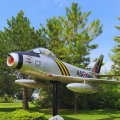 Canadair Sabre – Foto's &Video
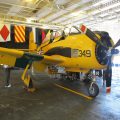 Noord-Amerikaanse T-28 Trojan - Foto's & Video
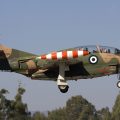 Noord-Amerikaanse T-2 Buckeye - Foto's & Video
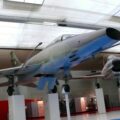 Noord-Amerikaanse F-100 Super Sabre – Foto's & Video
 Noord-Amerikaanse AT-6D Texan - Foto's & Video
 Noord-Amerikaanse A-36A Apache – Foto's & Video
 Noord-Amerikaanse F-86 Sabre – Foto's & Video
 QF-100D Super Sabre – Foto's & Video