República F-105 Thunderchief

PaísEua
PapelBombardeiro-bombardeiro
Primeiro voo22 de outubro de 1955
Construído833

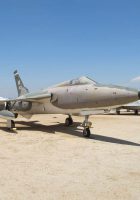
O República F-105 Thunderchief foi um caça-bombardeiro supersônico usado pela Força Aérea dos Estados Unidos. O F-105 com capacidade Mach 2 conduziu a maioria das missões de bombardeio de ataque durante os primeiros anos da Guerra do Vietnã; foi a única aeronave dos EUA a ter sido removida de combate devido às altas taxas de perda. Originalmente projetado como uma aeronave de ataque nuclear de assento único, uma versão Wild Weasel de dois assentos foi mais tarde desenvolvida para o papel especializado de Supressão de Defesas Aéreas Inimigas (SEAD) contra locais de mísseis terra-ar. O F-105 era comumente conhecido como "Thud" por suas tripulações.

Fonte: Republic F-105 Thunderchief na Wikipédia

Continue lendo

Views : 4084

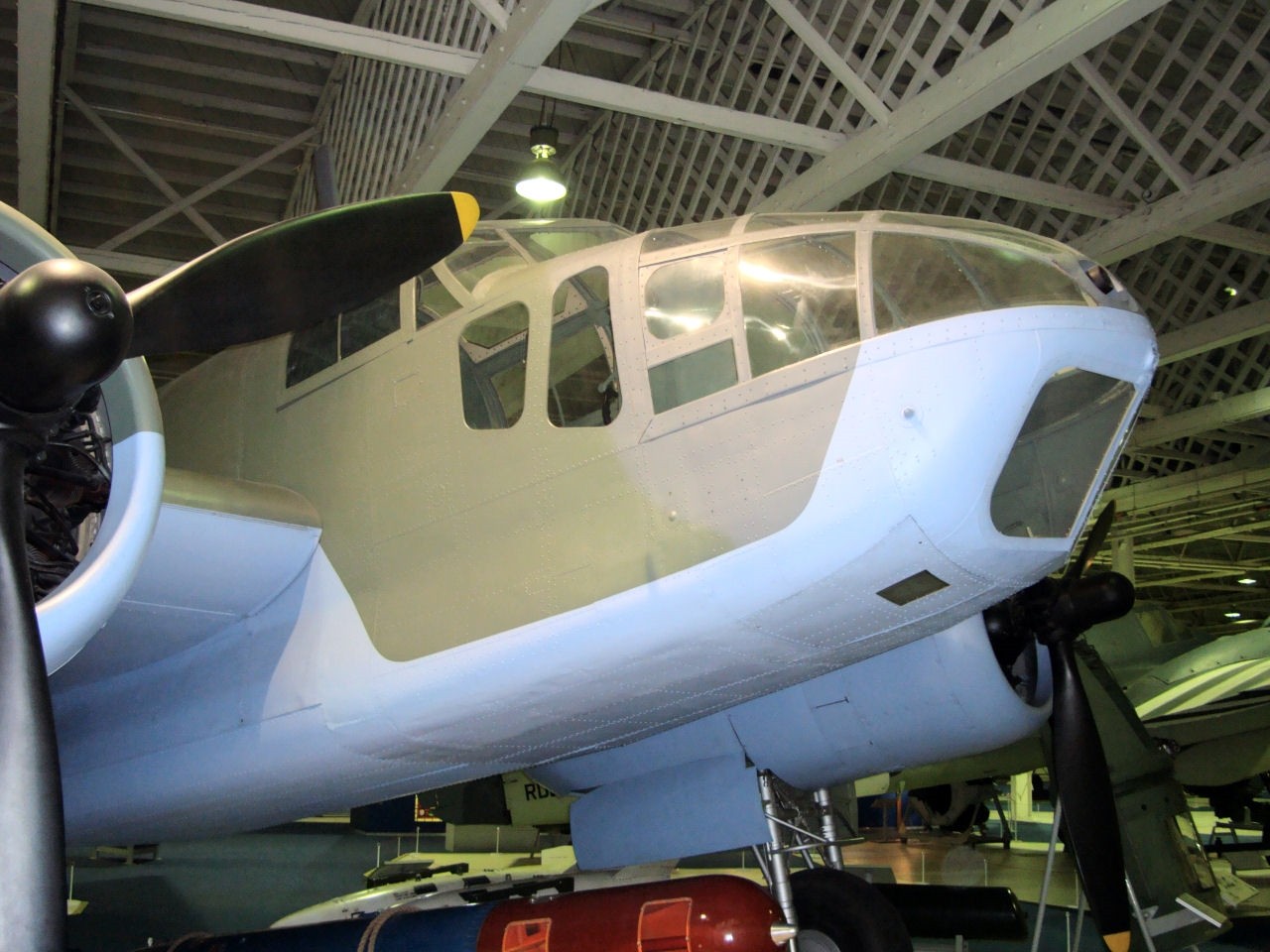
Bristol Beaufort Mk.VIII

Bristol Beaufort

PaísReino unido
PapelBombardeiro torpedo
Primeiro voo15 de outubro de 1938
Construído1121

O Bristol Beaufort (manufacturer designation Type 152) was a British twin-engined torpedo bomber designed by the Bristol Aeroplane Company, and developed from experience gained designing and building the earlier ***. At least 1,180 Beauforts were built by Bristol and other British manufacturers. The Australian government’s Department of Aircraft Production (DAP) also manufactured variants of the Beaufort. These are often known collectively as the DAP Beaufort. More than 700 Australian-built Beauforts saw service with the Royal Australian Air Force in the South West Pacific theatre, where they were used until the end of the war.

Fonte: Bristol Beaufort na Wikipédia

Continue lendo

Views : 3789

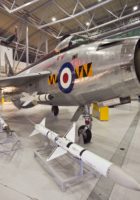
Inglês Electric Ligthning F.1

Relâmpago Elétrico Inglês

PaísReino unido
PapelInterceptor
Primeiro voo4 de agosto de 1954
Construído337

O Relâmpago Elétrico Inglês é um avião de combate supersônico da era da Guerra Fria. Foi projetado, desenvolvido e fabricado pela English Electric, que foi posteriormente absorvida pela recém-formada British Aircraft Corporation. Foi então comercializado como o BAC Lightning. O Lightning era o único caça britânico Mach 2. O Relâmpago foi usado pela Força Aérea Real (RAF) e pela Força Aérea Real Saudita (RSAF). Embora tenha sido o principal interceptador da RAF por mais de duas décadas, nunca foi necessário atacar outra aeronave.

Fonte: Relâmpago Elétrico Inglês na Wikipédia

Continue lendo

Visualizações : 5010

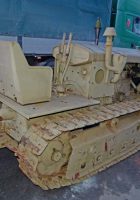
Famo Rubezahl

PaísAlemanha nazista
PapelTrator Caterpillar
Produzido1932-1944
ConstruídoDesconhecido

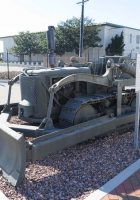
FAMO, short for Fahrzeug- und Motoren-Werke (Automobile and Engine Works) was a German vehicle manufacturer in the early 20th century. The middle crawler tractor Rübezahl continuou sob o nome de FAMO Rübezahl até 1944. Com um motor de 65 HP, podia rebocar até 6 toneladas.

Fonte: Famo Rubezahl na Wikipédia

Continue lendo

Visualizações : 2622

Percival Proctor III

Percival Proctor

PaísReino unido
PapelAvião de rádio/comunicações
Primeiro voo8 de outubro de 1939
Construído1143

O Percival Proctor foi um treinador de rádio britânico e avião de comunicações da Segunda Guerra Mundial. O Proctor era um monoplano monomotor, de asa baixa, com capacidade para três ou quatro, dependendo do modelo.

Fonte: Percival Proctor na Wikipédia

Continue lendo

Views : 3116

Supermarine Gaivota V

Supermarine Gaivota V

PaísReino unido
PapelAeronave de reconhecimento anfíbio
Primeiro voo21 de junho de 1933
Construído740

O Morsa supermarina (originally known as the Supermarine Seagull V) was a British single-engine amphibious biplane reconnaissance aircraft designed by R. J. Mitchell and first flown in 1933. It was operated by the Fleet Air Arm (FAA) and also served with the Royal Air Force (RAF), Royal Australian Air Force (RAAF), Royal New Zealand Navy (RNZN) and Royal New Zealand Air Force (RNZAF). It was the first British squadron-service aircraft to incorporate in one airframe a fully retractable main undercarriage, completely enclosed crew accommodation and all-metal fuselage. Designed for use as a fleet spotter to be catapult launched from cruisers or battleships, the Walrus was later employed in a variety of other roles, most notably as a rescue aircraft for downed aircrew. It continued in service throughout the Second World War.

Fonte: Supermarine Gaivota V na Wikipédia

Continue lendo

Views : 2565

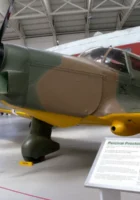
Percival P-56 Reitor

Percival Reitor

PaísReino unido
PapelAvião de treinamento militar
Primeiro voo24 de fevereiro de 1950
Construído461

O Percival p.56 Reitor was a British basic trainer that was developed for the Royal Air Force in the 1950s as a replacement for the Percival Prentice. It was a low-wing monoplane with a fixed, tailwheel undercarriage and like the Prentice had a side-by-side seating arrangement. The Provost has the distinction of being the last piston-engine basic trainer aircraft to be operated by the RAF. The Provost was later adapted to make use of a turbojet engine, producing the BAC Jet Provost. The type was withdrawn in the 1960s, in favour of its jet-powered successor.

Fonte: Percival Provost na Wikipédia

Continue lendo

Visualizações : 2487

Boulton Paul Defiant I

Boulton Paul Defiant

PaísReino unido
PapelLutador de dois lugares, lutador noturno, treinador
Primeiro voo11 de agosto de 1937
Construído1064

O Boulton Paul Defiant was a British interceptor aircraft that served with the Royal Air Force (RAF) during World War II. The Defiant was designed and built by Boulton Paul Aircraft as a “turret fighter”, without any forward-firing guns, a concept successfully used in the First World War-era Bristol F.2 Fighter and also implemented by the Royal Navy’s Blackburn Roc. In combat, the Defiant was found to be reasonably effective at its intended task of destroying bombers but was vulnerable to the Luftwaffe’s more manoeuvrable, single-seat Messerschmitt Bf 109 fighters. The lack of forward-firing armament proved to be a great weakness in daylight combat and its potential was realised only when it was converted to night fighting. It was supplanted in the night fighter role by the Bristol Beaufighter and de Havilland Mosquito. The Defiant found use in gunnery training, target towing, electronic countermeasures and air-sea rescue. Among RAF pilots it had the nickname “Daffy”.

Fonte: Boulton Paul Defiant na Wikipédia

Continue lendo

Visualizações : 3920

Hawker Nimrod MK.II

Hawker Nimrod

PaísReino unido
PapelCaça naval
Primeiro voo14 de outubro de 1931
Construído92

O Hawker Nimrod was a British carrier-based single-engine, single-seat biplane fighter aircraft built in the early 1930s by Hawker Aircraft. The Nimrod had an overall similarity to the Fury: it was a single-seater biplane with an open cockpit, fixed undercarriage and guns firing through the propeller. Its unswept, constant chord, round-tipped wings had an unequal span and strong stagger, the latter partly to enhance the pilot’s view. It was a single bay biplane braced with outward-leaning N-form interplane struts, with the upper plane held a little above the upper fuselage by cabane struts. The fabric-covered wings had metal spars and spruce ribs and carried balanced ailerons only on the upper wings.

Fonte: Hawker Nimrod na Wikipédia

Continue lendo

Visualizações : 2231