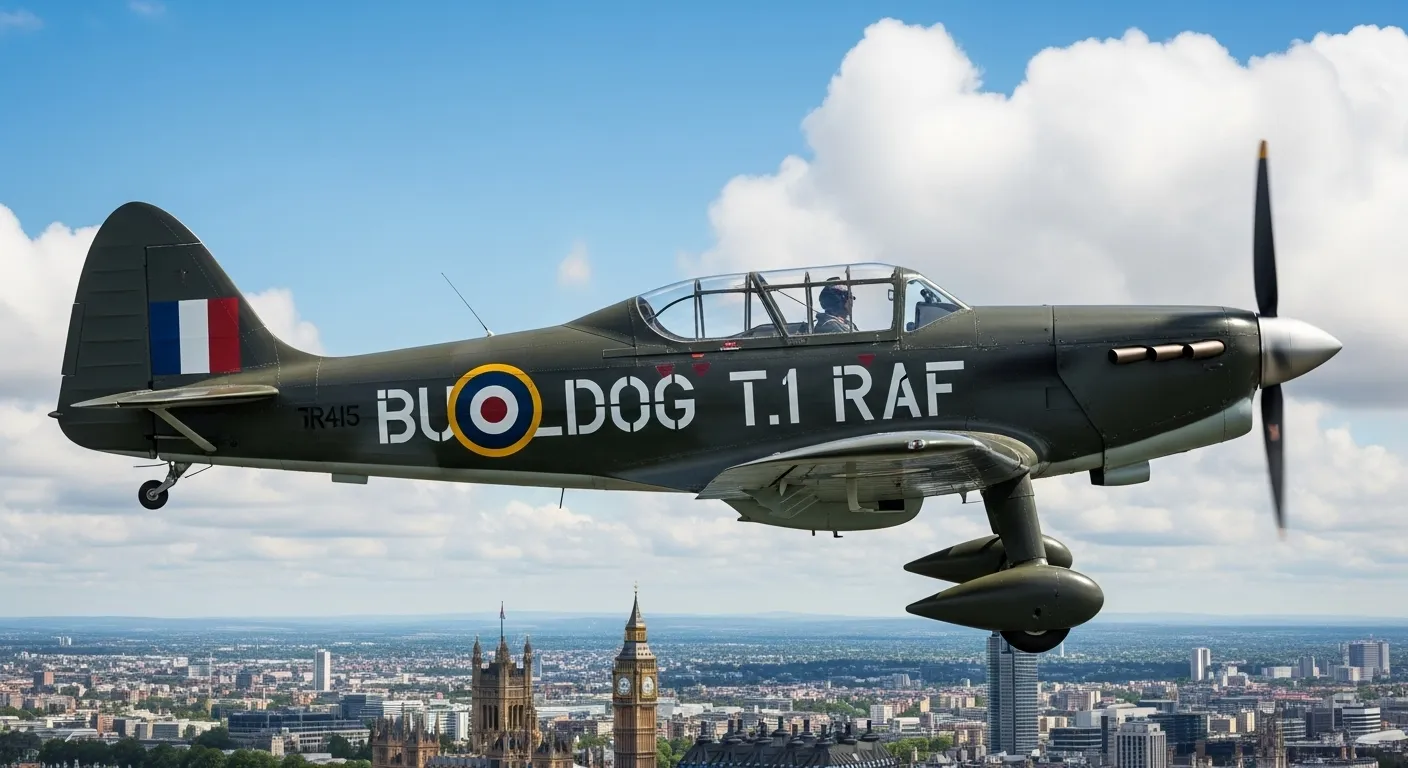
Bulldog T.1 RAF |
|
|---|---|
| País | Reino unido |
| Papel | Basic trainer with aerobatic capability |
| Primeiro voo | 19 May 1969 |
| Número construído | 328 |
O Scottish Aviation Bulldog is a British two-seat side-by-side (with optional third seat) training aircraft designed by Beagle Aircraft as the B.125 Bulldog.
Fonte: Bulldog T.1 RAF on Wiki
| Bulldog T.1 RAF Walk Around | |
|---|---|
| Fotógrafo | Meindert de Vreeze |
| Localização | Desconhecido |
| Fotos | 17 |
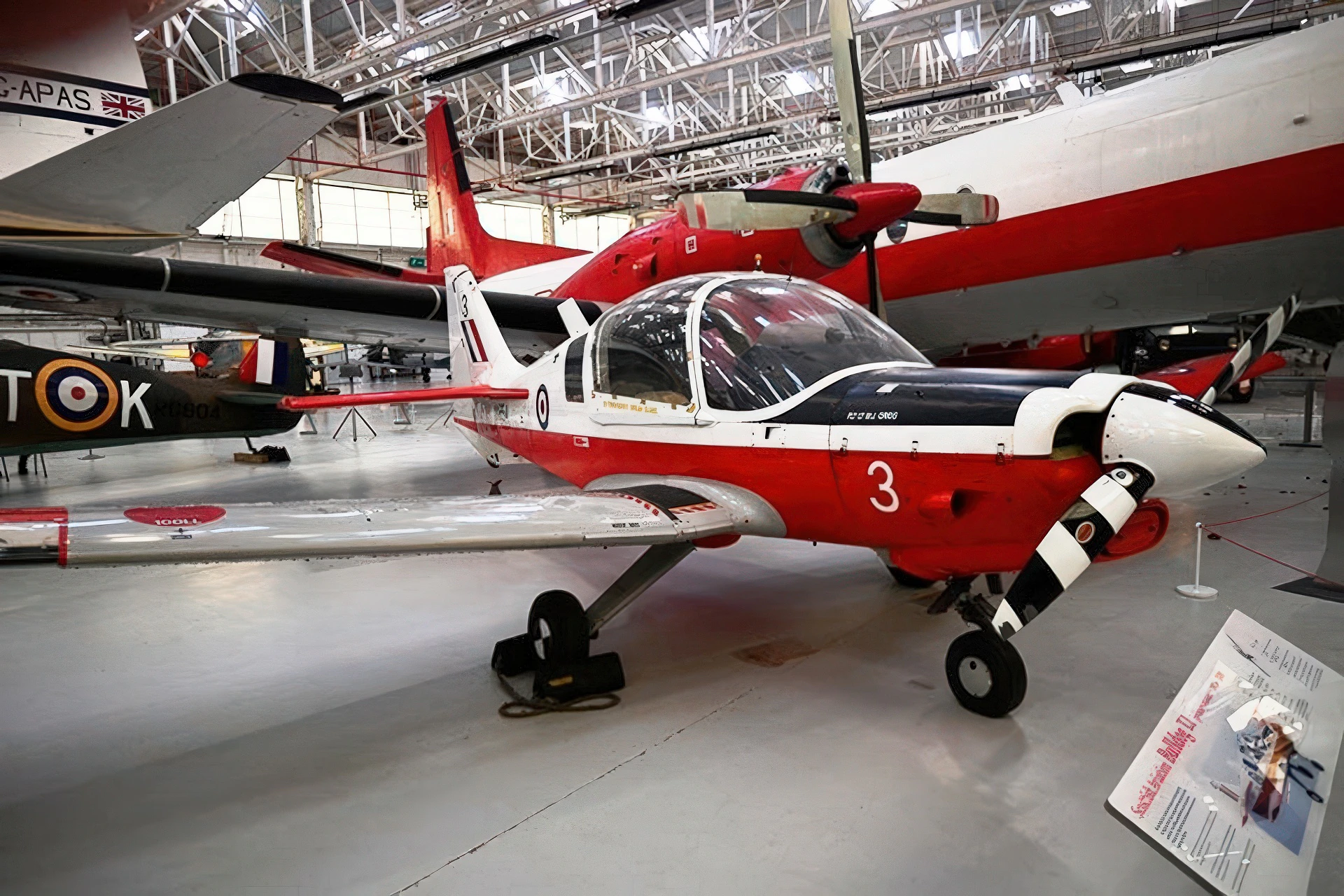
Bulldog T.1 RAF 01
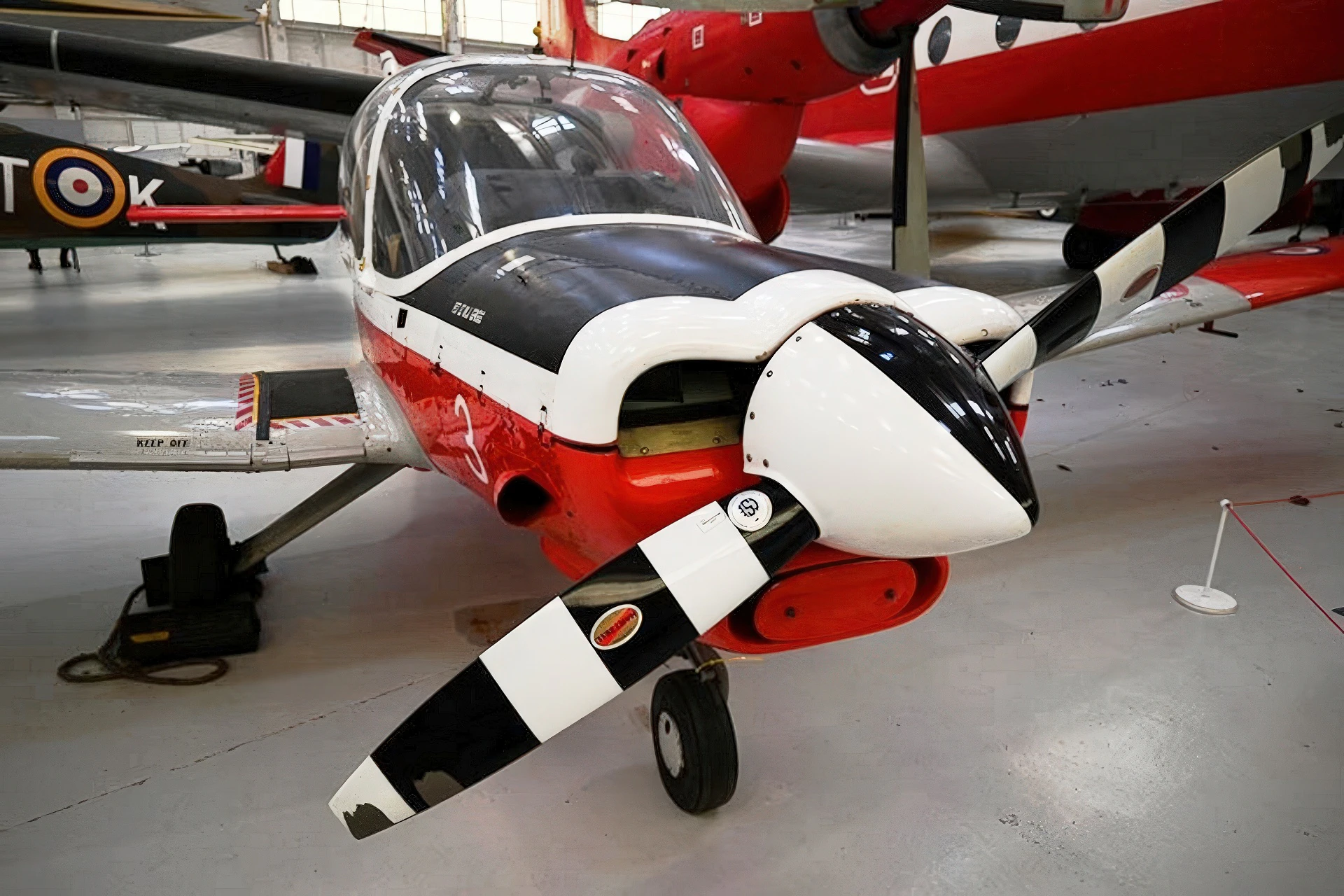
Bulldog T.1 RAF 02
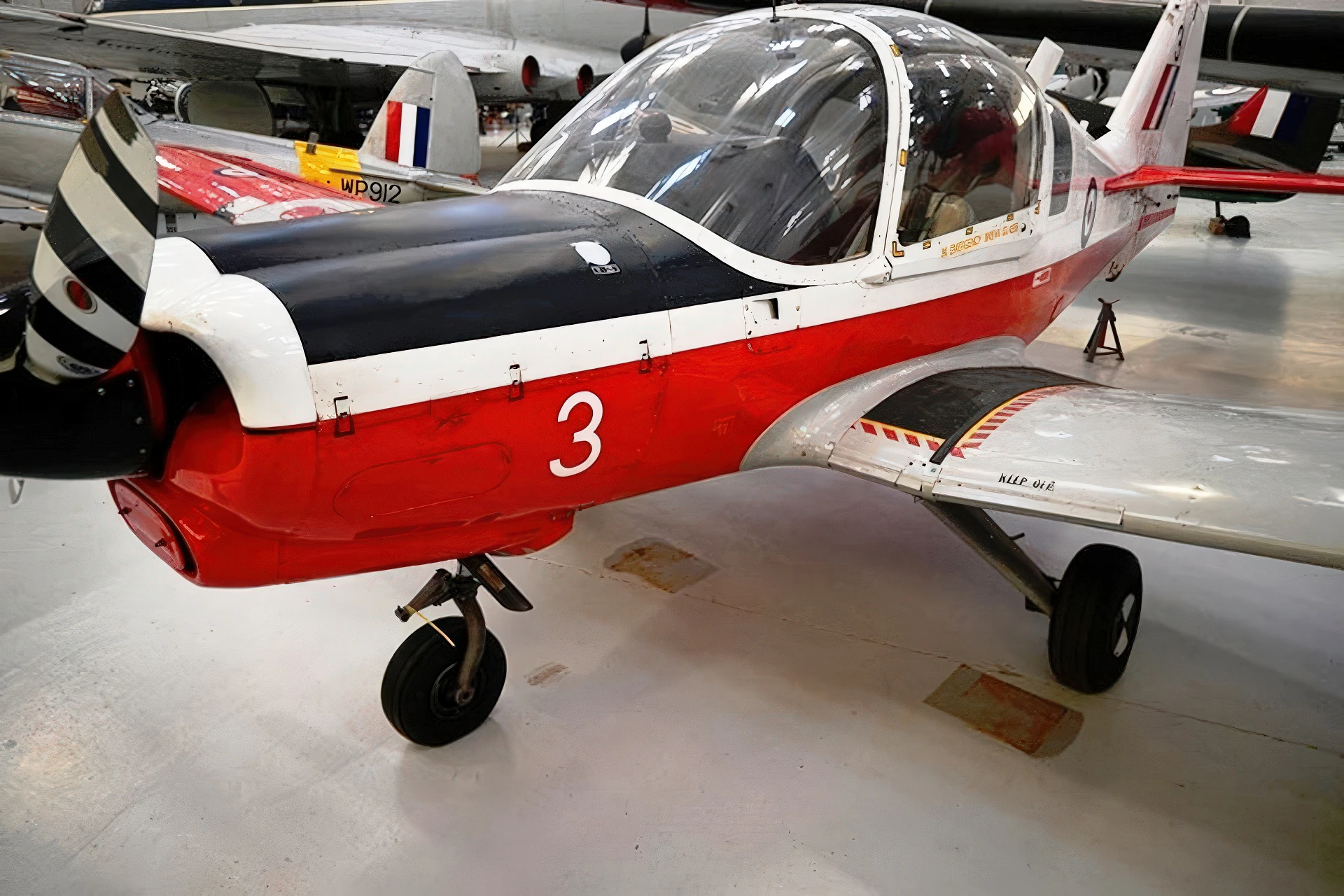
Bulldog T.1 RAF 03
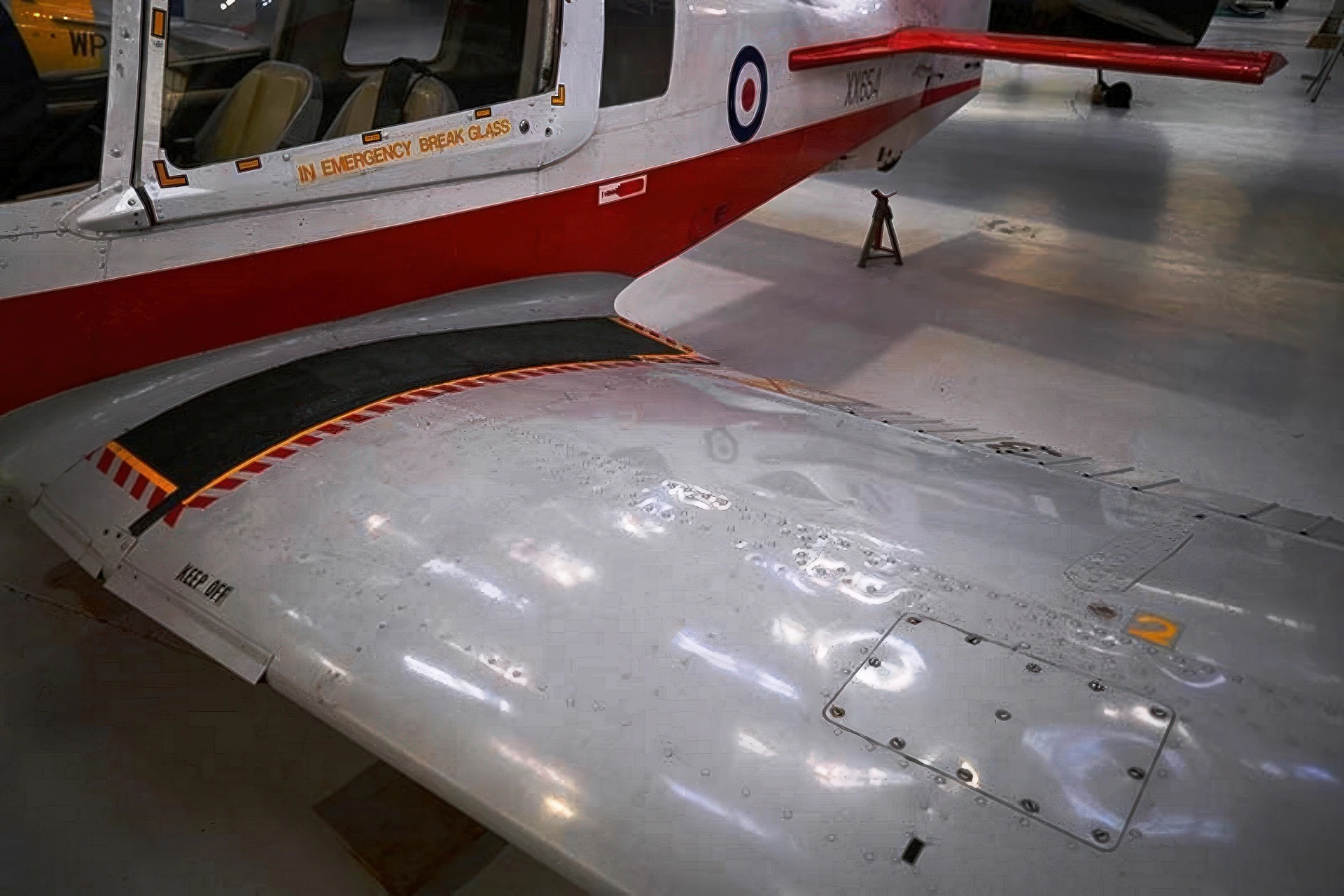
Bulldog T.1 RAF 05
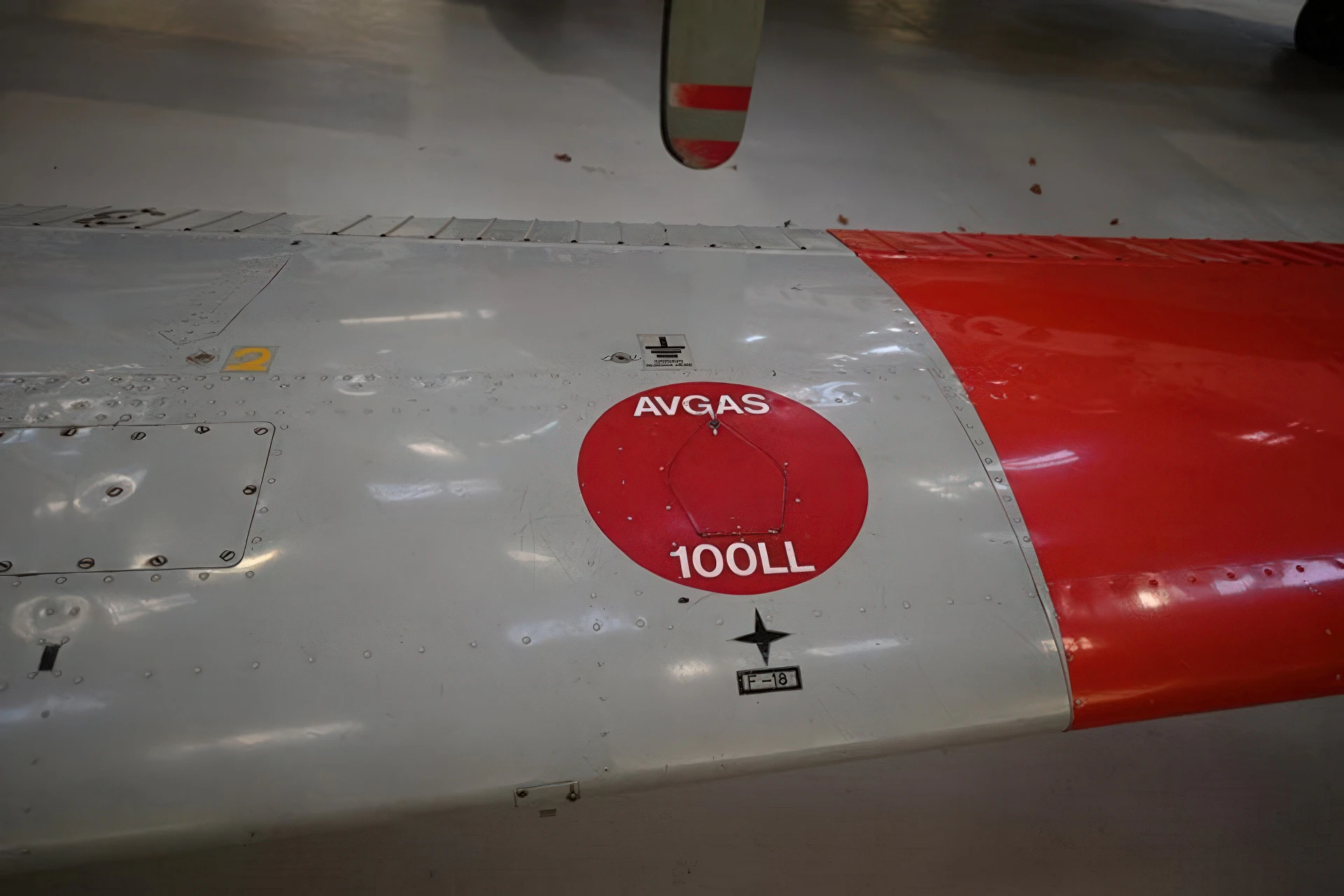
Bulldog T.1 RAF 04
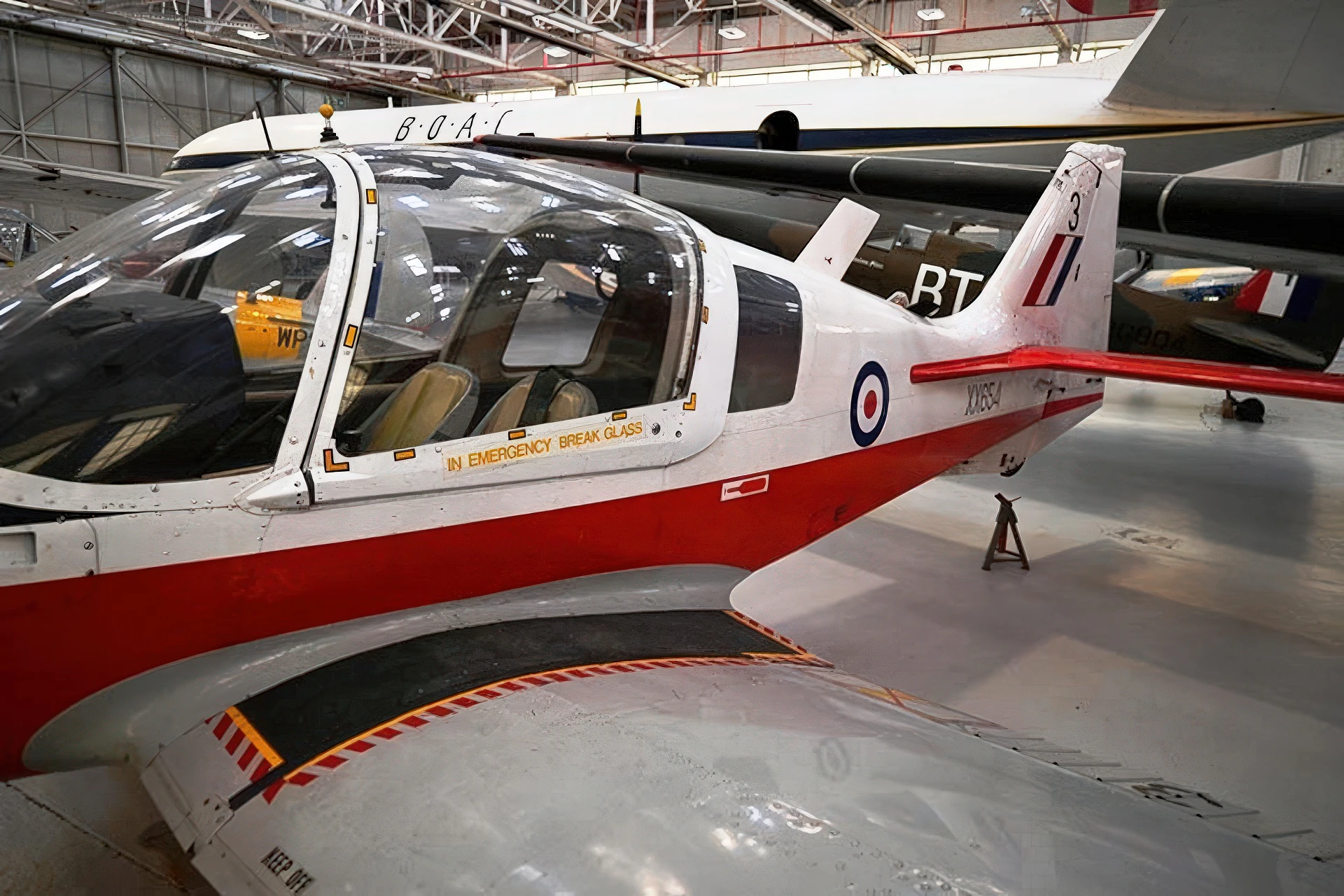
Bulldog T.1 RAF 06
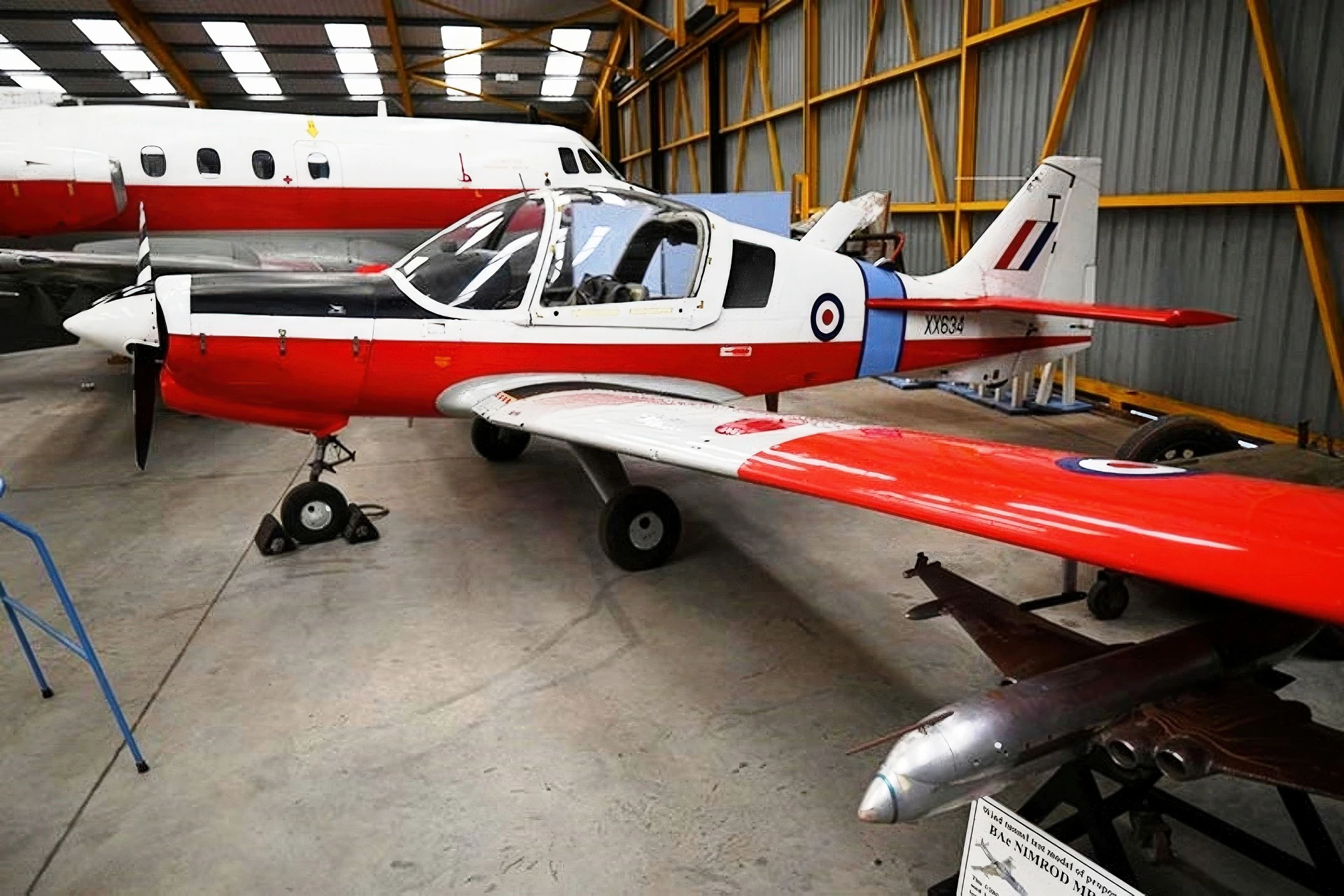
Bulldog T.1 RAF 07
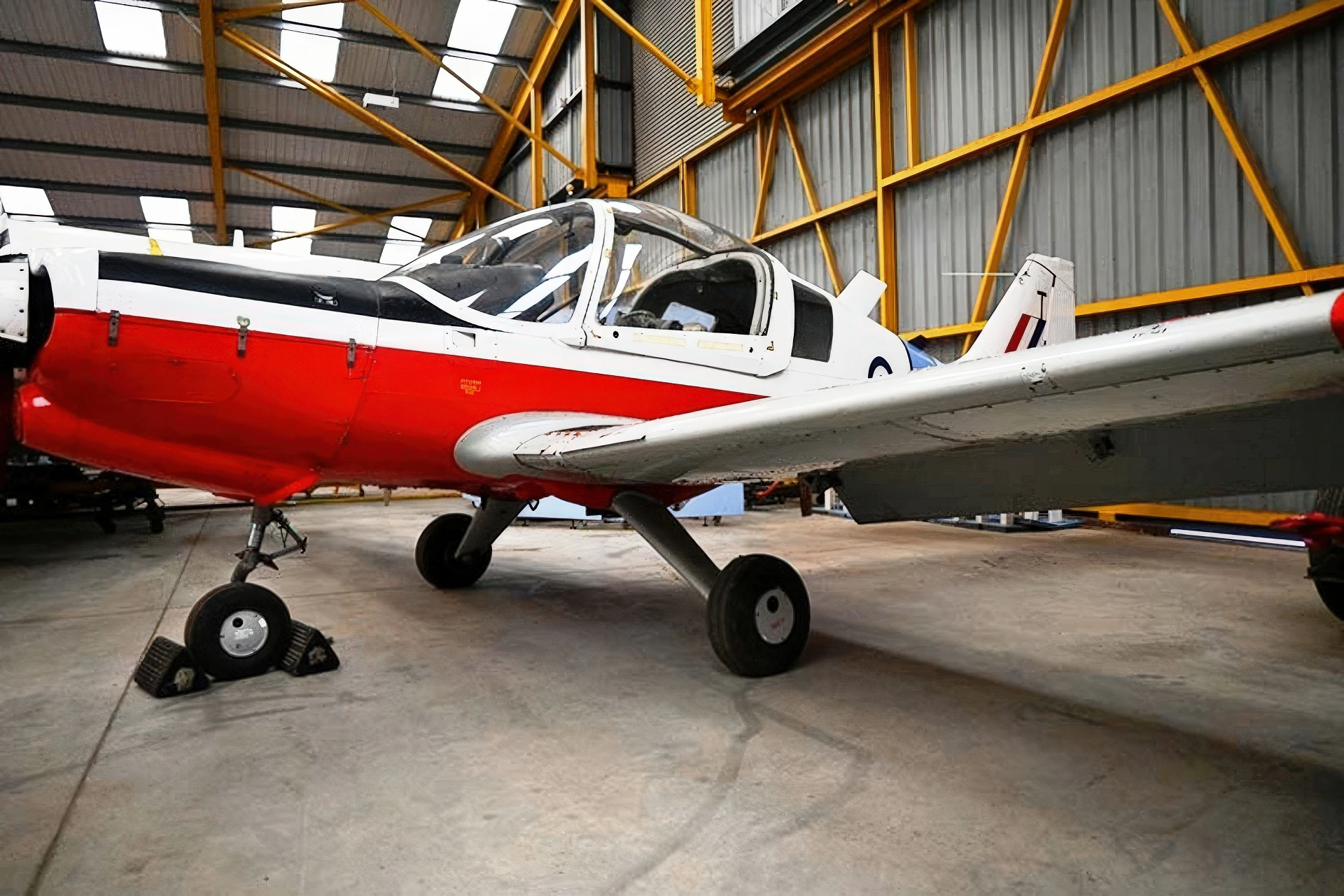
Bulldog T.1 RAF 08
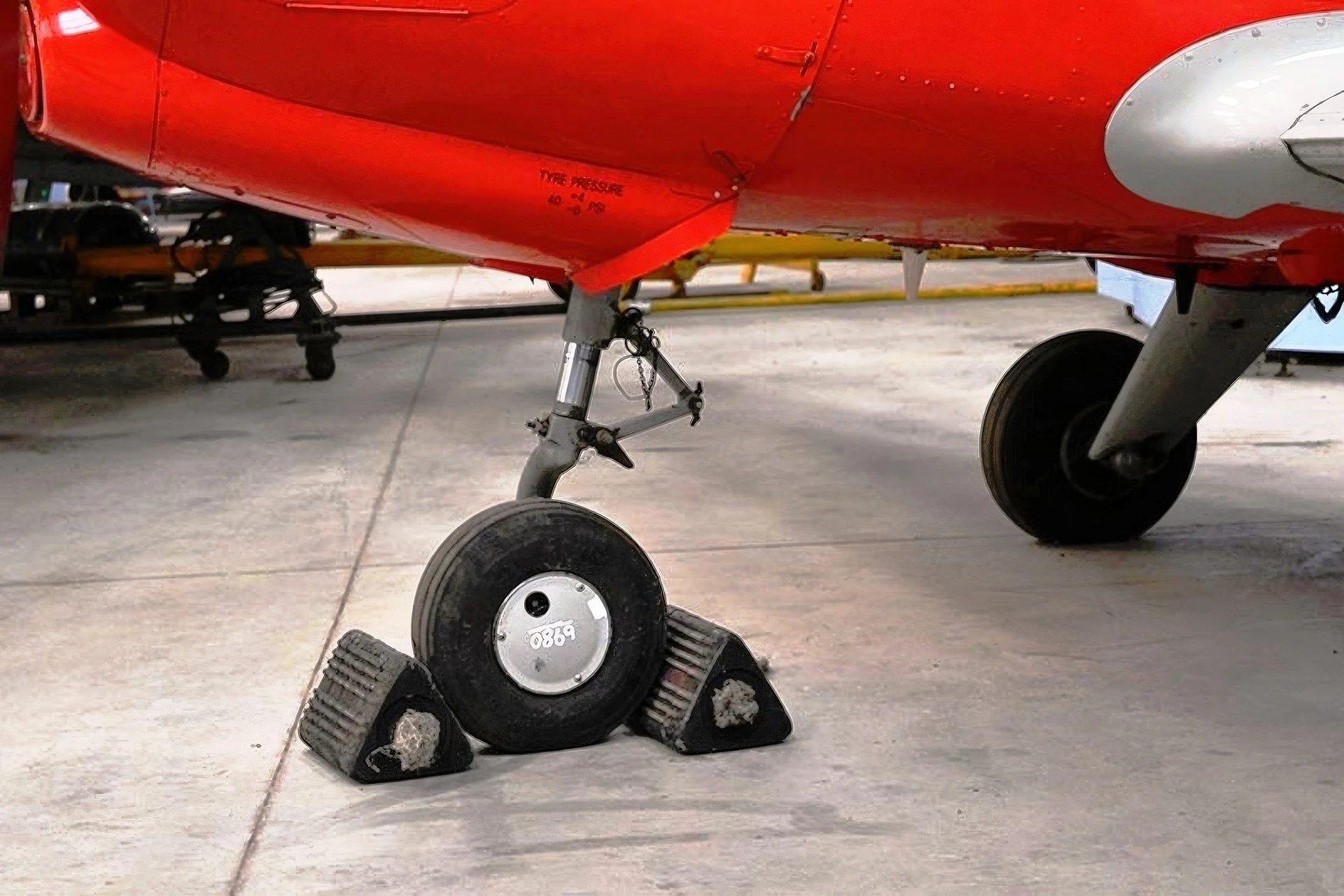
Bulldog T.1 RAF 09
Wait, Searching Bulldog T.1 RAF for you…

Veja também:


Origins and RAF Service
The Bulldog began life at Beagle Aircraft as a military development of the civilian Beagle Pup. When Beagle collapsed in 1970, Scottish Aviation took over the project, eventually producing over 300 units. The Bulldog T.1 was adopted by the Royal Air Force in 1973 to replace the beloved but aging de Havilland Chipmunk. For nearly three decades, it served as the primary introductory platform for thousands of student pilots, particularly within the University Air Squadrons (UAS) and Air Experience Flights (AEF), before being succeeded by the Grob Tutor in 2001.
| Property | Technical Specification (Bulldog T.1) |
|---|---|
| Papel | Primary Trainer / Aerobatic Instruction |
| tripulação | 2 (Student and Instructor side-by-side) |
| First Flight | May 19, 1969 (Prototype) |
| comprimento | 7.09 meters (23 ft 3 in) |
| Envergadura | 10.11 meters (33 ft 2 in) |
| Usina | 1 x Lycoming IO-360-A1B6 (200 hp) |
| Maximum Speed | 241 km/h (150 mph) at sea level |
| Service Ceiling | 4,875 meters (16,000 ft) |
Design and Capability
- Side-by-Side Seating: Unlike the tandem seating of the Chipmunk, the Bulldog placed instructor and student side-by-side, facilitating better communication and demonstration of flight controls.
- Aerobatic Strength: The airframe was significantly reinforced to handle G-loads of +6.0 and -3.0, allowing for full aerobatic maneuvers.
- Inverted Flight: The Lycoming engine was modified with a fuel system capable of sustained inverted flight for up to 15 seconds.
- Optional Armament: While the RAF used them strictly for training, the airframe featured four underwing hardpoints. Export versions were tested with 7.62mm machine gun pods, SNEB rockets, and even Bofors wire-guided missiles.
A Lasting Legacy
- The “Grumman of Light Planes”: Known for its rugged, all-metal construction, the Bulldog was much more durable than the civilian Pup it was based on.
- Global Reach: Beyond the RAF, the Bulldog saw service in Sweden (as the SK 61), Malaysia, Kenya, and Ghana.
- Civilian Popularity: Since its RAF retirement in 2001, many Bulldogs have entered the civilian market. They are highly prized by private pilots for their crisp handling and “warbird” feel at a relatively affordable operating cost.
Visualizações : 508
Você pode ver também:
 Polikarpov I-153 – Fotos e Vídeos
 Avro Anson – Fotos e Vídeos
 North American F-82 Twin Mustang – Fotos e Vídeos
 Fairey Swordfish – Fotos e Vídeos
 GippsAero GA8 Airvan – Fotos e Vídeos
 Aermacchi MB-339 – Fotos e Vídeos
 McDonnell Douglas F-15 Eagle – Fotos e Vídeos
 Custer CCW-5 – Fotos e Vídeos
 KFIR C-1 – WalkAround
 MiG-29 - WalkAround