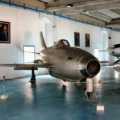
바르티니 벨리예프 VVA-14 | |
|---|---|
| 국가 | 소련 |
| 형식 | 수륙 양용 ASW 항공기 |
| 첫 비행 | 1972년 9월 4일 |
| 내장 | 2 |
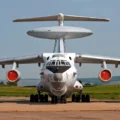
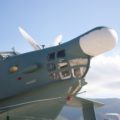
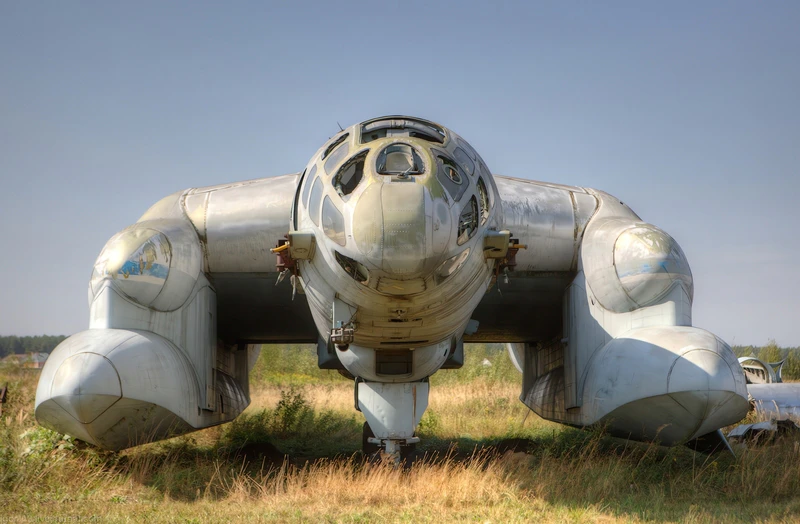
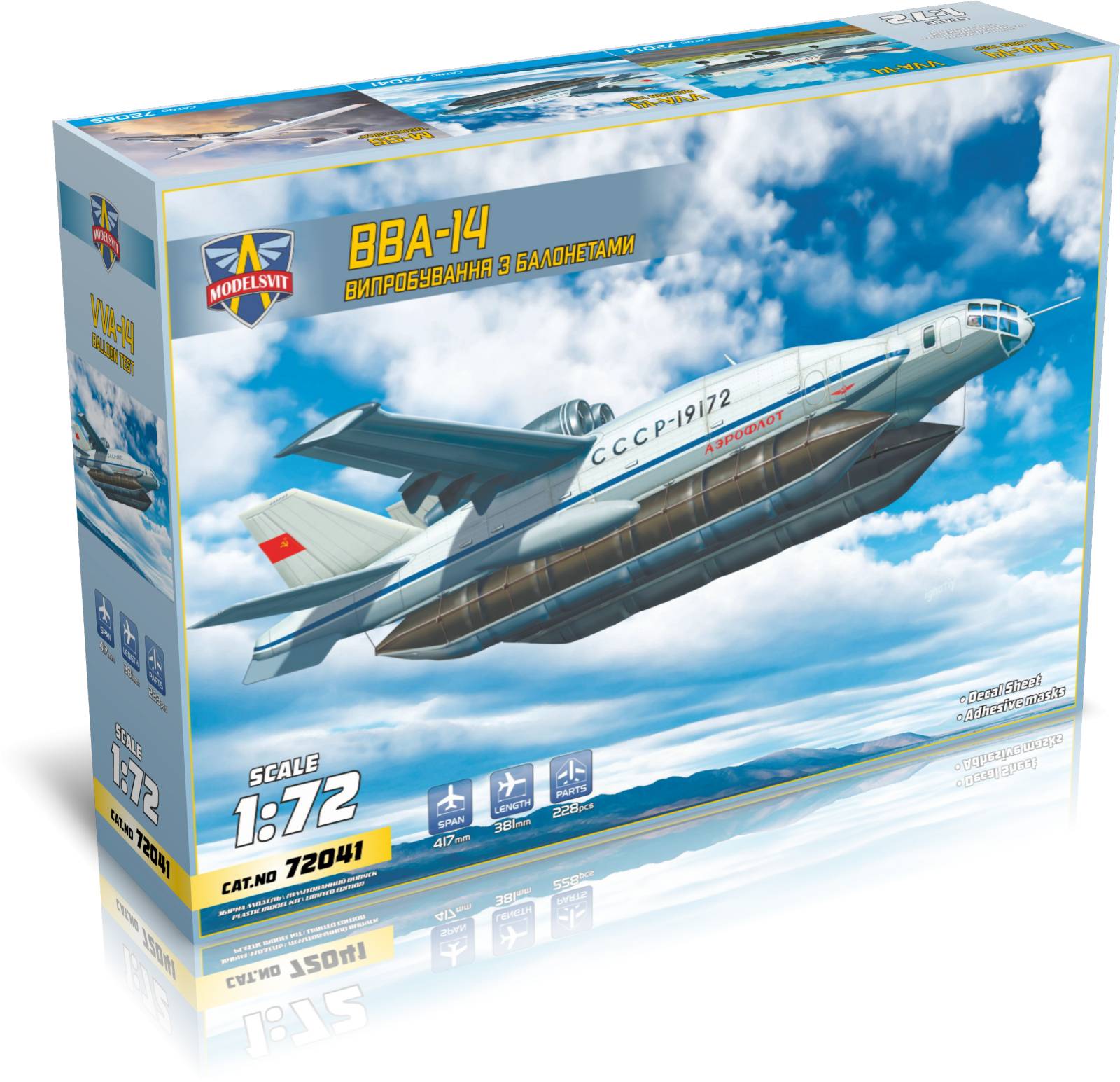
Tthe 바르티니 벨리예프 VVA-14 Vertikaşno-Vzletayushchaya 암피비야 (수직 이륙 amphibious 항공기)는 1970 년대 초 소련에서 개발 된 날개 인 지상 효과 항공기였다. 물에서 이륙하여 장거리에서 고속으로 비행할 수 있도록 설계된 이 비행은 고도가 높은 곳에서 진정한 비행을 할 수 있을 뿐만 아니라 공기역학적 지상 효과를 사용하여 해표면 바로 위를 효율적으로 비행할 수 있는 능력을 갖추게 되었습니다. VVA-14는 이탈리아 태생의 디자이너 로버트 바르티니가 미국 해군 폴라리스 미사일 잠수함을 파괴해야 한다는 인식된 요건에 대한 답변으로 설계되었습니다. 최종 항공기는 1987년에 폐기되었습니다.
| 바르티니 벨리예프 VVA-14 산책 | |
|---|---|
| 사진 작가 | 이고르 콜로콜로프 |
| 로컬라이제이션 | Unknow |
| 사진 | 130 |
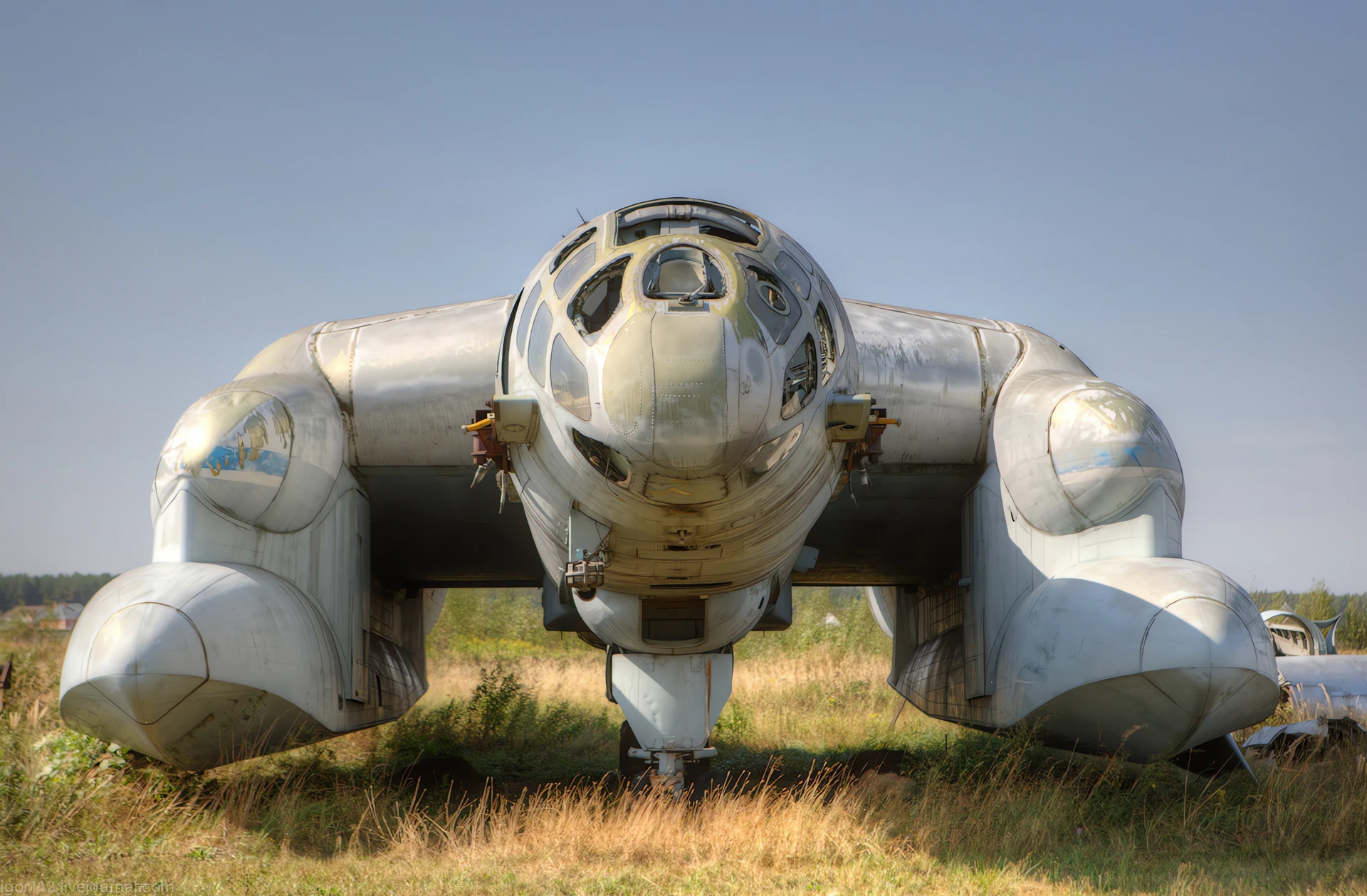
Bartini Beriev VVA-14 1
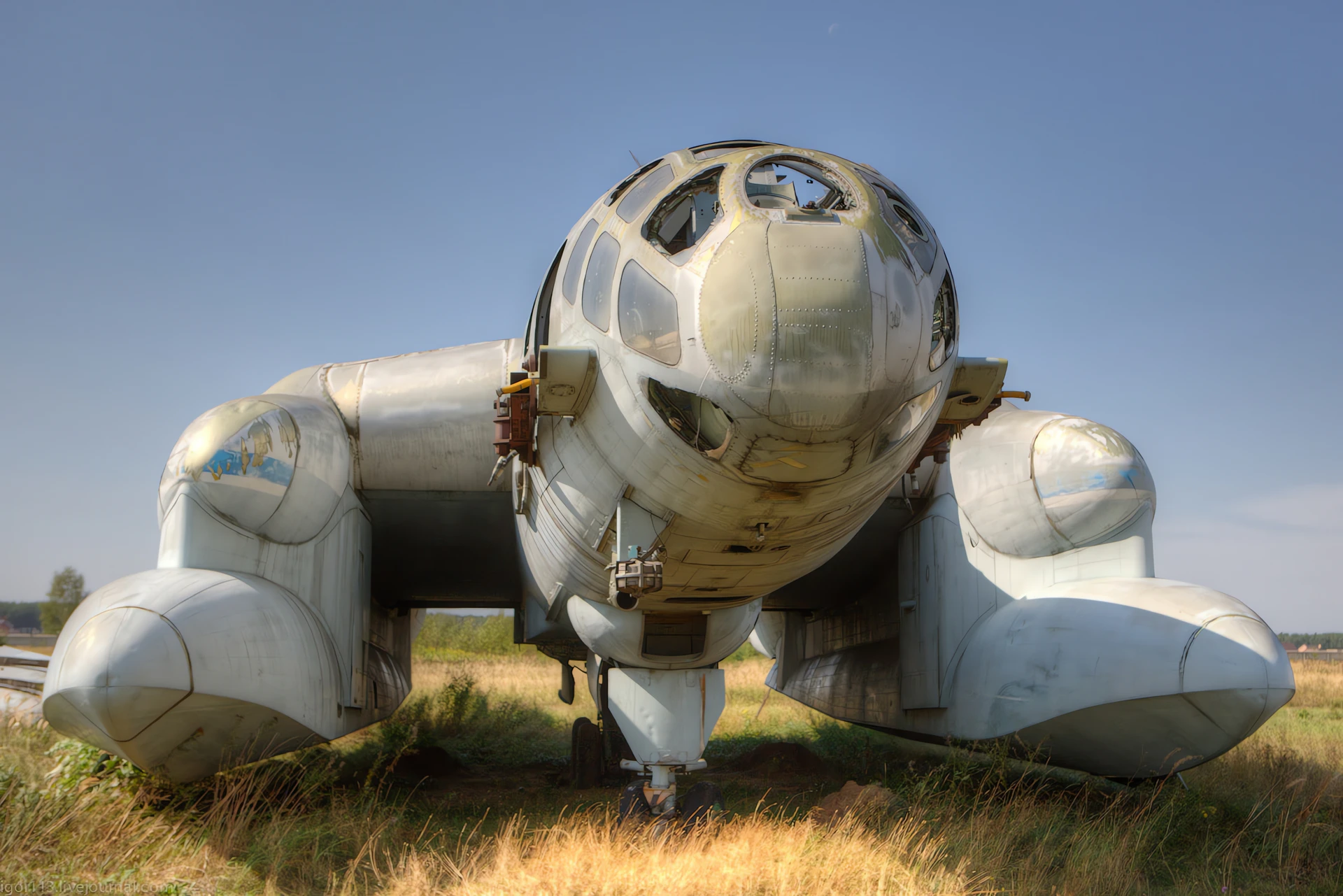
Bartini Beriev VVA-14 2
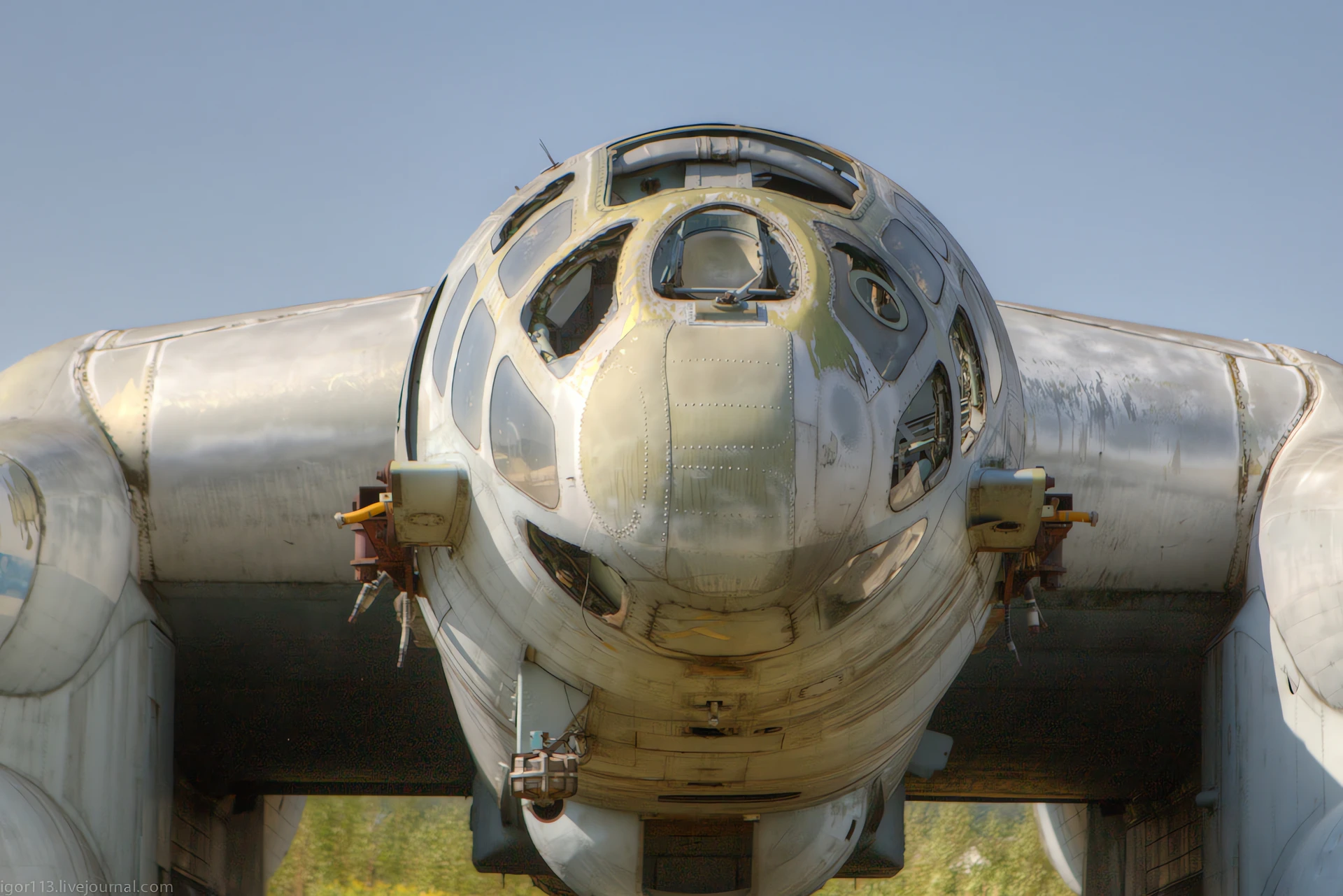
Bartini Beriev VVA-14 3

Bartini Beriev VVA-14 4

Bartini Beriev VVA-14 5
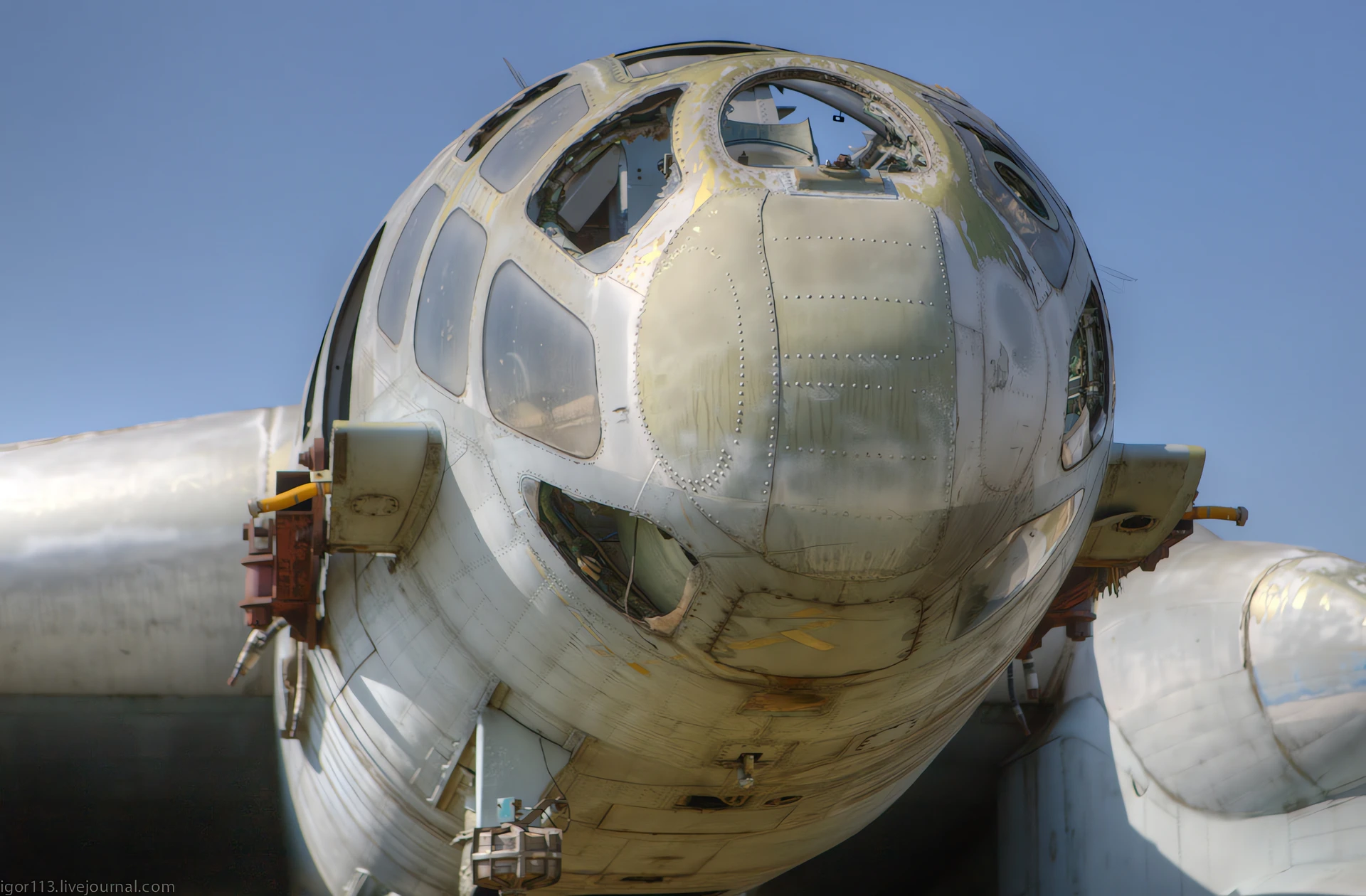
Bartini Beriev VVA-14 6

Bartini Beriev VVA-14 7
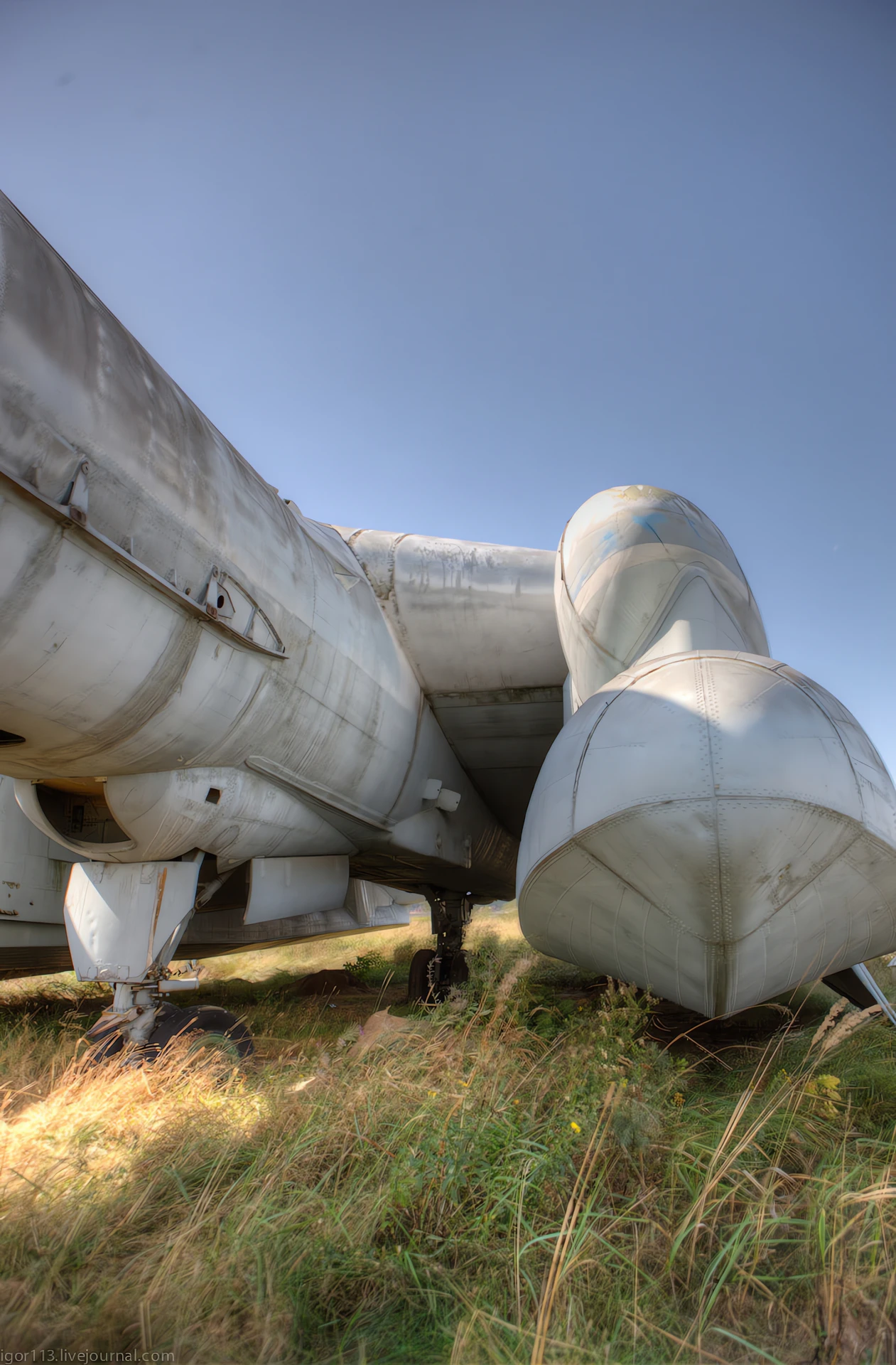
Bartini Beriev VVA-14 8
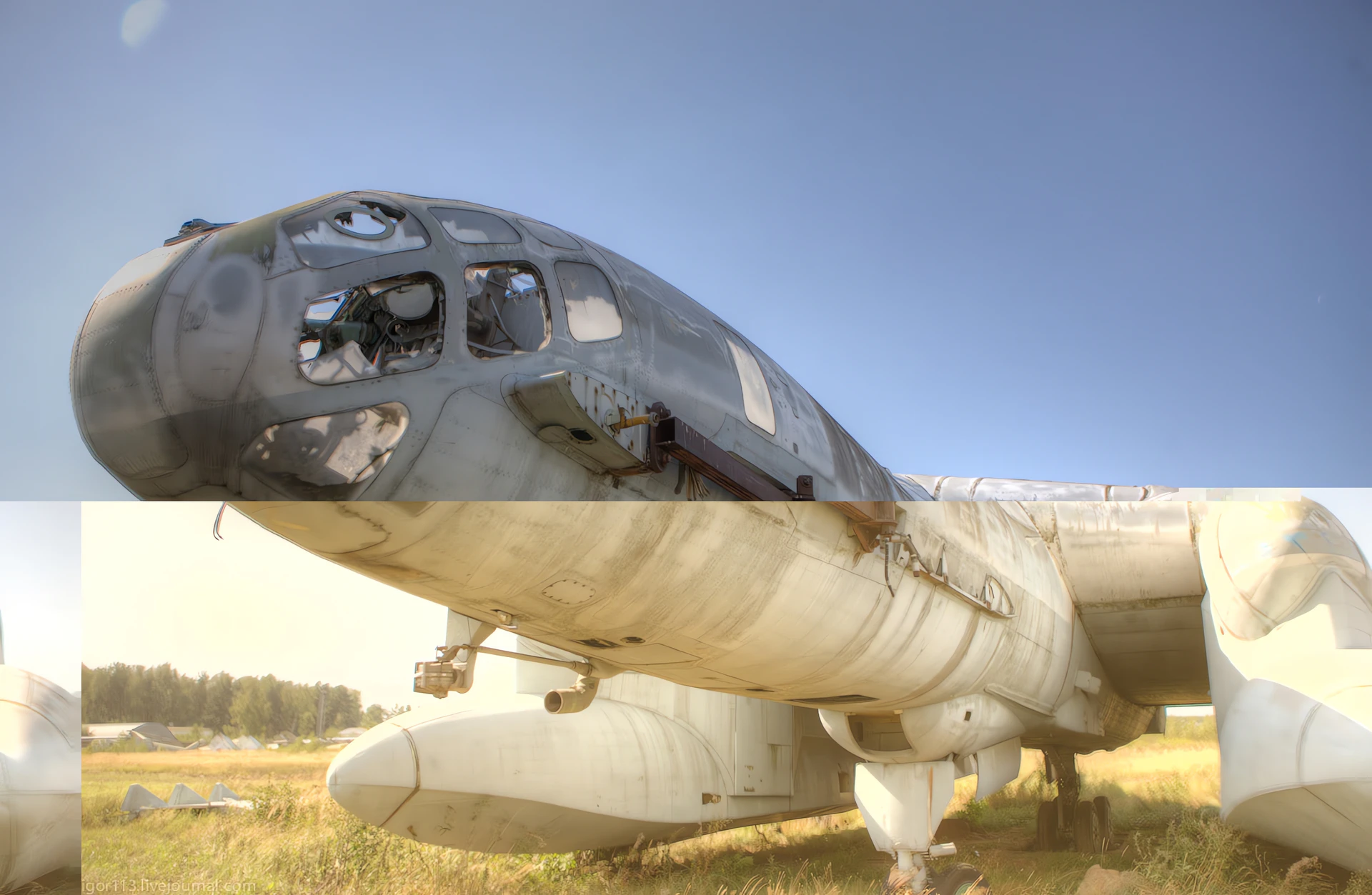
Bartini Beriev VVA-14 9
잠깐, 당신을 위해 바르티니 Beriev VVA-14 사진을 검색 ...

참고 항목:


잠깐, 당신을 위해 소련 공군 사진을 검색 ...
General Characteristics (Experimental Prototype)
The VVA-14 (Vertikal’no-Vzletayushchaya Amphibiya, or Vertical Take-off Amphibious) was a highly unusual Soviet experimental aircraft designed by Roberto Bartini and built by Beriev. It was intended to be a long-range anti-submarine warfare (ASW) aircraft capable of true amphibian operation, including vertical take-off and using the ground effect.
| Property | Value (VVA-14M1/M2 Prototype) |
|---|---|
| 역할 | Experimental Anti-Submarine Amphibian |
| 디자이너 | Robert Bartini / Beriev Design Bureau |
| First Flight | September 4, 1972 |
| 승무원 | 3 (Pilots and Systems Operator) |
| 구성 | High-wing monoplane, twin boom, large central hull |
| Maximum Take-Off Weight | Approx. 52,000 kg (114,640 lb) |
Design and Powerplant
- Primary Engines: Two Soloviev D-30M turbojet engines (mounted above the wing roots) for cruise and conventional take-off.
- Vertical Lift Engines: Originally planned to use twelve smaller Kolesov RD-36-35PR lift engines in the central hull (but never fully fitted or tested).
- Hull Design: Featured an innovative, detachable inflatable pontoons (later replaced by rigid floats) for buoyancy and water take-off, giving it a very broad, eccentric appearance.
- Flight Mode: Intended to operate conventionally (cruise), as a sea-plane (water takeoff), and as a ground effect vehicle (using the ram-air cushion effect close to the surface).
- Cancellation Reason: The inability to produce and integrate the planned battery of vertical lift engines, combined with the death of chief designer Roberto Bartini, led to the cancellation of the program.
Performance and Armament
- Maximum Speed: Approximately 760 km/h (470 mph).
- Cruise Speed: Approximately 640 km/h (400 mph).
- Operational Range: Up to 2,400 km (1,500 miles).
- Service Ceiling: 8,000 m (26,250 ft).
- Armament: Proposed to carry torpedoes, depth charges, and mines in an internal weapons bay for the ASW role.
전망 : 3648