Northrop X-4 Bantam | |
|---|---|
| 국가 | 미국 |
| 역할 | 꼬리없는 항공기 프로토 타입 |
| 첫 비행 | 1948년 12월 15일 |
| 내장 | 2 |
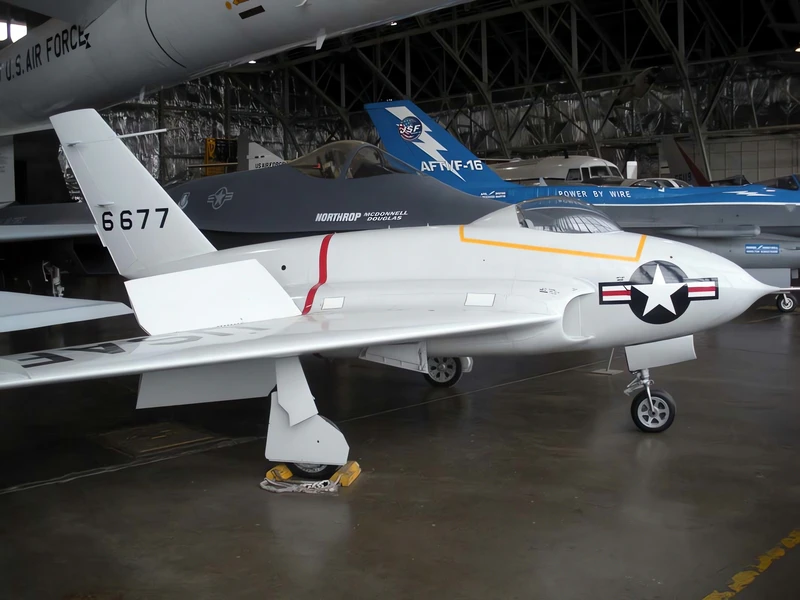
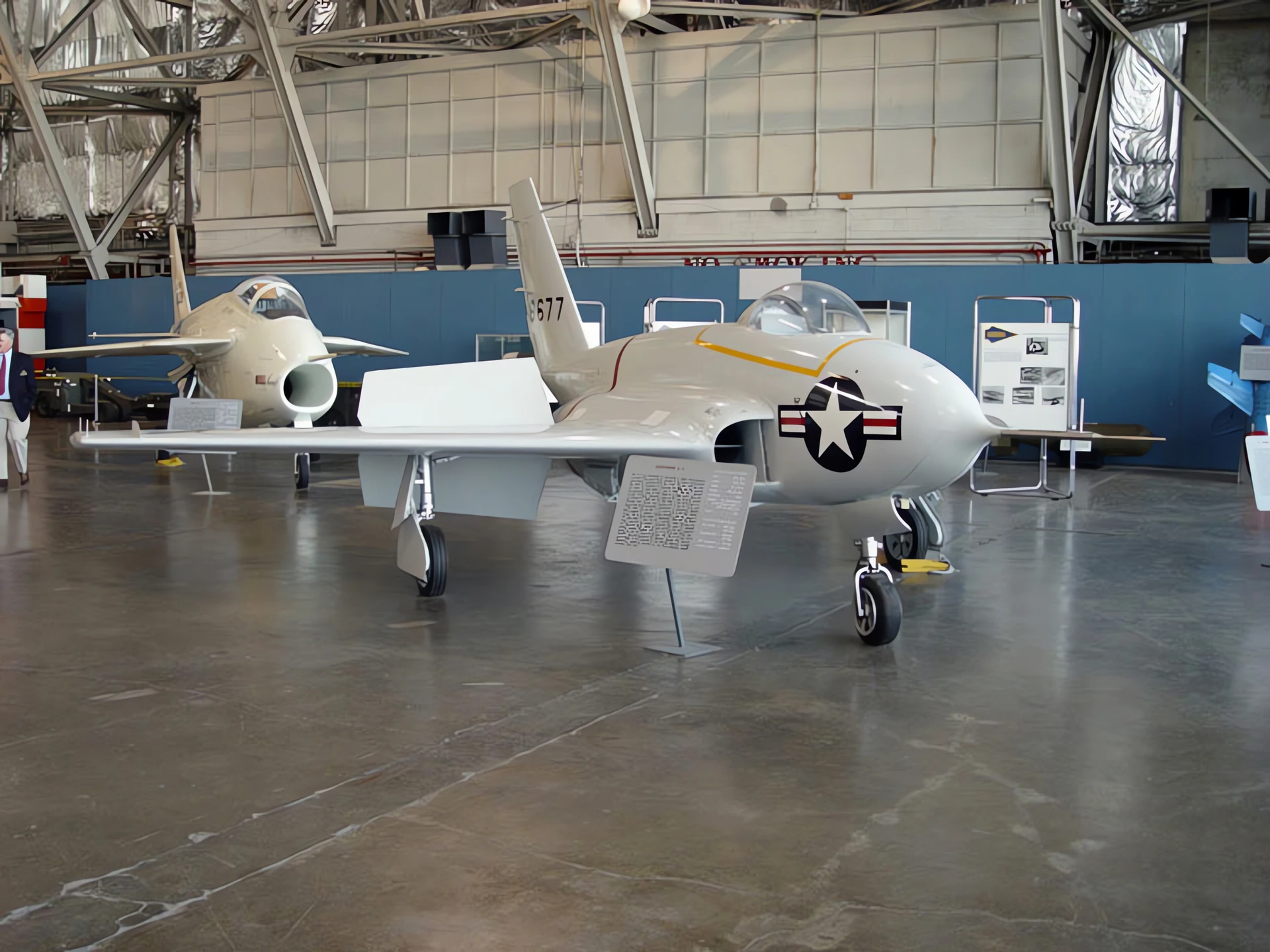
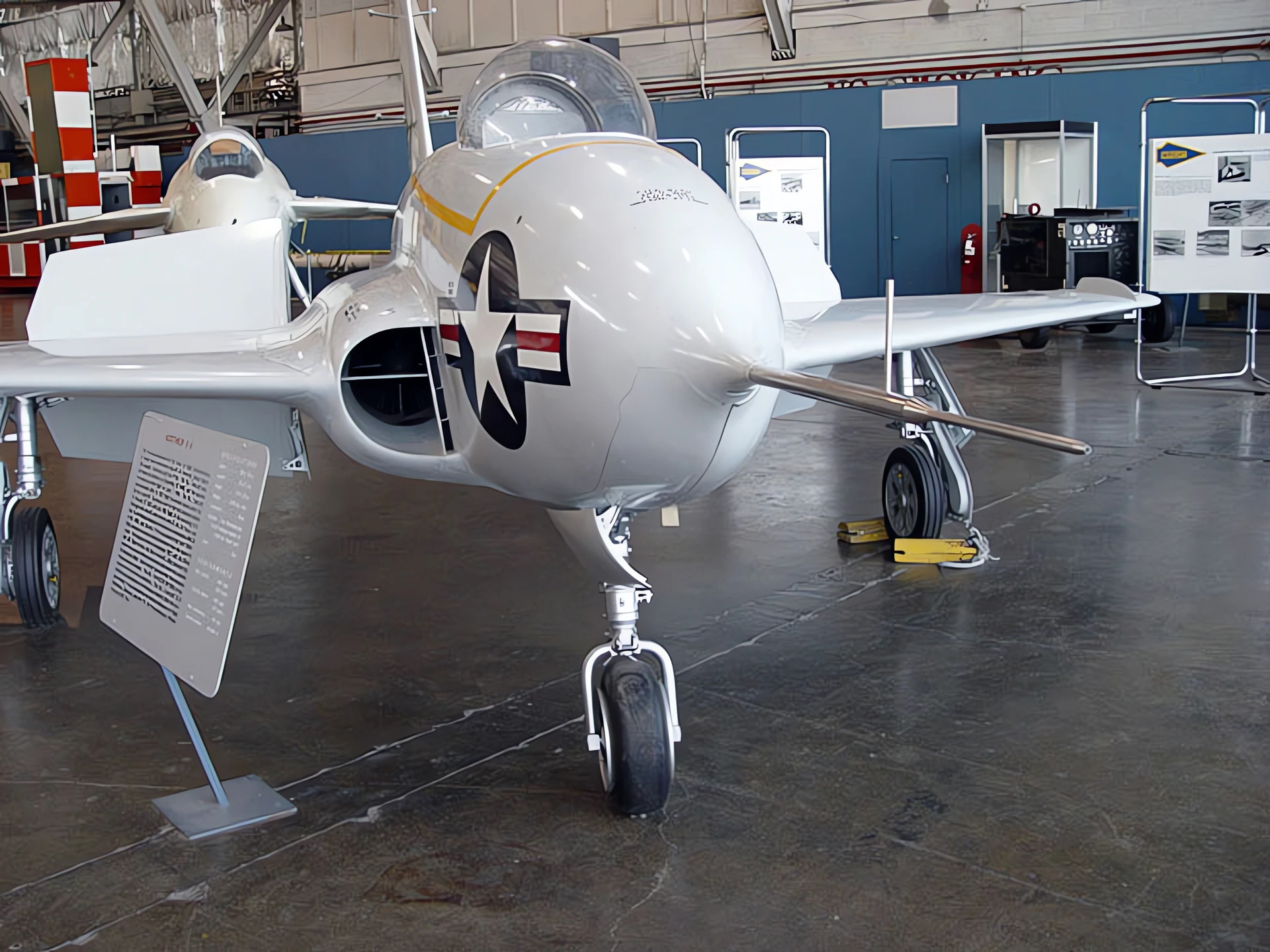
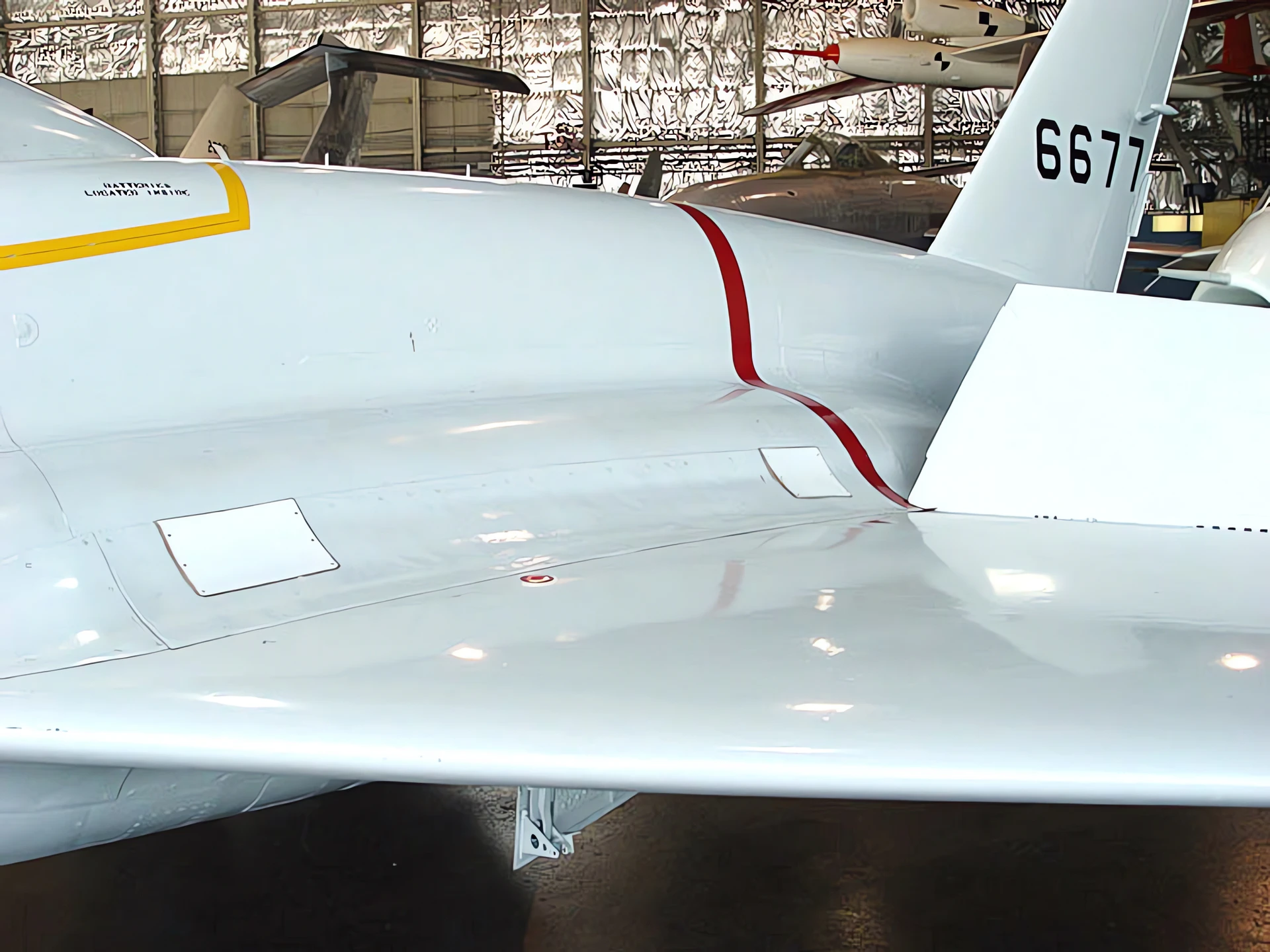
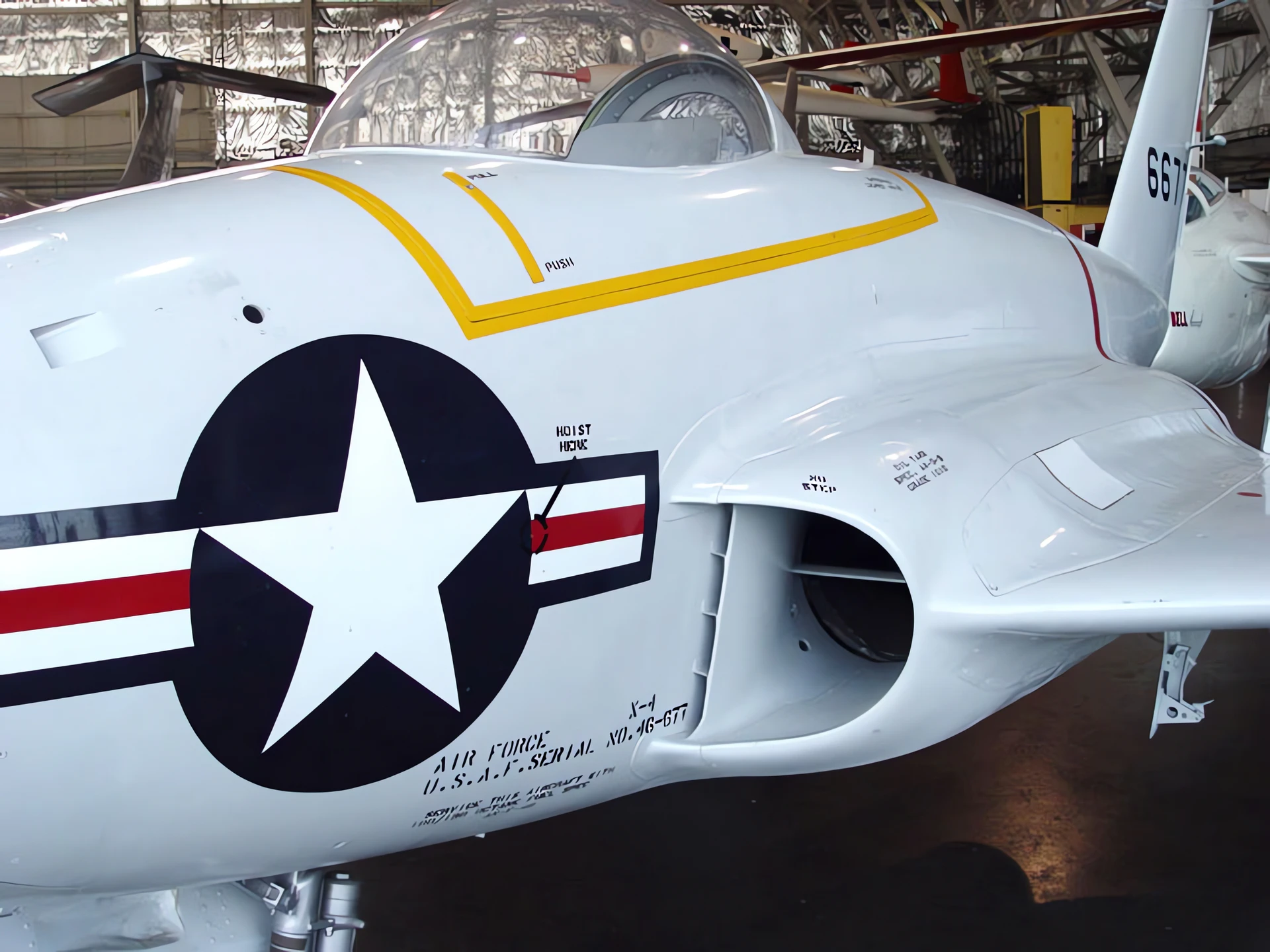
Tthe 노스롭 X-4 밴탐 1948 년 Northrop Corporation에서 제조 한 프로토 타입 소형 트윈젯 항공기였습니다. 그것은 피치와 롤 태도에서 제어하기 위해 결합 된 엘리베이터와 에일러론 제어 표면 (elevons라고 함)에 따라 수평 꼬리 표면이 없었으며 나치 독일의 루프트바페 (Luftwaffe)의 비슷한 형식의 로켓 구동 Messerschmitt Me 163의 방식으로 거의 정확했습니다. 일부 공기 역학 학자들은 수평 꼬리를 제거하는 것이 날개와 수평 안정제의 초음속 충격파의 상호 작용으로 인한 빠른 속도 (충격 스톨이라고 함)에서의 안정성 문제를 제거 할 것이라고 제안했습니다. 이 아이디어는 장점이 있었지만 그 당시의 비행 제어 시스템은 X-4가 성공하지 못하게했습니다.
소스: 노스롭 X-4 반탐 위키백과에
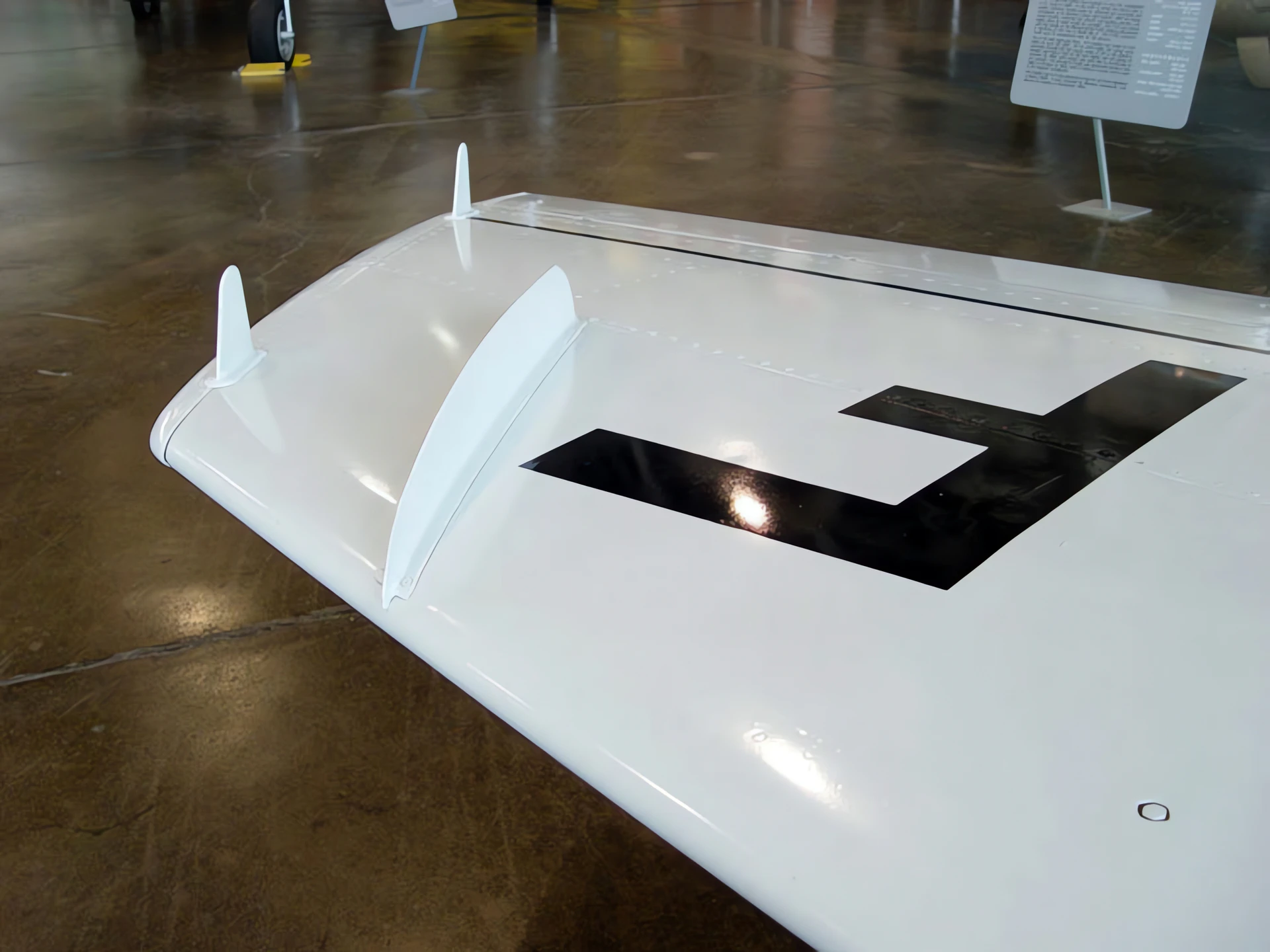
| Northrop X-4 Bantam Walk Aroundd | |
|---|---|
| Photographers | John Heck, Randy Ray |
| Localisation | National Museum of the USAF |
| Photos | 50 |
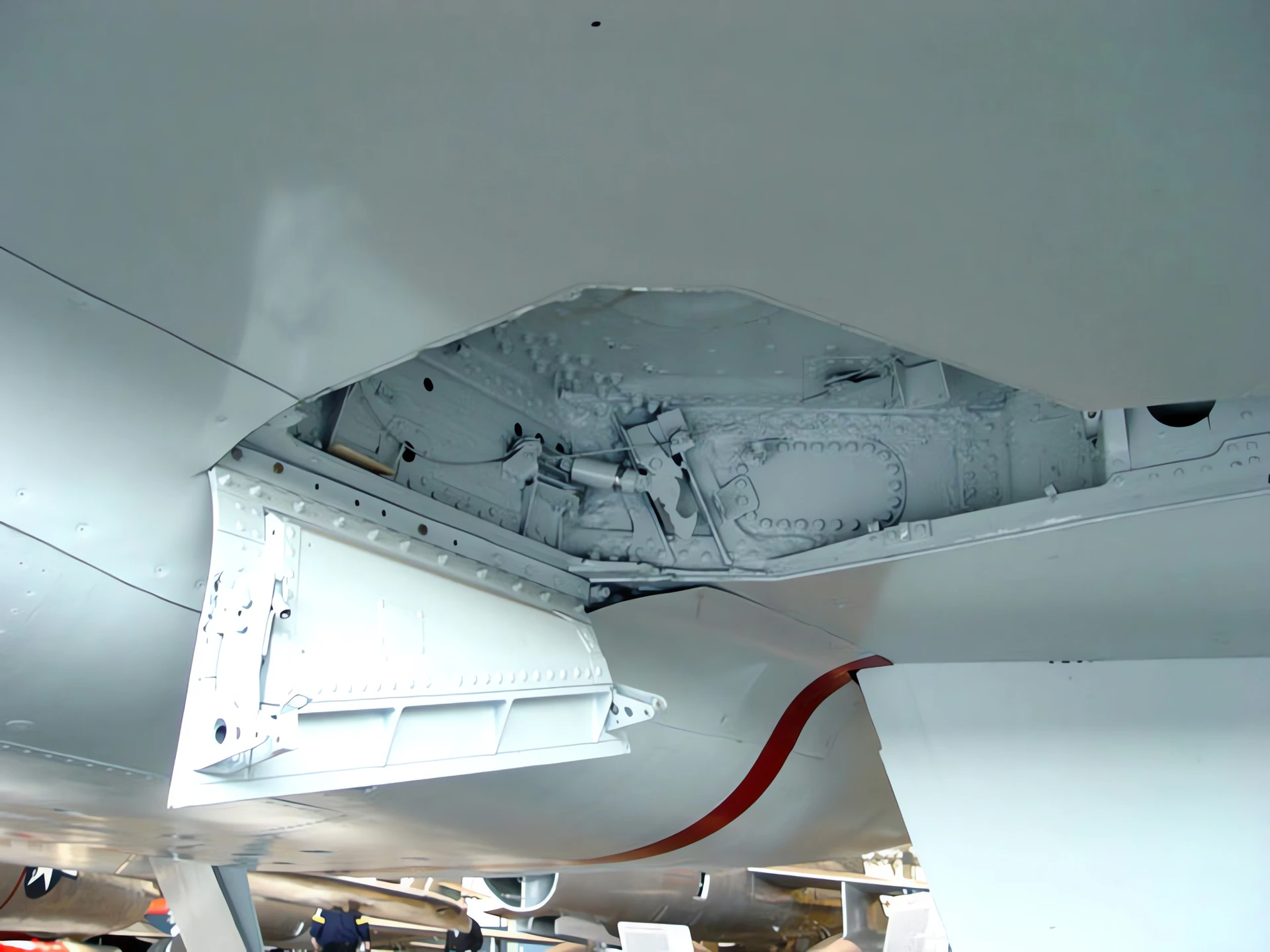
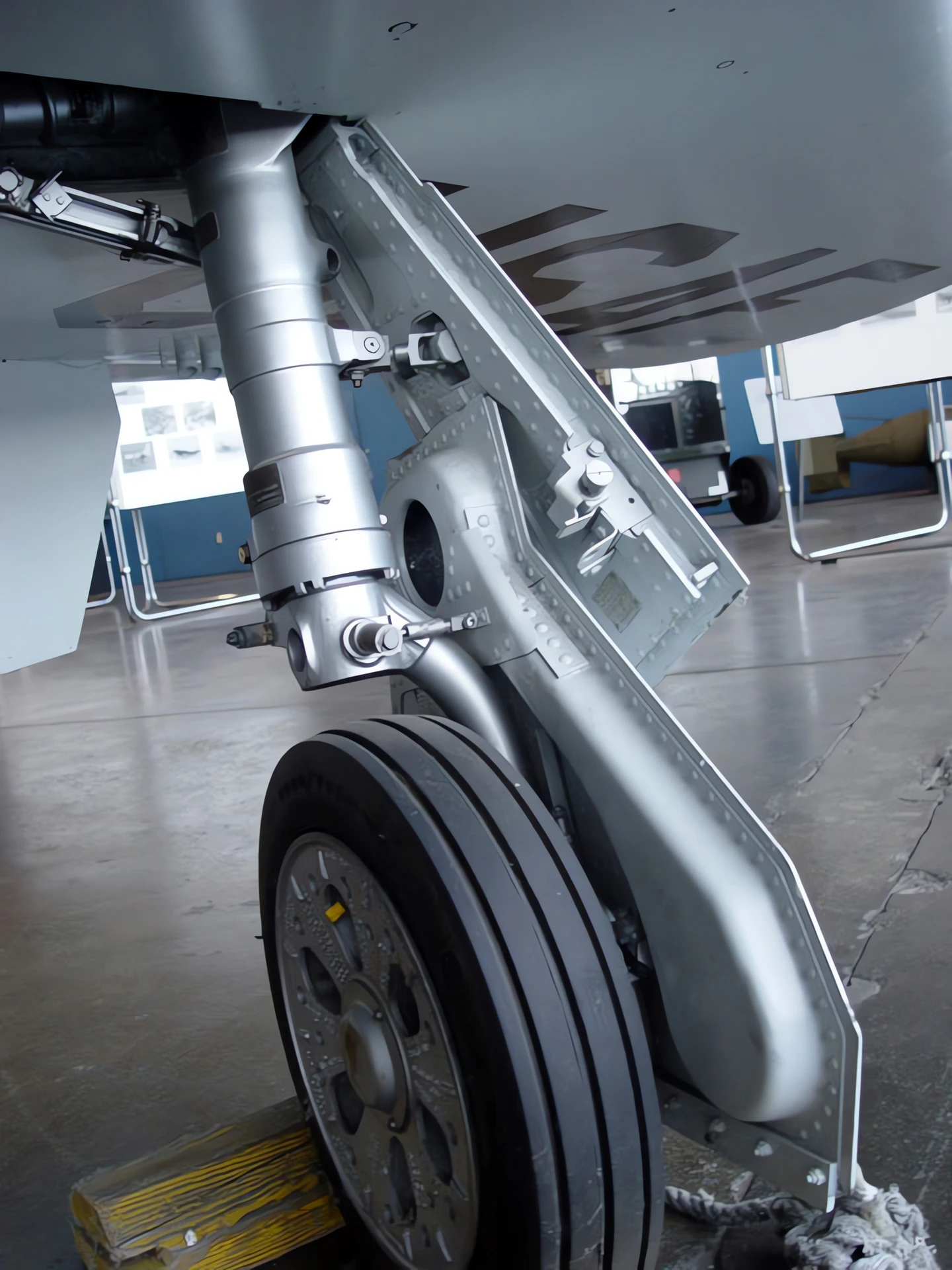
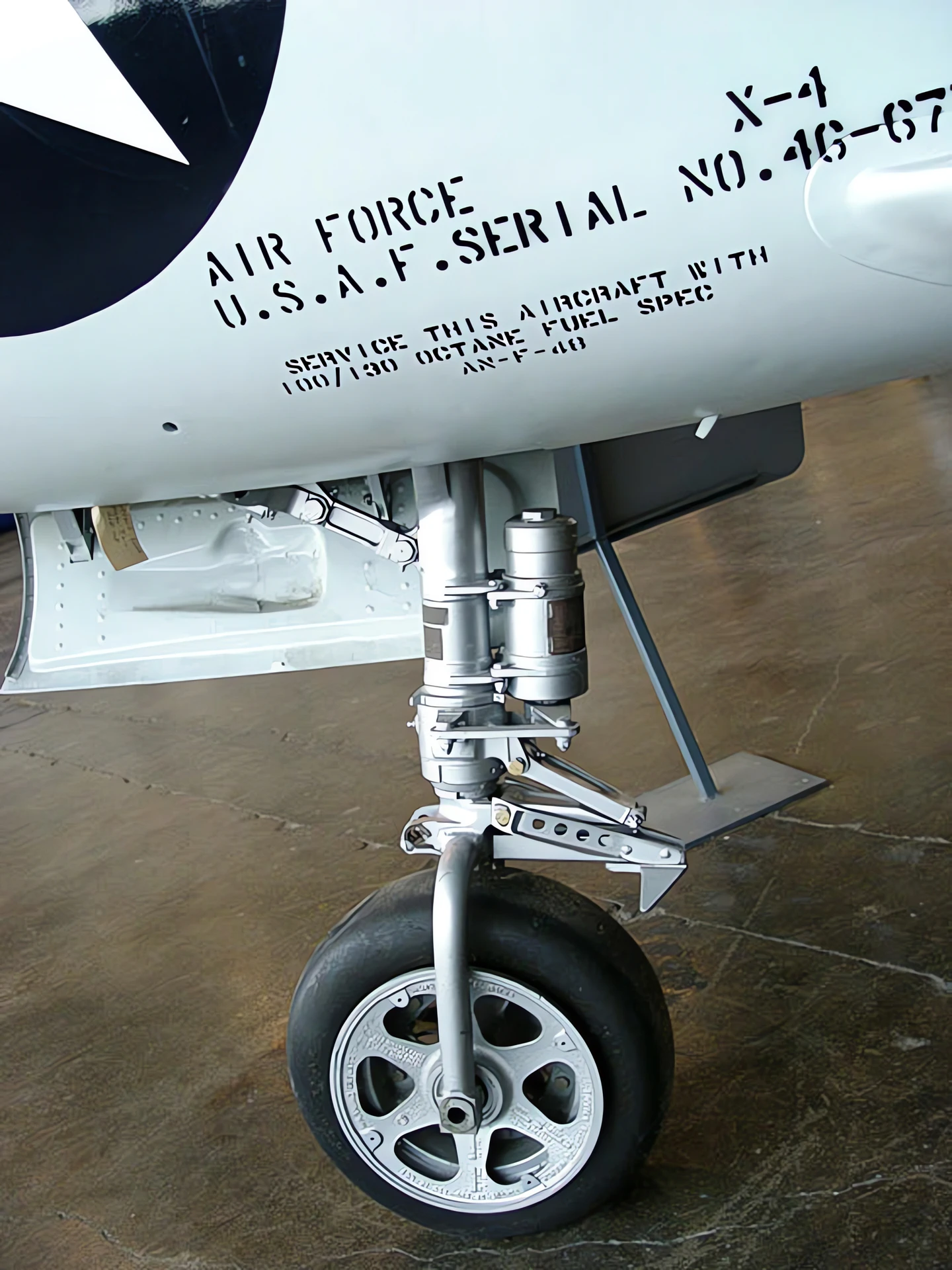
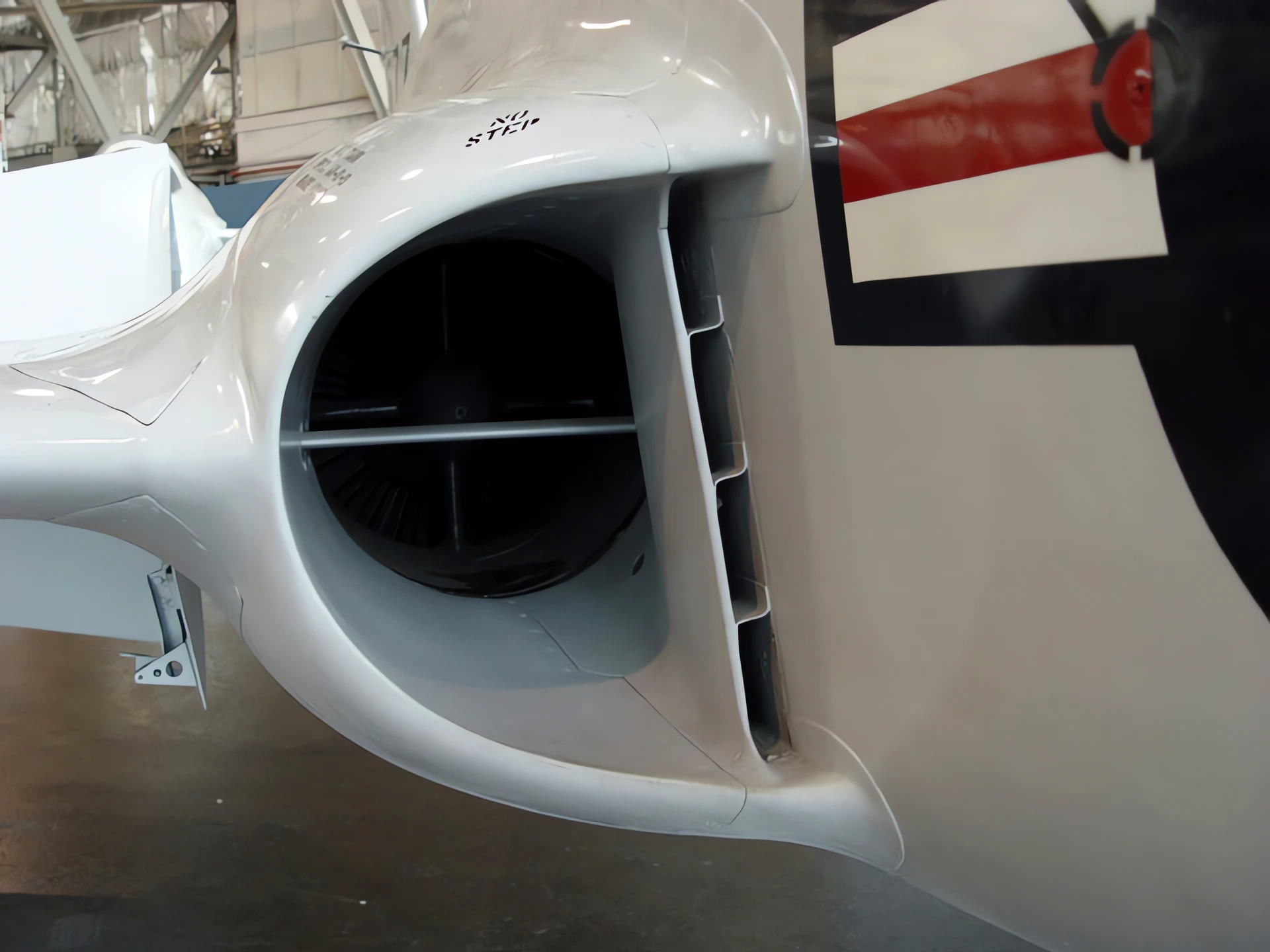


참고 항목:


General Characteristics and Role
The Northrop X-4 Bantam was an experimental jet aircraft developed for the U.S. Air Force and the National Advisory Committee for Aeronautics (NACA, the precursor to NASA) in the late 1940s. Its primary role was to investigate the aerodynamic properties of a tailless aircraft design at transonic speeds (speeds approaching the speed of sound, or Mach 1). It utilized a semi-tailless configuration, meaning it lacked a horizontal tail stabilizer but retained small vertical fins. The tailless design was believed to reduce the shock waves and control issues experienced by conventional aircraft as they approached the sound barrier. The Bantam was built as a small, swept-wing jet to minimize costs and complexity during the high-risk transonic research phase.
| Property | Typical Value (X-4) | ||
|---|---|---|---|
| 역할 | Experimental Aircraft (Transonic Stability Research) | ||
| National Origin | 미국 | ||
| 제조업체 | Northrop Corporation | ||
| First Flight | 1948년 12월 15일 | ||
| 승무원 | 1 Pilot | ||
| Wing Sweep | 35 degrees | ||
| 길이 | 7.01 m (23 ft 0 in) | ||
| 윙스 팬 | 8.23 m (27 ft 0 in) | ||
| 높이 | 4.52 m (14 ft 10 in) | Gross Weight | 3,524 kg (7,770 lb) |
Powerplant and Flight Controls
- Engine: 2 x Westinghouse J30 turbojet engines.
- Thrust (Total): Approximately 1,600 lbf (7.1 kN).
- Maximum Speed: 1,032 km/h (641 mph, or approx. Mach 0.85).
- Control Surfaces: All control was handled by elevons (control surfaces that combine the functions of elevators and ailerons) on the trailing edge of the wing, and twin vertical rudders.
- Stability Issue: Testing confirmed that while the X-4 was stable at low speeds, it experienced severe longitudinal stability issues when flying faster than Mach 0.88, leading to a tendency to pitch up and lose control.
Program Outcome and Legacy
- Test Program: The X-4 completed 81 research flights at the NACA Muroc Flight Test Unit (later Edwards AFB).
- Discovery: The program proved that a simple tailless design was unsuitable for sustained transonic flight due to the poor stability characteristics encountered.
- Influence: This finding was crucial, convincing designers to use a conventional horizontal stabilizer (tailplane) or the all-moving stabilator on high-speed jets, which became the standard design for supersonic aircraft.
- Preservation: Both prototypes built are preserved: one (46-676) is at the U.S. Air Force Museum in Ohio, and the other (46-677) is at the National Museum of Nuclear Science & History in New Mexico.
Views : 1968