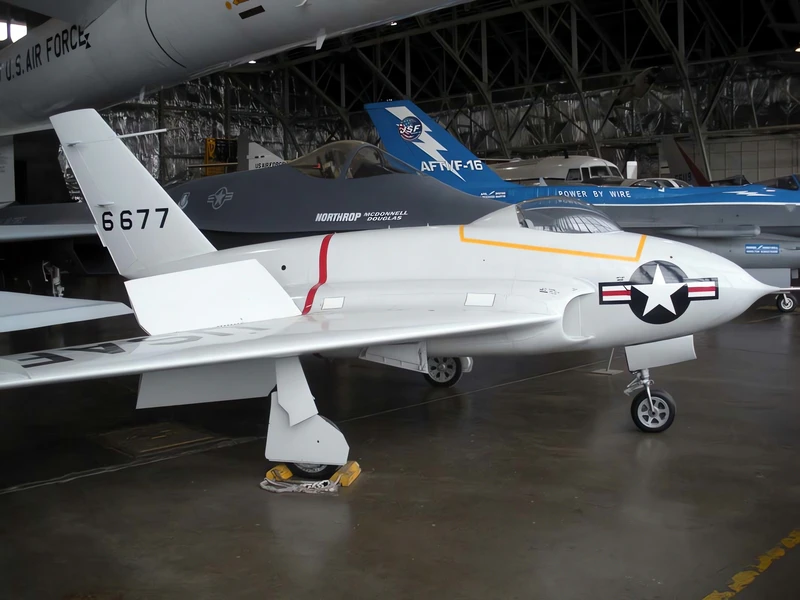
Northrop X-4 Bantam | |
|---|---|
| Land | Norge , Norge |
| Rolle | Prototype av haleløse fly |
| Første flytur | 15. desember 1948 |
| Bygget | 2 |
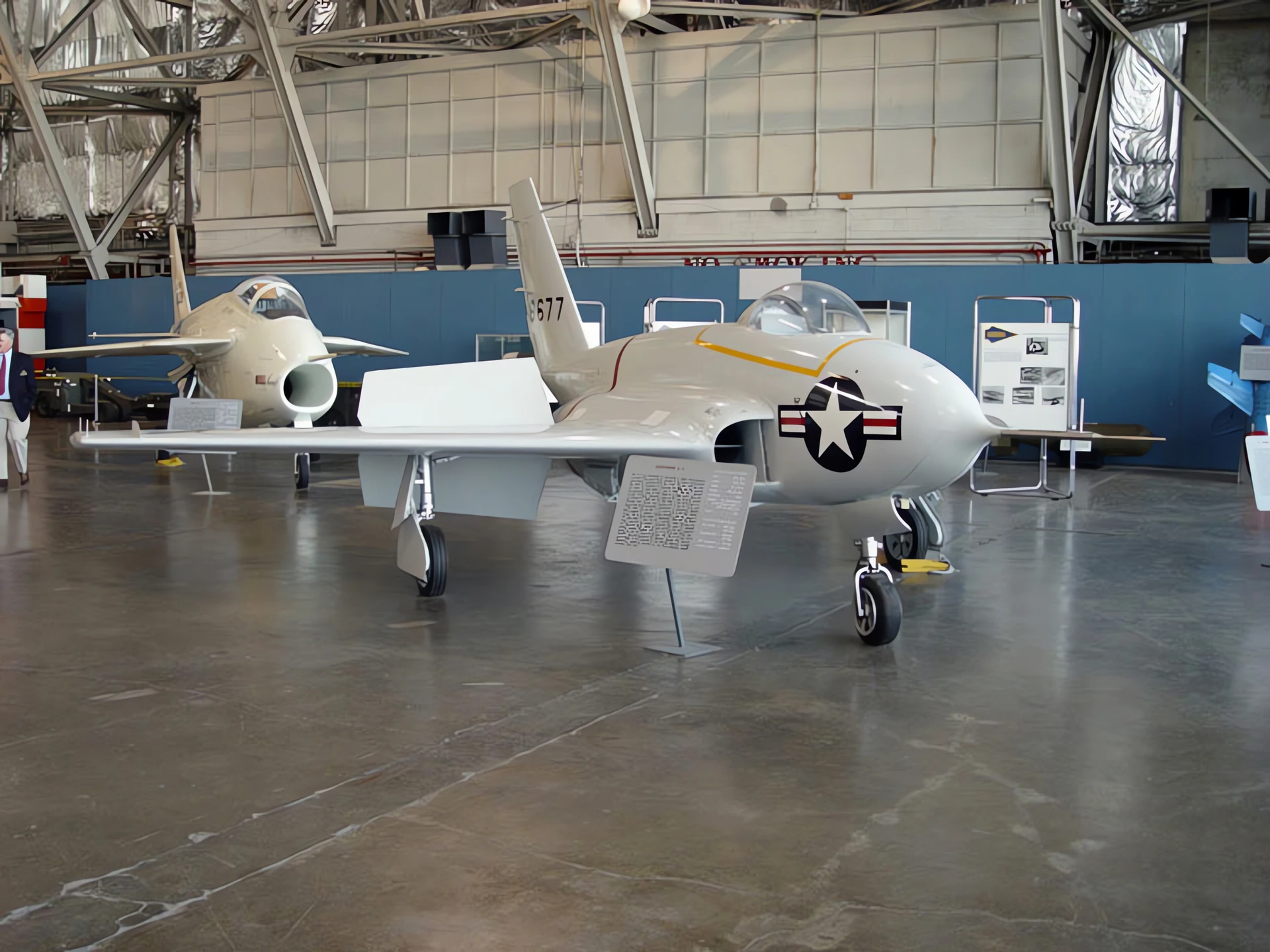
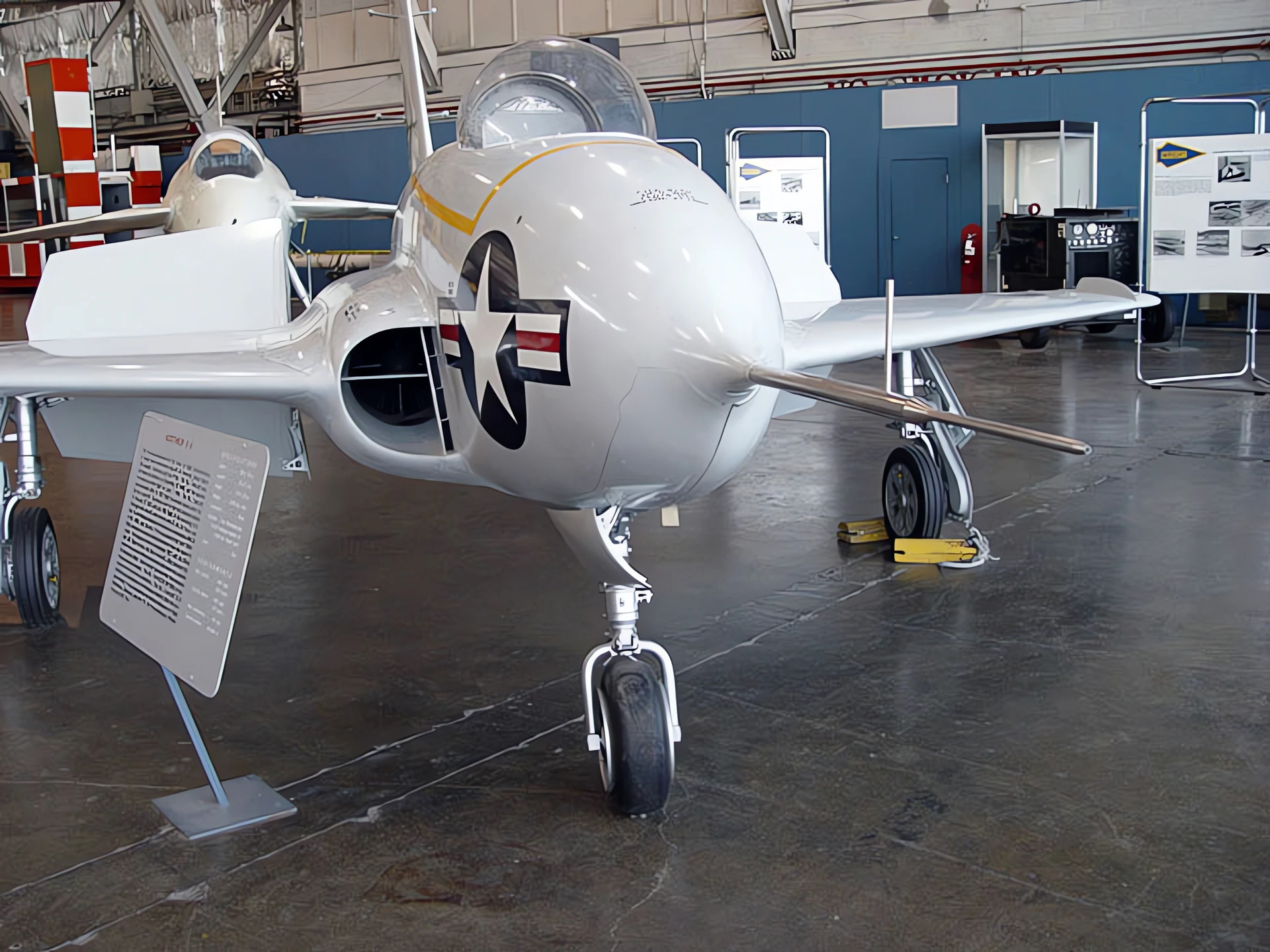
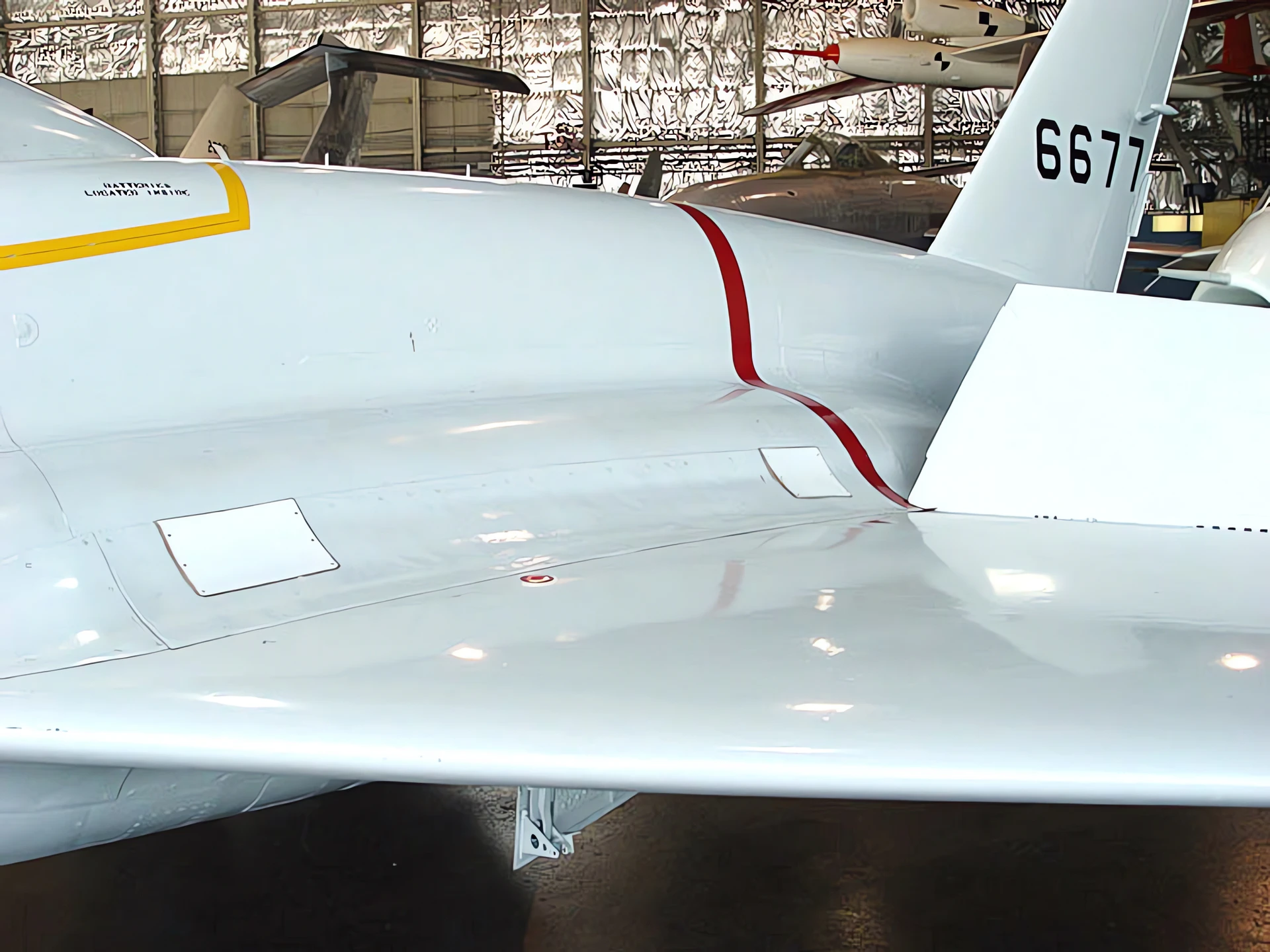
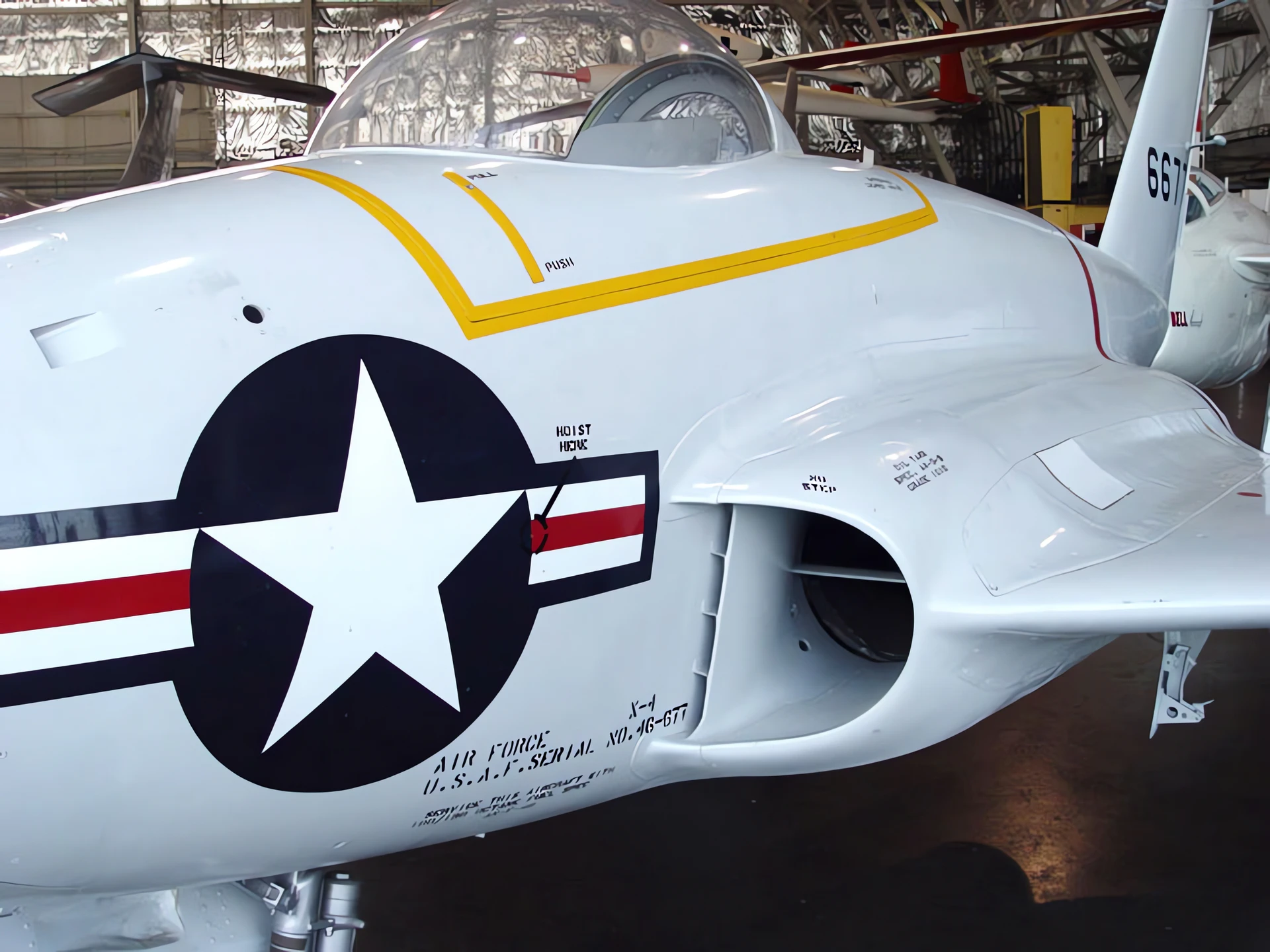
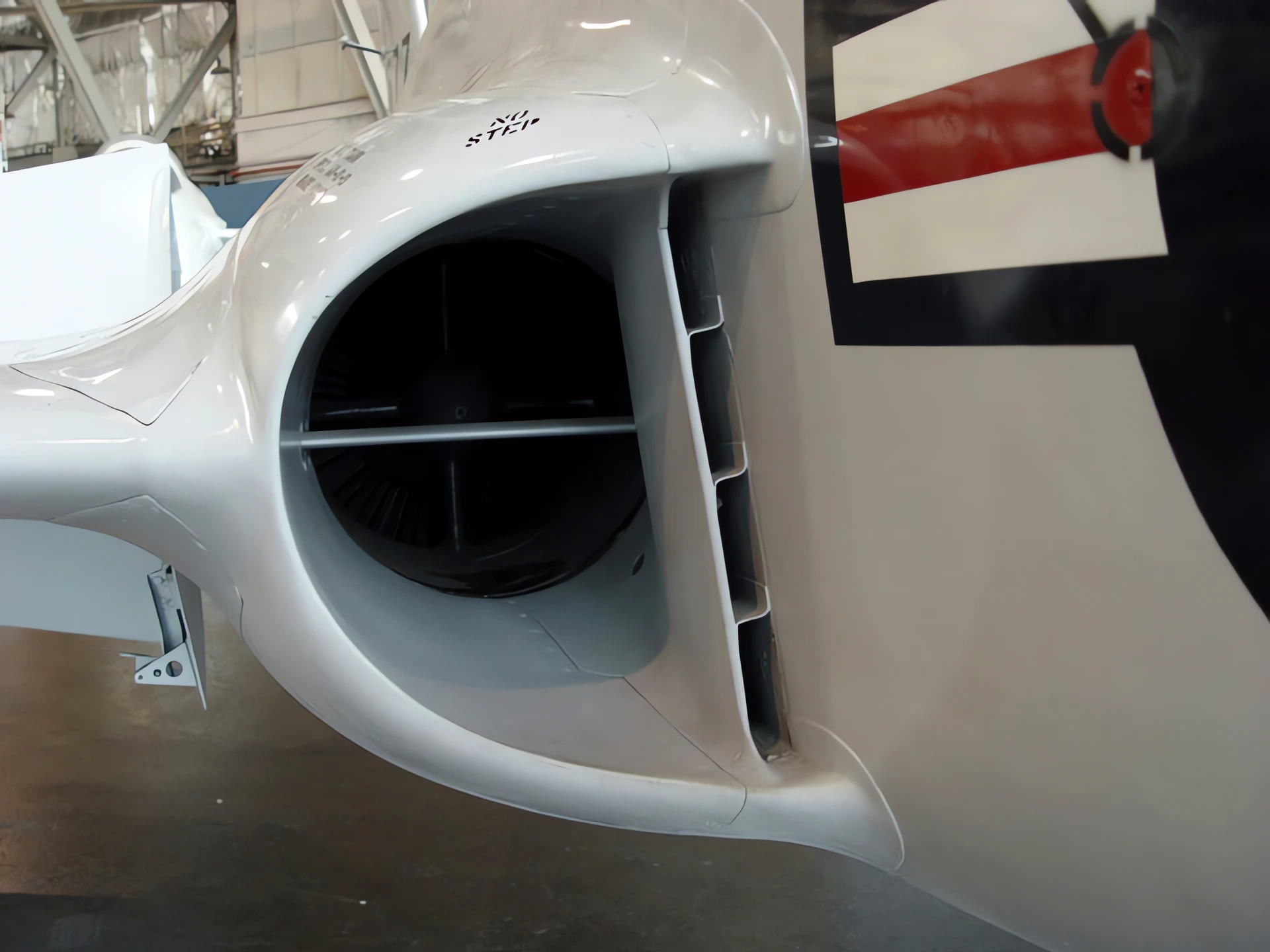
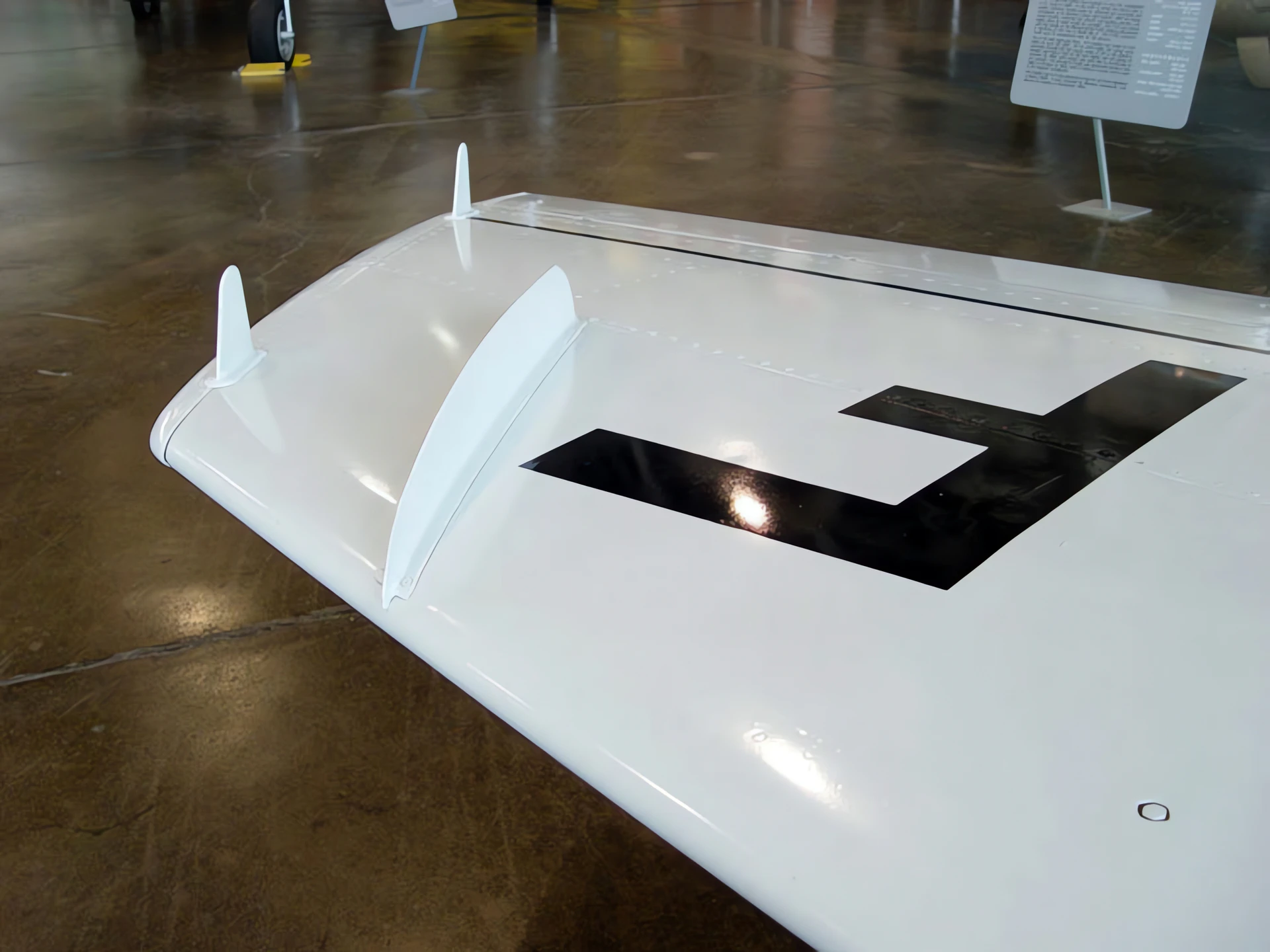
Den Northrop X-4 Bantam var en prototype av et lite tvillingjetfly produsert av Northrop Corporation i 1948. Den hadde ingen horisontale haleflater, i stedet avhengig av kombinerte heis- og aileronkontrollflater (kalt elevoner) for kontroll i pitch and roll-holdninger, nesten nøyaktig på samme måte som det lignende formatet, rakettdrevne Messerschmitt Me 163 fra Nazi-Tysklands Luftwaffe. Noen aerodynamikere hadde foreslått at eliminering av den horisontale halen også ville fjerne stabilitetsproblemer ved høye hastigheter (kalt sjokkstans) som følge av samspillet mellom supersoniske sjokkbølger fra vingene og de horisontale stabilisatorene. Ideen hadde fortjeneste, men flykontrollsystemene på den tiden forhindret X-4 fra noen suksess.
| Northrop X-4 Bantam Walk Aroundd | |
|---|---|
| Photographers | John Heck, Randy Ray |
| Localisation | National Museum of the USAF |
| Photos | 50 |


Les også:


General Characteristics and Role
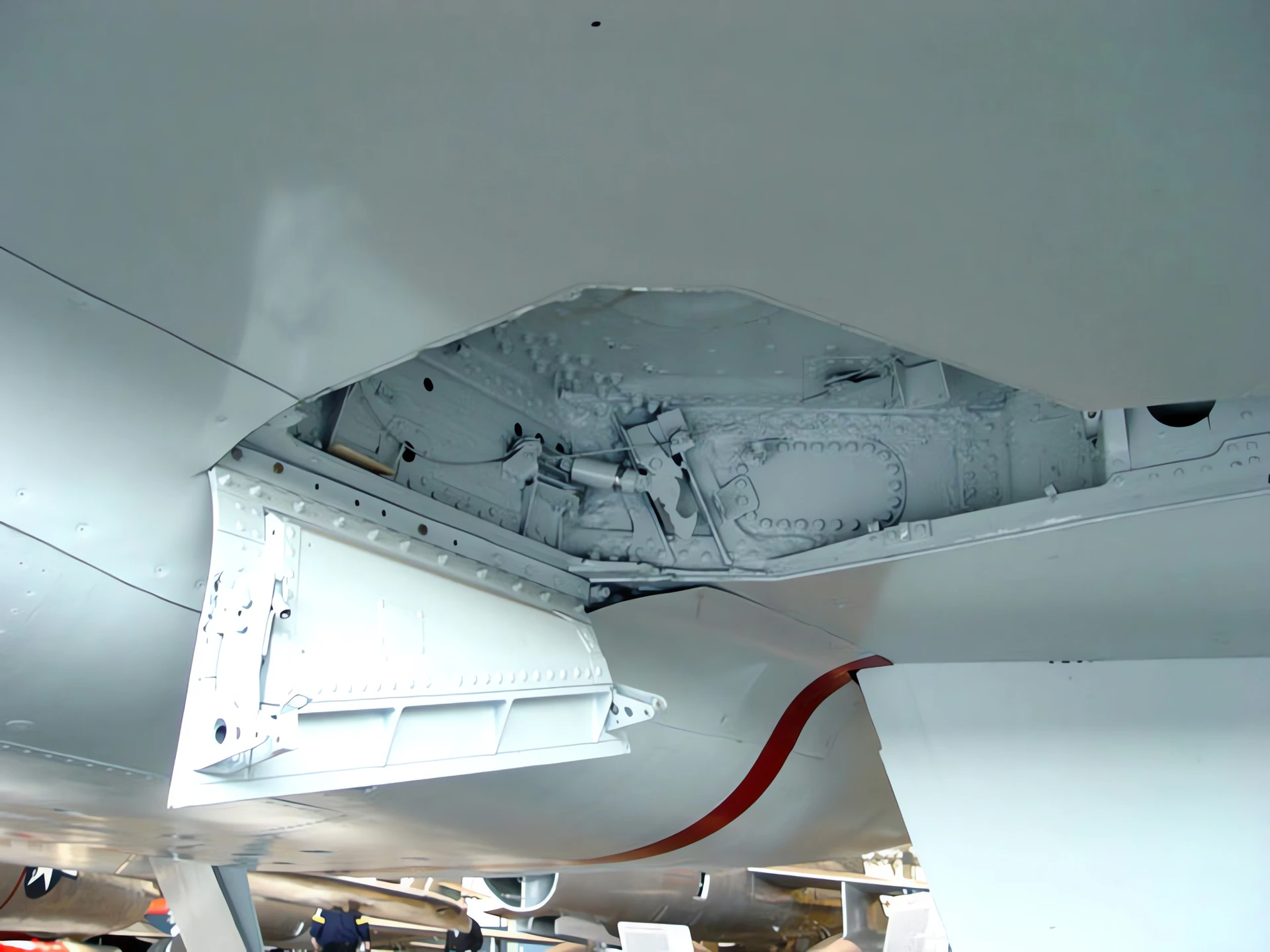
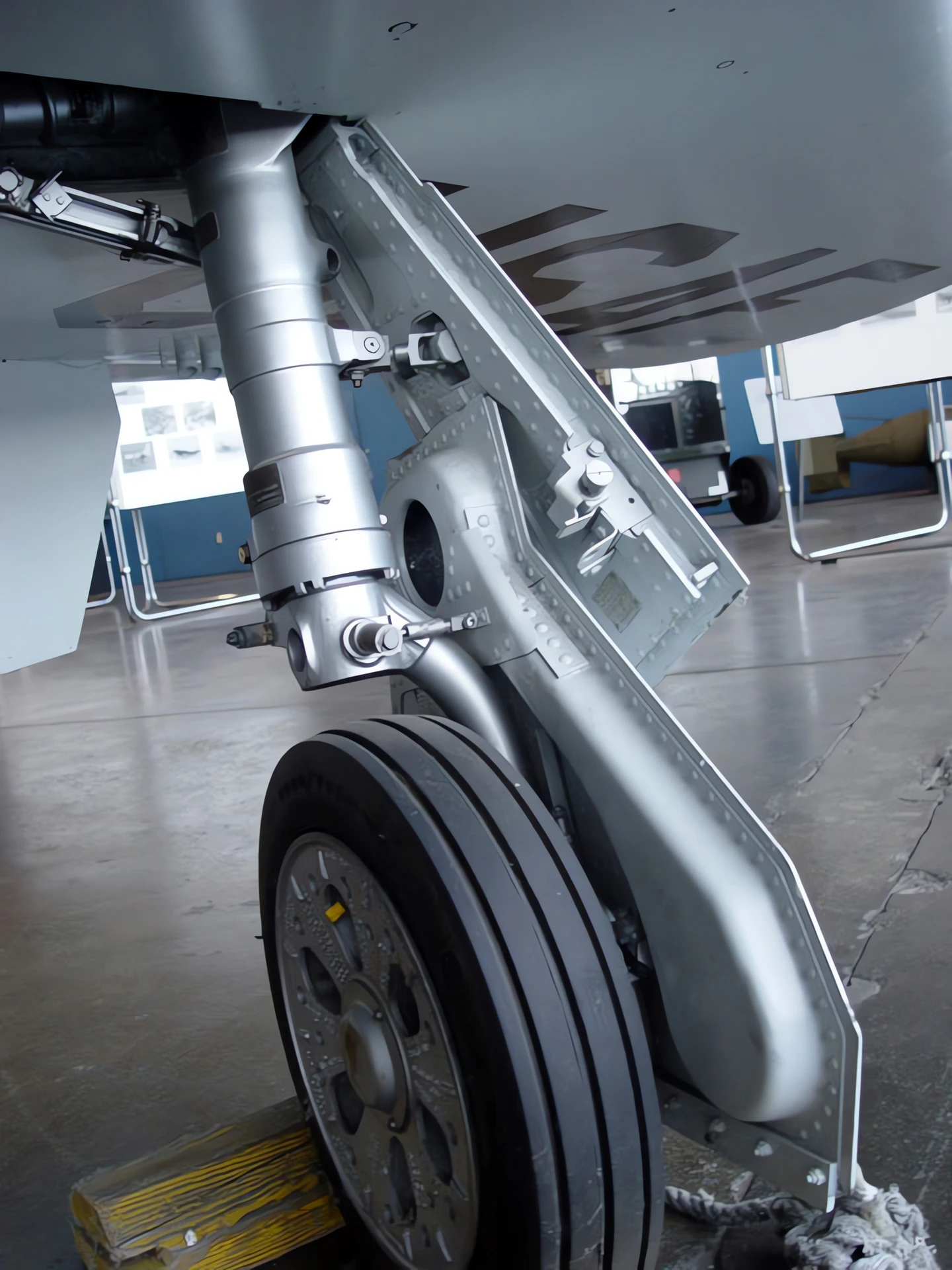
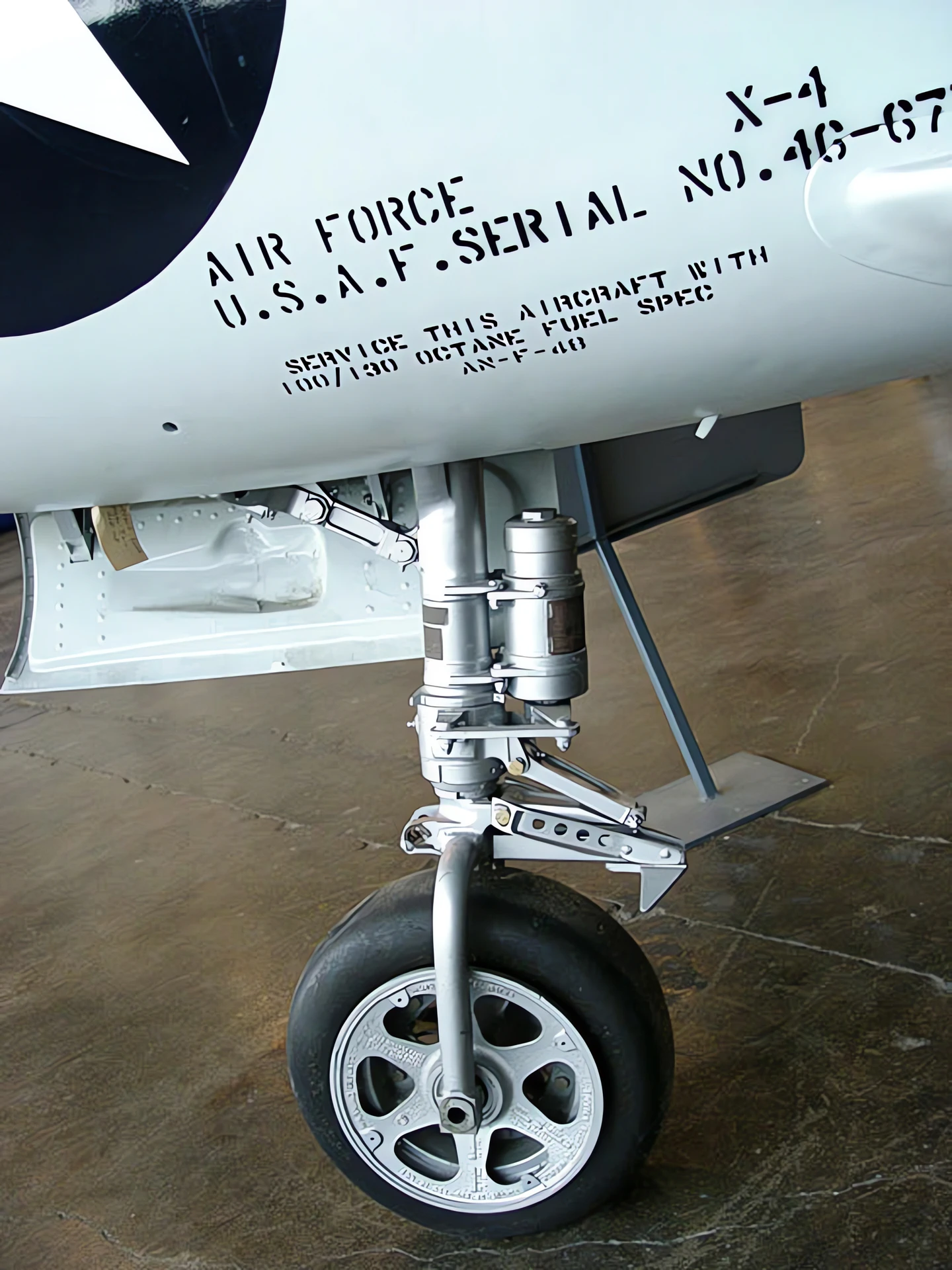
The Northrop X-4 Bantam was an experimental jet aircraft developed for the U.S. Air Force and the National Advisory Committee for Aeronautics (NACA, the precursor to NASA) in the late 1940s. Its primary role was to investigate the aerodynamic properties of a tailless aircraft design at transonic speeds (speeds approaching the speed of sound, or Mach 1). It utilized a semi-tailless configuration, meaning it lacked a horizontal tail stabilizer but retained small vertical fins. The tailless design was believed to reduce the shock waves and control issues experienced by conventional aircraft as they approached the sound barrier. The Bantam was built as a small, swept-wing jet to minimize costs and complexity during the high-risk transonic research phase.
| Property | Typical Value (X-4) | ||
|---|---|---|---|
| Rolle | Experimental Aircraft (Transonic Stability Research) | ||
| National Origin | USA | ||
| Produsenten | Northrop Corporation | ||
| First Flight | 15. desember 1948 | ||
| Mannskapet | 1 Pilot | ||
| Wing Sweep | 35 degrees | ||
| Lengde | 7.01 m (23 ft 0 in) | ||
| Vingespenn | 8.23 m (27 ft 0 in) | ||
| Høyde | 4.52 m (14 ft 10 in) | Gross Weight | 3,524 kg (7,770 lb) |
Powerplant and Flight Controls
- Engine: 2 x Westinghouse J30 turbojet engines.
- Thrust (Total): Approximately 1,600 lbf (7.1 kN).
- Maximum Speed: 1,032 km/h (641 mph, or approx. Mach 0.85).
- Control Surfaces: All control was handled by elevons (control surfaces that combine the functions of elevators and ailerons) on the trailing edge of the wing, and twin vertical rudders.
- Stability Issue: Testing confirmed that while the X-4 was stable at low speeds, it experienced severe longitudinal stability issues when flying faster than Mach 0.88, leading to a tendency to pitch up and lose control.
Program Outcome and Legacy
- Test Program: The X-4 completed 81 research flights at the NACA Muroc Flight Test Unit (later Edwards AFB).
- Discovery: The program proved that a simple tailless design was unsuitable for sustained transonic flight due to the poor stability characteristics encountered.
- Influence: This finding was crucial, convincing designers to use a conventional horizontal stabilizer (tailplane) or the all-moving stabilator on high-speed jets, which became the standard design for supersonic aircraft.
- Preservation: Both prototypes built are preserved: one (46-676) is at the U.S. Air Force Museum in Ohio, and the other (46-677) is at the National Museum of Nuclear Science & History in New Mexico.
Views : 2010
Du kan også se :
 Northrop Gamma - Bilder og videoer
 Northrop JB-1 Bat - Bilder og videoer
 Northrop Grumman X-47B - Bilder og videoer
 Northrop Tacit Blue - Bilder og videoer
 Northrop Alpha - Bilder og Video
 Northrop YF-17 Cobra - Bilder og Video
 Northrop F-20 Tigershark – Bilder & Video
 Northrop P-61 Black Widow - Bilder og Video
 Northrop T-38 Talon - Bilder og Video
 Northrop A-17A - Bilder og Video