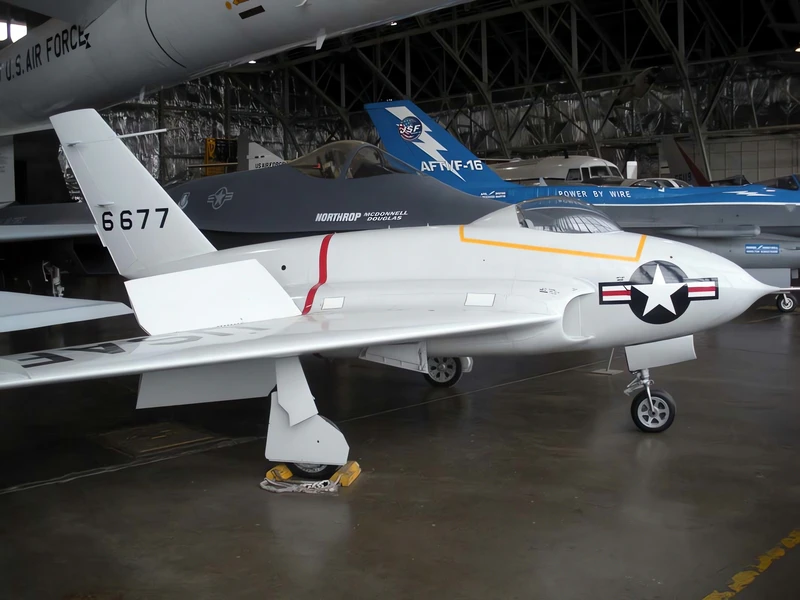
Northrop X-4 Bantam | |
|---|---|
| Maa | Yhdysvallat |
| Rooli | Tailless-lentokoneen prototyyppi |
| Ensimmäinen lento | 15. joulukuuta 1948 |
| Rakennettu | 2 |
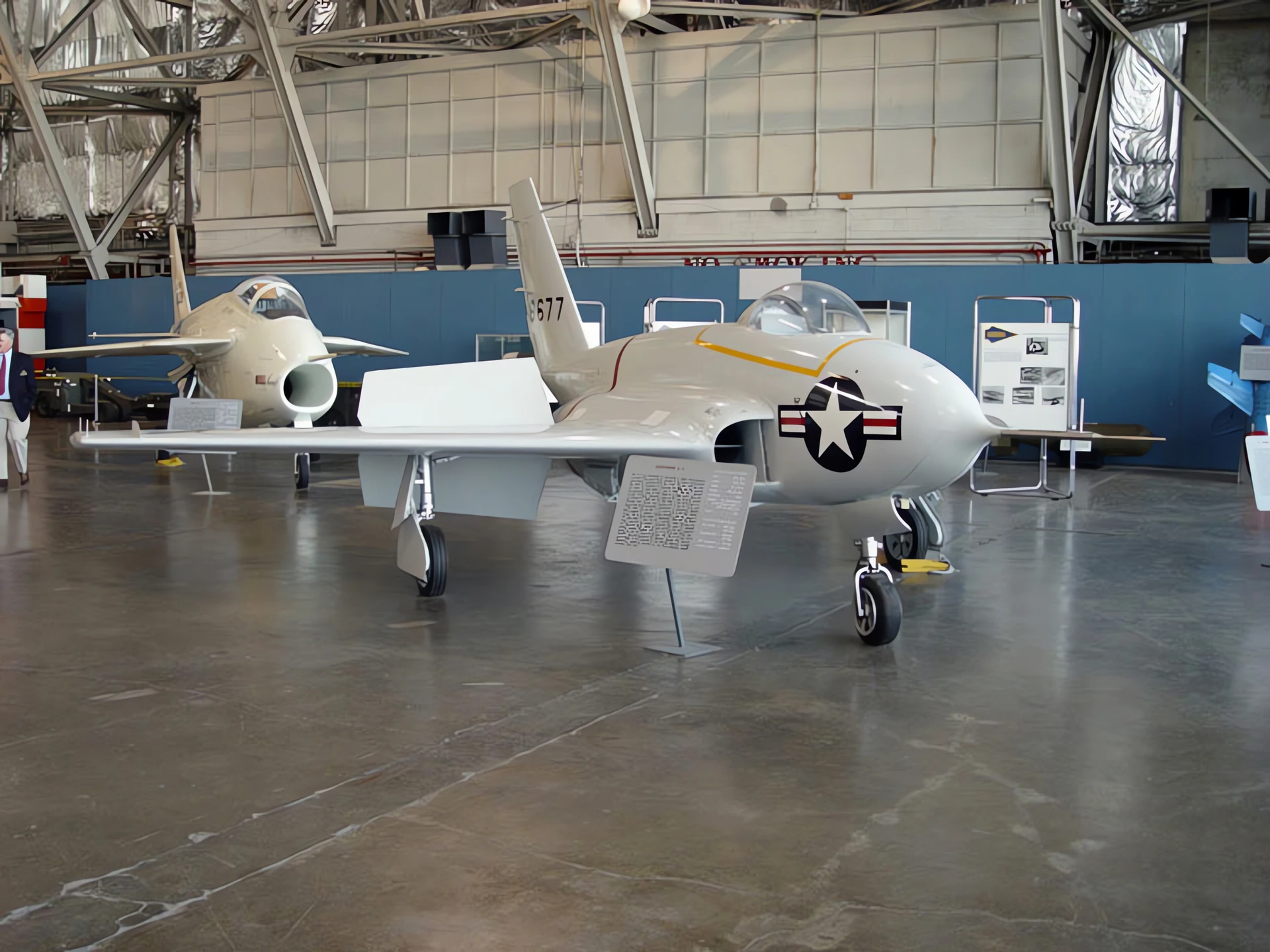
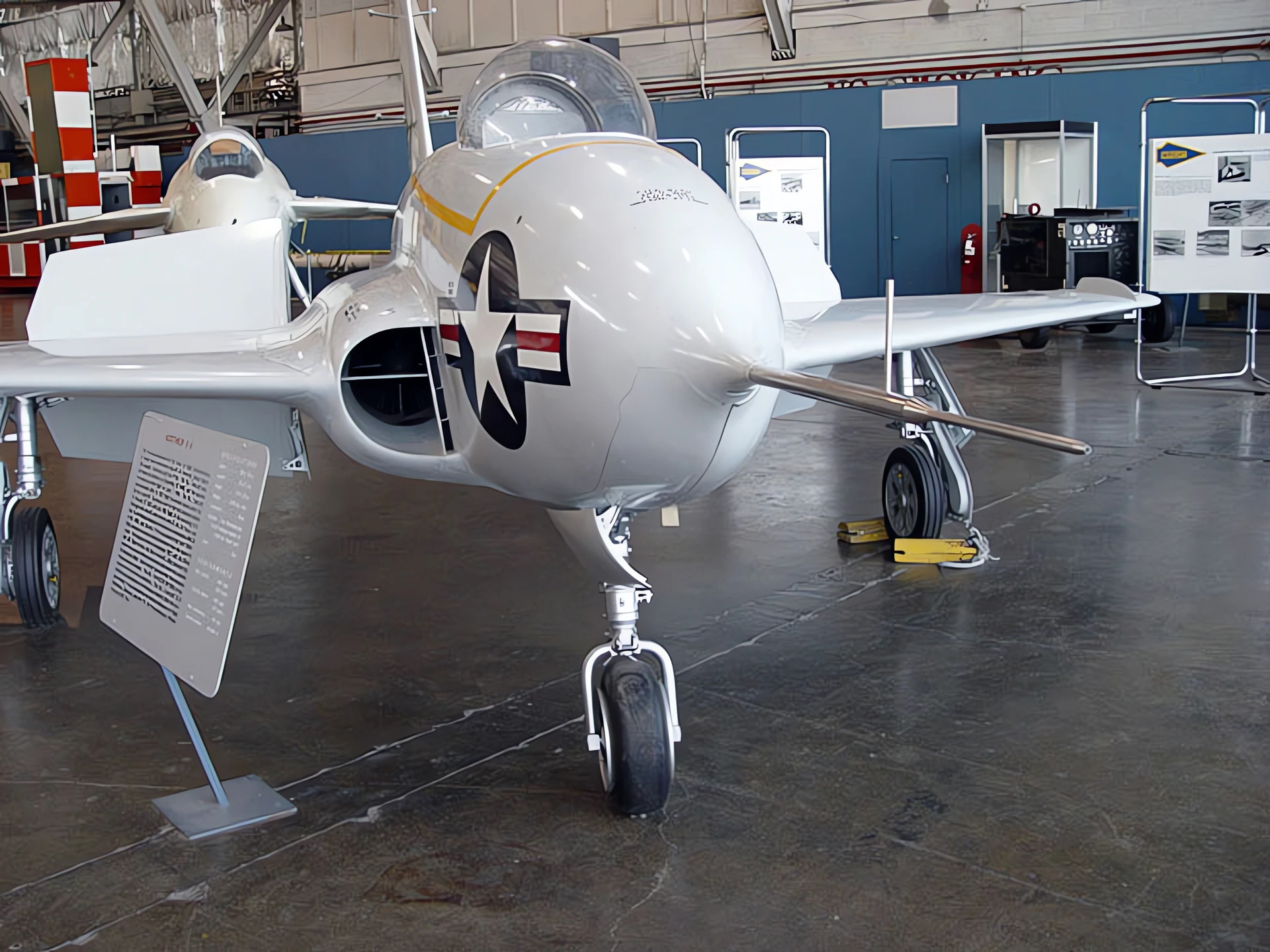
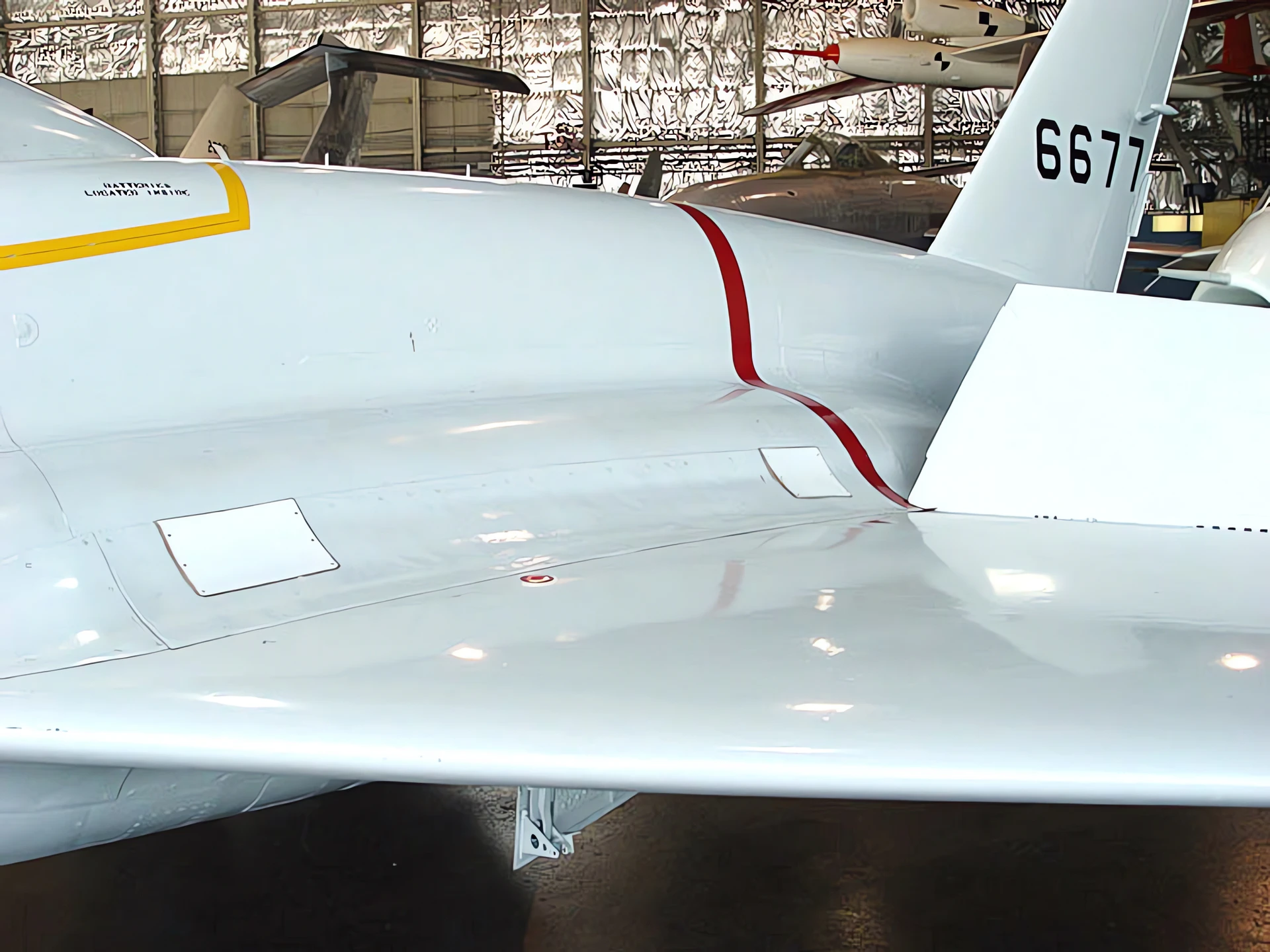
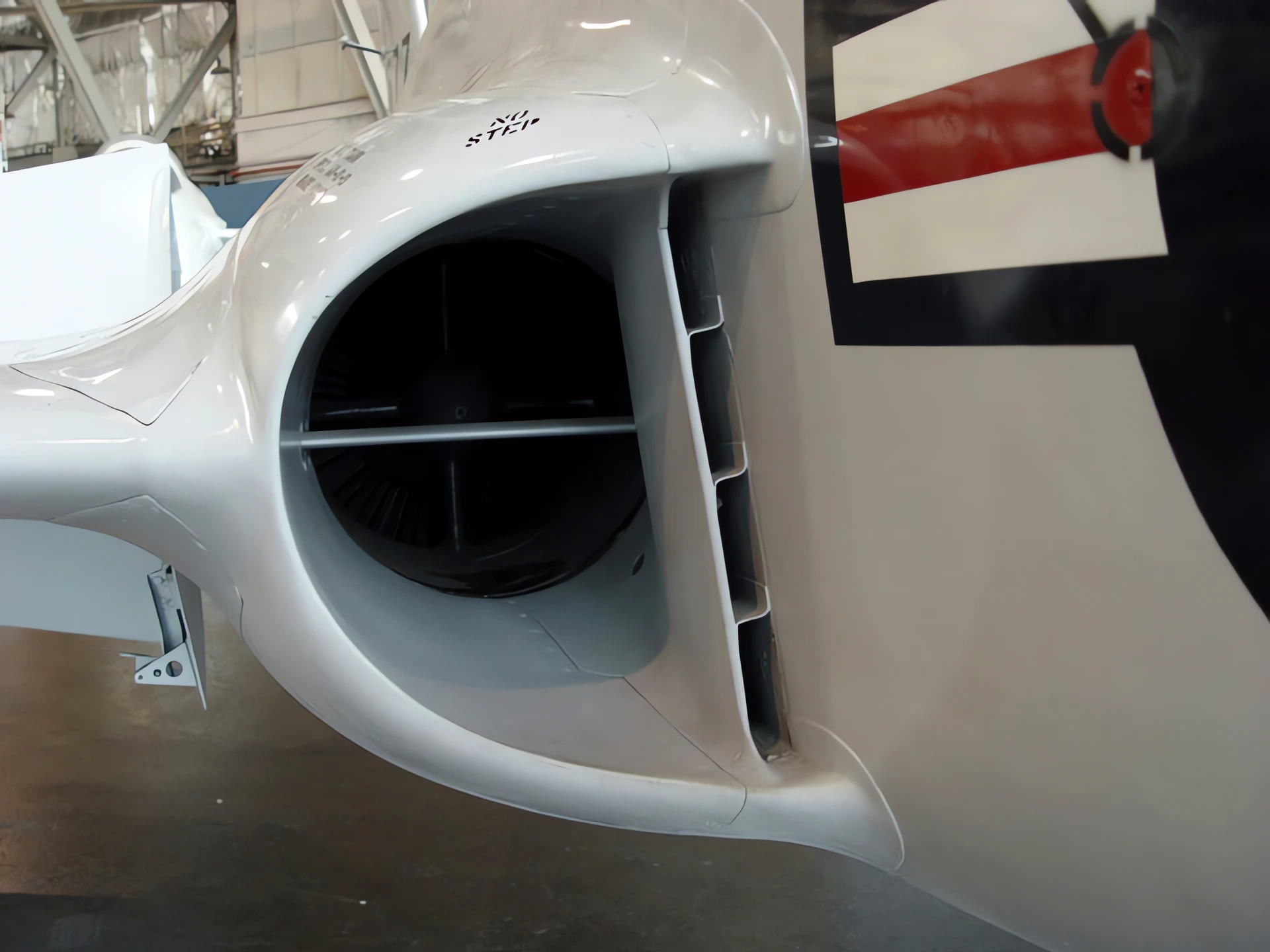
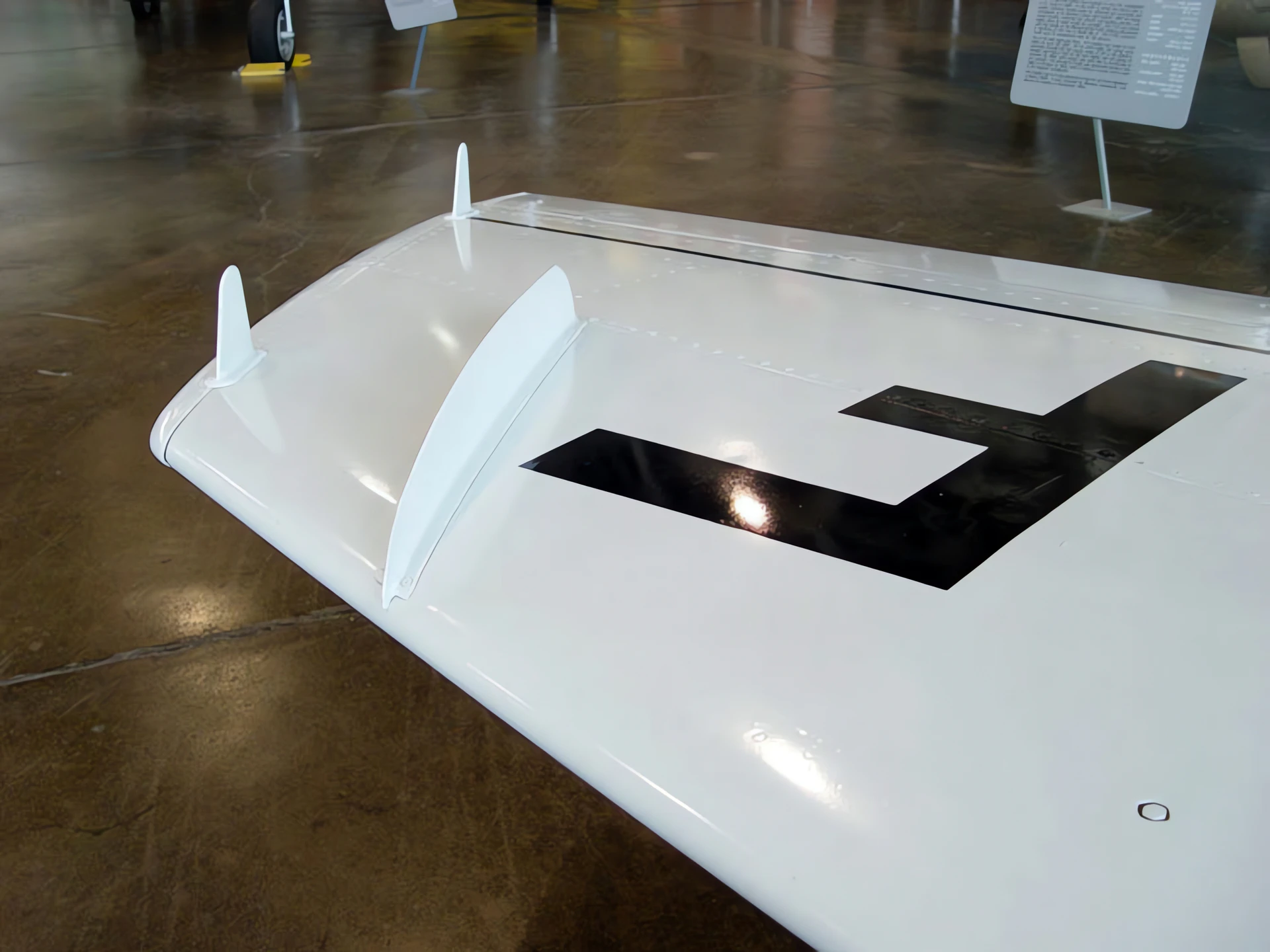
Nniiden Northrop X-4 Bantam oli Northrop Corporationin vuonna 1948 valmistama pienen twinjet-lentokoneen prototyyppi. Siinä ei ollut vaakasuoria pyrstöpintoja, vaan se oli riippuvainen yhdistetyistä hissi- ja aileron-ohjauspinnoista (nimeltään elevonit) nousu- ja rullausasennon hallitsemiseksi, melkein täsmälleen natsi -Saksan Luftwaffen samanmuotoisen, rakettikäyttöisen Messerschmitt Me 163: n tapaan. Jotkut aerodynamiikan tutkijat olivat ehdottaneet, että vaakasuoran hännän poistaminen poistaisi myös vakausongelmat suurilla nopeuksilla (kutsutaan iskupysähdykseksi), jotka johtuvat siipien ja vaakavakainten yliäänisten iskuaaltojen vuorovaikutuksesta. Ajatuksella oli ansioita, mutta tuon ajan lennonohjausjärjestelmät estivät X-4: n menestyksen.
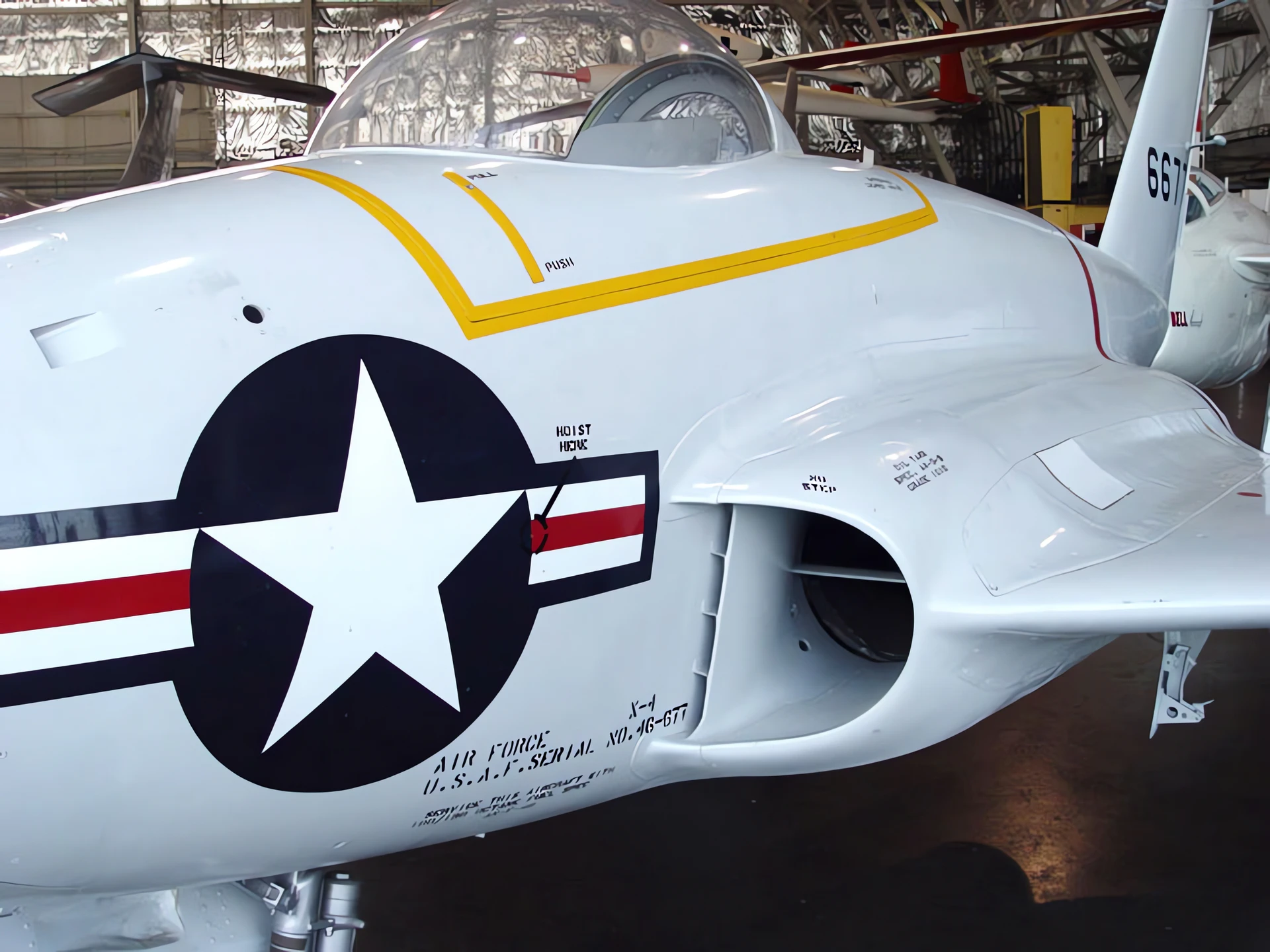
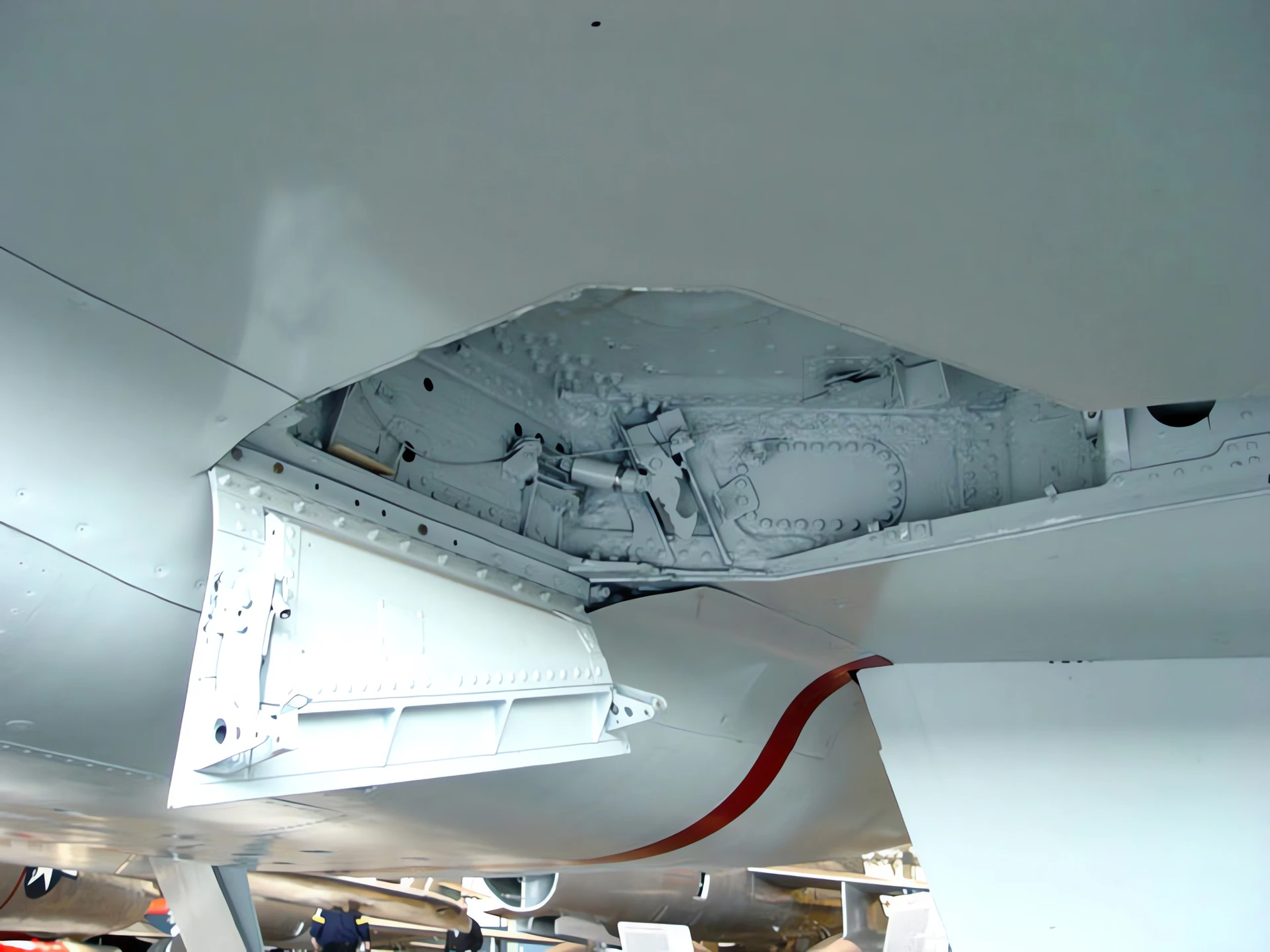
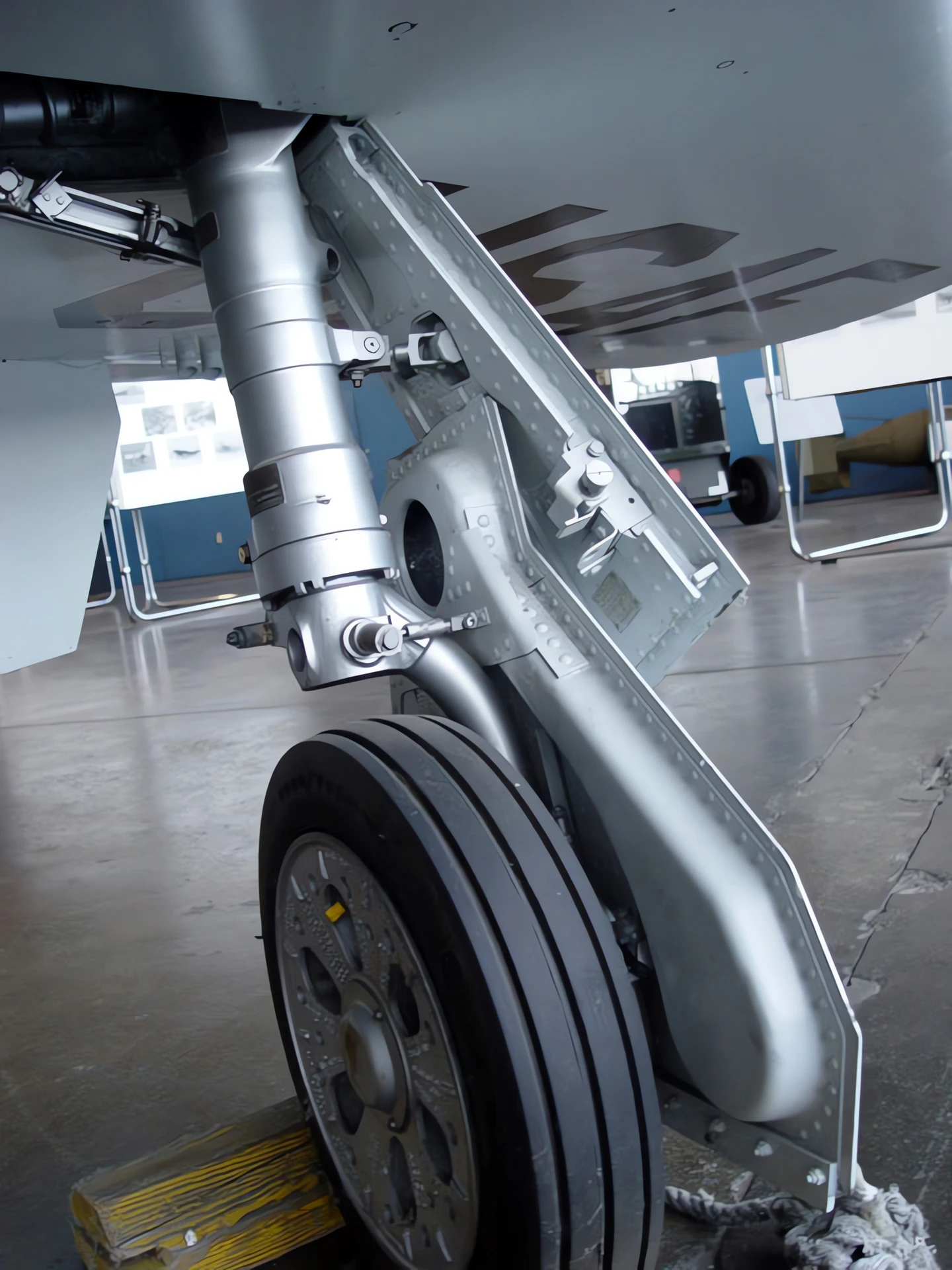
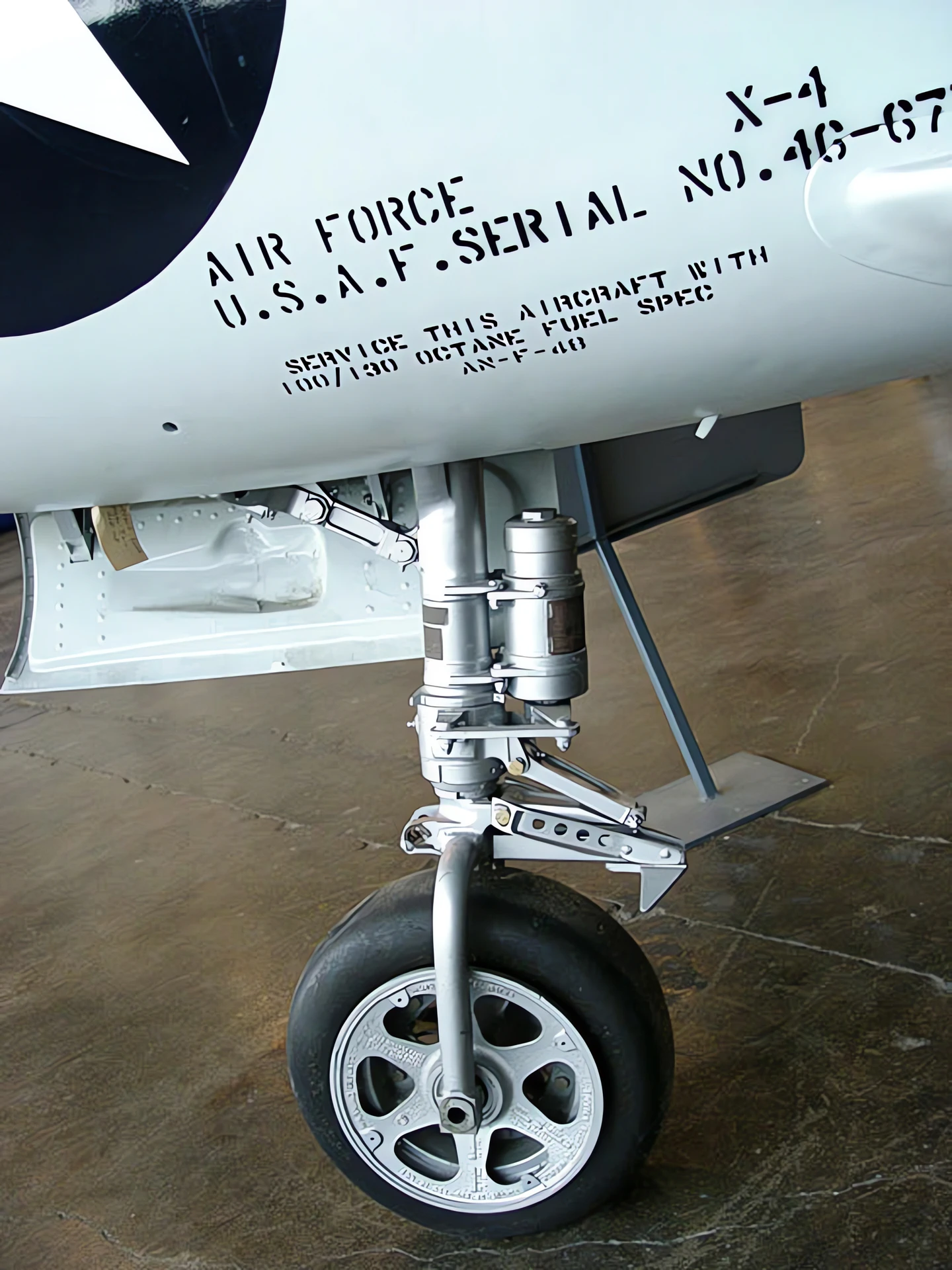
| Northrop X-4 Bantam Walk Aroundd | |
|---|---|
| Photographers | John Heck, Randy Ray |
| Localisation | National Museum of the USAF |
| Photos | 50 |


Katso myös:


General Characteristics and Role
The Northrop X-4 Bantam was an experimental jet aircraft developed for the U.S. Air Force and the National Advisory Committee for Aeronautics (NACA, the precursor to NASA) in the late 1940s. Its primary role was to investigate the aerodynamic properties of a tailless aircraft design at transonic speeds (speeds approaching the speed of sound, or Mach 1). It utilized a semi-tailless configuration, meaning it lacked a horizontal tail stabilizer but retained small vertical fins. The tailless design was believed to reduce the shock waves and control issues experienced by conventional aircraft as they approached the sound barrier. The Bantam was built as a small, swept-wing jet to minimize costs and complexity during the high-risk transonic research phase.
| Property | Typical Value (X-4) | ||
|---|---|---|---|
| Rooli | Experimental Aircraft (Transonic Stability Research) | ||
| National Origin | Yhdysvallat | ||
| Valmistaja | Northrop Corporation | ||
| First Flight | 15. joulukuuta 1948 | ||
| miehistö | 1 Pilot | ||
| Wing Sweep | 35 degrees | ||
| pituus | 7.01 m (23 ft 0 in) | ||
| Siipiväli | 8.23 m (27 ft 0 in) | ||
| korkeus | 4.52 m (14 ft 10 in) | Gross Weight | 3,524 kg (7,770 lb) |
Powerplant and Flight Controls
- Engine: 2 x Westinghouse J30 turbojet engines.
- Thrust (Total): Approximately 1,600 lbf (7.1 kN).
- Maximum Speed: 1,032 km/h (641 mph, or approx. Mach 0.85).
- Control Surfaces: All control was handled by elevons (control surfaces that combine the functions of elevators and ailerons) on the trailing edge of the wing, and twin vertical rudders.
- Stability Issue: Testing confirmed that while the X-4 was stable at low speeds, it experienced severe longitudinal stability issues when flying faster than Mach 0.88, leading to a tendency to pitch up and lose control.
Program Outcome and Legacy
- Test Program: The X-4 completed 81 research flights at the NACA Muroc Flight Test Unit (later Edwards AFB).
- Discovery: The program proved that a simple tailless design was unsuitable for sustained transonic flight due to the poor stability characteristics encountered.
- Influence: This finding was crucial, convincing designers to use a conventional horizontal stabilizer (tailplane) or the all-moving stabilator on high-speed jets, which became the standard design for supersonic aircraft.
- Preservation: Both prototypes built are preserved: one (46-676) is at the U.S. Air Force Museum in Ohio, and the other (46-677) is at the National Museum of Nuclear Science & History in New Mexico.
Näkymät : 1970
Voit myös nähdä:
 Northrop Gamma – Valokuvat & Videot
 Northrop JB-1 Lepakko – Valokuvat & Videot
 Northrop Grumman X-47B – Valokuvat & Videot
 Northrop Tacit Blue – Valokuvat & Videot
 Northrop Alpha – Valokuvat & Video
 Northrop YF-17 Cobra – Valokuvat & Video
 Northrop F-20 Tigershark – Valokuvat & Video
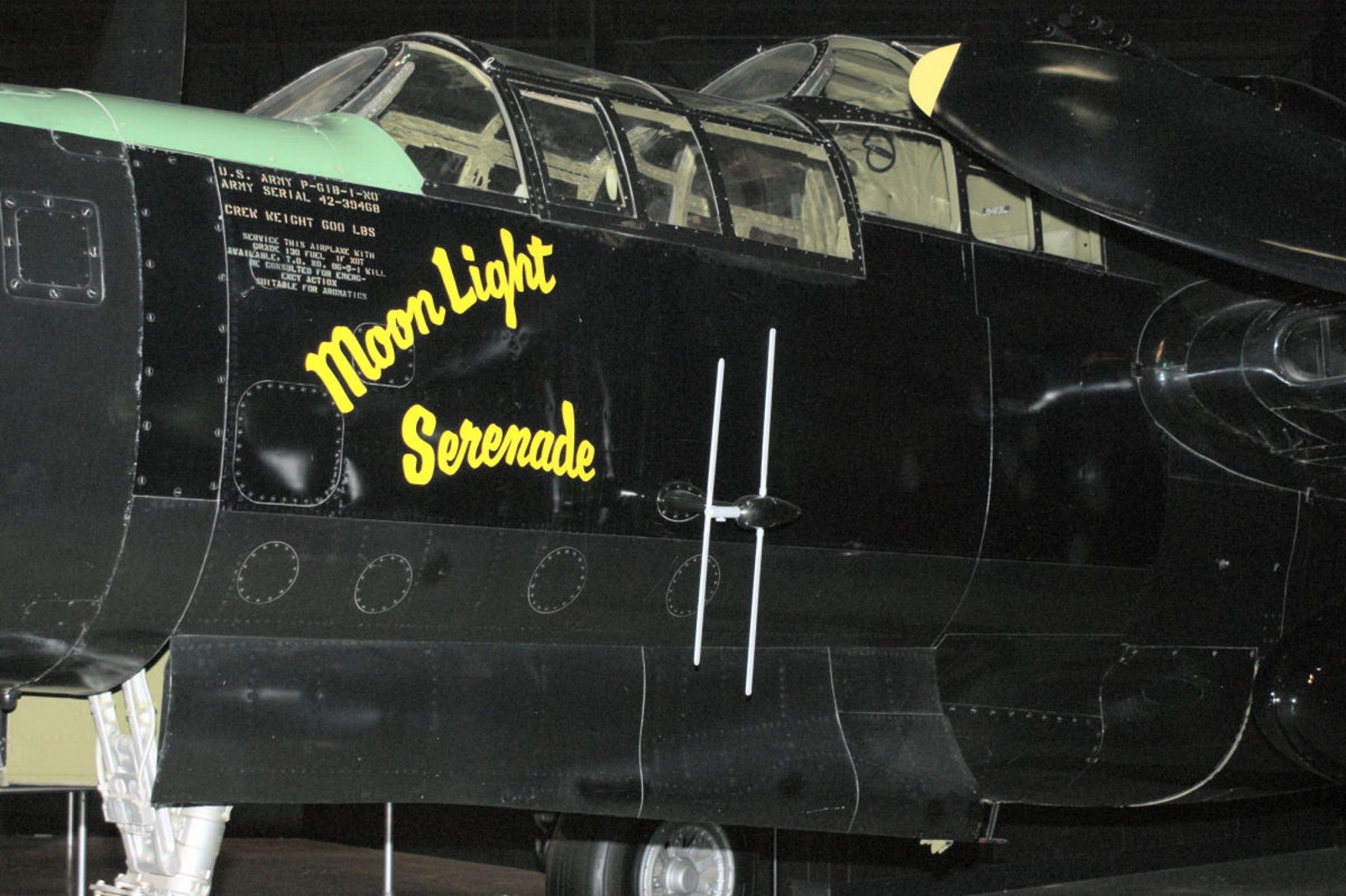 Northrop P-61 Black Widow – Valokuvat ja video
 Northrop T-38 Talon – Valokuvat & Video
 Northrop A-17A – Valokuvat ja video