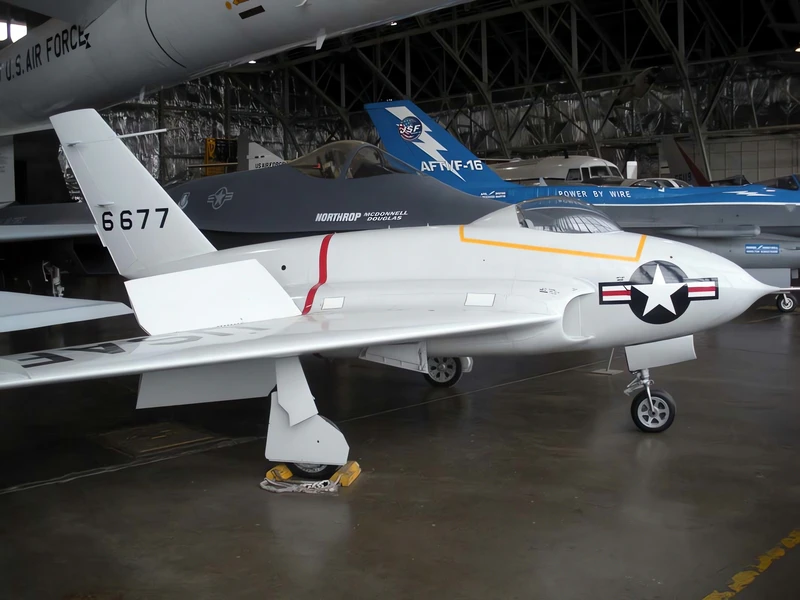
Northrop X-4 Bantam | |
|---|---|
| Země | SPOJENÉ STÁTY |
| Roli | Prototyp bezocasého letadla |
| První let | 15. prosince 1948 |
| Postaven | 2 |
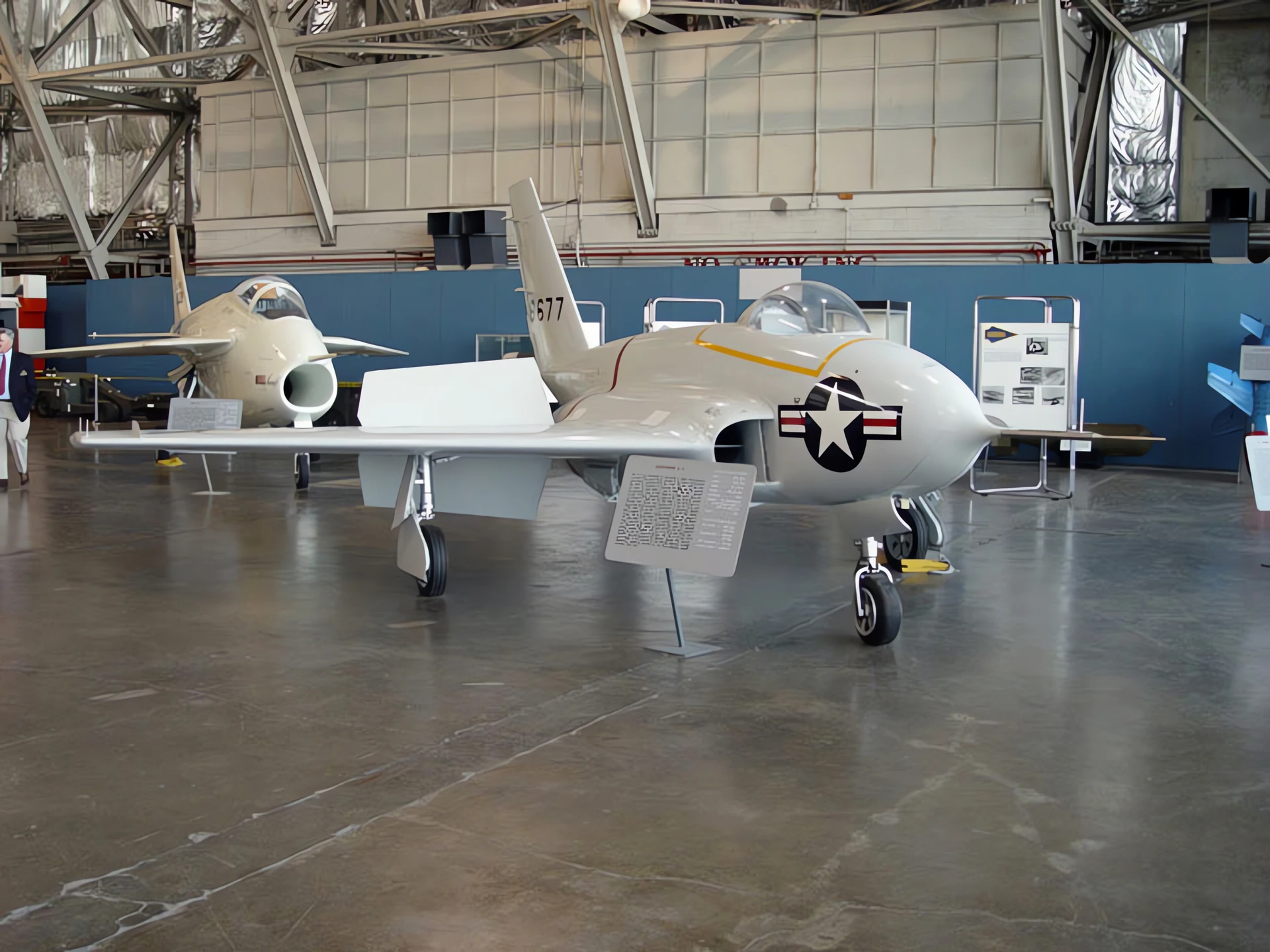
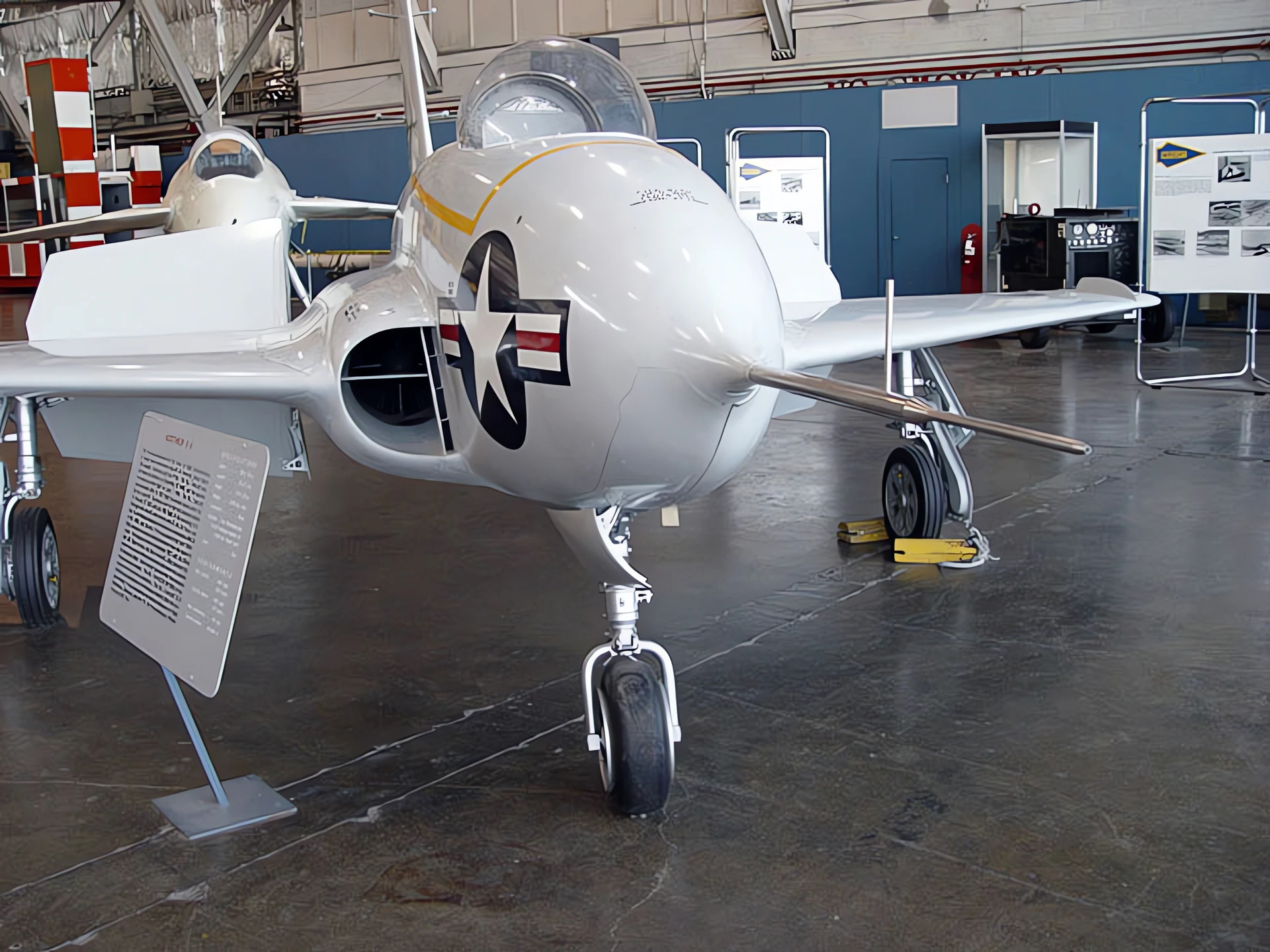
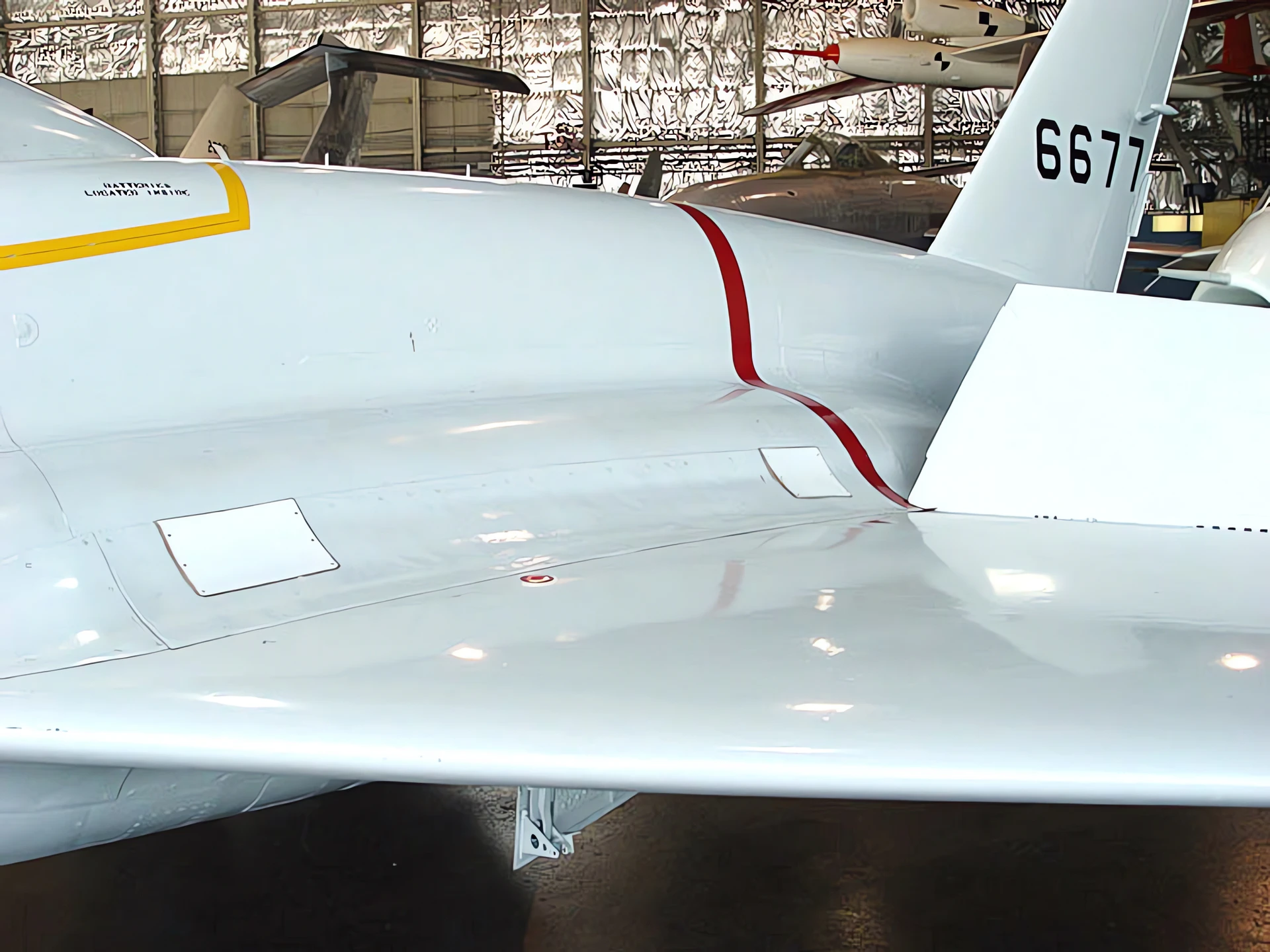
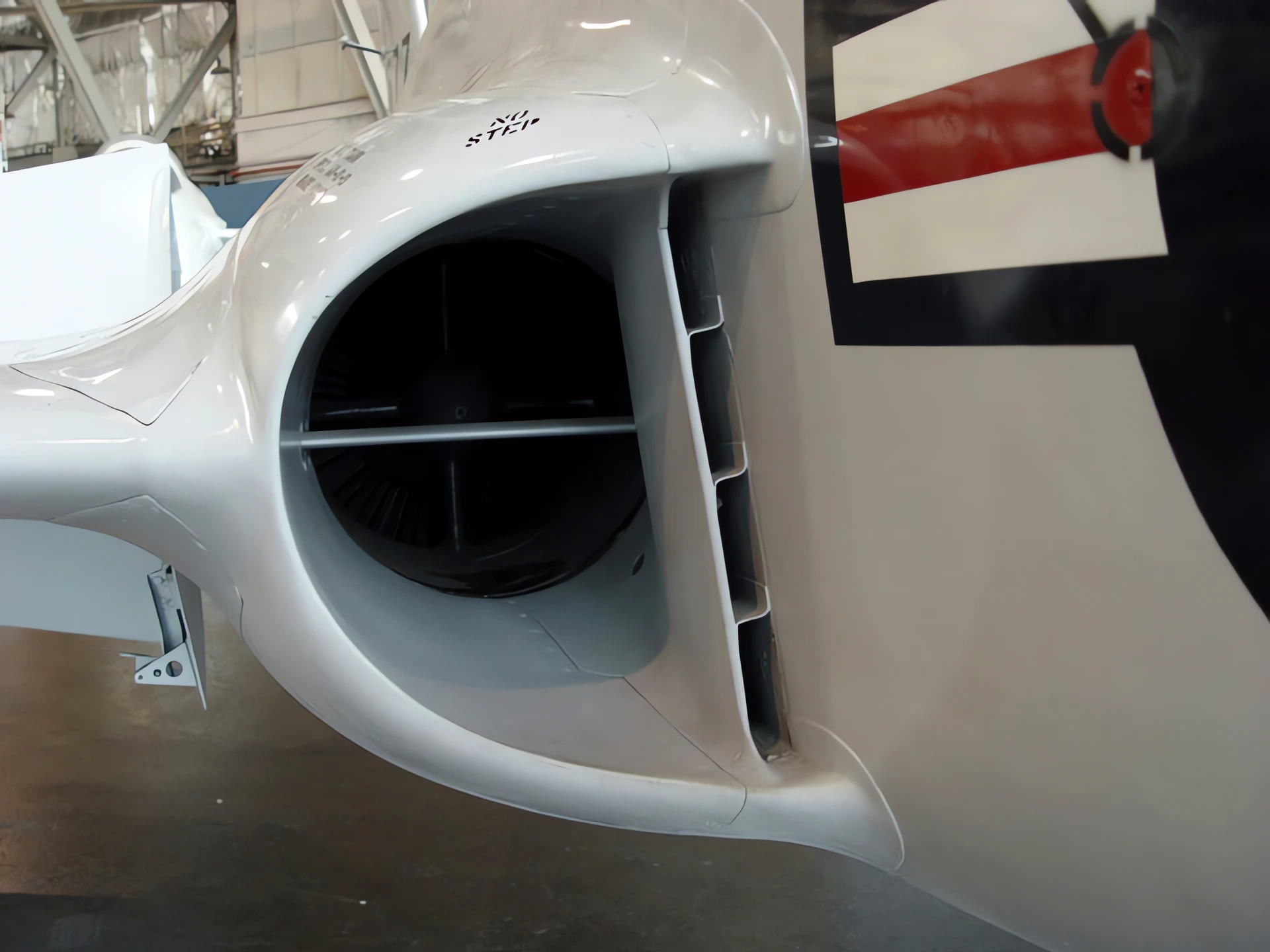
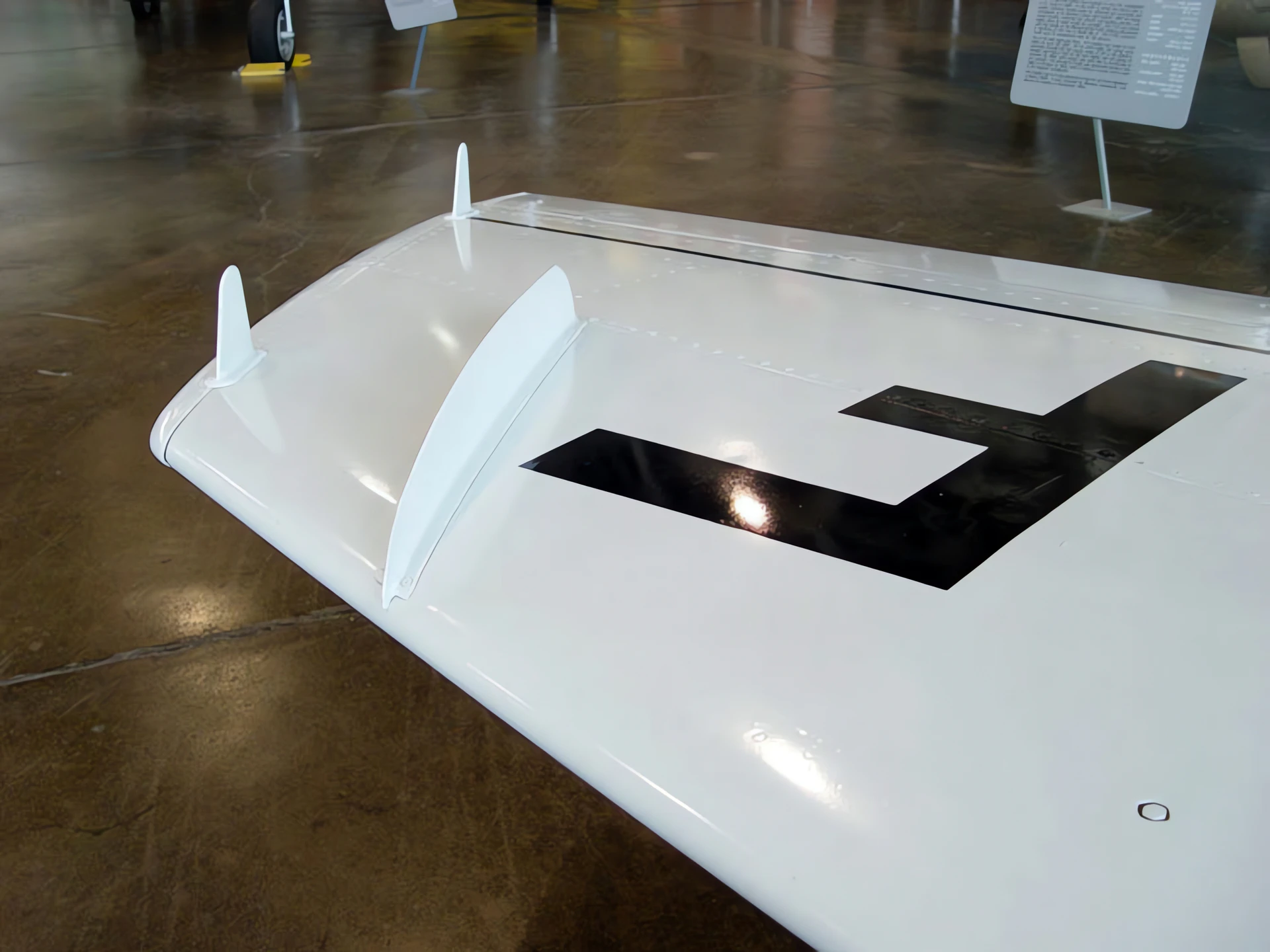
Tá Northrop X-4 Bantam byl prototyp malého dvouproudového letounu vyrobený společností Northrop Corporation v roce 1948. Neměl žádné vodorovné ocasní plochy, místo toho byl závislý na kombinovaných ovládacích plochách výškovky a křidélek (nazývaných elevony) pro ovládání náklonu a náklonu, téměř přesně ve stylu raketového Messerschmittu Me 163 podobného formátu nacistické německé Luftwaffe. Někteří aerodynamici navrhli, že odstranění vodorovných ocasních ploch by také odstranilo problémy se stabilitou při vysokých rychlostech (nazývané shock stall), které jsou výsledkem interakce nadzvukových rázových vln z křídel a horizontálních stabilizátorů. Tato myšlenka měla své opodstatnění, ale systémy řízení letu v té době zabránily X-4 v jakémkoli úspěchu.
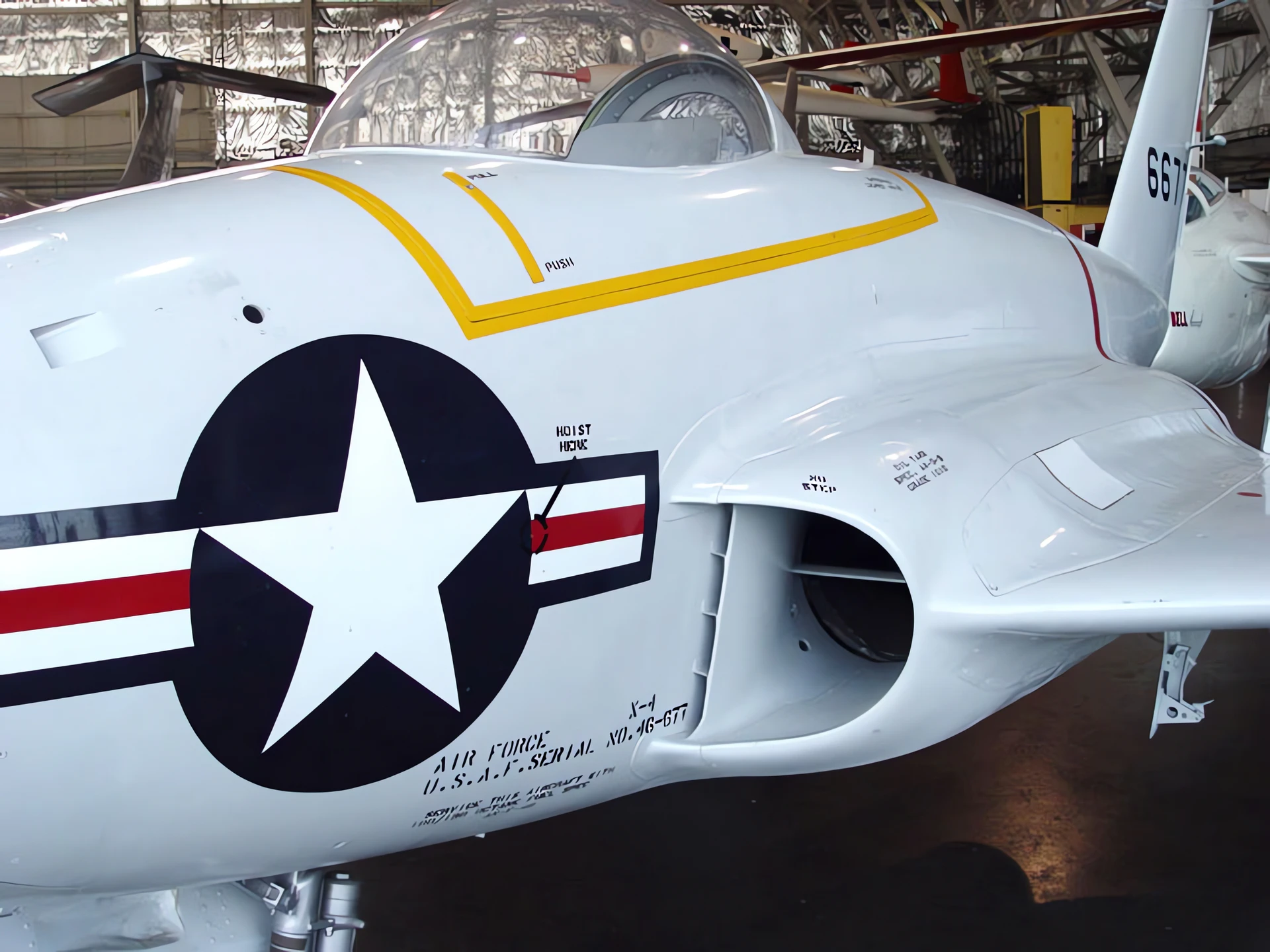
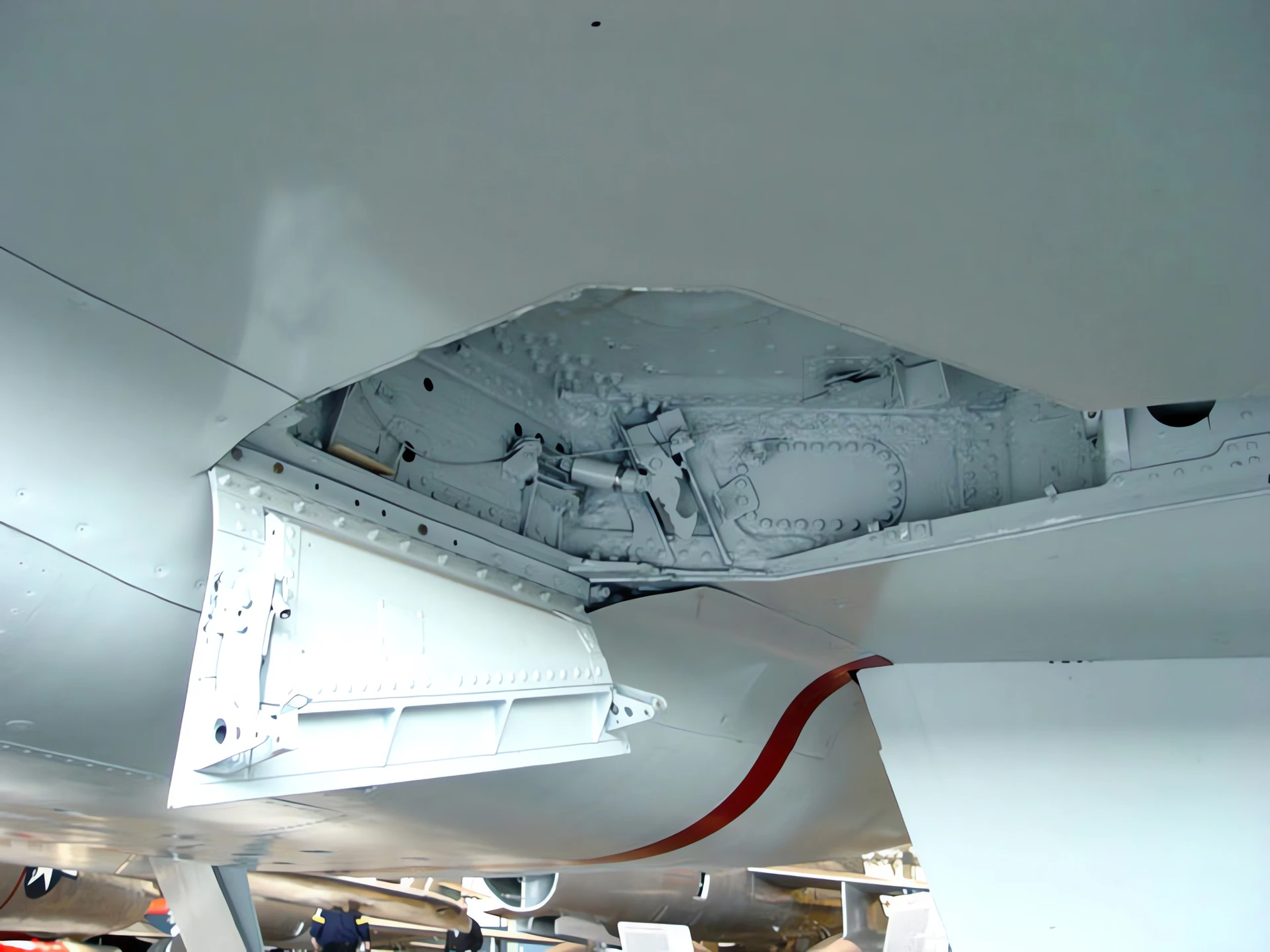
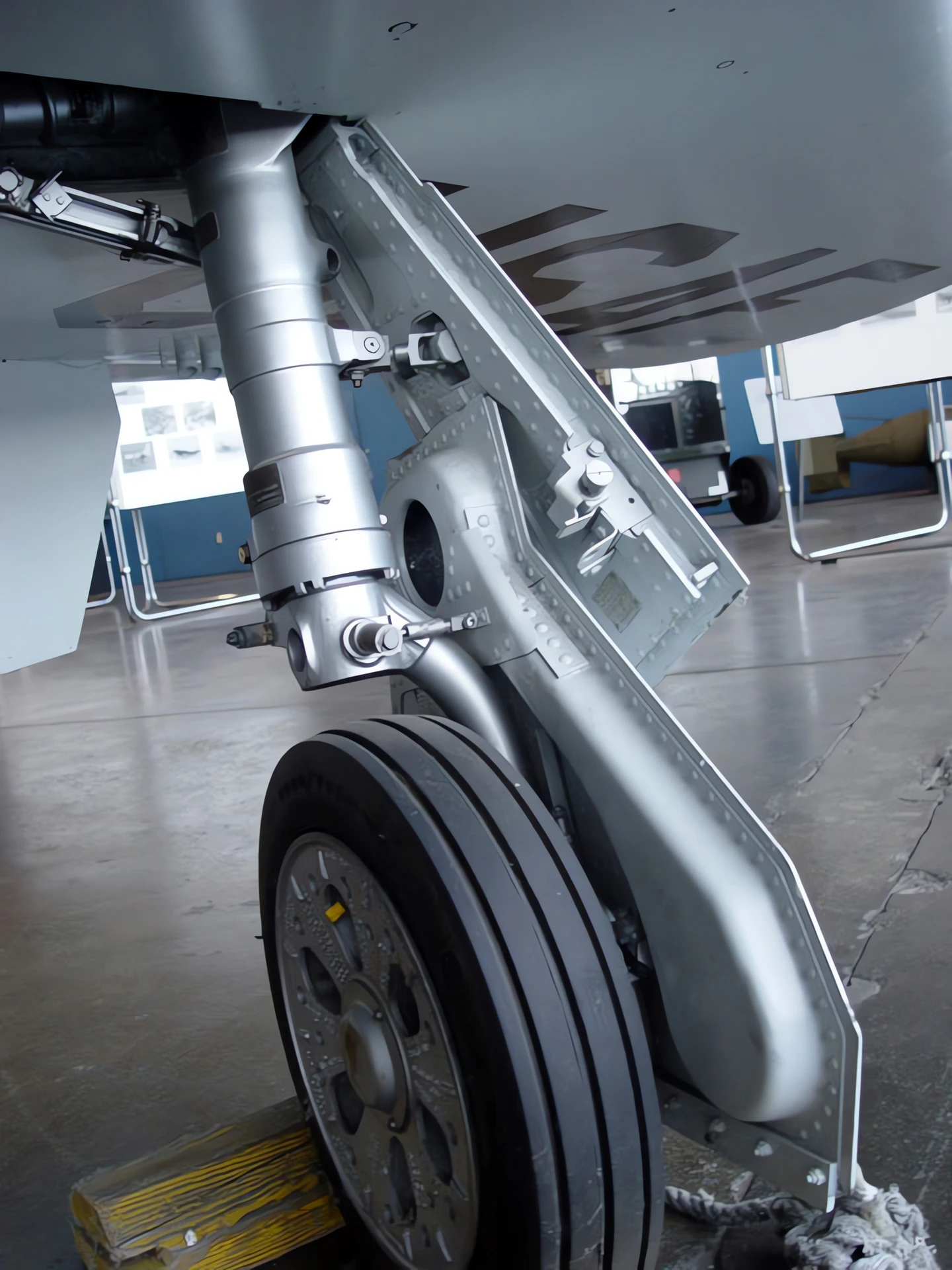
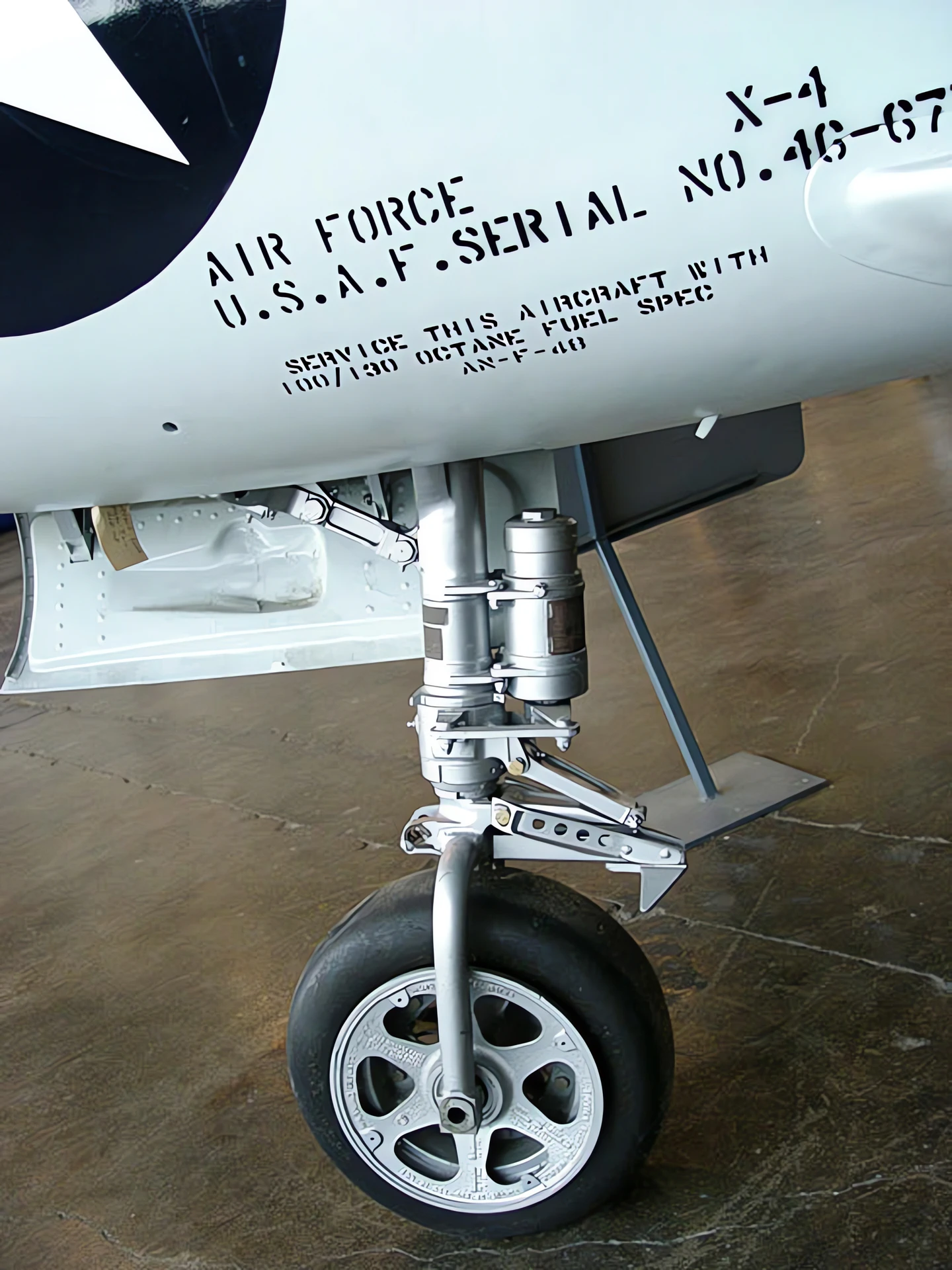
| Northrop X-4 Bantam Walk Aroundd | |
|---|---|
| Photographers | John Heck, Randy Ray |
| Localisation | National Museum of the USAF |
| Photos | 50 |


Viz také:


General Characteristics and Role
The Northrop X-4 Bantam was an experimental jet aircraft developed for the U.S. Air Force and the National Advisory Committee for Aeronautics (NACA, the precursor to NASA) in the late 1940s. Its primary role was to investigate the aerodynamic properties of a tailless aircraft design at transonic speeds (speeds approaching the speed of sound, or Mach 1). It utilized a semi-tailless configuration, meaning it lacked a horizontal tail stabilizer but retained small vertical fins. The tailless design was believed to reduce the shock waves and control issues experienced by conventional aircraft as they approached the sound barrier. The Bantam was built as a small, swept-wing jet to minimize costs and complexity during the high-risk transonic research phase.
| Property | Typical Value (X-4) | ||
|---|---|---|---|
| Roli | Experimental Aircraft (Transonic Stability Research) | ||
| National Origin | Spojené státy americké | ||
| Výrobce | Northrop Corporation | ||
| First Flight | 15. prosince 1948 | ||
| Posádky | 1 Pilot | ||
| Wing Sweep | 35 degrees | ||
| Délka | 7.01 m (23 ft 0 in) | ||
| Rozpětí křídel | 8.23 m (27 ft 0 in) | ||
| Výška | 4.52 m (14 ft 10 in) | Gross Weight | 3,524 kg (7,770 lb) |
Powerplant and Flight Controls
- Engine: 2 x Westinghouse J30 turbojet engines.
- Thrust (Total): Approximately 1,600 lbf (7.1 kN).
- Maximum Speed: 1,032 km/h (641 mph, or approx. Mach 0.85).
- Control Surfaces: All control was handled by elevons (control surfaces that combine the functions of elevators and ailerons) on the trailing edge of the wing, and twin vertical rudders.
- Stability Issue: Testing confirmed that while the X-4 was stable at low speeds, it experienced severe longitudinal stability issues when flying faster than Mach 0.88, leading to a tendency to pitch up and lose control.
Program Outcome and Legacy
- Test Program: The X-4 completed 81 research flights at the NACA Muroc Flight Test Unit (later Edwards AFB).
- Discovery: The program proved that a simple tailless design was unsuitable for sustained transonic flight due to the poor stability characteristics encountered.
- Influence: This finding was crucial, convincing designers to use a conventional horizontal stabilizer (tailplane) or the all-moving stabilator on high-speed jets, which became the standard design for supersonic aircraft.
- Preservation: Both prototypes built are preserved: one (46-676) is at the U.S. Air Force Museum in Ohio, and the other (46-677) is at the National Museum of Nuclear Science & History in New Mexico.
Zobrazení : 2011
Můžete také vidět:
 Northrop Gamma - Fotografie a videa
 Northrop JB-1 Bat – Fotografie a videa
 Northrop Grumman X-47B – Fotografie & videa
 Northrop Tacit Blue – Fotografie a videa
 Northrop Alpha - Fotografie a video
 Northrop YF-17 Cobra – Fotografie a video
 Northrop F-20 Tigershark - Fotografie & Video
 Northrop P-61 Black Widow – fotografie a video
 Northrop T-38 Talon – Fotografie & Video
 Northrop A-17A – Fotografie & Video