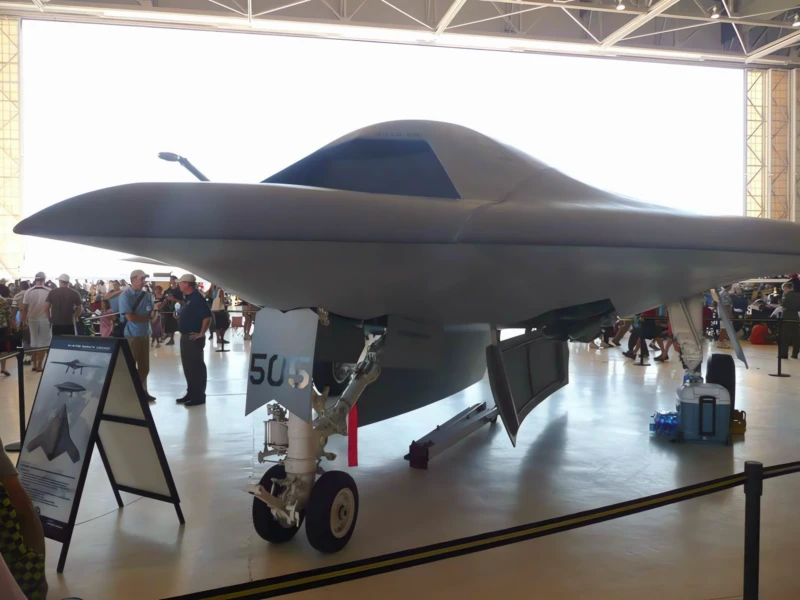
Northrop Grumman X-47B | |
|---|---|
| Země | SPOJENÉ STÁTY |
| Roli | Bezpilotní bojový letoun |
| První let | 4. února 2011 |
| Postaven | 2 |
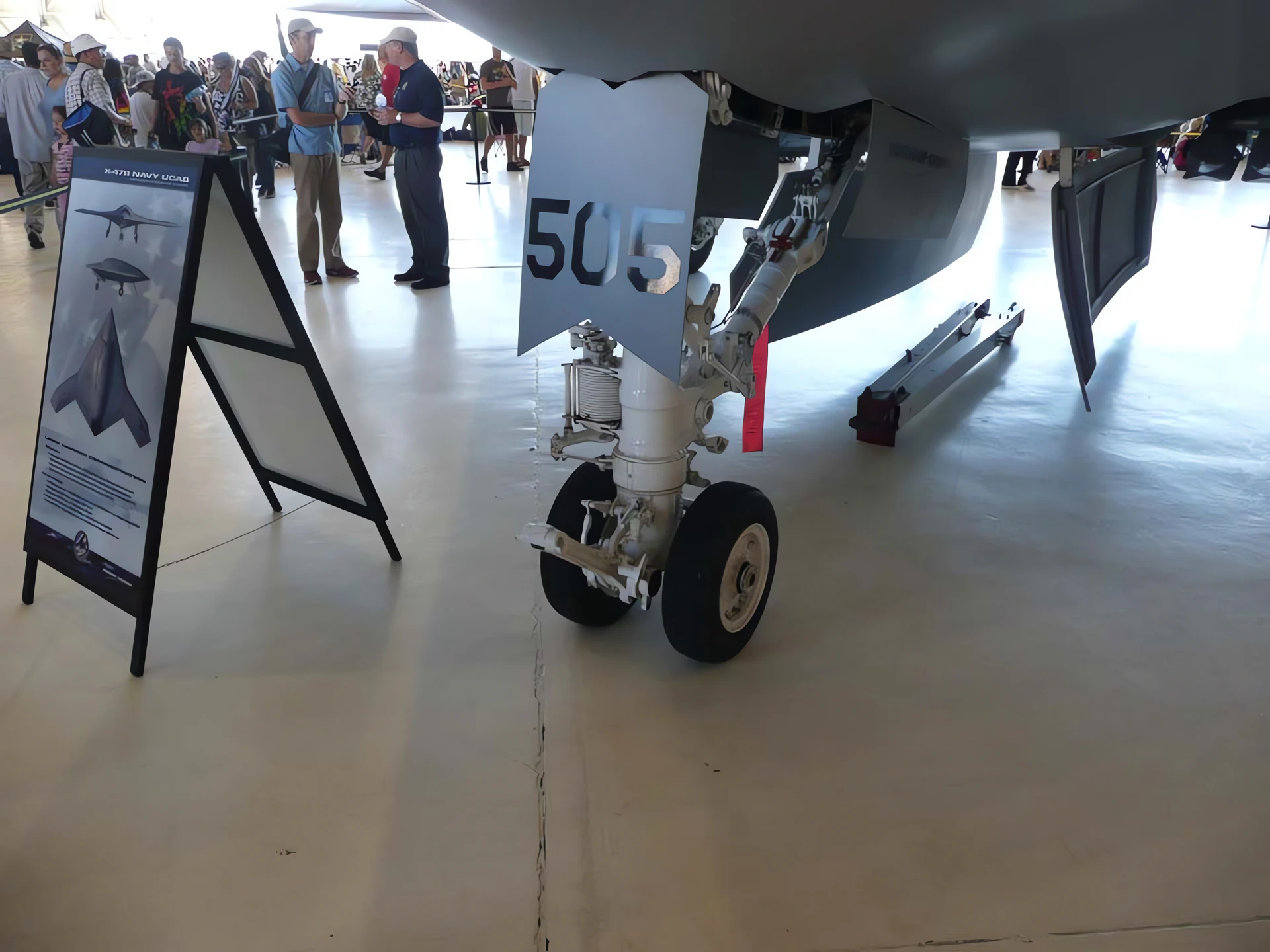
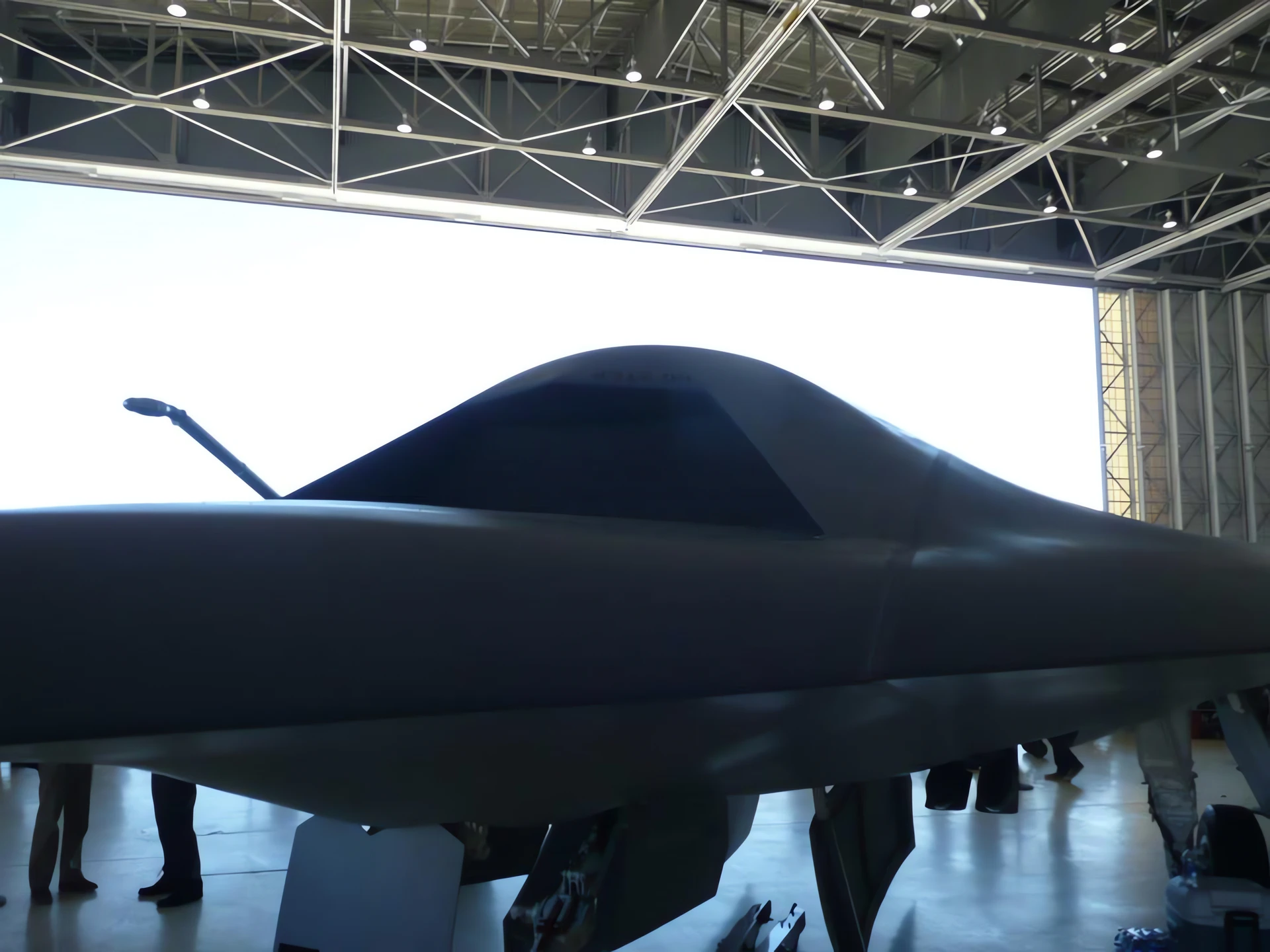
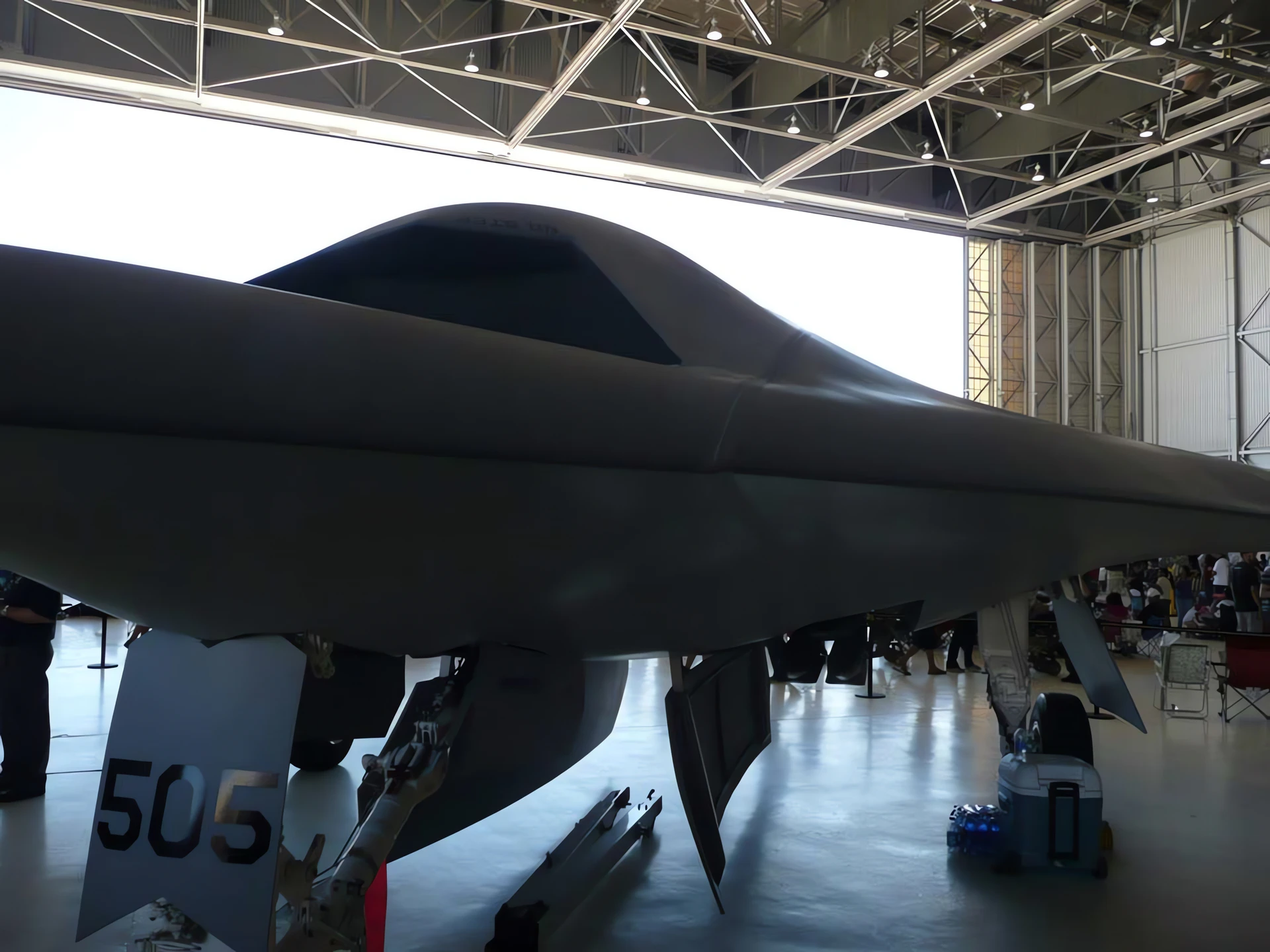
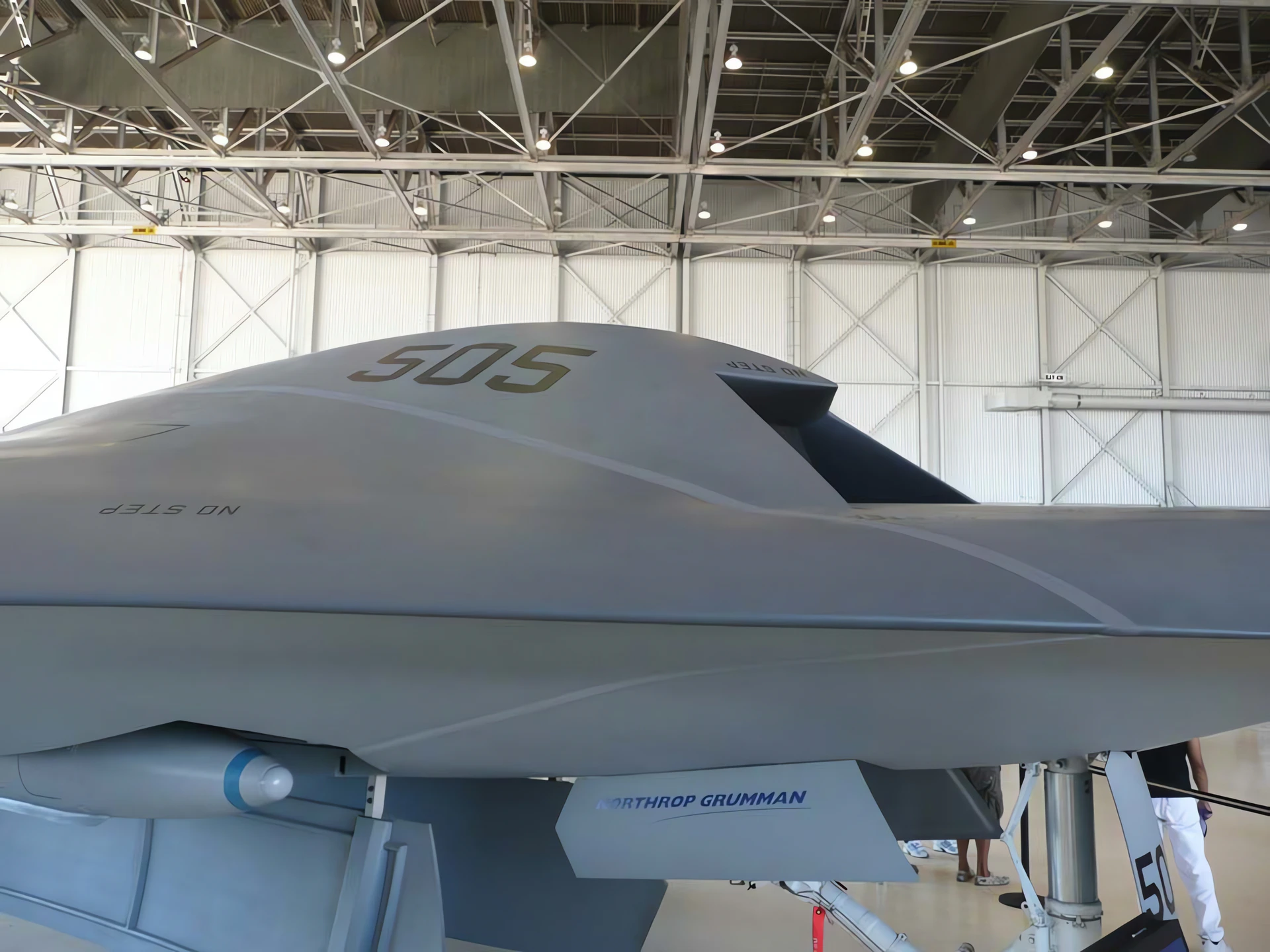
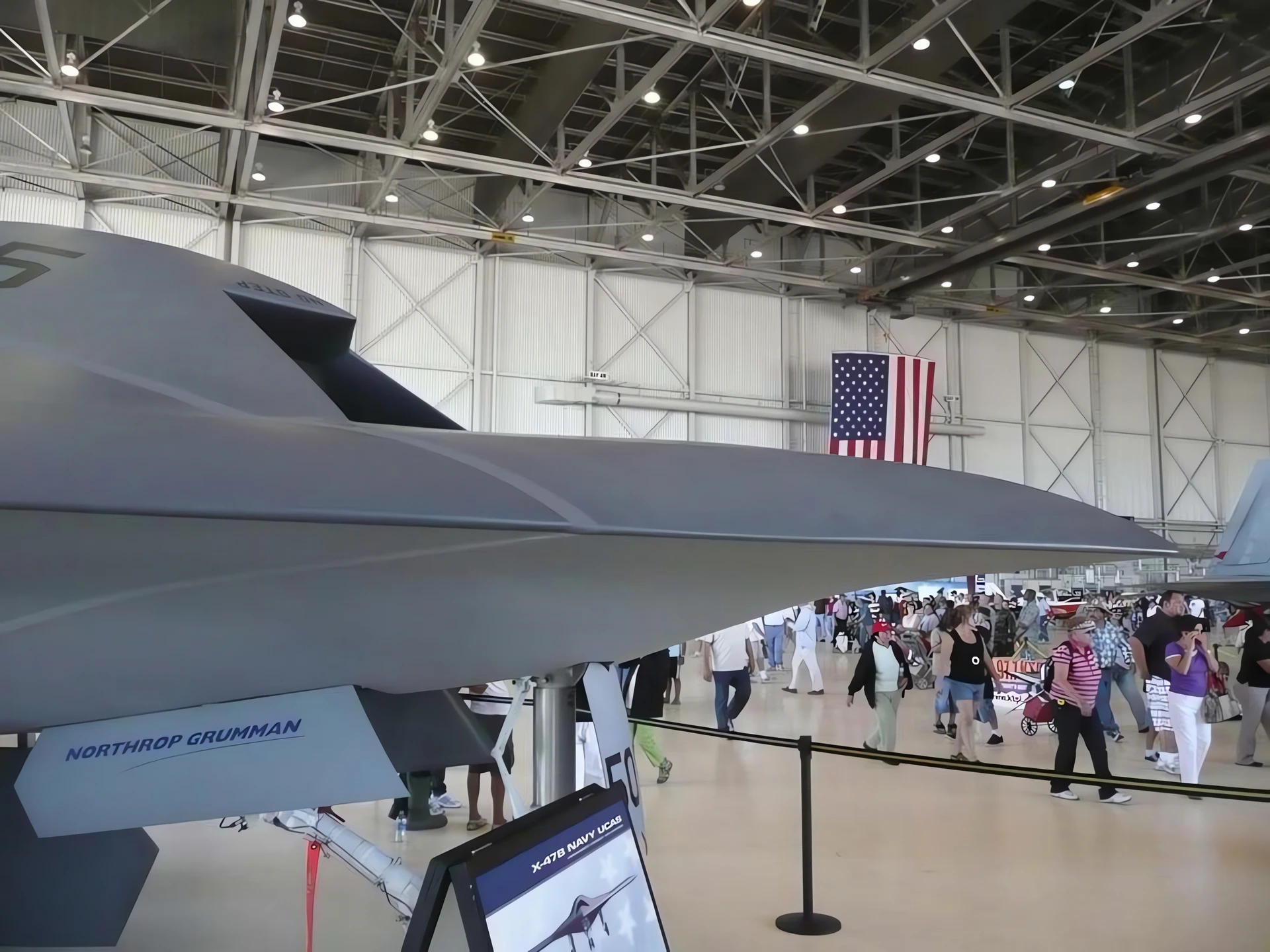
Tá Northrop Grumman X-47B je demonstrační bezpilotní bojový letoun (UCAV) určený pro operace na letadlových lodích. Projekt X-47, vyvinutý americkou společností Northrop Grumman, začal jako součást programu DARPA J-UCAS a následně se stal součástí programu UCAS-D (Unmanned Combat Air System Demonstration) námořnictva Spojených států. X-47B je bezocasý proudový letoun se smíšenými křídly schopný poloautonomního provozu a doplňování paliva za letu.
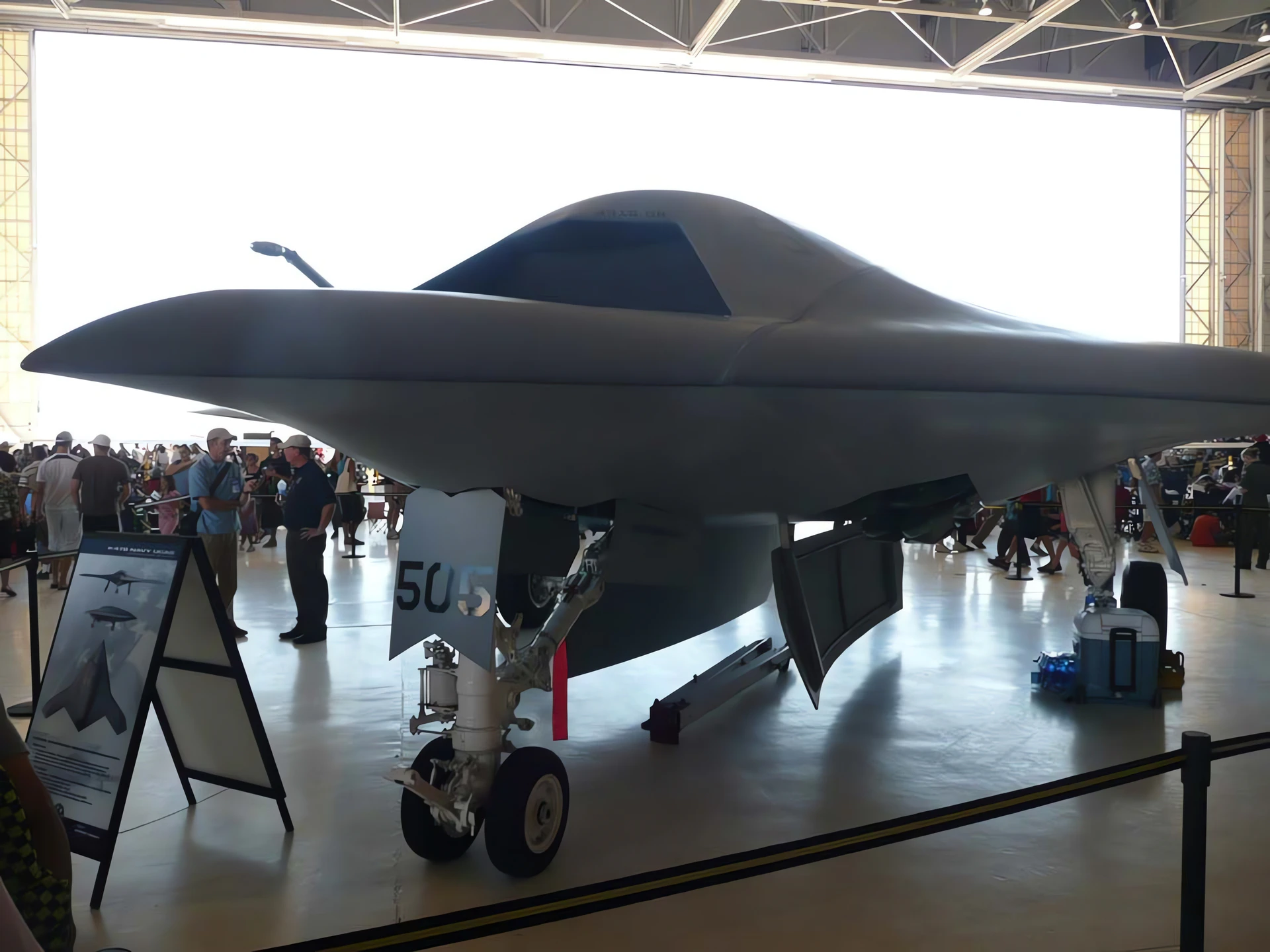
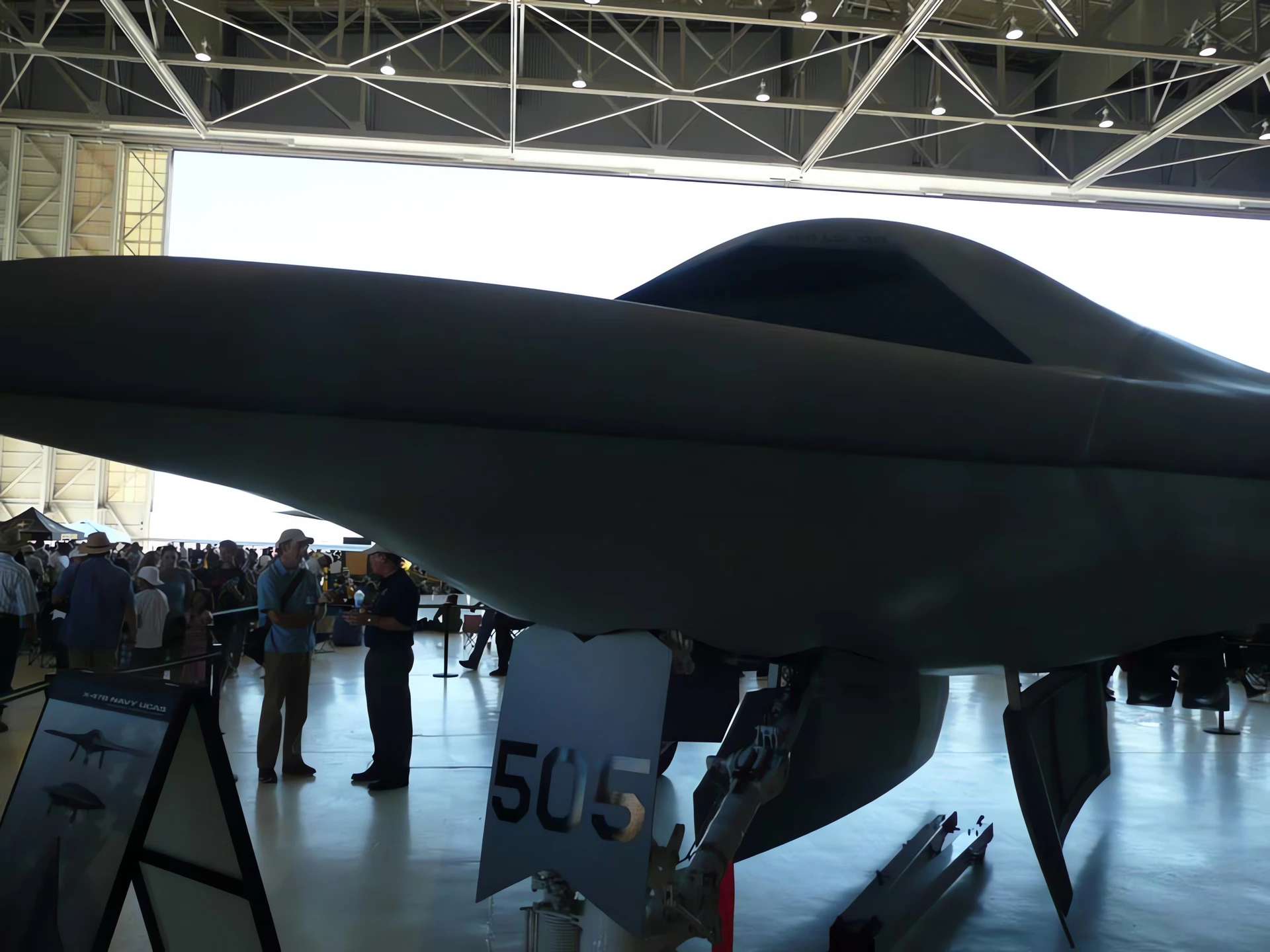
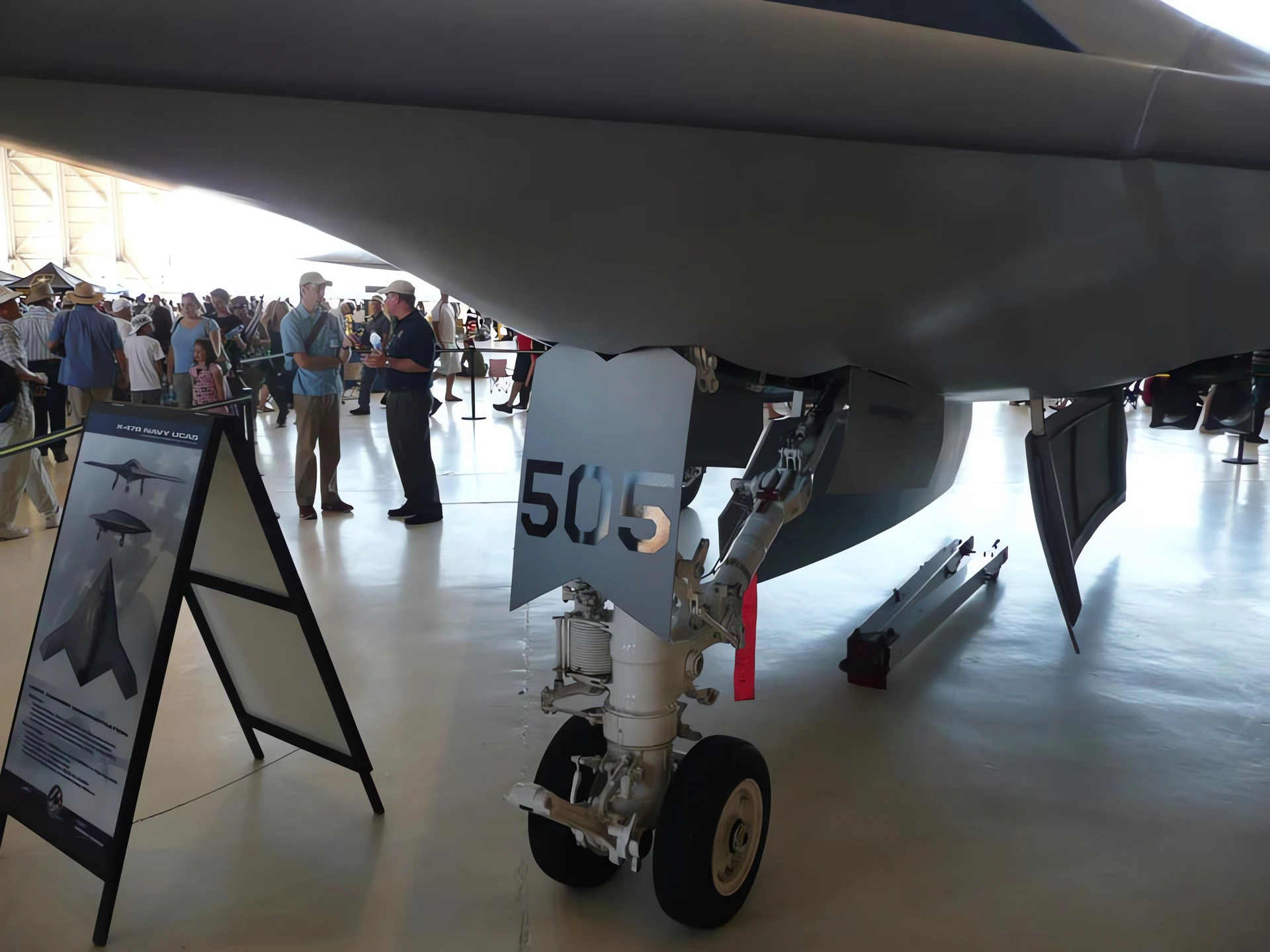
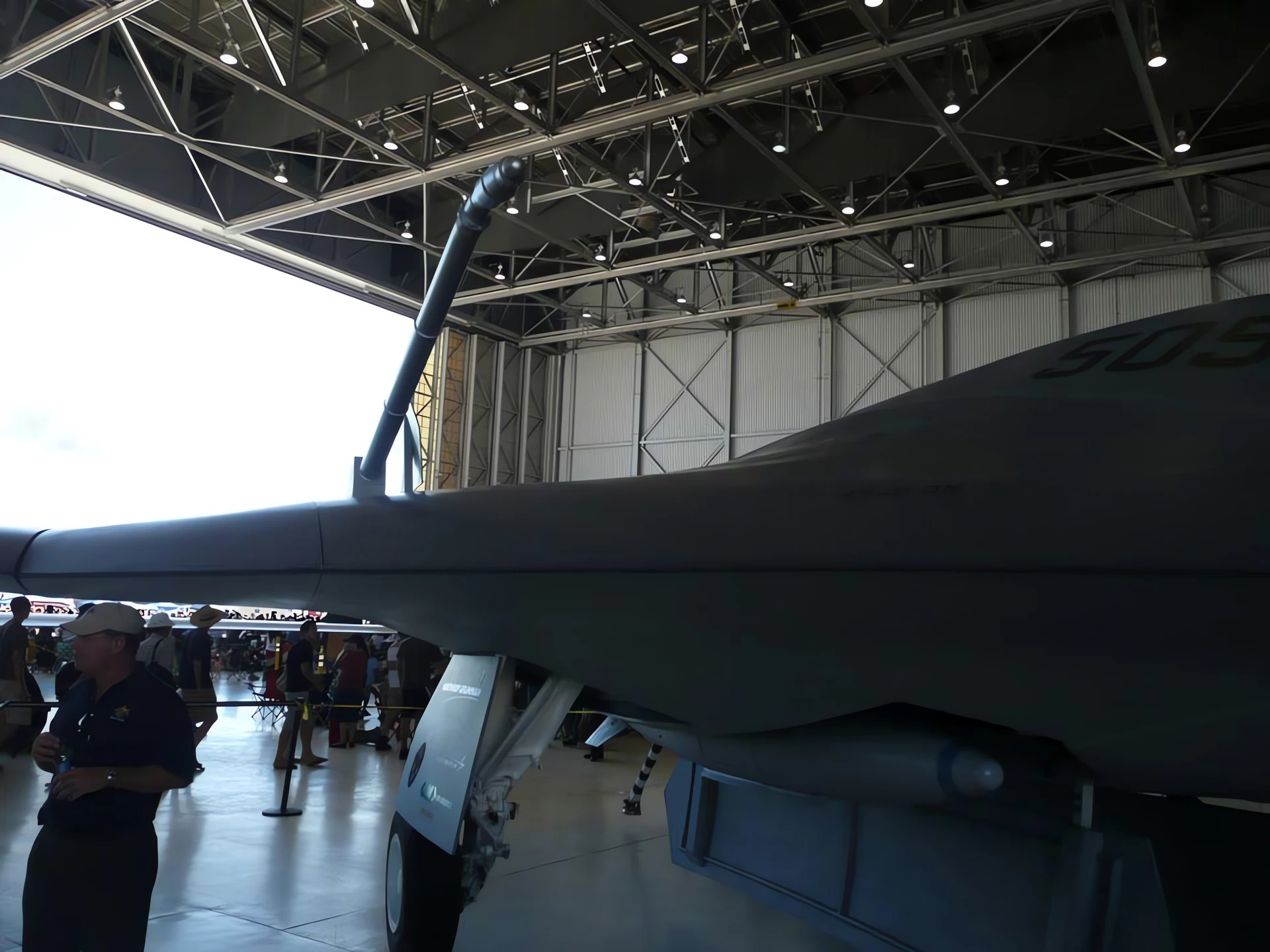
| Northrop Grumman X-47B UCAS-D procházka | |
|---|---|
| Fotograf | Vladimir Jakubov |
| Lokalizace | Edwards Air Force Base Air Show |
| Fotografie | 51 |

Viz také:


General Characteristics and Role
The Northrop Grumman X-47B was an experimental, tailless, stealth-optimized jet aircraft developed under the U.S. Navy’s Unmanned Combat Air System Demonstration (UCAS-D) program. Its primary role was to demonstrate the feasibility of operating an autonomous, high-endurance, fixed-wing aircraft from an aircraft carrier. The X-47B pioneered several critical naval aviation technologies, including autonomous catapult launch, arrested recovery, and autonomous aerial refueling, proving that uncrewed, large-scale systems could fully integrate into carrier operations. Its design is characterized by its distinct “flying wing” shape, which minimizes radar visibility.
| Property | Typical Value (X-47B Demonstrator) |
|---|---|
| Roli | Experimental Autonomous Carrier-Based UCAV |
| National Origin | Spojené státy americké |
| Výrobce | Northrop Grumman |
| First Flight | 3 February 2011 |
| Posádky | 0 (Autonomous or Ground-Controlled) |
| Délka | 11.63 m (38 ft 2 in) |
| Wingspan (Unfolded) | 18.92 m (62 ft 1 in) |
| Wingspan (Folded) | 9.41 m (30 ft 10 in) |
| Maximum Takeoff Weight | Approx. 20,000 kg (44,000 lb) |
Powerplant and Carrier Capabilities
- Engine: 1 x Pratt & Whitney F100-PW-220U turbofan engine.
- Key Carrier Milestones: In July 2013, the X-47B completed the world’s first autonomous arrested landing on the deck of an aircraft carrier (USS George H.W. Bush). It later demonstrated autonomous catapult launch and in 2015, completed the first autonomous aerial refueling with a KC-707 tanker.
- Stealth Features: The tailless configuration and the placement of the engine inlet atop the fuselage contribute to its very low observable (VLO) stealth characteristics.
- Endurance: The platform was designed for very long endurance, potentially allowing for orbit times far exceeding those of crewed fighters.
- Weapons Bay: The airframe included two internal weapons bays, capable of carrying approximately 2,000 kg (4,500 lb) of ordnance.
Program Outcome and Legacy
- Success: The UCAS-D program was highly successful, validating every key technology required for a large, unmanned, stealthy platform to operate seamlessly within a carrier air wing.
- Retirement: The program concluded in 2015, as its goal was technology demonstration, not production. The Navy opted to use the lessons learned to pursue the Carrier-Based Air Refueling System (CBARS) program, which evolved into the MQ-25 Stingray.
- Influence: The X-47B’s autonomous capabilities and aerodynamic design are considered foundational for the development of the next generation of U.S. Navy and Air Force unmanned platforms.
- Preservation: The two X-47B airframes are now preserved: one is at Naval Air Station Patuxent River, Maryland, and the other is at the Intrepid Sea, Air & Space Museum in New York City.
Počet zobrazení: 1705
Můžete také vidět:
 Northrop Gamma - Fotografie a videa
 Northrop JB-1 Bat – Fotografie a videa
 Northrop X-4 Bantam – Fotografie & Videa
 Northrop Alpha - Fotografie a video
 Northrop YF-17 Cobra – Fotografie a video
 Northrop Grumman EA-6B Prowler – Fotografie & Video
 Northrop A-17A – Fotografie & Video
 Grumman HU-16 Albatross – Fotografie & Video
 Grumman F-14 Tomcat - WalkAround
 Grumman FM-2 Wildcat – WalkAround