Northrop Grumman X-47B | |
|---|---|
| 国家 | 美国 |
| 作用 | 无人战斗航空器 |
| 首次飞行 | 2011年2月4日 |
| 建立 | 2 |
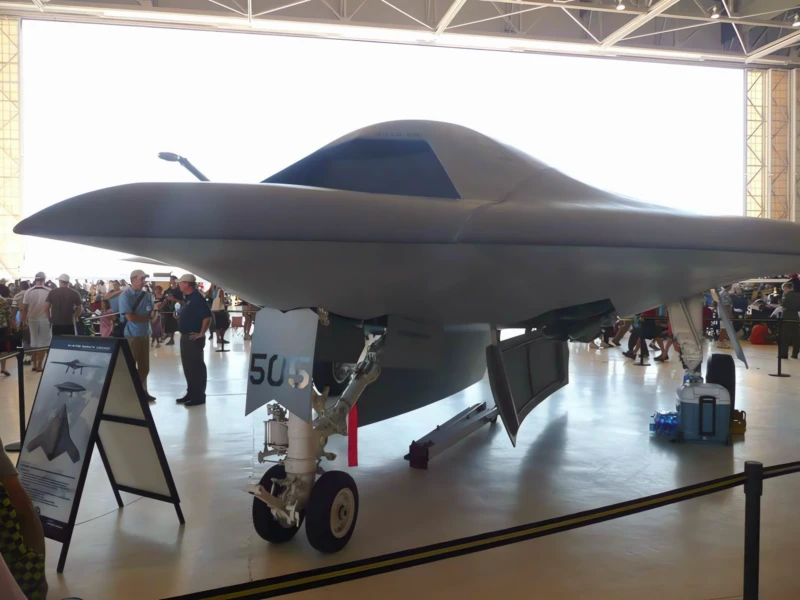
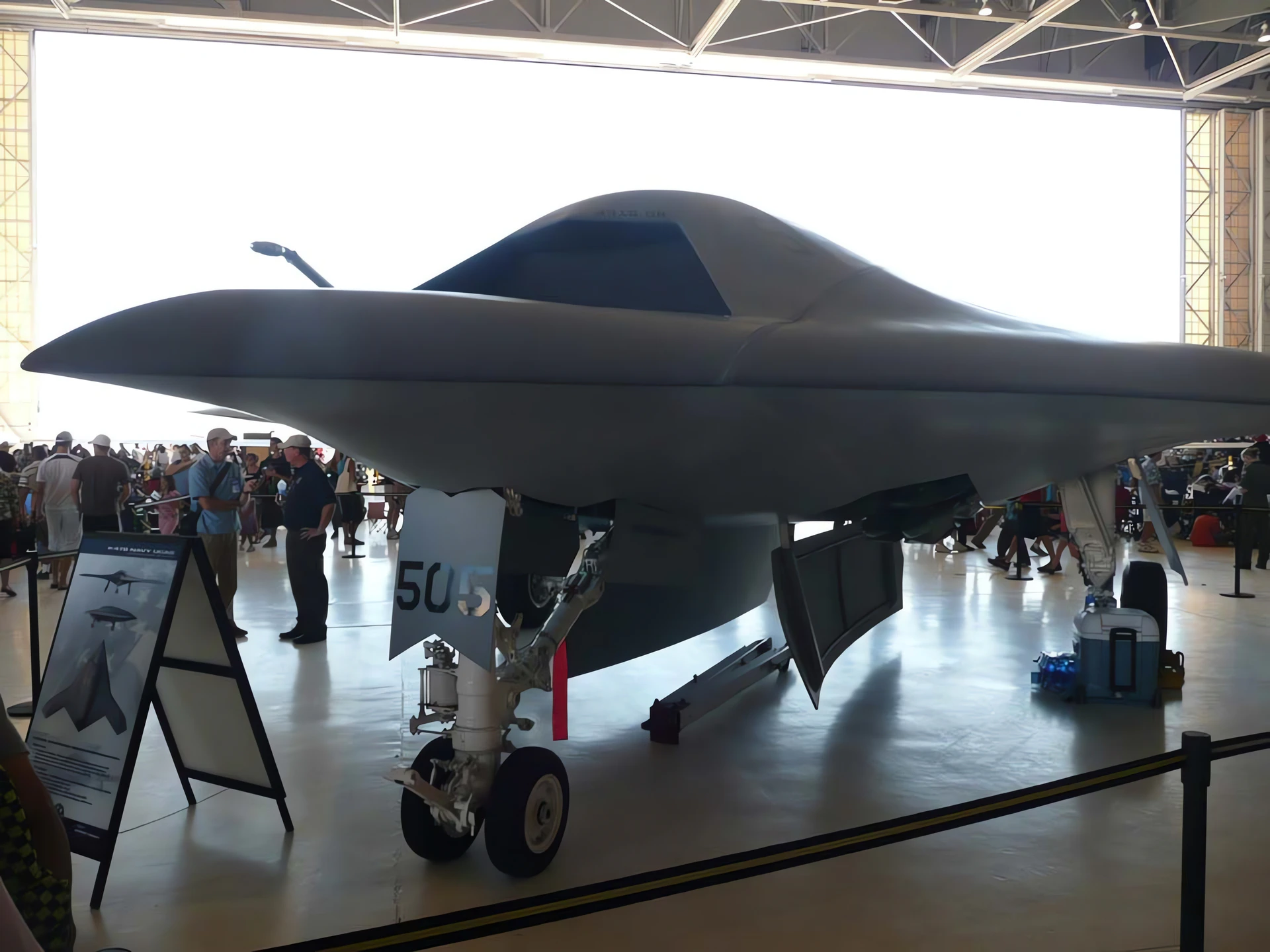
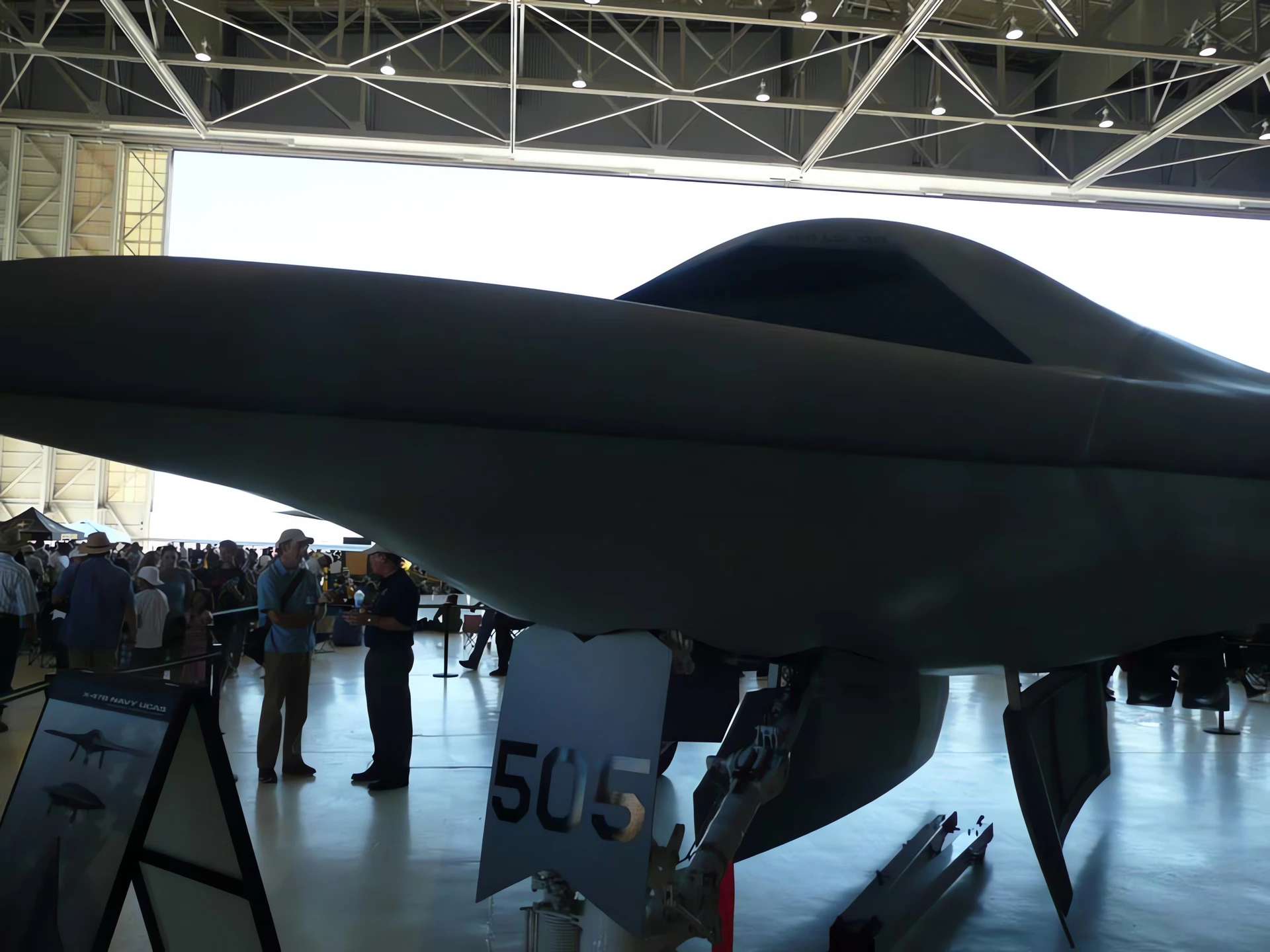
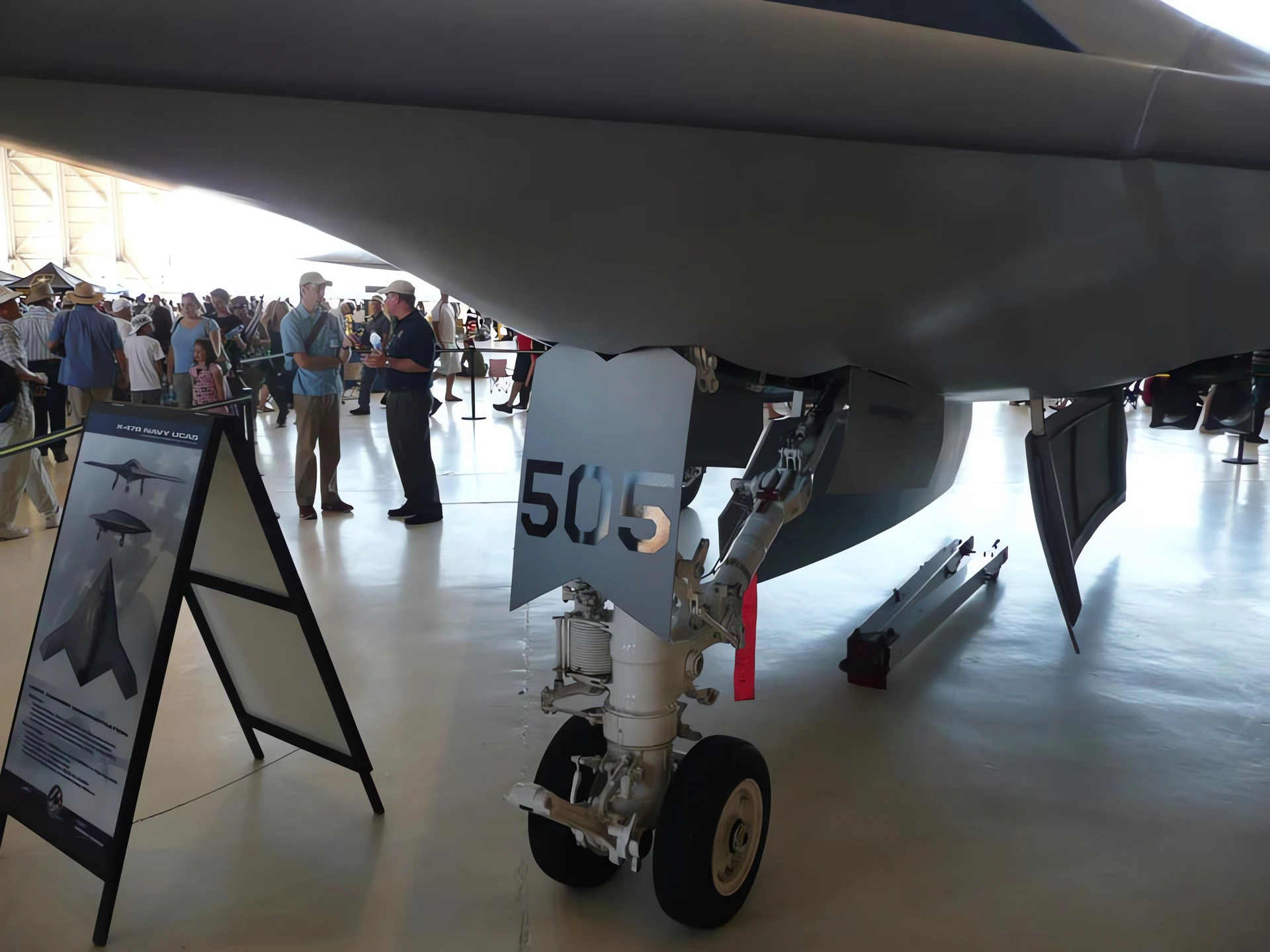
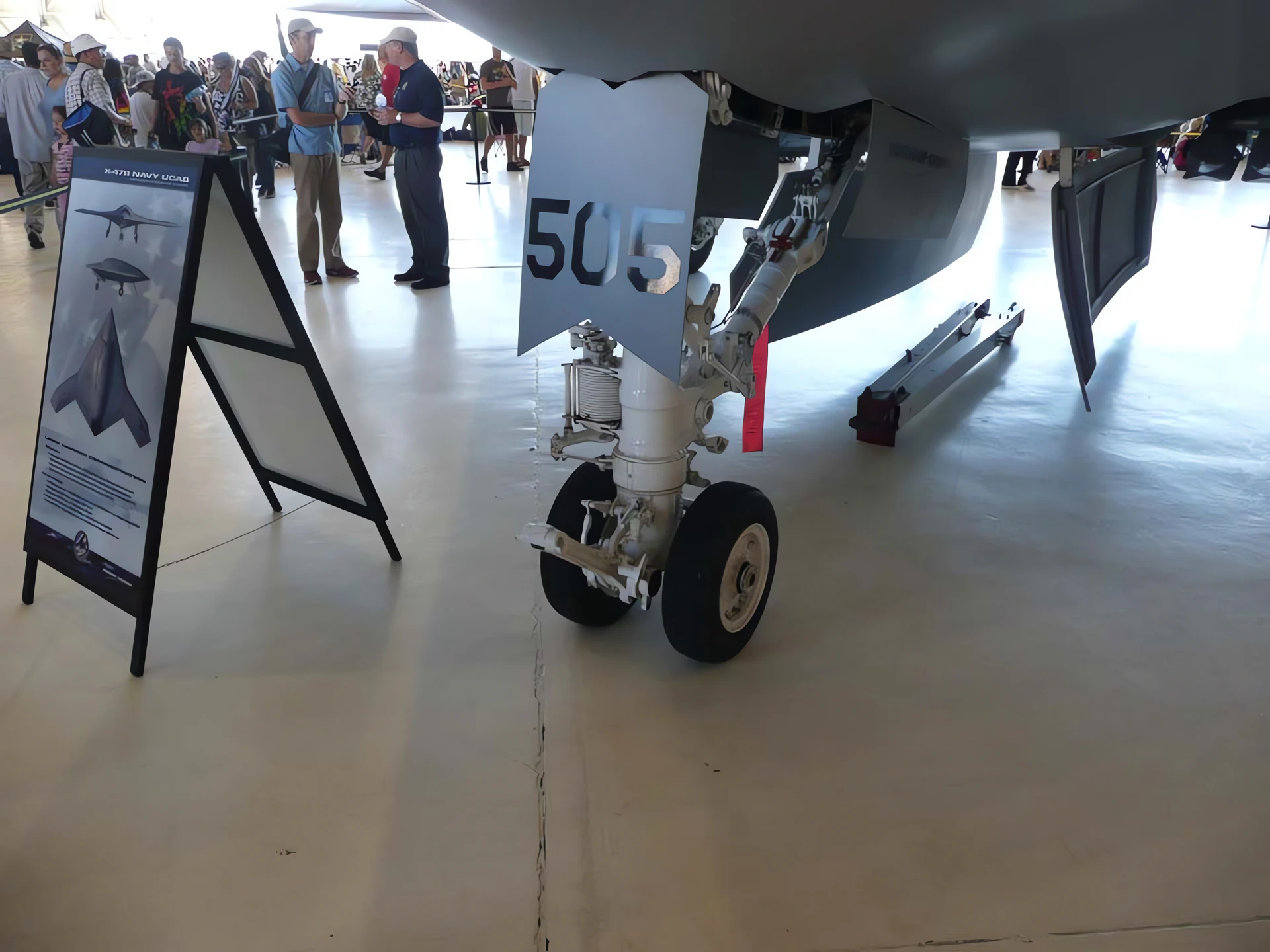
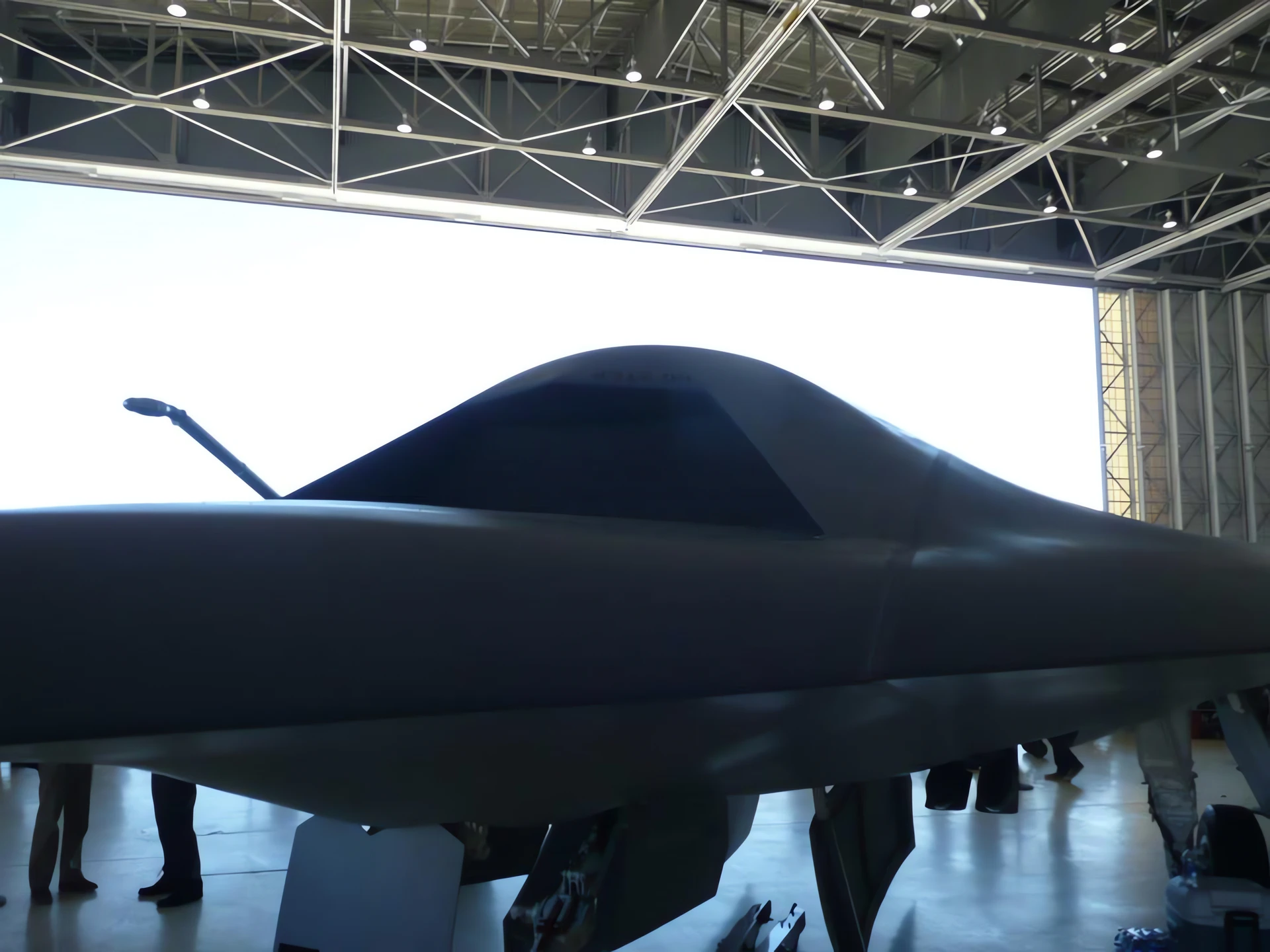
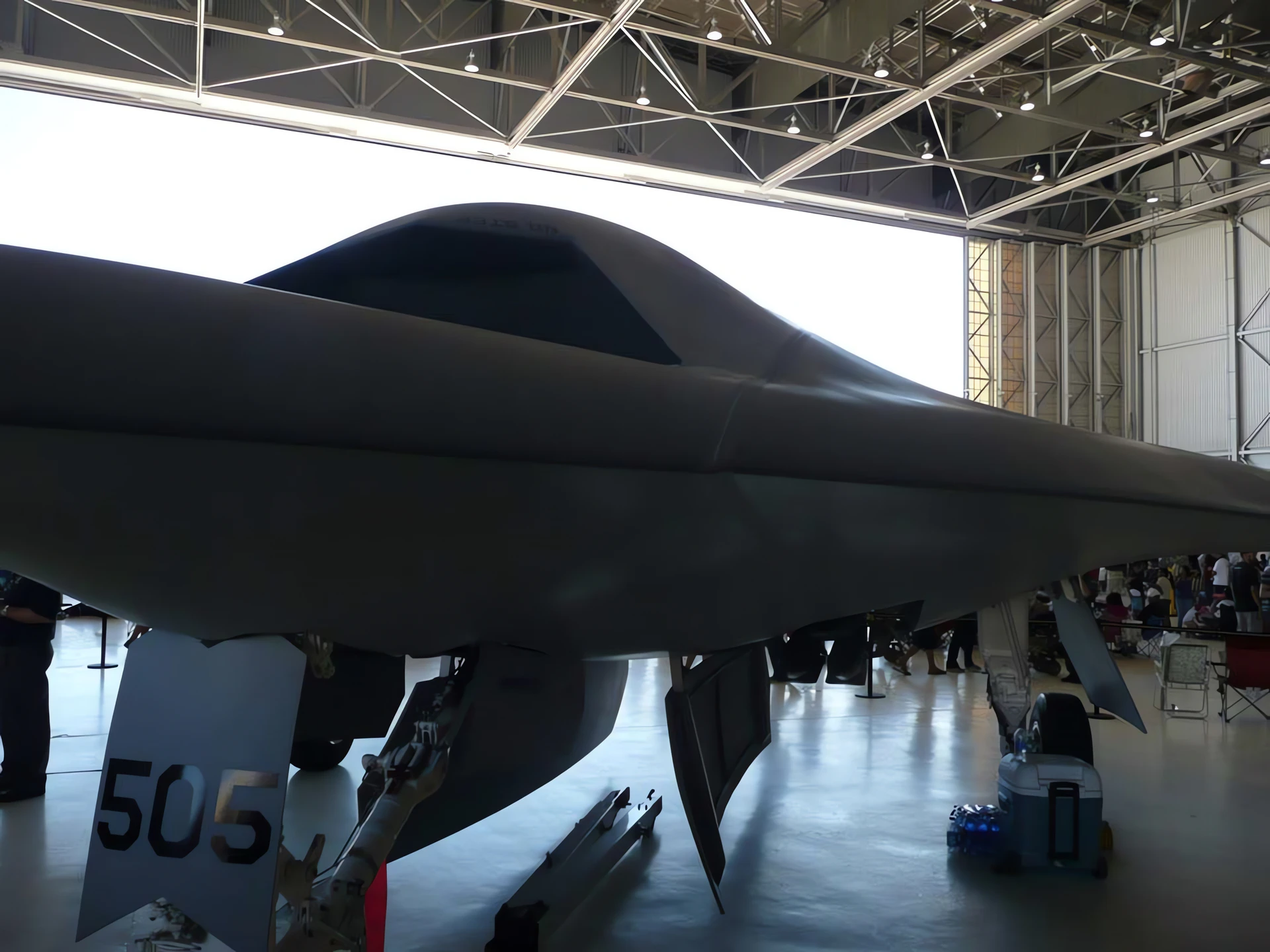
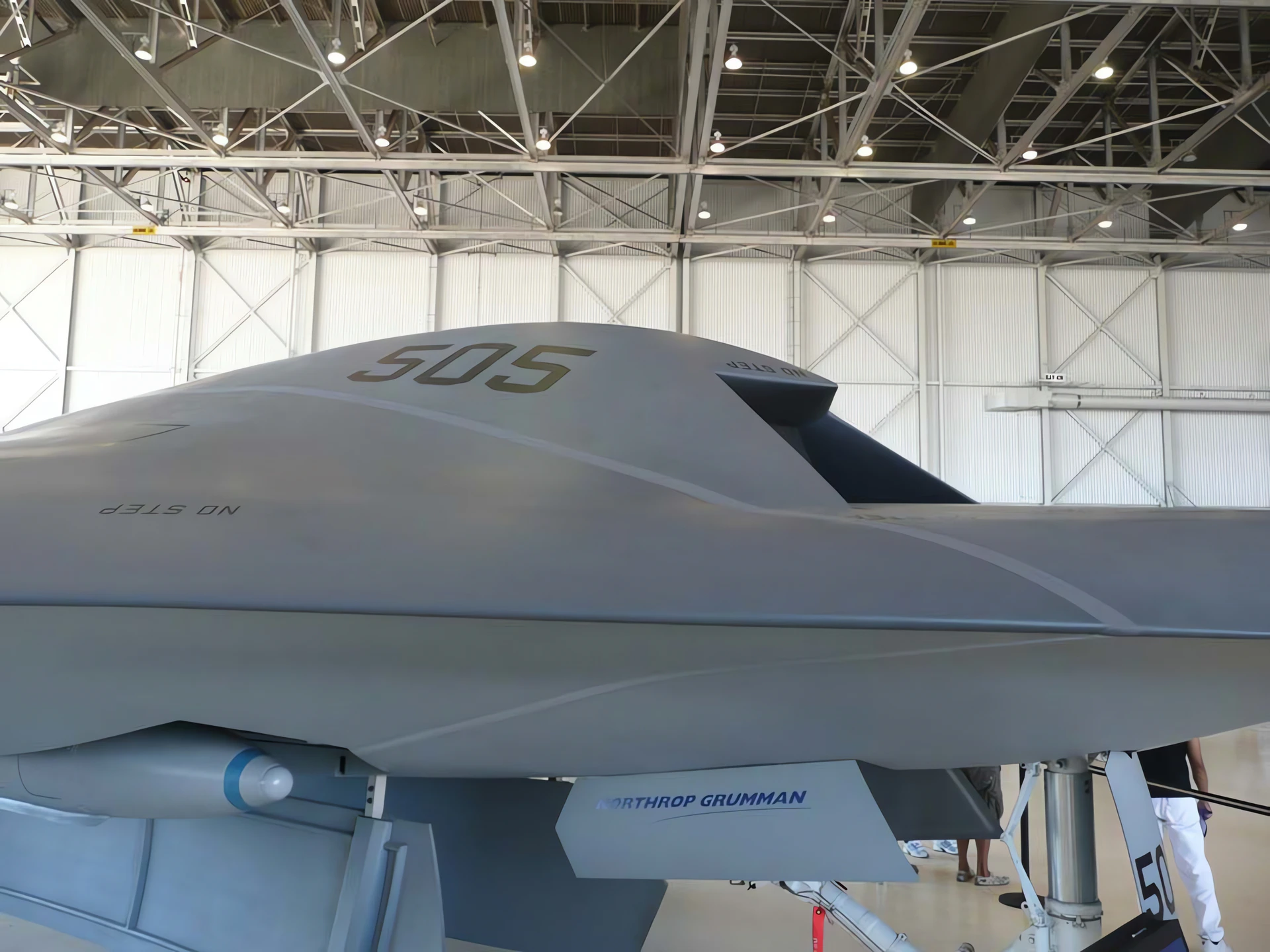
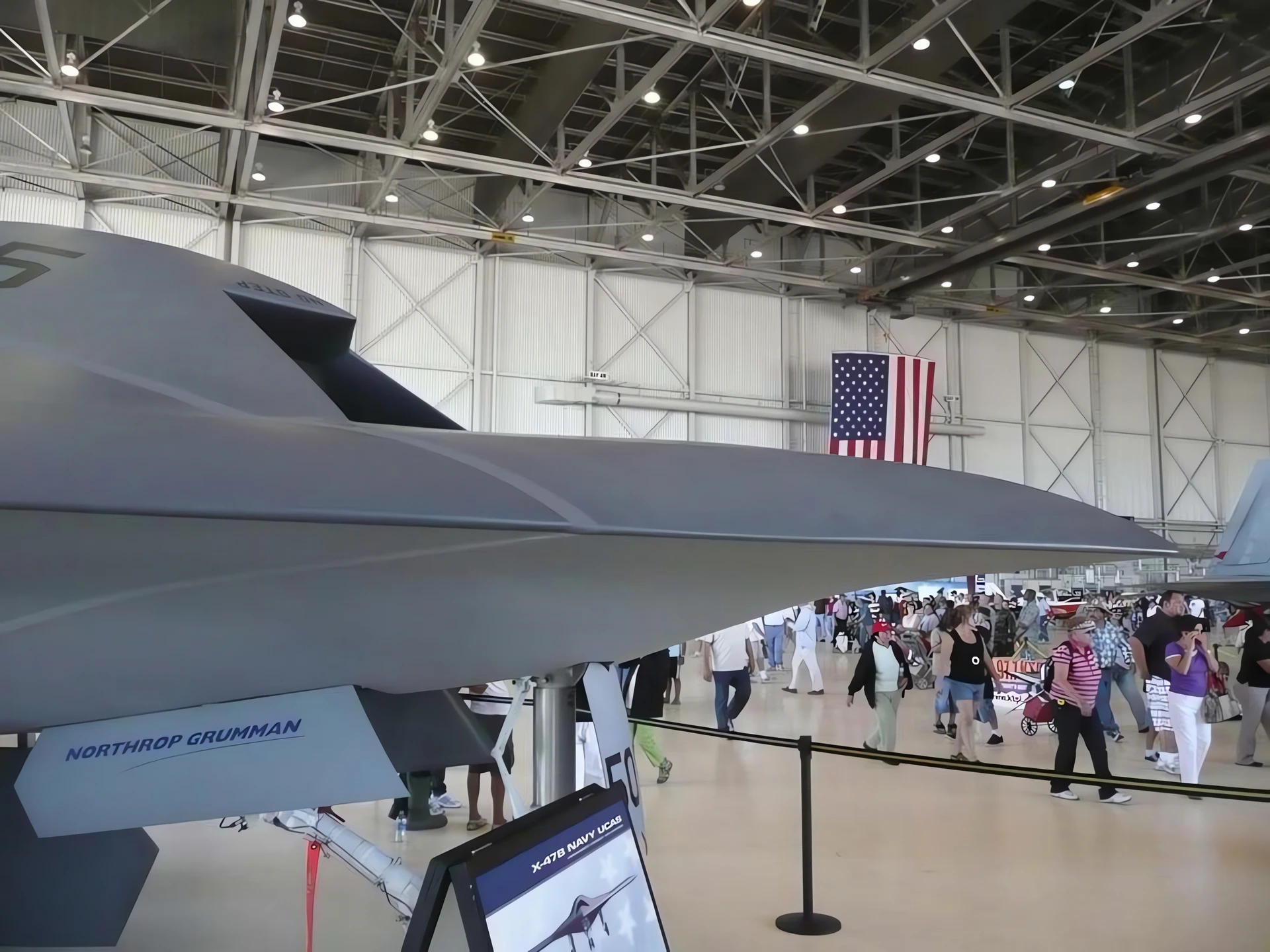
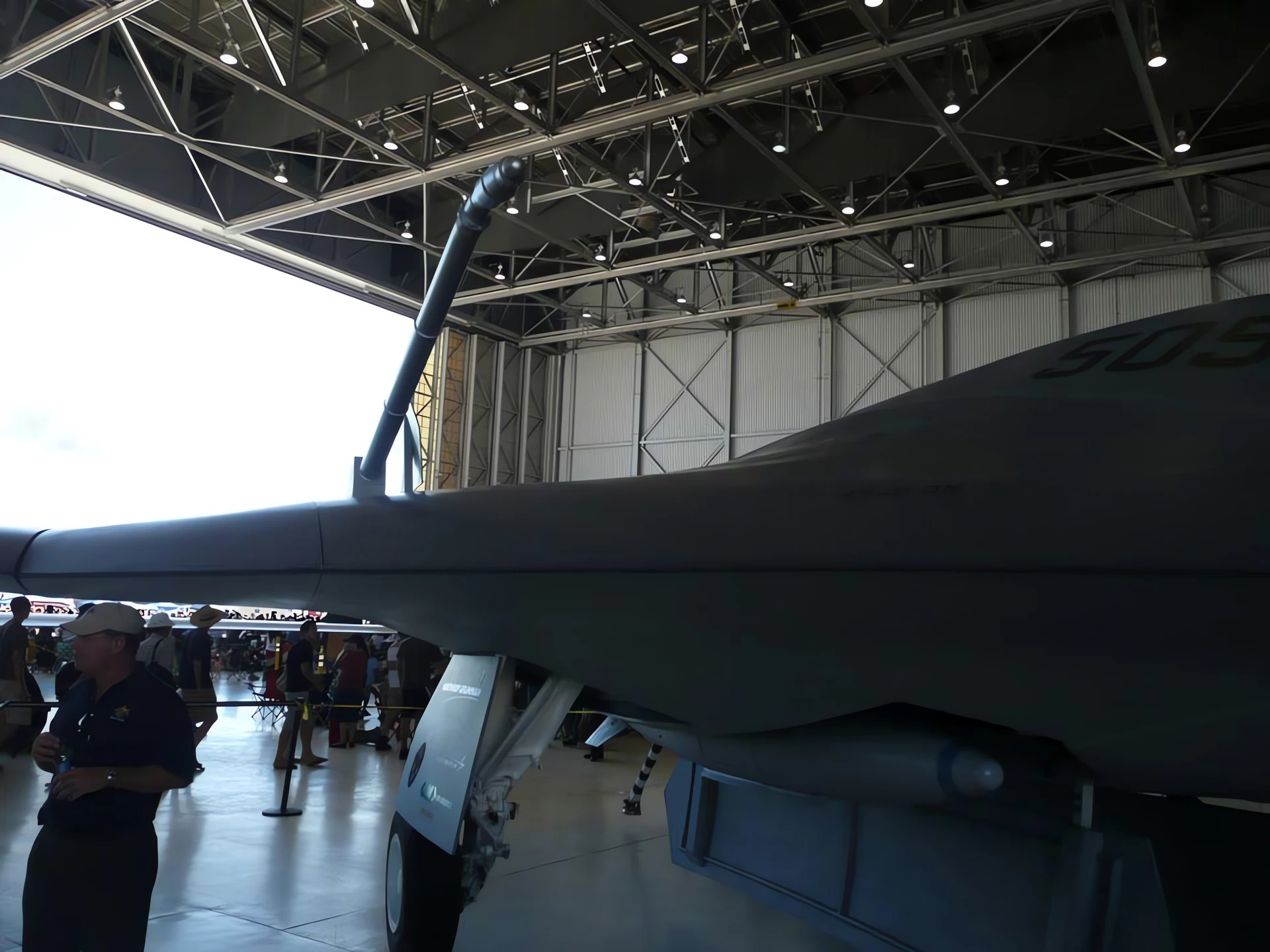
这 诺斯罗普·格鲁曼X-47B 是一种演示型无人作战航空器(UCAV),专为航空母舰作战而设计。X-47项目由美国国防技术公司诺斯罗普·格鲁曼公司开发,最初是DARPA的J-UCAS计划的一部分,后来成为美国海军无人作战航空系统演示(UCAS-D)计划的一部分。X-47B是一种无尾喷气动力混合翼体飞机,能够半自主操作和空中加油。
| 诺斯罗普· 格鲁曼 X - 47b Ucas - d 四处走动 | |
|---|---|
| 摄影师 | 弗拉基米尔·亚库博夫 |
| 本地化 | 爱德华兹空军基地航空展 |
| 照片 | 51 |

另请参阅:


General Characteristics and Role
The Northrop Grumman X-47B was an experimental, tailless, stealth-optimized jet aircraft developed under the U.S. Navy’s Unmanned Combat Air System Demonstration (UCAS-D) program. Its primary role was to demonstrate the feasibility of operating an autonomous, high-endurance, fixed-wing aircraft from an aircraft carrier. The X-47B pioneered several critical naval aviation technologies, including autonomous catapult launch, arrested recovery, and autonomous aerial refueling, proving that uncrewed, large-scale systems could fully integrate into carrier operations. Its design is characterized by its distinct “flying wing” shape, which minimizes radar visibility.
| Property | Typical Value (X-47B Demonstrator) |
|---|---|
| 作用 | Experimental Autonomous Carrier-Based UCAV |
| National Origin | 美国 |
| 制造商 | Northrop Grumman |
| First Flight | 3 February 2011 |
| 船员 | 0 (Autonomous or Ground-Controlled) |
| 长度 | 11.63 m (38 ft 2 in) |
| Wingspan (Unfolded) | 18.92 m (62 ft 1 in) |
| Wingspan (Folded) | 9.41 m (30 ft 10 in) |
| Maximum Takeoff Weight | Approx. 20,000 kg (44,000 lb) |
Powerplant and Carrier Capabilities
- Engine: 1 x Pratt & Whitney F100-PW-220U turbofan engine.
- Key Carrier Milestones: In July 2013, the X-47B completed the world’s first autonomous arrested landing on the deck of an aircraft carrier (USS George H.W. Bush). It later demonstrated autonomous catapult launch and in 2015, completed the first autonomous aerial refueling with a KC-707 tanker.
- Stealth Features: The tailless configuration and the placement of the engine inlet atop the fuselage contribute to its very low observable (VLO) stealth characteristics.
- Endurance: The platform was designed for very long endurance, potentially allowing for orbit times far exceeding those of crewed fighters.
- Weapons Bay: The airframe included two internal weapons bays, capable of carrying approximately 2,000 kg (4,500 lb) of ordnance.
Program Outcome and Legacy
- Success: The UCAS-D program was highly successful, validating every key technology required for a large, unmanned, stealthy platform to operate seamlessly within a carrier air wing.
- Retirement: The program concluded in 2015, as its goal was technology demonstration, not production. The Navy opted to use the lessons learned to pursue the Carrier-Based Air Refueling System (CBARS) program, which evolved into the MQ-25 Stingray.
- Influence: The X-47B’s autonomous capabilities and aerodynamic design are considered foundational for the development of the next generation of U.S. Navy and Air Force unmanned platforms.
- Preservation: The two X-47B airframes are now preserved: one is at Naval Air Station Patuxent River, Maryland, and the other is at the Intrepid Sea, Air & Space Museum in New York City.
视图: 1622